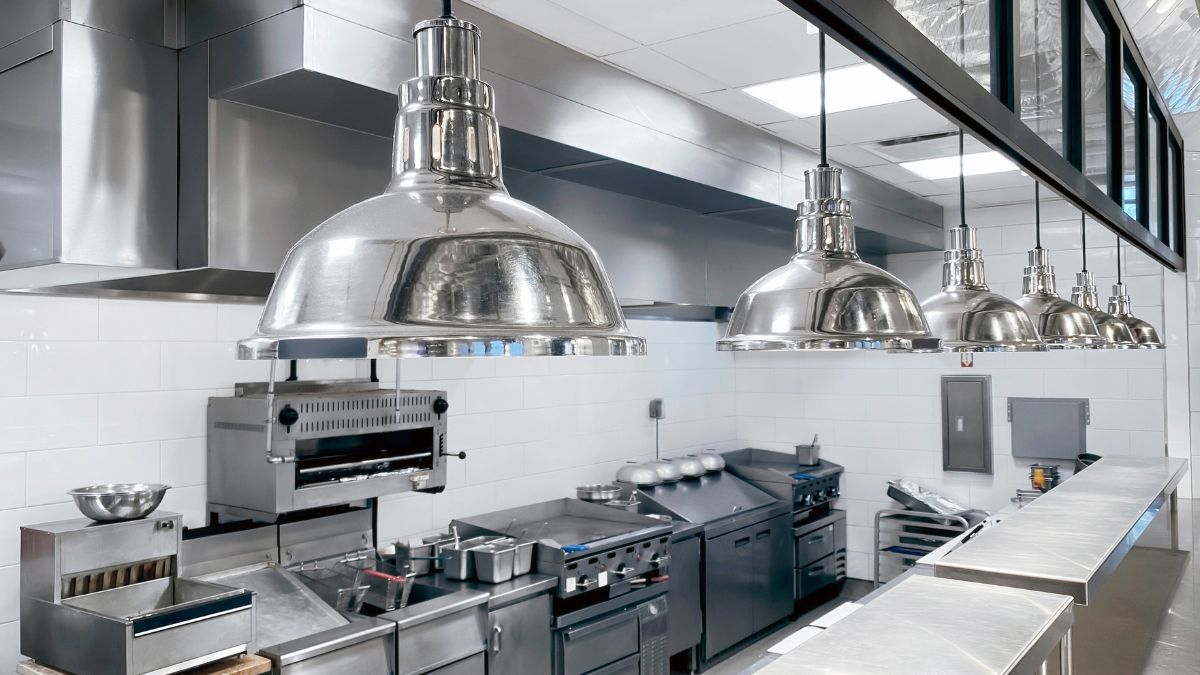
Food safety researchers, health department inspectors, culinary school educators, and former restaurant industry professionals have collectively documented a closing-time kitchen culture that diverges dramatically from the food safety standards displayed during peak service hours, creating a parallel operational reality that most diners would find profoundly disturbing if they could observe it directly. The combination of physical exhaustion, reduced management oversight, the psychological release of approaching shift end, and the pragmatic economics of minimizing waste creates conditions in which the standards that govern daytime and evening service are systematically relaxed in ways that have direct implications for the safety and quality of food served during the final hours of service and sometimes into the following day’s first service period. The following practices have been documented through health department inspection records, food safety research, industry whistleblower accounts, and the professional observations of culinary educators who have worked across multiple kitchen environments.
Leftover Repurposing
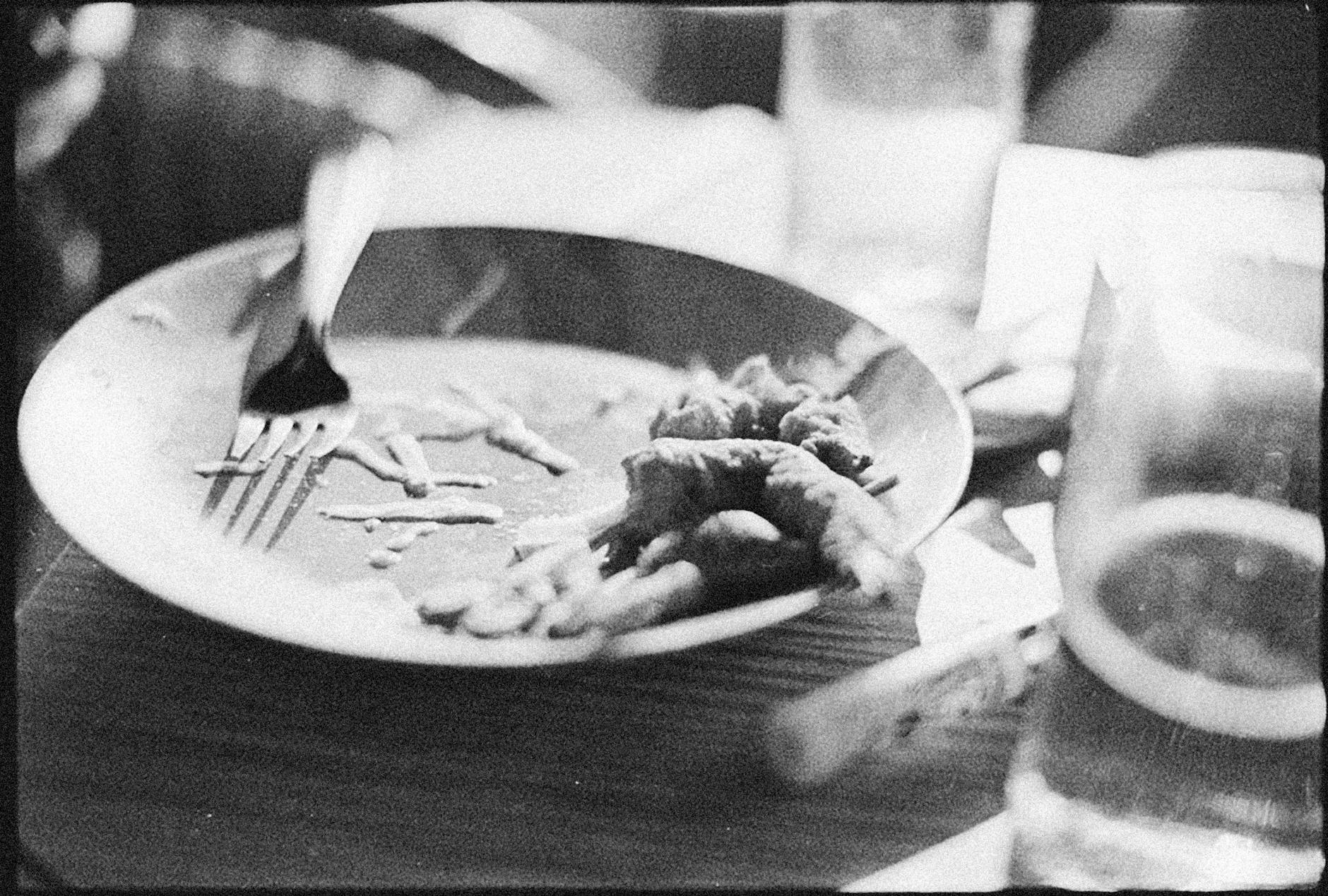
The systematic transfer of unsold prepared food items from the end of one service period into storage containers destined for presentation as freshly prepared dishes during the following day’s service is a kitchen closing practice that food safety researchers identify as one of the most widespread and consistently underreported forms of food date misrepresentation in the restaurant industry. The economic logic driving leftover repurposing is straightforward and powerful, since prepared food that has already incurred labor and ingredient costs represents a sunk investment whose recovery through next-day sale is significantly more financially attractive than its disposal at closing time. Health department inspection records across multiple jurisdictions consistently document the absence of accurate date labeling on storage containers as one of the most common violations found during unannounced inspection visits, a finding whose frequency suggests that undated storage is a standard rather than exceptional closing practice in a significant proportion of commercial kitchens. The customer who orders a supposedly freshly prepared soup, sauce, or braised dish during the first hour of the following day’s lunch service may be consuming a product whose preparation occurred more than eighteen hours earlier under conditions whose temperature management history is unknown.
Drain Neglect
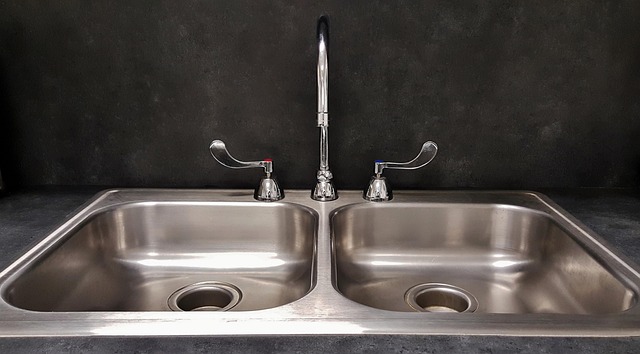
The floor drains of a commercial kitchen accumulate a biological material profile during service that food safety microbiologists describe as one of the most concentrated sources of foodborne pathogen colonization in the entire food service environment, and their cleaning at closing time is a task whose thoroughness varies so dramatically between establishments that health inspectors have developed specific drain assessment protocols as a standard component of unannounced inspection visits. The combination of food particle accumulation, standing moisture, ambient kitchen warmth, and the organic nutrient richness of the drain environment creates optimal conditions for the growth of Listeria monocytogenes, Salmonella species, and Campylobacter that food safety researchers have documented through systematic drain swab sampling across commercial kitchen environments. Closing time drain neglect, which ranges from a superficial hot water flush to complete omission of any drain maintenance, leaves these microbial communities undisturbed and actively growing through the overnight period to recontaminate the kitchen floor environment that food service staff walk through during the following morning’s preparation. Environmental microbiologists who have conducted kitchen hygiene research note that floor drain bacterial loads in poorly maintained commercial kitchen environments exceed those of toilet surfaces in the same establishment by margins that most food service workers find genuinely surprising when presented with the data.
Temperature Abuse
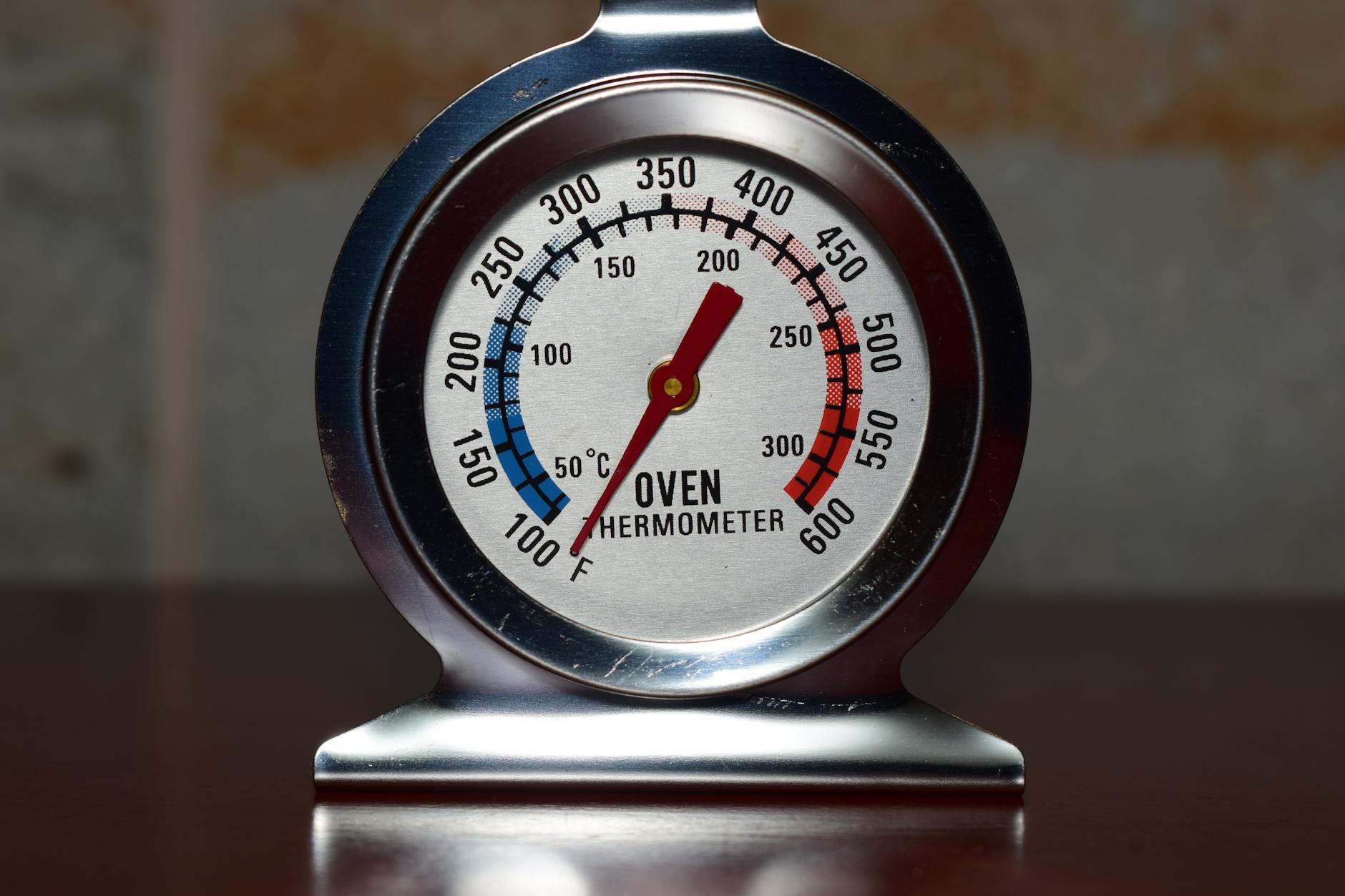
The deliberate or negligent holding of prepared foods at temperatures within the bacterial growth danger zone during the closing period, either because refrigeration capacity is being used for tomorrow’s prep rather than tonight’s service remainder, because monitoring has become perfunctory as the shift end approaches, or because the physical and cognitive fatigue of a full service has reduced staff vigilance, is a food safety failure that epidemiologists who investigate foodborne illness outbreaks identify as one of the most common contributing factors in restaurant-associated illness events. The two-hour rule that governs safe food handling specifies that prepared foods held between 40 and 140 degrees Fahrenheit for more than two hours have entered a bacterial multiplication window whose cumulative effect depends on the specific pathogens present but whose risk profile escalates significantly with each additional thirty minutes of exposure. Restaurant food safety researchers who have conducted covert temperature monitoring in commercial kitchen environments report that the gap between the food temperature management practices observed during active service and those practiced during the closing period is among the most striking findings in their field research. The customer who becomes ill after a late-evening restaurant visit may be experiencing the consequence of temperature abuse that began not during the preparation of their specific dish but during the management of the kitchen environment in the hours leading up to their arrival.
Ice Machine Neglect

The interior surfaces of commercial ice machines accumulate biological film communities that food safety microbiologists have characterized as among the most consistently contaminated surfaces in the food service environment, and their cleaning at closing time is a maintenance task that industry surveys suggest is performed with adequate frequency and thoroughness in a minority of commercial food service establishments. Ice machine biofilm communities include bacterial species, yeast, and mold organisms whose presence in the ice consumed directly by customers or used in beverage preparation represents a direct oral ingestion route for microorganisms from one of the most neglected surfaces in the kitchen. Health department inspection data consistently identifies ice machine contamination as a violation present in a disproportionate percentage of inspected establishments relative to the apparent simplicity of the maintenance required, suggesting a systematic pattern of avoidance rather than an occasional oversight. The closing time culture that treats ice machine cleaning as a low-priority optional task rather than a non-negotiable maintenance requirement reflects an industry-wide underestimation of the public health significance of contaminated ice as a foodborne illness vector that food safety educators have been attempting to correct for decades without achieving the practice change their research warrants.
Cutting Board Stacking

The practice of stacking unwashed or insufficiently sanitized cutting boards during the closing period rather than washing, sanitizing, and storing them individually in a manner that allows complete drying is a food contact surface management failure that food safety microbiologists identify as creating ideal conditions for cross-contamination and pathogen survival between service periods. Stacked cutting boards create moisture-retaining interfaces between surfaces that prevent the drying that is one of the most effective passive pathogen reduction mechanisms available in food preparation environments, and the physical contact between surfaces means that any biological contamination present on one board is transferred to all adjacent surfaces in the stack. Commercial kitchen cutting board hygiene research has documented the survival of Salmonella, Listeria, and E. coli O157:H7 on inadequately sanitized cutting board surfaces through overnight periods at room temperature in conditions that stacking specifically creates and maintains. The closing time culture that treats cutting board management as a volume-stacking problem rather than a surface sanitation protocol creates a food contact surface recontamination reservoir that the following morning’s first-service preparation uses without recognizing the biological history embedded in the surfaces it is working on.
Handwashing Collapse
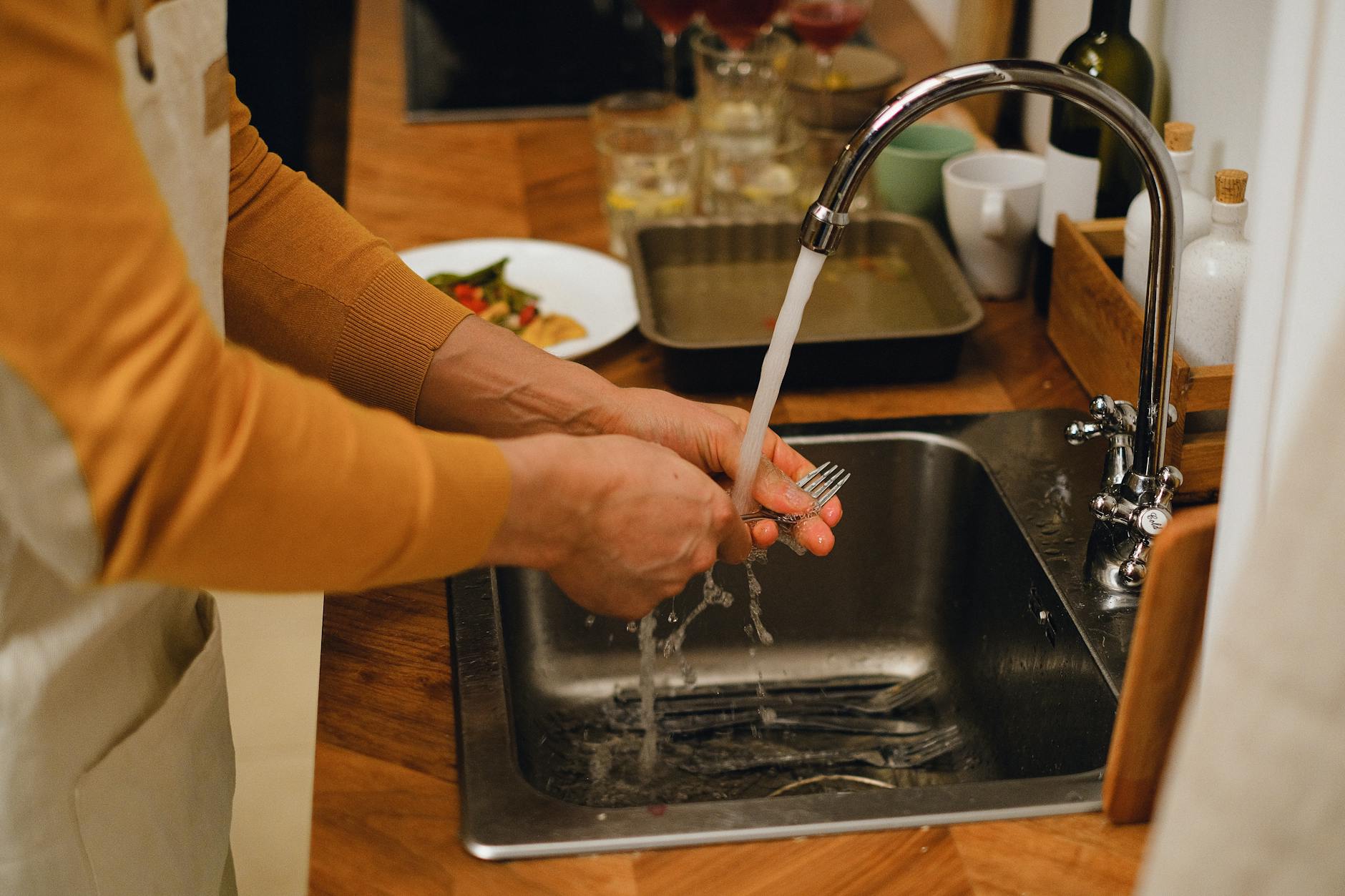
The frequency and thoroughness of staff handwashing during the closing period drops to levels that food safety researchers who have used observational research methodologies in commercial kitchen environments describe as approaching complete cessation in some establishments, reflecting a closing time culture in which the personal hygiene practices that are most fundamental to food safety are the first to be sacrificed to the fatigue and distraction of shift-end operations. Handwashing compliance research in commercial food service environments consistently finds that compliance rates during busy service periods, while lower than food safety standards require, are significantly higher than those observed during pre-opening preparation and post-closing breakdown periods when management observation is reduced and the social accountability that peer visibility provides during service is absent. The hands of closing kitchen staff who are simultaneously handling food, managing waste, cleaning surfaces, and preparing storage containers for tomorrow’s service represent a cross-contamination pathway between the food environment and the waste and cleaning environment that handwashing is specifically designed to interrupt, and its absence during the closing period removes the primary control measure for this route of contamination. Food safety trainers who conduct kitchen observation as part of their assessment methodology note that the closing period handwashing collapse is one of the most consistent findings across establishment types and appears to reflect a cultural norm around closing procedures rather than individual lapses in food safety knowledge.
Pest Encounters

The closing hours of commercial kitchen operations represent the period of highest pest activity in food service environments because the reduction in staff presence, ambient noise, and disruptive activity that accompanies the closing sequence creates conditions that insects, rodents, and other pest species have learned to associate with safe foraging opportunities in environments where their normal deterrents have been removed. Pest control researchers who have conducted after-hours monitoring in commercial kitchen environments using remote sensing technology document pest activity levels during the closing and overnight period that significantly exceed what staff who are present during service observe, creating a systematic gap in kitchen occupants’ understanding of the pest pressure their establishment actually experiences. The food debris, moisture, and warmth that characterize the closing kitchen environment before final cleaning is completed represent an optimal resource environment for pest species that are specifically adapted to exploit human food preparation spaces, and their contact with food contact surfaces, stored ingredients, and preparation equipment during the period between closing and the completion of thorough cleaning creates contamination events that the following morning’s first service preparation activities then distribute through the kitchen environment. Health department inspection records that document pest evidence findings in commercial kitchens overwhelmingly identify signs concentrated in areas that receive the least thorough attention during closing cleaning procedures.
Mop Water Reuse

The use of the same mop water for multiple floor cleaning passes throughout the closing procedure, rather than changing the water as it becomes contaminated with the biological and chemical material accumulated from successive mopping passes, is a closing hygiene practice that environmental microbiologists characterize as distributing rather than removing the biological contamination present on kitchen floors, effectively spreading a progressively more concentrated bacterial suspension across the entire floor surface with each successive pass. The microbial load of mop water increases exponentially with each floor cleaning pass as bacterial cells from the floor surface are transferred into the bucket solution, where they multiply in the warm, nutrient-rich environment of the contaminated mop water during the period between passes. Research conducted by food safety microbiologists who have sampled mop water at successive stages of a commercial kitchen cleaning procedure has demonstrated that the mop water used for later passes in a single cleaning session contains bacterial populations orders of magnitude higher than those present in the initial cleaning solution, effectively applying a bacterial culture to the floor surface rather than cleaning it. The kitchen floor cleaned with repeatedly reused mop water is microbiologically worse after cleaning than before it began, a finding that food safety educators use as a centerpiece demonstration in food service hygiene training programs because its counterintuitive nature makes it effectively memorable.
Food Tasting Protocols
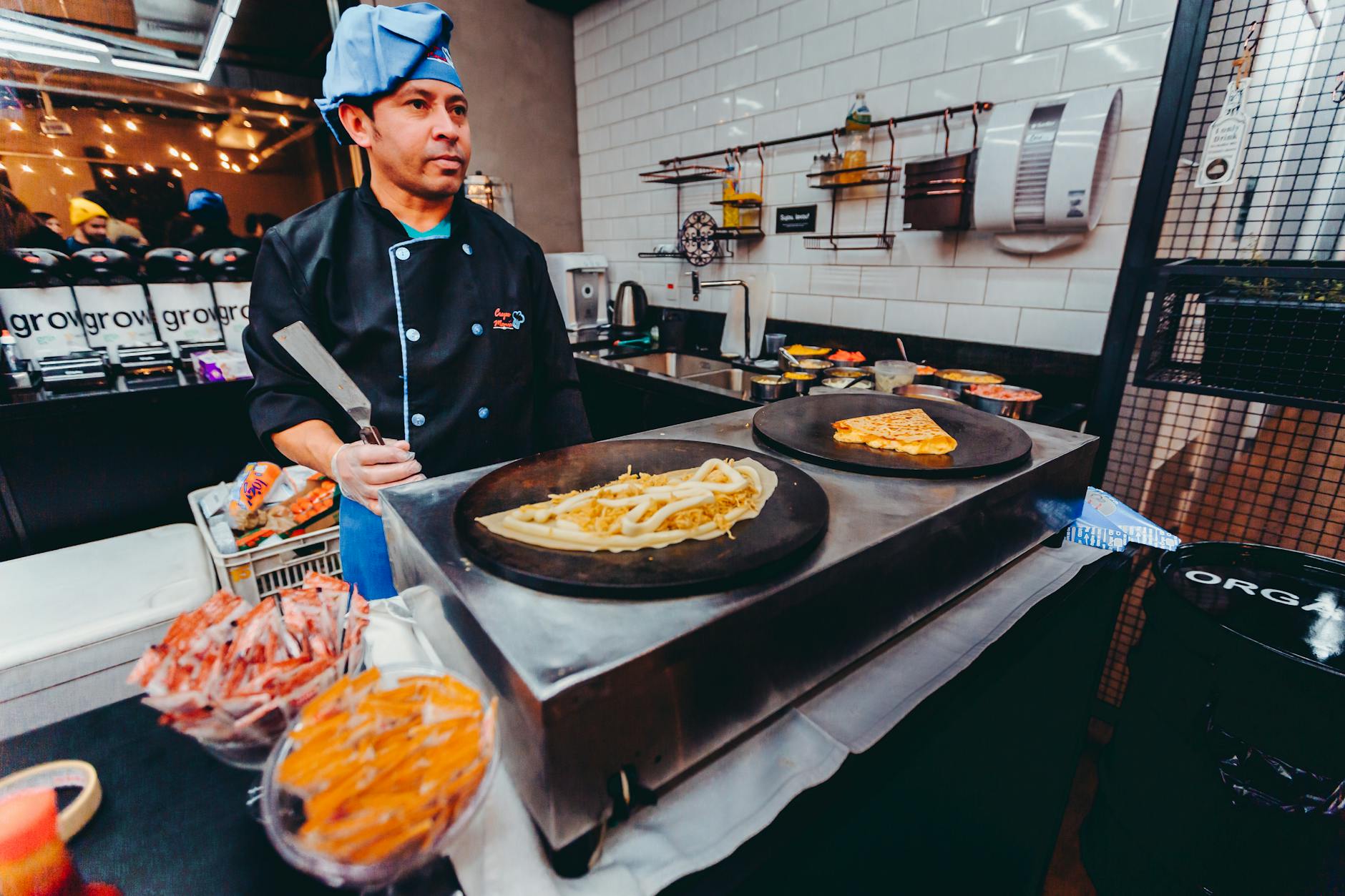
The informal food tasting practices that occur during the closing period, when remaining prepared dishes are assessed for quality, tested by multiple staff members using shared utensils or direct container sampling, and informally shared among the closing team as an end-of-shift meal, represent a food handling hygiene failure that food safety researchers identify as creating direct oral-to-food contamination routes through the shared utensil and communal sampling practices that fatigue and social informality make standard in closing kitchen culture. The double-dipping, shared spoon, and direct finger-to-food contact patterns that characterize informal closing-period food tasting create a microbial sharing network among staff members whose oral flora, respiratory pathogens, and hand surface bacteria are pooled into shared food items through a series of contact events that standard service hygiene protocols are specifically designed to prevent. Norovirus transmission research in food service environments has documented the amplification of infection through exactly these kinds of shared-utensil and communal food contact scenarios, and the closing period’s informal social atmosphere provides the combination of reduced oversight and heightened social cohesion that makes these contact patterns feel natural rather than hazardous to the staff participating in them. Customers who order the same dish that was the subject of communal staff tasting an hour earlier are consuming food whose microbial exposure history includes the oral contributions of every staff member who participated in the informal tasting session.
Grease Trap Overflow

The grease traps and interceptors that capture the fat, oil, and grease generated during cooking service accumulate to capacity at a rate that varies with kitchen volume but that consistently exceeds the cleaning frequency maintained by a significant proportion of commercial food service establishments, creating a closing-time overflow condition in which excess grease bypasses the trap capacity and enters the drain system in quantities that produce persistent odor, drain blockage, and biological activity that migrates back into the kitchen environment through drain connections. Environmental health researchers who study commercial kitchen waste management note that overflowing grease traps generate a characteristic rancid fat odor that permeates the kitchen and adjacent areas and that the biological activity in grease trap overflow material includes microbial communities whose composition reflects the mixture of cooking fats, food particles, and kitchen wastewater that constitutes the trap’s accumulated contents. The cleaning and maintenance of grease traps is one of the most consistently deferred maintenance tasks in commercial kitchen operations, with economic and operational justifications for delay consistently outweighing the food safety, environmental, and regulatory compliance arguments for regular maintenance in the cost-benefit calculations of kitchen management. Health inspectors who document grease trap conditions as a standard component of commercial kitchen assessment consistently report overflow conditions as one of the most frequently identified violations in their inspection records.
Chemical Mixing

The closing period’s simultaneous use of multiple cleaning chemicals in the rush to complete sanitation procedures before shift end creates conditions in which incompatible chemical agents are applied to surfaces in sequence without adequate rinsing between applications, or in which cleaning products are mixed in proportions or combinations that generate hazardous reaction products or simply neutralize each other’s cleaning efficacy. Food safety chemical safety researchers document bleach and ammonia simultaneous use, acid and alkaline product sequential application without intermediate rinsing, and the mixing of concentrated cleaning agents beyond their effective concentration range as closing period practices that they have observed in commercial kitchen environments during closing procedure observation research. The ineffective cleaning that results from chemical incompatibility and improper mixing produces surfaces that appear clean but retain biological contamination at levels that would fail microbiological surface testing, and the residual chemical contamination on food contact surfaces from inadequately rinsed cleaning agents represents a direct chemical contamination risk for the following service period. Restaurant chemical safety training programs that specifically address closing period chemical management have been developed in response to the documented frequency of chemical misuse during this specific operational phase, reflecting the recognition that closing time chemical handling represents a distinct and specific risk environment that requires targeted rather than general safety training.
Cold Storage Overcrowding
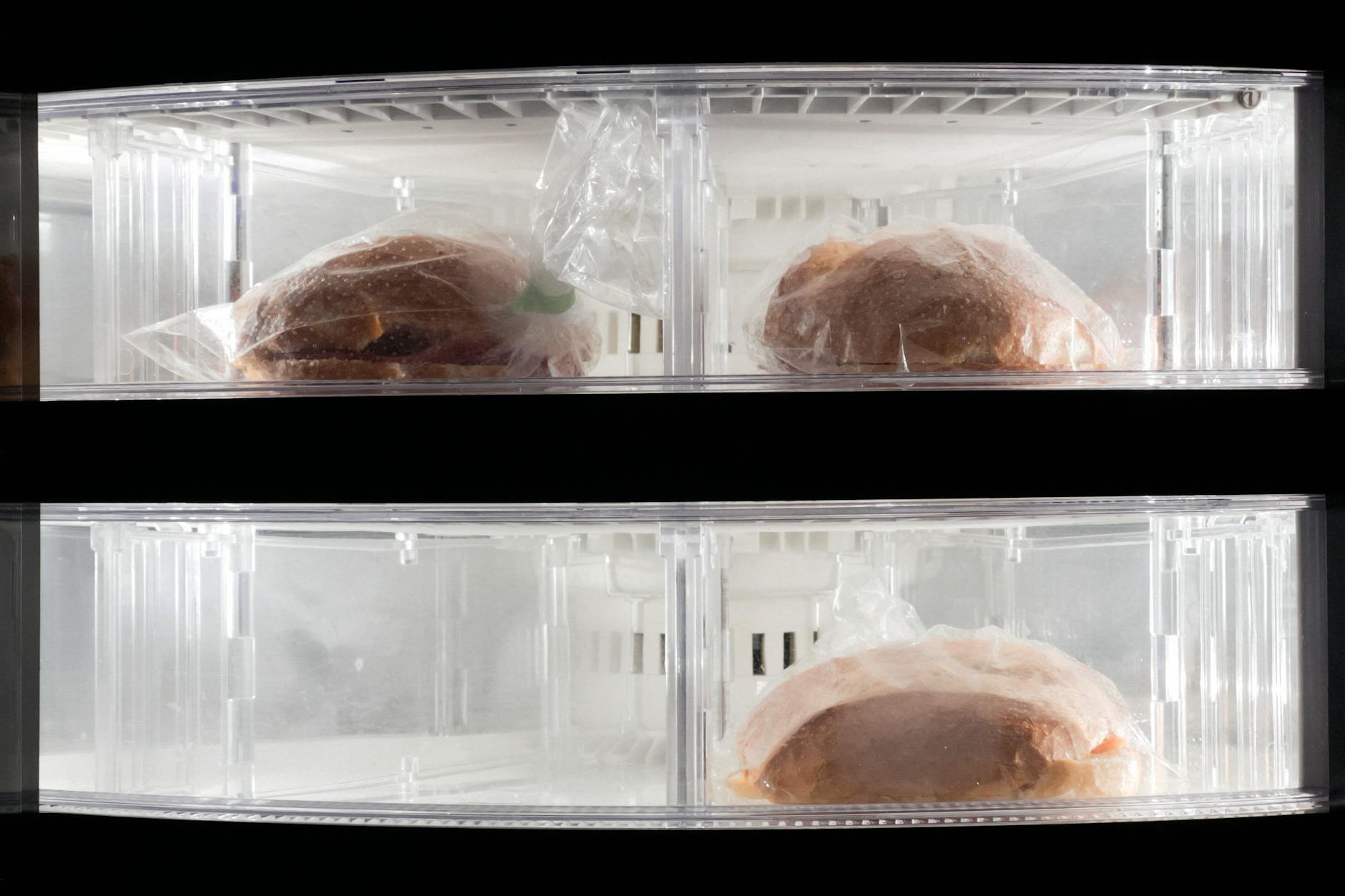
The consolidation of remaining service-period food items into cold storage units at the end of service creates overcrowding conditions in which refrigeration units are filled beyond their design capacity in ways that compromise their ability to maintain safe food temperatures throughout the stored volume, with items in the center of overcrowded refrigerator spaces potentially remaining at temperatures above safe thresholds for extended periods while the unit’s thermostat registers compliant temperatures at its sensing location. Refrigeration engineering researchers who study the thermal performance of commercial food service refrigeration equipment note that temperature distribution within cold storage units under overcrowded conditions varies significantly from the designed performance specification, with dead spots of reduced cooling efficiency developing in areas where air circulation is blocked by the density of stored items. The practice of forcing all closing-period food storage consolidation into the minimum number of cold storage units in the interest of energy conservation or operational efficiency creates a food temperature safety compromise that health authorities have documented as a contributing factor in foodborne illness events traced to restaurant environments. A kitchen that closes with its refrigeration equipment operating at normal capacity during service and at well beyond that capacity during the overnight storage period has created a temperature management failure whose consequences are not distributed evenly across its stored food inventory.
Uniform Contamination
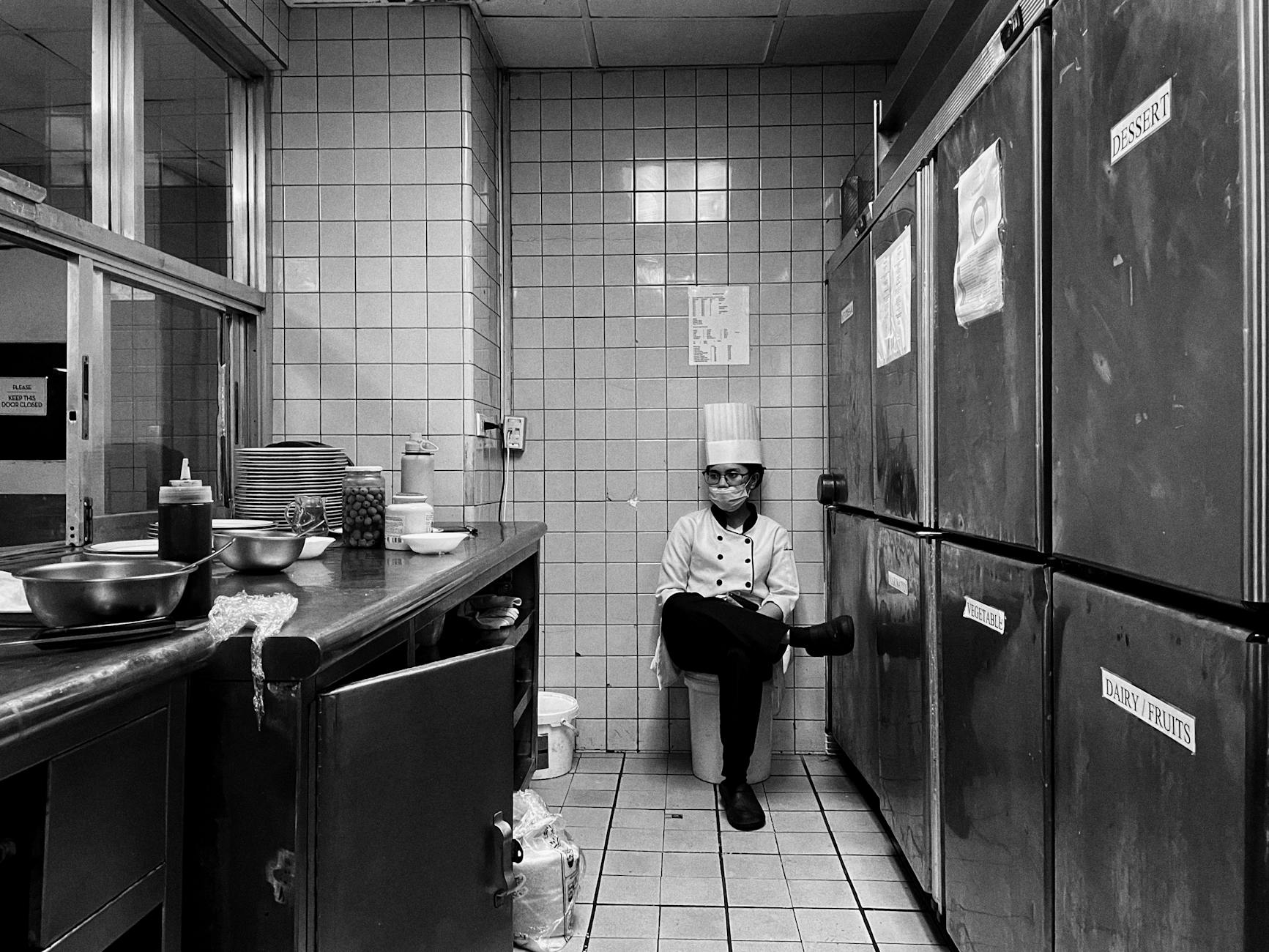
The aprons, chef jackets, and kitchen uniforms worn throughout a full service period accumulate a biological and chemical contamination profile that food safety researchers describe as one of the most consistently underappreciated sources of food contact surface contamination in commercial kitchen environments, and the closing-period practice of continuing to handle food and food contact surfaces while wearing heavily contaminated uniforms from a full service represents a contamination transfer mechanism that persists through the final hours of operation. Textile microbiology research has documented the bacterial communities that colonize food service uniforms during service, finding populations that include foodborne pathogen species at densities that represent a significant contamination source when uniform surfaces contact food or food preparation surfaces during the handling activities of the closing period. The end-of-service fatigue that characterizes closing kitchen culture reduces the attention that staff pay to avoiding uniform-to-food contact through the deliberate posture and movement control that conscious food handling practice requires, increasing the frequency of incidental contact between contaminated uniform surfaces and food or food preparation environments. Laundry and hygiene management researchers who study the hygiene performance of commercial kitchen uniform programs note that the contamination load accumulated on a uniform during a full service period exceeds the contamination reduction capacity of inadequate laundering protocols that represent standard practice in a significant proportion of food service establishments.
Produce Salvage
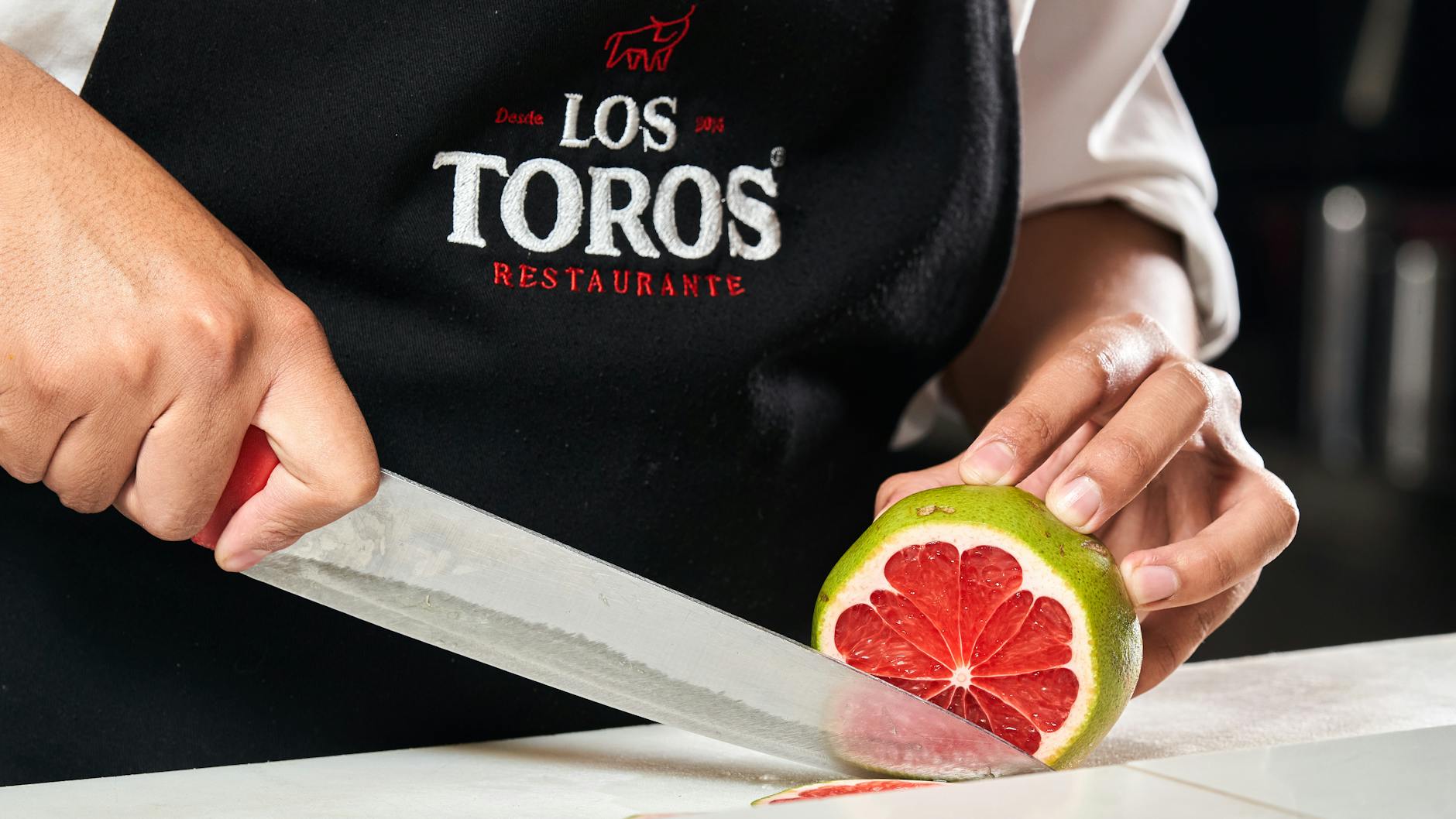
The assessment and salvage of deteriorating produce items during the closing period, in which vegetables, fruits, and herbs that have begun to show visible signs of quality deterioration are processed by trimming away the most obviously affected portions and retaining the remainder for use in the following day’s service preparation, is a food quality management practice whose food safety implications extend beyond the simple question of visual acceptability to include the pathogen load of the biological deterioration process that has already begun in the retained portions. Food microbiology researchers who study the relationship between visible produce deterioration and invisible microbial contamination note that the fungal and bacterial communities responsible for visible spoilage have typically colonized well beyond the boundaries of the visually affected tissue by the time deterioration becomes apparent, meaning that trimmed produce retains a significantly higher microbial load than produce of equivalent visual quality that has not begun the deterioration process. The economic logic of closing-period produce salvage is compelling from a waste reduction and cost management perspective, and its practice is so widespread that food safety authorities have developed specific guidance on the distinction between acceptable quality management trimming and salvage that compromises food safety, guidance whose nuance is rarely communicated effectively to the line-level kitchen staff making closing-period produce assessment decisions. Customers who consume dishes incorporating closing-period salvaged produce are receiving food whose ingredient history includes biological deterioration processes that the preparation and service of the dish has concealed but not eliminated.
Shared Tasting Spoons

The use of single tasting spoons for multiple sauce, soup, and preparation quality assessments during the closing period, with the spoon returned to the food container between uses without rinsing or replacement, is a direct oral-to-food contamination practice that food safety researchers identify as a particularly efficient transmission mechanism for the respiratory pathogens, oral bacteria, and potential viral agents present in the oral flora of the staff member conducting the tasting. Standard food service hygiene protocols specify single-use tasting spoon practices that are observed with reasonable consistency during peak service periods when management visibility is highest and the social accountability of peer observation is most active, but food safety observation research consistently finds that these protocols collapse during the closing period when both forms of accountability are reduced. The volume of sauce, soup, and preparation item tasting that occurs during closing period quality assessment and consolidation activities means that the cumulative oral contamination introduced through shared spoon practices represents a meaningful microbial load addition to the food items being assessed. Norovirus outbreak investigation data that identifies restaurant-associated transmission events has documented shared tasting utensil practices as a contributing factor in a proportion of kitchen-originated illness clusters that the researchers involved consider likely to be an underestimate given the challenges of reconstructing precise utensil-sharing events in the context of post-outbreak investigation.
Ventilation Shutdown
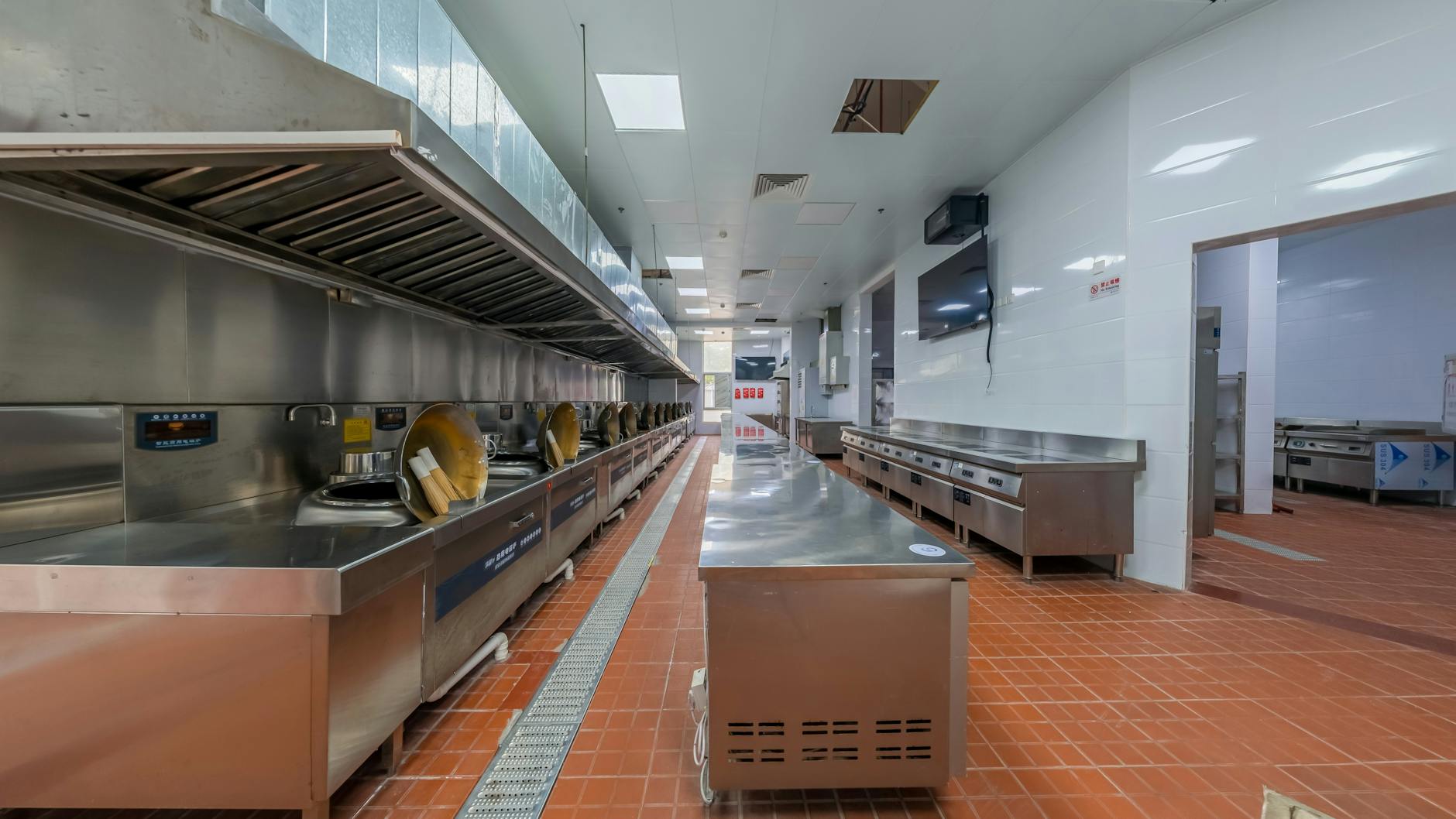
The early shutdown of commercial kitchen ventilation systems during the closing period, before the cooking and cleaning activities that generate heat, chemical vapor, and biological aerosol have been completed, is an energy conservation and operational convenience practice that creates air quality conditions in the kitchen during the final closing activities that food safety and occupational health researchers identify as significantly worse than those present during the monitored service period. Commercial kitchen ventilation systems serve a food safety function that extends beyond their air quality and temperature management roles to include the removal of the biological aerosol particles generated by cooking, dishwashing, and surface cleaning activities that would otherwise settle on food contact surfaces and food storage containers during the closing period. The settlement of biological aerosol particles from cooking and cleaning activities onto surfaces from which they have been removed by cleaning earlier in the closing sequence represents a recontamination mechanism that adequate ventilation prevents and early ventilation shutdown allows. Occupational health researchers who study kitchen worker exposure to cooking aerosols and cleaning chemical vapors during closing procedures document the closing period as the highest aerosol and vapor exposure window of the entire kitchen shift, making early ventilation shutdown a simultaneous food safety and worker health concern.
Rag Multiplication

The single cleaning rag or cloth used for multiple surface types throughout the closing cleaning sequence, moving from food contact surfaces to non-food contact surfaces, from clean to dirty areas, and between chemically different cleaning tasks without change or adequate sanitization between uses, is a cross-contamination vector that food safety microbiologists identify as capable of transferring pathogen populations between every surface the rag contacts during the closing cleaning sequence. Commercial kitchen surface hygiene research has documented the bacterial transfer efficiency of cleaning cloths moving between surfaces as exceeding fifty percent in experimental conditions that reflect realistic cleaning motions and surface contact patterns, meaning that more than half of the biological contamination on any surface the rag contacts is available for transfer to the next surface it encounters. The closing period’s operational pressure to complete cleaning tasks rapidly with minimum supply changes makes rag multiplication a near-universal practice in commercial kitchen closing procedures regardless of the food safety training that individual staff members have received, reflecting the gap between knowledge of correct practice and the operational conditions that make correct practice practically achievable. Health department inspection microbiological sampling programs that include surface swabbing of areas cleaned with shared rags consistently find contamination profiles on cleaned surfaces that reflect the biological diversity of all the surface types the cleaning cloth contacted rather than the reduced contamination profile that effective surface sanitization should produce.
Stock Management
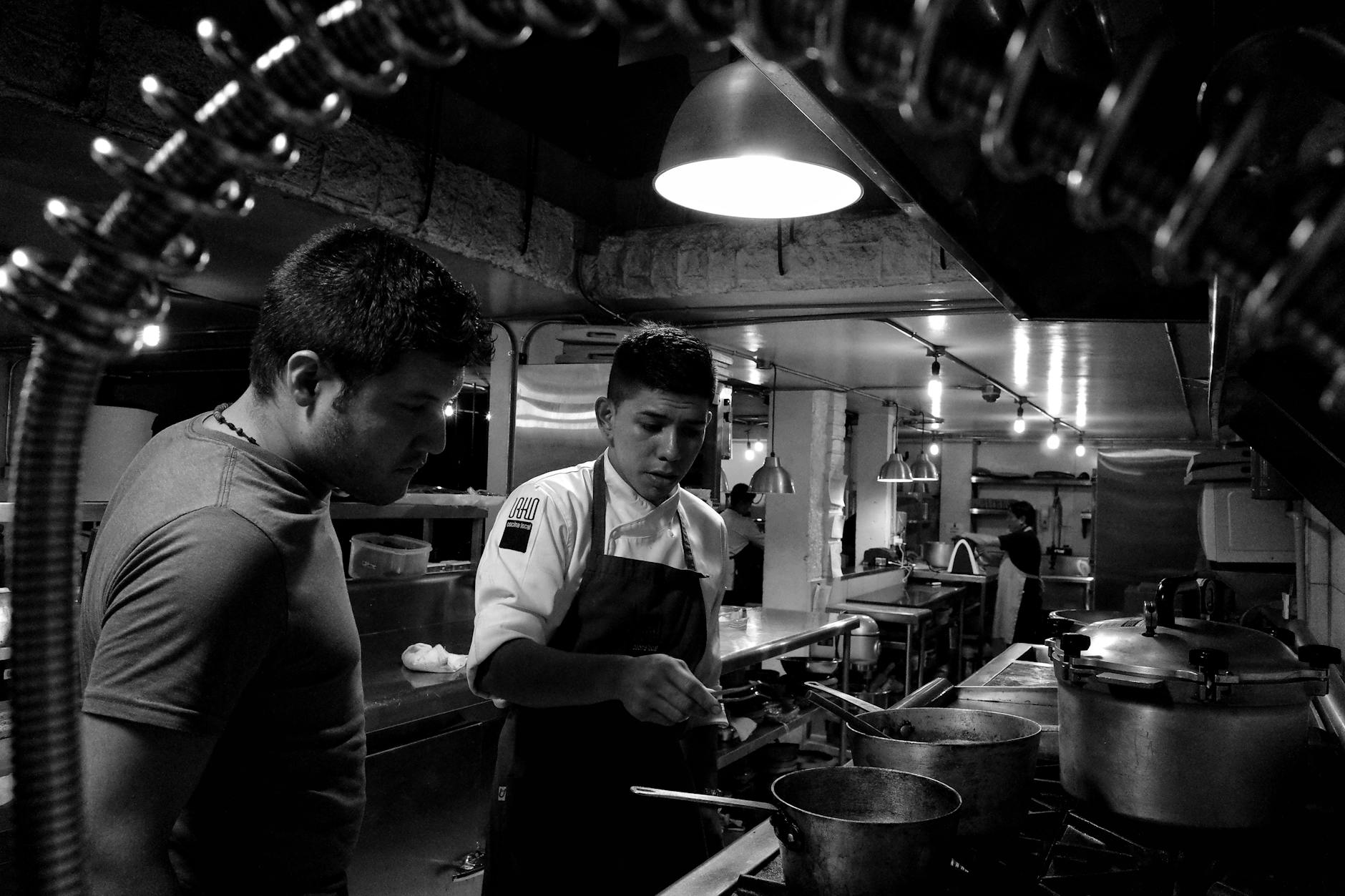
The addition of fresh stock liquid, water, or new ingredients to the remaining volume of soup, stock, or braised liquid at the end of service to extend the volume available for the following day’s service, rather than cooling, storing, and clearly dating the original volume separately from fresh preparation, is a food safety and product quality management failure that health department inspection records identify as a specific and named violation category whose documentation frequency reflects its widespread practice. The practice of extending existing stock volume with fresh additions creates a product whose effective preparation date is impossible to establish, whose temperature management history cannot be verified across the composite volume, and whose pathogen load reflects the accumulated biological activity in the original volume rather than the safety profile of fresh preparation alone. Food safety researchers who study the epidemiology of restaurant-associated foodborne illness note that extended stock and soup products with unverifiable preparation histories represent a specific and recognized risk category whose contribution to illness events is likely underestimated because the difficulty of establishing precise preparation dates makes epidemiological attribution to specific batches challenging. The customer who consumes a bowl of soup whose stock component was continuously extended across multiple days without individual batch dating is receiving a product whose food safety history is fundamentally unknowable.
Dishwasher Shortcuts
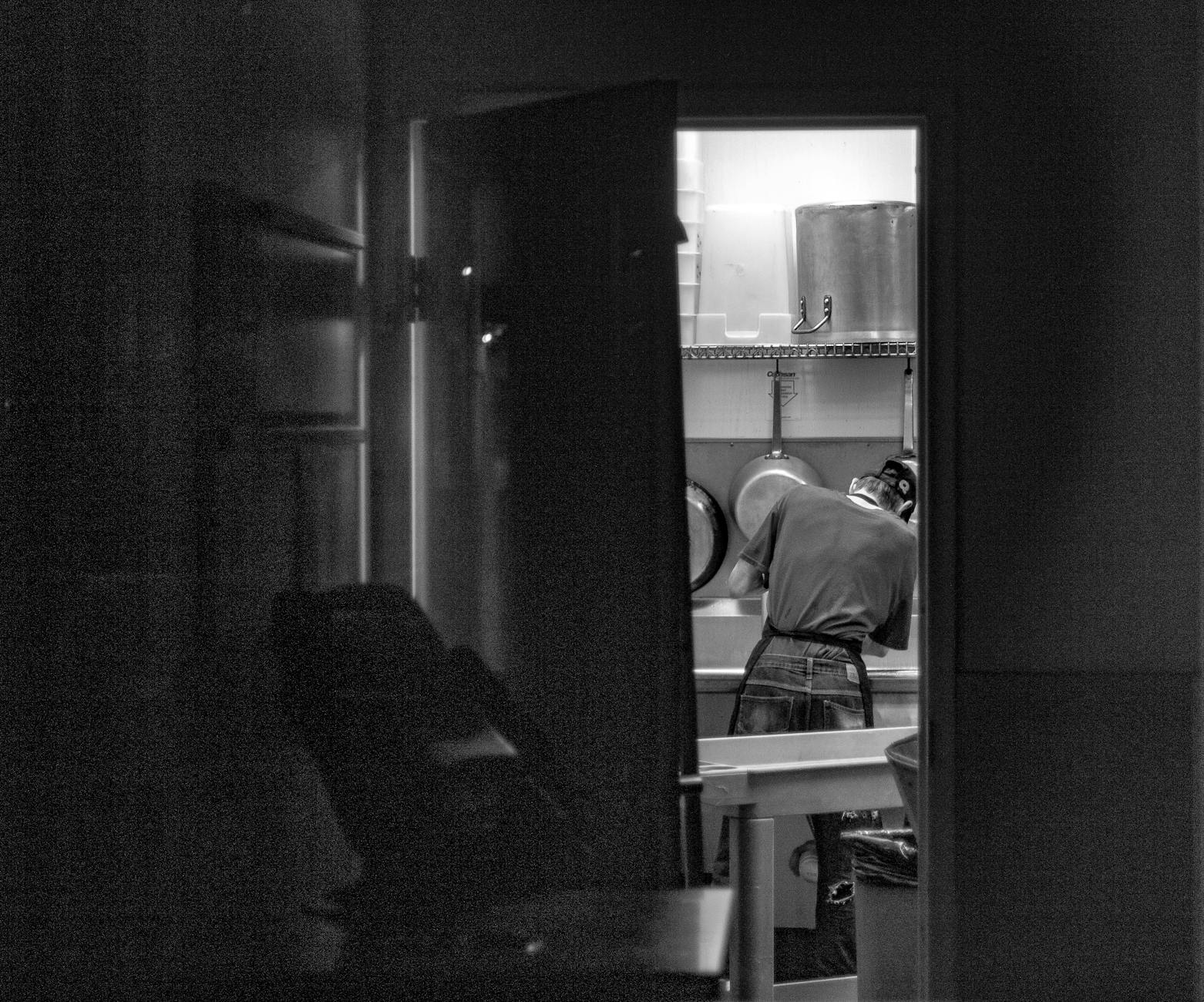
The commercial dishwashing procedures whose temperature, chemical sanitizer concentration, and cycle duration specifications are calibrated to achieve pathogen reduction on food service ware are routinely abbreviated during the closing period through practices including running partial loads at reduced cycle counts, using dishwasher chemical sanitizer concentrations that have fallen below effective levels without replacement, and hand-stacking washed items before adequate drying time has elapsed in ways that create moisture-retaining contact between surfaces. Food service equipment sanitization researchers who have monitored commercial dishwasher performance during closing procedures document the gap between the machine’s designed sanitization performance and the actual pathogen reduction achieved under closing-period operating conditions as one of the more significant and least discussed food safety performance failures in commercial kitchen operations. The thermophilic sanitization temperature maintained in properly operated commercial dishwashers is a specific and non-negotiable performance parameter whose achievement depends on adequate water heating time, correct chemical dosing, and uncompromised cycle completion that closing-period operational pressure systematically compromises. Plates, glassware, and utensils that emerge from a closing-period abbreviated dishwashing cycle may appear visually clean while retaining pathogen populations that the machine’s designed performance specifications would have eliminated under standard operating conditions.
Allergen Cross-Contact

The heightened cross-contact risk for allergenic ingredients during the closing period, when the reduced staffing, increased fatigue, multiple simultaneous task demands, and reduced management oversight create conditions in which the careful allergen segregation practices maintained during peak service are most likely to lapse, is a food safety concern that allergy medicine researchers and food service allergen management specialists identify as one of the most significant and underappreciated sources of allergen exposure risk in the restaurant dining experience. The consolidation of remaining food items, the cleaning of allergen-containing preparation equipment alongside non-allergen equipment, and the fatigue-driven reduction in the deliberate attention that effective allergen management requires combine during the closing period to create an allergen cross-contact environment whose risk profile exceeds that of any other operational phase. Restaurant allergen incident reporting data that identifies the service timing of reactions in diners who have experienced allergenic responses suggests a late-evening clustering pattern that allergen researchers attribute to the compounding of allergen management risk factors that characterize the closing period. A diner with a serious food allergy who visits a restaurant during the final hour of service is eating in a kitchen environment whose allergen management practices are operating under the most challenging conditions of the entire service day.
Hand Contact Cooking
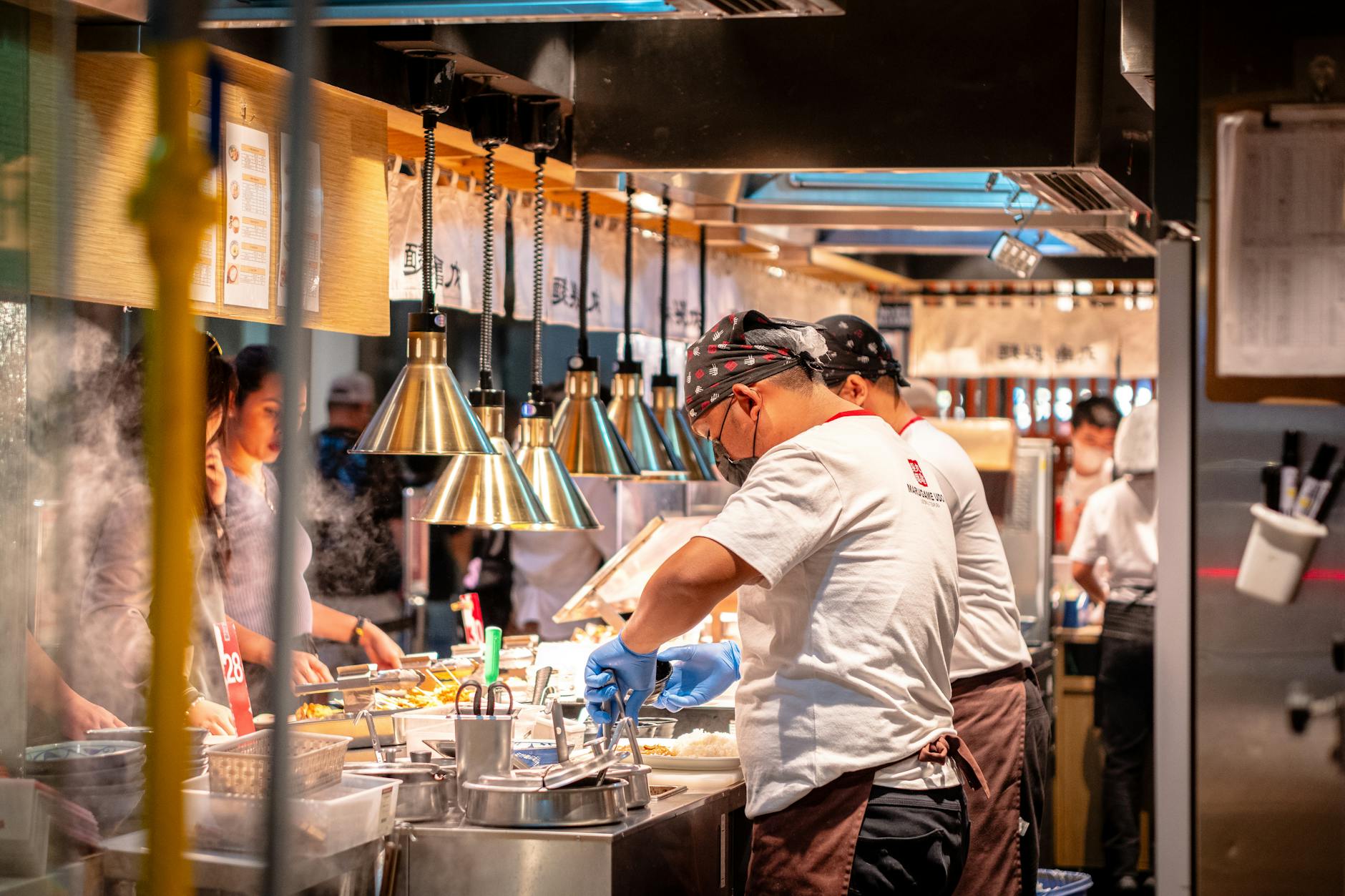
The increase in direct hand contact with prepared food during the closing period, as the reduced formality of a winding-down kitchen service and the practical demands of rapid consolidation and storage tasks lead staff to handle food items manually rather than with the utensils and equipment used during active service, creates a food contact contamination route that food safety researchers identify as the most direct and efficient transfer mechanism for the hand surface bacteria and viral agents that handwashing is designed to remove. Observational food safety research conducted in commercial kitchen environments during closing procedures documents a measurable increase in bare-hand food contact events per unit time during the closing period compared to active service periods, reflecting the combined effects of reduced tool use, increased consolidation handling, and the social informality that characterizes closing culture in kitchen environments. The hand surface contamination profile of kitchen staff at the end of a full service shift reflects the cumulative microbial exposure of all the food, surface, equipment, and environmental contacts of the entire service period, making closing-period bare-hand food contact a particularly concentrated contamination event relative to the equivalent contact occurring during early service. Food safety auditors who include direct observation of closing procedures in their assessment methodology consistently identify bare-hand food contact as the most frequently documented deviation from standard food safety practice during the closing period across all establishment types and quality levels.
Exterior Delivery Areas

The management of the exterior loading dock, delivery receiving area, and waste collection space adjacent to commercial kitchen environments during the closing period creates biological and pest-related contamination risks that migrate into the kitchen interior through physical connections that closing-period waste management and cleaning activities specifically activate. The consolidation and removal of kitchen waste during the closing period requires the repeated opening of exterior access points that connect the kitchen interior to the pest-active exterior environment, and the wet waste material transported through these connections during closing leaves biological residue trails that pest species follow into the kitchen interior after staff have departed. Food safety researchers who study the relationship between kitchen waste management practices and pest pressure consistently identify the closing-period waste removal sequence as the primary pest access event of the kitchen’s daily cycle, and the thoroughness with which exterior access points are sealed and the waste transfer route is cleaned after completion determines the extent of the overnight pest intrusion that follows. Commercial kitchen pest management specialists who assess establishment pest pressure note that the biological residue left in the waste removal pathway during inadequate closing procedures creates a chemical signal trail that directs pest activity into the kitchen interior with a reliability and specificity that makes closing-period waste management thoroughness one of the most important practical pest prevention measures available to kitchen management.
Equipment Biofilm
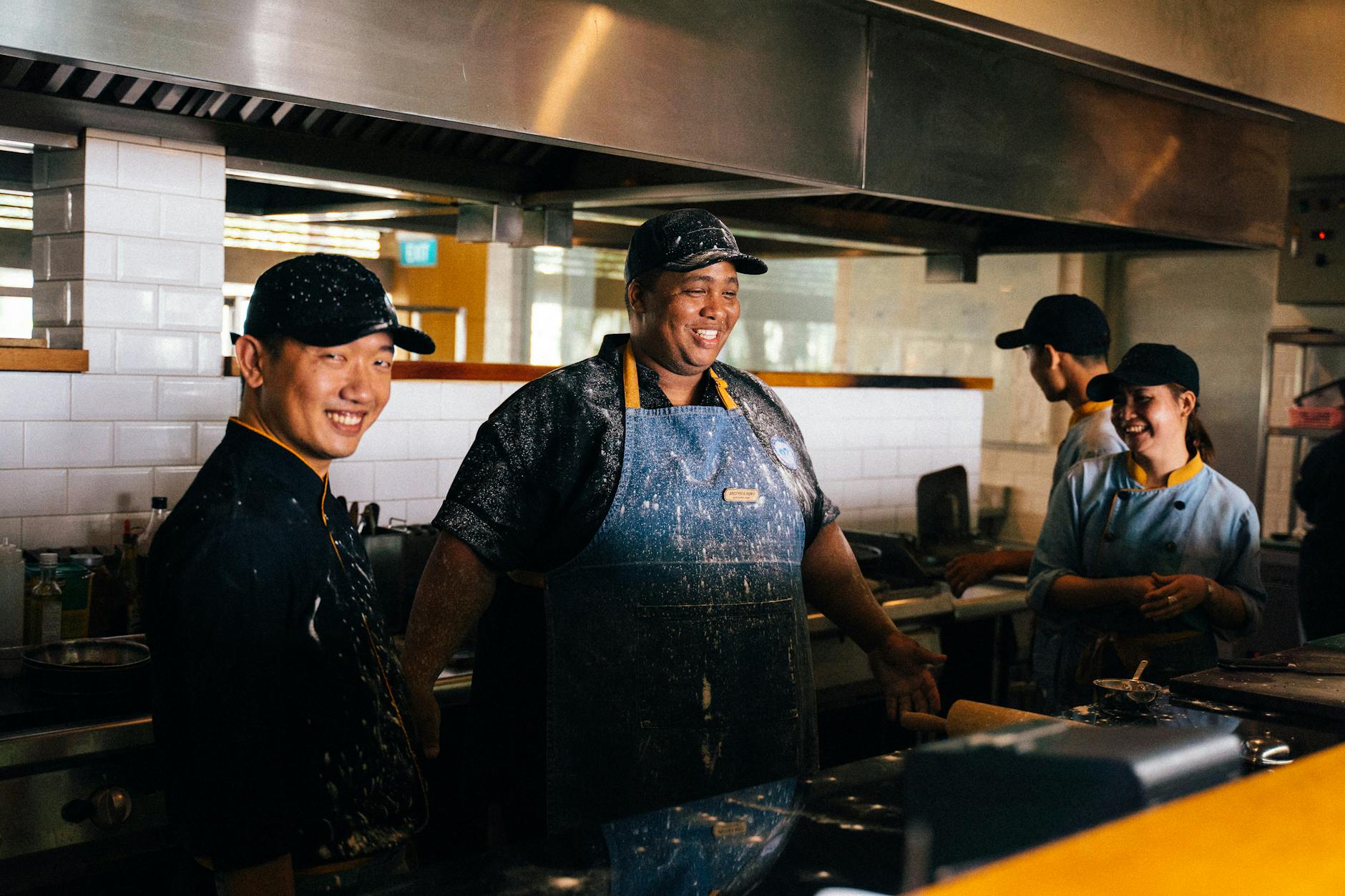
The biological film communities that establish themselves on the internal surfaces of commercial kitchen equipment including slicers, mixers, processors, and juicers during service accumulate to their highest daily density at the closing period before equipment cleaning begins and survive inadequate cleaning to establish a residual population that forms the inoculum for the following day’s biofilm growth cycle. Food equipment hygiene researchers who have conducted systematic biofilm sampling on commercial kitchen equipment surfaces document the specific equipment types whose design characteristics create protected internal spaces where biofilm communities establish and grow in conditions inaccessible to standard cleaning protocols, with meat slicers, food processors with multiple disassembled components, and can openers consistently identified as the highest-density biofilm harboring equipment types in commercial kitchen environments. The closing-period cleaning of complex equipment whose disassembly, thorough cleaning, and reassembly requires time and attention that tired closing staff are poorly positioned to invest fully in represents a food safety failure that compounds with each service cycle as inadequately cleaned residual biofilm grows and diversifies. Listeria monocytogenes, whose particular affinity for the cool, moist, and food-residue-rich environments of food processing equipment internal surfaces has been extensively documented in food safety research, is the pathogen of greatest concern in inadequately cleaned kitchen equipment biofilm communities.
Water Temperature Neglect

The manual dishwashing and surface rinsing activities conducted during the closing period frequently use water temperatures significantly below those specified by food safety standards for effective sanitation, reflecting both the physical discomfort of prolonged exposure to adequately hot water during the fatigue of closing and the reduced monitoring of water temperature compliance that characterizes the closing period’s reduced management oversight. Food surface sanitization research has established clear temperature thresholds below which the thermal reduction of pathogen populations on food contact surfaces becomes inadequate, and the water temperatures at which closing kitchen staff conduct manual washing tasks when temperature monitoring is absent or inconsistent fall below these thresholds with a frequency that food safety auditors document as one of the most common closing-period sanitation failures. The visual indistinguishability of water at inadequate sanitizing temperatures from water at compliant temperatures means that closing staff conducting manual sanitation tasks without thermometer verification have no sensory feedback mechanism for identifying temperature compliance failure other than the skin temperature discomfort that motivates the non-compliant temperature selection in the first place. Commercial kitchen water temperature compliance research that has used continuous monitoring rather than spot-check inspection methodologies documents the closing period as the operational phase with the lowest average manual dishwashing water temperature and the highest frequency of sub-threshold temperature events across all categories of food service establishment.
Refrigeration Door Habits

The pattern of commercial refrigeration unit door management during the closing period, in which consolidation of food items, repeated access for storage of closing preparations, and the general traffic of closing activities results in refrigeration doors being left open or ajar for extended periods, creates thermal compromise conditions that affect the temperature management of the refrigeration unit’s entire contents during a period when those contents include the full inventory of the following day’s service preparation. Refrigeration engineering researchers who study the thermal recovery performance of commercial food service refrigeration equipment document the time required for a unit to return to its design storage temperature following extended door opening events, finding that recovery times following the multiple extended openings characteristic of closing-period consolidation activities can leave interior temperatures above safe thresholds for periods extending beyond what the two-hour danger zone rule would allow for individual items. The closing-period refrigeration door management problem is distinct from routine service access events because its frequency, duration, and the volume of room-temperature food items being loaded simultaneously create a cumulative thermal load that the refrigeration unit’s designed performance cannot accommodate without a recovery period that the closing timeline does not provide. Health department inspection programs that include temperature verification of refrigerated items at the beginning of the first service period following a closing inspection consistently find a proportion of items whose temperatures suggest inadequate overnight cold storage maintenance traceable to closing-period refrigeration management practices.
Share your own experiences with restaurant kitchen realities and the food safety concerns that have changed how you dine out in the comments.




