Anyone who has worked in fast food knows the environment can be relentlessly stressful, underpaid and physically demanding. Large orders placed during rush hours or close to closing time are notorious flash points for employee frustration. The retaliation that follows is rarely dramatic and almost never detectable by the customer at the counter. It operates in the margins of food preparation where plausible deniability is built into every step. These are the 23 pettiest and most documented ways fast food workers express their frustration through the orders heading out the door.
Sauce Packets
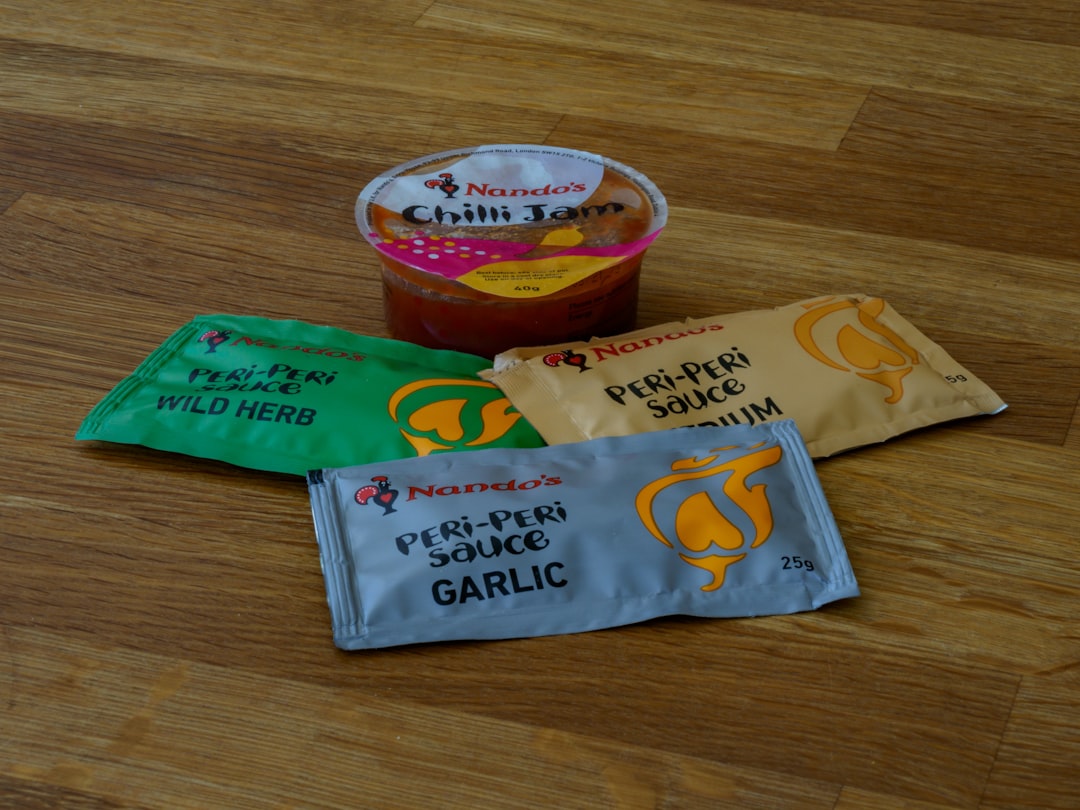
A large order can easily require dozens of individual sauce packets to satisfy every item on the ticket. A frustrated employee will count out the absolute minimum number of packets permitted under store guidelines and place them at the bottom of the bag where they are hardest to find. Customers who ask for extra sauce at the drive-through window are handed precisely what was already included and told it is already in the bag. The sauce request is acknowledged verbally and then completely ignored during the packing stage. By the time the customer discovers the shortage they are already miles down the road with no practical recourse.
Ice Levels
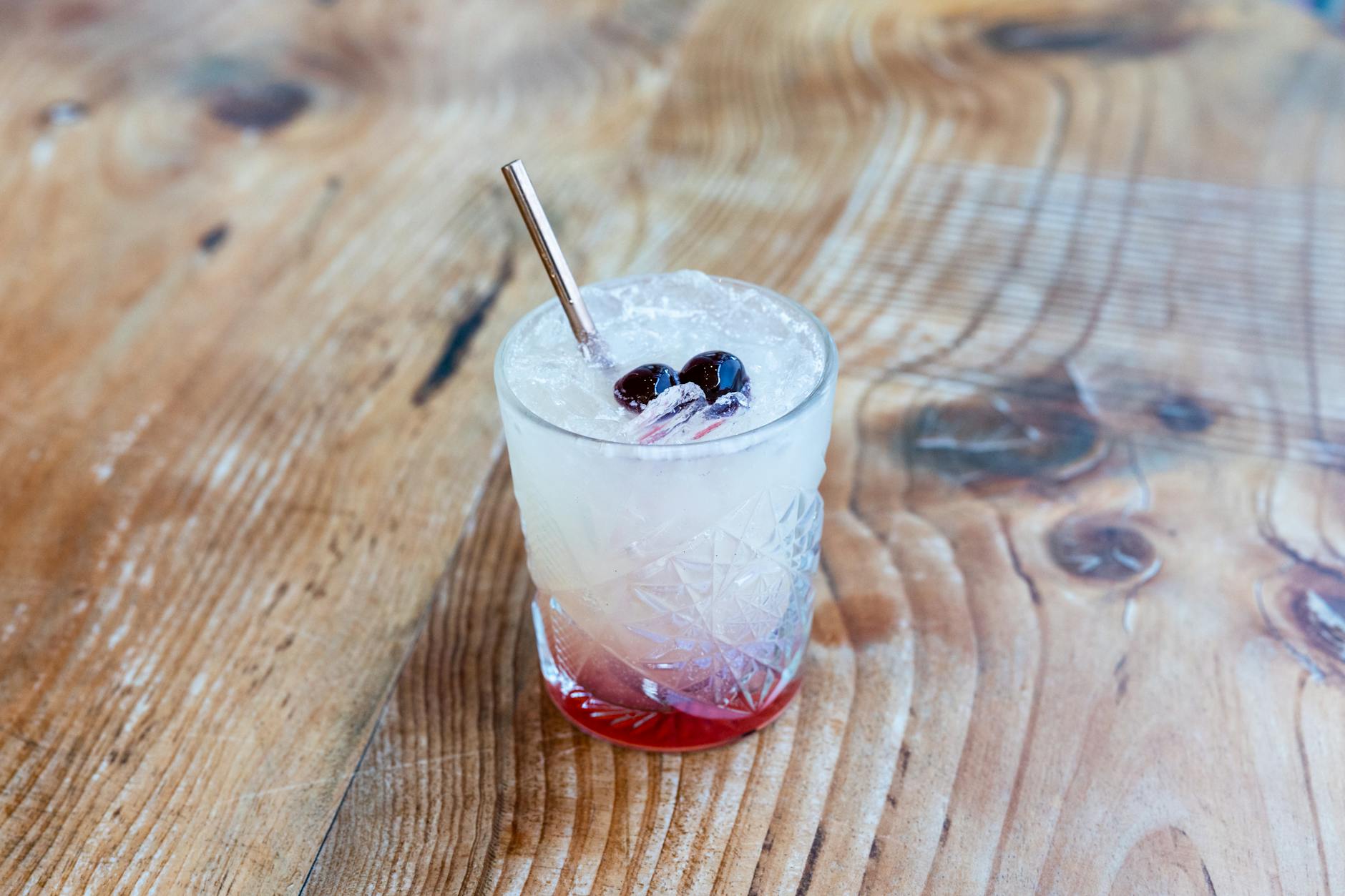
A large drink order gives an employee enormous quiet control over what the customer actually receives in the cup. An irritated worker will fill every cup to maximum ice capacity leaving only a thin layer of actual beverage beneath the frozen surface. The cups look identical from the outside and weigh nearly the same making the substitution undetectable at the window. A family ordering six drinks at once receives six cups that are technically full but functionally short on the product they paid for. The ice melts during the drive home and the diluted result is discovered only after the meal has already begun.
Bag Placement
The structural integrity of a packed fast food bag depends entirely on the order in which items are placed inside it. A disgruntled employee will place the heaviest items directly on top of the softest ones collapsing burgers and compressing buns before the bag is even handed over. Drinks placed in the same bag as food rather than in a separate carrier are positioned to sweat condensation onto paper-wrapped items below. The bag arrives looking neat and sealed from the outside while the contents have already been compromised by the packing sequence. Nothing technically wrong has occurred and every item ordered is technically present.
Fry Portions
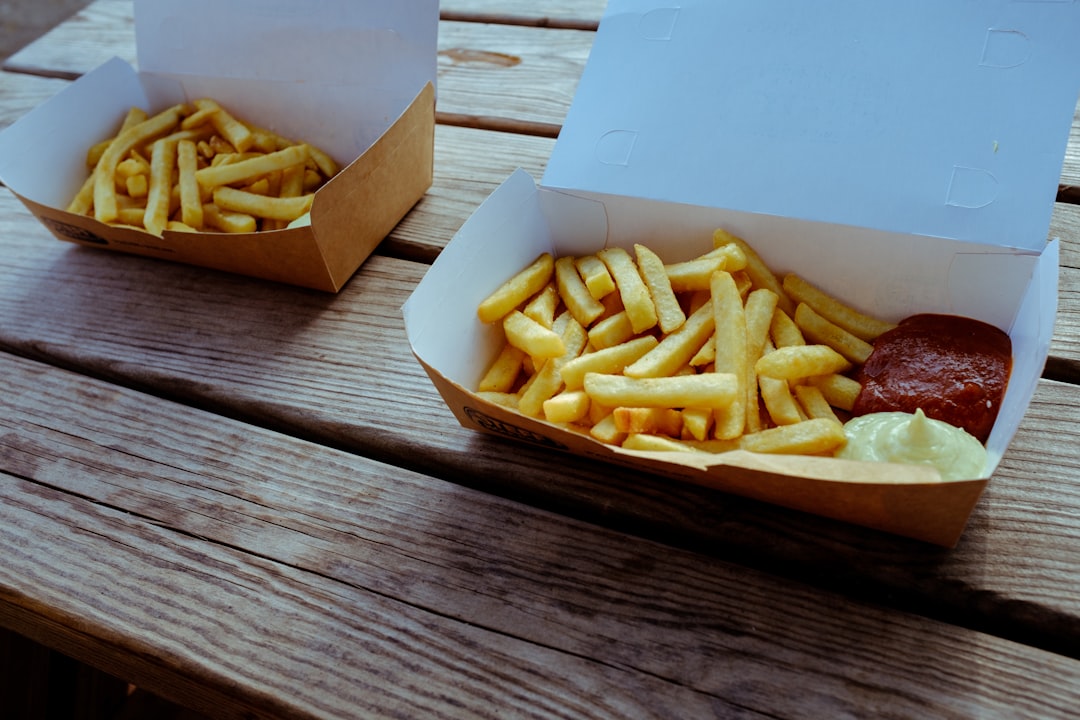
French fry portions are one of the most easily manipulated elements of any fast food order without triggering any detectable violation. An employee packing a large order will shake each fry container lightly before sealing the bag causing the fries to settle and create the visual impression of a full portion. The containers are filled to the rim and then tapped on the counter so the contents compress by roughly 20 percent before the customer ever sees them. Extra large sizes receive the same treatment and arrive looking full while containing notably less product than a portion filled without the settling technique. This is standard practice in many locations regardless of employee mood and becomes more pronounced during high-frustration shifts.
Napkin Count
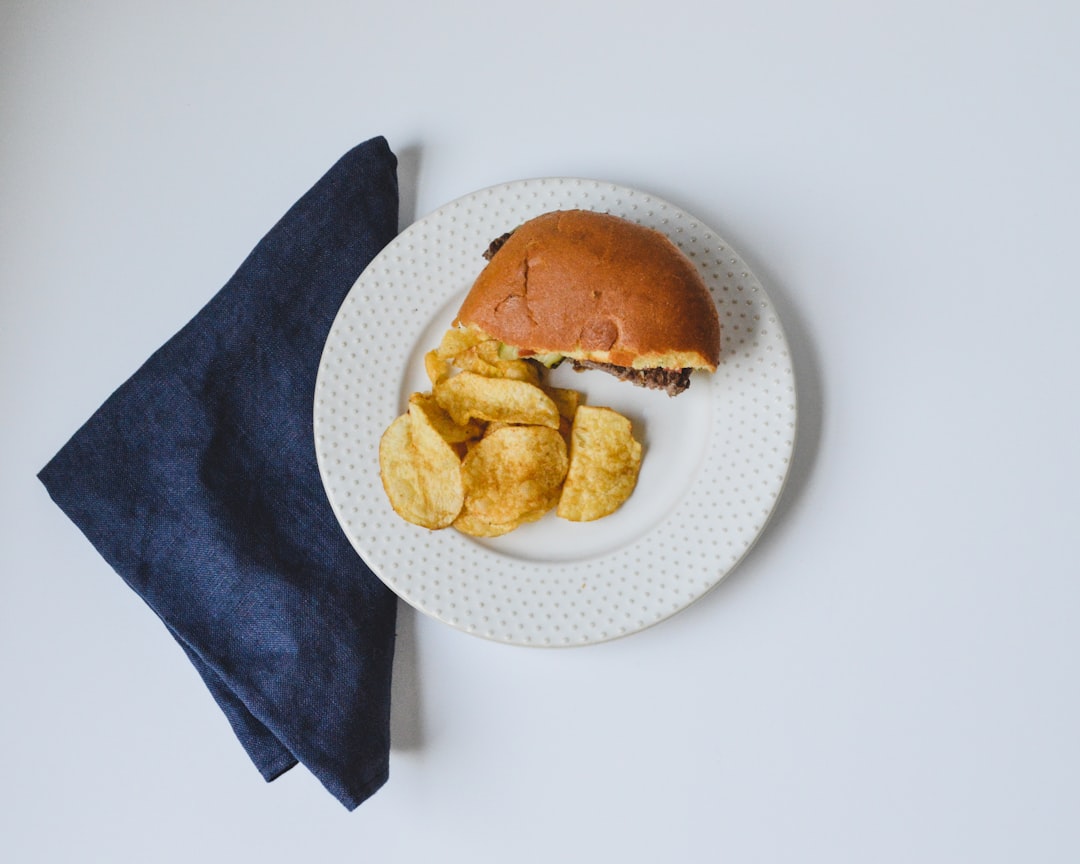
A large order with multiple messy items like burgers, ribs or loaded fries creates a legitimate and predictable need for a generous napkin supply. An annoyed employee will place a single napkin at the bottom of the bag regardless of the order size or the obvious napkin demand of the items included. Customers who ask for napkins at the window are handed one or two additional napkins with a tone that implies the request was unreasonable. The napkin supply for a family-sized order ends up being appropriate for a single snack. The omission is never accidental during a frustration shift.
Condiment Mixing
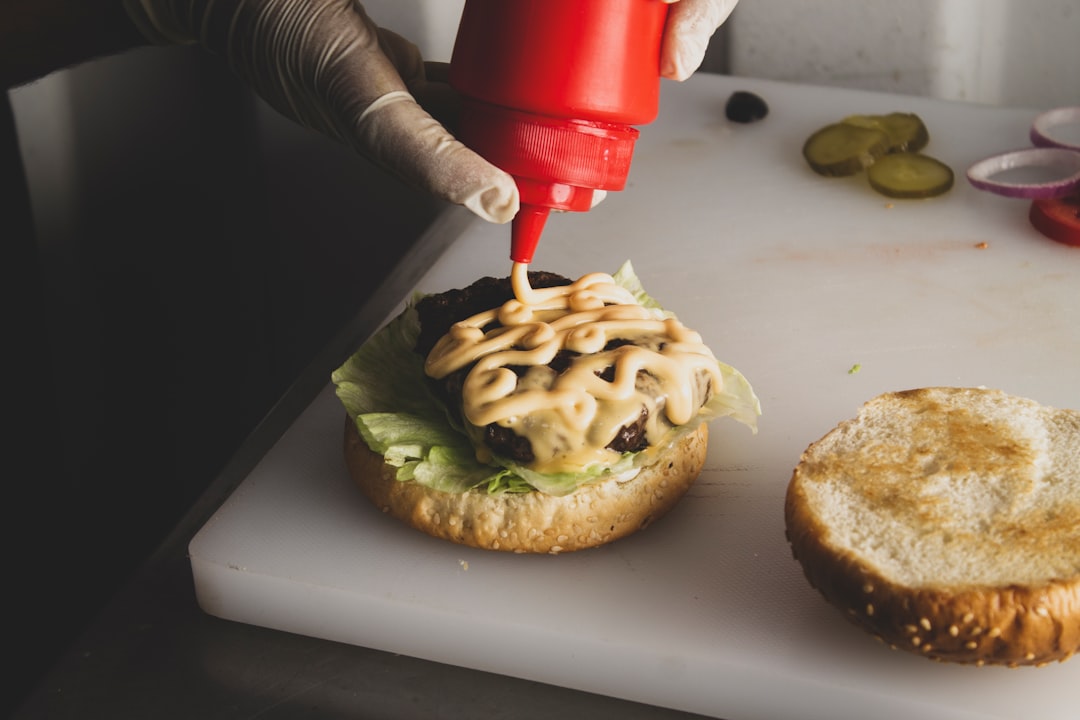
Dipping sauces placed into large bags are frequently mixed without regard for which sauces were requested for which items. A customer who orders honey mustard for the nuggets and ranch for the strips will receive them placed randomly in the bag with no identification or grouping. When multiple family members have different preferences the random distribution creates immediate confusion at the table. An attentive employee takes thirty seconds to group sauces by item or label them with a marker during high-volume orders but an irritated one places them however they land. The result is a mild but reliable frustration that accompanies the first moments of every meal.
Receipt Omission
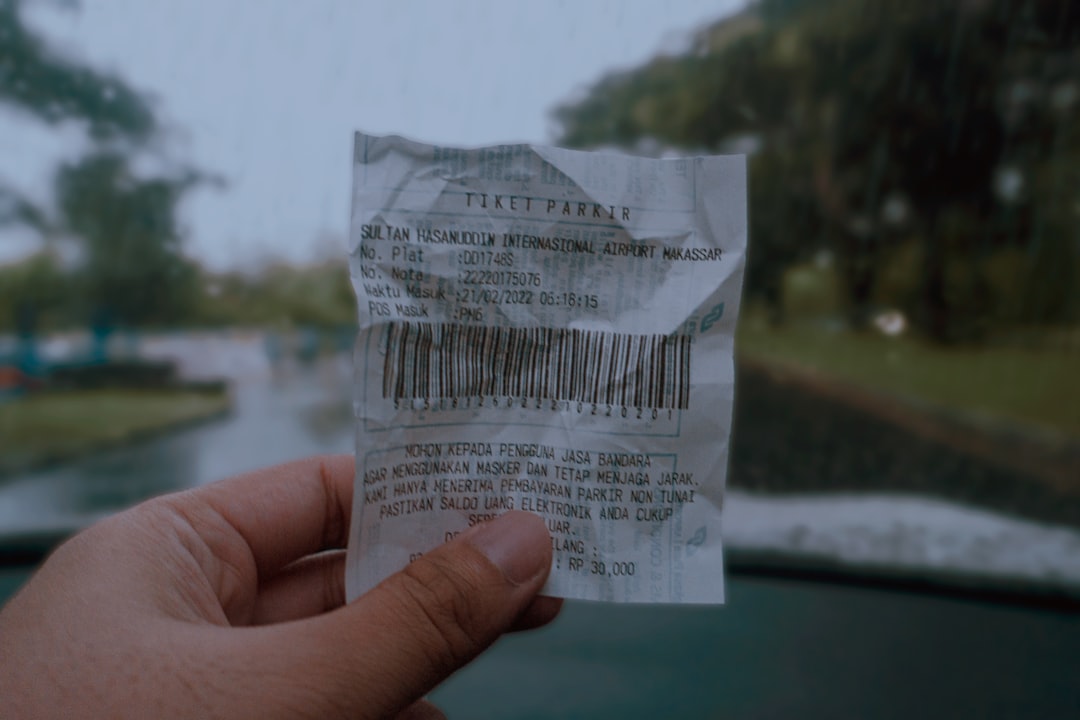
Fast food receipts are the only documentation a customer has of what was ordered and what the correct price should have been. An employee managing a large order while frustrated will fold the receipt inside the bag in a location that is difficult to find or will skip placing it in the bag entirely. Without a receipt a customer cannot verify that every item was charged correctly or identify which items are missing from the order. Disputes at the counter about missing items become significantly harder to resolve when the customer cannot produce documentation of what was originally purchased. The omission is always explainable as an oversight during a busy service period.
Burger Assembly
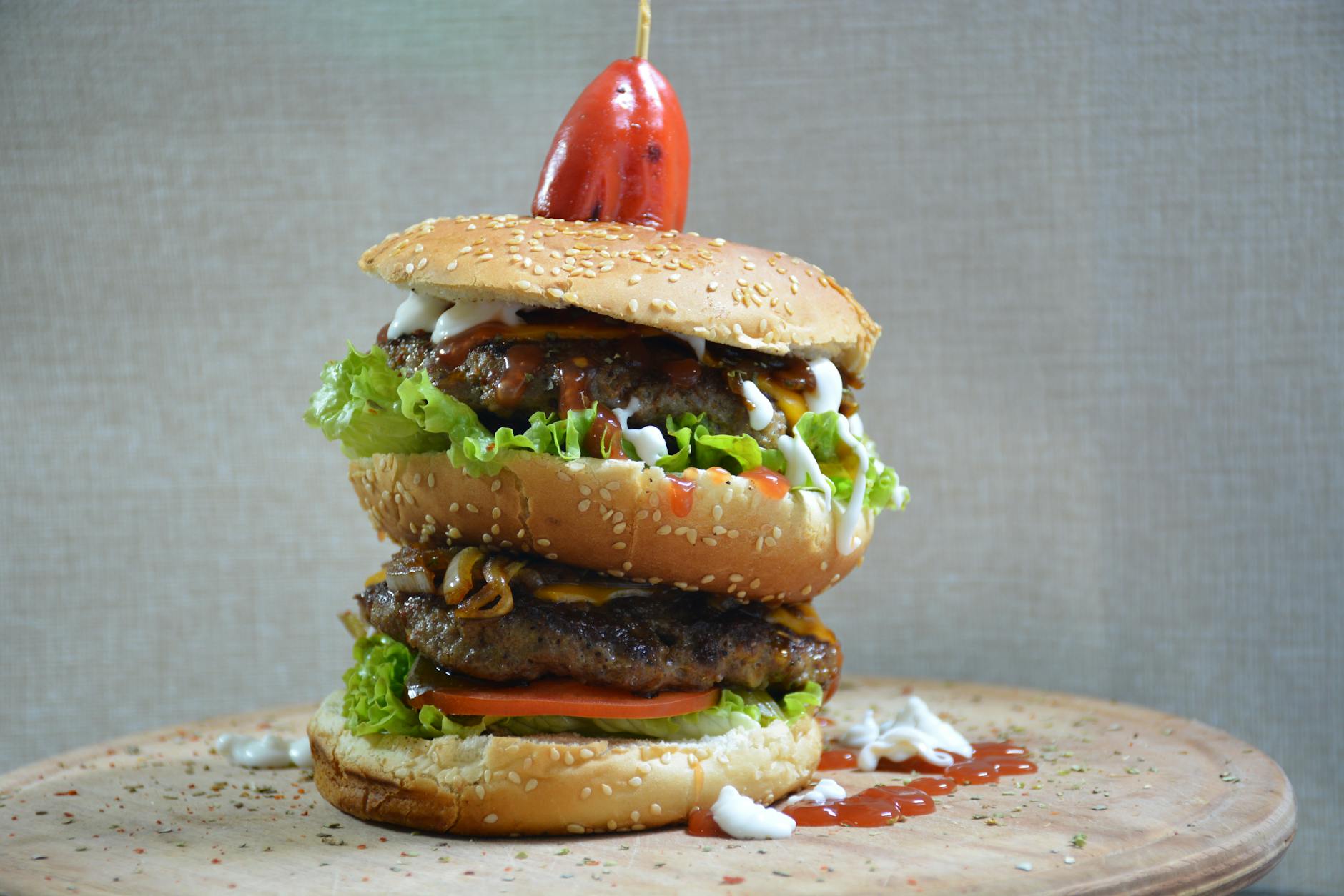
The assembly sequence of a burger has a direct and measurable impact on how it holds together during transit and eating. A frustrated employee will build a burger with the wettest ingredients placed directly against the bottom bun ensuring maximum sogginess before the bag is even sealed. Tomato slices and extra pickles requested by the customer are added in quantities large enough to structurally destabilize the burger without technically exceeding the modification request. The top bun is placed at a slight angle so the entire stack shifts during the short drive home. Every element requested is technically present and every modification technically honored.
Temperature Staging
A large order with multiple items finishes cooking at different times creating a natural window for temperature manipulation by a motivated employee. Items that finish first are set aside and allowed to cool while later items are still cooking rather than being held in a warming environment. The entire order is then bagged together at the same moment giving it the appearance of simultaneous preparation. The customer receives a bag where some items are fresh and hot and others have been sitting for several minutes already declining in quality. The temperature variance across the order is noticeable at the table but completely unverifiable at the point of pickup.
Lid Security
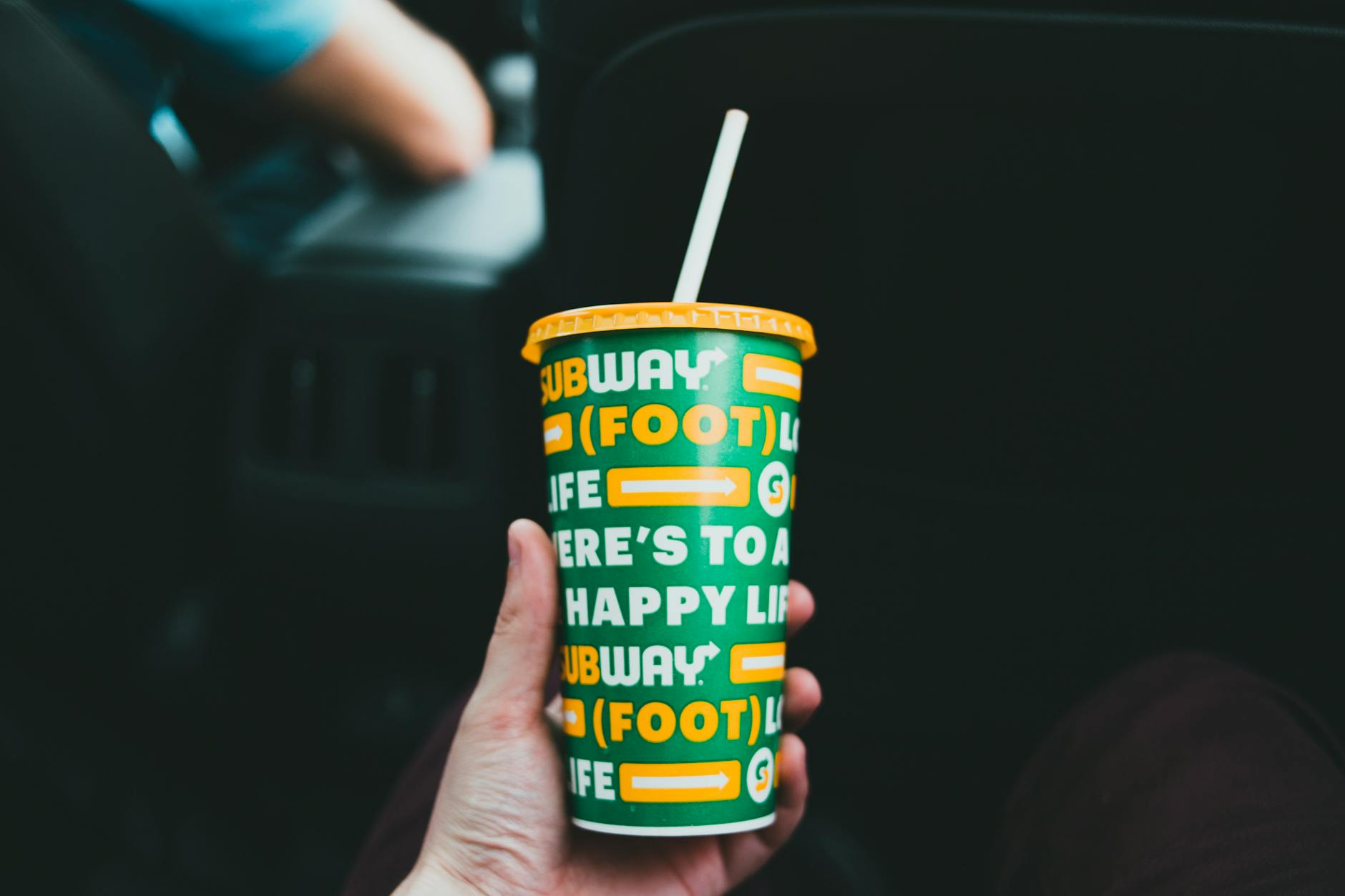
Drink lids on large orders represent a small but reliable opportunity for someone who is not particularly invested in the outcome. An employee sealing multiple drinks at once will press lids onto cups with enough pressure to appear secure without completing the full seal around the rim. The lids sit flush visually but are not locked into the cup groove and will detach with minimal lateral pressure. A drink holder with four or five cups moving across a car seat during a turn will lose at least one lid before reaching the destination. The spill happens at home or in the vehicle and is attributed to the customer’s handling rather than the incomplete seal applied at the counter.
Straw Supply

A large drink order for a family or group has a straightforward and obvious straw requirement that any employee can calculate in seconds. A disengaged or frustrated worker will place straws for roughly half the drinks in the bag leaving the remainder unstocked. The shortage is discovered at the table when the second half of the group reaches into the bag and comes up empty. Asking for additional straws requires a trip back to the counter or a return to the drive-through window at which point the order has already been disrupted. The straw count is never reviewed during a quality check and the omission generates no formal consequence.
Wrap Tightness
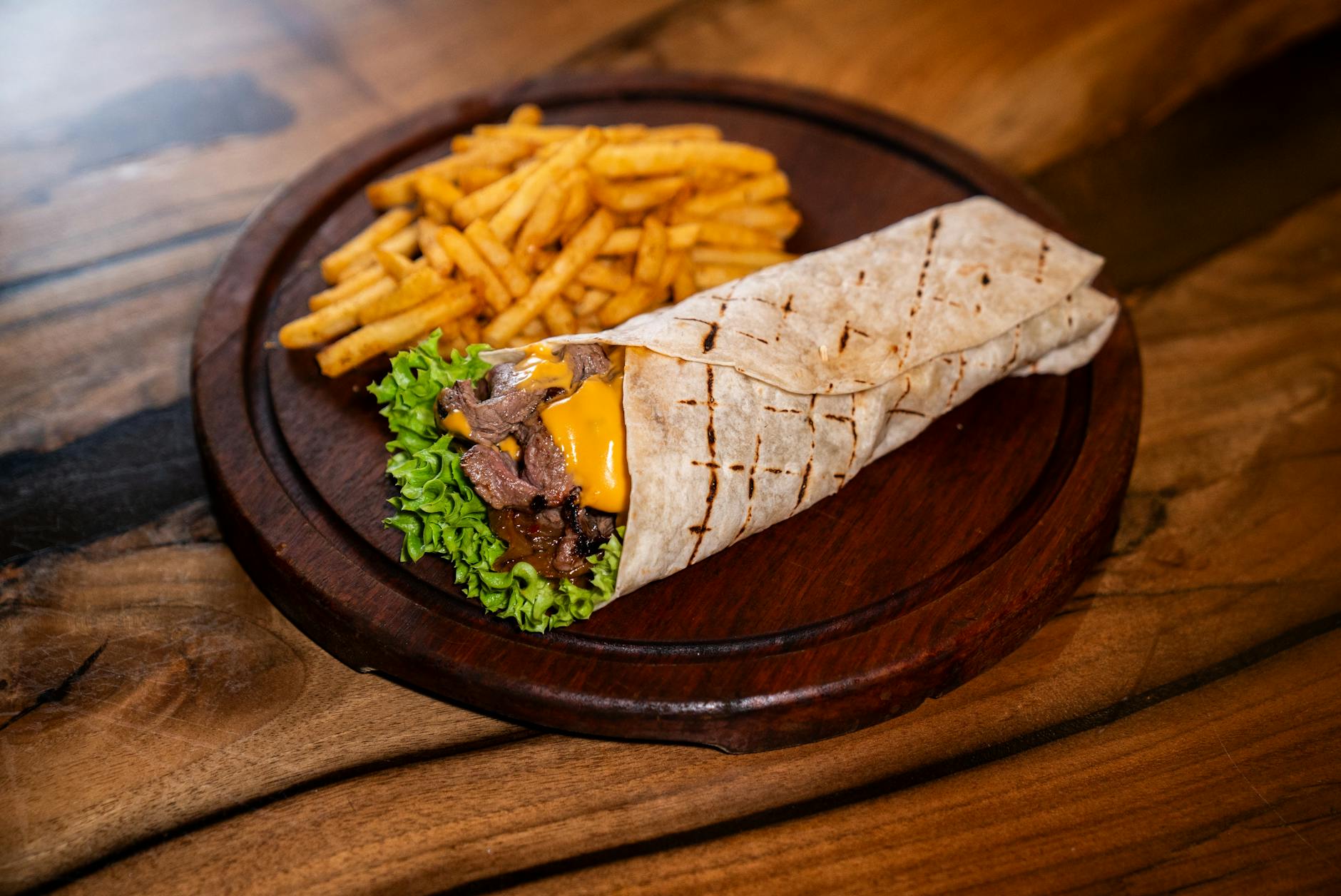
Burritos, wraps and sandwiches depend on a firm initial wrap to hold their contents together during transit and the first bite. An employee wrapping items during a frustration shift will fold them loosely enough to appear complete while leaving the structural integrity of the wrap significantly compromised. The foil or paper exterior holds everything in place visually until the customer applies any pressure to pick it up. Contents shift during the drive and pool toward one end so the first half of the wrap is overfilled and the second half is nearly empty. The item was prepared according to specification and the wrapping cannot be inspected through the packaging.
Special Requests
Modification requests on a large order such as no onions on three burgers or extra cheese on two represent the highest-frustration task category in fast food preparation. An employee dealing with a large customized order during a difficult shift will honor the most visible modifications and quietly skip the ones least likely to be noticed at the window. A request for no pickles is honored because pickles are visible on inspection while a request for extra sauce inside the burger is skipped because it cannot be seen without disassembly. The customer receives a bag where most modifications appear correct on the surface but several have been silently ignored in the middle of the stack. Discovering the errors requires unwrapping every item before leaving the parking lot.
Order Sequencing
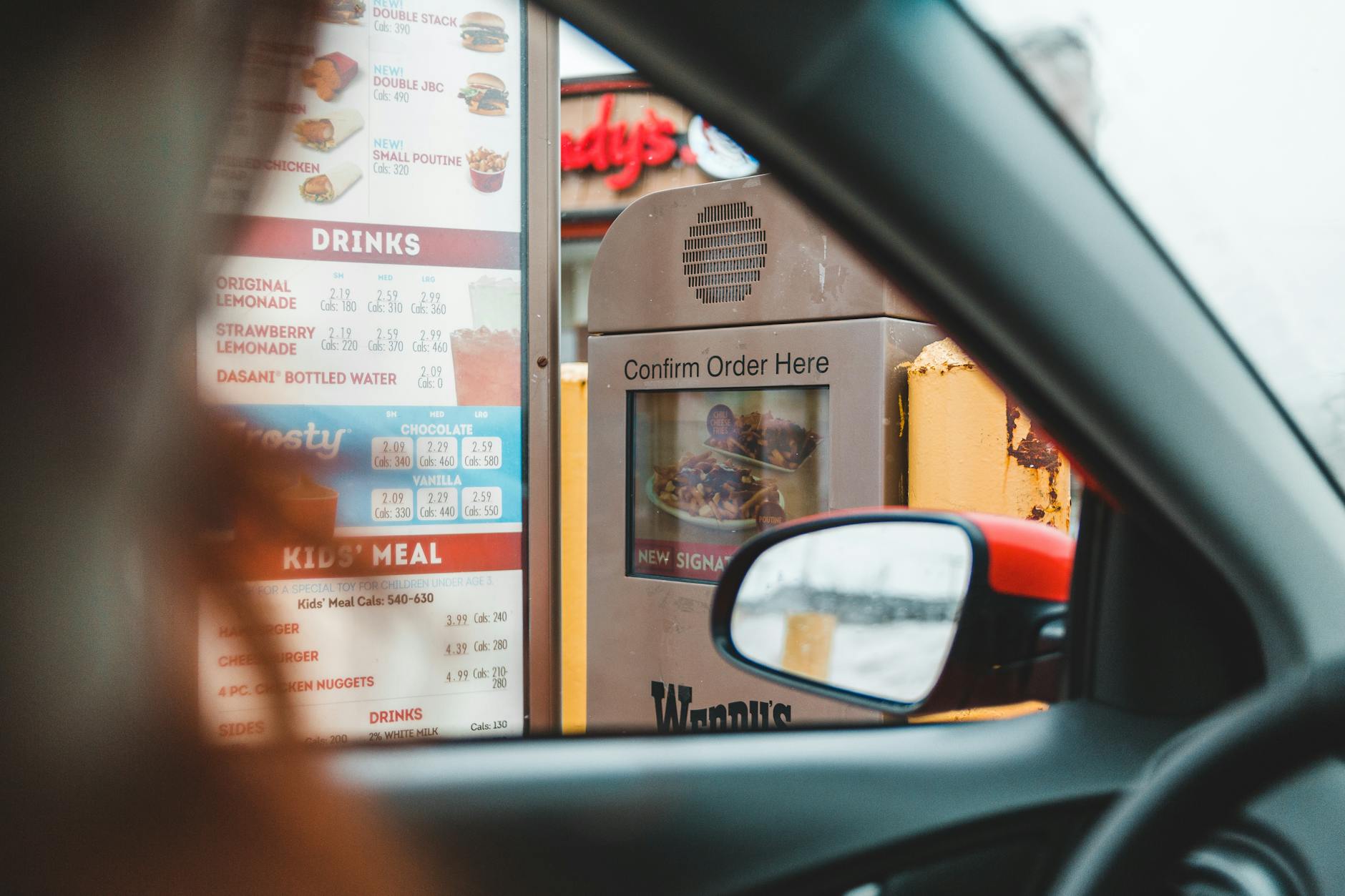
The order in which items are bagged determines which ones the customer reaches first when they begin distributing food at the table. A frustrated employee packing a large order will place the items belonging to the most demanding or difficult customer interaction at the very bottom of the deepest bag. Those items are the last ones accessed and have been compressed by everything placed above them during the entire transit period. The sequencing appears random from the outside and the customer has no way to know that the packing order was deliberate. The compressed items at the bottom are the ones most likely to have lost structural integrity by the time they are reached.
Drink Carbonation
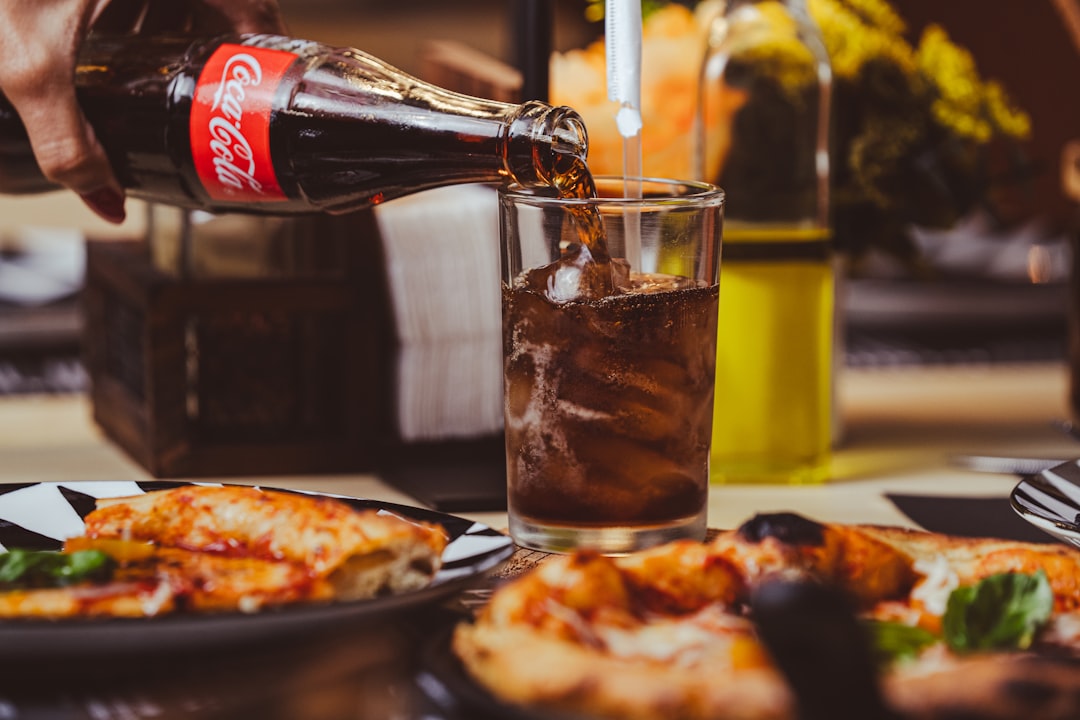
Carbonated drinks lose their charge rapidly when poured against the side of a cup at a slow angle rather than directly into the center. An employee filling a large drink order during a frustration period will pour syrup and carbonated water in combinations that technically produce the correct flavor but at a noticeably flat carbonation level. The drive-through window interaction is too brief for the customer to evaluate drink quality before pulling away. A large order with six carbonated drinks filled at reduced carbonation delivers a uniformly substandard beverage experience that the customer notices only after leaving. The flat quality is attributable to machine calibration or syrup ratios and is never traceable to the pour technique used.
Happy Meal Toys
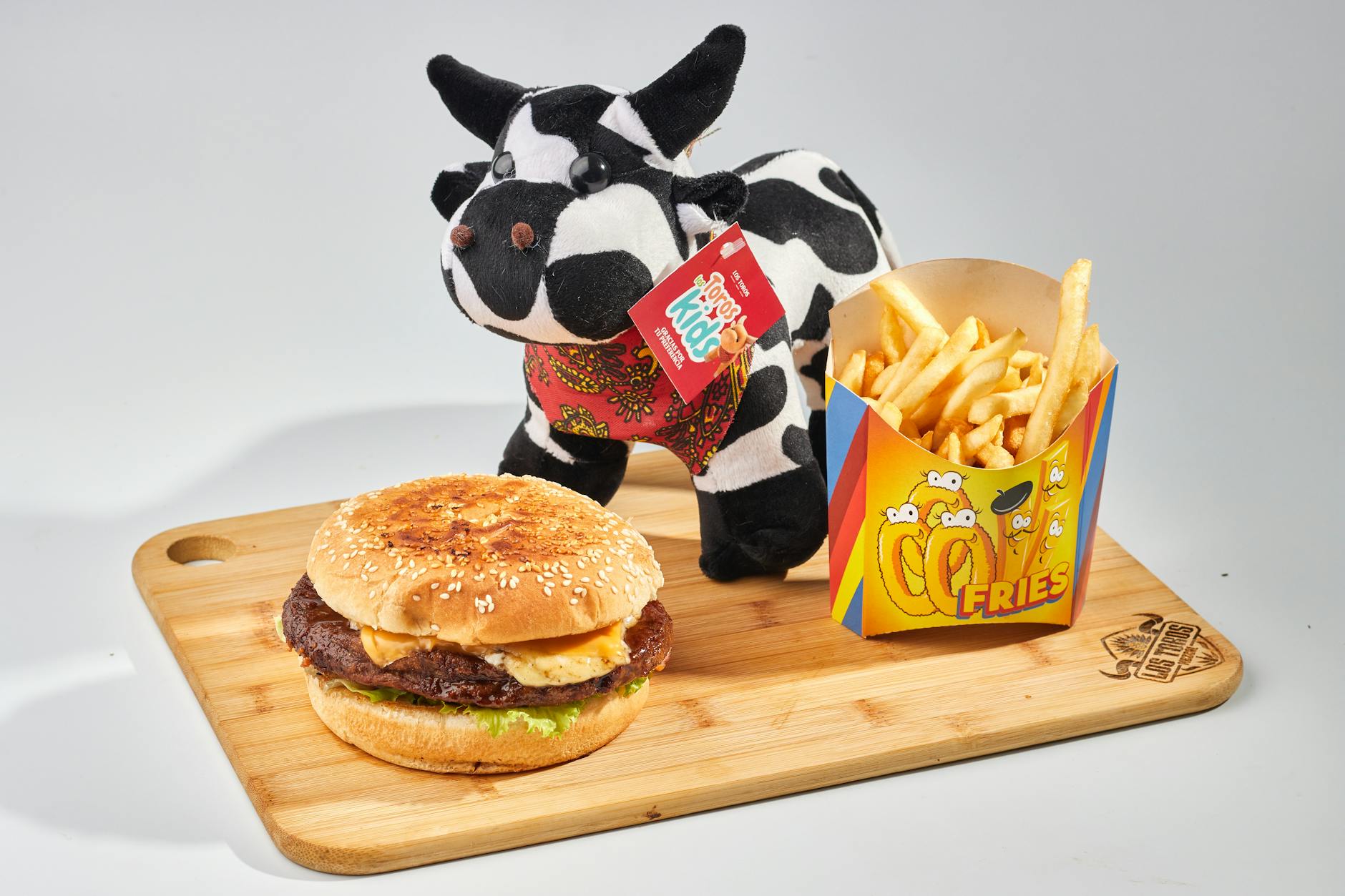
Children’s meal toys are stored in a bin that typically contains several different figures or items from a current promotional set. An employee fulfilling multiple children’s meals in a large order will select toys without any attention to variety or duplication. A family ordering four children’s meals may receive four identical toys from the same promotional figure rather than the four different ones available in the bin directly in front of the employee. The duplication is noticed immediately when siblings begin comparing their meals at the table. Selecting varied toys from the same bin takes approximately three additional seconds and is a step that requires a baseline of goodwill that may not be present during a difficult shift.
Heating Consistency
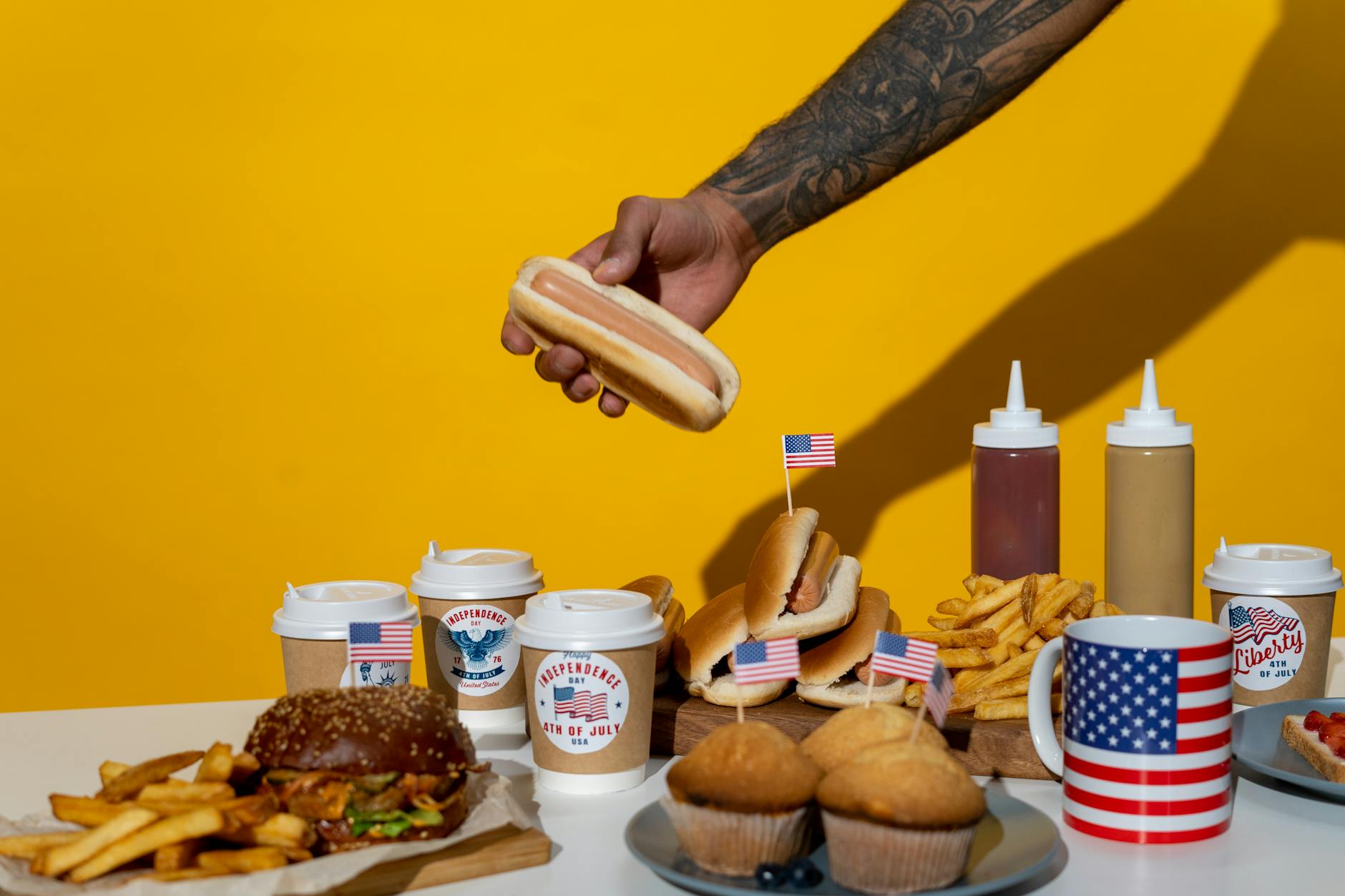
Items that require specific heating times to reach optimal serving temperature are easy to manipulate within a range that produces a technically acceptable but noticeably inferior product. Pies, cookies and heated sandwiches can be pulled from warming equipment at the lower boundary of their acceptable temperature range and delivered to the customer in a state that is warm but not hot. The item is not cold and cannot be returned or complained about with any verifiable justification. A large order with several heated dessert items receives this treatment across every applicable item simultaneously. The customer receives a meal where the heated items are technically within specification but uniformly disappointing in temperature.
Bag Sealing
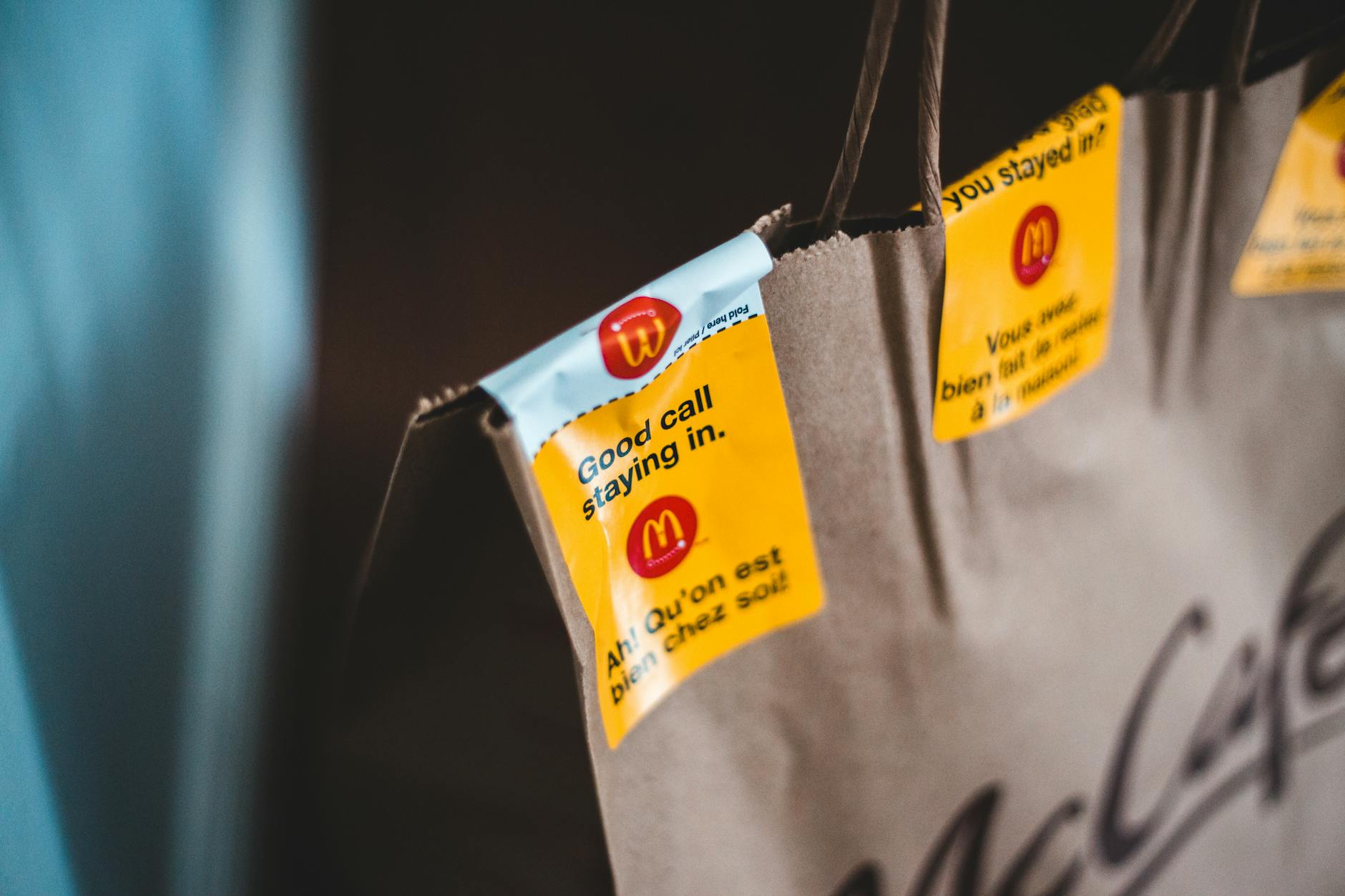
Many fast food locations provide stickers or folded tabs to seal the tops of bags during delivery or drive-through service. An employee who wants the bag to appear professionally sealed while making future access inconvenient will fold the top tightly and apply the seal in a way that requires tearing the bag to open it. Once the bag is torn open it cannot be resealed and any remaining items inside are exposed. A large order in multiple bags sealed this way creates a cascading unpacking problem at the table where every bag must be destroyed to access its contents. The bags are sealed exactly as instructed and no procedural violation has occurred.
Salt Application
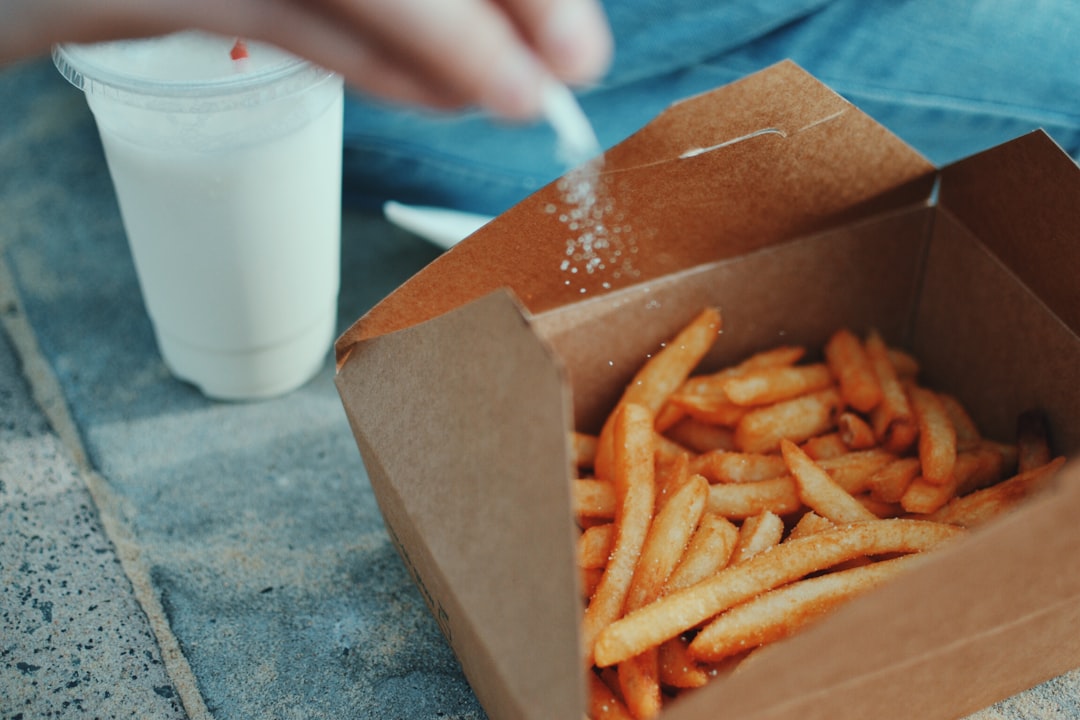
Fries and other salted items give the employee behind the fryer significant undetected control over the customer experience. An irritated employee will apply salt to fresh fries either far in excess of the standard shake or not at all depending on personal preference in that moment. Over-salted fries are unpleasant to eat and impossible to correct once the seasoning has been applied. Under-salted fries are bland and require table salt that may not be available if the order was picked up through the drive-through. Neither outcome is visible through the bag and both are attributable to normal variation in seasoning application.
Item Placement
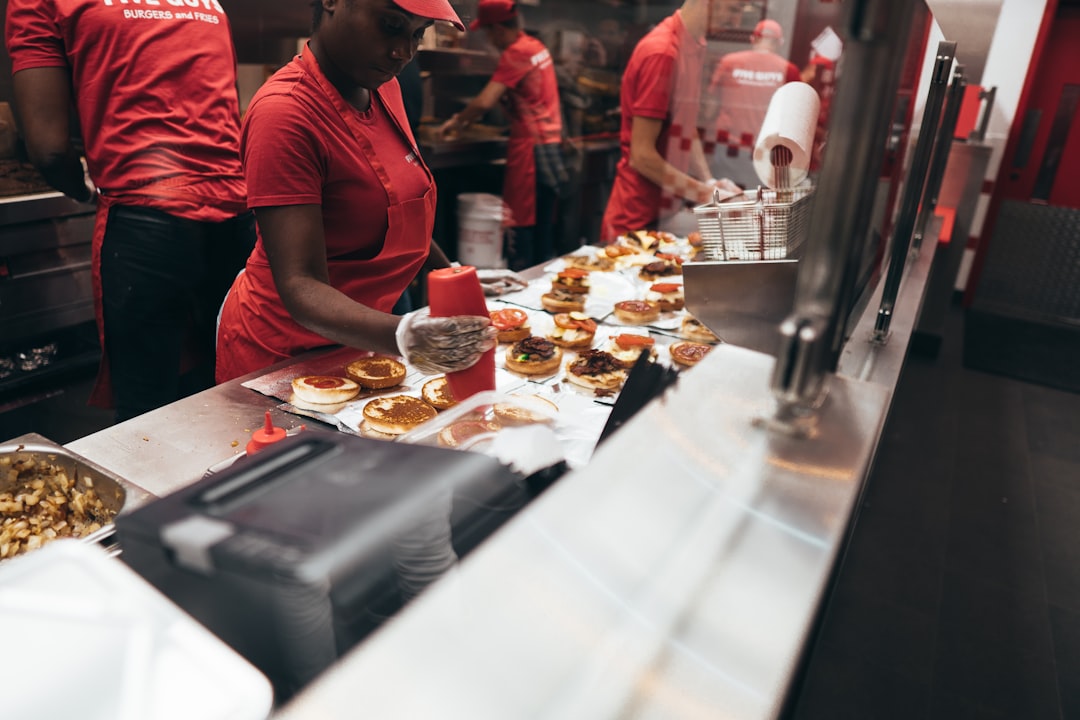
In a large multi-bag order the employee decides which items go into which bag without any guidance from the customer waiting at the counter or window. A frustrated worker will distribute items in a way that splits logical meal groupings across different bags so that reassembling individual orders at the table requires unpacking everything at once. A family of four receives their meal components scattered across three bags rather than organized so that each person’s items are accessible together. The unpacking and redistribution process at the table adds friction to the beginning of every meal. The bags are correctly filled with all ordered items and the distribution method generates no complaints that can be raised at the counter.
Cooking Oil Age
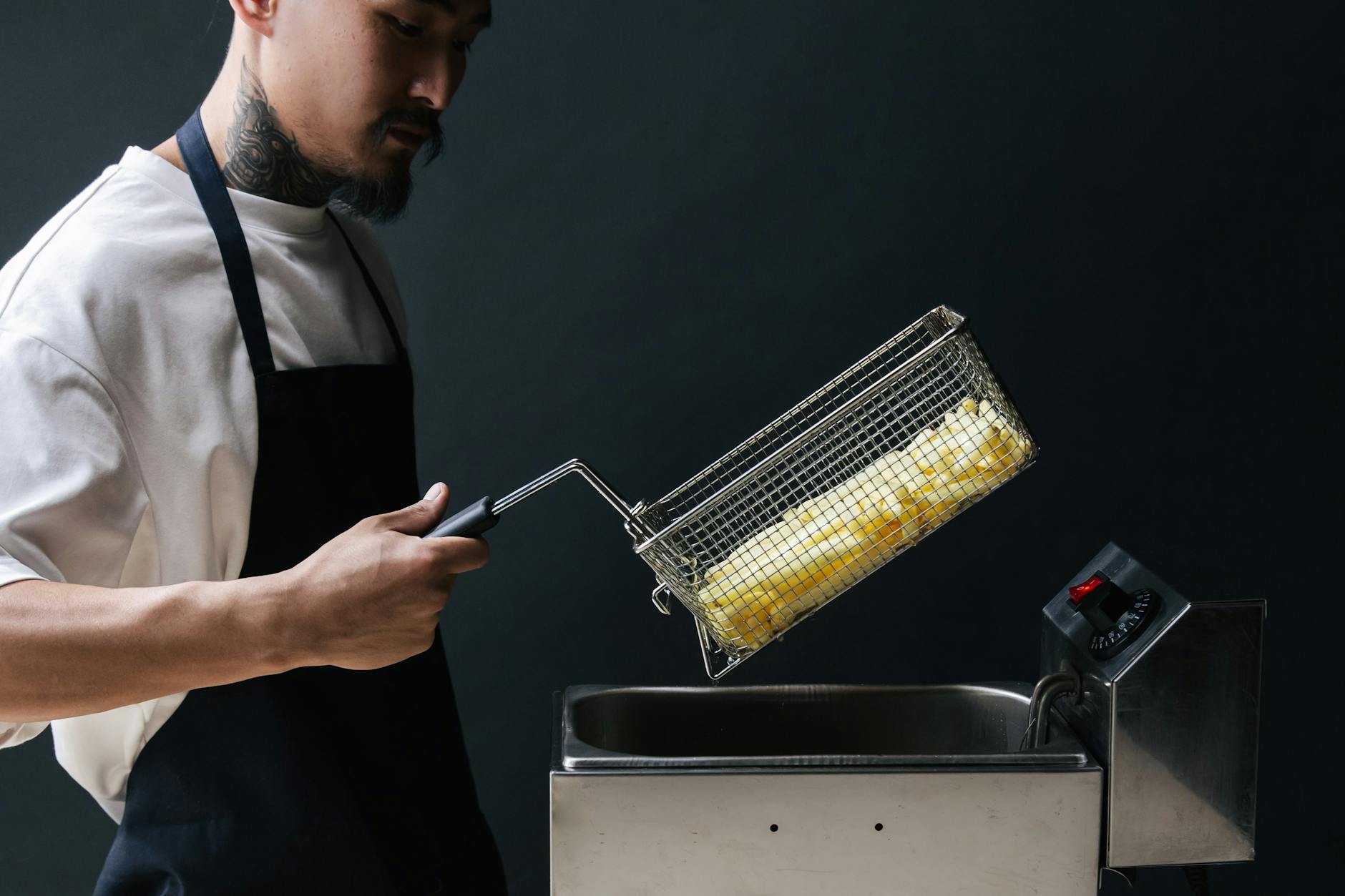
Frying oil degrades over time and produces food with a noticeably darker color, heavier grease coating and increasingly stale flavor as it ages past its optimal usage window. An employee with the authority to flag oil for replacement can choose not to flag it during a frustrating shift allowing the degraded oil to process a large order that arrives tasting noticeably inferior. The customer receives food that is technically cooked to temperature and safe to eat but that tastes meaningfully worse than the same item prepared in fresh oil. There is no way to identify at the counter or window that the oil used for a specific order was due for replacement. The flavor difference is real and detectable but impossible to report or verify after the fact.
Packaging Damage
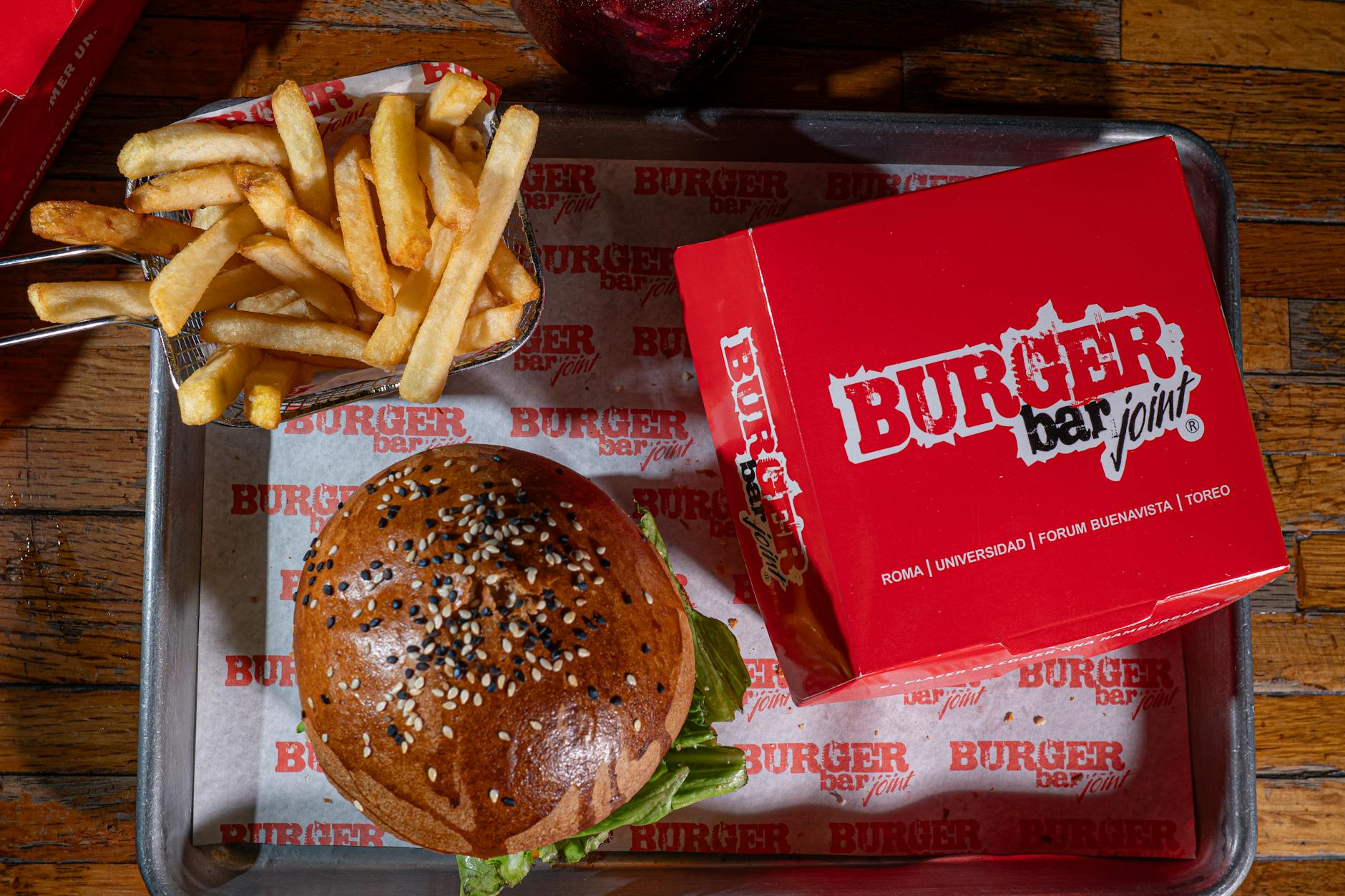
Food packaging that has been lightly compressed, bent or creased during aggressive handling delivers items to the customer in a state that signals carelessness without crossing into any reportable category. An employee frustrated by a large complicated order will handle packaging with just enough force to leave visible evidence of rough treatment without actually damaging the food inside. Burger boxes arrive with bent corners and creased tops. Fry containers have slight pressure dents along the sides. The packaging aesthetics communicate the emotional state of the person who packed the order without any single item being technically wrong or returnable.
Closing Time Orders
Large orders placed within the final thirty minutes before a location closes represent the highest-frustration category in fast food service by a significant margin. An employee preparing a closing-time order operates with the knowledge that cleaning has already begun and that every item being prepared extends the time before departure. Items prepared during this window receive the absolute minimum attention to quality, temperature and presentation that still allows them to leave the kitchen. Portions trend toward the lower boundary of acceptable range and preparation steps that require additional time are abbreviated wherever plausible. The closing-time large order is the single scenario in which every other item on this list is most likely to appear simultaneously.
Have you ever noticed something off about a large fast food order at just the wrong moment? Share your thoughts in the comments.




