Public libraries are among the most visited and least scrutinized shared spaces in any community. Millions of books circulate through thousands of hands every year with almost no hygiene oversight or public disclosure. The institutions themselves have little incentive to publicize the conditions under which their collections are maintained and handled. Most patrons assume a level of cleanliness that bears almost no relationship to the documented reality of high-circulation library collections. These are the 30 most unsettling truths about what happens to a library book before it reaches your hands.
Contamination Studies
Peer-reviewed research has identified cocaine, heroin residue and a range of bacterial pathogens on the surfaces of circulating library books in multiple countries. Testing conducted on high-circulation children’s books has returned particularly concerning results given the demographic most likely to place them in their mouths. The surface of a library book passes through more unique environments in a single month than most household objects encounter in a year. Researchers who have swabbed library book covers have found microbial communities comparable to those found on public restroom surfaces. These findings are not communicated to library patrons at any point during the borrowing process.
Return Slots
The book return slot on the exterior of most library buildings accepts deposits 24 hours a day with no oversight and no environmental controls. Returned books sit in a shared metal bin with whatever else has been deposited through the same opening including food wrappers, liquids and occasionally items that have nothing to do with the library collection. Books dropped through exterior return slots land on top of each other in a pile that can sit overnight or through a weekend before staff process them. The bin interior is rarely sanitized between processing cycles and the contact surfaces accumulate grime from every item that passes through. Patrons never see this process and the books that emerge from it go directly back onto circulation shelves.
Children’s Sections
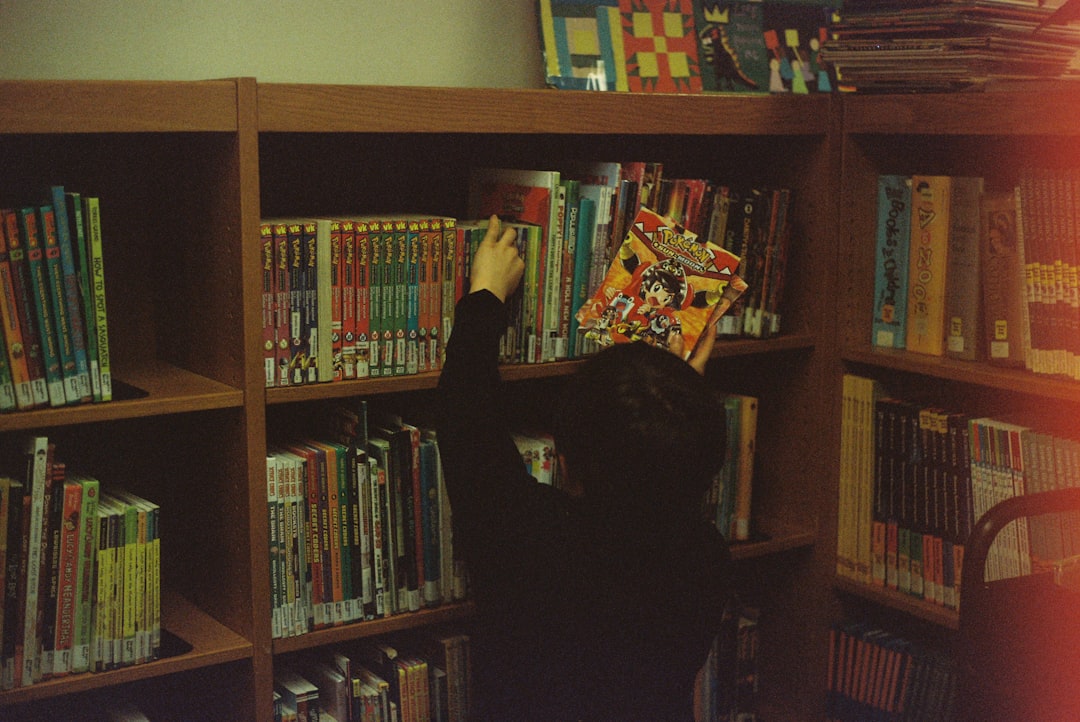
The children’s section of any public library represents the highest-contamination zone in the entire building by a significant margin. Board books and picture books intended for toddlers are regularly mouthed, chewed, sneezed on and handled by children who have not yet developed consistent hygiene habits. Staff report finding food, mucus and unidentified biological material pressed into the pages and spines of children’s books during routine processing. The soft fabric and foam books designed specifically for infants cannot be sanitized using standard library cleaning protocols without damaging the material. These items are returned to the shelf after a visual inspection that cannot detect microbial contamination.
Bedbugs

Bedbug infestations originating from library books have been documented in multiple cities across North America and Europe. The insects and their eggs are small enough to hide in the gutter of a book spine and survive transport to a new home without detection. A patron who borrows a book from a heavily infested household returns it to the library where it circulates to the next borrower before any infestation is identified. Libraries that discover bedbug activity in their collections face significant operational and reputational pressure to manage the situation quietly. The standard response involves removing affected items from circulation but the identification of affected items depends on staff visual inspection rather than systematic screening.
Sanitization Protocols
The majority of public libraries in high-income countries do not have a standardized book sanitization protocol that applies to every returned item before it is reshelfed. Wiping down covers with a cloth is the most common intervention and is applied inconsistently across staff members and shifts. The pages inside a book are essentially impossible to sanitize using any method that does not damage the paper and binding. A library system that publicly claims to sanitize its collection is almost always referring to a selective and superficial process applied to a small percentage of returned items. The interior pages of a circulating library book have never been sanitized at any point in its borrowing history.
Food Residue
Food is prohibited in most library buildings but the evidence of food consumption is present throughout high-circulation collections in every public library system. Greasy fingerprints, sugar residue, crumbs lodged in page gutters and dried liquid stains are among the most commonly documented findings when library staff process returned books. A book borrowed by a patron who eats while reading carries a caloric and microbial record of every meal consumed in its presence. Food residue embedded in the pages of a book cannot be removed without damaging the material and simply accumulates with each additional borrowing cycle. The book is returned to circulation regardless unless the physical damage is severe enough to trigger withdrawal from the collection.
Bathroom Use
Library staff and longtime patrons are aware that a meaningful percentage of borrowed books accompany their borrowers into bathrooms during the loan period. Books returned with the particular wavy texture that results from high-humidity exposure are a common processing finding that staff recognize immediately. Fecal coliform bacteria have been identified on library book surfaces in contamination studies examining high-circulation collections. A book that has spent time in a bathroom environment carries a microbial signature of that experience that no surface wipe can address. The book is processed, reshelfed and handed to the next patron without any disclosure of its recent history.
Mold Presence
Books stored in homes with high humidity, basement dampness or poor ventilation develop mold spore colonies in their pages and covers during the loan period. The mold is not always visible to the naked eye when the book is returned and passes visual inspection without triggering a withdrawal decision. Once a mold-contaminated book is shelved alongside clean books in a library stack the spores can transfer to neighboring volumes over time. Patrons with mold allergies or respiratory sensitivities who handle contaminated books may experience reactions with no obvious identifiable cause. Library collections in older buildings with inadequate climate control harbor endemic mold populations that are essentially impossible to fully eradicate.
Pet Environments
A library book borrowed by a household with pets absorbs dander, fur, saliva and the environmental microbiome of that home during the loan period. Cat and dog allergens are documented to persist on porous surfaces including paper and fabric for extended periods after the source animal is no longer present. A patron with a severe pet allergy who handles a book recently returned from a multi-pet household may experience a measurable allergic response. Library intake staff sometimes note visible animal hair in returned books but the presence of invisible allergens triggers no intervention in any standard protocol. The book is processed and returned to the shelf where it is equally accessible to the next patron regardless of their allergy status.
Marginal Notes
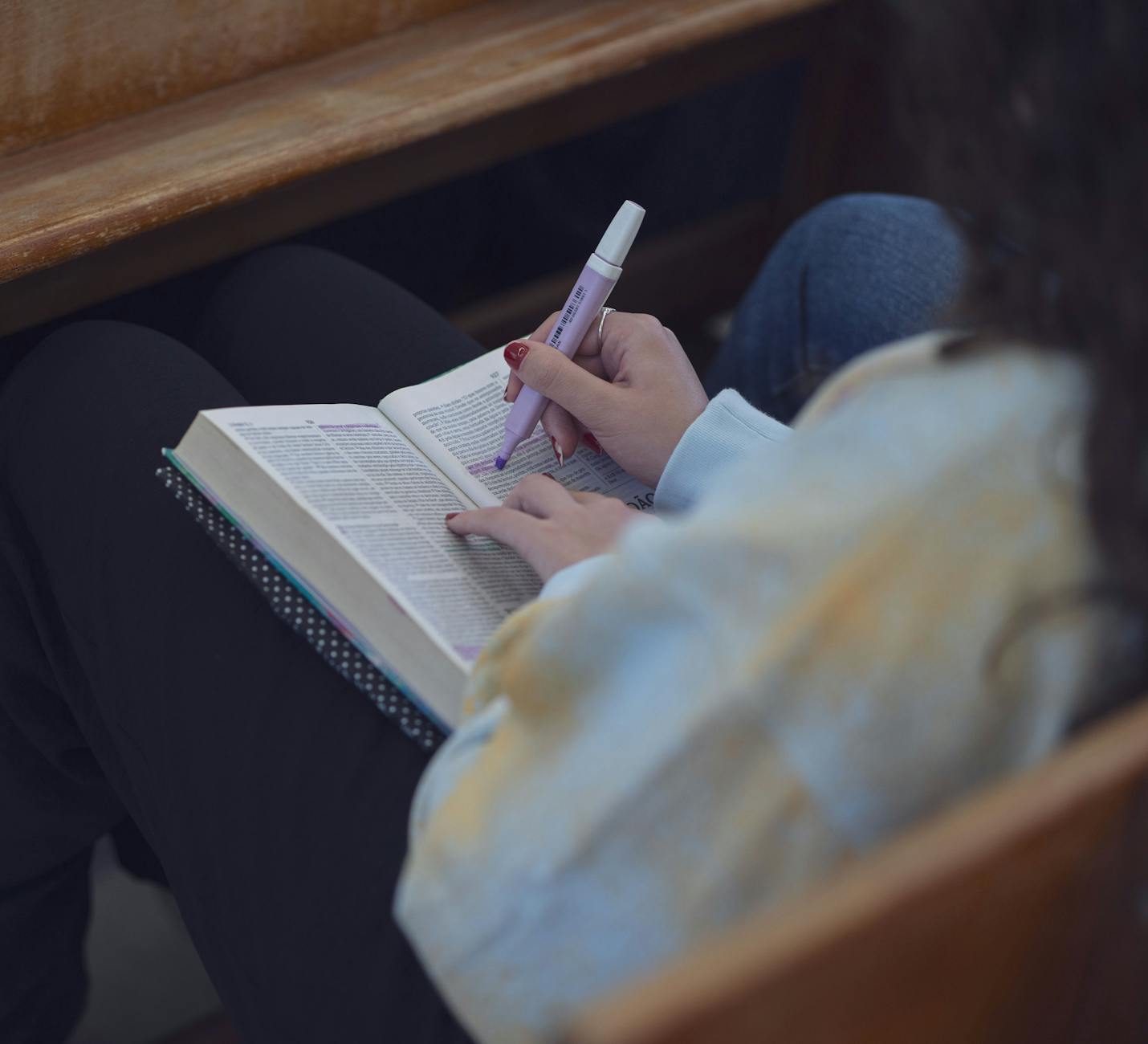
Previous borrowers leave behind a written record of their time with a library book in the form of pencil marks, underlines, margin notes and occasionally ink annotations that cannot be erased. A reader encountering a heavily annotated library book is receiving a physical record of someone else’s intellectual and emotional engagement with the text. Notes left in library books range from academic marginalia to personal confessions to aggressive disagreement with the author written directly onto the page. Libraries officially prohibit annotation but enforcement depends entirely on catching the behavior before it occurs rather than addressing it after the fact. Every pencil mark in a library book represents a previous borrower who either did not read the rules or chose to disregard them entirely.
Bodily Fluids
Library staff who process high volumes of returned books report encountering items with staining consistent with a range of bodily fluids including blood, saliva and materials that defy easy identification. The visual inspection that constitutes a standard intake process cannot detect invisible biological contamination and addresses only the most egregious visible cases. Books identified as visibly contaminated are withdrawn from circulation but the threshold for what constitutes visible contamination varies significantly by staff member and location. Items that fall below the withdrawal threshold are returned to circulation after a surface wipe that does not address the contaminating material embedded in the pages. Processing staff in many library systems are not provided with gloves as standard equipment for handling returned items.
Donation Processing
Library book donations arrive from private homes with no information about the conditions in which they were stored or the health circumstances of the household that owned them. Donated books have been received from estate sales following the death of the previous owner from communicable illness. Boxes of donated books sit in library storage areas for extended periods before processing and the conditions in those storage areas vary widely. Donated items that pass a visual inspection for physical damage are added to the collection or to the library book sale without any sanitization step. The provenance of a donated library book is unknown and undisclosed at every point in its subsequent circulation history.
High-Touch Covers
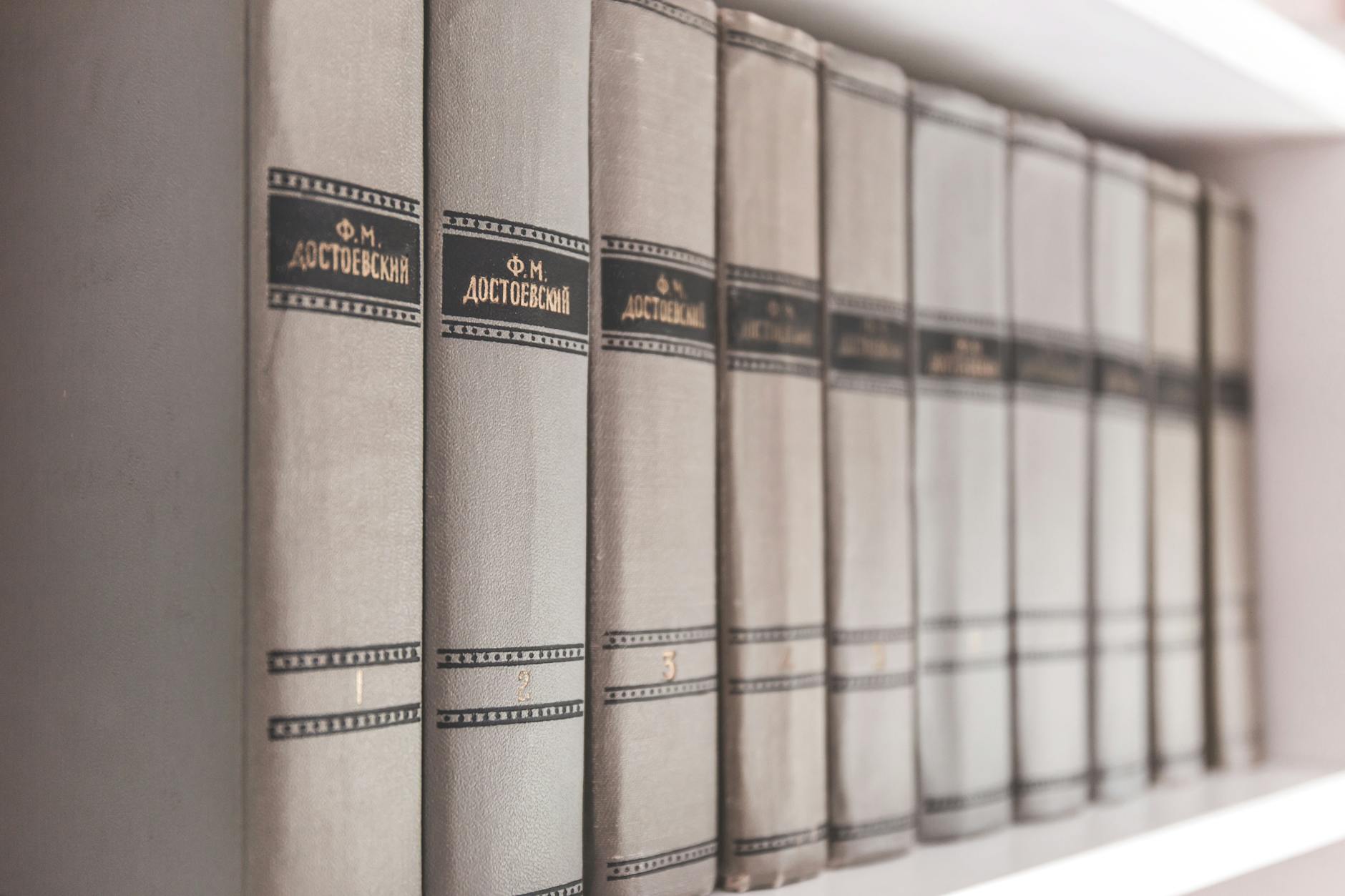
The cover of a library book is the single highest-contact surface in the entire circulation system and receives the concentrated contact of every person who has ever browsed, picked up, shelved or borrowed that item. Popular titles that have circulated for several years have been touched by hundreds of individuals across a range of hygiene practices, health states and environmental exposures. Laminated plastic covers on library books create a smooth non-porous surface that is theoretically easier to wipe down but in practice receives cleaning only when visibly soiled. The spine of a frequently browsed book receives finger contact from every patron who has ever pulled it out to read the title and pushed it back onto the shelf. A high-circulation book cover is one of the most densely contacted shared surfaces in any public space.
Processing Areas
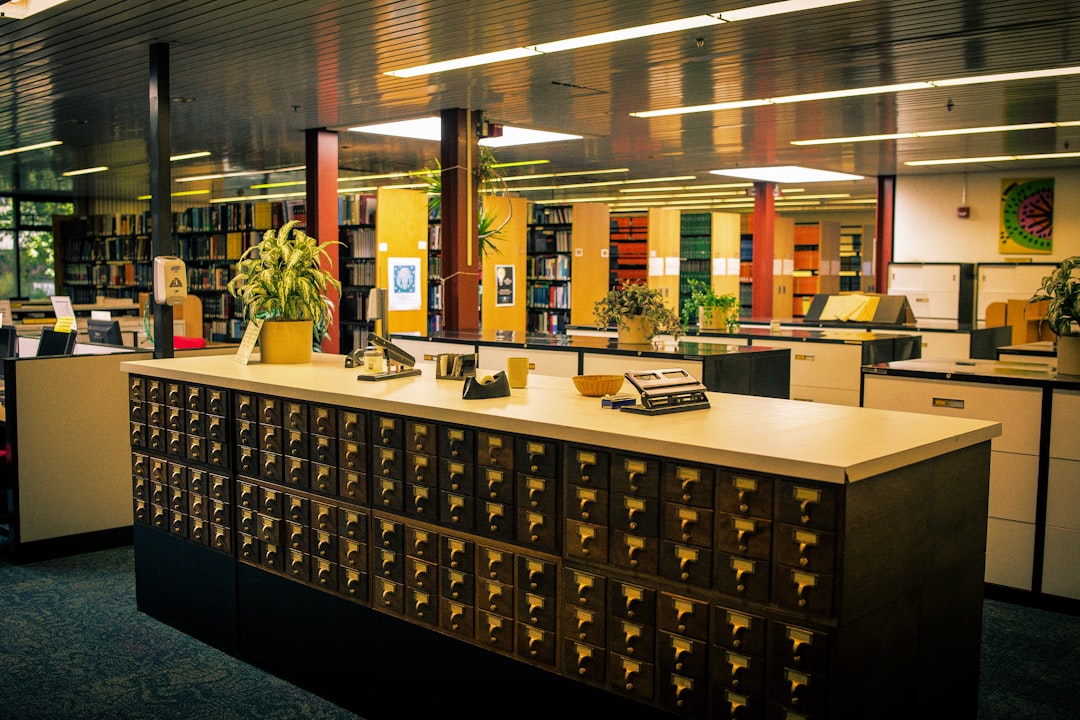
The back-of-house processing areas in most public libraries are not subject to the same cleanliness standards applied to food service or healthcare environments despite handling items that circulate through thousands of private homes. Returned books are stacked on carts and sorting tables that are wiped down irregularly and never disinfected to any documented standard. Staff who process returns and then handle new acquisitions transfer whatever is on the surface of returned items to the surfaces of books entering the collection for the first time. The physical environment of a library processing area has been described by staff in multiple documented accounts as chronically cluttered and difficult to clean thoroughly. Patrons who picture a sterile or controlled intake process for returned books are imagining an environment that does not exist in most library systems.
Illness Periods
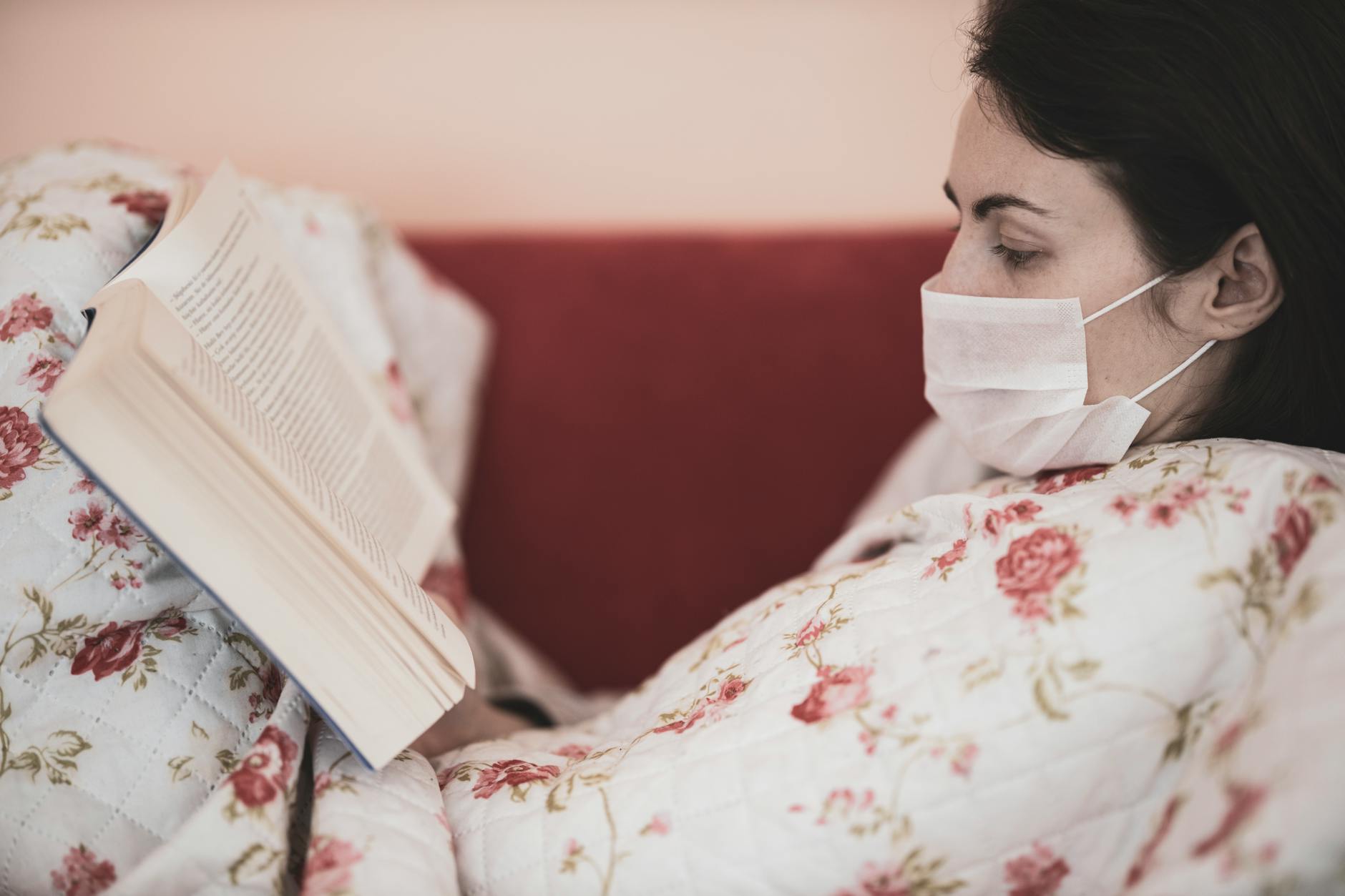
Patrons who borrow books during periods of personal illness continue reading through their borrowing period and return books that have been handled extensively during active infection. Respiratory viruses including influenza are documented to survive on paper surfaces for several hours under standard indoor conditions. A book returned during peak cold and flu season by a symptomatic borrower carries a recent viral load that is invisible, odorless and impossible to detect during visual intake inspection. Library systems do not ask returning patrons about their health status and would have no mechanism to act on that information even if they did. The book is processed and returned to the shelf on the same day it arrives back at the intake desk.
Homeless Patron Use
Public libraries serve as daytime shelter for a segment of the homeless population in most urban library systems and this reality has direct implications for collection hygiene. Books used extensively by patrons experiencing homelessness and living without regular access to hygiene facilities carry a distinct contamination profile. Library staff are trained to serve all patrons without discrimination which means that books used in this context enter the same circulation stream as all other items. The intersection of public health vulnerability and library collection hygiene is a topic that library administrators are understandably reluctant to discuss publicly. The books that circulate through this population pathway are indistinguishable from any other item on the shelf when returned and processed.
Insect Damage
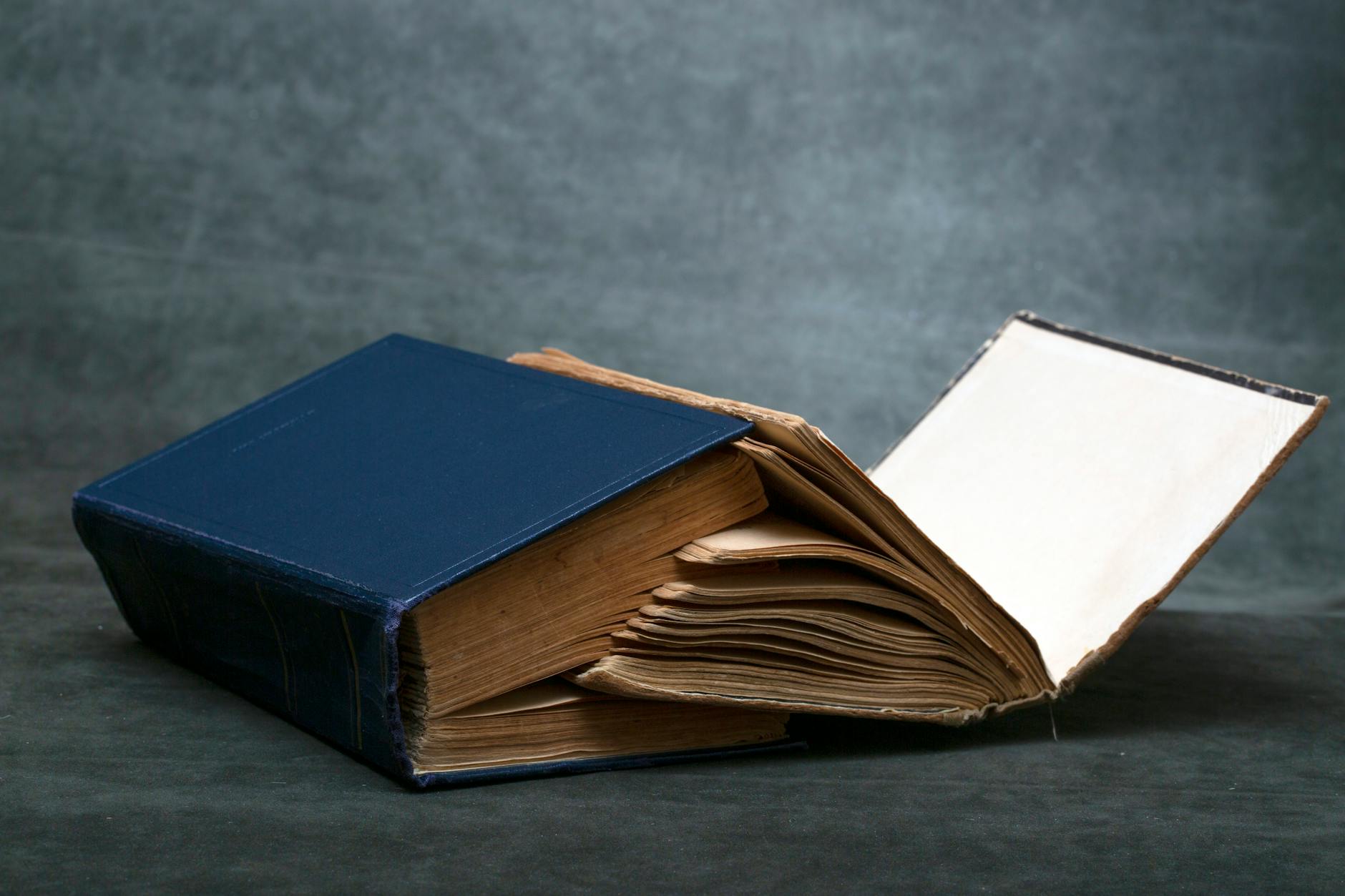
Silverfish, booklice and certain beetle species feed on the organic compounds present in paper, binding glue and the sizing agents used in book manufacturing. An infestation present in a borrower’s home can colonize a library book during the loan period and survive transport back to the library inside the book itself. Eggs laid in the binding or between the pages of a returned book are invisible during visual inspection and will hatch in the library environment after reshelfing. Library collections in older buildings document ongoing low-level insect activity that staff manage reactively rather than through systematic prevention. A book that has passed through an infested home carries that infestation history invisibly into the collection.
Long Overdue Returns
Books returned after extended overdue periods of months or years have spent that time in an entirely unknown environment with no oversight or accountability. An overdue book sitting in a garage, shed or storage unit during a renovation accumulates the environmental conditions of that space across the entire period. Books returned after years carry physical evidence of their storage conditions including dust, humidity damage, staining and occasionally pest evidence embedded in their pages. The overdue fine is collected and the book is processed through the same intake procedure applied to items returned on schedule. The extended and undocumented history of a long-overdue return is invisible to every subsequent borrower.
Bookmark Discoveries
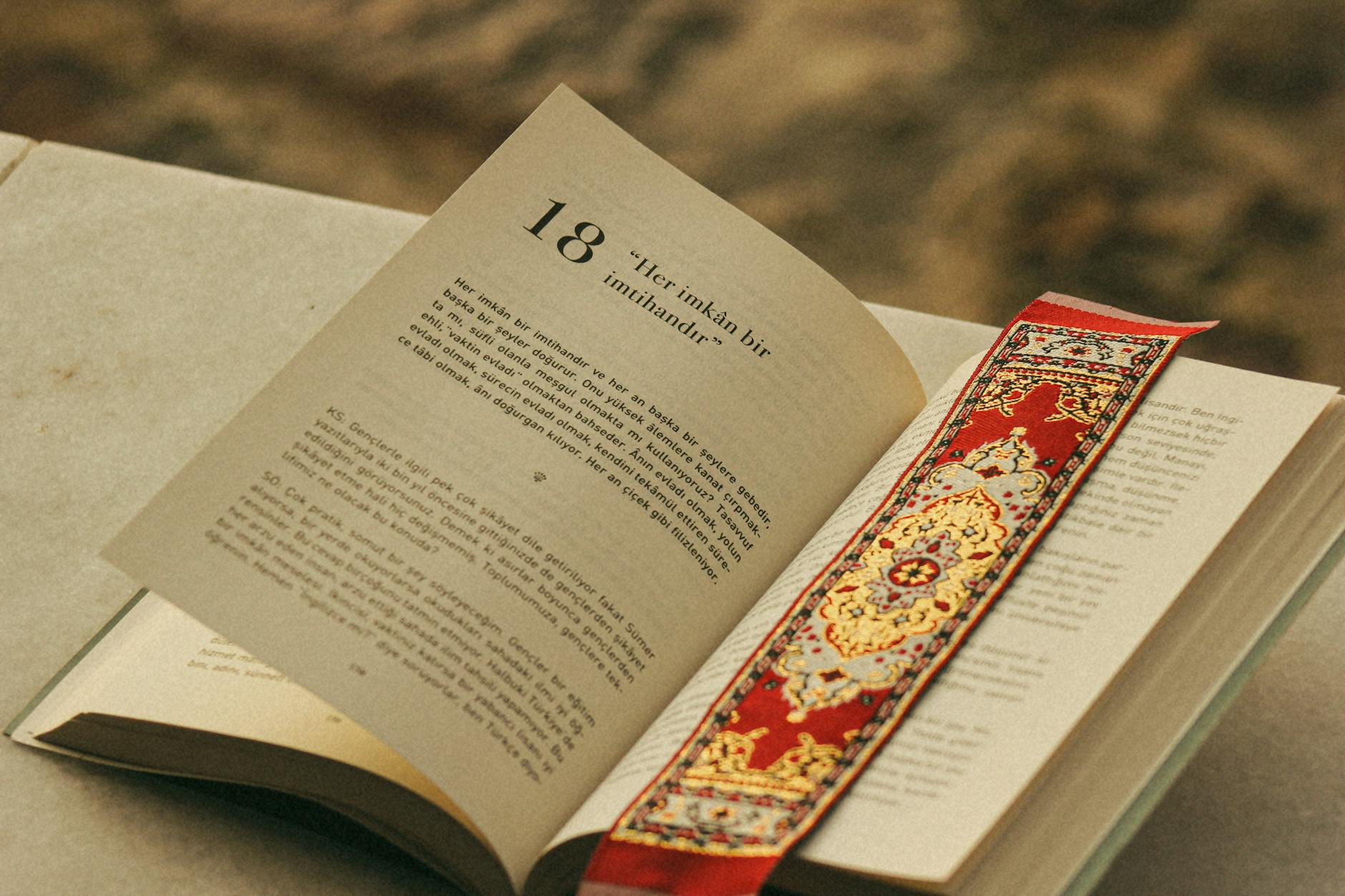
Items left inside returned library books by previous borrowers include a comprehensive record of the private lives and circumstances of the people who read them. Library staff report finding prescription medication information, medical test results, personal photographs, handwritten letters and financial documents left between the pages of returned books. These discoveries offer an inadvertent window into the private circumstances of the borrower and occasionally into significant health or personal situations. The found items are discarded or turned in to lost and found depending on staff discretion and no record is kept of what was discovered. The book returns to circulation carrying no visible record of what it recently contained between its pages.
Flood and Water Events
Books that have been exposed to minor flooding, roof leaks or significant liquid spills during a loan period are sometimes returned without disclosure by borrowers hoping to avoid replacement fees. Water-damaged books that have dried out before return may pass a cursory visual inspection if the warping is minor and the staining is not immediately obvious. A book that has been partially submerged and dried carries a concentrated deposit of whatever was dissolved in the liquid that soaked its pages. Flood water in residential environments contains a documented mixture of sewage, soil bacteria, mold and chemical runoff. Books returned in this condition and accepted back into circulation carry that history into the hands of the next borrower.
Chemical Exposures
Private homes contain a wide range of chemical environments including cigarette smoke, cooking fumes, cleaning product residue, pesticide applications and air freshener saturation that all leave measurable deposits on porous surfaces. A book borrowed into a heavy smoking household for three weeks absorbs a quantifiable load of tobacco particulate that is embedded in the paper and cannot be removed by any surface cleaning method. Patrons with chemical sensitivities report being able to detect the previous environments of library books through smell alone. The chemical history of a library book is cumulative across every household it has ever visited and is entirely invisible in the library catalog record. No disclosure mechanism exists for communicating the environmental history of a circulating item to incoming borrowers.
Staff Handling Variations
The hygiene practices applied by library staff during book handling vary enormously across individuals, locations and time periods within the same institution. Some staff handle returned books with bare hands across entire shifts while others use gloves inconsistently or only for visibly soiled items. Hand sanitizer use between handling returned items and touching clean shelved books is not mandated by any standard library operational protocol. A staff member who processes a heavily contaminated return and immediately begins shelving new acquisitions creates a direct transfer pathway between the two populations of books. The hygiene practices of individual library workers are never communicated to patrons and have no bearing on the condition represented to the borrower.
Textbook Circulation
Library copies of heavily used reference books and textbooks accumulate years of handling by students under high-stress deadline conditions with variable hygiene attention. Textbooks that have circulated through college and university library systems for five or more years carry a layered contamination history across every exam season they have been active. Highlighting, annotation and physical stress marks visible in heavily used textbooks represent only the detectable evidence of their circulation history. The pages of a well-used academic library book have absorbed the concentrated attention of hundreds of exam-period readers across multiple academic years. These items remain in circulation until physical deterioration forces withdrawal regardless of their contamination profile.
Recalled Books
Books that are identified for recall due to mold, pest evidence or severe contamination have typically already completed multiple additional circulation cycles between the identification event and the actual withdrawal from the collection. The processing backlog in most library systems means that a book flagged for review continues to circulate while awaiting a formal assessment decision. Recalled books in transit back from current borrowers pass through the standard return and intake process before their flagged status is actioned. A patron who returns a recalled book may inadvertently expose the intake staff and processing environment to the condition that triggered the recall in the first place. The timeline between identification and withdrawal is rarely measured or disclosed in any library operational transparency report.
Reading Group Copies
Multiple-copy sets purchased for library reading groups circulate through every member of the group in sequence and then return to the general collection. A reading group set of twelve copies passes through twelve households in close succession creating a rapid and dense contamination exchange among a defined population. Members of the group who are ill during their reading period contribute their health status to the physical object that moves directly to the next reader on the list. Reading group copies tend to be heavily annotated, structurally stressed and contaminated in proportion to the size and duration of the group that used them. These copies return to the open shelf collection after the program concludes without any differentiated cleaning protocol.
Spine and Binding
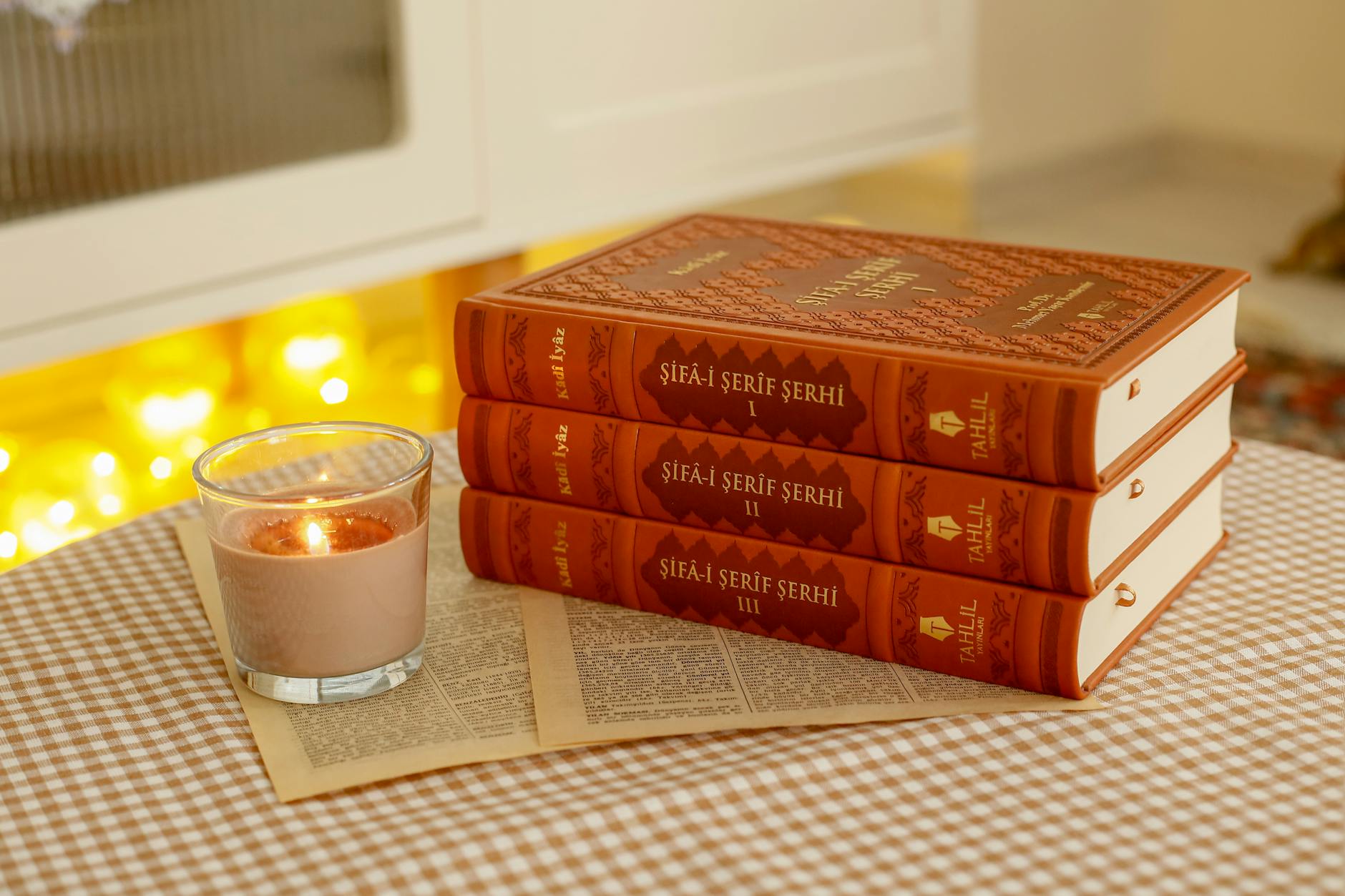
The spine and binding of a library book accumulate contact from every hand that has ever gripped the book to pull it from a shelf or hold it open during reading. The textured surfaces and recessed areas of a book spine are among the most difficult surfaces to wipe clean and trap particulate matter from every environment the book has visited. Binding glue in older books provides an organic substrate that supports microbial growth under the right humidity conditions. The physical act of cracking open a stiff library book releases a small plume of particulate matter from the binding area directly toward the reader’s face. This is the most intimate physical contact point between a library book and its borrower and it receives the least attention in any cleaning protocol.
Digital Catalog Terminals
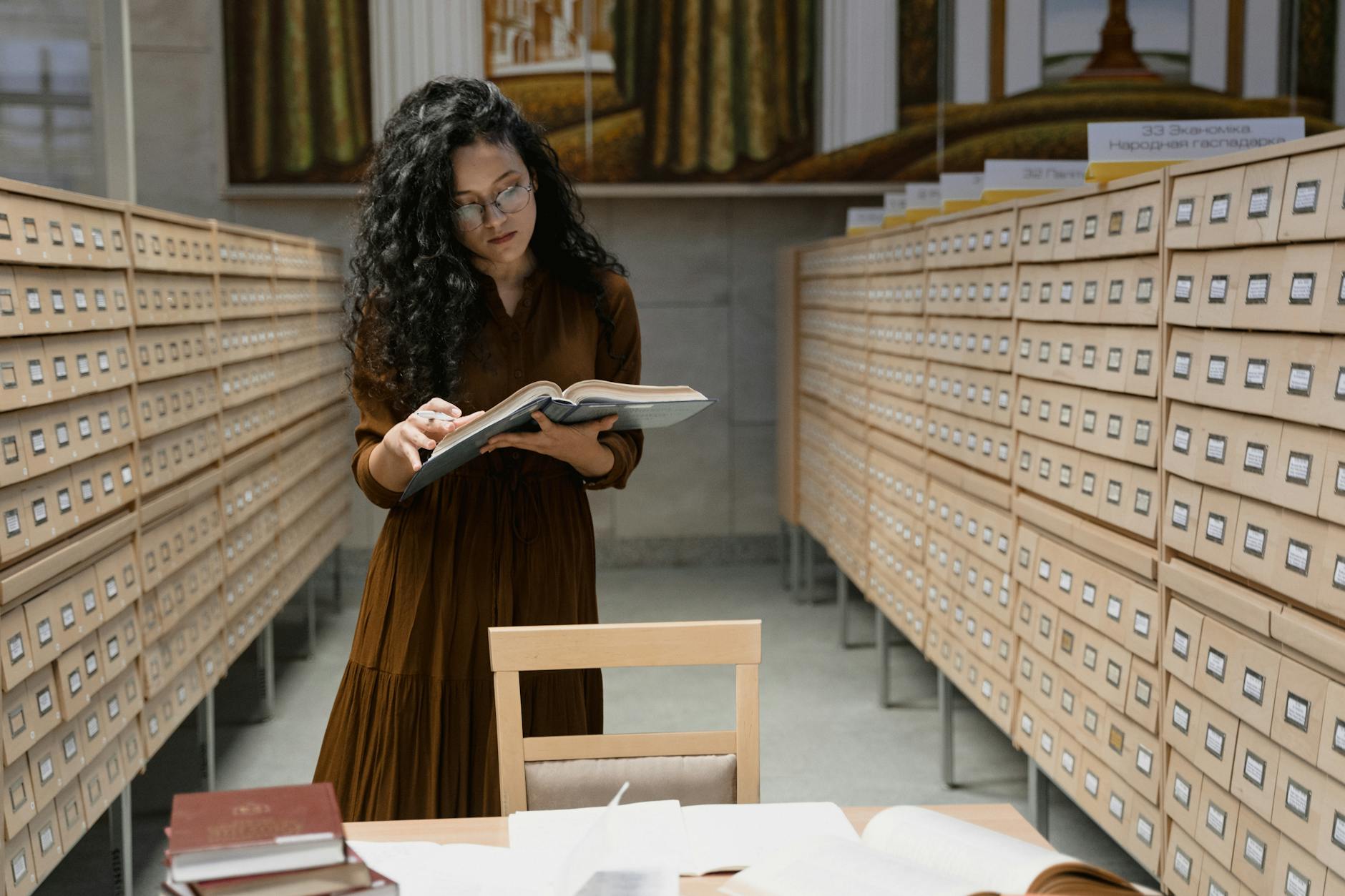
The catalog terminals and touch screens used to search the library collection and place holds are handled by every patron who visits the building and are cleaned on a schedule that is entirely at the discretion of individual locations. A patron who searches the catalog, places a hold on a book and then retrieves that book from the holds shelf has touched two of the highest-contact surfaces in the building in immediate succession. Touch screen terminals in children’s sections are contacted by the same demographic responsible for the contamination profile of the children’s book collection. Hand sanitizer stations near catalog terminals are present in some locations and entirely absent in others with no system-wide standard. The terminal surface acts as a contamination exchange point between every patron who visits the library on a given day.
After-Hours Drops
Books returned through after-hours drop slots during evening and overnight hours sit in shared collection bins for extended periods in unmonitored exterior environments. Bins that are exposed to outdoor temperature fluctuations accumulate condensation during temperature changes that adds moisture to every book in the pile. Exterior drop slots in urban locations have been documented to receive non-book deposits including food, liquids and occasionally items discarded by people who are not library patrons. Books at the bottom of an after-hours collection pile bear the weight and any liquid transfer from every item deposited above them throughout the night. The morning staff who process the overnight drop receive the full accumulated contents of the bin without any prior knowledge of what the collection contains.
Microwave Myths
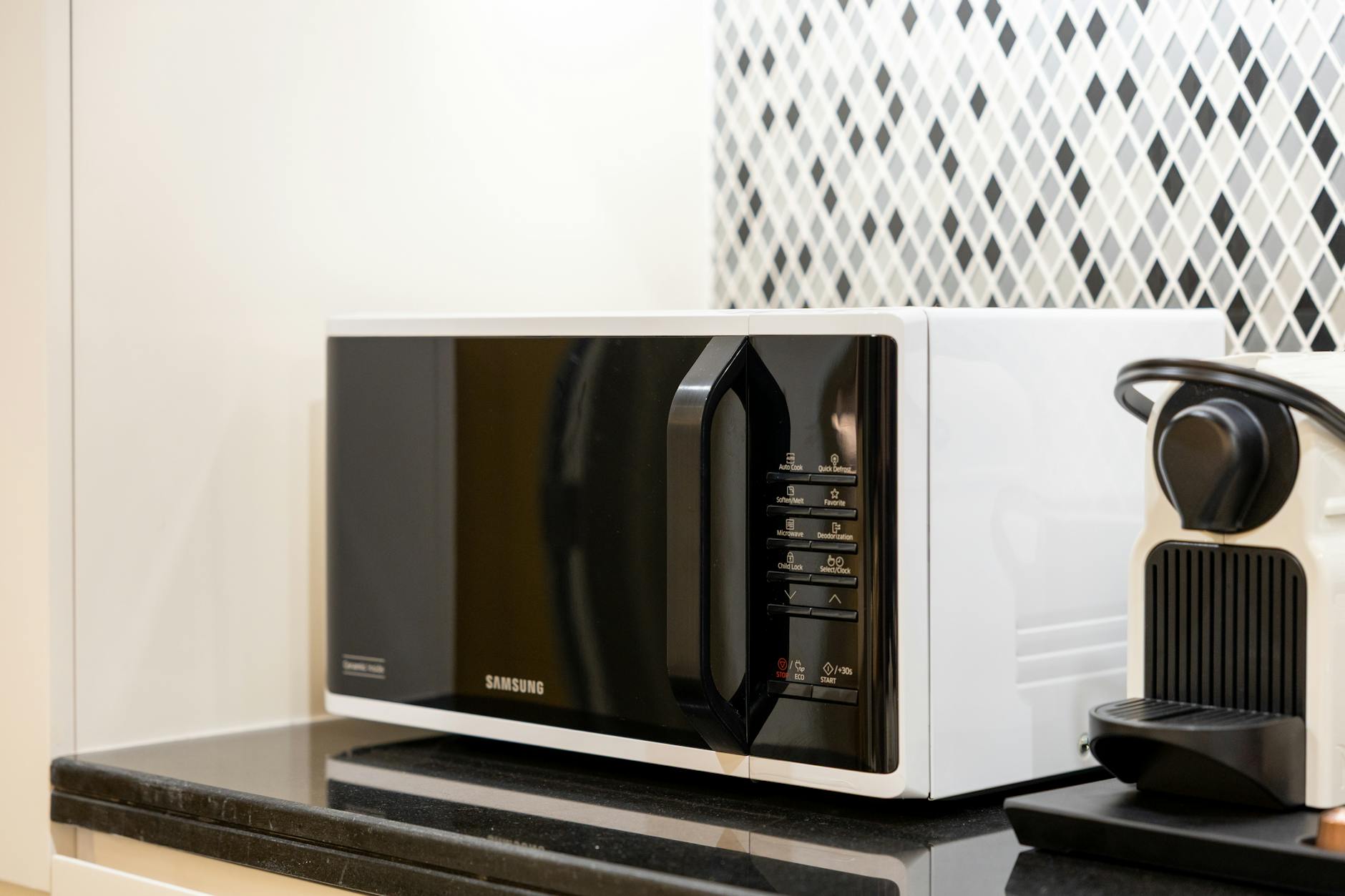
A persistent patron belief holds that microwaving a library book for a short period will sanitize it before reading and library staff are privately familiar with the returned books that show evidence of this practice. Microwave exposure damages book bindings, warps pages and in books with any metallic ink or staple components creates a fire and equipment hazard. The belief that microwaving produces meaningful sanitization of a porous paper object is not supported by the available evidence on pathogen survival in library materials. Books returned with heat damage consistent with microwave exposure are a documented category in library processing lore. The irony is that the attempted sanitization causes physical damage while providing negligible protection against the actual contamination present in the item.
Withdrawal Piles
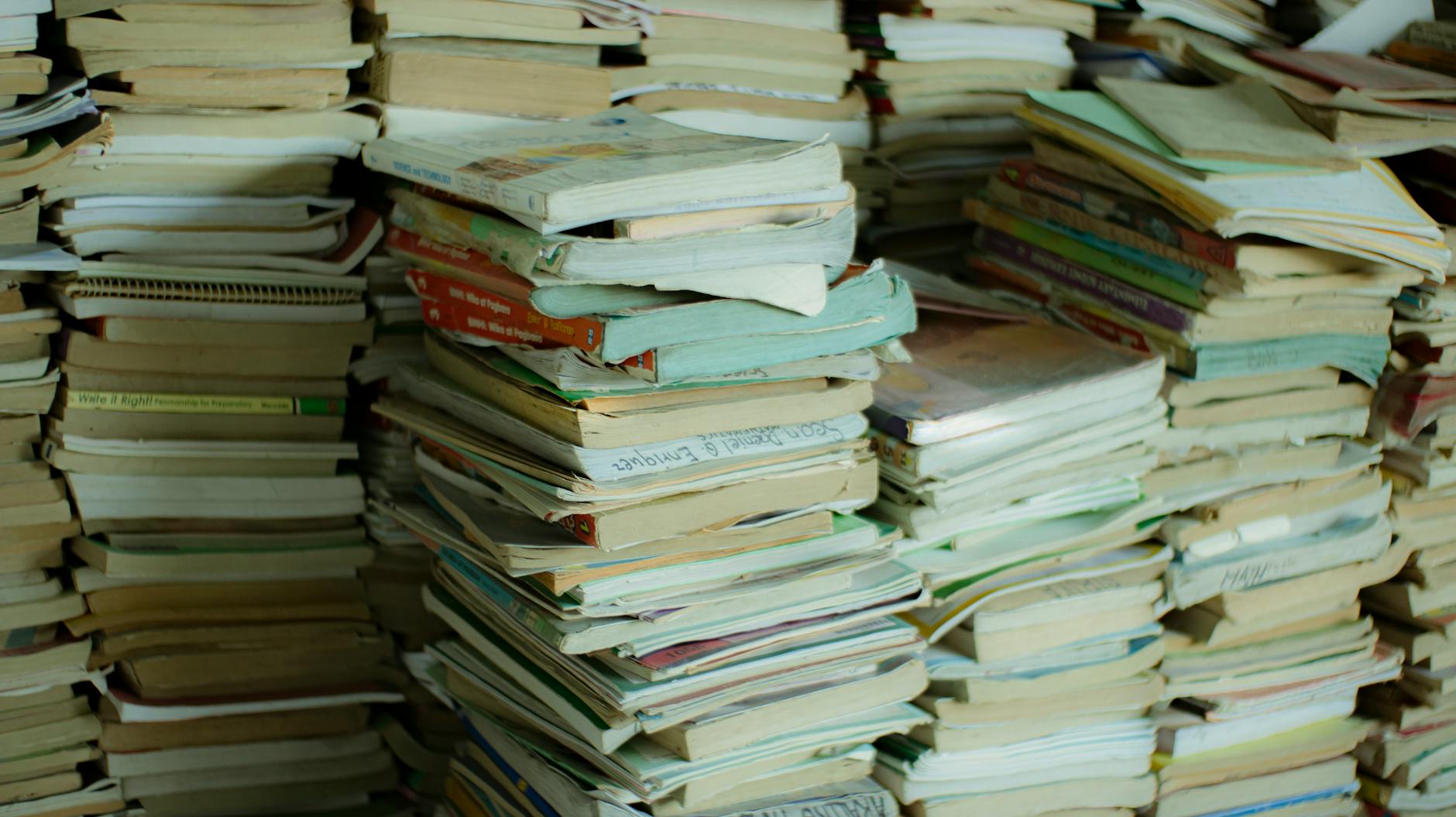
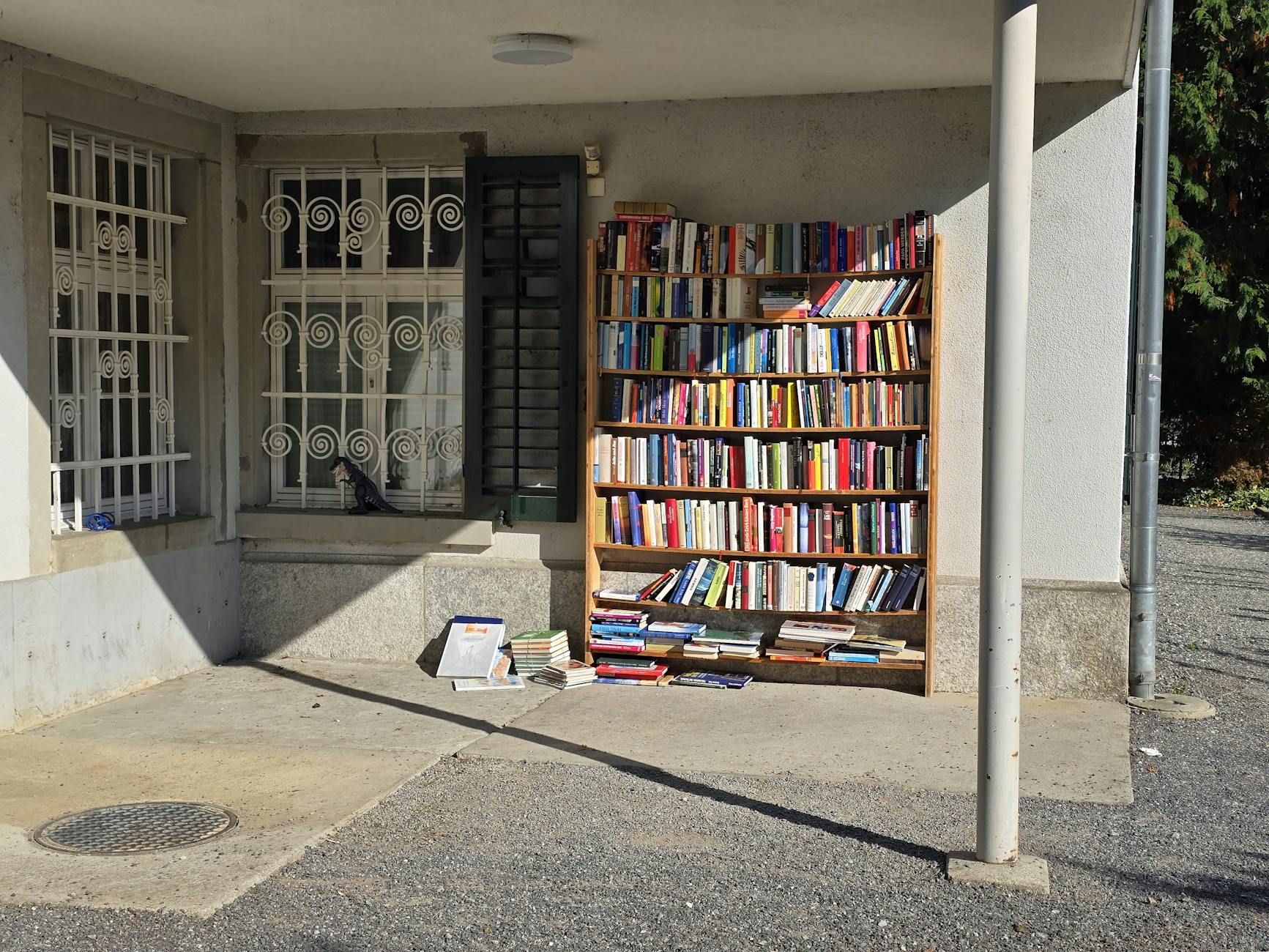
Books withdrawn from circulation and placed in the discard or donation pile continue to be accessible to patrons browsing library book sales and free shelves without any change in their contamination status. A book withdrawn for pest evidence or mold that ends up in a library book sale is purchased by a patron who has no knowledge of the reason for its withdrawal. Free shelf programs that allow patrons to take withdrawn books without cost operate with no disclosure of why individual items were removed from the collection. The contamination history that triggered a withdrawal decision travels with the book into its new private ownership without any accompanying documentation. Library book sales are among the least scrutinized points in the entire public library hygiene chain.
What has your own experience with library books revealed that you wish you had known sooner? Share your thoughts in the comments.




