
Energy efficiency advice tends to cluster around the same familiar recommendations that most households have already heard and largely ignored. The more interesting territory lies in the strategies that challenge conventional wisdom, contradict utility company guidance or require a willingness to experiment with how a home actually functions. Some of these approaches are controversial because they conflict with manufacturer recommendations while others are disputed because the savings they generate are difficult to measure at the household level. What they share is a track record of meaningful bill reduction reported by homeowners who were willing to try something outside the standard advice column. These are the 25 most controversial and least discussed energy-saving approaches that do not require giving up the comfort you have already paid for.
Hot Water Heater

Lowering a water heater thermostat from the factory default of 140 degrees Fahrenheit to 120 degrees produces energy savings of six to ten percent on water heating costs which typically represent 14 to 18 percent of a total household energy bill. The 140 degree factory setting exists primarily to satisfy liability concerns rather than functional household requirements and most daily hot water uses are comfortably met at the lower temperature. Plumbers and manufacturers discourage this adjustment by citing Legionella bacteria risk but public health research indicates the risk at 120 degrees is negligible in residential systems with normal usage patterns. The adjustment takes under two minutes on most tank-style heaters and requires no tools on units with an accessible dial. Households that make this single change report noticing no difference in shower or dishwasher performance while the savings accumulate continuously.
Refrigerator Placement

The physical location of a refrigerator within a kitchen has a measurable and almost never discussed impact on its energy consumption across the entire operational lifespan of the appliance. A refrigerator placed adjacent to a dishwasher, oven or in a position that receives direct afternoon sunlight works against its own cooling system continuously and draws significantly more power than the same unit in a thermally neutral location. Moving a refrigerator even 12 inches away from a heat-generating appliance or repositioning it out of direct sun exposure can reduce its energy draw by eight to twelve percent without any change to its settings or components. Most kitchen designs prioritize visual flow and counter proximity over appliance thermodynamics and the energy cost of those design decisions is paid continuously on every electricity bill. Appliance manufacturers publish ideal ambient temperature ranges for refrigerator operation that almost no residential installation actually meets.
Ceiling Fan Direction
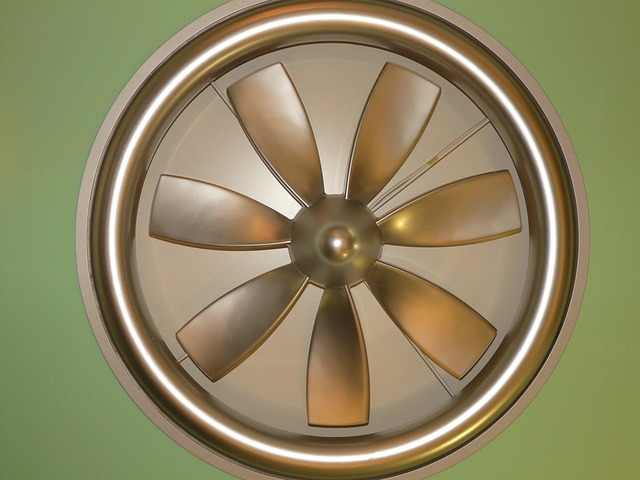
Ceiling fans have a direction switch that reverses blade rotation between counterclockwise for summer cooling and clockwise for winter heat redistribution and the winter setting is among the most consistently ignored energy-saving features in any home. Running ceiling fans clockwise at low speed during winter months pushes the warm air that accumulates at ceiling level back down into the occupied zone of the room allowing the thermostat setpoint to be reduced by two to four degrees without any perceived comfort reduction. The energy cost of running a ceiling fan motor is a fraction of the energy cost of the heating required to compensate for the thermal stratification it addresses. Most homeowners either do not know the switch exists or switch it once and forget to reverse it seasonally. Consistent seasonal switching across multiple rooms produces heating season savings that compound across every hour the heating system is operating.
Phantom Load Elimination

Consumer electronics, phone chargers, gaming consoles, cable boxes and kitchen appliances in standby mode collectively draw between five and ten percent of a typical household’s total electricity consumption while delivering no functional benefit to anyone in the home. The controversial aspect of phantom load elimination is that it requires changing habitual behavior around devices that most households treat as permanently on. Smart power strips that cut power to peripheral devices when a primary device like a television is switched off address the behavior change requirement without demanding ongoing conscious action from household members. Cable and satellite boxes are among the highest phantom load offenders and can draw nearly as much power in standby as during active use. Households that audit and address phantom loads systematically report monthly savings that accumulate to meaningful annual figures without any reduction in the availability or performance of their devices.
Thermal Mass Exploitation

Buildings accumulate and release heat according to the thermal mass of their construction materials and this physical property can be deliberately exploited to reduce heating and cooling loads in ways that no utility company or appliance manufacturer has any incentive to explain. Opening windows strategically during cool summer nights to flush a home with cool air and then closing them before temperatures rise in the morning uses the thermal mass of floors, walls and furnishings as a passive cooling reservoir that reduces air conditioning demand during the hottest hours of the day. Tile floors, concrete slabs and brick interior walls store significantly more thermal energy than carpeted wood frame construction and homes with high thermal mass respond more slowly to outdoor temperature swings in both directions. Understanding and exploiting the thermal mass characteristics of a specific home produces cooling season savings that require no equipment purchase and no ongoing operating cost. This principle is foundational to passive house design but is essentially never communicated to owners of existing homes.
Dishwasher Habits
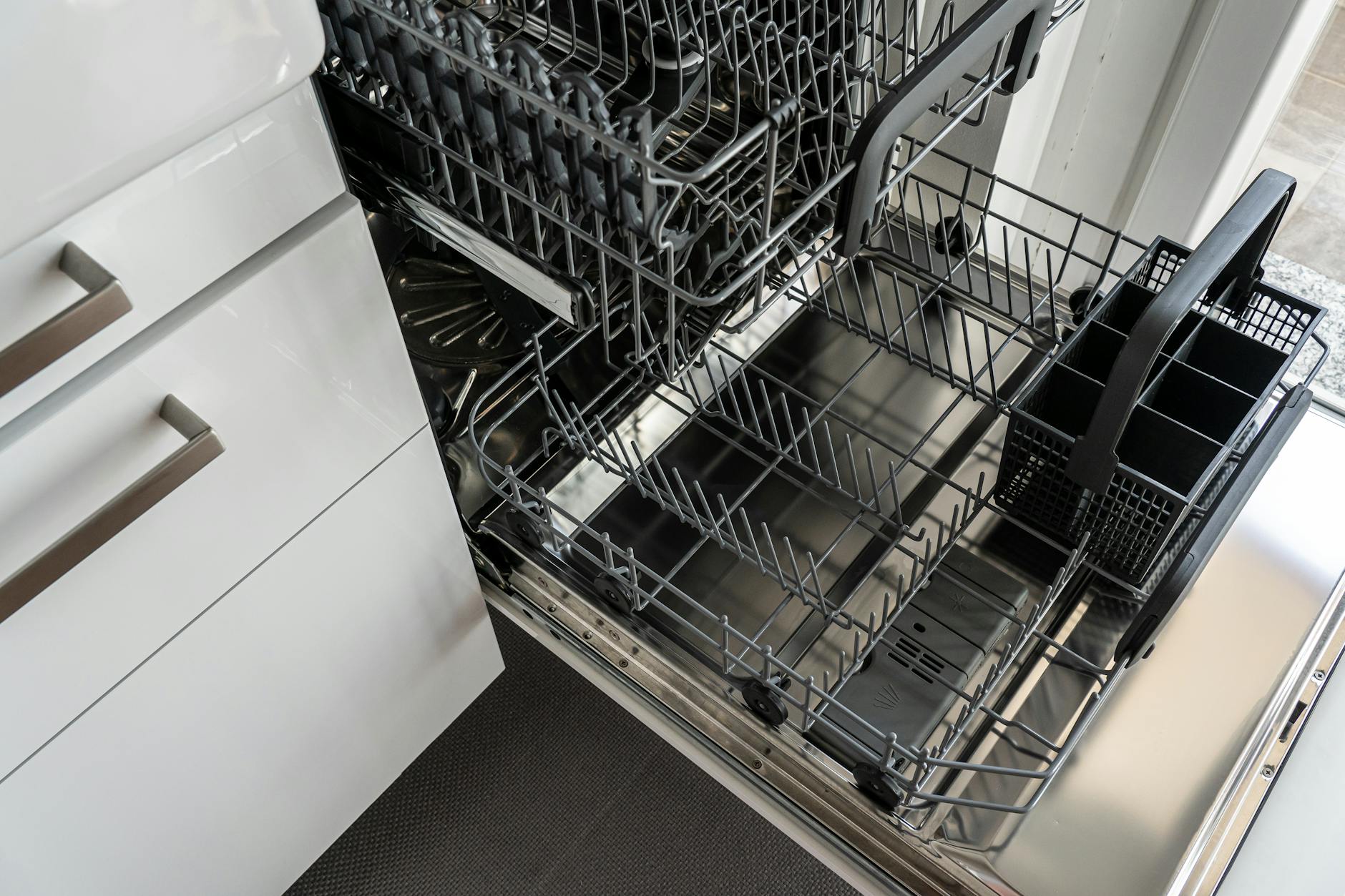
Running a dishwasher on its heated dry cycle consumes a significant portion of the total energy used per wash cycle for an outcome that can be achieved at zero energy cost by opening the door and allowing dishes to air dry after the final rinse. The heated dry element is the single highest-draw component in a dishwasher’s operating cycle and disabling it through the settings menu or simply opening the door at the end of the wash produces completely dry dishes within 20 to 30 minutes without any mechanical assistance. Dishwasher manufacturers include the heated dry option because customers perceive it as essential performance and because it contributes to the energy ratings that appear on specification sheets in ways that benefit marketing rather than operational efficiency. Running full loads exclusively and using the air dry method on every cycle reduces dishwasher energy consumption by 15 to 50 percent depending on the appliance and usage frequency. Both changes require a single behavioral adjustment that has no impact on dish cleanliness or kitchen workflow.
Insulation Priority
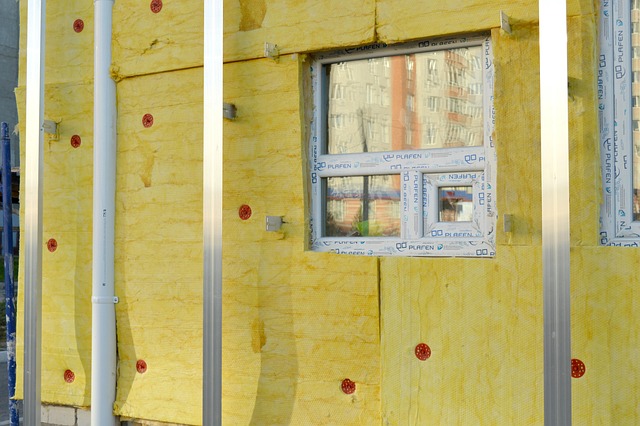
Most homeowners who decide to invest in home insulation focus on attic insulation because it is the most commonly recommended upgrade and the most accessible area for a visible improvement. The controversial counterargument supported by building science research is that air sealing rather than additional insulation produces dramatically greater energy savings per dollar invested in most existing homes. A home with adequate insulation levels but significant air leakage around electrical outlets, recessed lights, plumbing penetrations and attic hatches loses conditioned air continuously regardless of how much insulation sits above the leakage points. Professional blower door testing identifies the specific leakage locations in a home and the sealing work that follows frequently outperforms insulation upgrades in terms of measured energy reduction. This sequence recommendation runs directly counter to the advice delivered by most insulation contractors whose business model is built around selling insulation rather than caulk.
Programmable Thermostat Use
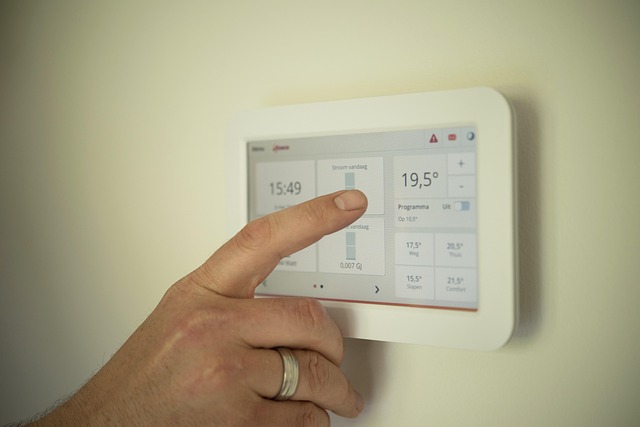
Programmable thermostats have been in common residential use for decades and research consistently shows that a majority of households with programmable thermostats never program them beyond the default factory settings. The controversial finding in thermostat research is that the setback temperatures most commonly recommended by energy agencies are unnecessarily aggressive and cause systems to work harder to recover than the energy saved during the setback period in poorly insulated homes. A more moderate setback of three to five degrees during sleeping and away hours rather than the commonly recommended eight to ten degrees produces more consistent savings in homes where the heating or cooling system cycles frequently. Smart thermostats that learn occupancy patterns and adjust setbacks based on actual system performance data rather than generic schedules consistently outperform manually programmed units in measured household energy reduction. The optimal setback schedule for a specific home depends on its insulation level, system efficiency and occupancy pattern in ways that no generic recommendation can accurately capture.
Window Film Application

Residential window film applied to south and west-facing glass reduces solar heat gain during cooling season by blocking a significant percentage of infrared radiation before it enters the home as heat. The controversial aspect of window film is that it also reduces solar heat gain during heating season when that free solar energy would otherwise offset furnishing costs and the net annual benefit depends entirely on the climate balance between heating and cooling degree days at a specific location. In climates with dominant cooling seasons the net energy benefit of window film is clearly positive and well documented. In heating-dominant climates the calculation is less straightforward and depends on which windows are treated and at what times of year. Removable seasonal window film that is applied in spring and removed in autumn represents the most nuanced application of this technology and almost no residential energy guidance acknowledges that the seasonal approach exists.
Clothes Dryer Venting
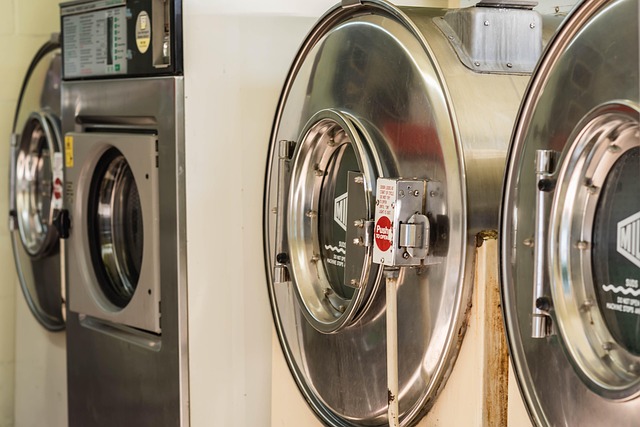
Dryer exhaust venting that runs through long horizontal duct runs with multiple bends and elbows creates airflow restriction that forces the dryer to run longer cycles consuming more energy per load than a properly vented unit. The actual duct configuration of most residential dryer installations is never assessed after the original installation and lint accumulation in long duct runs compounds the restriction problem over time. Shortening the duct run, replacing flexible vinyl duct with rigid metal duct and minimizing the number of directional changes can reduce dryer cycle time and energy consumption by ten to twenty percent on affected installations. This is a one-time physical modification that requires no behavioral change and no ongoing attention after completion. The savings compound across every dryer cycle run in the life of the installation and most homes with long or convoluted dryer duct runs have never been informed that the configuration is affecting their operating costs.
Microwave Priority
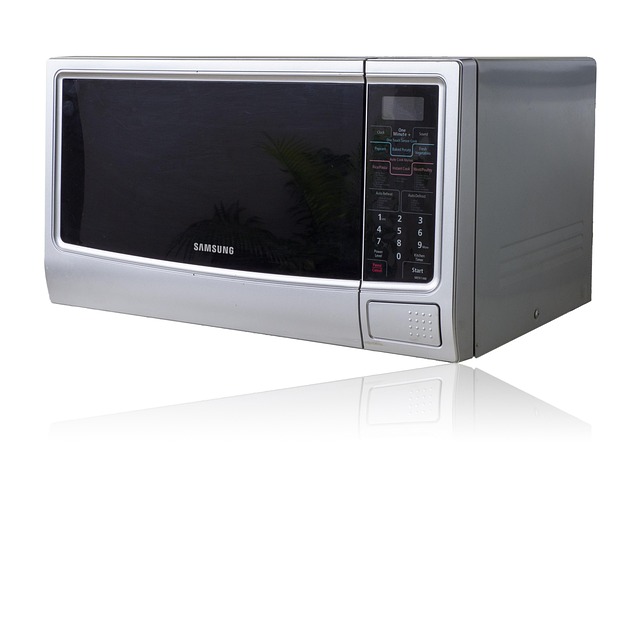
Substituting a microwave for a conventional oven whenever the food outcome is acceptable reduces cooking energy consumption by 60 to 80 percent per cooking event because microwave ovens heat food directly rather than heating the air inside a large cavity and waiting for that heated air to transfer energy to the food. The controversial aspect of this recommendation is that it challenges a cooking culture where oven use is associated with quality and microwave use is associated with convenience shortcuts. Modern combination microwave convection ovens produce food quality comparable to conventional ovens for a wide range of applications while consuming a fraction of the energy. A household that shifts 40 percent of its oven cooking events to microwave or combination microwave preparation notices no meaningful degradation in food quality for most applications. The energy savings per cooking event are modest but the frequency of cooking in most households makes the cumulative annual savings significant.
Hot Water Pipe Insulation
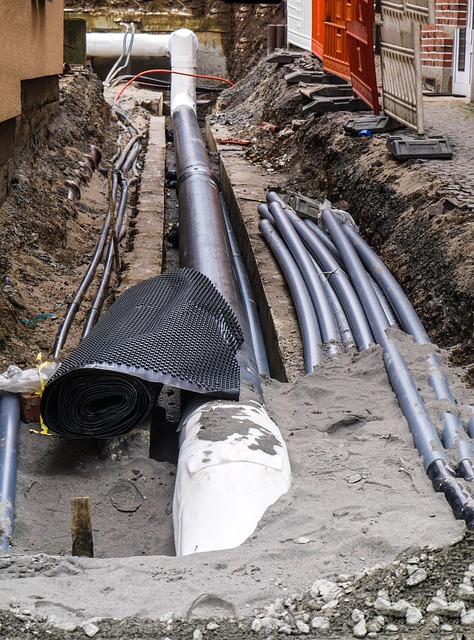
The water sitting in uninsulated hot water pipes between the water heater and the tap cools to ambient temperature during any period of non-use and must be flushed out and replaced with fresh hot water from the heater every time a tap is opened after a dormant period. This flushing loss is invisible to most homeowners because it happens automatically every time hot water is requested and the volume wasted is never measured. Insulating the hot water pipes between the water heater and the most frequently used fixtures reduces the rate at which standing water in the pipes loses its heat during dormant periods meaning less cold water must be flushed before hot water arrives at the tap. The insulation material costs a few dollars per linear foot and the installation requires no special skills or tools for accessible pipe runs. The combined savings from reduced water waste and reduced water heater cycling frequency accumulate continuously across every household member’s daily hot water use.
Oven Preheating
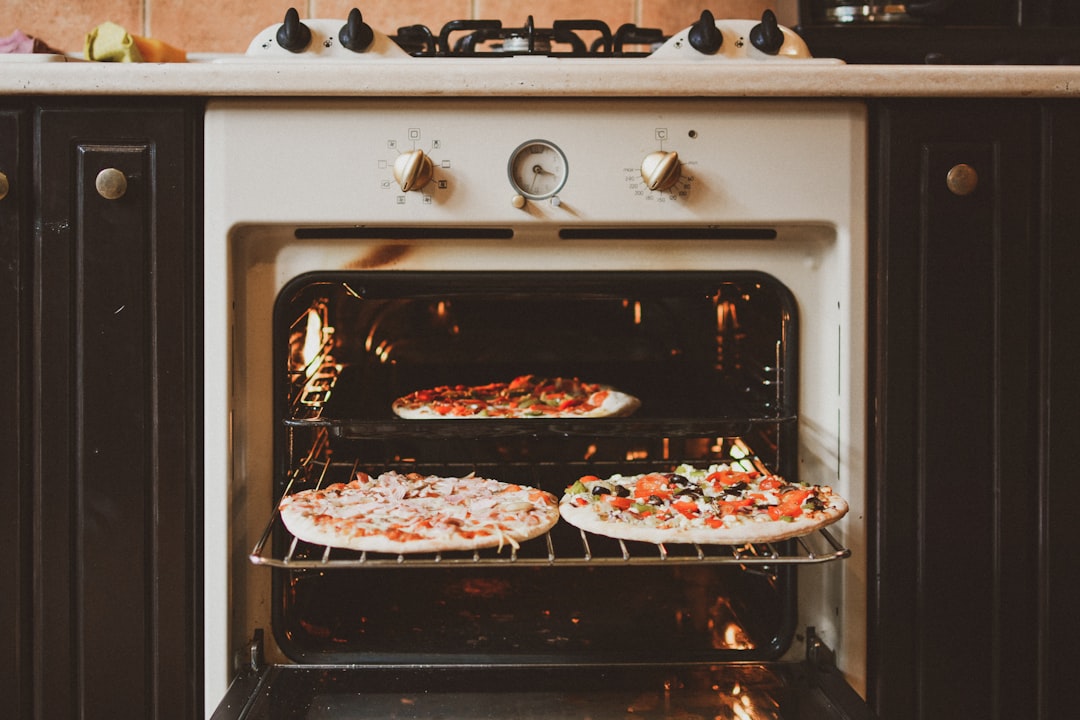
Conventional baking wisdom holds that an oven must reach full temperature before food is introduced and this instruction appears in the majority of published recipes as an unexamined default. Building science and culinary testing both suggest that a significant proportion of baked goods and roasted items can be placed in a cold oven that is then brought up to temperature with the food already inside without any detectable difference in the finished result. The controversial nature of this recommendation stems from its direct contradiction of the instructions printed on packaged foods and in cookbooks that manufacturers and publishers include to ensure consistent results across the widest possible range of cooking scenarios. Dishes that genuinely require a preheated oven for correct results are fewer than recipe conventions suggest and most experienced home cooks can identify them through experimentation. Eliminating unnecessary preheating across an average household’s weekly cooking schedule reduces oven energy consumption by a measurable percentage over the course of a year.
Dehumidifier Strategy
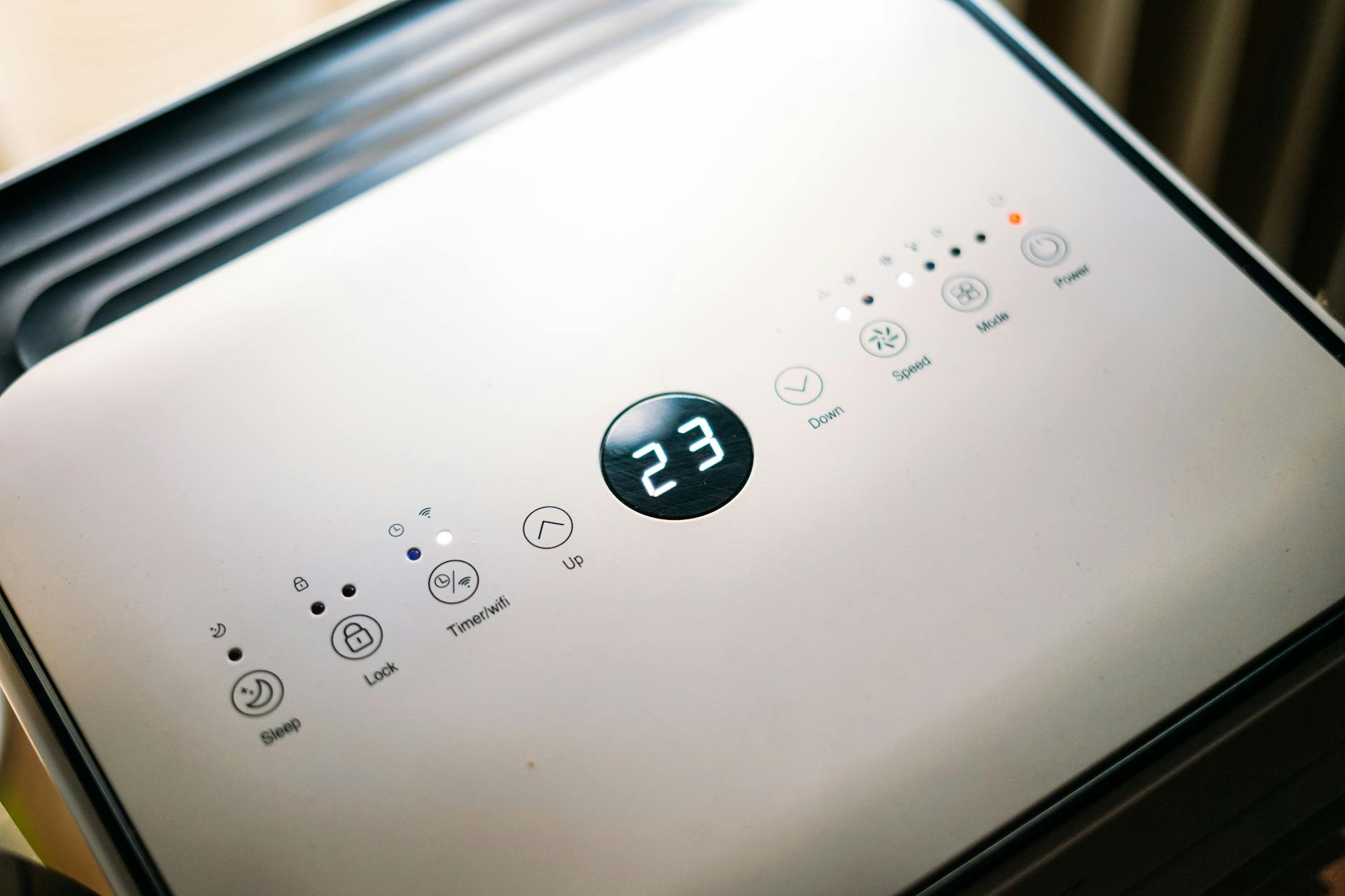
Human thermal comfort is determined more by relative humidity than by air temperature in humid climates and this relationship can be exploited to reduce air conditioning costs by maintaining comfort at higher thermostat setpoints through humidity control alone. A household that runs a standalone dehumidifier to maintain relative humidity below 50 percent can typically raise its cooling thermostat setpoint by two to four degrees without any occupant reporting a reduction in comfort. The net energy equation depends on the efficiency of the dehumidifier relative to the efficiency of the air conditioning system and the local climate conditions but in humid climates the strategy consistently produces net energy savings. Most air conditioning guidance focuses exclusively on temperature setpoints without acknowledging that the humidity component of comfort can be managed separately and more efficiently. A household that has never measured its indoor relative humidity during cooling season is managing only half of the variables that determine whether its occupants are comfortable.
Smart Power Monitoring

Household energy consumption is dominated by a small number of high-draw appliances and devices but most households have no empirical data identifying which specific items are responsible for the largest share of their bill. A plug-in energy monitor that measures the actual watt-hour consumption of individual appliances produces data that consistently surprises homeowners about which devices are costing the most and which commonly cited energy users are actually insignificant. The controversial aspect of energy monitoring is that it frequently reveals that the behavioral changes most commonly recommended by energy agencies have negligible impact on bills while appliance replacement or schedule adjustment for a small number of high-draw items produces the majority of available savings. Old refrigerators, electric water heaters with failing elements and aging HVAC systems are consistently the dominant cost drivers identified by household energy monitoring. Making decisions based on measured data rather than generic recommendations produces savings that generic advice cannot because it addresses the specific consumption profile of a specific home.
Attic Ventilation

Attic temperatures in poorly ventilated homes can reach 150 degrees Fahrenheit or higher on hot summer days and this extreme heat conducts through the ceiling insulation into the living space below increasing cooling loads regardless of how well the ceiling is insulated. The controversial recommendation in attic ventilation is that passive soffit and ridge venting is frequently undersized in existing homes and that adding powered attic ventilation is simultaneously recommended by some building scientists and criticized by others who argue it can depressurize the living space and pull conditioned air into the attic. The empirically supported middle position is that ensuring existing passive ventilation openings are unobstructed and that insulation does not block soffit vents produces meaningful cooling season savings with no operating cost and no risk of depressurization. Many homes have soffit vents that were installed correctly but have been covered by insulation that was blown in without adequate baffling to maintain the vent channel. Restoring these vents to their designed airflow capacity costs almost nothing and can reduce attic peak temperatures by 20 to 40 degrees.
Cold Water Washing

Laundry detergent formulations have been specifically engineered over the past two decades to perform equivalently in cold water to their previous performance in warm and hot water cycles and the energy saving from making this switch is among the most consistently validated in residential energy research. Water heating accounts for approximately 90 percent of the energy consumed by a washing machine per cycle and switching from warm to cold water washing eliminates that component entirely. The controversy around cold water washing involves specific soil types and sanitation requirements where hot water genuinely outperforms cold and blanket cold water recommendations fail to acknowledge these legitimate exceptions. Bedding and towels used by household members who are ill represent the most commonly cited legitimate exception to cold water washing for sanitation reasons. A household that switches to cold water for all routine clothing loads and reserves hot water cycles for genuine sanitation requirements captures the majority of available savings without compromising the outcomes that actually require higher temperatures.
Natural Ventilation Timing

Mechanical cooling systems are operated on schedules driven by indoor temperature thresholds without reference to whether the outdoor conditions at that moment would allow free natural ventilation to achieve the same cooling effect at zero energy cost. In most climates there are significant portions of the cooling season when outdoor temperatures during morning and evening hours are lower than indoor temperatures and opening windows strategically during these periods can delay or eliminate mechanical cooling for several hours each day. The controversial aspect of natural ventilation strategy is that it requires active management of window and door openings on a schedule that responds to outdoor conditions rather than simply setting a thermostat and ignoring the outside environment. Smartphone weather apps that display hourly outdoor temperature forecasts make the timing decisions required for effective natural ventilation essentially effortless compared to the era when this strategy required a thermometer and attentiveness. Households in climates with significant daily temperature swings can reduce cooling season mechanical runtime by 15 to 30 percent through disciplined natural ventilation timing alone.
Fireplace Damper

An open fireplace damper on a wood-burning fireplace that is not in active use creates one of the largest and most direct air leakage pathways in any home connecting the conditioned interior directly to the outdoor environment through the chimney flue. A standard masonry fireplace with an open damper loses conditioned air at a rate comparable to leaving a window partially open regardless of the season and the heating or cooling system compensates for this loss continuously. The controversial element of damper management is that many homeowners have fireplaces with dampers that no longer seal properly or that they have never learned to operate and these function as permanent open vents year-round. Inflatable chimney balloon products that seal the flue from inside the fireplace opening are an inexpensive solution for fireplaces that are used infrequently and produce immediate and measurable reductions in heating and cooling costs in homes where the chimney represents a significant leakage pathway. A household that has never checked whether its fireplace damper closes fully has potentially been heating and cooling the outdoors through the chimney for years.
Refrigerator Temperature

Factory default refrigerator temperature settings are calibrated to a conservative range that ensures food safety across the widest possible range of usage patterns and loading conditions which means most refrigerators run colder than necessary for the way they are actually used. The recommended food-safe range for a refrigerator compartment is 35 to 38 degrees Fahrenheit and most units are delivered from the factory set to 34 degrees or colder. Raising the refrigerator compartment temperature to 37 degrees and the freezer to zero degrees from a factory default of minus five reduces compressor runtime and energy consumption without approaching any food safety threshold. A refrigerator thermometer costing under ten dollars confirms the actual operating temperature of a unit before any adjustment is made since the dial markings on most refrigerators are approximations rather than calibrated readings. This single setting change on a refrigerator that represents one of the highest continuous energy draws in any home produces savings that accumulate across every hour of every day for the life of the appliance.
LED Transition Completion

The energy saving case for LED lighting is so well established that it has passed from controversial to consensus but a surprising percentage of households that have partially transitioned to LED still have incandescent or halogen bulbs in fixtures that are used frequently enough to represent significant ongoing costs. The controversial nuance in LED transition advice is that replacing the last ten percent of non-LED bulbs in a household often produces a disproportionate share of the remaining lighting energy savings because the holdouts tend to be high-wattage fixtures used for many hours per day. Recessed can lights on dimmer switches, outdoor security lights and workshop fixtures are the most common holdout categories because early LED products performed poorly in these applications and the reputation for poor performance persisted after the technology improved. Current LED products perform comparably to incandescent in color rendering, dimmer compatibility and outdoor cold-weather starting and the energy consumption comparison is not close. A household that completes its LED transition in the fixtures used most frequently eliminates one of the highest-return remaining energy efficiency opportunities available without any equipment or behavioral complexity.
Water Heater Blanket

Tank-style water heaters lose heat continuously through their outer surfaces to the surrounding air in a process called standby loss that occurs regardless of whether any hot water is being used. Wrapping an older water heater tank in an insulating blanket sold specifically for this purpose reduces standby heat loss and the frequency with which the heating element or burner must cycle to maintain the set temperature. The controversial aspect of water heater blankets is that modern water heaters manufactured after approximately 2004 have factory insulation sufficient to make the blanket redundant while older units with minimal factory insulation benefit significantly from the addition. Water heater blanket installation is specifically discouraged by some manufacturers and utility companies because improper installation can interfere with the pressure relief valve or combustion air supply on gas units. Correct installation that avoids the top of gas units and the thermostat and pressure relief valve on all units eliminates these risks while delivering the standby loss reduction the product is designed to provide.
Door Seal Maintenance

The rubber or magnetic gasket seals around refrigerator and freezer doors degrade over time and allow warm room air to infiltrate the cooled compartment continuously when the door is closed increasing compressor runtime and energy consumption. The standard test of placing a piece of paper in the closed door and checking whether it can be pulled out without resistance identifies seal degradation at a specific point but does not assess the full perimeter of the seal under the varied compression conditions that occur across different door positions and temperatures. Cleaning refrigerator door seals with warm soapy water to remove the dried food residue that accumulates in the folds restores a significant portion of lost sealing performance in many cases before seal replacement becomes necessary. A seal that passes the paper test when the refrigerator is empty may fail it when the refrigerator is full and the door sags slightly under load. Addressing door seal condition on both the refrigerator and freezer compartments is a maintenance task that most appliance service guidance omits entirely from routine care recommendations.
Zone Heating Strategy
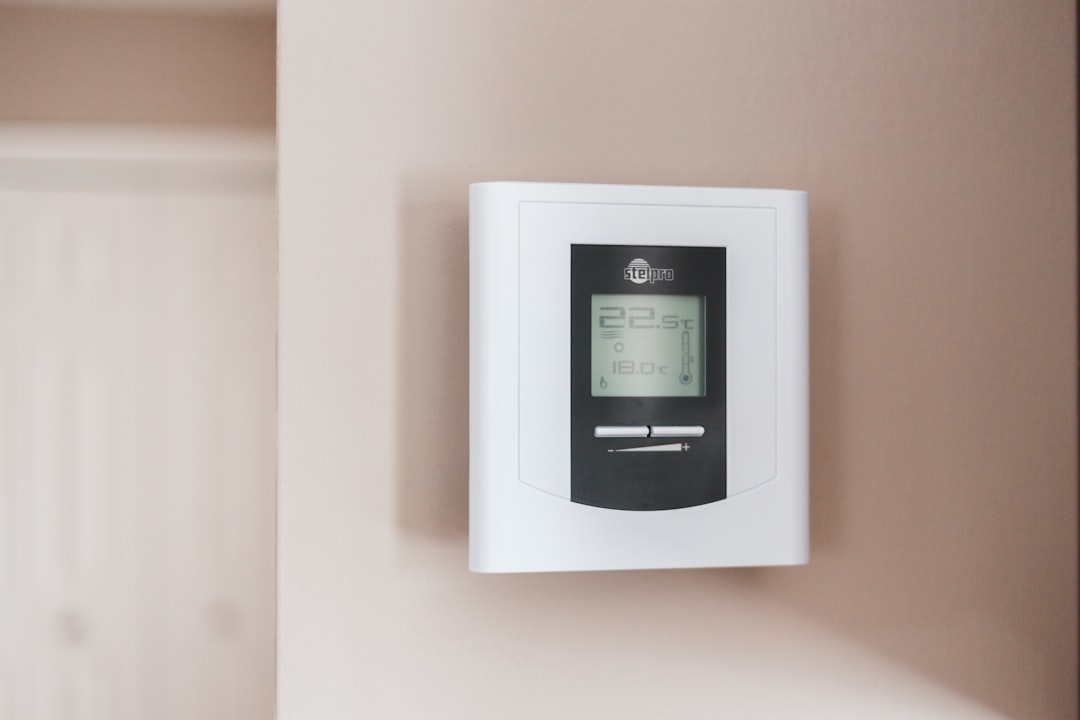
Central heating systems condition the entire floor plan of a home to the same temperature regardless of which rooms are occupied at any given time and this uniformity represents a significant opportunity for targeted reduction in heating energy consumption. The controversial nature of zone heating using portable electric space heaters is that electric resistance heating is thermodynamically inefficient compared to heat pump or gas heating and the arithmetic of substituting electric space heaters for central heating only works in specific circumstances. The circumstance where it consistently works is a household where one or two rooms are occupied for the majority of heated hours and the rest of the home could be maintained at a significantly lower setback temperature during those same hours. Lowering central heat to 60 degrees and using a single efficient space heater to maintain 68 degrees in the occupied room uses substantially less total energy than maintaining 68 degrees throughout the entire home. This strategy requires honest accounting of actual occupancy patterns and actual heater efficiency ratings rather than the assumption that central heating is always the more efficient choice.
What energy-saving strategies have made the biggest difference in your own home? Share your thoughts in the comments.




