
Environmental psychology has spent decades documenting what commuters and pedestrians experience but rarely articulate: the path taken between home and destination is not a neutral transit corridor but a continuous sensory and psychological event with measurable effects on emotional state, cognitive performance and social behavior. The research emerging from urban psychology, neuroscience and behavioral geography consistently demonstrates that the specific features of a daily route exert influence on mood that accumulates across repeated exposure in ways that become invisible through familiarity. Most people attribute their emotional state on arrival to the destination itself or to events that occurred there without recognizing that the route delivering them was already shaping that state before they arrived. These are the 39 most documented and least recognized influences hiding in plain sight along the path you travel every day.
Tree Canopy

The presence of a continuous tree canopy overhead along a walking or driving route produces measurable reductions in cortisol levels, blood pressure and self-reported stress that begin within minutes of exposure and persist for a meaningful period after the canopy is left behind. Neuroscientific research using mobile EEG equipment on participants walking through urban environments has captured the specific moment of transition from open streetscape to tree-lined corridor as a detectable shift in brain activity patterns associated with reduced vigilance and increased calm. The mechanism involves multiple simultaneous pathways including fractal visual pattern processing, phytoncide inhalation from tree respiration, temperature reduction and the acoustic dampening that a mature canopy provides against urban noise. A commuter who has the option of two routes of equal distance but only one of which passes under significant tree cover is making a daily mood decision they may be entirely unaware of. Cities with higher urban tree canopy coverage show population-level mental health metrics that are meaningfully better than structurally similar cities with lower canopy coverage even after controlling for income, density and other confounding variables.
Intersection Density
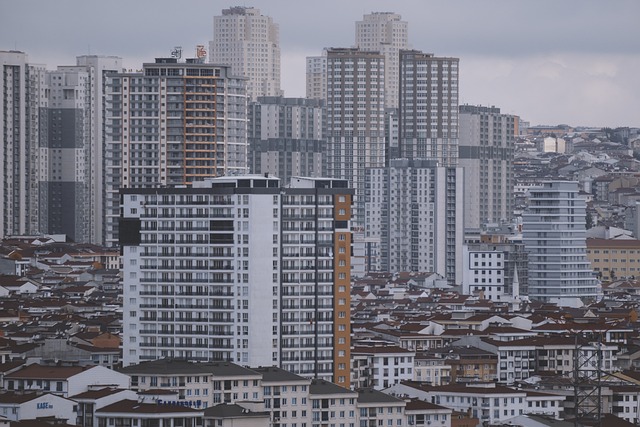
The number of intersections, crossings and decision points on a daily route creates a cumulative cognitive load that arrives at the destination as background mental fatigue rather than as a consciously identified experience of having made many decisions. Each intersection or crossing requires a brief but real allocation of attentional resources to evaluate traffic, timing, direction and safety in a process that is so automatic it feels effortless but draws on the same finite cognitive reserves that deliberate decision-making uses. Routes with high intersection density in dense urban grids require more of these micro-decisions per unit distance than routes through lower-density environments with longer uninterrupted stretches. Research on decision fatigue and route complexity has found that people who commute through high-intersection environments report higher arrival fatigue, lower patience with colleagues in the first hour after commuting and reduced performance on cognitive tasks requiring sustained attention compared to people who travel equivalent distances through lower-complexity route environments. The intersection density of a daily route is never considered when people evaluate commute quality and yet the research suggests it is among the more significant contributors to the cognitive cost of the journey.
Water Proximity

Routes that pass near rivers, lakes, fountains, canals or coastal water features produce reliable positive mood effects that environmental psychologists attribute to a combination of evolutionary familiarity with water as a resource signal, the specific acoustic properties of moving water and the negative ion concentration that water surfaces generate in the surrounding air. Blue space research has expanded significantly over the past decade and demonstrates that proximity to water during daily transit produces wellbeing benefits comparable in magnitude to those produced by green space while operating through partially distinct neurological pathways. The sound of moving water specifically activates parasympathetic nervous system responses that counteract the sympathetic arousal produced by urban noise environments with particular effectiveness. A daily route that passes a fountain, runs along a canal or crosses a river bridge provides a repeated parasympathetic reset that compresses into a brief experience but produces measurable physiological effects. People who live near water report higher life satisfaction scores on standardized wellbeing measures even after controlling for property value, neighborhood quality and socioeconomic status in ways that suggest the water proximity itself rather than associated factors drives the effect.
Pavement Quality

The physical quality of the surface underfoot or under wheel during a daily commute influences mood through a mechanism involving physical comfort, postural adjustment, cognitive load and the emotional valence of minor physical irritation that accumulates across a journey without registering as a distinct experience. Cracked, uneven or poorly maintained pavement requires continuous micro-adjustments in gait or vehicle control that maintain a low-level physical vigilance throughout the journey consuming attentional resources and generating mild physical stress through the postural compensation it requires. Research on pedestrian environments has found that surface quality is among the strongest predictors of how much a person enjoys their route and how likely they are to walk it voluntarily beyond commute requirements. The irritation of navigating poor pavement does not feel like a mood-altering experience in the moment but consistently appears in route quality evaluations as a significant negative contributor to journey satisfaction. Infrastructure maintenance levels communicate a message about environmental care and social investment that pedestrians receive at a subliminal level and that influences the sense of belonging and safety they associate with the route.
Building Facade Variety

The visual variety or monotony of building facades along a daily route determines the degree to which the visual environment engages or depletes the attentional system during the journey. A route past varied building facades of different heights, ages, materials, colors and architectural styles provides what urban designers call visual complexity at a level that engages attention without overwhelming it in a state sometimes described as effortless fascination. A route through a monotonous environment of identical building facades, blank walls or repetitive commercial signage produces the attentional state associated with boring environments where the mind wanders toward rumination and intrusive thoughts in the absence of engaging environmental content. Urban psychology research using eye-tracking equipment on pedestrians demonstrates that varied building facades capture distributed visual attention while monotonous facades are scanned minimally and quickly with attention retreating inward. The architectural character of a daily route is shaping the internal mental landscape of the people who travel it by determining the degree to which the external environment offers a worthy destination for attention.
Noise Levels
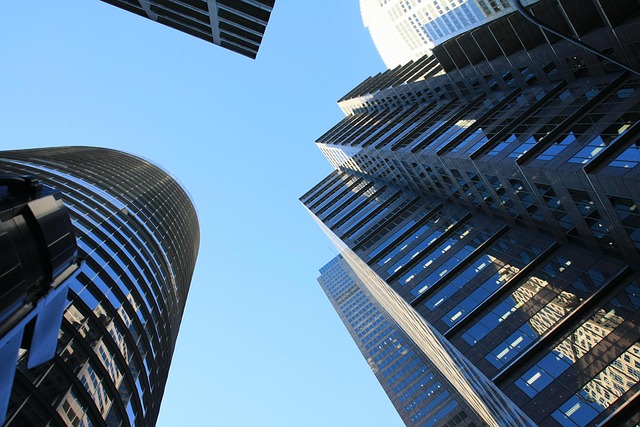
The ambient noise environment of a daily route is among the most consistently documented influences on stress physiology and mood in environmental psychology research with effects that operate through both conscious irritation and unconscious physiological stress activation. Road traffic noise specifically activates threat-assessment responses in the autonomic nervous system that were calibrated to interpret sudden loud sounds as potential danger signals and the chronic low-level activation produced by continuous traffic noise keeps cortisol and adrenaline at slightly elevated baselines across the entire duration of exposure. The World Health Organization has characterized environmental noise as the second largest environmental health risk in Western Europe after air pollution based on the accumulated evidence for its contribution to cardiovascular disease, sleep disruption and psychological distress. A commuter whose daily route passes through a consistently noisy corridor is experiencing a physiological stress response on every journey that arrives at work or home as elevated baseline tension without an identifiable cause. The contrast effect of a sudden reduction in ambient noise when a quiet street or park is entered is immediately detectable as a physical relaxation response that most people notice but rarely attribute to the noise reduction specifically.
Graffiti and Vandalism

The presence of graffiti, vandalism, broken windows, fly-posting and physical neglect signals along a daily route influences mood through the psychological mechanism described in criminology as the broken windows effect which extends beyond crime prediction to encompass the emotional and social meaning that environmental disorder communicates to the people who live and travel within it. Environments showing signs of neglect and disorder generate a psychological state of reduced perceived safety, reduced social trust and reduced sense of personal agency in the people who inhabit them through a mechanism that operates below conscious evaluation. The specific emotional tone produced is a mild but pervasive unease and social wariness that is not experienced as fear but as a slightly contracted and guarded orientation toward the social environment. Daily exposure to disordered environments across a commute produces chronic low-level psychological arousal that contributes to background anxiety states in ways that commuters attribute to work stress, personal circumstances or temperament rather than to the environmental character of their daily route. Neighborhoods that invest in rapid graffiti removal and environmental maintenance show population-level wellbeing improvements that research suggests are partly causal rather than merely correlational.
Sky Visibility

The proportion of sky visible from a daily route determines both the quality of natural light exposure and the psychological experience of spatial openness that environmental psychologists have found to be a significant predictor of route-associated mood. Dense urban canyons where tall buildings reduce sky visibility to a narrow overhead strip reduce natural light exposure to levels that affect circadian rhythm entrainment and serotonin production across the commute. The feeling of spatial constriction produced by enclosed urban corridors generates mild claustrophobic arousal in a significant proportion of the population that is experienced as a low-grade discomfort rather than identified as an environmental response. Routes that open periodically onto plazas, parks or intersections with longer sight lines provide relief from spatial constriction that the brain registers as emotionally significant even in a brief exposure. Architects and urban planners who design for sky exposure ratios in dense urban environments are making decisions that affect the daily mood of everyone who uses those streets regardless of whether those people ever learn that sky visibility was considered in the design.
Familiar Faces

The presence of consistent familiar faces along a daily route, whether acknowledged with a nod, a brief exchange or simply recognized as belonging to the shared environment, produces social belonging effects that contribute meaningfully to daily mood through mechanisms involving social recognition and community attachment. Research on minimal social contact during commutes demonstrates that even the weakest form of social acknowledgment between route regulars produces measurable improvements in wellbeing that persist for several hours after the contact occurs. The familiar faces encountered on a regular route, including the coffee vendor, the neighbor walking their dog, the cyclist who takes the same path at the same time, form what social psychologists call a community of weak ties that satisfies a fundamental human need for social belonging without requiring the investment of close relationships. People who commute through environments where the same faces recur reliably report higher route satisfaction and lower stress than people whose routes produce no consistent social recognition even when the acknowledged contacts never develop into conversations. Urban design that supports predictable pedestrian flows and consistent route use by the same populations creates the conditions for this weak-tie social infrastructure to develop and its mood effects are real regardless of whether the relationships formed are ever named or celebrated.
Air Quality
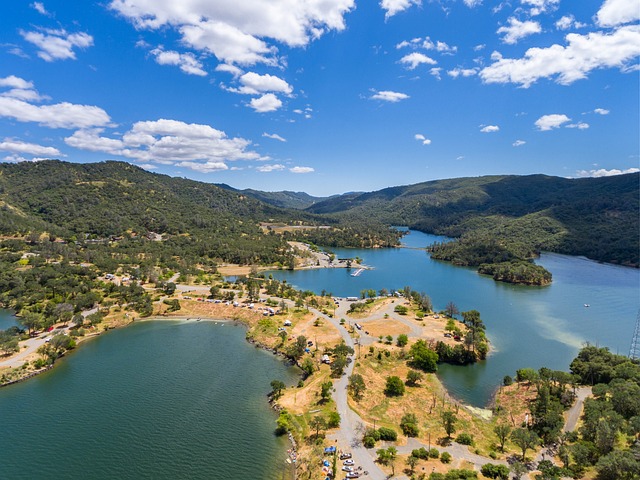
The air quality encountered along a daily commute route influences mood through both physiological mechanisms involving oxygen delivery, inflammatory response and neurological function and through the more immediate sensory experience of odor, freshness and the comfort of breathing. Research connecting particulate matter exposure to mood disorders has found that daily commute routes through high-traffic corridors with elevated PM2.5 levels are associated with higher rates of anxiety and depressive symptoms in populations studied over multi-year periods even after controlling for other environmental and social factors. The less visible influence of air quality on mood operates through subtle cognitive impairment that occurs at particulate levels below those associated with conscious discomfort and includes reduced attention, mildly impaired working memory and slightly elevated irritability that creates a background friction in social and cognitive function. Routes through parks, residential streets and lower-traffic corridors expose commuters to meaningfully better air quality than arterial road routes of equivalent distance and the mood difference that results accumulates across every daily journey. The choice of route is simultaneously an air quality exposure decision and its health implications compound over the years of a consistent commuting pattern.
Shop Front Character
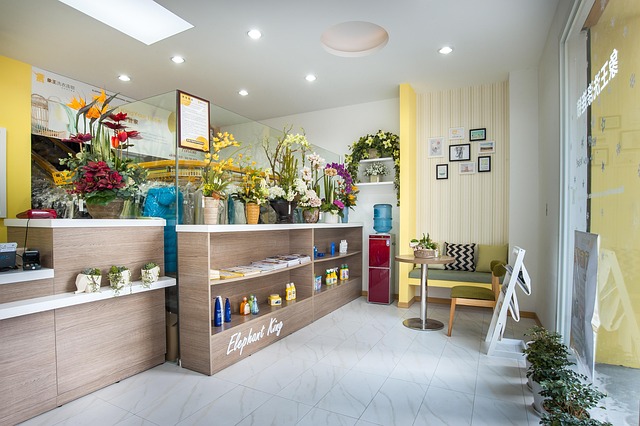
The character of the commercial frontages along a daily route influences mood through the social and economic signals they emit about the vitality, identity and investment level of the surrounding community. Routes past independent local businesses with distinctive visual identities, seasonal window displays and evidence of human curation communicate a sense of community character and social investment that produces a mild affiliation response in regular route users. Routes dominated by shuttered storefronts, generic chain signage or identical franchise facades produce a sense of placelessness that environmental psychologists describe as reducing route-associated meaning and community attachment. The emotional difference between walking past a street of varied independent businesses and walking past a strip of identical chain outlets is not primarily aesthetic but involves the social information that visual variety communicates about human investment, community distinctiveness and the presence of individual people behind the commercial facades. People who commute past routes with higher independent business density and lower chain homogeneity consistently rate their routes as more enjoyable and report higher neighborhood attachment scores on community wellbeing surveys.
Cycling Infrastructure
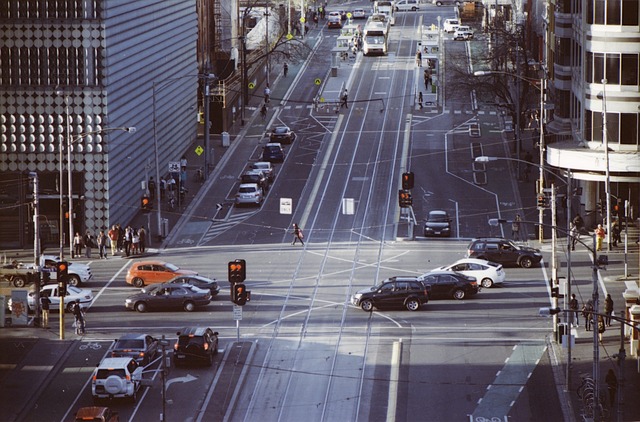
The presence or absence of protected cycling infrastructure along a daily route influences the mood of cyclists through its direct effects on perceived safety and cognitive load but also influences the mood of all route users through its broader effects on traffic mix, speed and the social atmosphere of the street environment. Protected cycling lanes that separate cyclists from motor traffic reduce the threat-assessment vigilance that unprotected cycling in traffic requires and allow the cognitive resources freed from safety monitoring to be allocated to the more pleasurable aspects of the journey. Research on subjective wellbeing by transport mode consistently finds that cycling produces the highest journey satisfaction scores of any commute mode when safety concerns are adequately addressed and among the lowest satisfaction scores when cyclists must navigate unprotected in traffic. The presence of cycling infrastructure also moderates motor vehicle speeds through road geometry changes that benefit all users of the street environment including pedestrians and drivers. Cities and neighborhoods that invest in cycling infrastructure are making mood infrastructure investments that benefit a broader population than the cyclists the infrastructure is primarily designed to serve.
Flower Presence

The presence of flowering plants and seasonal plantings along a daily route produces positive mood effects that have been documented across cultural contexts and that operate through evolutionary mechanisms involving the association between flowering plants and food availability, habitat quality and environmental richness. Behavioral research using experience sampling methods where participants report their mood in real time at different points along their routes consistently identifies the presence of flowers and flowering vegetation as among the strongest positive mood predictors of any route feature. The effect is rapid in onset, occurring within seconds of entering a visually flower-rich environment, and relatively persistent, with positive mood elevation measurable for 20 or more minutes after leaving the flower-containing environment. Municipal flower planting programs in urban environments are sometimes evaluated purely as aesthetic investments but the accumulated behavioral research suggests they are functioning as population-level mood interventions with effects that extend across the entire population of route users. A daily route that passes a garden, a maintained planting strip or a florist with outdoor displays is delivering a brief but reliably positive emotional stimulus on every journey regardless of whether the traveler pays conscious attention to it.
Pedestrian Density
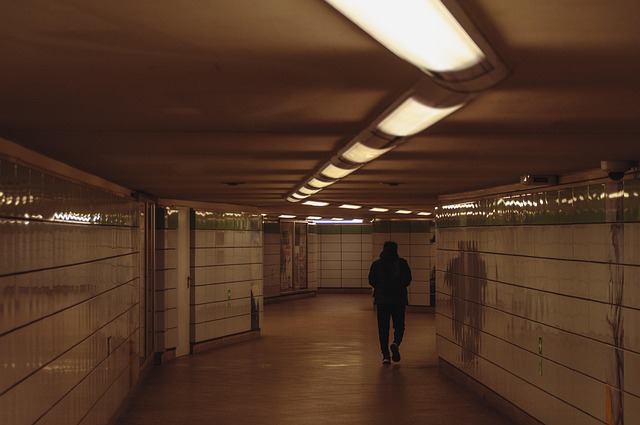
The density of other pedestrians along a daily route influences mood through competing mechanisms of social vitality and crowding stress that interact with individual temperament, time of day and cultural context to produce effects that are highly variable between people but consistent within individuals across repeated exposures. Moderate pedestrian density creates the social vitality that makes urban streets feel alive, safe and stimulating in a way that contributes positively to the experience of moving through the city and connects to the evolutionary comfort of being in a socially active group environment. High pedestrian density transitions into crowding stress when personal space is regularly violated, forward progress is impeded and the cognitive load of navigating around other bodies becomes the dominant experience of the route. Research on optimal pedestrian density for positive mood finds that the ideal is characterized by enough people to produce social vitality without enough to produce navigational burden and that individual differences in introversion and extraversion shift this optimal point significantly between people. A person who has never evaluated their route against their own temperamental preferences for social density may be consistently experiencing a mismatched social stimulation level that contributes to mood effects they attribute to other causes.
Incline and Gradient
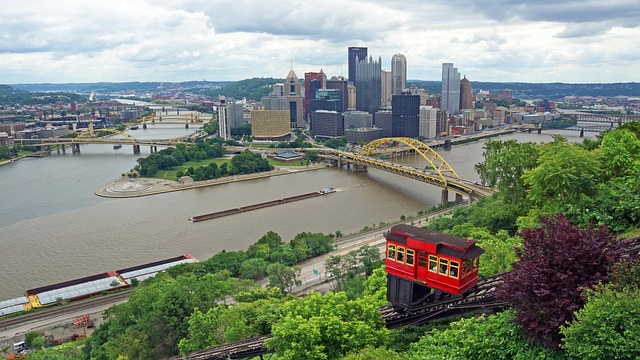
The physical gradient of a walking or cycling route influences mood through both the immediate physiological effects of exertion and through the psychological effects of challenge, achievement and the view reward that elevated positions provide on routes that include ascents. Uphill sections of a route produce cardiovascular activation and endorphin release that generate mood elevation effects in the minutes and hours following the exertion through the same mechanisms that make exercise a validated mood intervention. The anticipatory dread of a known uphill section can generate a brief negative mood anticipation but research finds that this is reliably outweighed by the post-exertion mood benefit in people who are physically capable of completing the ascent without distress. Flat routes produce lower physiological activation and more consistent but less variable mood effects than hilly routes whose mood profile includes the dip of anticipation, the effort of ascent and the distinct elevation of completion. Urban topography shapes the exercise dose embedded in a daily commute in ways that influence the commuter’s baseline mood and energy level across the entire day without the commuter necessarily recognizing that their route is their daily exercise intervention.
Construction Zones
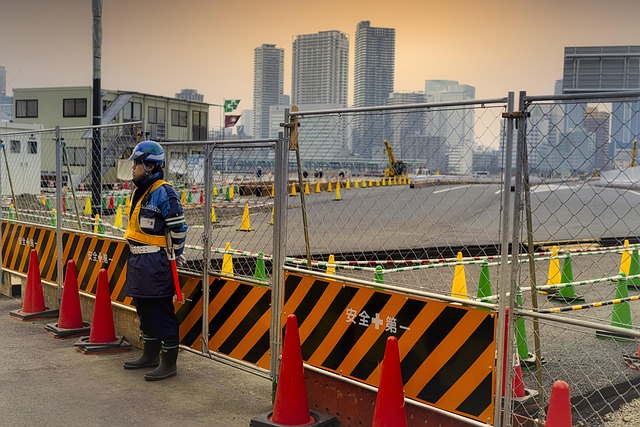
Active construction zones along a daily route impose a multi-modal sensory burden of noise, vibration, dust, diverted pathways, reduced sight lines and visual disorder that produces measurable stress responses in route users through mechanisms involving threat assessment, physical discomfort and the cognitive load of navigating altered environments. The unpredictability of construction zone conditions adds an anticipatory anxiety component to the commute preparation that extends the stress experience backward into the pre-departure period for people who have learned to expect disruption at a known point on their route. Research on route disruption events demonstrates that the mood cost of a familiar disruption does not fully habituate even after weeks of repeated exposure and that the negative mood effect is refreshed rather than diminished by each encounter with the unchanged obstacle. The rerouting that construction zones require removes the familiar route features that contribute positively to journey experience and substitutes unfamiliar or lower-quality alternatives that lack the established positive associations of the original path. Construction zones that persist for months represent a sustained removal of positive environmental features from a commute that may have been carefully evolved by the traveler to optimize their daily mood management.
Religious Buildings

The presence of churches, mosques, temples, synagogues and other religious buildings along a daily route influences the mood of route users through architectural, acoustic and social mechanisms that operate independently of the religious affiliation or lack thereof of the observer. Religious architecture is typically among the most architecturally ambitious in any neighborhood and the resulting visual complexity, material quality and spatial generosity of religious buildings provides the positive visual engagement that environmental psychology associates with mood elevation in urban settings. The grounds and gardens maintained around many religious buildings provide green space, seasonal planting and acoustic buffering that constitute locally concentrated versions of the park effects documented in the wellbeing literature. The acoustic environment of a route that passes a religious building during a service includes communal singing, bell-ringing or call to prayer sounds that research on music and community audio finds to produce social warmth responses in listeners regardless of their relationship to the specific tradition. People who live and commute in neighborhoods with architecturally significant religious buildings are receiving a daily aesthetic and acoustic stimulus that contributes to route quality in ways that urban planners rarely quantify.
Litter Density

The density of litter along a daily route communicates environmental neglect at a social and institutional level that influences the mood of route users through the same disorder signaling mechanism that graffiti and vandalism activate while also generating specific disgust responses through the association between litter and contamination. Research on environmental cleanliness and community wellbeing consistently finds that litter density is among the strongest predictors of route-associated negative affect and that the effect is particularly pronounced on residential streets where the social norm of householder responsibility creates an attribution of community apathy when litter is present and persistent. The disgust response activated by litter is an evolutionarily ancient emotional system that generates avoidance motivation and mild social suspicion as side effects that persist beyond the immediate litter encounter and color the emotional tone of the surrounding route experience. People who commute through high-litter environments report lower neighborhood attachment, lower trust in neighbors and higher baseline anxiety scores on community wellbeing surveys than people in equivalent neighborhoods with lower litter density. Community litter reduction initiatives produce the wellbeing improvements they do not only through the practical benefit of cleaner environments but through the social signal that maintained cleanliness sends about community investment and mutual care.
Transit Wait Environments
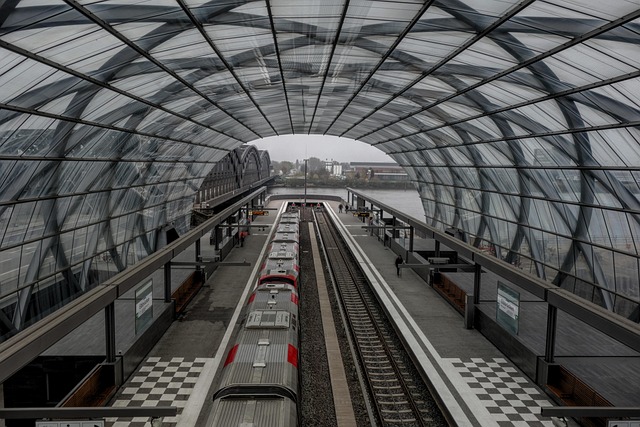
The physical and social quality of environments where daily commuters wait for public transit including bus stops, train platforms and rideshare pickup points influences mood through the accumulated experience of waiting in spaces that vary enormously in their comfort, safety, interest and social character. Waiting in a sheltered, well-lit and socially occupied transit environment produces a substantially different mood experience than waiting in an exposed, poorly maintained or socially isolated one even when the wait duration is identical. Research on wait time perception finds that waiting in a stimulating, comfortable environment feels significantly shorter than waiting in a bare or uncomfortable one and that the subjective experience of wait duration influences mood at the destination more than the objective duration does. Transit operators who invest in stop environment quality are making a mood investment that extends beyond the transit journey itself to influence the emotional state of passengers at their destinations. The mood cost of a daily commute that includes repeated uncomfortable transit waits is distributed across the entire day in ways that passengers attribute to the length or reliability of the service rather than to the quality of the waiting environment.
Dog Walkers
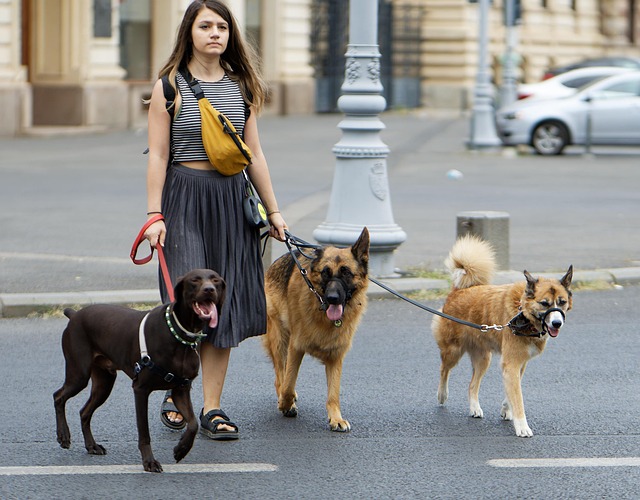
The presence of dogs and their walkers along a daily route produces positive mood effects that behavioral research has documented through multiple mechanisms including the visual appeal of animals, the indirect social interaction facilitated by dog presence and the affiliative responses that dogs specifically elicit in human observers through evolutionary and developmental conditioning. Research on pet exposure and stress reduction has found that even brief visual contact with a dog belonging to someone else produces measurable reductions in cortisol and increases in oxytocin in the observer without any physical contact occurring. Dog walkers represent a specific social category of route regular whose presence is predictable, non-threatening and associated with informal social interaction at a level that satisfies the weak-tie social contact need documented in commuting wellbeing research. Routes through neighborhoods with high dog-walking activity are statistically safer, better surveilled and more socially active than equivalent neighborhoods with lower pedestrian activity and these secondary benefits compound the direct mood effect of the animal presence. A commuter who regularly passes dog walkers on their route is receiving a daily dose of affiliative social stimulus that contributes to mood in ways they would be unlikely to identify if asked to explain why they enjoy their particular route.
School Zones
The presence of school zones along a daily route creates a distinctive social atmosphere during the morning and afternoon periods that influences mood through exposure to child activity, parental interaction and the concentrated social energy of a community gathering point. The morning school run period produces a social vitality on surrounding streets that includes the specific emotional valence of child laughter, parental warmth and community recognition that environmental psychologists associate with neighborhood belonging and positive social affect. Research on the mood effects of exposure to positive social interactions in transit environments finds that observing warm social exchanges between strangers produces vicarious positive affect in bystanders through emotional contagion mechanisms that require no direct participation. The traffic and pedestrian congestion associated with school zones during peak periods creates a competing negative experience of delay and navigational difficulty that partially offsets the positive social atmosphere for people in a hurry. Commuters who pass school zones during active periods on foot or bicycle report higher route enjoyment scores than those who experience the same zones primarily as traffic obstacles from inside a vehicle.
Sunlight Angles
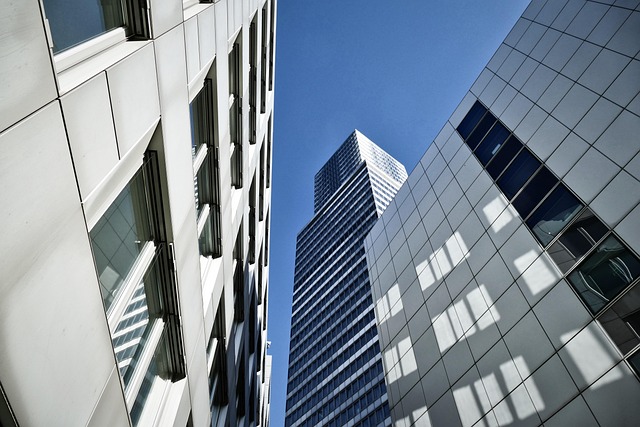
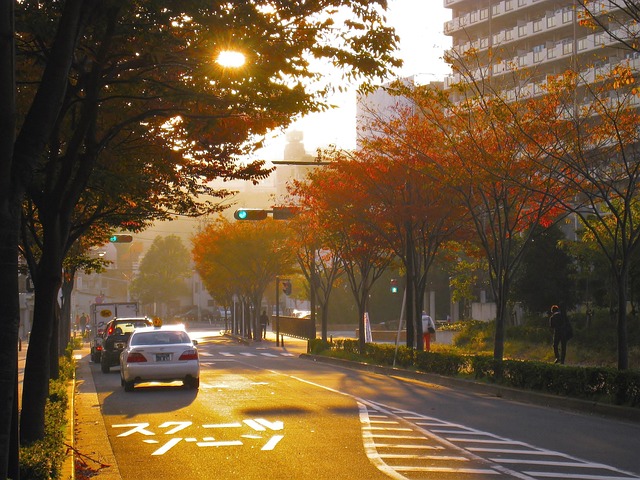
The angle of sunlight at the specific time of day when a daily route is traveled interacts with the orientation of streets and buildings to create highly variable light quality experiences that influence mood through circadian rhythm entrainment, vitamin D synthesis potential and the specific aesthetic qualities of different light angles in urban environments. An east-facing street walked during the morning commute delivers direct low-angle sunlight into the faces of eastbound pedestrians in a way that is simultaneously uncomfortable as direct glare and powerfully stimulating for circadian clock resetting that improves alertness, mood and sleep quality in the hours that follow. A route traveled entirely in shade during morning hours denies the traveler the circadian light signal that morning sunlight provides resulting in a delayed cortisol awakening response that affects energy and mood across the entire morning. The specific shadow patterns created by building heights and street orientations at the times when a route is used create light environments that differ dramatically between streets even within the same neighborhood. Urban geography researchers who map sunlight access across city street networks find that sunlight inequality between streets of different orientations is substantial and that the mood implications of this inequality accumulate across a lifetime of daily commuting.
Sports Facilities
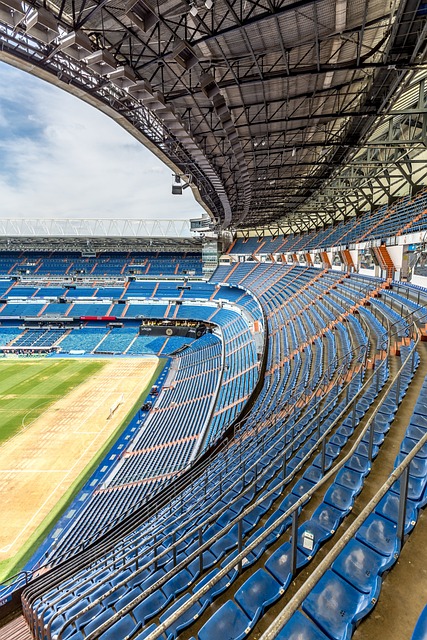
The proximity of sports facilities, courts, fields and fitness infrastructure along a daily route influences mood through both the direct effects of occasional use and the indirect effects of exposure to physical activity and the social energy associated with sport and exercise environments. Routes past basketball courts, tennis facilities, running tracks or outdoor gyms provide regular visual exposure to physical activity that research on exercise imagery and motivation suggests activates movement-related intentions and produces mild approach motivation in the observer. The social energy of an occupied sports facility generates a positive vitality signal comparable to the social vitality of a busy street but with the additional emotional associations of health, competition and physical capability that sport environments specifically carry. Research on active commuting routes demonstrates that proximity to sports facilities increases the probability that a commuter will add incidental physical activity to their route over time in a pattern driven by repeated exposure rather than deliberate planning. Urban planners who site sports facilities along high-use commute corridors rather than in isolated facility clusters are creating the conditions for incidental physical activity uptake in the broader commuting population.
Derelict Buildings
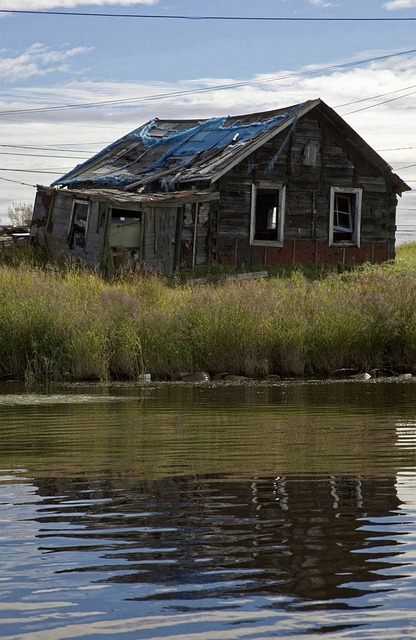
The presence of derelict, abandoned or visibly deteriorating buildings along a daily route generates a specific emotional response combining melancholy, unease and reduced perceived safety that environmental psychologists have documented across multiple cultural contexts and that operates through both the disorder signaling mechanism common to all neglect indicators and the specific psychological effect of incompleteness and decay in the built environment. Derelict buildings represent a failed investment in the social fabric of a neighborhood and communicate to route users that the community around them has been abandoned by the economic and social processes that maintain built environments. The emotional response to building dereliction is more complex and more persistent than the response to litter or graffiti because the scale of the neglect signal is larger and because derelict buildings create safety concerns around occupation by people experiencing homelessness, structural hazard and reduced natural surveillance. Regular exposure to derelict buildings along a commute route is associated with reduced neighborhood attachment, higher baseline anxiety and lower community trust scores in the populations who live and travel near them. Urban regeneration projects that address derelict buildings produce the wellbeing improvements they do partly through the removal of this persistent negative mood stimulus from the daily routes of the surrounding population.
Market and Street Food

The presence of markets, street food vendors and informal food economies along a daily route produces positive mood effects through a combination of sensory stimulation, social vitality and the specific emotional associations of food preparation, communal eating and informal trade that are among the most universally positive in human experience across cultural contexts. The aromas generated by street food preparation activate appetite responses and positive hedonic associations that produce mood elevation effects independent of whether the commuter actually purchases anything from the vendors encountered. The social energy of a market environment represents a concentrated form of the community vitality that sparse pedestrian routes lack and the informal social interactions that markets facilitate produce weak-tie social contact effects at a higher density than most other route environments. Research on urban street market presence and neighborhood wellbeing finds that market days produce measurable spikes in positive affect in the populations who live near the market location that extend beyond the market visitors themselves to include people who simply travel through the market environment. A daily route that passes a regular market, food hall or cluster of street vendors is providing a reliable positive sensory and social stimulus that contributes to route quality in ways that are rarely consciously appreciated by the people who benefit from them.
Overhead Wires
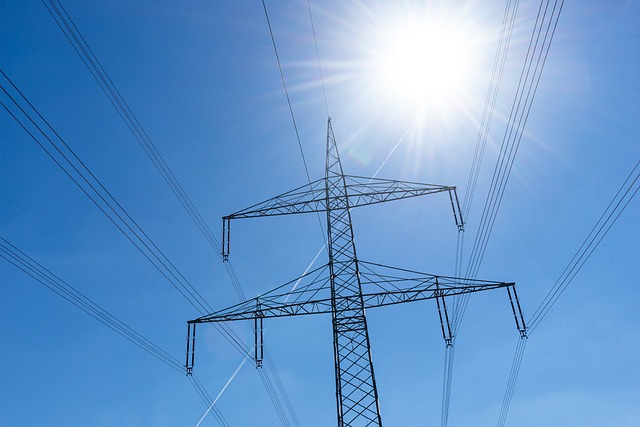
The visual presence of overhead utility wires, cables and associated infrastructure along a daily route produces a subtle but measurable negative aesthetic effect that urban design research associates with reduced route attractiveness, lower neighborhood quality perception and mildly reduced positive affect compared to equivalent routes with underground utility infrastructure. The visual complexity of overhead wires is the wrong kind of visual complexity for mood elevation purposes because it lacks the biological relevance and fractal structure that natural visual complexity provides and is instead associated with industrial infrastructure, maintenance requirements and the visual clutter that urban design research consistently finds to reduce place attractiveness ratings. Routes where overhead wire density is high also tend to have lower tree canopy coverage because tree growth is constrained by wire clearance requirements creating a compound negative effect where the visual benefit of trees and the visual cost of wires are simultaneously affected by the same infrastructure decision. Cities and neighborhoods that have invested in undergrounding utilities show higher street attractiveness ratings, higher property values and higher pedestrian satisfaction scores on route quality surveys than comparable streets with equivalent traffic and land use but overhead infrastructure. The daily mood cost of traveling routes with heavy overhead wire presence is small per journey but consistent across every journey taken along those routes.
Community Art

The presence of commissioned murals, sculpture, community art installations and deliberate aesthetic interventions along a daily route produces positive mood effects through engagement with the visual environment that goes beyond the mere absence of disorder to create actively enriching aesthetic experiences in the transit environment. Behavioral research using experience sampling on urban routes has found that art installations produce detectable spikes in positive affect at the specific point of encounter that persist for several minutes beyond the location of the artwork. The social information carried by community art about the values, identity and creative investment of the surrounding community produces belonging and affiliation responses in route users that extend the mood effect beyond the immediate aesthetic experience. Routes with rotating or temporary art installations maintain higher levels of route novelty over time than routes with static environments and route novelty is a consistent predictor of positive commute experience across the transport psychology literature. Urban arts investment programs that place artwork in transit environments rather than exclusively in gallery settings are distributing mood benefits across the entire population of route users rather than confining them to deliberate cultural visitors.
Emergency Service Encounters

The frequency with which a daily route produces encounters with emergency vehicles, emergency scenes or emergency infrastructure including hospitals, fire stations and police facilities influences mood through stress activation responses that are difficult to fully suppress even in observers who understand intellectually that the emergency does not involve them. The sound of a siren activates a startle and threat-assessment response that temporarily elevates cortisol and adrenaline regardless of the observer’s knowledge that the emergency is unrelated to them and this physiological response requires time to fully dissipate after the stimulus passes. Routes past hospitals, fire stations or police facilities produce multiple daily siren exposures that create a cumulative stress activation burden for nearby commuters that is rarely identified as a route quality issue because the individual encounters feel momentary and insignificant. Research on residential proximity to emergency service facilities and health outcomes finds associations with sleep disruption, stress-related illness and psychological distress that suggest the cumulative physiological cost of repeated siren exposure is meaningful at population level. The emotional impact of observing an emergency scene from a daily route also carries a vicarious distress component that contributes to mood in the hours following the encounter in ways that most people recognize experientially but rarely attribute to their specific route.
Seasonal Planting

The management of seasonal planting cycles in parks, private gardens and public spaces along a daily route creates a temporal rhythm of visual change that environmental psychologists associate with positive mood effects through mechanisms involving novelty, biological richness signaling and the connection to natural seasonal cycles that urban environments otherwise suppress. Routes that change visibly with seasons through the progression of blossom, full leaf, autumn color and winter structure provide a phenomenological richness to daily transit that identical-throughout-the-year urban corridors cannot supply. Research on seasonal route change and commuter wellbeing finds that people who travel past gardens and green spaces report higher route satisfaction during peak flowering and autumn color periods compared to identical routes in the same seasons measured during off-peak planting periods. The psychological benefit of seasonal change awareness along a daily route includes the sense of time passage and life cycle connection that contributes to meaning-making in ways that research on temporal wellbeing suggests is a genuine contributor to life satisfaction. A commuter whose route passes private gardens, window boxes and maintained public plantings is receiving a daily updated biological signal about season and time that routes through entirely built environments cannot provide.
Cycling and Running Clubs

Encountering organized cycling or running groups along a daily route produces a social vitality and health community signal that influences mood through exposure to collective physical activity, group energy and the social identity information that organized sport communities communicate. The visual spectacle of a group of cyclists or runners moving together through a route environment generates a social momentum signal that behavioral research finds activating approach motivation and positive energy in observers through the emotional contagion of the group’s shared effort and belonging. Research on health behavior social norms demonstrates that regular exposure to people engaging in physical activity along a commute route gradually normalizes active behavior and increases the probability of activity adoption in the exposed population over time periods of months to years. The social identity cues communicated by running and cycling clubs about the kind of people who use a particular route and neighborhood create an environmental character that contributes to route attractiveness for people who share or aspire to the associated values. A daily route that regularly intersects with group exercise activity is providing both an immediate mood stimulus from the social energy and a longer-term behavioral influence through the normalization of physical activity as a feature of the route’s social landscape.
Heritage Buildings

The presence of heritage buildings, historic facades and architecturally significant structures along a daily route provides a form of visual narrative about time, place and human endeavor that environmental psychologists associate with positive affect through mechanisms involving aesthetic appreciation, cultural identity and the psychological comfort of structural permanence in a changing world. Heritage buildings provide the visual complexity and material richness that the brain’s aesthetic processing systems respond to positively while simultaneously communicating cultural continuity and community investment across generations that produces belonging and meaning responses. Research on route character and commuter wellbeing consistently identifies historic building presence as a positive predictor of route satisfaction that operates independently of the practical quality of the route in terms of speed or directness. The social information carried by a heritage building about the people who built it, used it and maintained it across decades or centuries creates a sense of shared human narrative along the route that contemporary architecture rarely provides with the same depth. Daily routes through historic neighborhoods or past heritage buildings are providing a form of cultural nourishment to commuters who may never consciously identify the building as the source of their positive route experience.
Playground Sounds

The sounds of children playing in playgrounds encountered along a daily route produce a specific positive emotional response in adult listeners that research on sound and affect attributes to the association between child play sounds and social safety, community health and the emotional resonance of recalled childhood experience. The acoustic environment of a playground heard from a passing route creates a brief immersion in a socially positive soundscape that contrasts with the traffic, construction and mechanical noise that dominates most urban acoustic environments. Research using experience sampling methods to track mood along commute routes finds that playground sound encounters produce detectable positive mood spikes comparable in magnitude to those produced by music encountered in transit environments. The social meaning of hearing children play in a neighborhood environment includes a safety inference about community character that reduces vigilance and contributes to the relaxed attentional state associated with positive affect. Commuters who pass playgrounds during active use periods on their daily routes are receiving a brief but reliable positive acoustic stimulus that contributes to route quality in a way that would be immediately missed if the playground were relocated or silenced.
Lighting Quality at Night

The quality, distribution and character of artificial lighting along a daily route traveled in darkness or low light conditions influences mood through both the practical effects of visibility and perceived safety and the aesthetic effects of light quality on the visual environment’s emotional character. Warm-toned street lighting that illuminates pedestrian environments without harsh shadows or dark voids creates a welcoming nocturnal environment that research on nighttime urban experience associates with comfort, lingering behavior and positive affect. Cold harsh lighting that creates strong contrast between illuminated and dark zones produces a surveillance aesthetic that generates mild stress and accelerated transit behavior rather than the comfortable engagement that warm lighting supports. Research on nighttime route quality finds that lighting conditions predict perceived safety more strongly than actual crime rates in many urban environments and that perceived safety is a primary determinant of nighttime commute mood. Routes that are traveled in darkness for significant portions of the year in northern latitudes create particularly important nighttime lighting environments because the mood and safety implications of those routes are experienced by a large proportion of commuters across a substantial part of every year.
Volunteer and Community Activity

Encountering community volunteers, neighborhood association activity, garden maintenance groups and civic engagement along a daily route produces positive mood effects through exposure to prosocial behavior and community investment that activates social trust, belonging and optimism responses in the observer through emotional contagion and social norm signaling mechanisms. Research on prosocial behavior exposure and wellbeing finds that witnessing acts of community care even from a passing transit perspective produces measurable increases in positive affect and social trust that persist for hours after the encounter. The social information carried by visible community activity about the values and investment levels of the surrounding neighborhood creates a community character signal that contributes to route attractiveness and neighborhood attachment in the populations who travel those routes regularly. Volunteer litter picking groups, community garden maintenance crews and neighborhood improvement initiatives are producing mood effects in the passing commuter population that extend far beyond the practical environmental improvements their work achieves. A daily route that regularly passes evidence of people caring for their shared environment is delivering a daily dose of social optimism that routes through environments showing only neglect and indifference cannot provide.
Sensory Contrast Points
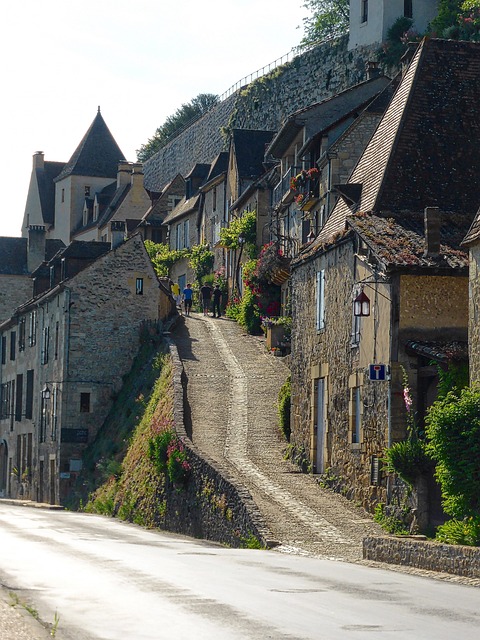
Routes that include deliberate or accidental sensory contrast points where the acoustic, visual or olfactory character of the environment changes sharply produce heightened awareness and engagement effects that break the habituated inattention that familiar routes generate and produce momentary experiences of heightened presence that contribute positively to overall journey quality. A sudden transition from a noisy commercial street to a quiet residential lane, from a built corridor to an open park view or from urban air to the scent of a bakery or florist creates a sensory reset that the brain processes as novel and engaging regardless of how many times the specific transition has been experienced before. Research on route novelty and commuter wellbeing finds that routes with higher sensory variety maintain their positive mood-generating potential across years of repeated use more effectively than sensory-uniform routes where habituation progressively reduces the mood benefit of familiarity. The specific points on a familiar route where sensory character changes dramatically are the points that route users most consistently identify as favorites when asked to describe what they value about their journey. Urban design that deliberately creates sensory contrast through material changes, planting transitions and acoustic management is producing route quality that standard transportation planning metrics of speed, directness and capacity entirely fail to capture.
What has your own daily route been doing to your mood without your realizing it? Share your thoughts in the comments.