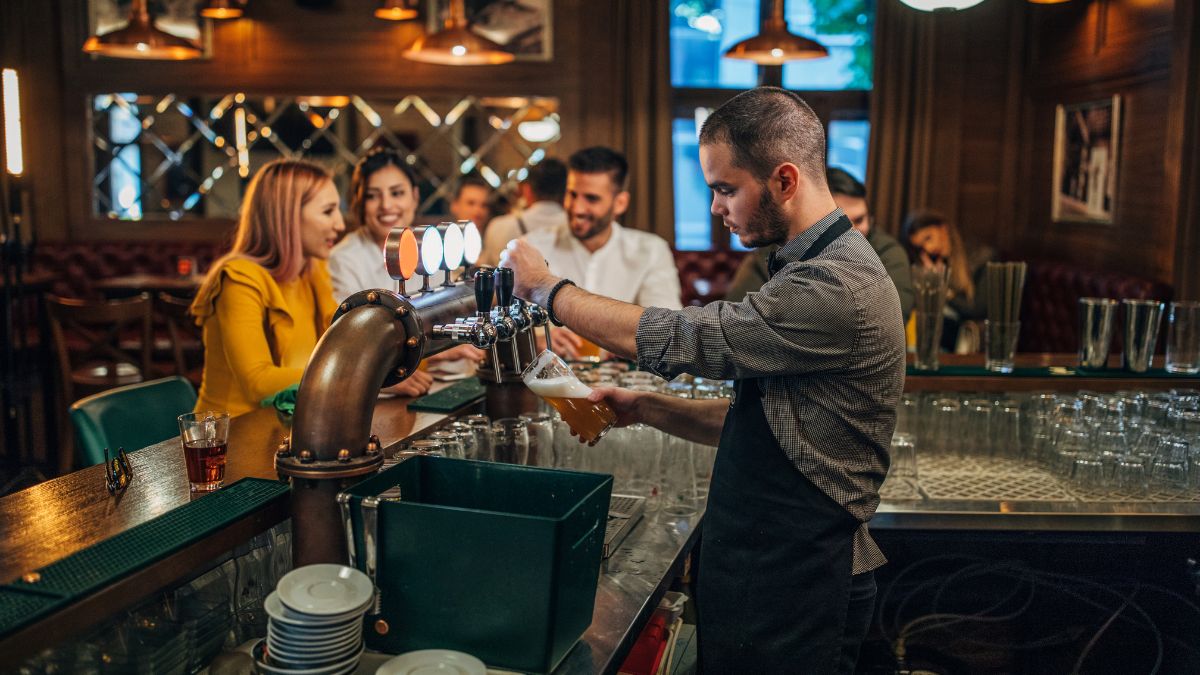
Walking into a bar comes with an unspoken social contract that many customers unknowingly violate from the moment they arrive. Bartenders are trained professionals managing dozens of tasks simultaneously while reading the room and prioritizing guests with practiced precision. Certain behaviors immediately signal to a bartender that a customer will be more trouble than the interaction is worth. Understanding these triggers can transform a frustrating night of waving your arm into a seamless experience of fast service and genuine hospitality. The difference between being seen and being invisible often comes down to habits formed long before the first drink is ordered.
Eye Contact
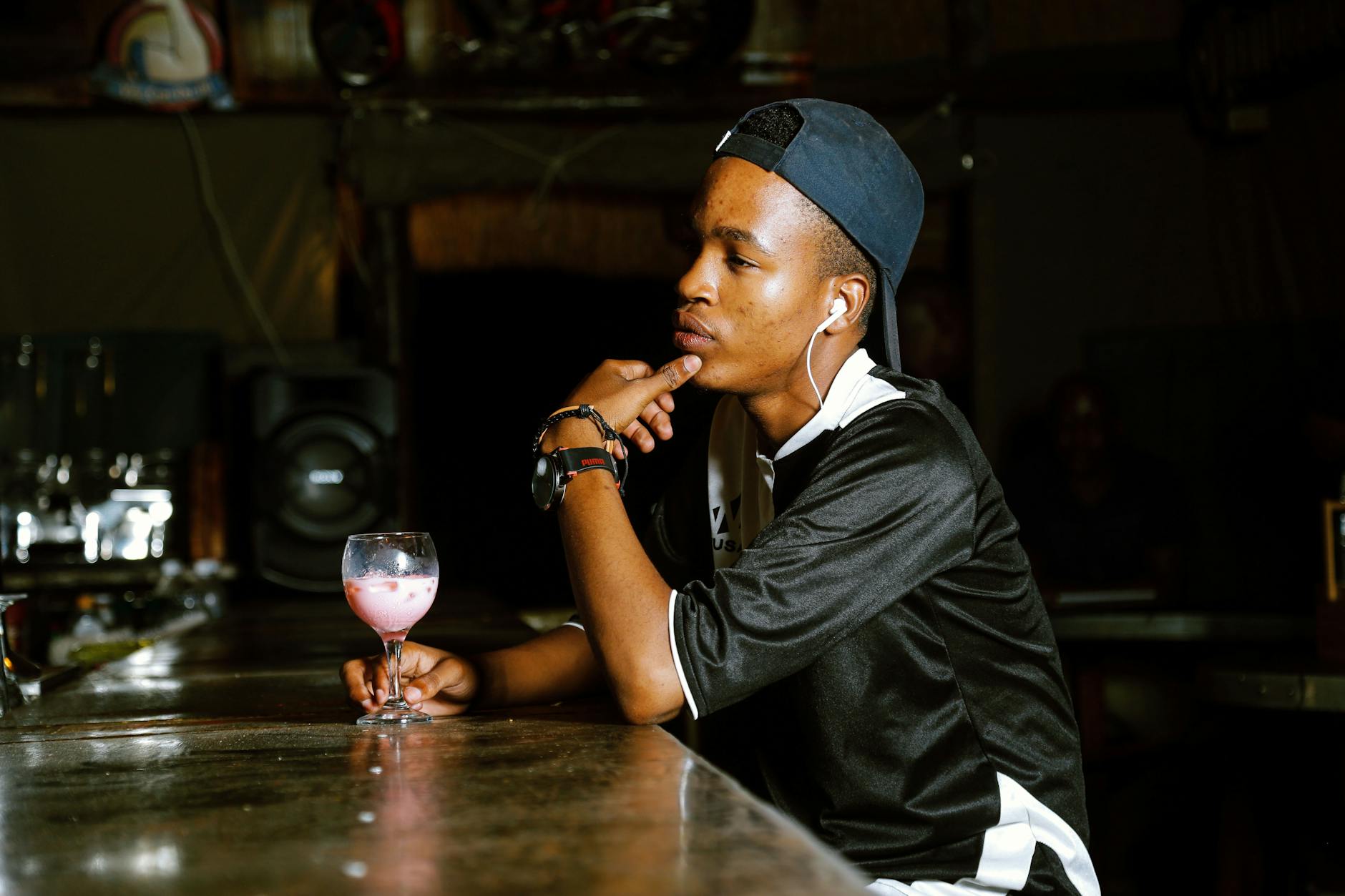
Bartenders scan the bar constantly and respond instinctively to calm eye contact paired with patient body language. Customers who make fleeting or desperate eye contact while leaning aggressively over the counter trigger an avoidance instinct in most experienced staff. A relaxed posture with a natural forward gaze communicates readiness without pressure. Bartenders in busy venues consistently serve composed customers faster because the interaction promises to be efficient. Mastering this subtle signal is one of the most effective ways to improve service speed at any bar.
Phone Distraction
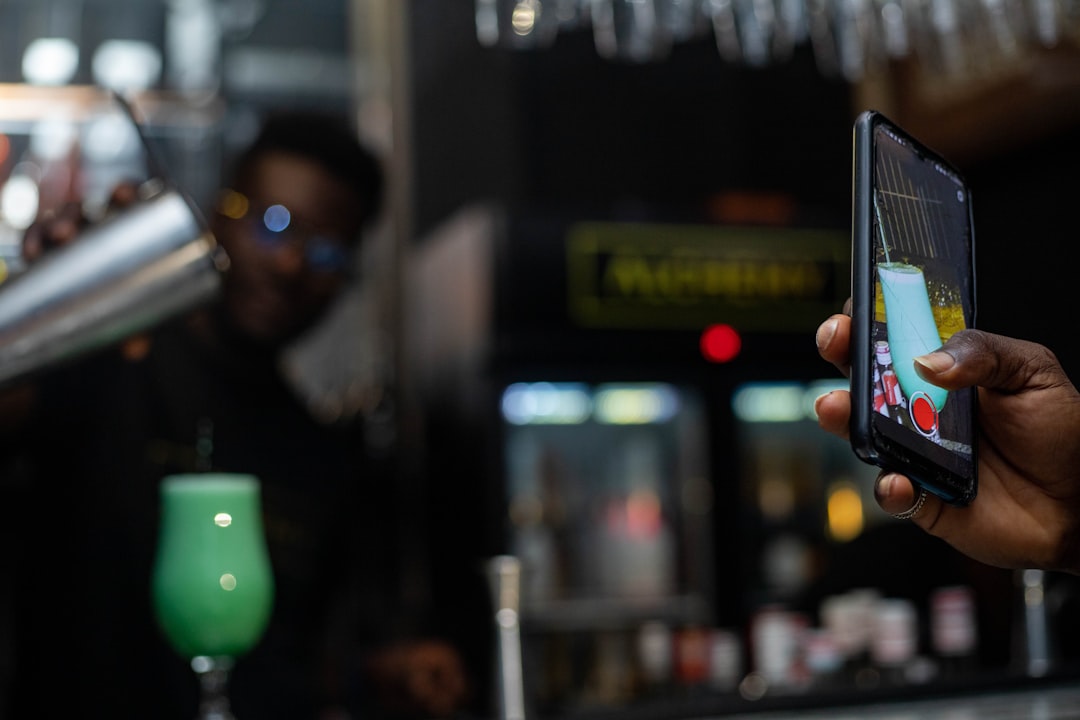
A customer buried in their phone at the moment a bartender approaches will almost always be passed over for someone more visibly ready. Bartenders operate on tight time windows and cannot afford to wait while someone finishes a text or scrolls through a feed. Repeated approaches met with inattention train bar staff to deprioritize that seat entirely for the remainder of the evening. The habit signals that the customer is not yet decided on their order, adding unnecessary friction to a fast-paced workflow. Pocketing the phone before reaching the bar dramatically increases the chances of prompt and attentive service.
Finger Snapping
Snapping fingers or whistling to summon a bartender is widely regarded within the industry as one of the most disrespectful gestures a customer can make. It signals an attitude of entitlement that immediately puts staff on the defensive and reduces their motivation to engage warmly. Bartenders have consistently ranked this behavior among the top reasons they consciously delay service. The gesture communicates that the customer views staff as subordinates rather than skilled professionals managing a complex environment. No amount of snapping will accelerate service once that impression has been formed.
Vague Orders
Approaching the bar without a clear order is one of the most common ways customers inadvertently slow down their own service. Phrases like “surprise me” or “what’s good here” consume time that bartenders simply do not have during a busy shift. Staff quickly learn which customers are likely to require extended consultations and unconsciously route around them when the bar is packed. Having a specific drink in mind or at minimum a spirit preference signals competence and respect for the bartender’s time. Preparation before stepping up to the bar is one of the simplest adjustments any customer can make.
Rude Openers
The first words a customer speaks set the entire tone of the bartender-guest relationship for the evening. Demands issued without any greeting or acknowledgment communicate an expectation of servitude rather than professional service. Bartenders share mental notes with colleagues throughout a shift, meaning a poor first impression can affect service across the entire team. A simple greeting paired with a please transforms the dynamic from transactional to collaborative almost instantly. Professional bar staff are significantly more motivated to go the extra mile for guests who treat them as equals.
Order Changing
Repeatedly changing an order after it has been confirmed is one of the fastest ways to earn a silent ranking at the bottom of a bartender’s priority list. It wastes ingredients, disrupts workflow and signals indecision that will likely slow down future interactions. In high-volume environments every second of unnecessary delay has a cascading effect on service for the entire bar. Bartenders remember which customers caused those delays and adjust their approach accordingly for the rest of the night. Committing to a decision before speaking is a small discipline that carries significant social and practical rewards.
Excessive Haggling
Attempting to negotiate drink prices or asking repeatedly for discounts creates immediate friction between a customer and bar staff. Bartenders rarely have authority to change menu pricing and are placed in an uncomfortable position by these requests. The behavior signals poor social calibration and a lack of understanding of how hospitality environments operate. Even when discounts are occasionally possible as a goodwill gesture, the customer who demands them receives far less goodwill than the one who never asks. Respecting the pricing structure of a venue is a baseline expectation of bar etiquette in any setting.
Drink Touching
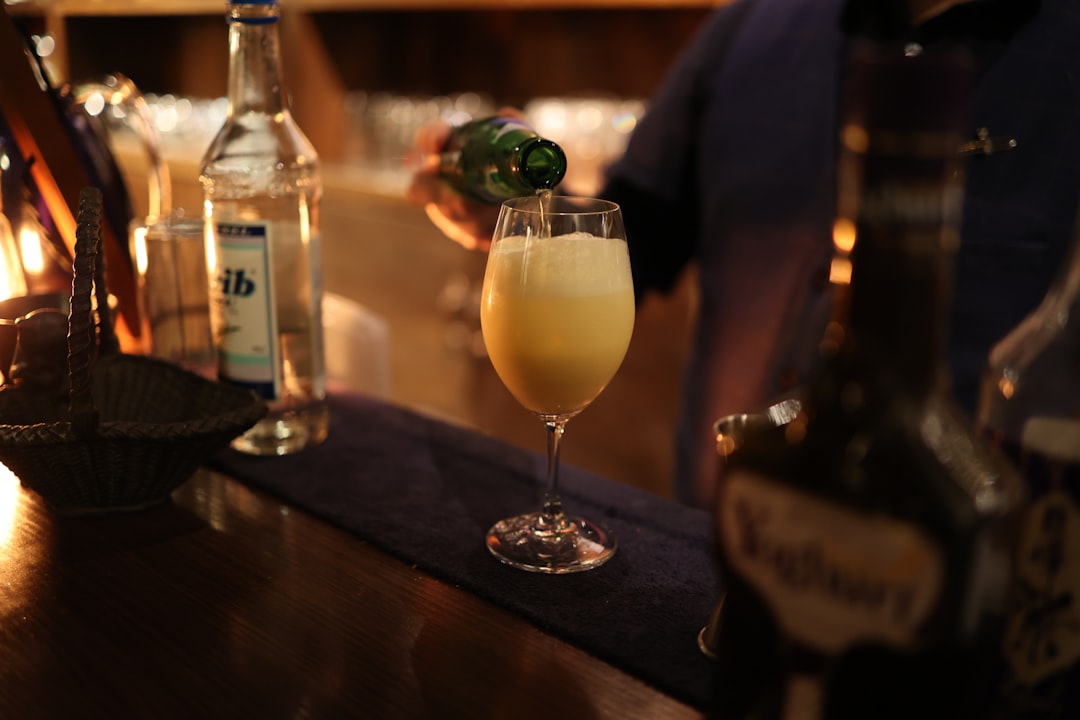
Reaching across the bar to grab garnishes, straws or napkins without permission immediately puts a bartender on alert. The bar counter is a professional workspace and uninvited access to it is treated as a boundary violation by virtually all trained staff. This behavior can in some venues constitute a policy breach that results in a formal warning or removal. Bartenders who witness it once will monitor that customer more cautiously and engage with them less freely for the remainder of the service. Waiting for items to be presented rather than self-serving is a simple and widely expected courtesy.
Condescension
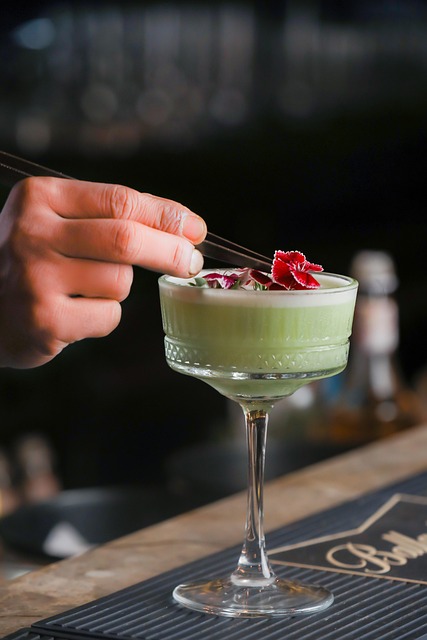
Speaking to a bartender in a condescending or patronizing tone instantly destroys any goodwill that might have been building. Many bartenders hold advanced degrees or are experienced professionals who have chosen hospitality as a deliberate career path. The assumption that bar work is a lesser occupation is both inaccurate and immediately sensed by staff with years of reading customers. Once condescension is detected the customer is typically served to the minimum required standard and no further. Genuine respect for the craft and the professional creates an entirely different quality of interaction.
Tab Neglect
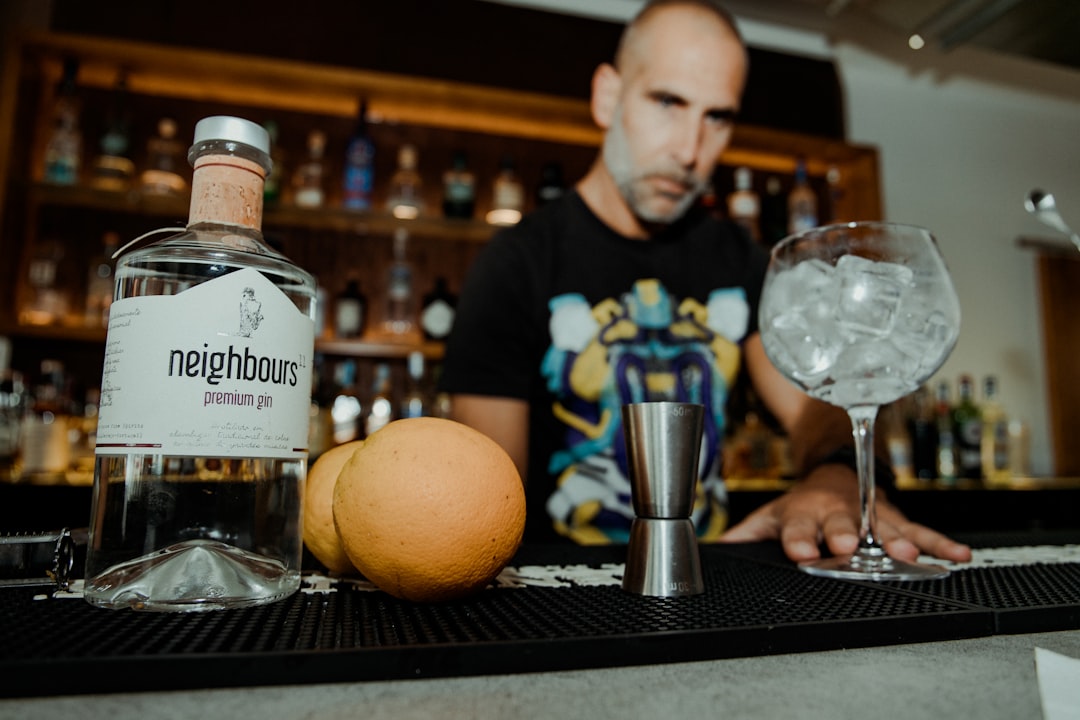
Running up a large tab and showing no signs of tipping creates a reputation at the bar that spreads faster than most customers realize. Bartenders share observations throughout a shift and a guest identified as a non-tipper will receive slower and less enthusiastic service as the evening progresses. In markets where tipping forms part of standard compensation the practice has direct professional consequences for staff. Acknowledging good service with appropriate recognition fundamentally changes how a bartender prioritizes your presence at the bar. This single habit accounts for more service discrepancies than almost any other customer behavior.
Storytelling Overload
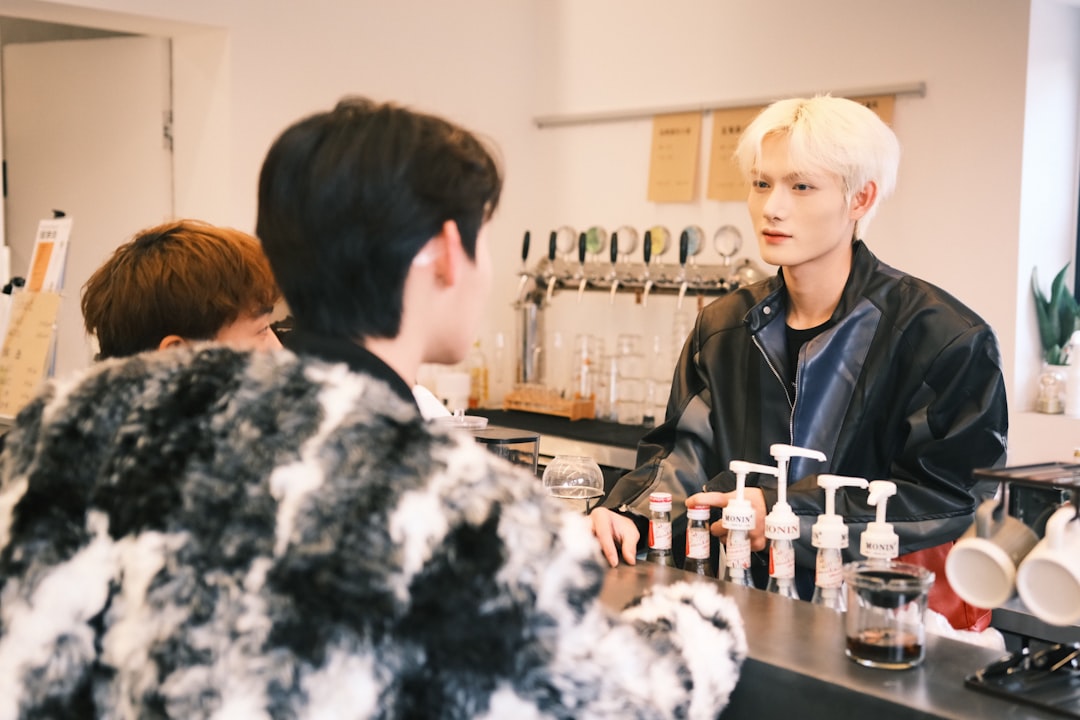
Launching into a lengthy personal story while the bartender is clearly in the middle of a busy service period is a fast way to become someone they actively avoid. Bartenders are skilled conversationalists but require reciprocal awareness of context and timing from their guests. A long anecdote delivered at the wrong moment creates a social trap that staff cannot easily exit without appearing rude. This dynamic leads them to approach that seat less frequently to avoid being caught in another extended exchange. Reading the pace of the room before initiating extended conversation is a mark of experienced bar etiquette.
Group Chaos
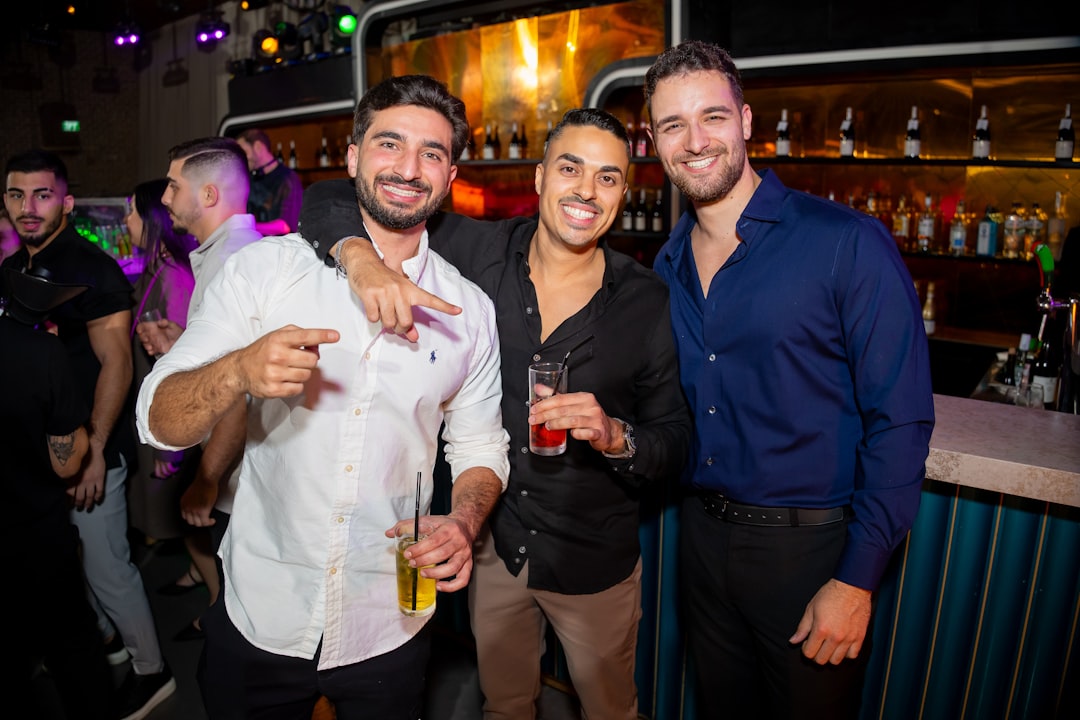
Large groups that arrive without a designated order spokesperson create significant confusion and delay at the bar. Multiple people shouting different orders simultaneously makes it nearly impossible to process requests accurately or efficiently. Bartenders will often serve quieter individual customers while waiting for the group to organize itself internally. Appointing one person to collect and communicate the full order transforms the group from a source of chaos into a model of easy service. This simple organizational step benefits both the staff and the group’s waiting time considerably.
Returned Drinks
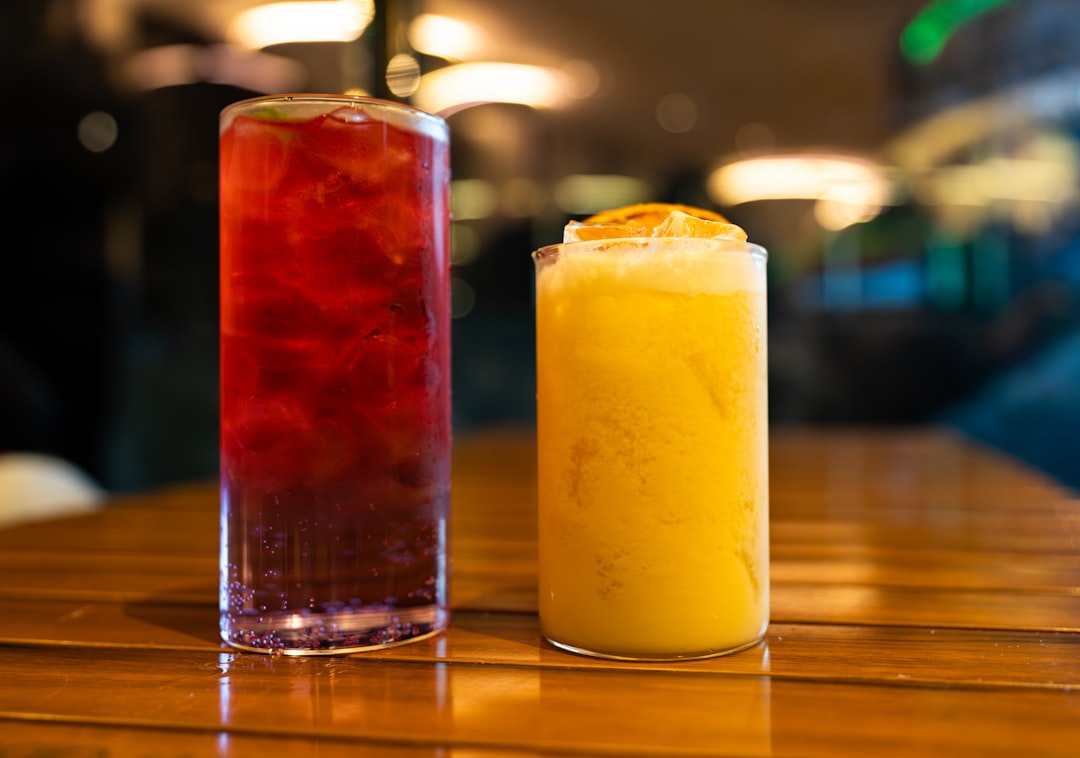
Sending back a drink because it does not match a vaguely communicated preference signals high-maintenance behavior to bar staff. When orders lack specificity the resulting drink is a reasonable interpretation of what was asked for rather than a mistake. Bartenders who remake drinks due to unclear communication are less likely to volunteer extra effort for that customer going forward. Specifying ingredients, ratios and ice preferences in detail from the start prevents this dynamic entirely. Clear communication at the point of ordering is always more effective than correction after the fact.
Hovering Behavior
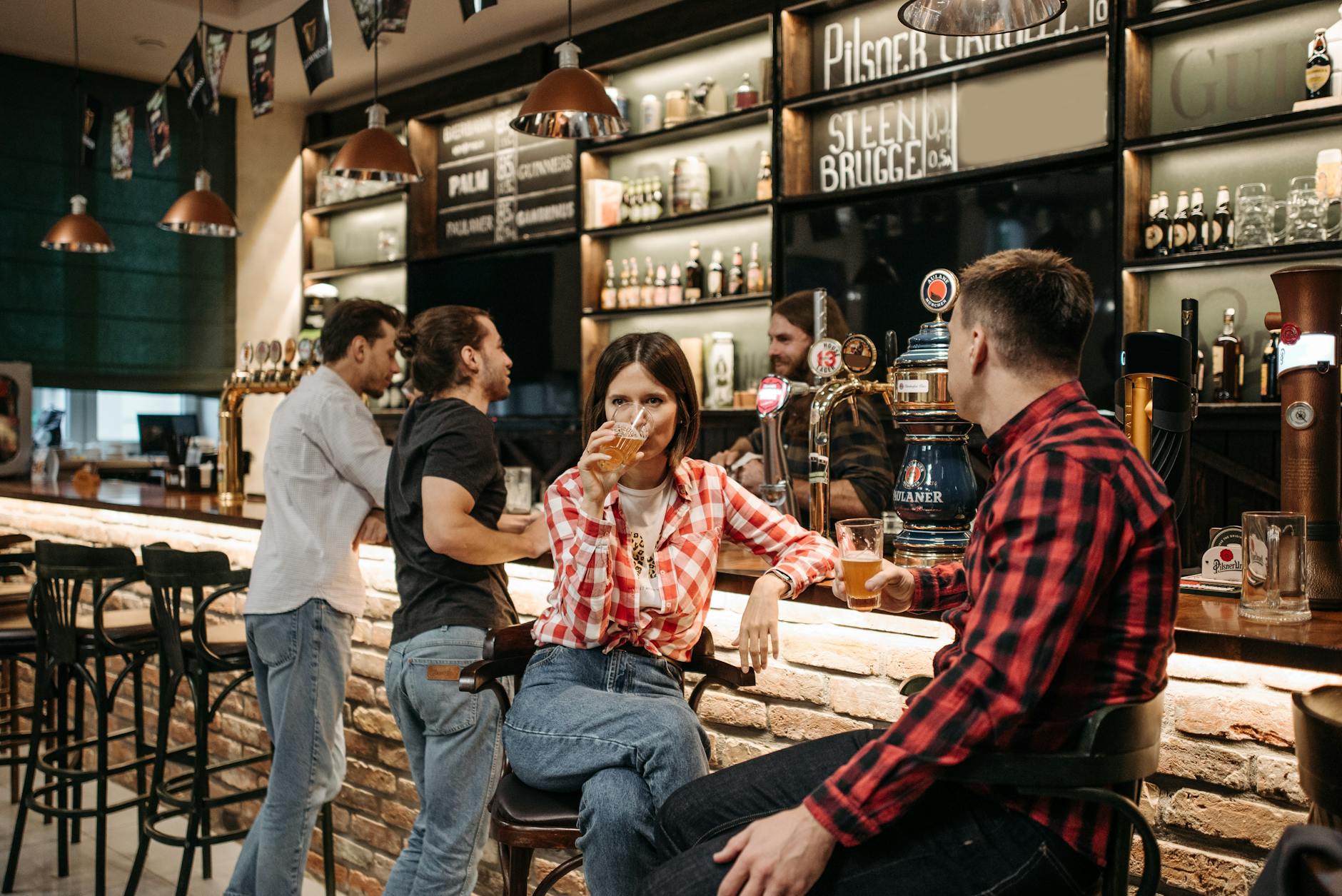
Standing directly in front of the bar for extended periods without ordering or making space for other customers marks someone as an obstacle in a bartender’s working environment. This behavior physically blocks access to the bar surface and signals a disregard for the flow of service. Bartenders are trained to manage bar real estate efficiently and those who disrupt it are handled with minimum engagement. Placing an order and then stepping back demonstrates spatial awareness and earns visible appreciation from staff. Respecting the physical rhythm of a busy bar is an underrated dimension of customer conduct.
Intoxication Signs
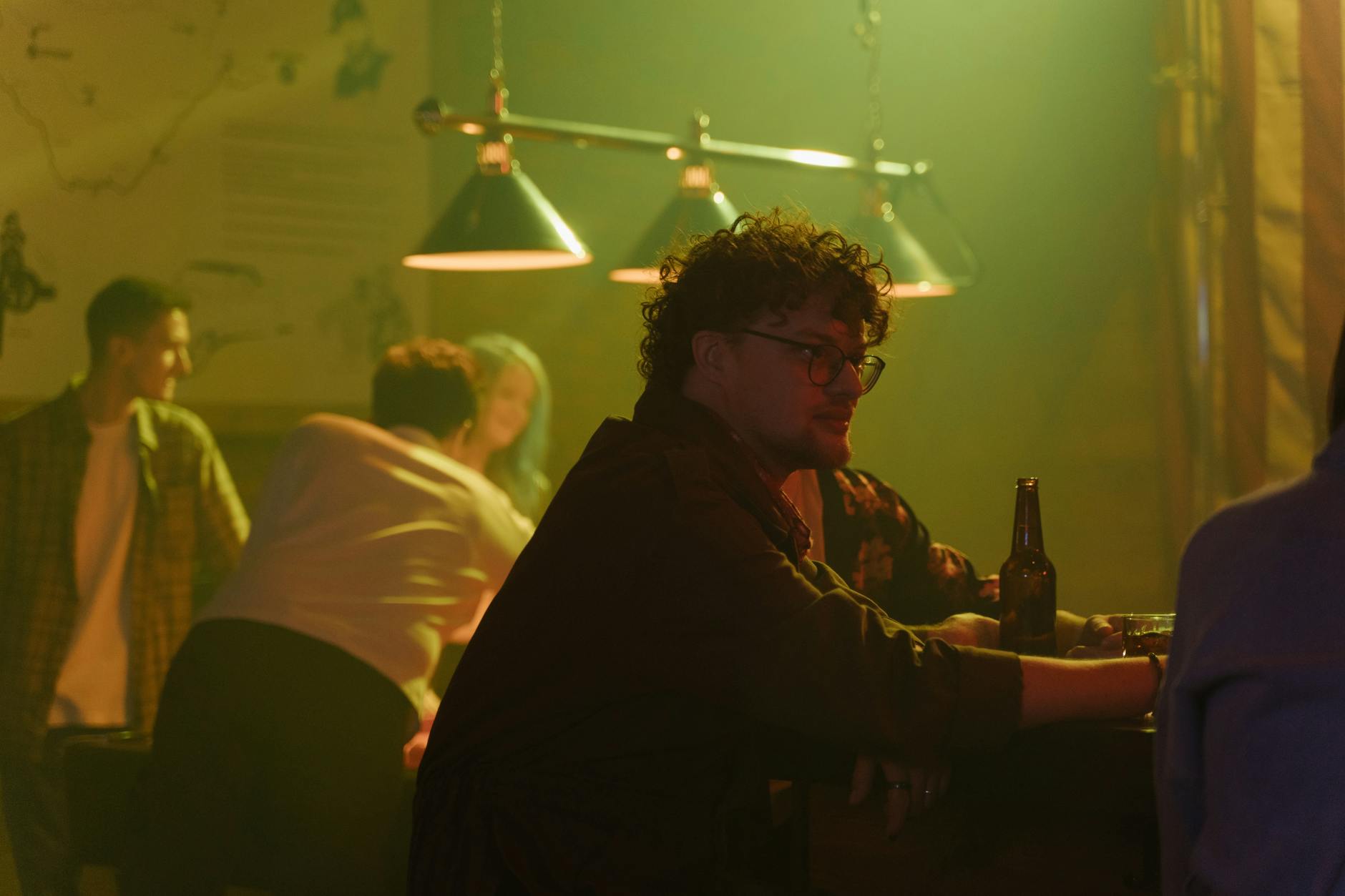
Customers displaying visible signs of significant intoxication are often quietly deprioritized by bar staff before any formal cut-off decision is made. This is partly a legal precaution and partly an instinctive professional response to managing risk in a public environment. Slurred speech, poor coordination or emotional escalation all function as silent signals that reduce a bartender’s willingness to engage. Staff in these situations will frequently become harder to summon without any obvious change in their visible behavior. Understanding that this triage happens invisibly and early can help customers monitor their own presentation more carefully.
Condiment Requests
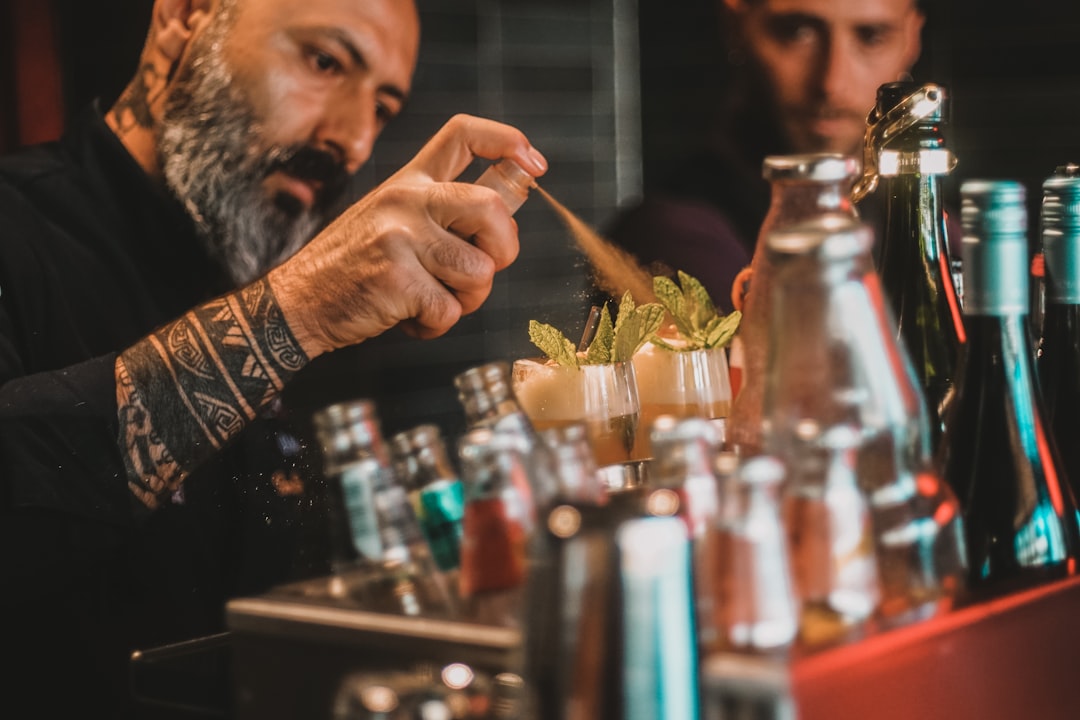
Requesting elaborate modifications to a straightforward cocktail during peak service hours marks a customer as a complex order in a context that demands speed. Bartenders take genuine pride in their craft during quieter periods when creativity and detail are more accessible. The same request made on a packed Saturday night places the customer in competition with dozens of simpler orders all ahead of it. Timing the more creative or personalized requests to off-peak moments leads to dramatically better results. Awareness of when to ask for less is a form of bar literacy that staff respond to with noticeable enthusiasm.
Name Demands
Insisting that a bartender remember your name or treat you as a regular after a single visit is a behavior that creates social discomfort rather than connection. Genuine regulars earn that status through consistent respectful patronage over time rather than by demanding it immediately. Bartenders who are placed in the awkward position of pretending familiarity they do not feel tend to keep interactions brief and transactional. Allowing a relationship with bar staff to develop naturally over multiple visits creates the kind of authentic recognition that cannot be shortcut. Patience and consistency are the only reliable paths to becoming a genuinely valued regular.
Interrupting Orders
Interrupting a bartender mid-sentence while they are confirming or clarifying an order creates confusion and signals impatience. This behavior disrupts the verification process that ensures accuracy and often results in the exact mistakes the customer would complain about later. Bartenders who are consistently interrupted by a customer begin to approach that seat with less conversational openness. Allowing the professional to complete their standard order confirmation process takes only seconds and prevents a significant number of service errors. Patience during this brief exchange is one of the most undervalued courtesies in bar culture.
Trash Disposal
Leaving bottles, glasses and napkins strewn across the bar surface in a state of obvious disarray signals disrespect for the workspace and the staff who maintain it. While bartenders do not expect customers to clean up after themselves, basic tidiness shows awareness of the shared nature of the space. Staff consistently describe chaotic bar surfaces as visual noise that increases the mental load of an already demanding job. Customers who stack their empties neatly or at least keep their area manageable are noticed and appreciated without needing to say a word. Small acts of spatial courtesy function as a quiet and highly effective form of social capital.
Constant Urgency
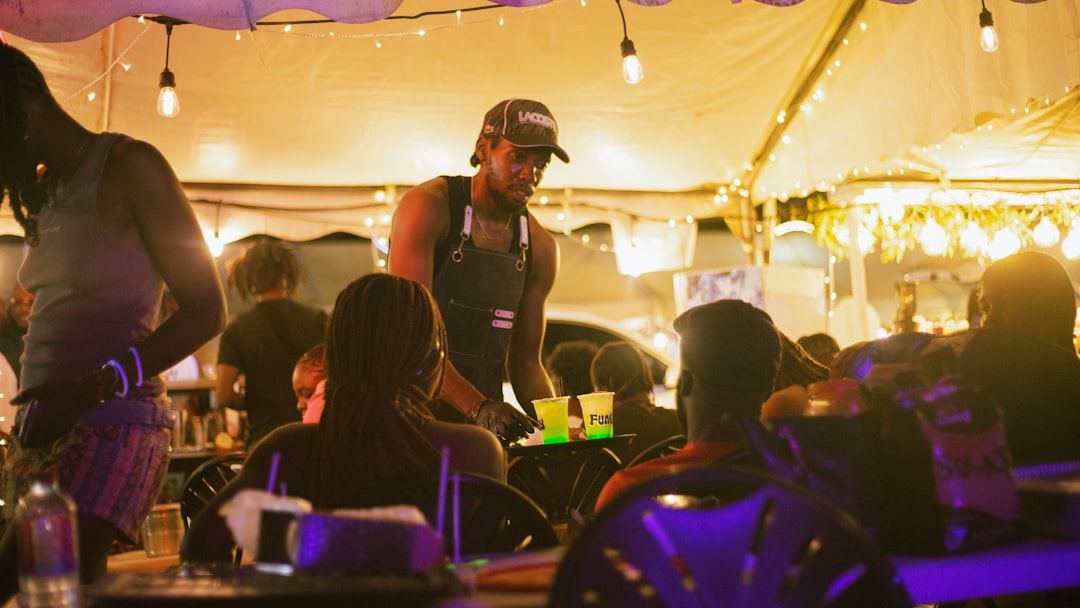
Communicating a persistent sense of urgency regardless of how busy the bar is positions a customer as a source of pressure rather than a welcome guest. Bartenders are continuously triaging the entire room and external pressure does not accelerate that process but often slows engagement with its source. This behavior is particularly counterproductive during high-volume periods when staff are already operating at maximum pace. Customers who project calm and trust in the process consistently receive faster and more pleasant service across all types of bar environments. Patience under pressure is a quality that bar professionals register and reward in their own quiet way.
Drink Policing
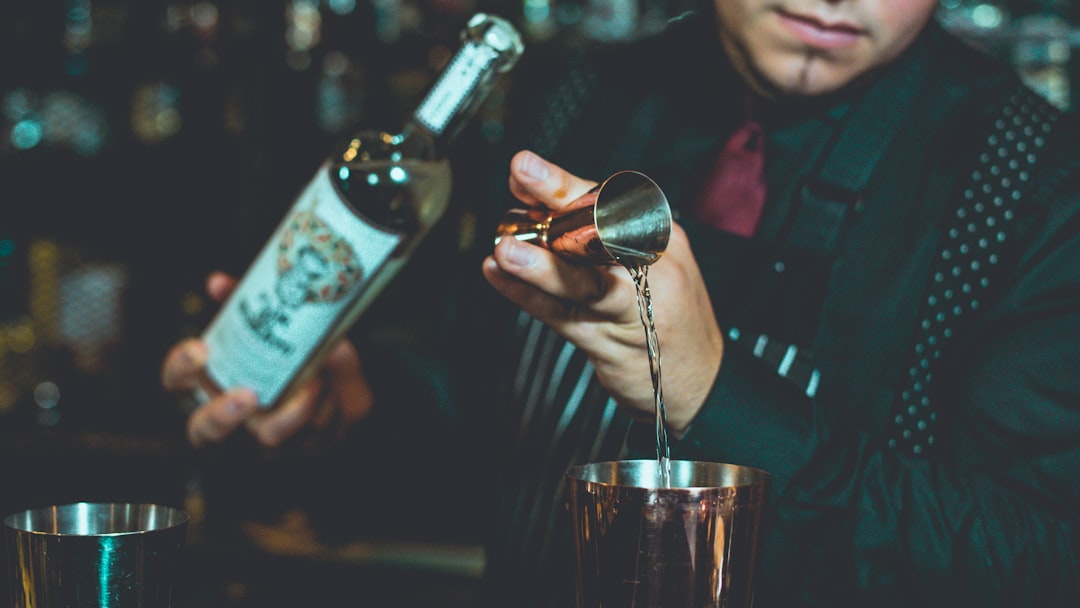
Watching a bartender prepare a drink with visible skepticism and commenting on technique or measurements communicates distrust and disrespect. Bartenders train extensively in their methods and unsolicited commentary on their craft is rarely received as helpful feedback. This behavior places staff in a defensive position that changes the character of the interaction immediately and lastingly. Customers who demonstrate trust in the bartender’s expertise consistently receive higher-quality and more creatively considered service. Confidence in the professional you have chosen to serve you is both a courtesy and a practical strategy.
Unsolicited Advice
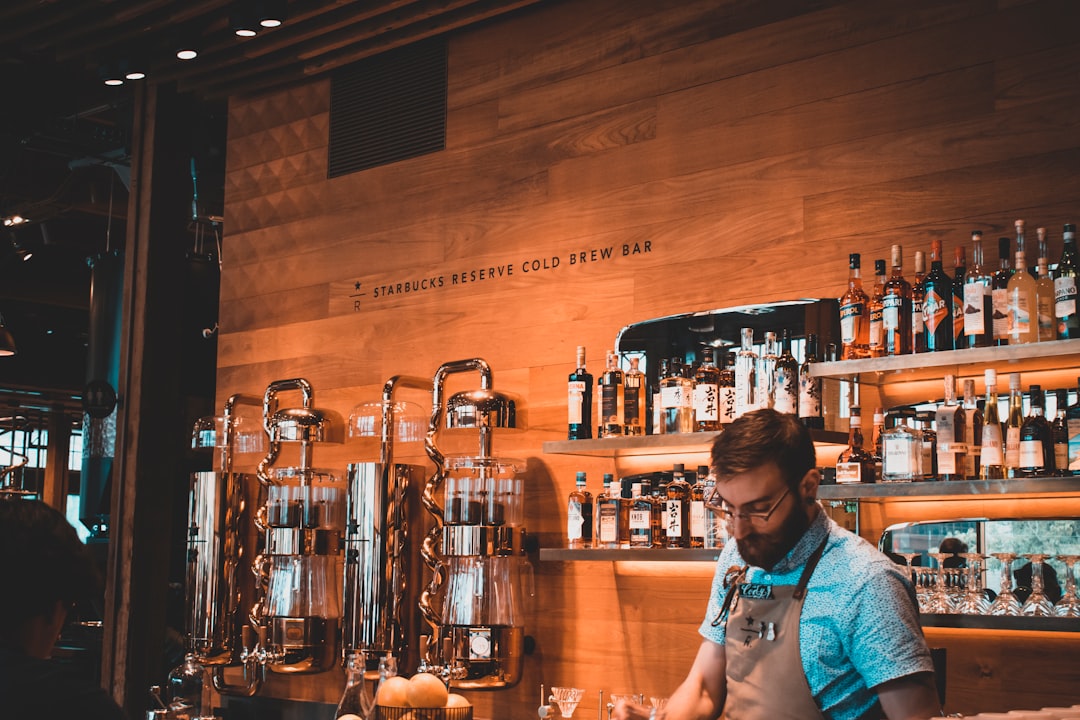
Offering a bartender unsolicited advice about how to improve the menu, manage the queue or run the shift is a reliably effective way to be deprioritized. Bartenders operate within systems designed and managed by owners and supervisors and are not positioned to act on customer suggestions in real time. The behavior signals a misunderstanding of professional hierarchy and the realities of working in a structured hospitality environment. Staff who receive this kind of input typically end the interaction as quickly as possible and return to the customer only when necessary. Keeping observations to yourself unless specifically invited to share them is a mark of social intelligence in any service context.
Personal Questions
Asking bartenders intrusive personal questions about their lives, relationships or reasons for working in hospitality creates visible discomfort that lingers through the service interaction. Bar professionals are trained to be warm and personable but that warmth is a professional skill rather than an open invitation to intimacy. Customers who push past the surface of friendly service exchange into personal territory are experienced as boundary-crossers by most staff. Once that discomfort is created bartenders maintain a polite but noticeably greater distance for the remainder of the evening. Enjoying the warmth of professional hospitality without attempting to deepen it uninvited is both respectful and practically beneficial.
Complaint Escalation
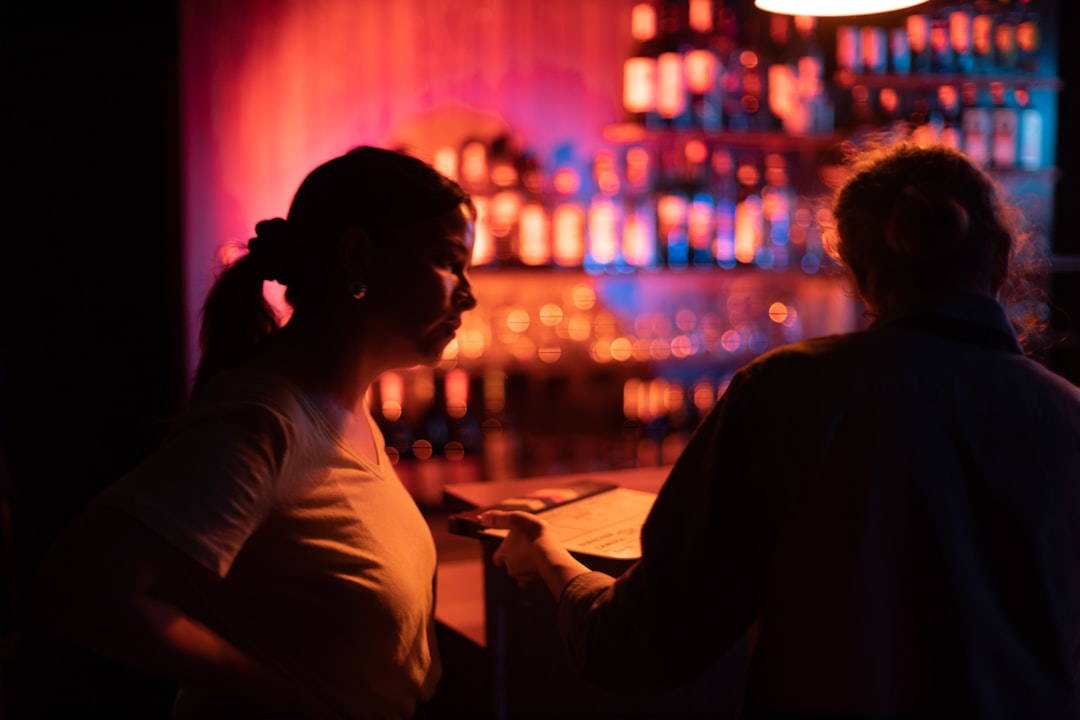
Escalating minor complaints to management over small and easily resolved issues signals a willingness to weaponize authority that bar staff take seriously. This behavior places bartenders in a professionally vulnerable position over matters that could have been addressed calmly and directly. Once a customer has demonstrated a readiness to escalate, staff will handle them with maximum caution and minimum spontaneity. The creative warmth and personalized attention that defines excellent bar service is reserved for guests who do not represent a professional threat. Direct and calm communication with the bartender directly almost always produces faster and more satisfying resolutions than management involvement.
Space Invasion
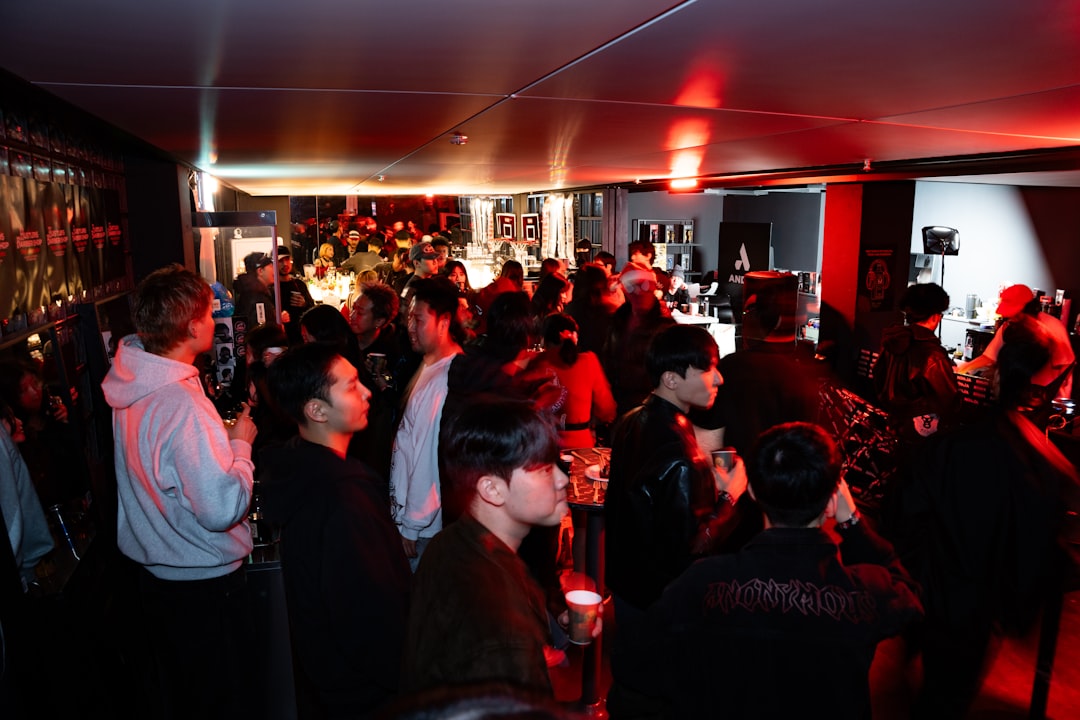
Leaning dramatically over the bar counter to get closer to the bartender or to monitor their movements behind the bar is a widely disliked behavior across the industry. The physical space behind the bar is a professional environment that staff are entitled to occupy without feeling observed or crowded. This behavior triggers discomfort that staff respond to by creating conversational and physical distance throughout the rest of the service. Maintaining a natural and respectful distance from the bar surface demonstrates an understanding of professional boundaries. Body language that communicates ease and restraint is consistently interpreted as a positive social signal by experienced hospitality professionals.
Drink Comparison
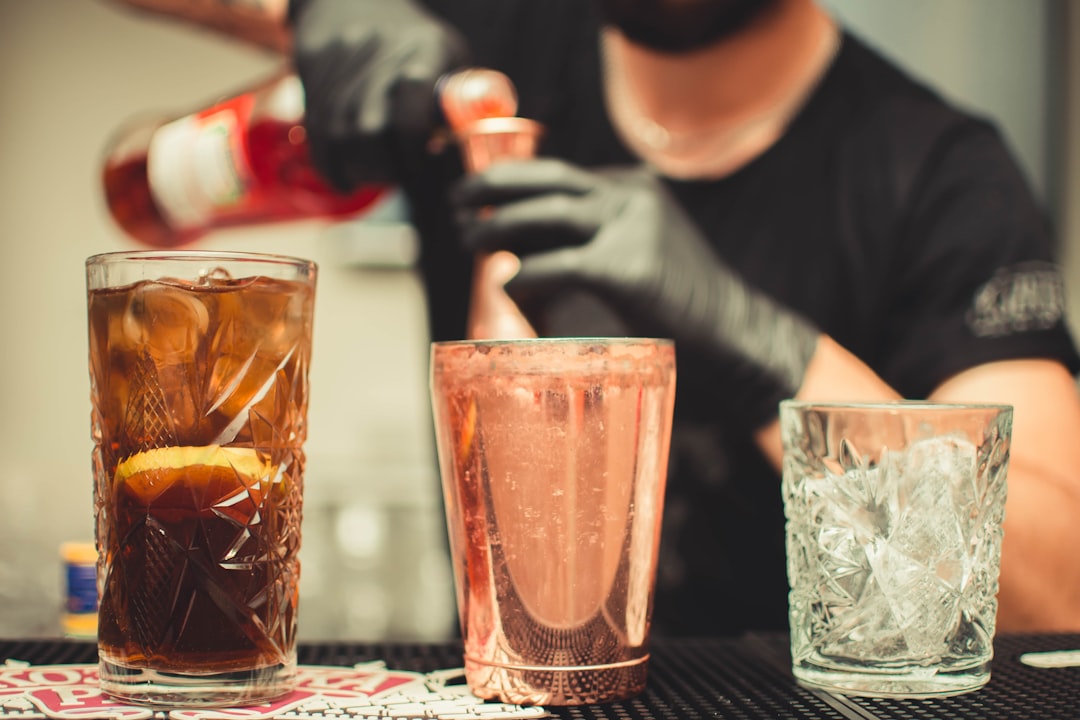
Audibly comparing the drinks at the current venue unfavorably to those at a competitor or a previous bartender’s version is a form of criticism that lands poorly with staff. Bartenders take genuine professional pride in their recipes and presentation and unsolicited comparisons function as a public diminishment of that work. This behavior is particularly damaging in smaller venues where the bartender may also be the owner or creator of the menu. Staff who receive this kind of commentary typically fulfill the remainder of that customer’s orders with minimum investment and enthusiasm. Appreciating a venue on its own terms rather than as a point of comparison is a basic principle of respectful bar patronage.
Tip Removal
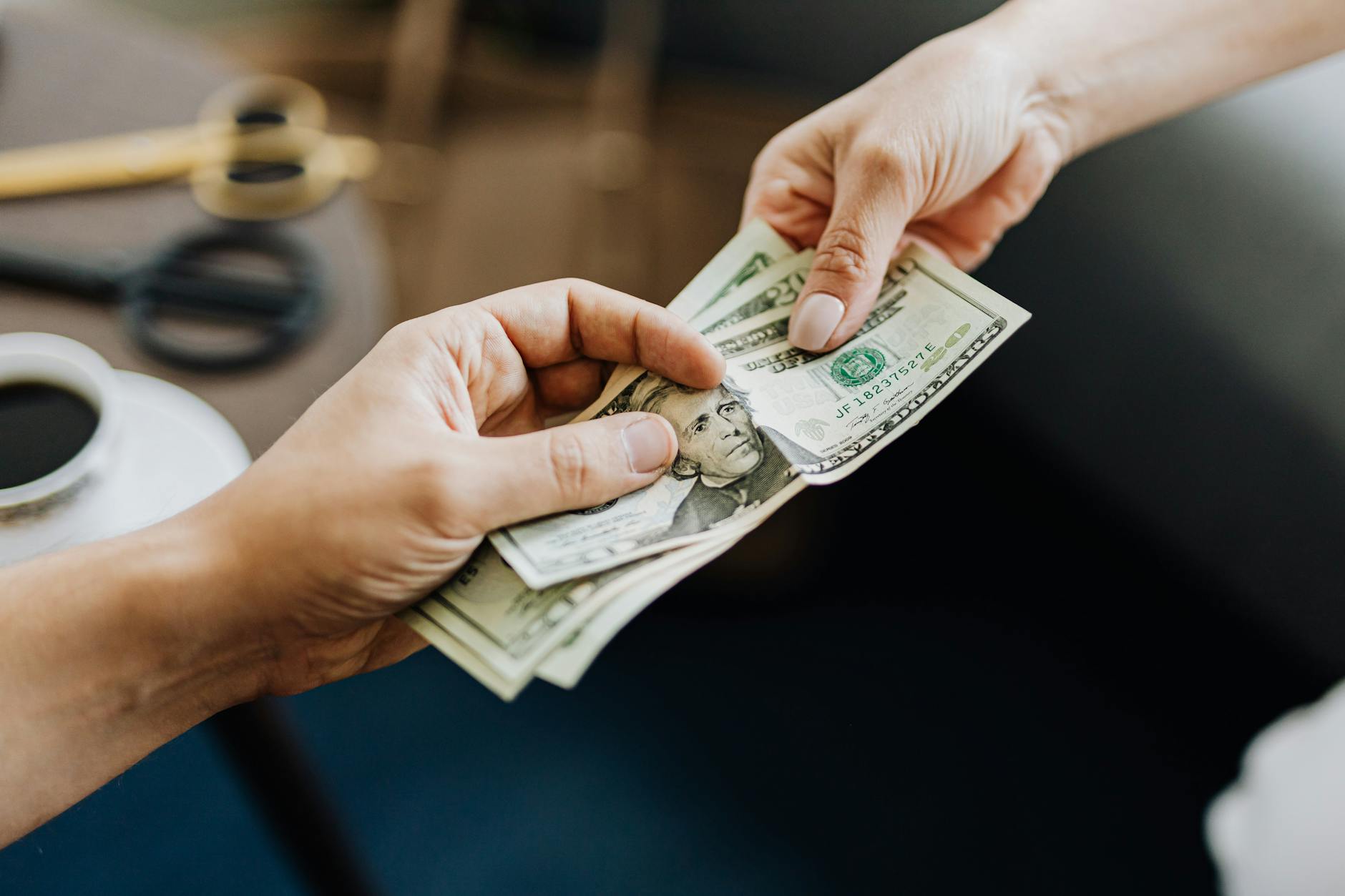
Placing a tip on the bar and then visibly reducing it or removing it as a form of behavioral leverage is considered one of the most manipulative customer behaviors in the hospitality industry. This practice creates a coercive dynamic that staff find deeply uncomfortable and professionally demeaning. Bartenders who experience this tactic will communicate it to colleagues, affecting the customer’s reception across the entire team. The approach undermines the dignity of the service relationship and produces the opposite of the attentive service the customer is attempting to engineer. Tipping as a genuine acknowledgment of service received rather than as a management tool defines the conduct of the most well-regarded bar patrons.
Closing Time Resistance
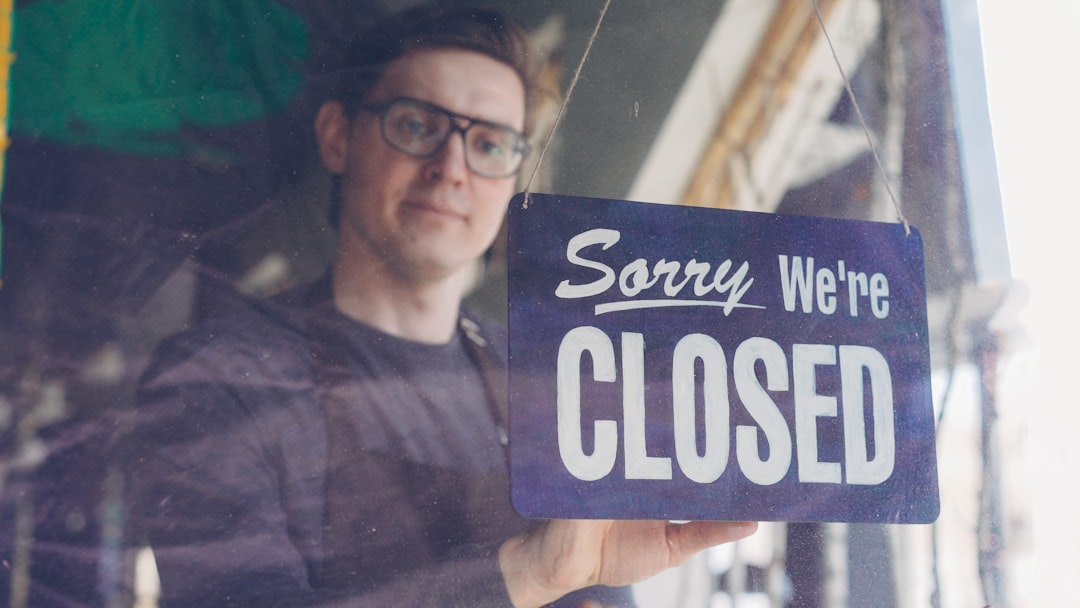
Lingering at the bar after last orders have been called and staff have begun closing procedures signals a disregard for professional boundaries and the physical exhaustion of people at the end of a long shift. Bartenders who are trying to close are placed in the uncomfortable position of repeatedly redirecting a customer who is choosing not to receive the message. This behavior affects the entire team’s ability to finish their shift and has a disproportionate impact on goodwill. Customers who acknowledge closing signals graciously and exit promptly are consistently remembered and welcomed more warmly on their next visit. Recognizing that hospitality professionals are also people with lives beyond the bar is a foundational courtesy that costs nothing.
Bathroom Monopoly
Using the bar as a staging post while spending extended time away from the seat in ways that block the space for paying customers creates visible tension with staff. Bartenders are responsible for managing the flow and productivity of the bar and dead seats represent lost revenue and logistical complications. Guests who occupy prime bar positions for disproportionately long periods relative to their ordering activity are noticed and quietly deprioritized. Communicating clearly with staff if a seat needs to be held briefly for a legitimate reason transforms this dynamic entirely. Transparency and consideration for the commercial realities of the venue are qualities that bar professionals consistently appreciate and reward.
Food Smuggling
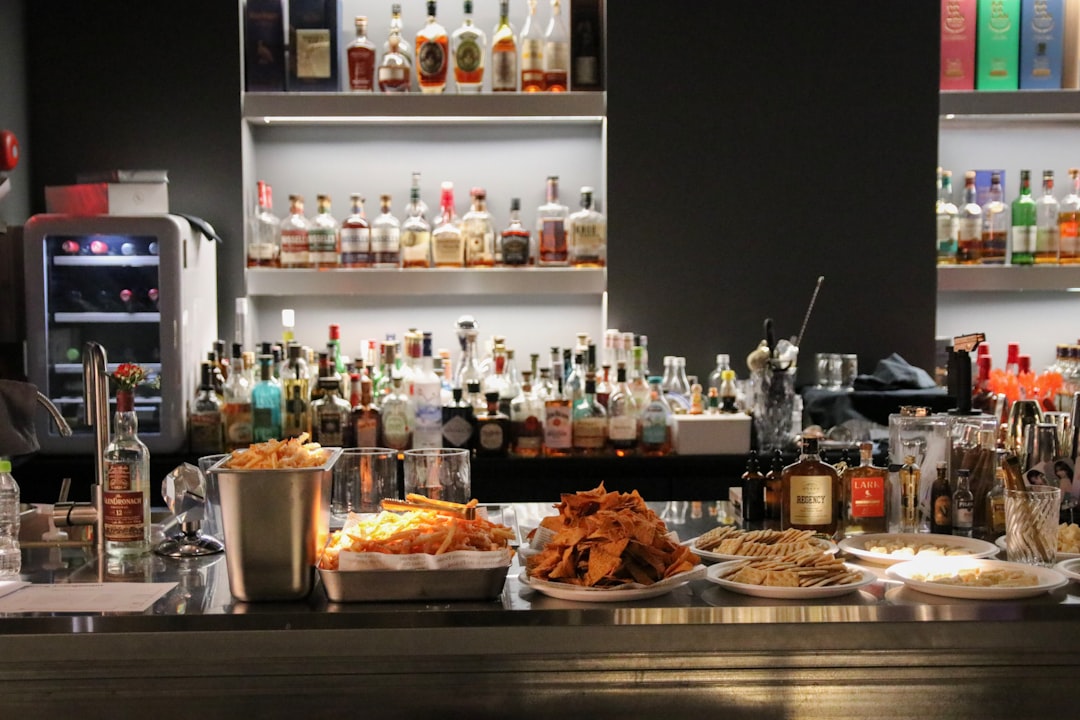
Bringing outside food into a bar without permission is a behavior that violates most venues’ policies and signals a disregard for the business model that keeps the establishment running. Bartenders who notice this are placed in a professionally awkward position of having to address it or report it to management. Even when it goes unremarked the behavior registers negatively and affects how staff perceive and engage with that customer. Ordering food from the venue or asking staff about outside food policies before arriving demonstrates both consideration and basic hospitality literacy. Respecting the commercial ecosystem of the venues you choose to patronize is a dimension of bar etiquette that extends well beyond drink orders.
If any of these habits sound uncomfortably familiar, share your experiences and thoughts in the comments.




