Maintaining a bright and radiant smile requires paying close attention to your daily dietary habits and choices. Many common foods and beverages contain intense color pigments that settle into the microscopic pores of your tooth enamel over time. Acidic ingredients often exacerbate this issue by softening the protective outer layer of your teeth and allowing stains to penetrate deeper. Awareness of these staining agents allows you to take preventative measures like rinsing with water or brushing shortly after eating. The following list highlights common culprits that might be dimming your smile without you even realizing it.
Black Coffee

This popular morning beverage is one of the most common causes of yellowing teeth due to its dark color. Coffee contains high levels of tannins which are organic compounds that help color pigments stick to enamel. The acidity in the drink alters the pH balance in your mouth and makes teeth more vulnerable to damage. Drinking it black exposes your teeth directly to these staining agents without any dilution. Sipping water alongside your daily cup can help wash away residue before it settles.
Black Tea
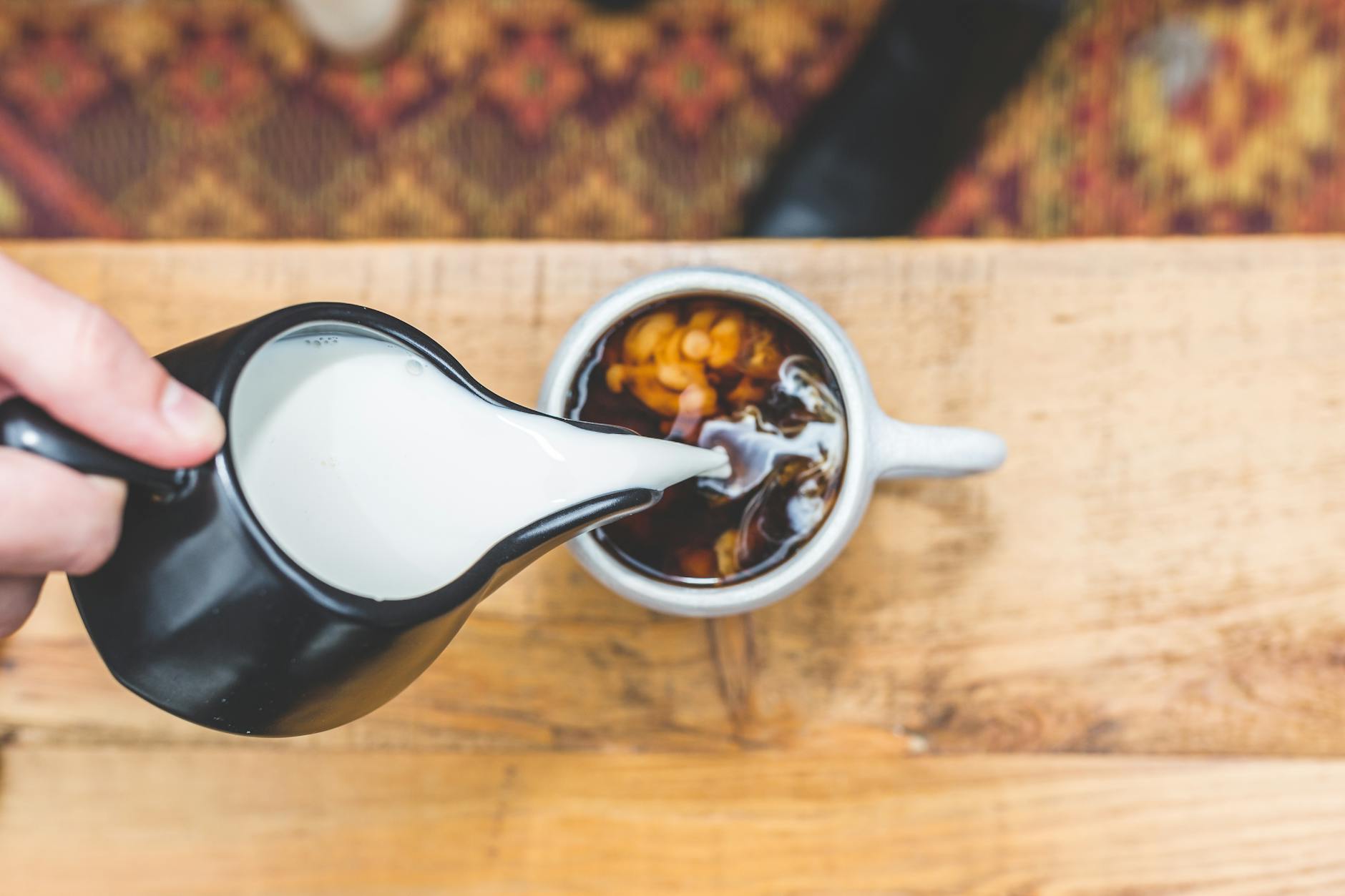
Many people assume tea is a gentler alternative to coffee but it can actually cause more severe staining. Black tea is rich in tannins that promote discoloration and leave a grey or yellow hue on the teeth. The dark oxidation of the leaves creates a potent liquid that clings stubbornly to dental surfaces. Adding a splash of milk may neutralize the ability of these tannins to adhere to your enamel. You should consider switching to lighter herbal teas or green tea to minimize this risk.
Red Wine

A glass of red wine contains a triple threat of acidity and tannins and natural dyes known as chromogens. The deep red pigment easily attaches to the tooth surface and lingers long after you finish your drink. Acidic components roughen the texture of your enamel and create more surface area for stains to hold onto. Regular consumption often results in a distinct purple or blue tinge that eventually fades into a permanent dullness. Swishing with water between glasses is a simple way to mitigate these immediate effects.
White Wine

White wine might look clear but it plays a significant role in compromising the brightness of your smile. The high acid content in varieties like Sauvignon Blanc strips away calcium and erodes the hard outer shell of the tooth. This erosion exposes the yellow dentin layer underneath and makes the enamel porous enough to absorb colors from other foods. Stains from dinner ingredients like tomato sauce bind more easily to teeth that have been primed by white wine acidity. Pairing your glass with hard cheese helps create a protective barrier against this acidic attack.
Soda

Dark colas contain caramel coloring which creates distinct yellow and brown stains on teeth over time. The intense sugar content feeds bacteria in the mouth and leads to plaque buildup that absorbs colors rapidly. Citric and phosphoric acids found in carbonated soft drinks wear down enamel and leave teeth defenseless against pigmentation. Even clear sodas contribute to the problem by weakening the tooth structure with their high acidity levels. Drinking through a straw can bypass the front teeth and reduce contact with these harmful ingredients.
Tomato Sauce

Bright red pasta sauces are highly acidic and pigmented which creates an ideal environment for staining. The rich color from concentrated tomatoes clings to the plaque layer on your teeth during a meal. Acid breaks down the enamel surface and allows the red hue to penetrate deeper into the tooth structure. Combining sauce with abrasive foods like broccoli or spinach can help scrub the surface clean as you chew. Rinsing your mouth immediately after an Italian dinner prevents the orange residue from setting permanently.
Blueberries

These healthy berries are packed with antioxidants but their deep blue skins are notorious for staining dental work and natural teeth. The dark juice released during chewing covers the mouth in a purple film that can be difficult to remove. Frequent consumption of blueberries can result in a persistent dullness or gray cast on your smile. It is helpful to flush your mouth with water right after eating a handful of these fruits. Brushing immediately might spread the acid so waiting thirty minutes is often the better strategy.
Blackberries

Similar to blueberries these dark fruits contain intense natural dyes that transfer easily to your fingers and your teeth. The tiny seeds often get stuck between teeth and prolong the exposure to staining pigments. Blackberry juice is potent enough to dye fabric and it has the same stubborn effect on porous tooth enamel. Eating them as part of a yogurt parfait can help provide a buffer between the berries and your teeth. Thorough flossing is essential to remove any skins or seeds that might cause lingering discoloration.
Pomegranates

The vibrant red seeds of a pomegranate contain polyphenols that offer health benefits but also stain porous surfaces. Breaking open the fruit releases a splash of juice that is incredibly difficult to clean off clothing or enamel. Eating the seeds requires chewing that grinds the red pigment directly into the grooves of your molars. The sticky nature of the fruit juice means the color stays in contact with your teeth for extended periods. You should drink water freely while enjoying this fruit to dilute the concentration of the pigment.
Soy Sauce
This dark and savory condiment leaves a lingering brown residue on teeth that can be hard to scrub away. The concentrated soy pigments settle into microscopic cracks in the enamel and contribute to general yellowing. High sodium content can also dry out the mouth and reduce saliva production which is your natural defense against stains. Using this sauce sparingly or mixing it with lighter ingredients can reduce its impact on your smile. A quick rinse with water after a sushi meal helps wash away the excess liquid.
Balsamic Vinegar

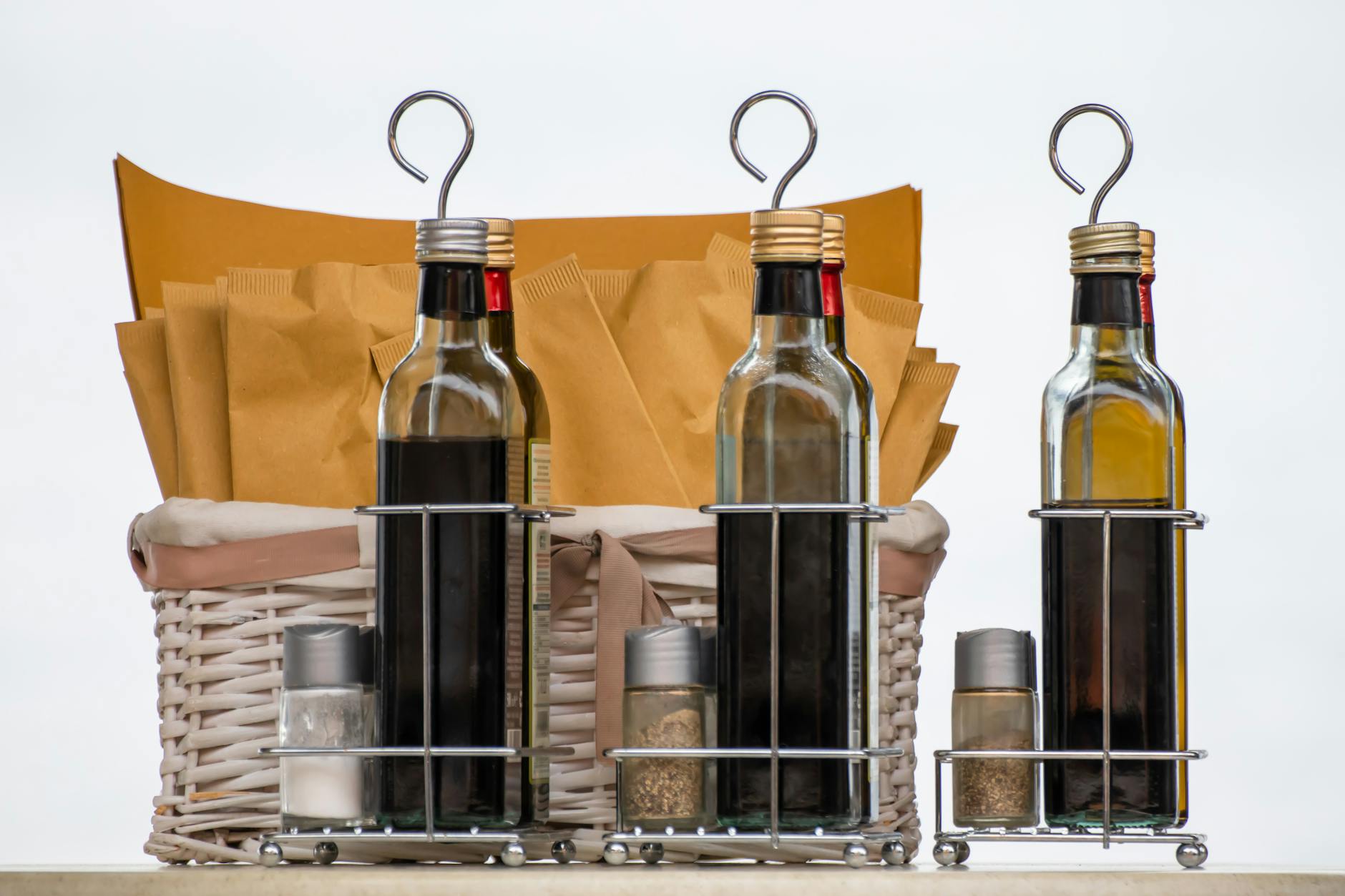
Dark vinegars are sticky and acidic which makes them a primary culprit for dental discoloration. The deep brown liquid adheres to foods like salad greens and transfers quickly to your teeth while eating. Its acidity opens up the pores of your enamel and allows the dark pigment to settle inside. Regular consumption of balsamic dressing can lead to a gradual darkening of your smile over months. Eating crunchy lettuce helps physically wipe some of the dressing off your teeth as you chew.
Curry

The bright yellow and orange hues in curry dishes come from turmeric and other potent spices. These powders are used as natural fabric dyes because they are incredibly effective at permanently altering color. Eating curry can leave a yellow tint on your teeth that is immediately noticeable and hard to brush off. The pigmentation is strong enough to stain dental retainers and clear aligners as well as natural enamel. Mixing fresh vegetables into your curry adds a crunch that produces saliva to wash away the spices.
Beets

Beets contain a powerful red pigment called betalain that stains everything it touches including your cutting board and your teeth. Beet juice is highly concentrated and can leave your smile looking pink or dull shortly after a meal. The staining effect is most potent when the beets are consumed in liquid form or roasted whole. Brushing your teeth an hour after eating beets ensures that the pigment does not have time to set. Pickled beets are even worse because the added vinegar increases the acidity and staining potential.
Grape Juice
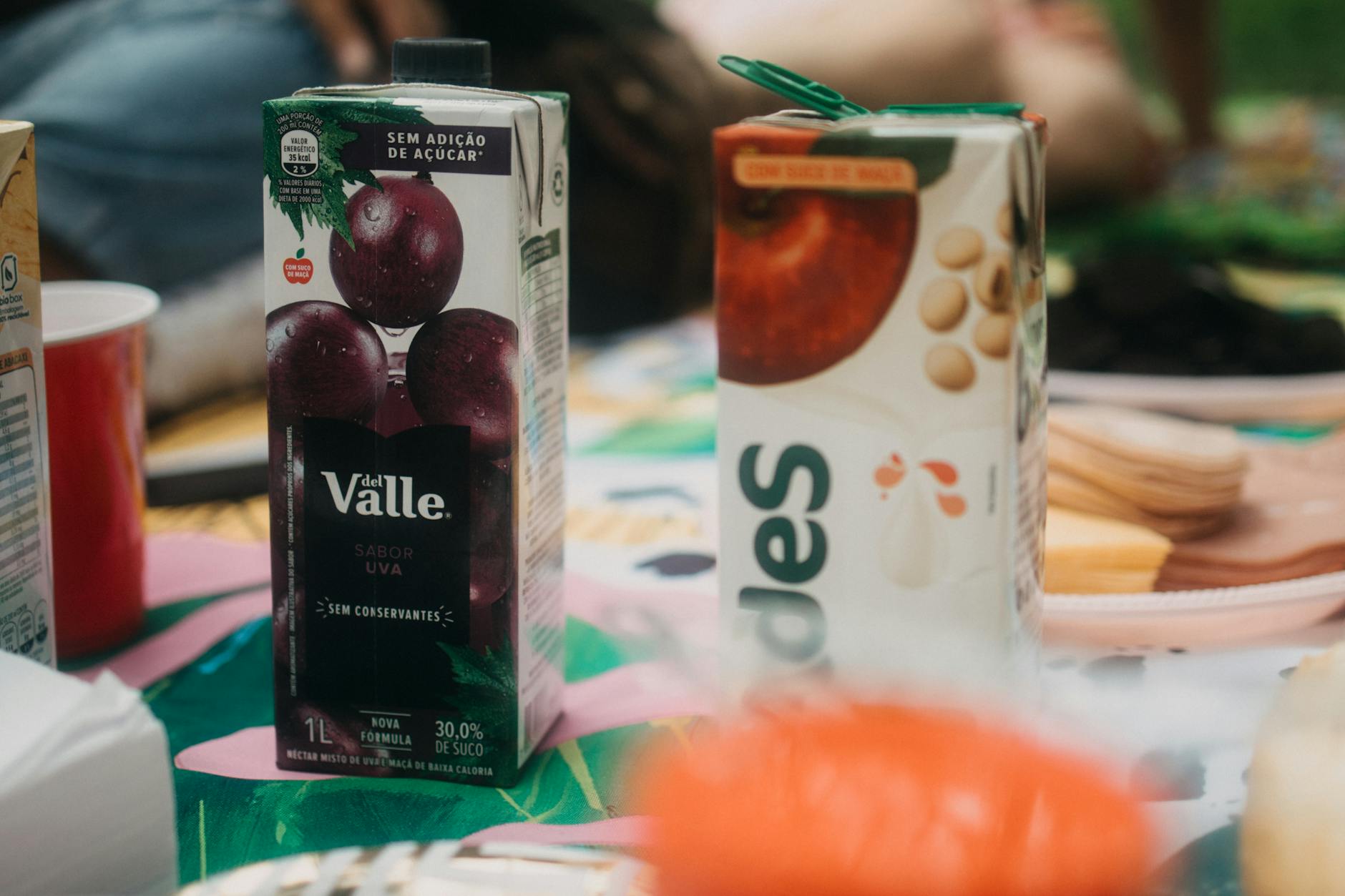
Dark fruit juices are essentially concentrated baths of acid and pigment for your teeth. Grape juice contains the same chromogens found in wine without the alcohol content to wash it down. The liquid creates a dark film over the teeth that can lead to significant discoloration if consumed frequently. Parents often notice grey or yellow stains on the teeth of children who drink grape juice regularly. Diluting the juice with water reduces both the sugar content and the intensity of the stain.
Cranberry Juice
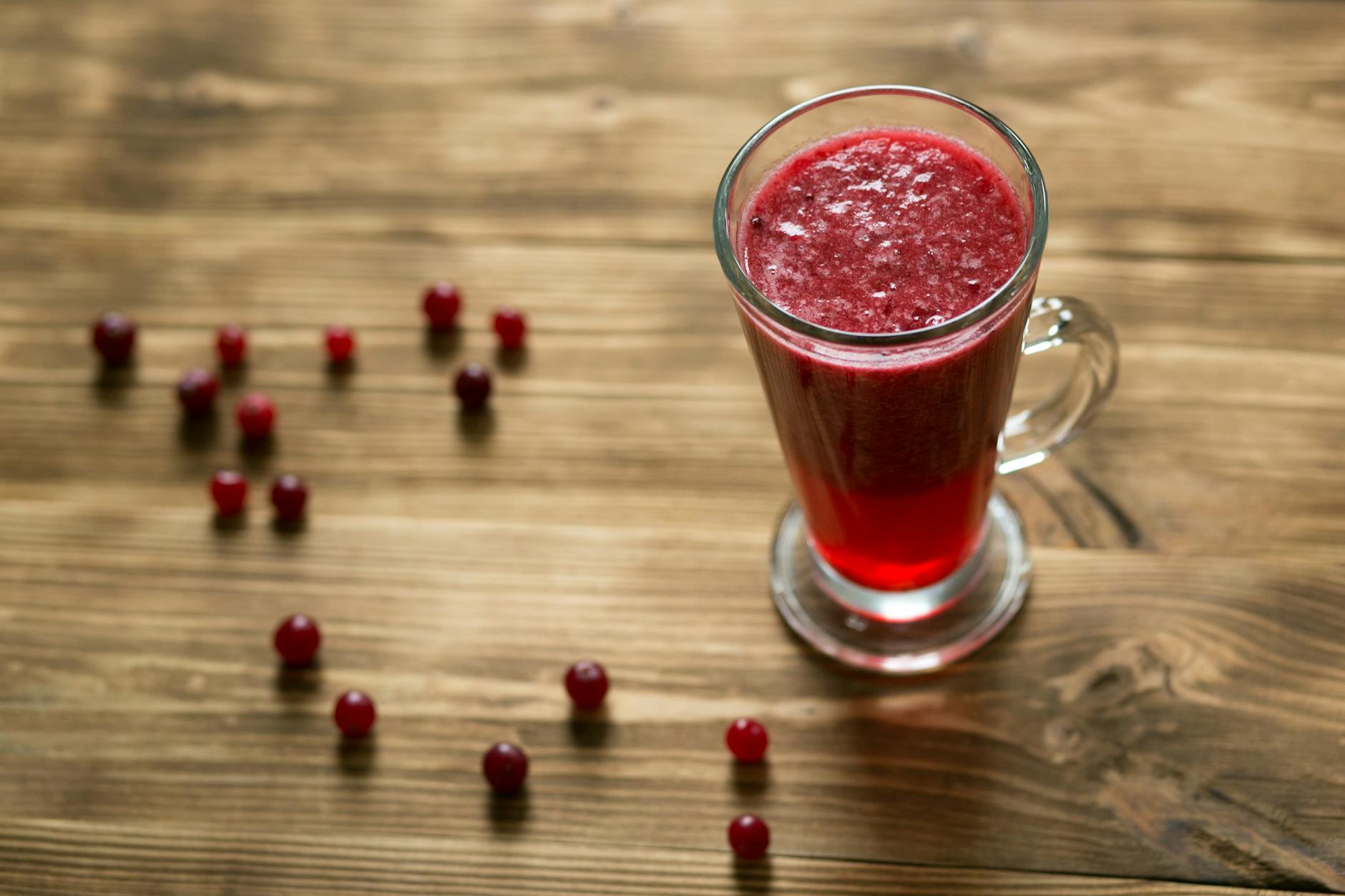
This tart beverage is often sweetened with sugar which helps the deep red pigment stick to your teeth. The natural acidity of cranberries softens the enamel and paves the way for the dark color to penetrate. Sipping this juice slowly over a long period increases the time your teeth are under attack. Using a straw directs the liquid to the back of the mouth and bypasses your front smile teeth. Rinsing with plain water restores the pH balance of your mouth after drinking.
Pickles

Pickles are soaked in vinegar which creates a highly acidic environment that is harmful to tooth enamel. The acid erosion exposes the underlying dentin layer and gives teeth a naturally yellower appearance. Frequent snacking on pickles creates a rough texture on the tooth surface that grabs stains from other foods. Many pickles also contain food coloring or turmeric which adds a direct staining element. Eating cheese with your pickle neutralizes some of the acid and protects the tooth structure.
Ketchup
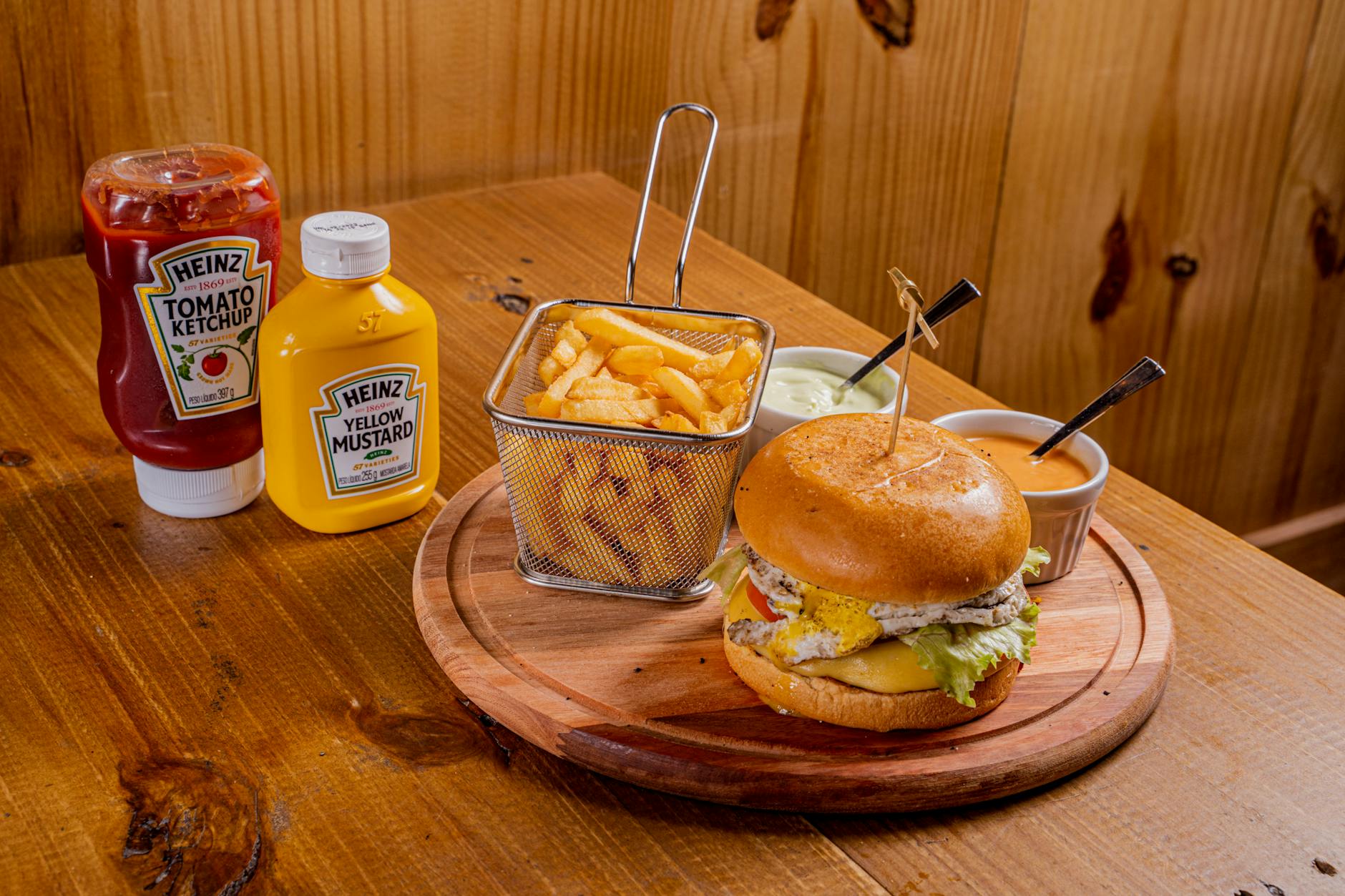
This common condiment combines the acidity of vinegar with the concentrated pigment of tomatoes and high sugar levels. The sticky consistency of ketchup helps it cling to teeth long after you have finished your burger or fries. Repeated exposure to these ingredients causes the enamel to thin and absorb the bright red coloring. Spices often added to ketchup can further contribute to the darkening of your smile. Swishing water around your mouth is a quick fix to remove the sticky residue.
Hard Candy
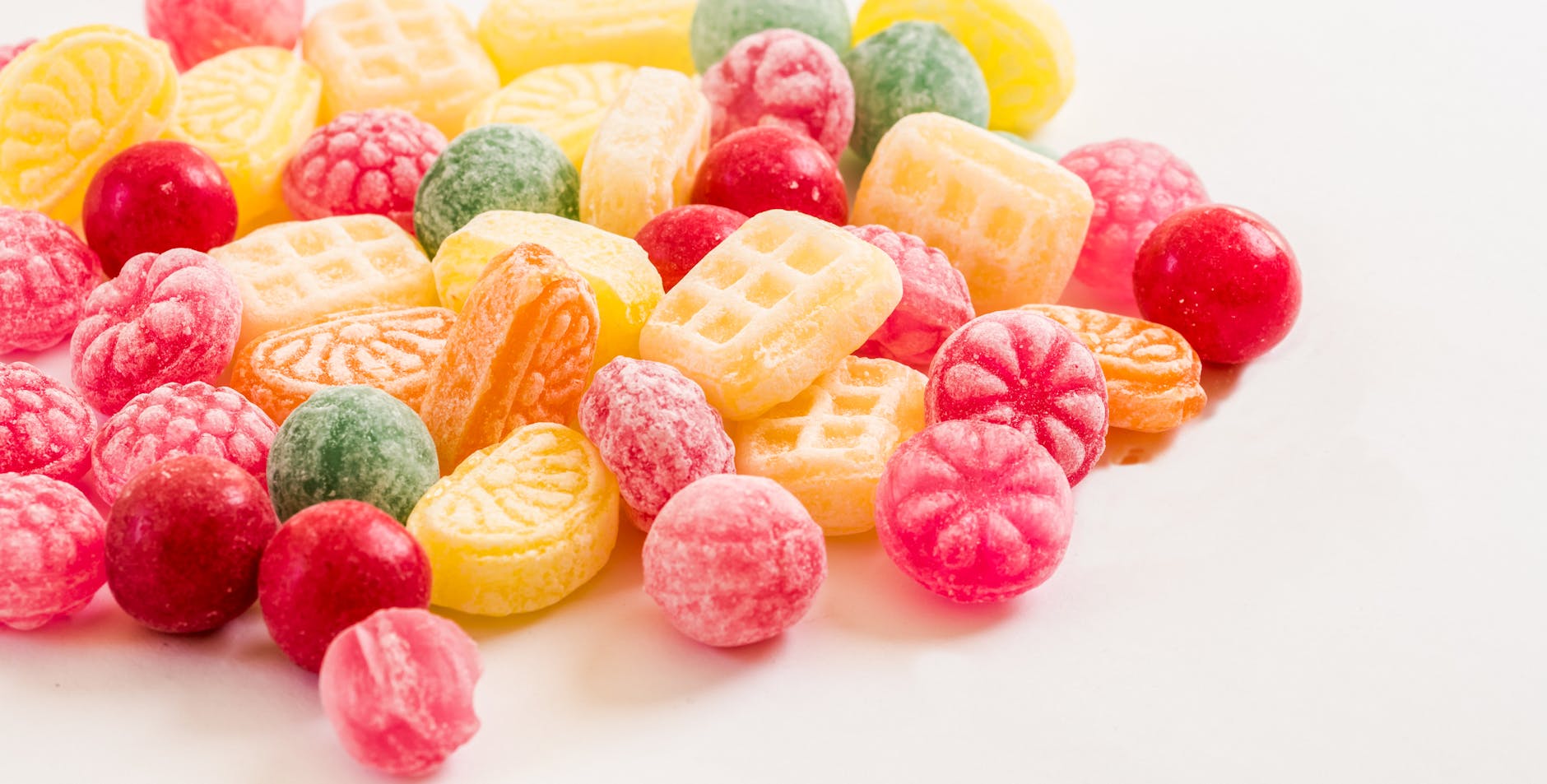
Sucking on hard candies keeps sugar and artificial dyes in your mouth for an extended period. The constant exposure allows the colorful dyes to embed themselves into the enamel surface. Blue, red, and green candies are particularly notorious for leaving a visible film on the tongue and teeth. The sugar feeds bacteria that create more acid and worsen the potential for permanent damage. Choosing sugar-free varieties prevents some plaque buildup but the dyes can still cause issues.
Popsicles

Frozen treats often rely on heavy amounts of food coloring to achieve their bright and appealing looks. These water-based dyes melt directly onto the teeth and penetrate the porous enamel layer instantly. The cold temperature can cause micro-cracks in the teeth where stains settle more easily. Orange and red popsicles are especially prone to leaving a yellowish residue behind. Eating these treats quickly prevents the melting liquid from pooling around your gums and teeth.
Sports Drinks

Athletes often consume these beverages for hydration but the high acidity levels pose a threat to dental health. The neon colors found in sports drinks come from artificial dyes that settle into the etched surfaces of eroded enamel. Drinking these regularly wears down the outer layer of the tooth and makes it look translucent and dull. The sugar content works in tandem with the acid to promote decay and discoloration. Rinsing with water is crucial to neutralize the aggressive acids found in these formulas.
Energy Drinks

Energy drinks are arguably more damaging than sodas due to their extreme acidity and high sugar concentration. The acid strips away enamel layers and leaves teeth looking yellow and feeling sensitive. Many brands use bright coloring agents that cling to the newly roughened surface of the tooth. Sipping these drinks throughout the day keeps the mouth in a constant state of acidic attack. Using a straw and drinking water afterward are necessary steps to minimize the cosmetic damage.
Cherries
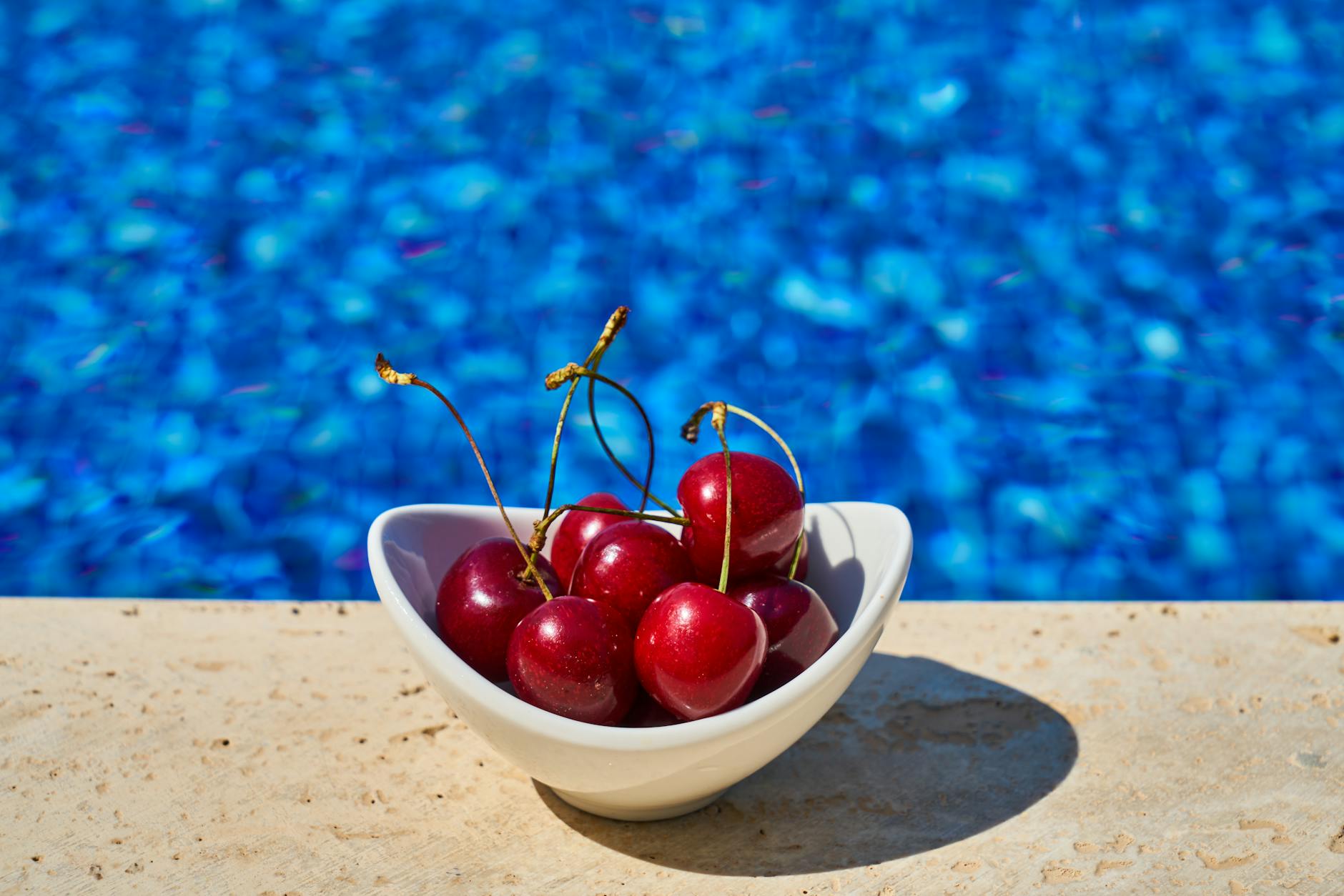
The deep crimson juice of a cherry is a potent natural dye that stains fingers and clothes and teeth. Pitted cherries release juice that coats the mouth and settles into the spaces between teeth. The color is so concentrated that it can darken a smile after just one serving of fresh fruit. Dried cherries are sticky and hold the pigment against the tooth surface for even longer. Flossing is important to remove the dark skins that get trapped near the gum line.
Raspberries

These delicate berries break down easily in the mouth and release a tart red juice. The combination of natural acids and red pigment makes raspberries a moderate staining threat. The tiny seeds act as abrasive scrubbers but also get stuck in crevices where they release more color. Mixing raspberries into oatmeal or yogurt helps dilute the intensity of the juice. Drinking water helps flush away the acidic residue and keeps your smile bright.
Grapes

Dark purple and red grapes contain the same tannins and chromogens found in wine. Eating the skin of the grape exposes your teeth to concentrated pigments that cause graying or yellowing. The acid in grapes is less than in citrus but still sufficient to soften enamel over time. Chewing grapes thoroughly releases sugars that promote plaque where stains can accumulate. Eating green grapes is a safer alternative if you are concerned about maintaining a white smile.
Lemonade

The combination of sugar and citric acid makes lemonade a major contributor to enamel erosion. As the white enamel wears away the naturally yellow dentin underneath becomes more visible. This process does not add a stain from the outside but reveals discoloration from the inside out. Cold lemonade can also cause thermal shock that creates tiny cracks for pigments to enter. Drinking through a straw minimizes the contact this acidic liquid has with your front teeth.
Cranberry Sauce
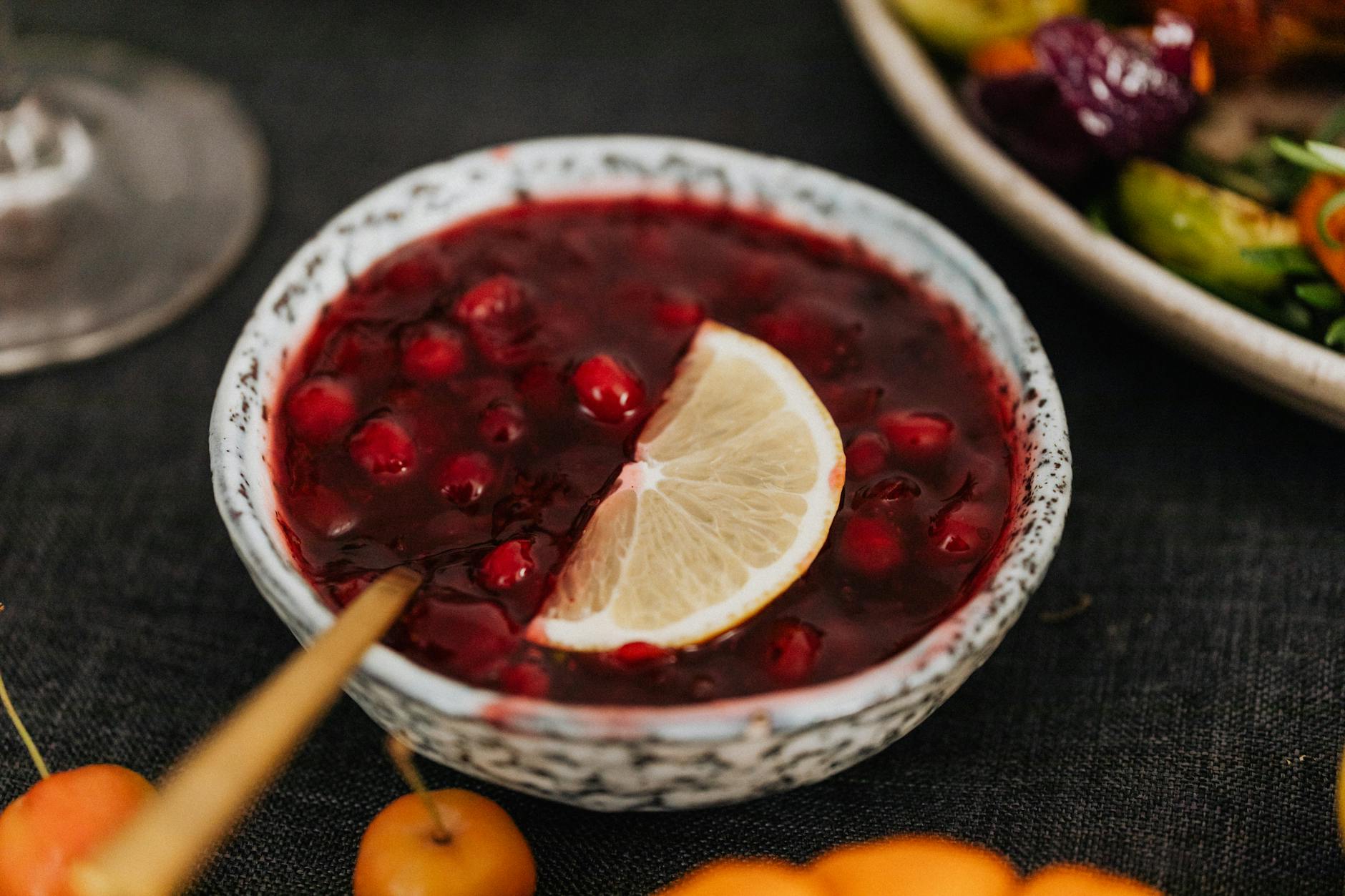
This holiday staple is boiled down to a thick and sticky consistency that adheres firmly to dental surfaces. The concentration of cranberries creates a dark red paste that is difficult to rinse away with just saliva. High sugar content in the sauce promotes bacterial growth and sticky plaque formation. Stains from cranberry sauce can set quickly if not brushed away within a reasonable time. It is best to eat this dish as part of a larger meal rather than as a standalone snack.
Dark Chocolate

Dark chocolate contains higher levels of tannins compared to milk chocolate which can lead to slight staining. The dark cocoa particles can lodge in the grooves of the biting surfaces of your teeth. While it has less sugar than other candies the pigments are still strong enough to cause discoloration. The melting quality of chocolate coats the entire tooth surface in a dark brown film. Following your treat with a glass of milk helps wash away the cocoa residue effectively.
Saffron

Saffron is one of the most expensive spices in the world and also one of the most potent yellow dyes. Rice dishes and stews flavored with saffron release a golden pigment that binds instantly to everything. Even a small amount of this spice can leave a noticeable yellow cast on your teeth after a meal. The stain is water-soluble but requires immediate rinsing to prevent it from setting into the enamel. Brushing shortly after eating saffron-infused foods is the best way to maintain whiteness.
Paprika

This bright red spice is commonly dusted over deviled eggs and potato dishes and meat rubs. The fine powder turns into a paste when mixed with saliva and sticks to the plaque on your teeth. Paprika contains high levels of carotenoids which are pigments that create lasting reddish-orange stains. It settles into the gum line and between teeth where it is harder to reach with a tongue sweep. A thorough brushing is usually needed to completely remove the residue of this spice.
Barbecue Sauce

The dark color of barbecue sauce comes from a mix of molasses and brown sugar and tomato paste and spices. This combination creates a sticky glaze that coats teeth and holds stains in place for hours. The high sugar content feeds bacteria while the smoke flavorings often contain staining agents. Hot temperatures of the food can also open enamel pores and allow the sauce to penetrate deeper. Cleaning your teeth after a barbecue meal is essential to prevent brown discoloration.
Teriyaki Sauce

Similar to soy sauce this glaze is dark and rich in pigments that cause dental staining. The addition of sugar or honey makes teriyaki sauce sticky enough to adhere to vertical tooth surfaces. It often dries into a tacky film that is resistant to simple rinsing with water. The dark brown color can make teeth look dull and unpolished if consumed frequently. Eating crunchy vegetables with your teriyaki chicken can help mechanically clean the teeth.
Slushies

Slushies are essentially crushed ice mixed with concentrated flavored syrups and heavy food dyes. The icy texture numbs the mouth and reduces saliva flow which is your body’s natural way of cleaning teeth. The intense dyes used in blue and red slushies can stain the entire mouth for several hours. Sipping slowly allows the dye to bathe the teeth and settle into every imperfection in the enamel. These treats are best enjoyed as an occasional indulgence rather than a daily habit.
Throat Lozenges

Many people do not realize that medicinal drops often contain the same dyes found in hard candies. Sucking on a red or orange lozenge for a sore throat releases a steady stream of food coloring. Because they are meant to dissolve slowly the teeth are exposed to these dyes for twenty minutes or more. The medicinal ingredients do not counteract the staining potential of the artificial colors. Choosing clear or honey-based lozenges avoids this unnecessary cosmetic issue.
Stir Fry Sauces

Dark savory sauces used in stir-fries often rely on oyster sauce or hoisin sauce as a base. These ingredients are thick and dark and packed with sugars that help them stick to food and teeth. The high temperature of the cooking process concentrates the sugars and pigments further. Residue from these sauces can accumulate in the spaces between teeth and along the gum line. Drinking water during the meal helps dilute the sauce and reduce its staining power.
Dried Fruit

Dried fruits like raisins and apricots and prunes are sticky and dense with concentrated natural sugars. They adhere to the grooves of the teeth like candy and trap staining pigments against the enamel. The drying process condenses the color of the fruit making it more potent than the fresh version. Bits of dried fruit can remain stuck between teeth for hours and lead to localized staining and decay. Flossing is absolutely necessary after eating these healthy but sticky snacks.
Green Smoothies

Green smoothies are excellent for health but the pulverized spinach and kale can leave a temporary film. The chlorophyll in leafy greens is a strong pigment that can settle into plaque and make teeth look dull or green. Blending the vegetables breaks down the cell walls and releases the maximum amount of staining juice. Adding acidic fruits to the smoothie can roughen the enamel and make the green pigment stick more. Rinsing with water prevents the “mossy” look that sometimes follows a green juice.
Colored Frosting

Birthday cakes and cupcakes topped with vibrantly colored frosting are notoriously bad for tooth brightness. Bakers use concentrated gel pastes to achieve deep blues and reds and purples. These gels are far more potent than liquid food coloring and can stain teeth immediately upon contact. The high fat content of the frosting helps the dye adhere to the tooth surface. It often takes a vigorous brushing session to remove the tint left behind by a dark frosting.
Citrus Fruits

Lemons and limes and grapefruits are highly acidic fruits that chemically erode tooth enamel. While they do not have dark pigments themselves they weaken the teeth and make them susceptible to stains from other foods. A grapefruit in the morning prepares your enamel to absorb the coffee stains that follow. The loss of enamel thickness also reveals the yellow dentin layer beneath. Rinsing with water neutralizes the acid and protects the integrity of your smile.
Sour Candy

Sour candies are coated in citric or tartaric acid to create their signature pucker-inducing flavor. This acid eats away at enamel aggressively while the sticky candy delivers artificial dyes to the exposed surface. The combination creates a perfect storm for dental erosion and deep staining. Gummies and soft chews get stuck in molars and prolong the acid attack. Avoiding these candies is one of the best things you can do for the color and health of your teeth.
Alcoholic Mixers

Cocktail mixers like grenadine and blue curacao and bloody mary mix are loaded with dyes and sugar. The alcohol dehydrates the mouth and reduces saliva flow which allows stains to set more easily. Syrupy textures coat the teeth and keep the pigments in contact with enamel for the duration of the drink. Sipping a cocktail over an hour gives the dyes plenty of time to do their work. Alternating sips of alcohol with water helps keep the mouth hydrated and cleaner.
Please share your own experiences with these foods and any whitening tips you have discovered in the comments.




