Efficient travel requires a strategic approach to packing that maximizes every available square inch of your luggage. Many travelers unknowingly sacrifice valuable room by adhering to outdated habits or failing to utilize modern organizational tools. A carry-on bag offers limited real estate that demands careful planning and purposeful selection of every single item. Avoiding common pitfalls allows you to bring everything you need without facing the stress of a gate-checked bag or heavy fees. This guide highlights specific errors that reduce capacity and offers practical solutions for a streamlined packing experience.
Folding Clothes Instead Of Rolling

Traditional folding creates air pockets between layers and results in bulky stacks that fill a suitcase quickly. Rolling your garments into tight cylinders compresses the fabric and significantly reduces the volume of each item. This technique works exceptionally well for softer materials like cotton t-shirts and synthetic blends. You can fit multiple rolled items side by side in the space taken by one folded stack. The rolling method also minimizes deep creases and wrinkles during transit.
Leaving Empty Space Inside Shoes
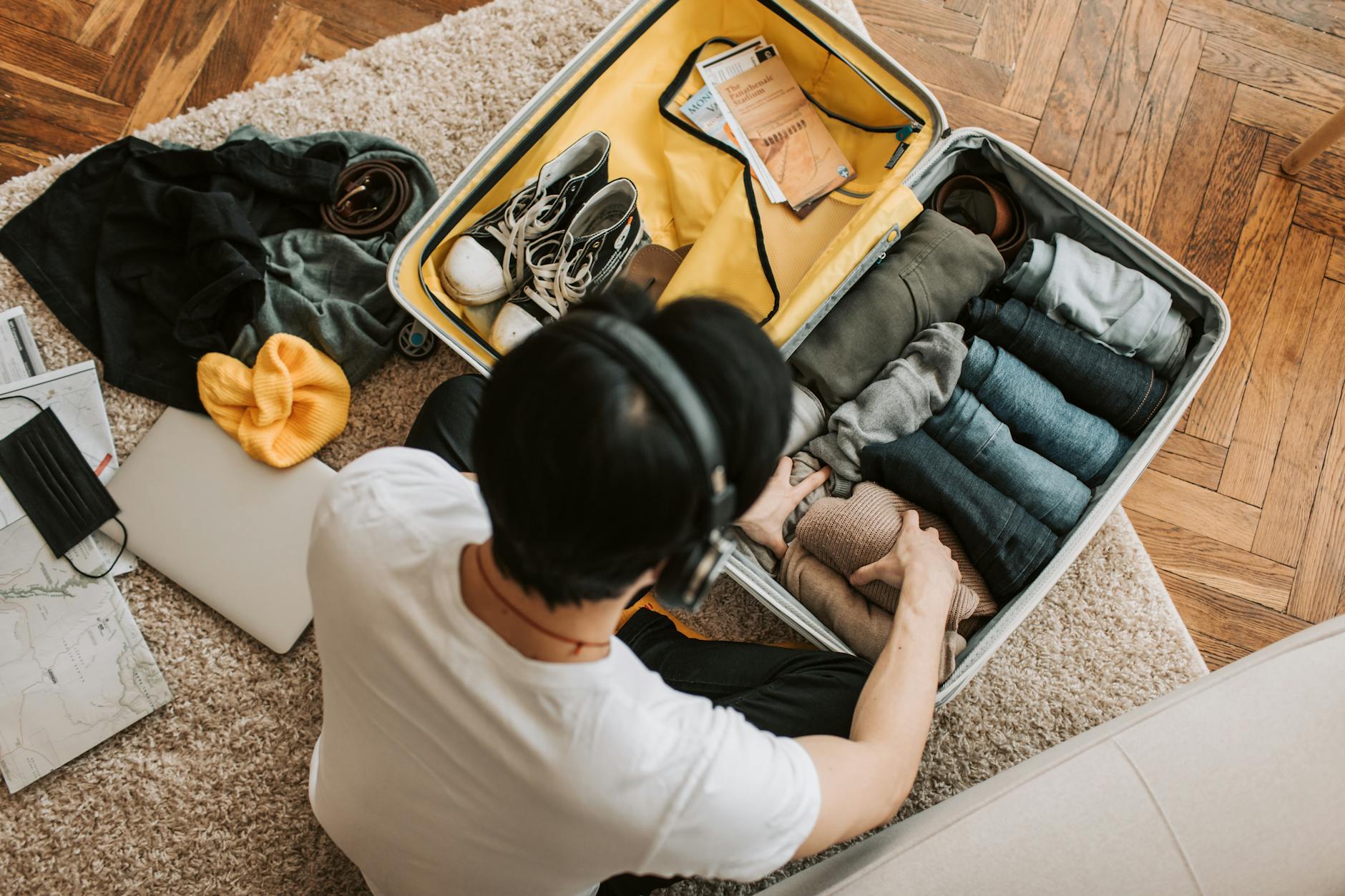
Footwear consumes a large amount of volume within any piece of luggage due to its rigid structure. Travelers often pack shoes without utilizing the hollow space inside the footbed. Stuffing socks or underwear into your sneakers turns dead space into functional storage. This habit also helps shoes maintain their shape while they are compressed by other items. Placing small breakables inside shoes creates a protective shell around delicate objects.
Packing Full-Sized Toiletries

Bottles meant for your bathroom counter are far too large and heavy for travel purposes. Even if a product meets the three-ounce liquid restriction it often comes in bulky packaging that wastes room. Decanting liquids into streamlined silicone travel bottles saves space and creates a uniform shape for packing. Solid toiletries like shampoo bars eliminate the need for plastic bottles entirely. Prioritizing concentrated formulas allows you to bring less product for the same duration.
Bringing Bulky Outerwear Inside The Bag
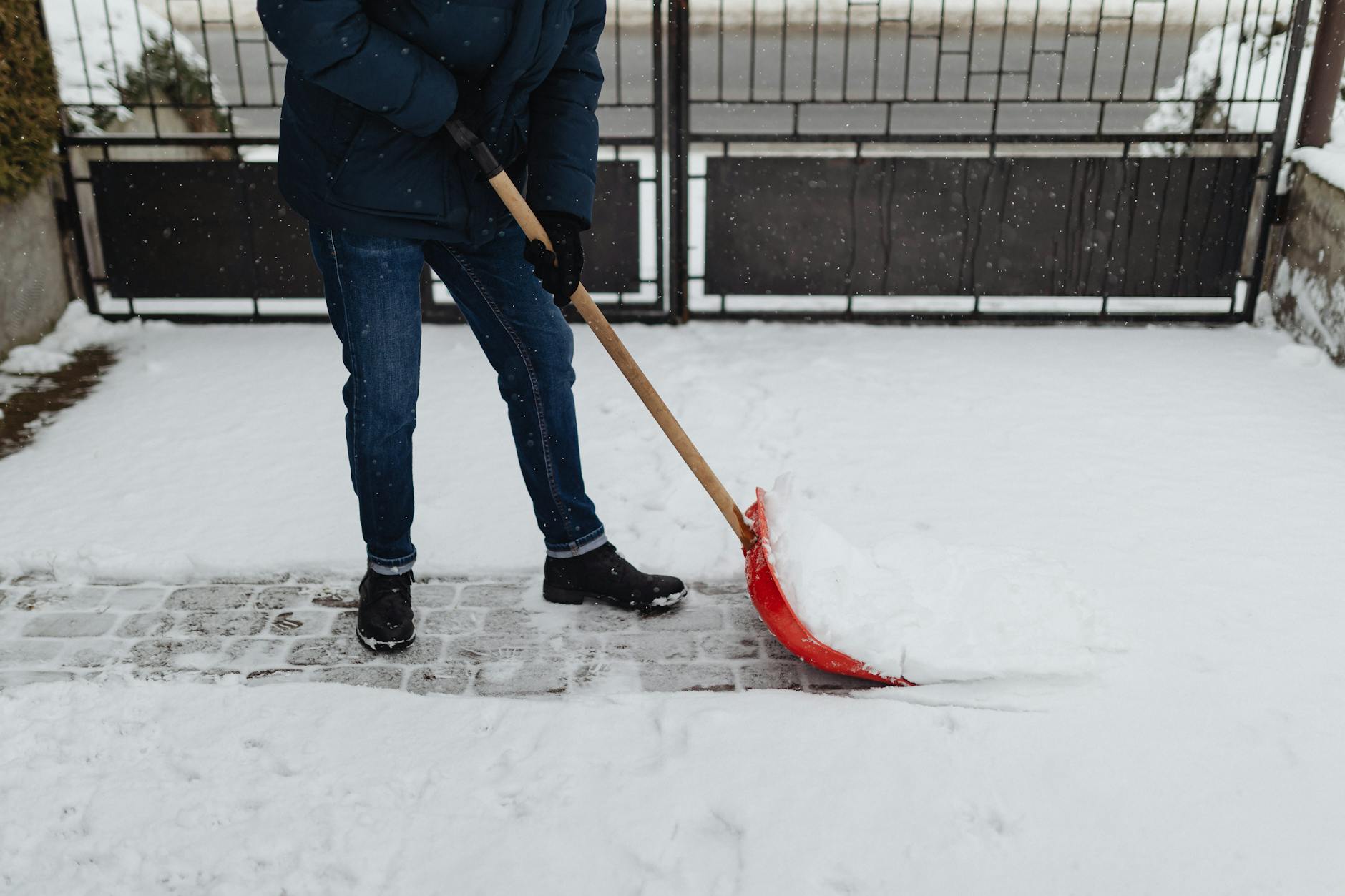
Thick jackets and coats are the biggest enemies of a compact carry-on bag. Packing a heavy winter coat inside your suitcase can take up half of the available storage space immediately. The smartest approach involves wearing your heaviest layer on the plane to keep it out of your luggage. You can easily remove the coat once onboard and place it in the overhead bin. This strategy frees up significant room for other clothing and essentials.
Packing “Just In Case” Outfits

Fear of the unknown often leads travelers to pack clothing for scenarios that are unlikely to happen. Adding three extra outfits for hypothetical events creates unnecessary bulk and adds weight to your load. A versatile capsule wardrobe ensures you can handle different occasions by mixing and matching a few key pieces. Sticking to a predefined itinerary helps you realize you do not need options for every possible weather condition. Elimination of hypothetical items creates breathing room for the things you will actually use.
Overpacking Heavy Denim

Jeans are heavy and occupy a substantial amount of space even when tightly rolled. Packing multiple pairs of stiff denim limits your ability to bring lighter and more versatile trousers. One pair of jeans worn on the plane is usually sufficient for most trips under a week. Lighter fabrics like linen or technical blends pack down much smaller than thick cotton denim. Reducing denim quantity instantly makes your luggage lighter and more manageable.
Ignoring Compression Cubes

Placing clothes directly into the suitcase without containment allows them to expand and shift. Compression packing cubes use a double zipper system to squeeze out excess air and reduce clothing volume by half. These organizers keep similar items together and turn chaotic piles into compact bricks. They allow you to utilize the vertical depth of your suitcase more effectively. Using cubes prevents your clothes from exploding outward when you open your bag for security checks.
Carrying Physical Books

Hardcover and paperback books are rigid rectangular objects that do not conform to the shape of your bag. A single novel can take up as much space as a pair of shoes or a toiletry kit. E-readers or tablets can hold thousands of titles in a device thinner than a magazine. If you must read a physical copy it is best to buy a cheap paperback at the airport and discard it later. Digital reading saves weight and leaves room for souvenirs on the return trip.
Packing A Full-Size Hair Dryer

Most accommodations provide a hair dryer that is sufficient for basic styling needs. Packing your personal hair dryer adds a bulky and oddly shaped object to your luggage. The cords alone can become a tangled mess that interferes with other items. Travel-sized versions are available if you absolutely require specific heat settings. Relying on hotel amenities is the easiest way to reclaim that corner of your suitcase.
bringing Thick Beach Towels
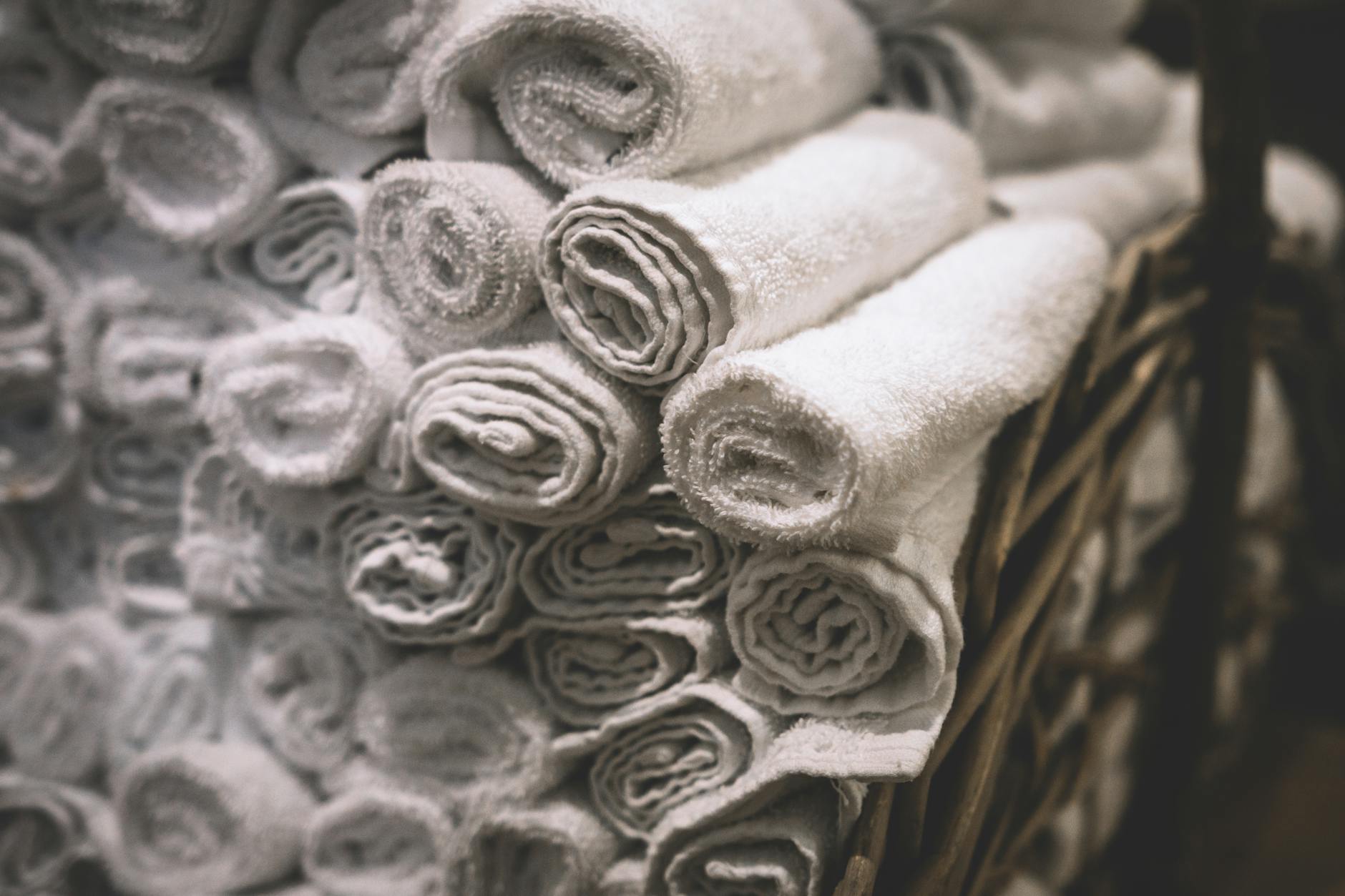
Standard terry cloth towels are extremely bulky and take forever to dry in a hotel room. They can occupy the same amount of space as a sleeping bag when folded. Microfiber travel towels pack down to the size of a soda can and absorb water efficiently. Many destinations offer towel rentals or have them included with your accommodation fee. Leaving the heavy cotton towel at home is a simple way to save massive amounts of space.
Failing To Use The Lid Compartment

Many suitcases feature a zippered compartment in the lid that travelers frequently overlook or underutilize. This slim area is perfect for flat items like ironed shirts or socks. Ignoring this section wastes a large surface area that keeps items separated from the main compartment. It distributes weight evenly across the bag and prevents bulging in the center. Proper use of the lid creates a dual-layer packing system that enhances organization.
Packing Rigid Toiletry Kits

Structured leather or hard-case toiletry bags take up a fixed amount of space regardless of what is inside. A flexible pouch conforms to the gaps in your luggage and squishes down when not full. Rigid corners prevent you from wedging the kit into tight spaces between packing cubes. Transparent flat bags are often better for seeing contents and passing security quickly. Switching to a soft bag allows for better integration with the rest of your cargo.
Using A Separate Laptop Sleeve
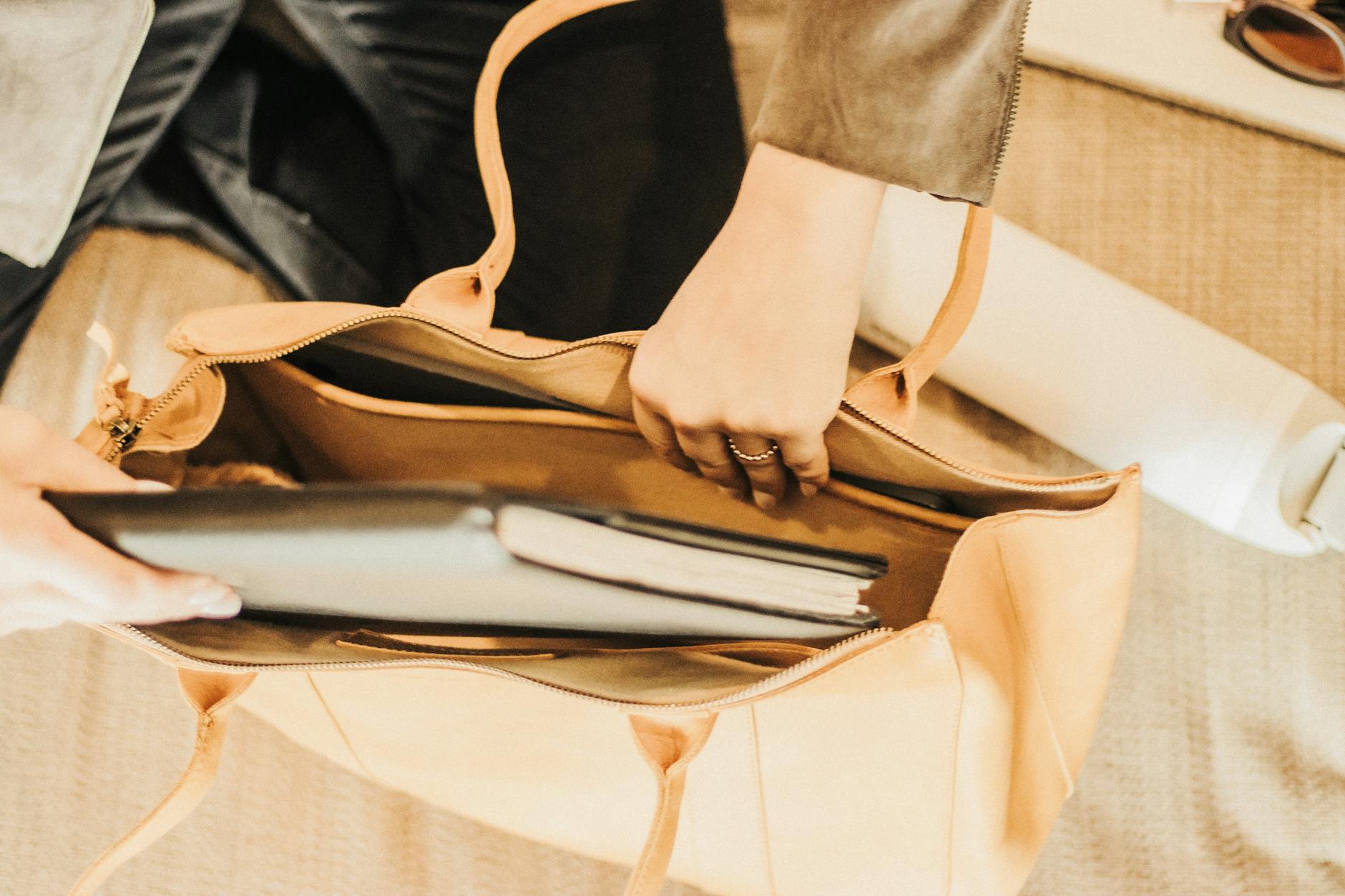
Carrying a laptop in a thick padded sleeve inside your carry-on duplicates protection unnecessarily. Most modern carry-on bags have a dedicated padded pocket for electronics built into the design. Adding a secondary sleeve increases the thickness and width of the computer. This extra layer can make it difficult to slide the device in and out during security screenings. utilizing the built-in pocket keeps the laptop secure without the added bulk.
Bringing Multiple Belts
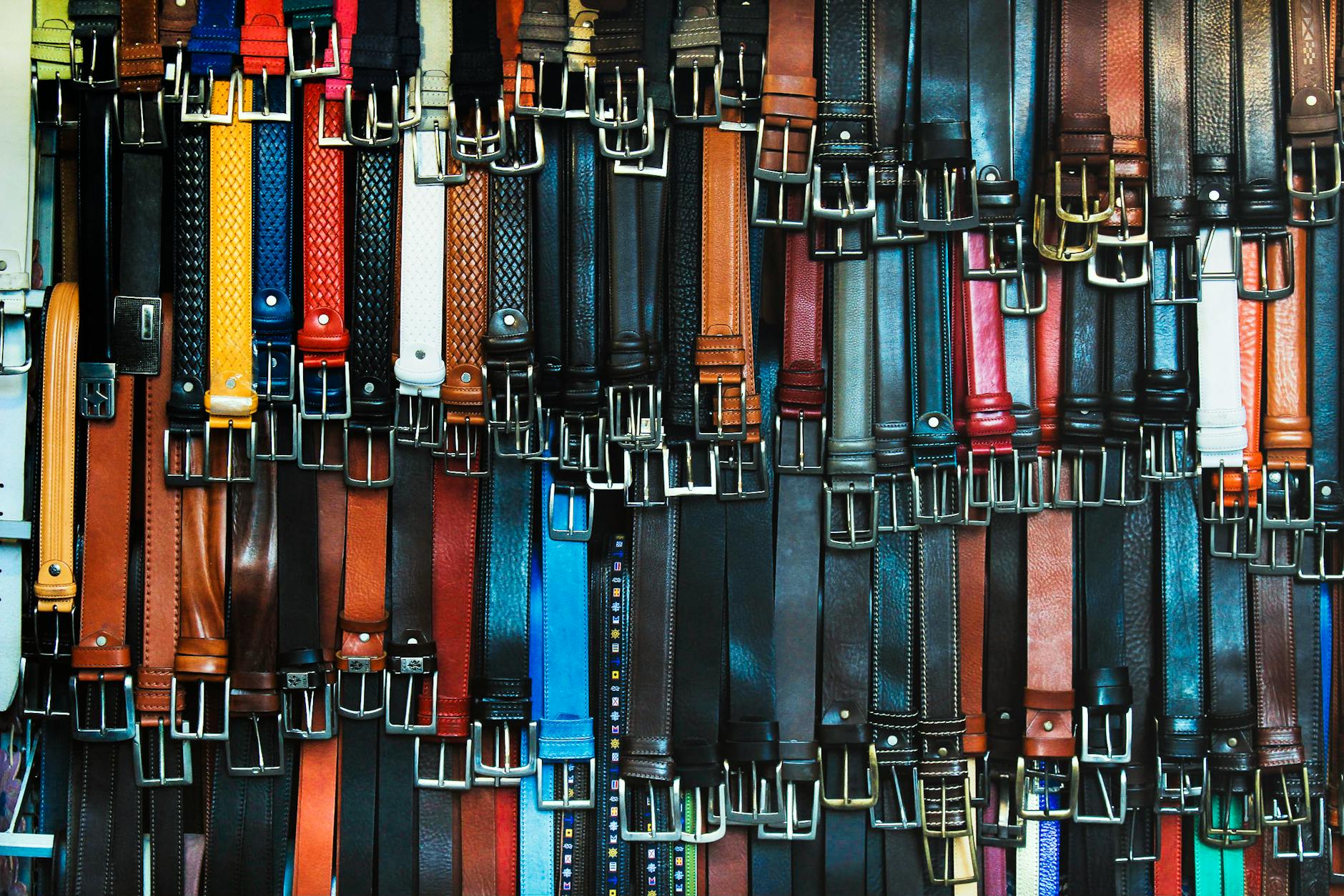
Belts are difficult to pack because of their stiffness and large buckles. Rolling them takes up valuable space and leaving them flat can result in damage. Wearing one neutral belt that matches all your shoes is the most efficient choice. If you must pack a second belt loop it inside the collar of a shirt to keep the collar stiff. This method utilizes dead space while protecting your clothing from being crushed.
Packing Jewelry In Large Boxes
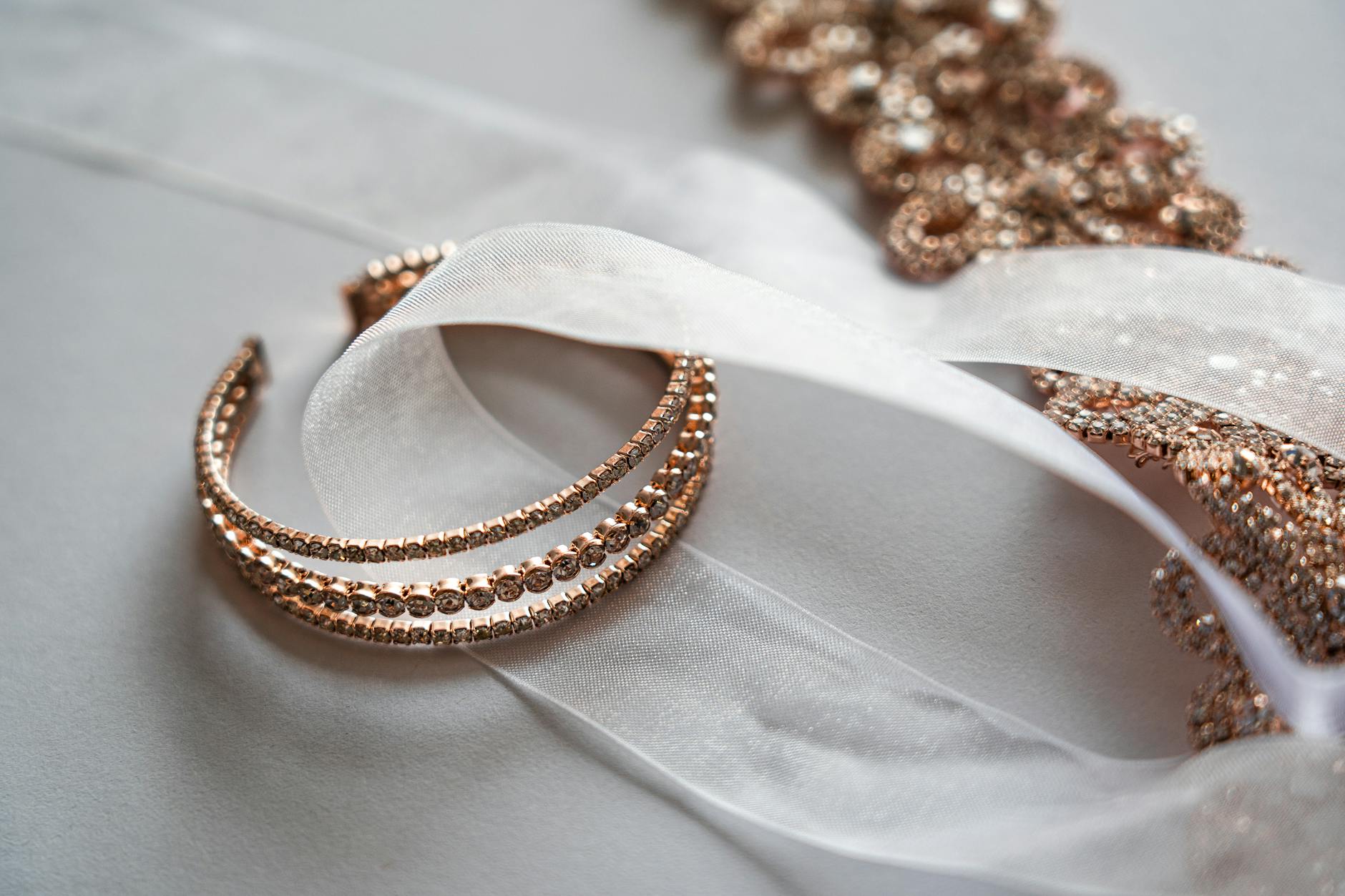
Original jewelry packaging is designed for display rather than travel efficiency. Hard boxes take up excessive room and contain mostly air around the small item. Threading necklaces through straws prevents tangling without requiring a box. Small fabric pouches or a roll-up jewelry organizer take up a fraction of the space. These soft alternatives can be tucked into shoes or side pockets easily.
Choosing Stiff Fabrics

Clothes made from stiff materials like heavy canvas or structured wool do not compress well. These fabrics resist rolling and create awkward gaps in your packing arrangement. Soft knits and synthetics are pliable and mold into the available space much better. Wrinkle-resistant fabrics also eliminate the need for careful folding techniques. Selecting the right materials allows you to pack more layers in the same amount of space.
Balling Socks Together

Folding socks into balls creates awkward spheres that do not stack efficiently. These balls leave gaps between them that are too small to fill with other items. Laying socks flat or rolling them allows them to be used as fillers for small cracks. You can line the perimeter of your suitcase with flat socks to maximize edge space. This method creates a cushioning layer for the rest of your belongings.
Lack Of Color Coordination

Packing random items without a cohesive color scheme forces you to bring more clothes to make outfits work. A mismatched wardrobe results in bringing separate shoes and accessories for each look. Sticking to neutrals with one or two accent colors ensures every top matches every bottom. This capsule approach drastically reduces the total number of garments required. You gain more outfit combinations with fewer actual items in the bag.
Heavy Makeup Packaging

Glass foundation bottles and large eyeshadow palettes add significant weight and bulk. Many makeup items come in packaging that is five times larger than the actual product. Depotting powders into smaller magnetic palettes saves an incredible amount of space. Using contact lens cases for creams and foundations provides enough product for a week. Streamlining your makeup kit prevents it from dominating your toiletry bag.
Unused Corner Space

Travelers often pack from the center outwards and neglect the rounded corners of the suitcase. These gaps remain empty or are filled loosely with items that shift during travel. Small items like chargers or underwear are perfect for filling these curved crevices. Utilizing the corners creates a stable base for the rest of your packing layers. This technique turns wasted structural space into valuable storage areas.
Duplicate Electronics And Cables

Couples or families often pack separate chargers for every single device they bring. Most modern devices share USB-C or Lightning connections that allow for shared charging equipment. Bringing a multi-port wall adapter eliminates the need for multiple heavy plugs. One long cable is usually more versatile than three short ones of the same type. consolidating tech gear reduces the tangle of wires that consumes pocket space.
Overpacking Sleepwear

Pajamas are often bulky and are only worn for a few hours inside a hotel room. Packing a different set of sleepwear for every night of the trip is a common mistake. One or two lightweight sets are sufficient for a week if you rotate them. Old t-shirts used as sleepwear can be discarded at the end of the trip to free up space. Lightweight silk or modal fabrics pack much smaller than flannel or heavy cotton.
Carrying Large Pill Bottles

Pharmacy bottles are designed to be child-proof and distinct rather than compact. A two-week trip does not require bringing the entire supply of a specific medication. Using small pill organizers or ziplock bags clearly labeled reduces the volume significantly. You avoid the rattle and bulk of multiple plastic cylinders in your bag. Always keep prescription labels flat or photographed on your phone for verification.
Rigid Hat Boxes

Bringing a structured hat often leads people to pack it in a large box to prevent crushing. This box consumes a massive amount of prime real estate in a carry-on. Wearing the hat on the plane is the best way to transport it safely. If packing is necessary fill the crown with soft clothes and lay it flat amidst other soft items. This method maintains the shape without requiring a separate container.
Bringing Single-Use Items
Items that serve only one specific function are generally not worth the space they occupy. A gadget that only peels oranges or a shirt that only works for a specific gala limits your efficiency. Prioritizing multi-purpose items ensures that everything in your bag pulls its weight. A sarong can serve as a scarf or a beach blanket or a dress. versatility is the key to maintaining a light and compact load.
Choosing Umbrella Over Raincoat

Umbrellas are awkward shapes that are heavy and difficult to pack alongside flat clothing. They are often useless in windy conditions and prone to breaking during travel. A lightweight packable rain jacket folds into its own pocket and takes up minimal room. The jacket provides warmth and wind protection in addition to keeping you dry. It is a more versatile and space-efficient solution for weather protection.
Last Minute Packing
Throwing items into a bag an hour before leaving leads to panic packing and poor organization. This frantic approach results in jumbled layers that do not utilize compression techniques. You are more likely to toss in unnecessary items because you lack time to edit your choices. Planning ahead allows you to lay everything out and visualize the volume before packing. A calm packing process ensures tight rolls and strategic placement.
Not Checking The Weather

Guessing the weather conditions leads to packing for every possible climate scenario. This uncertainty forces you to bring heavy layers or rain gear that might never leave the bag. Checking the ten-day forecast allows you to eliminate irrelevant clothing categories entirely. You can pack precisely what you need for the expected temperatures. Precise planning removes the burden of “what if” items.
Stacking Instead Of Filing

Stacking clothes on top of each other makes it impossible to see what is on the bottom without unpacking. The filing method involves standing folded or rolled clothes vertically like files in a cabinet. This arrangement allows you to see every item at a glance and remove one without disturbing the rest. It compresses the clothes against each other horizontally to save space. This system keeps the suitcase organized throughout the duration of the trip.
Packing A Heavy Purse Inside

Placing a structured handbag inside your carry-on creates a large void that is hard to fill. The rigid shape of a purse resists compression and wastes the space inside it. It is better to use the purse as your designated personal item under the seat. If you must pack a bag choose a flat tote that can be rolled up completely. Keeping the main luggage free of hollow accessories maximizes capacity.
Too Many Swimsuits

Swimwear is small but packing five suits for a three-day beach trip is excessive. Wet swimsuits are difficult to manage and require drying time between wears. Two suits allow one to dry while you wear the other. Bringing more than necessary creates clutter with wet bags and accessories. Limiting swimwear keeps the focus on versatility and reduces laundry management.
Puffy Vests And Jackets

Down vests and jackets are excellent for warmth but retain a lot of air. Packing them without compression fills the suitcase with fluff immediately. Wearing these items or using a vacuum seal bag is essential for managing their size. If packed loosely they expand to fill any available space they can find. compressing them down creates room for denser and heavier items.
Poor Dirty Laundry Management

Throwing dirty clothes loosely back into the suitcase expands their volume and mixes odors. A dedicated laundry pouch that compresses dirty items keeps them separate and compact. Failing to re-roll or fold dirty clothes results in a chaotic bag by the end of the trip. Compressing the laundry as you go ensures you still have room for souvenirs. Organization should be maintained on the return leg as well.
Ignoring The Expandable Zipper

Many suitcases have an expansion zipper that adds an inch or two of depth. Travelers often forget to close this zipper when trying to fit the bag into overhead bins. However packing with it open and then zipping it closed acts as a giant compression system. Filling the expanded bag and then squeezing it shut compacts the contents significantly. This trick forces the contents into a smaller footprint.
Carrying A separate Camera Bag

Dedicated camera bags are padded and bulky with fixed dividers that waste space. Wrapping camera gear in soft clothing like sweaters provides protection without the extra case. You can place the camera body in the center of the bag surrounded by soft layers. Lenses can be stored inside spare socks or winter hats. Integrating gear into the main compartment eliminates the need for a secondary rigid box.
Please share your own packing tips or mistakes you have learned from in the comments.




