Many prospective pet owners believe that living in a smaller space means they cannot enjoy the companionship of a dog. Research suggests that temperament and energy levels matter far more than the physical size of the animal when determining suitability for apartments. Several large breeds actually have lower activity requirements than their smaller counterparts and adapt well to limited square footage. Finding the right match involves looking for breeds with moderate energy levels and low barking tendencies to ensure harmony with neighbors.
Greyhound

These sleek dogs are famously known as the forty mile per hour couch potato due to their surprisingly lazy nature indoors. A short walk around the block is usually enough to satisfy their exercise needs before they curl up for a long nap. Their short coats require minimal grooming and shed very little throughout the year. Greyhounds rarely bark which makes them excellent neighbors in sound-sensitive apartment buildings.
Great Dane
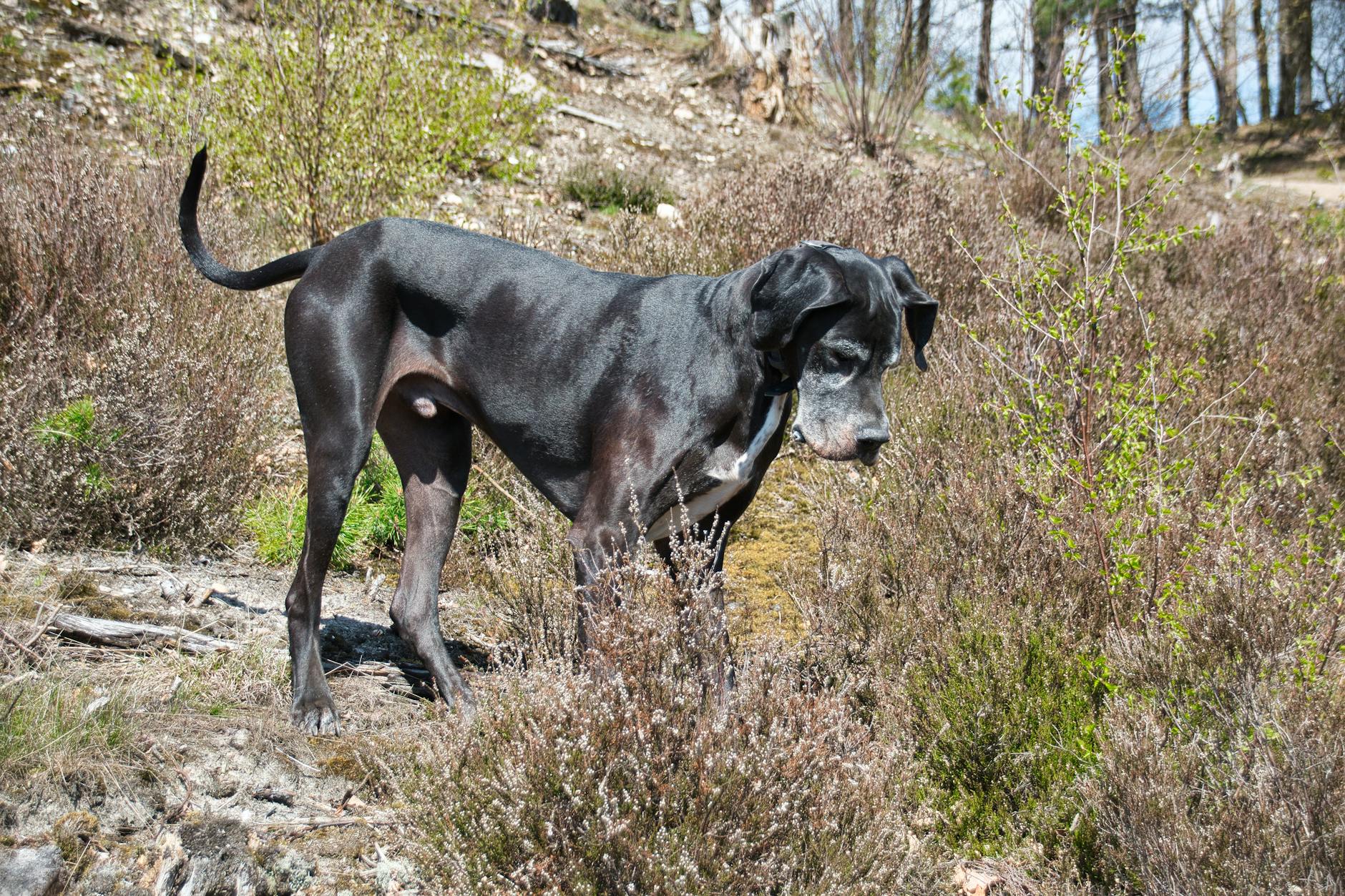
One might assume these gentle giants require a massive backyard but they are actually quite sedentary. Great Danes typically prefer lounging on a soft sofa rather than running marathons outside. They do take up significant physical space so a tiny studio might feel cramped with one inside. Their calm demeanor and low energy levels make them easy to manage in a standard one-bedroom unit.
English Bulldog

This breed is iconic for its sturdy build and affectionate personality that fits perfectly into small living spaces. English Bulldogs have low endurance levels and often tire out after just a brief stroll down the street. Their heavy build makes them reluctant to climb stairs so an elevator building is often ideal for owners. They spend much of their time sleeping and require very little room to be happy.
Cavalier King Charles Spaniel

These affectionate spaniels were bred specifically to be companion dogs and thrive on human interaction indoors. They are small enough to navigate tight corners yet sturdy enough for city walks. The breed is generally quiet and friendly toward strangers or other pets in shared building spaces. A Cavalier will happily adapt to the activity level of its owner whether that involves long walks or staying inside.
Basenji

The Basenji is famous for being the barkless dog which is a huge advantage for those with thin walls. They groom themselves like cats and keep themselves remarkably clean within a small home. This breed does possess high energy but stays manageable with regular stimulating play sessions. Their compact size allows them to live comfortably without feeling confined in an apartment setting.
Basset Hound

These low-slung hounds are famous for their relaxed attitude and love for naps. Basset Hounds require only moderate exercise to stay healthy and happy. Their loud baying can be an issue so training is important to keep noise levels down. They move slowly and are generally content to lounge around the living room for most of the day.
French Bulldog

French Bulldogs have skyrocketed in popularity among city dwellers due to their compact size and low exercise needs. They rarely bark without cause and usually get along well with neighbors and other dogs. Short walks are sufficient to keep them physically fit and prevent them from overheating. Their playful yet chill personality makes them a top choice for apartment living.
Bichon Frise

This breed is hypoallergenic and sheds very little hair which keeps small spaces cleaner. The Bichon Frise does have bursts of energy but burns them off quickly with indoor play. They are notoriously cheerful and rarely show aggression toward neighbors or delivery people. Their small stature allows them to get plenty of exercise even in a limited square footage area.
Pug

Pugs are famously mischievous and affectionate companions that require very little outdoor activity. They can be prone to overheating so air conditioning is a must during warmer months. Their small size makes them portable and easy to manage in elevators or busy lobbies. A Pug will spend most of the day following its owner from room to room.
Whippet

These medium-sized dogs are often called miniature Greyhounds because they share a similar temperament. Whippets are incredibly quiet indoors and enjoy spending hours curled up under a warm blanket. They need to run occasionally but are otherwise calm and unobtrusive roommates. Their thin coat means they stay clean and carry very little doggy odor into the home.
Mastiff

It seems counterintuitive to keep a massive Mastiff in an apartment yet their energy level is incredibly low. Adults of this breed spend the vast majority of their time sleeping and require minimal exertion. Prospective owners must ensure they have enough floor space for the dog to stretch out fully. They are generally silent guardians that rarely bark unless there is a genuine reason.
Boston Terrier

The Boston Terrier is often nicknamed the American Gentleman due to its tuxedo coat and polite manners. They are small enough to be comfortable in a studio yet sturdy enough for urban adventures. This breed tends to be quiet indoors and bonds closely with its human family. Their grooming needs are minimal and they adapt quickly to apartment schedules.
Shih Tzu

Bred originally for Chinese royalty these dogs are experts at being indoor lap companions. The Shih Tzu requires very little exercise and is perfectly content with short daily walks. They are friendly with strangers and generally do not bark excessively at hallway noises. Regular grooming is necessary to keep their luxurious coat from matting in a small space.
Havanese

This sturdy little dog is the national dog of Cuba and is known for its adaptable nature. Havanese dogs are small in size but have a sturdy constitution that handles city life well. They are extremely social and do not like being left alone for long periods. Their coat is hypoallergenic which helps keep the air quality fresh in smaller apartments.
Saint Bernard

Another gentle giant that defies expectations is the calm and patient Saint Bernard. These dogs have low energy requirements and are not particularly playful indoors. They do need a cool environment as they overheat easily in stuffy apartments. A Saint Bernard is a quiet roommate that prefers dozing on the floor over running around.
Maltese

The Maltese is a classic lap dog that weighs under seven pounds and fits anywhere. They shed very little and are considered good for allergy sufferers living in close quarters. This breed is fearless but can be trained to reduce barking at unfamiliar sounds. Their primary exercise needs can often be met simply by playing fetch in a hallway or living room.
Shiba Inu

This Japanese breed is known for its independence and fastidious cleanliness. Shiba Inus are often described as cat-like because they groom themselves and are generally quiet. They are medium-sized dogs that do not take up much room but do need mental stimulation. Their unique vocalizations are rare if they are well exercised and content.
Pekingese

These dogs were bred to be the ultimate lap companions for imperial families. Pekingese have low energy levels and often prefer to be carried rather than walk long distances. They are independent and act as excellent watchdogs without being overly noisy. Their small size makes them ideal for the smallest of city studios.
Chinese Crested

This breed comes in hairless and powderpuff varieties that are both excellent for cleanliness. Chinese Crested dogs are deeply affectionate and prefer to stay glued to their owner’s side. They require very little exercise and are happy to lounge on the sofa all day. Their small size and lack of shedding make them low maintenance for apartment dwellers.
Clumber Spaniel

The Clumber Spaniel is a heavy-boned dog that is significantly mellower than other spaniel types. They are not built for speed or endurance and prefer a slow-paced lifestyle. This breed is generally quiet indoors and enjoys napping on soft surfaces. They do shed quite a bit so regular vacuuming is required to keep the apartment tidy.
Please describe which of these breeds fits your lifestyle best in the comments.




