Chronic inflammation is a silent contributor to many modern health issues and lifestyle diseases. Incorporating specific spices into your daily diet offers a natural way to combat this bodily stress. These potent ingredients contain bioactive compounds that support the immune system and reduce swelling. Culinary traditions around the world have utilized these flavor enhancers for their medicinal properties for centuries. Adding a pinch of these spices transforms bland food into a nutrient-dense meal that promotes longevity.
Turmeric

This golden root contains curcumin which is a powerful compound known to fight inflammation at the molecular level. It gives curry powder its distinctive yellow color and provides an earthy flavor profile. Many health enthusiasts pair turmeric with black pepper to increase absorption rates significantly. You can add this vibrant spice to soups or smoothies for an instant antioxidant boost. Regular consumption supports joint health and helps reduce systemic inflammation naturally.
Ginger

The zesty flavor of ginger comes from gingerol which possesses potent medicinal properties for the body. It works wonders for digestion and soothing muscle pain after intense exercise sessions. You can steep sliced fresh ginger in hot water for a warming tea or grate it into stir-fries. It adds a spicy kick to sweet and savory dishes while fighting oxidative stress. Many people rely on it during flu season to support their immune system function.
Cinnamon

Cinnamon is rich in antioxidants like polyphenols that protect the body from oxidative damage. This popular spice helps lower blood sugar levels and improves heart health factors. You can sprinkle it on oatmeal or add it to coffee for a comforting start to the morning. It comes in two main types called Ceylon and Cassia with distinct flavor differences. The anti-inflammatory properties make it a staple in both sweet desserts and savory Middle Eastern stews.
Garlic

Garlic contains sulfur compounds like allicin that form when a clove is chopped or crushed. These compounds appear to boost the function of the immune system and reduce inflammation markers. Roasting garlic mellows its pungent flavor and makes it a delicious spread for bread or vegetables. It serves as a fundamental base for countless recipes across almost every cuisine. Regular intake assists in maintaining cardiovascular health and fighting off common colds.
Cayenne Pepper

The active ingredient in cayenne pepper is capsaicin which gives the spice its characteristic heat. Capsaicin interacts with pain receptors to reduce inflammation and relieve discomfort. Adding a small pinch can elevate the flavor of chocolate or savory sauces without overpowering the dish. It also boosts metabolism and helps the body burn calories more efficiently. This red powder is essential for anyone looking to add therapeutic heat to their diet.
Black Pepper

Black pepper contains piperine which improves digestion and nutrient absorption in the gut. This ubiquitous spice exhibits anti-inflammatory and antioxidant effects that benefit overall health. Freshly cracking peppercorns preserves the volatile oils better than pre-ground varieties. It pairs universally with almost any savory dish from grilled meats to roasted vegetables. The compound piperine also enhances the effectiveness of other spices like turmeric.
Cloves

Cloves are the dried flower buds of a tree and contain high amounts of eugenol. Eugenol acts as a natural anti-inflammatory agent that can help reduce swelling and irritation. This spice offers a strong and sweet aroma that works well in baking or hearty stews. You can use whole cloves to infuse flavor into hot beverages or rice dishes. Their intense potency means you only need a very small amount to see benefits.
Rosemary

Rosemary is a fragrant herb rich in rosmarinic acid and carnosic acid. These antioxidants strengthen the immune system and improve blood circulation throughout the body. The pine-like flavor pairs exceptionally well with roasted potatoes and chicken dishes. You can use it fresh or dried to retain its cognitive-boosting properties. Incorporating rosemary into marinades may also help reduce harmful compounds formed during grilling.
Sage
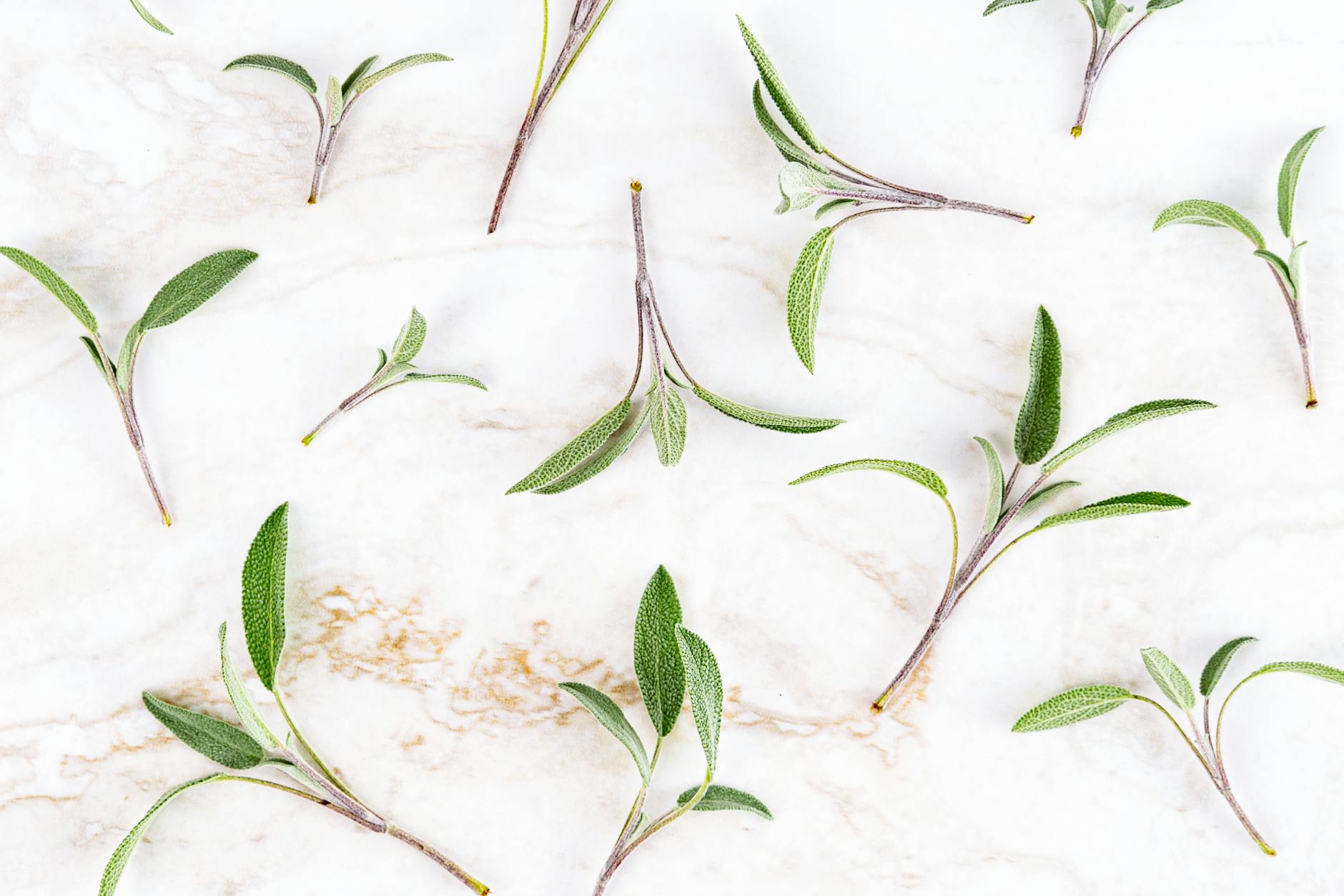
Sage has a long history of use for its ability to boost memory and brain function. It contains over 160 distinct polyphenols which act as chemical buffers against inflammation. The earthy and slightly peppery taste complements heavy dishes like pasta and stuffing. You can fry fresh sage leaves in butter for a crispy garnish on winter soups. This herb supports oral health and may improve cholesterol levels.
Thyme

Thyme is packed with vitamin C and vitamin A to support robust immune health. The essential oils in thyme have strong antimicrobial and anti-inflammatory capabilities. It serves as a delicate seasoning for lighter proteins like fish and poultry. You can steep thyme in hot water to create a soothing tea for respiratory issues. This versatile herb retains its flavor well even during long cooking processes.
Oregano

Oregano contains carvacrol and thymol which are powerful antioxidants that fight damage from free radicals. It is a staple in Mediterranean cooking and pairs perfectly with tomato-based sauces. This herb has been used for centuries to treat respiratory tract disorders and digestive upset. You can sprinkle dried oregano on pizza or salads for an instant flavor upgrade. Its concentrated oil form is often used as a natural supplement for immune defense.
Holy Basil

Holy basil acts as an adaptogen that helps the body adapt to stress and promotes mental balance. It is different from sweet basil and has a peppery taste with hints of clove. Many people consume it as a tea to reduce anxiety and lower inflammation levels. This herb supports liver function and detoxification processes within the body. Regular consumption may help regulate blood sugar and blood pressure.
Cardamom

Cardamom offers a complex flavor profile that is sweet and floral with a hint of spice. It is rich in compounds that may help lower blood pressure and improve breathing by relaxing airways. You can use the green pods in savory curries or the seeds in sweet baked goods. This spice aids digestion and has been used to treat metabolic issues. It acts as a diuretic to help remove excess water and toxins from the body.
Cumin

Cumin seeds are an excellent source of iron and aid in digestion by increasing the activity of digestive enzymes. The warm and earthy flavor is essential in tacos and chili and curry blends. It contains bioactive components that help manage blood sugar and reduce food-borne illnesses. You can toast the seeds before grinding them to unlock a deeper and nuttier aroma. This spice also has a positive effect on cholesterol levels.
Coriander

Coriander seeds provide a citrusy and nutty flavor that brightens up heavy dishes. They contain linoleic acid and cineole which possess anti-arthritic and anti-rheumatic properties. You can use ground coriander in spice rubs for meat or add whole seeds to pickling liquid. It helps reduce skin inflammation and promotes healthy digestive function. This spice acts as a natural preservative due to its antioxidant content.
Fennel Seeds

Fennel seeds have a sweet licorice flavor and are highly effective for digestive health. They contain anethole which has been shown to reduce inflammation and prevent cancer growth. You can chew a few seeds after a meal to freshen breath and aid digestion. They work well in spice blends for pork dishes or steeped as a calming tea. This spice also helps reduce water retention and supports heart health.
Saffron

Saffron is the most expensive spice in the world and contains crocin and safranal. These compounds have strong antidepressant properties and protect brain cells against progressive damage. A few threads are enough to impart a vibrant yellow color and floral aroma to rice dishes. It helps curb appetite and may assist with weight loss efforts. This delicate spice also supports eye health and improves mood.
Nutmeg

Nutmeg adds a warm and nutty flavor to bechamel sauce and pumpkin pies. It contains monoterpenes like sabinene that help relieve inflammation and pain. You should grate whole nutmeg fresh for the most potent flavor and health benefits. It aids in sleep quality when added to warm milk before bed. This spice supports liver health but should be used in moderation.
Allspice

Allspice tastes like a combination of cinnamon and nutmeg and cloves. It contains eugenol which fights infection and reduces pain and inflammation. You can use it in both sweet desserts and savory marinades like Jamaican jerk seasoning. It aids digestion and helps alleviate gas and bloating. This berry is also known for its ability to improve circulation.
Fenugreek

Fenugreek seeds smell somewhat like maple syrup and taste slightly bitter when raw. They help lower blood sugar levels and boost testosterone production. You can use the seeds in curries or sprout them for salads. It reduces inflammation in the body and aids in appetite control. This spice is often used to support lactation in nursing mothers.
Sumac

Sumac is a tangy red spice that adds a lemon-like acidity to dishes without the liquid. It is packed with antioxidants that neutralize free radicals and reduce signs of aging. You can sprinkle it over hummus or grilled meats for a zesty finish. It supports healthy blood sugar levels and reduces muscle pain after exercise. This spice is a staple in Middle Eastern cuisine for its versatility.
Smoked Paprika

Smoked paprika is made from pimiento peppers that are dried and smoked over oak fires. It contains capsaicin and antioxidants that promote eye health and reduce inflammation. You can add it to deviled eggs or roasted potatoes for a smoky depth of flavor. It aids in the formation of red blood cells due to its iron content. This spice adds a rich red color and savory taste to stews.
Star Anise

Star anise has a distinct licorice flavor and is a key ingredient in Chinese five-spice powder. It contains shikimic acid which is a compound with strong antiviral capabilities. You can simmer the whole star in broths like phở to extract its deep flavor. It fights fungal infections and supports respiratory health. This beautiful spice also helps settle the stomach and improve digestion.
Peppermint
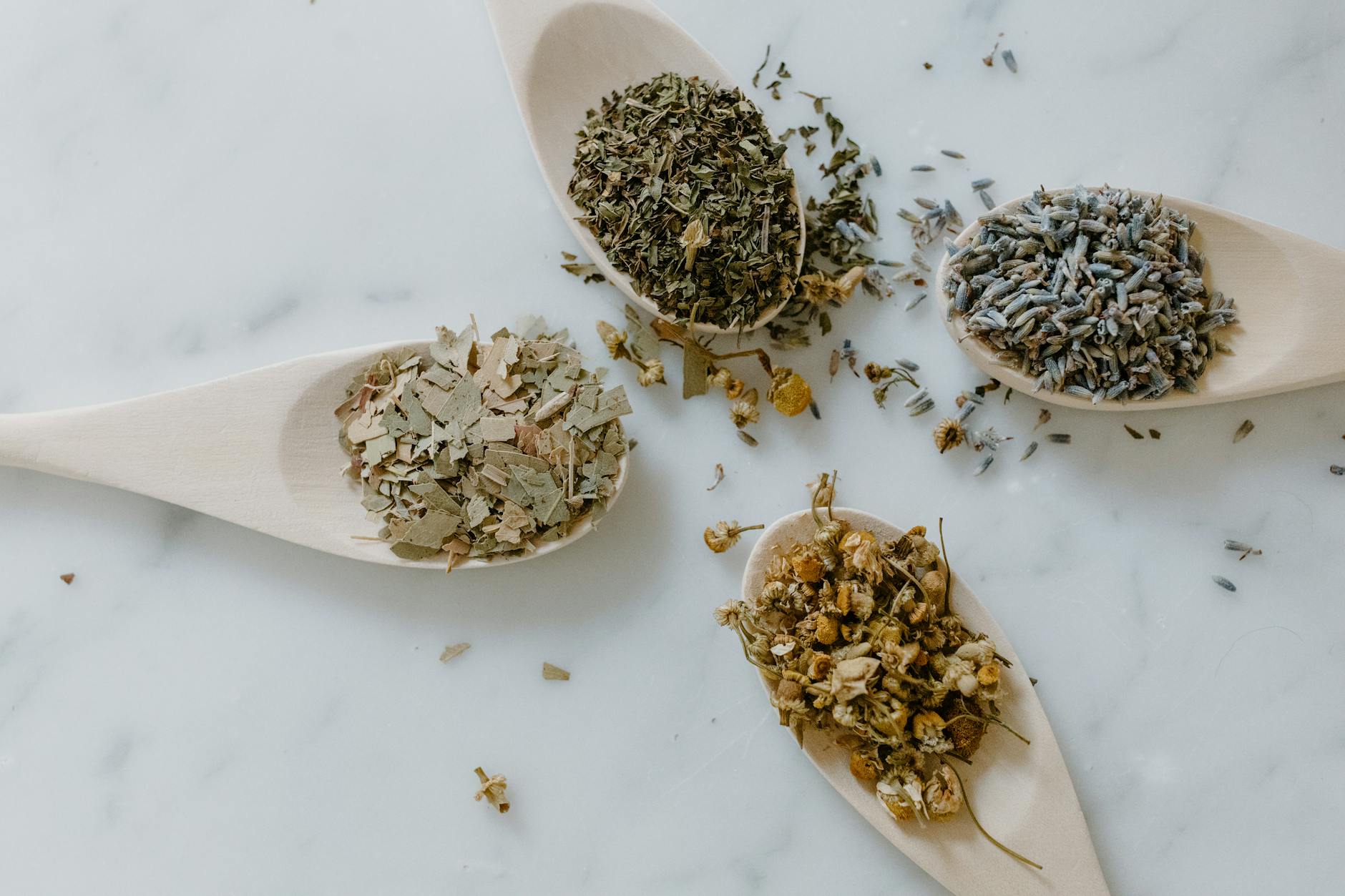
Dried peppermint leaves retain menthol which acts as a natural muscle relaxant. It soothes the lining of the digestive tract and relieves symptoms of irritable bowel syndrome. You can add dried peppermint to lamb dishes or brew it as a refreshing tea. It helps reduce tension headaches and clears sinus congestion. This herb provides a cooling sensation that combats inflammation.
Dill

Dill weed is rich in flavonoids like quercetin which have anti-inflammatory and antiviral properties. The fresh and grassy flavor pairs perfectly with salmon and cucumber dishes. You can stir it into yogurt sauces or sprinkle it over roasted carrots. It supports bone health due to its calcium content. This herb also helps regulate insulin levels.
Marjoram

Marjoram is a milder and sweeter relative of oregano with floral undertones. It aids in digestion and has been used to treat cardiovascular issues. You can add it to vegetable soups or salad dressings for a subtle flavor enhancement. It contains compounds that reduce inflammation and fight bacteria. This herb is also known for its calming effects on the nervous system.
Tarragon

Tarragon has a unique bittersweet flavor reminiscent of anise and fennel. It improves insulin sensitivity and helps the body process glucose more efficiently. You can use it in creamy sauces for chicken or mix it into vinegar. It aids in sleep and stimulates appetite. This herb is essential in French cooking for its sophisticated taste.
Lemongrass

Lemongrass provides a bright citrus flavor and is a source of citral and limonene. These compounds inhibit the growth of bacteria and reduce inflammation in the body. You can bruise the stalks and add them to curries or soups for an aromatic lift. It acts as a diuretic and helps remove toxins from the liver and kidneys. This herb also relieves anxiety and promotes relaxation.
Mustard Seeds

Mustard seeds are rich in selenium and magnesium which helps reduce the severity of asthma and arthritis. They provide a pungent and spicy kick when crushed or popped in hot oil. You can use them in pickling brines or ground into pastes for sandwiches. They stimulate metabolism and improve digestion. This spice contains phytonutrients that protect against gastrointestinal cancer.
Parsley

Parsley is often overlooked as a garnish but is actually a nutrient powerhouse. It contains high levels of apigenin which is a flavonoid with strong anti-inflammatory properties. You can chop it generously into salads like tabbouleh or blend it into chimichurri sauce. It supports kidney function and acts as a natural breath freshener. This herb provides a significant amount of vitamin K for bone health.
We invite you to share your favorite ways to incorporate these healing spices into your daily cooking in the comments.




