Many health-conscious individuals sabotage their diet goals by pouring the wrong condiments over their fresh greens. Salad dressings marketed as healthy or low-fat options often compensate for flavor and texture deficits by adding significant amounts of refined sweeteners. A single serving of these store-bought sauces can sometimes contain more sugar than a glazed donut or a scoop of ice cream. Understanding the nutritional profile of these common toppings is essential for maintaining a balanced approach to eating. The following generic dressings are frequent offenders that hide excessive sugar content behind a health halo.
Raspberry Vinaigrette

This popular fruity dressing often appeals to diners looking for a light and refreshing option for summer salads. Commercial manufacturers typically use high fructose corn syrup as the second or third ingredient to mask the natural tartness of the vinegar. A standard serving can deliver a sugar load equivalent to a small piece of candy while offering very little actual fruit fiber. The vibrant red color usually comes from artificial dyes rather than a high concentration of fresh raspberries. Choosing this option can inadvertently turn a low-calorie vegetable meal into a high-carbohydrate dish.
Honey Mustard
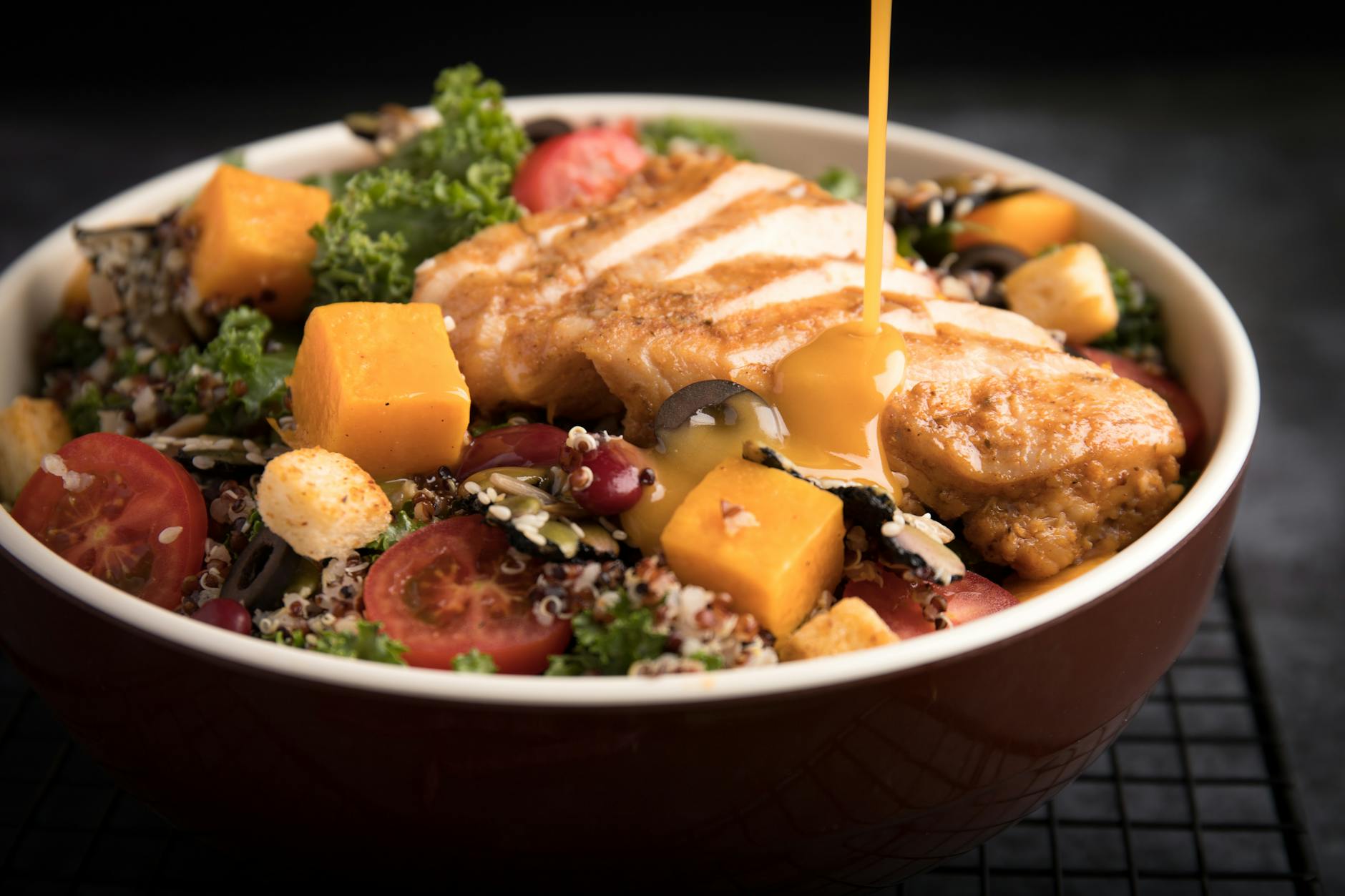
The creamy and tangy profile of this dressing makes it a favorite dipping sauce and salad topper across the country. Most bottled versions prioritize an intense sweetness that overpowers the sharp bite of the mustard seed. A two-tablespoon serving frequently contains nearly as much sugar as it does fat which creates a calorie-dense addition to any meal. The term honey is often used for marketing purposes while cheaper corn syrups provide the bulk of the actual sweetness. Consumers should inspect labels closely as the sugar count often rivals that of chocolate syrup.
French Dressing

Bright orange French dressing is a staple in American dining but relies heavily on sweeteners to achieve its signature taste. The base consists of oil and vinegar mixed with tomato paste and a substantial amount of sugar or corn syrup. This combination creates a savory flavor profile that disguises the fact that it is one of the sweetest dressings on the shelf. Low-fat variations are particularly problematic because they increase the sugar content further to maintain a palatable texture. It functions more like a sweetened tomato glaze than a traditional vinaigrette.
Thousand Island

This rich and textured condiment is famous for its use on burgers but frequently appears on wedge salads. The recipe combines mayonnaise with ketchup and sweet pickle relish to create a very high-sugar mixture. The relish component alone adds a concentrated dose of syrup that permeates every bite of the salad. Many brands add even more sugar to the base to ensure the dressing appeals to a mass audience with a sweet tooth. The result is a heavy dressing that adds empty calories and simple carbohydrates to otherwise healthy vegetables.
Catalina Dressing

Catalina dressing shares a visual similarity with French dressing but is thinner and possesses a more aggressive tomato flavor. It creates a bold taste by combining ketchup with high volumes of sugar and vinegar. This dressing is notorious for having one of the highest sugar contents per serving among all savory salad toppings. The high viscosity helps it cling to leafy greens which means you likely consume more than the recommended serving size. Those monitoring glucose levels should be extremely cautious with this red sauce.
Balsamic Glaze

Balsamic vinegar is a healthy choice but the thickened glaze reduction is a concentrated source of simple sugars. Chefs create this syrup by boiling down vinegar with added honey or brown sugar until it reaches a molasses-like consistency. The reduction process intensifies the natural fruit sugars while the additives push the carbohydrate count even higher. A decorative drizzle over caprese salad adds a significant glycemic spike that pure vinegar would not cause. It is important to distinguish between the raw vinegar and this candy-like condiment.
Poppy Seed Dressing
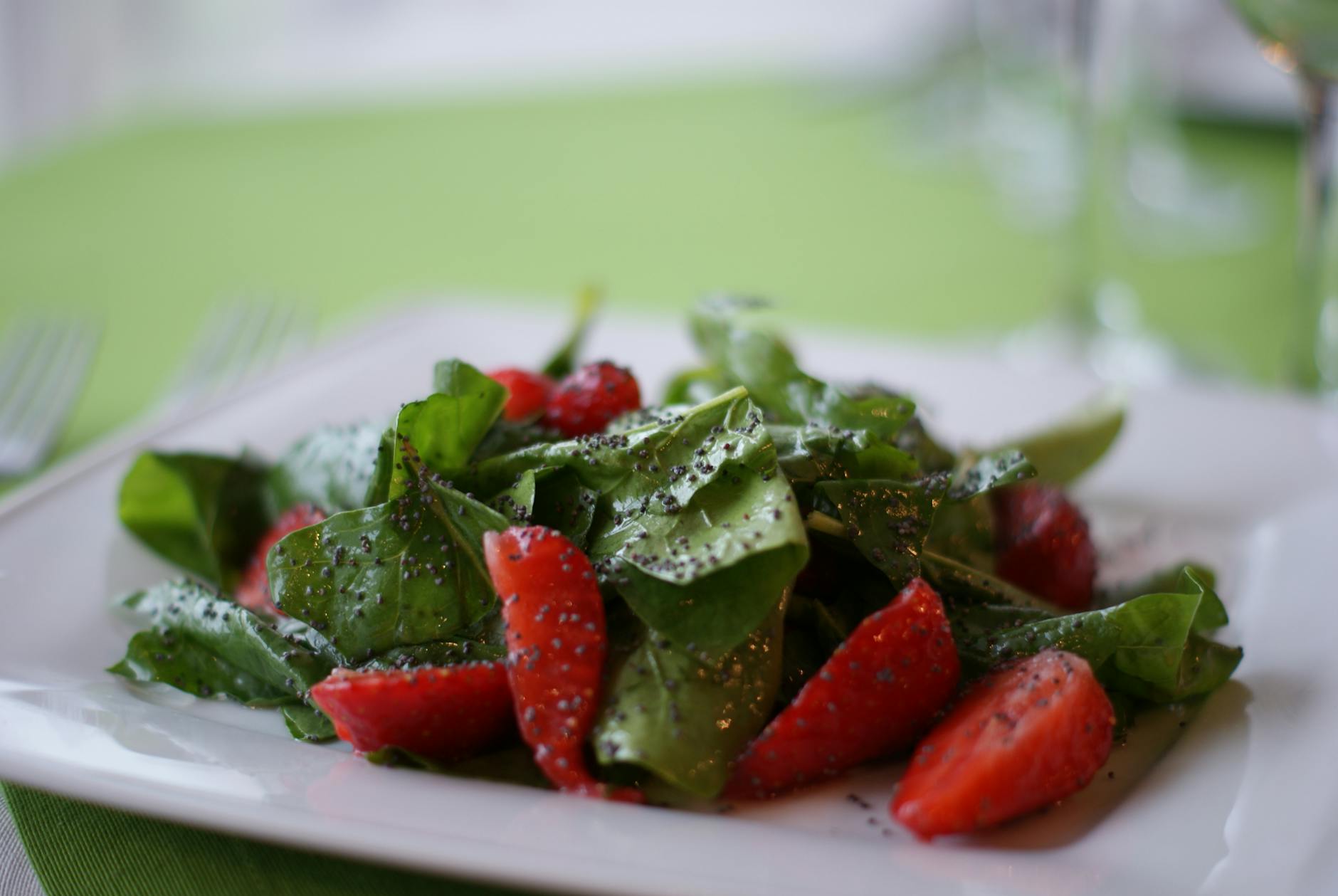
The white and creamy appearance of poppy seed dressing often tricks consumers into thinking it is a savory dairy-based option. Its primary flavor is actually intensely sweet due to a base of vinegar mixed with onion juice and large amounts of sugar. This dressing is frequently paired with fruit salads because it functions almost like a dessert sauce. A single serving can contain more grams of sugar than a bowl of sugary breakfast cereal. The sweetness is necessary to balance the bitterness of the poppy seeds and the acidity of the vinegar.
Sesame Ginger Dressing

Soy sauce and sesame oil provide a savory foundation that is almost always drowned out by brown sugar in bottled versions. This dressing aims to replicate the flavor of teriyaki sauce which inherently requires a large volume of sweetener to glaze ingredients. Commercial brands add thickeners and stabilizers that work in tandem with corn syrup to create a shelf-stable product. The combination of high sodium and high sugar makes this a poor choice for cardiovascular health. It transforms a crisp Asian-inspired salad into a sugary meal that lacks nutritional balance.
Sweet Onion Dressing

The name of this vinaigrette serves as a direct warning regarding its primary flavor component. While caramelized onions have natural sugars manufacturers boost this profile with significant amounts of added refined cane sugar. It is frequently marketed as a fat-free option which usually indicates that carbohydrates have replaced the dietary fats to preserve flavor. The consistency is often syrup-like and coats vegetables in a layer of simple glucose. Drizzling this over fresh greens negates the benefits of a low-sugar diet.
Coleslaw Dressing

Traditional coleslaw recipes require a significant amount of sugar to soften the harsh texture of raw cabbage. Bottled versions amplify this sweetness to ensure the vegetable mix remains palatable after days of storage. The creamy base of mayonnaise is saturated with granular sugar or high fructose corn syrup to achieve the classic diner taste. Eating a serving of coleslaw dressed with this condiment is often nutritionally comparable to eating a sweetened pudding. The sugar content is so high that it is often detectable even when the dressing is diluted by water from the cabbage.
Fat-Free Italian

Many dieters gravitate toward fat-free Italian dressing under the assumption that it is the best choice for weight management. Food scientists typically add large quantities of sugar and sodium to these products to replicate the mouthfeel lost by removing the oil. The lack of dietary fat also prevents the body from properly absorbing the fat-soluble vitamins found in the salad vegetables. This creates a scenario where the dressing reduces the nutritional value of the meal while adding empty calories. The ingredient list often reads more like a chemistry experiment than a simple food recipe.
Russian Dressing

Russian dressing shares a lineage with Thousand Island but usually includes horseradish and pimento peppers for a spicy kick. This heat is traditionally balanced by a substantial amount of sweetener such as honey or corn syrup. The condiment is dense in calories and sugar because it was originally designed as a rich sandwich spread rather than a light salad topping. The ketchup base provides an initial dose of sugar that is compounded by additional sweet additives to smooth out the spice. Checking the carbohydrate count is essential before pouring this distinctively piquante sauce.
Maple Vinaigrette

Fall-inspired salads often feature this dressing to complement roasted squash and candied pecans. Real maple syrup contains vitamins but remains a concentrated source of sugar that spikes insulin levels rapidly. Commercial variations often use artificial maple flavoring and cheaper corn syrup instead of the authentic ingredient to cut costs. The sweetness level is high enough to rival pancake syrup which makes it dangerous for those monitoring blood sugar. The association with healthy autumn vegetables often masks the dessert-like quality of this liquid.
Barbecue Ranch

Restaurant salads featuring fried chicken often come smothered in this hybrid dressing that mixes creamy ranch with sweet barbecue sauce. Barbecue sauce is notoriously high in sugar due to its heavy reliance on molasses and brown sugar. Mixing it with a buttermilk dressing adds saturated fat to the high sugar content for a caloric bomb. This dressing transforms a healthy bowl of vegetables into a meal that rivals a fast-food burger in nutritional density. The savory herbs of the ranch are completely completely overshadowed by the sugary barbecue component.
Mango Vinaigrette

Tropical fruit dressings rely on the concept of healthy produce to sell a product that is primarily sugar syrup. The actual fruit content is usually minimal compared to the amount of fruit juice concentrate and added cane sugar found in the bottle. These dressings are bright and flavorful but coat fresh vegetables in a layer of simple carbohydrates. The lack of fiber in the liquid dressing means the sugar absorbs rapidly into the bloodstream causing energy crashes later. It is a sweet glaze disguised as a wholesome salad accompaniment.
Please tell us in the comments which of these dressings surprised you the most with its sugar content.




