Sharing a meal with a beloved pet often feels like a natural way to bond and show affection. Many owners assume that foods safe for human consumption will be perfectly fine for their canine companions. A dog has a different metabolism that processes certain compounds much differently than the human digestive system. Understanding which pantry staples pose a threat can prevent costly emergency vet visits and keep your pet healthy. This guide outlines the specific ingredients you must keep out of reach to ensure safety at home.
Chocolate

This popular treat contains methylxanthines like theobromine and caffeine which dogs cannot metabolize effectively. Dark chocolate and baking chocolate pose the highest risk due to their concentrated cocoa content. Even small amounts can cause significant health issues like vomiting or diarrhea and heart problems. White chocolate has lower toxicity levels while cocoa powder poses the most severe danger to canine health. Owners should seek immediate veterinary attention if their pet ingests any amount of this common sweet.
Xylitol

This artificial sweetener is frequently found in sugar-free gum and candy or some peanut butter brands. Ingestion leads to a rapid release of insulin that causes a dangerous drop in blood sugar levels known as hypoglycemia. Symptoms typically appear within thirty minutes of consumption and may include vomiting or loss of coordination. Liver failure can occur in severe cases even if the animal initially seems stable after eating the product. Always check the ingredient label on peanut butter jars before filling a treat toy.
Grapes And Raisins

These seemingly harmless fruits can cause sudden and acute kidney failure in dogs of any breed or size. The exact toxic substance within the fruit remains unknown to scientists which makes prevention difficult. Some dogs may suffer severe reactions from just a single grape while others might ingest more without immediate signs. Early symptoms often include vomiting and lethargy within a few hours of ingestion. Avoiding these fruits entirely is the only way to guarantee your pet remains safe from renal damage.
Onions And Garlic

Members of the Allium family contain compounds that can damage red blood cells and lead to anemia. This toxicity applies to all forms including raw and cooked or powdered versions found in spice racks. Symptoms of poisoning such as weakness and pale gums may not appear for several days after consumption. Cats are more susceptible but dogs are also at significant risk if they eat a large amount. Even small regular doses over time can cause cumulative damage to their internal systems.
Alcohol

Beverages containing alcohol affect a dog’s liver and brain much faster than they affect a human. Even small sips of beer or liquor can cause vomiting and coordination problems or breathing difficulties. Severe intoxication can lead to coma and death depending on the size of the dog and the amount consumed. Foods prepared with alcohol can also pose a threat if the alcohol has not completely evaporated during cooking. It is crucial to keep all adult beverages and alcohol-infused desserts completely out of reach.
Caffeine

Coffee and tea contain stimulants that are dangerous for dogs to consume in any quantity. Ingesting grounds or beans causes rapid heart rate and restlessness alongside muscle tremors. The high concentration of caffeine in energy drinks or diet pills makes them particularly lethal hazards. Veterinary intervention is usually required to manage heart rhythms and prevent seizures after ingestion. Pet owners must ensure all caffeinated products remain sealed and stored securely away from curious noses.
Macadamia Nuts

These nuts are incredibly toxic to dogs and can cause a unique set of neurological symptoms. Affected animals often experience weakness in their back legs and vomiting or tremors. The negative effects can manifest within twelve hours of eating the nuts and may last for up to two days. High fat content in the nuts also increases the risk of pancreatitis in addition to the primary toxicity. Strict avoidance is necessary since as few as six nuts can sicken a medium-sized dog.
Avocados

The fruit and pit of an avocado contain a fungicidal toxin called persin which can cause health issues. While the flesh has lower levels of persin than the skin or leaves it can still cause vomiting and diarrhea. The large pit poses a significant choking hazard and can create a life-threatening intestinal obstruction. Birds and livestock are generally more sensitive to persin but dogs should still not eat this fatty fruit. Stick to dog-safe vegetables instead of sharing your guacamole or avocado toast.
Cooked Bones

Bones that have been cooked become brittle and can easily splinter when chewed by a dog. These sharp fragments can cause severe damage to the mouth or throat and digestive tract. Splinters may puncture the stomach wall or cause fatal internal bleeding and bacterial infections. Raw bones are generally safer but still carry risks of breaking teeth or carrying foodborne pathogens. It is always safer to provide synthetic chew toys designed specifically for canine dental health.
Yeast Dough

Raw dough containing yeast will continue to rise and expand inside the warm environment of a dog’s stomach. This expansion can stretch the abdomen causing intense pain and potentially twisting the stomach. The fermentation process of the yeast also produces alcohol which can lead to alcohol poisoning. Emergency surgery is often required to remove the dough and repair the damage to the digestive system. Keep all unbaked bread and pizza doughs well beyond the reach of countertop-surfing pets.
Dairy Products

Many dogs lack the enzyme lactase which is required to properly digest the lactose found in milk and cheese. Eating dairy can lead to gastrointestinal upset including gas and bloating or diarrhea. Some dogs may handle small amounts of plain yogurt well but others will react poorly to even a slice of cheese. Food allergies to milk proteins can also manifest as itchy skin or ear infections. Offering lactose-free alternatives is a better choice for pets with sensitive stomachs.
Salt And Salty Snack Foods

Excessive salt intake leads to a condition called sodium ion poisoning which can be fatal. Eating large bags of chips or pretzels causes excessive thirst and urination followed by tremors and seizures. The body loses its fluid balance and brain cells can swell due to the rapid change in sodium levels. Vomiting and diarrhea are early warning signs that your dog has consumed too much salt. Water should be provided immediately while transporting the animal to an emergency veterinary clinic.
Sugary Foods and Drinks

High sugar intake contributes to obesity and dental issues in dogs just as it does in humans. A diet heavy in sugar can eventually lead to the development of diabetes and metabolic problems. Candy and soda provide empty calories without any nutritional benefit to the animal. The immediate energy spike is often followed by a crash that affects their mood and behavior. Stick to natural treats like blueberries or carrots for a sweet reward without the health risks.
Fat Trimmings

Trimmings from meat and cooked ham are far too rich for a standard canine diet. High-fat foods can trigger an acute episode of pancreatitis which is a painful inflammation of the pancreas. This condition requires hospitalization and aggressive fluid therapy to manage pain and prevent organ damage. Even a single meal of fatty scraps can be enough to set off this severe reaction in sensitive dogs. Lean meats like boiled chicken breast are a much safer alternative for a special treat.
Peaches And Plums

The flesh of these fruits is generally safe but the hard pits in the center contain cyanide. Dogs that chew on the pits release the toxin which interferes with oxygen transport in the blood. The pits also present a major choking hazard and can block the digestive tract if swallowed whole. Obstructions often require surgical removal to prevent rupture of the intestines. Always slice these fruits and remove the pit completely before offering a small piece to your pet.
Raw Meat And Fish
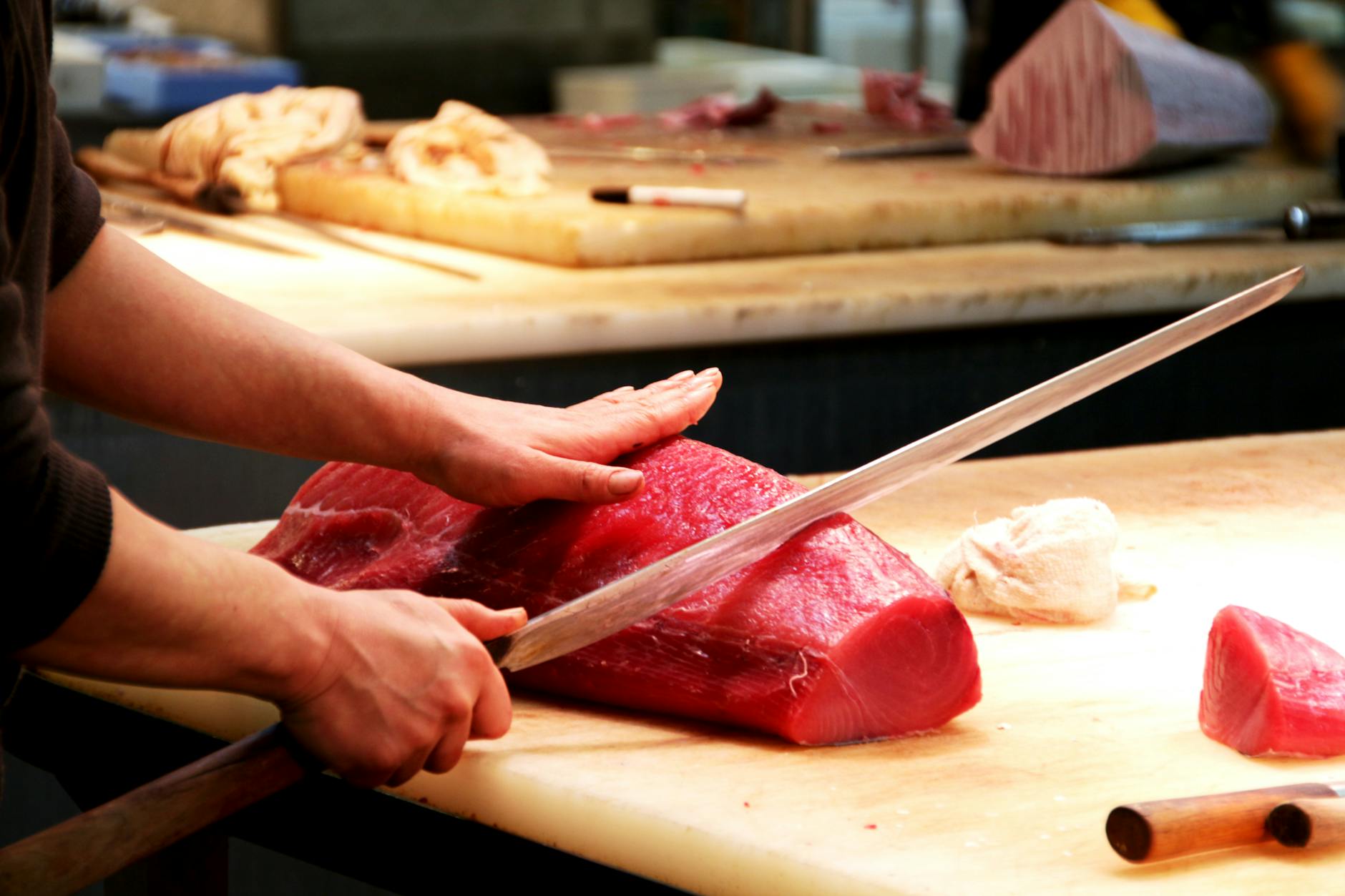
Raw proteins can contain harmful bacteria like Salmonella and E. coli that pose risks to both pets and human owners. Certain raw fish like salmon may carry a parasite that causes a fatal disease called salmon poisoning. Symptoms of bacterial infections include severe vomiting and fever along with bloody diarrhea. The American Veterinary Medical Association discourages feeding raw animal-source protein due to these public health concerns. Cooking meat thoroughly eliminates these pathogens and makes the food safe for consumption.
Nutmeg

This common baking spice contains a compound called myristicin which is toxic to dogs in large amounts. Ingesting high doses can cause hallucinations and disorientation or increased heart rate. Seizures and abdominal pain are possible outcomes if a dog gets into a container of the spice. The amount found in a small cookie is unlikely to be fatal but eating the powder directly is dangerous. It is best to keep all baking spices stored in high cabinets away from curious pets.
Mushrooms

Wild mushrooms found in the backyard or on trails can be incredibly toxic and sometimes fatal. It is difficult for the average person to distinguish between safe and poisonous varieties. Toxins in certain mushrooms can cause liver and kidney failure or severe neurological effects. Store-bought mushrooms are generally safe but it is better to establish a rule of avoiding all fungi. Monitor your yard for fungal growth after rain and remove them immediately to prevent accidental ingestion.
Share your own experiences with pet-safe nutrition and household safety in the comments.




