Summer heat requires more than just drinking water to maintain a healthy internal balance. Consuming foods with high water content helps replenish fluids lost through perspiration while providing essential nutrients. These nutrient-dense options deliver vital vitamins and minerals while keeping body temperatures regulated during scorching days. Incorporating them into daily meals ensures hydration levels remain optimal throughout the day. A strategic diet can be the key to staying cool and energized when temperatures rise.
Cucumber

Cucumbers possess the highest water content of almost any solid food at roughly 96 percent. They offer a refreshing crunch that makes them perfect for summer salads or chilled soups. This vegetable contains vitamin K and potassium which support bone health and proper muscle function. The skin holds many of the nutrients so eating them unpeeled provides the maximum benefit. Sliced cucumbers also work well as a cooling garnish for sandwiches or burgers.
Iceberg Lettuce

This leafy green is often overlooked but contains approximately 96 percent water. It provides a satisfying texture that works as a base for light salads or as a bun replacement. While it has fewer vitamins than darker greens it still offers small amounts of fiber and folate. The high water volume helps you feel full without adding a significant number of calories to your meal. Keeping a head of iceberg lettuce in the fridge ensures you always have a hydrating ingredient on hand.
Celery

Celery stalks are composed of about 95 percent water and provide a satisfying crunch. They are naturally low in calories and contain essential salts that can act as mild electrolytes. You can enjoy them raw with a dip or chop them into lighter summer salads for texture. The fibrous nature of celery also supports healthy digestion while keeping you hydrated. It serves as an excellent snack for curbing hunger between meals without heaviness.
Radish

These spicy root vegetables are surprisingly hydrating with a water content near 95 percent. Radishes add a peppery kick to salads and slaws without weighing down the dish. They contain antioxidants like catechin which support overall cellular health. The refreshing crunch makes them a great raw snack when served with hummus or yogurt dip. Their natural pigments also add a vibrant pop of red or pink to any summer plate.
Romaine Lettuce

Romaine lettuce offers a water content of about 95 percent along with a robust nutritional profile. It serves as a sturdier base for salads compared to iceberg lettuce and withstands heavier dressings. This green provides significant amounts of vitamin A and vitamin C to support immune function. The crispy leaves add hydration to tacos and wraps while boosting fiber intake. Grilling romaine hearts is another popular way to enjoy this hydrating vegetable during barbecue season.
Tomato

Tomatoes are a staple of summer cuisine and contain approximately 94 percent water. They are rich in lycopene which is an antioxidant that may protect skin from sun damage. You can slice them for sandwiches or dice them into a fresh salsa for a hydrating side dish. The acidity of tomatoes pairs perfectly with basil and mozzarella for a classic cooling salad. Even cooked tomatoes retain moisture and nutrients beneficial for hot weather dining.
Zucchini

This versatile summer squash consists of about 94 percent water and grows abundantly in warm months. You can spiralize it into noodles for a light pasta alternative that will not leave you feeling sluggish. Zucchini contains manganese and vitamin C which are important for maintaining energy levels. It tastes delicious when grilled lightly or sliced raw into thin ribbons for a carpaccio. The high water volume makes it an excellent addition to savory breads or muffins as well.
Watermelon

Watermelon is perhaps the most iconic summer fruit with a water content of 92 percent. It contains the amino acid citrulline which may help improve circulation and reduce muscle soreness. The bright red flesh is packed with vitamins A and C to support immune health during travel or outdoor activities. Chunks of cold watermelon provide immediate relief from heat and satisfy sweet cravings naturally. You can also blend it into a slush for a drink that hydrates better than plain water.
Spinach
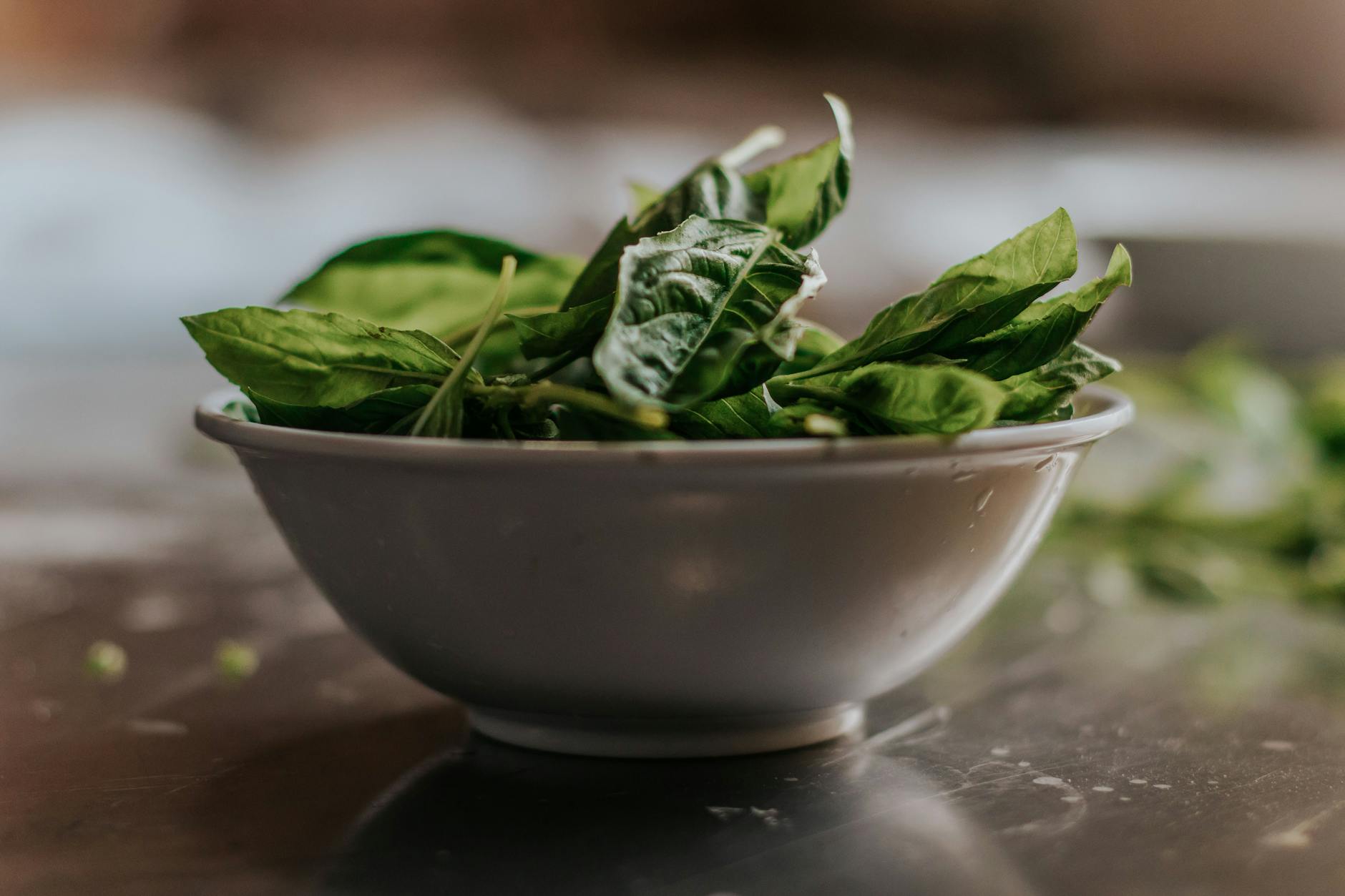
Raw spinach leaves contain roughly 91 percent water and serve as a nutrient powerhouse. This dark leafy green provides magnesium which is an electrolyte often lost through sweat. It works well as a base for salads or blended into smoothies for an undetectable hydration boost. Spinach is also rich in iron and folate which are necessary for energy production. Eating it fresh ensures you maximize its water content compared to cooking it down.
Strawberry
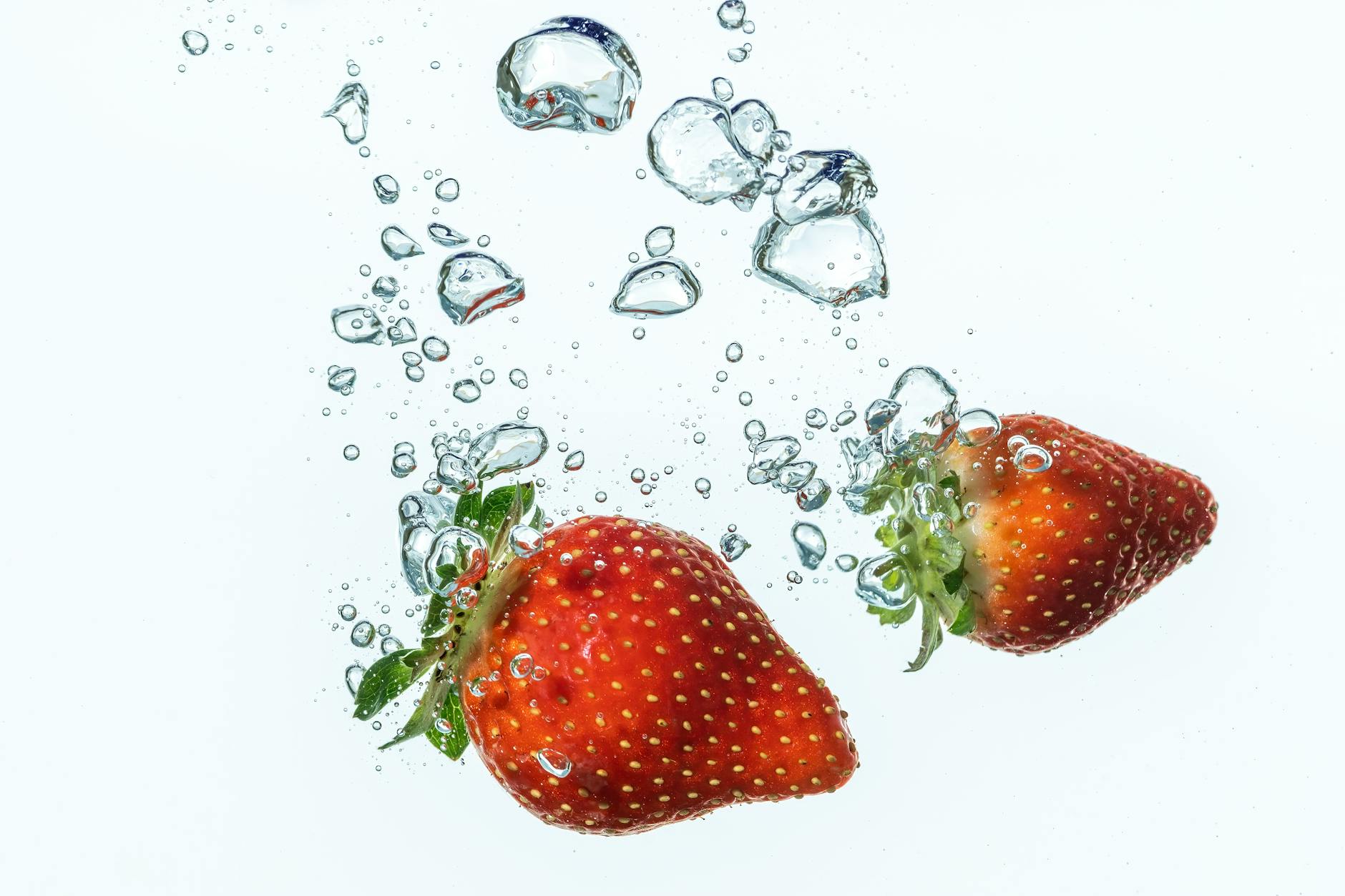
Strawberries are roughly 91 percent water and offer a sweet way to increase fluid intake. They provide more vitamin C per serving than oranges and help reduce inflammation. These berries make a perfect topping for yogurt or oatmeal to start the day hydrated. You can freeze them for a cold snack or slice them into water for a natural flavor infusion. Their fiber content also aids in digestion and helps regulate blood sugar levels.
Bell Peppers

Bell peppers of all colors contain about 92 percent water and are rich in antioxidants. They provide a massive dose of vitamin C which is crucial for collagen production and skin health. The crisp texture makes them ideal for dipping or adding crunch to a cold pasta salad. Green peppers are slightly more bitter while red and yellow varieties offer a sweeter flavor profile. Snacking on raw pepper strips is an easy way to hydrate without drinking fluids.
Cauliflower

This cruciferous vegetable is composed of 92 percent water and offers immense culinary versatility. You can rice it as a hydrating substitute for grains or eat the florets raw with dip. Cauliflower provides choline which supports brain health and metabolism. It is filling due to its fiber content but remains light enough for hot weather digestion. Roasting it simply with lemon and herbs creates a flavorful side dish that retains moisture.
Cabbage

Cabbage contains roughly 92 percent water and is a dense source of vitamin K. It works exceptionally well in coleslaws where the dressing helps break down the fibers. The crunchy leaves can be used as nutritious taco shells or chopped into fresh summer rolls. Fermented cabbage dishes like sauerkraut also provide probiotics for gut health. This vegetable is budget-friendly and keeps well in the refrigerator for extended periods.
Grapefruit

Grapefruit is about 88 percent water and offers a tangy flavor that wakes up the palate. It is known for helping to control appetite and stabilize insulin levels. You can eat half a grapefruit for breakfast or segment it into a citrus salad with avocado. The fruit is high in vitamin A which is essential for maintaining healthy skin. Its tartness provides a refreshing contrast to sweeter summer fruits.
Cantaloupe

Cantaloupe melon delivers a water content of 90 percent and is packed with beta-carotene. This nutrient converts to vitamin A in the body and supports eye health. The sweet orange flesh is perfect for fruit salads or wrapped in prosciutto for a savory appetizer. One cup provides over 100 percent of the daily recommended value for vitamin A. It is a dense and filling fruit that provides sustained energy.
Peach

Peaches are composed of approximately 89 percent water and are at their peak during summer. They contain chlorogenic acid which is an antioxidant that may help fight inflammation. The juicy flesh provides a natural sweetness that pairs well with cottage cheese or yogurt. You can grill peach halves for a warm dessert that still offers hydration. Their skin contains fiber and vitamins so it is best to eat the fruit whole.
Pineapple

Pineapple contains about 86 percent water and brings a tropical flair to any meal. It is the only known dietary source of bromelain which is an enzyme that aids digestion. This fruit is rich in manganese and vitamin C for antioxidant protection. You can add fresh chunks to salsas or grill rings to serve alongside lean proteins. The intense sweetness makes it a satisfying dessert that naturally replenishes fluids.
Orange

Oranges are roughly 87 percent water and are famous for their immune-boosting vitamin C content. Eating the whole fruit provides fiber that juice lacks and helps regulate sugar absorption. They contain potassium which is a vital electrolyte for muscle function during heat. Citrus segments brighten up green salads and add moisture to grain bowls. Keeping oranges in the fridge makes them an even more refreshing snack.
Raspberry

Raspberries contain about 87 percent water and are one of the highest fiber fruits available. They offer powerful antioxidants that help reduce oxidative stress in the body. The tart flavor makes them excellent for balancing sweet desserts or topping morning cereal. You can mash them into a hydrating jam substitute without added sugars. Their delicate structure makes them a perfect light snack that does not sit heavy in the stomach.
Apricot

Fresh apricots are composed of 86 percent water and are a dense source of nutrients. They provide significant amounts of vitamins A and C along with dietary fiber. The tart and sweet flavor profile works well in both savory dishes and desserts. You can chop them into grain salads or eat them whole as a quick portable snack. They are particularly good for skin health due to their high antioxidant content.
Blueberry
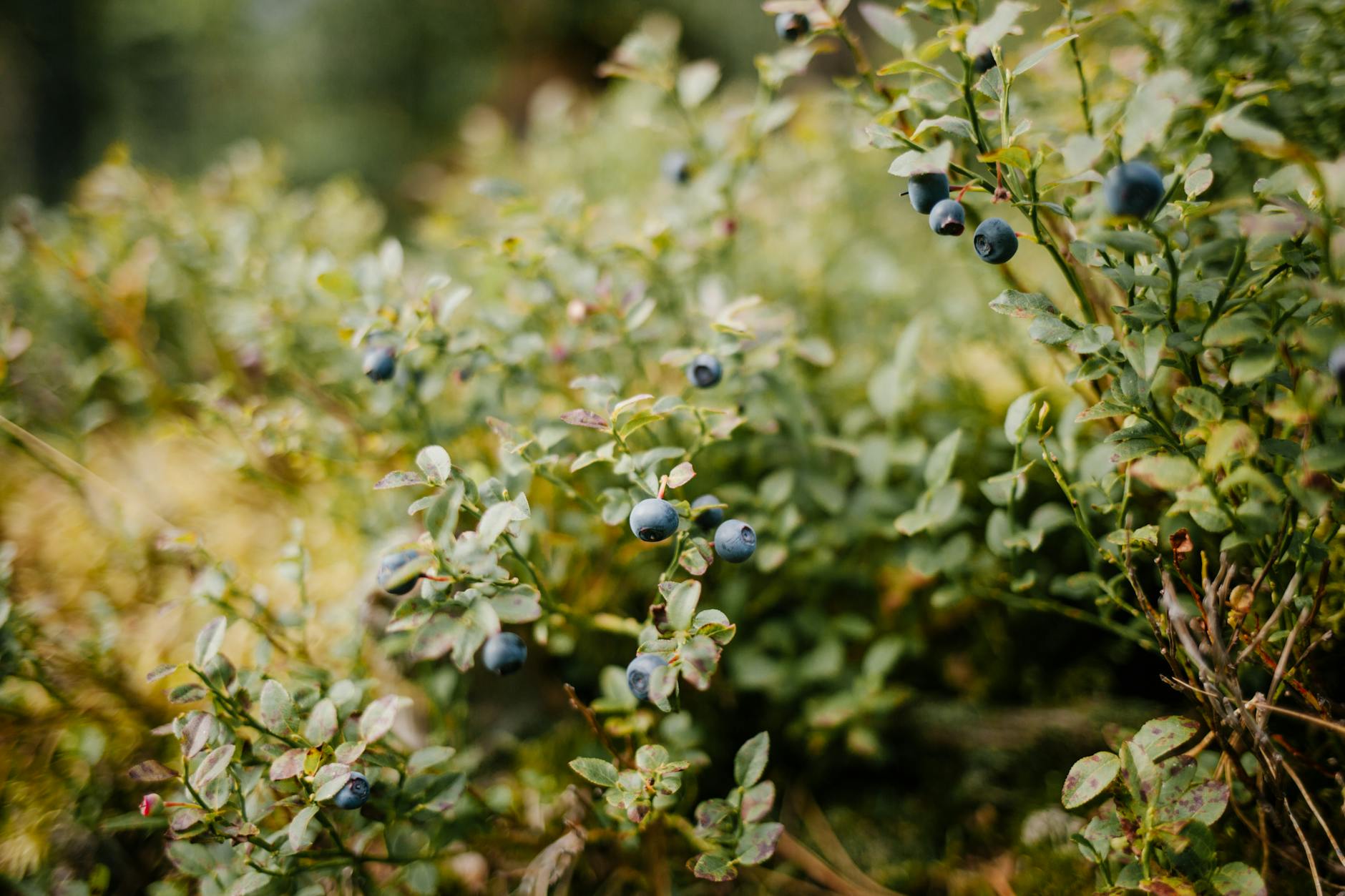
Blueberries consist of approximately 84 percent water and are renowned for their brain-boosting properties. They contain anthocyanins which are potent antioxidants that give the berries their deep color. These small fruits are easy to toss into yogurt or eat by the handful for hydration. They are low in calories but high in fiber and essential vitamins. Freezing blueberries creates a texture similar to sorbet for a cooling treat.
Plum

Plums contain about 87 percent water and come in a variety of sweet and tart flavors. They are rich in phenols which are antioxidants that may help support bone health. You can slice them into summer salads or bake them into lighter desserts. The skin provides fiber and adds a pleasant tartness to the sweet flesh. Plums are a stone fruit staple that helps maintain fluid balance.
Apple

Apples are roughly 86 percent water and offer a convenient crunchy snack for hydration. They contain pectin which is a prebiotic fiber that feeds healthy gut bacteria. The high water content makes them more filling than many other snacks. You can slice them with nut butter for protein or chop them into slaws. Eating an apple with the skin ensures you get the full nutritional value.
Pear

Pears contain about 84 percent water and are known for their high soluble fiber content. They are gentle on the digestive system and provide a sustained release of energy. The soft texture of a ripe pear is soothing and hydrating on a hot day. You can add sliced pears to a cheese board or mix them into a salad with walnuts. Different varieties offer slight variations in texture and sweetness.
Grape
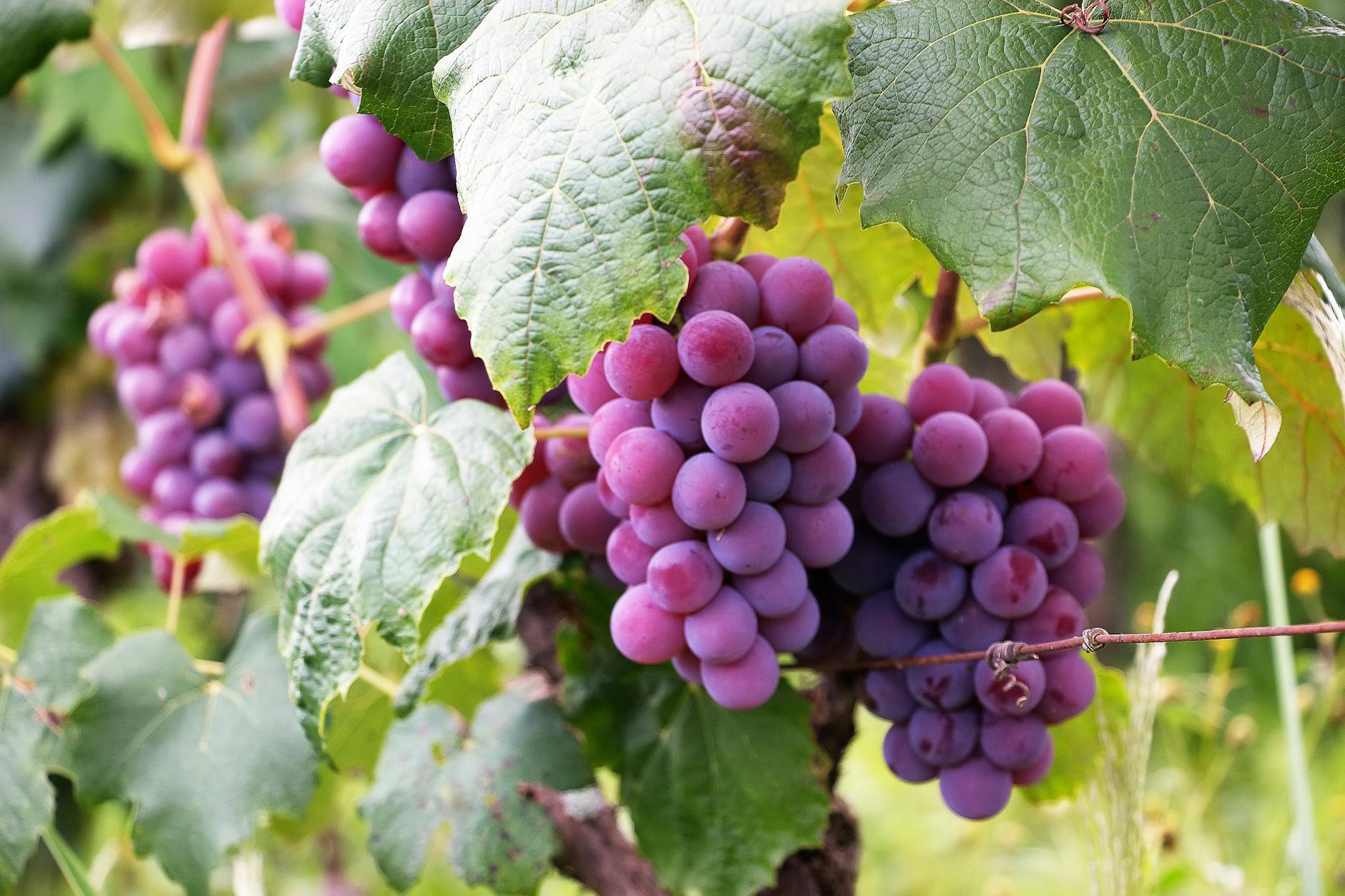
Grapes are composed of roughly 81 percent water and are full of heart-healthy antioxidants like resveratrol. They are easy to pack in coolers for beach trips or picnics. Freezing grapes creates small icy treats that cool you down internally. They provide a quick source of natural energy due to their sugar content. The skin contains most of the antioxidants so they are best eaten whole.
Plain Yogurt

Plain yogurt is approximately 88 percent water and provides a dual benefit of hydration and probiotics. It contains calcium and protein which supports bone health and muscle repair. You can enhance its hydrating power by mixing in fresh fruits like berries or melon. It serves as a cooling base for savory dips like tzatziki. Choosing plain varieties allows you to control sugar intake while staying cool.
Cottage Cheese

Cottage cheese contains about 80 percent water and is an excellent source of vegetarian protein. It is high in sodium and calcium which helps replenish electrolytes lost through sweat. You can serve it with fruit for a sweet snack or with tomatoes for a savory meal. The texture is creamy and cooling which is appealing during a heatwave. It is a filling option that supports muscle maintenance.
Broccoli

Raw broccoli is composed of 90 percent water and is packed with cancer-fighting compounds. It provides a significant amount of vitamin C and fiber in every serving. You can chop it finely for salads or eat the florets with a hydrating yogurt dip. Steaming broccoli lightly preserves most of its water content and nutrients. It is a hearty vegetable that contributes to daily fluid goals.
Carrot

Carrots contain about 88 percent water and are rich in beta-carotene for eye and skin health. They offer a satisfying crunch that works well with hummus or ranch dip. You can shred them into salads or juice them for a nutrient-dense beverage. The fiber in carrots helps maintain steady digestion during dietary changes. They are a durable vegetable that withstands summer heat well.
Honeydew Melon

Honeydew melon has a water content of 90 percent and a mild floral sweetness. It provides potassium and vitamin C to support healthy blood pressure levels. The pale green flesh is cooling and pairs excellently with mint or lime juice. You can scoop it into balls for a fun fruit salad presentation. It is slightly higher in sugar than cantaloupe but offers similar hydrating benefits.
Please share your favorite cooling recipes using these ingredients in the comments.




