Understanding canine body language is essential for building a strong and trusting relationship with any pet. Dogs communicate their emotional state primarily through physical cues that can range from subtle movements to obvious shifts in posture. Recognizing these signals allows owners to intervene before a situation escalates into fear or aggression. A stressed dog relies on these non-verbal behaviors to request space or express discomfort in their environment.
Whale Eye

A dog displays whale eye by turning their head away while keeping their eyes fixed on a perceived threat. This action reveals the white part of the eye in a crescent shape usually hidden during a relaxed state. It indicates significant anxiety and serves as a subtle plea for distance from a stressor. Owners should interpret this visual cue as a request to stop the current interaction immediately. Ignoring this warning can lead to more defensive behaviors if the dog feels trapped.
Lip Licking

Frequent lip licking or tongue flicking is a common appeasement signal used by dogs to calm themselves down. This behavior often occurs when there is no food present and serves as a reaction to social pressure. You might notice quick flicks of the tongue during veterinary exams or when a stranger approaches too boldly. The dog uses this gesture to communicate that they are not a threat and to diffuse tension. It functions as a polite way for the animal to express nervousness.
Excessive Yawning

Yawning is not always a sign of tiredness and frequently acts as a mechanism to release nervous tension. A stress yawn is typically more prolonged and intense than a yawn caused by fatigue. Dogs often display this behavior in confusing situations to lower their own blood pressure and heart rate. It serves as a physiological reset button when the animal feels overwhelmed by external stimuli. Context is the key to distinguishing between a sleepy dog and an anxious one.
Panting Without Exertion

Heavy breathing is normal after physical exercise but becomes a concern when it occurs in a cool and calm setting. This type of panting often sounds rapid or shallow and may be accompanied by tight facial muscles. The dog is physically reacting to a sudden surge of adrenaline caused by fear or anxiety. Owners should check the ambient temperature to rule out overheating before assuming emotional distress. Recognizing this physiological response helps in identifying environmental triggers that upset a pet.
Pinned Ears

The position of the ears provides immediate insight into how a dog feels about their immediate surroundings. Ears that are flattened tightly against the skull suggest fear or extreme submissiveness in the face of a threat. This defensive posture protects the ears from potential injury while signaling that the dog wishes to avoid conflict. It is one of the most recognizable signs of unease across different breeds and ear shapes. A relaxed dog generally holds their ears in a neutral or slightly forward position.
Tucked Tail

A tail tucked between the hind legs is a classic sign of fear and deep insecurity in canines. This action protects the sensitive underbelly and reduces the physical profile of the dog to avoid confrontation. The tail might be clamped tight against the belly or just slightly lowered depending on the severity of the stress. This visual signal indicates that the dog is uncomfortable and lacks confidence in the current situation. Owners should remove their pets from the triggering environment when this body language appears.
Raised Hackles
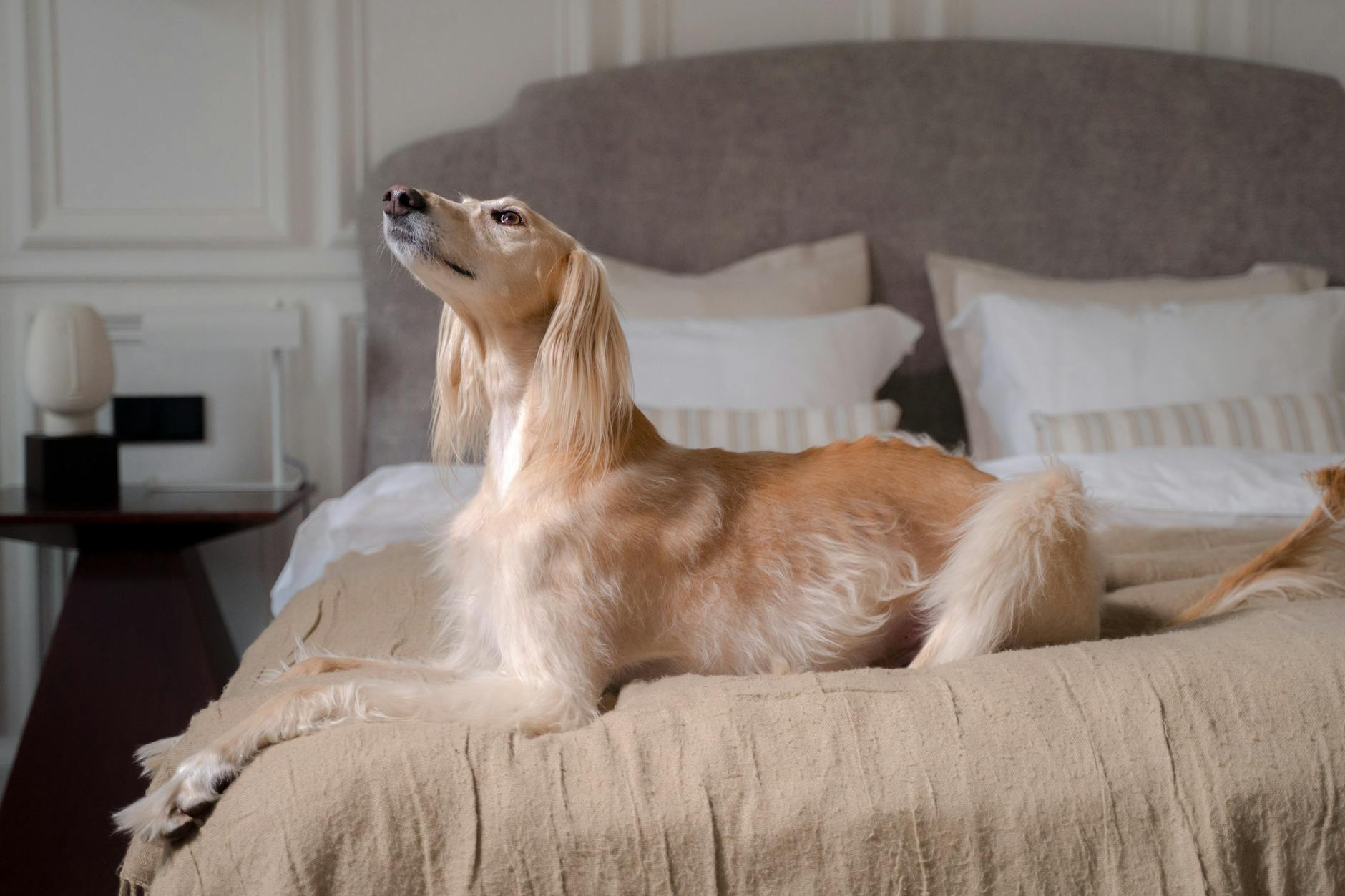
Piloerection occurs when the hair along the spine stands up straight due to an involuntary reflex. This physiological response is similar to goosebumps in humans and can indicate arousal from fear or aggression. It makes the dog appear larger to potential threats and signals a high state of alert. This reaction often happens quickly when a dog feels sudden uncertainty or intimidation from another animal. It is a sign of emotional intensity rather than a guaranteed predictor of attack.
Full Body Shaking

Dogs often perform a full body shake as if they are wet to physically release tension from their muscles. This behavior frequently happens immediately after a stressful interaction or a scary event concludes. It literally shakes off the stress hormones and resets the nervous system to a baseline state. You will often see this after a hug they did not enjoy or a tense meeting with another dog. It marks the transition from a state of stress back to a state of calm.
Avoidance Behaviors

A stressed dog will actively try to remove themselves from an uncomfortable situation by turning their head or body away. They might sniff the ground or wander off to signal disinterest and a desire to avoid conflict. This polite refusal to engage is a clear request for space that should be respected immediately. Forcing interaction when a dog displays avoidance can lead to defensive aggression or shutting down. It is their way of saying no without using physical force.
Freezing

A sudden lack of movement serves as a serious warning that a dog feels threatened and is deciding how to react. The body becomes rigid and the mouth often closes tight as the animal concentrates on the stressor. This freeze response usually precedes a snap or bite if the warning is ignored. It is a critical moment where the dog is communicating that their tolerance threshold has been reached. Immediate space must be given to prevent the situation from becoming dangerous.
Sudden Shedding

Acute stress can trigger the autonomic nervous system to release hair follicles abruptly. This phenomenon explains why a dog might leave a surprising amount of fur on the examination table at the veterinarian. It is an involuntary physiological response to fear that owners cannot control or stop. Excessive dander or flakey skin may also appear simultaneously during these high-anxiety moments. This physical symptom usually subsides once the animal returns to a calm environment.
Sweaty Paws

Dogs sweat through their paw pads rather than their skin when they are overheating or stressed. You might notice damp footprints on the floor or the examination table even when the ambient temperature is cool. This indicates a strong internal reaction to anxiety similar to sweaty palms in humans. Checking the pads for moisture can confirm if a dog is experiencing significant internal distress. It is a subtle sign that often goes unnoticed by casual observers.
Displacement Sniffing

A dog may suddenly start sniffing the ground intensely when they want to avoid a direct confrontation. This behavior looks out of context because there is usually nothing of interest to smell at that specific moment. It serves as a distraction technique to calm themselves and signal non-aggression to others. This coping mechanism helps the dog disconnect momentarily from a source of anxiety. It allows the dog to focus on a neutral activity while evaluating the environment.
Low Body Posture

Shrinking toward the ground is an attempt to appear smaller and less threatening to a perceived aggressor. The dog might crouch low or crawl while avoiding eye contact to show submission. This posture indicates a lack of confidence and a high level of fear regarding the immediate environment. The dog effectively tries to make themselves invisible to escape notice. Comforting the dog gently or removing the threat helps resolve this fearful stance.
Vocalization

Whining or low growling often accompanies physical signs of stress when a dog feels trapped or frustrated. These vocal cues serve as an auditory warning that the animal is uncomfortable and needs the situation to change. High-pitched barking can also manifest as a release of nervous energy during tense moments. Listening to the pitch and frequency helps distinguish distress signals from excitement or playfulness. It is the final layer of communication when visual signals have been ignored.
Please share your own experiences with canine body language in the comments.




