Incorporating fermented foods into a daily diet provides natural probiotics that support a healthy microbiome and improve digestion. These ancient preservation methods transform simple ingredients into nutrient-dense powerhouses rich in beneficial bacteria and enzymes. Regular consumption of these tangy and savory staples may strengthen the immune system and enhance overall nutrient absorption. The variety of textures and flavors available makes it easy to find an option that suits any palate or culinary preference.
Yogurt

This creamy dairy product is created by fermenting milk with specific bacterial cultures like Lactobacillus bulgaricus and Streptococcus thermophilus. It serves as an excellent source of calcium and protein while providing a significant dose of probiotics to support digestion. Many varieties contain added vitamin D and beneficial fats that contribute to overall nutritional balance. Consumers often choose plain Greek yogurt to minimize added sugars and maximize protein intake per serving.
Kefir

Originating from the Caucasus Mountains this fermented milk drink has a thinner consistency than yogurt and a distinctively tart flavor profile. The fermentation process involves kefir grains that are a symbiotic culture of bacteria and yeast. It contains a diverse array of probiotic strains which may colonize the gut more effectively than other fermented dairy products. Lactose intolerance sufferers often tolerate kefir well because the enzymes break down most of the milk sugar during fermentation.
Sauerkraut

Shredded cabbage fermented in its own juices and salt creates this crunchy and sour condiment staple. It offers a high concentration of fiber along with vitamins C and K to support immune function and bone health. The lacto-fermentation process generates beneficial bacteria that aid in maintaining a balanced gut flora environment. Unpasteurized versions found in the refrigerated section preserve the live active cultures that heat treatment destroys.
Kimchi

This traditional Korean side dish consists of salted and fermented vegetables like napa cabbage and Korean radish. A mix of seasonings including chili powder and garlic and ginger gives it a spicy kick and boosts its antioxidant properties. The fermentation process produces lactobacilli which are the same healthy bacteria found in yogurt and other gut-friendly foods. Regular consumption provides vitamins and minerals that support heart health and reduce inflammation throughout the body.
Miso
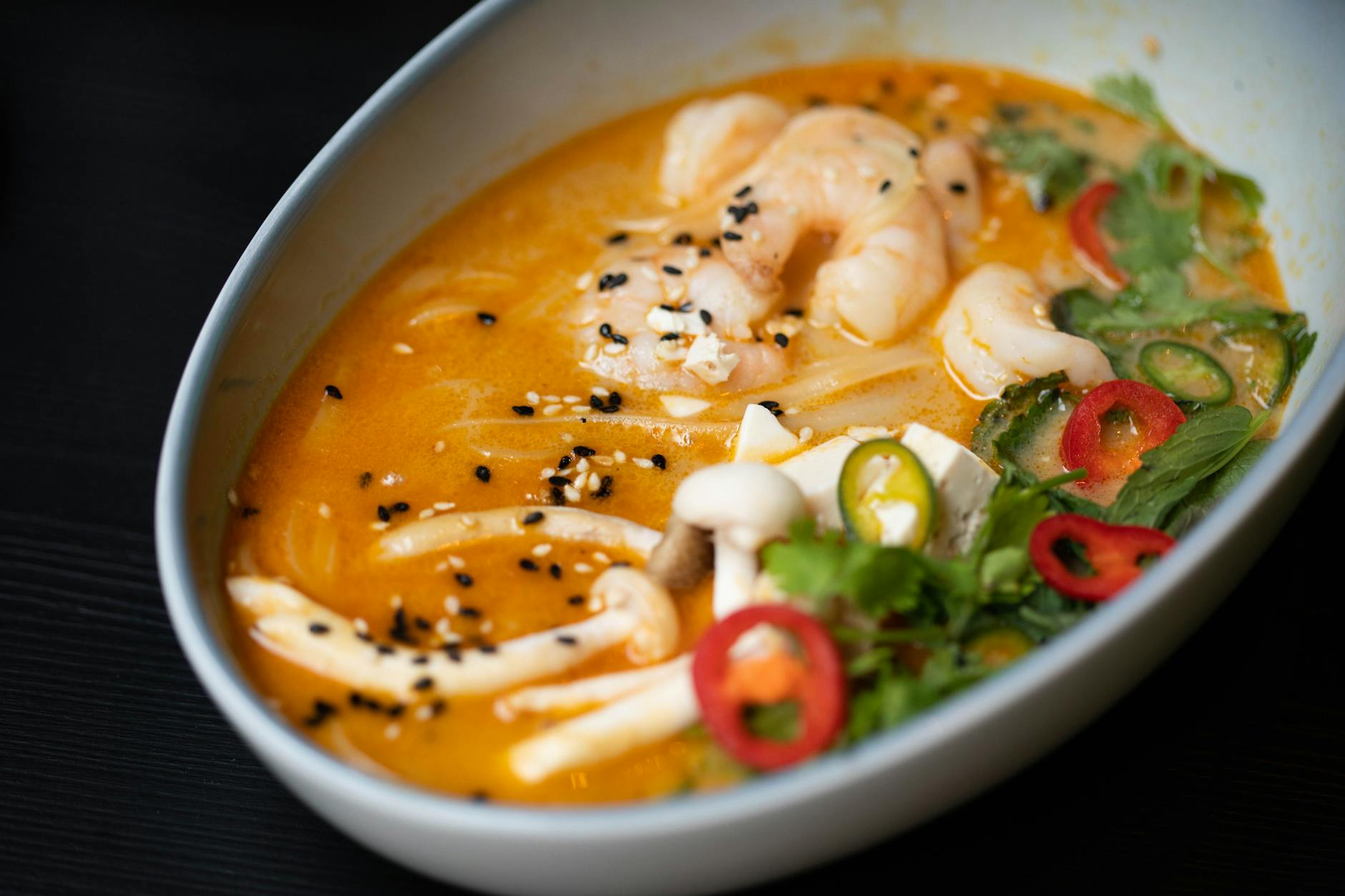
Japanese cuisine relies heavily on this thick paste made from fermented soybeans and salt and koji starter. It adds a rich umami flavor to soups and glazes while delivering a potent amount of protein and essential minerals. The fermentation duration can range from a few weeks to several years and results in colors varying from white to deep brown. Adding miso to dishes just before serving preserves the live probiotic activity that boiling water might otherwise neutralize.
Kombucha

Sweetened black or green tea undergoes fermentation with a symbiotic colony of bacteria and yeast to produce this effervescent beverage. It contains organic acids and antioxidants that may help detoxify the liver and protect the body against oxidative stress. The slightly vinegary taste is often balanced with fruit juices or herbs to create refreshing flavor combinations. Commercial brands adhere to strict alcohol regulations to ensure the product remains non-intoxicating and suitable for general consumption.
Tempeh

Whole soybeans are soaked and cooked and fermented to create this firm cake with a nutty and earthy flavor profile. It retains the whole bean which provides a higher fiber and protein content compared to processed soy products like tofu. The fermentation process reduces the phytic acid found in soybeans and makes minerals like iron and zinc more absorbable. It serves as a versatile meat substitute that holds its shape well in stir-fries and sandwiches.
Natto
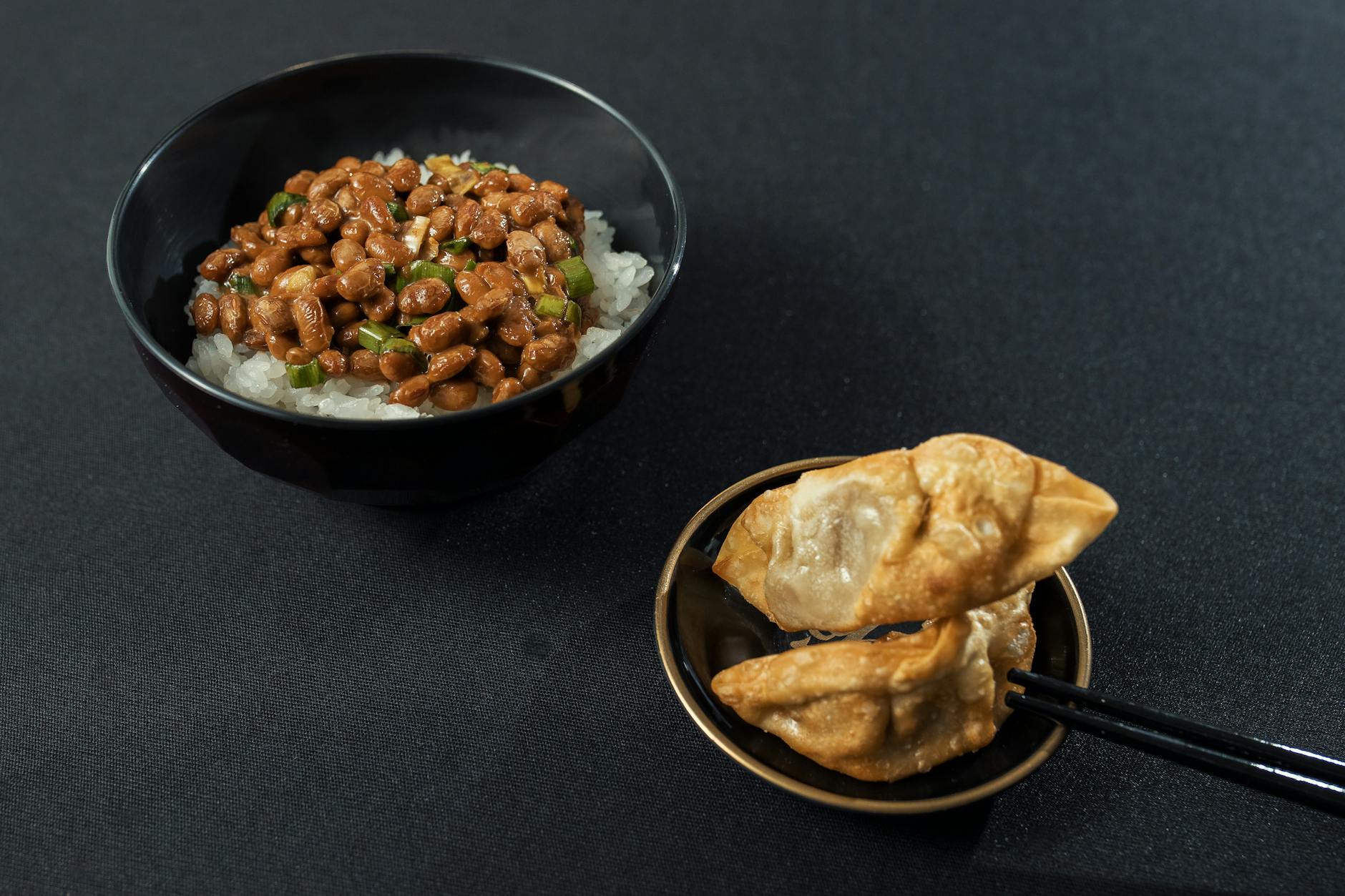
Sticky and stringy fermented soybeans define this traditional Japanese breakfast food known for its pungent aroma and acquired taste. It is exceptionally rich in vitamin K2 which plays a crucial role in bone health and cardiovascular maintenance. The fermentation process produces an enzyme called nattokinase that may help dissolve blood clots and improve circulation. Serving it with rice and green onions and soy sauce helps balance the strong flavor and slimy texture.
Fermented Pickles

Cucumbers submerged in saltwater brine undergo lacto-fermentation to become crunchy and sour pickles without the use of vinegar. This traditional method preserves vitamins and generates probiotics that support a healthy digestive tract. Shoppers should look for cloudy brine in the refrigerated section as a sign of live bacterial activity. The electrolytes found in the juice can also help replenish hydration levels after intense physical activity.
Apple Cider Vinegar

Crushed apples combined with yeast and bacteria create this acidic liquid often used in salad dressings and marinades. It contains strands of proteins and enzymes and beneficial bacteria known as the mother which settles at the bottom of the bottle. Some studies suggest it may help improve insulin sensitivity and lower blood sugar levels after meals. Diluting a small amount in water protects tooth enamel while allowing for safe daily consumption.
Sourdough Bread
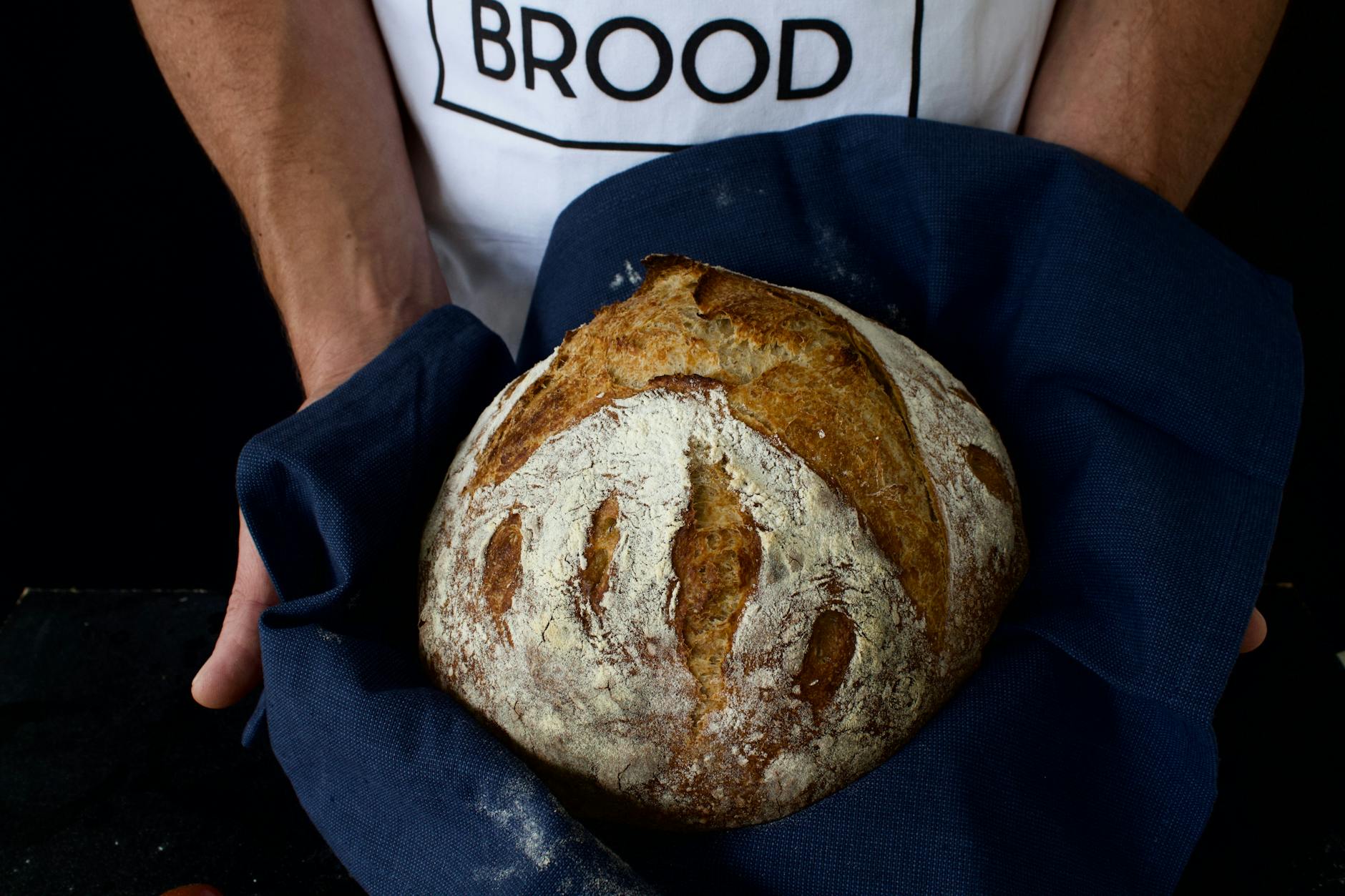
Wild yeast and naturally occurring lactobacilli leaven this bread and give it a characteristic tangy flavor and chewy texture. The long fermentation process breaks down gluten and phytic acid which makes it easier to digest than conventional yeast breads. It has a lower glycemic index that leads to more stable blood sugar levels and sustained energy. The prebiotic fiber found in the flour feeds beneficial gut bacteria even after the baking process kills live cultures.
Traditional Buttermilk

Traditional buttermilk is the liquid left behind after churning butter while cultured buttermilk is fermented milk with a tangy taste. It is lower in fat than regular milk but remains rich in calcium and vitamin B12 and riboflavin. Bakers often use it to create tender baked goods because the acid reacts with baking soda to produce carbon dioxide. Drinking it raw provides probiotics that help coat the stomach and ease digestive discomfort.
Raw Aged Cheese
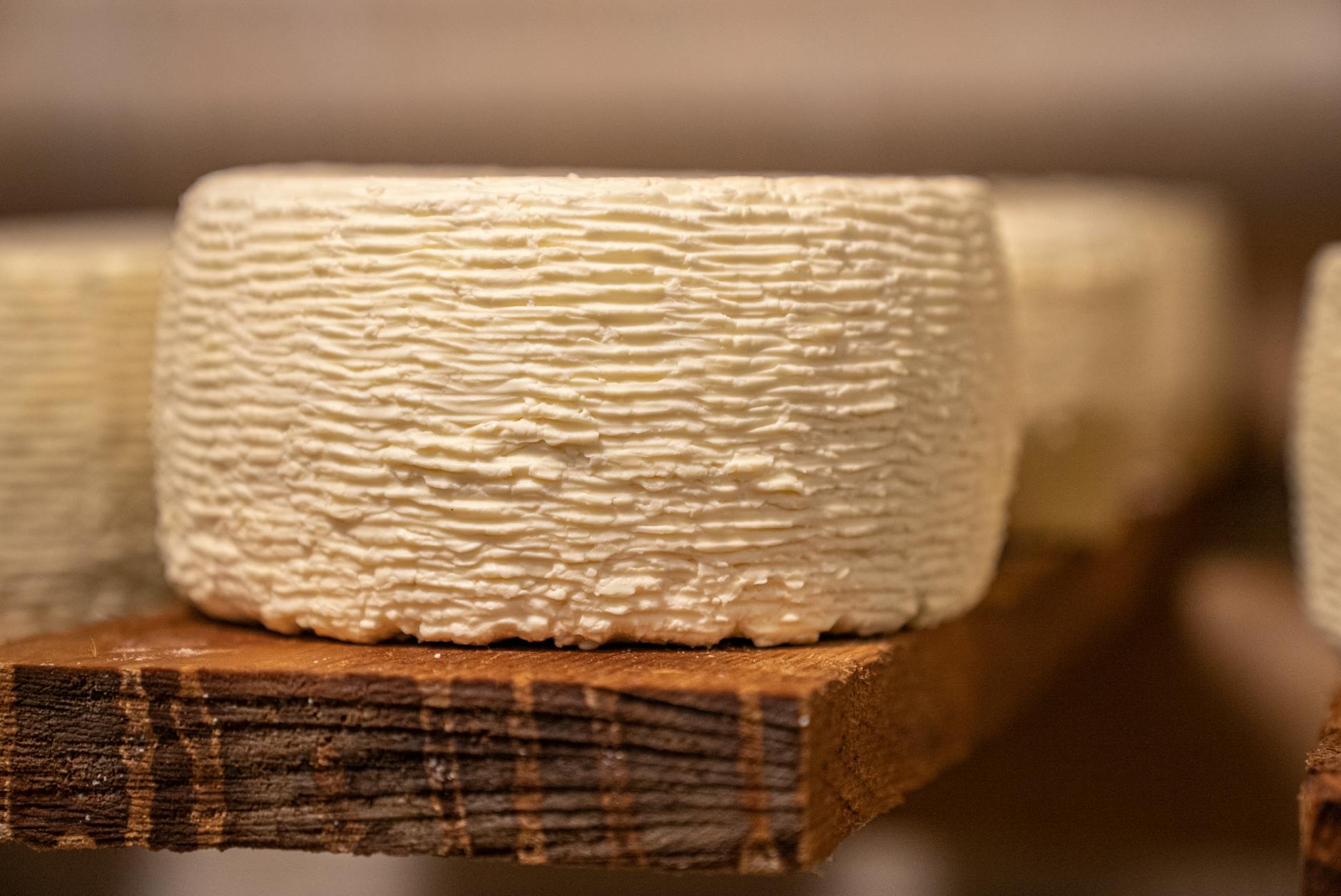
Certain cheeses like Gouda and Cheddar and Swiss are aged in ways that preserve beneficial bacteria naturally found in the milk. The lack of pasteurization ensures that the enzymes and probiotics remain active to support gut diversity. These cheeses provide high-quality protein and healthy fats along with essential nutrients like calcium and phosphorus. Consuming these in moderation contributes to a balanced diet without overwhelming the digestive system.
Kvass
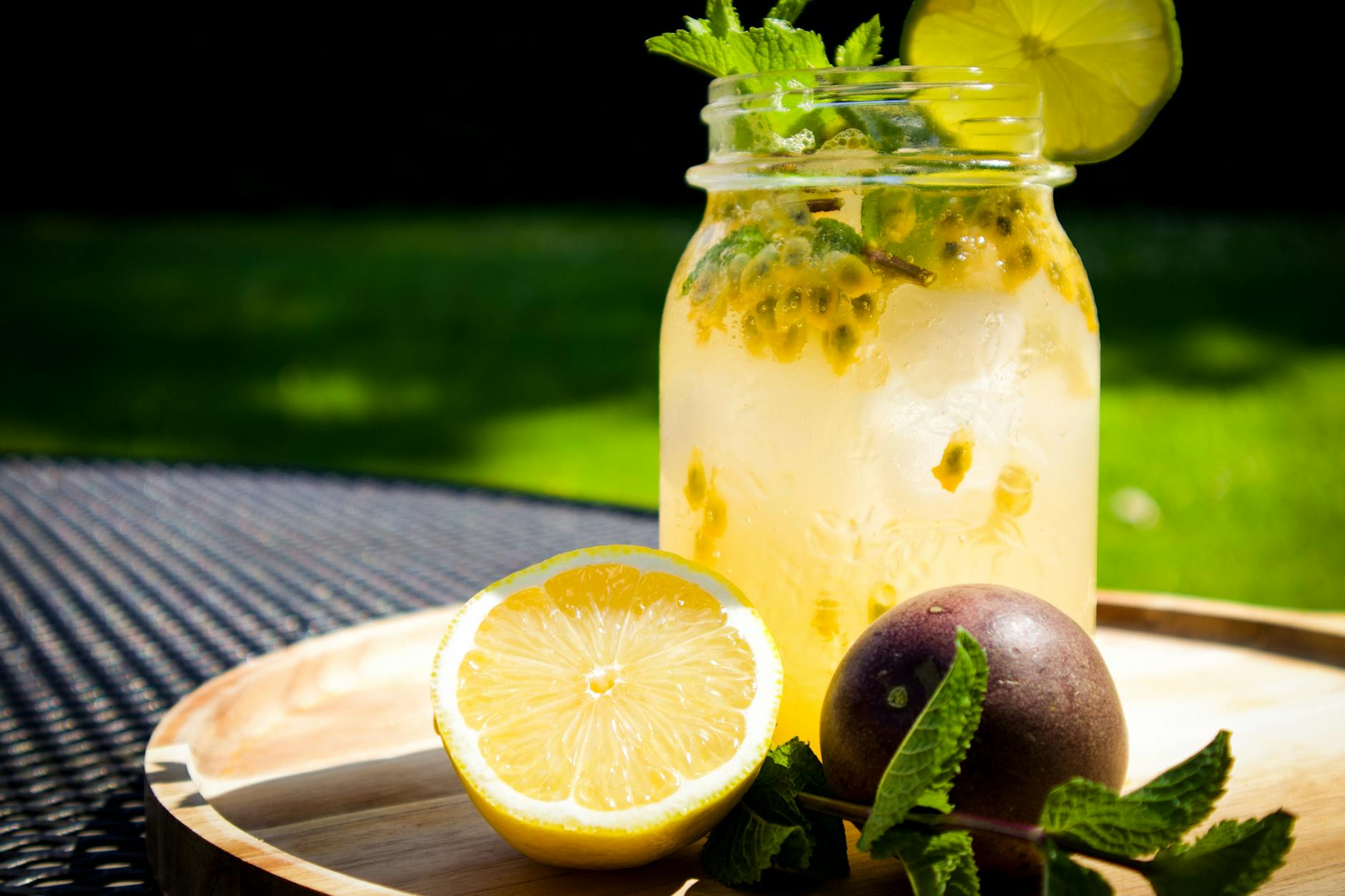
This traditional Slavic beverage is typically made from fermented rye bread and flavored with fruits or herbs like mint and strawberries. It has a low alcohol content and a distinctively sour taste that resembles a non-alcoholic beer or malt drink. The fermentation process produces B vitamins and beneficial bacteria that cleanse the liver and support blood health. Beet kvass is a popular variation that offers additional nitrates to improve blood flow and stamina.
Tell us which fermented food is your favorite addition to your daily meals in the comments.




