Preparing a home for the colder months requires a thorough inspection of the building envelope to ensure maximum heat retention. Windows serve as a primary barrier against freezing temperatures but can become a major source of energy loss as they age. Ignoring the warning signs of failure often leads to uncomfortable drafts and significantly higher heating bills throughout the season. Identifying these issues early allows homeowners to schedule necessary upgrades before the harsh weather arrives. The following indicators suggest that the current windows are no longer performing effectively.
Noticeable Drafts Near The Frame
You might feel a distinct chill or breeze when standing close to your windows on a windy day. This sensation indicates that the seals have failed or the insulation is no longer functioning correctly. Air moving freely from the outside into your home forces your heating system to work much harder. Ignoring these drafts leads to uncomfortable cold spots throughout your living areas during the winter months. Replacing these drafty units seals the thermal envelope of your home efficiently.
Condensation Between Glass Panes
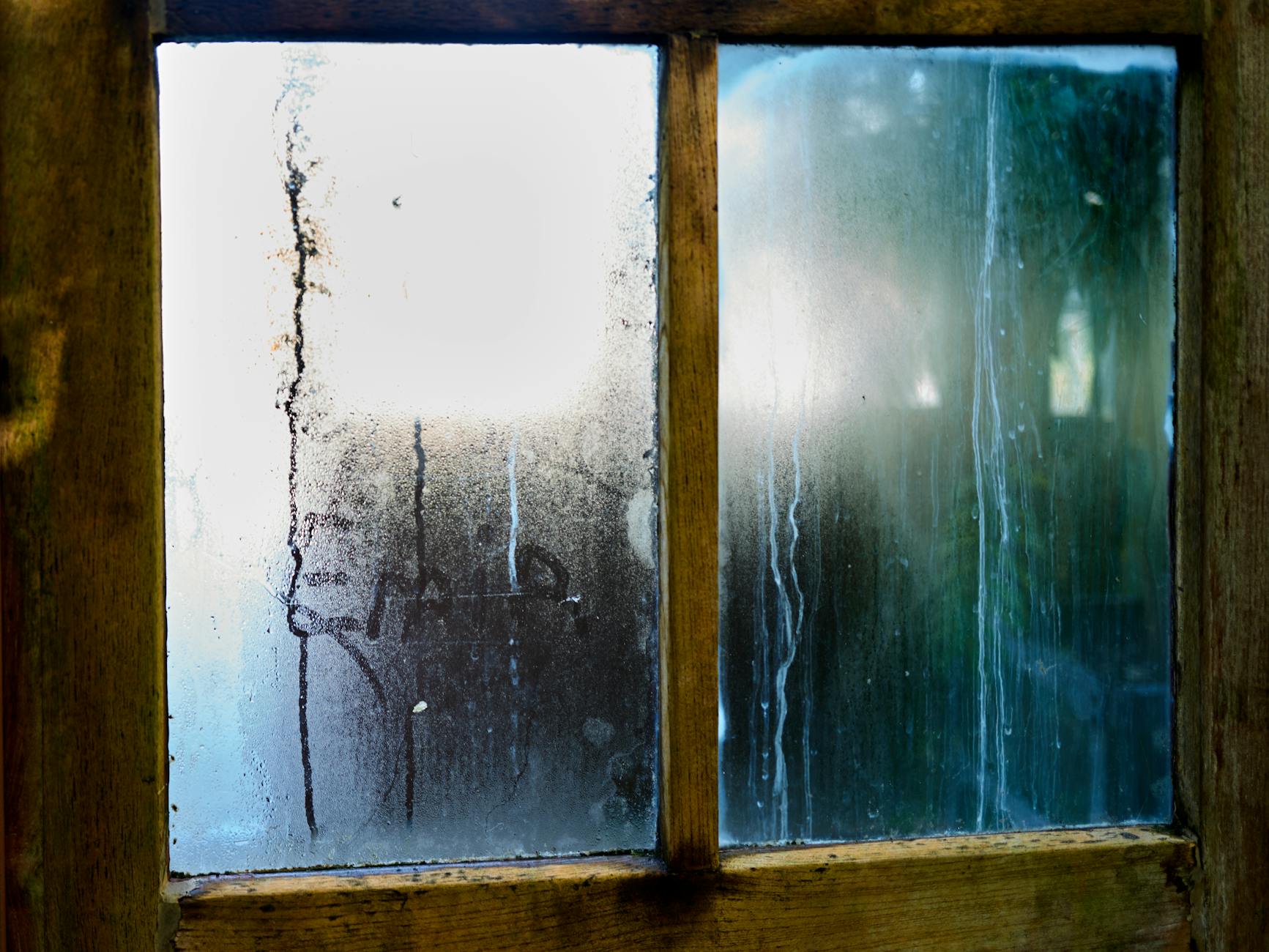
Moisture appearing inside the space between double or triple pane windows signals a broken seal. This fog or frost cannot be wiped away from the inside or outside surfaces. The insulating gas that was once trapped between the layers has escaped and rendered the window inefficient. Thermal performance drops significantly once this barrier is compromised by seal failure. New windows restore the clarity and insulation capability required for freezing temperatures.
Unexpected Increases In Heating Costs
A sudden spike in your monthly utility statement often points to poor home insulation. Your furnace consumes more fuel to maintain a comfortable temperature when heat escapes through old windows. Comparing your current heating bills to the same months from previous years reveals this costly trend. Inefficient glass and frames are frequently the primary culprits for energy loss in older homes. Upgrading to energy-efficient models reduces the financial strain of keeping your house warm.
Difficulty Opening Or Closing Sashes
Windows that stick or require excessive force to operate often suffer from balance issues or warped frames. Swollen wood or rusted hardware prevents the sashes from sliding smoothly along the tracks. A window that cannot close completely poses a significant security risk and allows heat to escape. You may find yourself propping them open or struggling to lock them securely. Functional windows operate effortlessly and seal tightly to keep the winter weather outside.
Excessive Outside Noise Infiltration
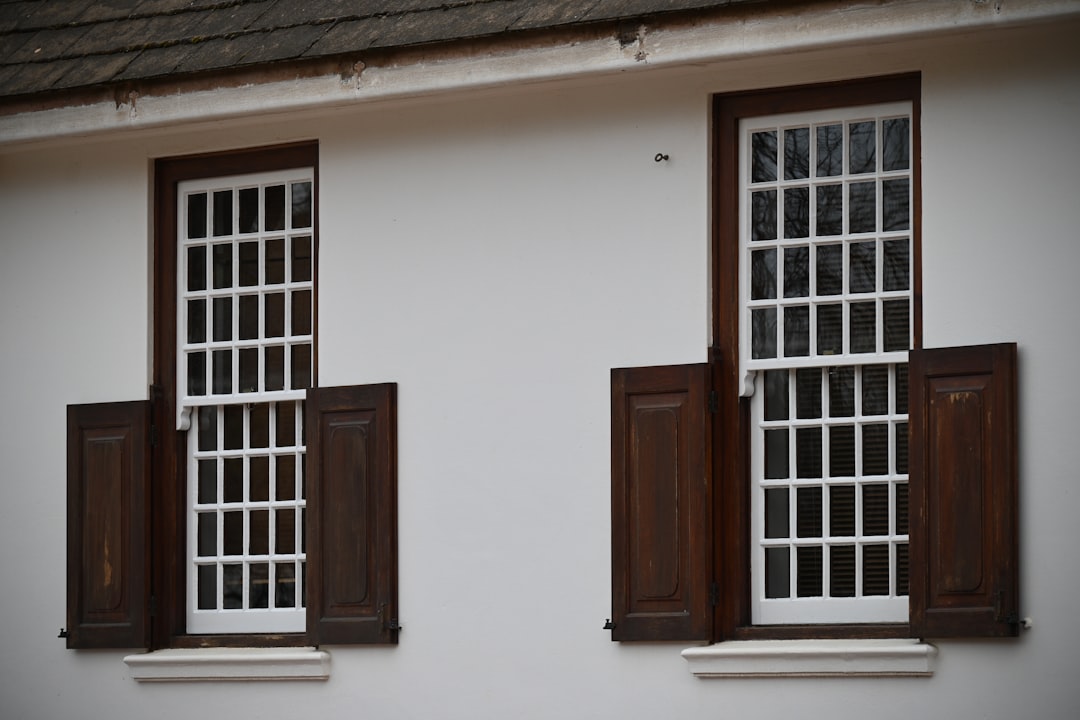
Hearing clearly defined sounds from the street while your windows are closed suggests poor soundproofing. Single pane glass or substantial gaps in the frame allow acoustic vibrations to travel easily into your home. Modern windows with multiple panes and inert gas fills provide a much quieter indoor environment. Improved sound dampening is a secondary benefit that accompanies the thermal upgrades needed for winter. Peace and quiet become much easier to achieve with a properly sealed home.
Visible Decay Or Water Damage

Rotting wood frames or sills indicate that moisture has penetrated the structural material over time. You might notice soft spots or crumbling areas when probing the wood with a screwdriver. This type of damage compromises the structural integrity of the window opening. Mold growth often accompanies this decay and introduces potential health irritants into your living space. Replacing the entire unit prevents the moisture damage from spreading to the surrounding walls.
Existing Single Pane Glass
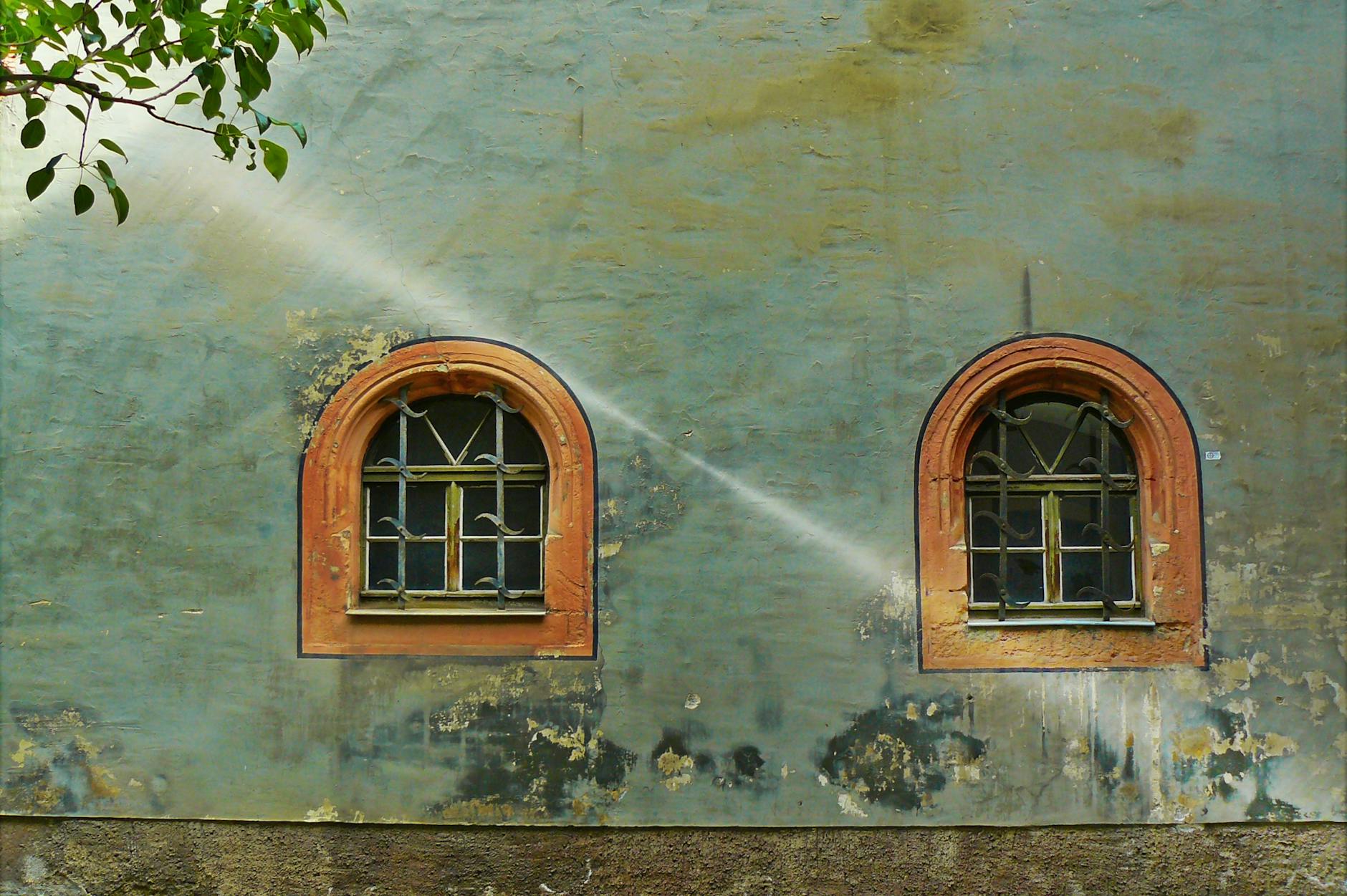
Older homes often retain their original windows consisting of just one layer of glass. This outdated design lacks the insulating barrier provided by modern double or triple pane units. Heat transfers rapidly through a single sheet of glass and leaves your interior rooms feeling cold. Frost builds up quickly on the interior surface during freezing nights. Updating to multi-pane glazing is one of the most effective ways to improve energy efficiency.
Fading Carpet And Furniture
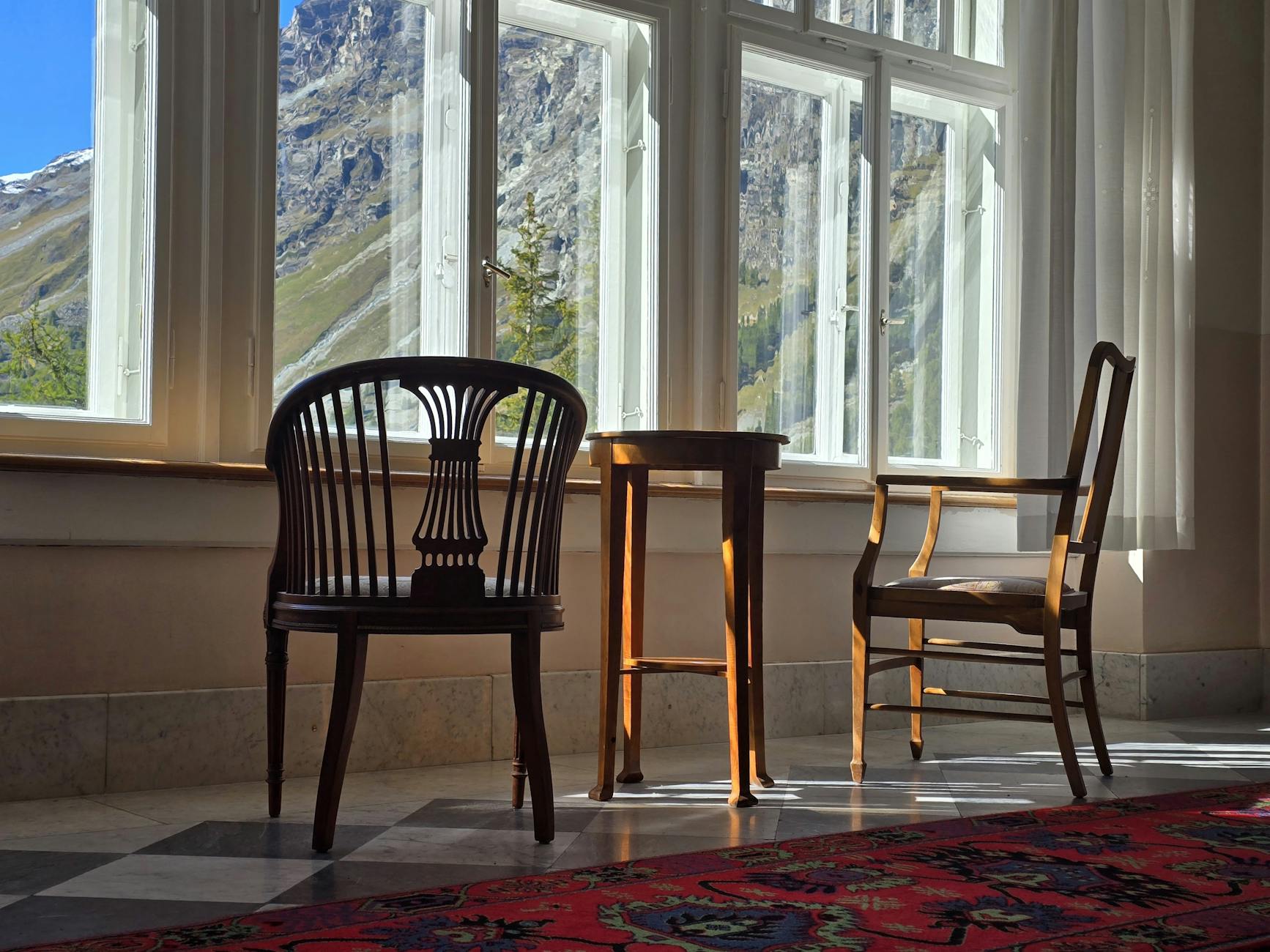
Ultraviolet rays passing through inefficient glass cause fabrics and flooring to lose their color. You might see distinct outlines on your rugs where furniture has blocked the sunlight. Modern Low-E glass coatings block these harmful rays while still admitting visible light. Protecting your interior investments from sun damage requires windows with proper UV filtration. Replacing clear glass with treated options preserves the vibrancy of your home decor.
Water Leaking During Rainstorms

Pooling water on the sill or floor after a heavy rain indicates a failure in the flashing or seals. Moisture intrusion leads to serious issues like mold growth and structural rot within the walls. This problem rarely resolves itself and usually worsens with each subsequent storm. A tight seal against precipitation is essential before snow and ice begin to accumulate. Addressing leaks immediately prevents costly repairs to your drywall and flooring.
Chips Or Cracks In The Glass
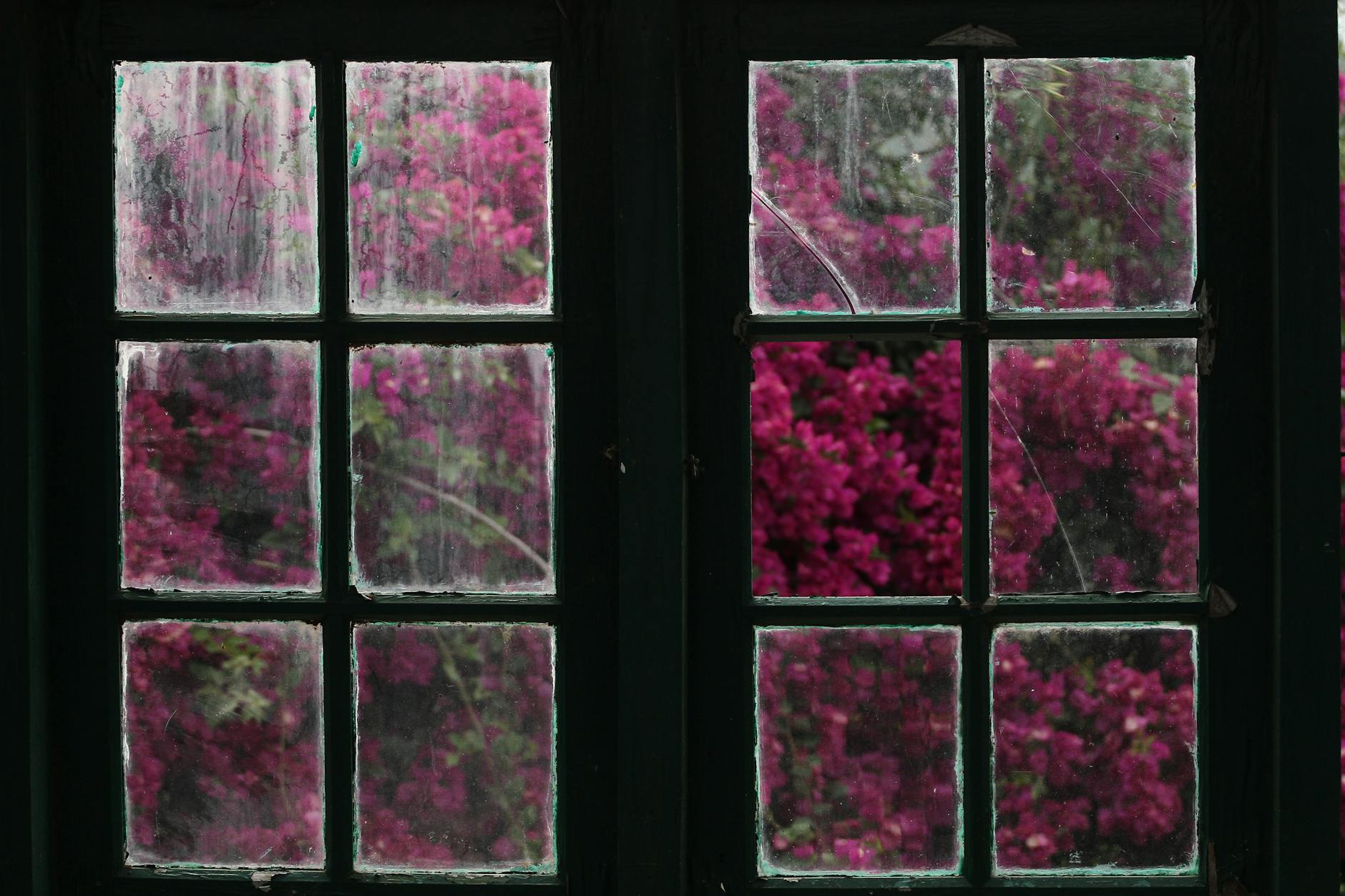
Physical damage to the glass pane creates an immediate weakness in the thermal barrier. Even small stress cracks allow air to pass through and weaken the overall structure of the window. Temperature fluctuations during winter cause these cracks to expand and potentially shatter. Insects and moisture find easy entry points through these compromised areas. Installing a new unit ensures the safety and insulation of the opening.
Cracked Or Missing Caulk
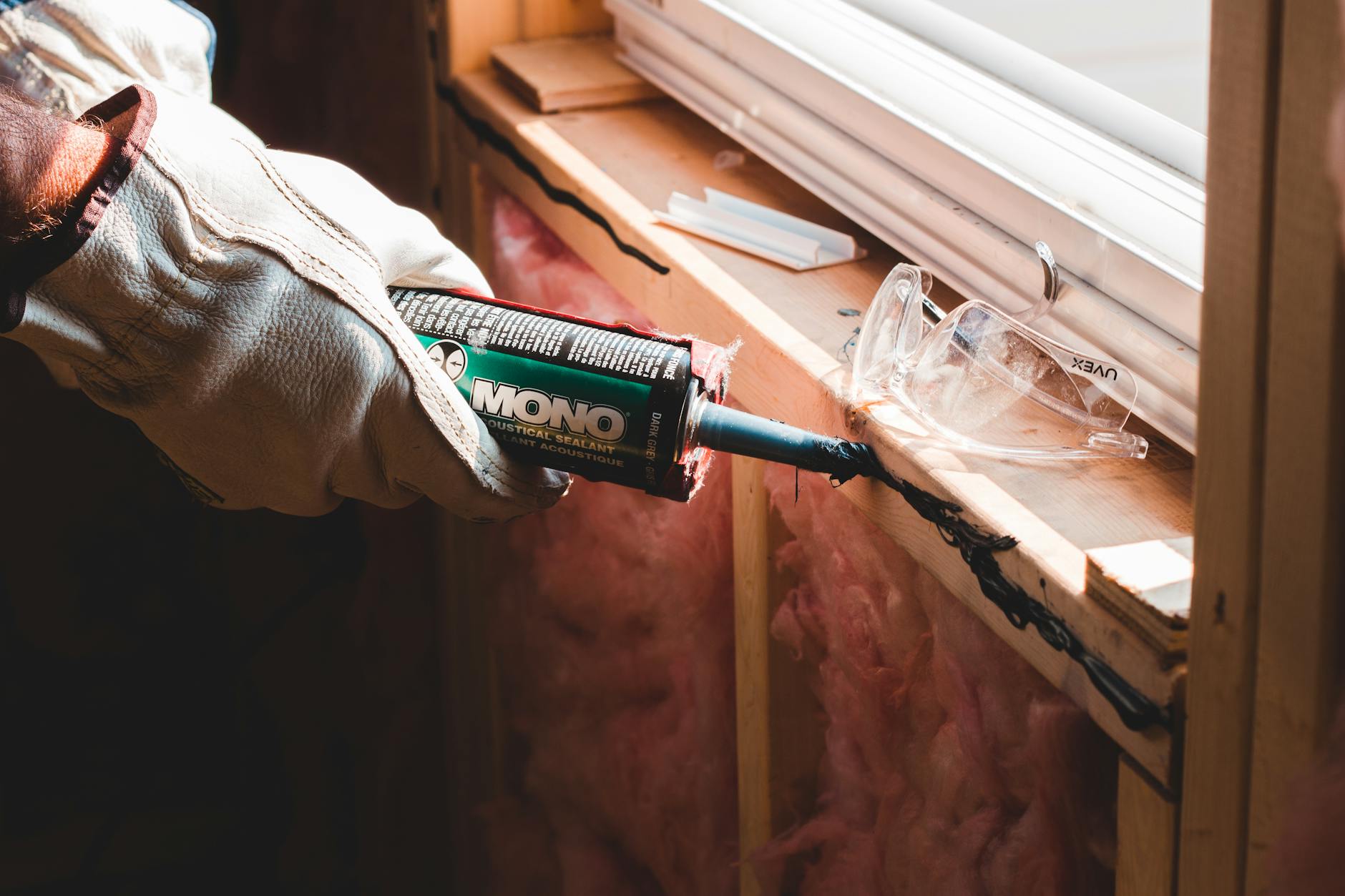
The sealant around the exterior perimeter of the window frame prevents drafts and water entry. Over time this material dries out and becomes brittle or falls away completely. Gaps in the caulking allow cold air to bypass the frame and enter the wall cavity. Inspecting the exterior reveal usually highlights these areas of failure. Fresh caulking helps temporarily but replacement ensures a permanent watertight integration.
Warped Or Bowed Frames
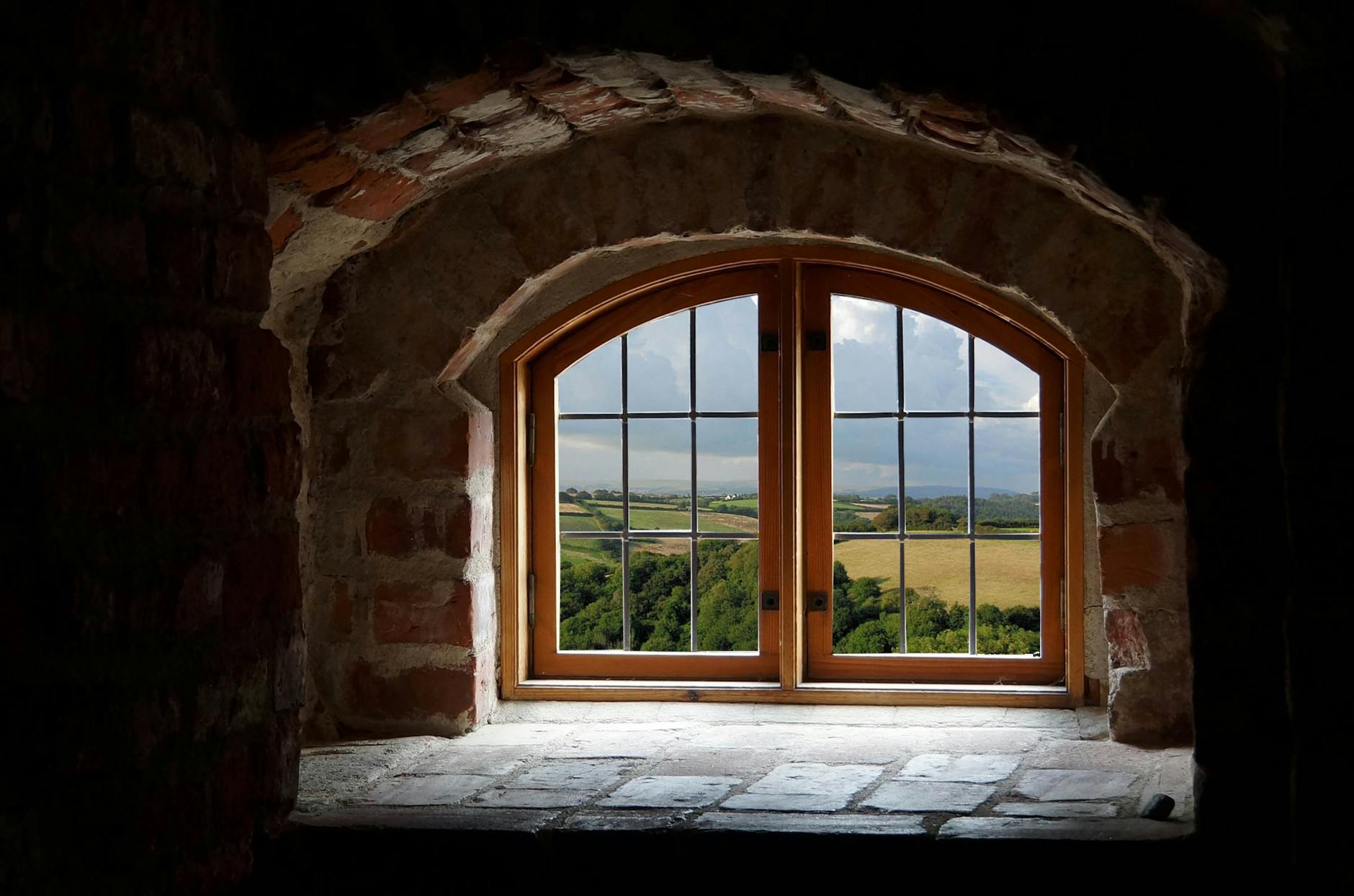
Exposure to fluctuating temperatures and moisture causes some materials to bend out of shape. You might notice a gap between the sash and the frame that prevents a tight seal. This warping makes it impossible to lock the window securely or stop air infiltration. Wooden and vinyl frames are both susceptible to this distortion over many years. New windows constructed with composite materials resist this type of movement.
Glass Feels Ice Cold To The Touch
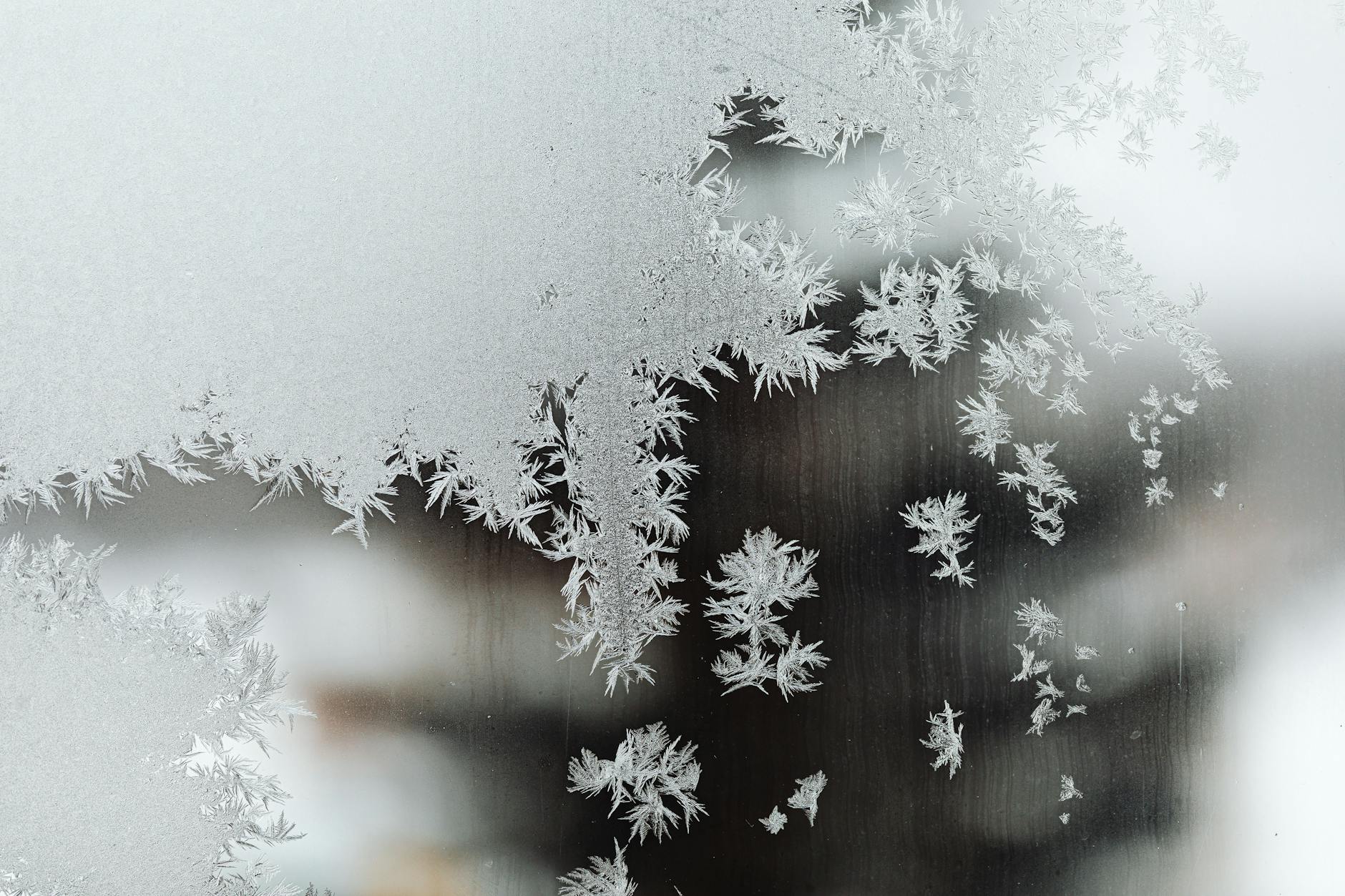
Touching the interior surface of your window on a cold day reveals its insulating capacity. If the glass feels nearly as cold as the outside air then it is transferring heat poorly. This phenomenon creates convection currents that make the room feel drafty even without air leaks. High-performance windows maintain a warmer interior surface temperature. A warmer interior pane improves overall comfort levels near the exterior walls.
Windows Are Over Twenty Years Old
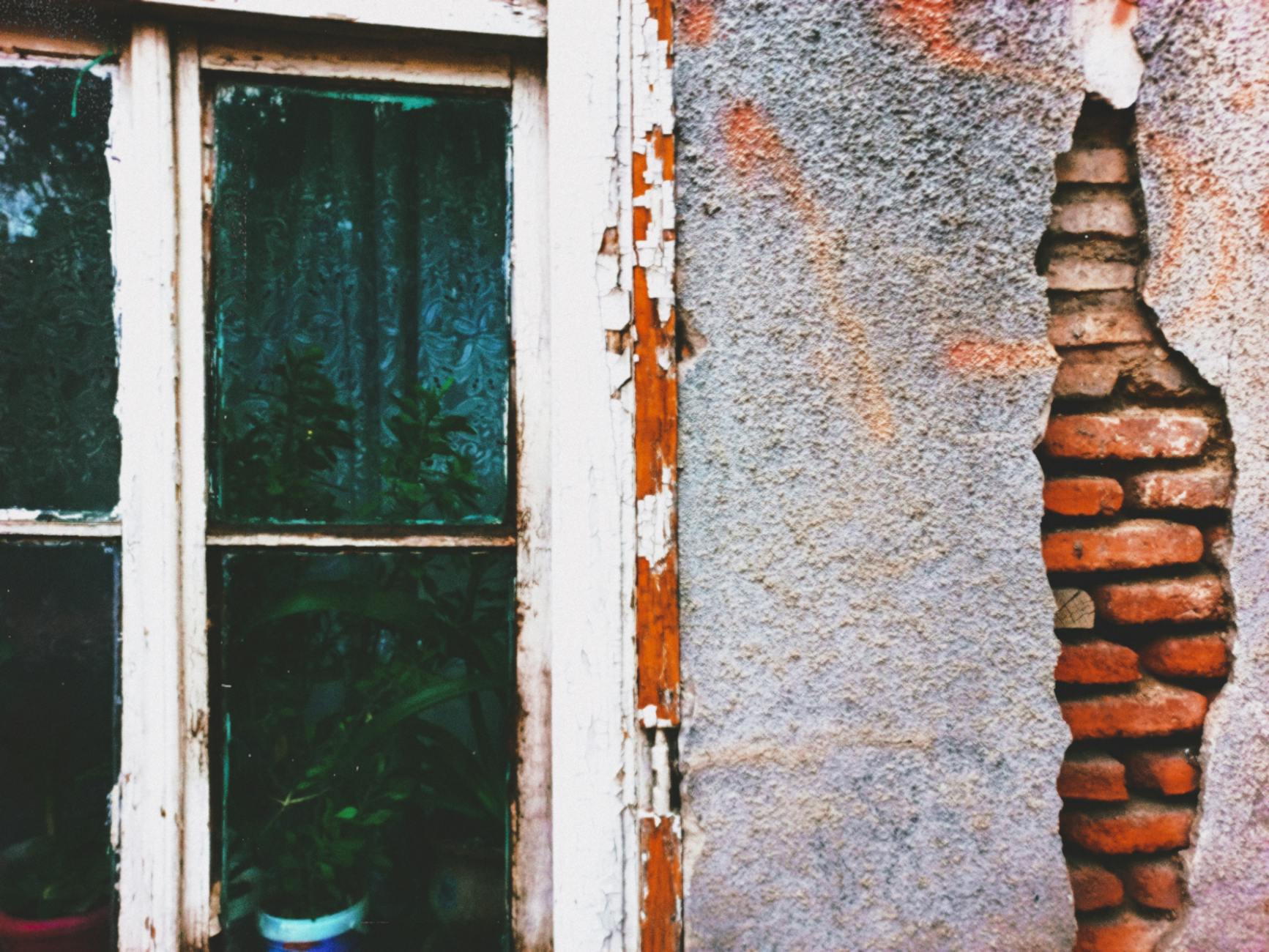
Window technology has advanced significantly in the last two decades regarding energy efficiency. Units installed more than twenty years ago likely lack Low-E coatings and argon gas fills. The materials used in older seals degrade naturally and lose their effectiveness. Manufacturers design modern windows to last longer and perform better in extreme weather. Planning an upgrade based on age helps you avoid failure during the middle of winter.
Broken Or Malfunctioning Locks
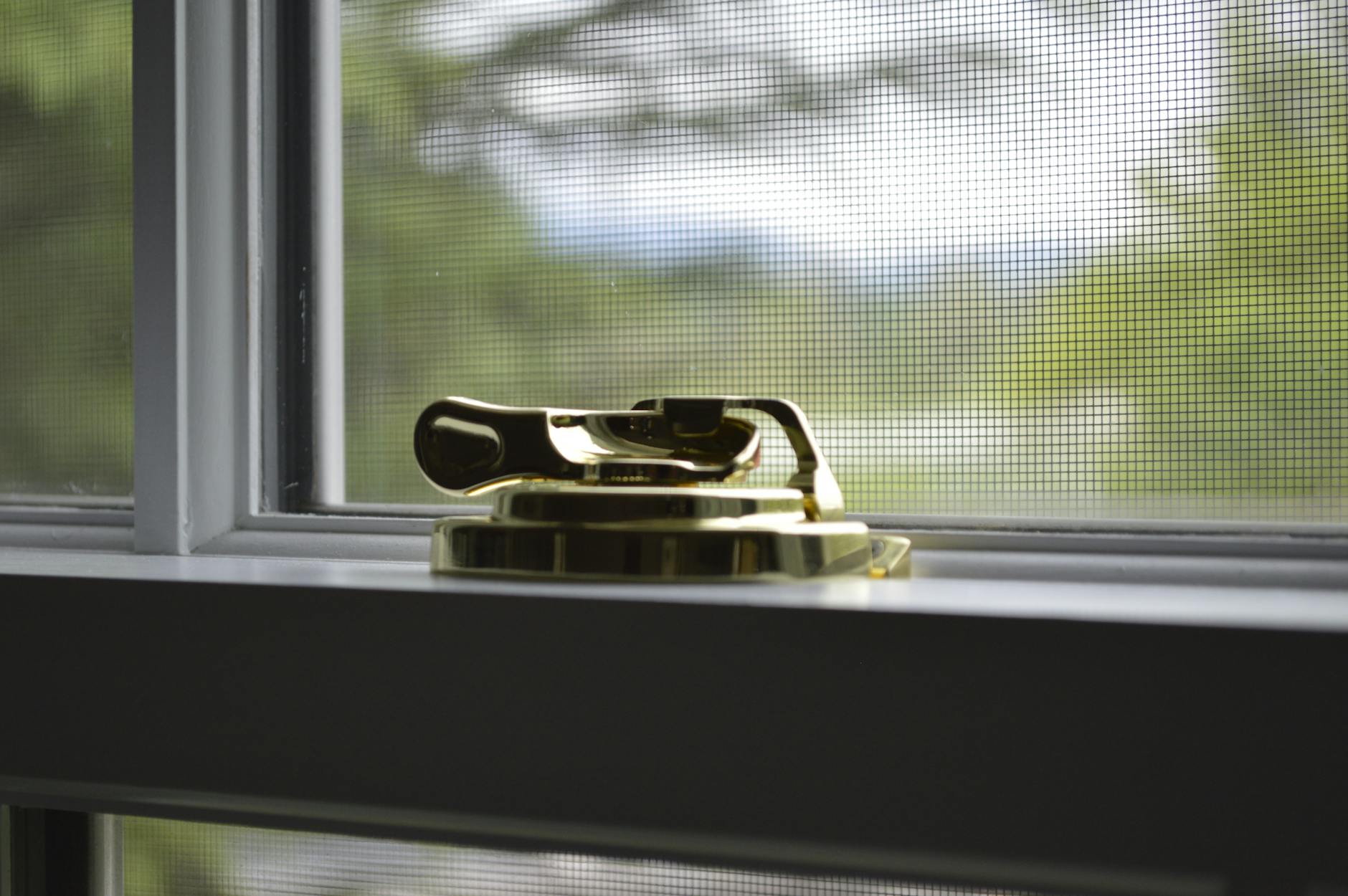
Hardware failures prevent the window from pulling the sashes tightly together. A lock that spins loosely or refuses to engage compromises both security and thermal performance. The locking mechanism acts as a clamp to compress the weatherstripping against the frame. Inoperable latches leave the window vulnerable to being forced open from the outside. Replacement ensures your home remains secure and sealed against the elements.
Excessive Interior Condensation
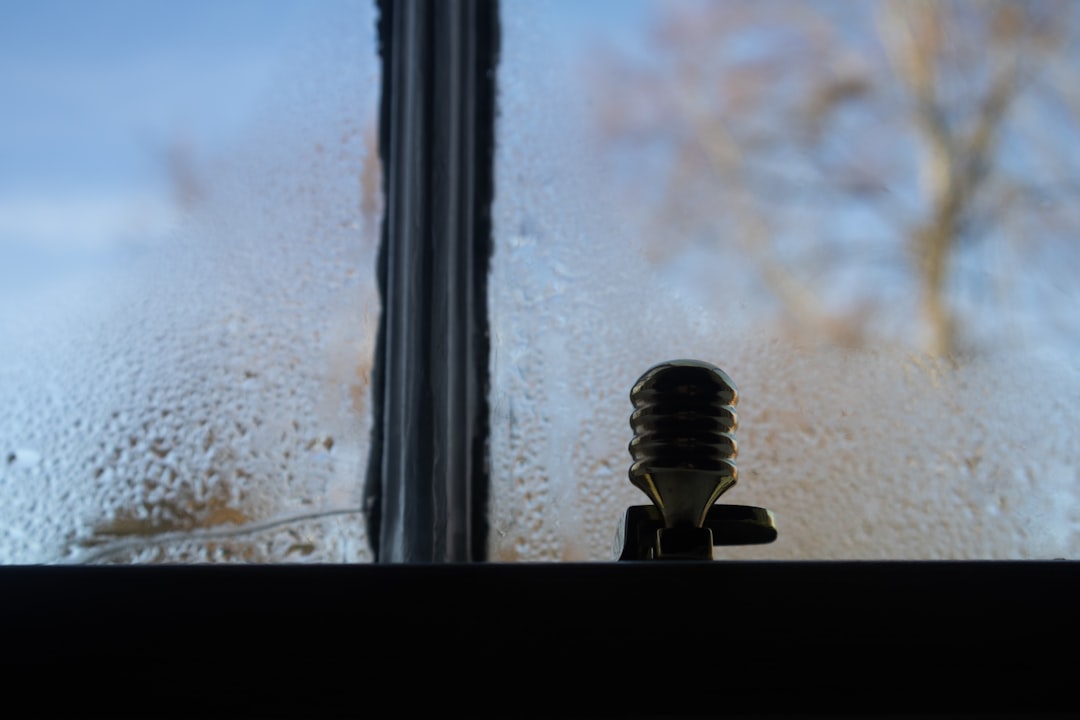
Heavy sweating on the inside of the glass signals that the window surface is too cold. This moisture runs down the pane and damages the wood sash or sill over time. While humidity levels in the home play a role the window itself is often the problem. Better insulation keeps the glass warmer and reduces the dew point effect. Mitigating this moisture prevents mold growth on the surrounding trim.
Reliance On Old Storm Windows
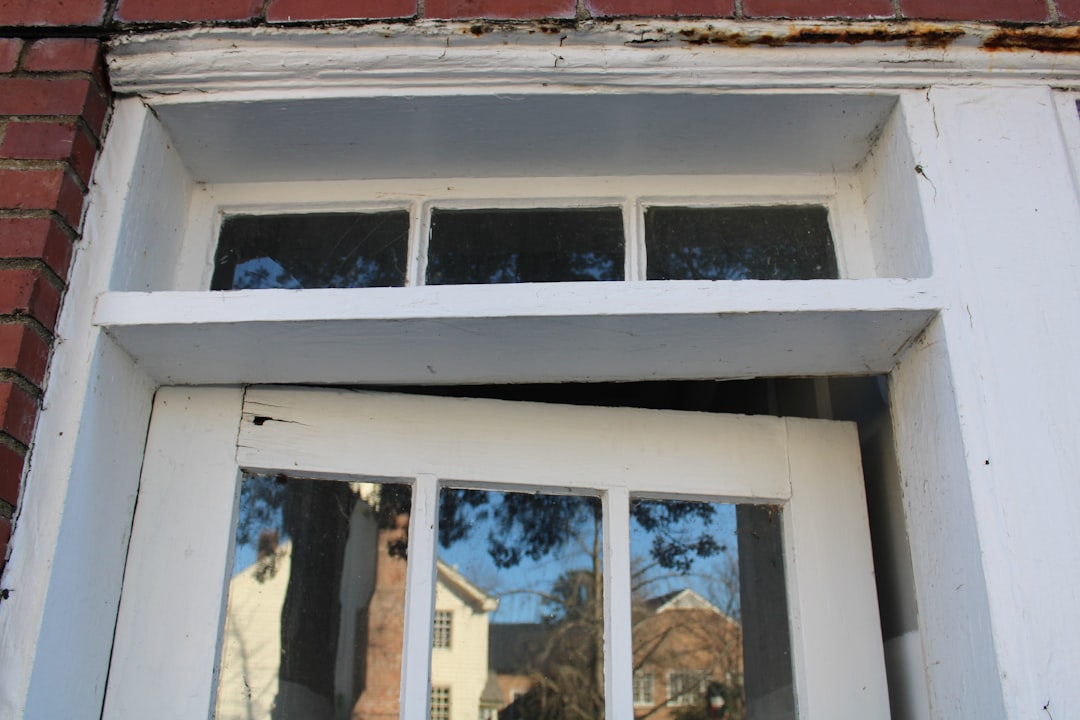
Needing to install and remove storm windows seasonally indicates your primary windows are insufficient. These secondary exterior units are often cumbersome and difficult to clean. They provide an extra layer of protection but fail to match the efficiency of modern integrated units. Eliminating the chore of swapping storm windows saves time and storage space. Replacement windows offer superior performance without the hassle of a second layer.
Sashes Painted Shut
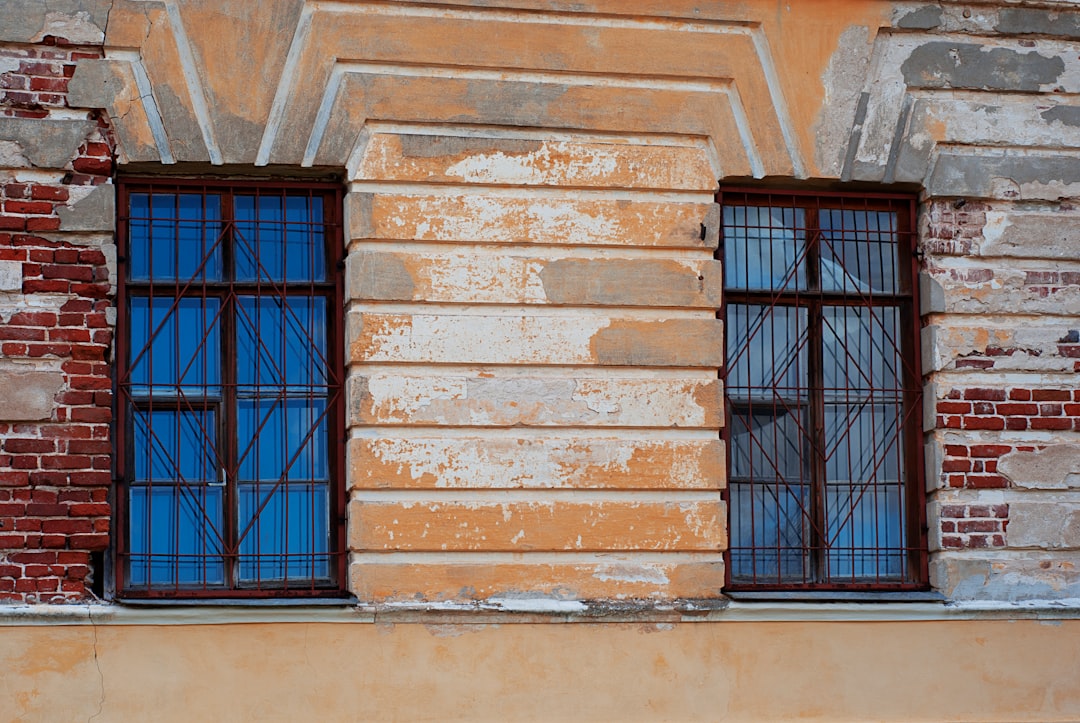
Previous homeowners may have painted over the moving parts of the window and sealed it permanently. This removes the ability to ventilate the room or use the window as an emergency exit. Trying to force these open often damages the frame or breaks the glass. A window that cannot open serves only as a fixed light source. Restoring functionality usually requires a complete replacement of the unit.
Outdated Style And Curb Appeal
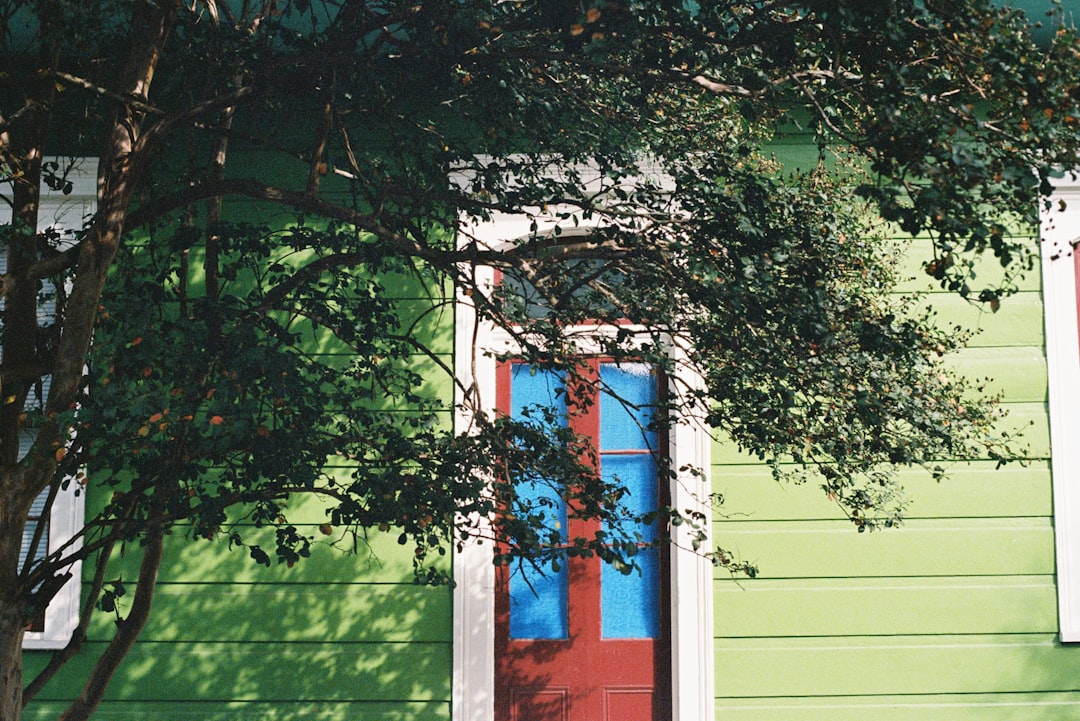
Old windows often detract from the visual aesthetic of your home exterior. Faded colors or peeling paint make the property look neglected and aged. Modern options offer a wide variety of finishes and grille patterns to suit any architecture. Updating the fenestration transforms the look of the house dramatically. New windows increase the resale value and pride of ownership.
Replacement Parts Are Unavailable
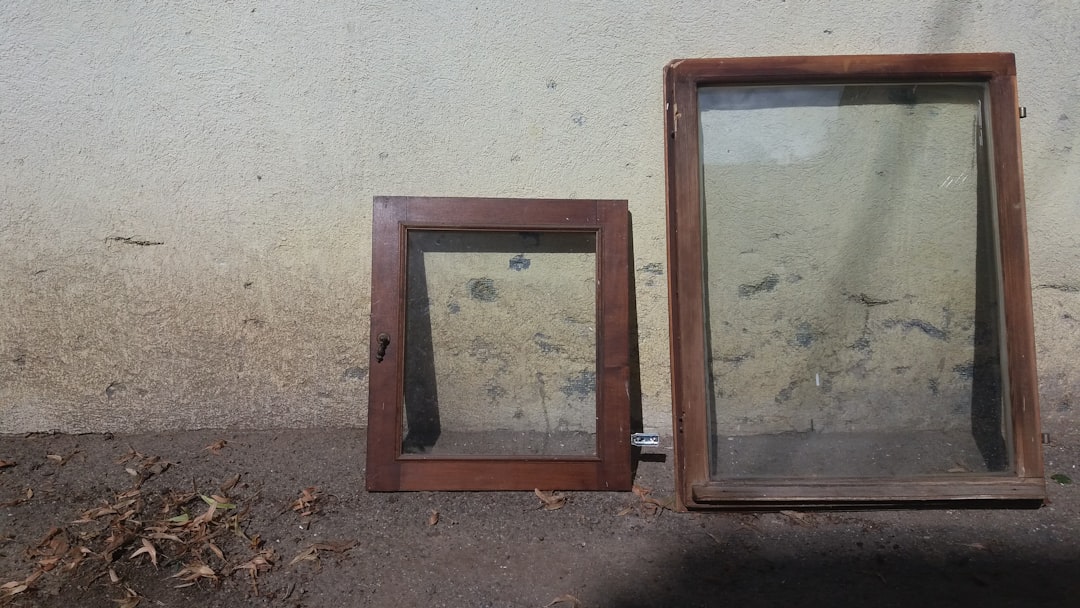
Finding hardware for obsolete window models becomes impossible after a certain number of years. You cannot repair a broken balance or latch if the manufacturer no longer exists. Makeshift repairs rarely restore full functionality or energy efficiency to the unit. Relying on duct tape or temporary fixes is not a sustainable long-term solution. Installing current models ensures that warranty support and parts remain accessible.
Tell us which of these signs you have noticed in your own home by leaving a message in the comments.




