Exploring the world of rare produce offers a delightful adventure for the palate and a feast for the eyes. Many local markets and specialized grocery stores now stock fascinating varieties that go far beyond apples and bananas. These botanical treasures provide unique flavors and impressive health benefits that can elevate your daily diet. Incorporating these colorful gems into your routine adds a touch of excitement to ordinary meals.
Mangosteen
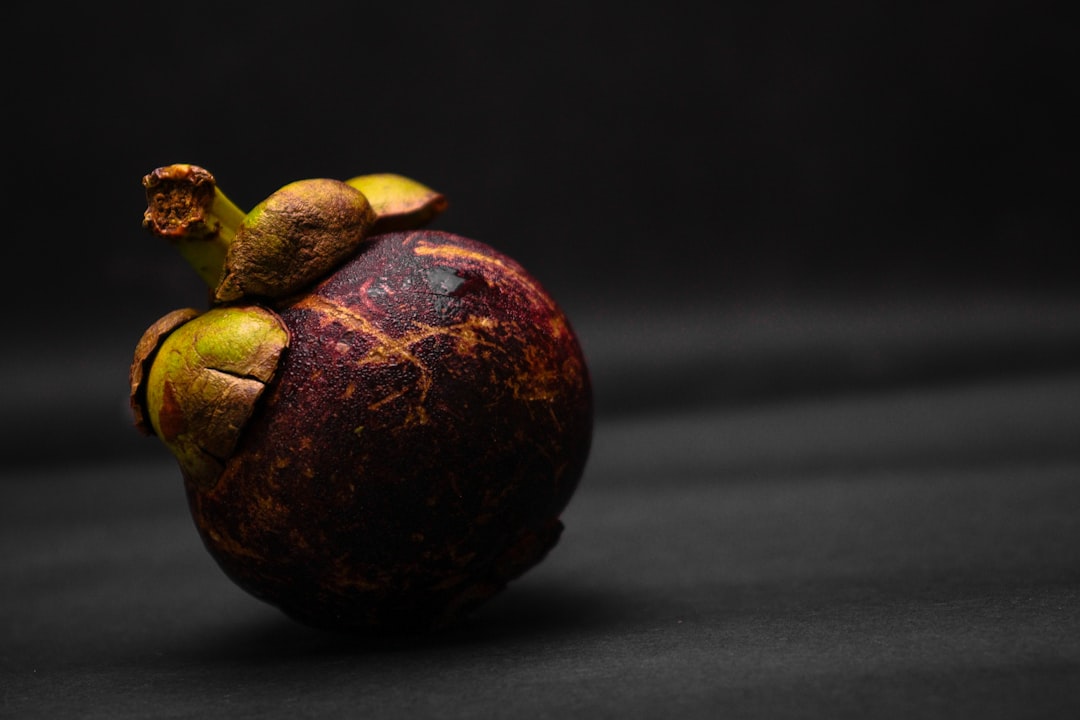
This tropical fruit is often called the queen of fruits due to its sweet and tart flavor profile. The thick purple rind protects soft and juicy white flesh that melts in your mouth. You can eat the segments fresh or add them to fruit salads for a refreshing twist. It grows primarily in Southeast Asia and is prized for its high antioxidant content. A single pound usually costs around ten dollars in specialty American markets.
Rambutan
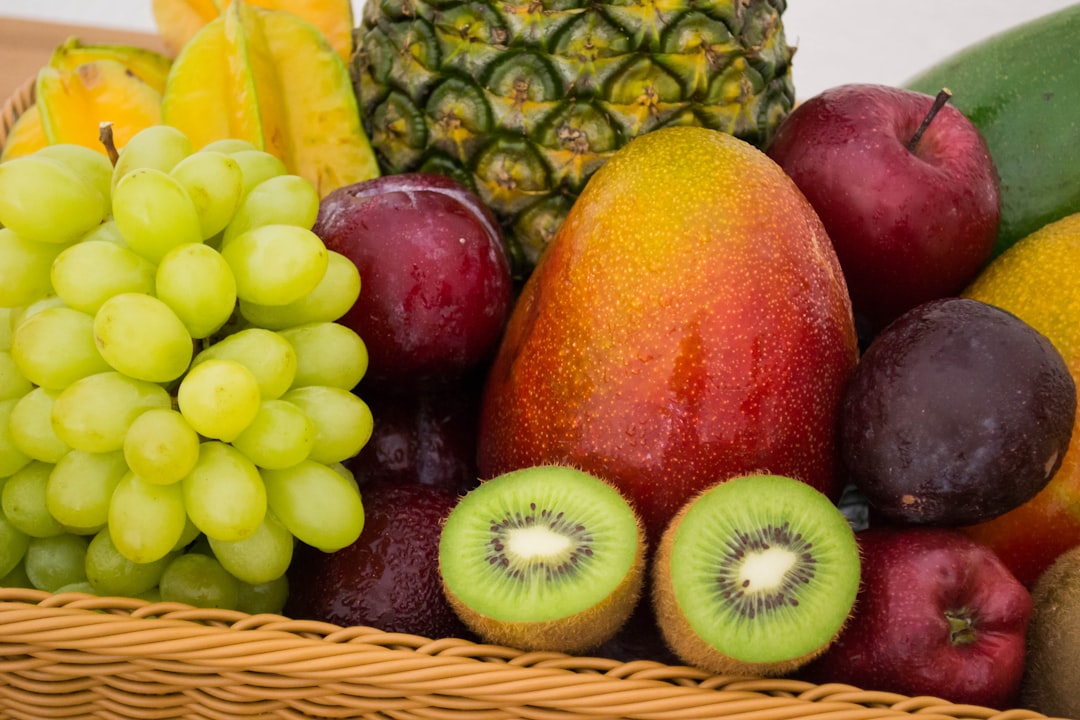
The hairy red exterior of this fruit makes it instantly recognizable in produce sections. Once you peel away the skin you reveal a translucent fruit with a grape texture. The flavor is sweet and creamy with a slight floral note that distinguishes it from lychee. It is rich in vitamin C and copper which supports healthy energy levels. You should serve these chilled for the best tasting experience during hot summer months.
Horned Melon
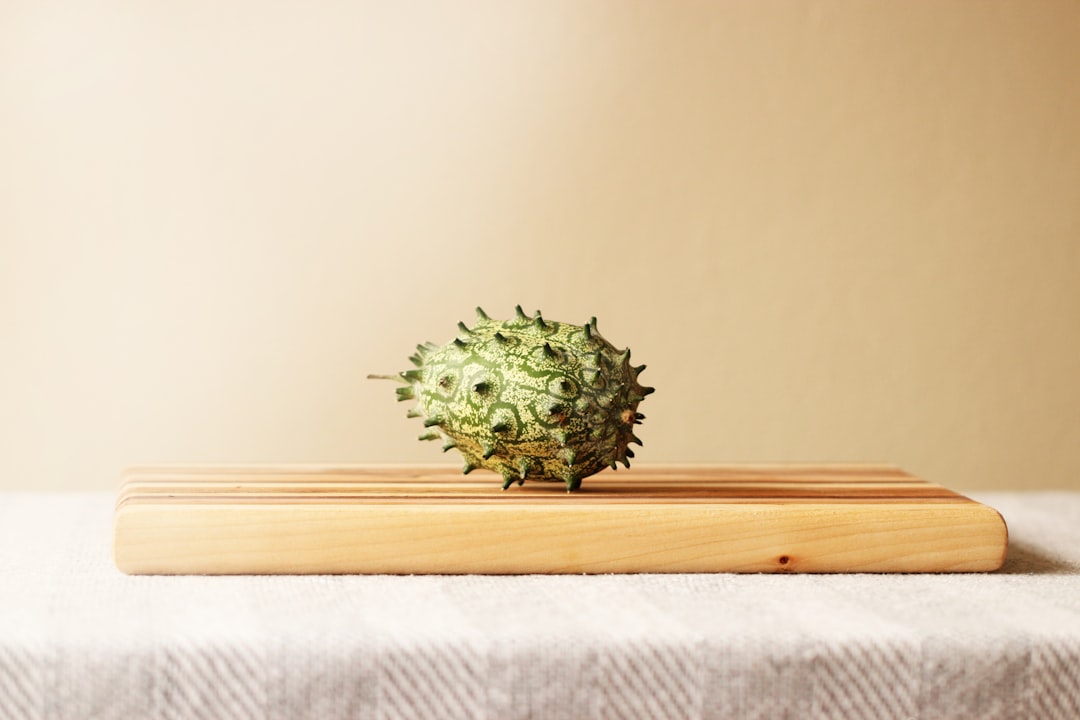
This peculiar fruit features spiky orange skin and vibrant green jelly flesh inside. It originates from Sub-Saharan Africa and tastes like a mix of cucumber and zucchini. You can scoop out the seeds to eat raw or use the shell as a decorative serving bowl. The high water content makes it an excellent choice for hydration on warm days. Chefs often use it to add visual interest and texture to savory dishes or cocktails.
Cherimoya
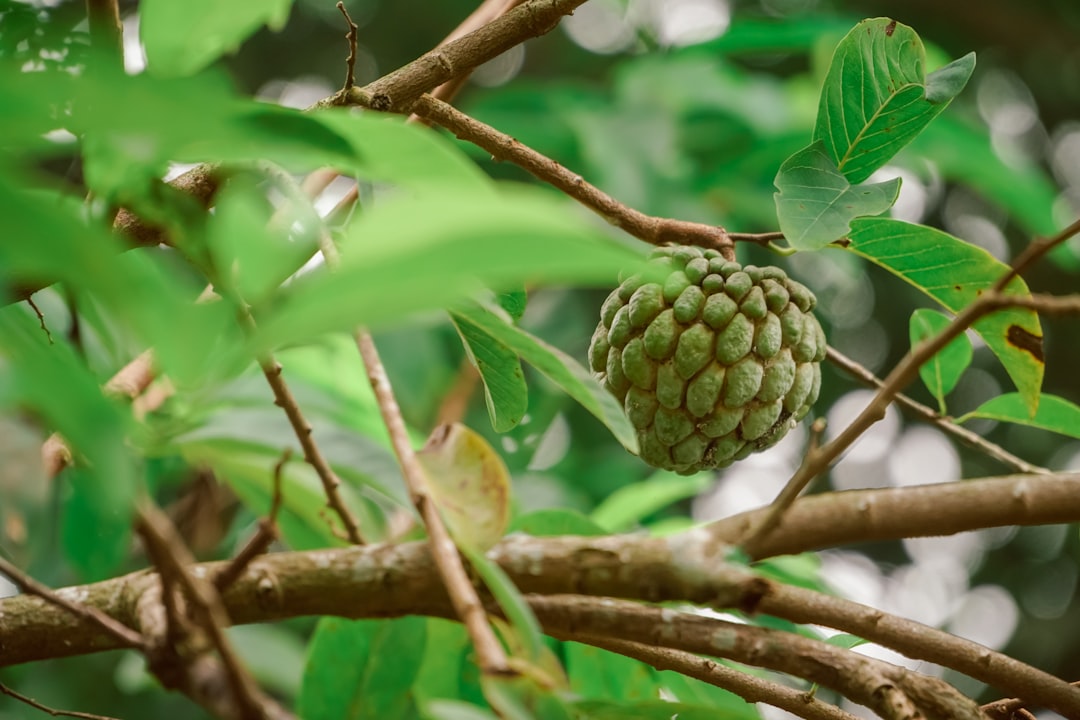
Mark Twain once described this heart-shaped fruit as the most delicious fruit known to men. The creamy white flesh tastes like a blend of banana and pineapple with a custard texture. You should cut it in half and scoop out the insides with a spoon while avoiding the toxic seeds. It thrives in high-altitude tropical areas and is gaining popularity in California agriculture. A medium fruit typically weighs about one pound and makes a perfect dessert on its own.
Snake Fruit
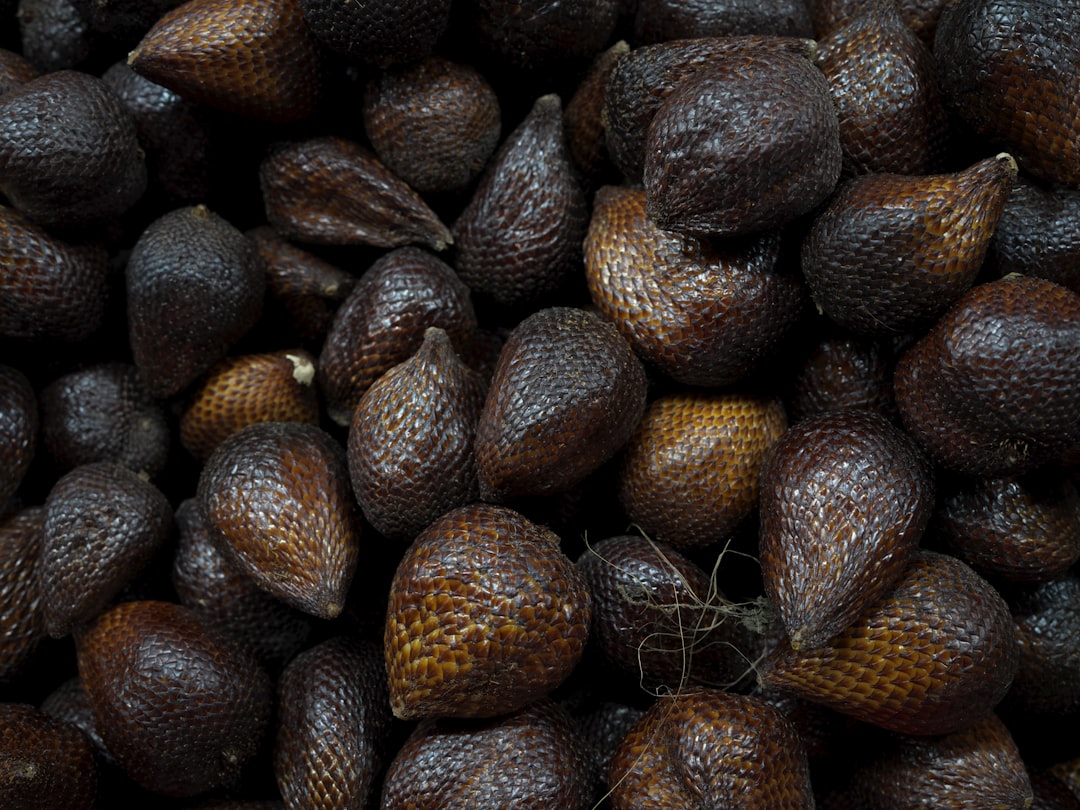
Reddish brown scales cover this fruit and give it a texture resembling snake skin. The inside contains three yellow lobes that offer a crunchy consistency similar to a crisp apple. Its flavor profile combines pineapple and lemon with a sharp acidic finish. Native to Indonesia this palm tree fruit provides a significant amount of iron and calcium. You must peel it carefully to avoid prickly edges before enjoying the sweet flesh.
Black Sapote
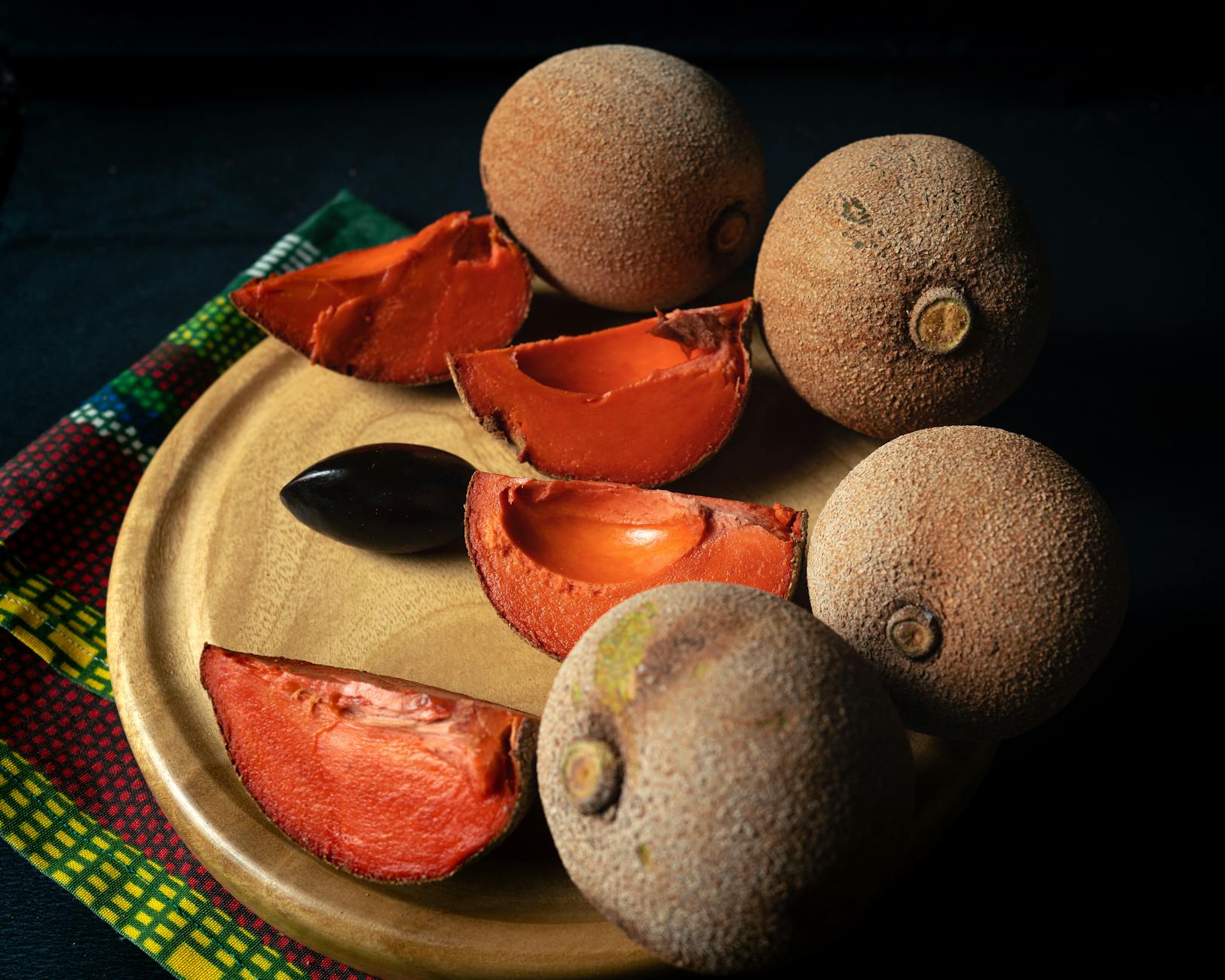
This unique persimmon relative is famous for having flesh that looks and tastes like chocolate pudding. The green skin turns dark brown when the fruit becomes soft and ready to eat. You can mix the rich pulp with milk or yogurt for a healthy dessert alternative. It contains four times more vitamin C than an average orange despite its decadent flavor. Growers in Florida produce this fruit during the winter months for domestic consumption.
Akebia
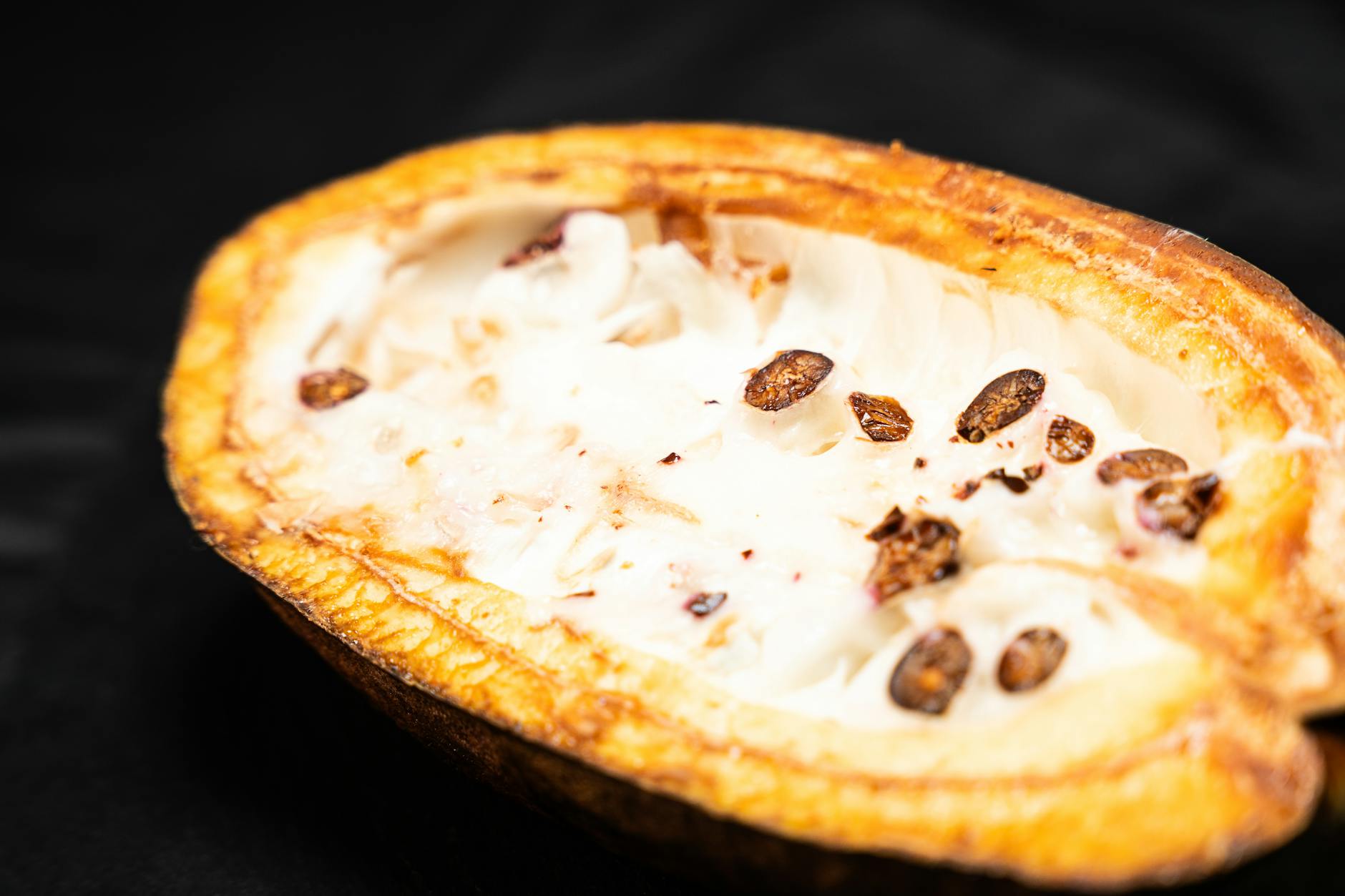
This elongated violet fruit splits open naturally when it reaches peak ripeness. The translucent white pulp surrounds black seeds and offers a subtle sweetness resembling coconut milk. Many people also stuff the bitter outer pod with savory meat mixtures for frying. It grows on a hardy vine that is native to East Asia but has become invasive in some American regions. Finding fresh akebia often requires visiting foraging groups or specialized nurseries.
Jabuticaba
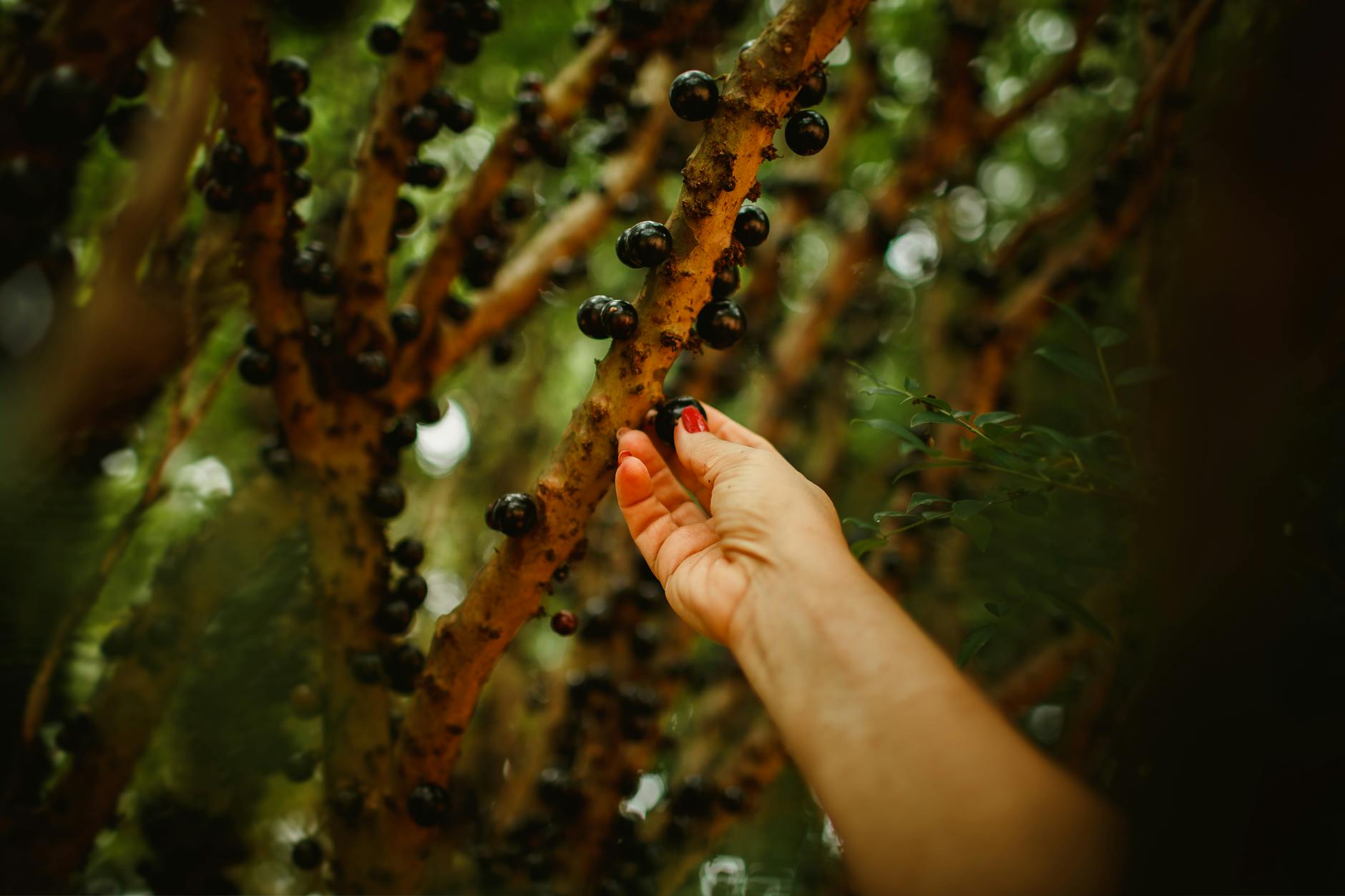
This Brazilian berry grows directly on the trunk of the tree rather than on dangling branches. The dark purple skin covers a white jelly that tastes like a sweet muscadine grape. Locals often ferment the fruit into wine or cook it down into strong jellies and jams. The skin is thick and tart while the inner pulp provides a burst of sugary juice. Fresh shipments are rare in the United States because the fruit ferments very quickly after harvest.
Please mention which of these exotic fruits you are most excited to taste in the comments.




