The world is full of structures that have been left behind to decay and merge with the natural landscape. These locations range from industrial facilities and mining towns to luxury hotels and amusement parks. Nature often reclaims these sites and creates a unique visual contrast between human architecture and wild vegetation. Travelers frequently seek out these destinations to experience the quiet atmosphere and observe the passage of time. The following list explores fifteen sites where history and ruin meet in visually striking ways.
Pripyat, Ukraine
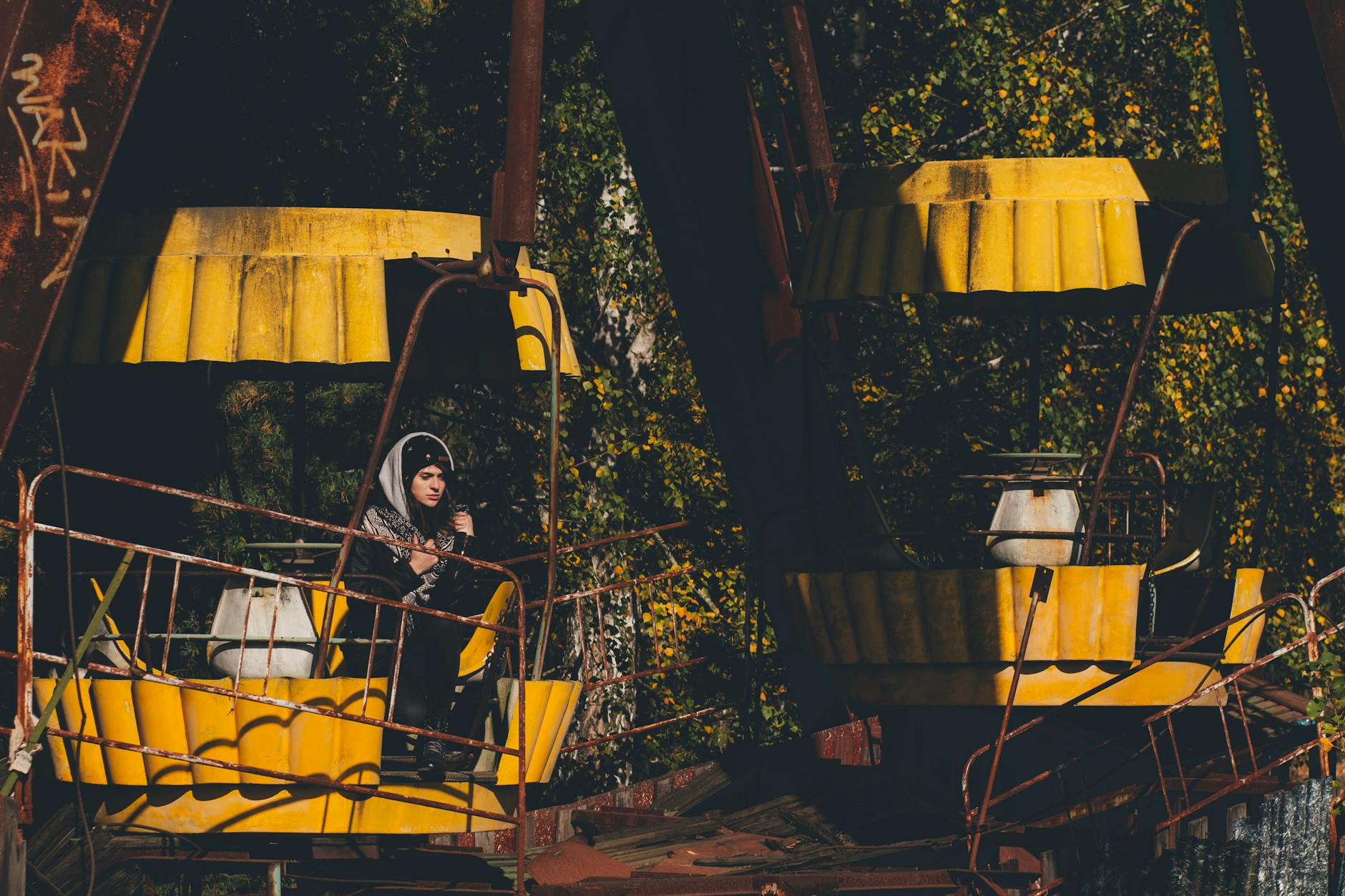
This city stands as a massive time capsule near the Chernobyl Nuclear Power Plant following the evacuation in 1986. The famous amusement park features a rusting yellow Ferris wheel that never officially welcomed members of the public. Trees and moss now grow through the concrete of Soviet-era apartment blocks and school gymnasiums. Visiting this exclusion zone requires special government permits and official guides due to safety regulations.
Kolmanskop, Namibia

This former diamond mining town in the Namib Desert was abandoned by its inhabitants in the mid-twentieth century. Massive sand dunes have breached the doors and windows to fill the rooms of the stately German-style homes. The dry desert air preserves the structures despite the aggressive reclamation by the surrounding orange sands. Photographers travel here to capture the surreal images of domestic spaces swallowed by the dunes.
Hashima Island, Japan
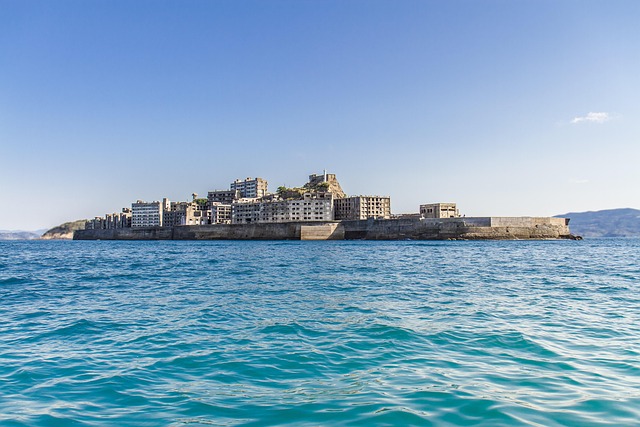
Also known as Gunkanjima this concrete island lies about nine miles from the port of Nagasaki. It was once a bustling coal mining facility with one of the highest population densities on Earth before closing in 1974. The high seawalls protect crumbling apartment buildings and schools that have stood empty for decades. Guided tours allow visitors to view the gray remnants of a society that lived entirely on this small offshore fortress.
Hotel del Salto, Colombia

Perched on a cliff overlooking the Tequendama Falls this mansion served as a hotel for wealthy travelers in the early twentieth century. The structure closed in the early 1990s amid declining tourism and the contamination of the river below. It was recently renovated into a museum to preserve its French architecture and cultural history. Thick fog often surrounds the building and adds to the mysterious atmosphere of the site.
Craco, Italy
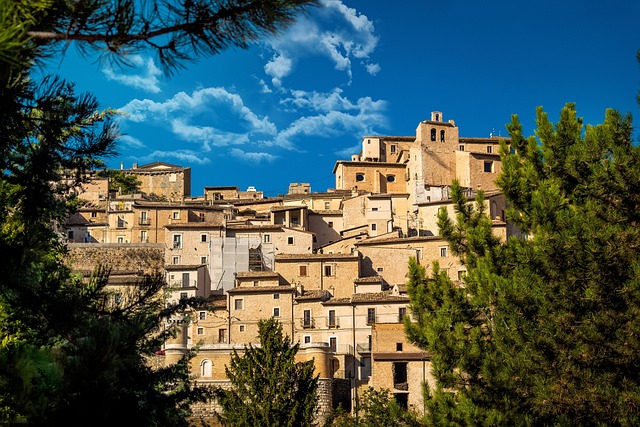
This medieval village in the Basilicata region sits atop a steep summit and dates back over a thousand years. Frequent landslides and geological instability forced the population to relocate to the valley below during the twentieth century. The empty stone houses and churches remain standing against the dramatic backdrop of the surrounding badlands. It frequently serves as a filming location for movies requiring an authentic ancient setting.
Bodie, California
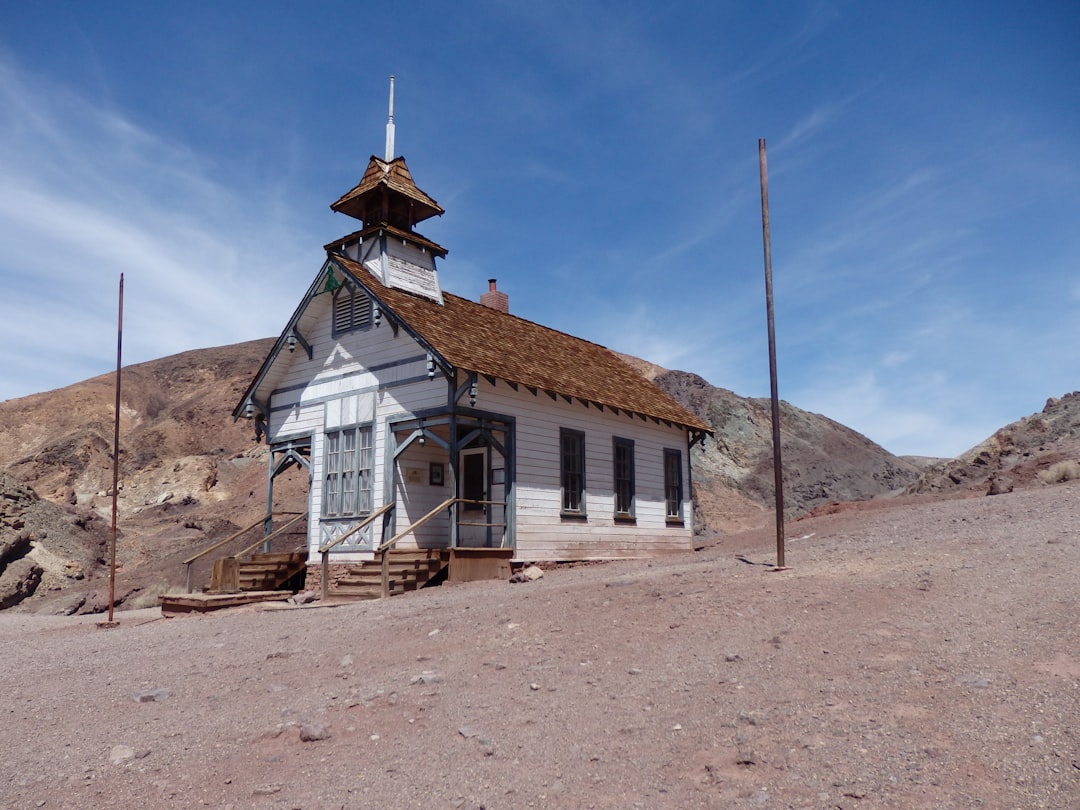
This California state park preserves a gold-mining ghost town in a state of arrested decay. Visitors can look through windows to see tables still set with plates and goods stocking the general store shelves. The dry high desert climate protects the wooden structures from rotting away completely. It remains one of the best examples of a boom-and-bust settlement from the American West.
Maunsell Sea Forts, United Kingdom
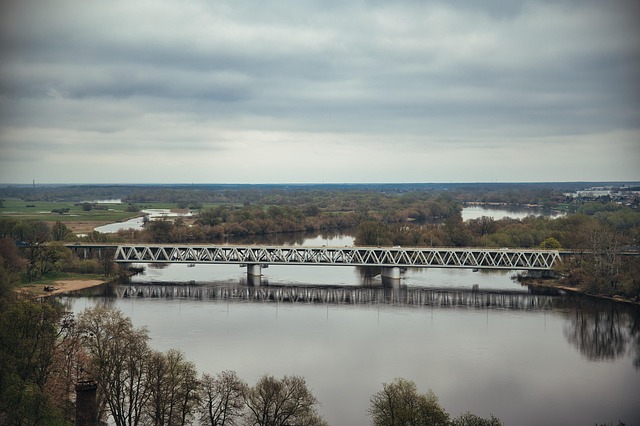
These armed towers stand on stilts in the Thames and Mersey estuaries to the east of London. Built during World War II to defend against air and naval attacks they were decommissioned in the 1950s. The rusting metal structures look like science fiction machines stranded in the open water. They were once used by pirate radio stations but now remain silent sentinels of the coast.
Buzludzha Monument, Bulgaria
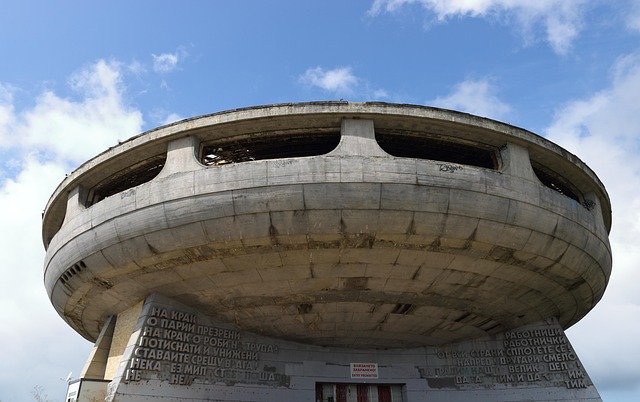
This flying saucer-shaped structure sits atop a peak in the Central Balkan Mountains. It was built as a memorial house for the Bulgarian Communist Party and features elaborate mosaics inside the main auditorium. The roof has fallen into disrepair and allows snow and rain to damage the artwork within. Efforts are currently underway to stabilize the building and preserve it as a historical site.
SS Ayrfield, Australia
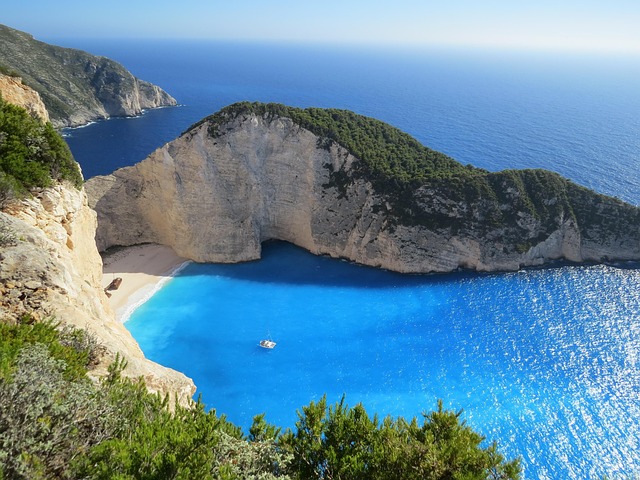
A rusted steam collier floats in Homebush Bay near Sydney and features a full mangrove forest growing on its deck. The ship was brought to the bay for dismantling but the shipyard closed before the work finished. It is now known as the Floating Forest and attracts photographers particularly at sunrise and sunset. The contrast between the industrial steel hull and the vibrant green leaves creates a striking visual.
Kennecott, Alaska
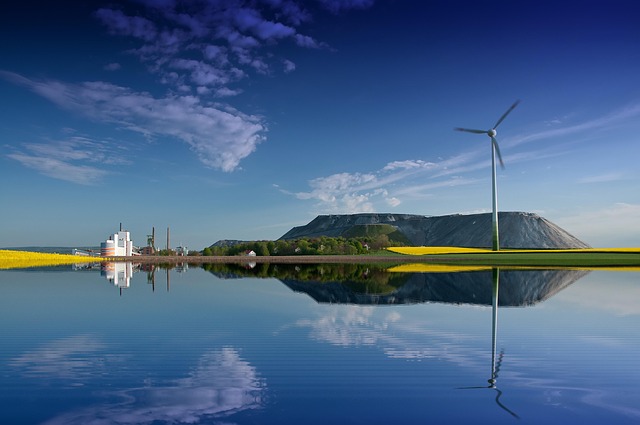
This abandoned copper mining camp located in the Wrangell-St. Elias National Park features a massive red mill building. The operation shut down in 1938 after the high-grade ore was depleted and the railroad service ended. The National Park Service now maintains the stabilized buildings for visitors to tour during the summer months. The bright red wood stands out vividly against the surrounding glaciers and mountain peaks.
Kayaköy, Turkey
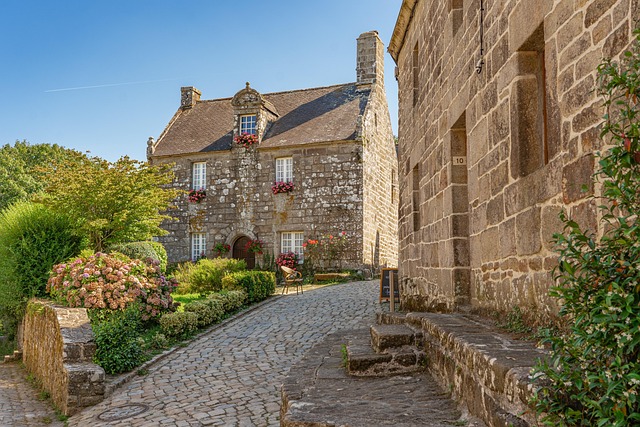
Hundreds of roofless stone houses cover a hillside in southwest Turkey near the Mediterranean coast. The Greek inhabitants left the village in 1923 during the population exchange between Greece and Turkey. The structures remain preserved as a museum village and a historical monument. Erosion and weather have removed the wooden parts of the buildings while the stone walls endure.
Beelitz-Heilstätten, Germany
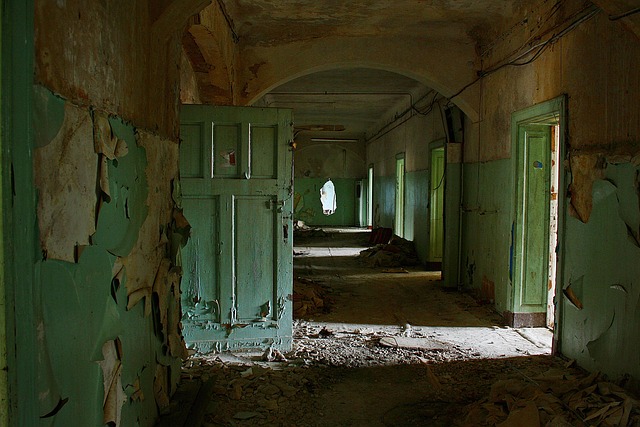
This large hospital complex near Berlin originally treated tuberculosis patients in the early twentieth century. It later served as a military hospital during both World Wars and the Cold War era. Some parts of the facility have been renovated while others remain in a state of decay. A treetop canopy walk allows visitors to view the ruined buildings and overgrown gardens from above.
Bannerman Castle, New York
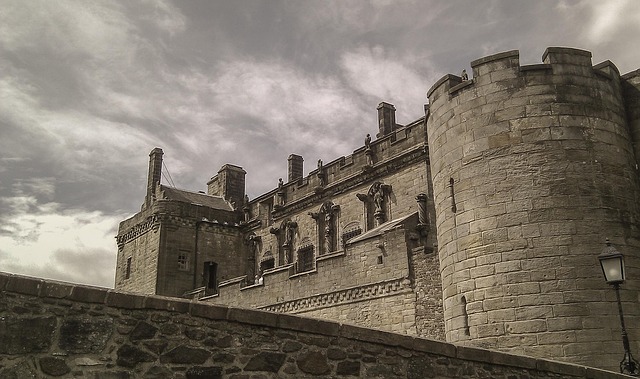
A Scottish-style fortress sits on Pollepel Island in the Hudson River north of New York City. Francis Bannerman VI built the structures to store military surplus goods and serve as a summer residence. Fire and neglect destroyed much of the complex but the external walls still loom over the water. Guided tours take visitors to the island to learn about the history of the arsenal.
Oradour-sur-Glane, France
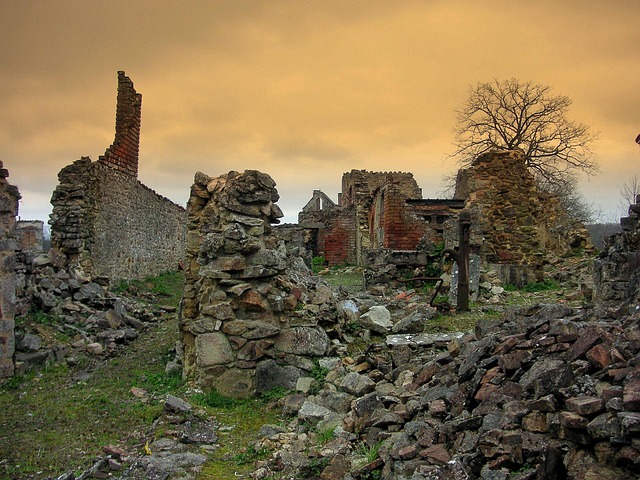
This French village was destroyed in 1944 and remains exactly as it was left after the attack. The ruins serve as a permanent memorial to the civilians who lost their lives during World War II. Burned cars and sewing machines still sit in their original places among the crumbling walls. A new village was built nearby but the old site stands silent as a reminder of the conflict.
Great Train Graveyard, Bolivia

This collection of rusted steam locomotives sits on the high Andean plains near the salt flats of Uyuni. British engineers built the railway lines in the nineteenth century to transport minerals to the Pacific ports. The mining industry collapsed in the 1940s and left dozens of trains exposed to the fierce salt winds. Graffiti artists have added colorful tags to the corroding metal skeletons that contrast with the stark desert landscape.
Please share which of these abandoned locations you found most intriguing in the comments.




