Expanding your culinary repertoire often begins with looking beyond the standard salt and pepper shaker found in most American kitchens. Introducing rare and unique seasonings allows home cooks to replicate complex international flavors with surprising ease. These ingredients bring distinct profiles ranging from deep smokiness to vibrant tartness that standard pantry staples simply cannot match. Exploring global spices provides an education in cultural traditions while elevating distinct dishes to gourmet status. A simple pinch of the right exotic ingredient transforms a mundane weeknight meal into a memorable dining experience.
Sumac
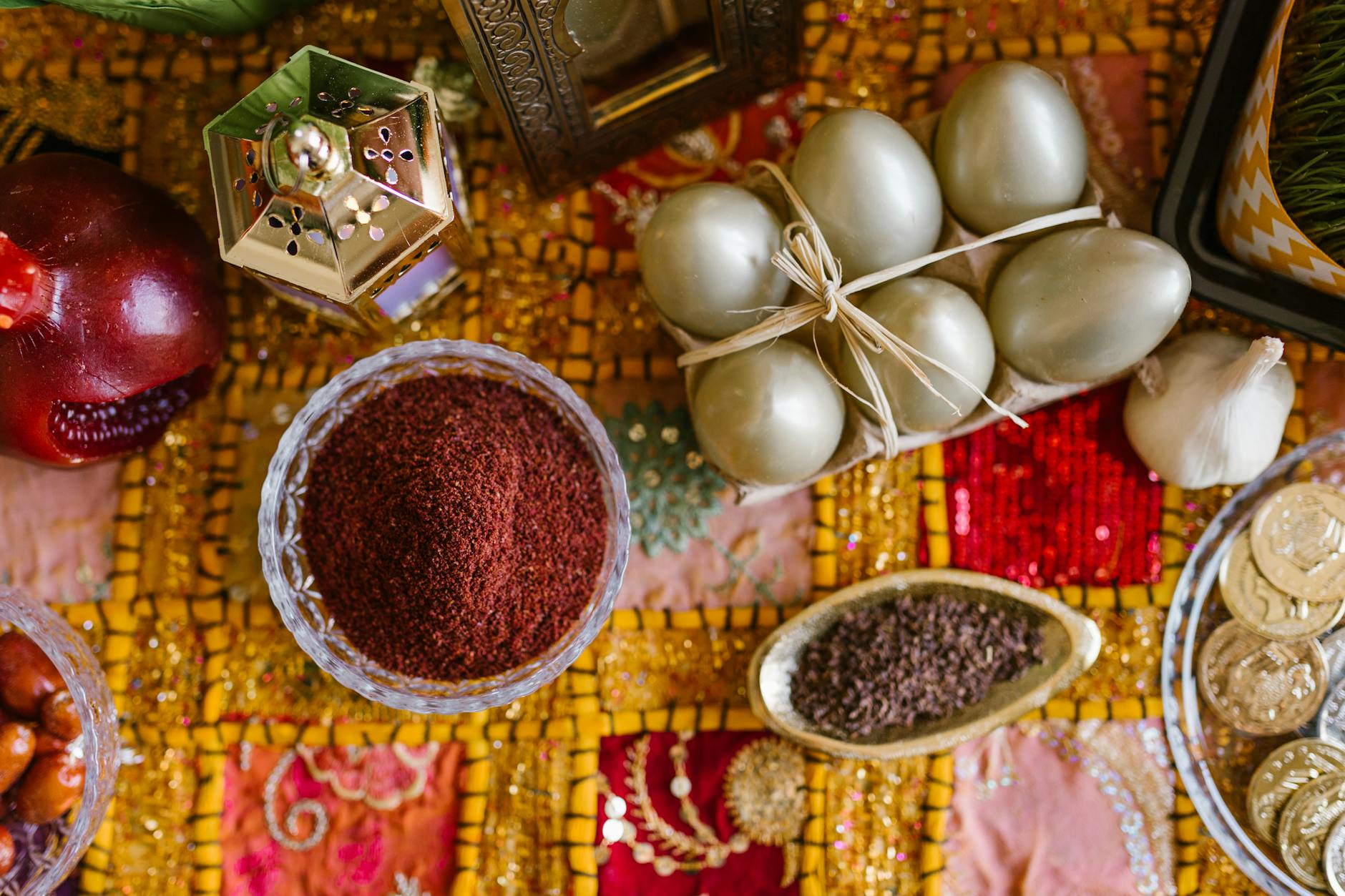
This deep red berry powder serves as a staple in Middle Eastern cuisine and provides a bright acidity similar to fresh lemon juice. It adds a vibrant pop of color and a tart kick to salads or grilled meats without adding unwanted liquid. Chefs often sprinkle it over hummus or roasted vegetables for a finishing touch that balances rich and savory flavors. You can easily find it in specialty markets to use as a versatile table condiment alongside salt.
Saffron
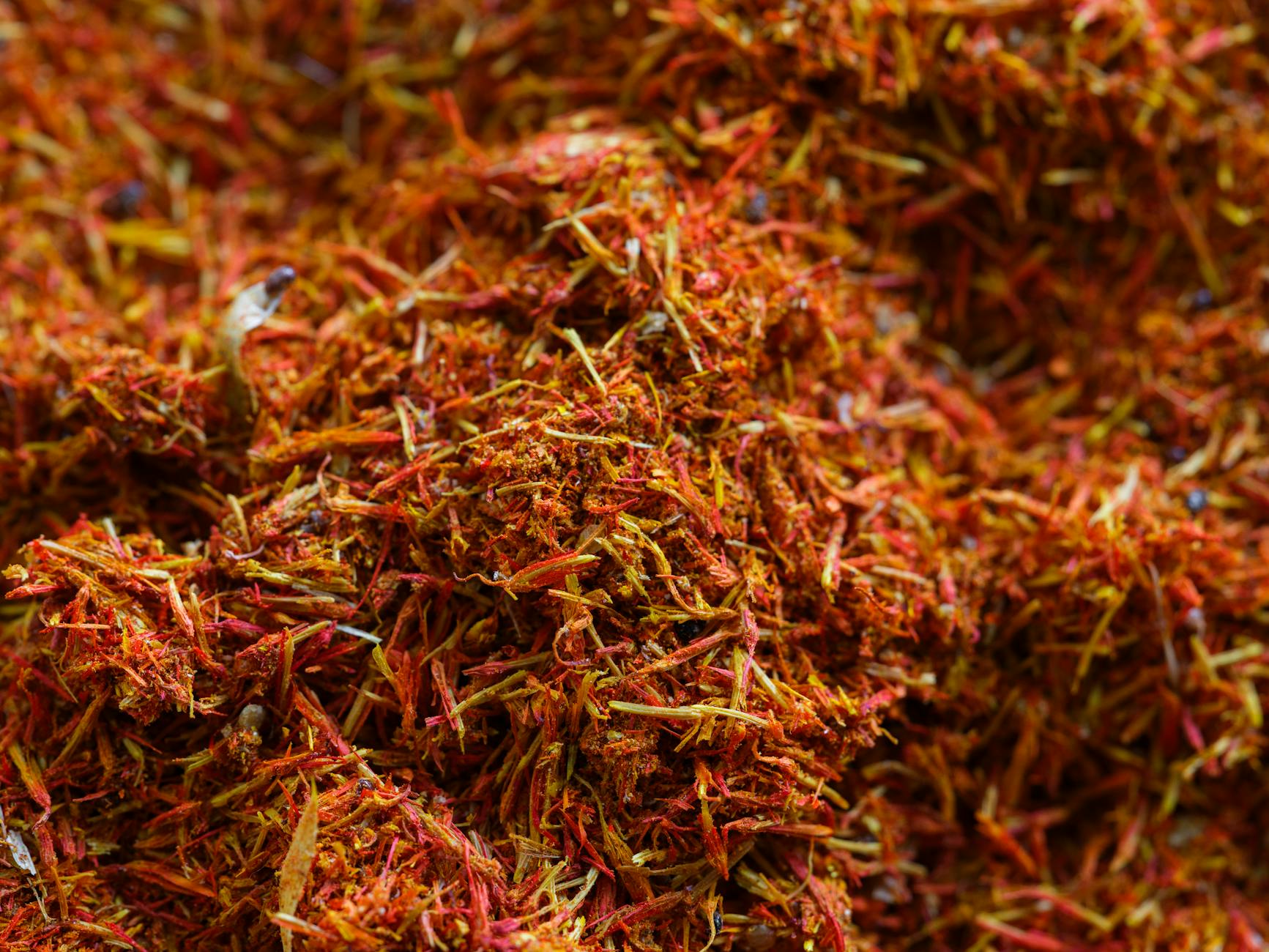
The crimson threads of the crocus flower are known as the most expensive spice in the world due to the labor-intensive hand harvesting process. It imparts a brilliant golden hue and a subtle floral flavor that is impossible to replicate with artificial substitutes. High quality varieties can cost over 500 dollars per ounce but a tiny pinch is sufficient for most recipes. Traditional dishes like Spanish paella and French bouillabaisse rely heavily on its unique aroma to achieve their authentic character.
Grains of Paradise
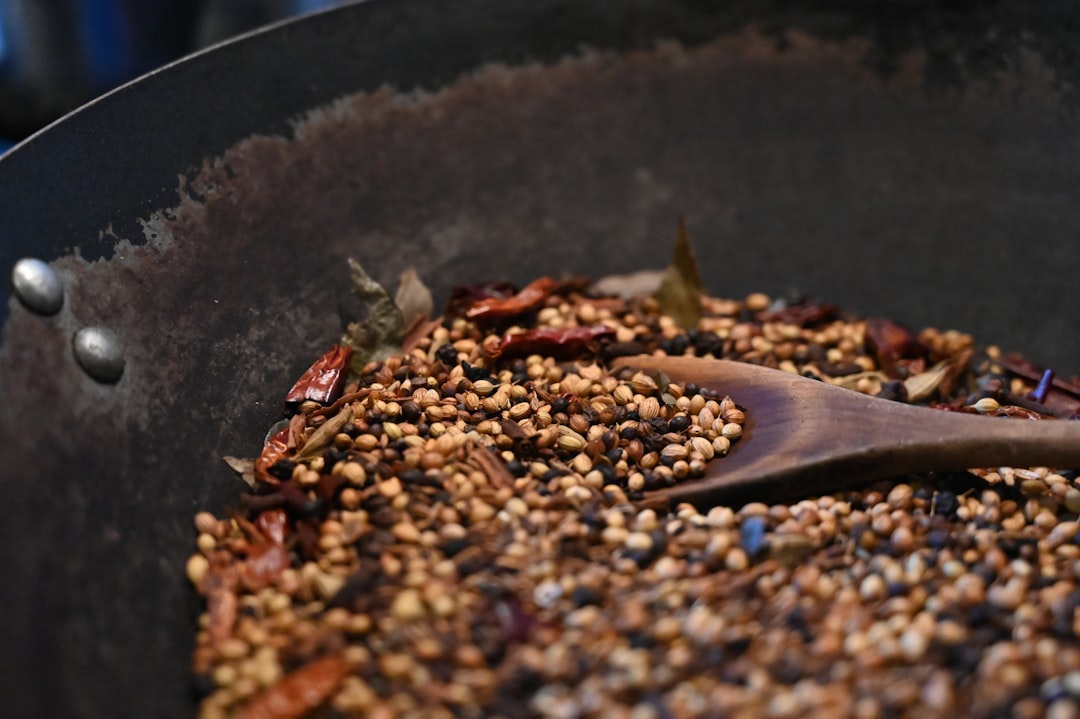
This West African spice resembles standard peppercorns but delivers a much more complex flavor profile with notes of cardamom and citrus. It provides a zesty heat that lingers on the palate without the harsh bite often associated with black pepper. Historical records show it was a popular substitute in Europe when pepper prices soared during the Middle Ages. It pairs exceptionally well with grilled lamb chops and roasted root vegetables for an aromatic finish.
Asafoetida
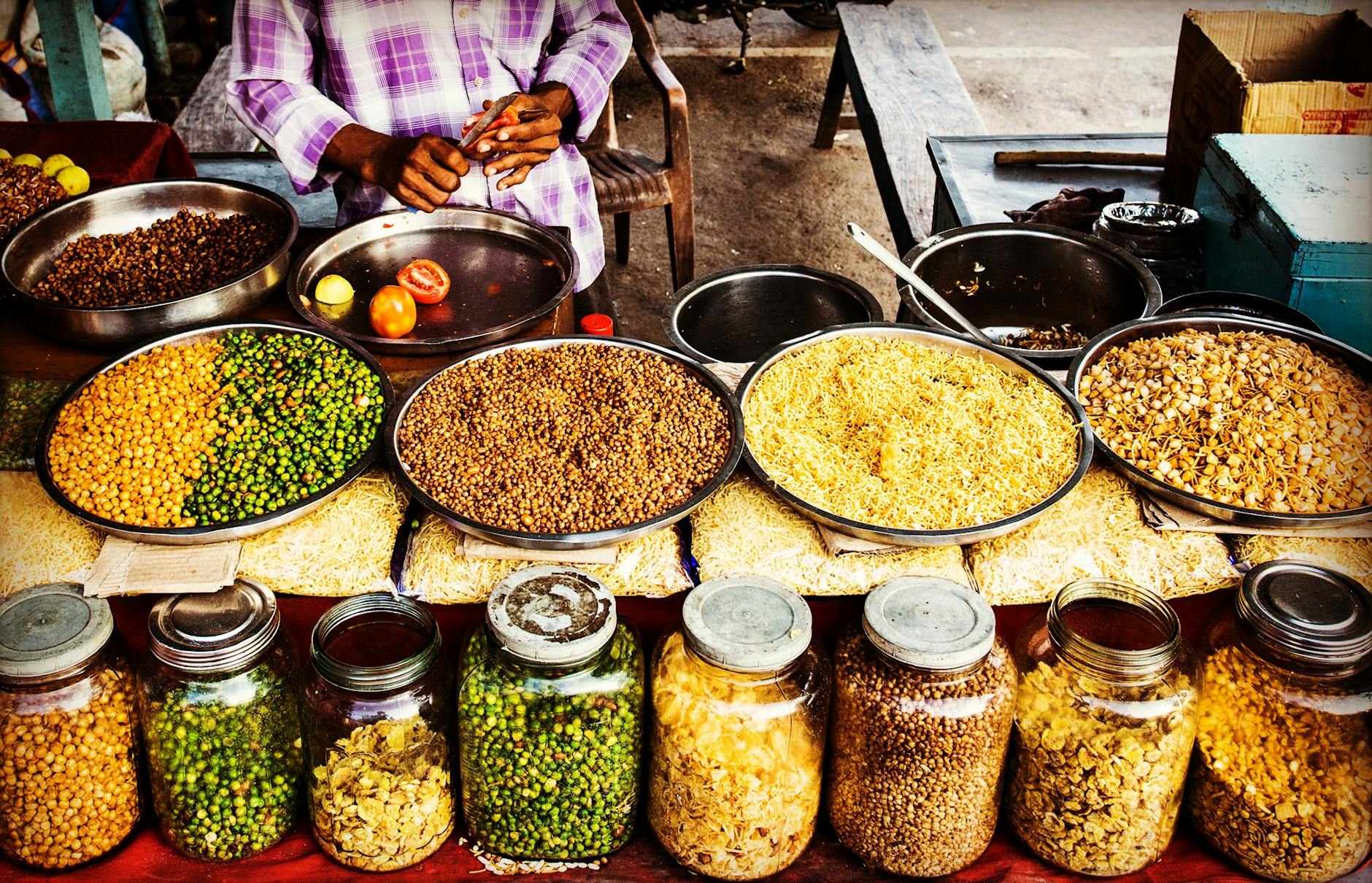
This potent resin is a crucial element in Indian vegetarian cooking for mimicking the savory depth of onions and garlic. It smells incredibly pungent in its raw state but mellows into a smooth and savory flavor when fried in hot oil or ghee. A small pinch is often added to lentil dishes and vegetable curries to enhance umami and aid in digestion. It is usually sold as a yellow powder mixed with flour to make it easier to dispense during cooking.
Black Lime
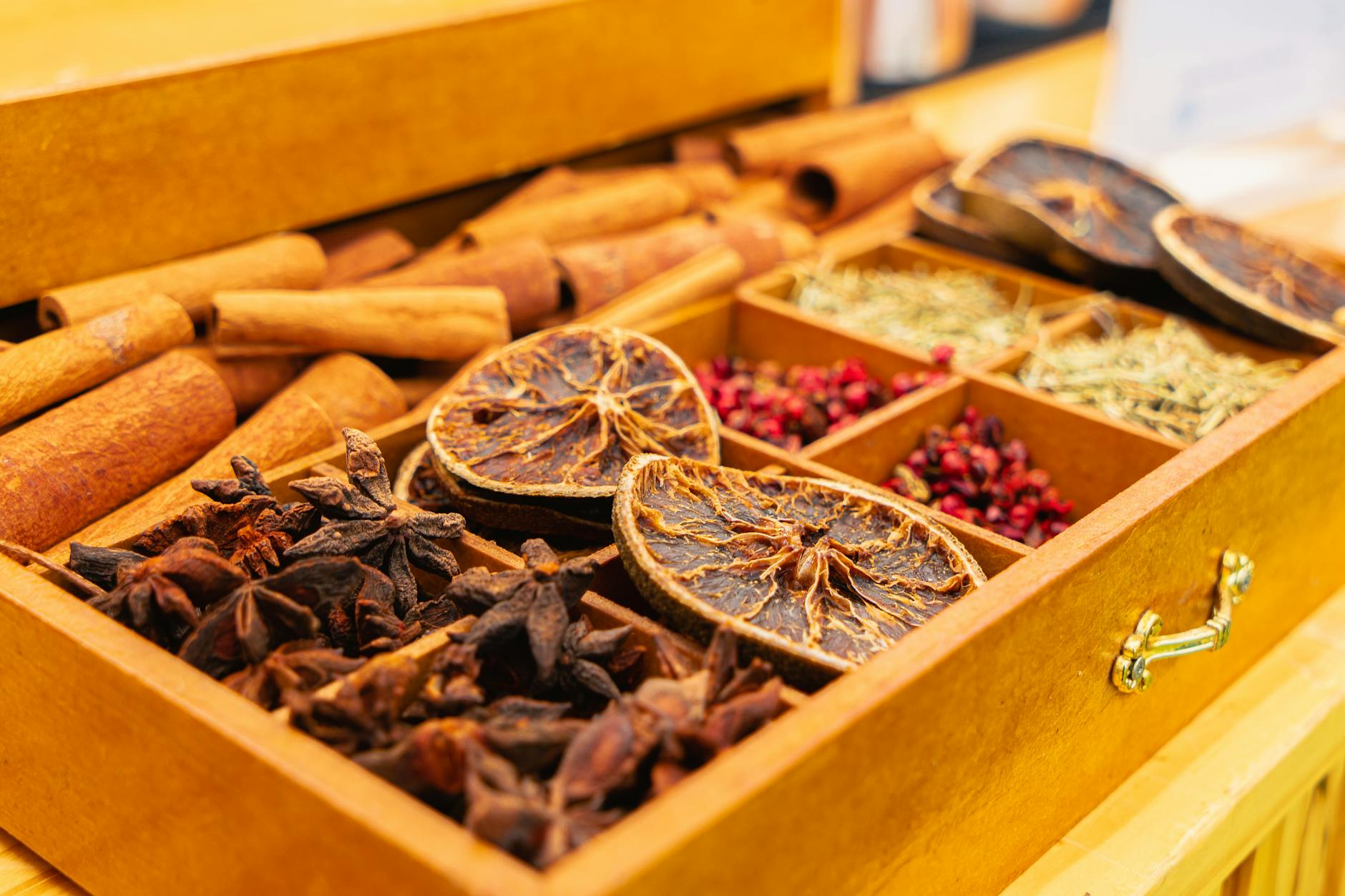
These dried limes are boiled in salt water and sun-dried until they turn rock hard and dark brown. They contribute an intense sourness and a fermented earthiness that fresh citrus fruit cannot replicate. Persian stews often feature whole pierced limes simmering in the broth to release their tangy essence slowly over several hours. You can also grind them into a fine powder to use as a sour rub for chicken or seafood.
Urfa Biber
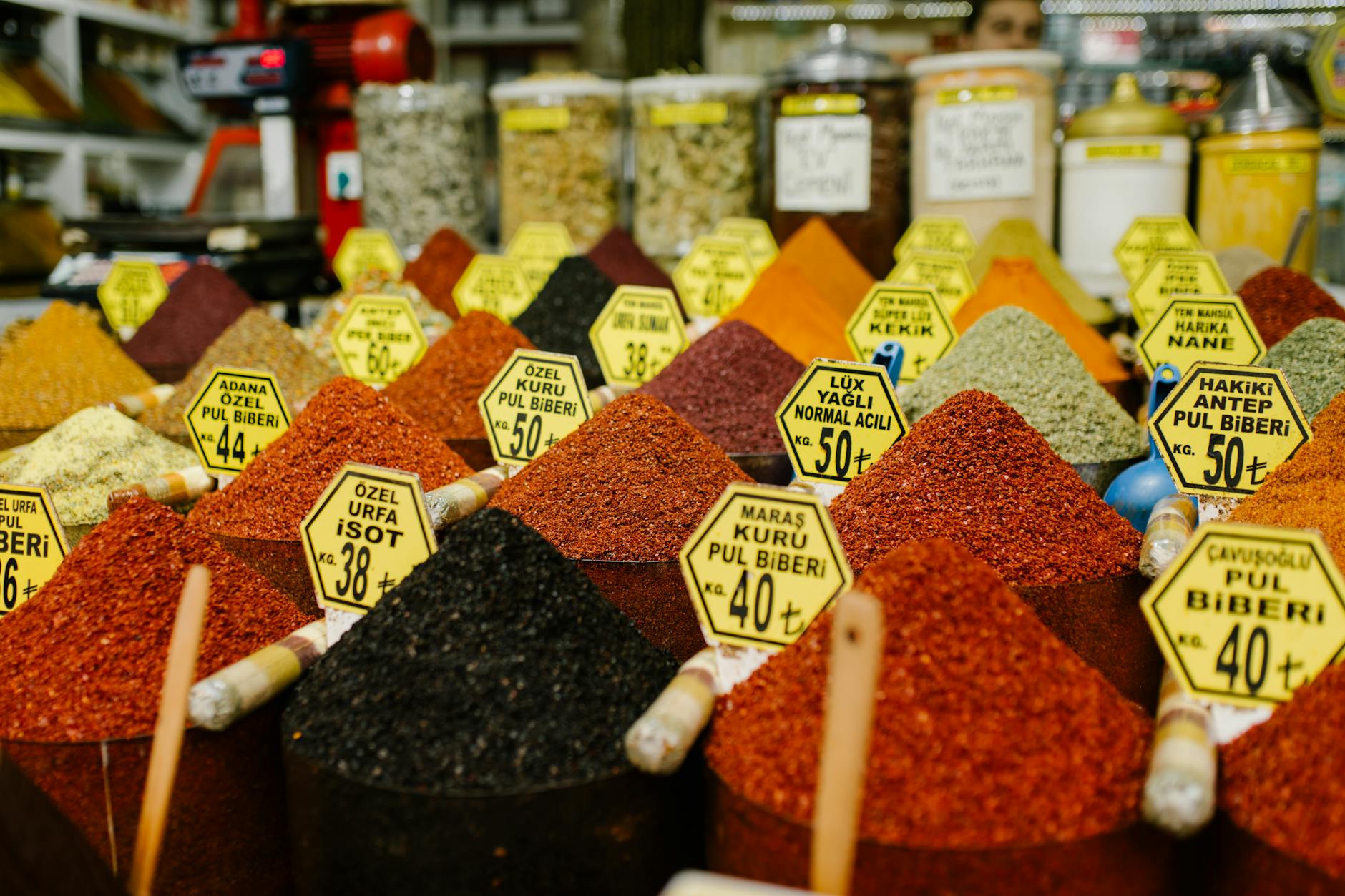
This Turkish chili pepper undergoes a unique process where it is sun-dried during the day and wrapped tightly at night to sweat out its natural oils. The curing method results in a deep purple color and a moist texture with a flavor reminiscent of raisins and chocolate. It offers a slow building heat that adds sophistication to roasted meats and even dark chocolate desserts. Cooks appreciate its versatility as both a cooking ingredient and a finishing garnish for eggs or vegetables.
Please share your own experiences with using unique international spices in the comments.




