High humidity makes the air feel heavier and significantly impacts how our bodies regulate temperature. Choosing the wrong clothing material prevents sweat from evaporating and leaves you feeling sticky and overheated. Certain textiles trap moisture against the skin and create an uncomfortable sauna effect within minutes. Understanding which fabrics to avoid helps you stay cooler and more comfortable during sweltering summer days.
Polyester
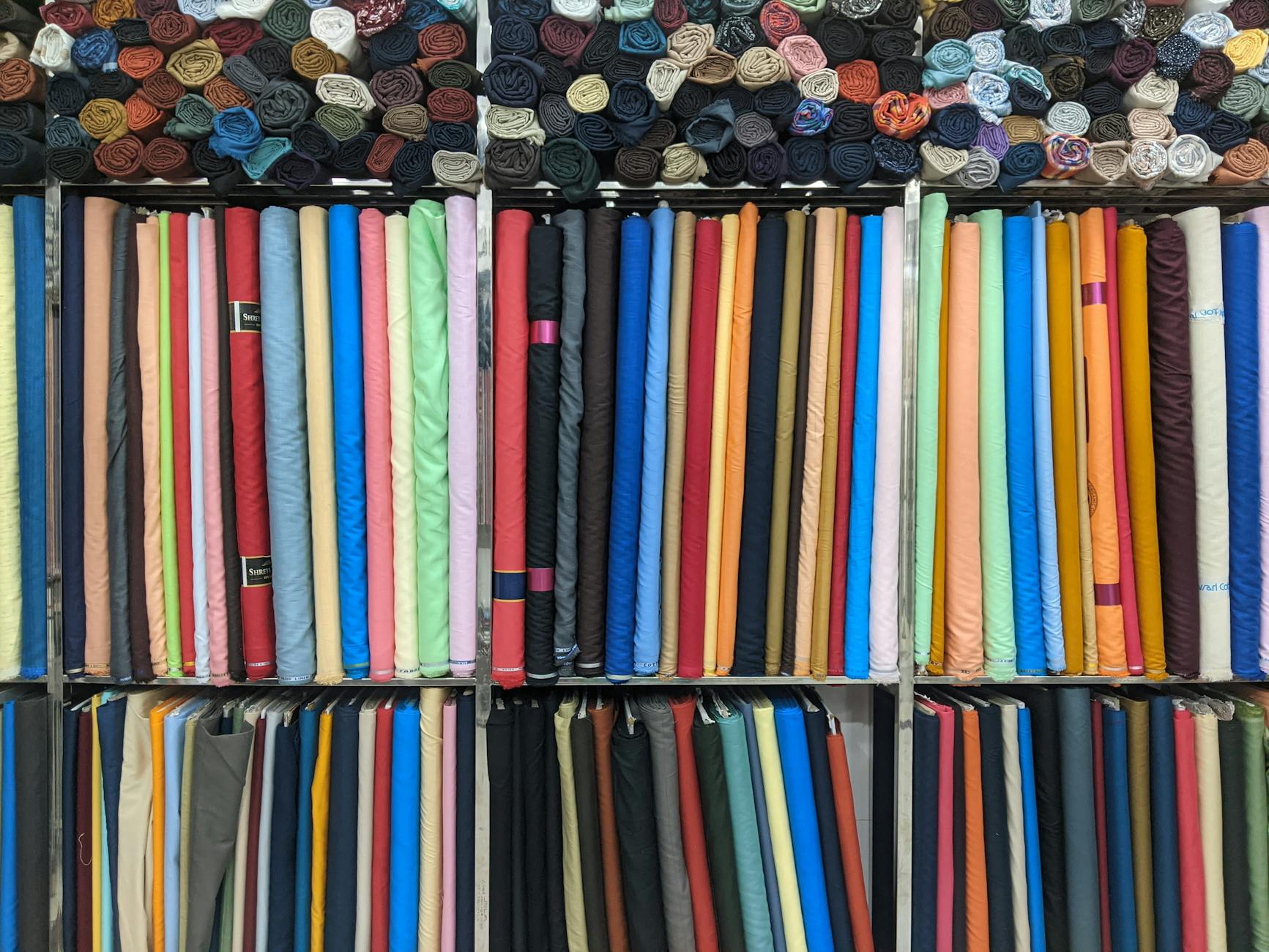
This synthetic material is perhaps the most notorious offender when the humidity index rises. It creates a plastic barrier against the skin that traps heat and sweat underneath the fabric. Moisture cannot evaporate effectively because the fibers are hydrophobic and repel water rather than absorbing it. You will likely feel sticky and overheated within minutes of stepping outside in a polyester garment. It acts essentially like a greenhouse for your body and offers very little ventilation.
Heavy Denim
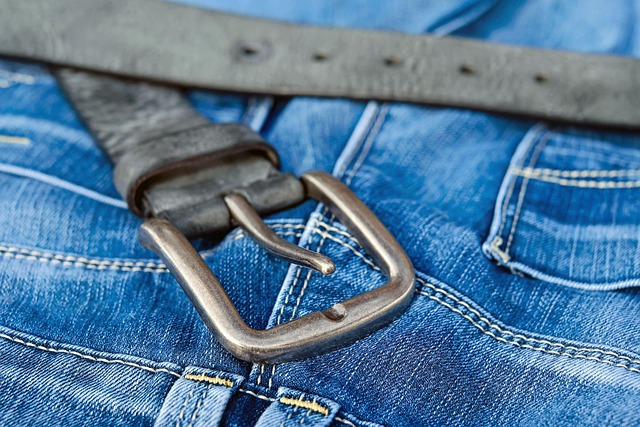
A thick pair of jeans is one of the heaviest options you can choose for a tropical climate. The dense weave of the cotton restricts airflow and keeps heat dangerously close to your legs. Once this fabric absorbs sweat it becomes incredibly heavy and uncomfortable to wear for extended periods. It also takes a significant amount of time to dry and often leads to painful chafing in high heat. Lightweight chinos or linen trousers are much better alternatives for staying cool.
Nylon
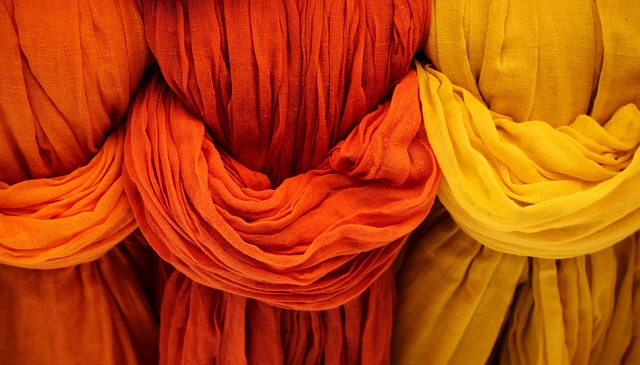
This material was originally designed for parachutes and is often used in athletic wear for its extreme durability. It repels water rather than absorbing it which forces sweat to pool on your skin surface. The lack of absorption creates a clammy sensation that persists as long as you wear the garment. Many people find that nylon also retains odors more intensely than natural fibers. It traps body heat efficiently which is exactly what you want to avoid in humid conditions.
Acrylic
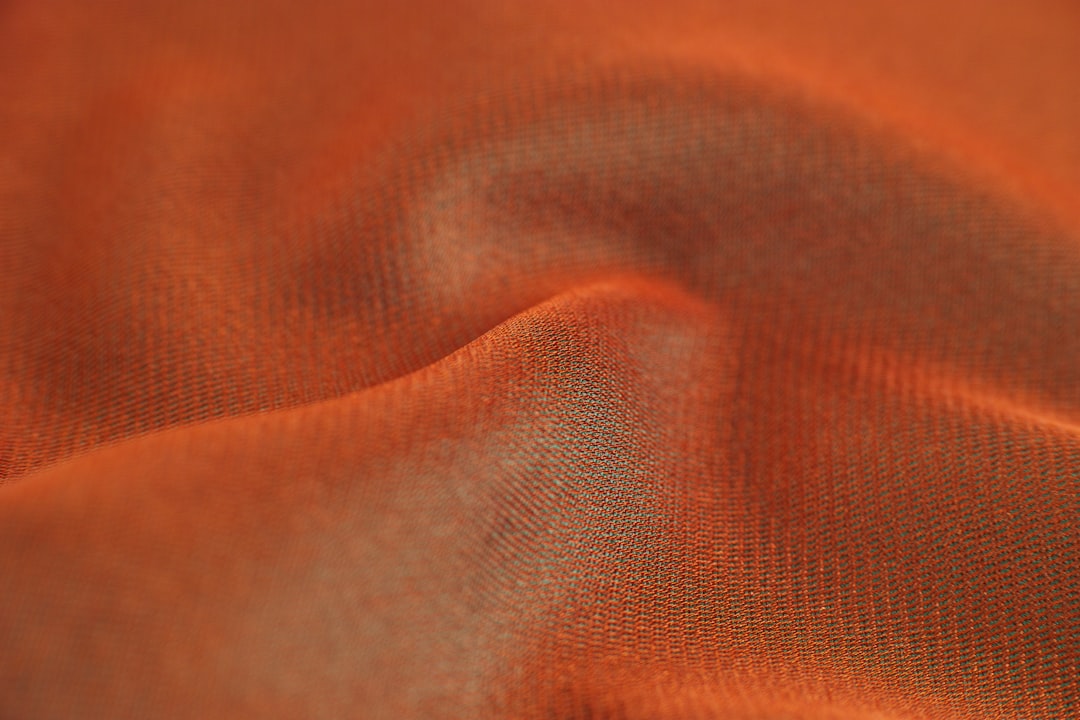
Manufacturers often use this synthetic fiber as a cheaper and more durable alternative to natural wool. It provides excellent insulation which makes it ideal for winter but terrible for humid summer days. The fabric offers almost no breathability and will cause your body temperature to spike rapidly. Sweat gets trapped against the skin because the structure of the fiber prevents moisture wicking. Wearing acrylic in high humidity usually results in immediate discomfort and overheating.
Satin
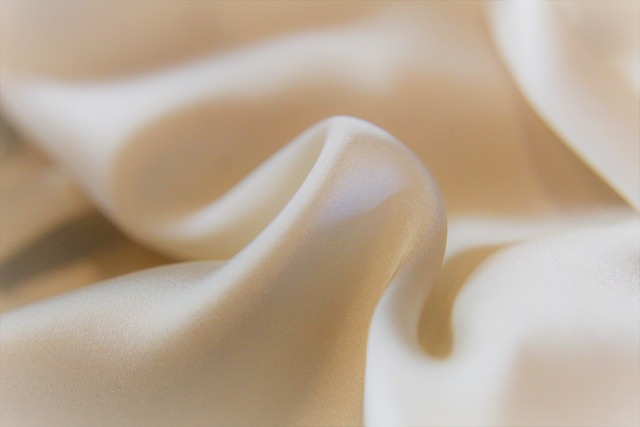
The glossy finish of this fabric might look elegant but it functions poorly in muggy weather. Even the slightest amount of perspiration becomes immediately visible on the shiny surface of the material. It tends to cling tightly to the body when damp which highlights sweat patches even more. Most satin is made from polyester or silk blends that restrict air movement across the skin. You sacrifice comfort and confidence for aesthetics when choosing this weave on a hot day.
Leather And Vinyl
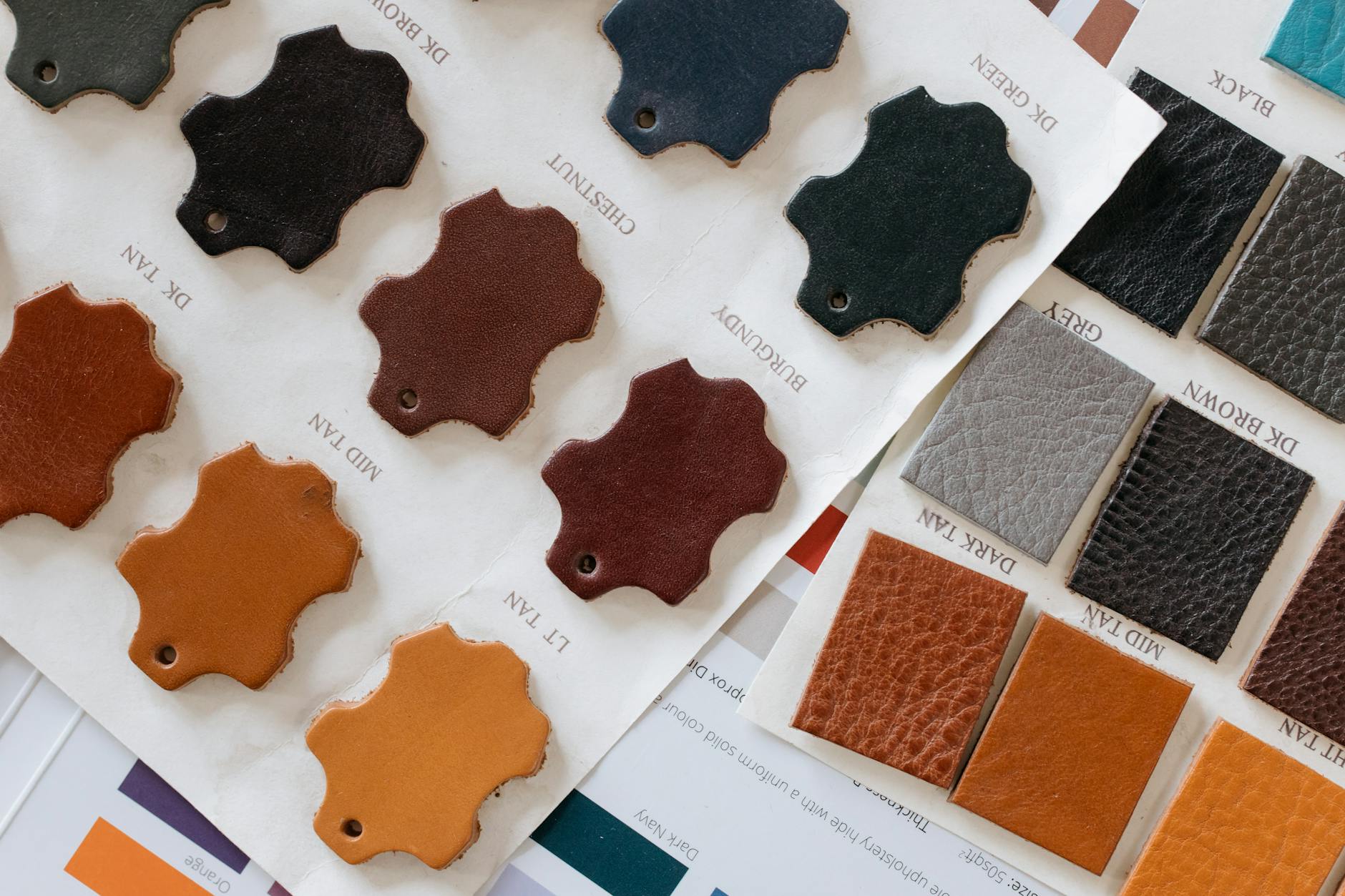
These thick materials provide a complete barrier against the elements and block all air circulation. Wearing them in high humidity feels similar to wrapping yourself in plastic wrap. The material heats up quickly in the sun and transfers that warmth directly to your body. Sweat accumulates rapidly underneath with absolutely nowhere to escape or evaporate. This choice is physically exhausting to wear when the air is heavy with moisture.
Tell us which fabric you avoid the most during the summer by leaving a note in the comments.




