A roof leak rarely starts as a dramatic drip because it often begins as slow moisture that spreads through insulation and framing. Spotting early warning signs can help you limit interior damage, prevent mold growth, and avoid bigger structural repairs. Leaks can come from damaged shingles, failed flashing, clogged drainage, or cracked sealant around roof penetrations. Use the clues below to narrow down where water is getting in and when it is time to call a professional.
Water stains on ceilings or walls
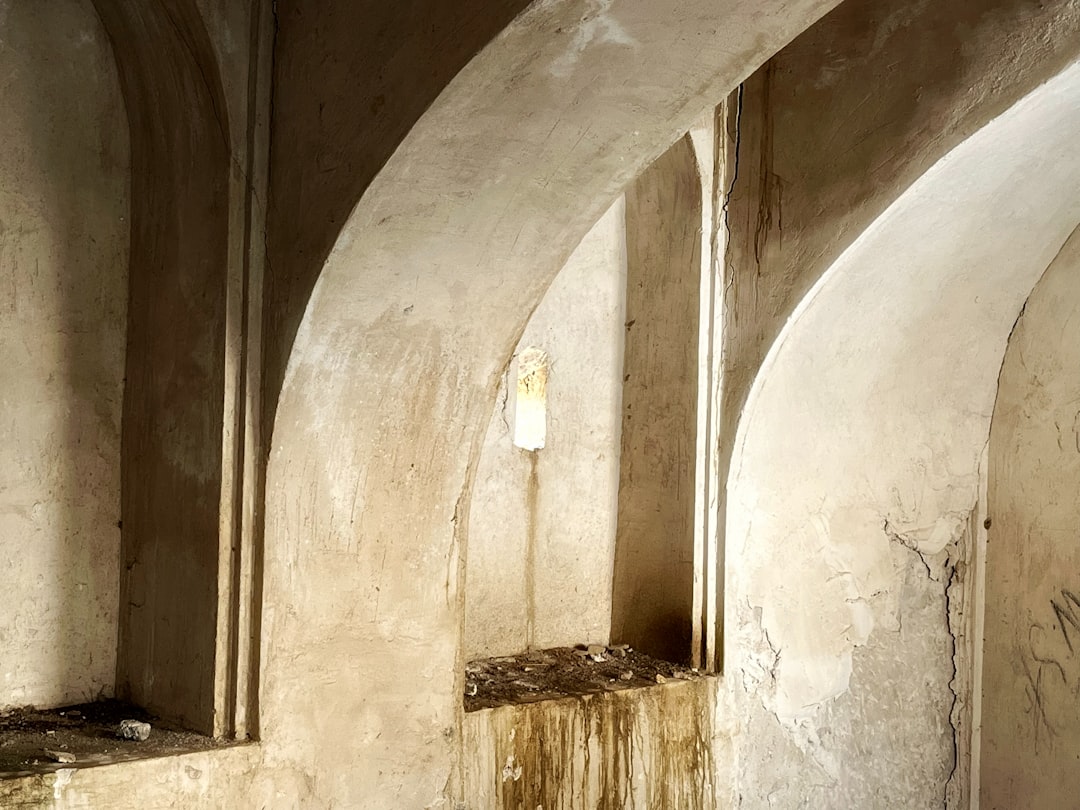
Discolored rings or yellow brown patches on drywall are one of the most common signs of a roof leak. Stains may appear after heavy rain or snowmelt and can grow over time as moisture continues to spread. Bubbling paint or peeling wallpaper often shows up alongside staining when water is trapped behind the surface. Even if the stain dries, the leak can still be active and needs investigation.
Dripping water or damp spots in the attic
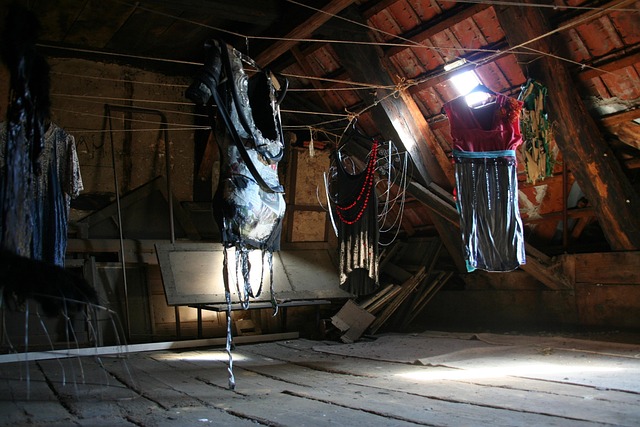
Moisture in the attic after rainfall is a strong indicator that water is entering through the roof system. You might notice wet rafters, damp insulation, or beads of water on nails and fasteners. Drips can travel along framing before falling, so the wet area may not be directly below the entry point. A musty odor in the attic can also signal lingering moisture from an ongoing leak.
Missing cracked or curled shingles

Shingles that are broken, warped, or missing create direct pathways for water to reach the underlayment. Curling edges and cracking often happen after long sun exposure, wind events, or freeze thaw cycles. Granule loss can make shingles look patchy and can reduce their ability to shed water effectively. If damage is widespread, spot repairs may not be enough to stop leaks long term.
Damaged flashing around chimneys and vents

Flashing seals the edges where the roof meets chimneys, skylights, vent pipes, and walls. If the metal is bent, corroded, loose, or poorly sealed, water can slip underneath during rain. Failed caulk or gaps at flashing joints are common sources of slow leaks that show up as interior stains. Rust marks or lifted flashing edges are clear cues that repairs are needed.
Mold mildew or persistent musty smells

A roof leak can keep hidden spaces damp enough for mold and mildew to grow. You may notice a musty smell indoors, especially after rain, even if you do not see visible water. Dark spotting on ceilings, attic wood, or insulation can indicate prolonged moisture exposure. Because mold can spread quickly, this sign should be treated as urgent.
Granules in gutters or downspouts
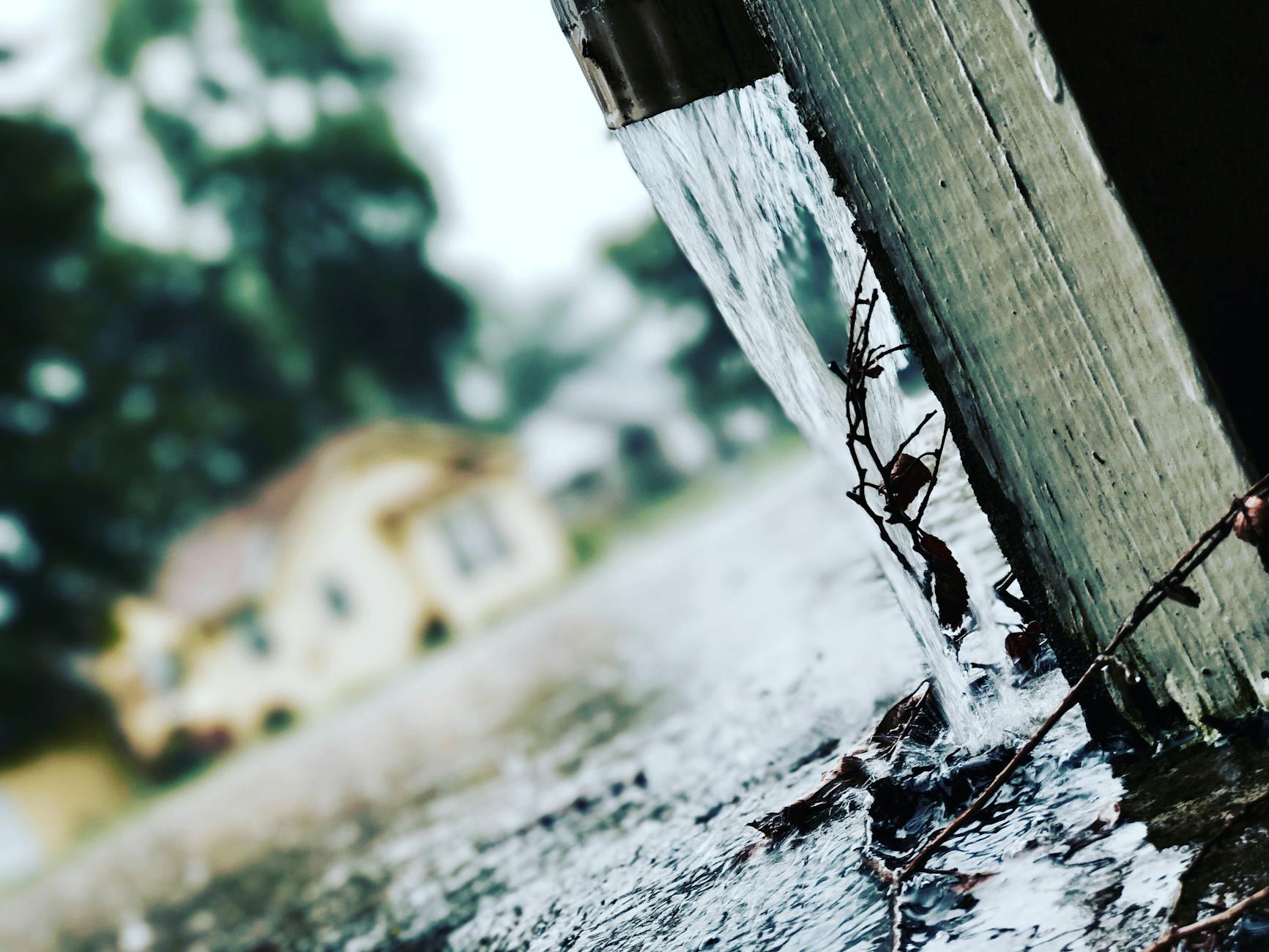
Finding shingle granules in gutters can signal that the roof surface is wearing down and losing protection. As shingles shed granules, they become more vulnerable to cracking and water intrusion. Granule buildup can also clog drainage and cause water to back up under the roof edge. If you see heavy granule loss, a roof inspection can help determine whether repair or replacement is more appropriate.
Sagging roof deck or uneven roofline
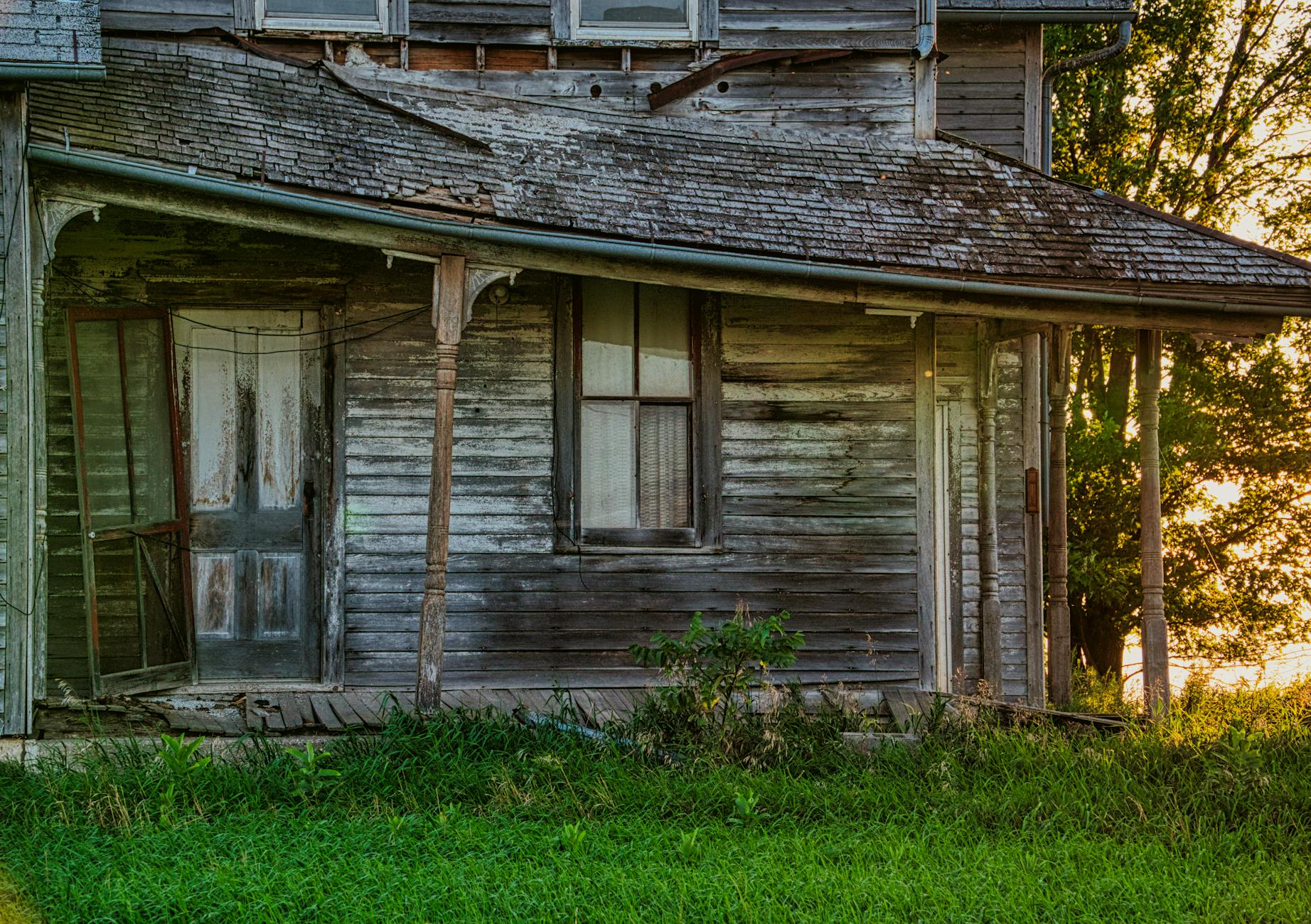
A sagging section of the roof can mean trapped moisture has weakened the decking or structural supports. This often develops after a long running leak that has soaked wood components over time. From the ground, the roofline may look wavy or dip in a specific area. Because sagging can indicate structural risk, it should be evaluated by a professional as soon as possible.
Higher energy bills or reduced indoor comfort
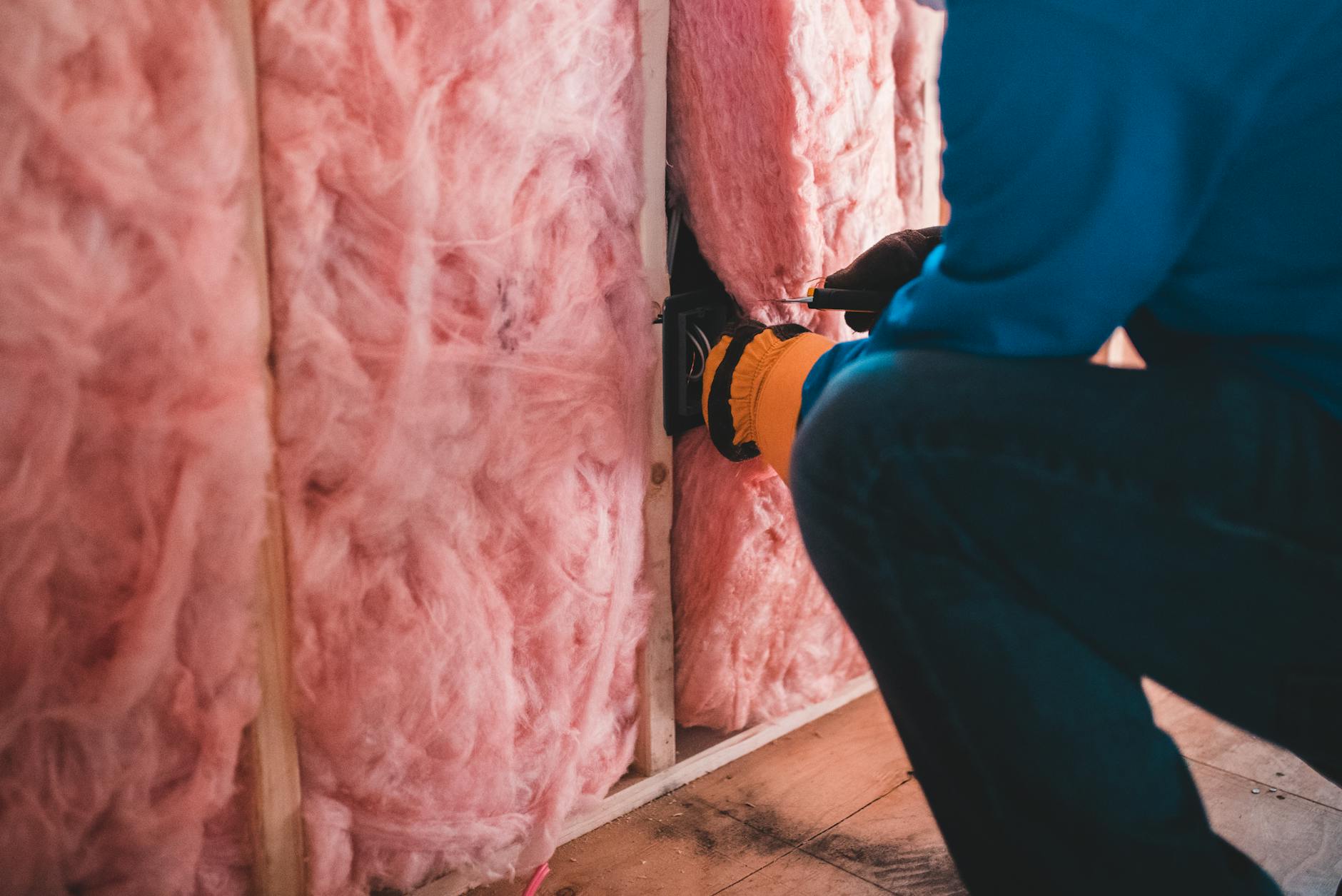
A leak can saturate insulation, reducing its ability to regulate temperature in your home. When insulation is wet, heating and cooling systems may run longer to maintain the same comfort level. You may notice drafts, cold spots, or hotter rooms depending on the season. If comfort changes line up with visible roof wear or water signs, the roof should be checked.
Water pooling or overflow near the roof edge
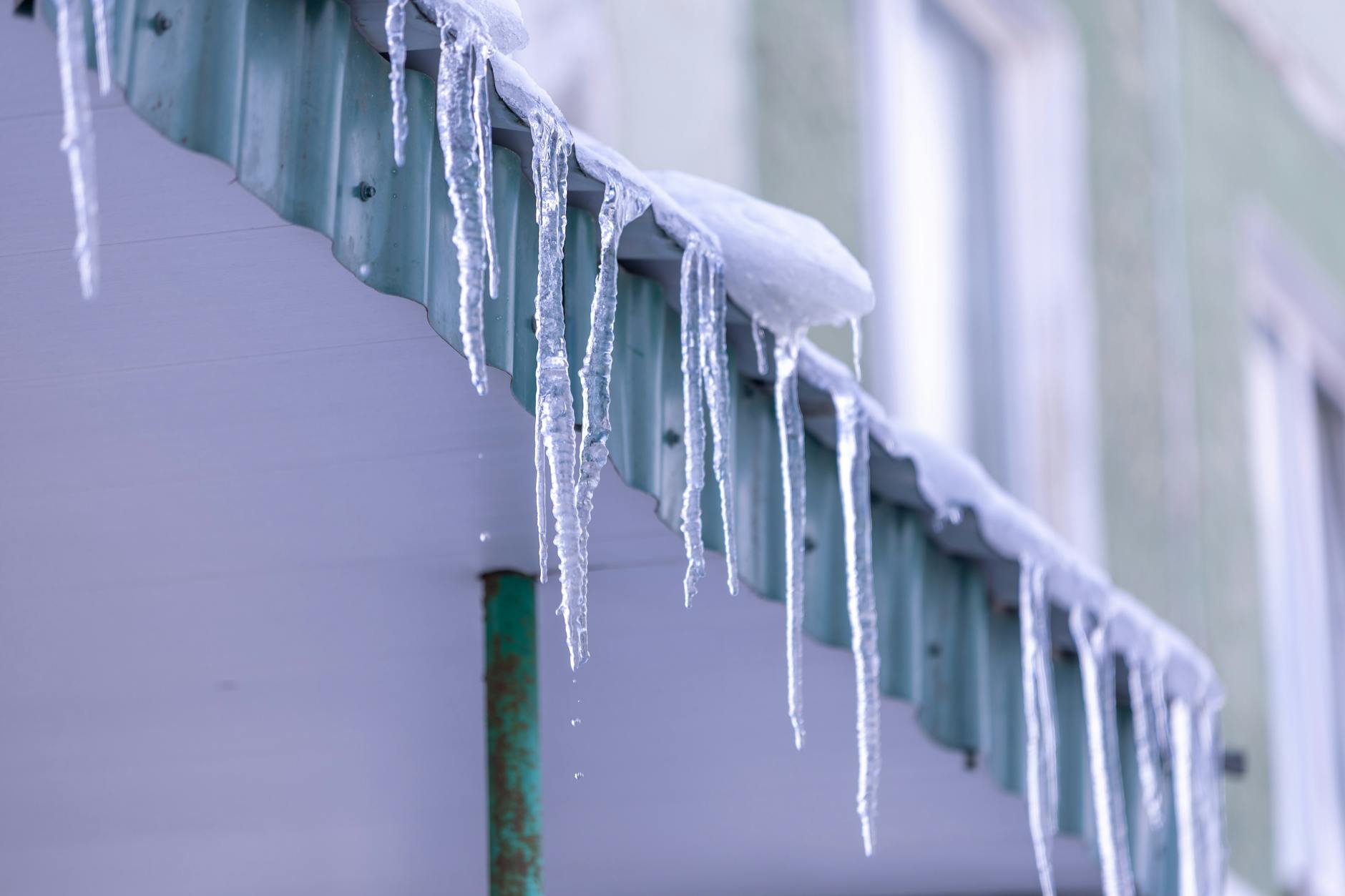
Standing water on flat or low slope roofs can seep into seams, edges, and small cracks over time. On sloped roofs, clogged gutters can cause overflow that runs behind fascia and into the roof edge. Water streaks on exterior walls or soggy soffits can point to drainage problems that mimic a roof leak. Fixing drainage issues is often part of stopping leaks for good.
Share any signs you have noticed at home in the comments.




