Winter color is not limited to evergreens and berries because several hardy plants can open their blooms when days are short and temperatures dip. These winter flowers tend to shine in sheltered spots like walls, courtyards, and beds with good drainage where roots stay healthier through cold and wet weather. Many also offer fragrance or early nectar that supports pollinators on mild days. With a mix of shrubs, bulbs, and perennials, it is possible to keep flowers appearing from late autumn through the first stretch of spring.
Hellebore
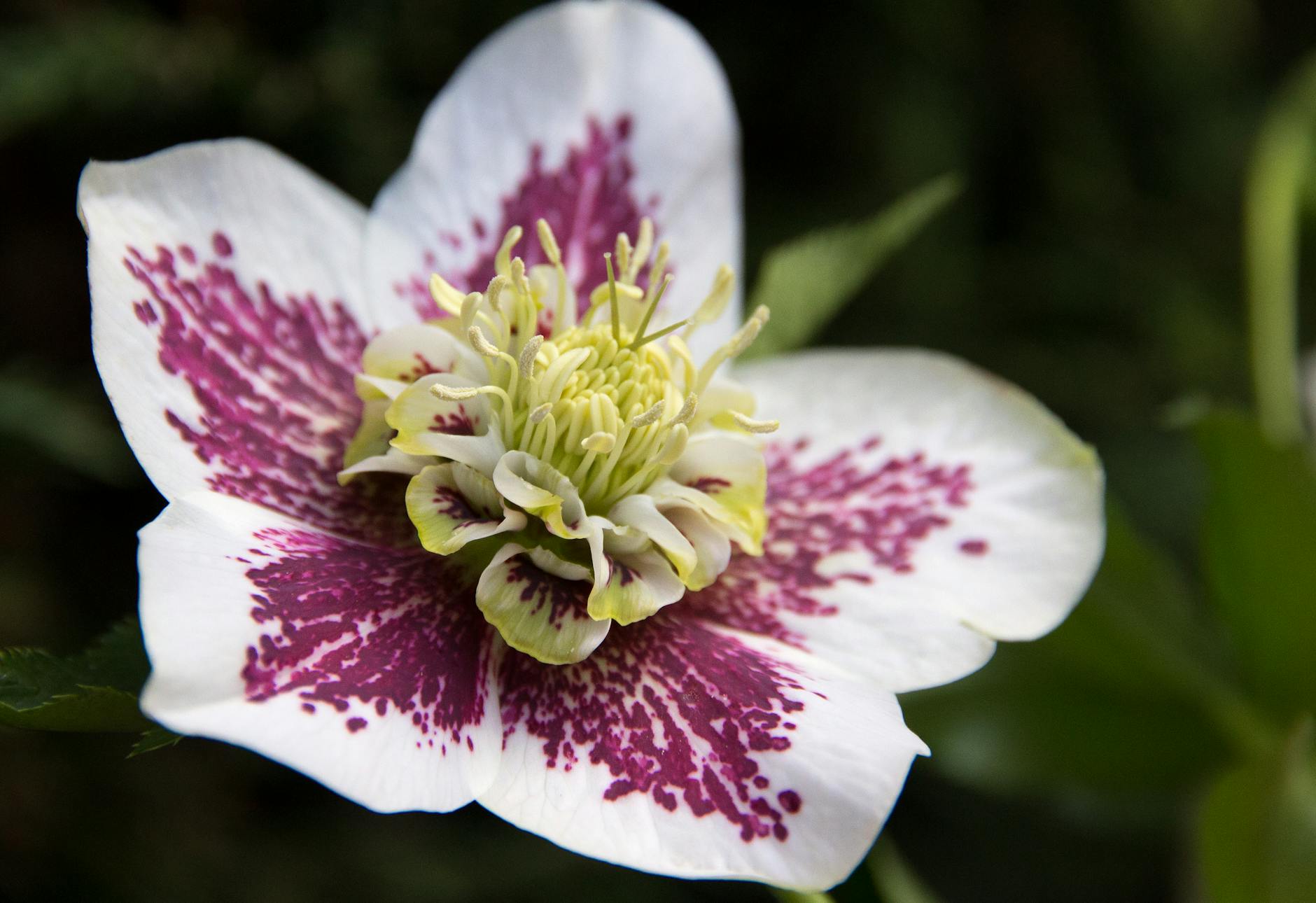
Hellebores are among the most reliable winter bloomers, producing nodding flowers in shades of white, pink, plum, and green. Their leathery evergreen leaves keep borders looking full even when most perennials have disappeared. They prefer partial shade and humus rich soil that stays moist but not waterlogged. Old foliage is usually removed in late winter to show off the flowers and reduce disease issues.
Winter Jasmine
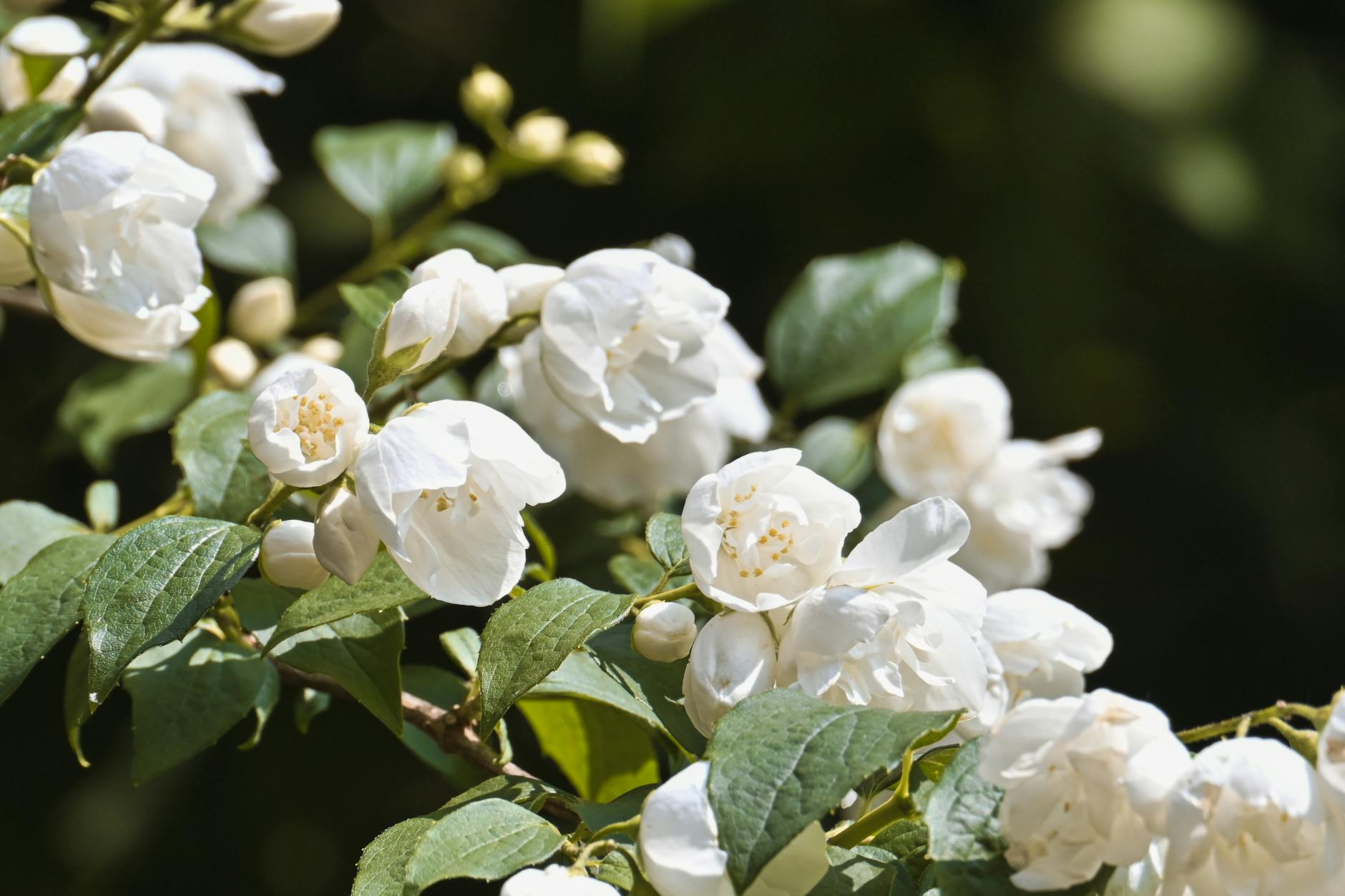
Winter jasmine brings bright yellow blooms on bare green stems, often starting in mid winter during mild spells. It is a scrambling shrub that looks best trained along a wall, fence, or arch where its stems can be tied in for a neat display. Flowers appear before leaves, creating a vivid pop of color against brick and stone. It tolerates poor soils but performs best with sun and good drainage.
Snowdrops
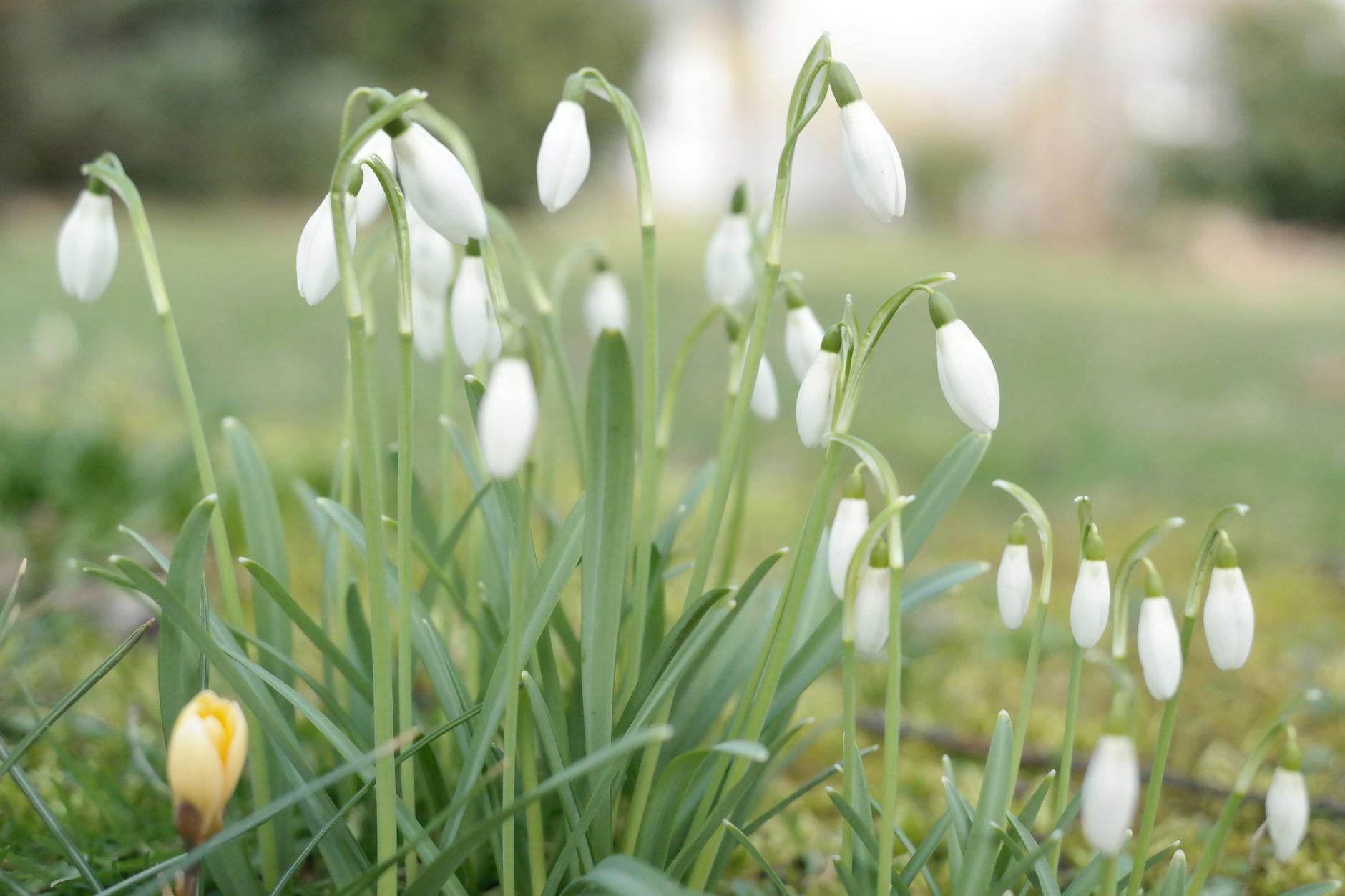
Snowdrops are small but dramatic, with crisp white flowers that push through cold soil and even light snow. They naturalize well, forming drifts over time in lawns, woodland edges, and under deciduous trees. Planting them in groups creates the most impact and helps the display look intentional. They prefer moist soil in growth but appreciate drainage during summer dormancy.
Winter Aconite
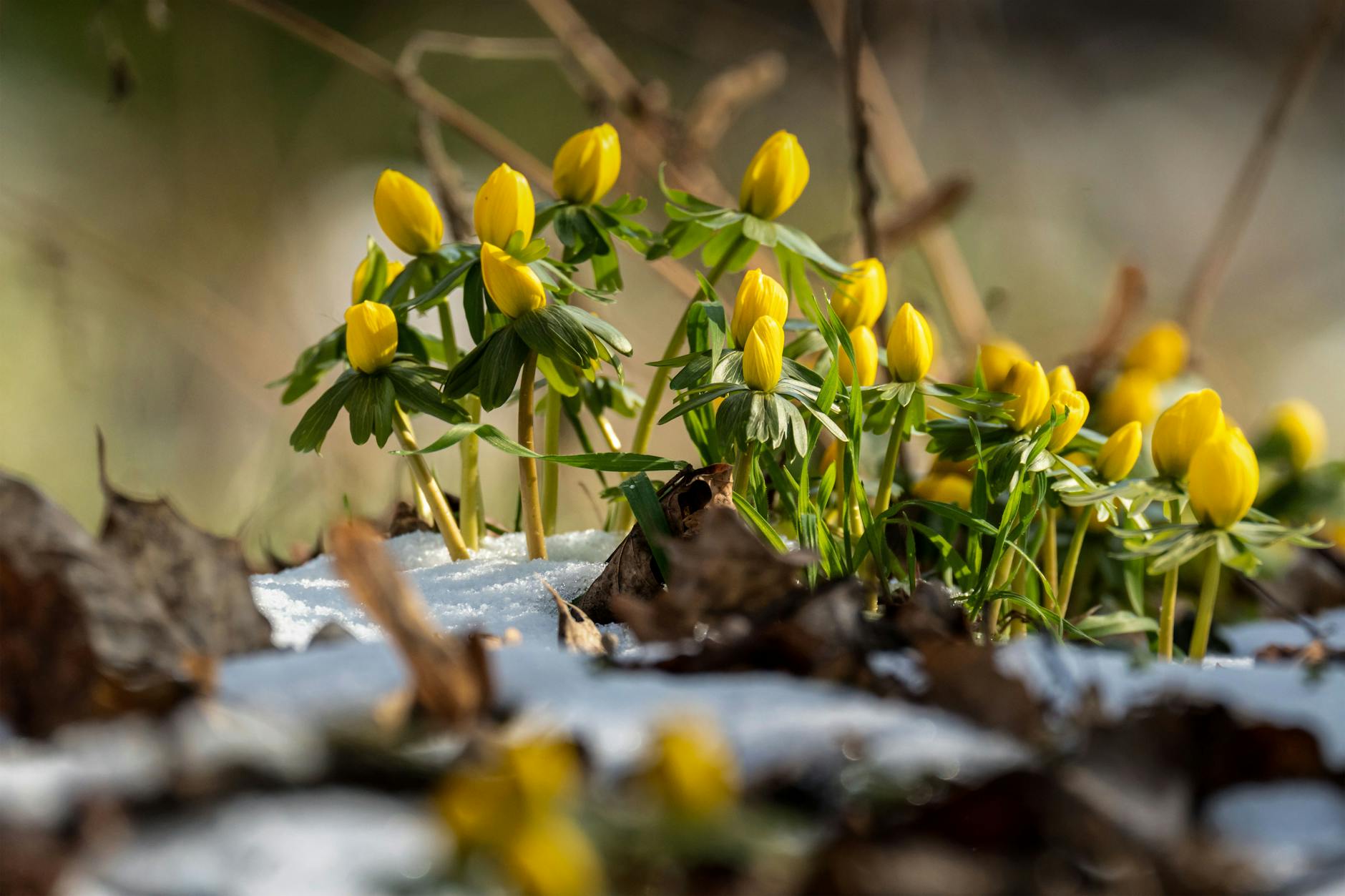
Winter aconite produces butter yellow cup shaped flowers surrounded by a ruff of leafy bracts. It thrives in dappled shade and is especially effective under trees where it can carpet the ground before spring bulbs take over. Once established it can spread by seed and create long lasting colonies. It likes fertile soil and consistent moisture during the growing season.
Crocus
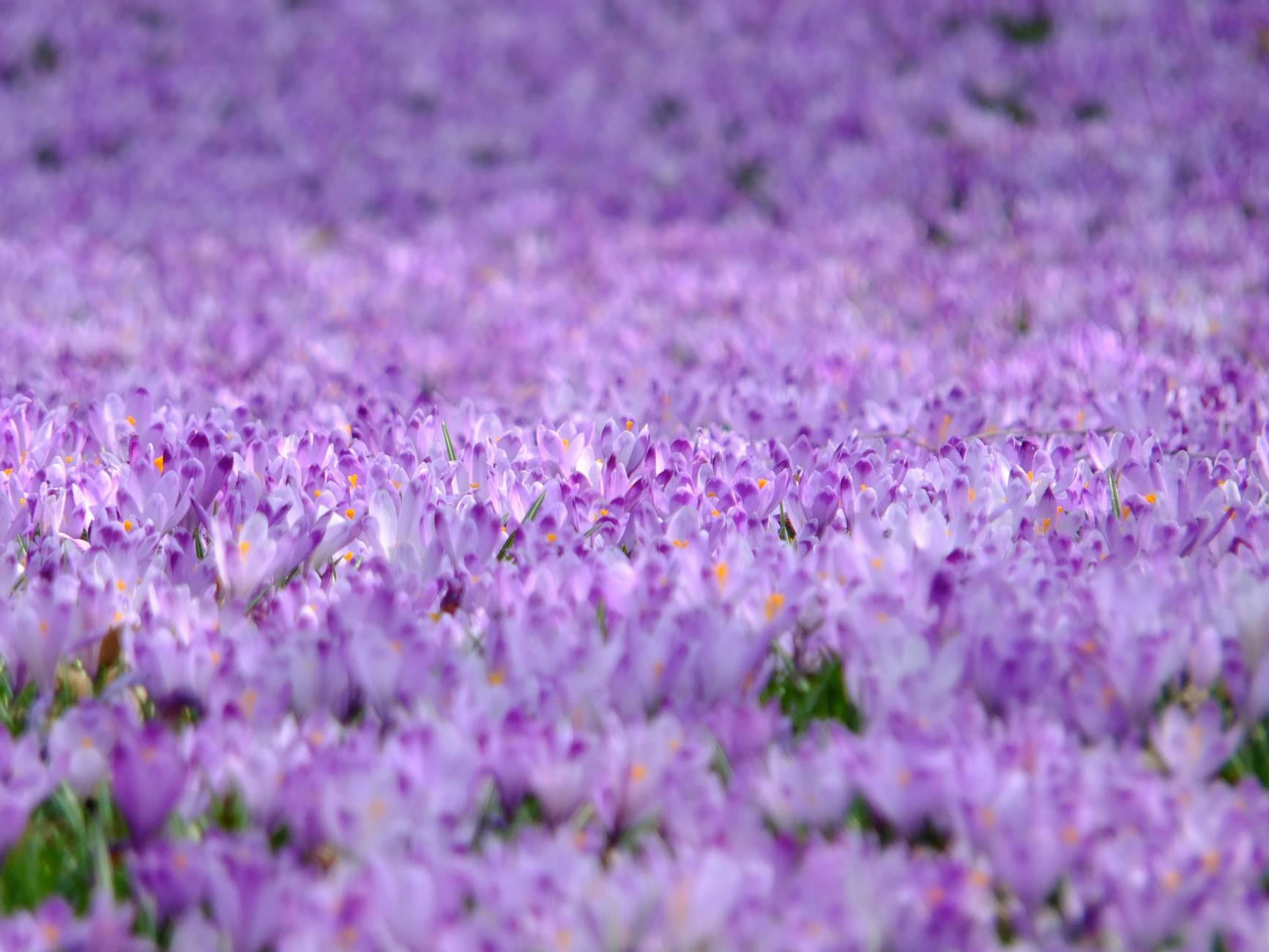
Early crocuses can open in winter sunshine, showing jewel tones like purple, lavender, white, and striped varieties. They work well in rock gardens, borders, and lawns where they can naturalize and return in bigger numbers each year. Many varieties close their petals in cold or cloudy weather, then reopen when conditions improve. Plant corms in well drained soil to reduce the risk of rot.
Cyclamen Coum
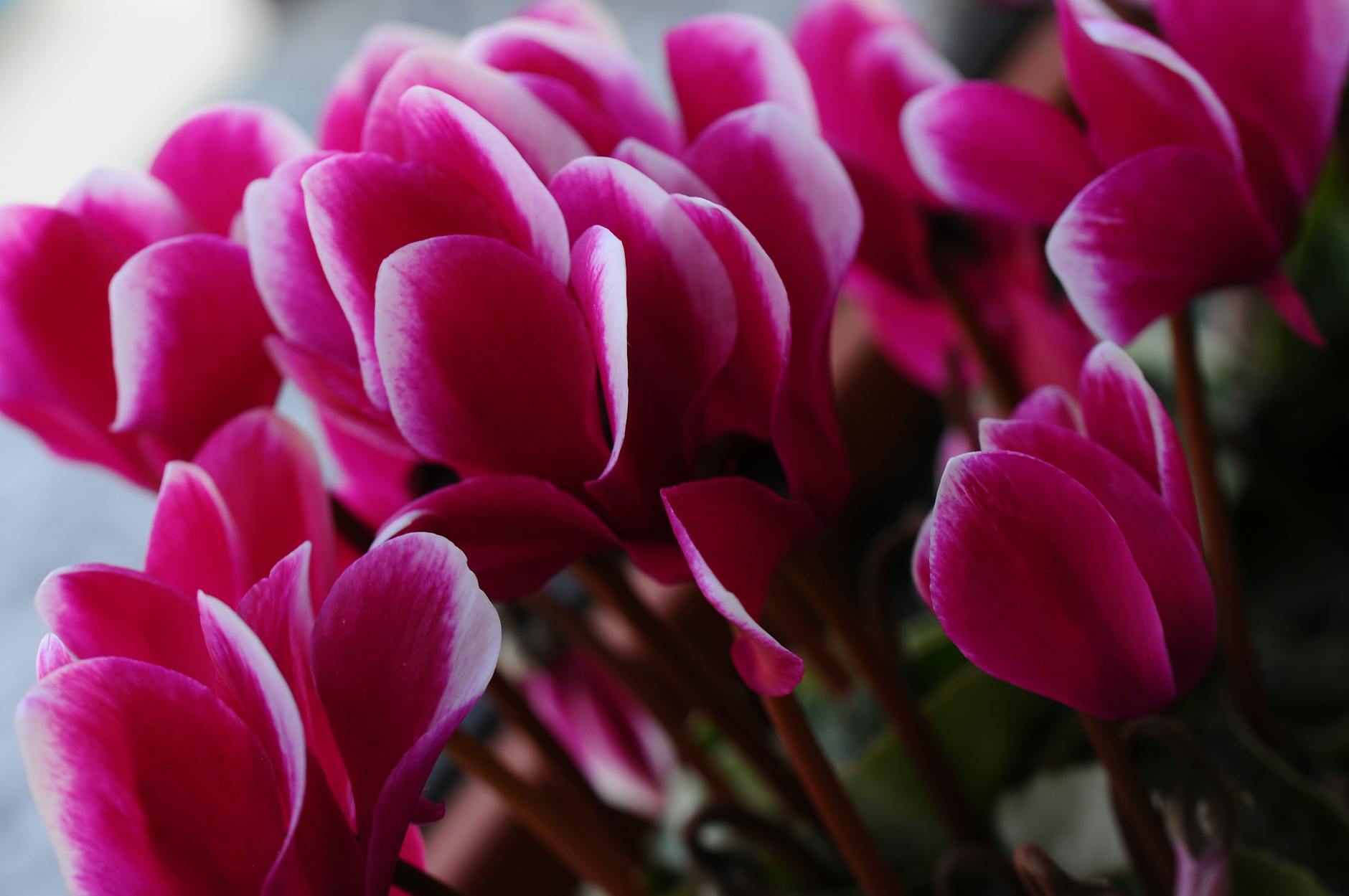
Cyclamen coum offers low mounds of patterned leaves and small flowers in pinks and whites during winter and very early spring. It is suited to woodland style planting, especially beneath shrubs and trees where it can enjoy shelter. The foliage is often as decorative as the blooms, adding interest even between flowering phases. It prefers well drained soil and does not like sitting in winter wet.
Witch Hazel
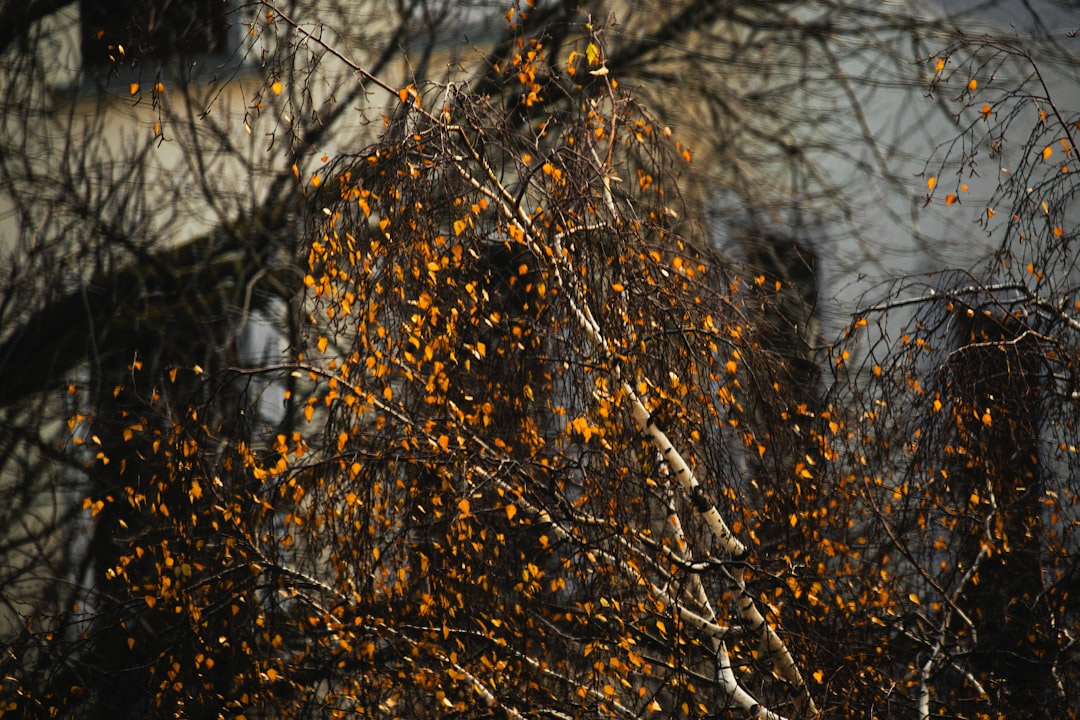
Witch hazel is a winter flowering shrub with ribbon like blooms in yellow, copper, or red that appear on bare branches. Many varieties are lightly to strongly fragrant, making it a standout near paths and doorways. It grows slowly but becomes a striking specimen plant with good structure year round. Shelter from harsh winds helps protect the flowers and extends the blooming period.
Winter Heather
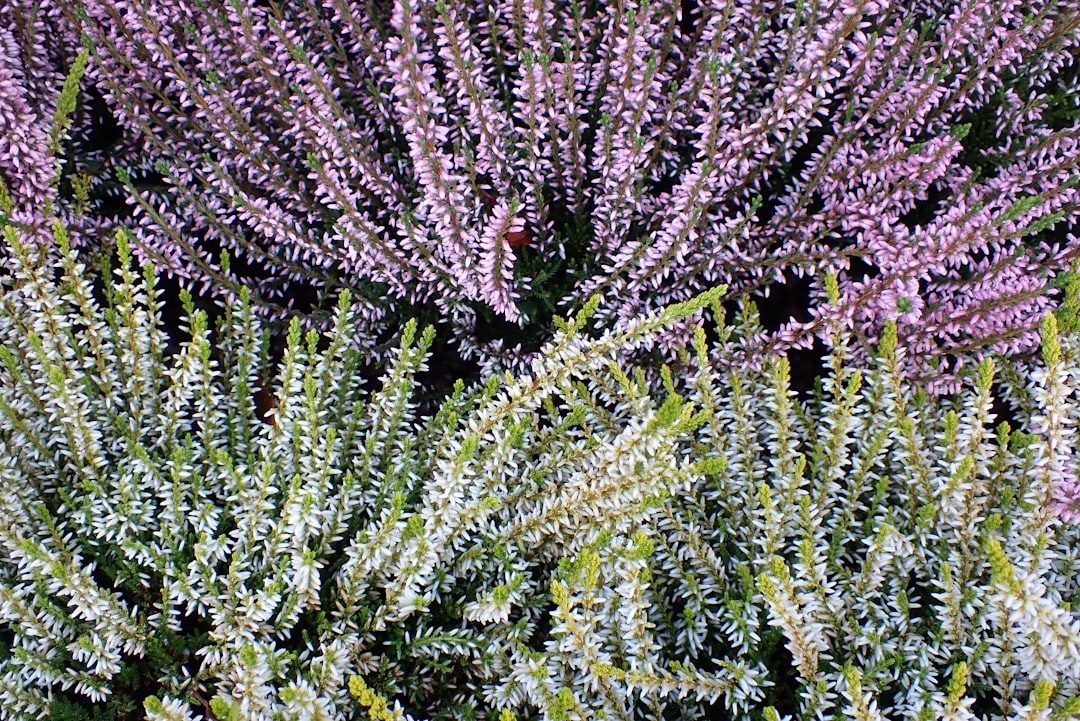
Winter heathers provide dense evergreen foliage and masses of tiny flowers that can last for weeks. Colors range from white to soft pink and deeper rose tones depending on the variety. They are ideal for edging, slopes, and containers where their tidy habit keeps winter planting looking intentional. Most prefer acidic soil and full sun for the best flowering.
Camellia
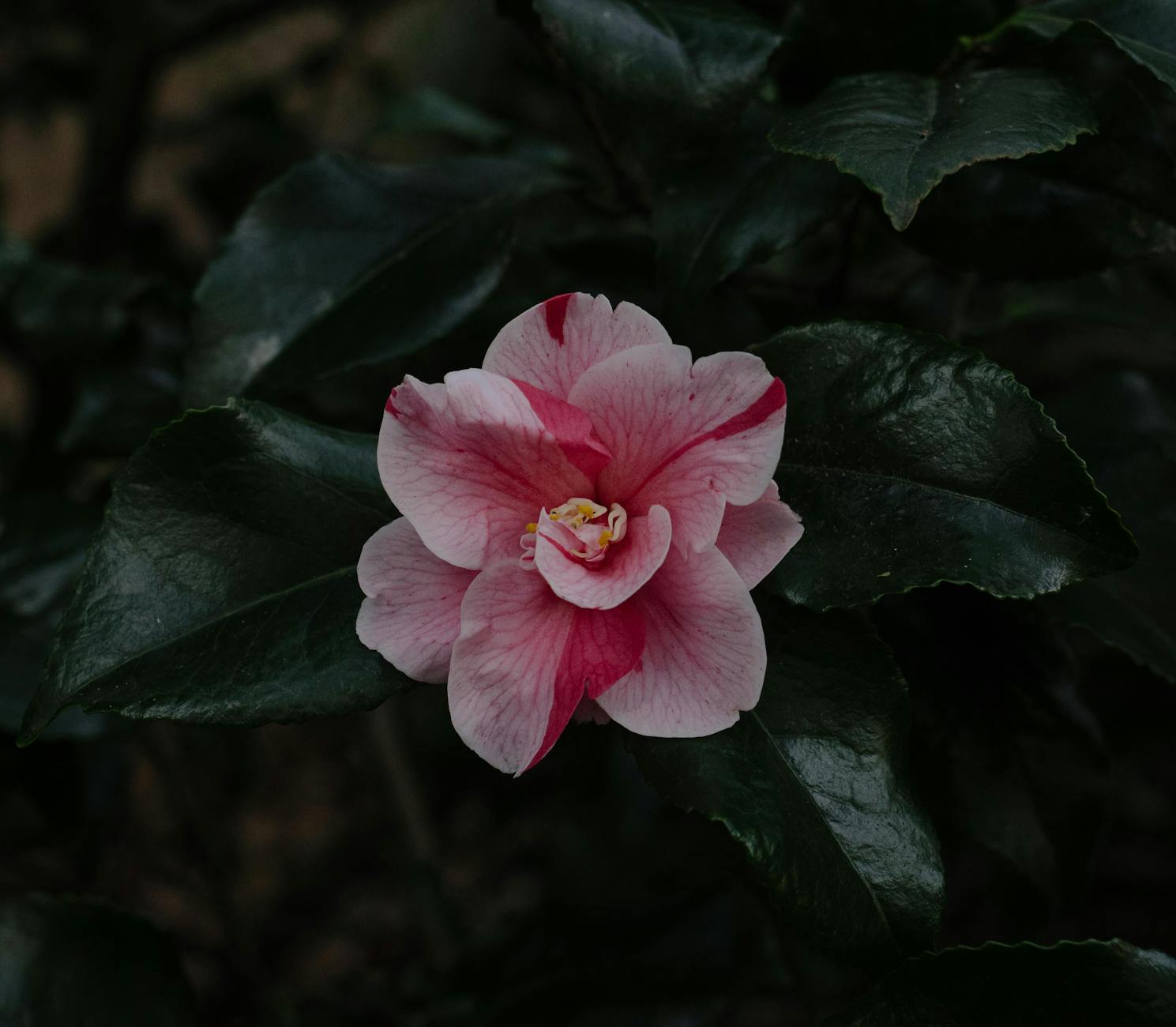
Camellias can flower in winter with glossy evergreen leaves and showy blooms that resemble roses. They look especially luxurious in sheltered gardens where buds are protected from cold wind and harsh morning sun. Many varieties bloom from late autumn through winter, extending the season when other shrubs are bare. They prefer acidic soil, steady moisture, and protection from drying conditions.
Share which winter flowers you already grow or want to try so other readers can plan a brighter cold season garden in the comments.




