Tea stains build up when dark pigments and tannins cling to tooth enamel, especially if you sip slowly throughout the day. Some teas also increase dryness in the mouth, which reduces saliva that normally helps wash away staining compounds. The teas below are most likely to deepen discoloration because they combine strong color with higher tannin levels and are often brewed intensely. Knowing which varieties stain the most can help you time your tea, rinse after drinking, and protect your smile without giving up your favorite cup.
Black Tea
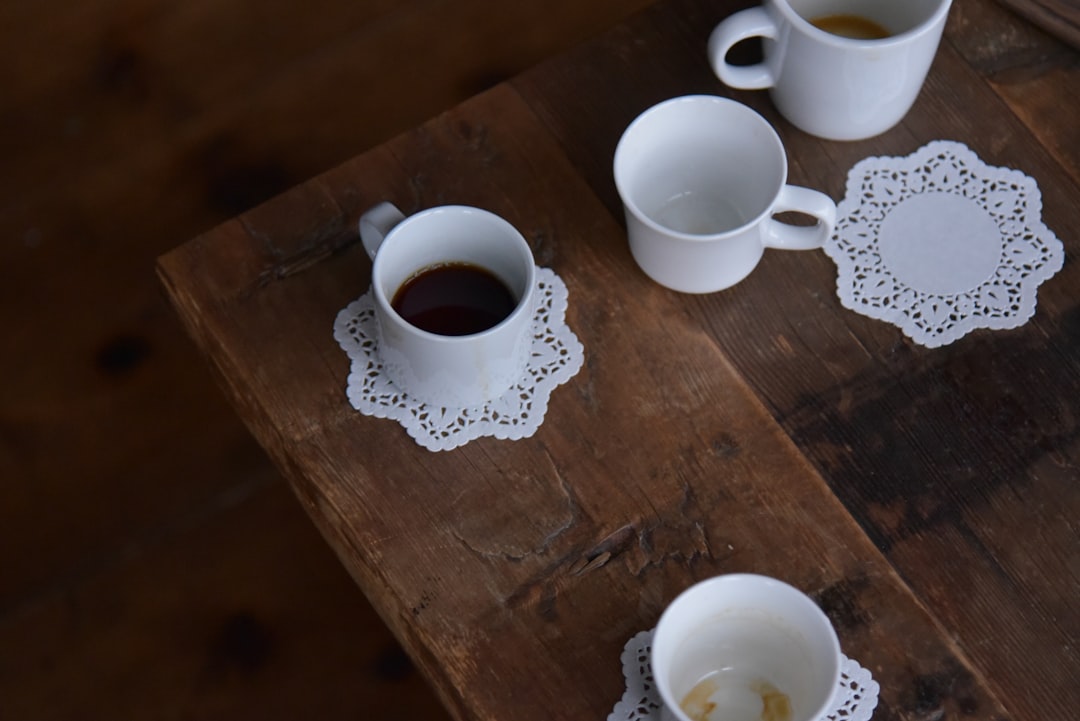
Black tea is one of the most common causes of tea staining because it contains high levels of tannins and deep brown pigments that adhere to enamel. Frequent sipping creates repeated exposure that makes stains more noticeable over time. Strongly brewed black tea and bottled versions can be especially staining due to concentration and extended contact with teeth. Adding lemon can increase acidity, which may slightly soften enamel and allow pigments to set more easily. Drinking it with meals and rinsing with water afterward can reduce how much pigment stays on the tooth surface.
Assam Tea
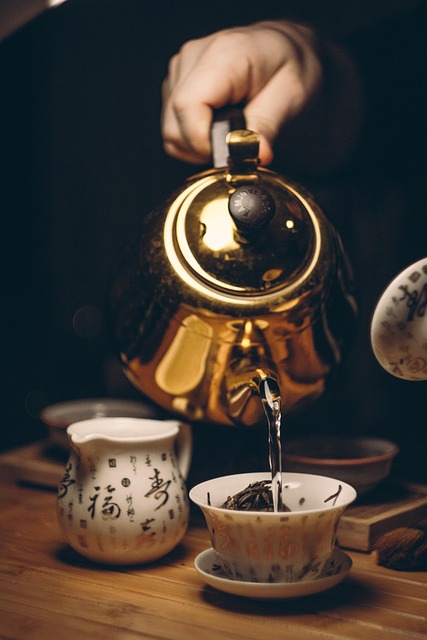
Assam is a bold black tea known for its rich color and malty profile, and that intensity often translates to heavier staining potential. It is typically brewed strong, which increases the amount of tannins and color compounds in each cup. Because it is frequently enjoyed with milk and sugar, residue can linger longer on teeth and contribute to a duller appearance. Multiple cups per day can gradually darken teeth, especially if oral hygiene is inconsistent. A quick water rinse and waiting before brushing can help limit enamel wear while still reducing surface staining.
English Breakfast Tea

English Breakfast blends are designed to be robust, which usually means more pigment and more tannins than lighter teas. The darker the brew, the more likely it is to leave brown film on enamel that becomes harder to remove with normal brushing. This tea is often consumed hot and slowly, increasing contact time with teeth. If you drink it first thing in the morning, staining compounds can bind more easily before saliva flow fully ramps up. Pairing it with breakfast and finishing with water can help reduce buildup.
Earl Grey
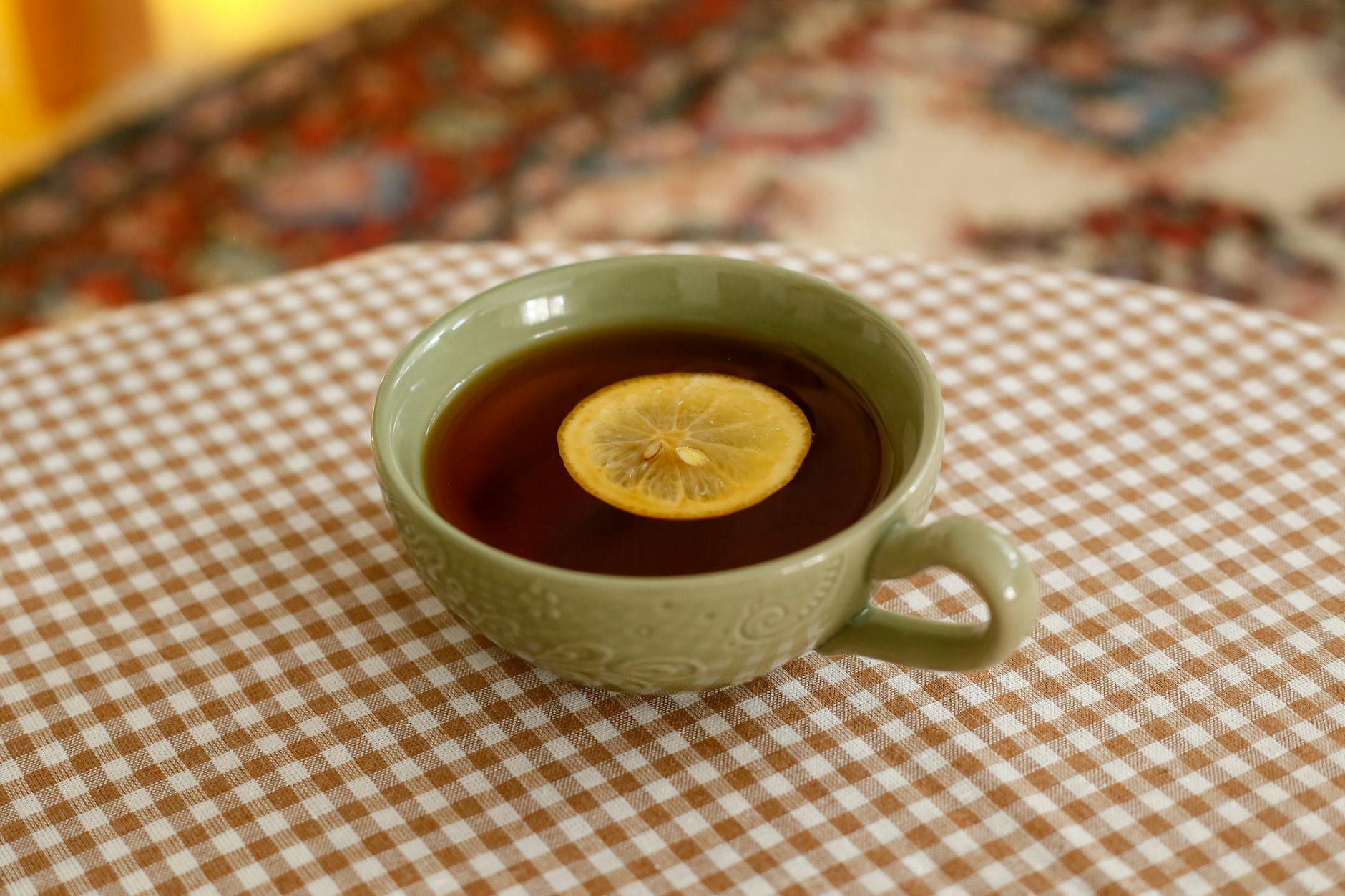
Earl Grey is black tea flavored with bergamot, and the black tea base still carries the primary staining risk. The citrus oils add aroma but do not cancel out the tannins that drive discoloration. Many people brew Earl Grey strong to bring out the fragrance, which can intensify staining. If lemon is added, the acidity can make enamel slightly more vulnerable to pigment sticking. Keeping brew strength moderate and rinsing after drinking can help limit darkening over time.
Darjeeling
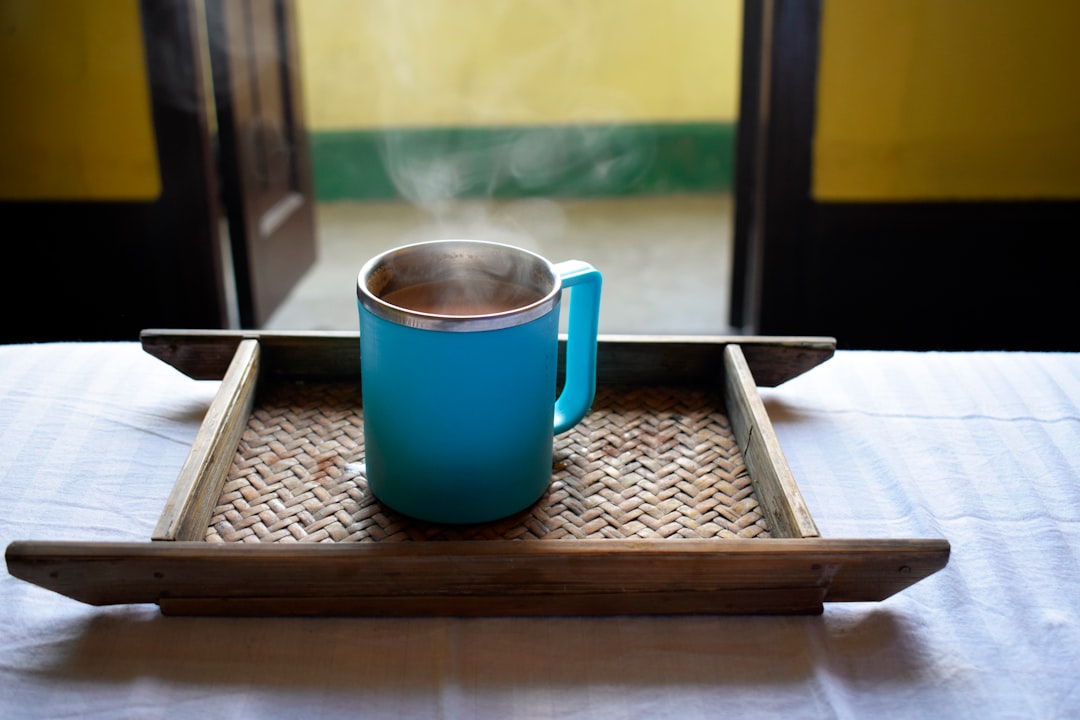
Darjeeling is sometimes called the champagne of teas, but it is still a black tea and can stain, especially when brewed longer for depth. Its lighter appearance compared with other black teas can be misleading because tannins are still present. Repeated cups can slowly create a yellow brown cast that becomes more visible along the gumline. Drinking it without milk may also allow pigments to contact enamel more directly. Consistent flossing helps because staining often clings around plaque where teeth meet.
Pu Erh Tea
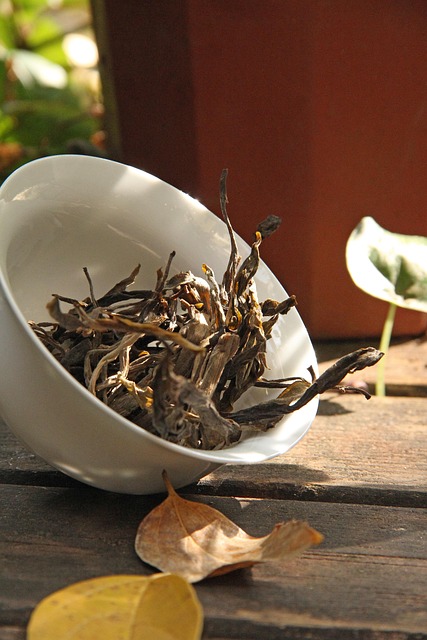
Pu erh is a fermented tea with a deep earthy color that can stain noticeably, particularly when brewed strong or taken as multiple infusions. Its dark pigments can cling to enamel in a way similar to coffee, especially for frequent drinkers. Because it is often sipped slowly during tea sessions, contact time can be long. The staining can be more pronounced on teeth with existing surface roughness or plaque buildup. Rinsing between infusions and maintaining regular professional cleanings can help keep discoloration from settling in.
Oolong Tea
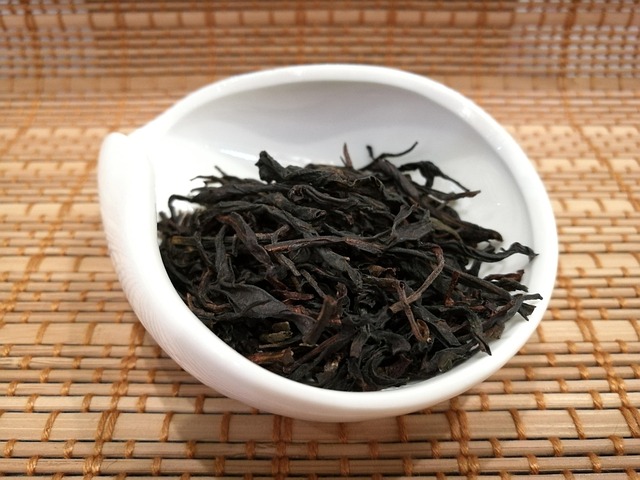
Oolong sits between green and black tea, but many darker oolongs contain enough tannins and pigment to stain teeth over time. Roasted oolongs in particular can leave a brownish film that gradually deepens with frequent use. Brewing temperature and steeping length strongly affect staining potential, with longer steeps pulling out more tannins. People who re steep leaves multiple times may get repeated exposure across a short window. Drinking water alongside oolong can dilute pigments and reduce how much clings to enamel.
Matcha
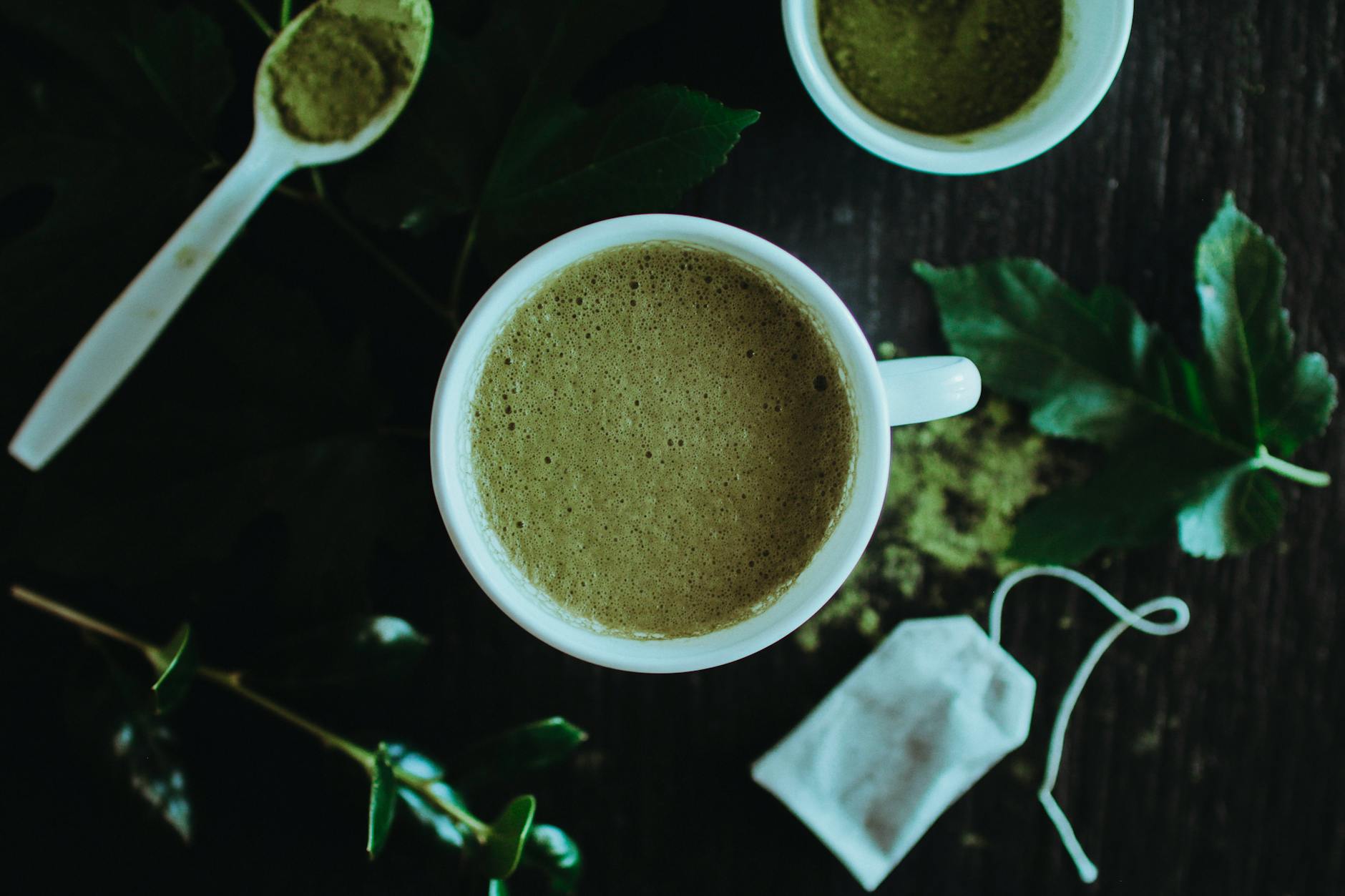
Matcha can stain despite its green color because it is a whole leaf powder that coats the mouth more thoroughly than steeped tea. The fine particles can cling to plaque and rough enamel, leaving a duller or slightly darker look over time. Strong matcha lattes can increase sticking because the thicker texture stays on teeth longer. Daily matcha drinkers may notice more buildup if brushing is rushed or if plaque is present along the gumline. Swishing water after drinking and keeping up with cleanings can help prevent the pigments from settling.
Strong Herbal Blends With Dark Fruits
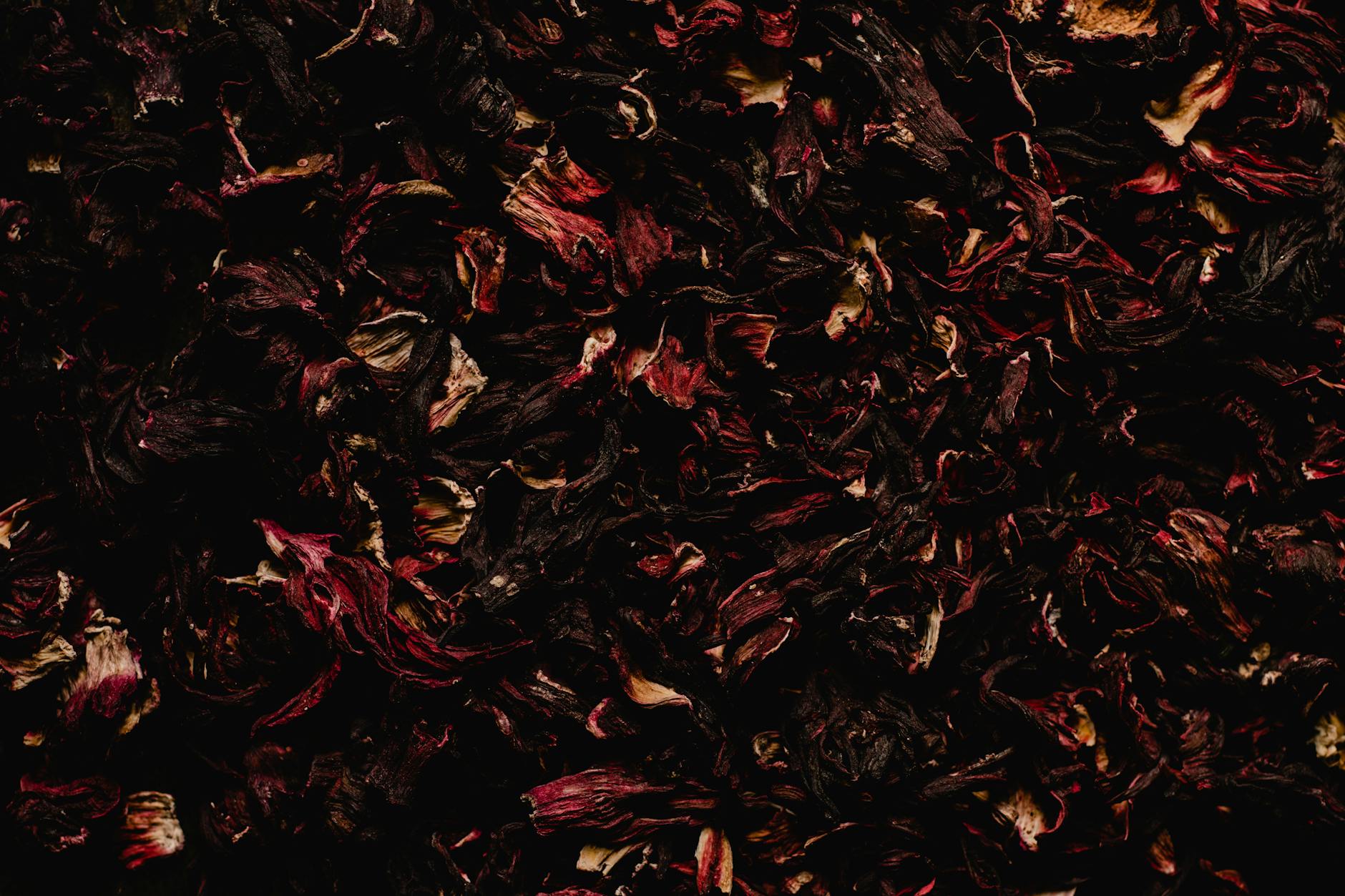
Some herbal teas stain heavily when they include dark fruits like hibiscus, elderberry, blackberry, or blackcurrant. These blends are rich in natural pigments that can deposit color on enamel, especially when sipped slowly. Many are also slightly acidic, which can make enamel more receptive to staining if consumed often. Iced versions that are sweetened can increase residue and make stains more stubborn. Using a straw for iced herbal teas and rinsing afterward can cut down on how much pigment stays on teeth.
Share which teas you drink most often and whether you have noticed staining in the comments.




