Too much direct light can stress even sun loving houseplants and cause leaf damage that looks a lot like dehydration or nutrient issues. The key is to notice changes in color texture and growth patterns especially on the side facing the window. Many symptoms appear gradually then worsen quickly during bright stretches of weather. Watching how the plant responds at different times of day helps pinpoint whether sunlight intensity is the real problem. If you spot several of the signs below it may be time to move the plant back from the glass or soften the light.
Leaf Scorching
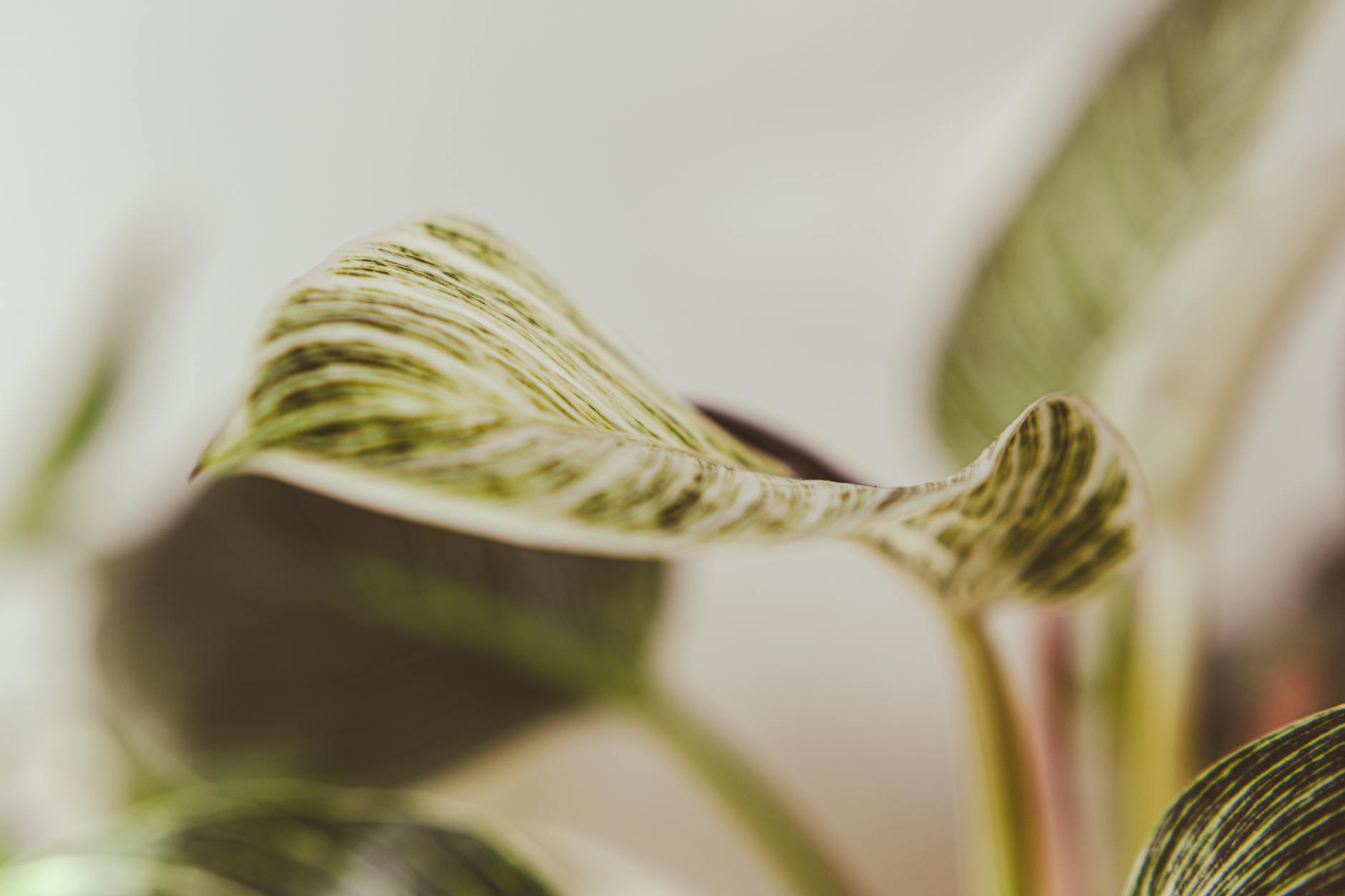
Leaves develop crispy tan or brown patches that often start on the most exposed areas. The damaged sections can feel papery and brittle rather than soft or limp. Scorching is most common when a plant goes from lower light to strong direct sun without acclimating. The pattern usually matches where sun hits hardest such as upper leaves or the window facing side. Once tissue is scorched it will not turn green again even if conditions improve.
Faded or Bleached Color
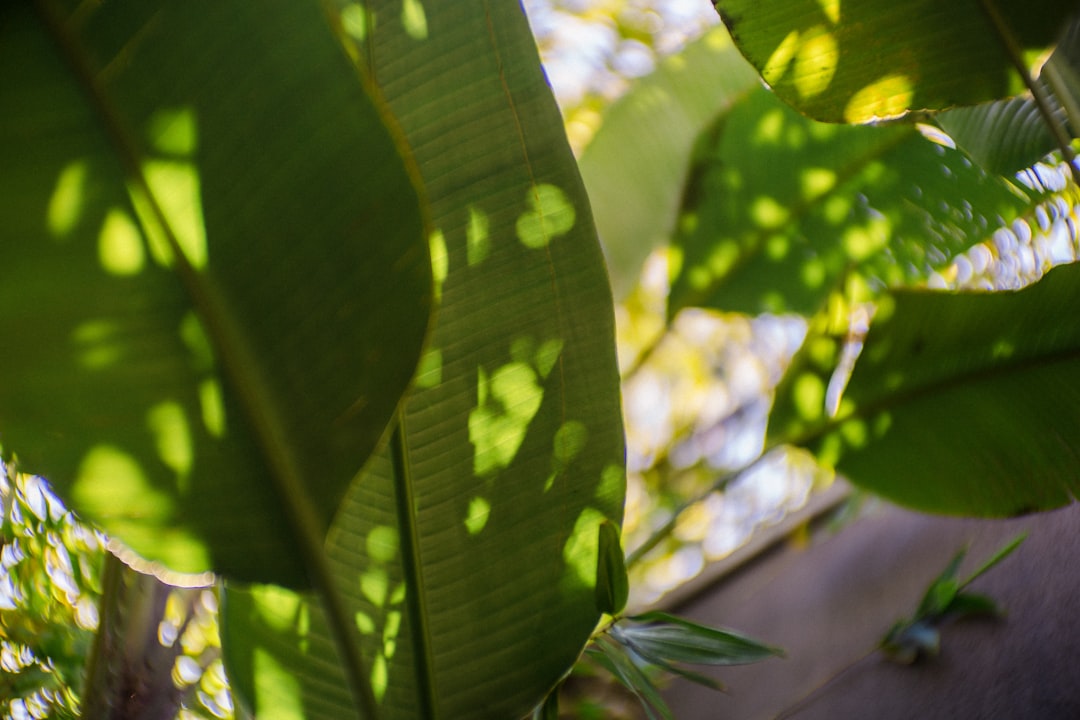
Green leaves can turn pale lime yellowish or washed out when chlorophyll breaks down under intense light. Variegated plants may look extra bright but also less defined as contrast fades. This change often appears first on new growth that is more sensitive to exposure. Unlike nutrient deficiencies the paling is usually strongest closest to the light source. If the plant is normally deep green a sudden lightened look is a common warning sign.
White or Silvery Sunburn Spots
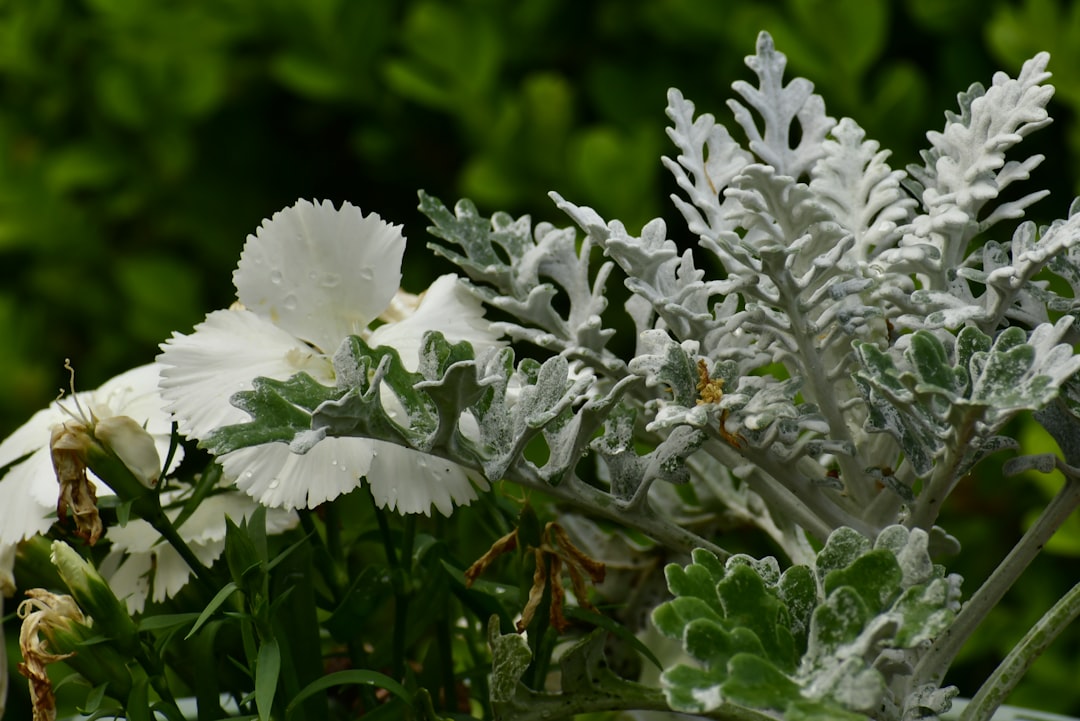
Some plants show small white speckles or larger silvery patches that look like scarring. These areas can appear shiny or slightly translucent in strong light. Sunburn spots are frequently seen on thinner leaved tropical plants placed in direct afternoon sun. The marks tend to stay localized instead of spreading evenly across the plant. Over time the damaged areas may dry out and turn tan.
Leaf Curling or Cupping Toward the Center
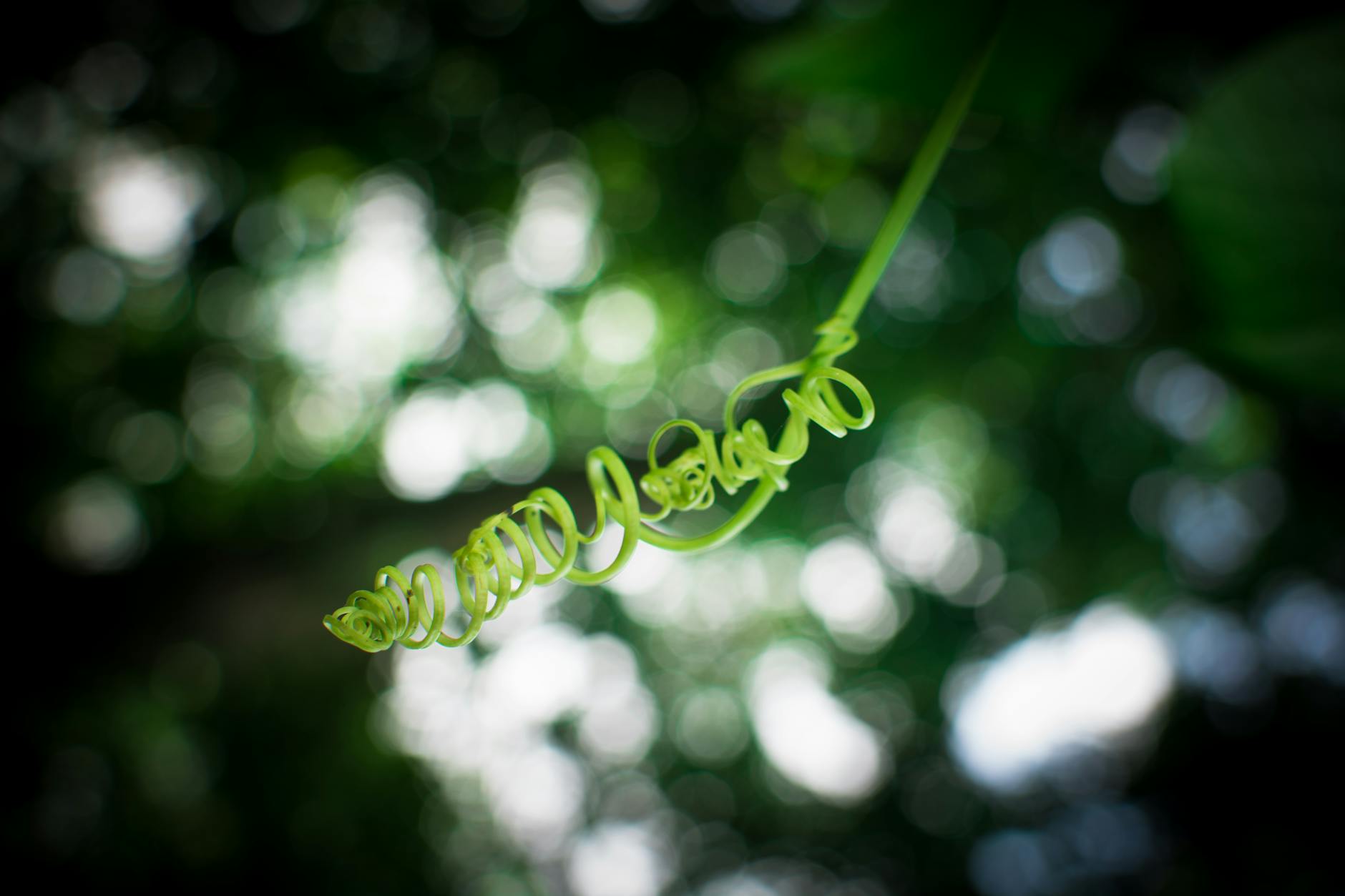
Leaves may curl inward or cup as the plant tries to reduce surface area exposed to intense rays. The leaf can look tighter and more rigid instead of relaxed and flat. This response often shows up during the brightest part of the day and can lessen overnight. If curling is paired with bleaching or scorched edges sunlight is a likely trigger. Persistent cupping can also slow growth because photosynthesis becomes less efficient.
Crispy Edges With Green Centers
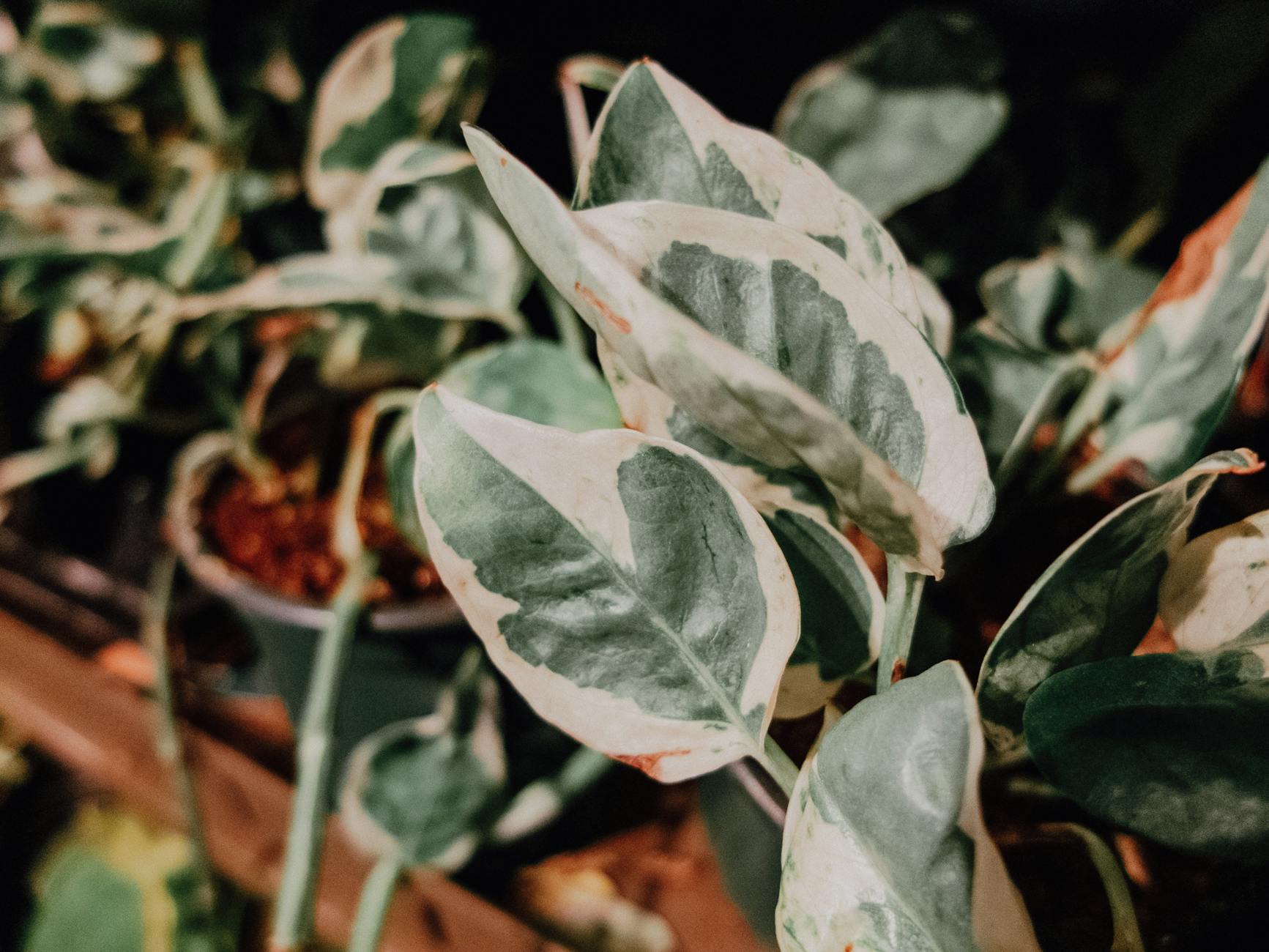
Leaf margins dry out first because edges lose moisture fastest under heat and light. The center of the leaf may stay green while the perimeter turns brown and crunchy. This is especially common in plants near hot glass where temperatures spike even in winter sun. If you water normally but edges keep crisping consider light intensity before increasing watering. The same pattern repeating on multiple leaves is a strong clue.
Rapid Soil Drying and Frequent Wilting
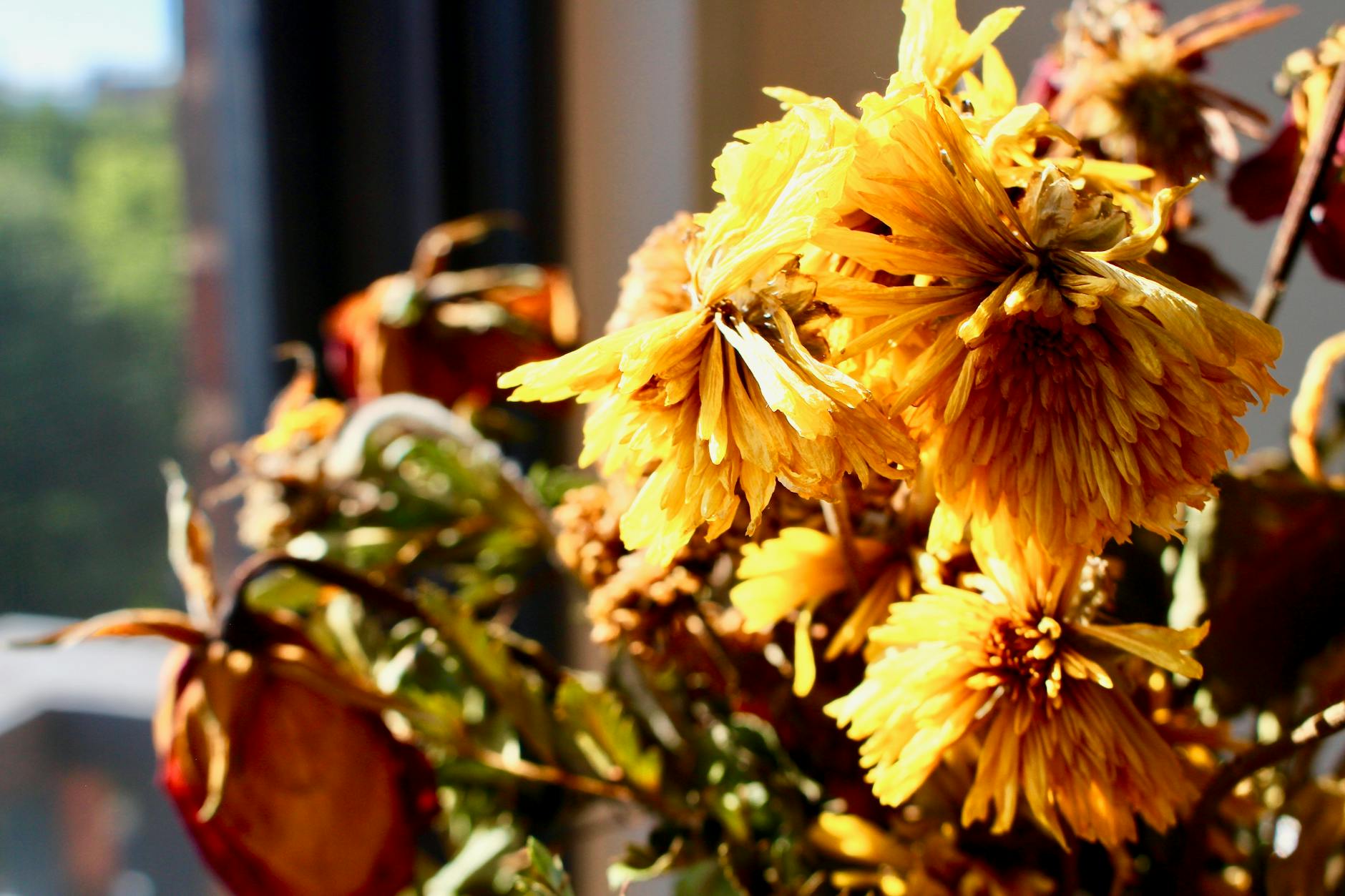
In high sun the potting mix can dry much faster causing the plant to wilt even when you recently watered. The wilting may look dramatic during midday then partially recover in the evening. This cycle can mislead people into overwatering which creates additional stress. A plant that needs water far more often after being moved to a brighter spot may be getting too much sun. Heat buildup around the pot can worsen the effect.
Stunted or Stressed New Growth
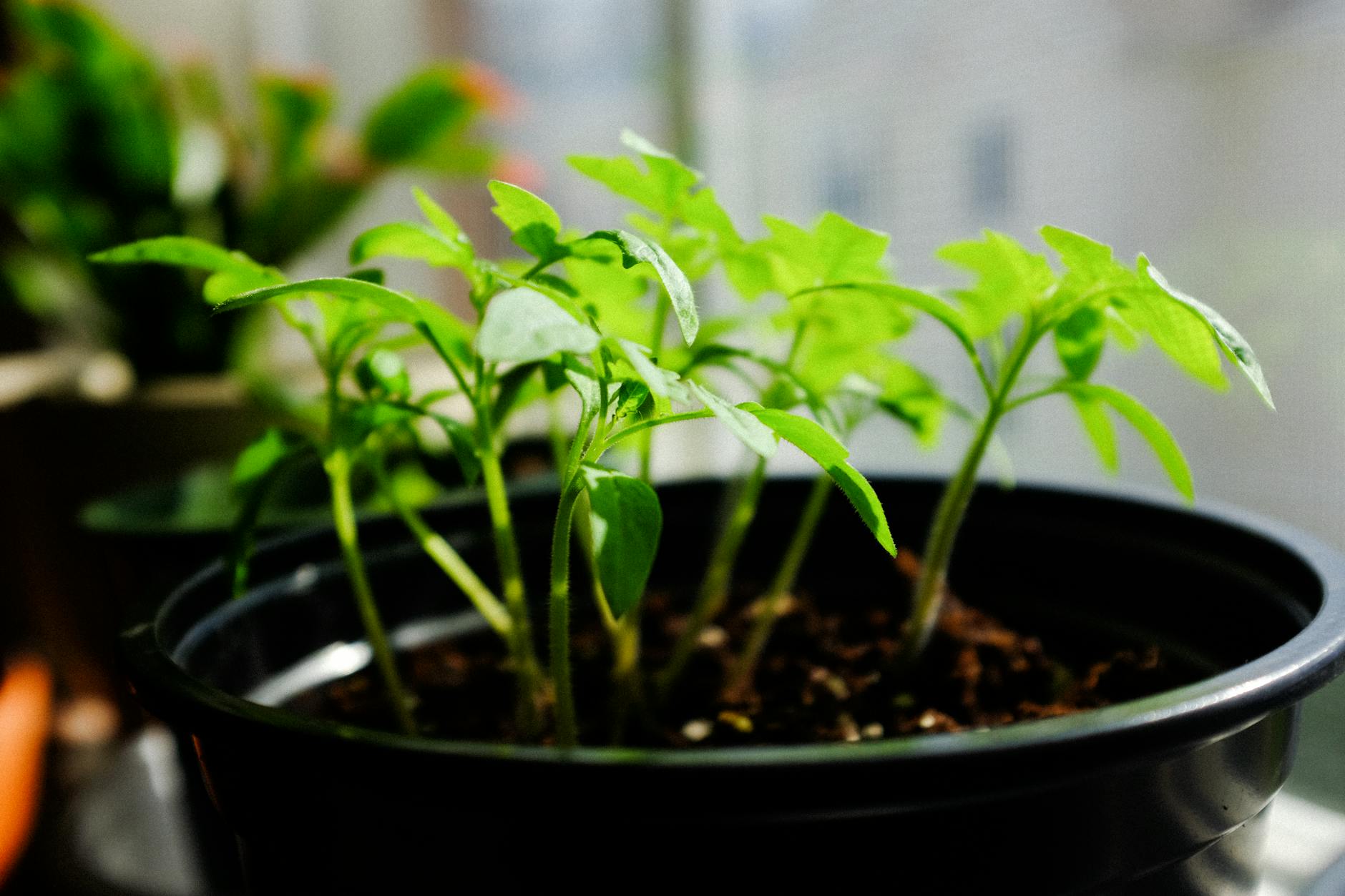
New leaves may emerge smaller thinner or misshapen when the plant is under light stress. Growth can slow as the plant diverts energy into repair and protection instead of expansion. You might also see new leaves harden off quickly with less flexibility. In some species the plant may stop producing new leaves entirely while holding onto existing ones. Comparing new growth to older healthy leaves helps confirm the change.
Dropping Leaves on the Sun Facing Side
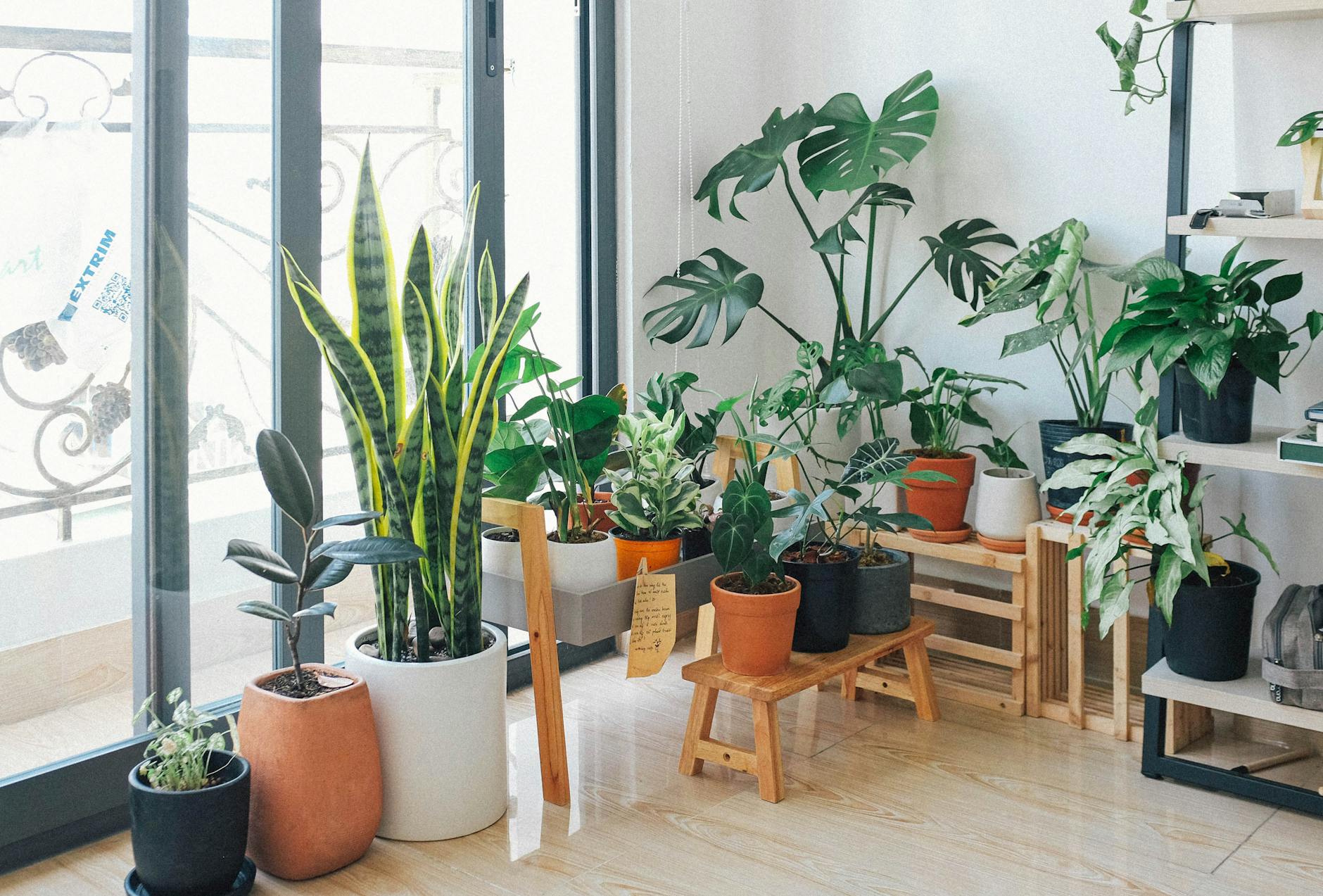
A plant may shed leaves that take the brunt of the exposure while keeping shaded leaves longer. Dropped leaves often show discoloration or dry patches before they fall. This selective leaf loss can make the plant look lopsided toward the window. It is a protective strategy to reduce water loss and damage. If leaf drop increases after a move into direct light sunlight is a likely cause.
Heat Stress at the Window
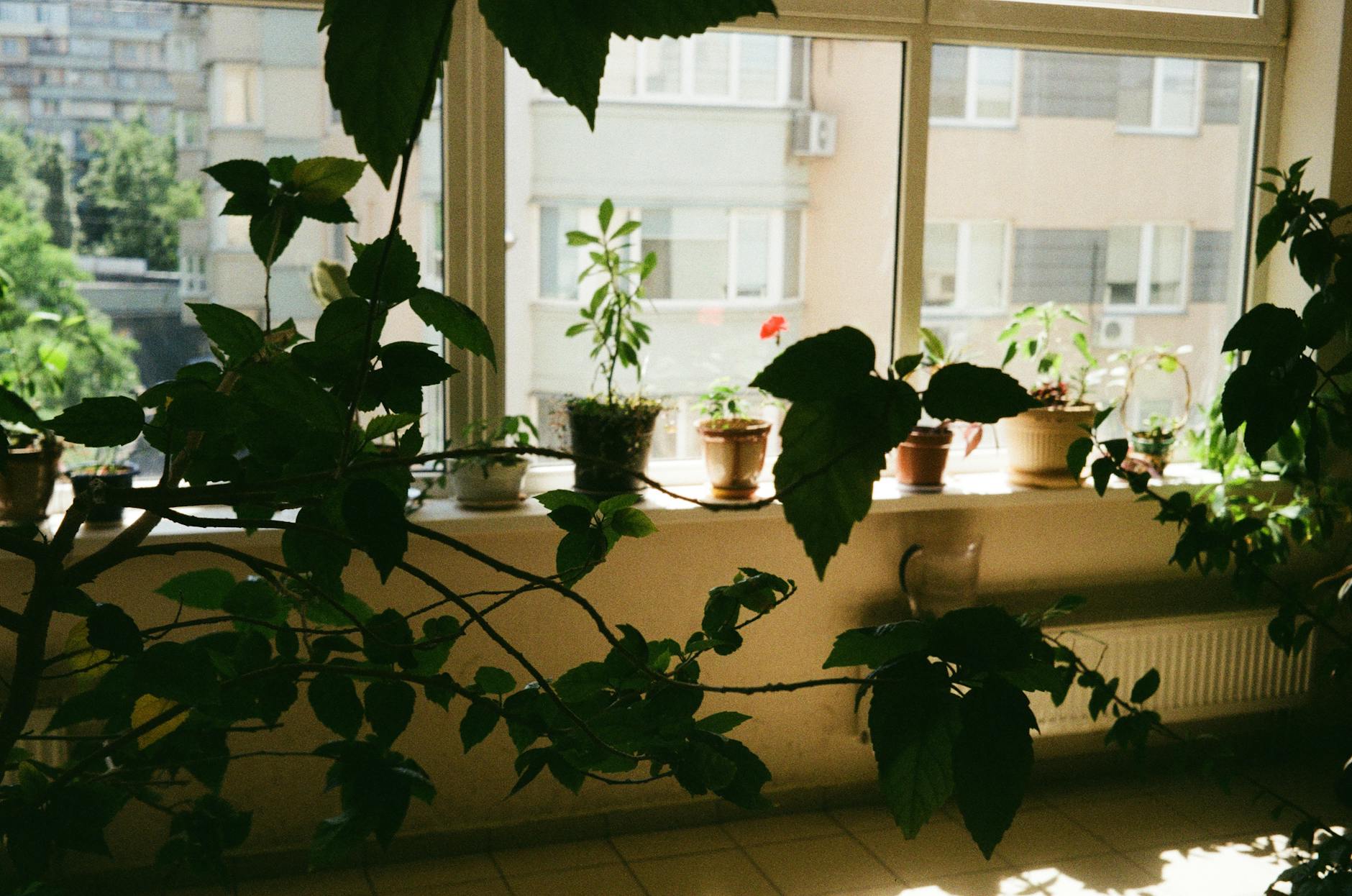
Plants placed right against a sunny window can overheat even if the room feels comfortable. Leaves may feel warm to the touch and look slightly dull during peak sun hours. Some plants develop a limp look that is more about temperature than thirst. Heat stress often happens in south or west facing windows with strong afternoon sun. Moving the plant a short distance back can lower intensity and temperature noticeably.
Brown Patches That Spread After a Sunny Day
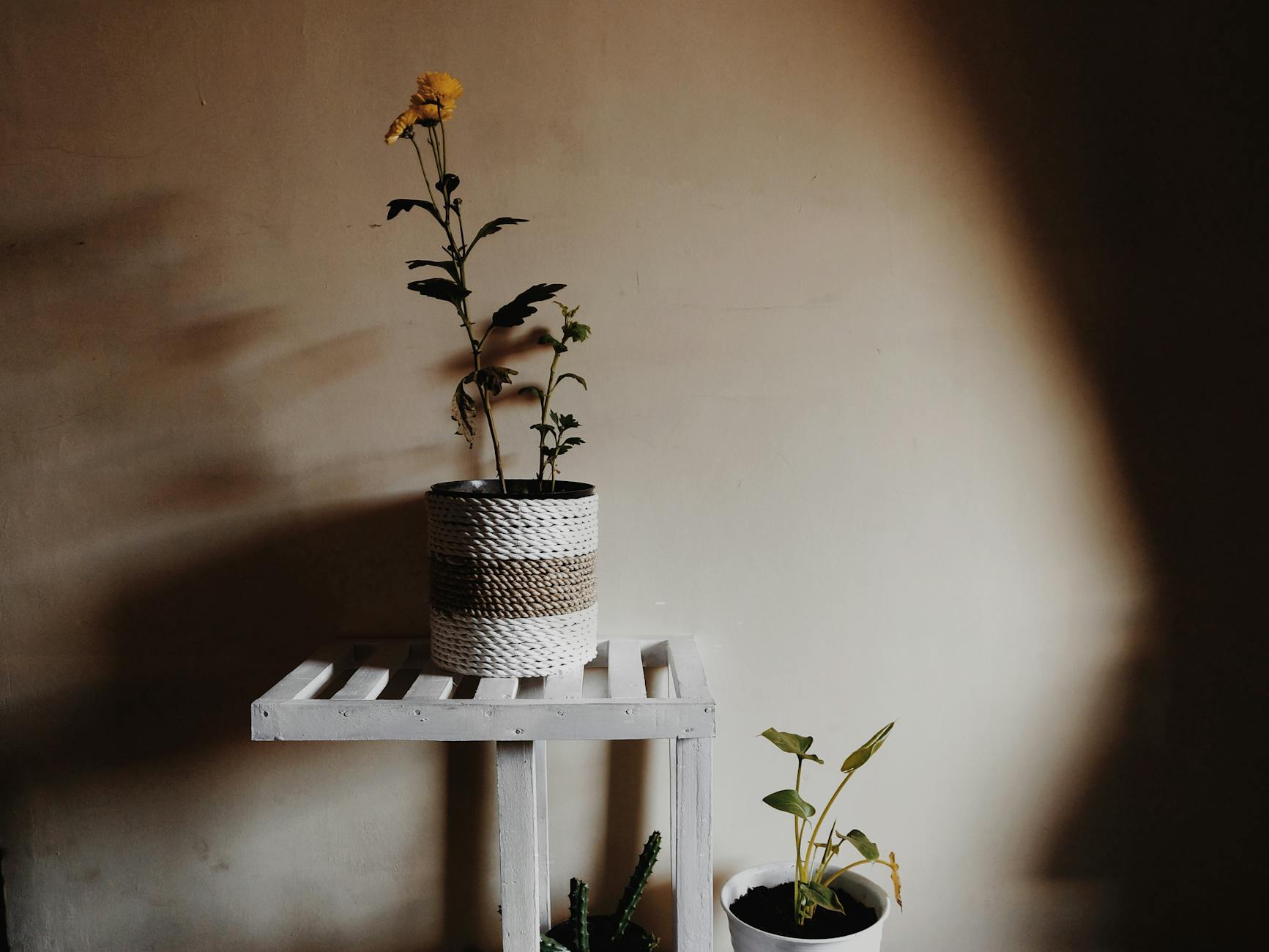
Damage can appear a day or two after intense sun exposure rather than immediately. A leaf may look fine then develop brown blotches that expand as tissue dies back. This delayed response is common after a sudden sunny spell or after rotating the plant into stronger light. The patches usually stay within the sunburned area and do not show fuzzy growth like many fungal problems. Tracking recent light changes helps separate sun issues from disease.
Share which plant you suspect is getting too much sun and what your window setup looks like in the comments.




