Wild mushrooms can be nutritious and delicious, but a small identification mistake can be fatal. Many edible species have dangerous lookalikes that share similar shapes, colors, or habitats. Knowing the common pairs helps you understand what to check before anything reaches a pan. When there is any doubt, treat the mushroom as unsafe and consult a local expert or poison center guidance for your region.
Chanterelle
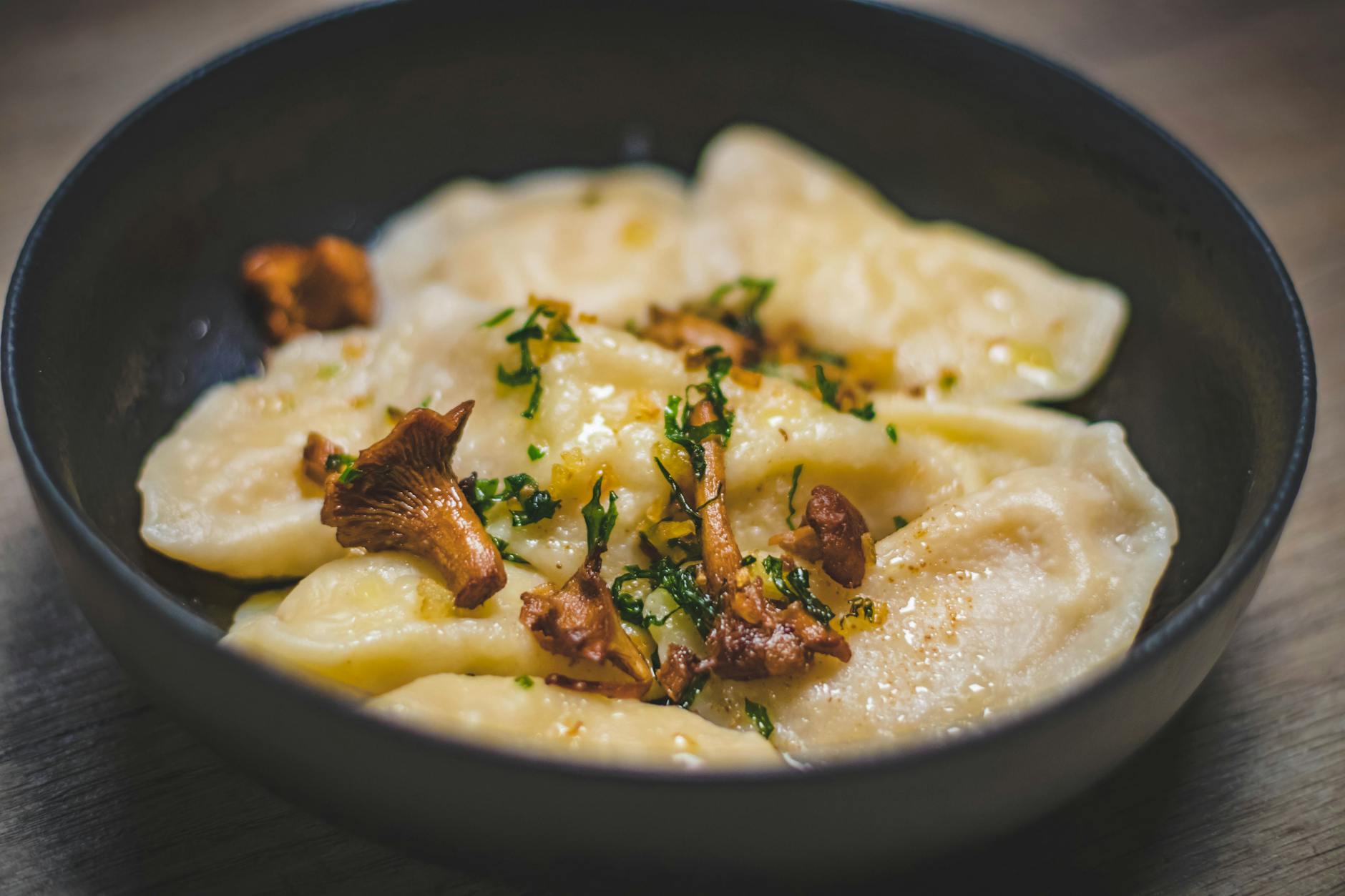
Chanterelles are prized edibles that often have a fruity aroma and thick blunt ridges under the cap that run down the stem. The false chanterelle is commonly associated with stomach upset and tends to have true crowded gills rather than ridges. The jack o lantern mushroom can look similar in color but is toxic and is known for growing in clusters on wood. Checking the underside texture and where it grows helps separate a sought after meal from a risky mistake.
Morel
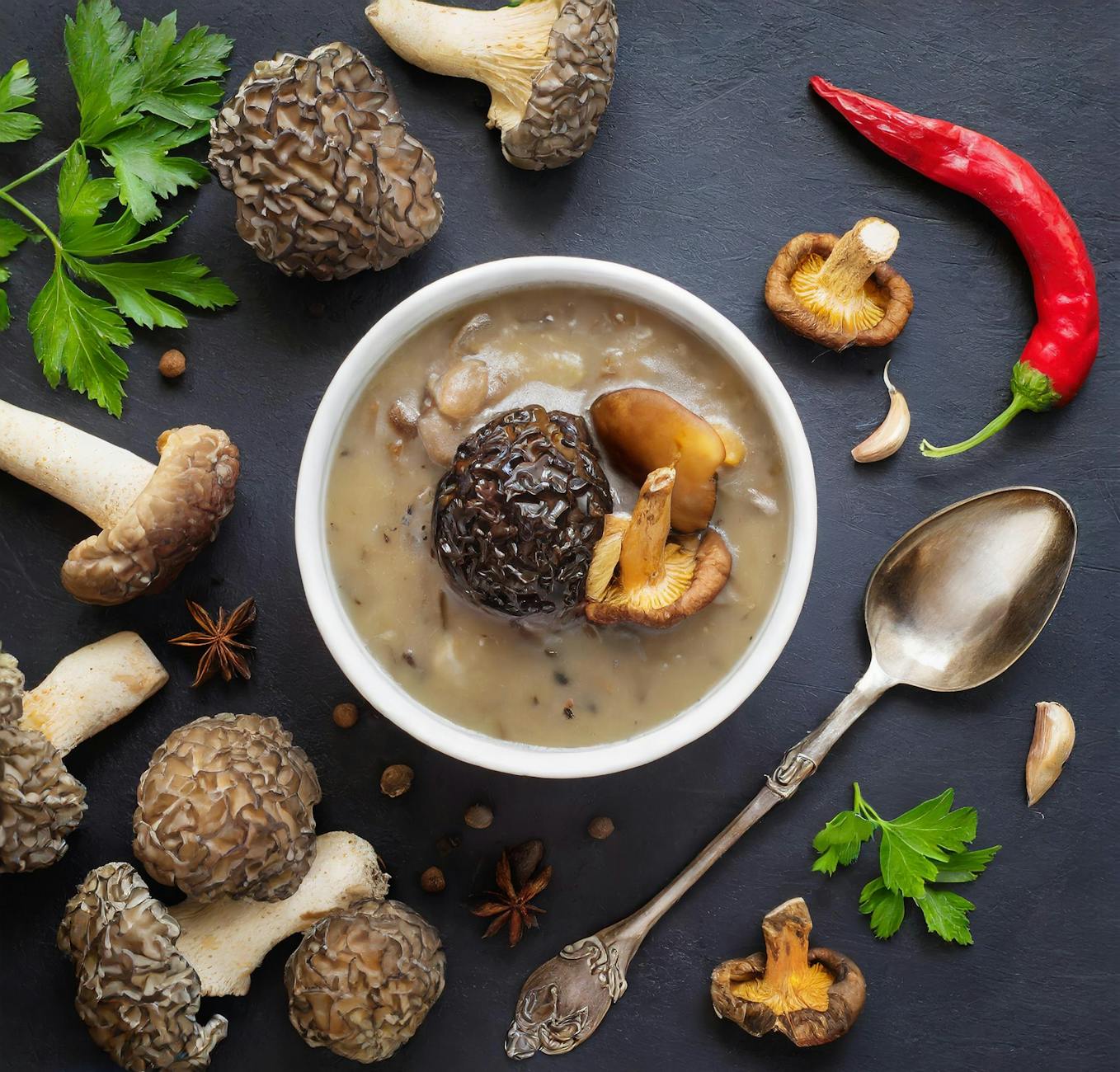
True morels are edible when thoroughly cooked and have a honeycomb cap with pits and ridges that is attached to the stem. False morels can contain toxins that may cause serious illness and their caps often look wrinkled or lobed rather than evenly pitted. A common field check is that many true morels are hollow from cap to stem when sliced lengthwise. Even true morels should never be eaten raw because cooking reduces gastrointestinal risk.
Puffball
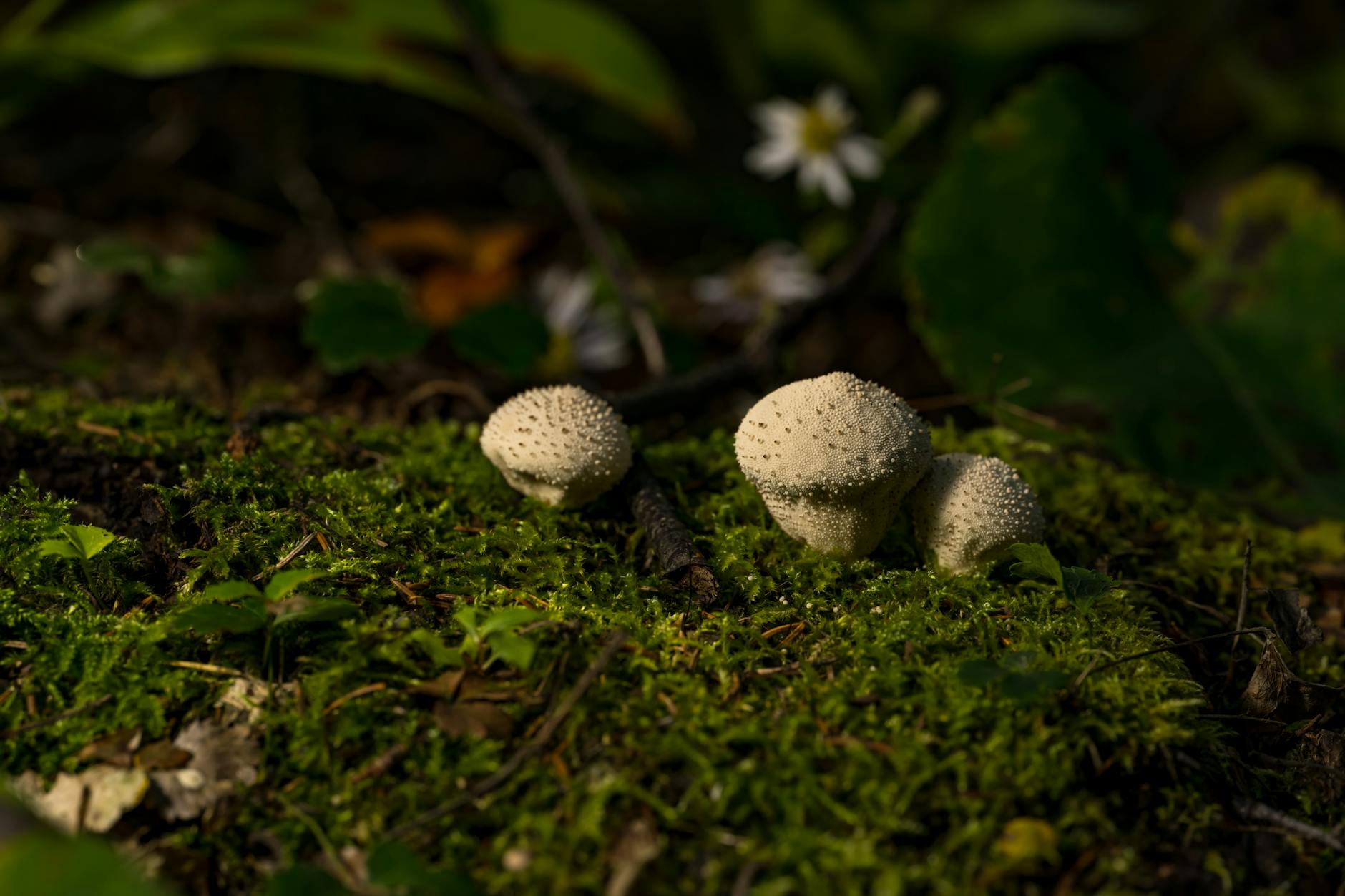
Edible puffballs are safe only when the interior is pure white and uniform with no developing structures. Young deadly Amanita mushrooms can start as egg like buttons and may be mistaken for puffballs before the cap and gills emerge. Slice every puffball from top to bottom because any sign of a tiny cap outline or gills means it is not a puffball. This simple cut is one of the most important safety steps for this group.
Button Mushroom
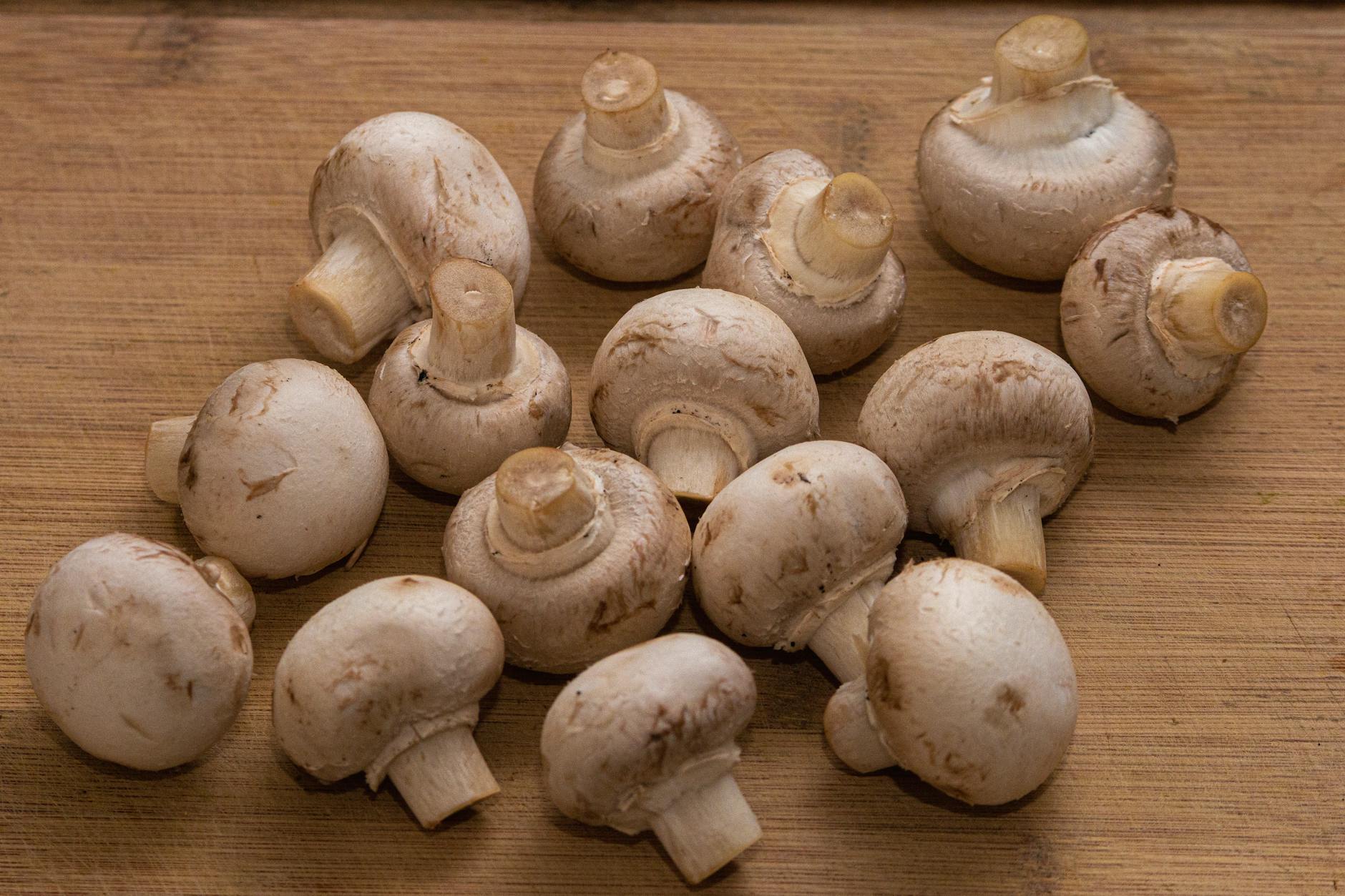
Store bought button mushrooms are cultivated forms of Agaricus bisporus and are safe from reliable food sources. The deadly destroying angel is an Amanita that can appear similarly pale and smooth in the forest. Amanitas often have a cup like volva at the base and a ring on the stem, and the base is frequently buried in soil or leaf litter. Digging carefully to see the entire stem base is essential when comparing white mushrooms.
Oyster Mushroom
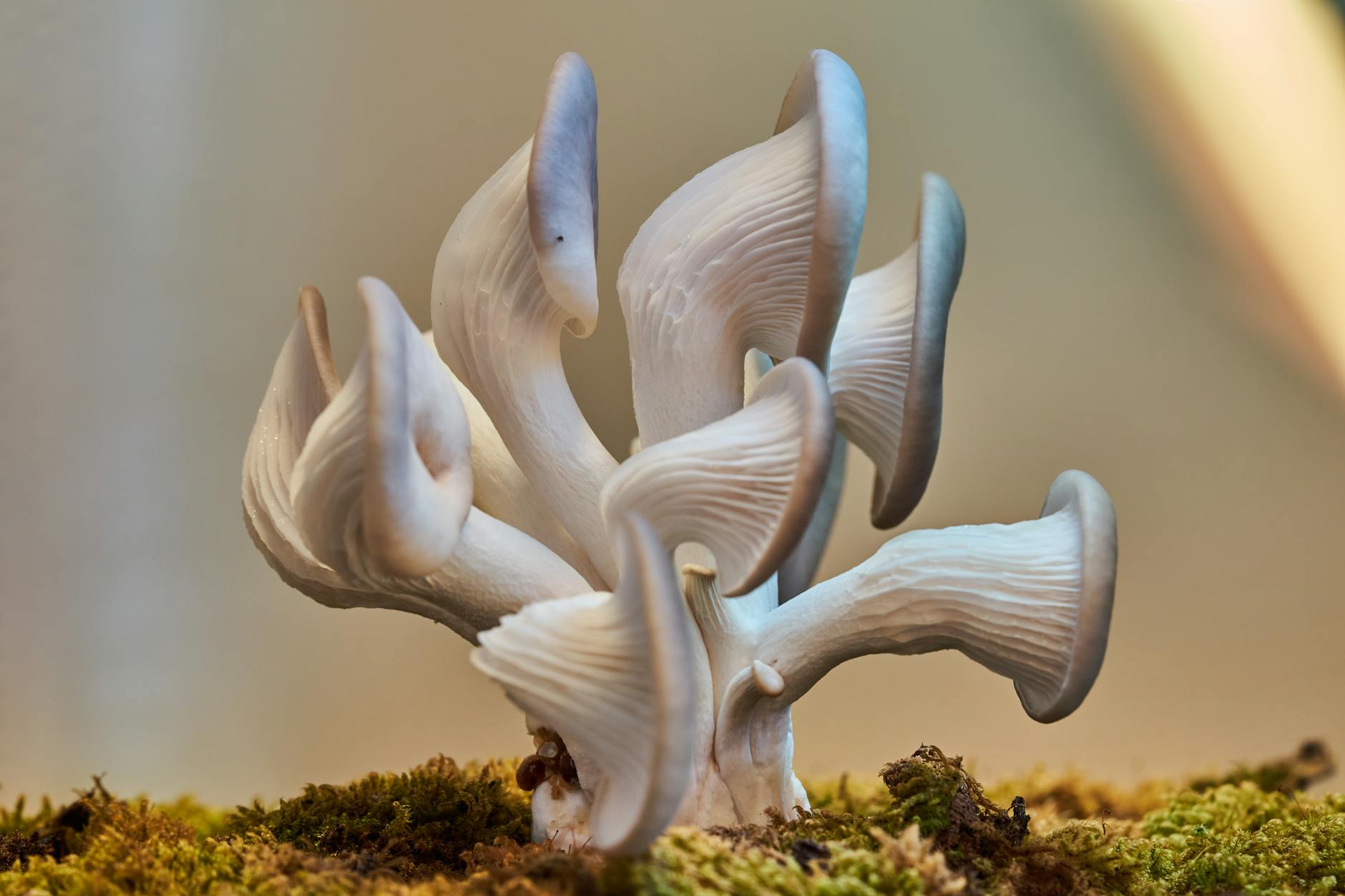
Oyster mushrooms are edible and typically grow in shelf like clusters on wood with stems that are short or off center. The deadly webcaps are often brownish and grow on the ground, and some contain toxins that can cause severe kidney damage with delayed symptoms. Oysters have decurrent gills that run down the stem and a softer fleshy cap that feels more like a seafood like texture when cooked. Habitat is a major clue here because wood dwelling clusters differ from ground dwelling brown mushrooms.
Honey Mushroom
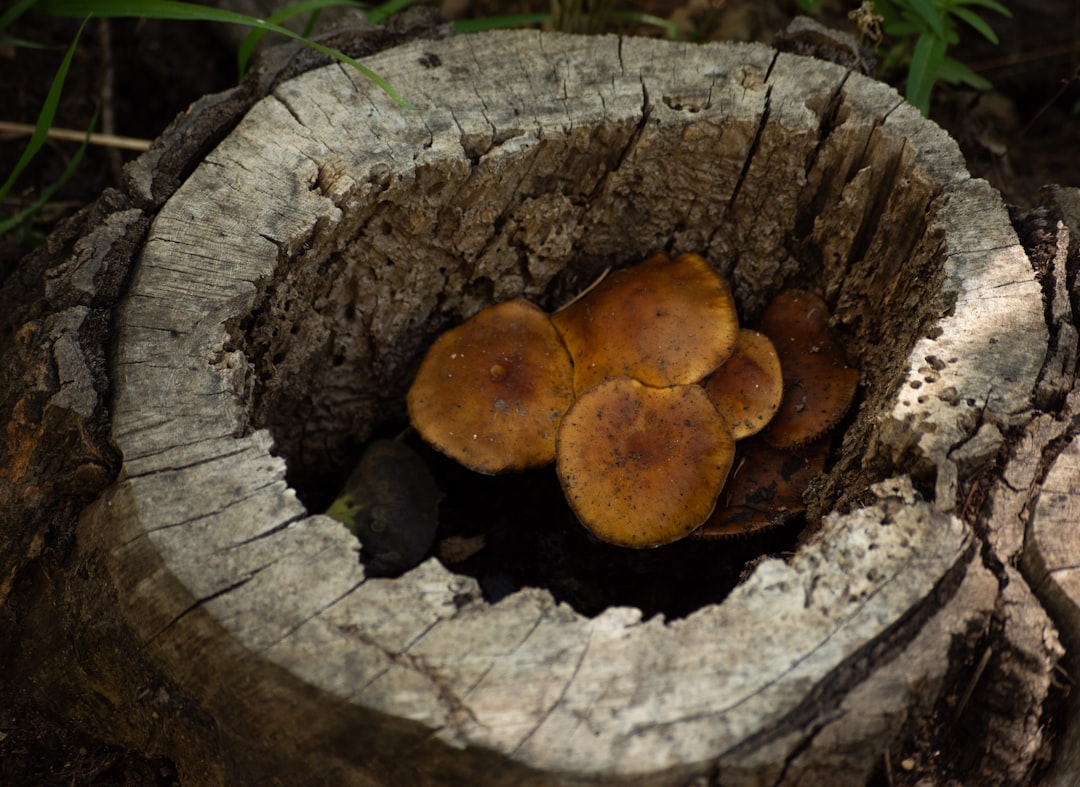
Honey mushrooms are edible for many people when properly prepared, but they can cause gastrointestinal upset in some individuals. The deadly galerina can look very similar in color and size and also grows on wood, yet it contains the same class of liver damaging toxins found in some Amanitas. Galerina often has a more delicate build and can show a rusty brown spore deposit, while honey mushrooms tend to be more robust and can form large clusters. Because the habitat overlaps, this is a classic high risk confusion to avoid.
Parasol Mushroom
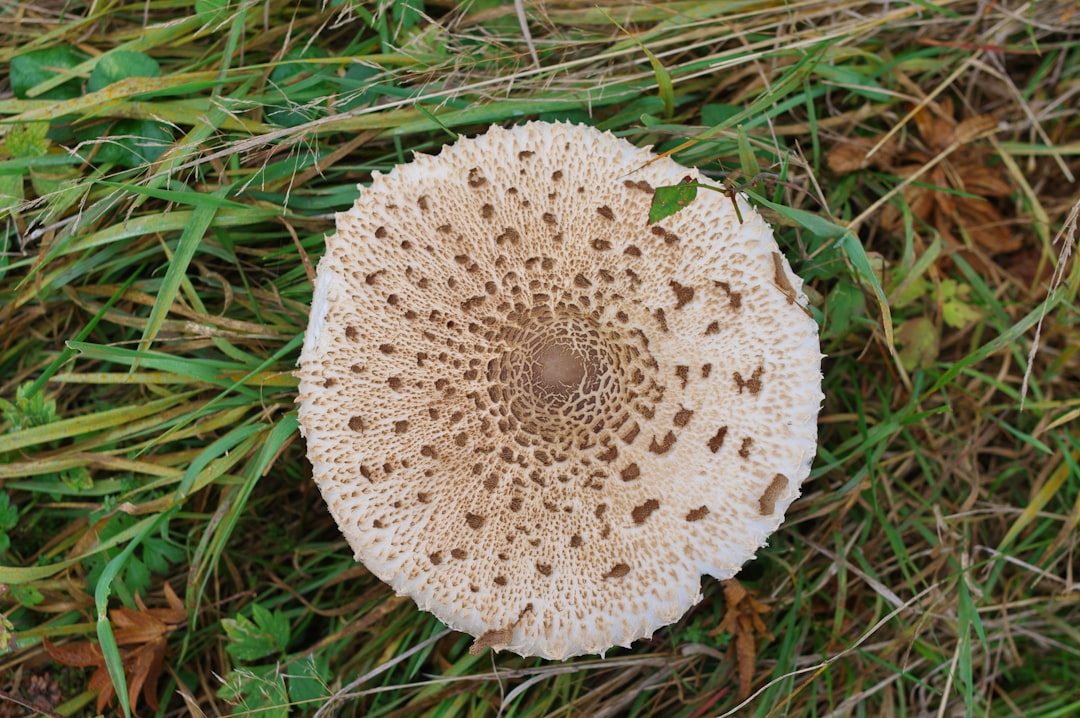
True parasol mushrooms are edible and large with a distinctive scaly cap and a prominent ring on the stem. The false parasol is widespread and can cause severe vomiting and diarrhea, and it may look nearly identical in lawns and parks. One key difference is spore color, with true parasols having a white spore print while false parasols typically have a greenish spore print. Spore prints take time but they are a safer method than relying on cap pattern alone.
King Bolete
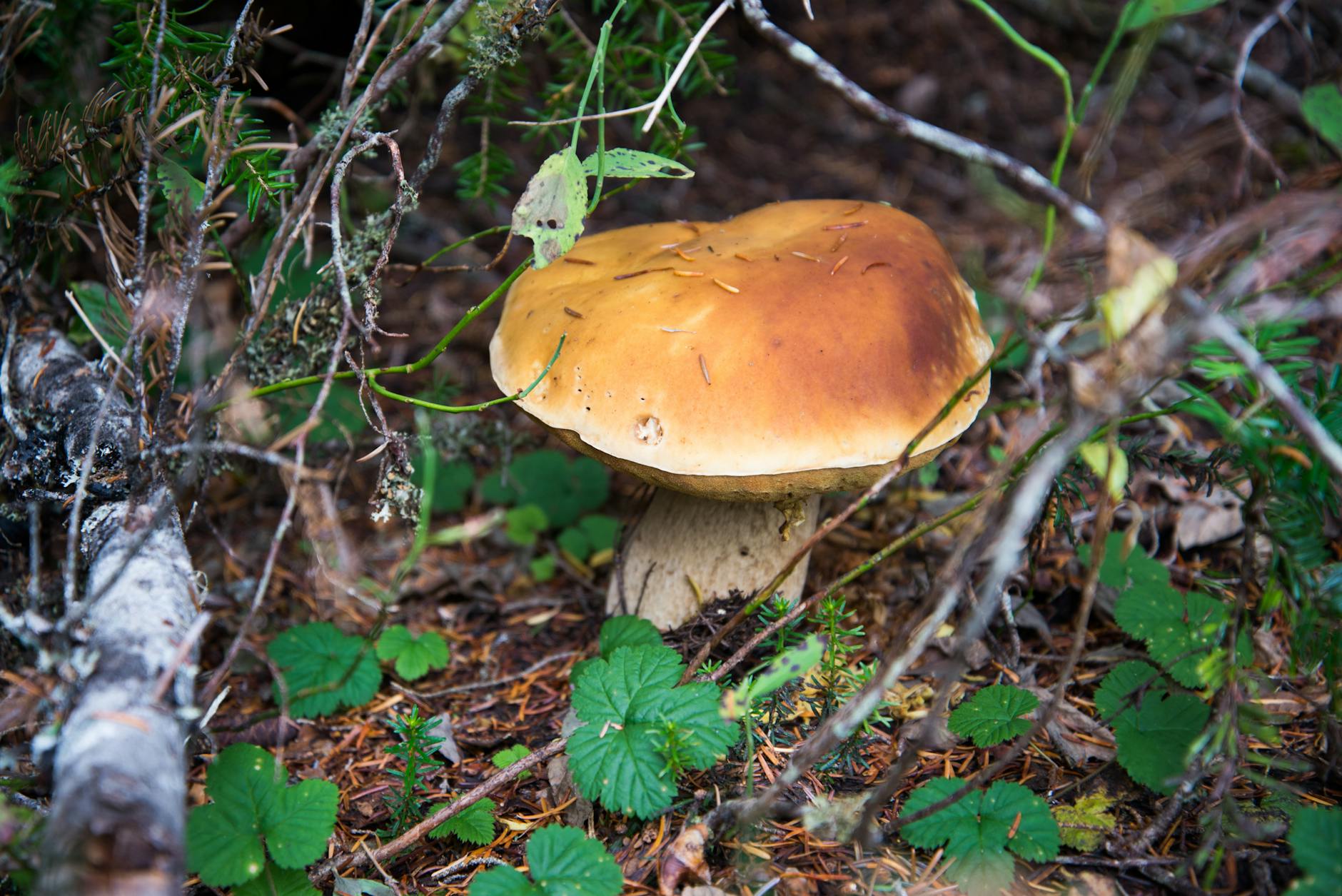
King boletes are edible and have pores under the cap instead of gills, plus a thick stem that can show a net like pattern. Some boletes can cause significant gastrointestinal distress, and a few have red pores or bruise blue rapidly when handled. While most pore mushrooms are not deadly, they can still make you very sick and some look appetizing at first glance. Checking for red pore surfaces and intense blue staining is a practical caution for boletelike mushrooms.
Shaggy Mane
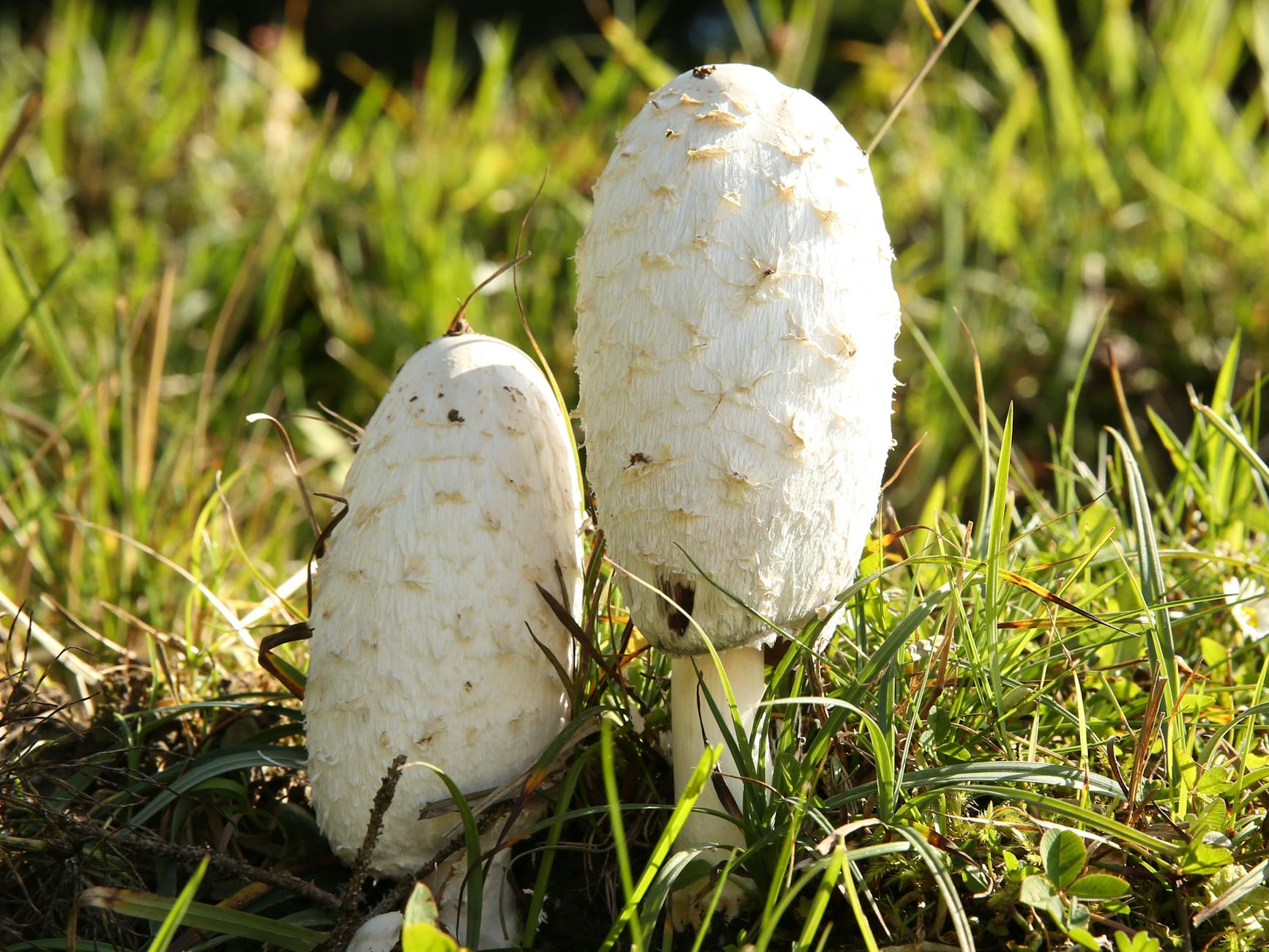
Shaggy mane mushrooms are edible when young and firm, before they begin to liquefy into black ink. Inky caps that look similar can cause problems when combined with alcohol, leading to flushing and nausea, and some small ink caps can be mistaken for young shaggy manes. Shaggy manes have a taller cylindrical shape with shaggy scales, while many inky caps are smoother and more fragile. Timing matters because even edible shaggy manes spoil quickly as they mature.
Enoki
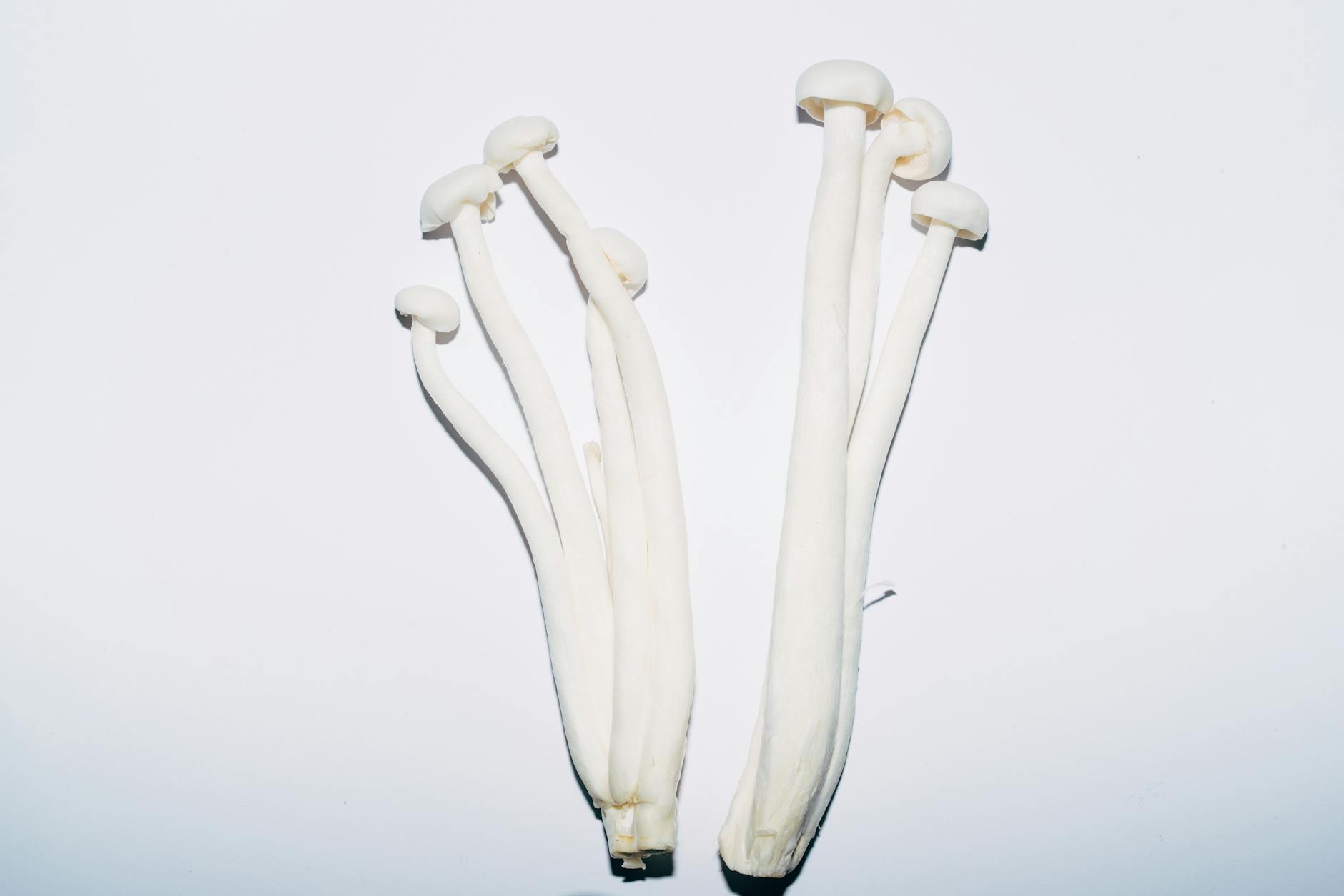
Cultivated enoki from reputable suppliers are edible and have long slender white stems with small caps due to controlled growing conditions. Wild enoki like mushrooms can be confused with deadly galerina on wood, especially when they share similar sizes and seasonal timing. True wild enoki tends to have a velvety darker stem base and different spore characteristics, which are not easy to confirm without experience. When a cultivated look is absent, it is safer to avoid wild clusters that resemble supermarket enoki.
Share which mushroom pair surprised you most in the comments.




