Creating a calming bedtime routine often starts with scent because the brain links certain aromas with safety and rest. Essential oils can support relaxation by encouraging slower breathing, easing mental tension, and making a sleep space feel more soothing. The key is choosing oils that are gentle, widely tolerated, and easy to blend. Using them consistently in the evening helps your body associate the fragrance with winding down. Always dilute properly and avoid direct skin contact with undiluted oils.
Lavender
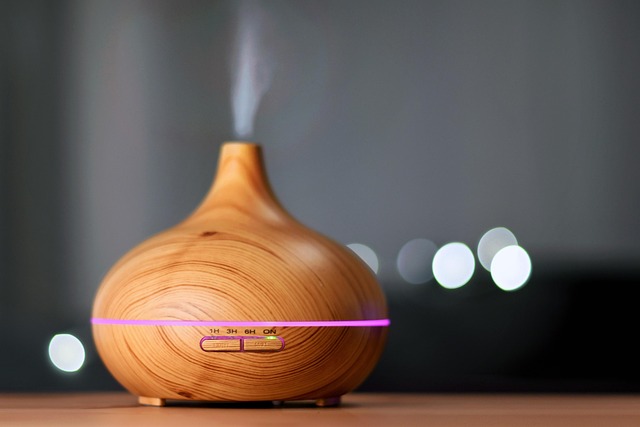
Lavender is one of the most commonly used oils for bedtime because its aroma is associated with calm and reduced restlessness. It is often used in diffusers about thirty minutes before sleep to help transition the body into a quieter state. When properly diluted in a carrier oil, it can be applied to pulse points or used in a roll on blend for an evening routine. Lavender also pairs well with many other oils, making it easy to customize the scent without overpowering a room. Choose a simple single note lavender to keep the profile soft and sleep friendly.
Roman Chamomile

Roman chamomile has a gentle apple like scent that many people find comforting during periods of stress or overthinking. It is often used in bedtime blends to create a softer, more lullaby like atmosphere than sharper herbal oils. Diffusing it with lavender can create a rounded, cozy aroma that feels especially soothing in colder months. Because it is mild, it is also popular in pillow sprays when properly diluted and used sparingly. This oil is especially useful for evenings when tension feels emotional rather than physical.
Bergamot

Bergamot is a citrus oil with a floral edge that can feel uplifting while still calming the nervous system. It is commonly used earlier in the evening to help release the day without making the scent profile too heavy. Because bergamot can be photosensitizing, it is best kept for diffusion or for nighttime topical use in low dilution that will not be exposed to sunlight. It blends well with lavender and cedarwood to balance brightness with warmth. For many people, it helps quiet mental chatter that can delay falling asleep.
Cedarwood
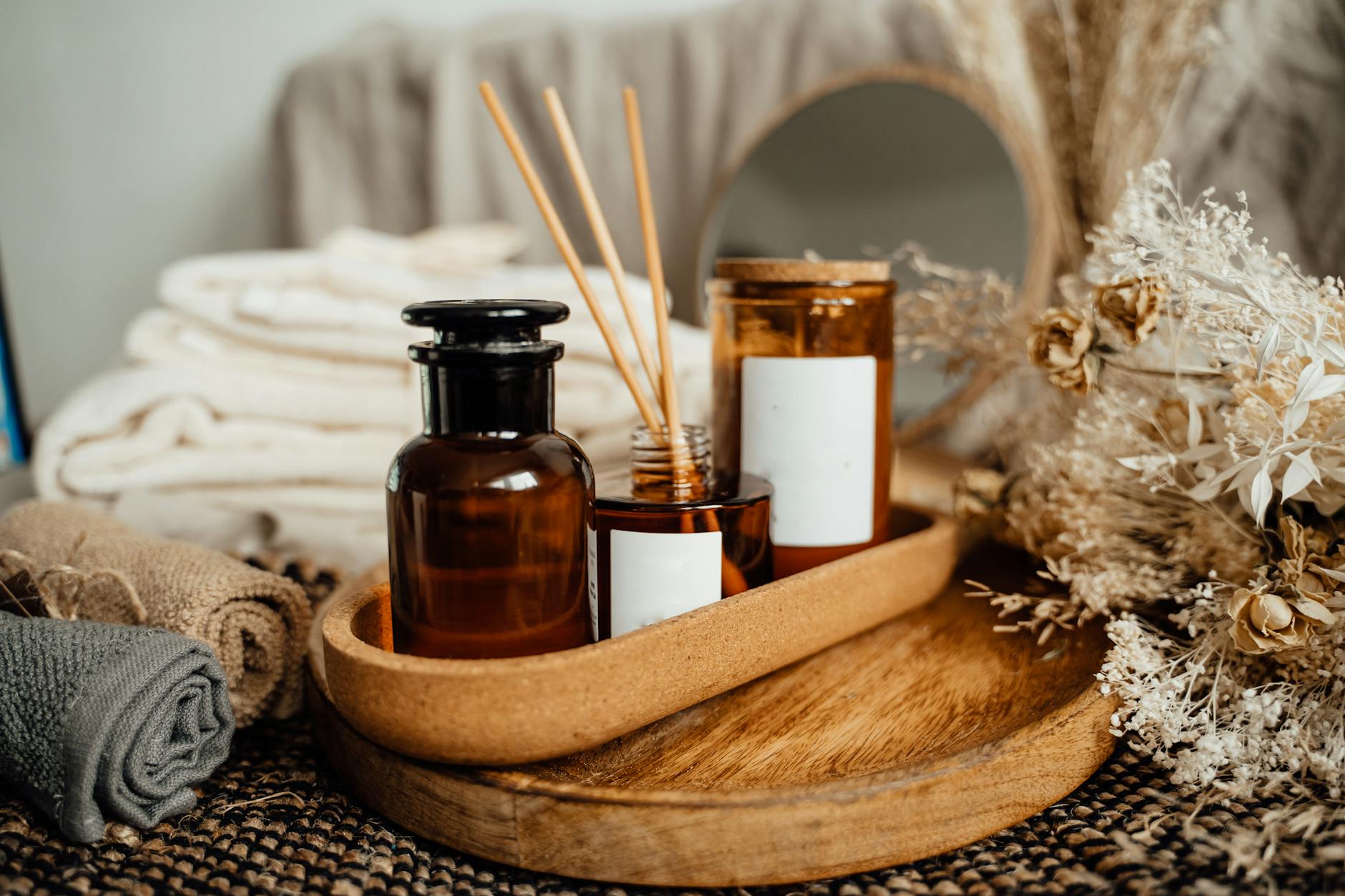
Cedarwood has a warm woody aroma that makes a bedroom feel grounded and steady. It is frequently used in sleep blends because it adds depth and can make lighter florals feel more anchored. Diffusing cedarwood in the last hour before bed can create a slow, settling vibe that supports a calmer breathing rhythm. It is also a good option for people who dislike sweet scents and prefer something earthy and clean. Pairing it with bergamot or lavender keeps the blend relaxing without becoming too heavy.
Ylang Ylang
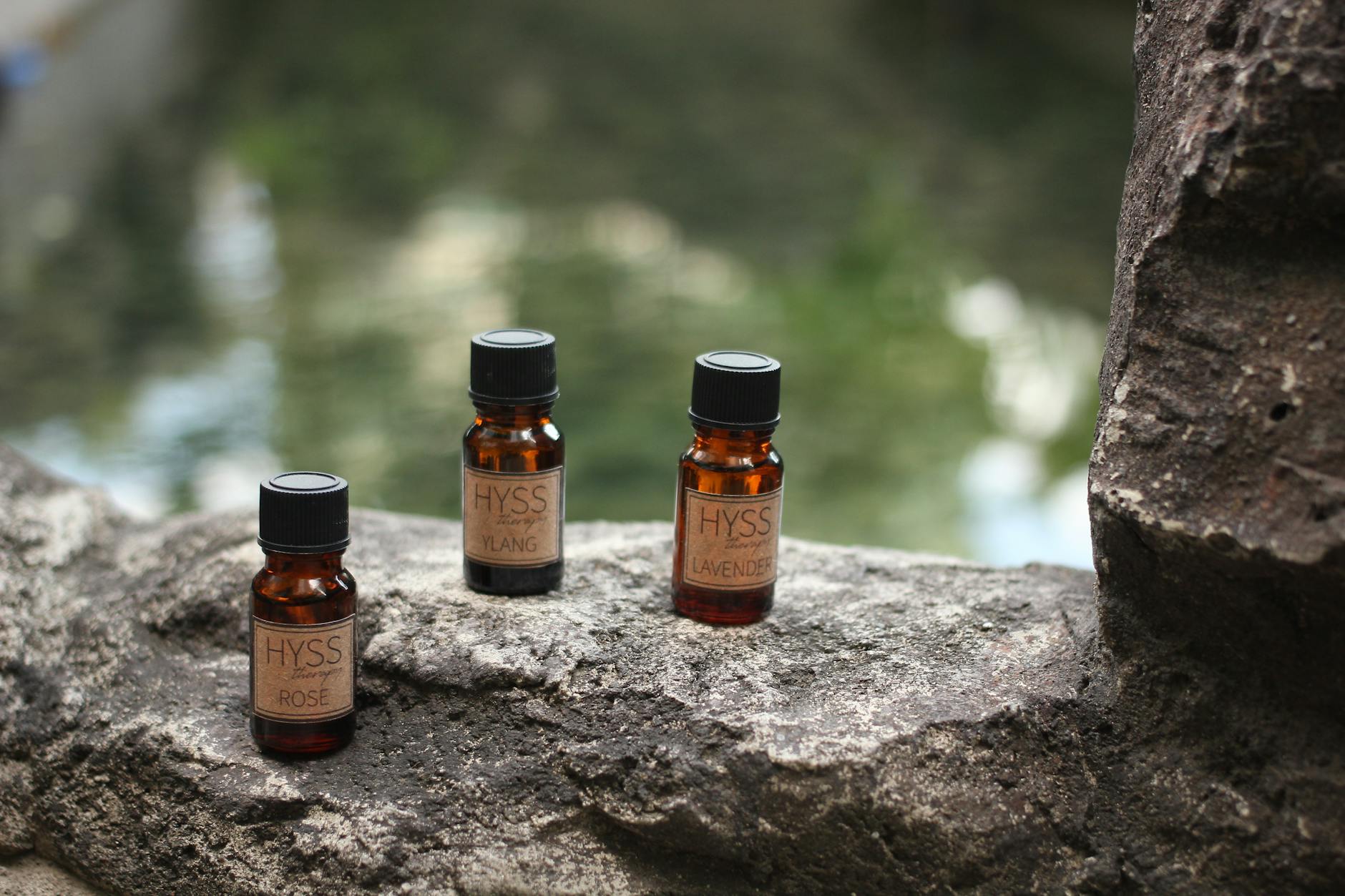
Ylang ylang is a rich floral oil that is often used to promote relaxation when stress feels physically activating. A small amount goes a long way, so it is typically used as a supporting note rather than the main scent. In diffusion blends, it can soften sharper oils and create a more spa like atmosphere that encourages unclenching and slowing down. It is often combined with bergamot or chamomile to keep the floral profile balanced and not overpowering. This oil works best for people who enjoy deeper, more perfume like aromas.
Vetiver

Vetiver has an earthy, smoky scent that is commonly described as deeply grounding. It is used in evening routines to help signal stillness and reduce that wired feeling that can show up at bedtime. Because it is strong, it is best used in very small amounts blended with lavender or cedarwood. Diffusing vetiver can make a space feel quieter and more cocooned, which some people find helpful for staying asleep. It is a good choice when you want a heavier, more anchoring scent profile.
Frankincense
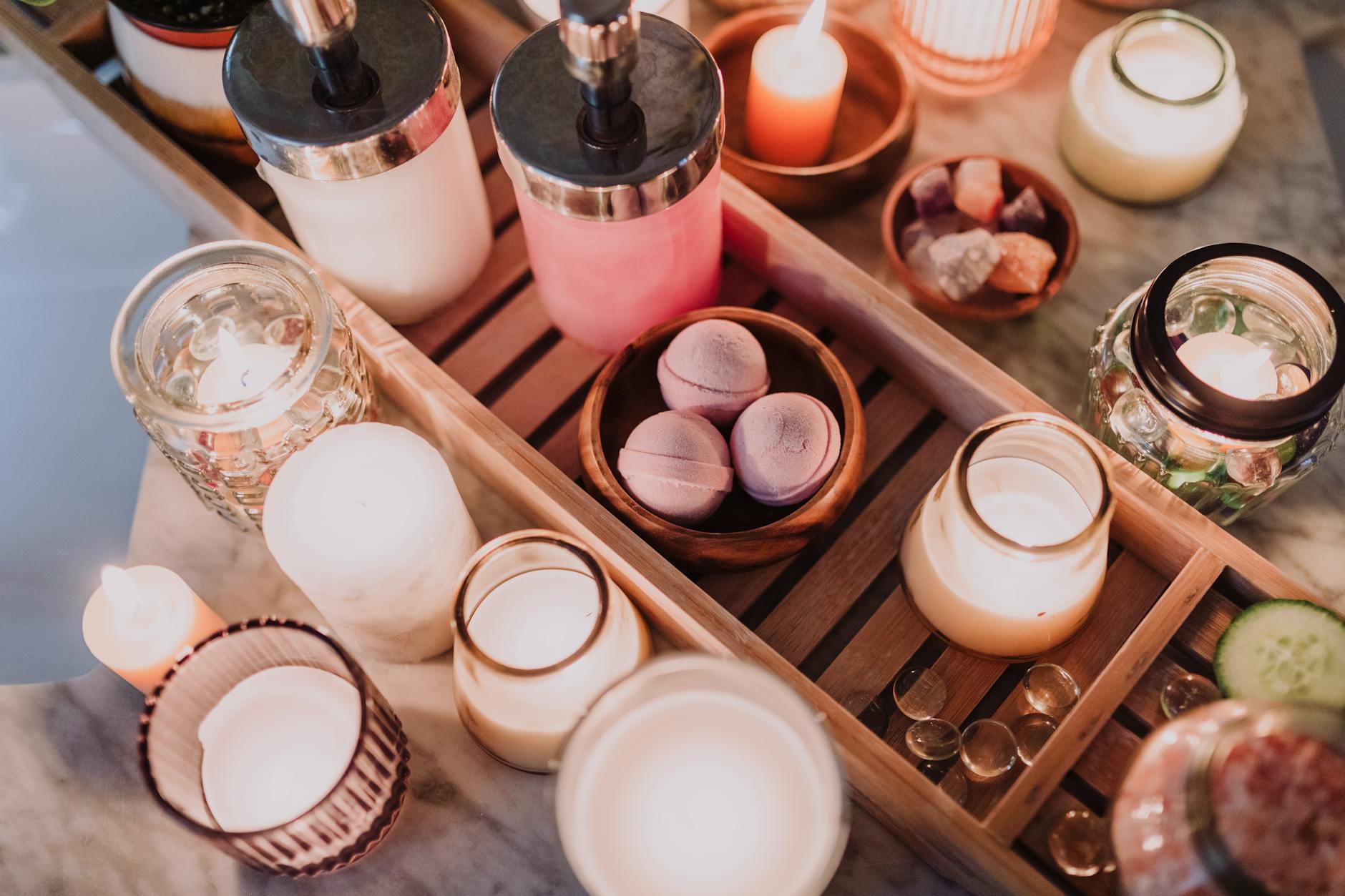
Frankincense has a resinous, slightly citrus aroma that is often used for calm focus and slower breathing. It can be diffused during a wind down routine that includes stretching, journaling, or a warm shower to support an easier transition into sleep. In blends, it smooths out sharper notes and adds a meditative quality without becoming overly sweet. Properly diluted, it is also used in bedtime massage oils for the neck and shoulders. This oil is especially useful when relaxation requires both mental quiet and physical release.
Sandalwood

Sandalwood is creamy, woody, and soft, making it a classic choice for a tranquil bedtime atmosphere. It is often used in diffuser blends to create a cozy scent that feels steady and comforting. Sandalwood can help balance bright oils like bergamot or soften florals like ylang ylang for a more sleep appropriate finish. Because it is typically used as a base note, it helps a blend linger longer in the air. It is ideal for those who want a calm, luxurious scent without sharpness.
Clary Sage

Clary sage has a herbaceous aroma that many people associate with letting go of tension after a demanding day. It is often used in evening diffusion to encourage a calmer mood and a more relaxed body state. The scent can feel both clean and slightly sweet, which helps it work well in blends with lavender or frankincense. It is commonly kept for nighttime use because it can feel too sedating for daytime routines. For some, it is especially helpful when stress is paired with a restless body.
Neroli

Neroli is distilled from orange blossoms and has a delicate floral citrus scent that feels light but soothing. It is often used when anxiety is the main barrier to sleep because it creates a gentle sense of comfort without heaviness. Neroli works well in pillow mist blends when properly diluted and used sparingly to avoid overwhelming the senses. It also pairs beautifully with lavender and sandalwood for a balanced, calming profile. This oil is a good fit for people who prefer softer florals over deeper resins.
What essential oils help you relax most at night and how do you like to use them, share your routine in the comments.




