Few travel experiences match the moment you float over living coral and watch the seafloor shift from neon blues to warm oranges and electric purples. The most colorful reefs tend to sit in clear, sunlit water where coral can photosynthesize efficiently and reef fish thrive. Many of these sites are accessible from shore or short boat rides, making them ideal for snorkelers with a wide range of comfort levels. Choosing calm weather windows, using reef safe sun protection, and keeping perfect buoyancy helps protect fragile coral while improving visibility.
Raja Ampat
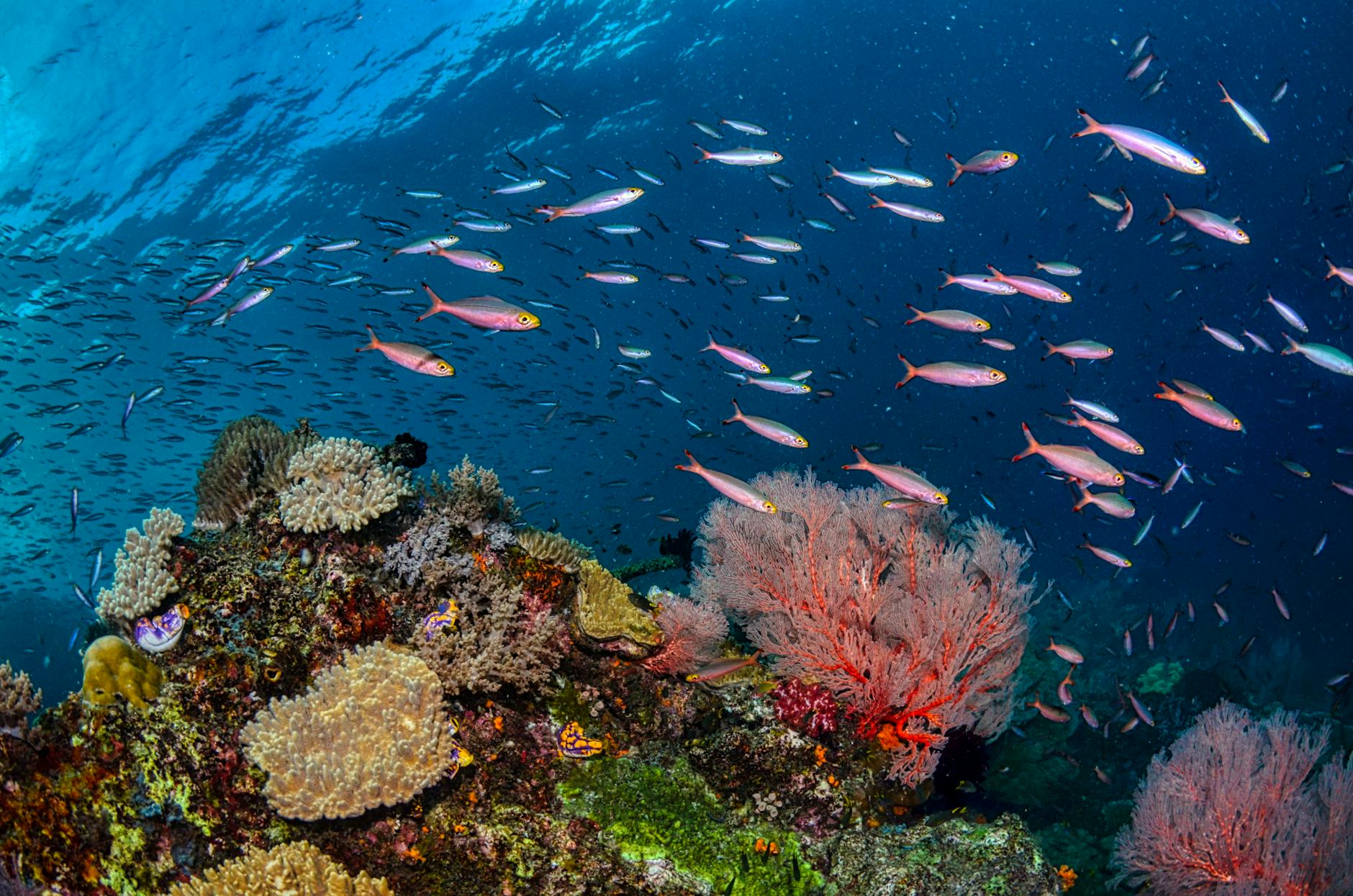
Raja Ampat in Indonesia sits in the heart of the Coral Triangle and is known for extraordinary marine biodiversity. Snorkel sites around Waigeo, Mansuar, and Arborek often feature hard coral gardens mixed with soft corals that add bright reds and pinks to the scene. Shallow lagoons and sheltered bays can deliver strong color even in only a few meters of water. Currents vary by location, so guided snorkeling helps you pick calmer sites with peak clarity.
Great Barrier Reef
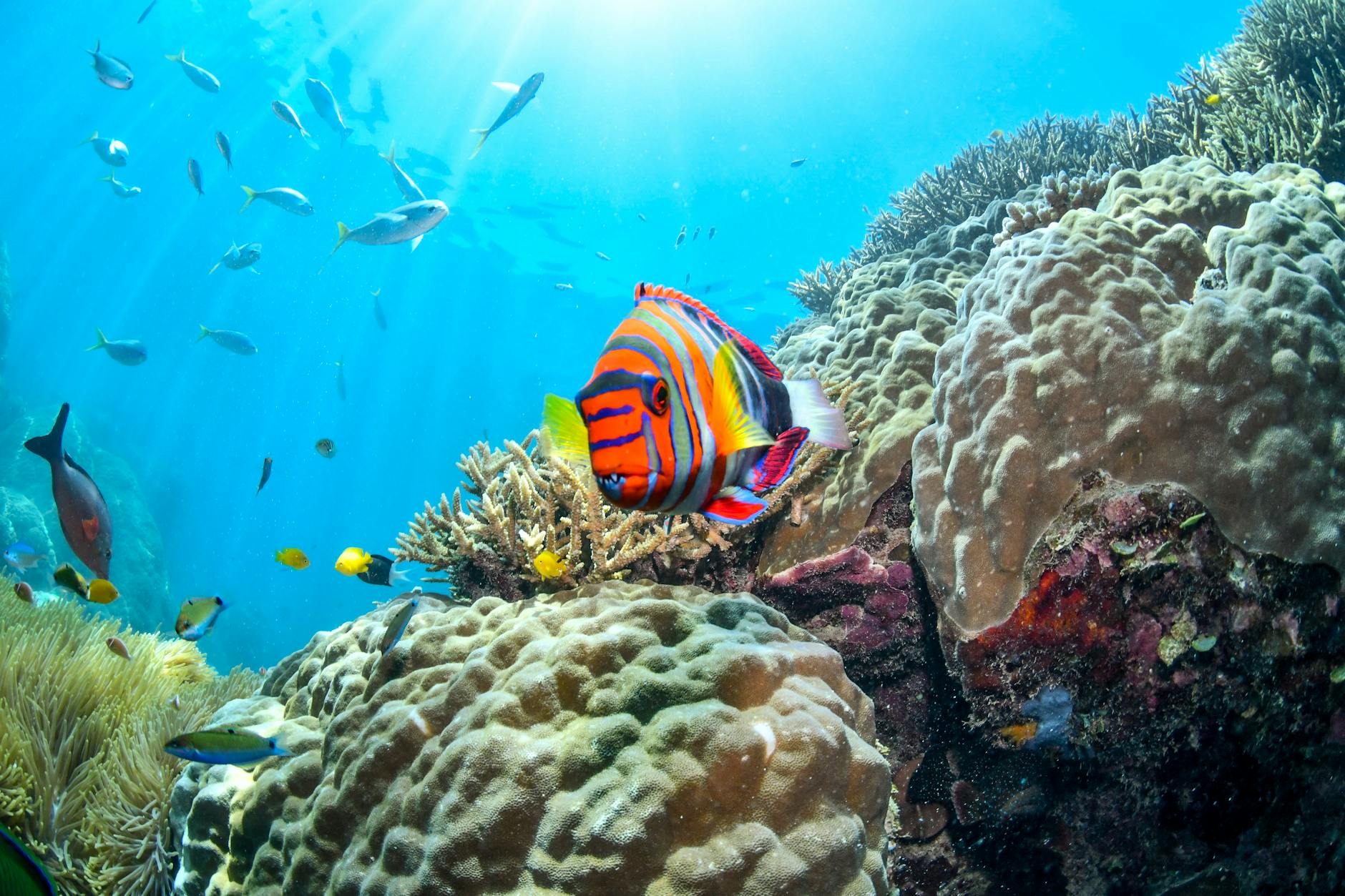
Australia’s Great Barrier Reef offers countless snorkel friendly locations with vivid coral and dense fish life. The outer reef near Cairns and Port Douglas often delivers clear water and broad coral bommies, while the Whitsundays add bright sand and coral shelves in shallower coves. Many pontoons and day boats cater to snorkelers with defined entry points and safety briefings. Color and coral density can vary by season and recent weather, so operators typically choose the best sites that day.
Belize Barrier Reef
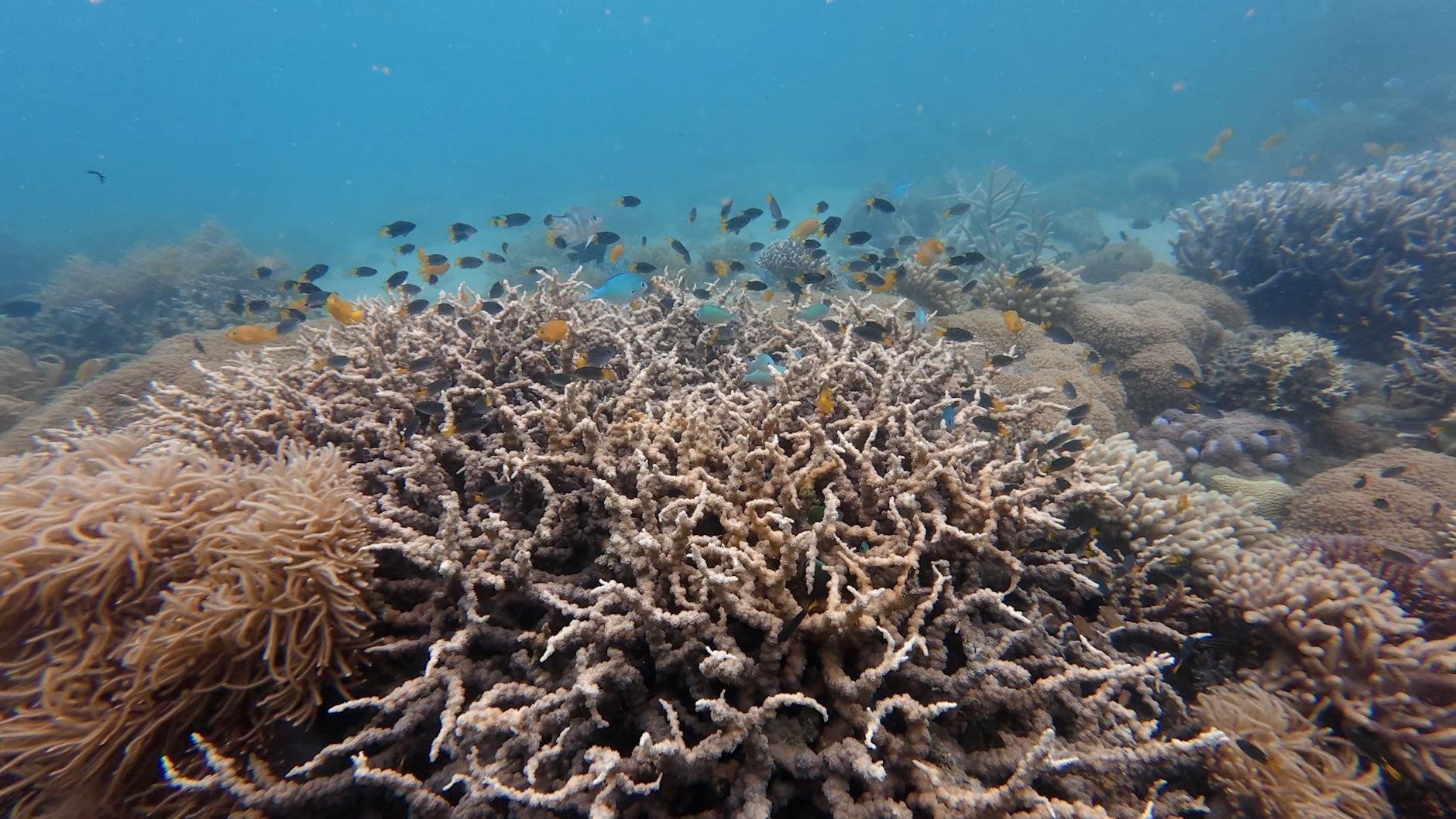
Belize’s barrier reef system includes shallow coral patches and spur and groove formations that read as stripes of color from the surface. Hol Chan Marine Reserve is a popular snorkel area with coral heads, schooling fish, and frequent turtle sightings. Around Ambergris Caye and Caye Caulker, the easiest sites sit close to shore or a short boat ride away. Visibility is often excellent when winds are light, which helps the reef’s greens, yellows, and purples stand out.
Ningaloo Reef
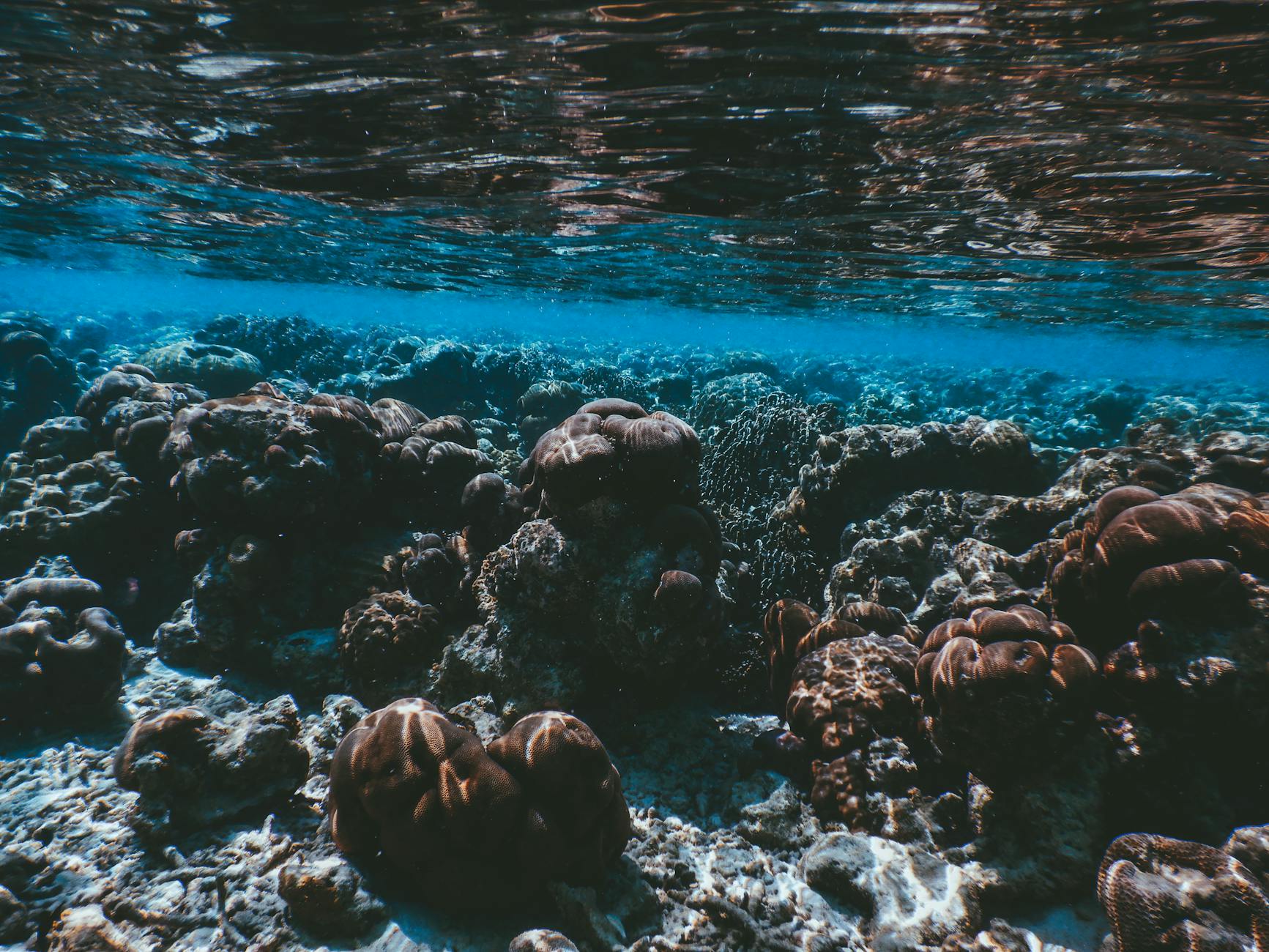
Ningaloo Reef in Western Australia is famous for shore access, letting you step in and reach coral with minimal travel. Snorkel trails near spots like Turquoise Bay and Oyster Stacks highlight colorful coral gardens mixed with bright reef fish. The lagoon structure can reduce wave energy, creating calmer water on many days. Tides and currents still matter, so checking local conditions is key for a safe and clear snorkel.
Bonaire National Marine Park
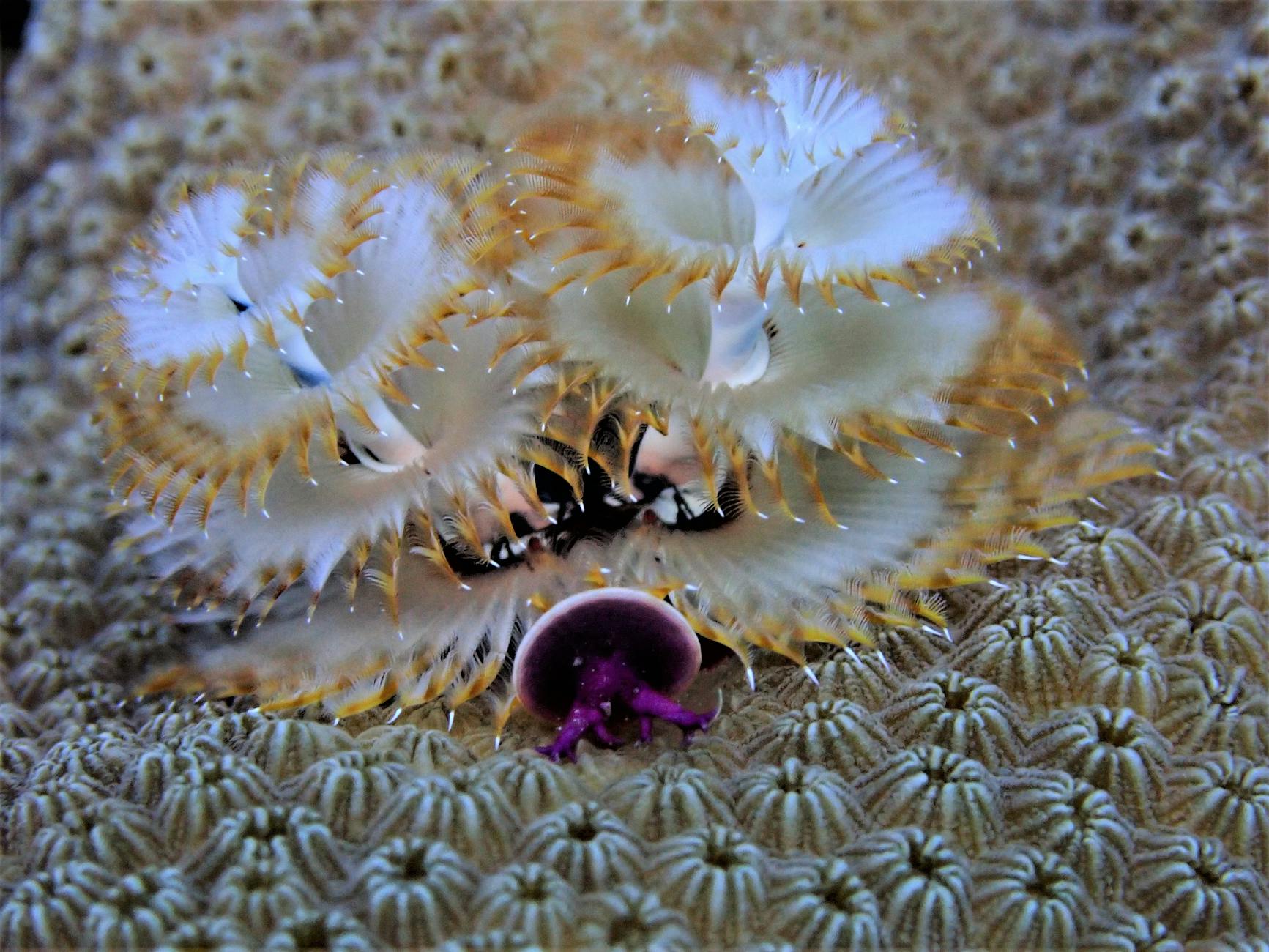
Bonaire in the Caribbean is known for easy snorkeling from shore and clear water that shows coral color well. Many sites have a gentle slope where shallow coral begins close to entry points, often with sponges and sea fans adding rich texture. The island’s long reef line means you can choose protected spots when winds pick up. Good buoyancy control is especially important here because coral can be very close to the surface.
Maldives House Reefs
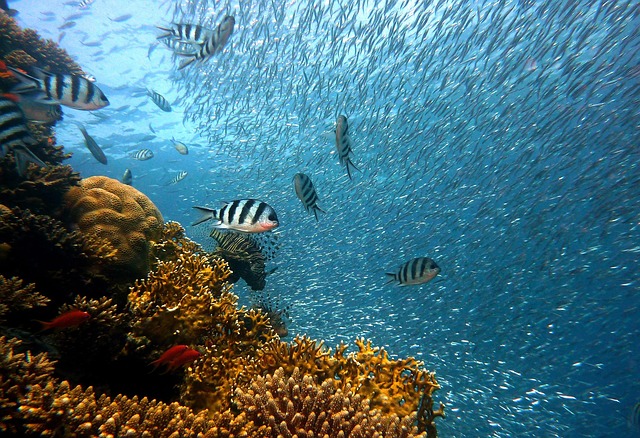
The Maldives offers vibrant coral and fish life right off many island and resort house reefs. Shallow coral shelves can glow in bright sunlight, with parrotfish, butterflyfish, and reef sharks often cruising nearby. Channels between atolls can bring stronger currents, which also deliver nutrient rich water that supports marine life. Snorkeling is usually best on the calmer side of the island depending on wind direction that day.
Ras Mohammed
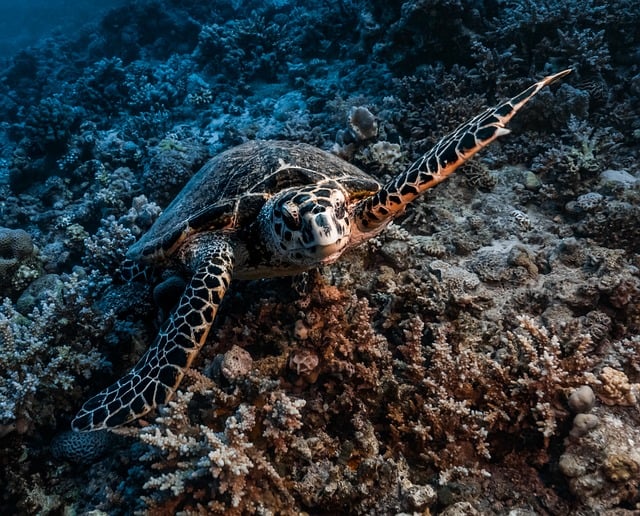
Ras Mohammed at the tip of Egypt’s Sinai Peninsula is a Red Sea standout with clear water and colorful coral walls. Many snorkel sites feature a mix of hard corals and bright soft corals, plus dense schools of reef fish that intensify the overall color. Conditions can range from calm bays to areas with noticeable current, depending on the exact site and time. Boat trips commonly include multiple stops so snorkelers can choose the most comfortable entries.
Tubbataha Reefs Natural Park
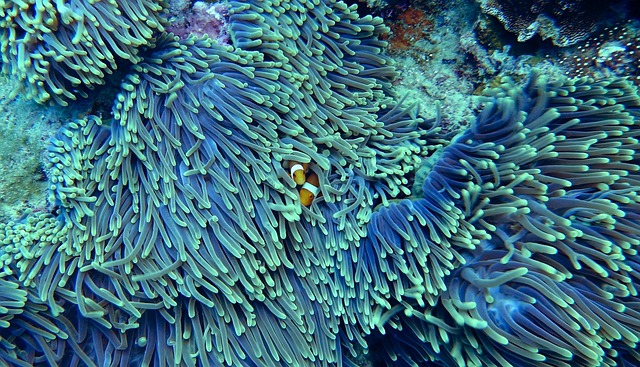
Tubbataha in the Philippines is a remote marine protected area known for healthy coral and exceptional visibility. Snorkeling is typically done from liveaboards during the open season, with clear shallows that reveal vibrant coral plates and branching formations. Reef drop offs can be close, so staying within designated snorkel zones matters for safety. Strong protection and limited access help maintain the reef’s color and structure.
Palau
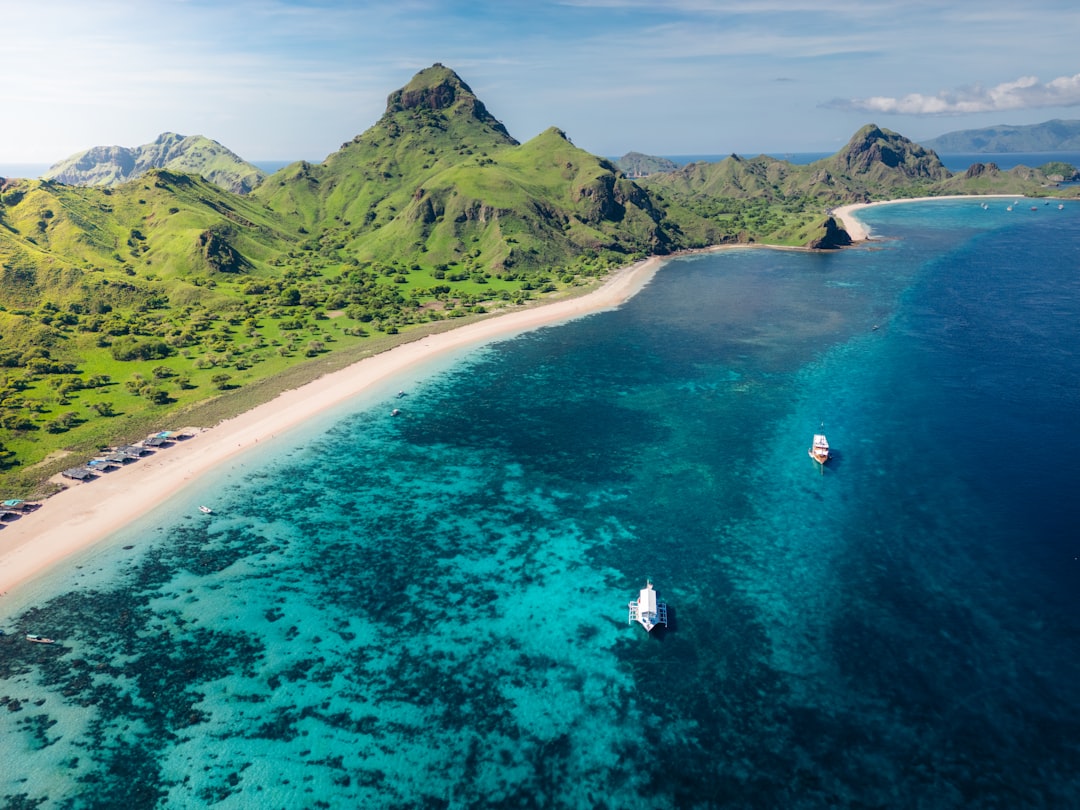
Palau in Micronesia features coral gardens, lagoons, and reef edges where color pops in bright tropical light. Areas around the Rock Islands can offer sheltered snorkeling with clear water and dense coral cover. Some famous channels have current, which can bring in large fish and create dramatic underwater movement. Choosing lagoon sites on windier days helps keep the water calm and the reef visible.
Hawaii
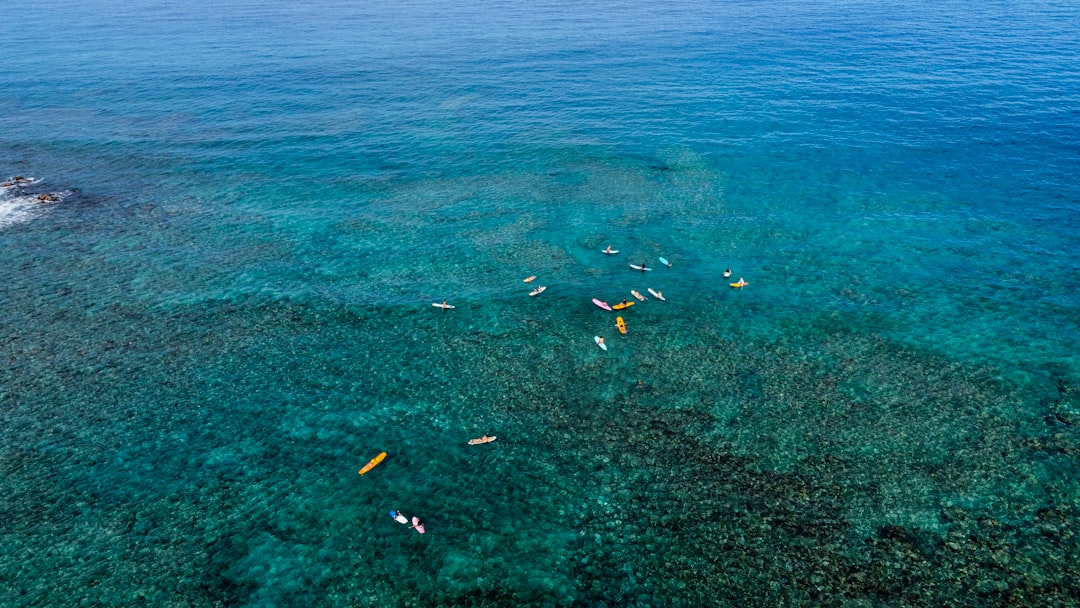
Hawaii’s reefs offer accessible snorkeling with bright fish and coral in many protected bays. Places like Hanauma Bay on Oahu and Molokini’s inside areas near Maui can deliver clear water and strong color in shallow zones. Seasonal swells affect visibility, especially on north facing shores in winter. Local guidelines and site rules are important here because popular bays often have conservation measures to protect coral and wildlife.
Which reef would you add to this list based on your own snorkeling plans or past trips, share your pick in the comments.




