Cacti are often treated like simple green sculptures, but many of them put on surprisingly showy floral displays. Some bloom in spring with silky petals, while others save their drama for a single night that feels almost unreal. Blooming depends on factors like age, bright light, and a clear seasonal rhythm, so the right setup can make a big difference. These cacti are especially known for flowers that look oversized, vividly colored, or unusually shaped. If you want a cactus collection that reliably rewards patience, these are the standouts.
Easter Cactus
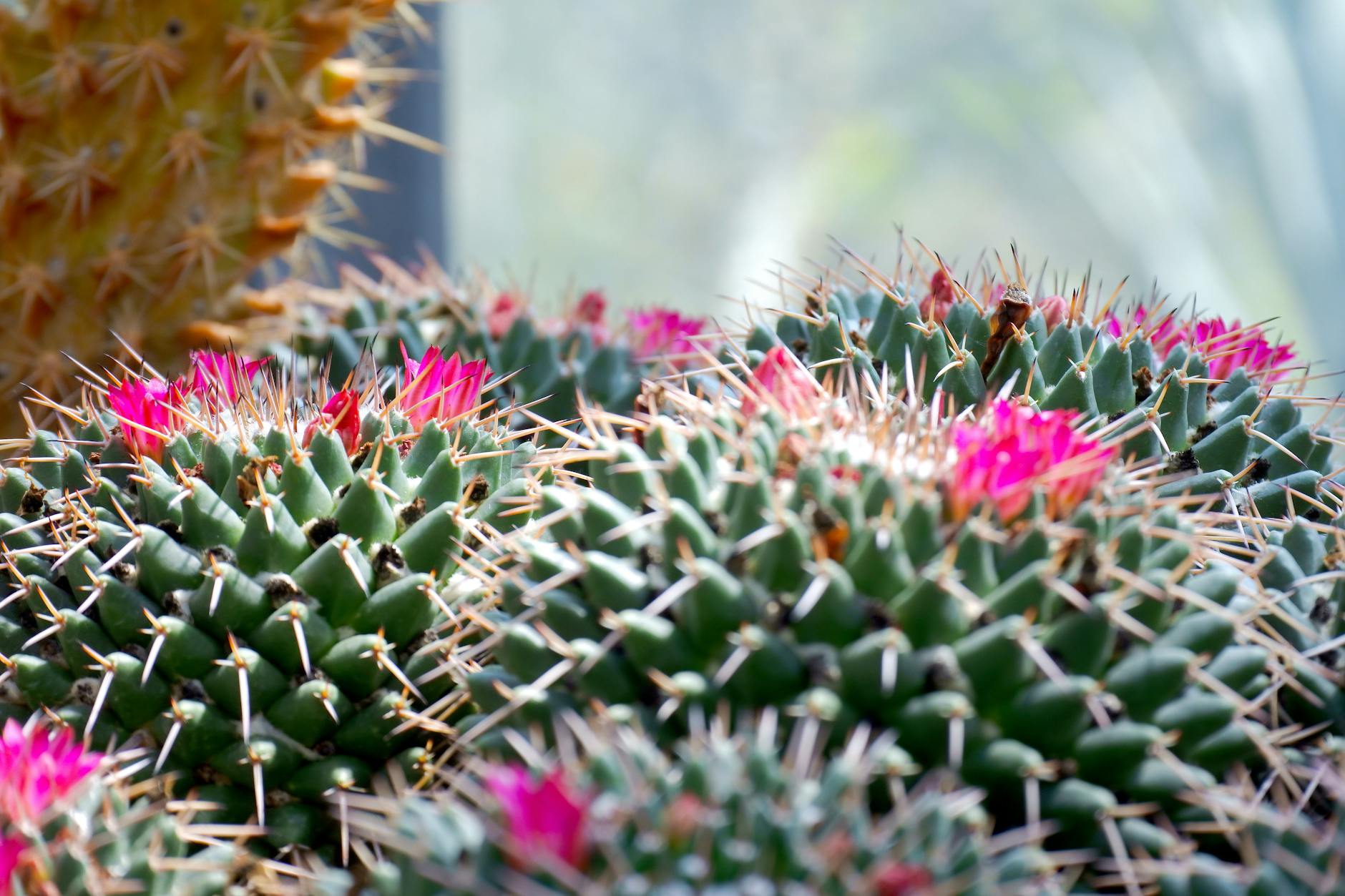
Easter cactus produces starry flowers in shades of pink, red, orange, or white that appear around late winter through spring. Its segmented stems drape softly, making it a good choice for hanging baskets where blooms can spill over the edges. Compared with many desert cacti, it prefers more regular watering and a slightly more humid environment. Cooler nights and short days help trigger bud formation before the flowering period begins.
Christmas Cactus
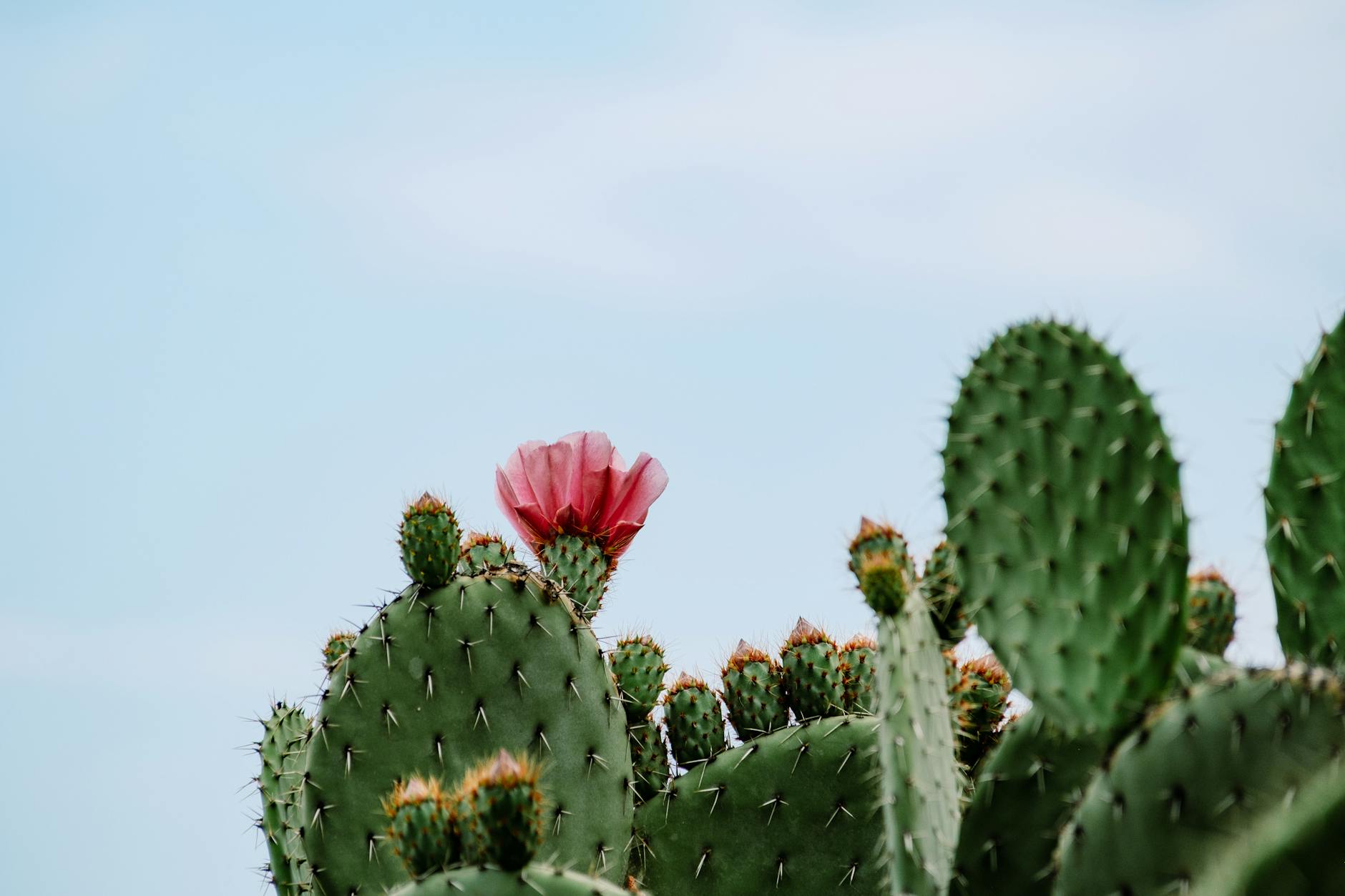
Christmas cactus is famous for its elegant, tubular blooms that often arrive in early winter when most plants are quiet. The flowers can be magenta, red, coral, peach, or white, and they open along arching stems for a cascading effect. It thrives in bright indirect light and benefits from evenly moist soil that never stays soggy. A period of longer nights and cooler temperatures encourages heavy bud set and a fuller show.
Orchid Cactus
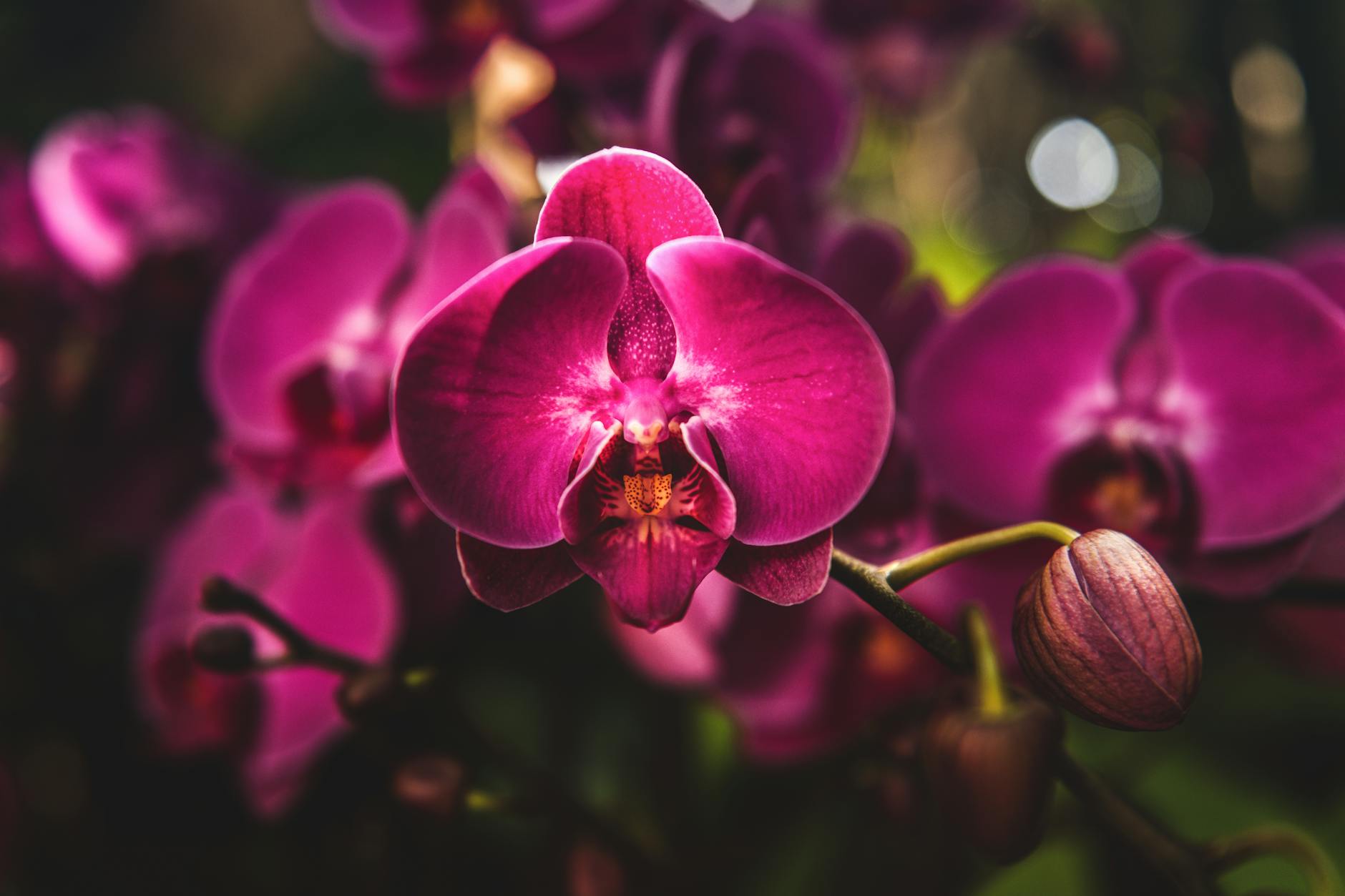
Orchid cactus is grown for large, ruffled flowers that can look more like tropical orchids than a cactus bloom. Many varieties produce vivid pinks, reds, whites, yellows, or bicolors, sometimes with a sweet fragrance. Its flat, leaflike stems prefer dappled light rather than harsh sun, and it performs best in an airy, well draining mix. Mature plants often bloom in waves, especially when given consistent warmth and steady feeding during the growing season.
Queen of the Night
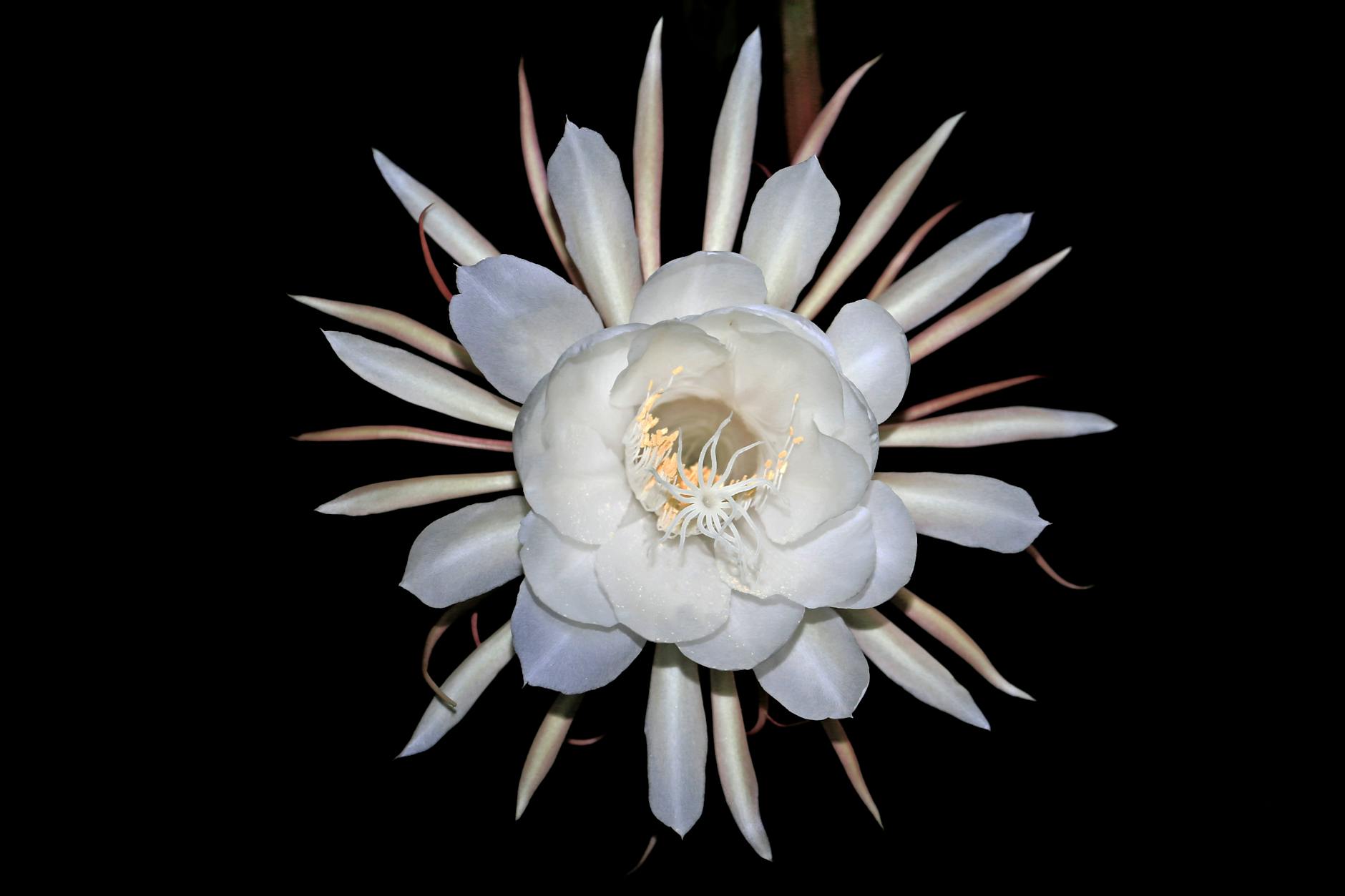
Queen of the Night is prized for enormous white flowers that open after dark and can fill a room with fragrance. The bloom is brief, often lasting only one night, but it is dramatic enough to make the plant a lifelong favorite. Long, climbing stems appreciate support and bright light, and they respond well to a clear rest period with reduced watering. Buds typically form after the plant reaches maturity and experiences a stable seasonal routine.
Fishbone Cactus
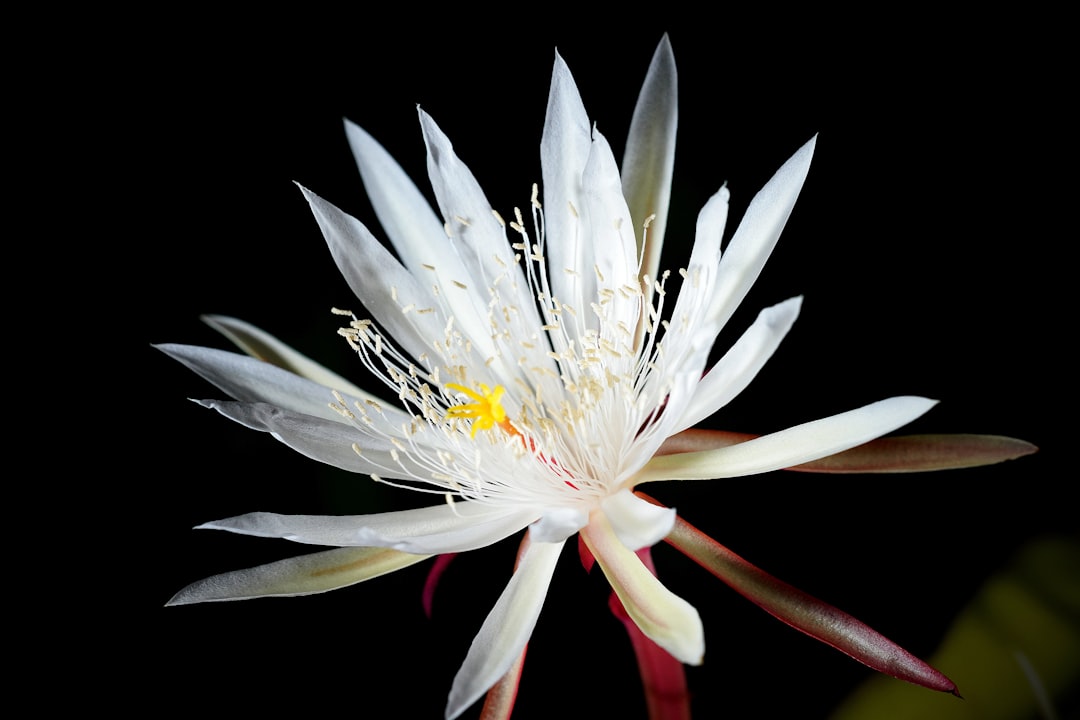
Fishbone cactus features zigzag stems and produces large, creamy flowers that may open in the evening and carry a soft scent. The blooms feel especially striking against its sculptural, serrated foliage, which looks decorative even when it is not flowering. It prefers bright filtered light and slightly moist soil during active growth, with lighter watering once temperatures cool. A snug pot and steady care often help it focus energy on bud production.
Barrel Cactus
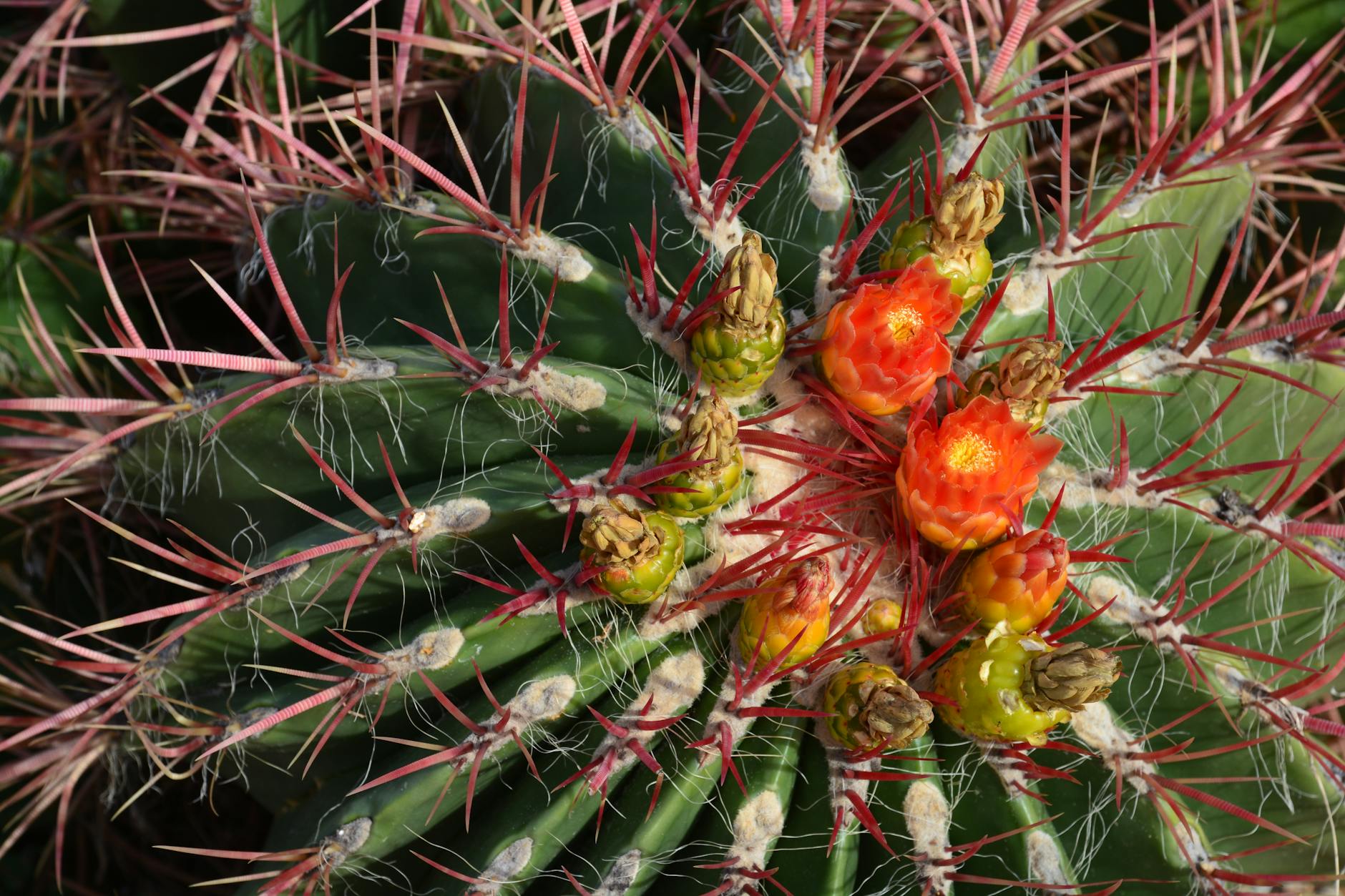
Barrel cactus blooms with rings of bright yellow, orange, or red flowers that crown the top like a halo. These blooms usually appear on mature plants, which can take years to reach flowering size, especially indoors. It needs strong direct sun, very sharp drainage, and careful watering that allows the soil to dry fully between soakings. In the right conditions, the flowers return seasonally and can be followed by decorative fruit.
Prickly Pear
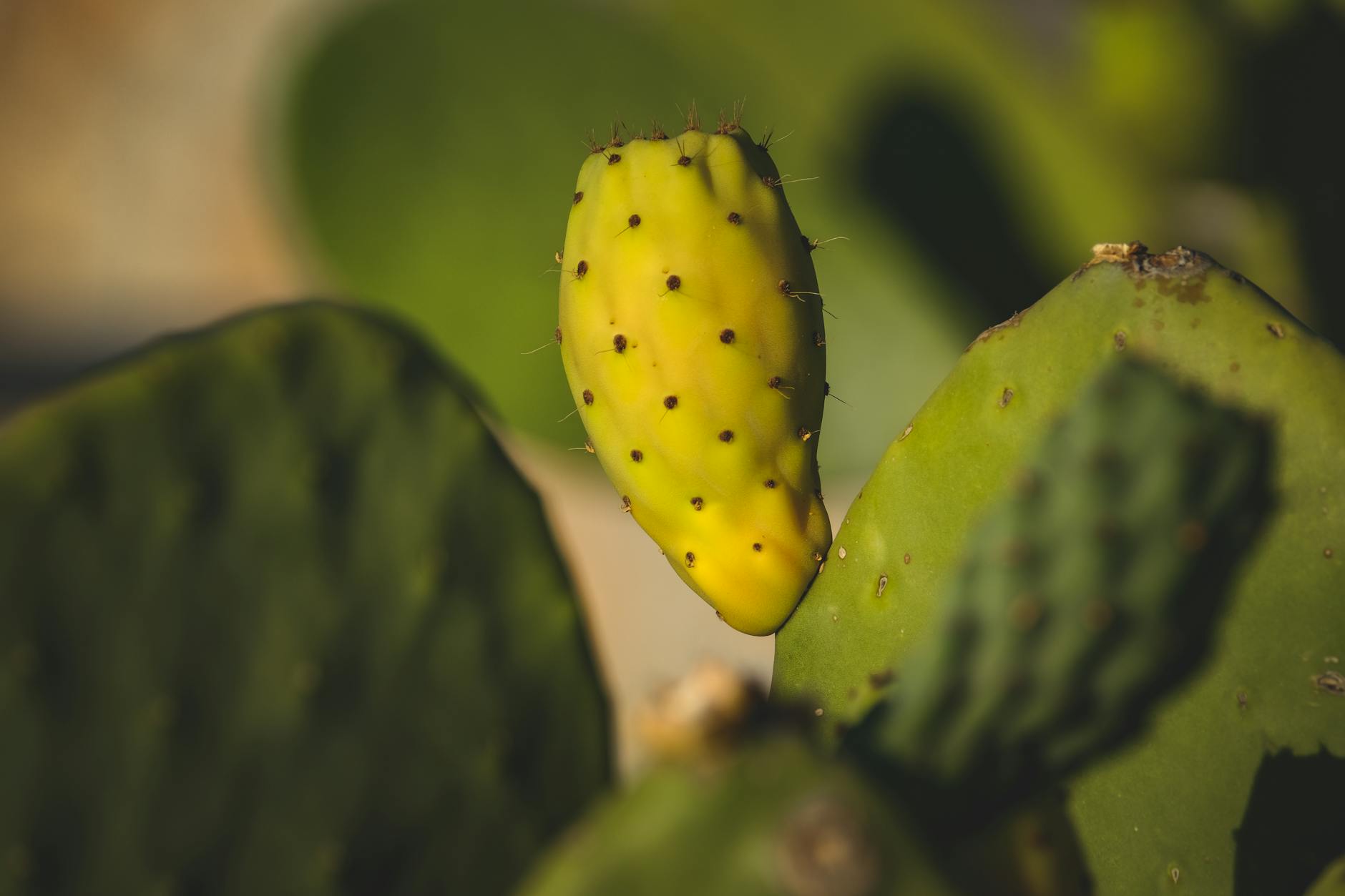
Prickly pear produces wide, satiny flowers in sunny shades like yellow, orange, pink, or red, often followed by colorful edible fruit. The blooms open in full sun and can cover the paddles with a bold, desert meadow look. It is hardy in many climates and tolerates drought once established, but it flowers best with bright light and a warm growing season. Older paddles tend to bloom more heavily, especially after a winter rest.
Hedgehog Cactus
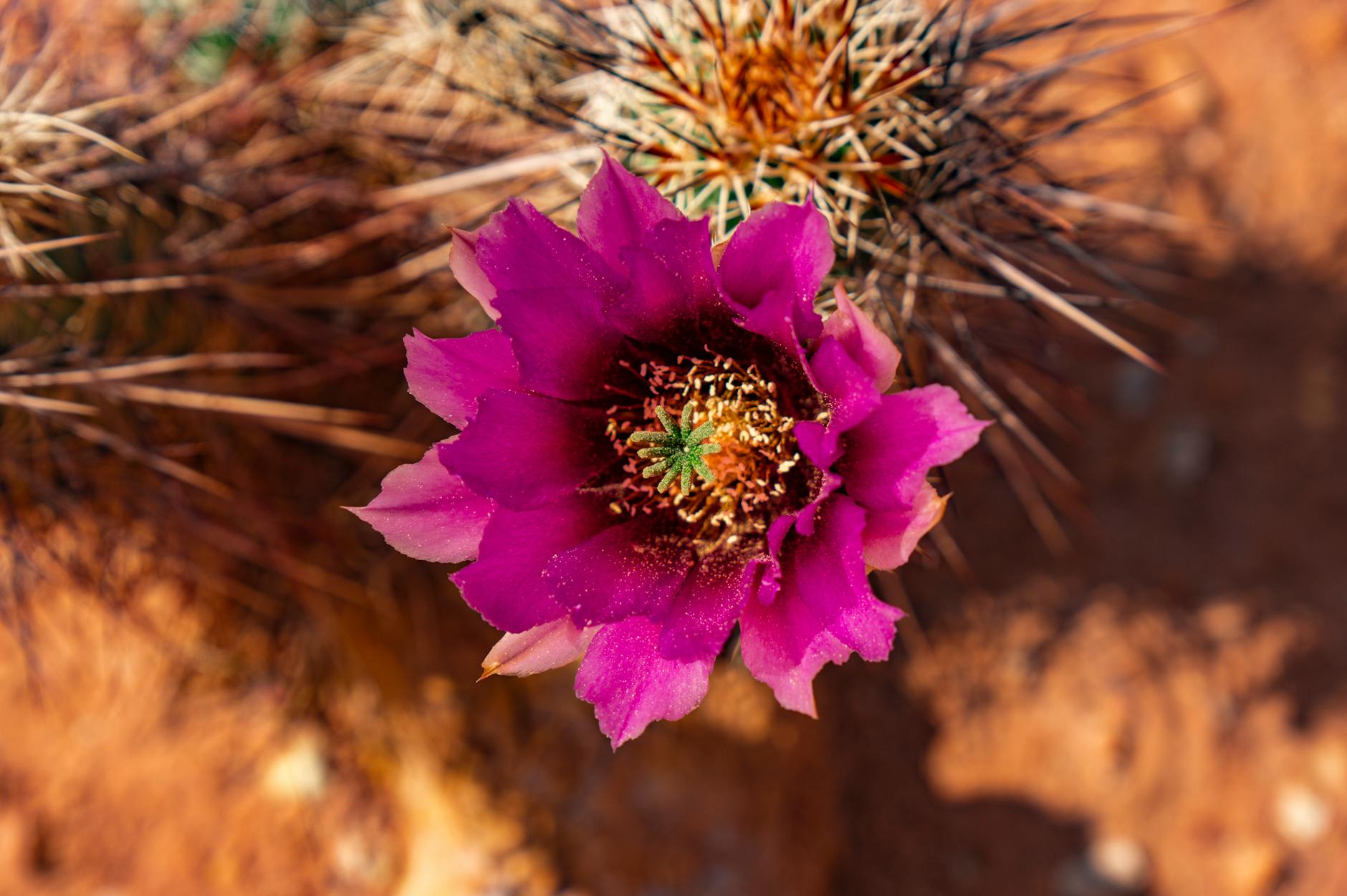
Hedgehog cactus is known for intensely colored flowers, often magenta or fuchsia, that can appear in clusters along the sides of the plant. Many types bloom in spring and can put on a surprisingly dense display for their compact size. They prefer full sun outdoors or the brightest window you can provide indoors, along with gritty soil and infrequent watering. Cool winters and dry conditions help set the stage for dependable flowering.
Pincushion Cactus
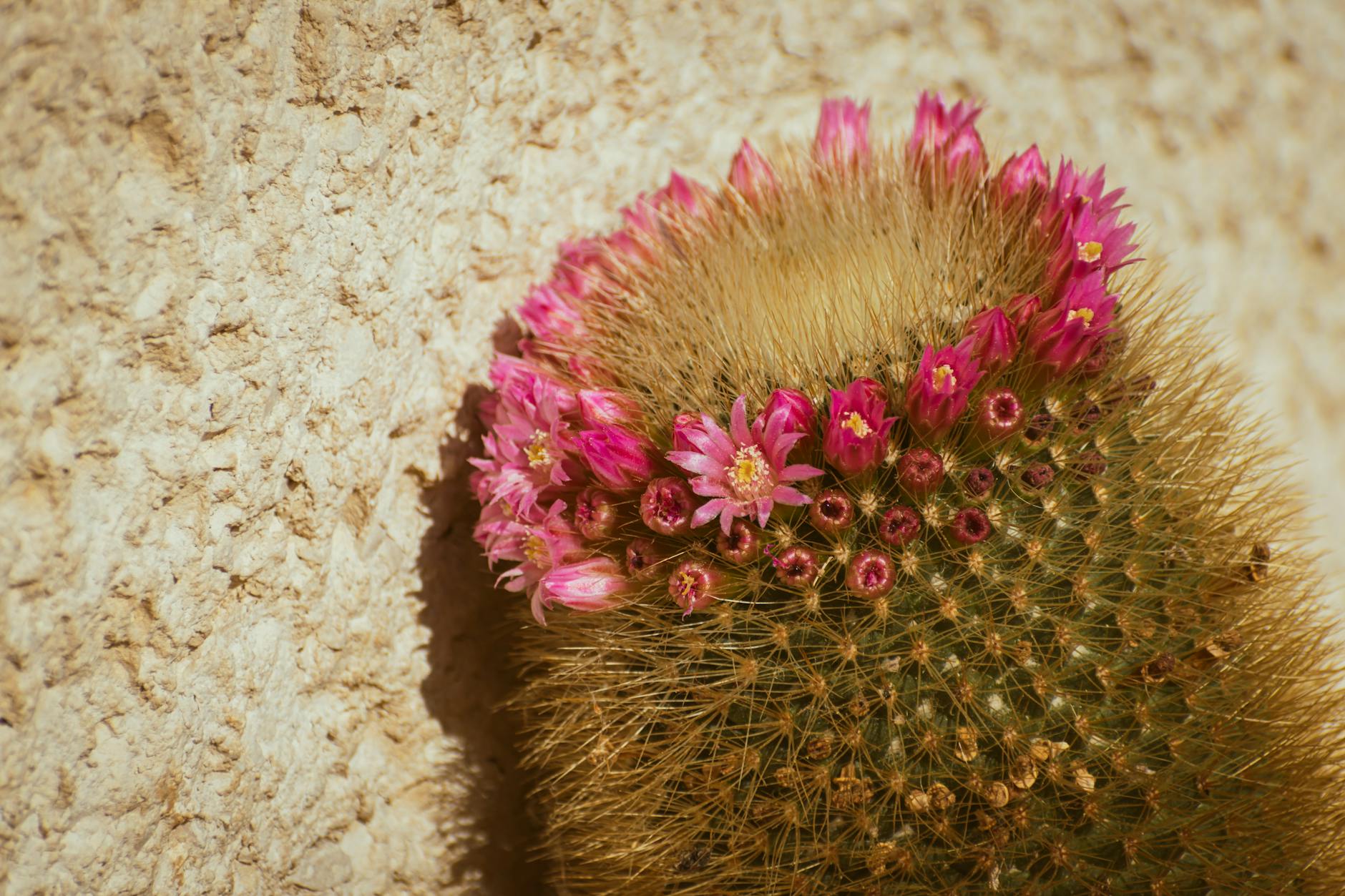
Pincushion cactus produces neat, daisy like blooms that form a ring around the crown, sometimes creating a floral wreath effect. Colors range from pale pink to deep rose, red, cream, or yellow depending on the species. These cacti stay small, making them ideal for windowsills while still offering impressive flowering once they mature. Strong light, a fast draining mix, and a winter rest period typically encourage regular blooms.
Star Cactus
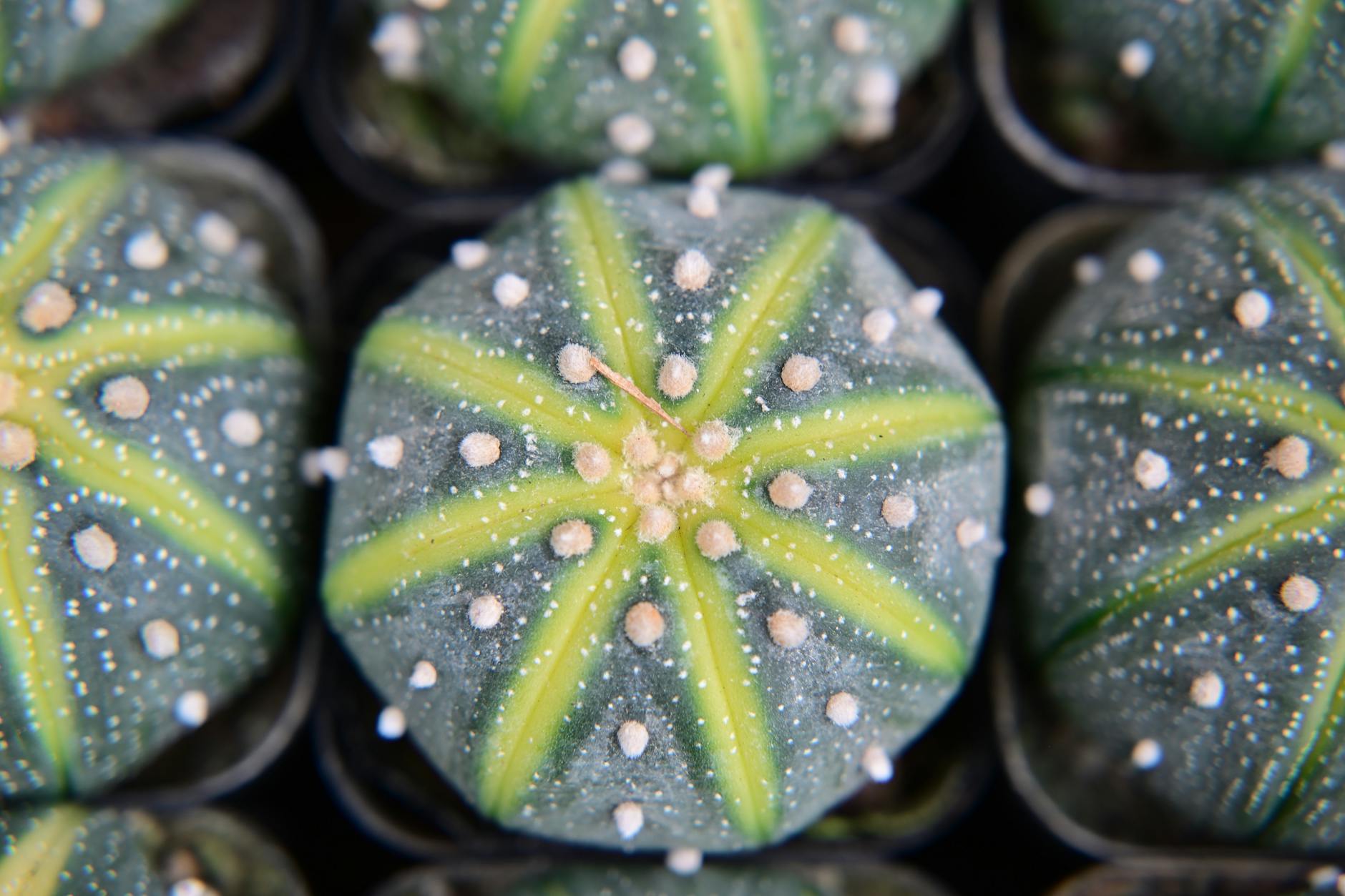
Star cactus forms a spineless, geometric body and produces delicate yellow flowers with a contrasting center. Its blooms are smaller than some showy species, but the clean shape of the plant makes the flowers feel especially refined. It prefers bright light with some protection from scorching sun and needs careful watering to avoid rot. When kept warm in the growing season and drier in winter, it can bloom reliably year after year.
Which blooming cactus would you most want to grow at home, and what colors are you hoping to see in the flowers?




