A backyard bird feeder can be more than a snack station since the right setup can bring flashes of red, yellow, blue, and orange right to your window. Different birds prefer different feeding styles based on how they perch, how they eat, and what foods they seek. Choosing a feeder that matches their habits helps reduce waste and keeps less desirable visitors from taking over. These feeder types are especially effective for drawing in the birds most people think of as the most vibrant.
Tube Feeder
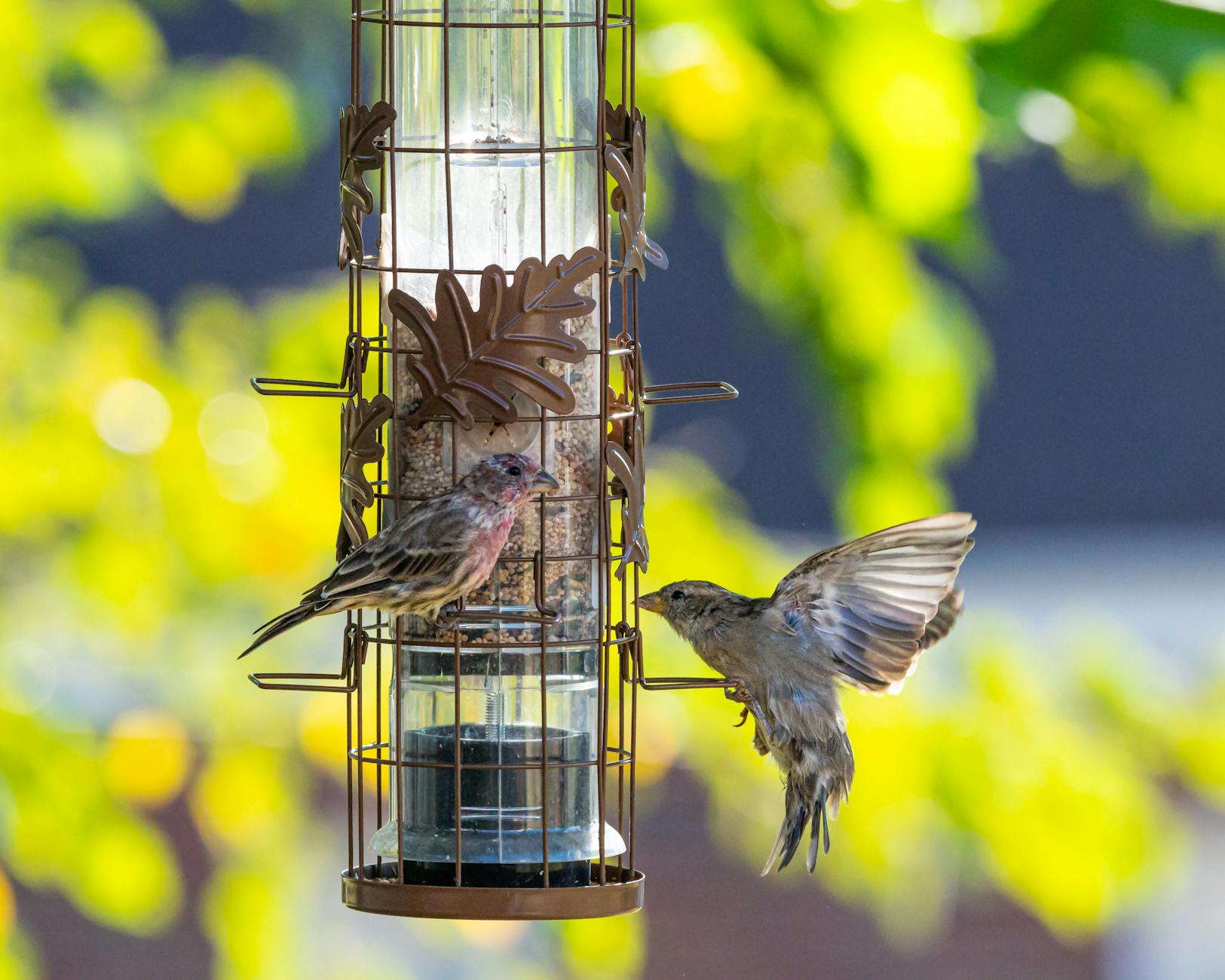
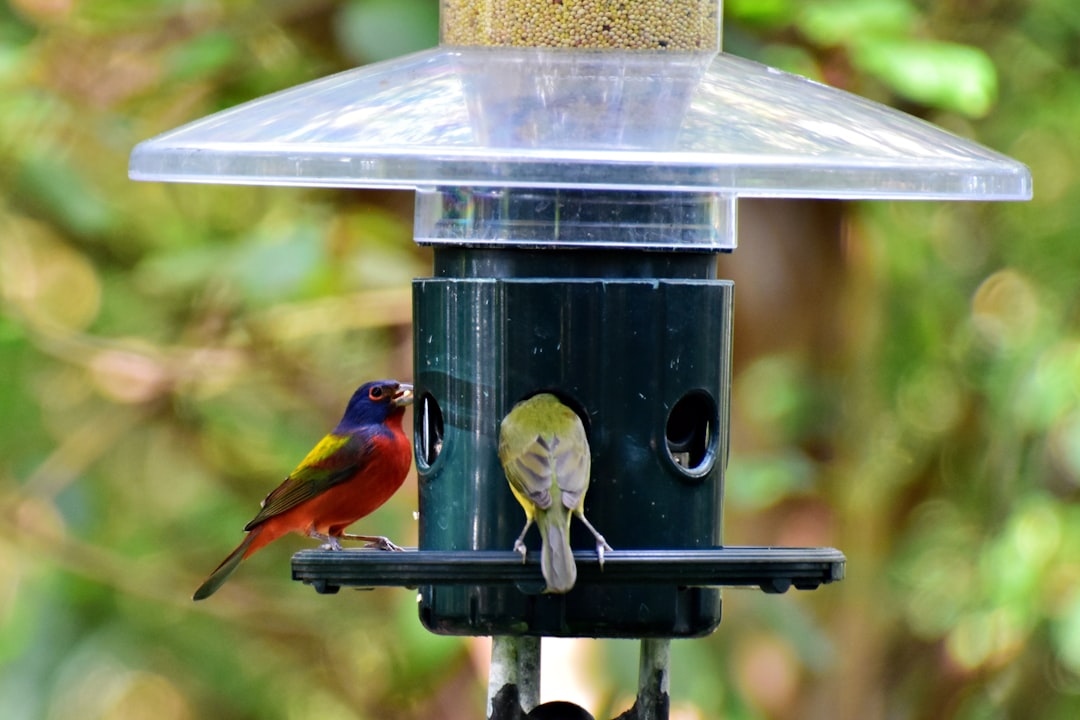
Tube feeders are ideal for small, colorful songbirds that prefer to cling or perch while they eat. They work especially well with black oil sunflower seeds, which attract finches, chickadees, and titmice that often show bright patterning. Models with multiple ports can accommodate several birds at once, which increases activity and improves your chances of seeing varied colors. Adding a seed tray can help catch spills while still keeping most larger birds from dominating the feeder. A metal mesh or weight activated design can also discourage squirrels and protect the seed supply.
Thistle Feeder
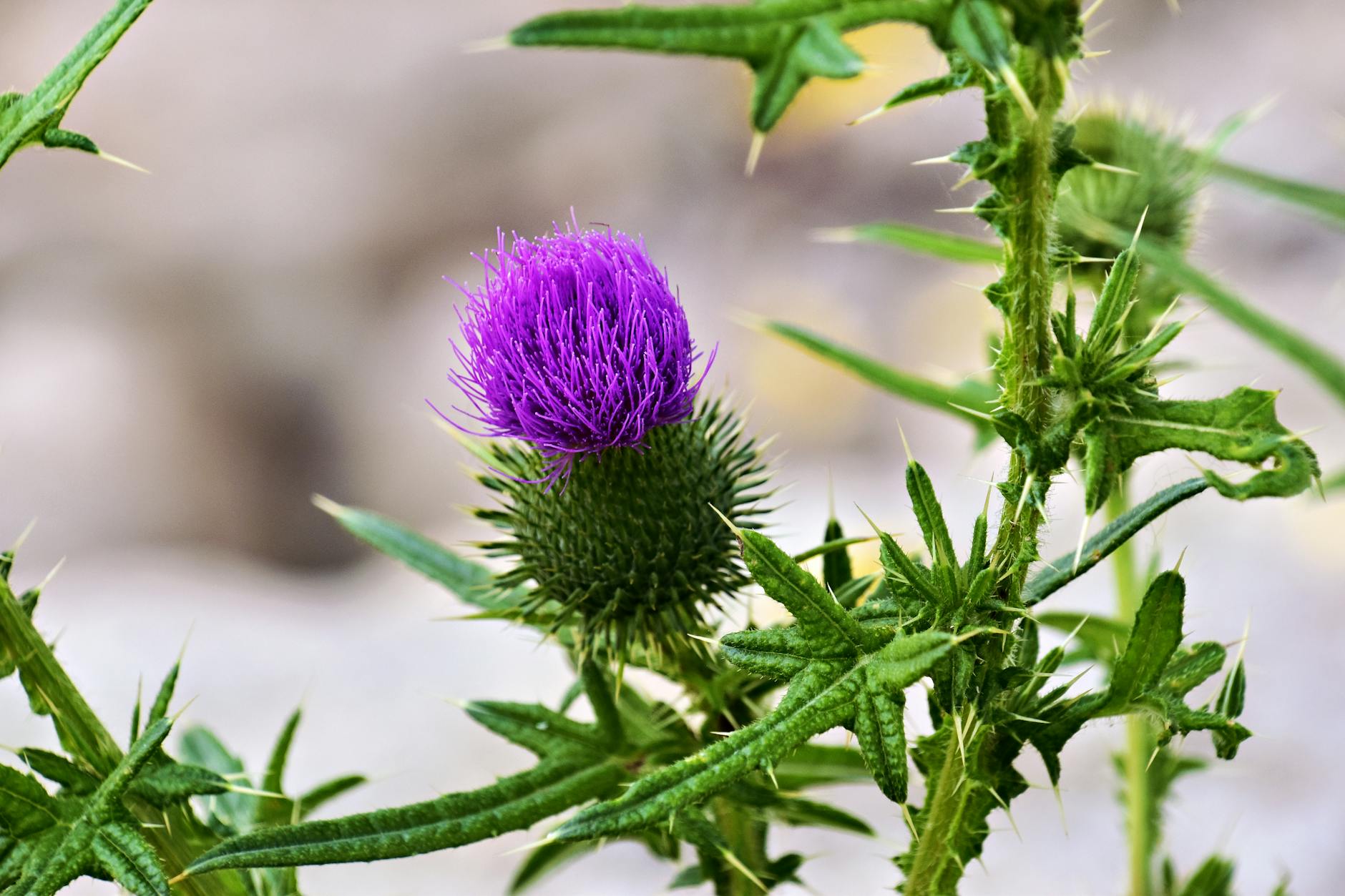
Thistle feeders are designed for nyjer seed, which is a favorite of goldfinches and other finch species known for vivid yellow plumage. These feeders often use very small ports or a sock style fabric that prevents larger birds from accessing the seed. Because nyjer stays fresh best when kept dry, placing the feeder under light cover can help maintain quality and keep birds coming back. Hanging it near shrubs gives finches a quick escape route, which makes them more comfortable visiting regularly. Cleaning the feeder often is important because fine seeds can clump and create mold in damp weather.
Hummingbird Feeder
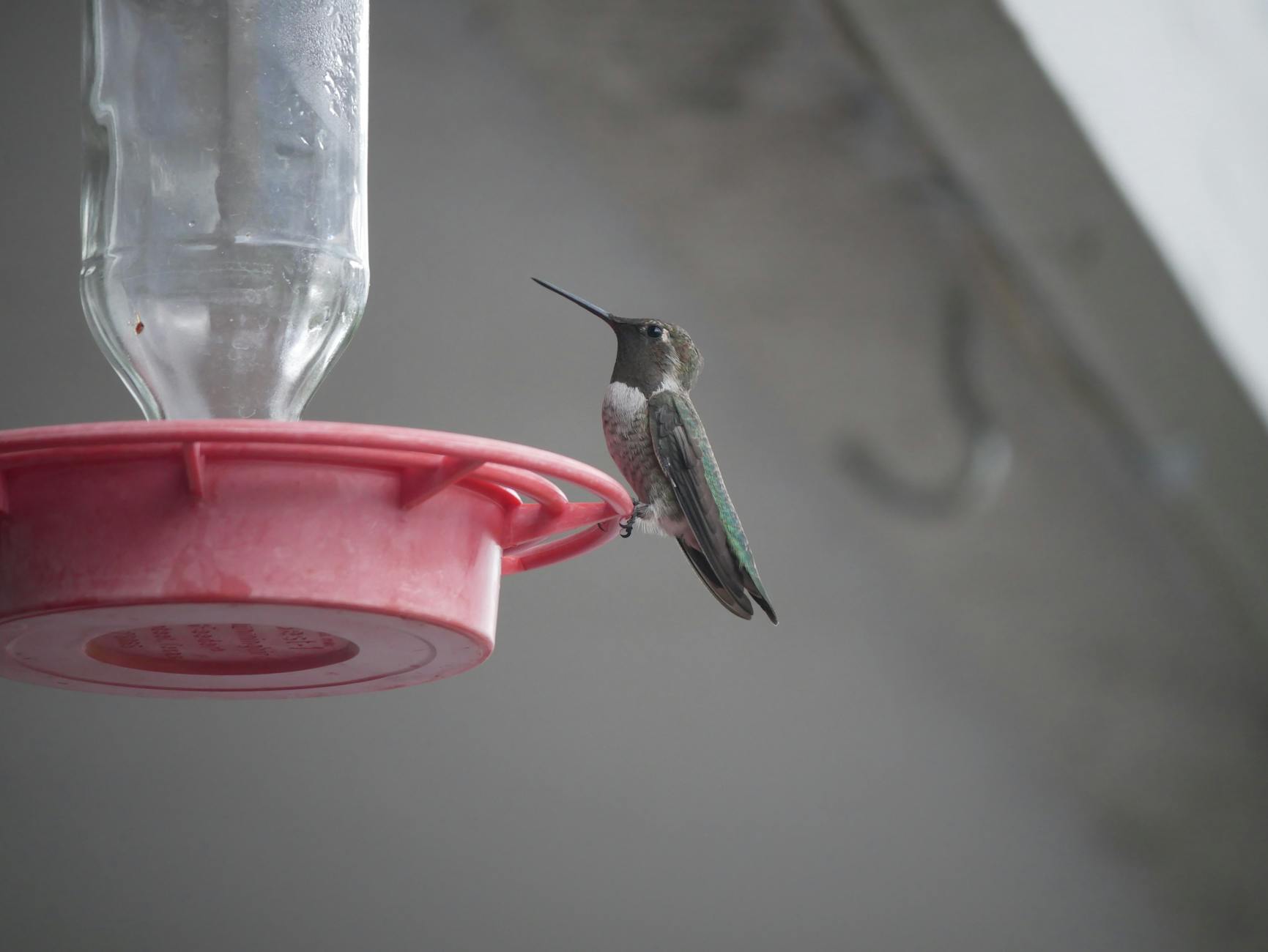
Hummingbird feeders reliably attract some of the most iridescent backyard visitors, especially when placed where they can be seen but still feel protected. A simple sugar water mixture provides the energy these birds need, and red accents on the feeder help them spot it quickly. Choosing a feeder that is easy to take apart encourages frequent cleaning, which is essential for preventing fermentation and mold. Positioning it near nectar rich flowers can increase traffic by matching their natural feeding routes. Hanging it out of reach of ants and adding an ant moat helps keep the ports clear.
Oriole Feeder
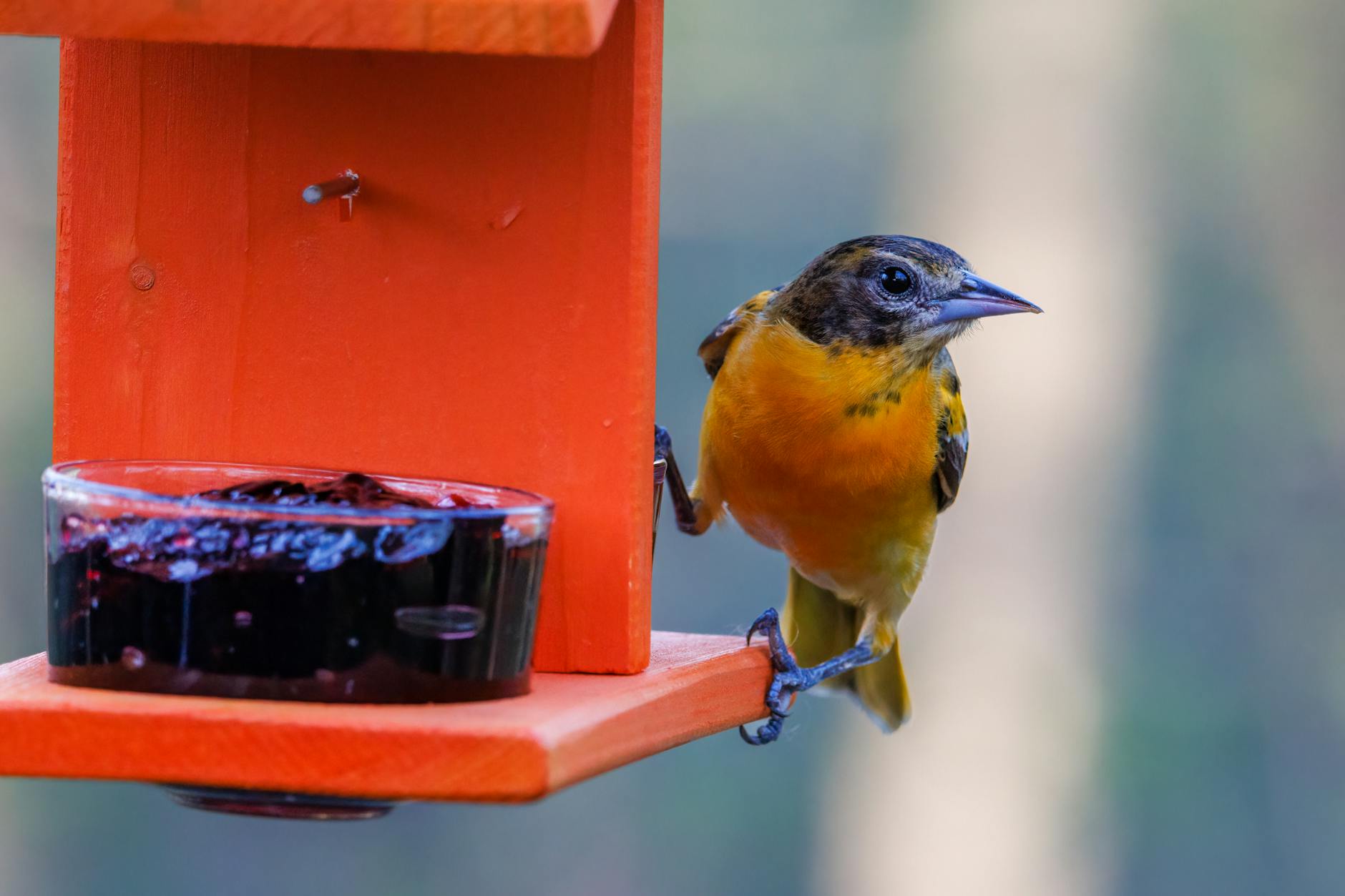
Oriole feeders are built to offer orange halves, jelly, or nectar, which draws in birds with striking orange and black plumage. Many designs include spikes for fruit and small cups for jelly, allowing you to offer multiple foods in one station. Placing the feeder at the edge of open space near trees mimics where orioles naturally forage and perch. Refreshing fruit daily is important because citrus can spoil quickly and attract insects. If your area has other fruit loving birds, offering smaller portions can help you manage competition.
Platform Feeder
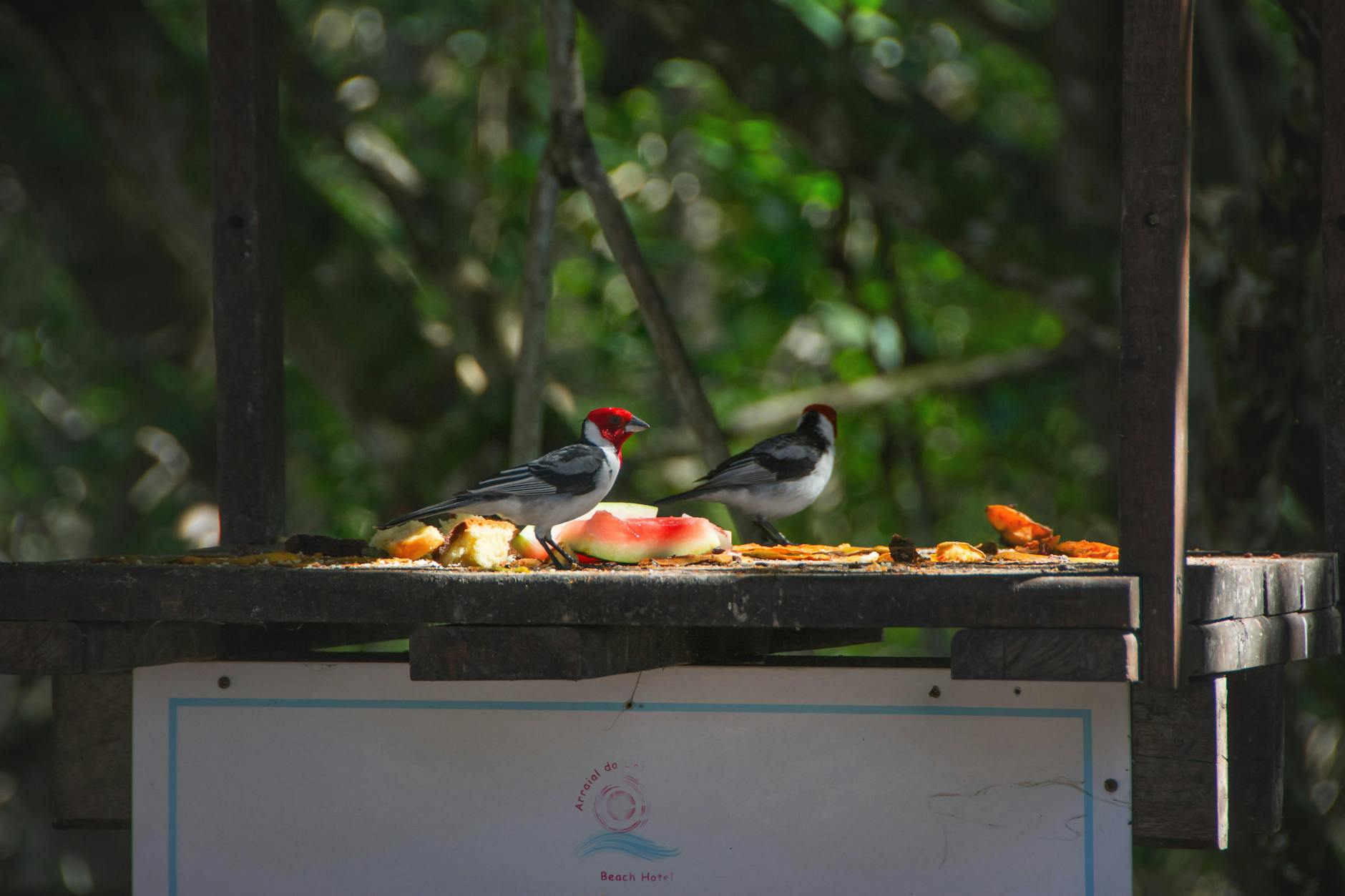
Platform feeders attract a wide mix of species because they allow birds to feed in a natural standing posture. This variety can bring in colorful visitors like cardinals, blue jays, and woodpeckers depending on your region and seed choice. Using a raised platform with good drainage keeps seed from spoiling and reduces the risk of disease. You can also tailor offerings by adding mealworms, sunflower chips, or peanuts to target specific birds with bold coloring. Placing the feeder near cover but not directly inside dense brush helps birds feel safe while still giving you a clear view.
Suet Feeder
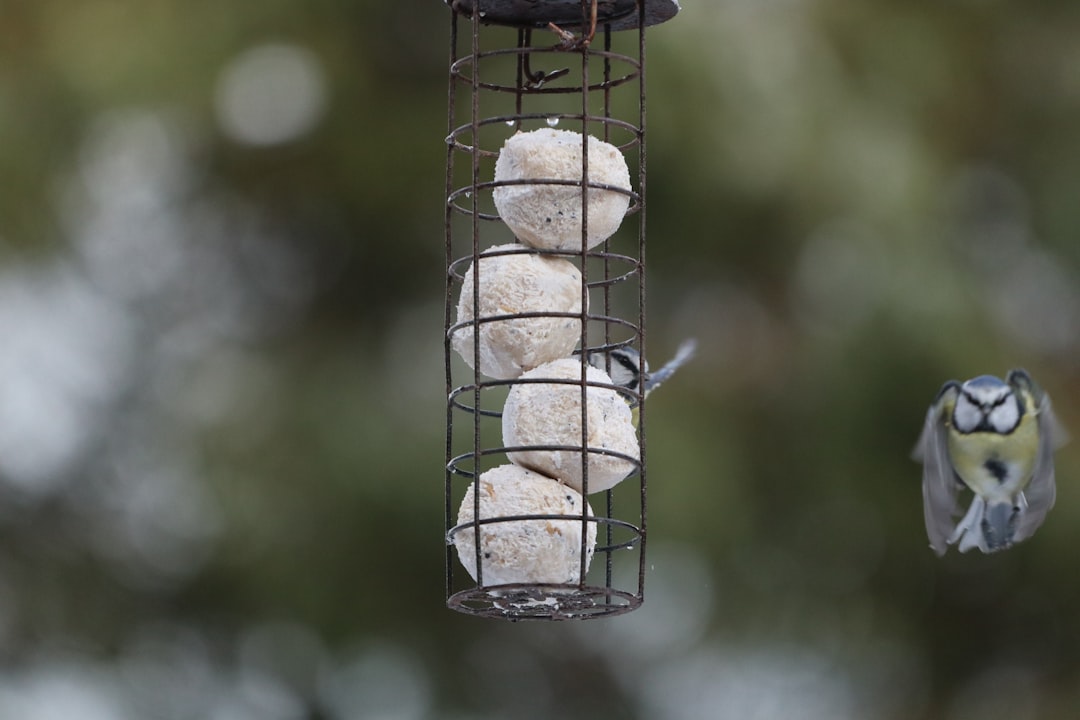
Suet feeders are a magnet for woodpeckers, which often have bright red markings and high contrast black and white patterns. Suet also attracts other clinging birds that can show strong coloration, especially in colder months when high energy food is most valuable. A sturdy cage style feeder keeps the suet accessible while limiting waste and slowing down birds that try to carry off chunks. Choosing no melt suet in warm weather helps keep the feeder cleaner and more appealing. Hanging suet away from seed feeders can reduce crowding and let shy birds approach more confidently.
Peanut Feeder
Peanut feeders use wire mesh to hold whole or chopped peanuts, which attracts birds with bold coloring and strong personalities. Blue jays and some woodpeckers are especially drawn to peanuts, and the feeding style encourages them to cling and stay longer. Because peanuts are calorie dense, small portions can create frequent visits without making the feeder a mess. A feeder with smaller mesh openings prevents birds from pulling out large pieces that could become choking hazards for nestlings in breeding season. Keeping the feeder dry is important since peanuts can spoil and grow mold when exposed to repeated rain.
Mealworm Feeder
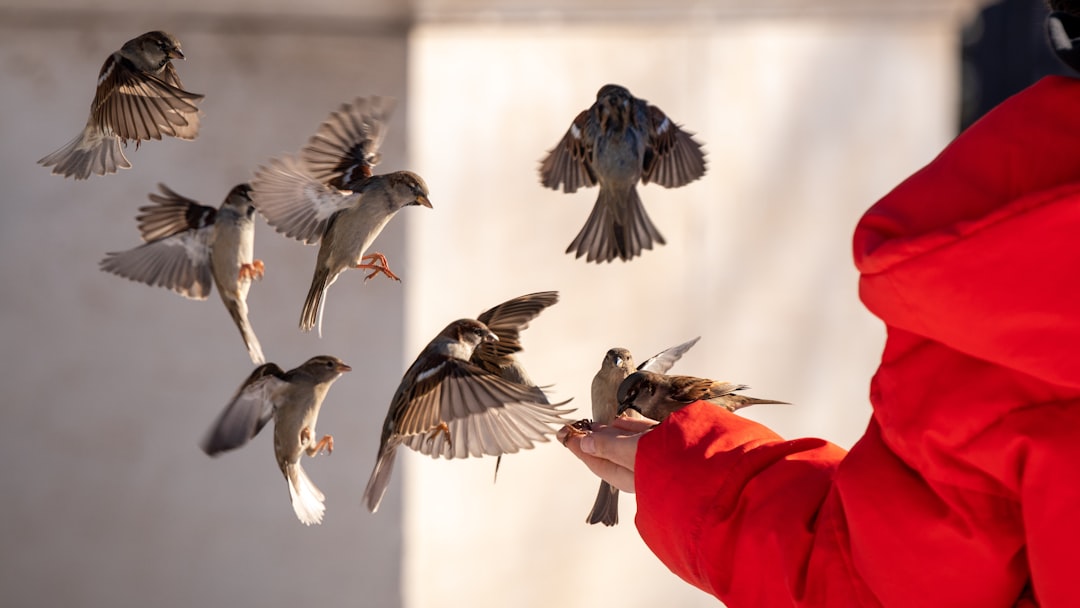
Mealworm feeders target insect eating birds that can be surprisingly colorful, including species with bright blue, orange, or patterned plumage depending on where you live. A covered design helps prevent the worms from drying out and reduces access for starlings and other aggressive birds. Offering live mealworms in a shallow dish inside the feeder encourages repeat visits because birds quickly learn the location of dependable protein. Placing the feeder near trees or fences provides perching spots so birds can grab a worm and retreat to eat. Switching to dried mealworms in colder months can be convenient, though live worms usually attract more interest.
Share which feeder you use or want to try and tell us what colorful birds you hope to see in the comments.




