Salt serves as the fundamental foundation of flavor in kitchens around the world and goes far beyond simple sodium intake. Understanding the varied textures and salinity levels of different salts allows a cook to control the outcome of every dish with precision. The specific mineral content and harvesting methods dictate how each variety interacts with heat and moisture during the cooking process. Stocking a diverse selection ensures you have the right tool for curing meats or baking pastries or finishing a salad. A well-curated pantry includes a range of options to address every culinary requirement from boiling water to garnishing a steak.
Kosher Salt
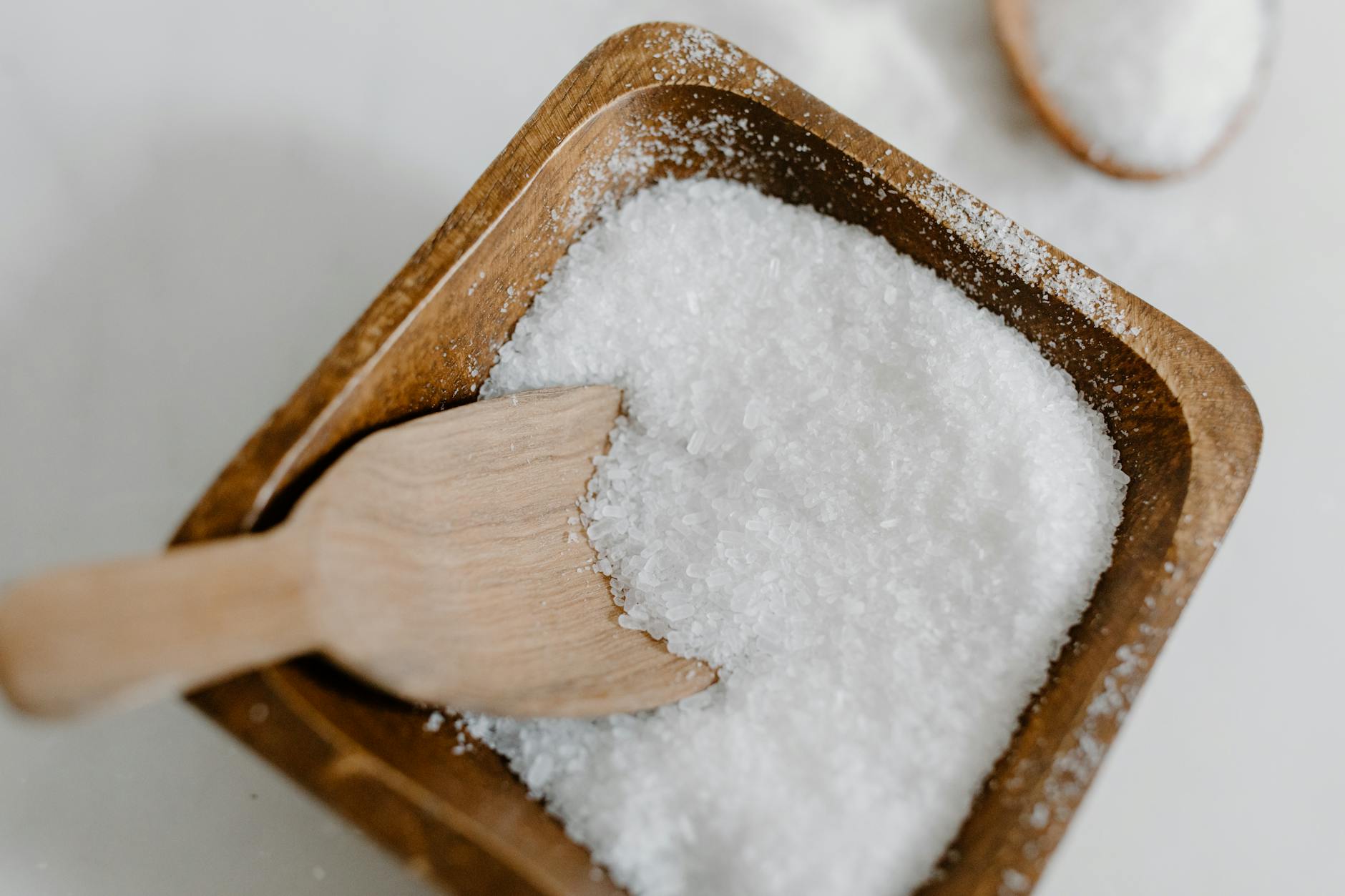
Professional kitchens rely heavily on this versatile seasoning due to its coarse grain size and lack of metallic aftertaste. The large crystals make it easy to pinch and distribute evenly over meat or vegetables before cooking. It adheres well to food surfaces and aids in drawing out moisture during the curing process. Many recipes call for this specific variety because it is less dense than table salt. You will find that it dissolves quickly into soups and pasta water without making them overly salty.
Table Salt
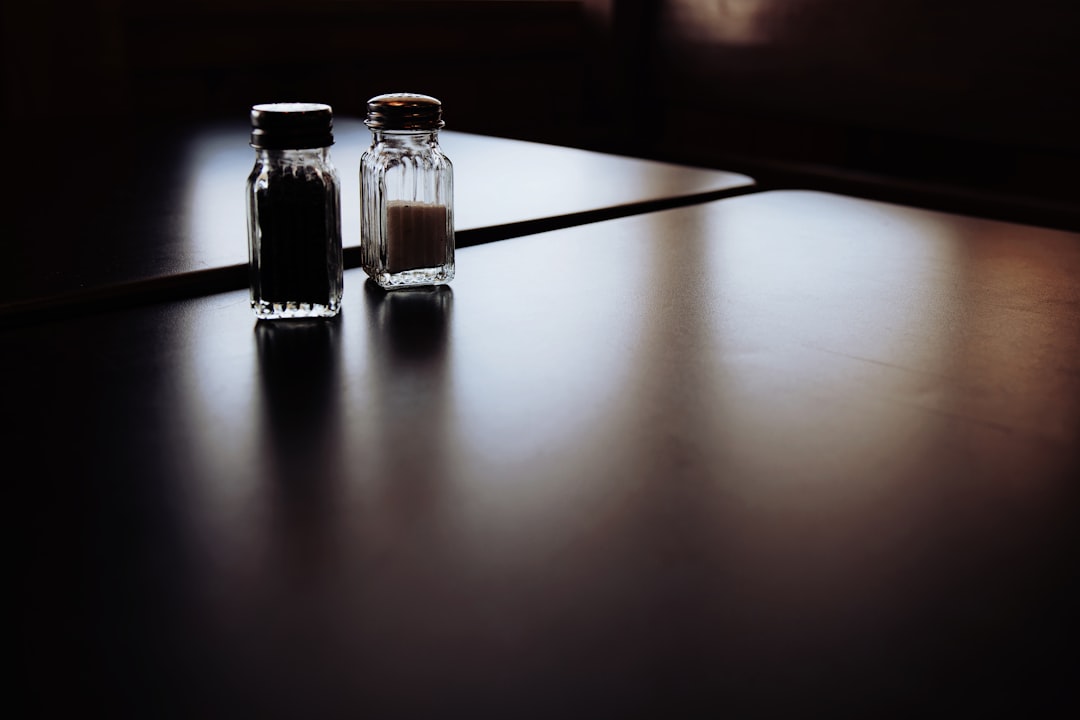
This common household staple features very fine uniform crystals and usually contains potassium iodide for nutritional benefits. Manufacturers often add anti-caking agents to ensure it flows freely from a shaker even in humid environments. The small grain size allows it to dissolve almost instantly in batters and doughs for precise baking measurements. It packs a salty punch since the dense crystals leave little air space in a measuring spoon. Home cooks often reserve this variety for baking or salting boiling water rather than finishing a dish.
Flaky Sea Salt
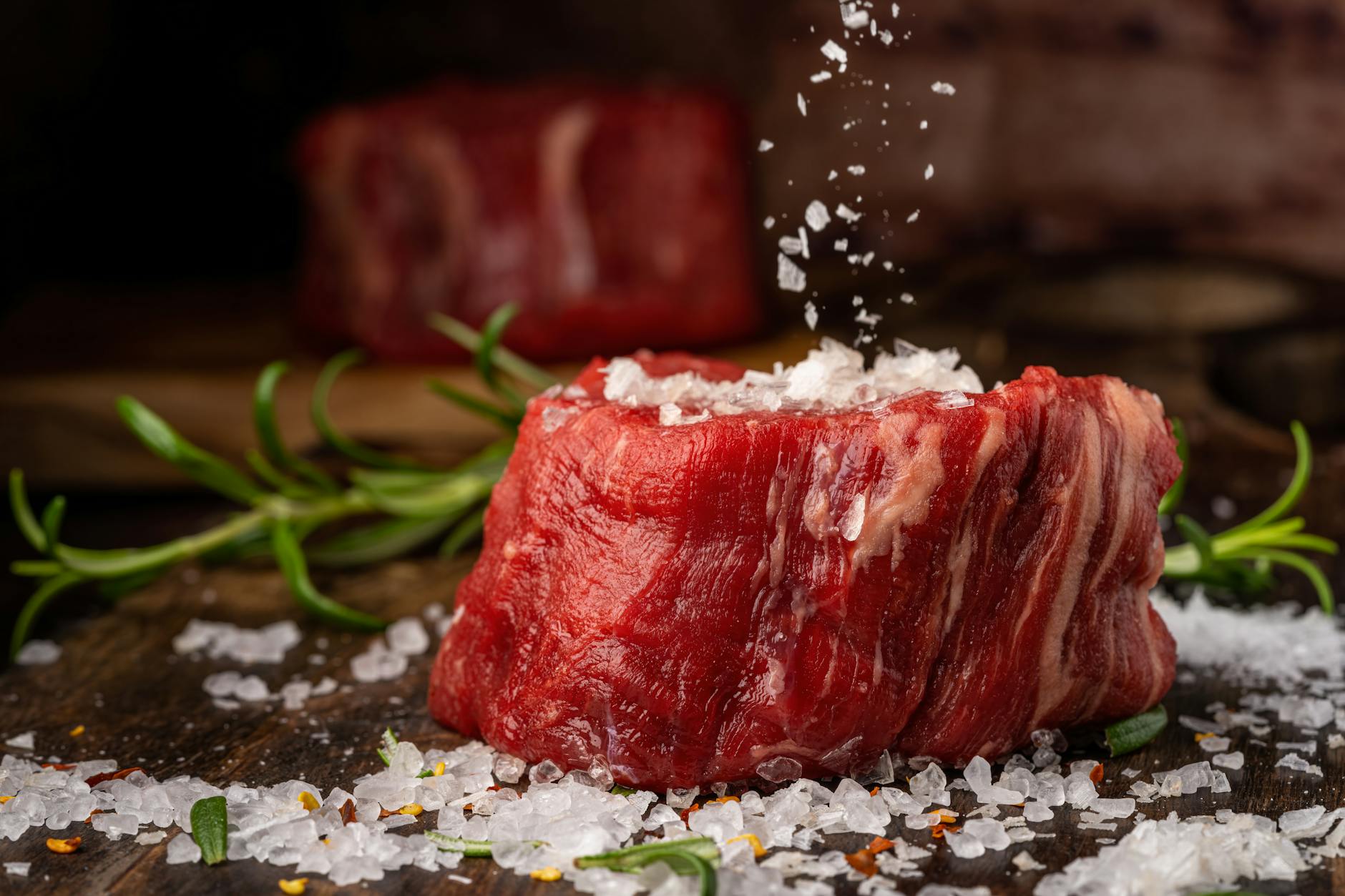
Chefs use this premium ingredient primarily as a finishing element to add texture and a burst of flavor just before serving. The pyramid-shaped crystals provide a distinct crunch that contrasts distinctively with soft foods like avocados or chocolate chip cookies. It is harvested from evaporated seawater and retains trace minerals that contribute to a complex taste profile. You should avoid using this delicate product during the cooking process since the heat melts the unique structure. A light sprinkling adds a visual pop and enhances the presentation of simple roasted vegetables.
Himalayan Pink Salt
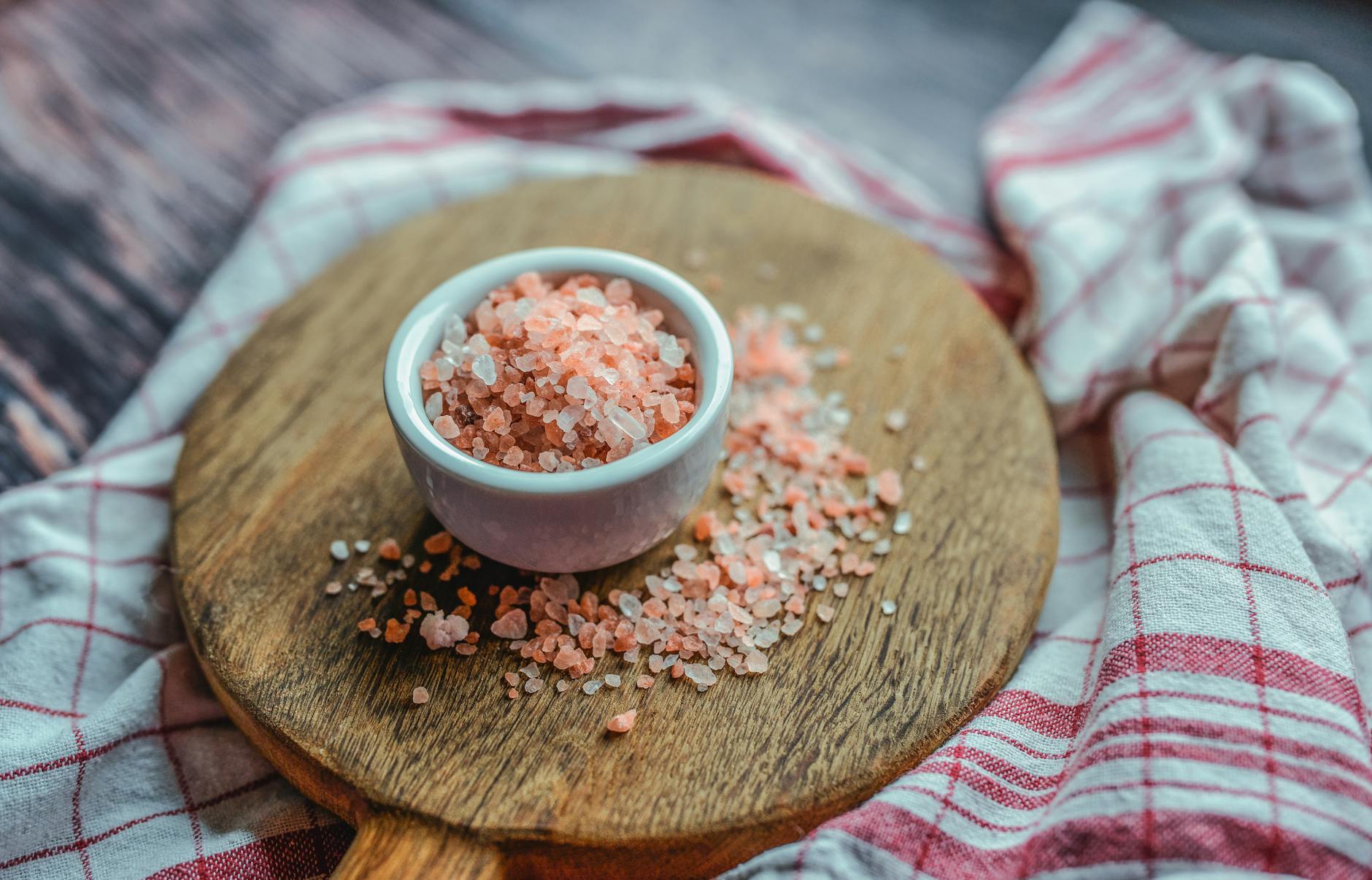
Extracted from ancient mines in Pakistan this mineral-rich variety is famous for its distinct rose hue. The color comes from iron oxide and other trace elements that remain naturally after the salt is processed. It is available as large rocks for grating or pre-ground grains suitable for everyday cooking and seasoning. Blocks of this material can heat up to high temperatures for searing meats or chilling down to serve cold appetizers. The flavor remains subtle and comparable to standard sea salt despite its exotic appearance.
Fleur De Sel
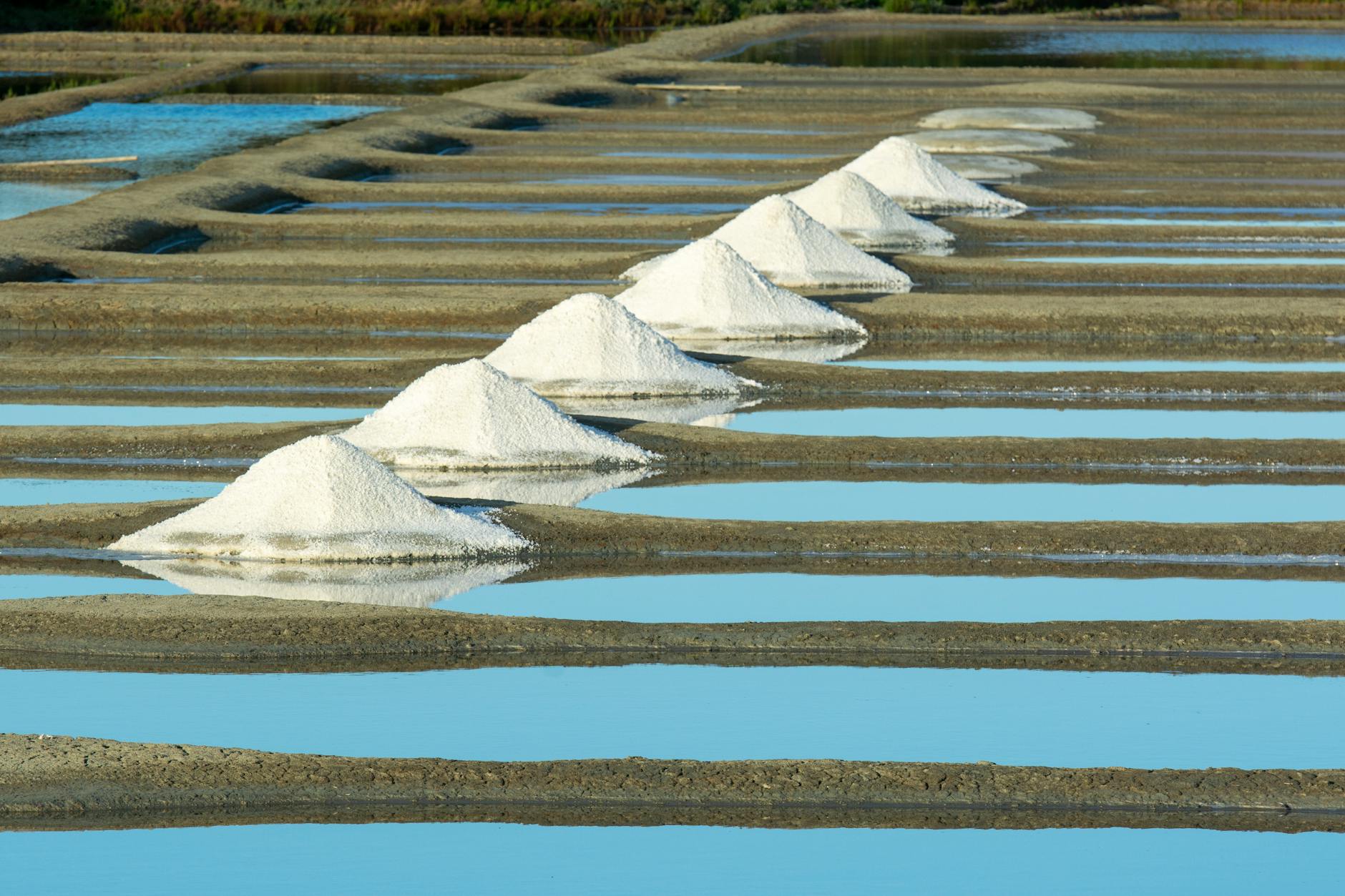
Harvested by hand from the surface of salt marshes in France this variety is considered the caviar of salts. The moist and slightly sticky crystals linger on the tongue and provide a prolonged flavor experience. It forms only under specific weather conditions which makes it more expensive than other common pantry staples. Cooks use it exclusively as a garnish for steak or eggs rather than mixing it into a sauce. The high moisture content prevents it from dissolving immediately upon contact with hot food.
Pickling Salt
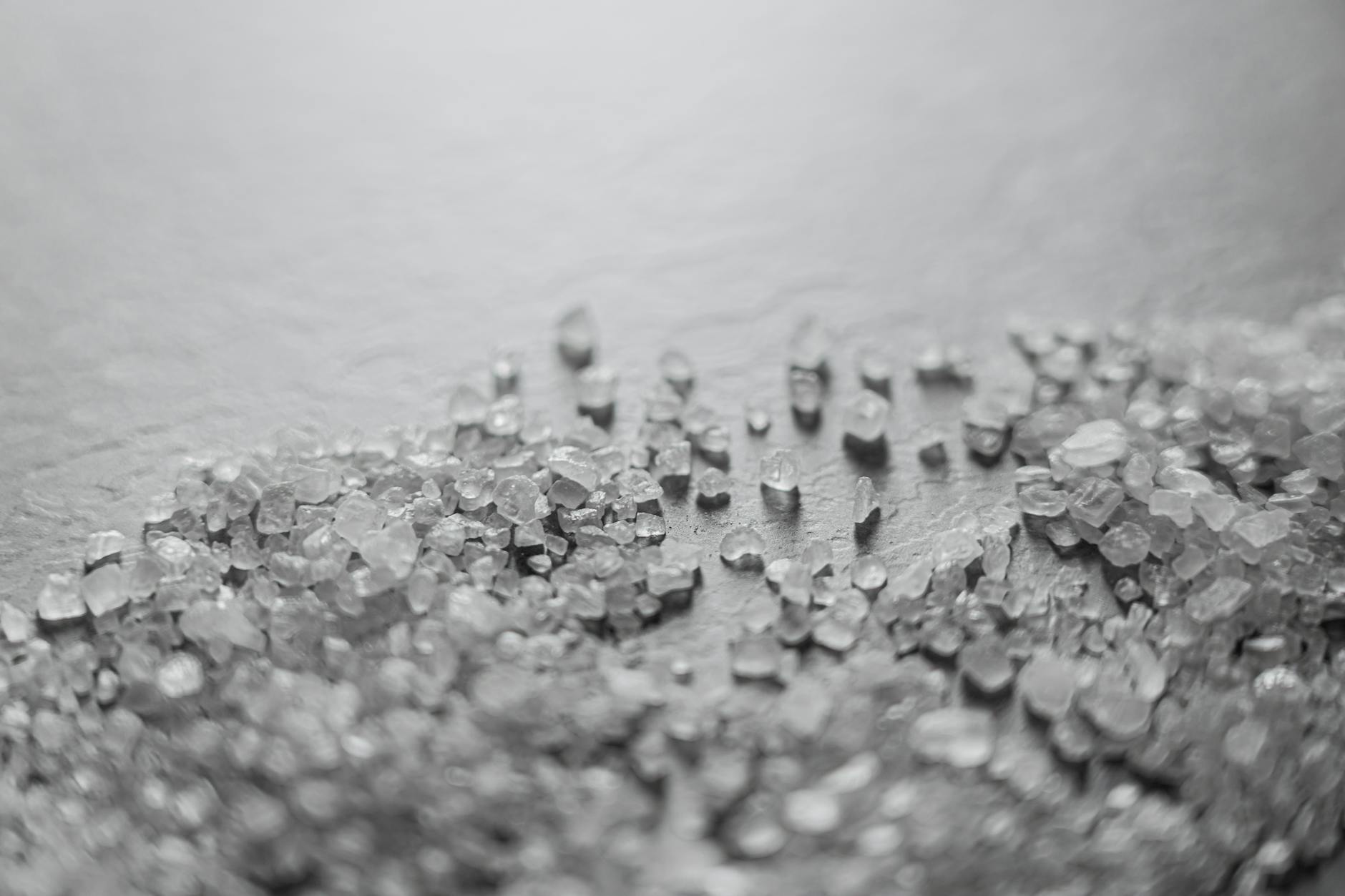
This pure form of sodium chloride contains no iodine or anti-caking additives that would cloud the brine in jars. The fine granules dissolve rapidly in cold water to create a clear and consistent liquid for preservation. It ensures that pickled vegetables remain crisp and free from the dark sediment caused by impurities found in other salts. You can buy this essential canning ingredient in bulk bags for the summer harvest season. It creates the necessary environment for safe fermentation and long-term storage of garden produce.
Smoked Salt
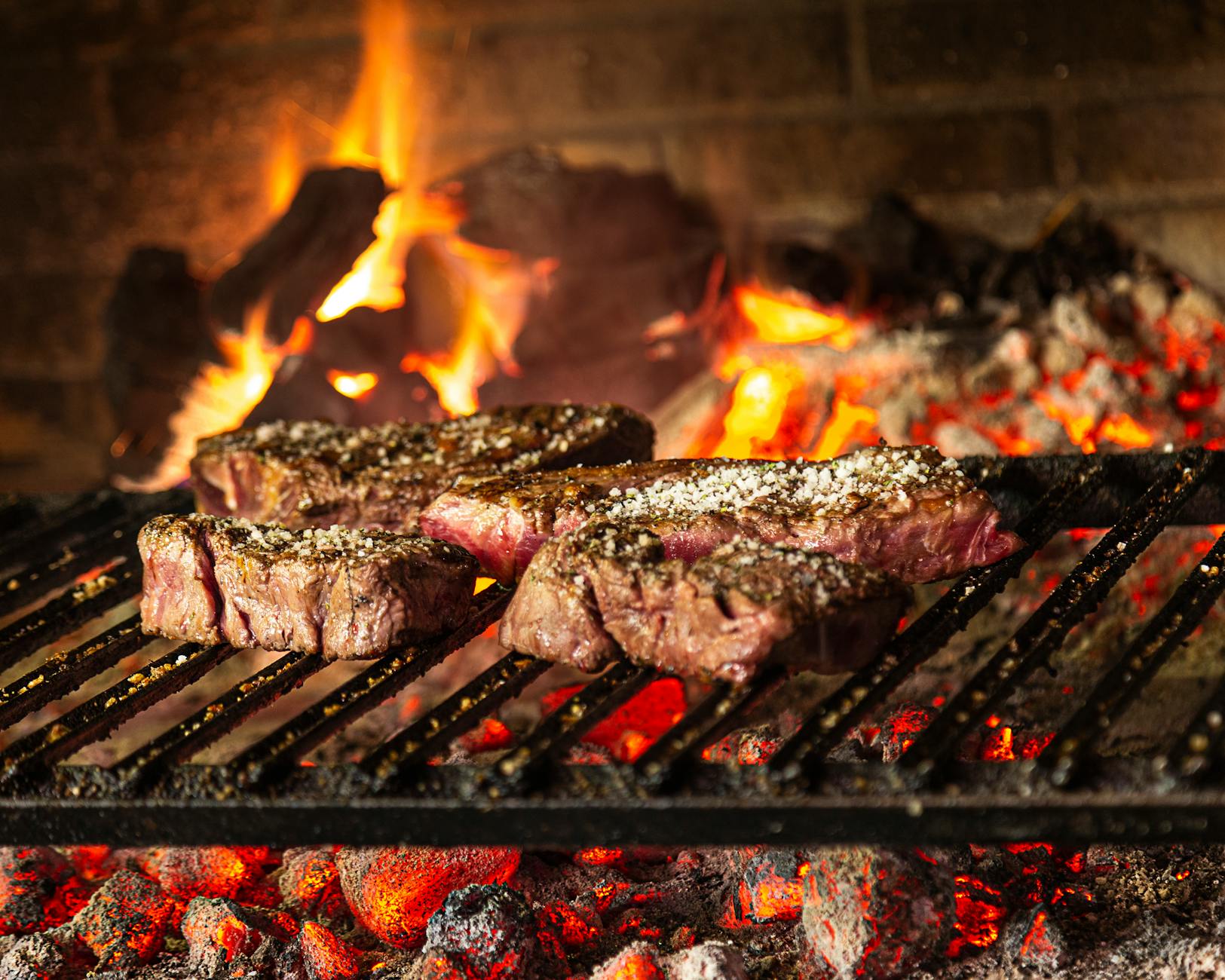
Wood fires slowly smoke these crystals for up to two weeks to infuse them with deep aromatic notes of hickory or mesquite. It adds a savory intensity to dishes without the need for an actual smoker or outdoor grill. Vegetarians often utilize it to mimic the hearty flavor of cured meats in soups and roasted root vegetable dishes. The color ranges from tan to dark brown depending on the type of wood and duration of the smoking process. A small pinch goes a long way in dry rubs or as a final touch on grilled salmon.
Share which type of salt you reach for most often in the comments.




