The Amazon Rainforest hosts an incredible diversity of plant life that includes some of the most unique and nutritious fruits on the planet. Many of these botanical treasures have been harvested by indigenous communities for centuries for both their medicinal properties and distinctive flavors. Global interest in superfoods has recently brought these exotic ingredients to health food stores and high-end restaurants around the world. Exploring these fruits offers a fascinating glimpse into the rich culinary heritage of the South American tropics.
Açaí
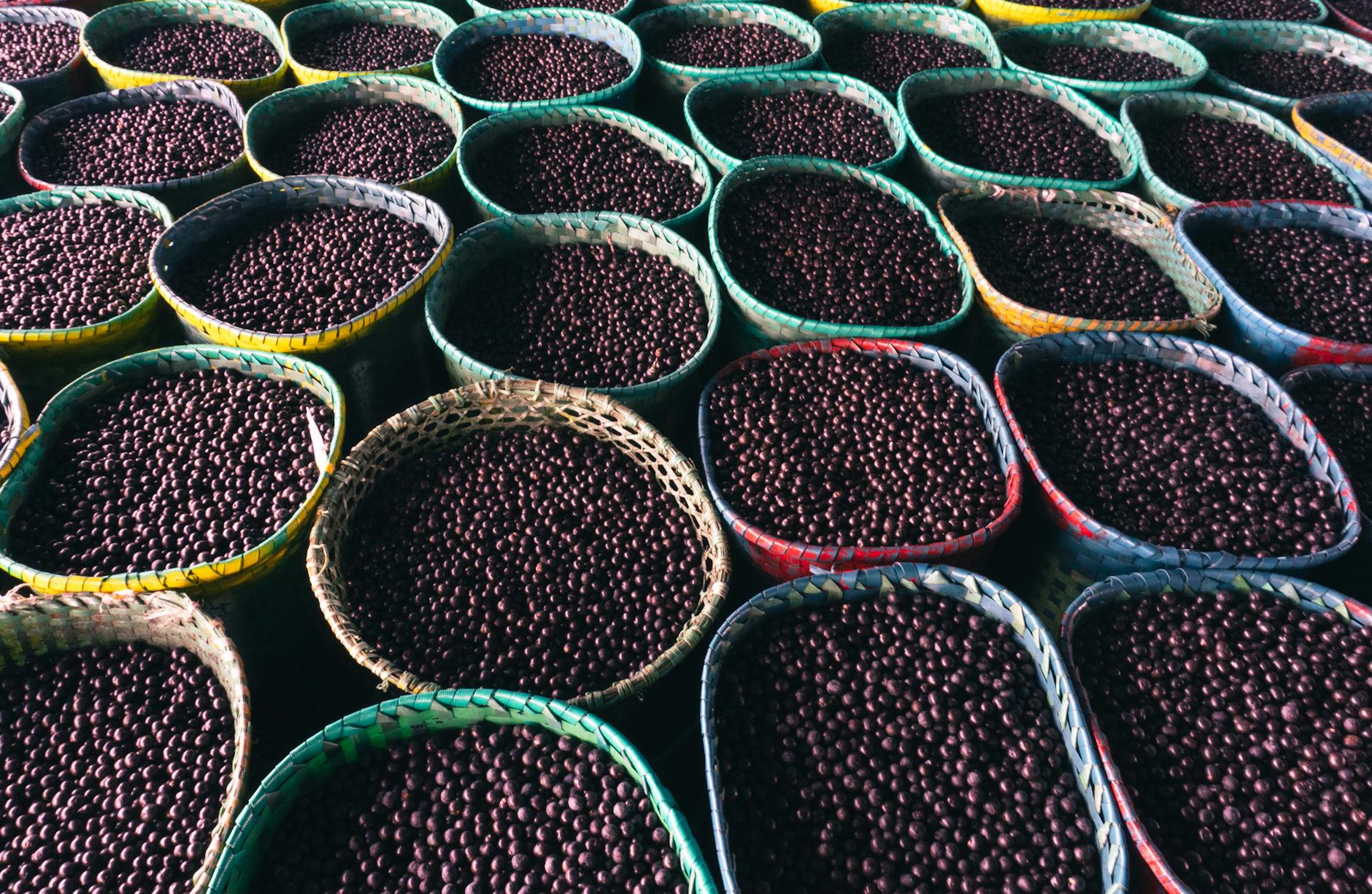
This small dark purple berry grows in large clusters on palm trees throughout the Amazon basin. It has gained massive popularity worldwide due to its high concentration of antioxidants and heart-healthy fats. Locals traditionally consume the pulp as a savory side dish with fish or tapioca. The earthy flavor profile pairs exceptionally well with sweet additions like granola and honey in modern smoothie bowls.
Cupuaçu
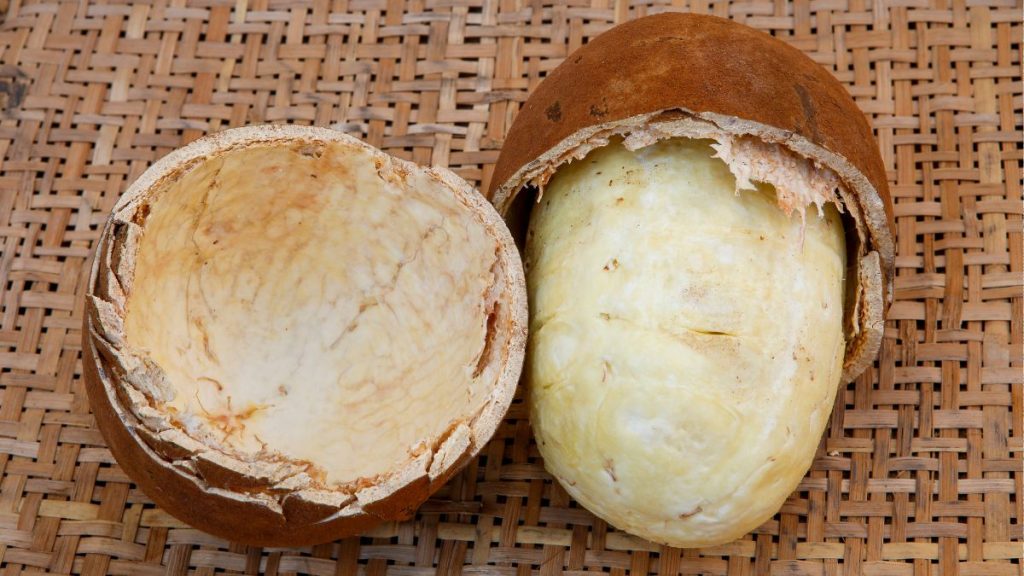
Known as a close relative of the cacao plant this fruit features a large hard shell that encases a creamy white pulp. The flavor is often described as a complex mix of chocolate and pineapple with notes of pear. It serves as a primary ingredient in juices and ice creams as well as cosmetic butters for skin hydration. Many chefs appreciate its versatility in creating rich desserts that highlight its distinct tropical aroma.
Camu Camu
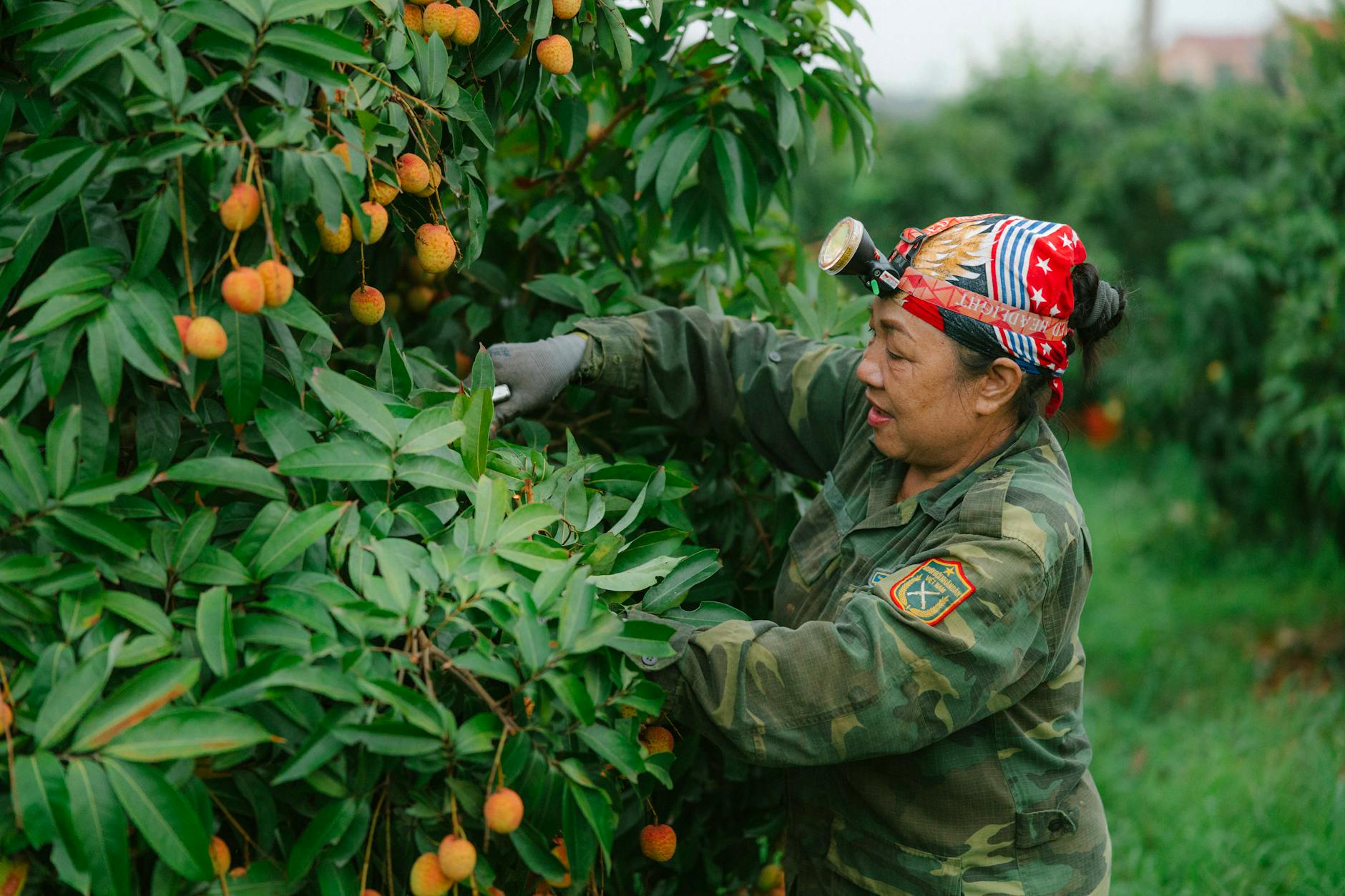
This small red cherry-like fruit grows on bushes along the riverbanks of the rainforest. It boasts one of the highest natural concentrations of Vitamin C found in any plant species on the planet. The extremely sour taste means it is rarely eaten fresh but instead processed into powders or supplements. Health enthusiasts frequently add it to drinks and yogurt to boost immune system function during flu season.
Guaraná
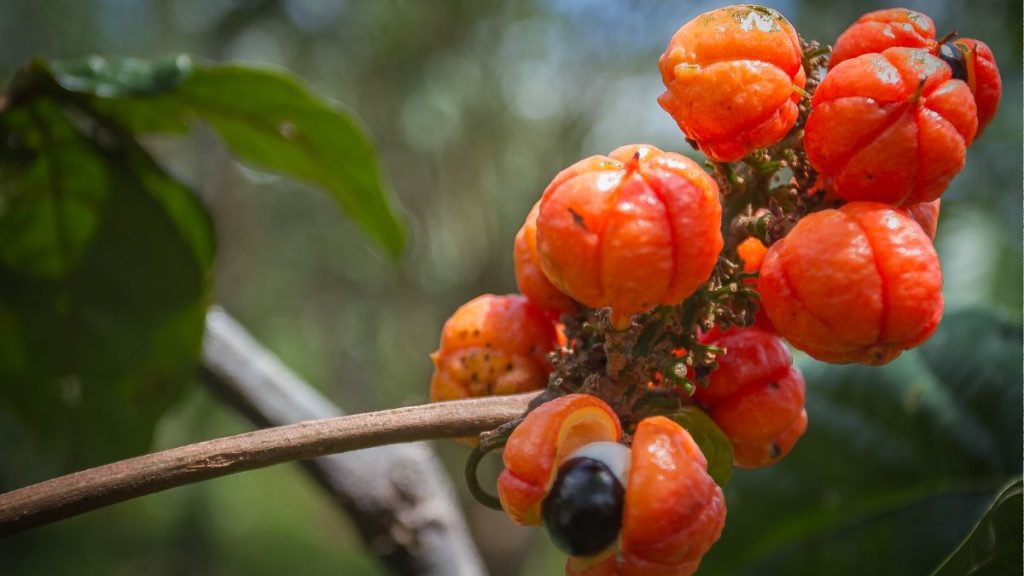
The fruit of this climbing plant is famous for looking like a human eye when the red shell splits open to reveal white pulp and a black seed. It contains a significant amount of natural caffeine which provides a sustained energy release without the jitters associated with coffee. Indigenous tribes have used it for centuries to maintain stamina during long hunts in the dense forest. Modern beverage companies widely utilize the extract as a key stimulant in energy drinks and sodas.
Buriti

This palm fruit features a scaly reddish skin and grows in the swampy areas of the Amazon region. The bright yellow pulp is rich in oils and contains an abundance of beta-carotene which promotes healthy skin and vision. Locals often use the oil for cooking and treating sun-damaged skin or dry hair. The tree itself is known as the tree of life because almost every part can be used for food or construction.
Graviola
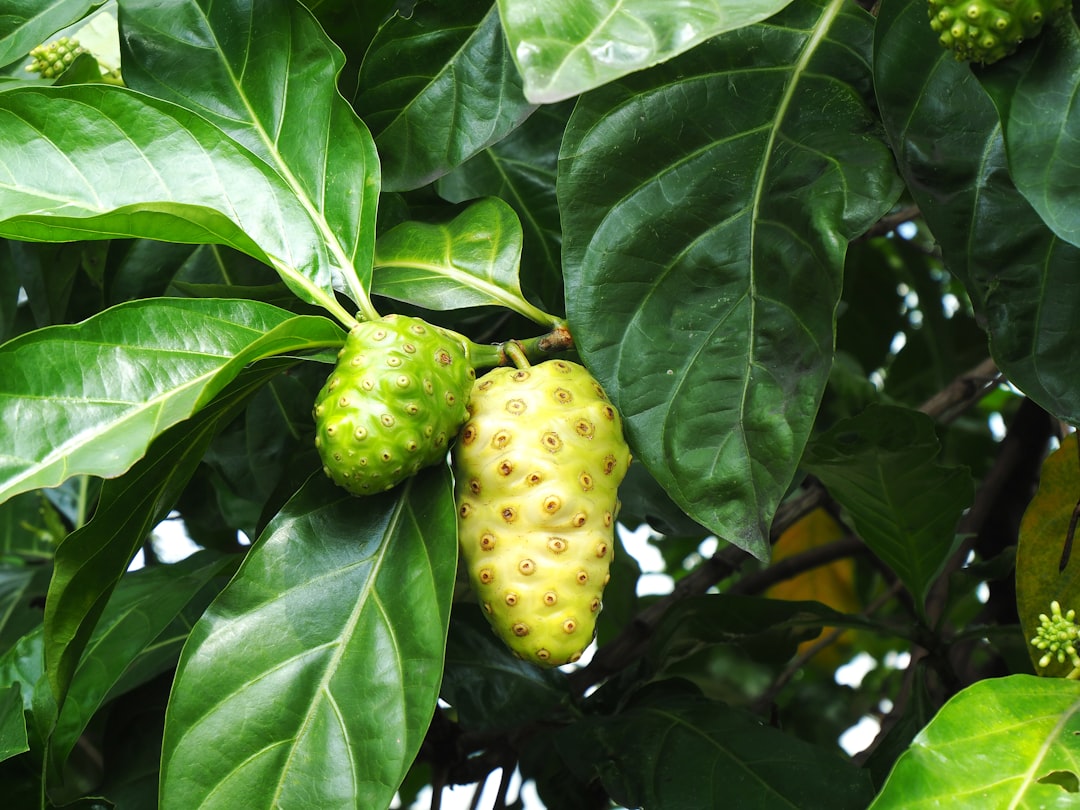
Large and green with soft spikes this fruit protects a fibrous white flesh that tastes like a combination of strawberry and citrus. The creamy texture makes it an excellent base for refreshing beverages and sweet sorbets enjoyed in the tropical heat. Traditional medicine practitioners utilize the leaves and stems for their sedative properties to aid with sleep and relaxation. Its unique flavor profile has made it a staple ingredient in desserts across South America.
Please share your experiences with these exotic fruits or mention which ones you would love to taste in the comments.




