American palates vary significantly across the country yet certain foods consistently spark debate and disdain at the dinner table. These culinary items often suffer from textural issues or strong flavor profiles that divide opinion sharply. The list covers everything from controversial vegetables to polarizing holiday treats that end up in the trash. Understanding why these foods repel so many people reveals interesting insights into our collective taste preferences and cultural upbringing.
Anchovies
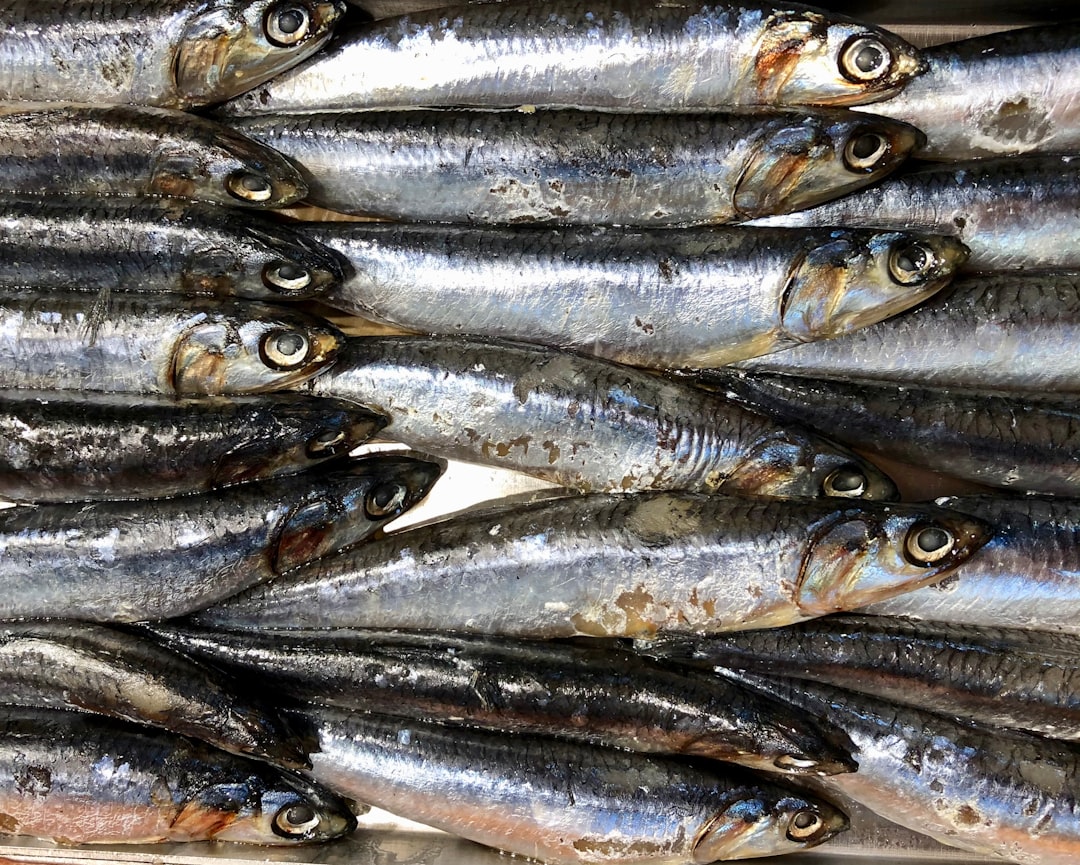
These small forage fish are infamous for their intensely salty and fishy flavor profile. Many people find the curing process in salt creates a taste that overpowers any dish it touches. Pizza parlors across the country frequently see customers specifically requesting their exclusion from orders. The texture of the tiny bones combined with the slimy oil they are packed in repels many diners. Even the smell can be enough to turn people away from a meal entirely.
Candy Corn

This tri-colored confection appears in stores every autumn to mixed reactions from the public. Detractors often describe the texture as waxy and the flavor as overly artificial honey or vanilla. It has become a cultural punchline for Halloween treats that nobody actually wants to eat. The high sugar content leads to a cloying sweetness that many adults find unpalatable. Despite the hatred it receives it continues to sell millions of pounds every year.
Beef Liver
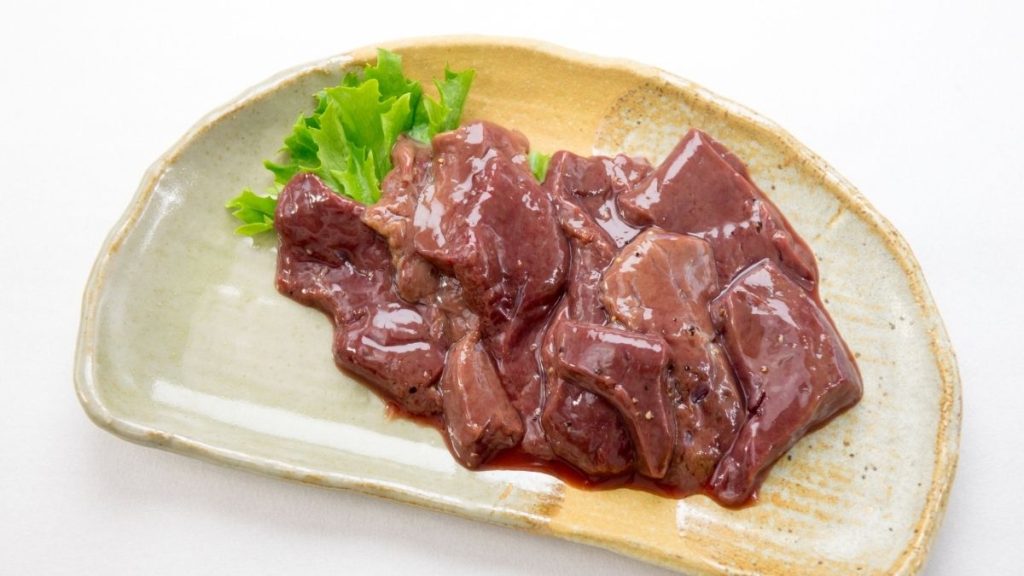
Organ meats have fallen out of favor in modern American diets and liver leads the pack in unpopularity. The texture is frequently described as grainy or chalky when cooked improperly. Its distinct metallic taste comes from high iron levels and proves difficult for many to swallow. Many adults harbor bad memories of being forced to eat dry liver and onions during childhood. Culinary experts argue it requires soaking in milk to be edible but most home cooks simply avoid it.
Fruitcake
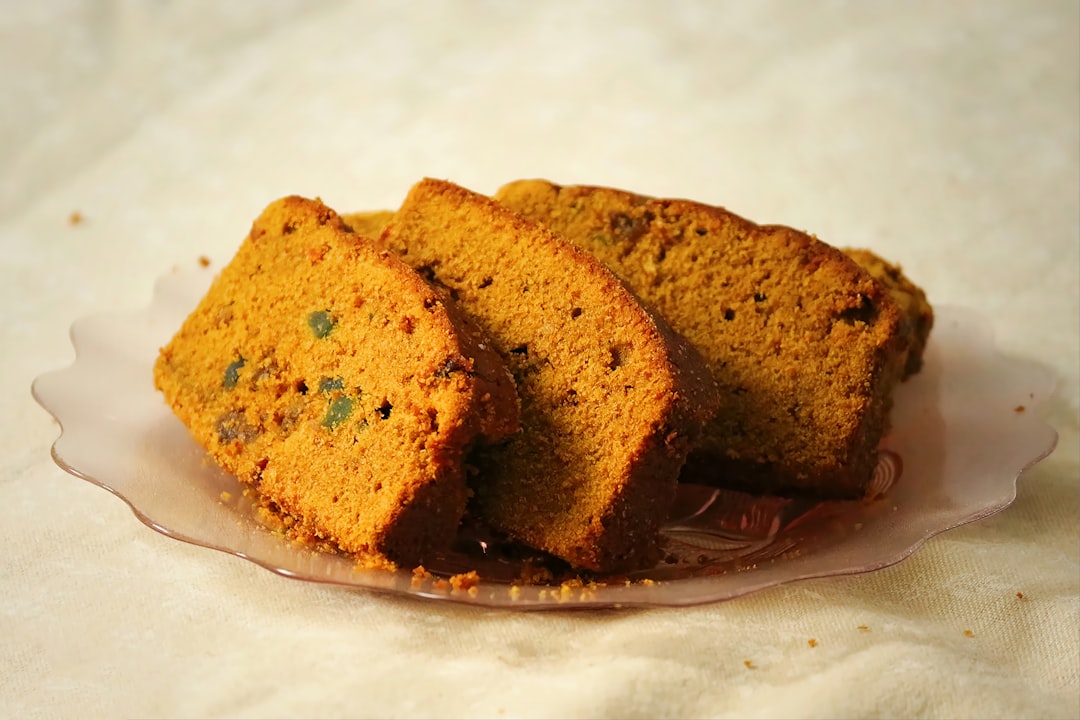
This dense cake filled with candied fruits and nuts is the quintessential unwanted holiday gift. The preservation process creates a heavy brick of a dessert that can last for years on a shelf. People often joke about the neon-colored cherries and citron having an unnatural taste. The texture is a confusing mix of gummy fruit bits and dry cake crumb. It remains a tradition more out of obligation than actual culinary enjoyment.
Brussels Sprouts
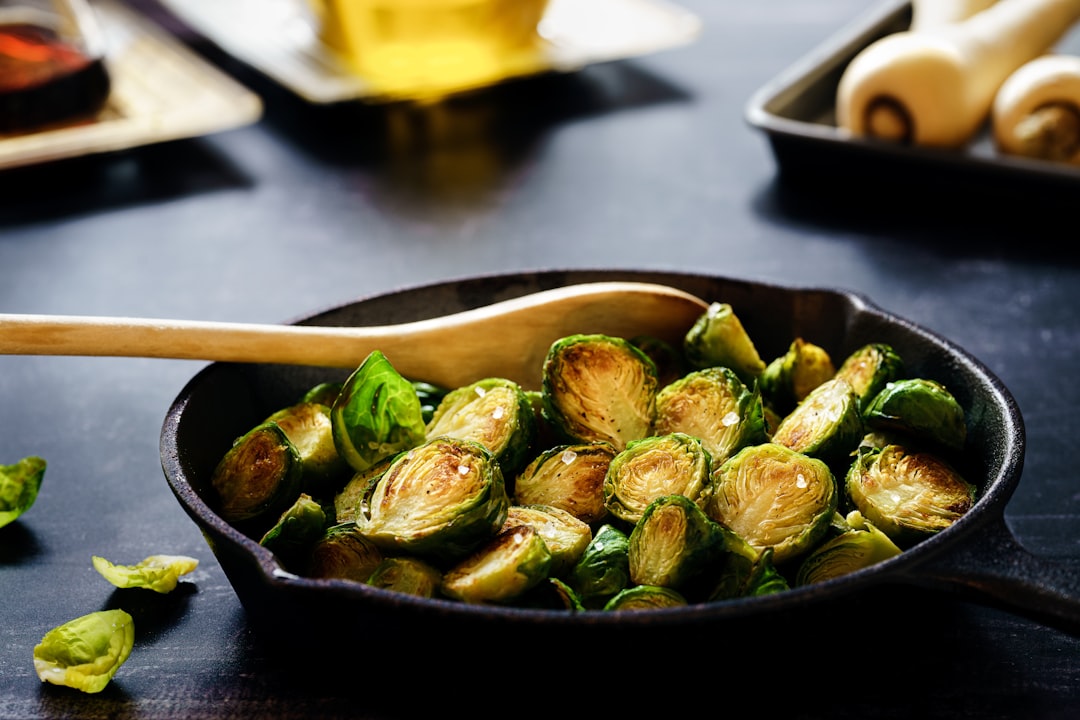
These miniature cabbages were historically boiled to a sulfurous mush that scarred generations of children. The compound causing the bitter flavor is less prevalent in modern varieties yet the reputation persists. Overcooking releases a smell similar to rotten eggs that fills the kitchen instantly. Many people claim they cannot get past the mushy texture even when the vegetable is roasted. Genetic differences in taste receptors can make the bitterness unbearable for certain individuals.
Cilantro
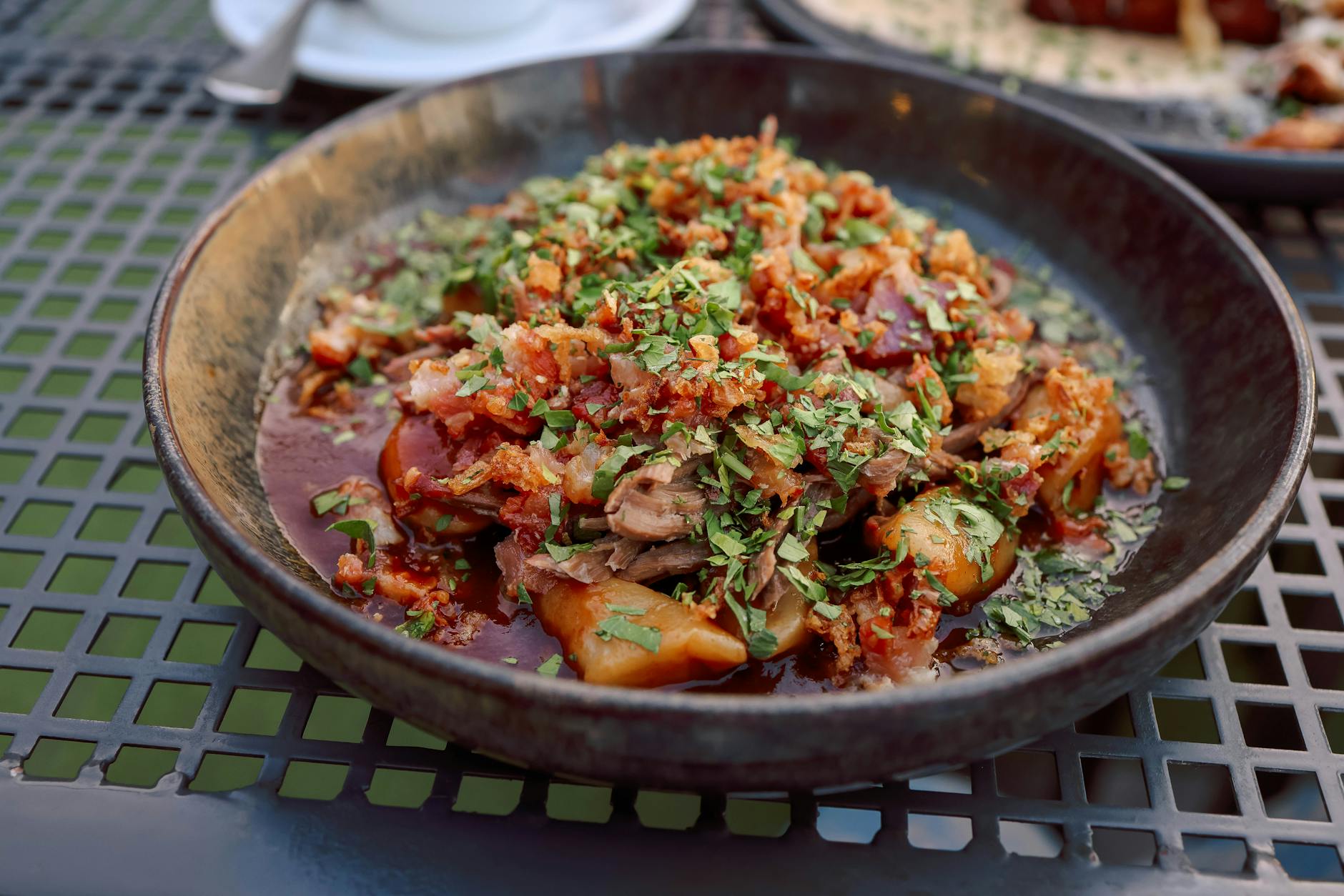
This herb is unique because the hatred for it is often rooted in genetics rather than simple preference. A specific gene variant causes cilantro to taste like soap or dishwater to a significant portion of the population. Restaurants must be careful when using it as a garnish because it can ruin a meal for these diners. The flavor is potent and difficult to mask once it has been added to a dish. It remains one of the most divisive ingredients in tacos and guacamole.
Blue Cheese
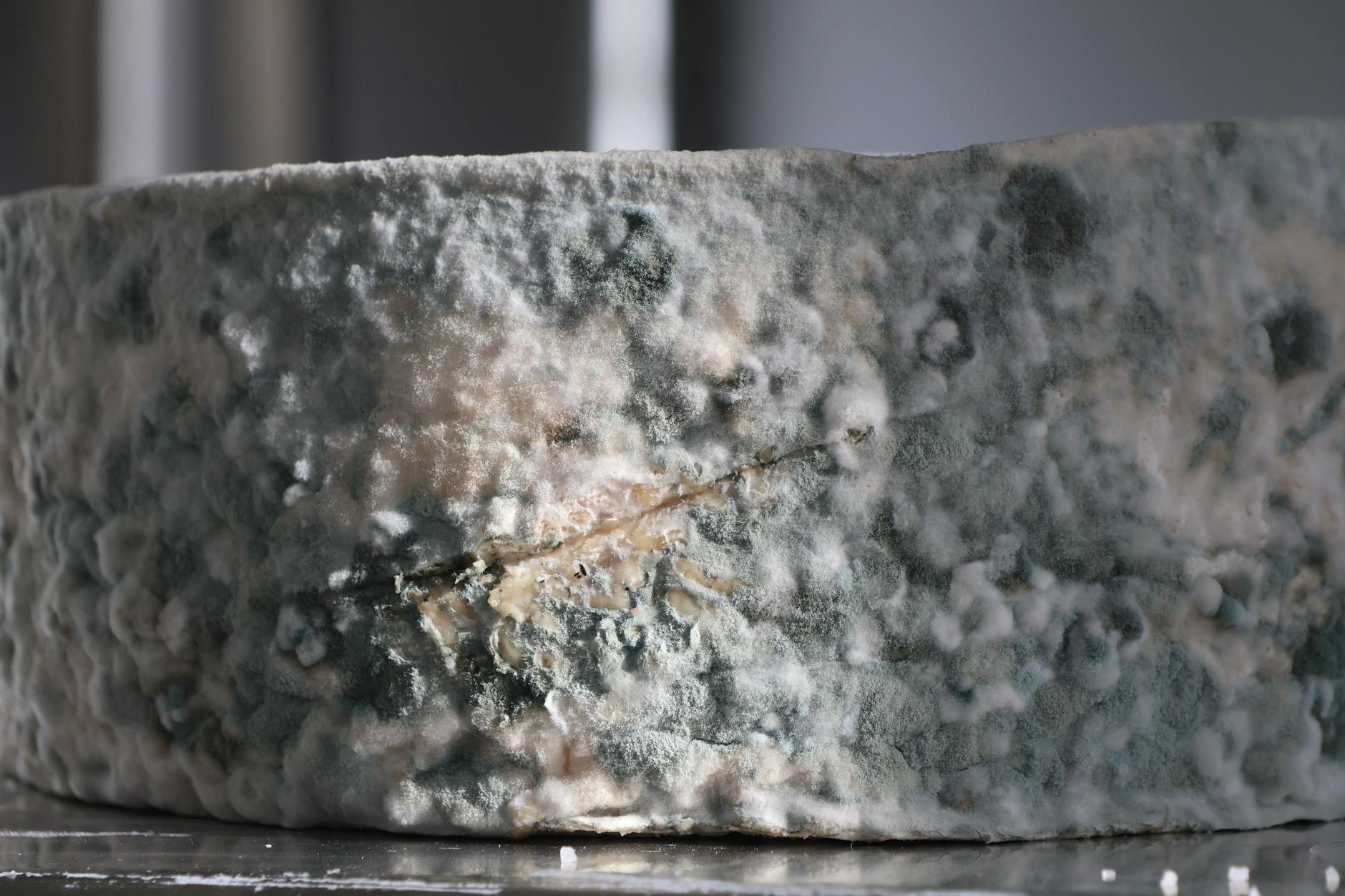
The visible mold veins running through this cheese trigger an immediate aversion for many consumers. Its pungent aroma is often compared to dirty socks or gym lockers by those who dislike it. The flavor is sharp and tangy in a way that can overwhelm salads or burgers. Many diners cannot mentally overcome the idea of eating fungus even if it is safe. The crumbly and creamy texture does little to help those who are already put off by the smell.
Black Licorice
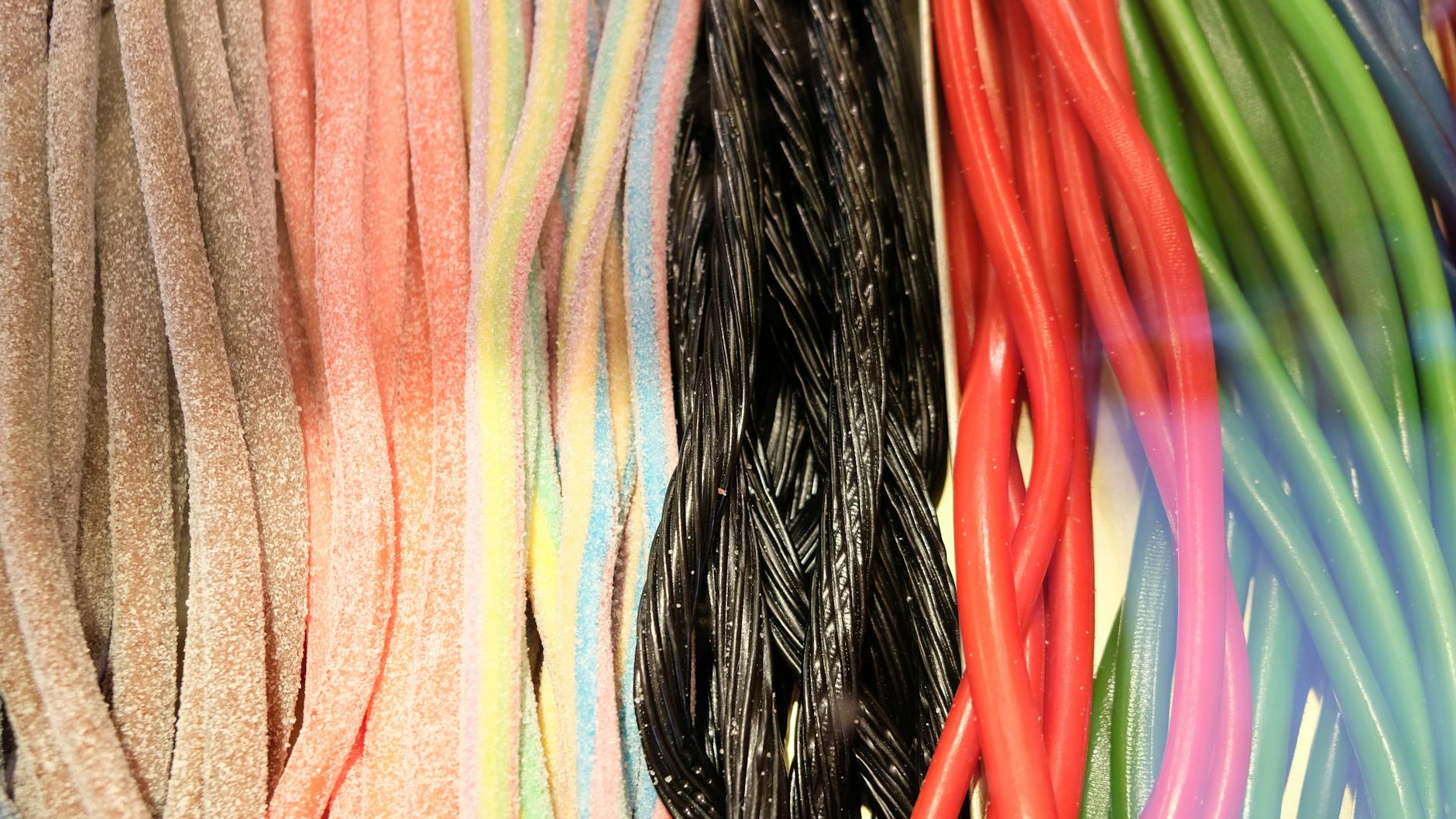
The flavor of anise is a polarizing taste that divides crowds instantly upon mention. Most children reject black licorice in favor of fruitier red varieties due to its medicinal quality. The extract from the licorice root contains glycyrrhizin which provides a sweetness that lingers unpleasantly for some. It is often associated with old-fashioned candy that has lost its appeal in the modern market. Even the texture is frequently criticized for being too hard or sticky for enjoyment.
Tofu
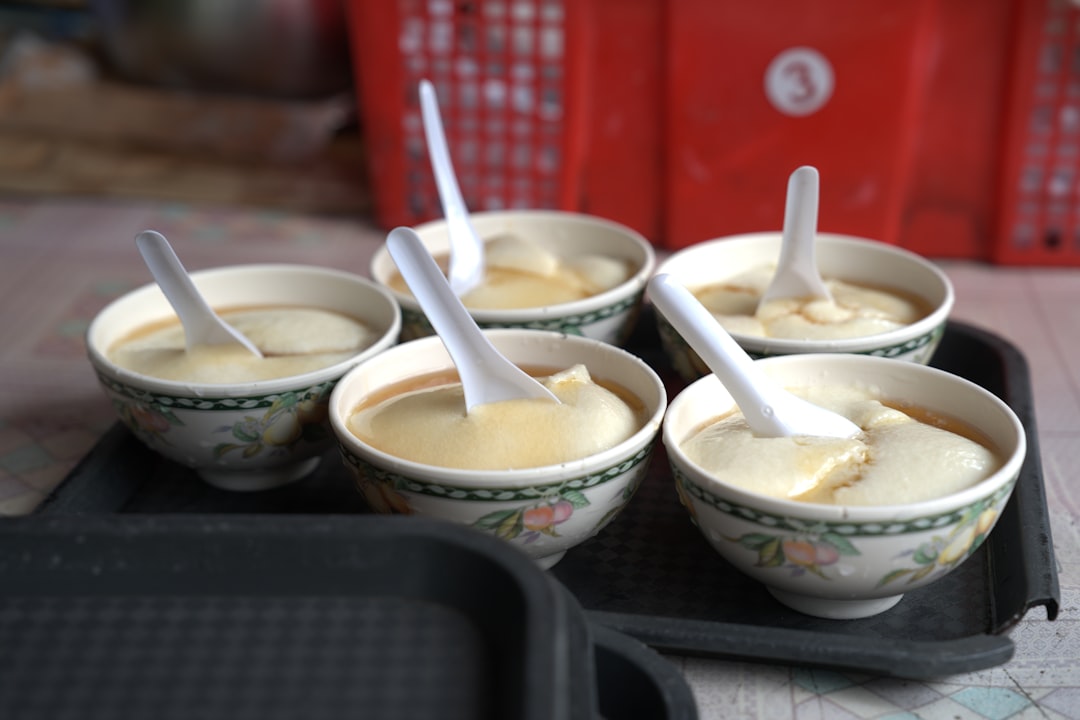
Many Americans dismiss this soy product as bland and texturally unappealing. The complaint usually centers on its sponge-like consistency and lack of inherent flavor. Without proper pressing and seasoning it can be watery and mushy on the plate. Carnivores often view it as an inferior meat substitute rather than an ingredient in its own right. The white block appearance in the package does not help entice skeptical shoppers.
Okra
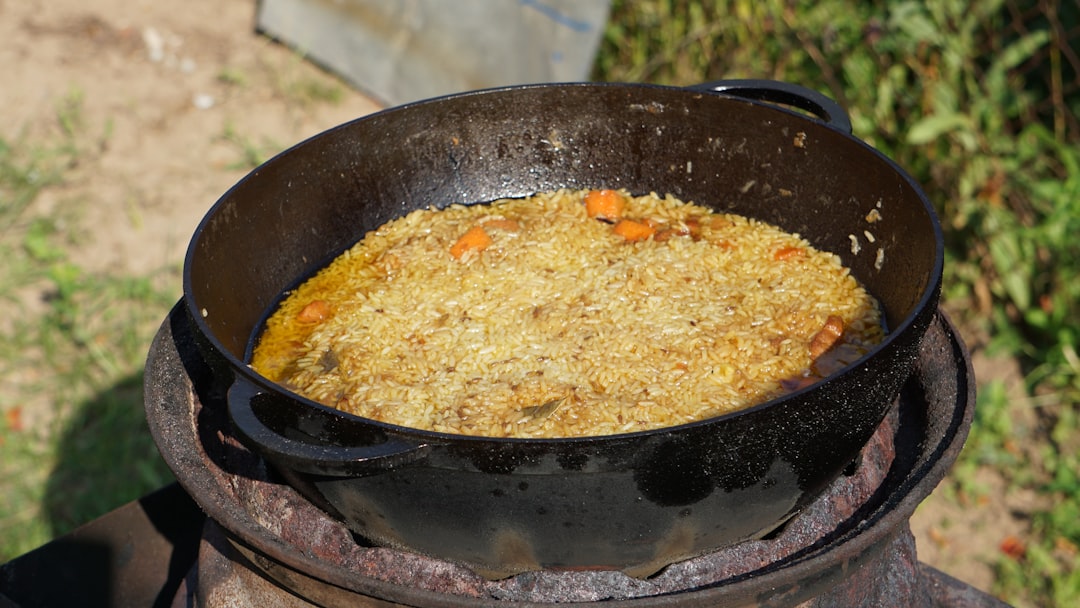
The primary complaint regarding this vegetable is the mucilaginous slime it releases when cooked. This gooey texture is unappealing to those who are not accustomed to Southern or stewed dishes. Frying can mitigate the sliminess but boiled or steamed okra remains a challenge for many. The flavor is relatively mild but the mouthfeel dominates the eating experience. It frequently appears on lists of vegetables that children refuse to eat.
Mushrooms
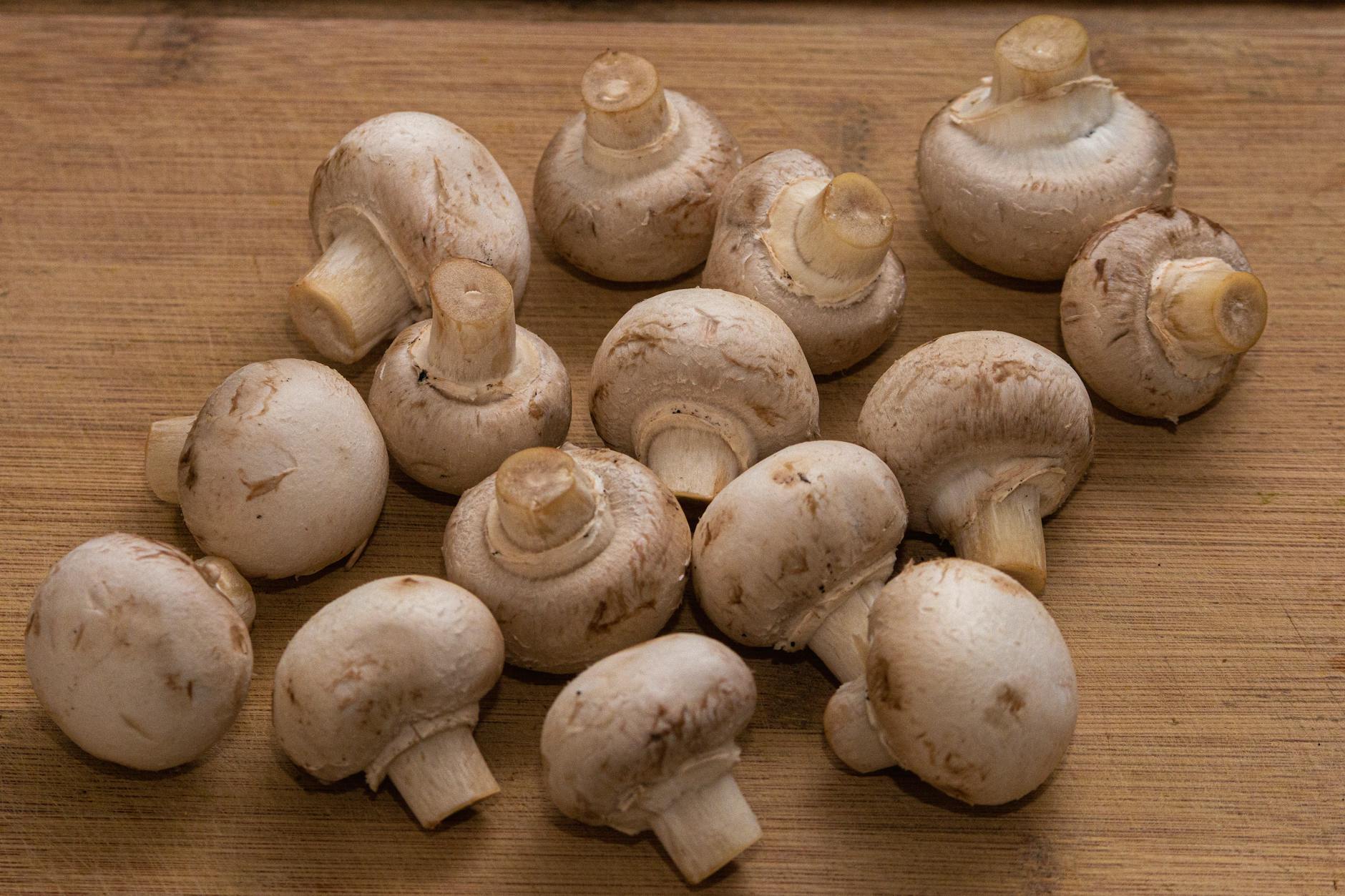
Fungi face resistance due to their rubbery texture and earthy flavor profile. Some people equate eating mushrooms to eating slugs or dirt. The way they shrink and become slimy when sautéed turns many diners away. Fear of poisonous varieties also lingers in the subconscious even when buying from supermarkets. They remain a common request for exclusion on pizzas and in pasta dishes.
Raisins
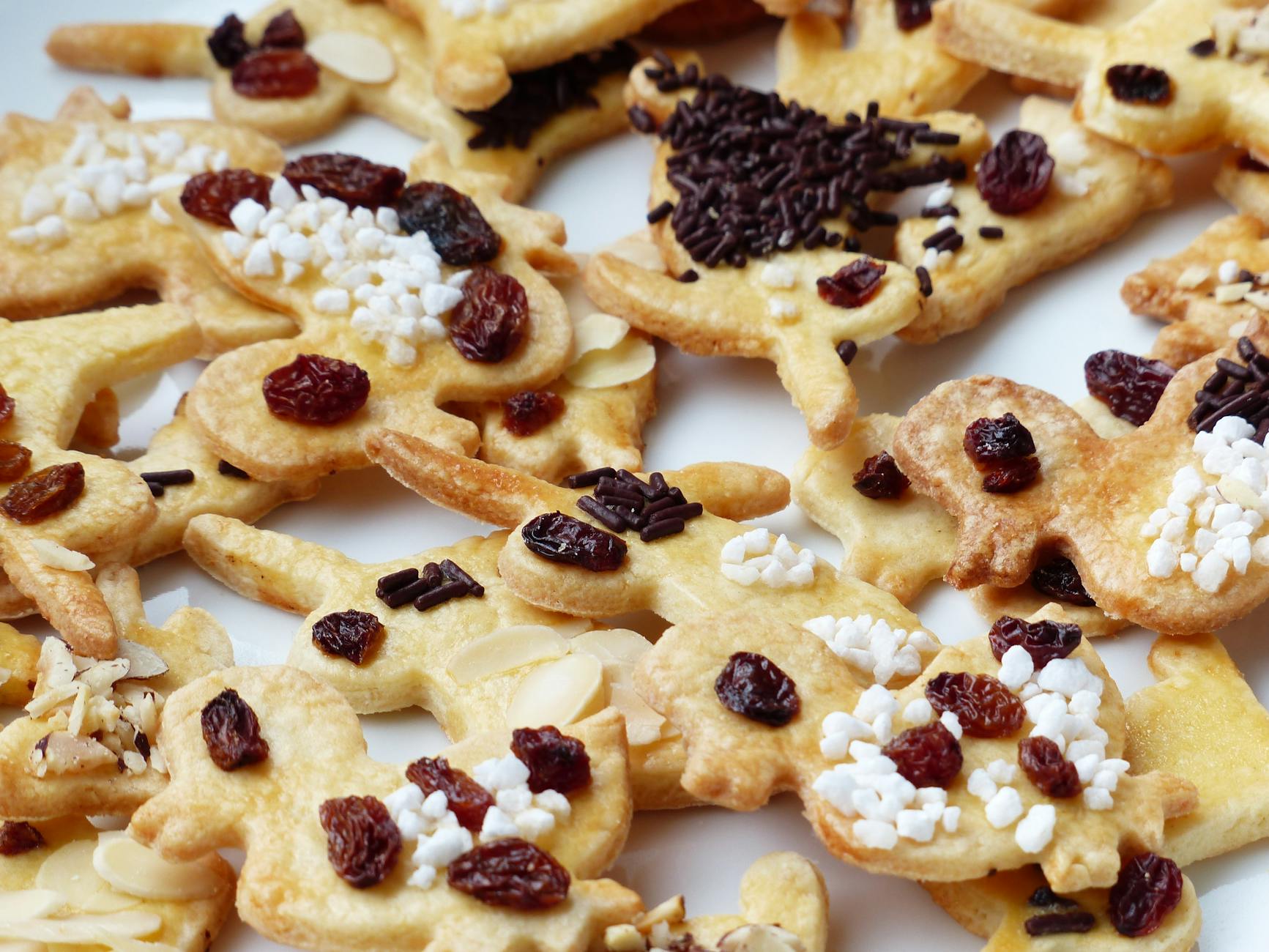
These dried grapes are often viewed as a disappointing addition to cookies that looked like chocolate chip. The texture is wrinkled and chewy in a way that disrupts soft baked goods. Many people enjoy fresh grapes but find the concentrated sweetness of raisins off-putting. They are frequently picked out of trail mixes and cereals by picky eaters. The visual similarity to insects is another minor psychological hurdle for some children.
Tuna Casserole
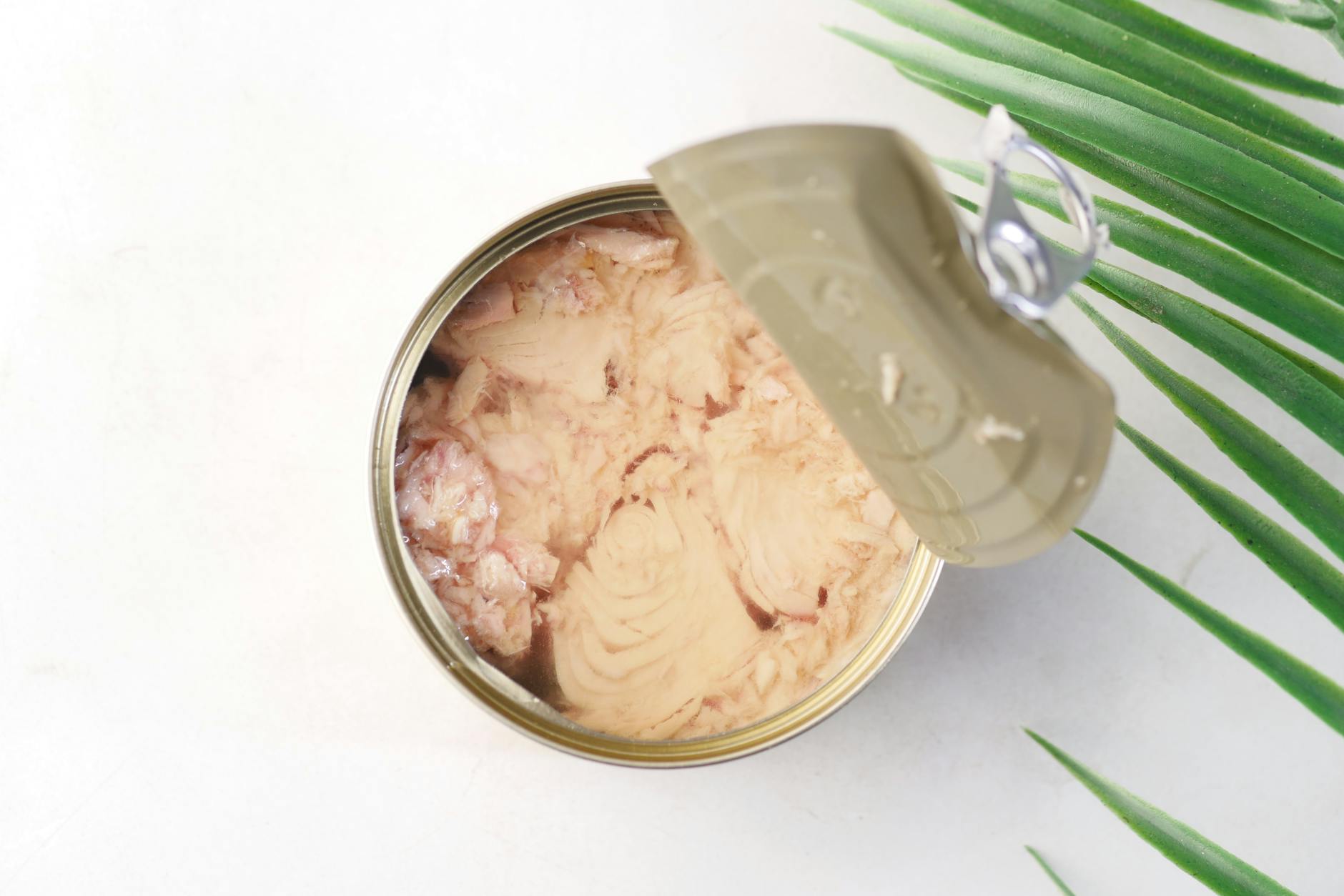
This retro dish combines canned fish with noodles and cream sauce in a way that many find unappetizing. The smell of hot canned tuna can be overpowering and linger in the house. It often suffers from being mushy and uniform in texture without enough crunch. Many adults associate it with budget meals from their youth that they would rather forget. The combination of seafood and dairy is a culinary taboo that this dish violates for some palates.
Miracle Whip
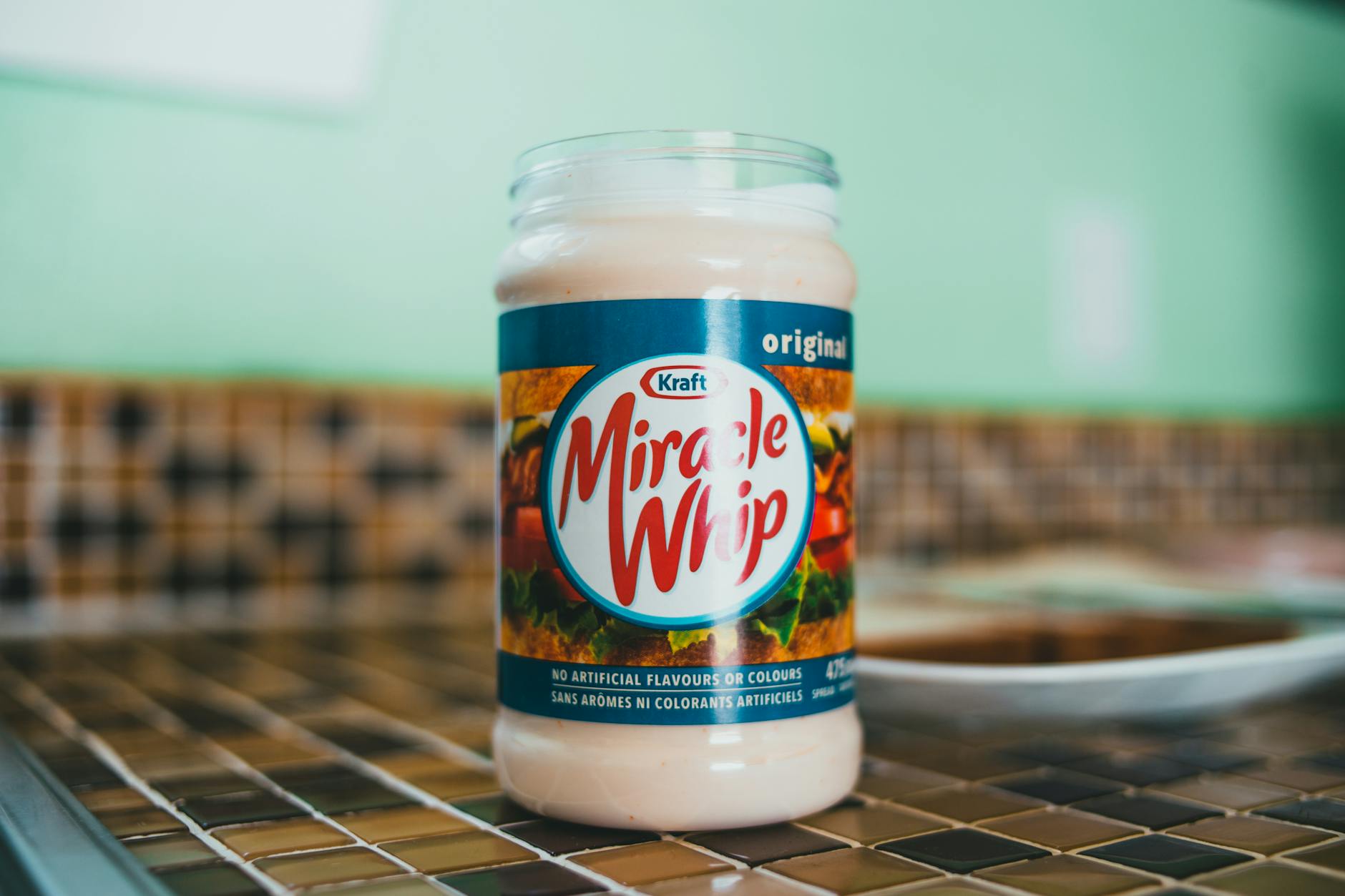
This condiment looks like mayonnaise but possesses a distinctively sweet and tangy flavor. Loyalists to traditional mayonnaise find the added sugar and spices revolting on sandwiches. The texture is slightly different due to the lower oil content required by regulations. It creates a divide in households where one brand is preferred over the other. The sweetness can clash strangely with savory deli meats and cheeses.
Spam
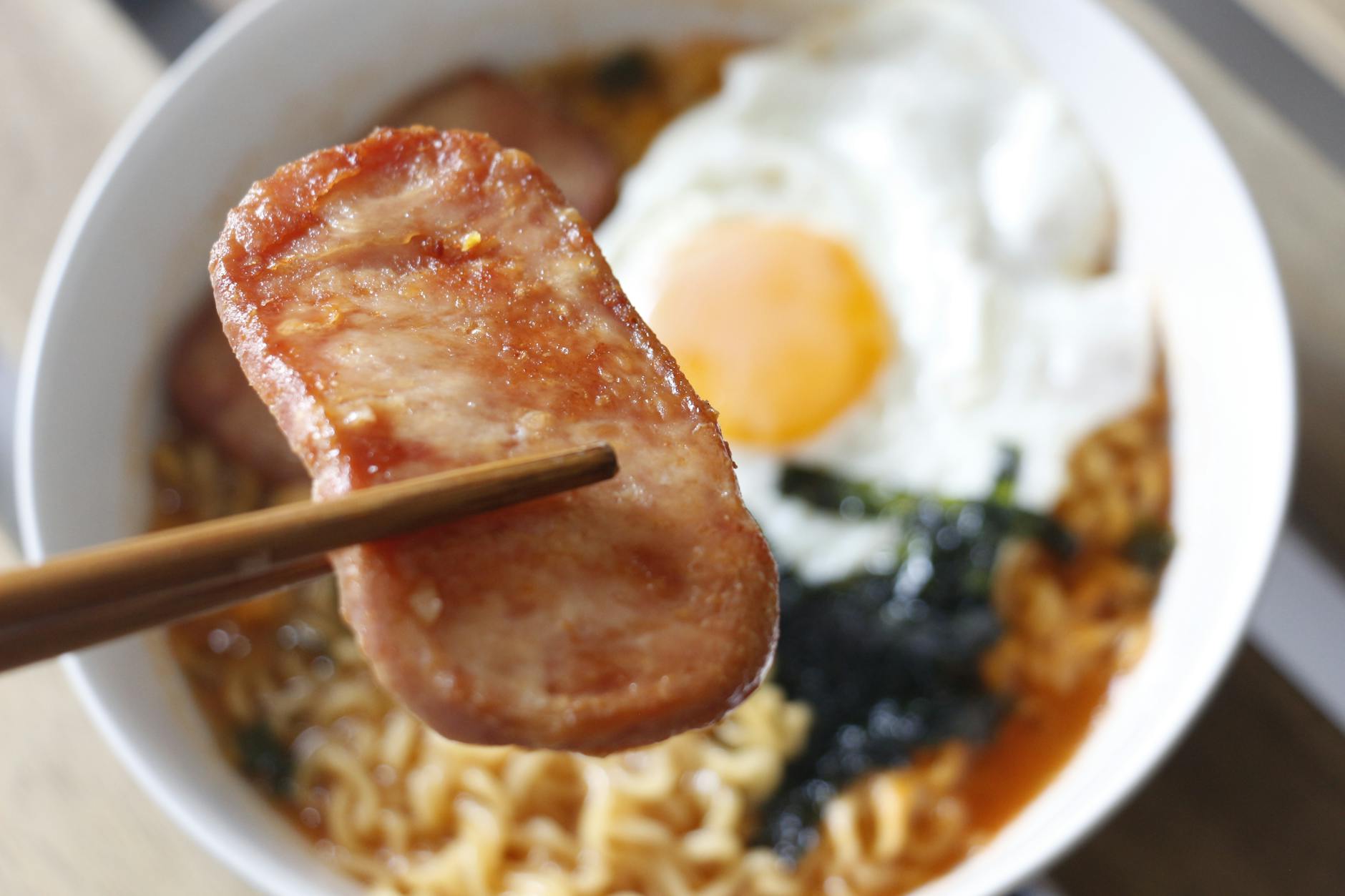
Canned cooked meat suffers from a reputation of being mystery meat with high sodium content. The gelatinous layer that surrounds the block upon opening is visually repelling to many. While popular in Hawaii it is often viewed as a survival food elsewhere. The texture is soft and uniform which can be unsettling compared to fresh meat cuts. Its status as a processed food makes it a target for health-conscious consumers.
Hawaiian Pizza
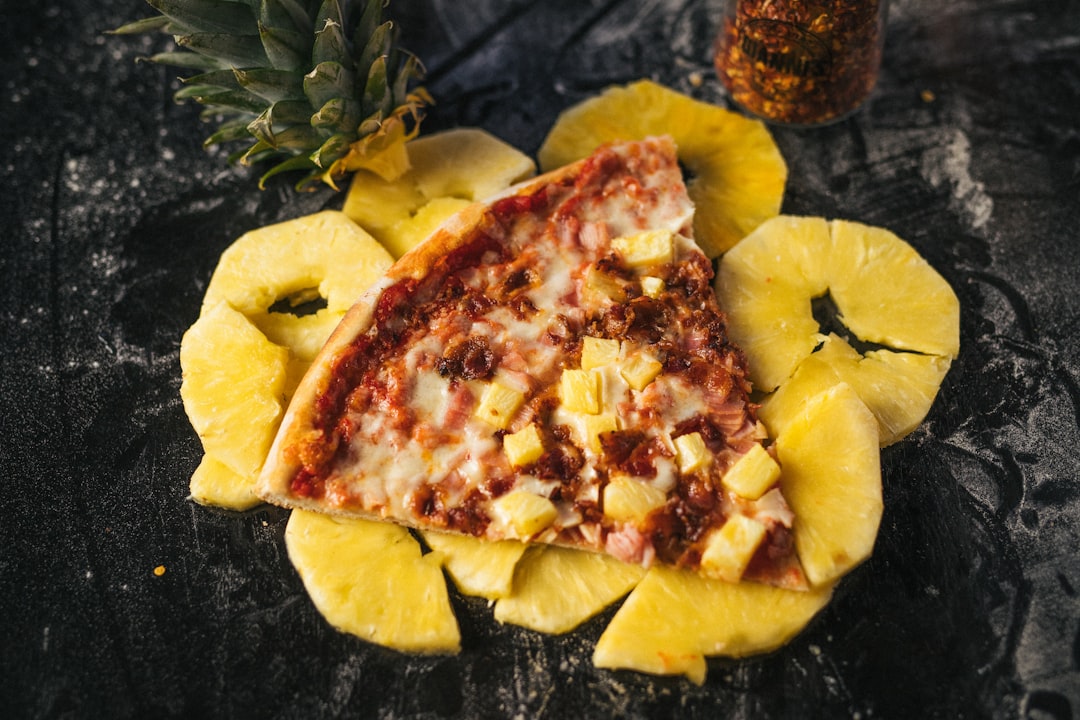
The combination of ham and pineapple on pizza incites passionate arguments across the internet and dining rooms. Purists argue that warm fruit has no place on a savory Italian dish with cheese and tomato sauce. The acidity of the pineapple can clash with the other toppings in an unpleasant way. The texture of baked juicy fruit introduces moisture that can make the crust soggy. It remains one of the most specifically requested exclusions when ordering pies for a group.
Limburger Cheese
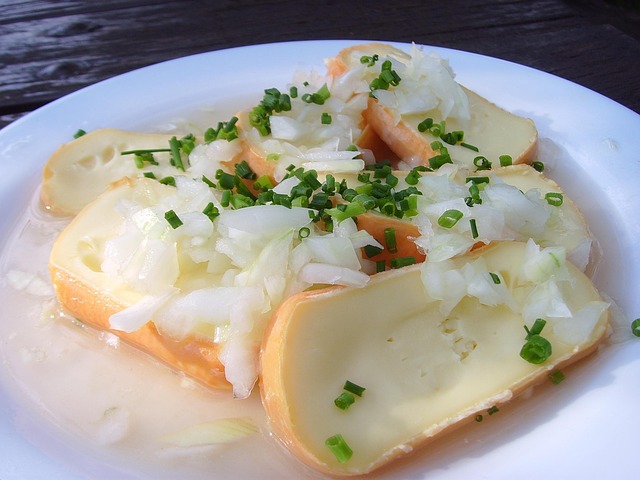
This cheese is world-famous for an aroma that resembles strong body odor or foot sweat. The bacteria used to ferment the cheese is actually related to the bacteria found on human skin. Most people cannot get past the intense smell to even try tasting the product. It has become a comedic trope in cartoons and movies as a biological weapon. The flavor is actually milder than the smell but few are brave enough to discover that.
Cottage Cheese
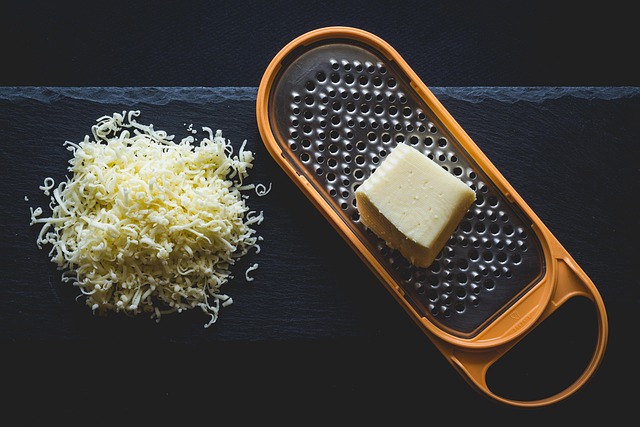
The lumpy texture of curds and whey is the main reason people reject this dairy product. Visually it is often unappealing and looks like spoiled milk to the uninitiated. The flavor is mild and slightly sour which some find boring or medicinal. It is often associated with strict dieting trends from the late twentieth century. Many attempts to pair it with fruit fail to mask the savory undertones of the curds.
Sauerkraut
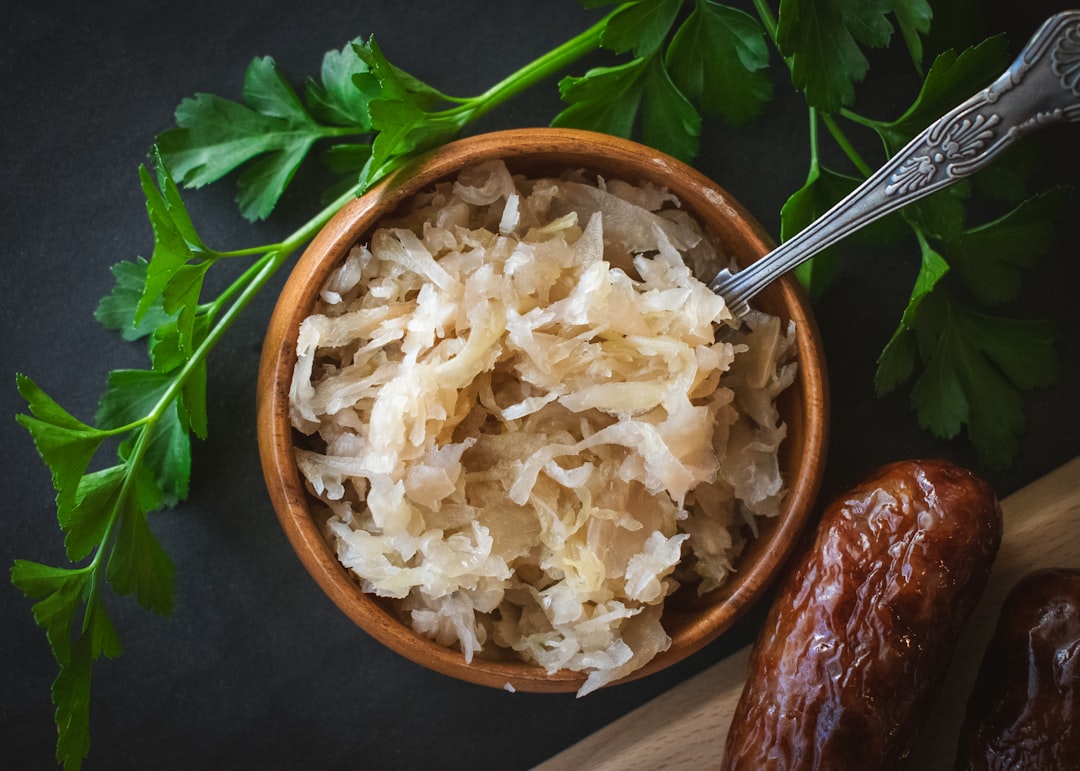
Fermented cabbage has a sour smell and taste that can be overwhelming to sensitive palates. The texture is stringy and wet which some diners find unpleasant on hot dogs or sandwiches. It is a staple in certain cuisines but remains a polarizing topping in general American fare. The vinegar-like acidity is the primary barrier for those who did not grow up eating it. The smell of opening a jar or heating it up is instantly recognizable and often disliked.
Circus Peanuts
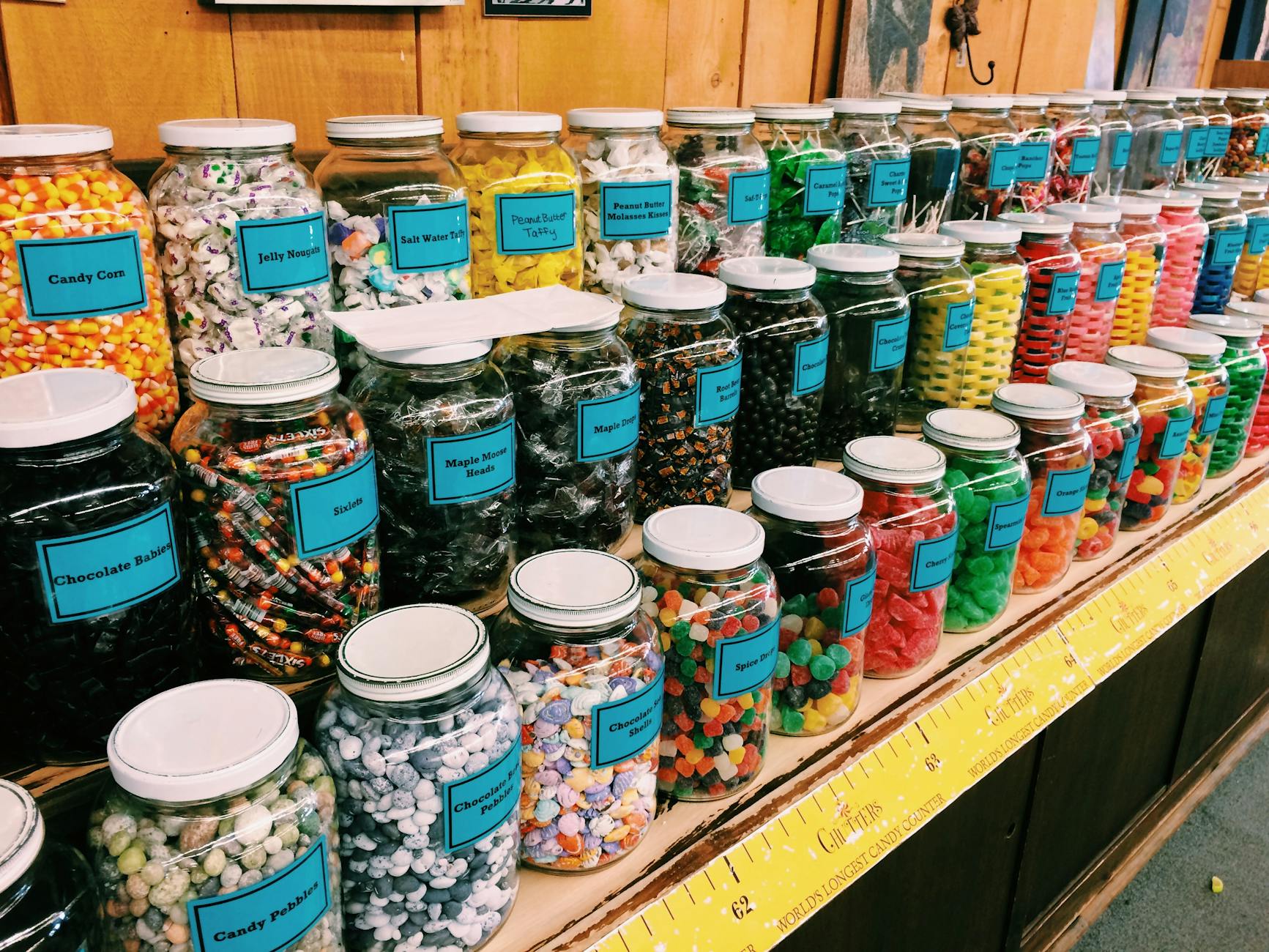
These orange marshmallow candies look like peanuts but taste artificially of banana. The consistency is dense and chewy in a way that differs from standard marshmallows. They frequently appear on lists of the worst candies ever made. The disconnect between the shape and the flavor creates confusion and disappointment. They often become hard and stale very quickly once the bag is opened.
Peeps
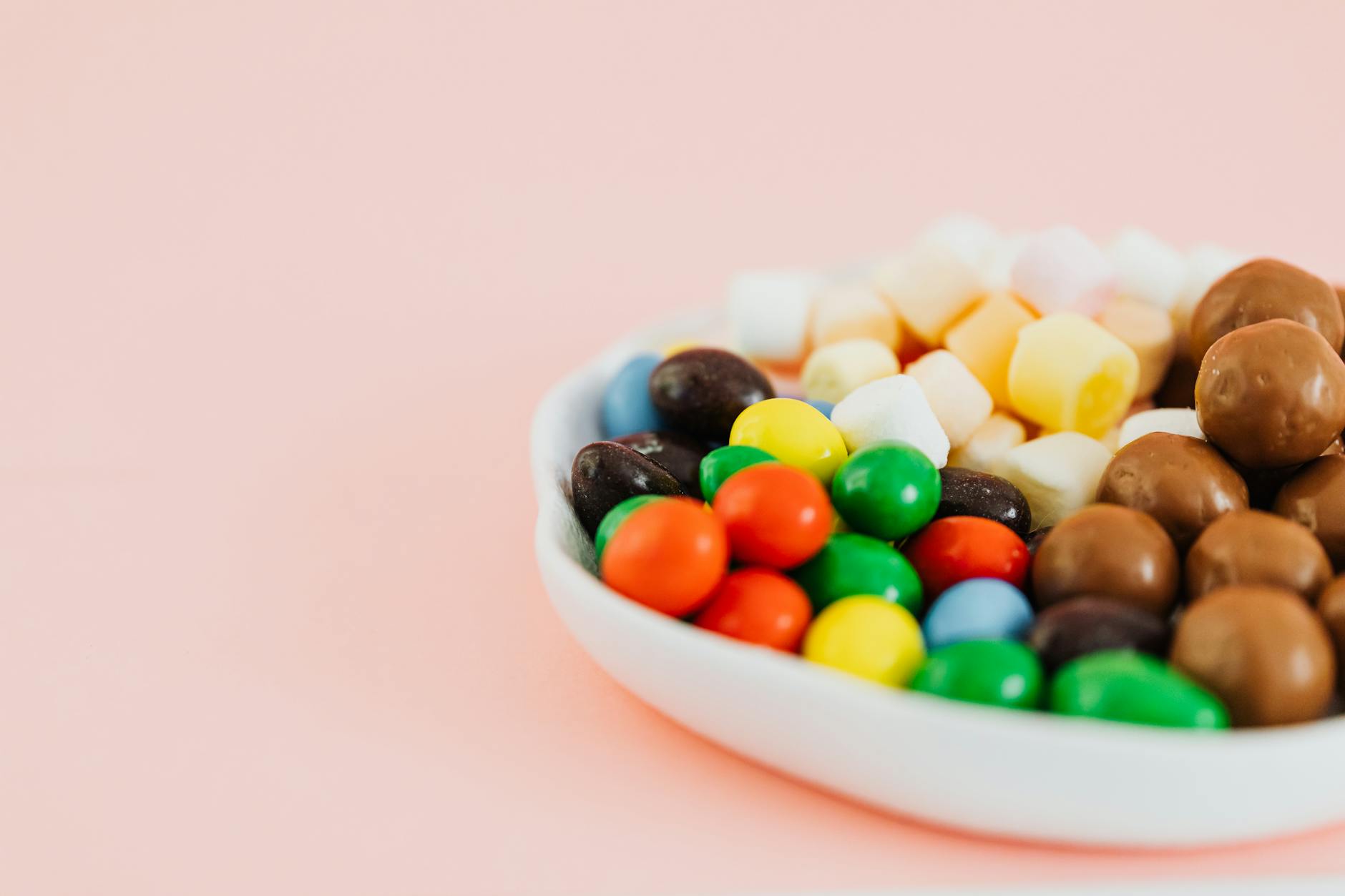
Marshmallow chicks and bunnies coated in neon sugar are a staple of Easter baskets. Critics argue they have no flavor other than pure sugar and artificial preservatives. The texture can range from fluffy to stale and rubbery depending on freshness. Many people buy them for decoration or microwave experiments rather than eating. They are often cited as a prime example of quantity over quality in seasonal candy.
Blood Sausage
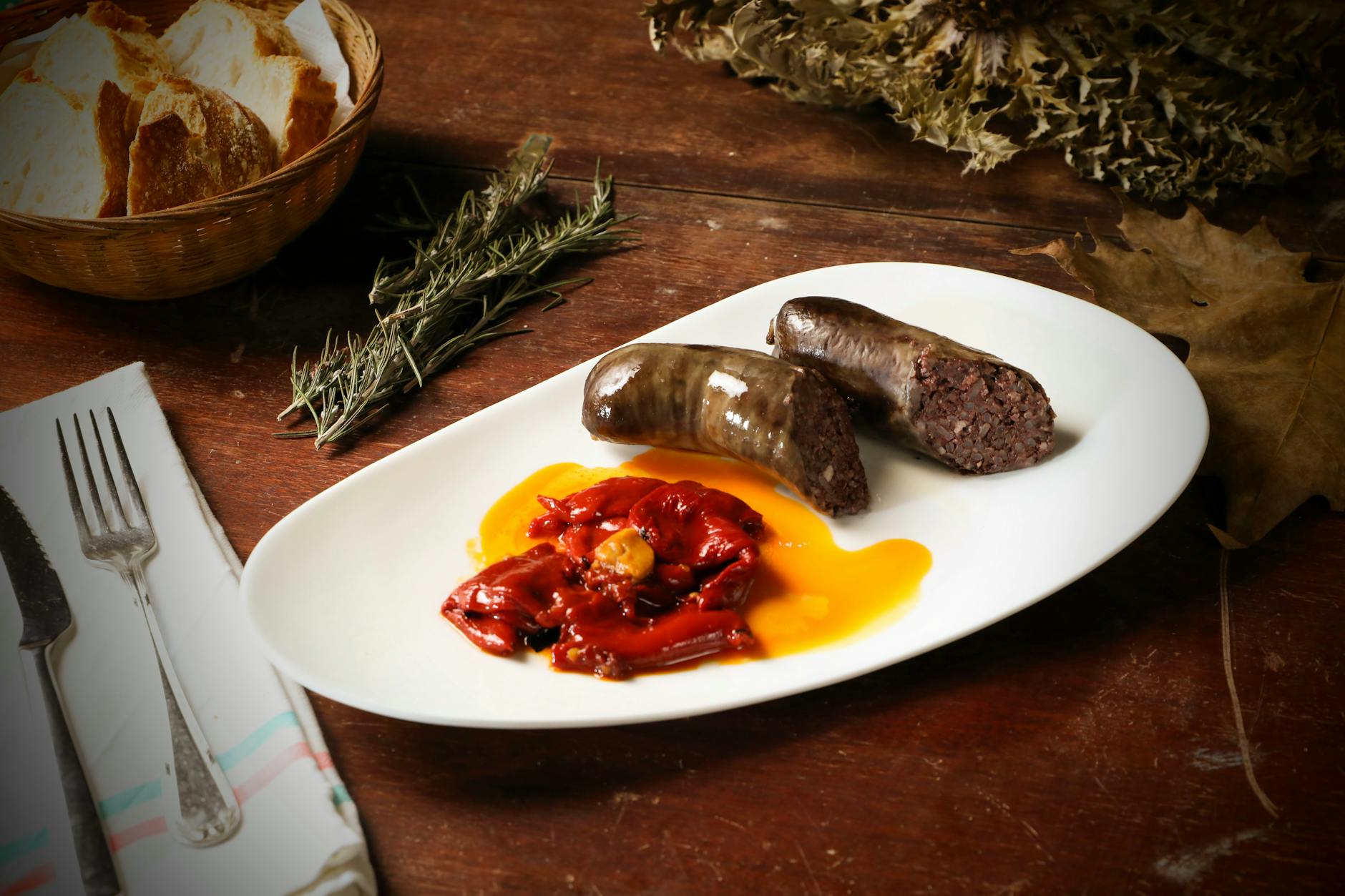
The concept of consuming pig blood is a major psychological barrier for the average American. The dark color and metallic taste are difficult for many to accept on a breakfast plate. It has a soft and crumbling texture that differs from standard pork sausages. The knowledge of the ingredients is usually enough to cause a loss of appetite. It remains a delicacy in specific communities but widely hated by the general public.
Head Cheese
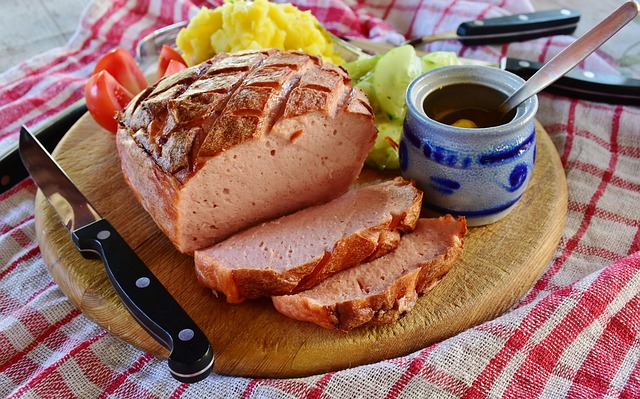
This meat jelly is not actually cheese but a terrine made from the flesh of a pig head. The gelatinous texture combined with chunks of meat is visually disturbing to modern diners. The name itself is unappealing and highlights the source of the ingredients too bluntly. It is rarely seen in mainstream supermarkets due to low demand and high “ick” factor. Those who try it often cannot move past the cold and jiggly consistency.
Eggplant
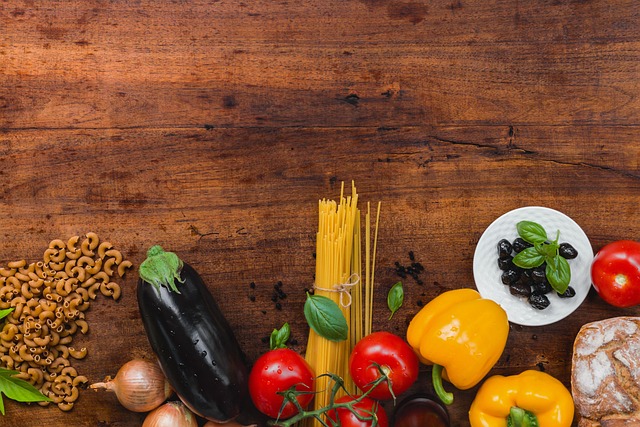
This vegetable acts as a sponge for oil and can become incredibly greasy if cooked poorly. The skin can be tough and bitter while the flesh turns into mush. Many people dislike the seeds which provide a gritty texture in the mouth. It requires specific preparation techniques like salting to remove bitterness that many cooks skip. The flavor is mild but the texture issues dominate the complaints.
Turnips
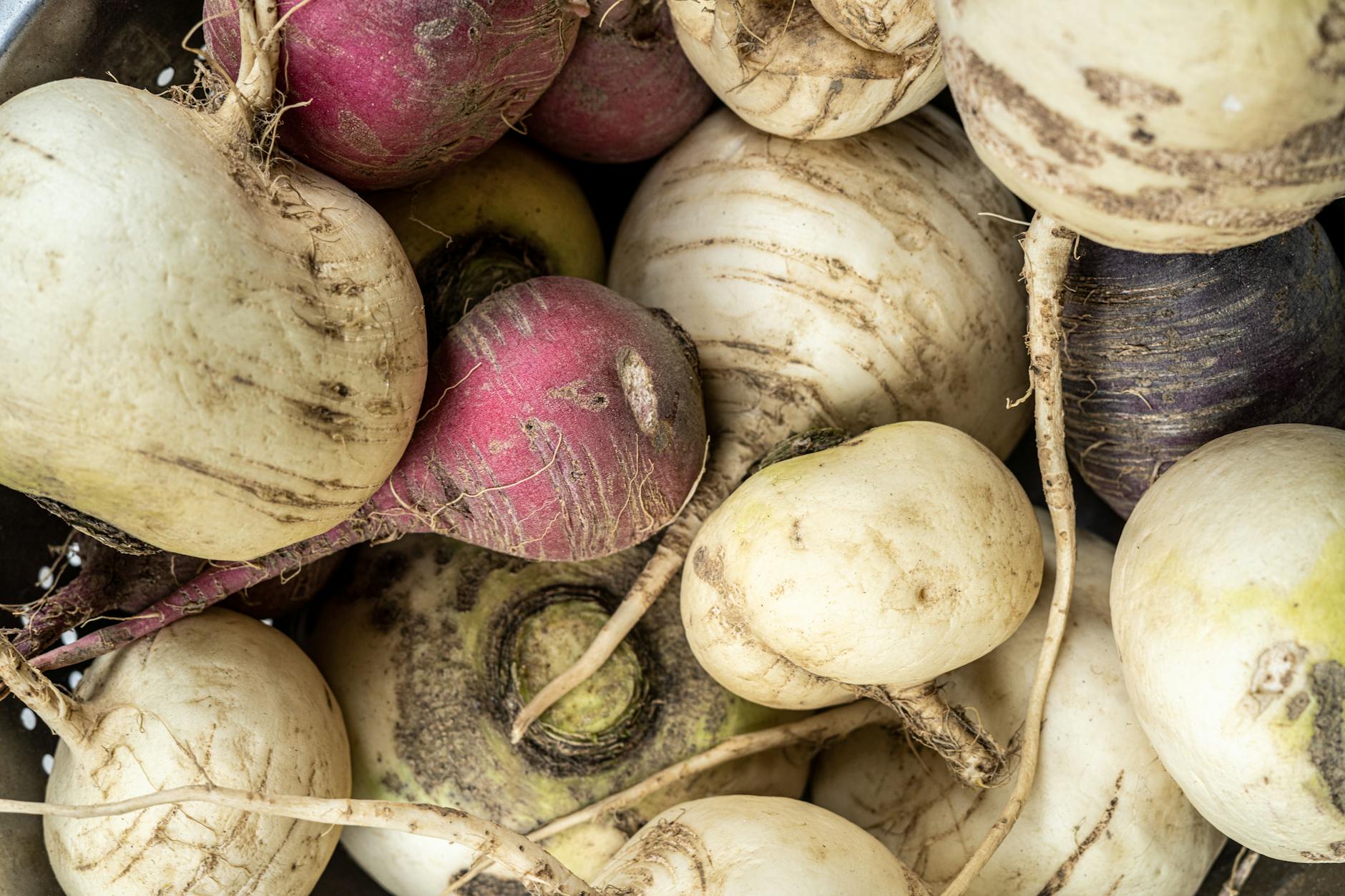
These root vegetables have a bitter and peppery flavor that intensifies as they grow larger. They are often boiled which highlights their sulfurous aroma and watery texture. Children frequently confuse them with potatoes and are disappointed by the sharp taste. They lack the sweetness of carrots or the starchiness of spuds. They are considered an old-fashioned filler vegetable that few people actively crave.
Sardines
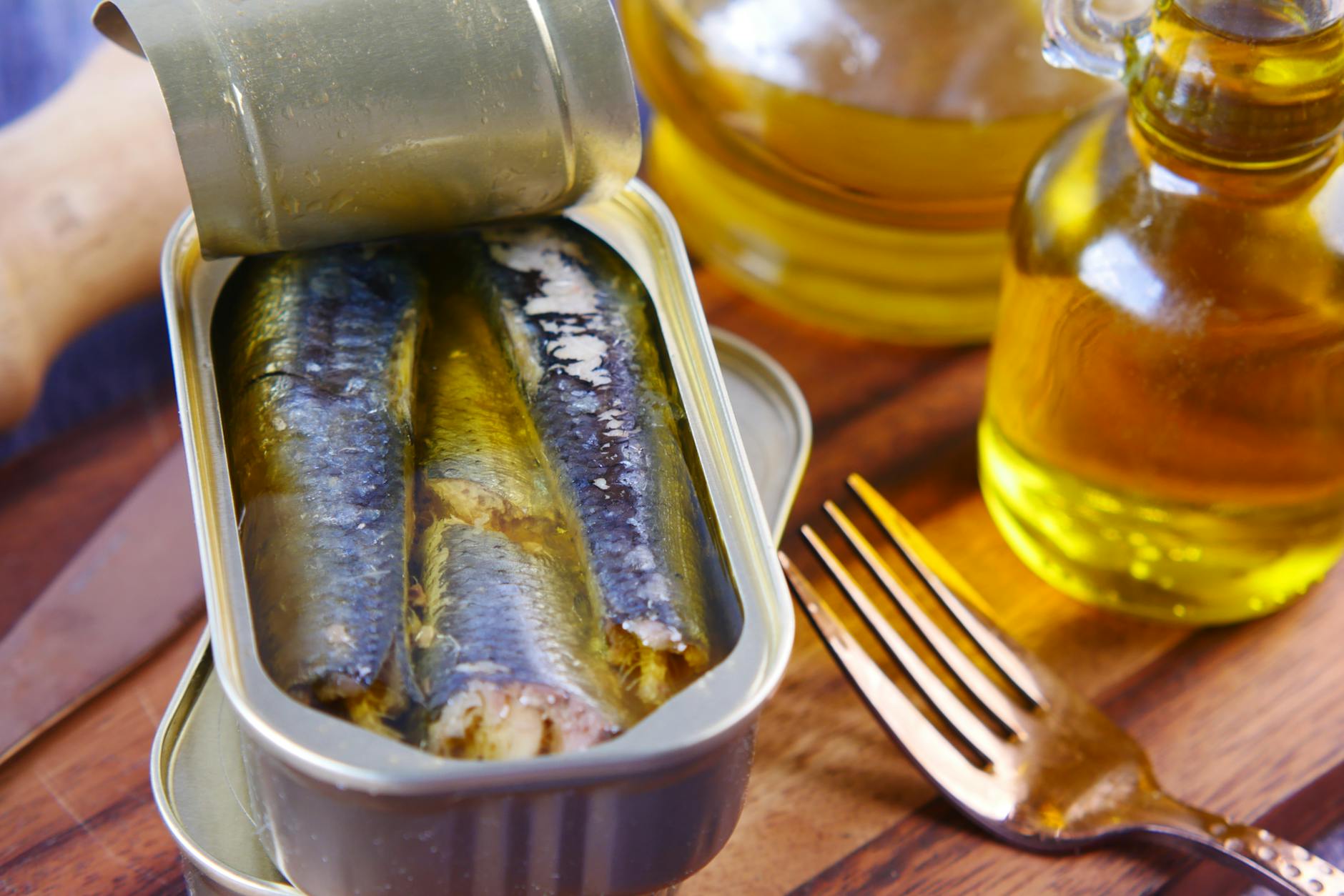
Small oily fish packed tightly in tin cans are a classic example of hated seafood. The strong fishy odor is immediate upon opening the metal lid. Eating whole fish including bones and skin is a concept many Americans reject. They are often portrayed in media as a food for cats rather than humans. The intense savory flavor is too aggressive for palates accustomed to mild white fish.
Escargot
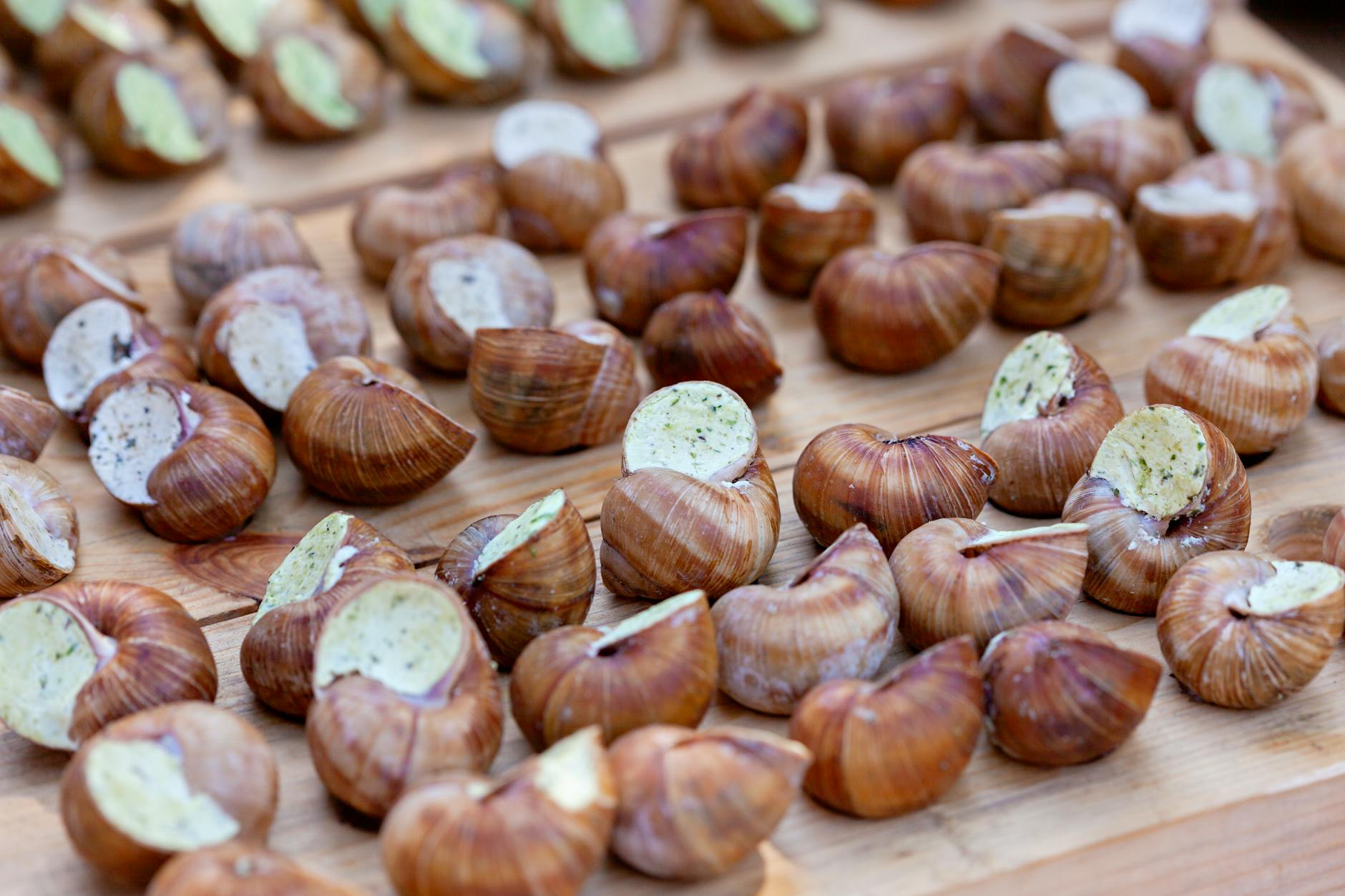
The idea of eating land snails is seen as sophisticated by some and repulsive by others. The rubbery texture is often compared to chewing on an eraser or gristle. Heavy garlic and butter sauce is usually required to mask the earthy flavor of the meat. Visually the sight of the snail in the shell can be stomach-turning. It is viewed as a stereotypical pretentious food that few actually enjoy.
Sweetbreads
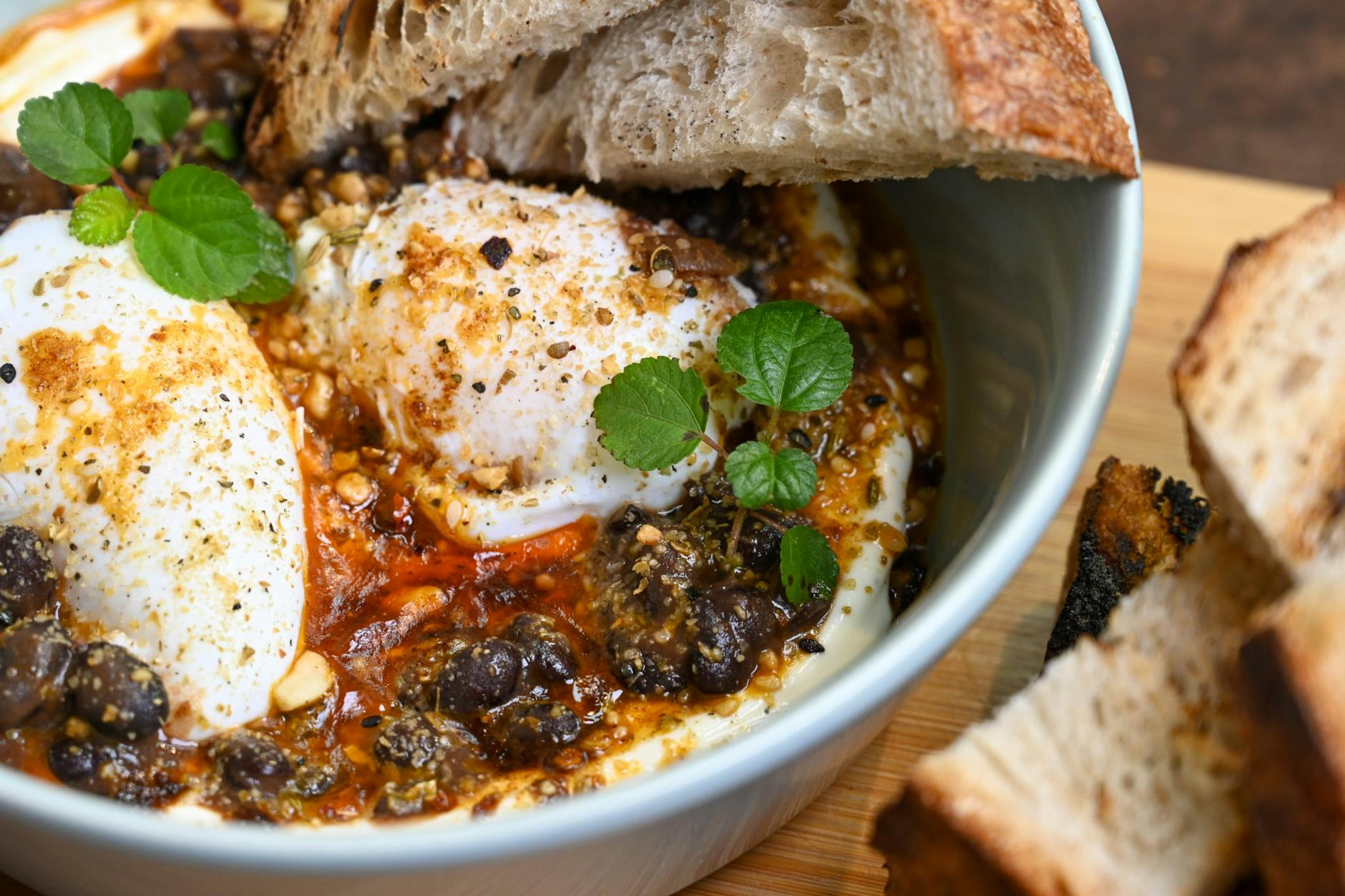
The name of this dish is deceptive as it refers to the thymus or pancreas glands of a calf or lamb. Many diners feel tricked when they learn they are eating organ meat rather than bread. The texture is soft and creamy inside with a crisp exterior if fried correctly. However the knowledge of the anatomy involved ruins the experience for the squeamish. It falls into the category of offal that has largely disappeared from home cooking.
Rocky Mountain Oysters
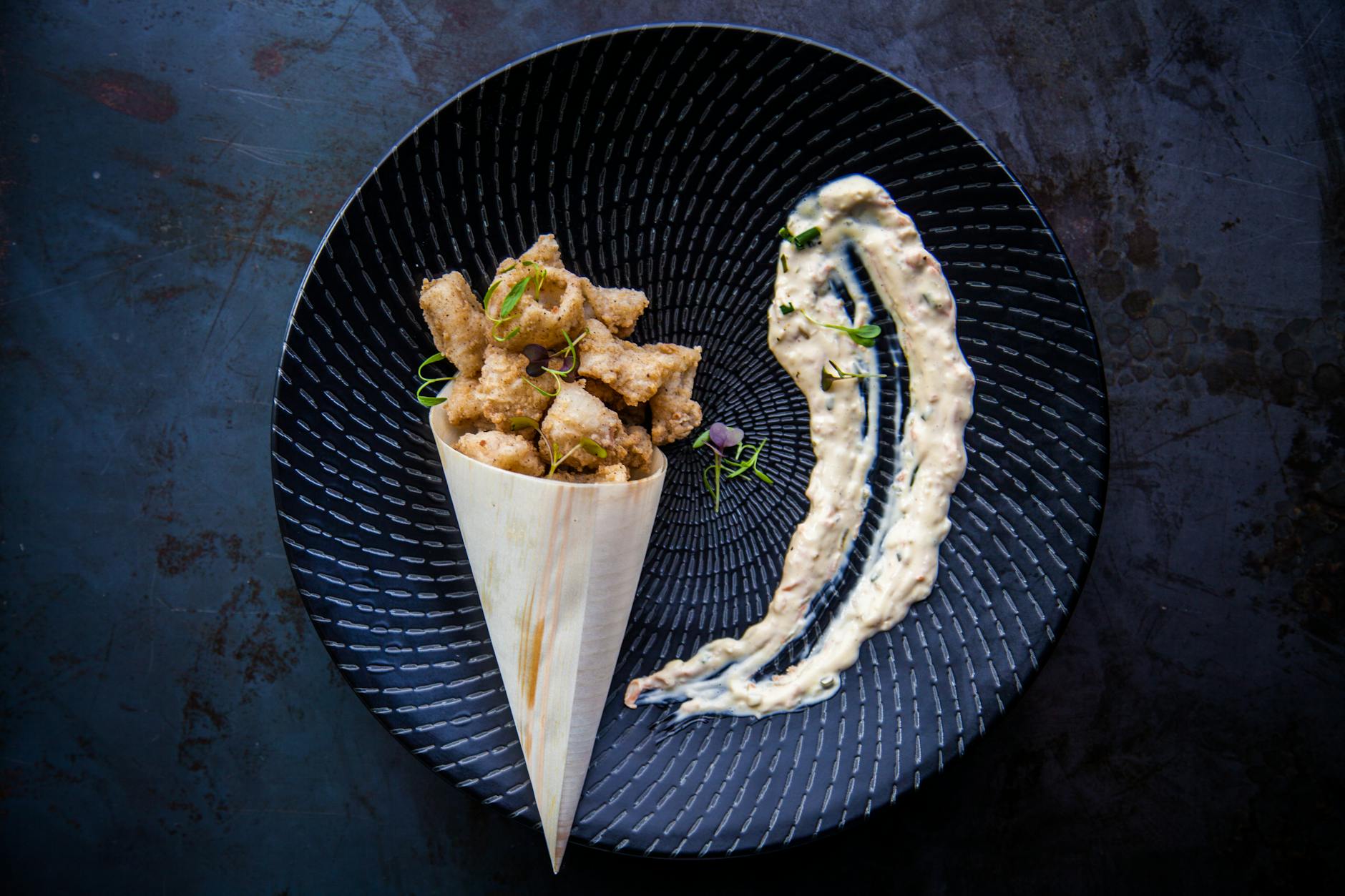
These are actually bull testicles that have been peeled and deep-fried. The misleading name is a local joke that often traps unsuspecting tourists. Once the origin of the meat is revealed many people refuse to take another bite. The texture can be chewy and the flavor is gamey compared to standard cuts. They serve as a novelty food rather than a staple due to the psychological hurdle.
Chitlins

Chitterlings are pig intestines that require labor-intensive cleaning and preparation. The smell during the cooking process is notoriously foul and can permeate an entire house. The texture is extremely chewy and rubbery even after hours of boiling. They are a polarizing soul food dish that even some within the culture refuse to eat. The risk of improper cleaning adds a layer of anxiety to the consumption.
Scrapple
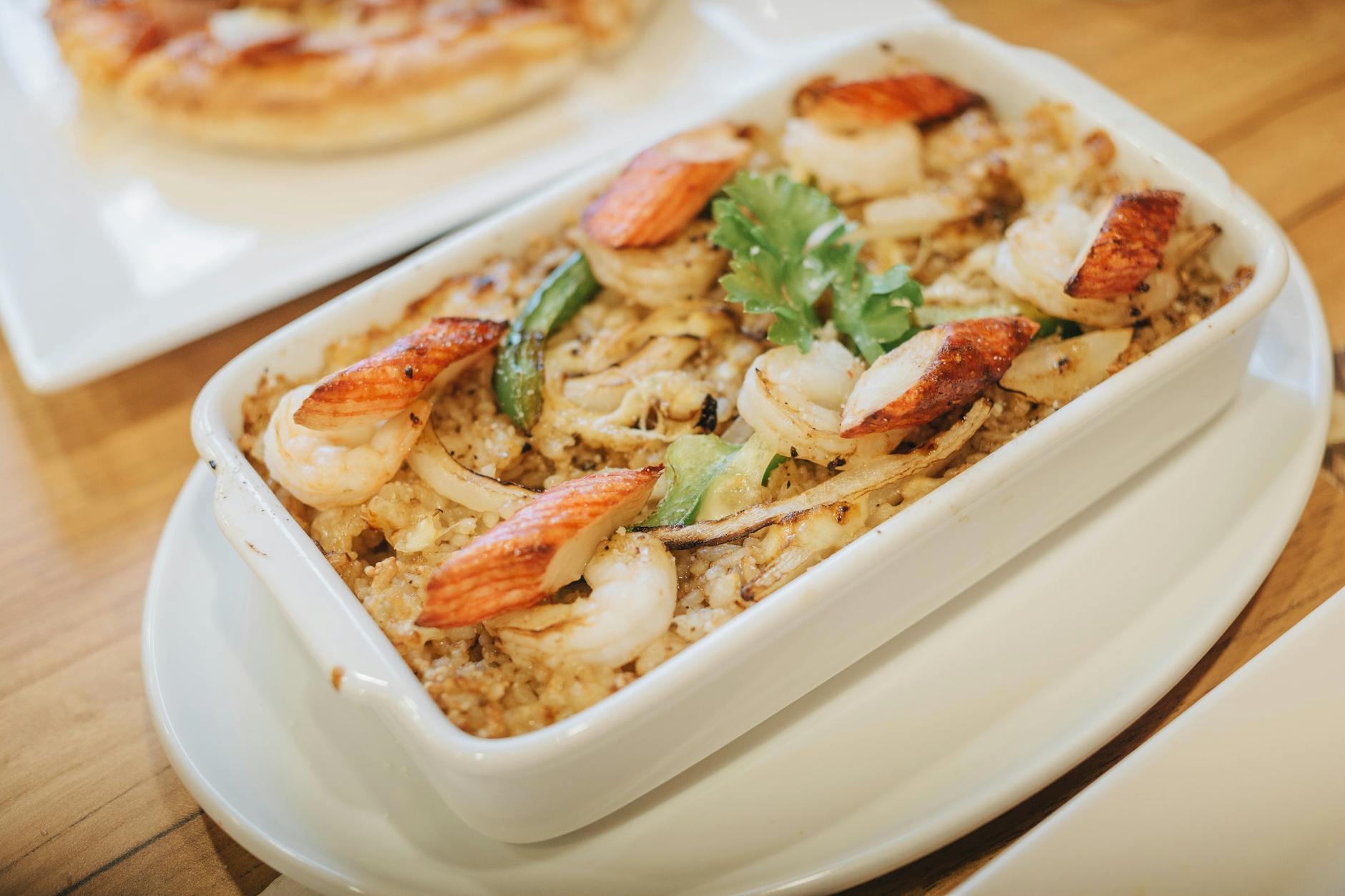
This mush of pork scraps and trimmings combined with cornmeal is a regional specialty in Pennsylvania. It is formed into a loaf and sliced for frying but the gray interior is unappealing. The list of ingredients often includes parts of the pig that are otherwise discarded. It has a soft interior texture that contrasts with the crispy crust. Outsiders often view it as a mystery meat loaf with a questionable composition.
Gefilte Fish
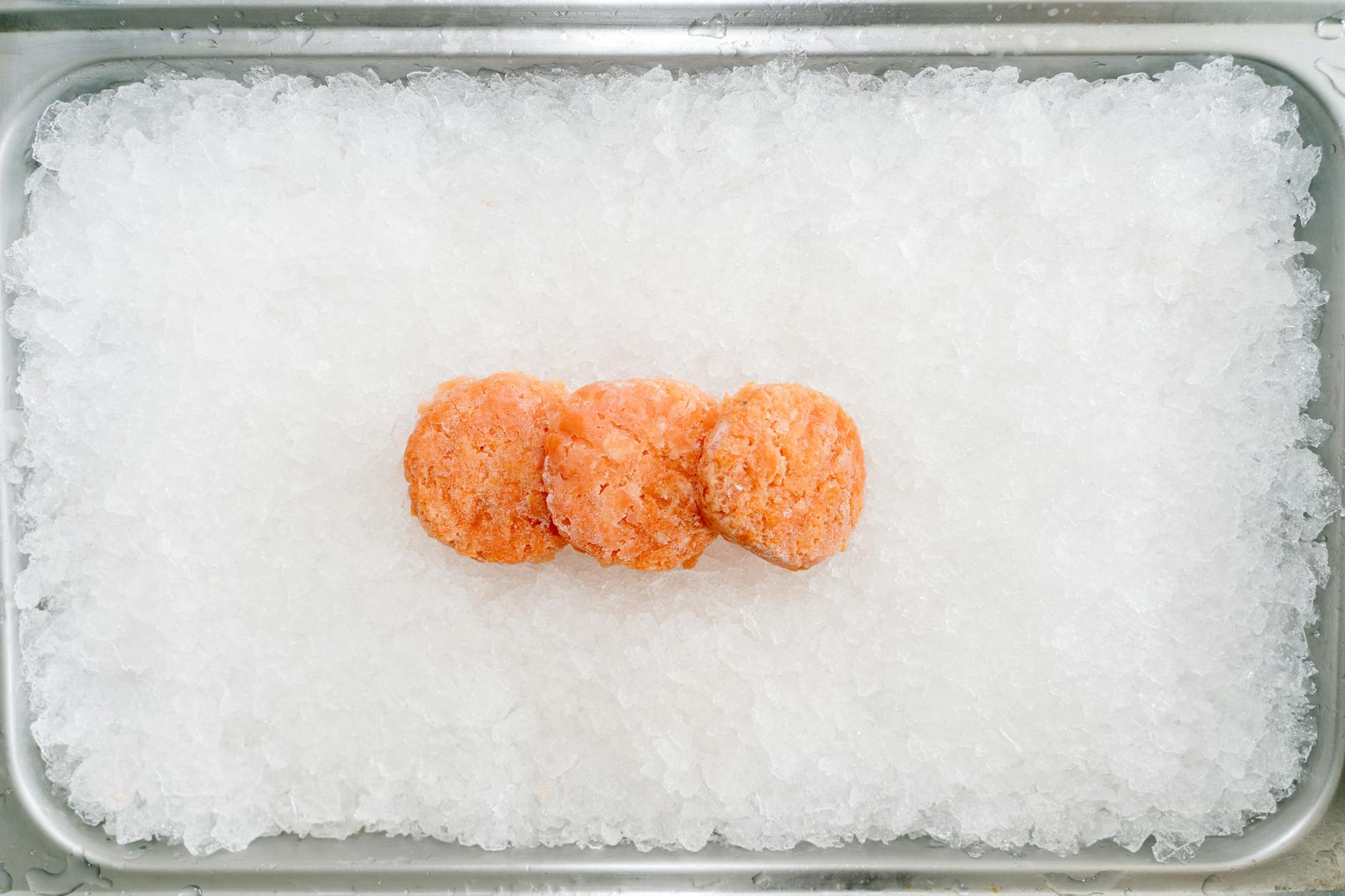
This ground fish patty is a traditional Ashkenazi Jewish appetizer served cold. The jelly that often surrounds the fish in the jar is a major point of contention. The texture is uniform and spongy which differs greatly from a fresh fish fillet. It has a mild and slightly sweet flavor that can seem out of place for seafood. Many younger generations are breaking the tradition of serving it due to widespread dislike.
Asparagus
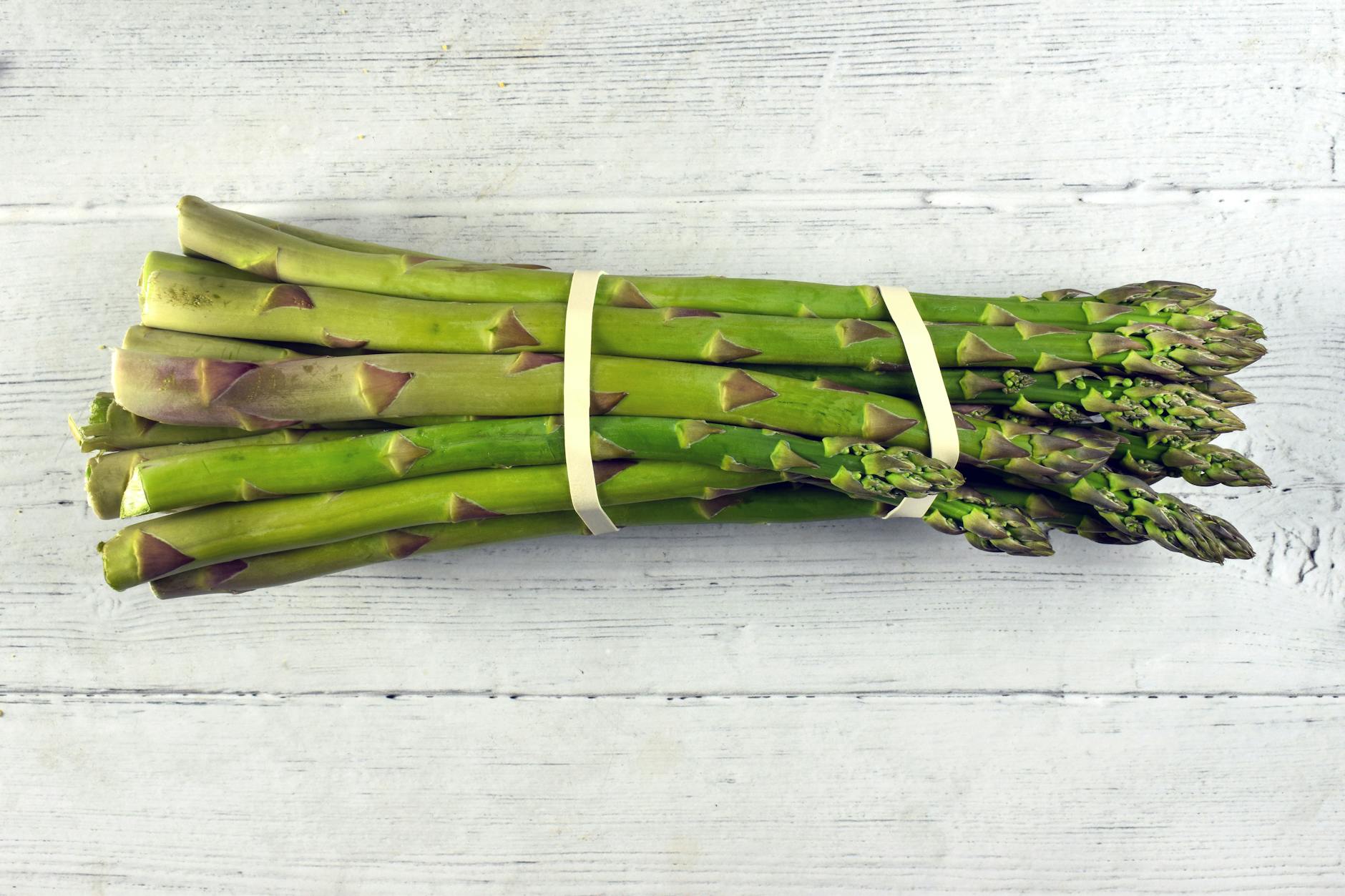
The sulfurous compound in this stalk vegetable causes a distinct odor in urine that people find unpleasant. The tips can become mushy while the stalks remain woody if not trimmed properly. Canned asparagus is particularly hated for its olive-drab color and slimy texture. It has a grassy flavor that can be bitter depending on the thickness of the stalk. It is often the last vegetable left on a crudité platter.
Coconut
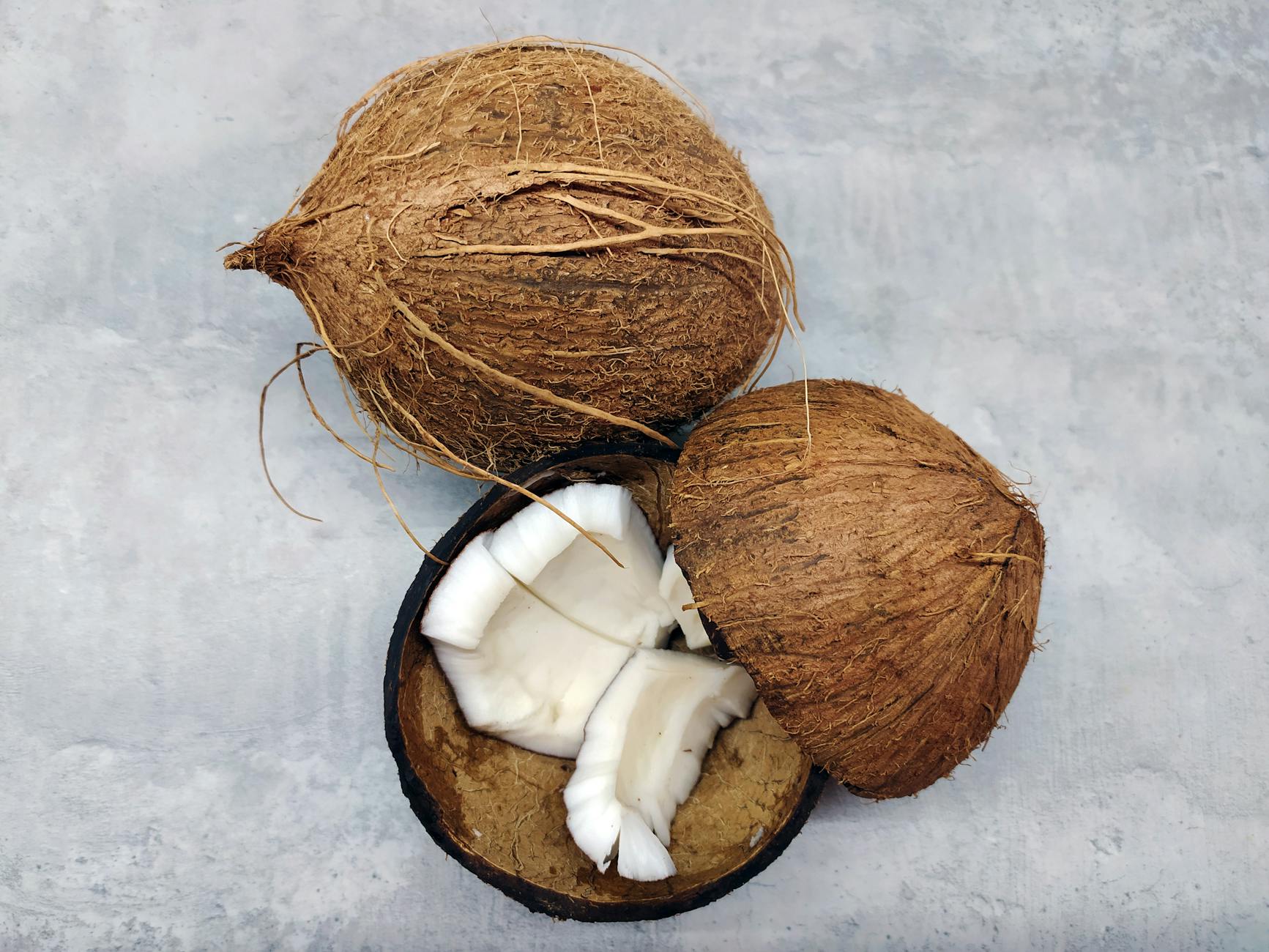
The texture of shredded coconut is often compared to chewing on plastic or dry grass. Many people enjoy the flavor of coconut milk but cannot stand the flaky solids. It ruins the smooth texture of cakes and cookies for those who dislike it. The flakes can get stuck in teeth and remain there long after the dessert is finished. It is a common allergen but also a simple preference issue for many.
Pickles
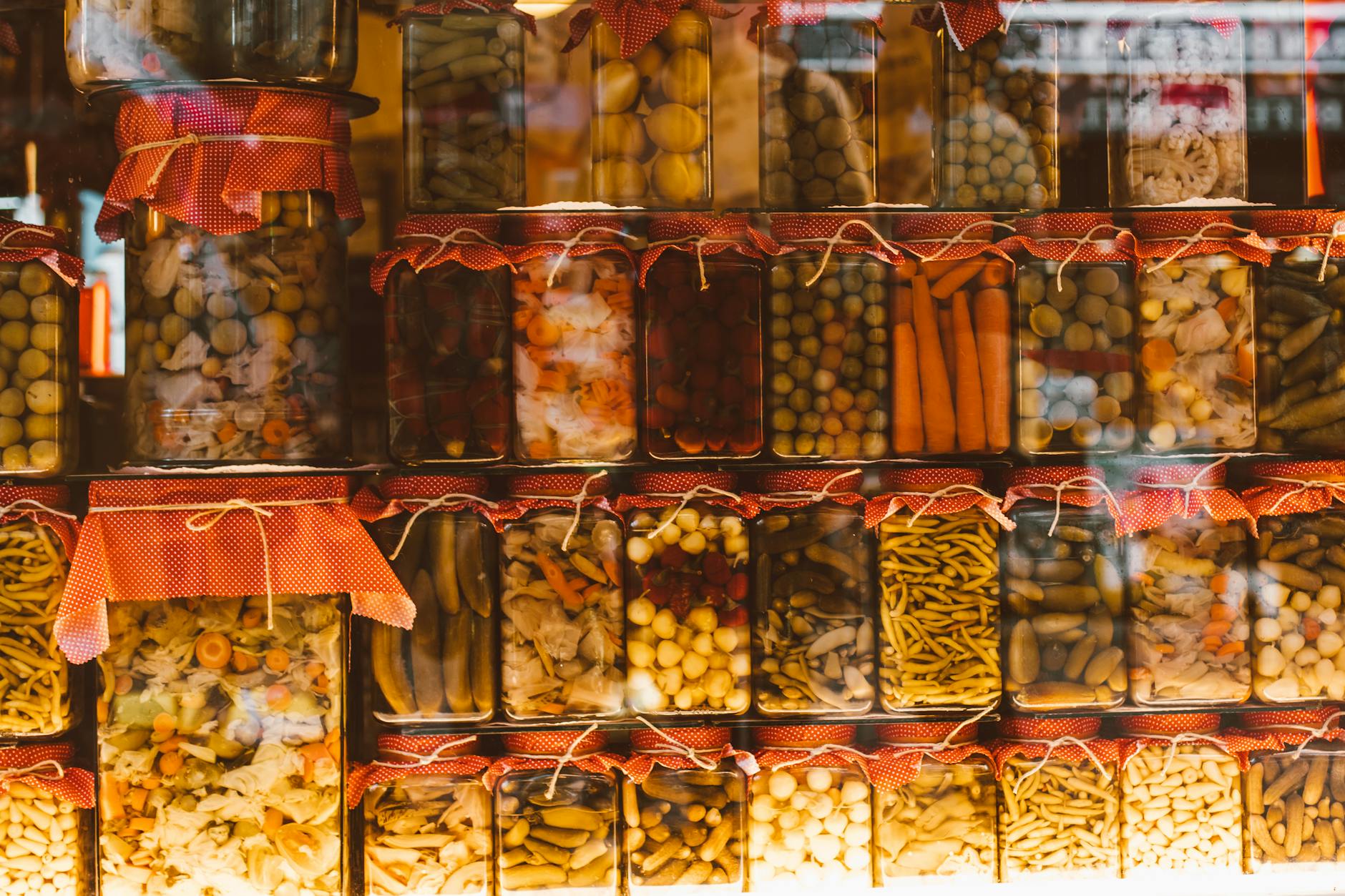
Cucumbers soaked in brine have a strong vinegar punch that overwhelms other flavors. Some people cannot stand the smell and will not eat food that has even touched a pickle. The crunch combined with the sour juice is a sensory nightmare for haters. Fast food restaurants frequently get orders to hold the pickles. The dill flavor is distinct and difficult to remove if accidentally added.
Raw Tomatoes
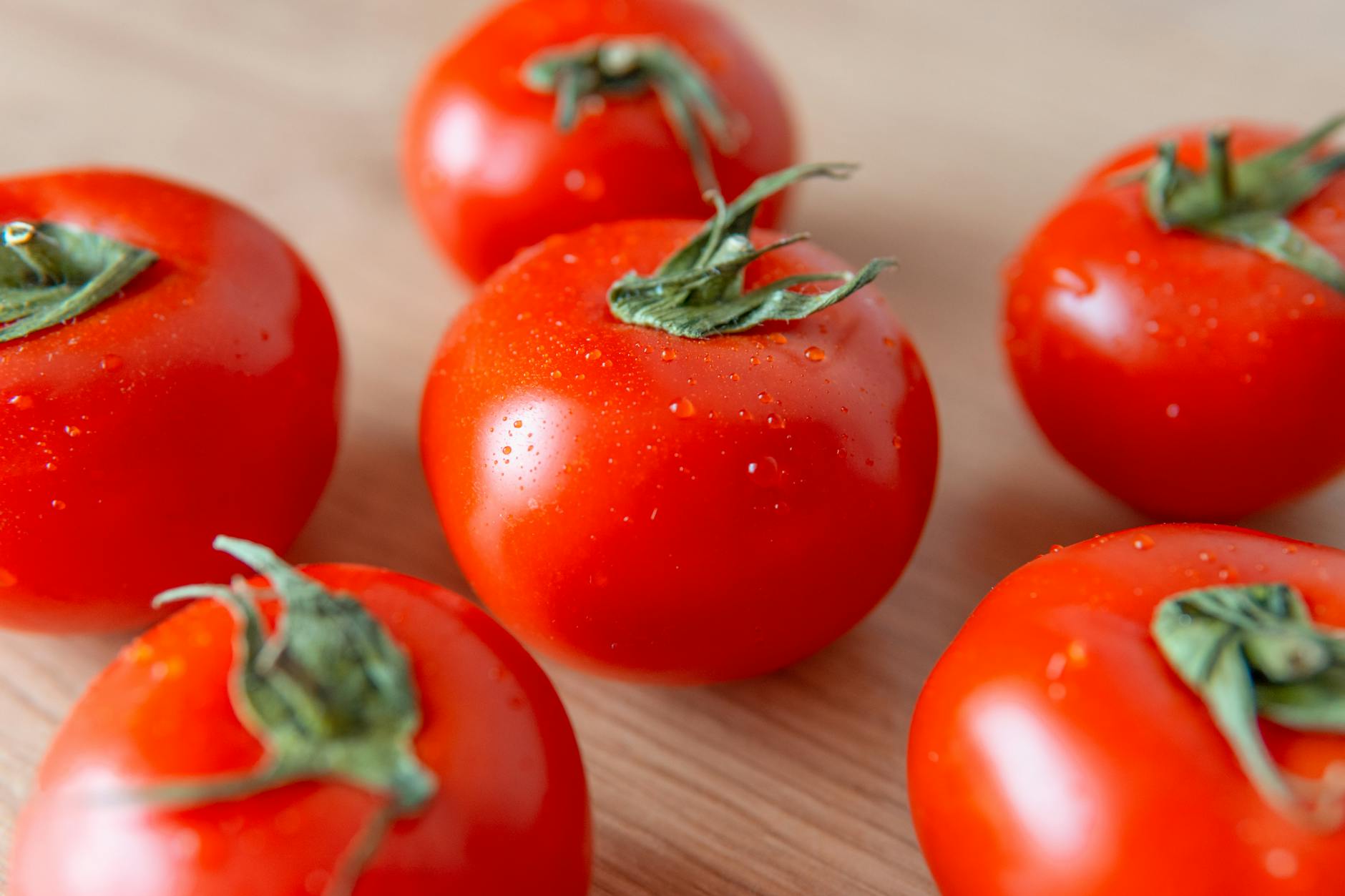
While tomato sauce is universally loved the raw fruit is frequently scraped off sandwiches. The slimy gel surrounding the seeds is the primary textural complaint. Many supermarket tomatoes are mealy and tasteless due to being refrigerated during transport. The juice can make bread soggy and ruin the structural integrity of a burger. Some people find the acidic flavor of raw tomatoes too sharp to enjoy alone.
Raw Onions
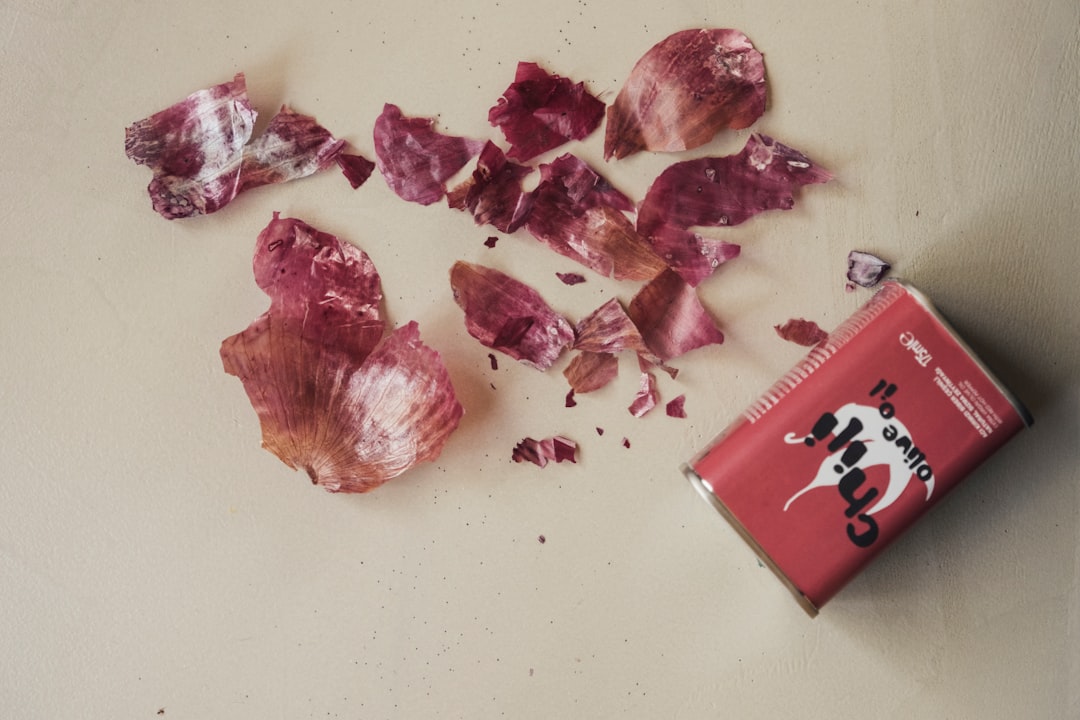
The sharp bite of uncooked onions can linger on the breath for hours. The crunch is often unwelcome in soft dishes like potato salad or hot dogs. They contain sulfur compounds that can cause watery eyes and indigestion. Many diners insist on grilled or caramelized onions to bring out the sweetness instead. Picking small diced onions out of a meal is a tedious task for haters.
Green Bell Peppers
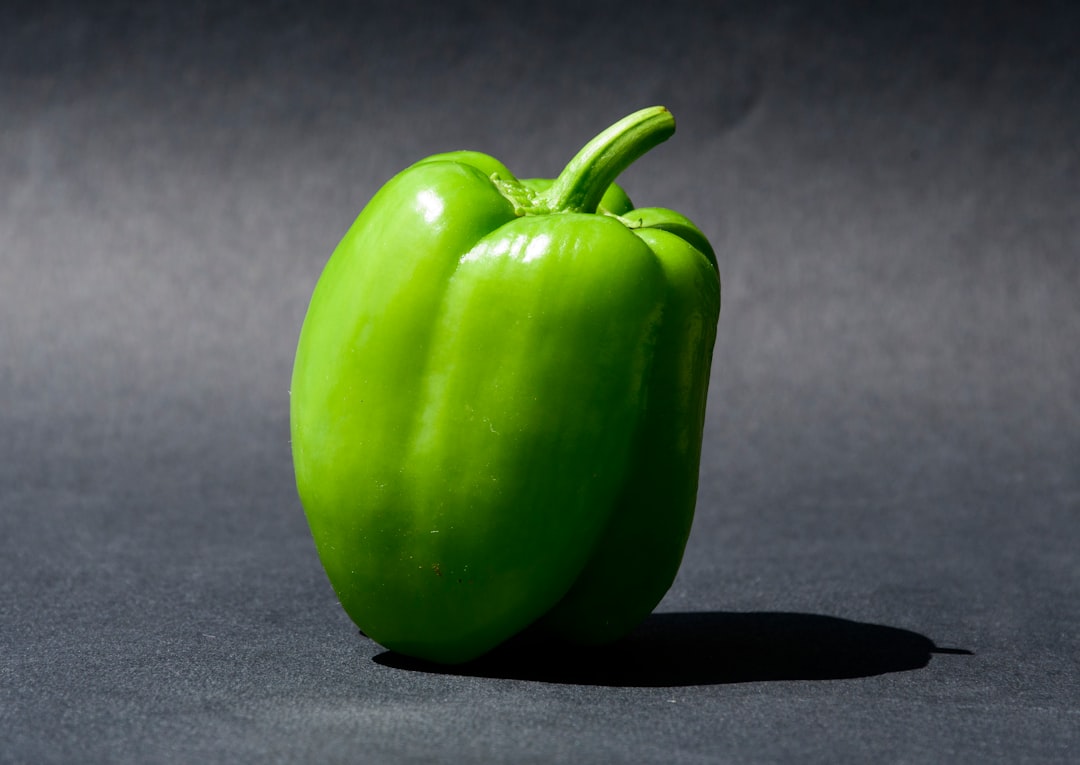
These unripe peppers have a bitter and grassy flavor compared to their red or yellow counterparts. They are cheaper to produce and therefore overused in inexpensive mixes and frozen foods. Many people find they overpower delicate dishes with their strong taste. They can cause indigestion and burping for those with sensitive stomachs. The texture is crunchy but the flavor profile is the main deterrent.
Lima Beans
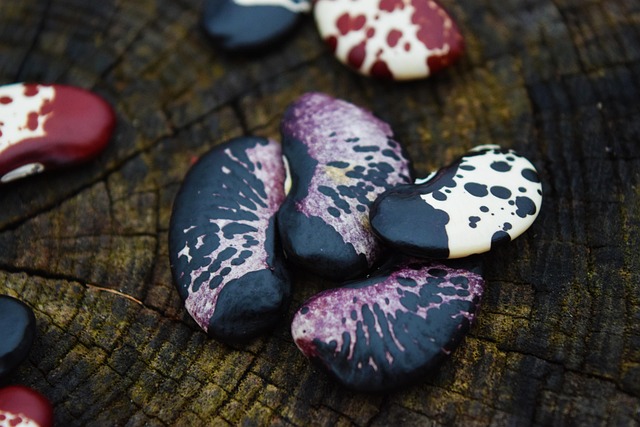
These starchy legumes are notorious for their dry and grainy texture inside the skin. They were a staple of school lunches that solidified their bad reputation. Overcooked lima beans turn into a paste that is difficult to swallow. They have a mild flavor that borders on bland and chalky. Most people only tolerate them when hidden in a soup or succotash.
Broccoli
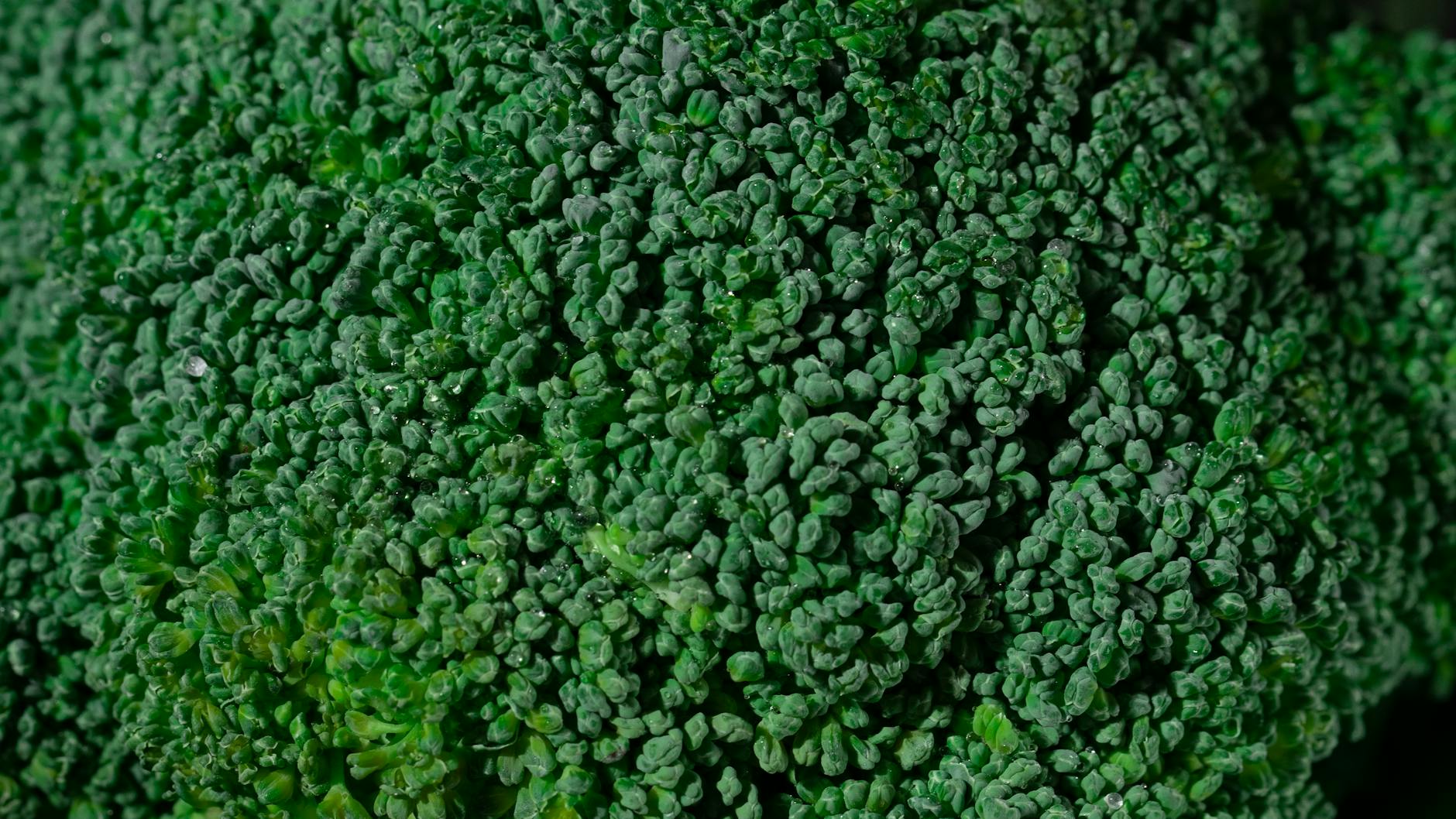
The tree-like appearance does not fool children who are suspicious of the dark green color. If overcooked it releases a sulfur smell similar to cauliflower and Brussels sprouts. The florets can have a strange texture that feels grainy in the mouth. Stalks are often tough and fibrous if not peeled or cooked sufficiently. It remains the classic example of a healthy vegetable that kids refuse to eat.
Cauliflower
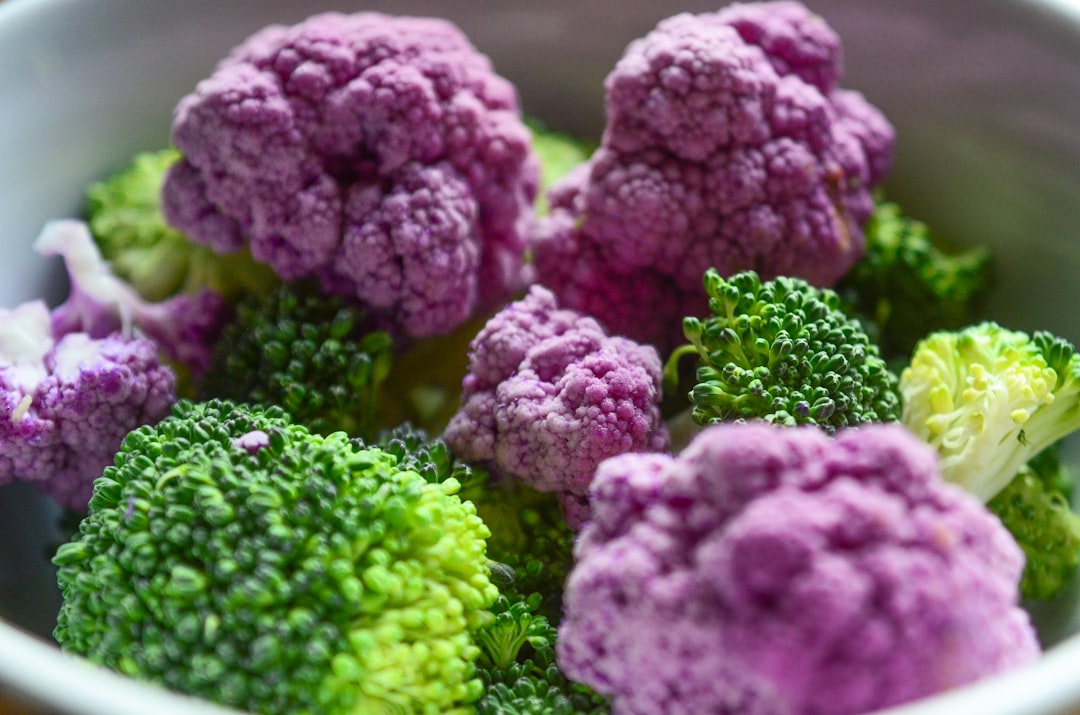
This white cruciferous vegetable suffers from a bland taste and a strong smell when boiled. The trend of using it as a substitute for rice and pizza crust has led to fatigue. It lacks the vibrant color of other vegetables and looks unappealing on a plate. The texture can be mealy or watery depending on the preparation method. It absorbs the flavor of whatever sauce it is in but offers little joy on its own.
Cooked Spinach
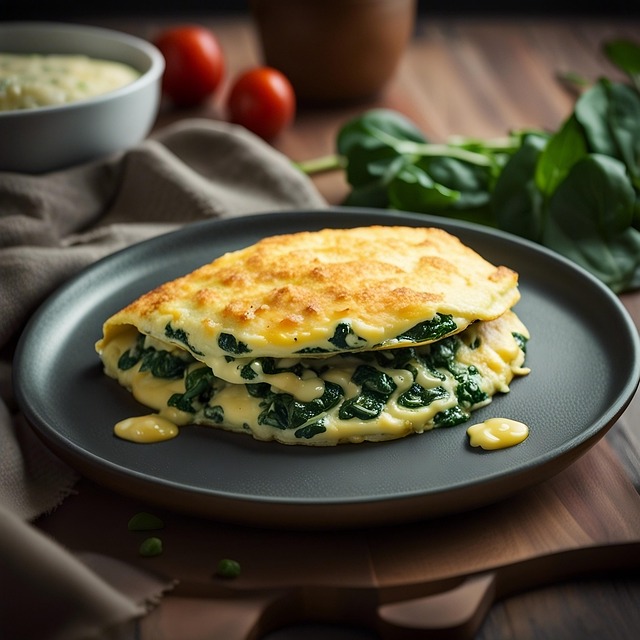
While fresh spinach is popular in salads the cooked version is often described as slime. It reduces significantly in volume and becomes a wet tangle of green leaves. The metallic taste is more pronounced when the leaves are heated and wilted. It can leave a strange film on the teeth known as spinach teeth. The texture is the primary reason children and adults alike avoid it.
Bologna
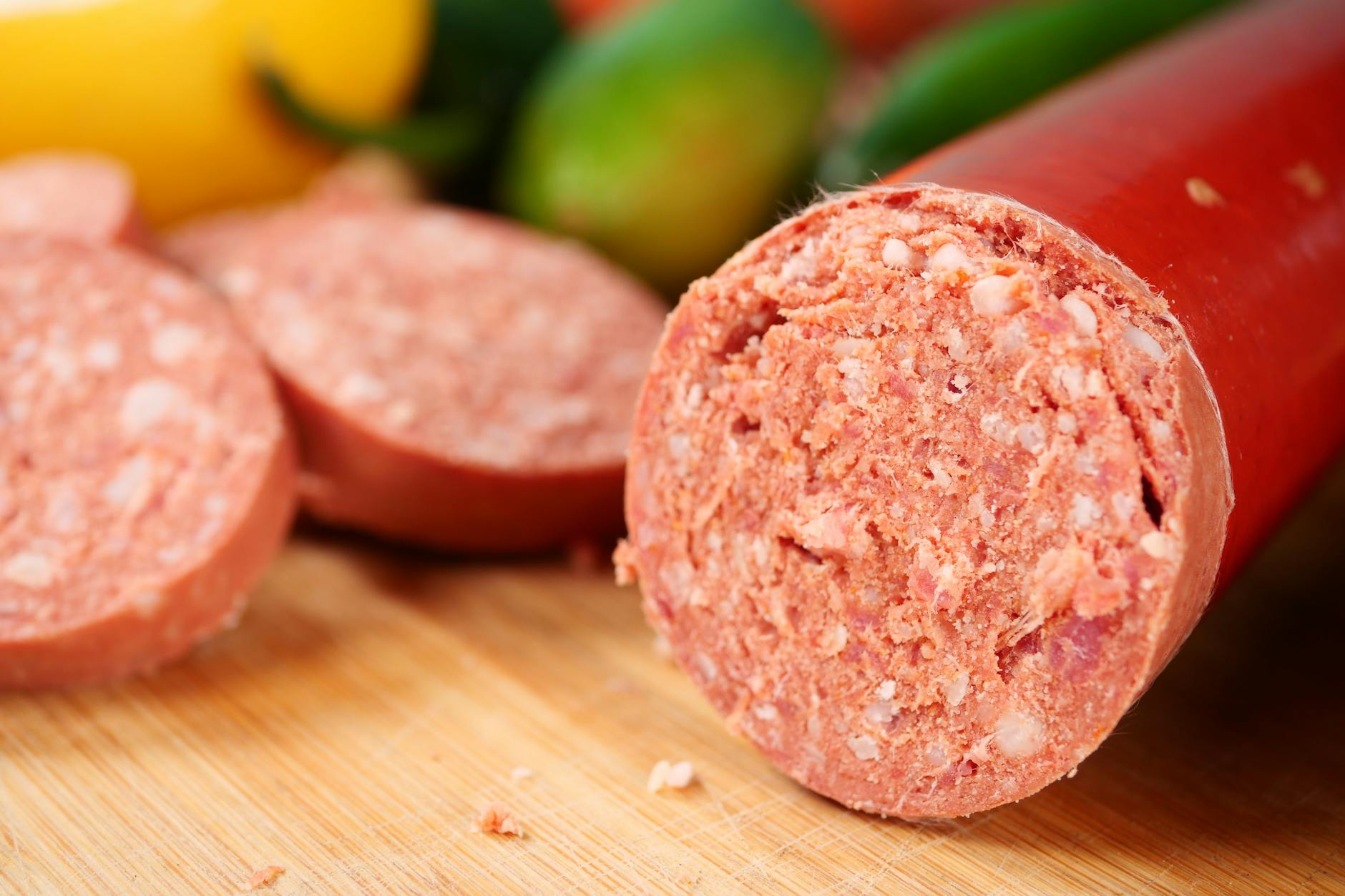
This processed lunch meat is a round pink disk of emulsified meat with a uniform texture. It is often associated with cheap school lunches and lacks the texture of real meat. The red plastic casing must be peeled off which adds an annoying step to preparation. Fried bologna is a nostalgic dish for some but a horror for others. The flavor is salty and generic without distinct spice notes.
Corned Beef Hash

Canned hash looks like dog food to many consumers due to its wet and pebbly appearance. It is a mix of chopped meat, potatoes, and spices that is high in sodium and fat. The fat content can be overwhelming and leave a greasy coating in the mouth. It is a heavy breakfast dish that sits like a weight in the stomach. The visual appeal is non-existent before it is crisped in a pan.
Egg Nog

This rich holiday drink is essentially a bowl of raw eggs, cream, and sugar. The thickness is off-putting to those who expect a beverage to be refreshing. The flavor is heavily spiced with nutmeg and can be too intense for a full glass. Concerns about consuming raw eggs make some people nervous about safety. It is extremely high in calories which leads to guilt after consumption.
Turkey Bacon
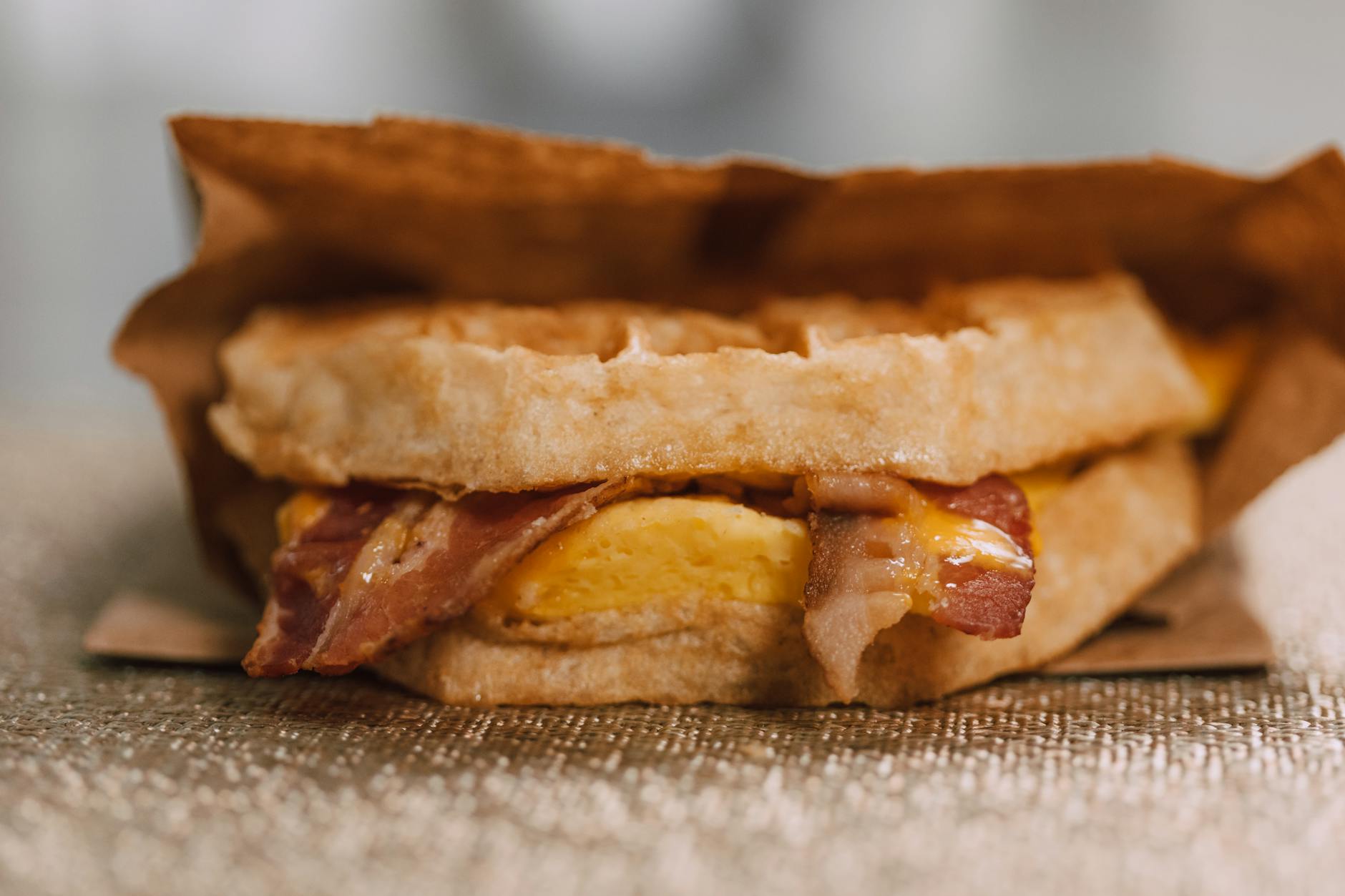
This poultry alternative to pork is frequently criticized for tasting like cardboard or leather. It lacks the fat content that allows regular bacon to crisp up and melt in the mouth. The flavor is often assisted by smoke additives that taste artificial. It does not shrink or curl in the pan the way traditional bacon does. Pork purists consider it an affront to the very concept of bacon.
Beets

The deep red color of beets can stain everything it touches including hands and clothes. They have a high geosmin content which makes them taste distinctly like dirt. The texture of boiled beets is soft and yielding in a way some find unpleasant. Pickled beets add a vinegar sourness that clashes with the earthy flavor. They are often pushed to the side of the salad plate.
Marmite and Vegemite
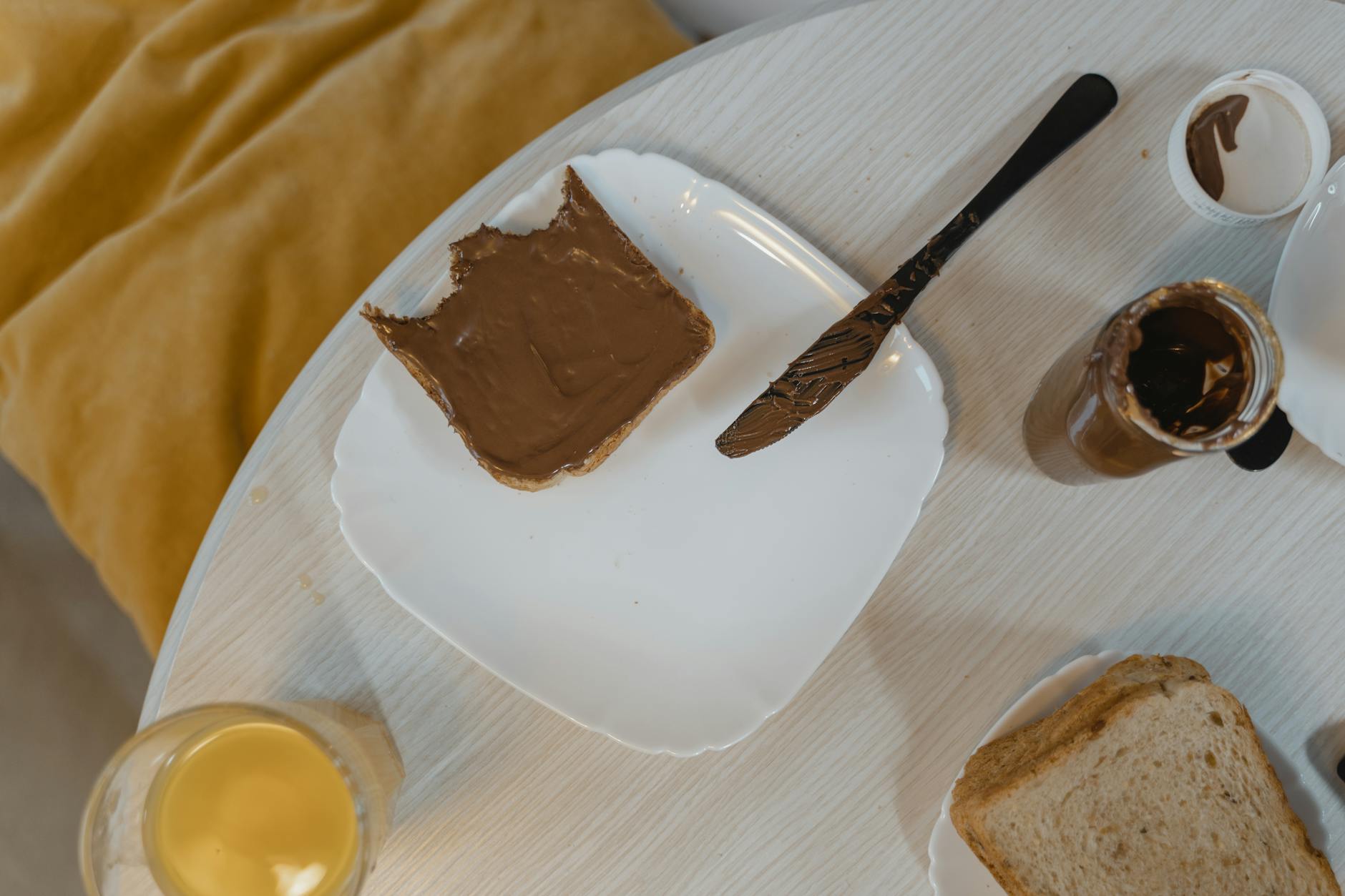
While more common overseas these yeast extracts are hated by most Americans who try them. The paste is thick, black, and incredibly salty with a brewery-like odor. Americans often make the mistake of spreading it thick like peanut butter rather than thinly. The flavor is an acquired taste that few in the States ever acquire. It is frequently used in taste test challenges to elicit disgusted reactions.
Canned Peas
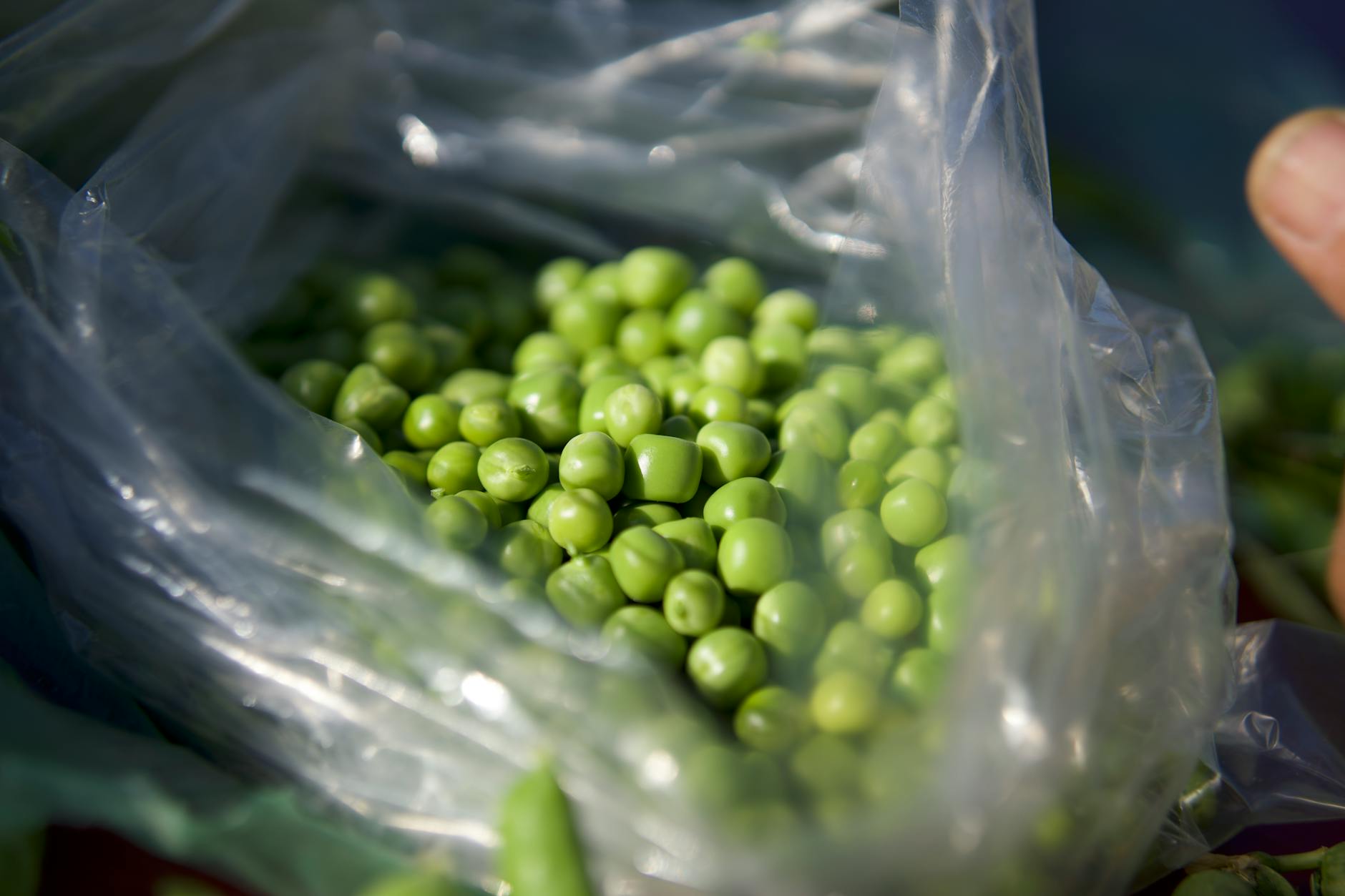
Unlike fresh or frozen peas the canned variety is a dull olive green color. They are mushy and have lost the sweet pop of the fresh vegetable. The liquid in the can has a metallic taste that seeps into the peas. They serve as a depressing side dish that reminds people of hospital food. The nutritional value is also perceived to be lower than fresher alternatives.
Mayonnaise
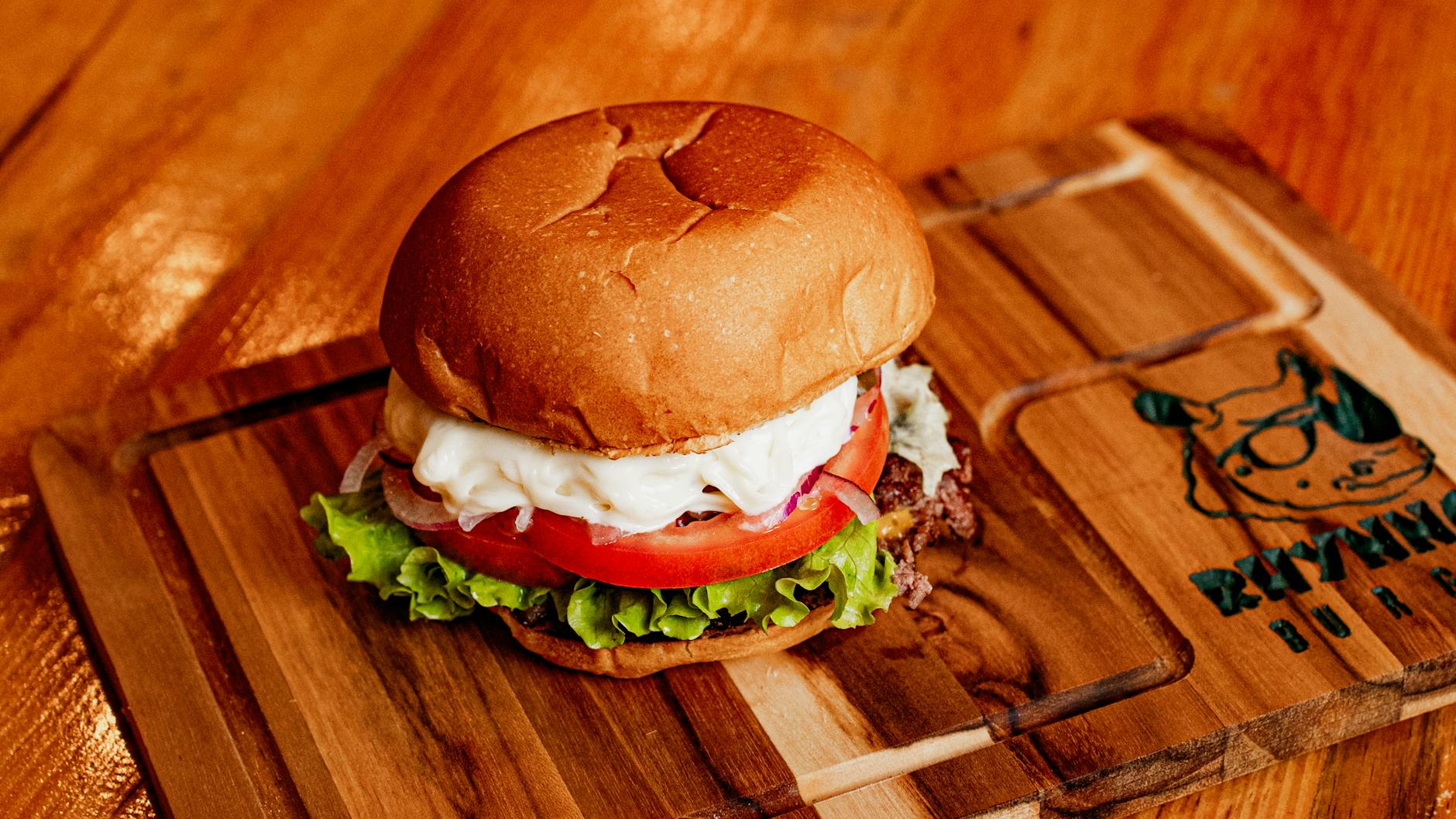
This white emulsion of oil and egg yolk triggers a gag reflex in a specific subset of the population. The jiggly texture and sound it makes in the jar are frequent points of complaint. It is often slathered too thick on sandwiches causing it to squirt out the sides. Warm mayonnaise is considered particularly revolt-inducing by haters. It is a condiment that people either tolerate or absolutely despise.
Share your own least favorite foods and join the debate in the comments.




