American palates often gravitate toward standard cuts of beef and poultry while shying away from organs or highly processed loaves. Strong flavors and unusual textures frequently land specific proteins on the list of culinary avoidances across the country. Many of these foods carry historical stigmas or ethical concerns that contribute to their low popularity ratings in supermarkets. Understanding why these meats face rejection reveals much about modern dining habits and the shift toward leaner and cleaner protein sources.
Beef Liver
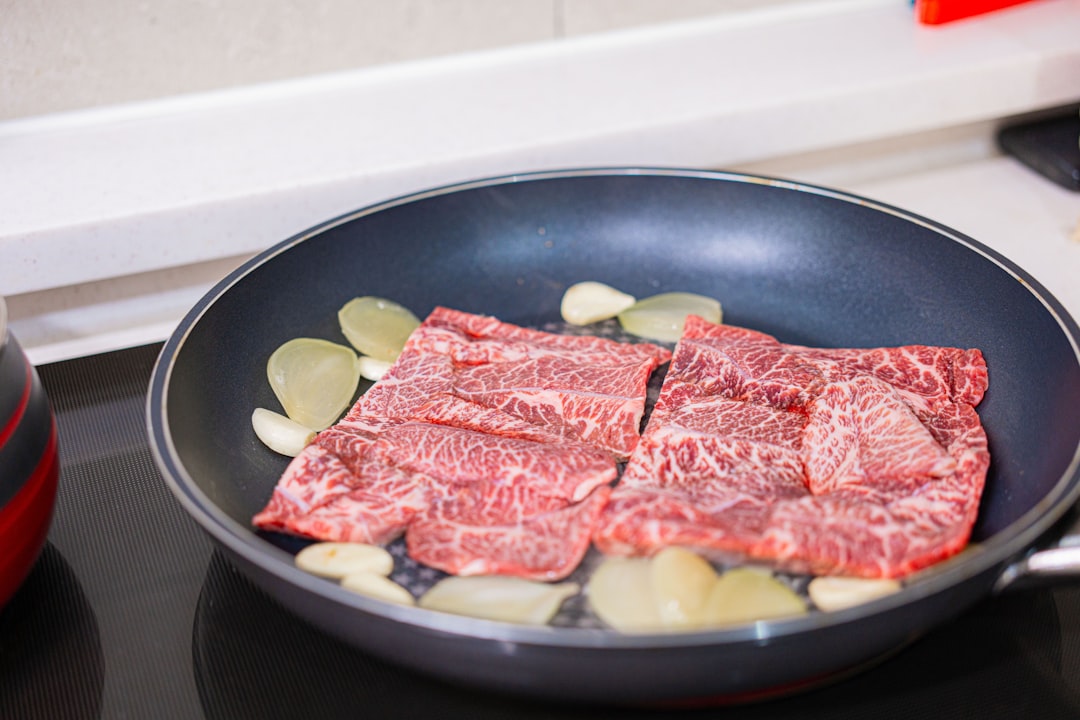
Liver is frequently cited as the least favorite dish for many consumers due to its strong metallic flavor and grainy texture. Generations of children grew up dreading this iron-rich organ meat even when it was served with caramelized onions. Proper preparation requires soaking the meat in milk to reduce the intense bitterness that many diners find off-putting. Overcooking results in a tough and leather-like consistency that reinforces its negative reputation among home cooks. Modern menus rarely feature this item despite its high nutritional value and affordability.
Veal
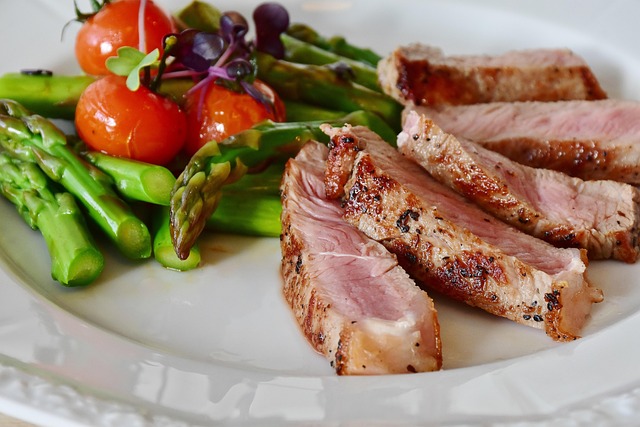
Veal consumption has dropped significantly over the last few decades primarily due to ethical concerns regarding animal welfare. The meat comes from young calves and offers a very tender texture that culinary experts prize. Public campaigns in the late twentieth century successfully discouraged many shoppers from purchasing these cuts for their home tables. Some diners also find the pale color and very mild flavor unappealing compared to the robust taste of mature beef. It remains a niche product found mostly in high-end Italian or French establishments rather than family kitchens.
Canned Spiced Ham
Canned spiced ham holds a polarizing spot in the pantry due to its gelatinous coating and extremely high sodium content. Many consumers associate this shelf-stable product with wartime rations or budget constraints rather than culinary enjoyment. The texture changes significantly when fried yet the initial appearance remains a major hurdle for skeptical eaters. Health-conscious individuals often avoid it because of the preservatives and the highly processed nature of the ingredients. While it maintains a cult following in specific regions the general population often views it with disdain.
Beef Tongue
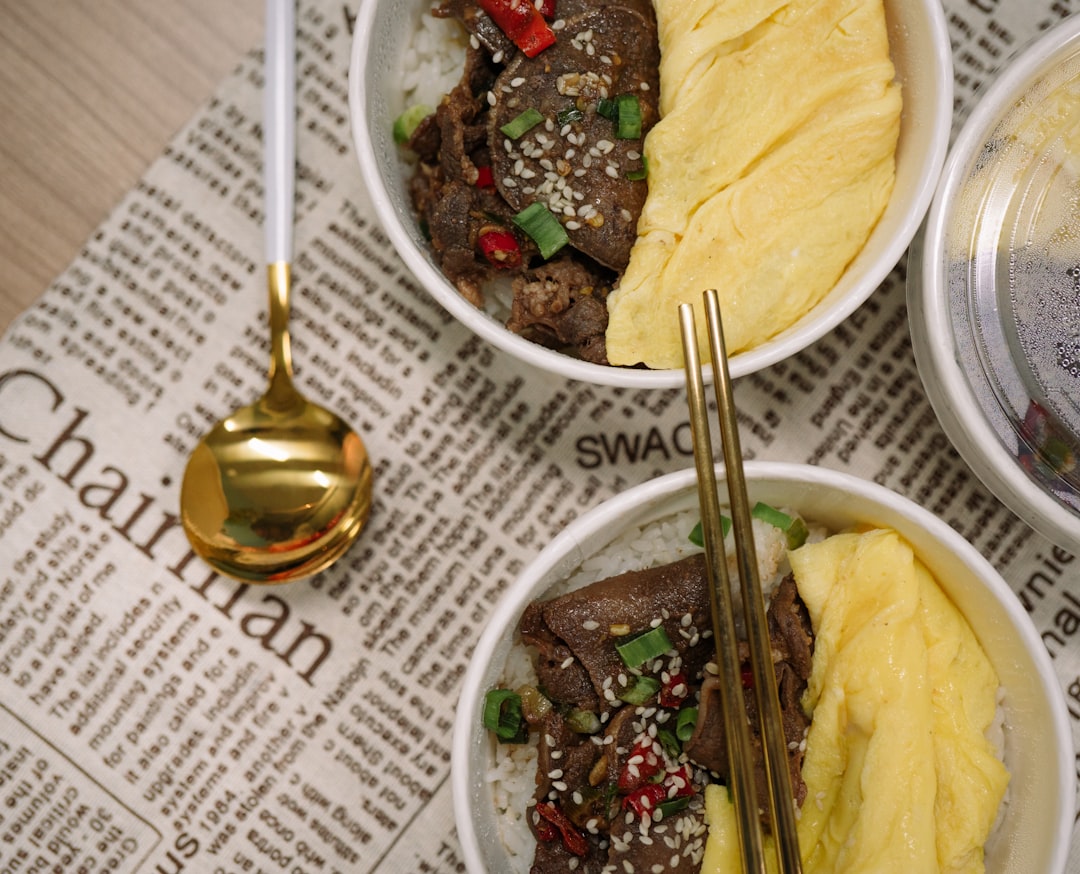
The visual appearance of beef tongue creates a psychological barrier that prevents many Americans from ever trying it. This muscular cut requires hours of slow cooking to break down the tough fibers into a tender dish. Diners frequently describe the texture as unpleasantly chewy when the outer skin is not removed correctly. The flavor profile resembles rich pot roast but the distinct anatomical shape discourages adventurous eating. It appears frequently in authentic tacos and delis but remains absent from the average family dinner rotation.
Bologna
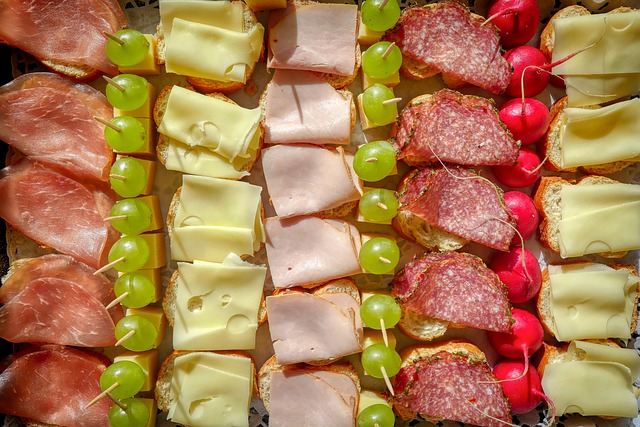
Bologna suffers from a widespread reputation as a mystery meat composed of various indistinguishable trimmings and fillers. The homogeneous texture and bright pink color often deter adults who seek less processed lunch options. It remains a staple of school cafeterias but rarely appears on sophisticated charcuterie boards. Critics point to the high fat content and lack of distinct flavor as primary reasons for avoiding this deli counter item. Fried bologna sandwiches offer nostalgic value for some while others find the smell completely overwhelming.
Blood Sausage
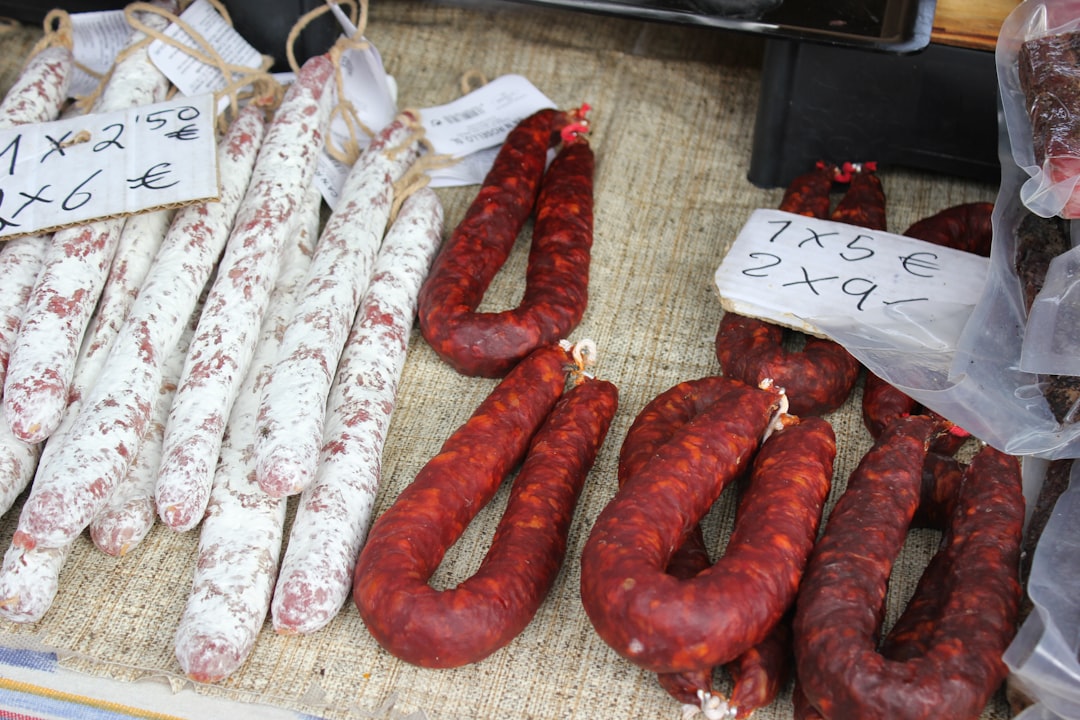
Blood sausage contains ingredients that many Americans find culturally or visually difficult to accept. The strong iron taste and dark color distinguish it sharply from the sweeter breakfast links common in the United States. Its texture can range from crumbly to gelatinous depending on the specific regional preparation method used. Most shoppers do not encounter this item in standard grocery stores as it requires a specialty butcher. The concept of consuming blood as a primary ingredient remains a major taboo for the majority of the population.
Tripe
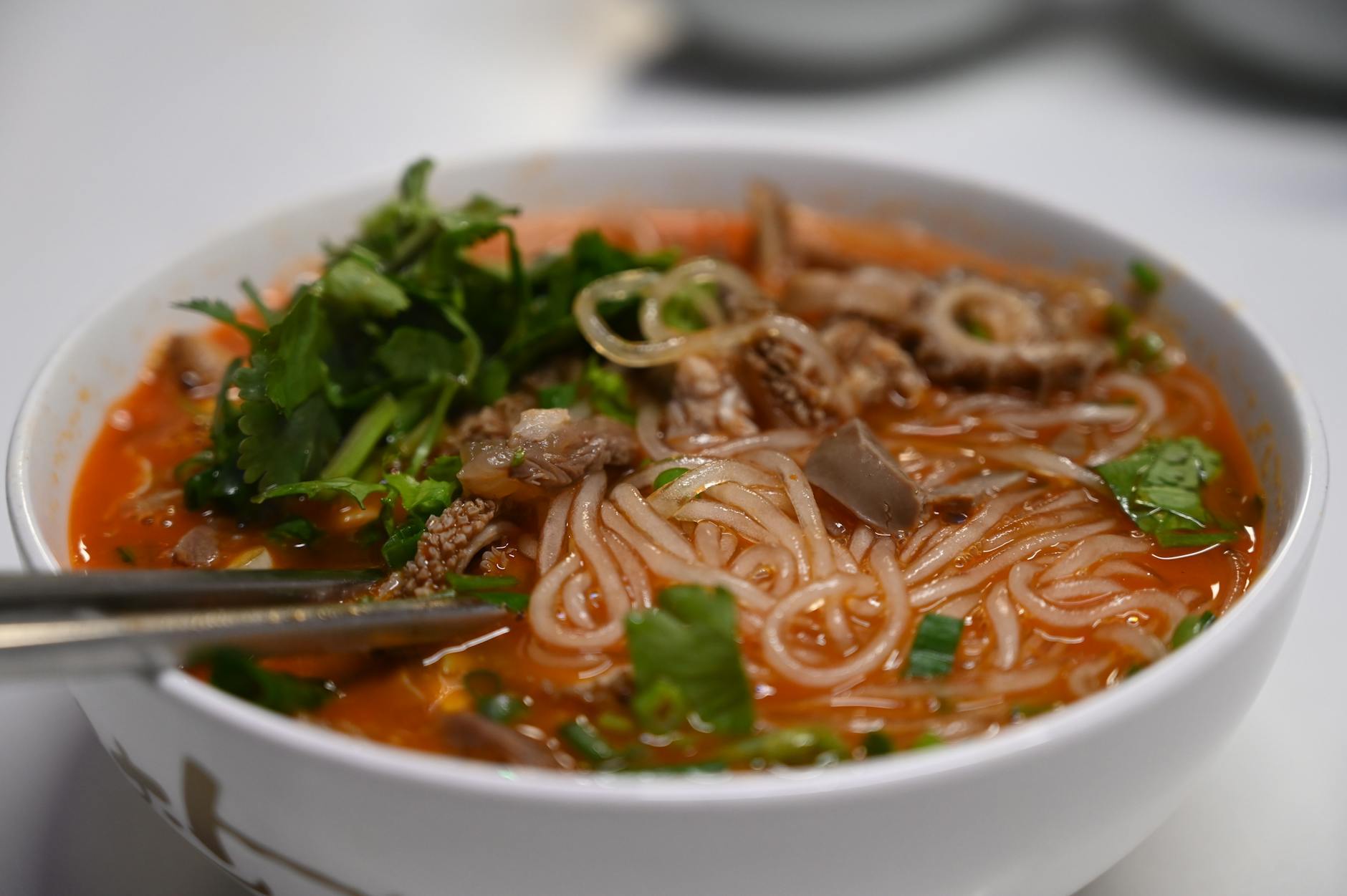
Tripe consists of the edible lining from the stomachs of various farm animals and presents a unique honeycomb appearance. The texture is notoriously chewy and rubbery if the kitchen fails to stew it for a long period. Many people dislike the distinct and pungent smell that fills the kitchen during the cooking process. It absorbs the flavors of broths well but the physical sensation of eating it turns many potential fans away. This organ meat is often relegated to specific ethnic soups and is rarely served as a standalone main course.
Share your own experiences with these controversial foods in the comments.




