Culinary preferences vary wildly across the United States but certain produce items consistently land at the bottom of popularity lists. Many adults harbor lingering resentments toward specific greens due to poor preparation methods experienced during childhood. Texture issues often play a larger role than flavor when diners refuse to eat these nutrient-dense foods. Genetics can also influence how individuals perceive bitter compounds found in specific plant families.
Brussels Sprouts
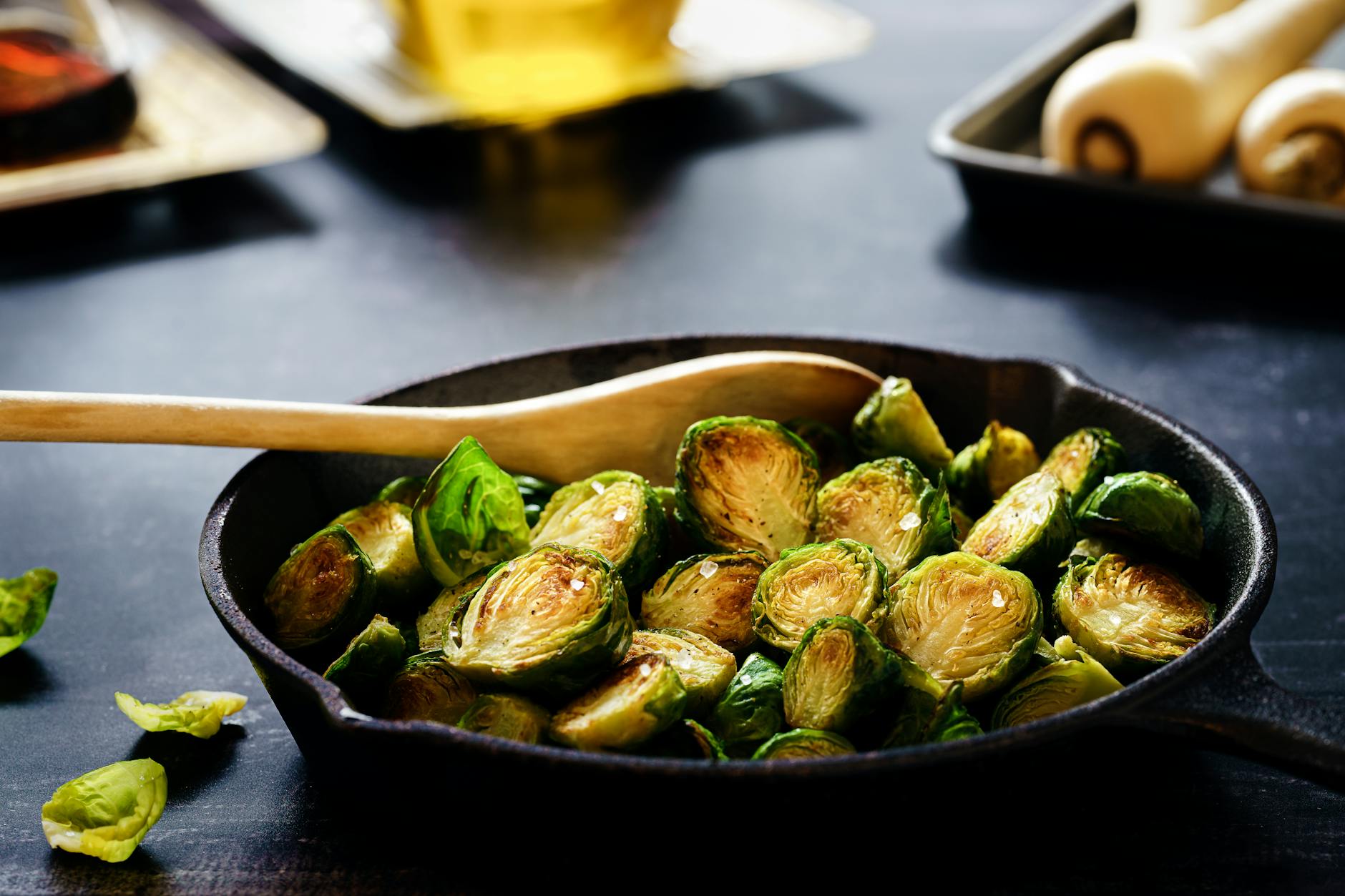
These small green cabbages frequently top the list of despised foods due to a distinct sulfurous odor released during overcooking. Many people recall the mushy texture and bitter taste associated with the boiled versions served at family dinners years ago. Modern chefs often try to redeem this vegetable by roasting it with bacon or balsamic glaze to mask the strong natural flavor. The chemical compound responsible for the bitterness is the same one found in other cruciferous vegetables.
Beets
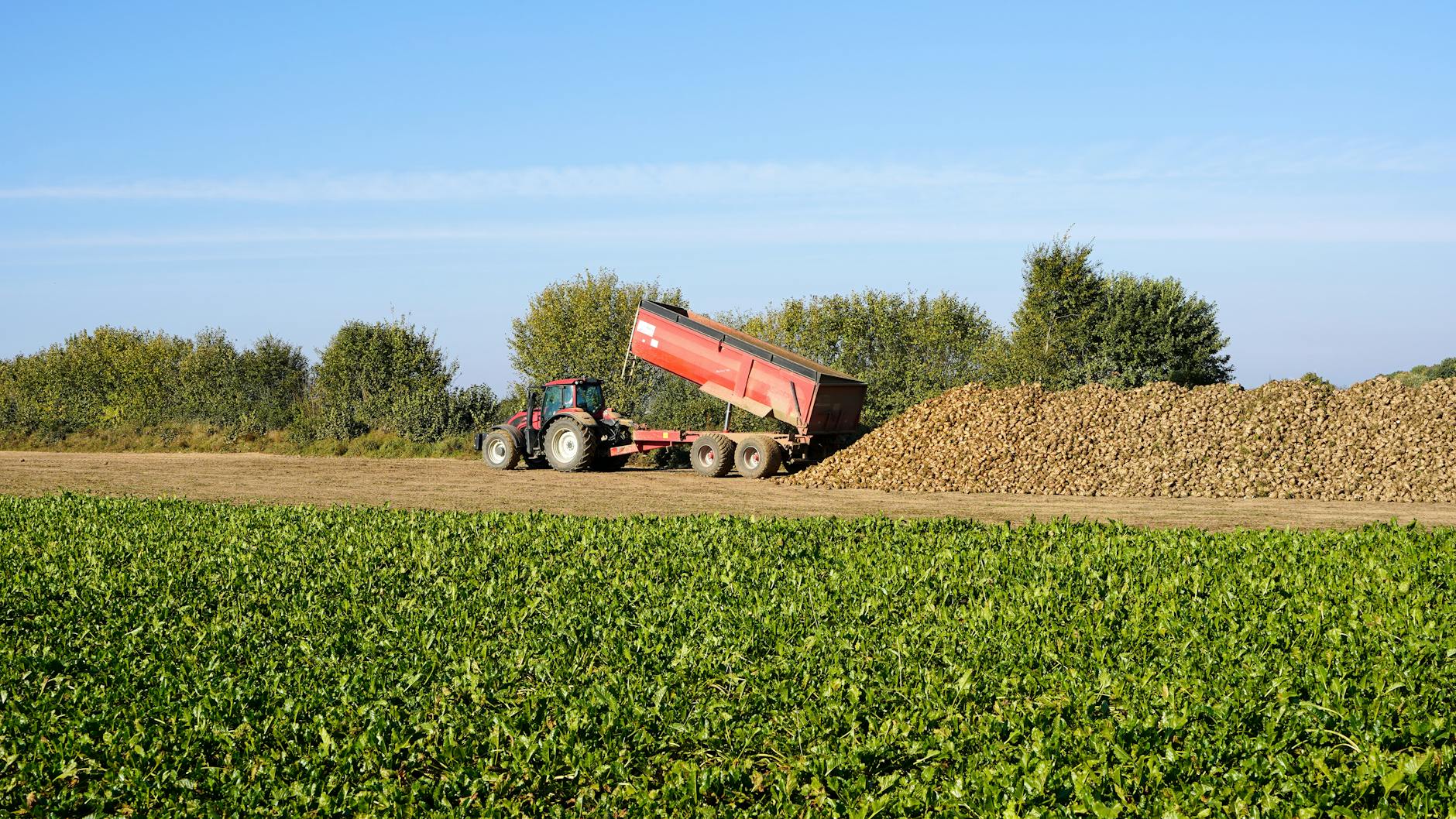
The primary complaint regarding this vibrant root vegetable centers on its overwhelming earthy flavor that many compare to dirt. This distinct taste comes from an organic compound called geosmin which is produced by soil bacteria. Texture also plays a role as the softness of boiled beets can prove unappealing to those who prefer a crunch. Preparing them requires significant effort since the red juice stains everything it touches including hands and cutting boards.
Lima Beans
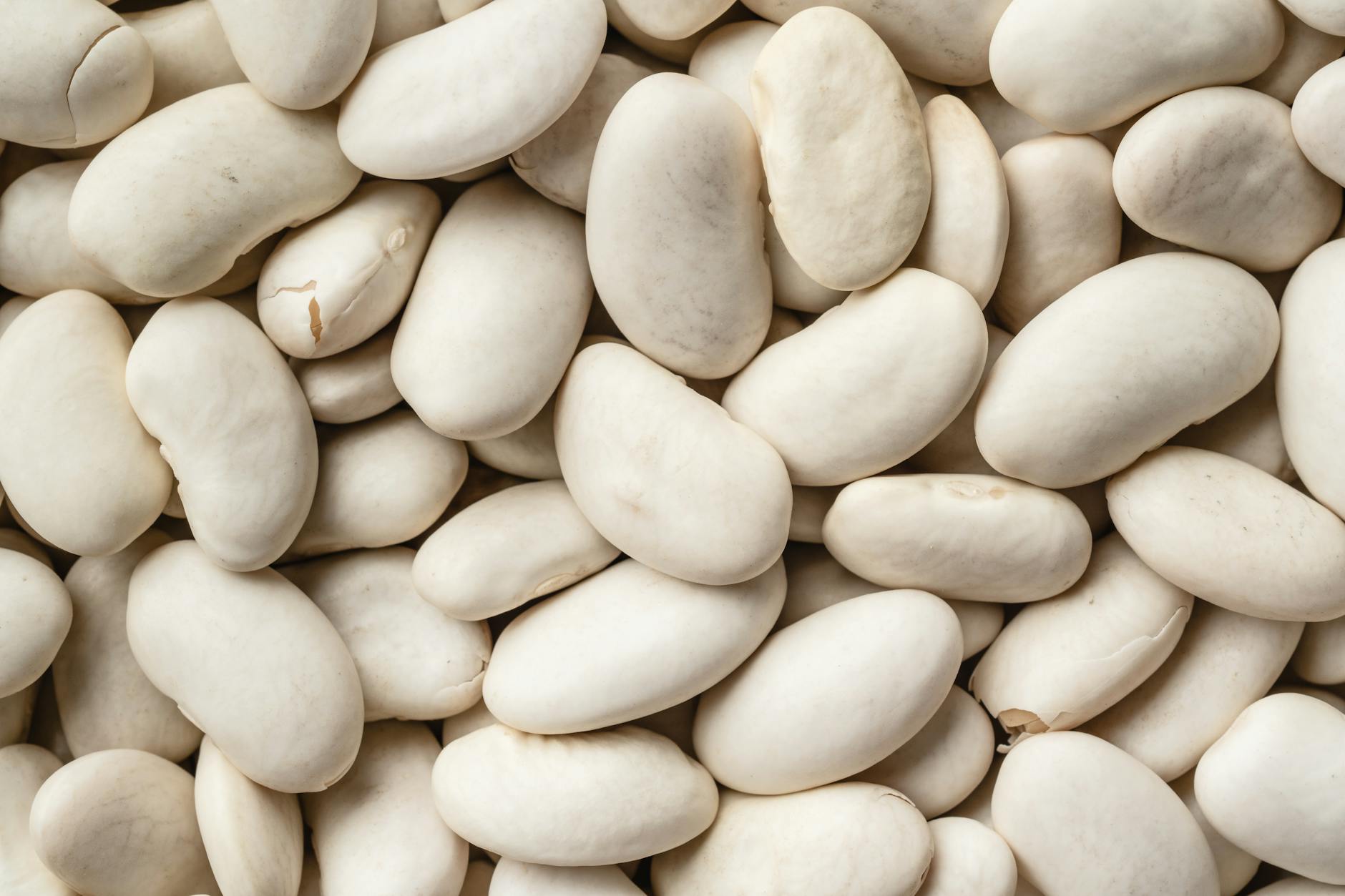
Generations of Americans associate these legumes with uninspired school lunches or frozen vegetable medleys. The texture is often described as dry and grainy which creates an unpleasant mouthfeel even when cooked thoroughly. They possess a starchy flavor that requires heavy seasoning or fat to become palatable for the average diner. Fresh varieties offer a different experience but the stigma of the canned version remains strong.
Okra
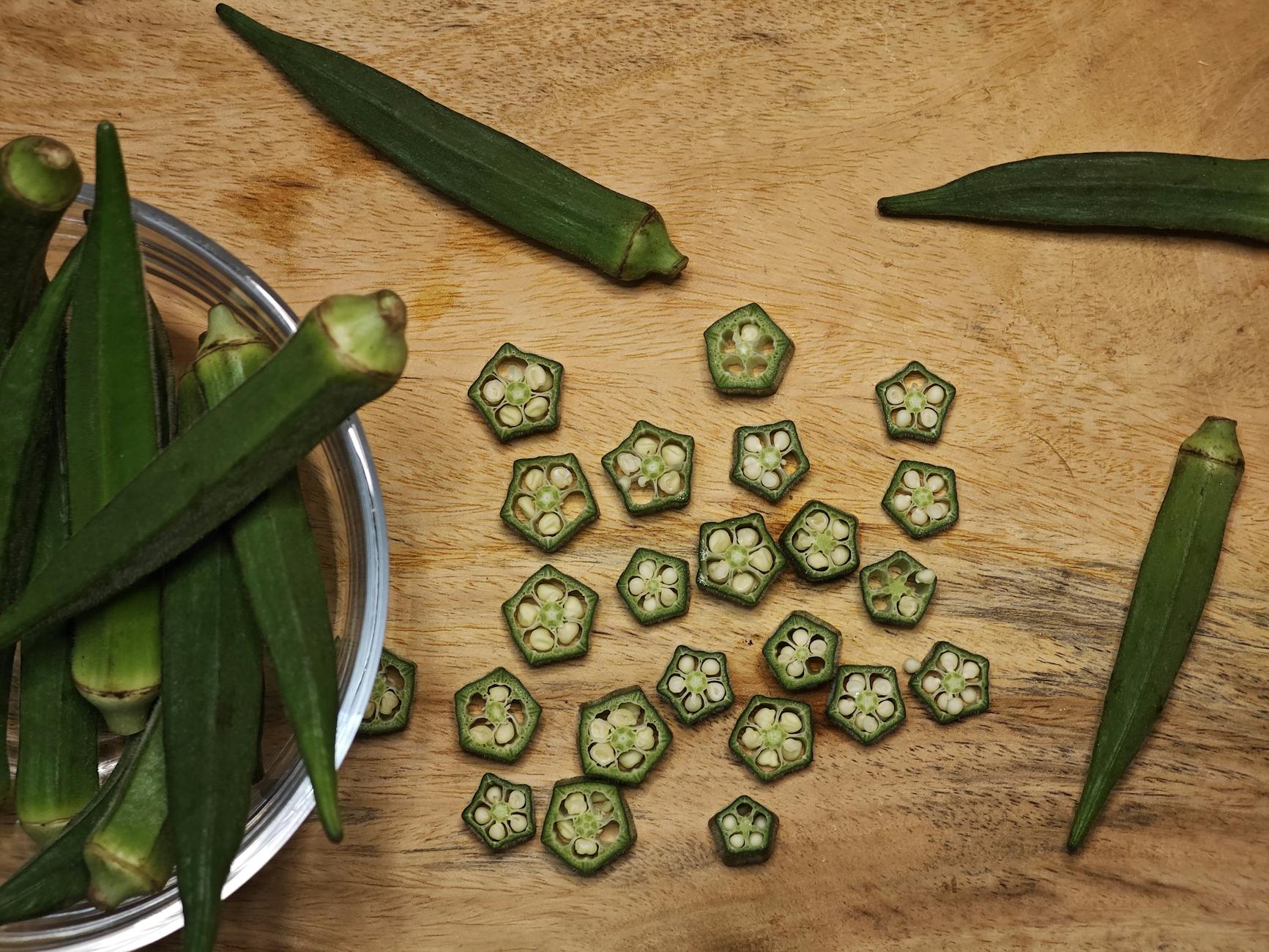
This green pod is a staple in Southern cooking yet it repels many diners due to its unique mucilaginous interior. The slimy consistency released upon slicing can ruin a dish for those sensitive to slippery textures. Fried preparation helps mitigate the slime factor by adding a crisp breading and cooking at high heat. Its flavor is relatively mild but the physical sensation of eating it remains a major barrier for countless consumers.
Turnips
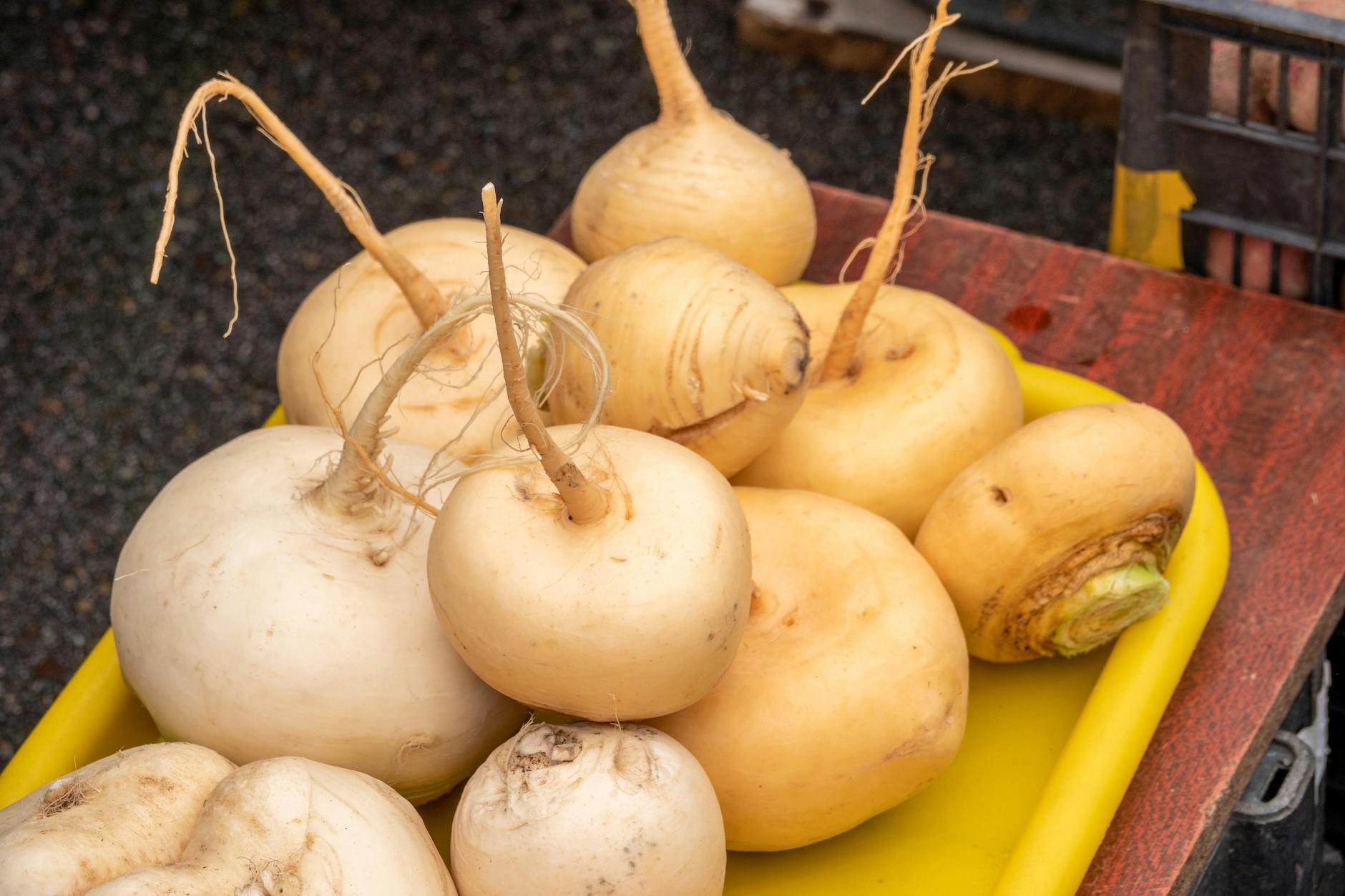
These root vegetables often confuse diners who mistake them for potatoes only to encounter a sharp and bitter surprise. The flavor profile intensifies as the vegetable grows larger which makes selecting smaller bulbs essential for a milder taste. They contain glucosinolates that trigger a bitter reaction in people with specific genetic sensitivities. Many home cooks struggle to balance the strong taste without overpowering the other ingredients in a stew or mash.
Please tell us which vegetable you refuse to eat by leaving a note in the comments.




