Nature is filled with fascinating creatures that command respect and distance due to their potent defense mechanisms. Many of these animals possess venom or toxins capable of causing severe injury or even fatalities in humans who come too close. Travelers and outdoor enthusiasts must remain vigilant when exploring diverse ecosystems ranging from tropical oceans to dense rainforests. Touching or provoking these species can trigger aggressive reactions that require immediate medical attention. Understanding which wildlife to avoid is an essential part of staying safe while enjoying the natural world.
Golden Poison Dart Frog
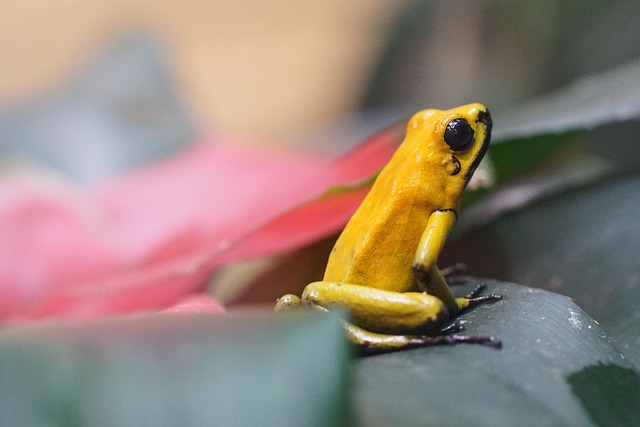
The skin of this small amphibian contains enough batrachotoxin to kill ten grown men. Indigenous people in Colombia have used this potent substance for centuries to coat their blowgun darts for hunting. Touching the back of this bright yellow frog can lead to heart failure within minutes. It is considered one of the most toxic animals on Earth despite its tiny size of two inches.
Box Jellyfish
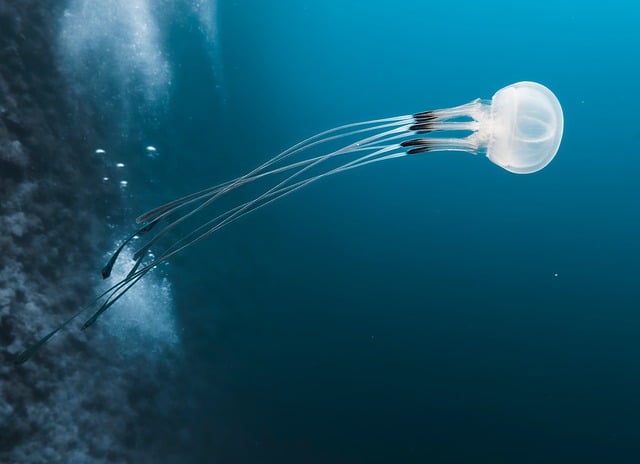
This marine creature is often regarded as the most venomous animal in the ocean. Its tentacles are covered in nematocysts that inject toxins directly into the skin upon contact. Victims often experience shock and drowning before they can even reach the shore. Survivors usually suffer from permanent scarring and excruciating pain that can last for weeks.
Blue-Ringed Octopus
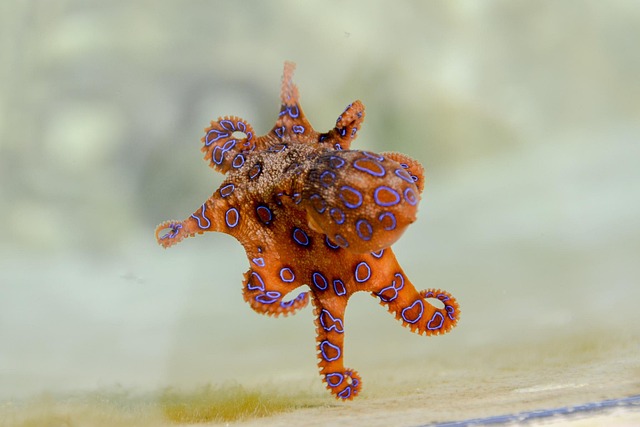
This small cephalopod displays bright blue rings when it feels threatened or agitated. It carries enough venom to kill twenty six adult humans within minutes. The bite is often painless so victims may not realize they have been envenomated until paralysis sets in. There is currently no known antivenom available for this specific toxin.
Geography Cone Snail
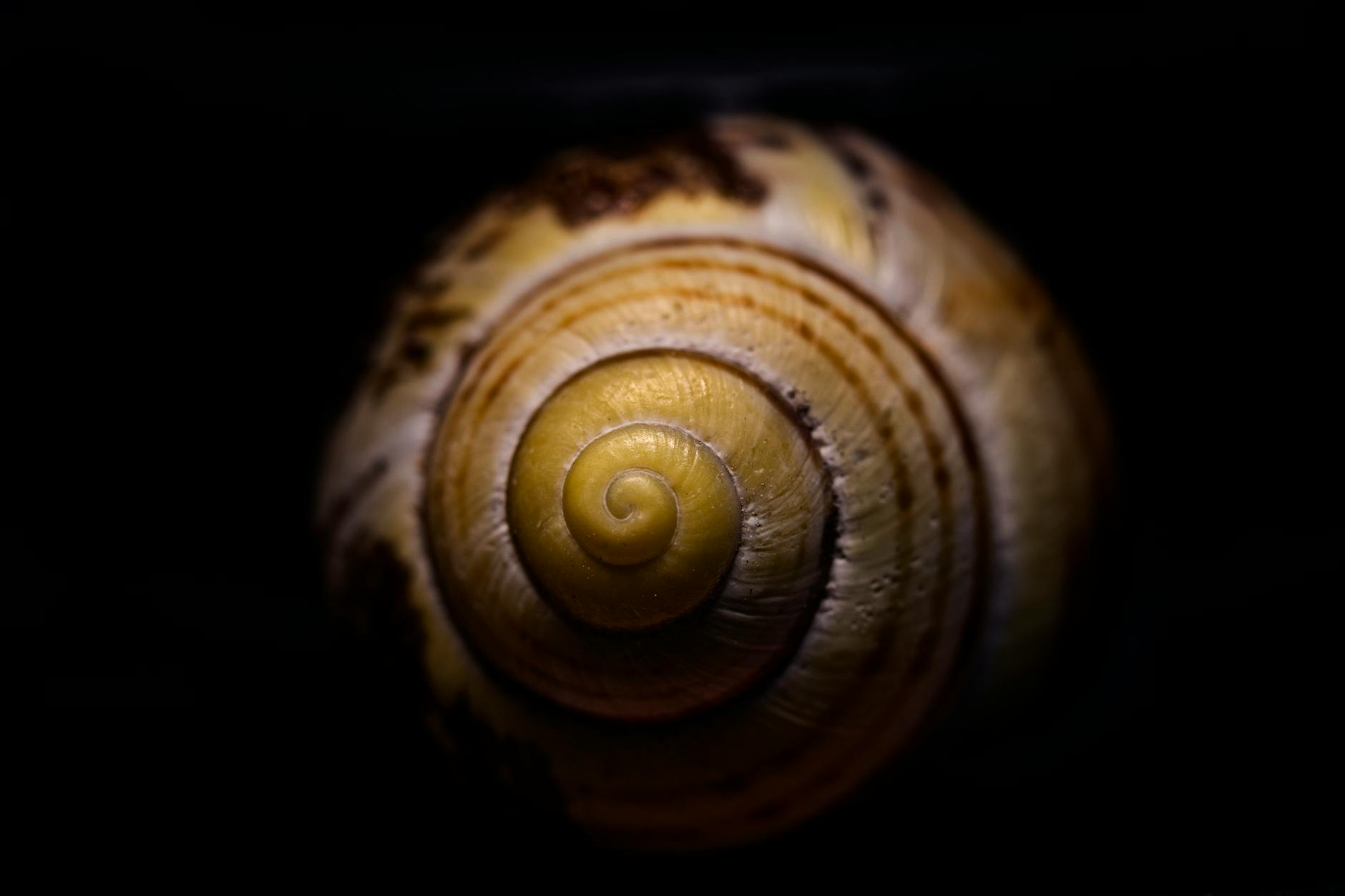
These predatory sea snails inhabit reefs and possess a harpoon like tooth used to inject venom. Their intricate shells often attract beachcombers who are unaware of the danger lurking inside. A single sting delivers a complex cocktail of toxins that can result in muscle paralysis and respiratory failure. Immediate medical intervention is necessary to support breathing until the toxins wear off.
Deathstalker Scorpion
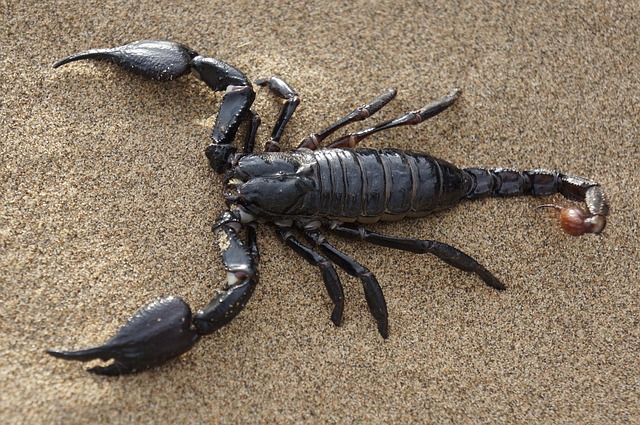
This arachnid is responsible for the majority of scorpion related deaths in the Middle East and North Africa. Its venom is a powerful mixture of neurotoxins that causes extreme pain and fever. Children and the elderly are particularly susceptible to the effects of a sting. Convulsions and fluid in the lungs are common symptoms that follow an encounter with this aggressive species.
Stonefish
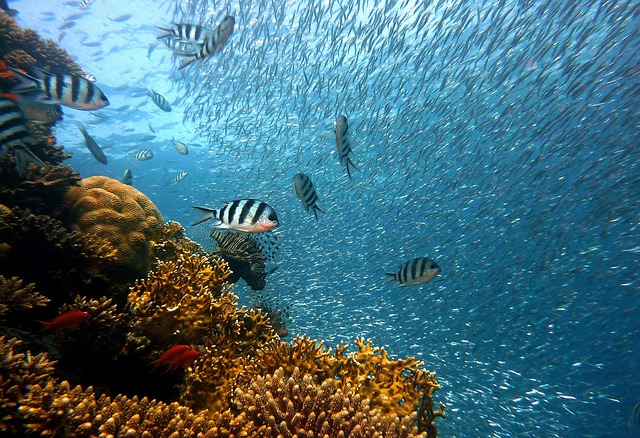
Masters of camouflage blend perfectly into coral reefs and rocky ocean floors. They possess needle like spines along their dorsal fin that can pierce through thick shoe soles. Stepping on or touching this fish releases a protein based venom that causes immense pain and tissue necrosis. The agony is often described as severe enough to cause victims to enter shock.
Brazilian Wandering Spider
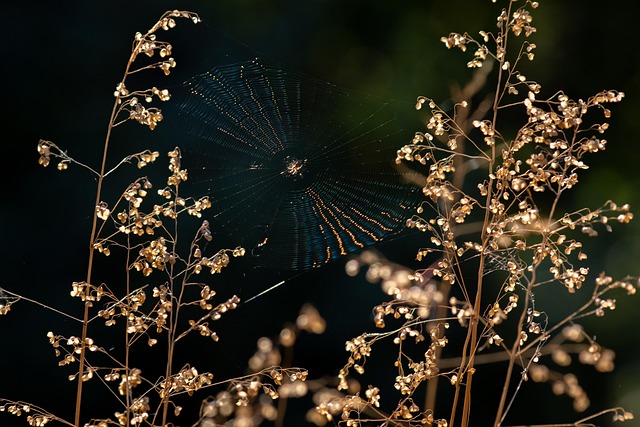
This spider is known for actively hunting prey on the jungle floor rather than building webs. Its bite delivers a potent neurotoxin that causes loss of muscle control and severe breathing problems. The venom also causes intense pain and inflammation at the site of the bite. They often hide in banana bunches or dark crevices where human contact can happen accidentally.
Inland Taipan
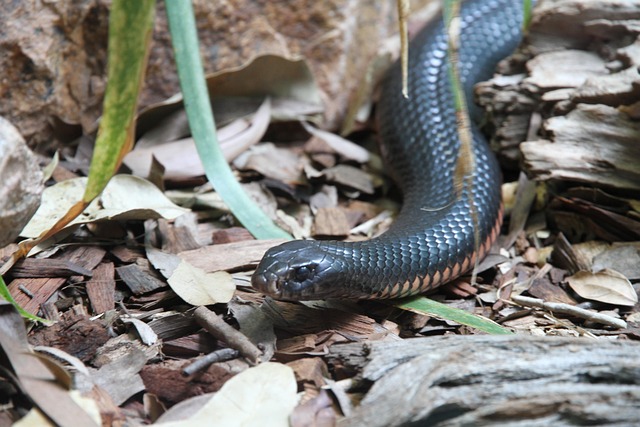
This reptile holds the title for the most toxic venom of any snake species in the world. A single bite contains enough lethality to kill over one hundred fully grown men. They are generally reclusive but will strike with incredible speed if cornered or handled. The venom acts on the nervous system and blood simultaneously to cause rapid collapse.
Black Mamba
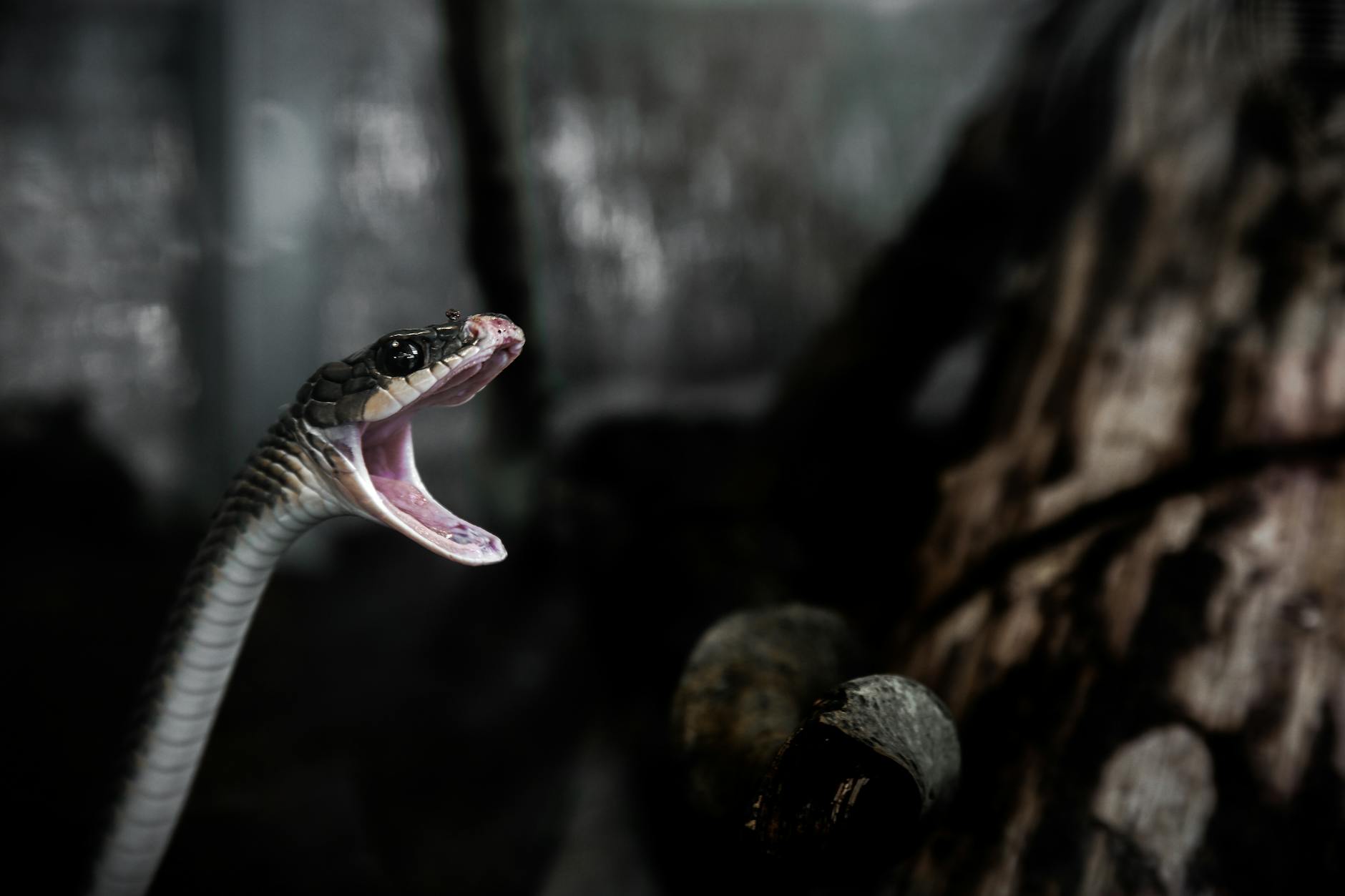
This snake is feared throughout Africa for its aggression and impressive speed of up to twelve miles per hour. It gets its name from the ink black color of the inside of its mouth which it displays when threatened. Two drops of its venom are enough to be fatal to a human without rapid treatment. Touching this snake is nearly always a fatal mistake due to its multiple rapid strikes.
Pufferfish
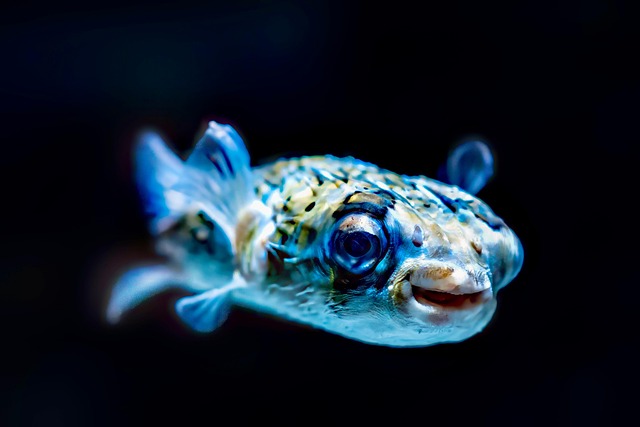
Almost all species of this fish contain tetrodotoxin which creates a foul taste and is lethal to predators. The toxin is up to twelve hundred times more poisonous than cyanide. There is no known antidote for a human who ingests the toxin or absorbs it through an open wound. Chefs must undergo years of rigorous training to prepare this fish safely for consumption.
Saltwater Crocodile
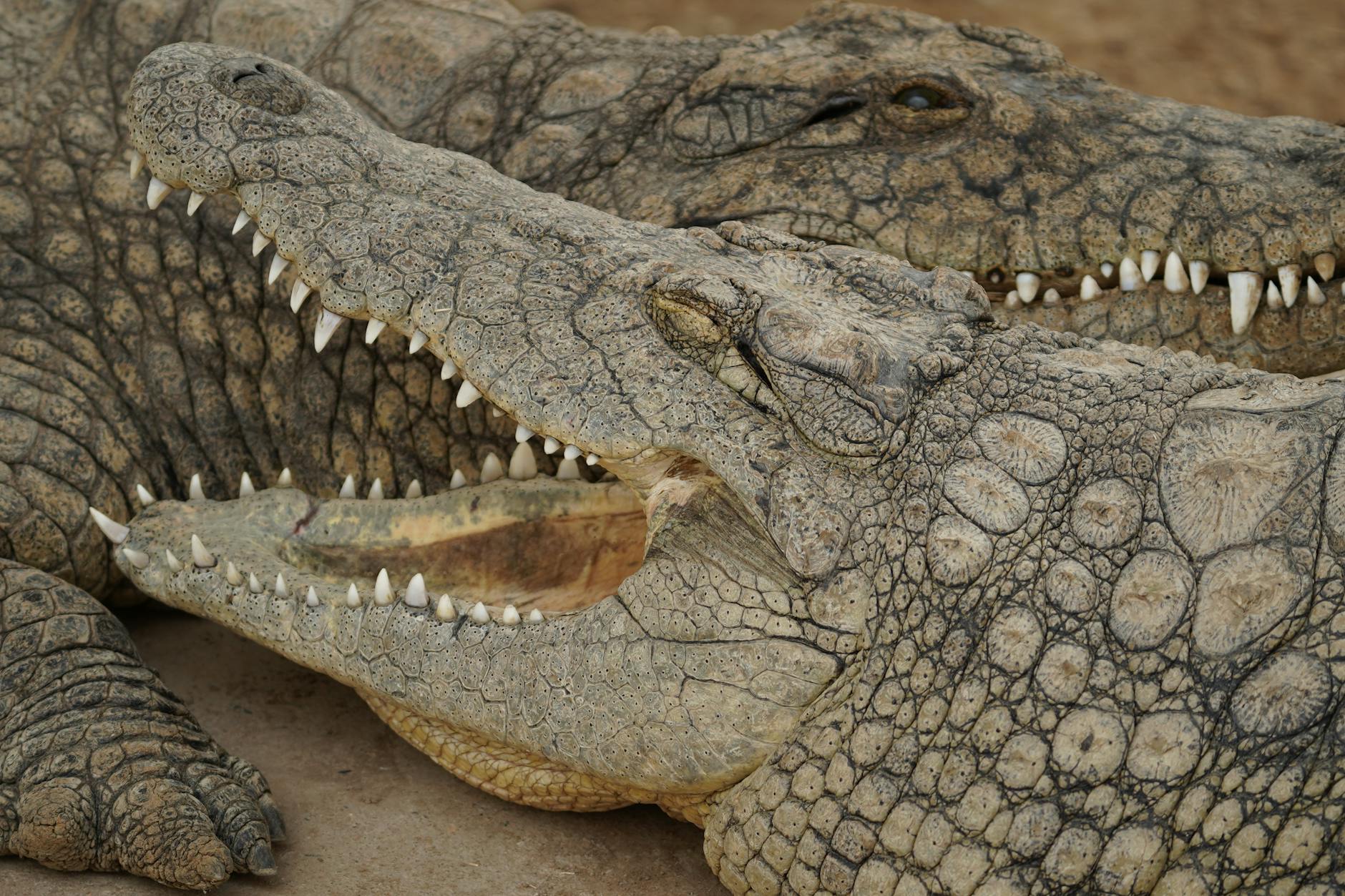
This apex predator is the largest living reptile and has the strongest bite force ever recorded. They are opportunistic hunters that will ambush anything that ventures near the water’s edge. Their speed on land is surprisingly fast over short distances. Attempting to touch or feed these massive creatures often results in fatal attacks.
Cape Buffalo
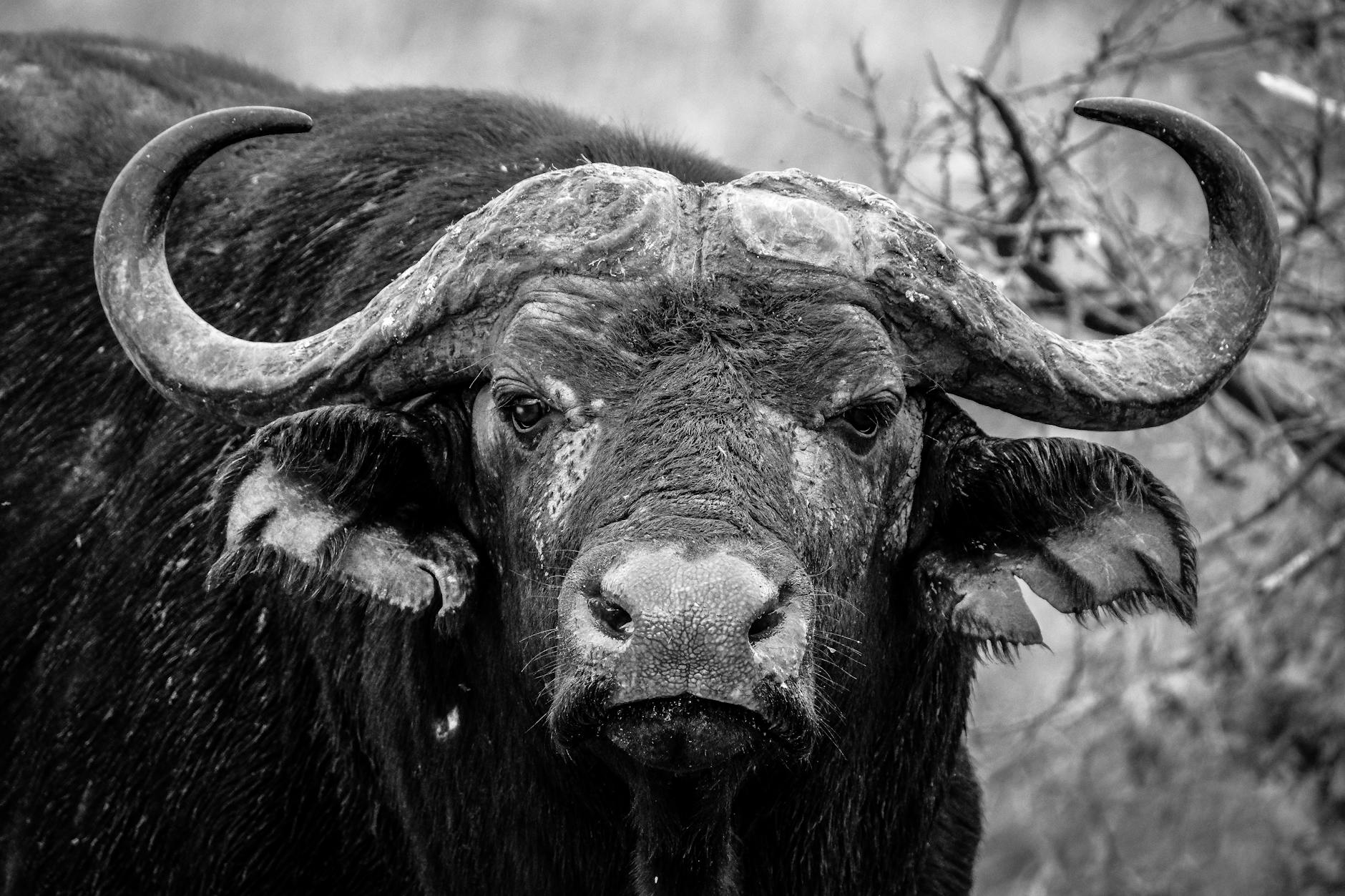
These massive bovines are responsible for killing more hunters on the African continent than any other creature. They are known for their unpredictable nature and tendency to charge without warning. A wounded buffalo will circle back to ambush its pursuer with deadly intent. Their fused horns form a solid shield that can crush a human effortlessly.
Komodo Dragon
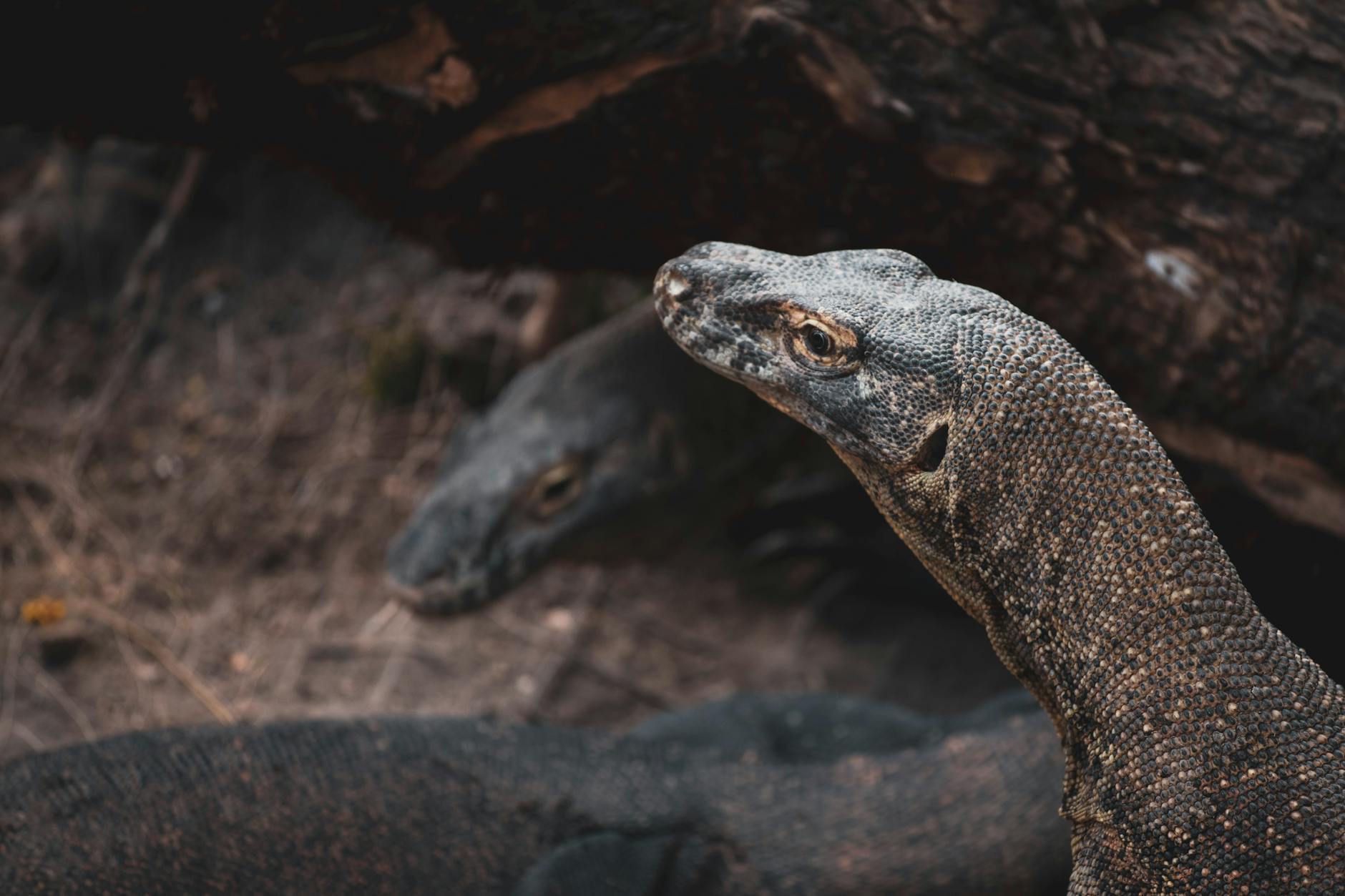
The largest lizard in the world possesses a bite that delivers both venom and dangerous bacteria. They will patiently stalk their prey for miles after delivering a single bite. Their saliva prevents blood clotting and causes victims to go into shock from blood loss. Humans who get too close risk a swift attack from these powerful reptiles.
Hippopotamus
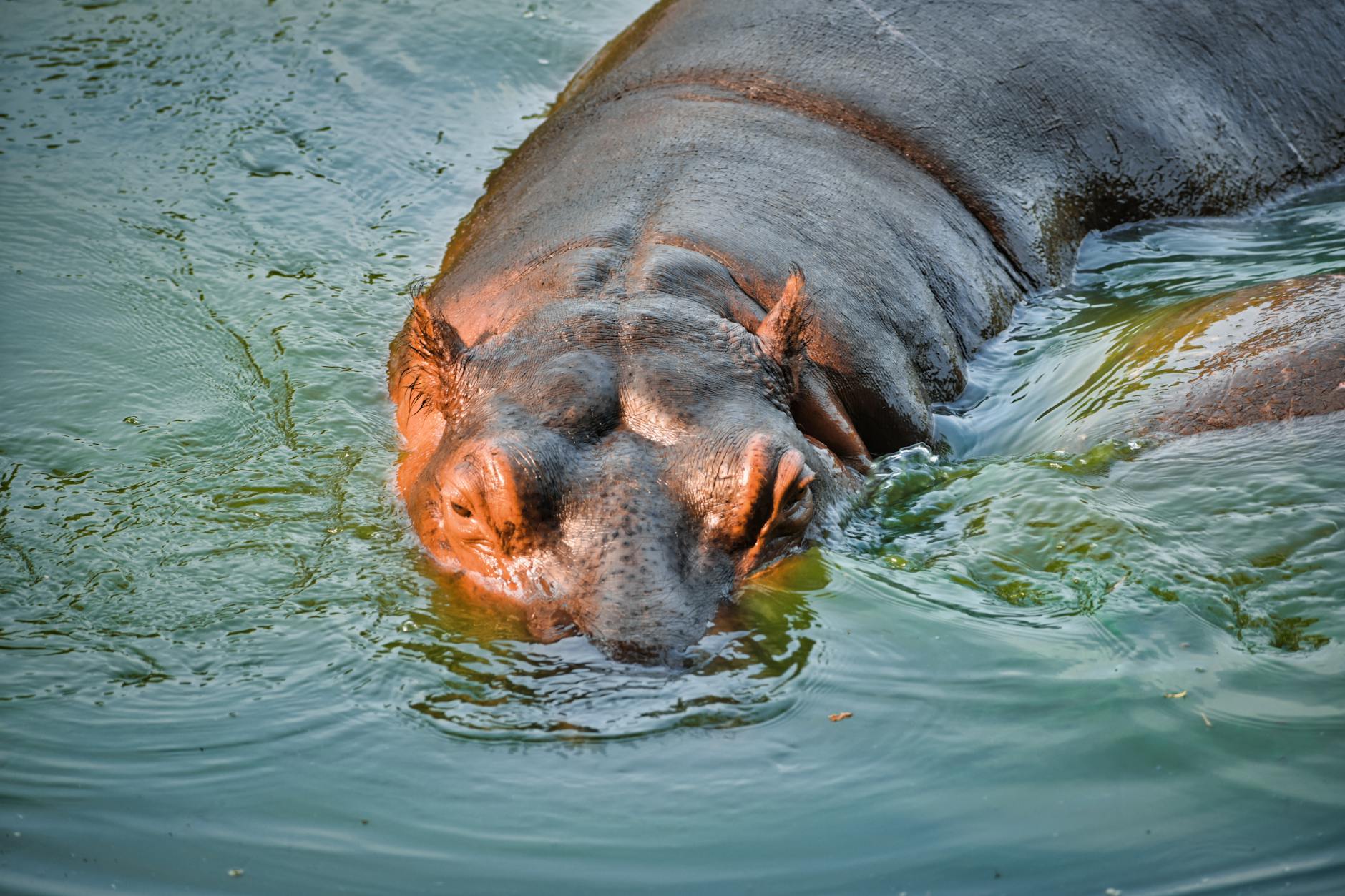
These large herbivores are extremely territorial and will defend their space in the water aggressively. They can run at speeds of thirty miles per hour on land and easily outpace a human. Their massive jaws are capable of snapping a small boat in half. They are statistically one of the most dangerous large animals in Africa.
Slow Loris
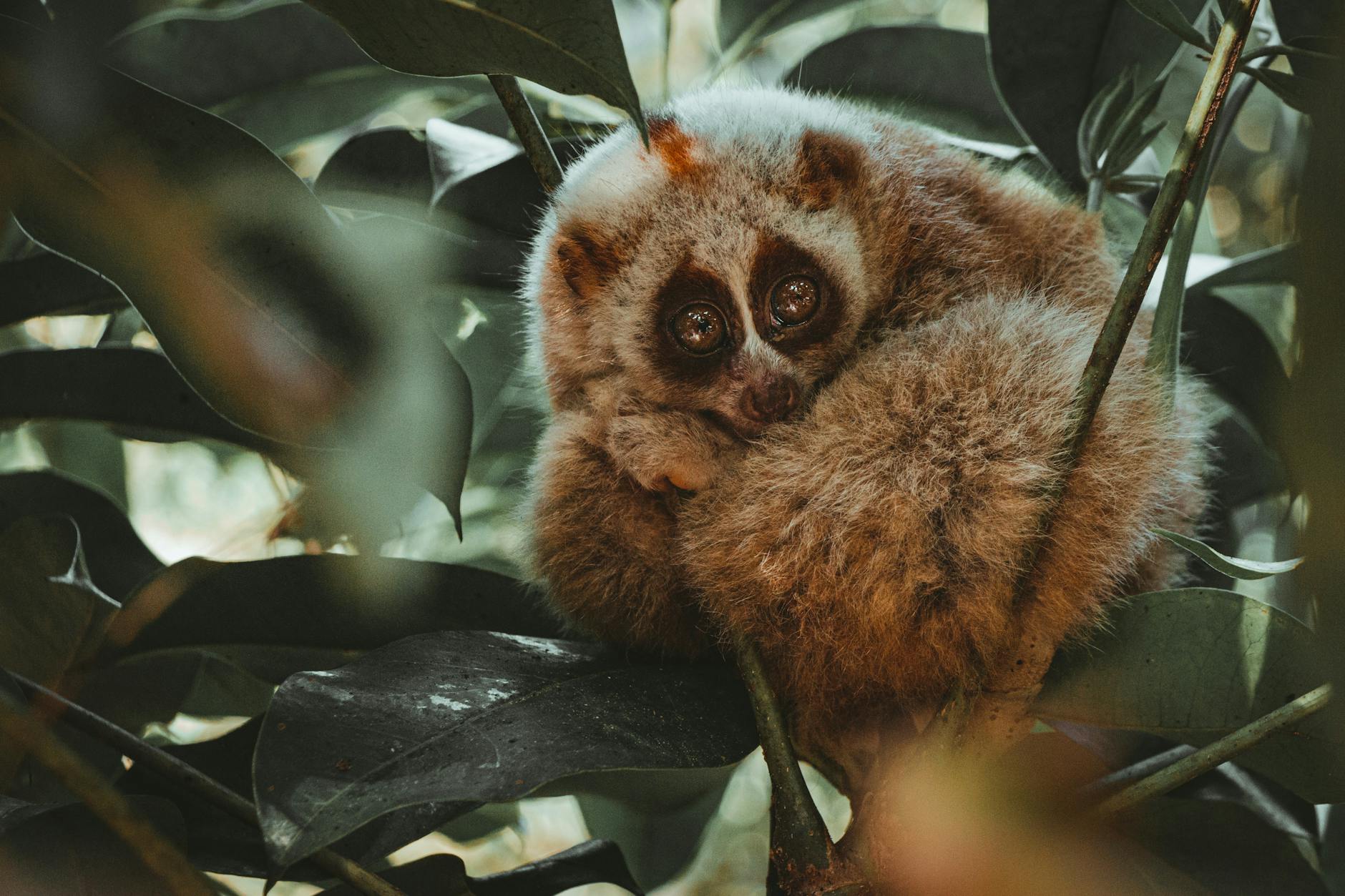
This primate appears cute and harmless but is the only venomous mammal of its kind. It produces a toxin from a gland on its arm which it licks to activate before biting. The bite can cause anaphylactic shock in humans and rotting flesh at the wound site. Their defensive posture involves raising their arms to access the venom glands quickly.
Flower Urchin
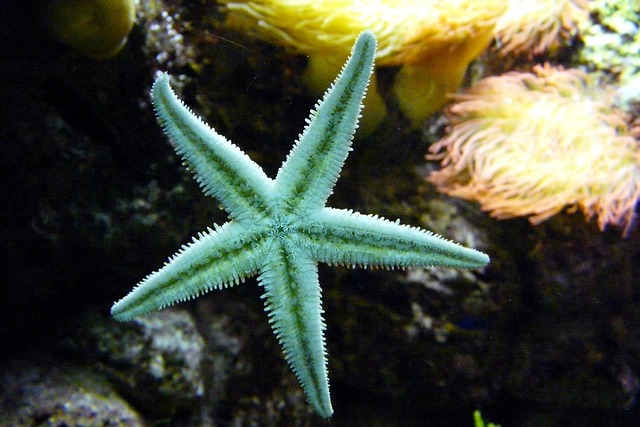
This beautiful echinoderm looks like a bouquet of flowers on the sea floor but is highly dangerous. It possesses venomous clamp like structures called pedicellariae that grasp onto skin. The venom contains potent neurotoxins that cause muscular paralysis and respiratory distress. Swimmers should maintain buoyancy to avoid accidental contact with the reef floor.
Gila Monster
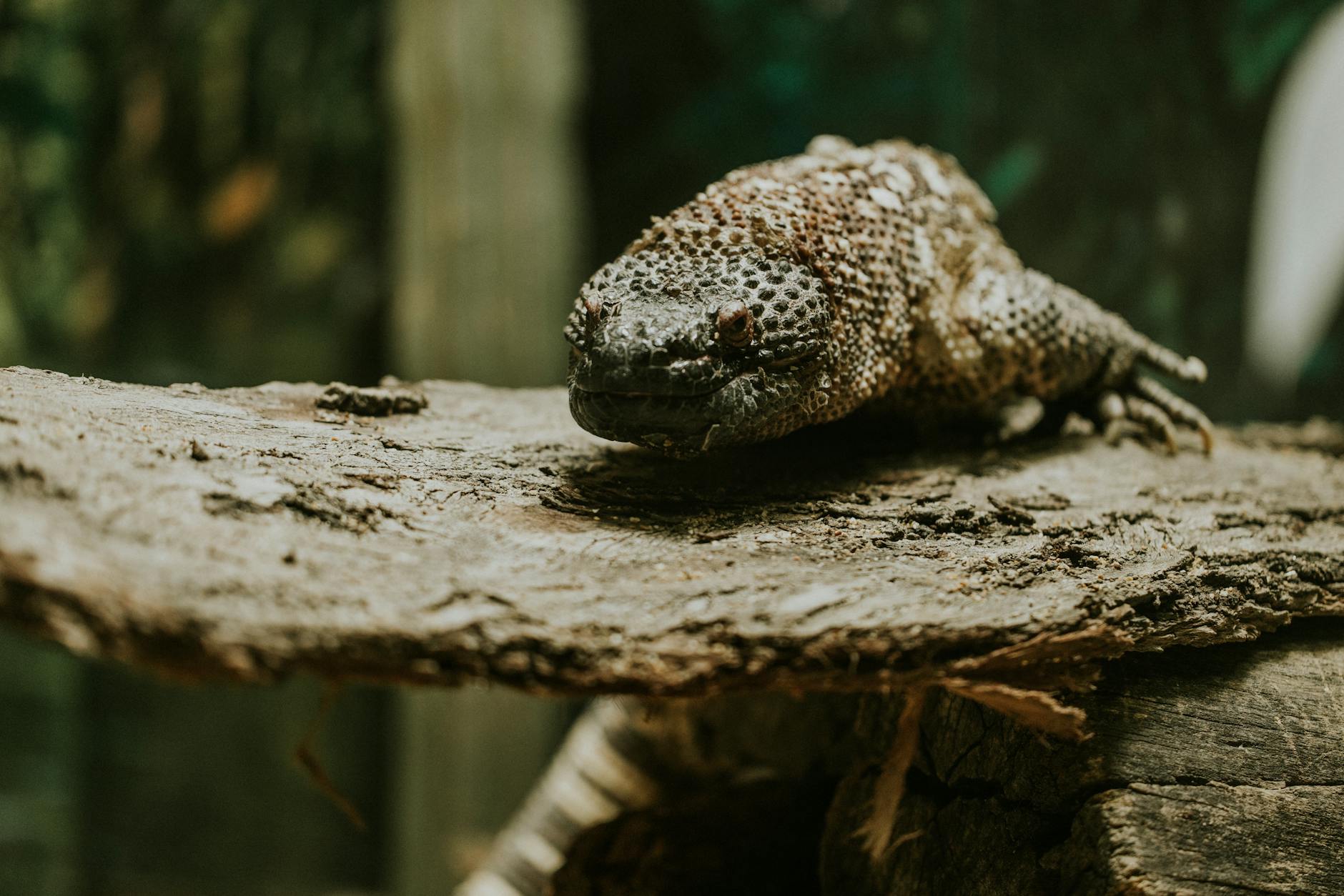
This heavy slow moving lizard is one of only two venomous lizards native to North America. It bites down with a bulldog like grip and chews the venom into the open wound. The experience is described as feeling like hot lava coursing through the veins. While rarely fatal to healthy adults the bite causes immense suffering and a drop in blood pressure.
Platypus
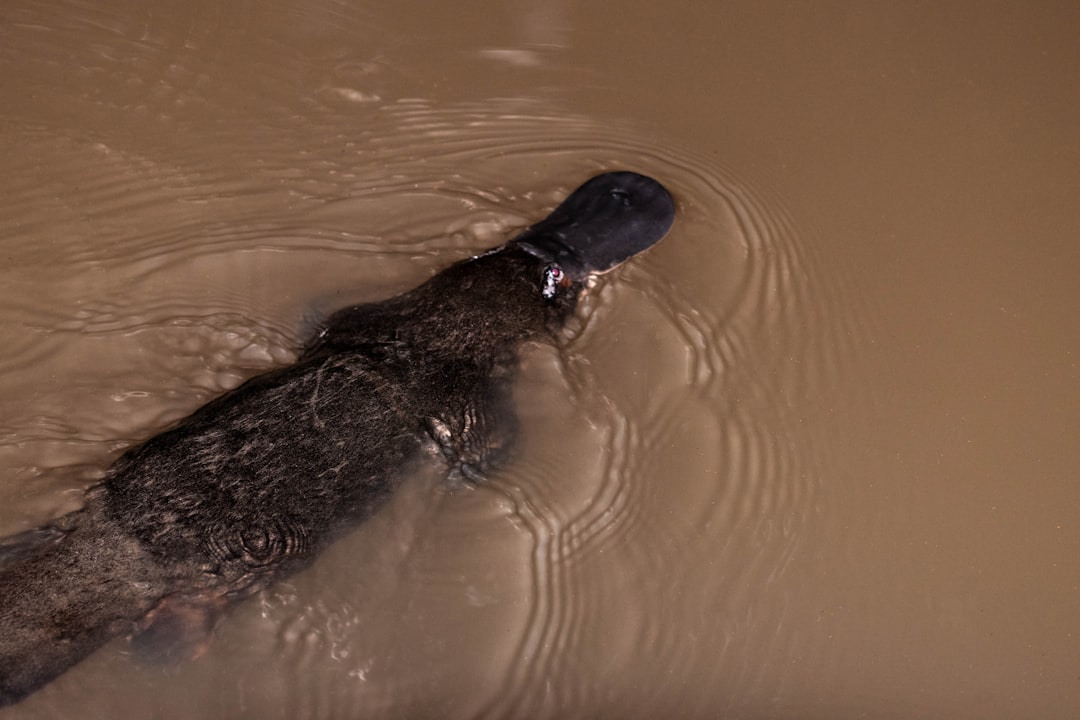
Male members of this unique species possess sharp spurs on their hind ankles connected to venom glands. The venom is produced primarily during mating season to fend off rivals. A strike causes immediate swelling and excruciating pain that cannot be relieved by morphine. The effects including heightened sensitivity to pain can last for months.
Fire Salamander
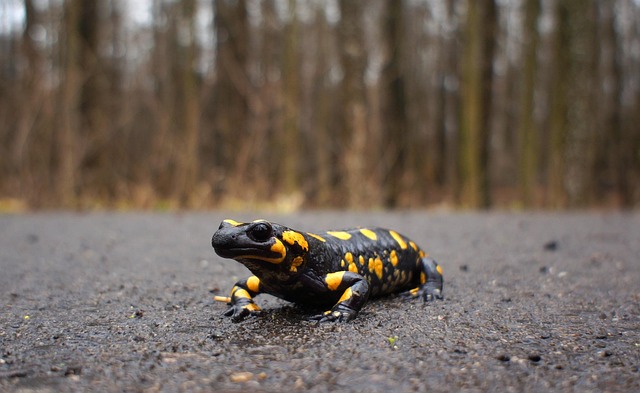
This amphibian signals its toxicity with bright yellow or orange markings against black skin. It can spray a neurotoxin from glands behind its eyes when it feels threatened. The toxin causes strong muscle convulsions and hypertension in predators or humans who handle them. Contact with eyes or mucous membranes is particularly dangerous and painful.
Electric Eel
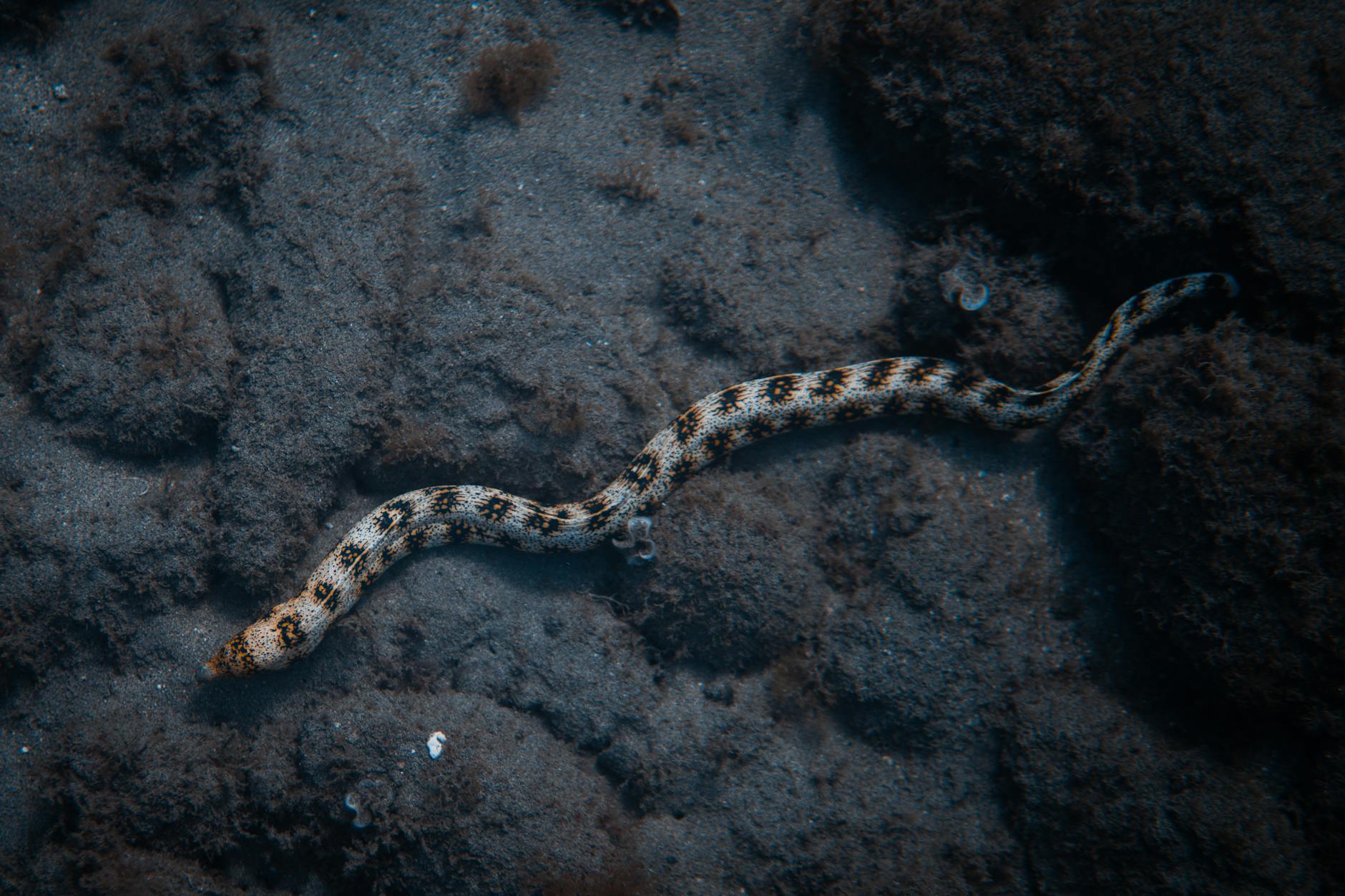
This knifefish can generate an electric shock of up to eight hundred and sixty volts. The discharge is used for hunting prey and self defense against predators in murky waters. A shock is powerful enough to knock a human unconscious which can lead to drowning. Multiple shocks can induce respiratory failure or heart failure.
Red Imported Fire Ant
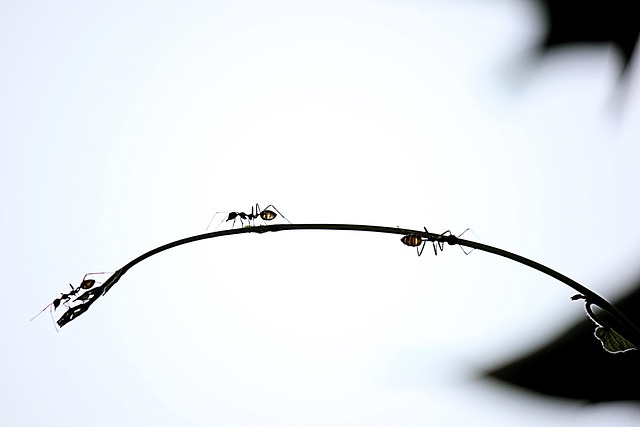
These aggressive insects swarm rapidly when their mound is disturbed. They latch onto the skin with their mandibles before injecting venom with a stinger. The sting causes a burning sensation and the formation of sterile pustules. Multiple stings can trigger severe allergic reactions in sensitive individuals.
Bullet Ant
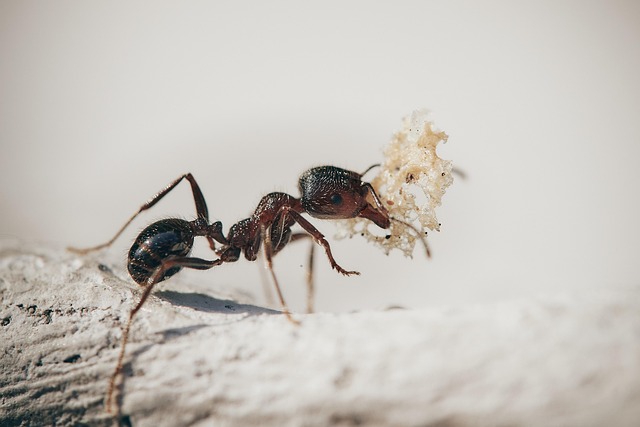
The sting of this rainforest insect is ranked as the most painful on the Schmidt sting pain index. Victims describe the sensation as being shot with a firearm. The intense pain comes in waves and continues unabated for twenty four hours. Handling these ants or their nesting trees guarantees a memorable and agonizing experience.
Asian Giant Hornet
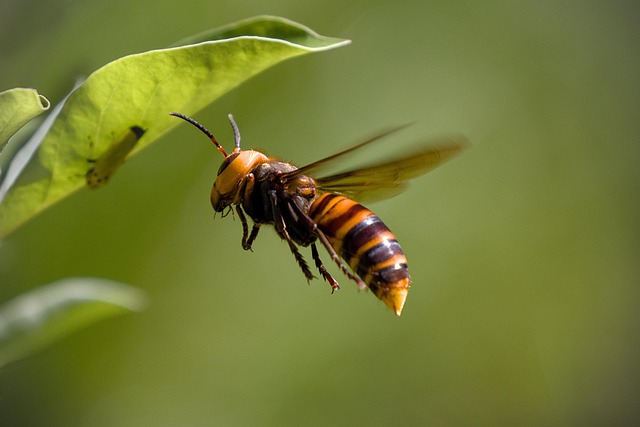
This massive insect is the world’s largest hornet and carries a potent venom. Its stinger is a quarter inch long and can puncture thick protective clothing. The venom dissolves tissue and attacks the nervous system simultaneously. Multiple stings can be fatal even to people who are not allergic to bees.
Tsetse Fly
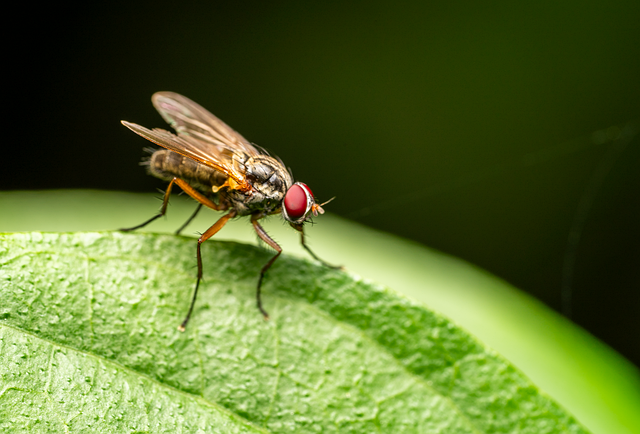
This large biting fly is the primary vector for African sleeping sickness. It uses a serrated proboscis to slice through skin and drink blood. The disease affects the central nervous system and causes disruption of the sleep cycle. Without treatment the infection is almost always fatal.
Kissing Bug
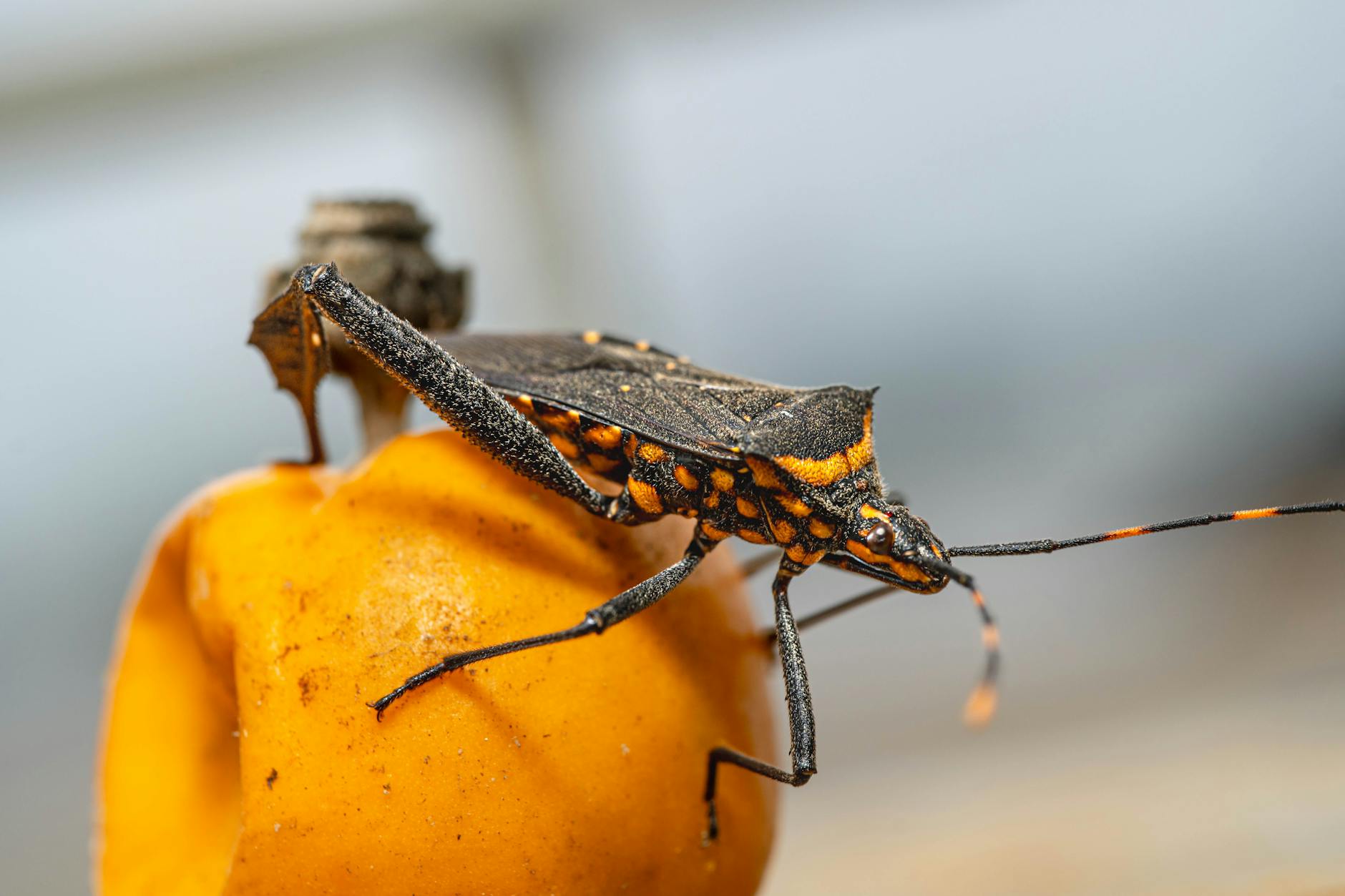
These insects are named for their tendency to bite humans around the mouth while they sleep. They transmit the parasite that causes Chagas disease. The bite itself is often painless but the resulting infection can lead to chronic heart issues. Avoiding their habitats in mud or adobe structures is the best prevention.
Hooded Pitohui
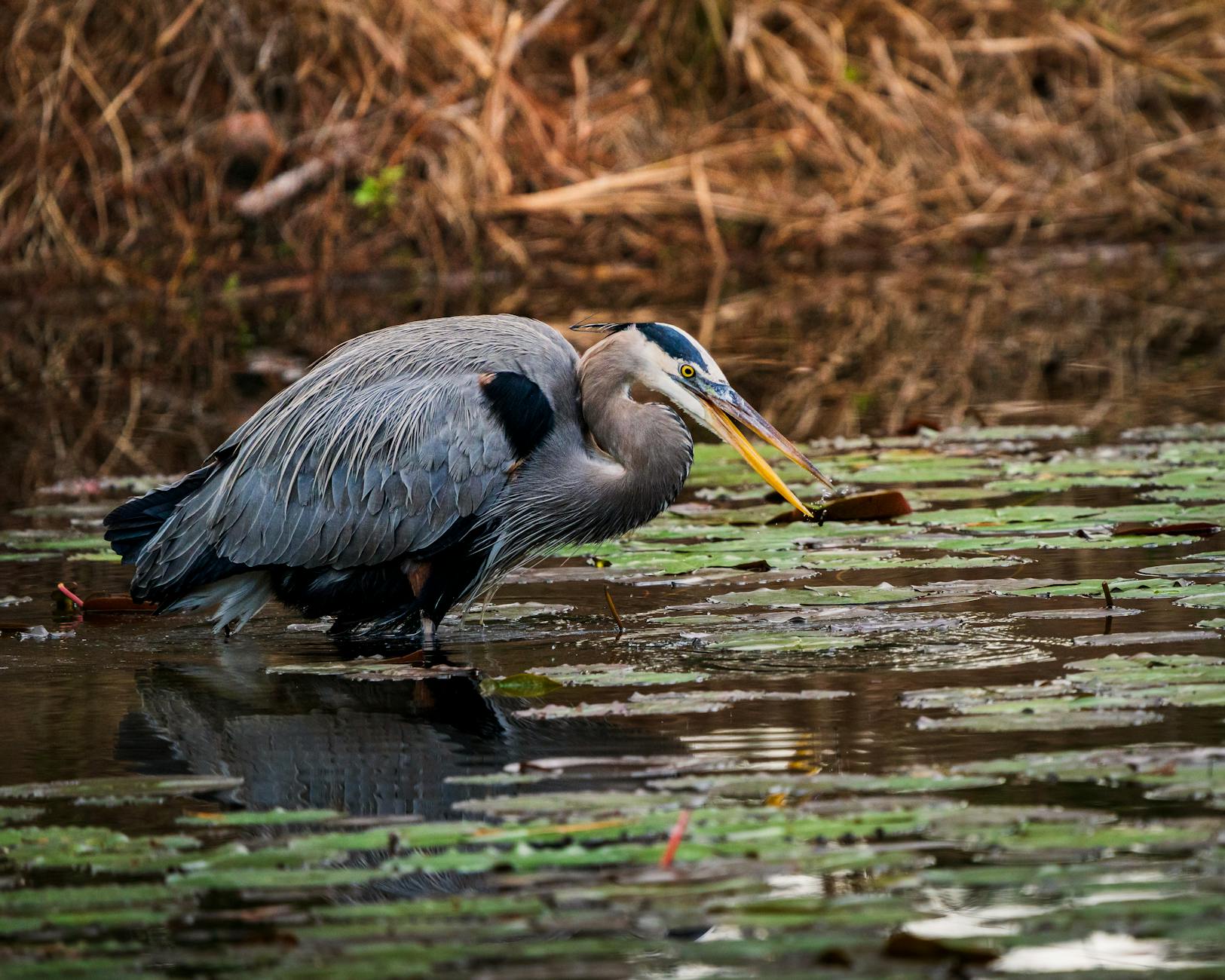
This bird from New Guinea is one of the few avian species that is poisonous to the touch. Its feathers and skin contain homobatrachotoxin acquired from its diet of beetles. Handling the bird can cause numbness and tingling in the hands and arms. Local residents avoid eating or hunting this bird due to its bitter taste and toxicity.
Portuguese Man O’ War
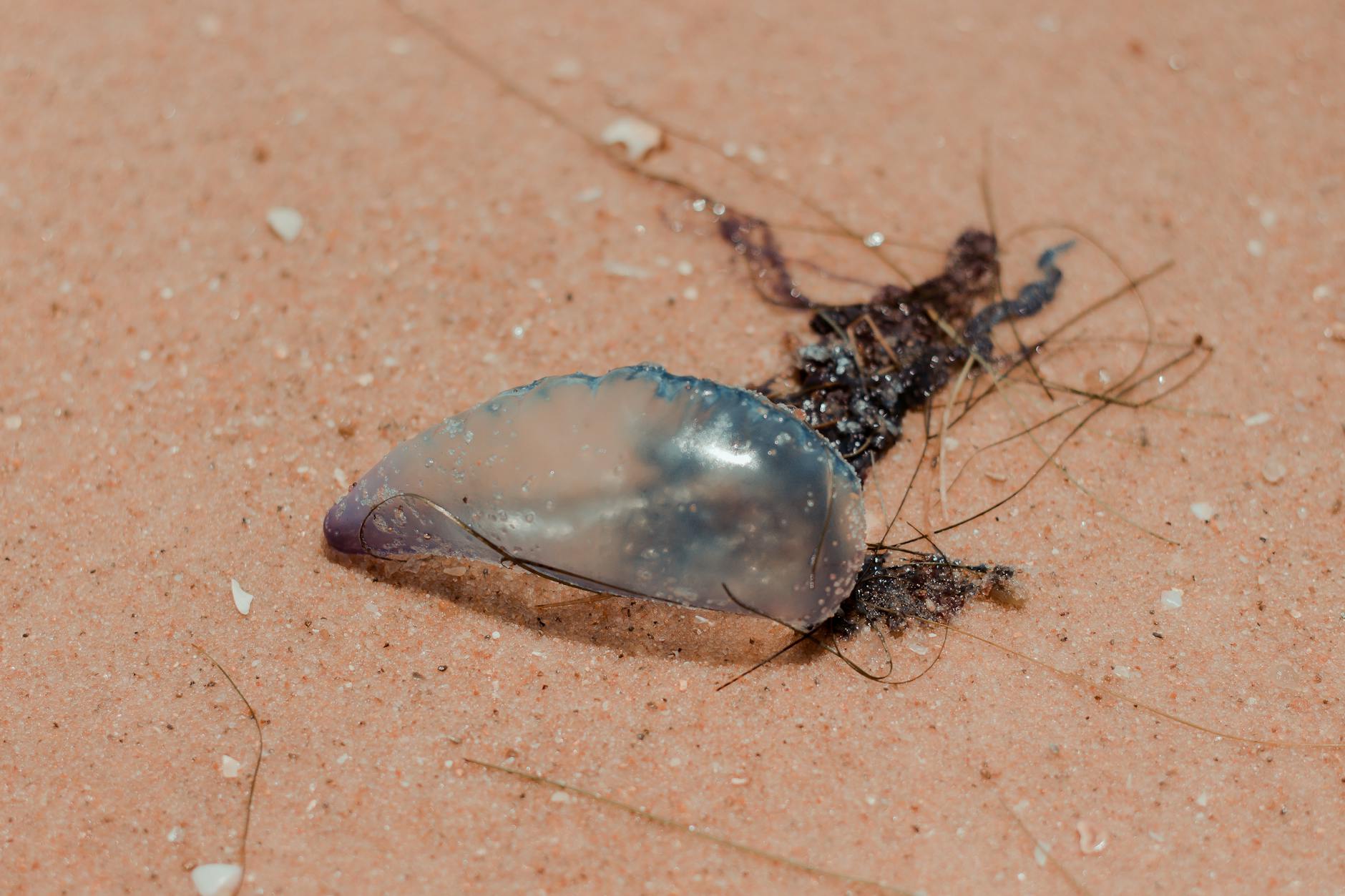
This creature is not a single jellyfish but a colony of organisms working together. Its long tentacles can drift for thirty feet or more below the water surface. The sting leaves red welts that look like whip marks and causes severe pain. Even dead specimens washed up on the beach can still deliver a potent sting.
Southern Stingray
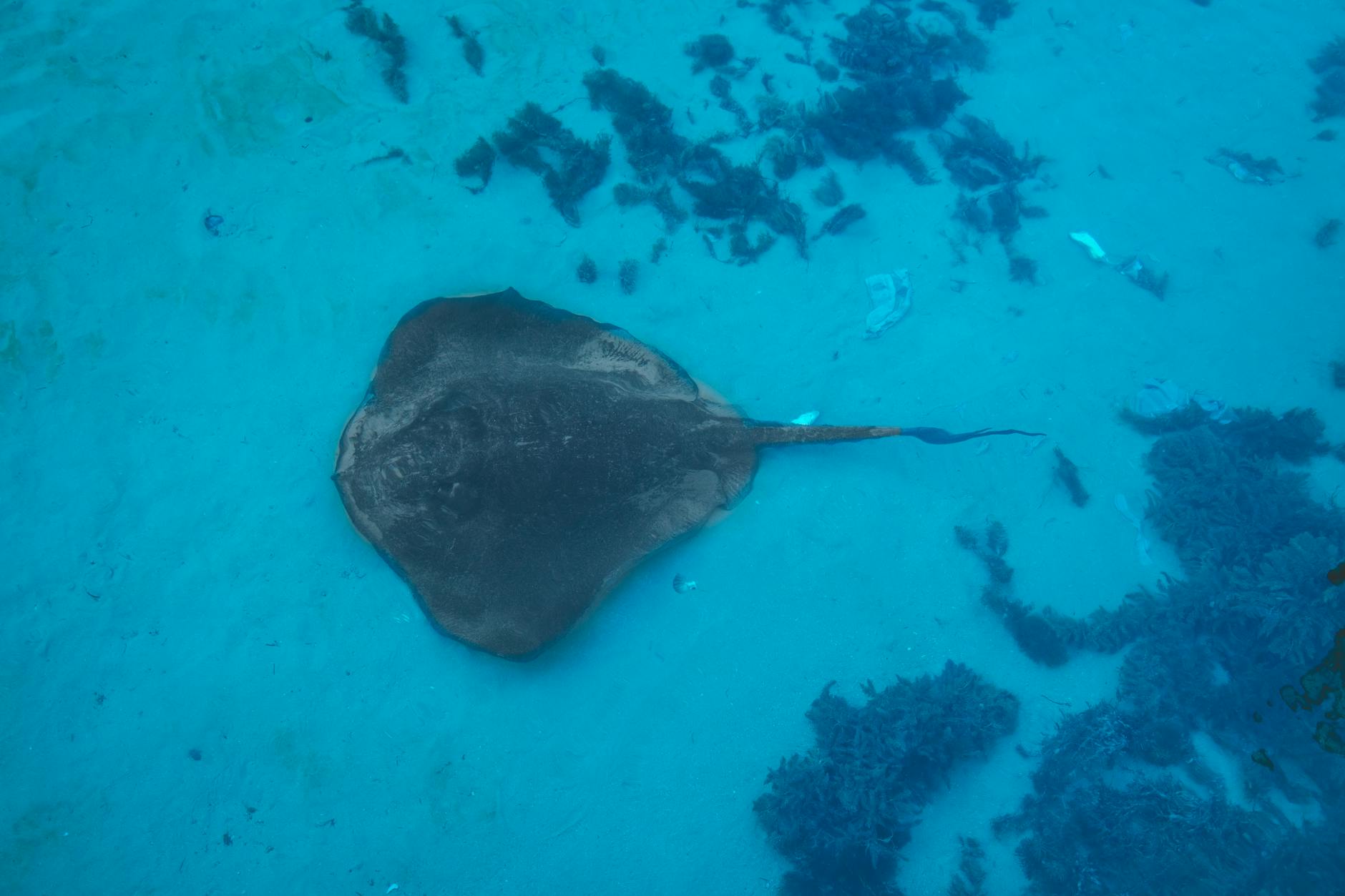
These marine animals spend much of their time buried in the sand in shallow waters. They possess a serrated barb at the base of their tail capable of inflicting deep puncture wounds. The barb releases venom that causes swelling and cramping. Shuffling feet while walking in the ocean helps alert them to move away safely.
Saw-Scaled Viper
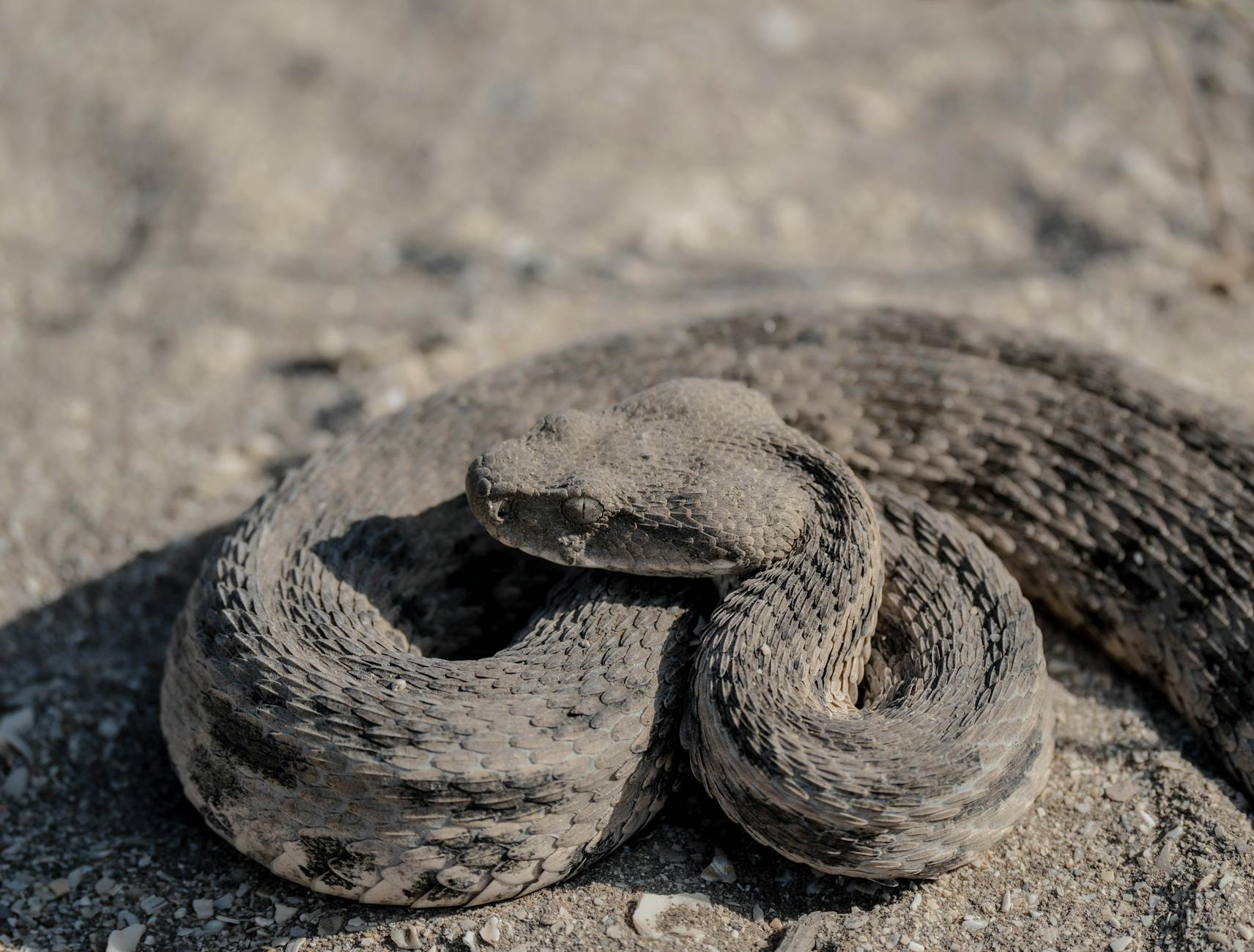
This small snake is irritable and quick to strike when it feels threatened. It rubs its scales together to create a sizzling warning sound before attacking. The venom destroys red blood cells and affects the ability of the blood to clot. It is responsible for more snakebite fatalities in its region than any other species.
Sydney Funnel-Web Spider
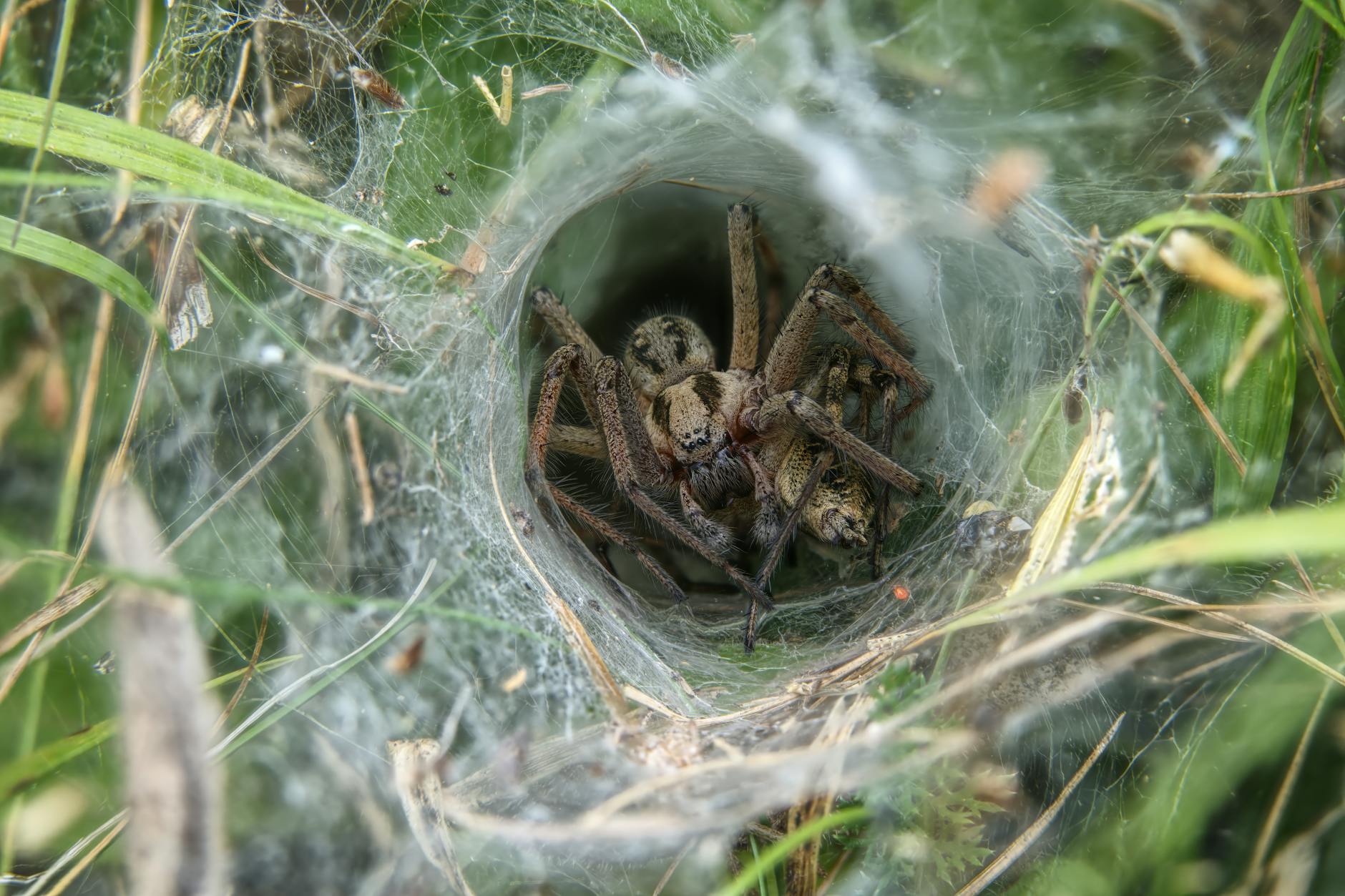
This arachnid is famous for its highly toxic venom and aggressive behavior. The fangs are strong enough to pierce through fingernails and shoe leather. A bite can cause serious illness or death in as little as fifteen minutes. Rapid application of pressure bandages and antivenom has reduced fatalities significantly.
Mexican Beaded Lizard
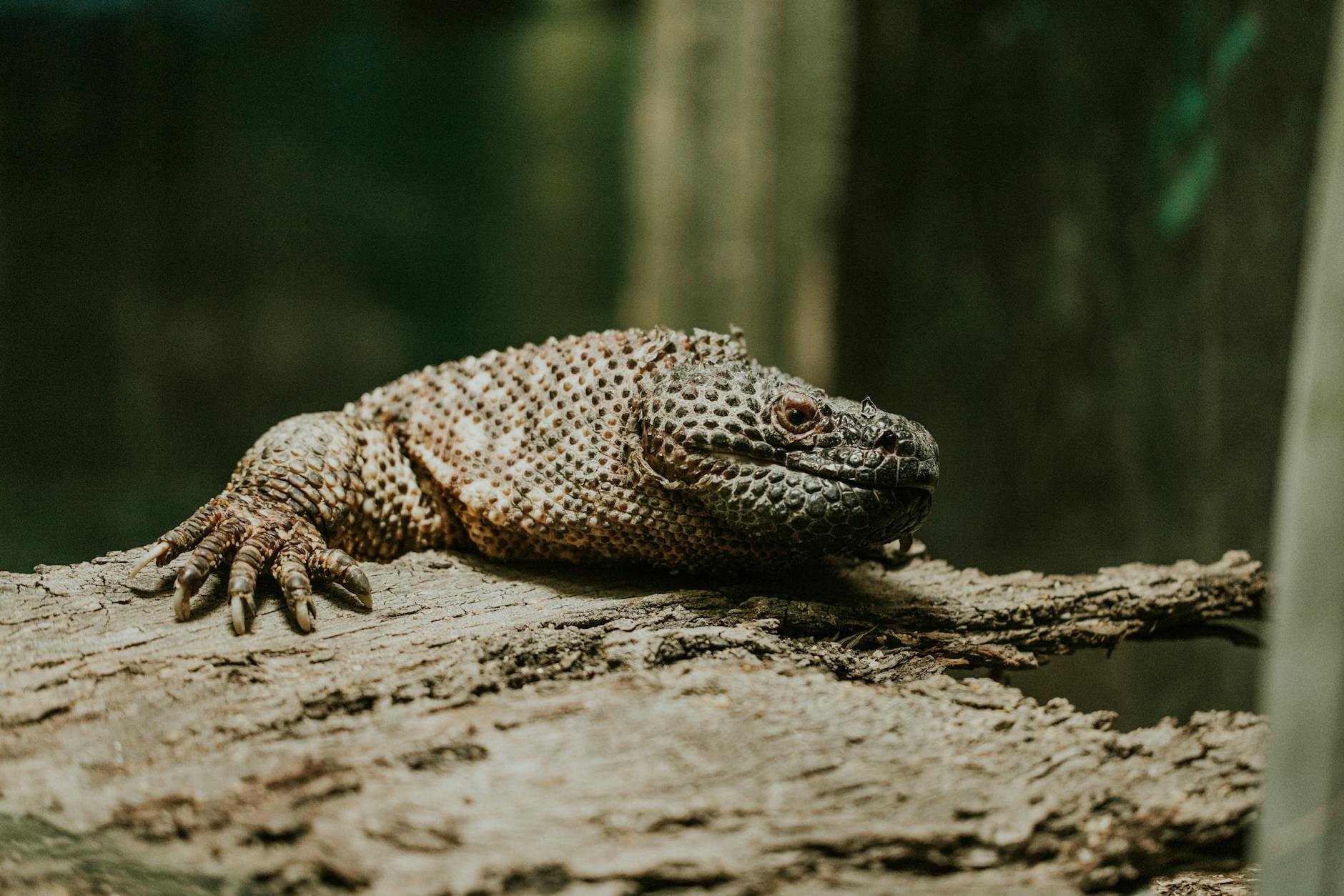
This reptile is a close relative of the Gila Monster and shares similar venomous traits. It chews its venom into the victim through grooves in its teeth rather than injecting it. The bite causes acute pain and rapid swelling that spreads from the wound. Respiratory failure is a potential complication if the bite is prolonged.
Giant Silkworm Moth Caterpillar
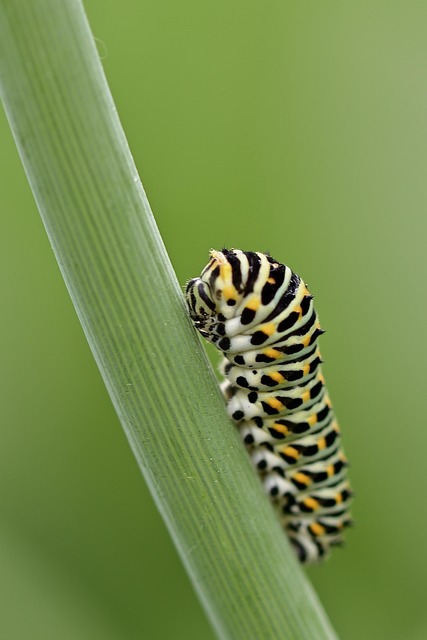
The bristles of this South American caterpillar are filled with a unique anticoagulant venom. Touching the spines can cause internal hemorrhaging and renal failure. The venom is so potent that it has caused fatalities among farmers and travelers. It disguises itself well against tree bark making accidental contact a serious risk.
Blister Beetle
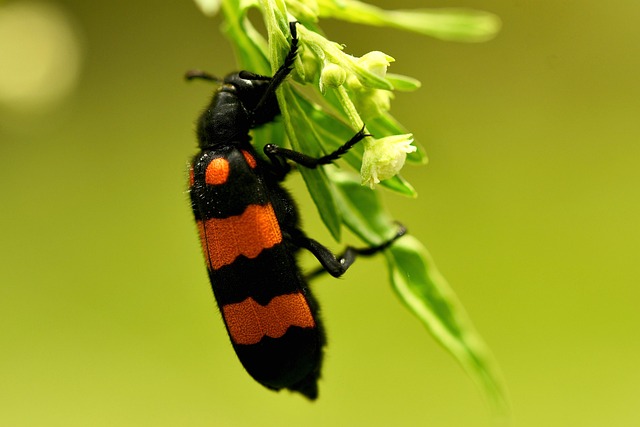
These insects produce a caustic substance called cantharidin as a defense mechanism. Crushing or pressing the beetle against the skin releases the toxin. The chemical causes large and painful blisters to form on the skin within hours. Ingestion of the beetle can be lethal to horses and dangerous to humans.
Blue Glaucus
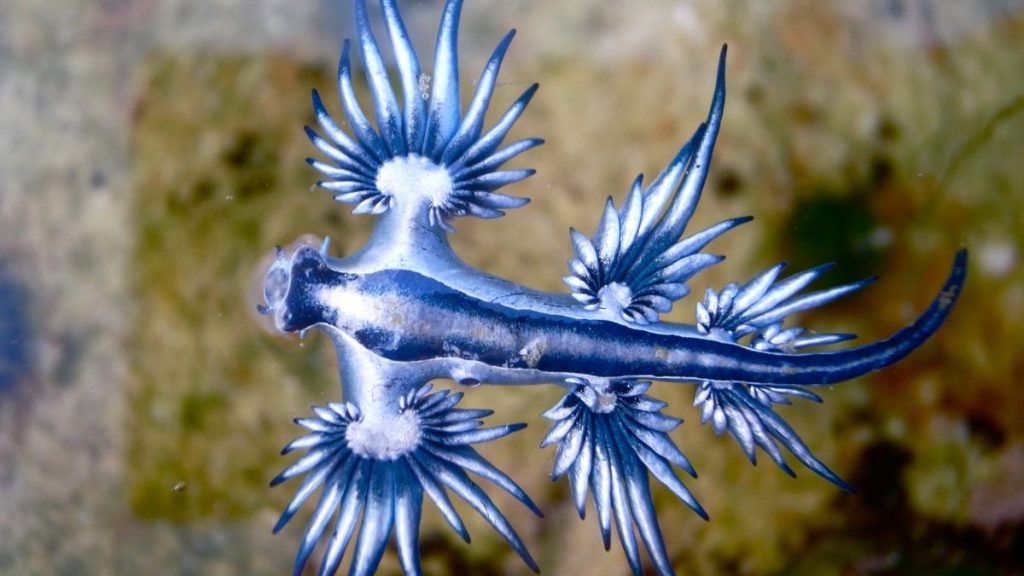
This small sea slug feeds on venomous jellyfish and stores their stinging cells for its own use. It concentrates the stolen venom to produce a sting more potent than the jellyfish itself. Picking up this beautiful blue creature can result in painful shocks and nausea. They often wash ashore in groups presenting a hazard to beachgoers.
Southern Cassowary
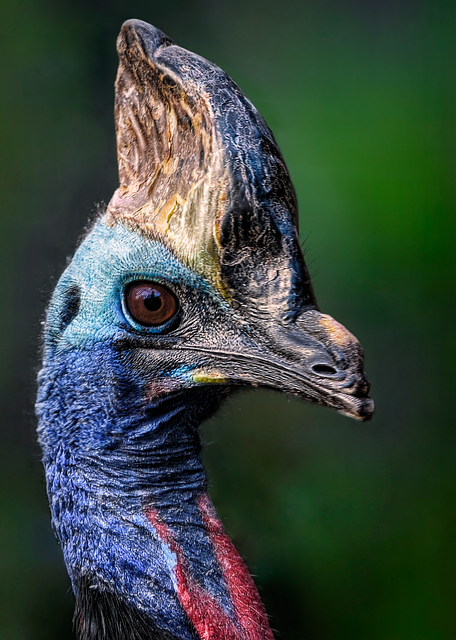
This flightless bird is equipped with dagger like claws on its inner toes that are four inches long. It can jump nearly five feet into the air to strike at threats. A kick can sever arteries or cause massive blunt force trauma. They are extremely territorial and have been known to kill humans who encroach on their space.
Polar Bear
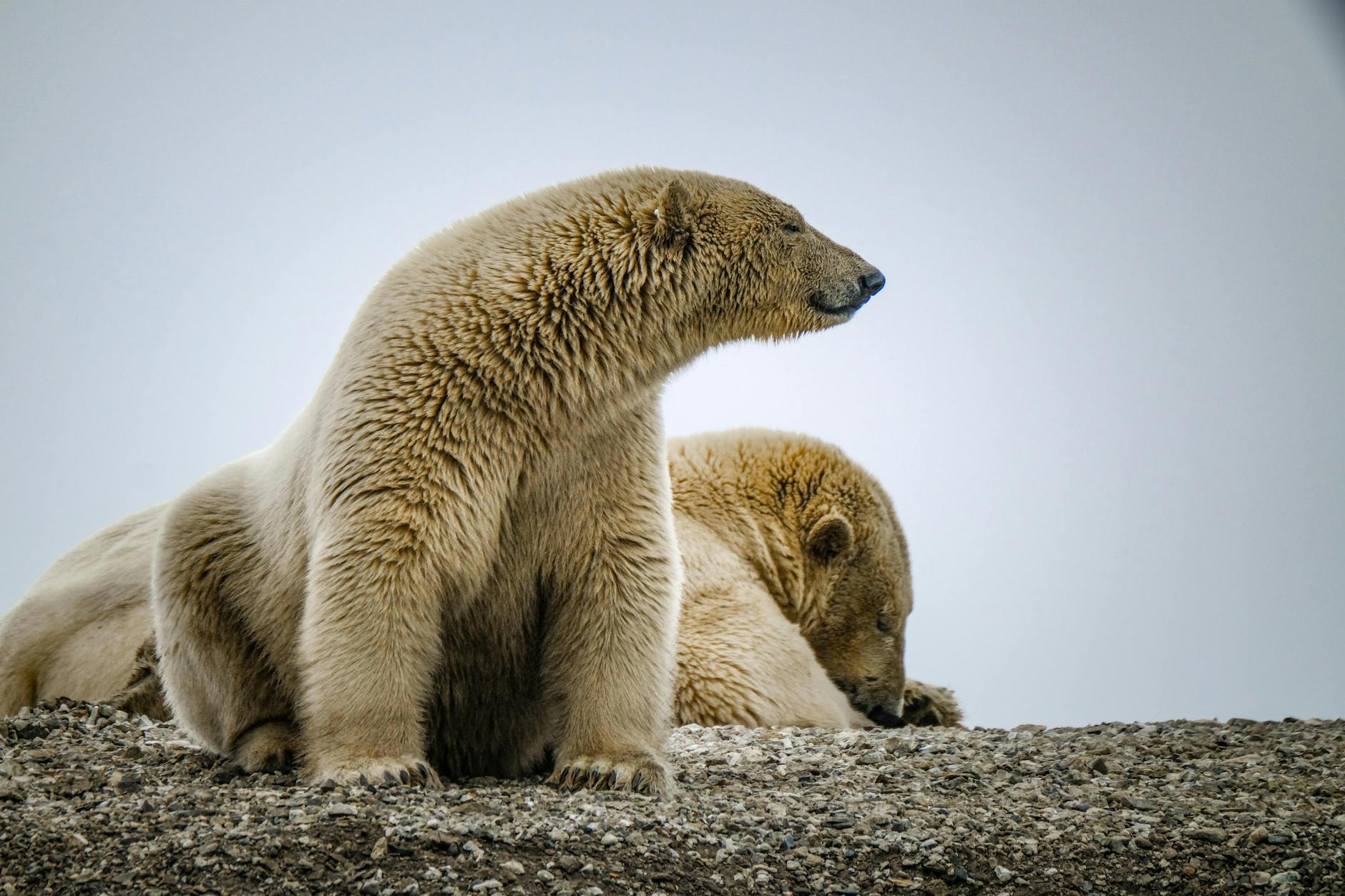
The largest land carnivore is one of the few animals that actively hunts humans. They are deceptively fast and can outrun a person on ice or land. A single swipe of their paw can crush a skull instantly. Staying inside a secure vehicle or building is the only safety measure when these bears are present.
Please share your own experiences with dangerous wildlife in the comments.




