Navigating parenthood involves a unique set of challenges and joys for members of the LGBTQ+ community. Building a family often requires extensive planning regarding legal protections and social dynamics before a child even arrives. Creating a supportive environment at home helps children feel secure in their identity and their family structure. These practical strategies cover everything from school interactions to having age-appropriate conversations about biology. Implementing these tips fosters confidence and connection within diverse family units.
Secure Second Parent Adoption

Legal experts strongly advise completing a second parent adoption or a parentage judgment. This step remains crucial even if both parents appear on the birth certificate. It guarantees that your parental rights are recognized in every state regardless of local laws. Relying solely on marriage equality may leave legal gaps in certain jurisdictions. This process provides permanent security for your relationship with your child.
choose Inclusive Schools

Research potential schools to ensure they embrace diverse family structures. Look for administration policies that explicitly mention sexual orientation and gender identity. Ask the principal how they handle bullying and bias incidents in the classroom. A curriculum that includes diverse representation benefits all students and validates your child’s experience. An inclusive environment reduces anxiety and promotes academic success.
Build A Support Network

Connect with other LGBTQ+ families in your local area or online. Seeing other families that look like theirs helps normalize your child’s experience. These connections provide a safe space to discuss unique parenting challenges. You can find these groups through community centers or social media platforms. Shared experiences foster a strong sense of belonging for both parents and children.
Curate Diverse Books

Fill your home library with books featuring various family structures. Stories should depict two moms or two dads doing everyday activities. Representation in literature validates your family unit to your child. It also exposes them to different ways people live and love. Reading these stories together opens the door for natural conversations.
Establish Parental Titles

Decide on names for each parent early in the process. Some couples use variations like Mom and Mama or Dad and Papa. Others choose cultural terms or create unique nicknames to distinguish themselves. Consistency helps your child learn how to address you and explain their family to others. Using these titles confidently models how others should refer to you.
Prepare For Questions

Children naturally ask questions about why they do not have a mom or a dad. Formulate simple and age-appropriate answers about how families are made. Focus on the love and intention that went into creating your family. Being honest builds trust and removes shame from the topic. Your confidence will help your child feel secure in their story.
Communicate With Teachers

Initiate a meeting with new teachers at the start of every school year. Explain your family structure and the language you use at home. Provide the school with resources if they lack experience with LGBTQ+ families. Proactive communication prevents awkward situations in the classroom. This partnership ensures the educator supports your child correctly.
Vet Pediatricians Carefully

Choose a healthcare provider who respects your family dynamic. The intake forms should offer inclusive options for parent labels. A supportive doctor speaks directly to both parents and values their input equally. Medical appointments should focus on health rather than satisfying the provider’s curiosity. You have the right to switch doctors if you feel uncomfortable or judged.
Discuss Biological Origins

Decide when and how to discuss donors or surrogacy with your child. Experts recommend starting these conversations when the child is young. Use simple biological terms to explain how an egg and sperm make a baby. Keeping this information open prevents it from feeling like a secret later. Honesty empowers your child to understand their unique beginning.
Create An Elevator Pitch

Develop a short and simple explanation of your family for strangers. You will often face intrusive questions in grocery stores or at parks. A quick script helps you set boundaries without feeling rude. It models assertiveness and pride for your child observing the interaction. You do not owe anyone a detailed medical history.
Navigate Gendered Holidays

Mother’s Day and Father’s Day can present challenges for school projects. Speak with teachers in advance to offer alternative activities. You might celebrate a specific Parents’ Day or repurpose the holiday to fit your family. Some families choose to celebrate both parents on one day. The goal is to ensure your child feels included in the festivities.
Handle Microaggressions

Teach your child how to respond to insensitive comments from peers. Role-playing different scenarios can build their confidence. Explain that some people just do not understand different kinds of families yet. Remind them that the problem lies with the other person and not with them. Emotional tools help them navigate the world with resilience.
Complete Estate Planning

Update your wills and advance directives to protect your children. Appoint a legal guardian in case something happens to both parents. This is especially important if biological connections are not shared by both partners. Financial security provides peace of mind for the entire household. Consult an attorney who specializes in LGBTQ+ estate planning.
Find Welcoming Communities

Seek out neighborhoods that are known for being progressive and safe. Living near other diverse families reduces the feeling of isolation. Check local community boards for events and organizations that align with your values. A supportive local environment enhances your family’s daily quality of life. Safety and acceptance should be top priorities when choosing a home.
Explain Different Families

Teach your child that every family looks different. Some have one parent while others have grandparents raising kids. Emphasize that love is the most important factor in any family. This perspective helps them understand their own place in the world. It cultivates empathy and respect for all types of households.
Monitor Media Consumption

Screen television shows and movies for positive representation. Avoid media that relies on harmful stereotypes or tropes. Discuss what you watch together to encourage critical thinking. Positive media reinforces self-esteem and normalizes diverse identities. You can use online guides to find family-friendly LGBTQ+ content.
Respect Grandparent Boundaries

Set clear expectations with extended family regarding your parenting titles. Grandparents must use the correct names for each parent. Correct them gently but firmly if they slip up or resist. Your child needs to see that you demand respect from everyone. consistent language reinforces the validity of your parental roles.
Join The PTA

Get involved in your child’s school leadership to influence culture. Presence acts as a powerful form of advocacy. You can help organize diverse programming and ensure policies are inclusive. Building relationships with other parents strengthens the school community. Your active participation normalizes your family presence in educational spaces.
Create Family Traditions

Establish unique rituals that bond your family unit together. This could be a weekly pancake breakfast or a special movie night. Traditions provide a sense of stability and predictability for children. They create lasting memories that center on your specific family dynamic. Strong family culture acts as a protective buffer against outside stress.
Use Correct Pronouns

Model the use of correct pronouns for everyone you meet. Correct others politely when they make assumptions about your family. This teaches your child that names and pronouns matter. It creates a habit of respect that they will carry into their own interactions. Language shapes how others perceive and treat your family.
Prioritize Mental Health

Seek therapy or counseling if you feel overwhelmed by societal pressure. Minority stress can impact your parenting and relationship satisfaction. Taking care of your mental health sets a positive example. It ensures you have the emotional bandwidth to support your children. A healthy parent raises a healthy child.
Discuss Donor Siblings

Be prepared if your child eventually asks about donor siblings. Some families choose to connect with donor sibling registries early on. Others wait until the child expresses specific interest in finding connections. Research the policies of your sperm or egg bank regarding contact. Follow your child’s lead on how much they want to know.
Encourage Critical Thinking

Teach your child to question stereotypes they encounter in the world. Ask them why they think certain toys are for boys or girls. Discussing gender roles helps them develop their own authentic interests. Critical thinking skills protect them from limiting societal messages. They learn to value people based on character rather than labels.
Prepare For Puberty

Have open and inclusive conversations about body changes. Ensure your sex education talks are not heteronormative. Discuss safety and consent in all types of relationships. Providing accurate information empowers them to make healthy choices. Inclusive education validates their future feelings regardless of their orientation.
Volunteer Together

Engage in community service to build character and connection. Choose organizations that support the LGBTQ+ community or other causes you value. Volunteering teaches the importance of giving back. It also connects your family with a broader purpose. Shared service experiences strengthen family bonds.
Address Religious Contexts

Decide how you will navigate religion and spirituality. Search for affirming congregations if faith is important to you. Explain to your child that some groups hold different views. Focus on the positive values of your belief system. You can find spiritual community without sacrificing your identity.
Manage Online Safety

Monitor your child’s internet usage closely as they grow. The internet can be a source of support but also of harassment. Teach them how to block and report negative interactions. encourage them to come to you if they see something upsetting. Digital literacy is a vital safety skill in the modern world.
Practice Affirmations
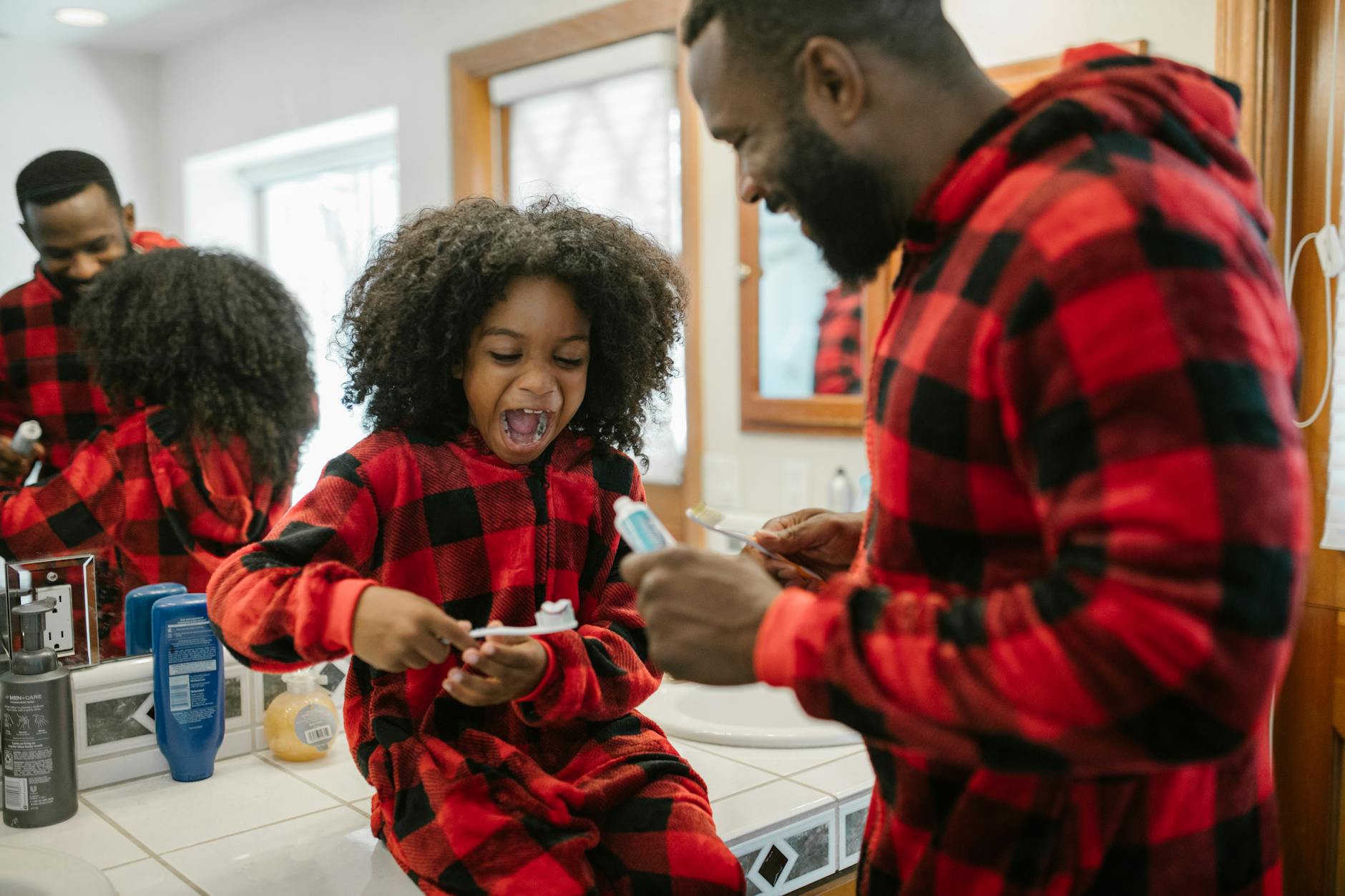
Start the day with positive affirmations about your family. Remind your child that they are loved and that their family is special. This builds internal self-worth that withstands external judgment. Positive reinforcement creates a joyful home atmosphere. Daily habits shape a child’s long-term self-image.
Travel Strategically

Research destinations to ensure they are safe for LGBTQ+ families. Some countries or regions may be hostile toward your family structure. Look for travel blogs written by other queer parents for recommendations. Planning ahead ensures your vacation remains relaxing and secure. Your safety is paramount when exploring new places.
Carry Legal Documents

Keep digital copies of your adoption papers or parentage judgments on your phone. This is a precaution for medical emergencies or travel issues. Having immediate proof of parentage prevents potential separation or confusion. It offers peace of mind when you are away from home. Organization is a key part of protecting your rights.
Celebrate Pride

Take your children to Pride parades or local festivals. These events show them a massive community that celebrates love. It is a joyful way to see they are not alone. Explain the history of the movement in age-appropriate terms. Pride instills a sense of history and belonging.
Advocate For Others

Teach your child to stand up for people who are being treated unfairly. Explain that your family believes in equality for everyone. This expands their understanding of justice beyond just LGBTQ+ issues. Empathy is a skill that requires practice and modeling. Raising an ally helps create a better future.
Choose Inclusive Camps

Vet summer camps for their policies on bunking and gender. Ask direct questions about how they support children from diverse families. Staff training should include sensitivity toward LGBTQ+ issues. A positive camp experience builds independence and social skills. The right environment ensures your child feels safe away from home.
Network With Professionals

Join professional organizations for LGBTQ+ parents in your field. These networks can offer career support and parenting advice. Balancing work and family often requires specific mentorship. Connecting with peers provides practical solutions to common problems. Professional stability contributes to a stable home life.
Discuss Money Openly

Family building for LGBTQ+ parents often involves significant costs. Be honest with older children about the investment made to bring them into the world. This underscores how much they were wanted and planned for. It also teaches financial literacy and value. Understanding this context can deepen their appreciation for their family.
Create Safe Spaces

Designate areas in your home where your child can relax completely. Ensure they know they can talk to you about anything without judgment. A safe emotional environment encourages open communication. When children feel safe at home they take healthy risks elsewhere. Your unconditional acceptance is their foundation.
Update Medical Records

Check that school and doctor records accurately reflect your family. Cross out and rewrite forms that only list mother and father. Request that administrative staff update their systems to be inclusive. consistent advocacy changes systems over time. Accurate records ensure you are contacted correctly in emergencies.
Attend School Board Meetings

Voice your support for inclusive policies at the district level. Book bans and curriculum changes often happen at these local meetings. Your presence reminds board members of the real families they represent. Public comments can sway decisions on diversity initiatives. Civic engagement protects your child’s educational rights.
Foster Autonomy

Encourage your child to express their own identity freely. Let them choose their clothes and hairstyles even if they defy norms. Support their interests regardless of gender expectations. Autonomy builds confidence and decision-making skills. You are raising an individual rather than a reflection of yourself.
Seek Affirming Childcare

Interview babysitters and nannies about their comfort with your family. Ensure they will use your correct parental titles. A caregiver must respect your family values to provide good care. Clear communication upfront prevents misunderstandings later. Your child deserves consistent support from all caregivers.
Handle Intrusive Family

Draw boundaries with relatives who do not respect your relationship. You may need to limit contact with unsupportive family members. Protect your child from hearing negative comments about their parents. Your primary loyalty is to the family you have created. Healthy boundaries teach your child self-respect.
Embrace The Community

Participate in events at local LGBTQ+ centers. Many centers offer playgroups or social mixers for parents. These resources provide vital social infrastructure. Supporting these centers ensures they remain open for future generations. Community engagement enriches your family’s social life.
Define Success Together

Set your own standards for what a successful family looks like. You do not need to mimic heteronormative milestones to be valid. Celebrate the unique path you are traveling. Focus on happiness and health as your primary metrics. Your definition of success is the only one that matters.
Reassure During Transitions

Provide extra support during big life changes like moving or changing schools. LGBTQ+ kids or kids of queer parents may worry about acceptance in new places. Talk through their fears and create a plan for the first few weeks. Preparation reduces anxiety and helps them adjust. Your steady presence makes transitions smoother.
Love Unconditionally

Remind your child constantly that your love is not based on who they become. Create a home where they never have to “come out” because all identities are welcome. This security allows them to explore the world with confidence. Unconditional love is the most powerful tool in parenting. It is the legacy they will carry forward.
Tell us about your own parenting journey and which tips resonated with you in the comments.




