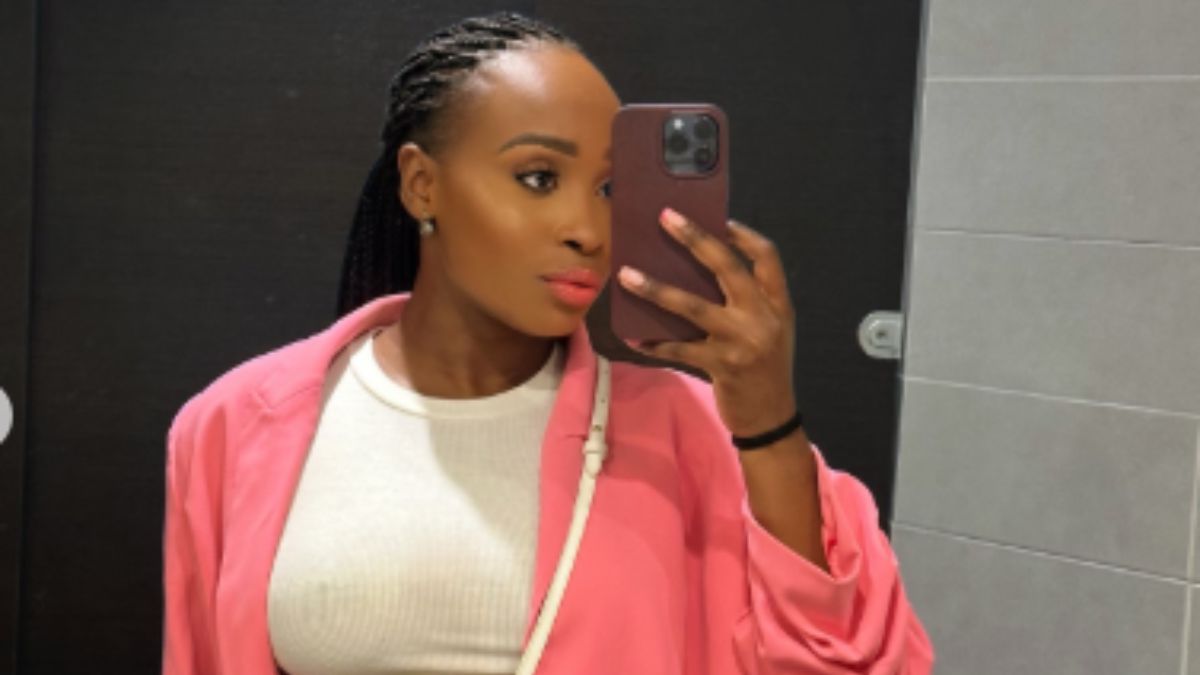
Wedding planning is notoriously one of the most stressful undertakings a person can take on, but most brides stop at a venue, a menu, and a color palette. Runya Kwendea, a 33-year-old Pilates instructor from West Midlands, England, took a considerably more ambitious approach. She spent more than 30 hours putting together a 34-page document outlining exactly what her guests should wear to her upcoming wedding, color-coded, categorized, and thorough enough to cover everything from shoe styles to swimwear. The guide was sent out ahead of the celebration, which is taking place across three days in Zimbabwe, the country where Kwendea was born.
The sheer scope of the project says a lot about who Kwendea is as a person. She worked on the document for two to three hours every evening over the course of two weeks, methodically building out a resource that left very little to chance. “I care a lot about dress codes, even for casual house parties,” she told Newsweek. “I think you should make an effort.” For her, the guide was never about control for its own sake but about ensuring that everyone who showed up would feel genuinely well-dressed and part of something cohesive and beautiful. She and her fiancé Ryan Sparkes, 29, whom she met through the dating app Hinge in October 2024, are set to marry on October 29.
The three-day celebration in Zimbabwe is structured so that each day calls for a different aesthetic entirely. The dress code for the main events is described as “elegant, but with impact,” a phrase that neatly captures what Kwendea seems to be going for throughout the entire document. Sneakers, she specified, are only permitted on the final day, which is a poolside party. For the more formal portions of the wedding, the guide recommends that women arrive in structured dresses or elegant midi skirts, paired with statement hats or fascinators, heels, and handbags in a coordinating shade. Makeup suggestions are also included, with options ranging from a soft glam look to a bold lip, giving guests some creative latitude within the overall vision.
Men are equally well-covered in the guide, with tailored suits and dress shirts firmly on the required list and an explicit note that sportswear, denim, shorts, and flip-flops are off the table. The document goes even further, with dedicated pages for accessories, sunglasses, and swimwear, complete with visual examples and style references for both men and women. The level of detail is remarkable and would not look out of place in an actual fashion editorial. It reflects someone who not only has strong aesthetic opinions but also has the organizational drive to communicate them clearly and comprehensively.
What makes Kwendea’s approach particularly interesting is the care she took to make the guide feel inclusive rather than demanding. She was conscious that she did not want guests to feel as though she was expecting them to spend a significant amount of money. “I tried to offer a variety of options,” she said. “The guide helped some guests upgrade what they already have in their wardrobe.” For guests who already owned statement pieces, like her mother, who reportedly has both an enormous hat and six outfit combinations already ready to go, the document served as a practical framework for putting together something that would work beautifully within the overall visual of the event. Kwendea was also clear about her motivation for doing this at all: “I didn’t want anyone to show up and regret their choice.”
The response from guests, which Kwendea admitted she was uncertain about before sending, turned out to be overwhelmingly enthusiastic. “People are excited and saying it will be the wedding of the year,” she said. Her family, who know her well enough to understand where the gesture is coming from, reportedly felt relieved rather than pressured. In a world where dress codes on invitations are often frustratingly vague, a detailed guide removes the anxiety of guessing what “smart casual” or “festive attire” actually means in practice. For many guests, having clear guidance is genuinely useful, particularly when traveling internationally for a multi-day event where different outfits are required for different occasions.
Kwendea and Sparkes document their wedding journey on Instagram under the account @becomingthesparkes, where the response to the dress code story has continued to grow. The story resonated because it sits at the intersection of something very relatable, wanting your wedding to look exactly as you imagined, and something slightly absurd, spending 30 hours writing fashion instructions for people you presumably trust. But the reaction has been more warm than critical, perhaps because the intention behind the guide is so transparently loving rather than controlling.
Zimbabwe actually has one of the richest textile and fashion traditions in southern Africa, with the bold geometric patterns of traditional Zimbabwean fabrics having influenced international designers for decades, which makes it a particularly fitting backdrop for a wedding where clothing is being treated as a serious form of expression. The concept of a fascinator, which Kwendea specifically recommends in her guide, has its roots in British hat culture and became a mainstream fashion staple largely because of high-profile royal weddings, where elaborate headwear became as closely watched as the dress itself. And wedding dress codes have been studied by sociologists as one of the clearest windows into how couples negotiate the tension between their personal vision and the comfort of their guests, with researchers finding that the more specific the guidance, the lower the reported anxiety among attendees.
Would you be relieved or overwhelmed to receive a 34-page dress code guide before a wedding? Share your thoughts in the comments.