Eating healthier does not have to mean spending more time in the kitchen or blowing your grocery budget on expensive superfoods. According to dietitian Jessica Ball, one of the most impactful changes a person can make is simply keeping the right ingredients on hand so that preparing a nutritious meal or snack becomes an effortless choice rather than a deliberate effort. For Ball, that starts with rethinking how you use your freezer. “I like to think of it as an extension of the pantry,” she told EatingWell, pointing to it as one of the most underrated tools in a health-conscious kitchen.
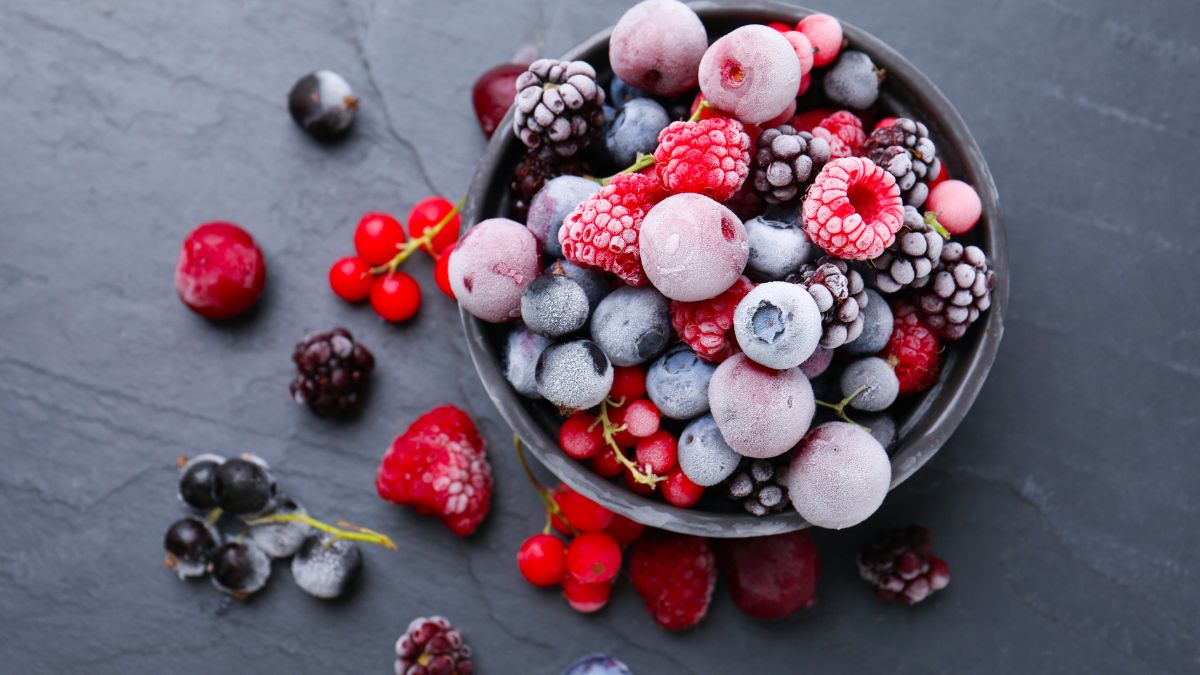
The ingredient Ball says she never lets herself run out of is frozen berries. “There is one item I always try to have at home: frozen berries,” the dietitian explains. Her reasoning centers on three qualities that she considers essential for any staple food: versatility, affordability, and a strong nutritional profile. A bag of frozen mixed berries checks all three boxes in a way that few other foods can, making them a practical cornerstone of a healthier eating routine rather than just an occasional treat.
The nutritional case for berries is particularly compelling. Red, blue, and purple varieties are especially rich in anthocyanins, a category of antioxidants that research has linked to reduced inflammation in the body. Chronic inflammation is associated with a wide range of health issues, which means regularly consuming foods that help keep it in check can have meaningful long-term benefits. Berries also provide fiber, vitamin C, and various other micronutrients, all packed into a small, low-calorie serving that fits easily into almost any diet.
One of the most common reasons people fall short of eating enough fruit is the speed at which fresh varieties spoil. A punnet of fresh strawberries or blueberries can go from perfectly ripe to moldy in a matter of days, which makes it easy to fall into a cycle of good intentions followed by waste. Ball acknowledges this frustration directly. “If I don’t have a plan for how to use them right away, fresh berries sometimes end up in the trash,” she says. Frozen berries sidestep this problem entirely, staying in good condition for months without any loss of nutritional value.
The freezing process itself is worth understanding, because it actually works in the consumer’s favor. Frozen fruits and vegetables are typically harvested at peak ripeness and then frozen almost immediately, which locks in both flavor and nutrients at their most concentrated point. This means a bag of frozen blueberries pulled from the back of the freezer in the middle of winter may actually deliver more nutritional value than fresh blueberries that have spent several days traveling across the country to reach the supermarket shelf. Ball points to this as one more reason the freezer deserves to be stocked just as thoughtfully as the fresh produce section.
In terms of practical use, frozen berries are remarkably easy to incorporate into everyday meals. Ball says she reaches for them most often at breakfast, whether stirred into oatmeal, blended into a smoothie, or simply thawed and spooned over yogurt. They also work well as a quick addition to baked goods, sauces, and savory dishes that benefit from a touch of natural sweetness. Beyond berries, Ball keeps her freezer stocked with proteins, leftover meals, sauces, and vegetables that can be thawed as needed, treating the whole space as an accessible reserve of ready-to-use ingredients rather than a place where food goes to be forgotten.
The color of a berry is actually a reliable indicator of its antioxidant content, since the same anthocyanins responsible for those deep blue, red, and purple hues are the very compounds doing the anti-inflammatory work in the body. Blueberries have been studied extensively in relation to brain health specifically, with some research suggesting that regular consumption may help slow age-related cognitive decline. Wild blueberries, which are smaller and more intensely flavored than the cultivated variety, contain nearly twice the antioxidants of their larger counterparts and are almost exclusively sold frozen in the United States, making the freezer aisle genuinely the best place to find them.
Do you already keep frozen berries at home, and how do you like to use them? Share your thoughts in the comments.