High cholesterol is one of the most widespread health concerns among adults, and a staggering number of people have no idea they are affected because the condition rarely produces noticeable symptoms. It is often described as a “silent killer,” steadily raising the risk of serious cardiovascular events without any warning signs. Dr. Punam Krishan, a physician who appeared as a guest on BBC’s Morning Live, has shed light on a straightforward nutritional adjustment that may help bring elevated cholesterol levels down in a surprisingly short amount of time. Her message is a timely reminder that what we eat can have a more immediate impact on our health than many of us realize.
Dr. Krishan pointed to the danger of high LDL, commonly referred to as “bad” cholesterol, explaining that elevated levels of it significantly increase a person’s chances of suffering a heart attack or stroke. The encouraging news, however, is that diet can serve as a powerful tool in managing this risk. She highlighted the critical role that soluble fiber plays in this process, noting that it is one of the most effective and accessible nutritional levers available to the average person. This is not about overhauling your entire lifestyle overnight but rather about making targeted, informed choices that can produce real results.
To back up her claims, Dr. Krishan cited a study from the University of Bonn that was published in the journal Nature Communications. The research focused on participants with metabolic syndrome, a cluster of conditions that elevate the risk of heart disease and diabetes. Those who consumed larger quantities of oats over just a two-day period recorded an average drop in LDL cholesterol of around 10 percent, as reported by Daily Express. That is a meaningful reduction achievable in an exceptionally brief window of time, which speaks to just how responsive the body can be to the right dietary inputs.
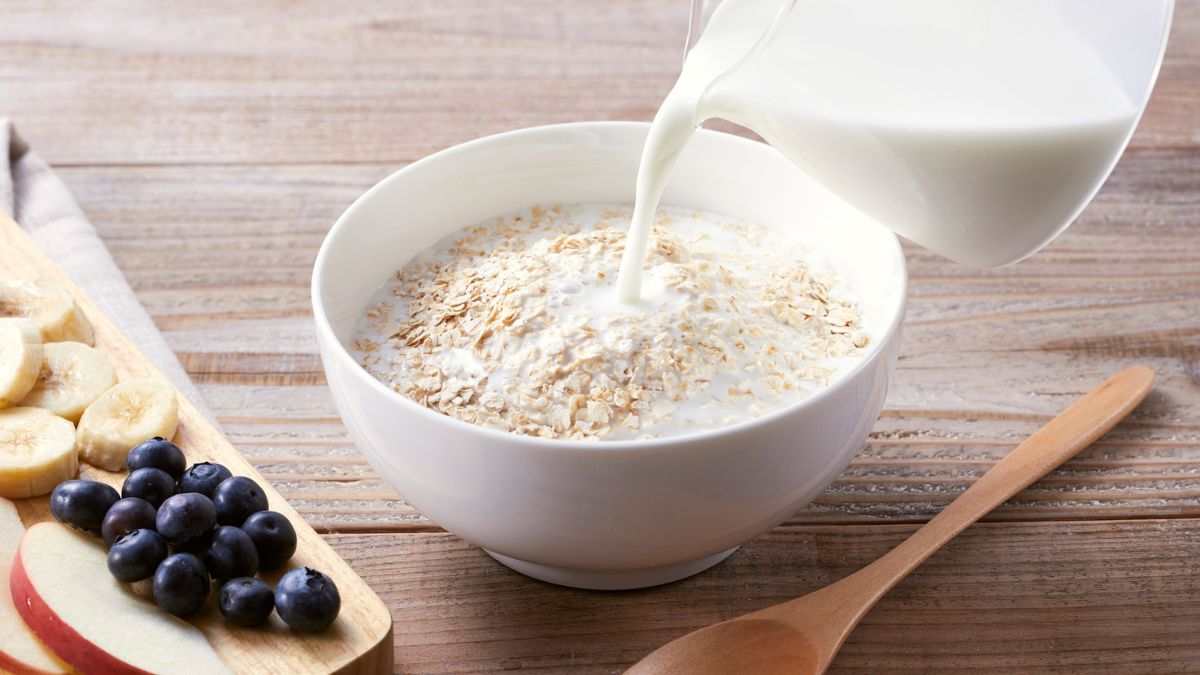
The specific compound responsible for this effect is beta-glucan, a type of soluble fiber found naturally in oats. When beta-glucan reaches the digestive system, it forms a thick, gel-like substance in the stomach that binds to bile acids rich in cholesterol. By attaching to these bile acids, it effectively prevents them from being reabsorbed into the bloodstream. Consuming approximately 3 grams of beta-glucan per day, which is roughly equivalent to one bowl of oatmeal, is enough to begin making a measurable difference in LDL cholesterol levels.
That said, experts are quick to point out that no single food is a magic solution for managing cholesterol on its own. A truly effective long-term strategy requires a broader dietary commitment. Foods rich in fiber and unsaturated fats, such as beans, lentils, nuts, whole grains, fruits, and vegetables, all contribute to a heart-healthy eating pattern. Regular physical activity, quality sleep, and routine medical checkups round out a comprehensive approach to keeping cholesterol in check. Treating oatmeal as just one component of a thoughtful, varied diet is the most sustainable path forward.
Cholesterol itself is a waxy, fat-like substance produced naturally by the liver and also obtained through animal-based foods. The body actually needs some cholesterol to build cell membranes, produce hormones, and support various biological functions. Problems arise when LDL levels climb too high, leading to the buildup of plaque inside artery walls in a process known as atherosclerosis. HDL cholesterol, on the other hand, is considered “good” because it helps transport excess cholesterol back to the liver for processing and removal. Total cholesterol levels are generally considered healthy when they fall below 200 mg/dL, with LDL ideally staying under 100 mg/dL for most adults.
Oats have been recognized as a heart-healthy food for decades, and the U.S. Food and Drug Administration actually approved a health claim back in 1997 allowing oat products to state on their labels that they may reduce the risk of heart disease. Beta-glucan is also found in barley and certain types of mushrooms, giving people a few different dietary avenues to increase their intake. The American Heart Association consistently recommends a diet high in fiber as part of a heart-healthy lifestyle, emphasizing that small, consistent habits make the biggest difference over time. Metabolic syndrome, the condition studied in the University of Bonn research, affects roughly one in three adults in the United States, making these findings especially relevant on a population-wide scale.
If you have been looking for a manageable first step toward better cardiovascular health, the evidence strongly suggests that starting your morning with a bowl of oatmeal is far from a trivial gesture. The science behind beta-glucan and its interaction with cholesterol is well-established and continues to be reinforced by new research. Pairing that habit with a diet built around whole, fiber-rich foods, staying active, and seeing your doctor regularly gives you a solid foundation. Feel free to share your own experiences with managing cholesterol through diet in the comments.