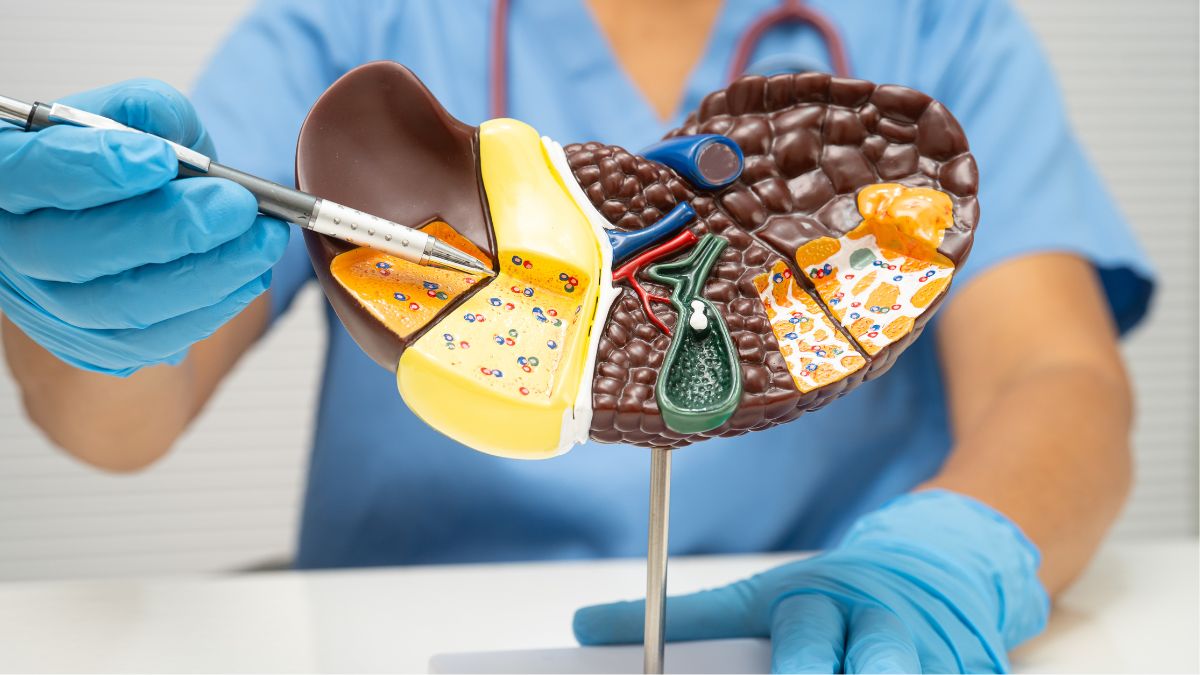
The liver is one of the most hardworking organs in the human body, quietly managing hundreds of essential tasks at once. It filters toxins from the bloodstream, stores vital nutrients, produces bile for digestion, and keeps metabolism running smoothly. Despite all of this, liver problems have a frustrating tendency to develop in silence, often showing no obvious symptoms until the damage has already become serious. That’s exactly why gastroenterologist and hepatologist Dr. Saurabh Sethi is urging people to pay closer attention to the more subtle signals their body may already be sending.
According to Dr. Sethi, catching problems early can make all the difference. “Recognizing early signs, especially those related to fatty liver, can make a big difference in preventing serious complications,” he explained to SheFinds. Fatty liver disease, in particular, is increasingly common and often goes undetected for years. Understanding what to look for is the first step toward protecting this vital organ before problems escalate.
One of the earliest and easiest-to-overlook warning signs is unexplained weight gain, particularly around the midsection. When fat begins to accumulate in liver cells, it disrupts the organ’s ability to regulate metabolism, and the effects can show up as stubborn belly fat even when diet and activity levels haven’t changed. This kind of abdominal weight gain can be easy to dismiss, but it may actually be one of the first clues that something is off beneath the surface.
Persistent fatigue is another red flag that Dr. Sethi highlights. Feeling drained even after a full night of sleep is not just an inconvenience to brush off as stress or a busy schedule. When the liver struggles to process toxins and convert nutrients into usable energy, the whole body feels the impact in the form of exhaustion and general weakness that lingers throughout the day. Discomfort or swelling in the upper right portion of the abdomen, where the liver sits, can also point toward inflammation or organ enlargement and should not be ignored if the sensation keeps returning or worsening over time.
High blood sugar levels are another area where the liver’s health comes into play in ways many people don’t realize. The liver plays a central role in glucose regulation, and when fatty deposits interfere with that function, insulin resistance often follows. This can push blood sugar into prediabetic or diabetic ranges, making liver health an important consideration for anyone managing elevated glucose or type 2 diabetes. Changes in the color of urine and stool can also be telling. Dark urine may indicate that the liver is not processing bilirubin as it should, while pale or clay-colored stools can suggest that bile is not reaching the intestines properly. These shifts are easy to miss but can serve as early warnings worth investigating.
Jaundice, or a yellowing of the skin and whites of the eyes, is among the better-known signs of liver trouble. It occurs when bilirubin builds up in the body faster than the liver can clear it, and while it is more commonly associated with advanced disease, even mild yellowing is a prompt to seek medical attention. Elevated cholesterol and triglyceride levels are another potential indicator, since the liver is central to fat metabolism and its dysfunction can throw those numbers out of balance. Finally, bruising more easily than usual or experiencing prolonged bleeding from minor cuts may signal that the liver is no longer producing adequate levels of the proteins needed for blood clotting, a sign that the organ may be under serious strain.
Dr. Sethi closed his warning with an encouraging note, stressing that there is a real window of opportunity for those who act quickly. “Fatty liver is often reversible if caught early enough. Paying attention to these subtle signs and consulting a doctor promptly can make a significant difference in preserving liver health,” he concluded.
The liver is the only internal organ capable of completely regenerating itself, and in some cases, as little as 25 percent of the original liver tissue is enough to grow back to full size. Bilirubin, the compound responsible for jaundice, is actually a byproduct of the natural breakdown of old red blood cells, meaning a yellow tint to the skin is essentially your body’s way of showing you that its recycling system is backed up. The liver also performs over 500 distinct functions, making it arguably the most multitasking organ in the entire body.
Have you ever noticed any of these signs and wondered if your liver might need some extra attention? Share your thoughts in the comments.