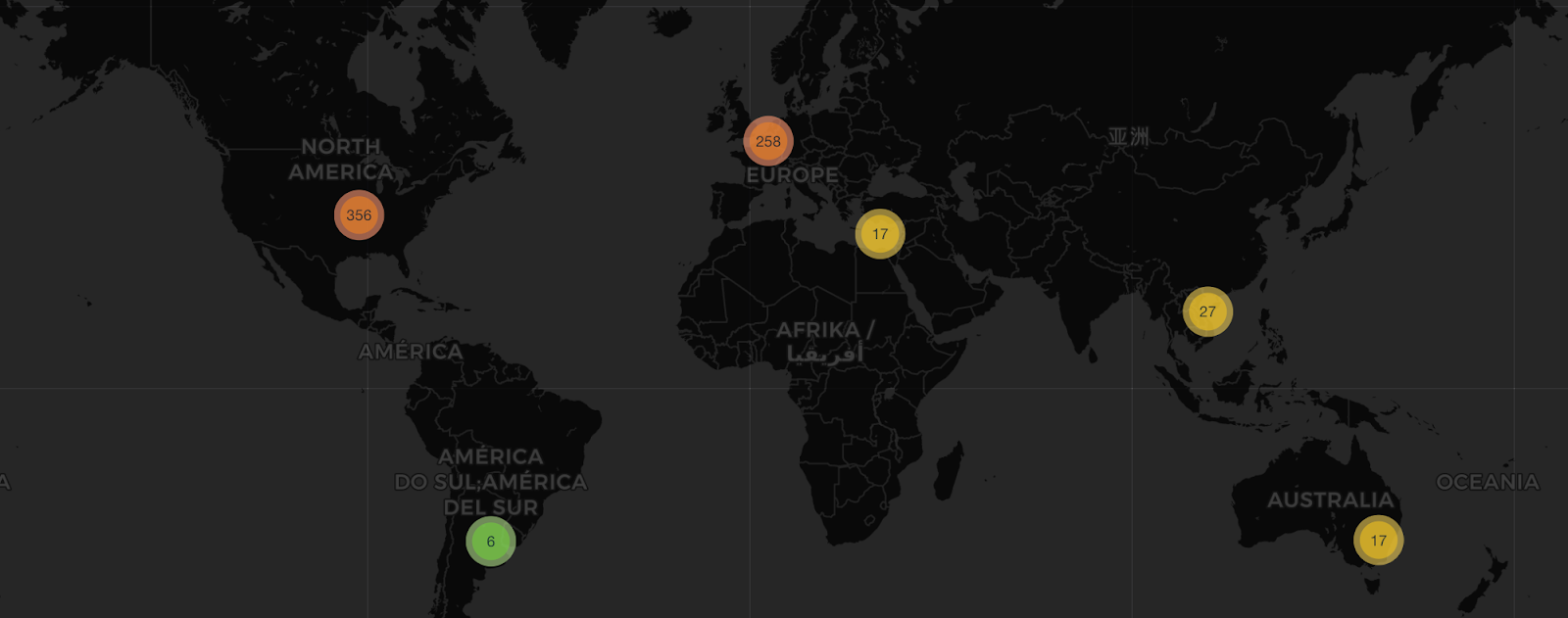
Fiorry, a transgender dating app, has added an interactive world map that lists LGBTQ+ friendly bars, cafes, and clubs. The team built it for travelers who land in a new city and need a place that feels welcoming, fast. Most of us still pick spots by word of mouth. Travel breaks that. The map is a starting list, not a promise. As we all know, places change, and crowds change too.
The problem this tries to solve
Picking a place for a first or second date is hard enough at home. On a trip, it can turn into guesswork. You can ask around, but you may not know anyone yet. You can read reviews, but they rarely say what you want to know.
Will staff treat you with basic respect? Will people stare? Will someone use the wrong words and make it awkward for the rest of the night?
Fiorry built the map with trans travelers and locals in mind, but it works for LGBTQ+ travelers too. It’s meant for dates, and also for anyone who just wants a normal night out.
What the map includes and how it’s meant to be used
The map lives on a web page tied to local dating, so you do not have to open an app to use it. You can search by city or country, or just drag the map and browse the area you are in. It’s built for people planning a first meetup, but it also works for a quick check when you want to meet trans people near you and you don’t want to risk picking the wrong place.
Listings focus on the basics. Each spot comes with an address and a short note on what to expect (whether it skews quiet or lively, if it fits better in the day or late at night).
The map covers bars, cafes, and clubs, and it includes some restaurants too. In bigger cities, it also points to community and support centers, which can be useful if you are new in town. Each venue links out to Google Maps, so you can look closer before you go.
What “welcoming” means in practice
“Welcoming” can mean a lot of things, so Fiorry tried to keep it simple and strict. The team leaned on two sources: their own checks and tips from locals who know the scene. They looked for places with a steady record, not a one-off good night.
For this map, “welcoming” starts with respect. Staff who treat trans guests well. Venues with regular LGBTQ+ nights or events, or clear signs at the door or online that they mean it. And the quieter signal too: a good local reputation, over time.
They also set a hard line. If there are repeated reports of staff misgendering, door issues, or the same problems coming up again and again, the venue doesn’t go on the map.
Safety notes for travelers, without being alarmist
A map can point you to a good spot. But it can’t cover the basics of a first meet.
If you’re meeting someone from a dating app, keep it public. Pick a place with people around and staff in the room. Tell a friend where you’re going, or share your live location for the night. And set up your own way home. Even if the venue is close.
Keep the first meet short if you want. Watch drinks. If you’re traveling, remember that norms can shift from city to city. If something feels off, you can always leave.
Fiorry says it will keep the map current, since venues can shift over time. The team reviews listings every three months, adds new locations each month, and removes places in between those reviews if something changes and the venue no longer feels right for the list.
At launch, the map covers more than 120 cities across the U.S., Europe, and Australia, from big LGBTQ+ hubs like Los Angeles to places that can feel more hit or miss, including parts of Texas, plus cities like Miami and Orlando. It also includes major stops across the UK, France, Italy, Spain, and Iceland.
Leona HambArian, COO at Fiorry, said the map is not meant to sell venues. “People are using these places for first meets, or to feel normal in a city they do not know. We only add spots we trust, and we take them off the list if that changes.”