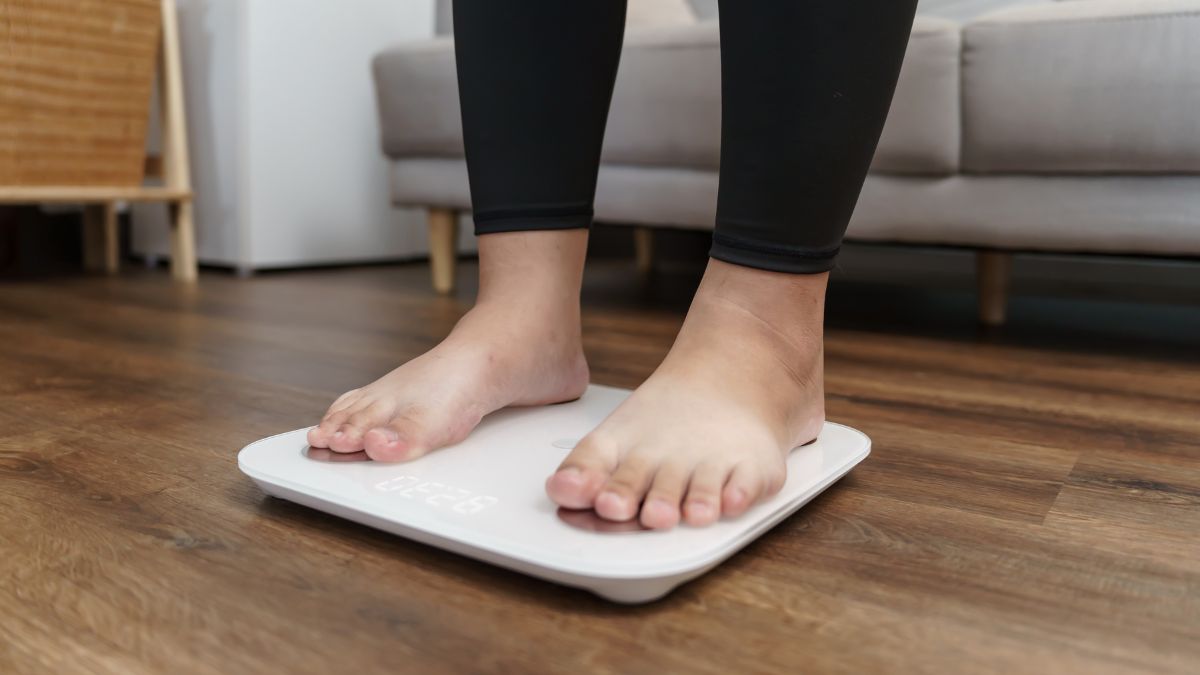
Losing a significant amount of weight is one of the most demanding personal journeys a person can undertake, requiring months of discipline, sacrifice, and mental resilience. For one 29-year-old woman, that journey resulted in shedding nearly 100 pounds over the course of 11 months through dedicated changes to her diet and daily habits. She stood proud of what she had accomplished and felt healthier than ever before. But instead of joy, she found herself feeling worse than when she started, and the source of that pain was someone she never expected.
The woman, who shared her story in a post on Reddit, explained that she stands 4 feet 11 inches tall and now weighs approximately 132 pounds, though she noted that by body mass index standards she is still technically considered overweight. Over those 11 months, she had completely overhauled her approach to eating and movement, resulting in a transformation she was genuinely proud of. Her 32-year-old husband told her he was proud of her too, which initially felt encouraging. However, his repeated comments about her changed body quickly turned the achievement into a source of insecurity and emotional pain.
According to the woman, her husband had developed a habit of making what he framed as jokes, but which she experienced as hurtful jabs at her appearance. “When he tries to joke around, it’s usually at the expense of what my body looks like now,” she wrote, adding that he would comment on how she no longer had a backside, how her chest had gotten smaller, or how her bones were now visible. She clarified that she was not extremely thin, and that her BMI still reflected excess weight, making the comments feel both inaccurate and cruel. Each time she confronted him, he would apologize and promise to stop, yet the behavior continued regardless.
What made the situation even more painful was her original motivation for the weight loss. “I started this lifestyle change to improve my health and to generally feel better,” she explained, but added that she was now beginning to feel worse, with his ongoing commentary doing real damage to how she saw herself. She also revealed that this pattern of body-related humor was not new, noting that before the weight loss, he would refer to her using degrading nicknames related to her size. She had hoped that slimming down would put an end to it, but she quickly realized the comments simply changed shape along with her body. “It feels like he’s deliberately trying to make me feel miserable without directly saying so,” she wrote. “I thought it would get better if I lost weight, but it seems like I just can’t win.”
Commenters on Reddit reacted strongly to her story, with many expressing serious concern about the nature of her husband’s behavior. One user suggested that the repeated body shaming, despite her requests to stop, was a sign of something more troubling: “I think he sees your weight loss as a threat and wants to make sure you don’t have any confidence, because he’s afraid you’ll leave him.” Others were more direct in their assessment. “He’s awful. You need to be honest with him about what’s really behind these ‘jokes.’ His intention is to break you down and hurt your feelings,” another commenter wrote. The consensus among respondents was that what he was doing was not harmless teasing but a deliberate pattern of emotional undermining.
Body shaming within intimate relationships is a well-documented issue that can have lasting effects on a person’s mental health and self-image. Psychologists note that when criticism about physical appearance comes from a romantic partner, it tends to carry more weight than comments from strangers or even close friends, because partners are typically trusted sources of acceptance and validation. This kind of behavior is often referred to as covert emotional abuse, where the harmful intent is masked behind humor or casual remarks. Over time, it can erode a person’s self-esteem and create a dynamic in which they feel they can never measure up, no matter what they achieve. The damage done by these patterns can persist long after the relationship ends.
Body mass index, or BMI, is a widely used but often criticized measure of body weight relative to height. While it is still commonly referenced by healthcare providers, experts increasingly acknowledge that it fails to account for differences in muscle mass, bone density, and body composition. Many health professionals now advocate for a more holistic approach to assessing weight and wellness, one that includes metabolic health markers, lifestyle habits, and overall wellbeing rather than a single numerical value. The concept of body positivity, which gained significant cultural traction in recent years, encourages people to appreciate their bodies at every stage rather than tying self-worth to appearance or weight loss milestones.
Share your thoughts on this story in the comments.