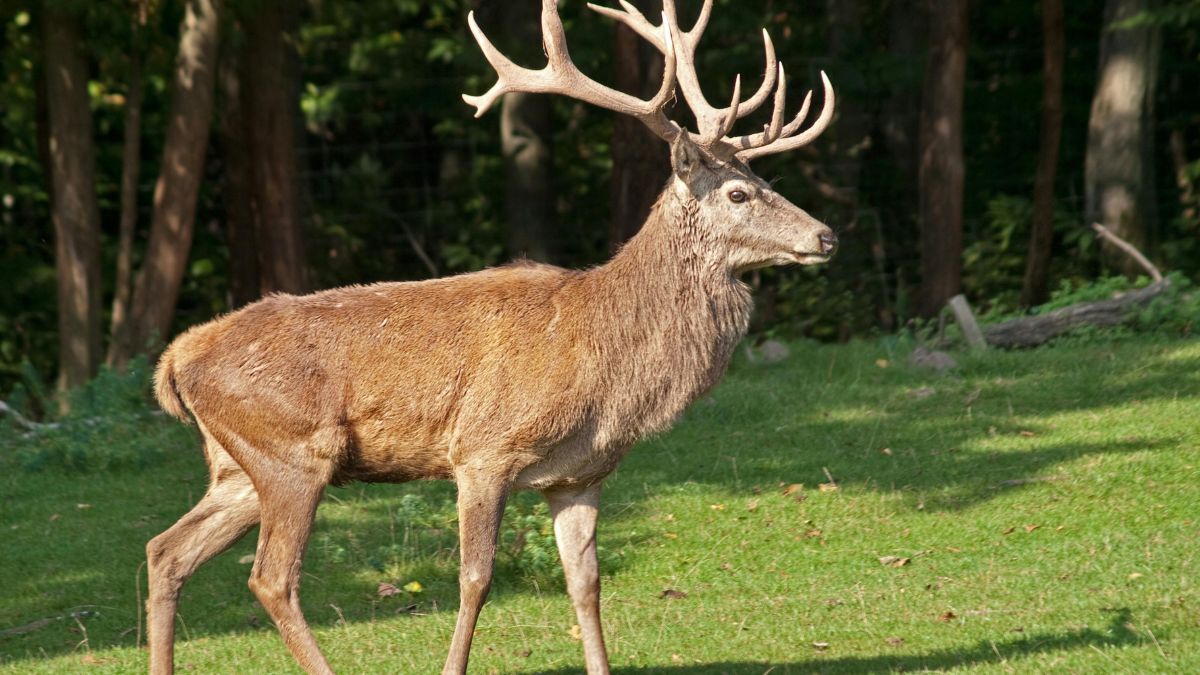
Nature has a remarkable talent for disguising some of its most formidable hunters behind an exterior of undeniable cuteness. Many animals that inspire stuffed toys and viral videos are in fact ruthless predators built for efficiency and survival. Their soft appearances have made them cultural icons while their true predatory natures often go entirely unnoticed. Understanding the reality behind these creatures deepens appreciation for the complexity of the natural world. Read on to discover animals whose adorable faces hide a surprisingly ferocious carnivorous lifestyle.
Slow Loris
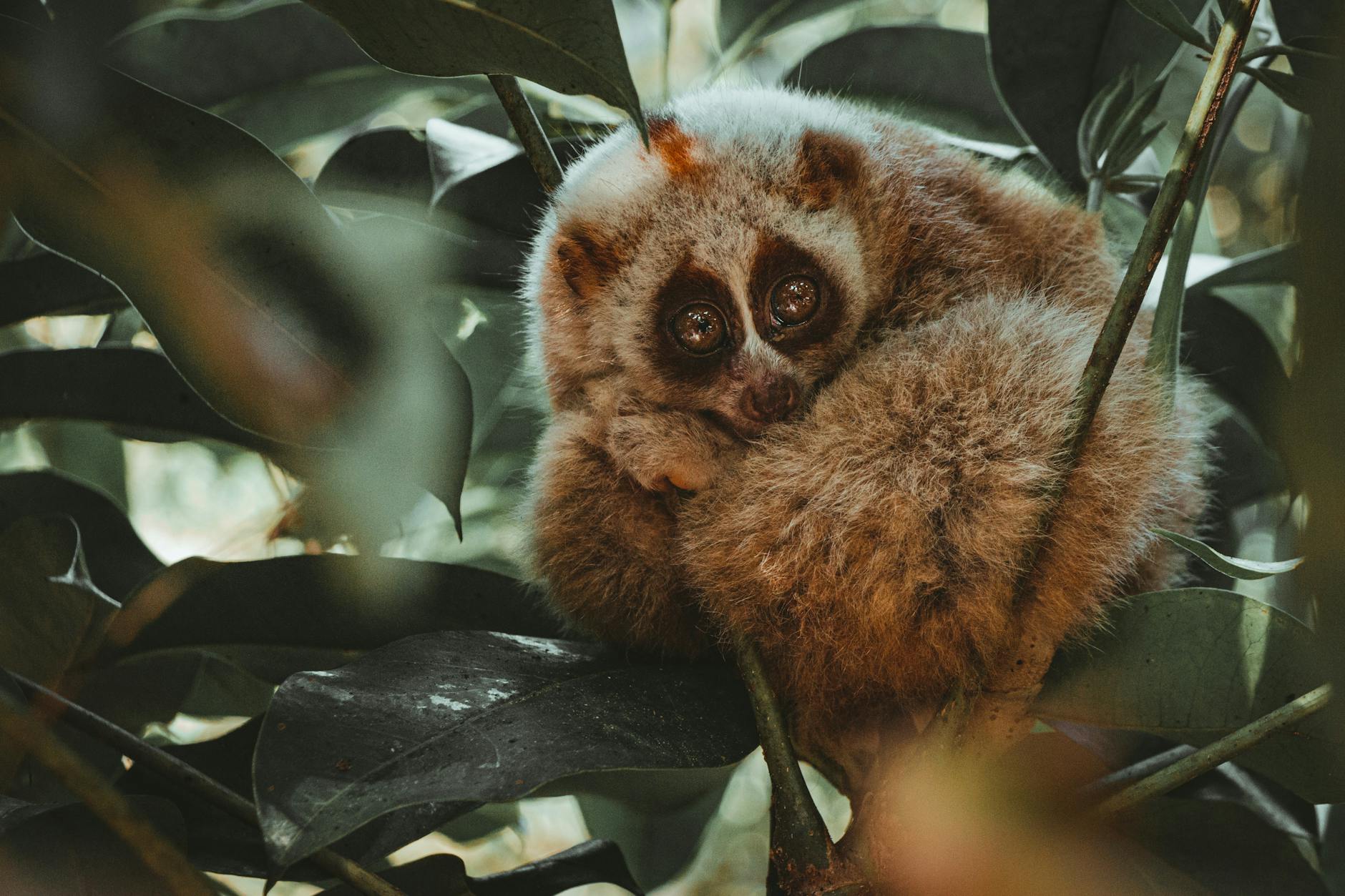
The slow loris is a wide-eyed primate found across Southeast Asia that has become famous for its round face and seemingly gentle disposition. It is one of the only venomous mammals on Earth and delivers a toxic bite by combining secretions from a gland on its arm with saliva. In the wild it hunts insects, small vertebrates, and bird eggs with quiet precision under the cover of darkness. Its slow movement is a deliberate hunting strategy rather than a sign of passivity. The venom it produces can cause anaphylactic shock in humans and is fatal to many of its prey animals.
Panda
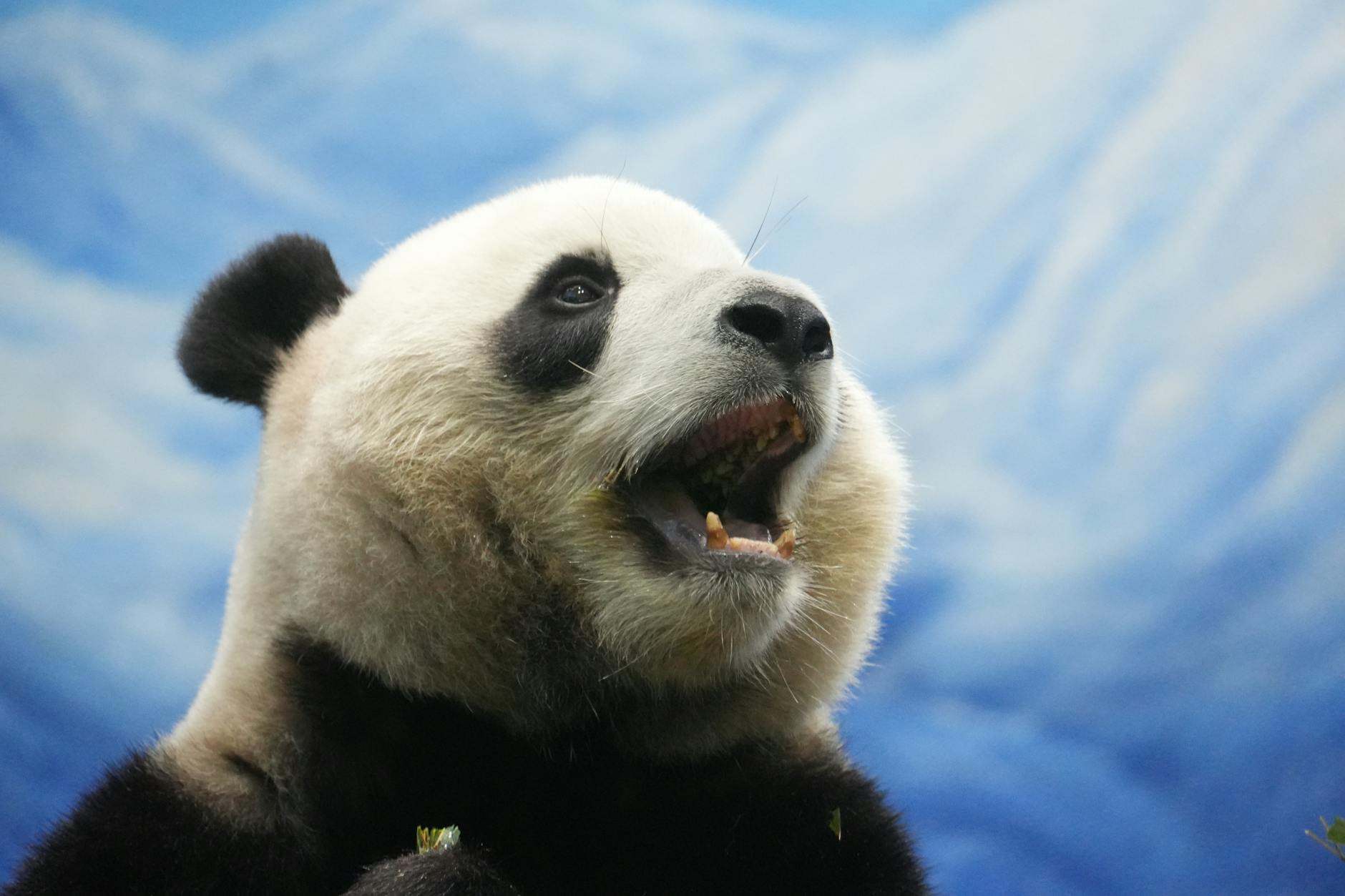
The giant panda is one of the most universally beloved animals on the planet and has served as a global symbol of conservation and goodwill for decades. Despite a diet composed almost entirely of bamboo it is classified as a carnivore and retains the digestive system of a meat-eating predator. In rare circumstances pandas have been documented eating fish, rodents, and even carrion when plant food is scarce. Their strong jaws and powerful forelimbs are capable of delivering significant force and have injured zoo workers and researchers on multiple occasions. The cuddly image of the panda is largely a product of human projection rather than an accurate reflection of its biological identity.
Quokka
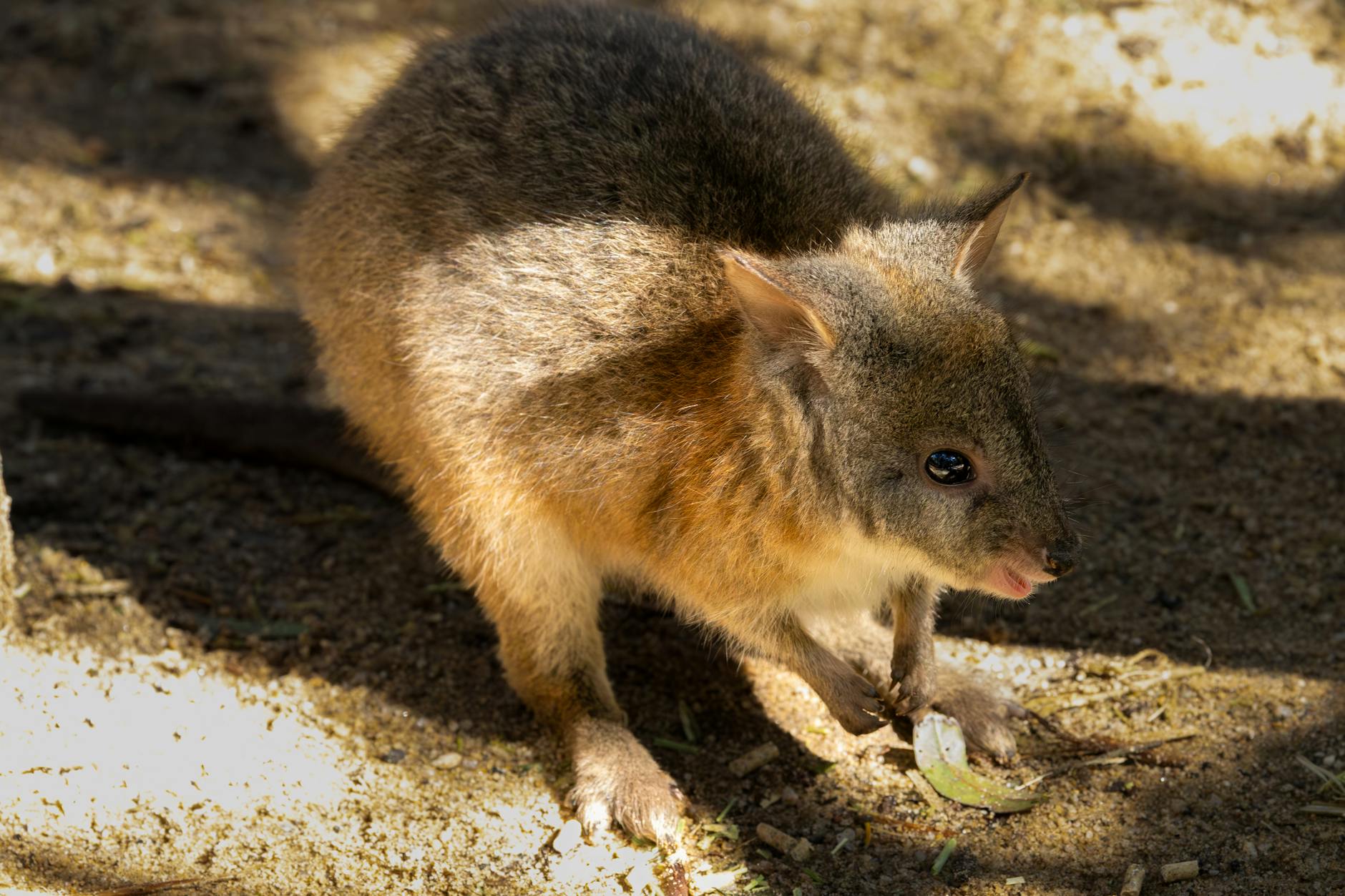
The quokka is a small marsupial native to Western Australia that has earned the unofficial title of the world’s happiest animal due to its permanently upturned mouth and relaxed demeanor around humans. It is an opportunistic omnivore that supplements its plant-based diet with insects and small invertebrates depending on availability. Despite its approachable nature the quokka possesses sharp claws and teeth used both for foraging and for self-defense when threatened. Mothers have been documented dropping joeys from their pouches to distract predators while they escape. Its cheerful appearance masks a set of survival instincts honed over millions of years of evolution in harsh Australian terrain.
Meerkat
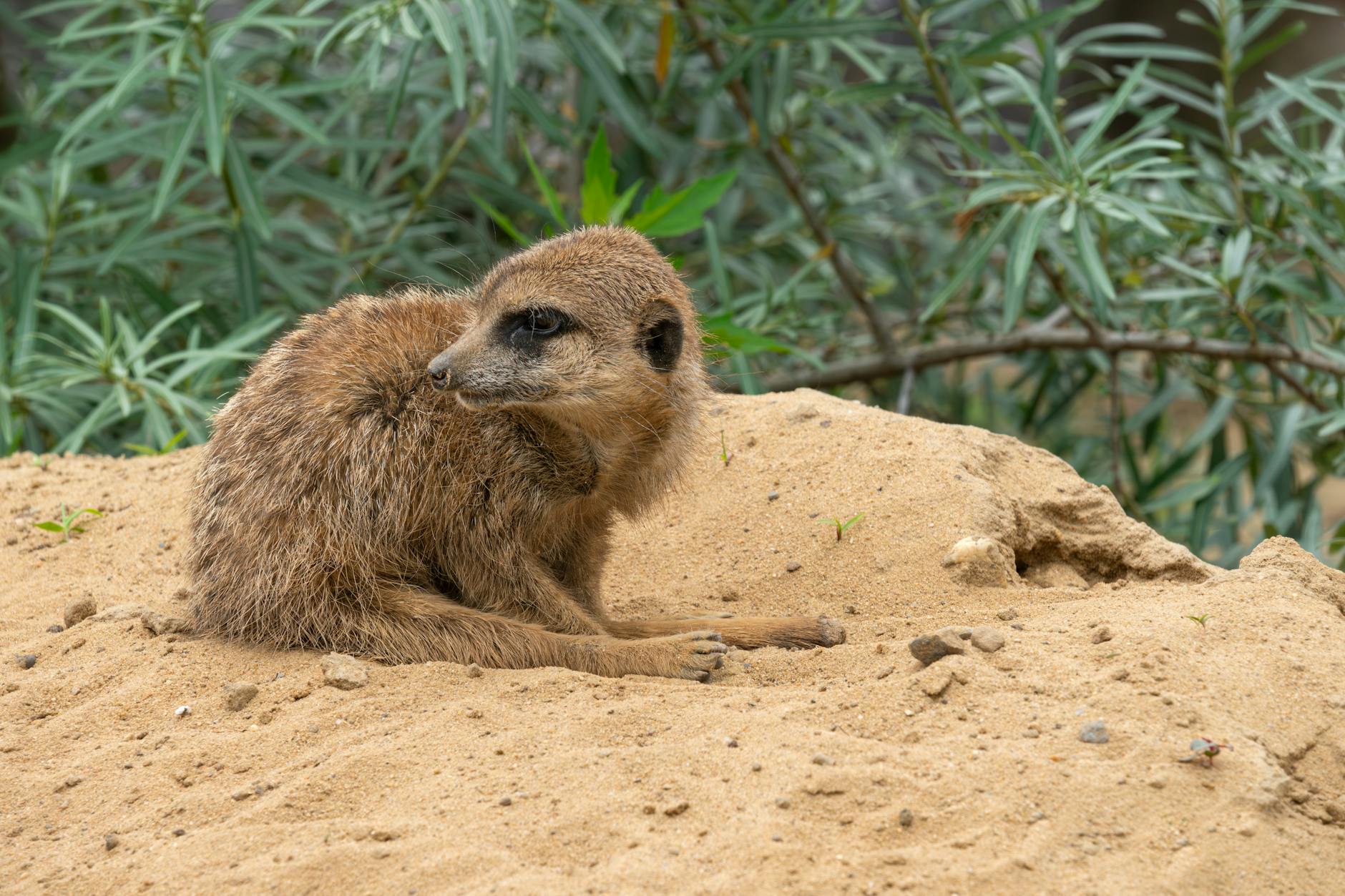
The meerkat is a highly photogenic mongoose relative from the Kalahari Desert that has starred in countless wildlife documentaries and animated films. It is a devoted carnivore that actively hunts scorpions, snakes, lizards, eggs, and small mammals on a daily basis. Meerkats have developed immunity to certain venoms allowing them to tackle prey that would be lethal to many other similarly sized animals. Within their social groups they engage in coordinated mob attacks to overpower threats far larger than themselves. The sentry poses they strike while scanning for danger are a product of a vigilant predatory lifestyle rather than mere photogenic habit.
Dolphins
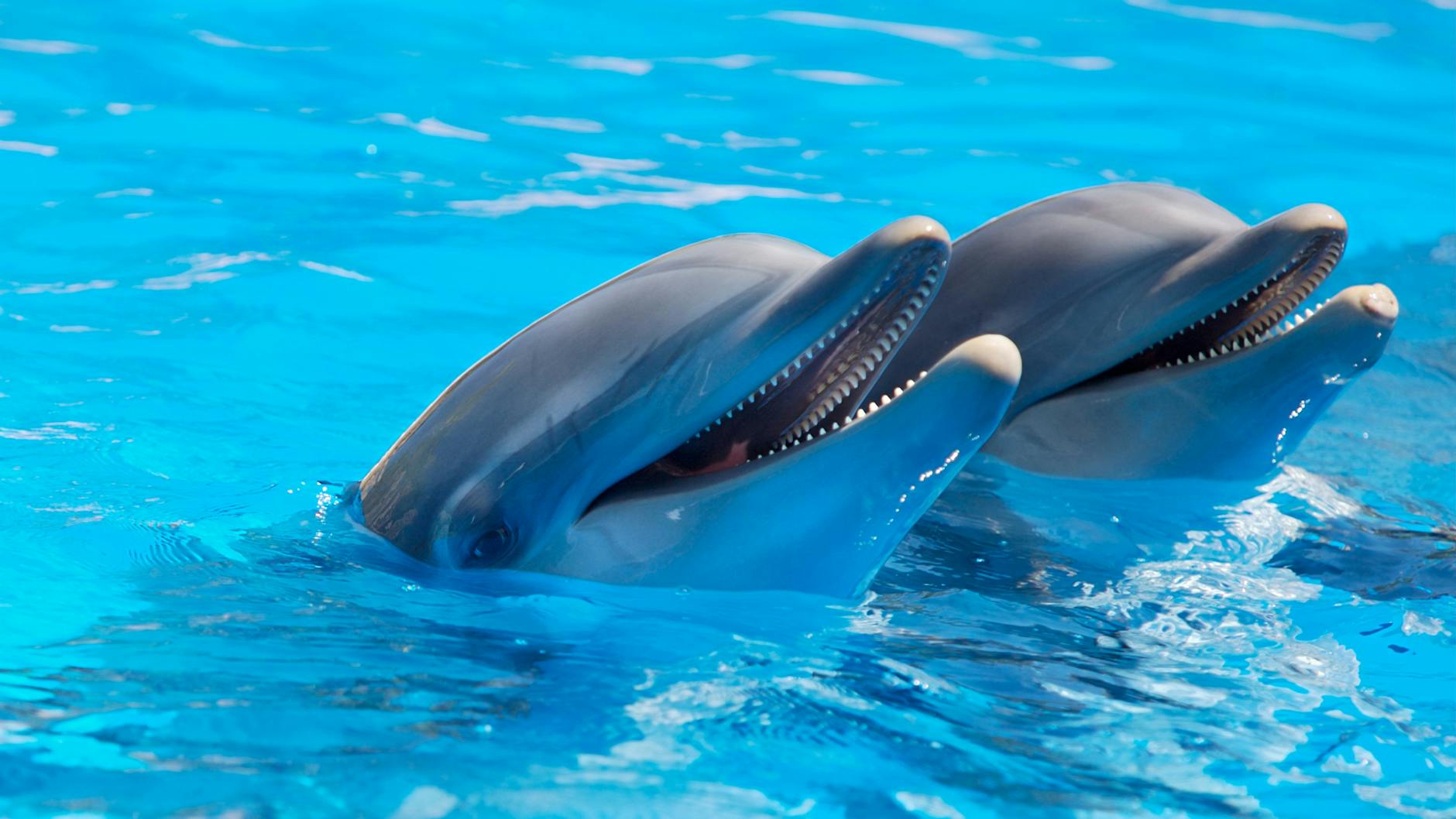
Dolphins are celebrated worldwide for their playful behavior, high intelligence, and long history of friendly interaction with humans in coastal waters. They are apex predators in many marine environments and work together in coordinated hunting groups to herd fish, squid, and crustaceans with remarkable efficiency. Dolphins have been observed driving prey onto beaches, stunning fish with powerful tail slaps, and using marine sponges as tools during foraging. Orcas, the largest member of the dolphin family, regularly hunt sharks, seals, and even other whale species. Despite their smiling faces and acrobatic displays dolphins occupy a position of significant power within ocean ecosystems.
Capybara
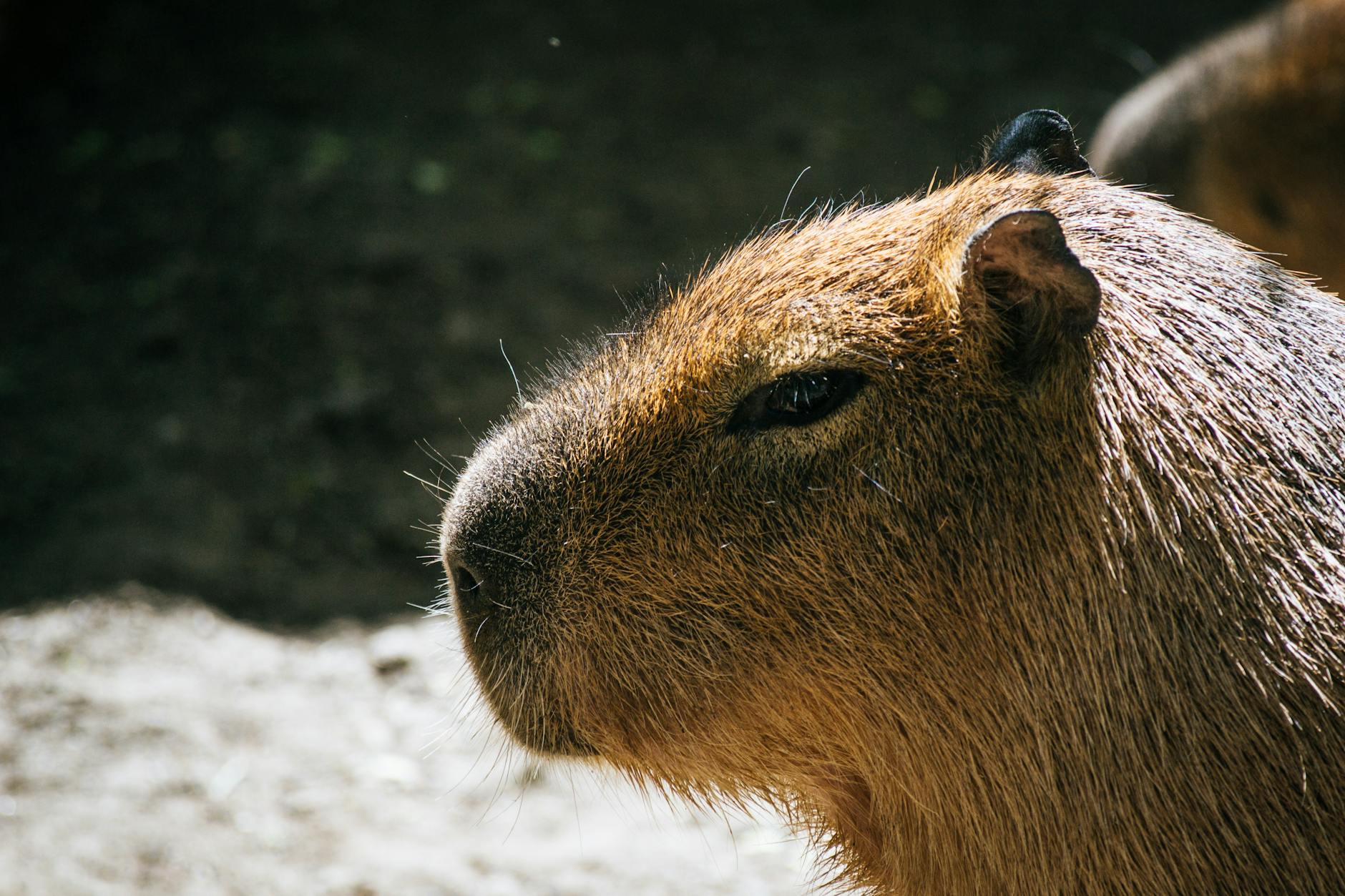
The capybara is the world’s largest rodent and has become an internet sensation thanks to its famously calm and sociable nature around other animals. It is an herbivore for most of the year but has been documented consuming small fish and aquatic invertebrates to supplement its nutritional intake during dry seasons. Its enormous teeth are strong enough to snap through thick vegetation and cause serious injury when the animal feels threatened or cornered. Capybaras are prey animals that coexist peacefully with predators in many circumstances but are fully capable of aggressive and injurious behavior when provoked. Their serene ambassador status in wildlife videos does not reflect the full range of their biological capabilities.
Raccoon
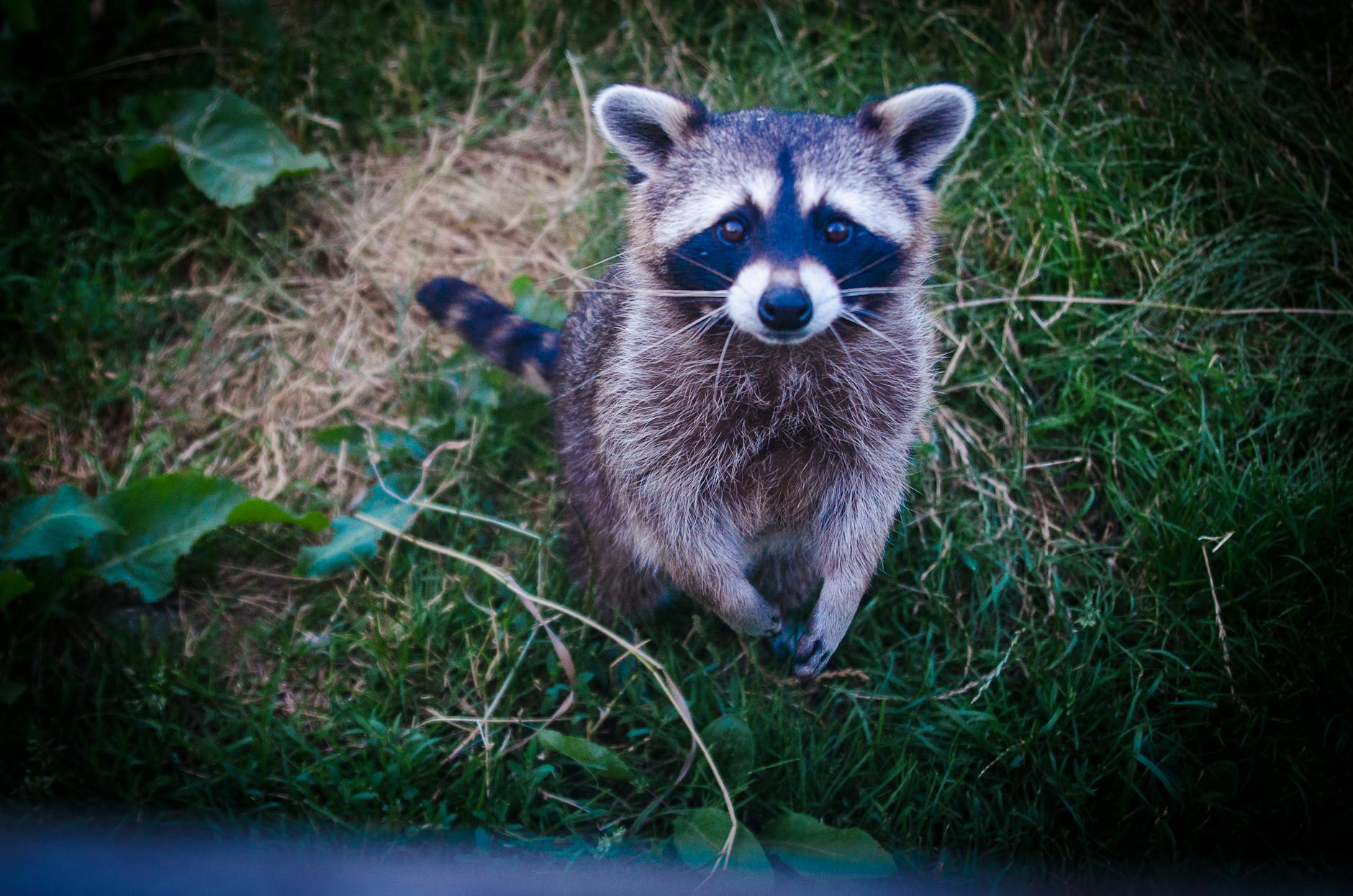
The raccoon is a highly adaptable North American mammal with a masked face that has made it one of the most recognizable urban wildlife species in the world. It is an omnivore with a strong preference for animal protein including fish, frogs, crayfish, birds, and small mammals found near water sources. Raccoons are skilled and persistent hunters that use their dexterous forepaws to feel for prey beneath rocks and mud with impressive tactile sensitivity. They are known to wash or manipulate their food before eating as part of an investigative sensory behavior tied to their predatory habits. In urban environments they have been documented raiding bird nests, killing domestic chickens, and outcompeting native predators for food resources.
Hummingbird
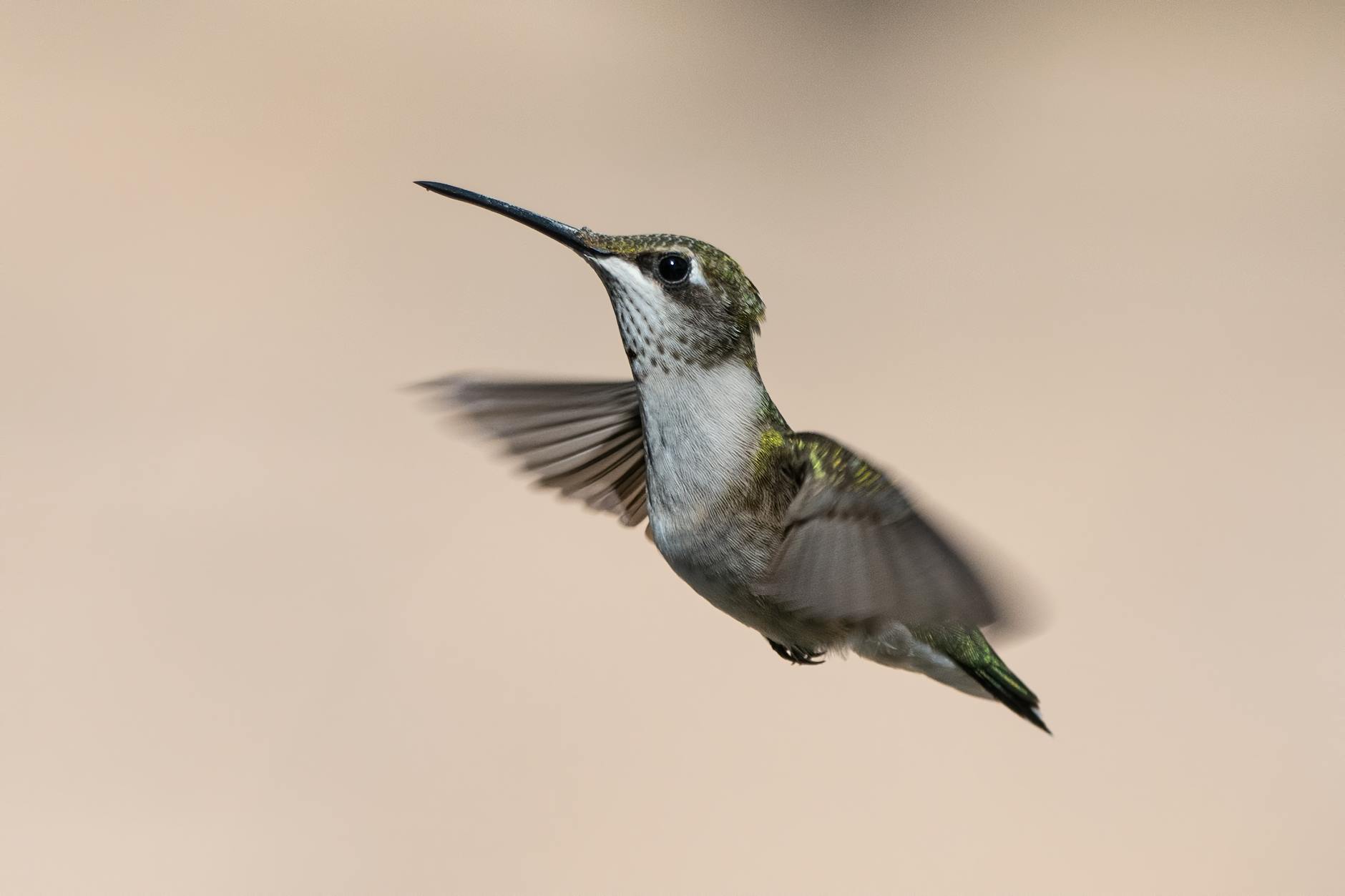
Hummingbirds are among the most visually stunning creatures in the natural world and their jewel-toned feathers and hovering flight have made them a favorite subject for photographers and garden enthusiasts. They are widely perceived as nectar-feeding flower visitors but insects and spiders form a critical component of their diet and provide the protein required for survival. Hummingbirds actively hunt small arthropods in flight and pluck them from spider webs and leaf surfaces with precision. Their high metabolic rate demands near-constant feeding and makes them surprisingly aggressive competitors for food sources within their territories. Males will chase away much larger birds and dive-bomb perceived threats with remarkable speed and ferocity.
Platypus
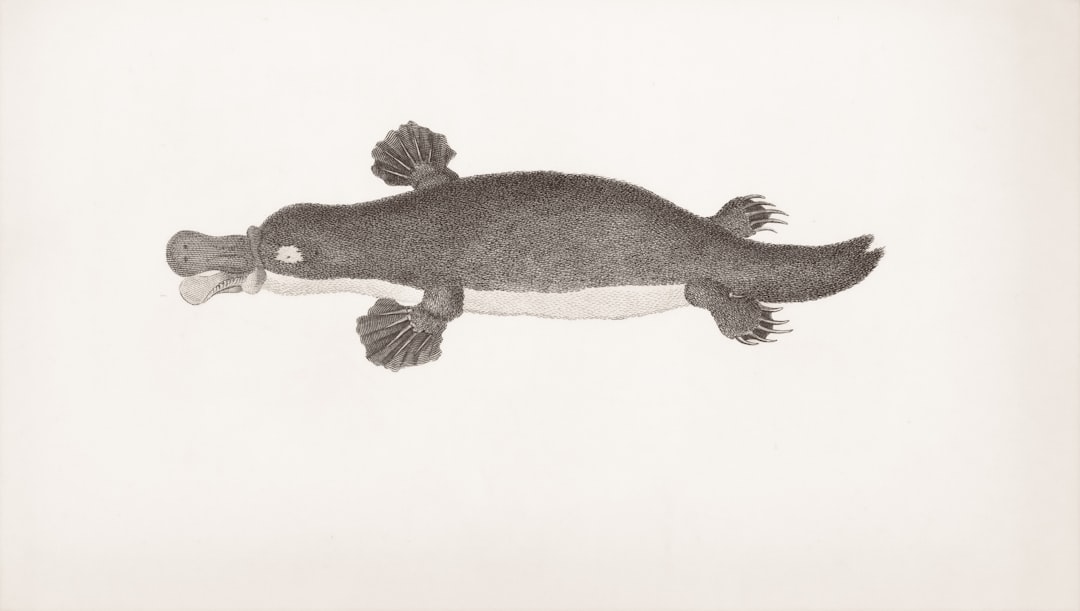
The platypus is one of the strangest and most charming animals in existence and its duck-billed beaver-tailed appearance has made it an enduring symbol of Australia’s unique wildlife. It is a dedicated carnivore that dives beneath freshwater surfaces to hunt worms, insect larvae, shellfish, and small fish detected through electroreceptors in its bill. Male platypuses carry venomous spurs on their hind legs capable of delivering excruciating pain to humans and lethal doses to smaller animals. The venom is used in competition with rival males during breeding season rather than strictly for prey capture. Few animals manage to combine such a whimsical appearance with such a genuinely dangerous biological toolkit.
Hedgehog
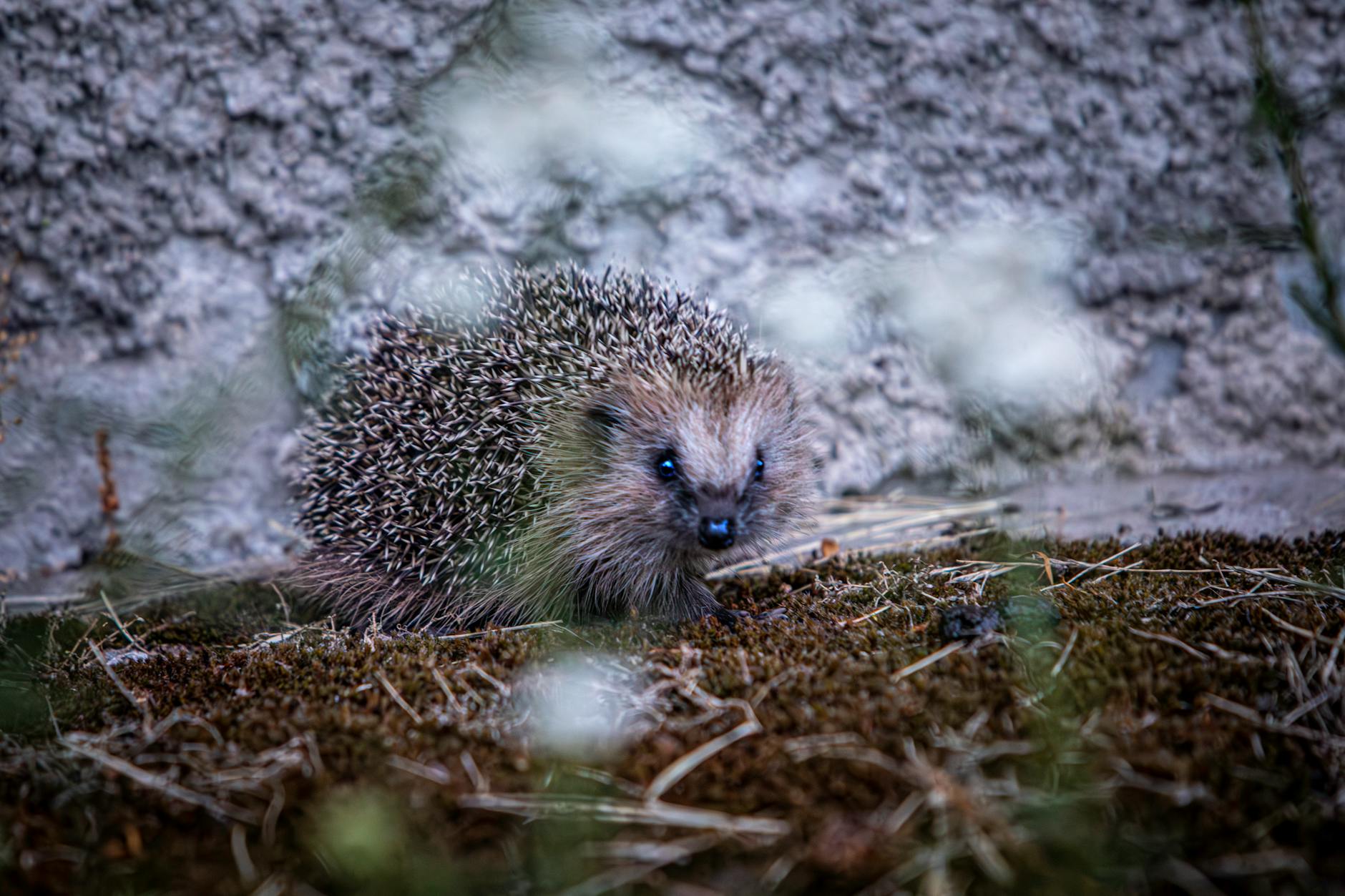
The hedgehog is a beloved small mammal kept as a pet across many countries and admired for its tiny face and defensive ball-rolling behavior when startled or frightened. It is a natural insectivore and carnivore that hunts beetles, earthworms, frogs, snakes, and small rodents during its nighttime foraging expeditions. Hedgehogs are immune to a remarkable range of toxins including adder venom which allows them to consume prey that other predators of their size cannot safely tackle. They are known to anoint themselves with the toxins and secretions of prey animals by spreading saliva across their spines in a behavior researchers call self-anointing. Their small stature conceals an impressive and diverse predatory diet shaped by millions of years of nocturnal hunting.
Red Panda
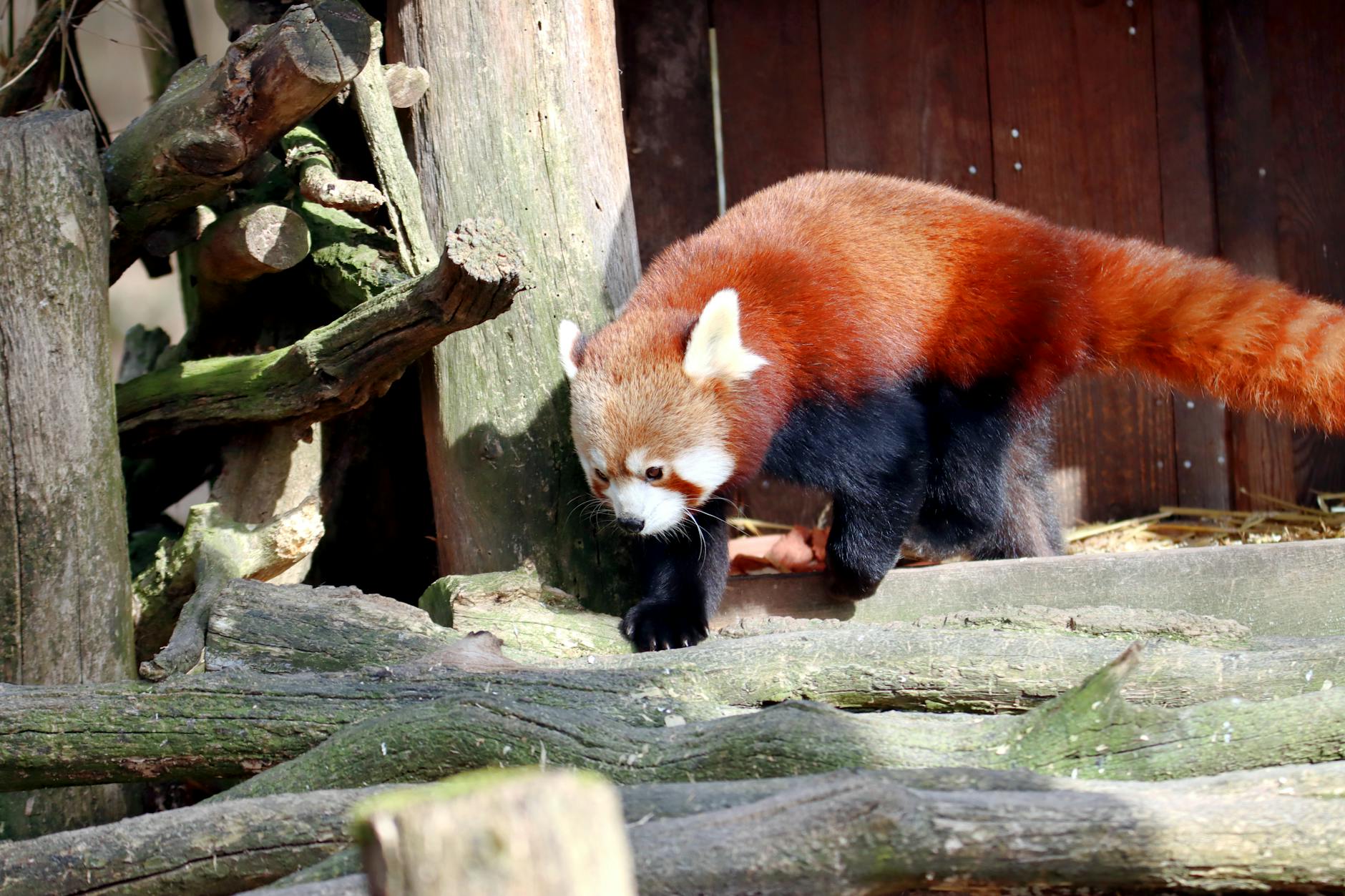
The red panda is a rust-colored arboreal mammal from the eastern Himalayas that is often described as one of the most beautiful and endearing animals on Earth. Despite a diet composed primarily of bamboo it is taxonomically classified within a group closely related to mustelids such as weasels and wolverines. Red pandas supplement their bamboo intake with eggs, insects, birds, and small rodents when seasonal opportunity arises. Their retractable claws and agile climbing ability make them effective hunters in forested mountain environments. The combination of striking appearance and surprising dietary flexibility makes the red panda one of the most misunderstood carnivores in the animal kingdom.
Koala
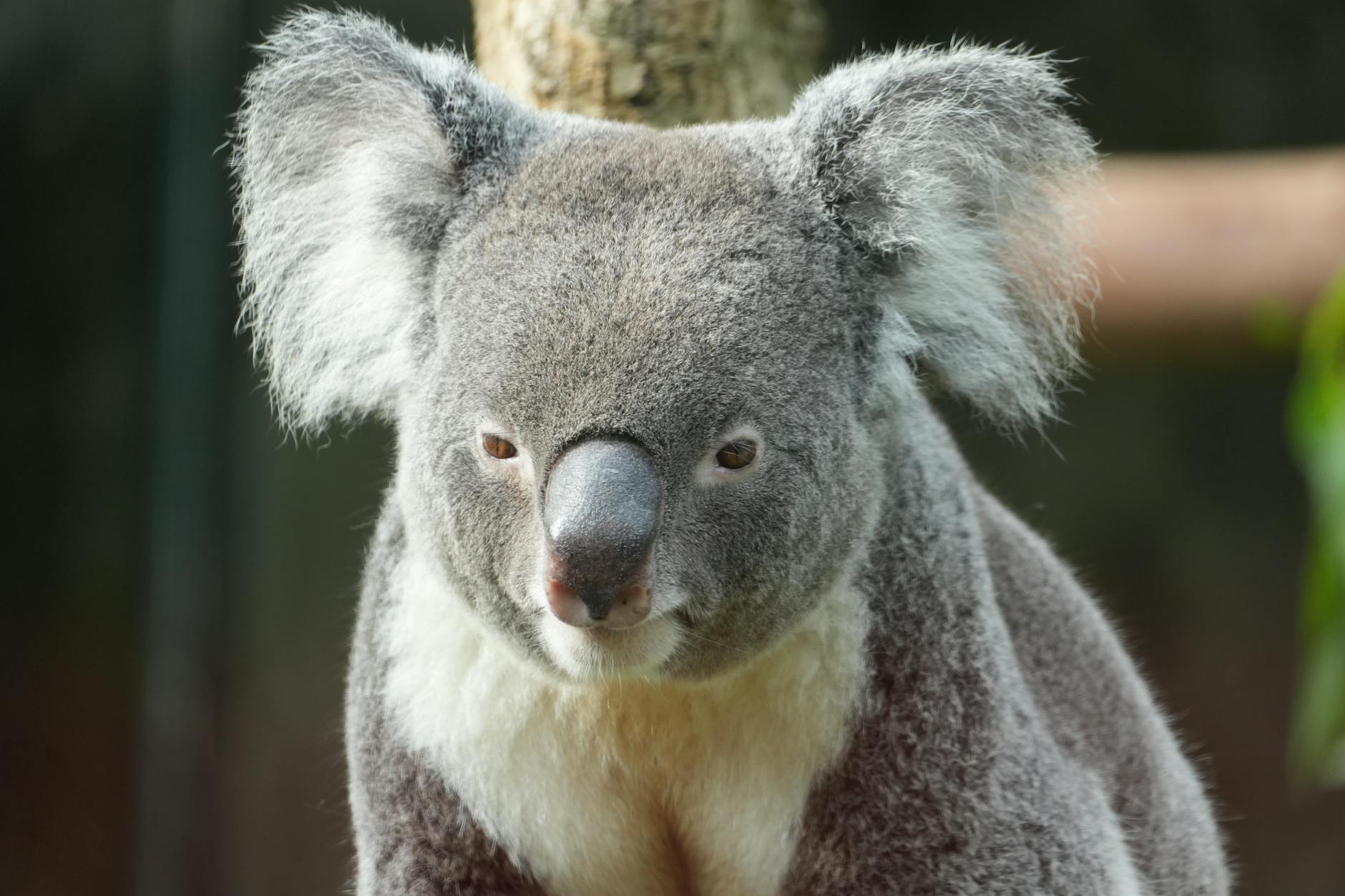
The koala is an iconic Australian marsupial whose sleepy expression and round ears have earned it a place among the most recognizable animals on the planet. It is an obligate herbivore that feeds almost exclusively on eucalyptus leaves but its closest evolutionary relatives include carnivorous marsupials such as the quoll and the Tasmanian devil. Koalas possess extremely sharp claws evolved for gripping bark but capable of inflicting deep lacerations on humans when the animal is stressed or mishandled. Their low-energy lifestyle is a direct result of the toxic and nutritionally poor eucalyptus diet rather than a gentle personality. Wildlife rehabilitators consistently note that koalas are among the most prone to biting and scratching of any marsupial species they handle.
Coati
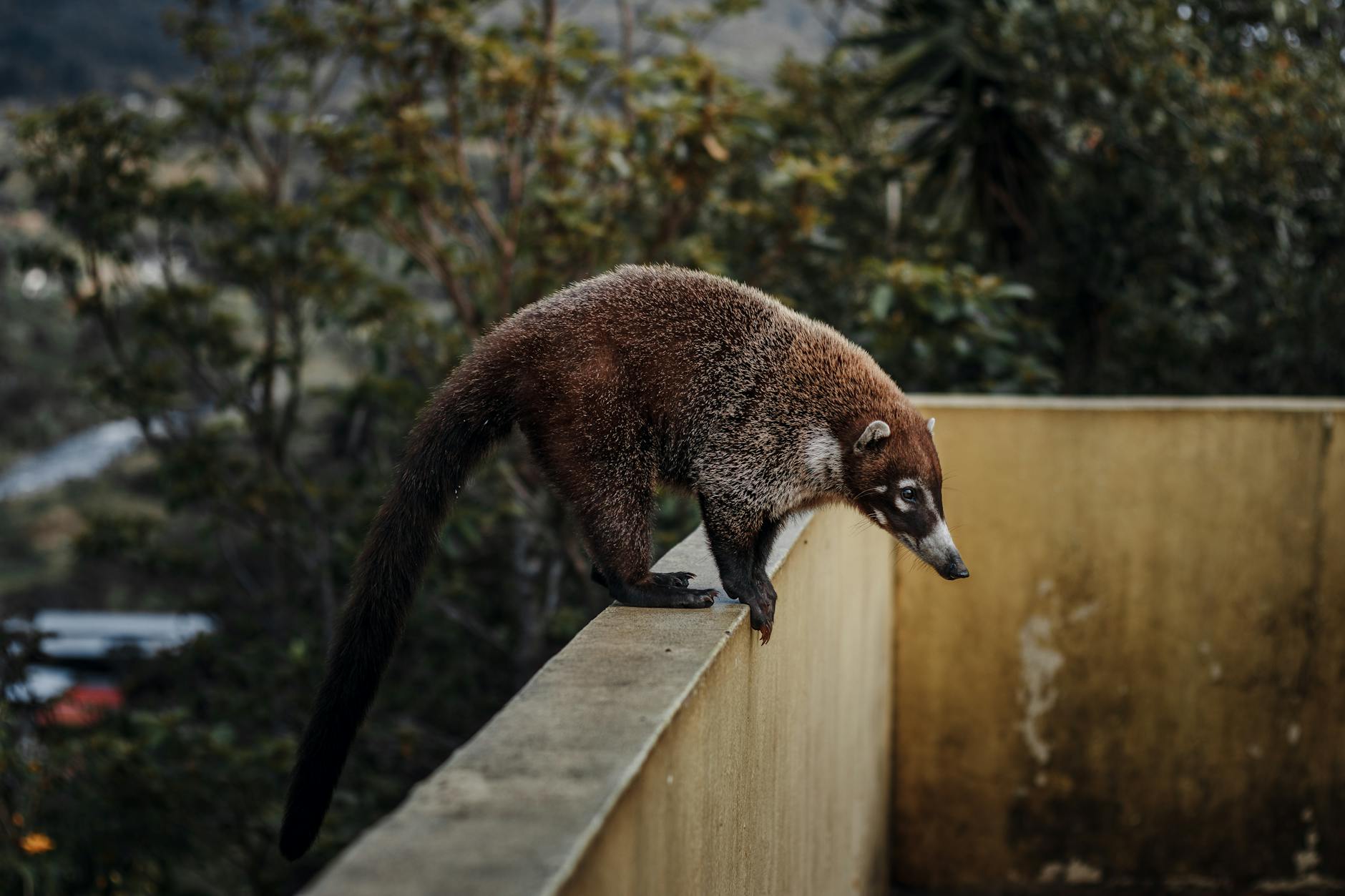
The coati is a long-snouted relative of the raccoon found across Central and South America and has attracted growing attention as an exotic pet due to its inquisitive and seemingly affectionate temperament. It is an omnivorous carnivore that uses its flexible snout and sharp claws to excavate soil in search of invertebrates, lizards, small rodents, and bird eggs. Coatis are highly social animals that engage in cooperative foraging and group defense behaviors organized around matriarchal bands. Their canine teeth are large and sharp relative to their body size and capable of delivering serious bites when the animal is startled or feels threatened. Tourist areas in Central America frequently warn visitors about coati attacks after incidents involving food and perceived territorial encroachment.
Mongoose
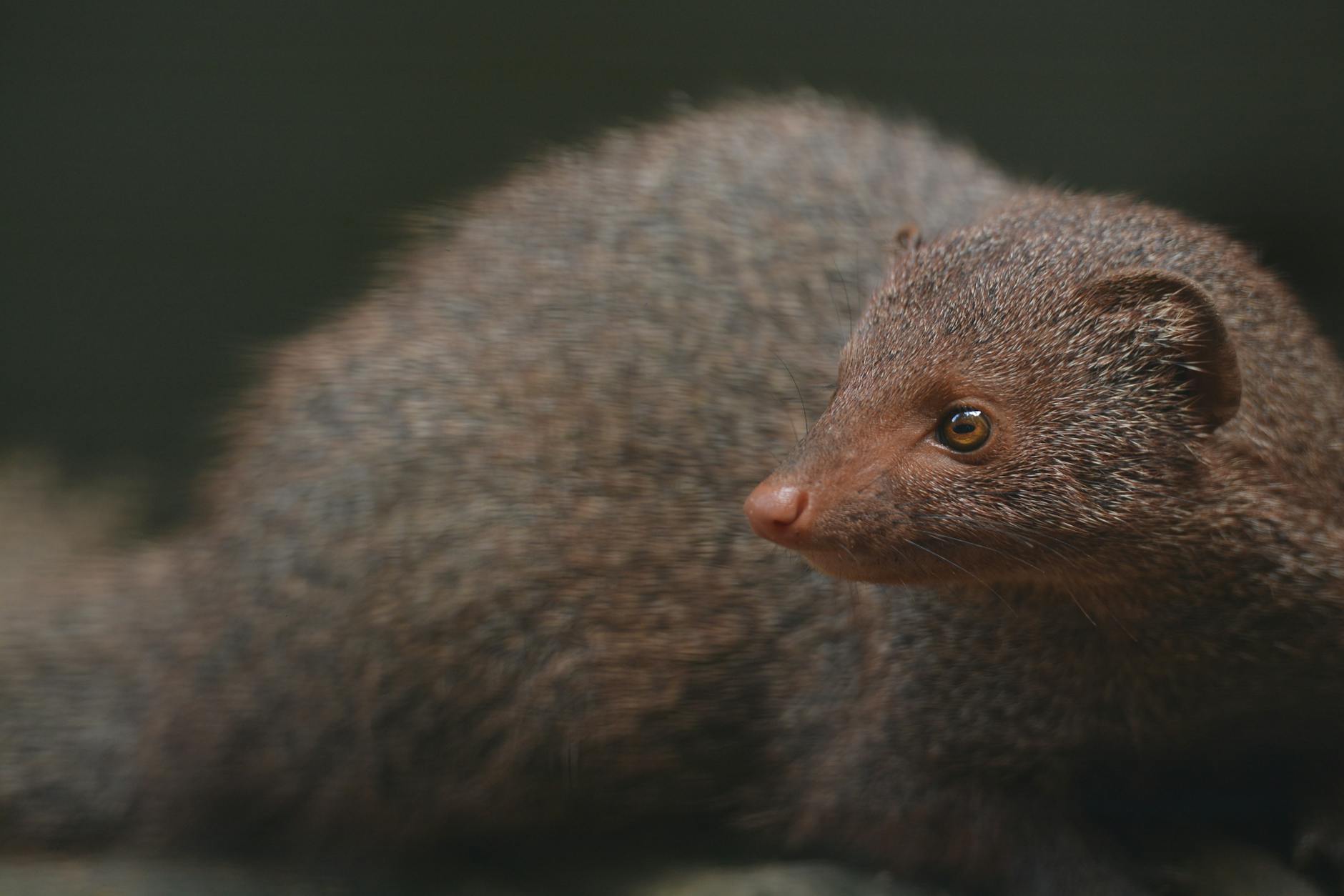
The mongoose is a sleek and swift carnivore found across Africa and Asia that is most famous for its extraordinary ability to hunt and kill venomous snakes including cobras. It possesses acetylcholine receptors that differ structurally from those of most mammals giving it a significant degree of resistance to neurotoxic venom. Mongooses also hunt rodents, birds, eggs, frogs, and insects with rapid and decisive strikes made possible by their lightning-fast reflexes. They have been introduced to various island ecosystems around the world as pest control agents with catastrophic consequences for native bird and reptile populations. The playful bounding movements that make mongooses appealing in wildlife footage are largely hunting behaviors refined over evolutionary time.
Tasmanian Devil
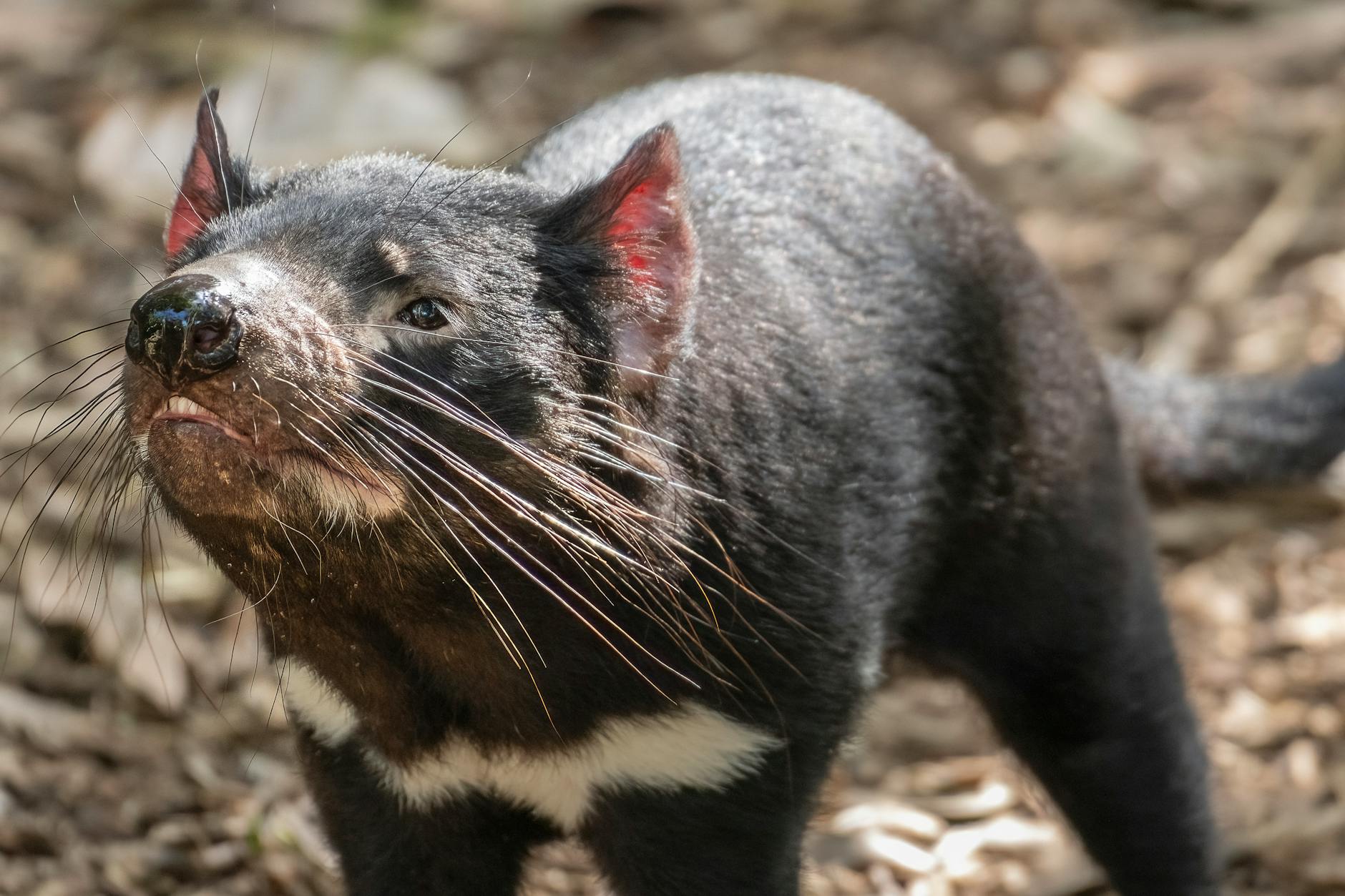
The Tasmanian devil is a stocky black marsupial native to the island of Tasmania whose loud screeching calls and feeding frenzies have made it one of the most dramatically misunderstood animals in popular culture. It is the world’s largest carnivorous marsupial and consumes prey and carrion with one of the most powerful bites relative to body size of any living mammal. Tasmanian devils can consume entire carcasses including bones, fur, and internal organs and play a critical role in the island’s ecosystem as a cleanup predator. They are solitary hunters that use an acute sense of smell to locate food from several kilometers away at night. Conservation programs have worked to protect the species from a contagious facial tumor disease that significantly reduced population numbers in recent decades.
Binturong
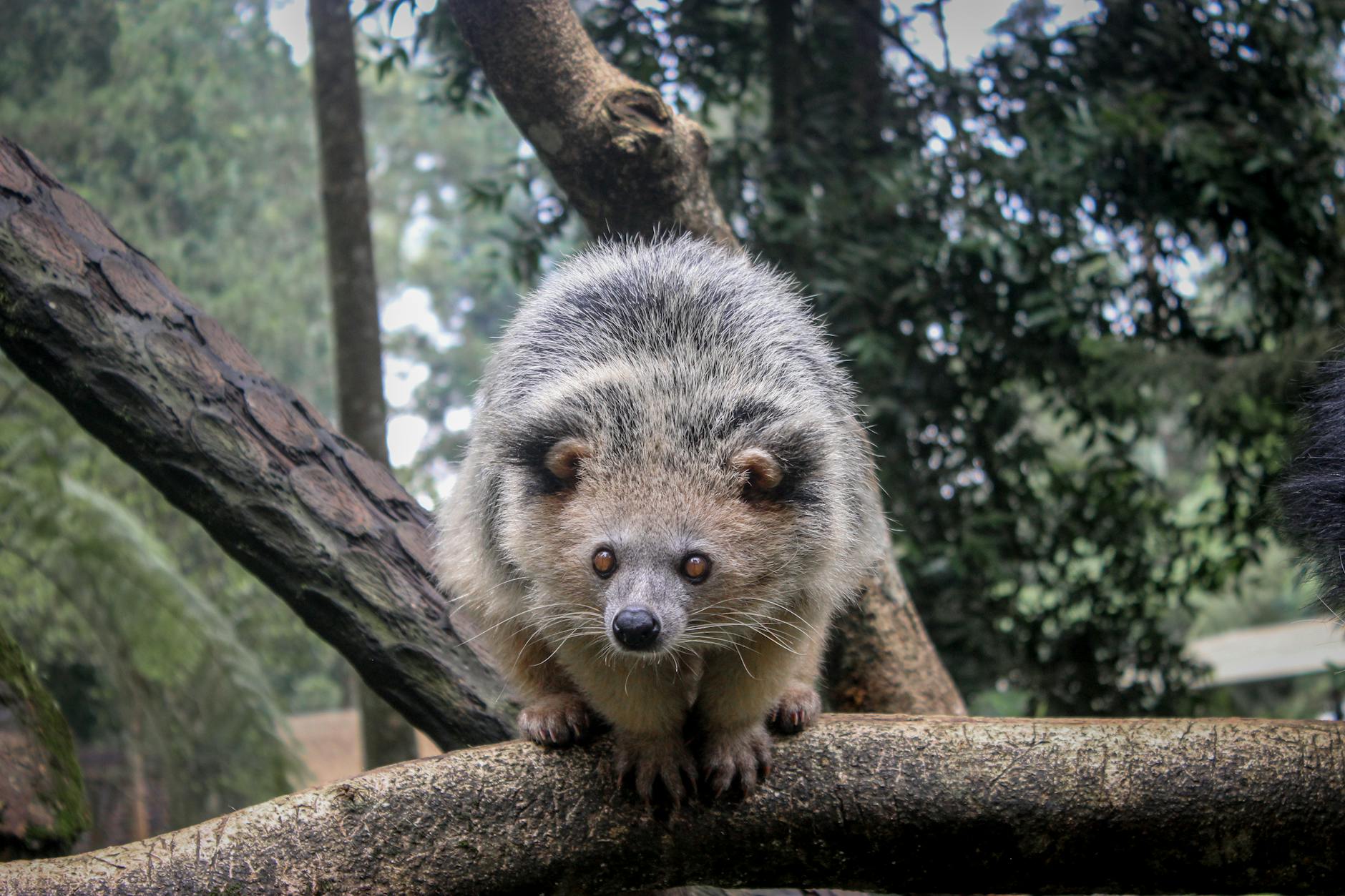
The binturong is a shaggy-coated arboreal mammal from Southeast Asia sometimes called a bearcat despite being related to neither bears nor cats. It moves slowly through rainforest canopies and produces a scent from its tail glands that has been famously compared to popcorn or corn chips. The binturong is a carnivore that supplements its fruit-heavy diet with fish, birds, small mammals, rodents, and invertebrates caught both in trees and near water. Its prehensile tail provides stability while hunting in branches and is one of only a few such adaptations found among carnivorous mammals outside of primates. Despite its lumbering and harmless appearance the binturong possesses sharp claws and teeth that can cause significant injury when the animal is mishandled.
Fossa
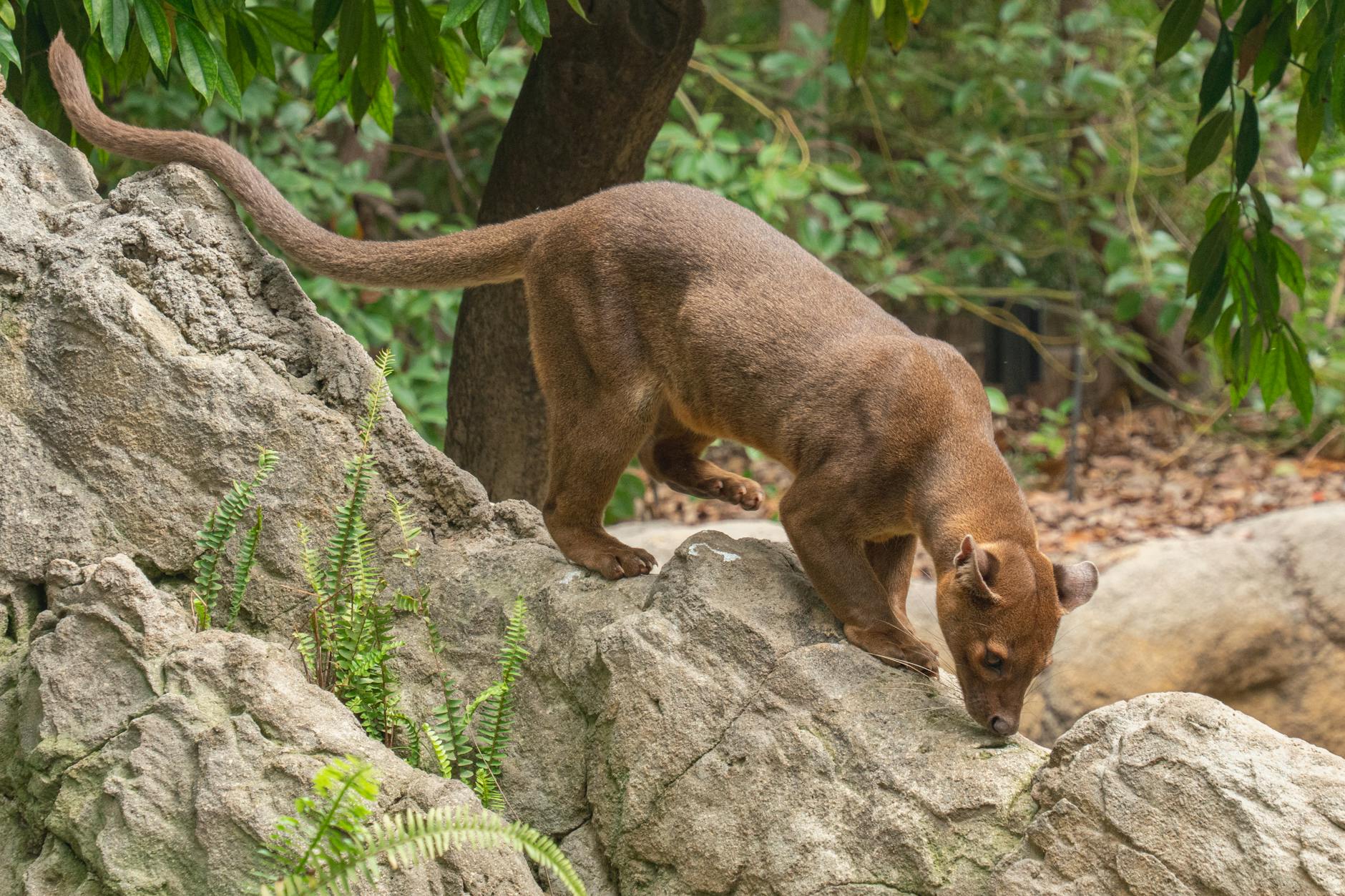
The fossa is the apex predator of Madagascar and bears a superficial resemblance to a small cougar despite being most closely related to the mongoose family. It is an agile and highly efficient hunter that preys almost exclusively on lemurs and pursues them through forest canopies with impressive speed and climbing ability. Fossas have retractable claws and a flexible ankle joint that allows them to descend trees headfirst in a manner unusual among carnivores. They are solitary and largely secretive animals that cover large territorial ranges during nocturnal hunting expeditions. Its feline appearance and fluid movement have led many visitors to Madagascar to mistake it for a cat at first glance.
Wolverine
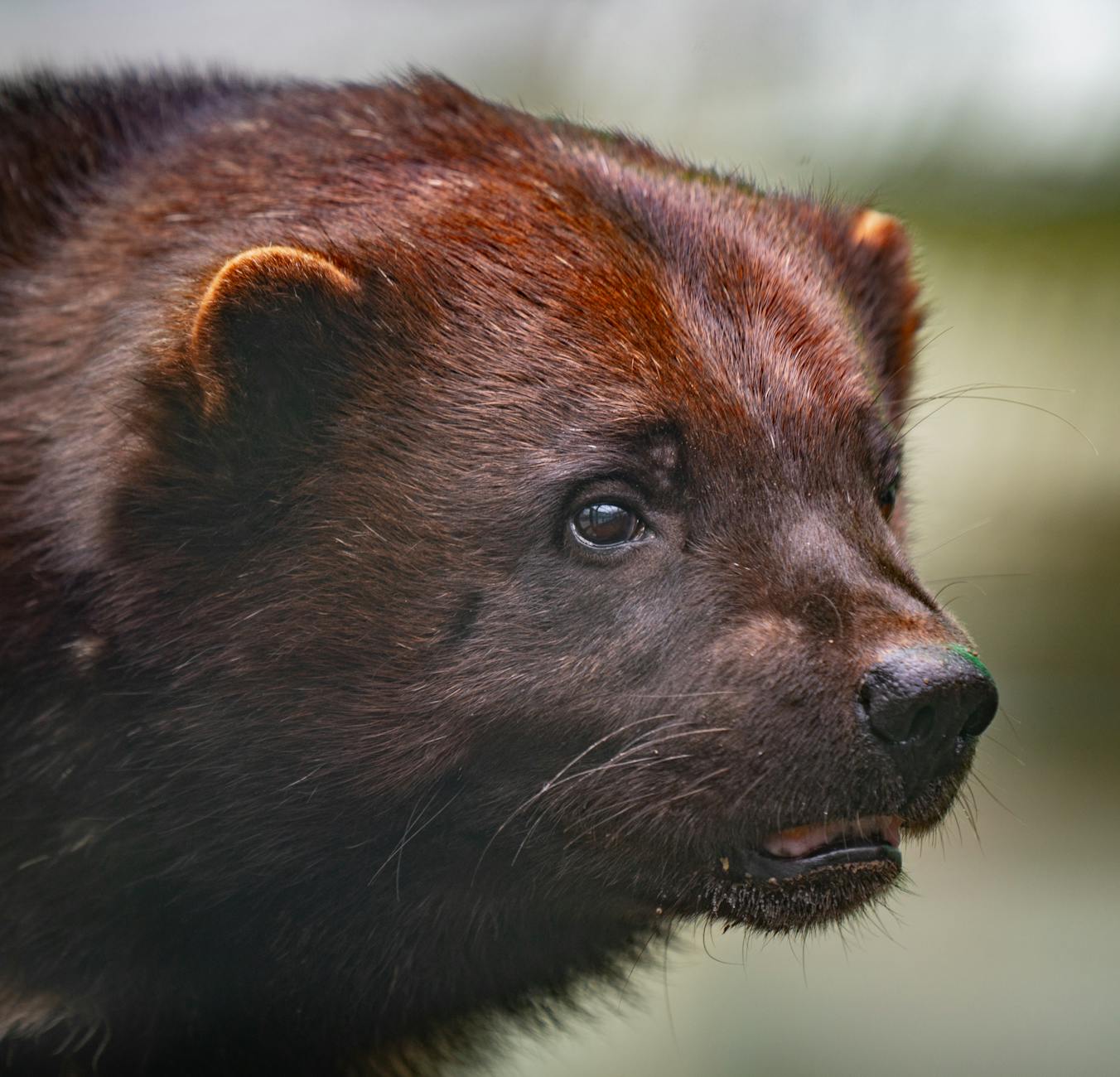
The wolverine is a compact and powerfully built member of the weasel family found across subarctic and alpine regions of the Northern Hemisphere. It punches dramatically above its weight class as a predator and has been documented killing animals as large as caribou and moose that have been weakened by injury or deep snow. Wolverines possess extraordinarily dense bone structures and a reputation for ferocity that has made them a subject of legend among Indigenous communities throughout their range. Their oversized paws act as natural snowshoes and allow them to pursue prey across terrain that defeats larger predators. Despite appearing like an oversized fluffy weasel the wolverine is one of the most tenacious and fearless carnivores in the world.
Numbat
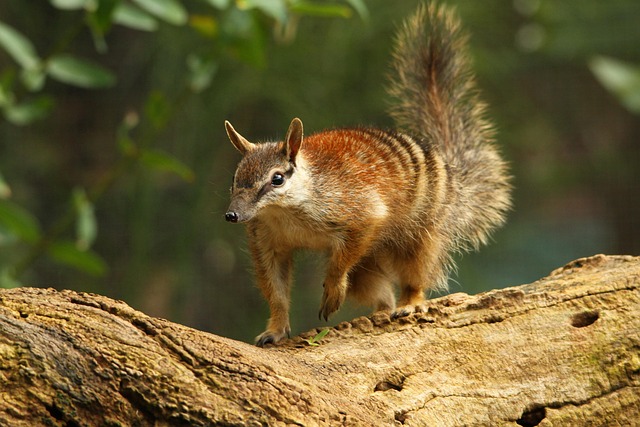
The numbat is a small striped marsupial from Western Australia with an unusually pointed snout and a long sticky tongue adapted for one of the most specific diets in the animal kingdom. It feeds almost exclusively on termites and consumes up to twenty thousand individuals per day using its tongue to extract them from shallow excavations in the soil. The numbat is one of the few marsupials that is entirely diurnal and its bold rust and white striped coat makes it one of the most visually striking small mammals in Australia. It lacks the powerful pouch muscle of many marsupials as joeys cling to abdominal fur during early development rather than being enclosed. Although its prey is tiny the numbat is nonetheless a specialized and highly effective daily carnivore.
Weasel
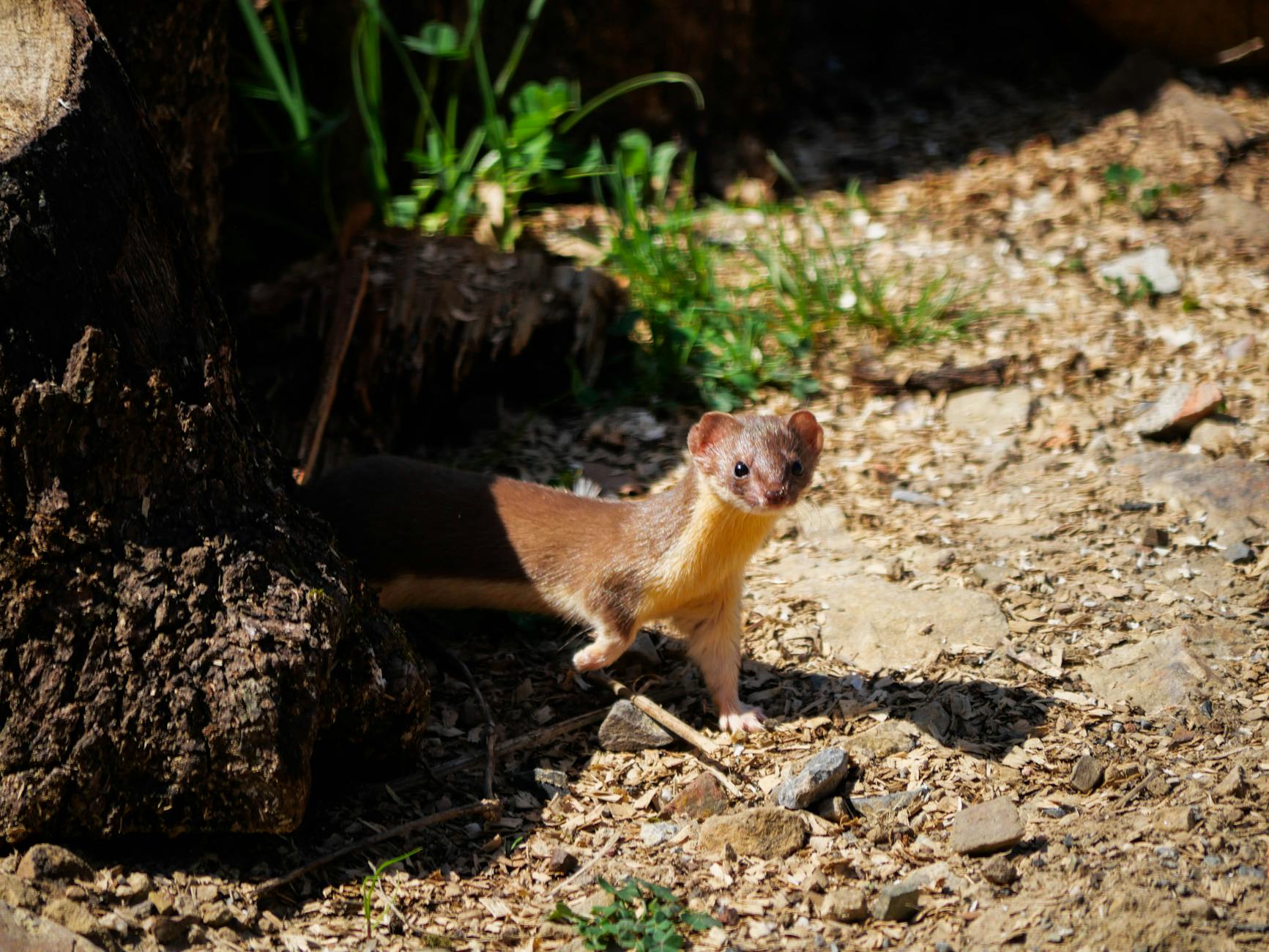
The weasel is one of the smallest carnivores in the world and its slender tubular body and bright eyes have made it a charming fixture of European folklore and children’s literature. Despite weighing as little as 25 grams the weasel is a fierce and relentless predator capable of chasing prey through underground tunnels and dispatching animals larger than itself with a precise bite to the base of the skull. Weasels have an extremely high metabolic rate that requires them to consume up to a third of their body weight in prey each day to survive. They hunt voles, mice, shrews, rabbits, birds, and eggs and have been observed carrying kills back to winter food caches for storage. Few animals in the natural world pack as much predatory intensity into as small and seemingly harmless a package.
Honey Badger
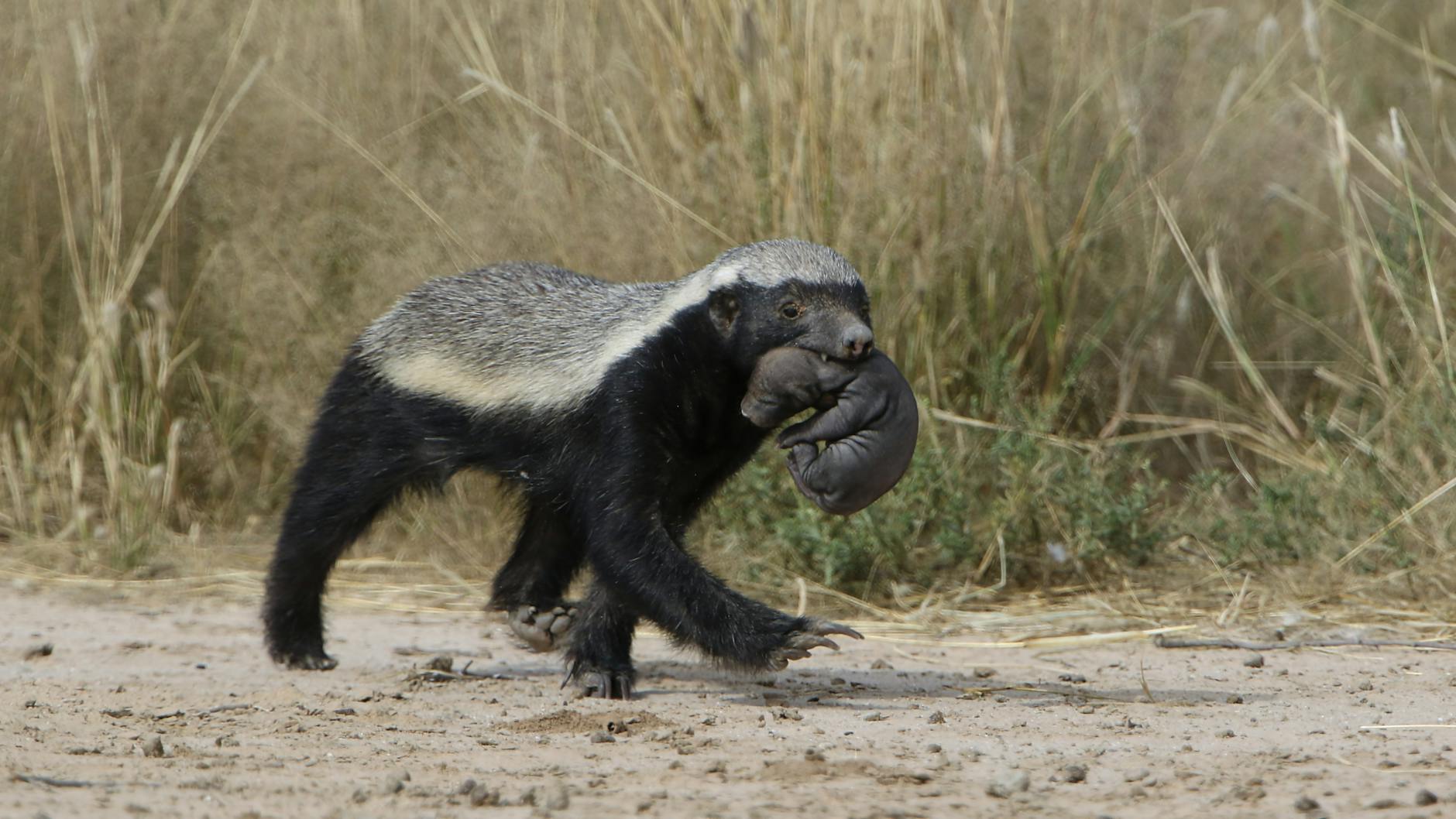
The honey badger is a stocky and seemingly cheerful-looking African mustelid whose viral internet reputation for toughness is entirely consistent with its documented behavior in the wild. It has been recorded surviving bites from puff adders, lions, and leopards and returning to resume feeding shortly after apparent incapacitation. Honey badgers use their powerful forelimbs and long claws to excavate rodents, tortoises, and bee larvae from underground and consume prey whole including shells and bones. Their loose and extraordinarily tough skin makes it almost impossible for other animals to get a firm grip during an attack. Zoologists consistently rank the honey badger among the most fearless and pound-for-pound aggressive carnivores found anywhere on the continent.
Otter
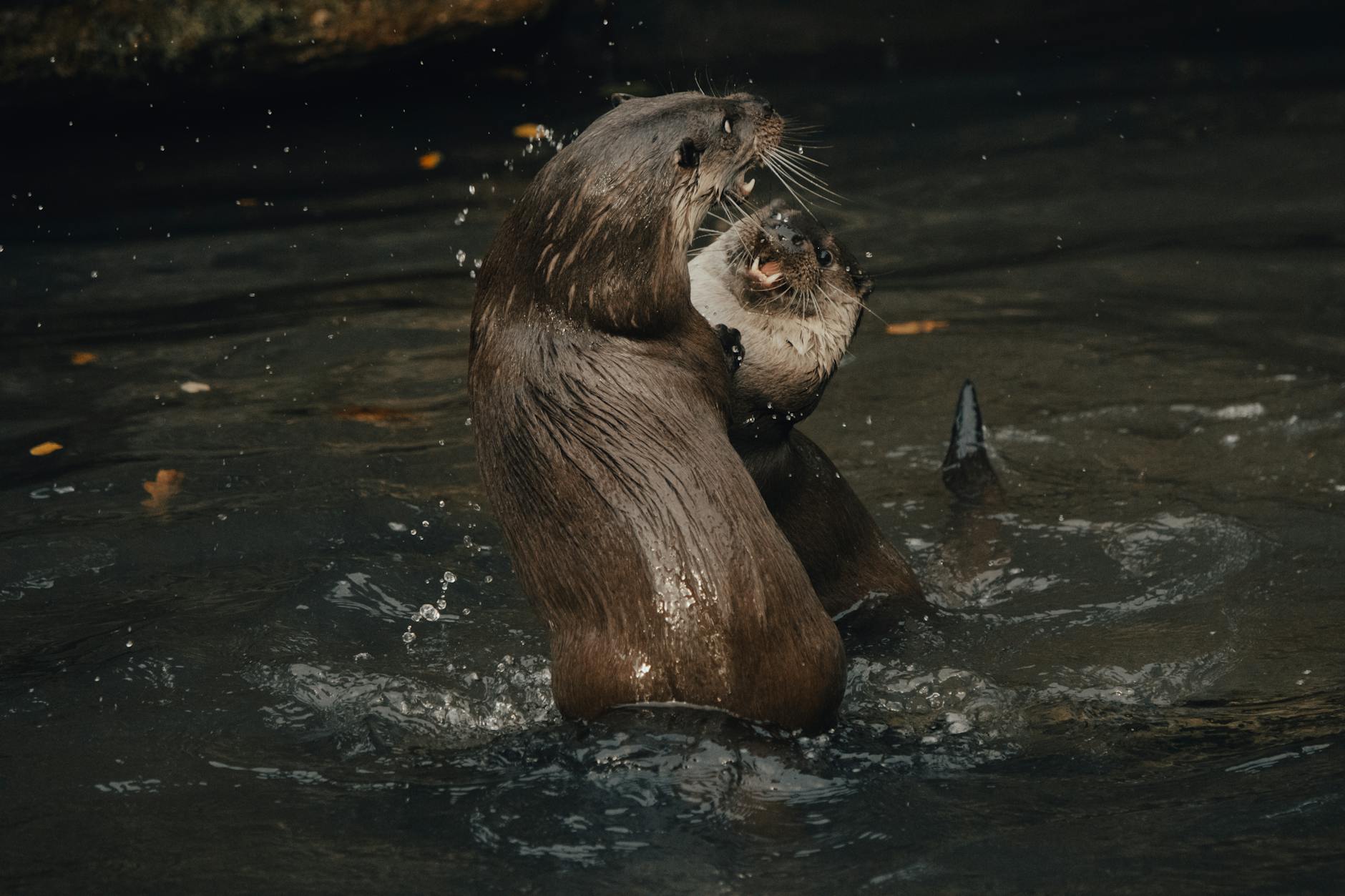
The otter is an aquatic mammal celebrated around the world for its playful behavior, social bonding rituals, and the famous habit of holding hands with partners while floating on its back. It is a skilled and relentless hunter that preys on fish, crustaceans, frogs, birds, and in the case of giant otters even small caimans and anacondas. Sea otters use rocks as tools to crack open hard-shelled prey in a behavior that represents one of the most sophisticated examples of tool use among non-primate mammals. Giant otter groups engage in coordinated hunting strategies and are territorial enough to displace caimans and large wading birds from riverbanks they have claimed. The hand-holding behavior is actually a survival strategy to prevent individuals from drifting apart during sleep rather than a purely affectionate gesture.
Maned Wolf
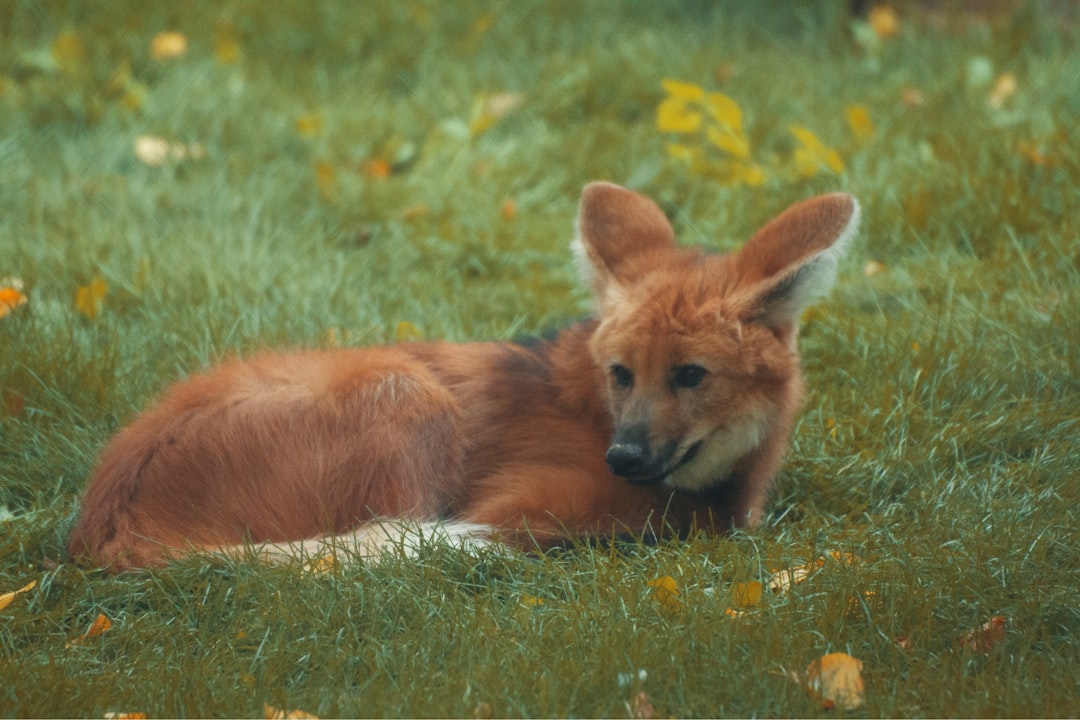
The maned wolf is a striking long-legged canid from the grasslands of South America that resembles a fox mounted on stilts and is often described as one of the most beautiful wild canines in existence. Despite its imposing appearance and large size it is an omnivore that supplements its fruit-heavy diet with rodents, rabbits, birds, reptiles, and insects hunted across open savannas. The maned wolf is the only species in its genus and occupies a unique ecological position that combines traits of foxes, wolves, and deer in a single remarkable animal. Its long legs are an adaptation for seeing above tall grass during hunting rather than for speed-based pursuit of prey. The frugivorous side of its diet makes it an important seed disperser for plant species across its range while its carnivorous habits keep small mammal populations in check.
Fennec Fox
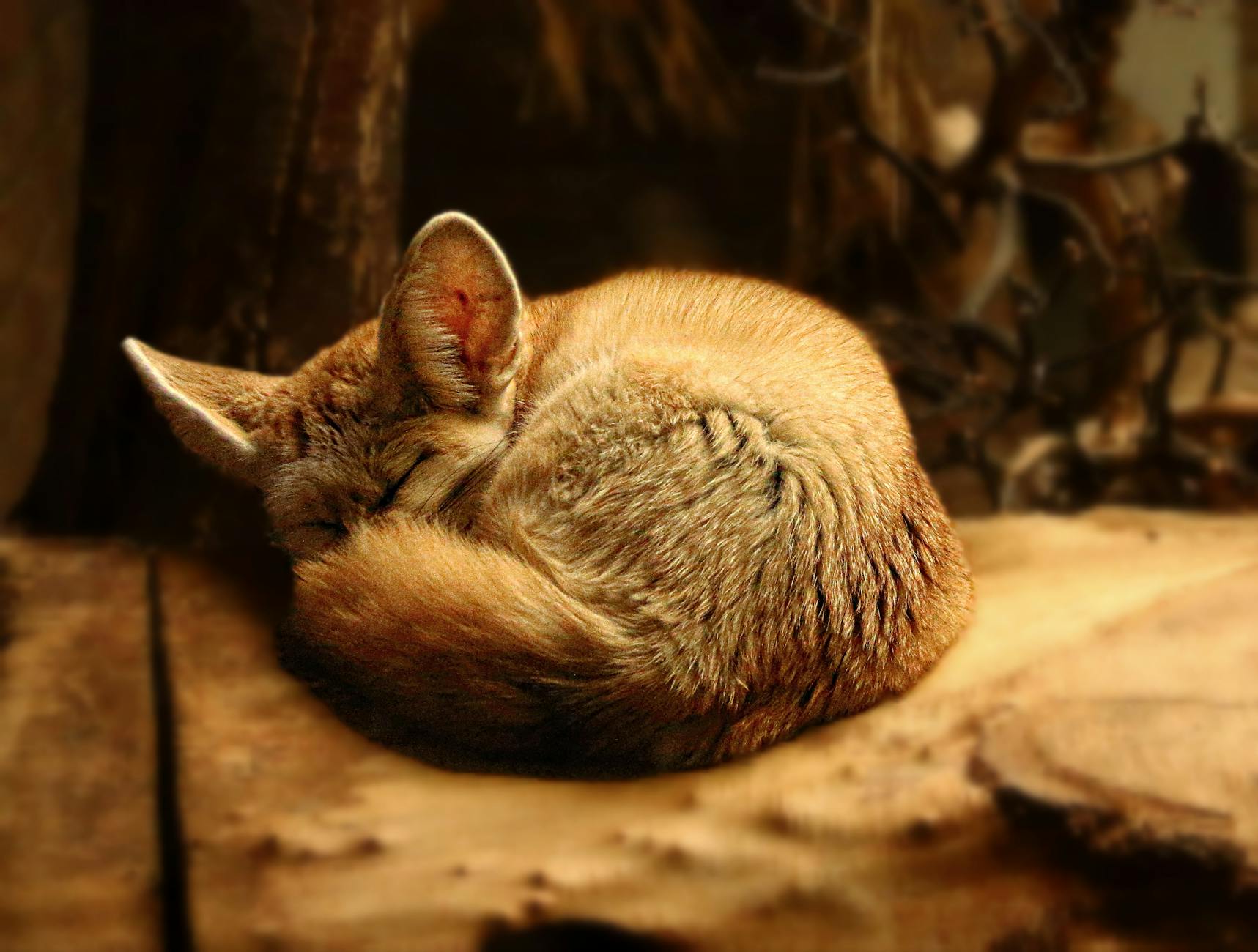
The fennec fox is the smallest wild canid in the world and its enormous rounded ears and tiny frame have made it one of the most photographed and merchandised animals on the planet. It is an opportunistic carnivore that hunts insects, small rodents, lizards, birds, and eggs across the Sahara Desert using its oversized ears to detect prey moving beneath the sand. Fennec foxes can leap remarkable distances relative to their body size and use rapid digging to pursue prey underground or escape predators in seconds. They are nocturnal hunters that thrive in extreme heat through a combination of physiology and behavioral adaptations that allow them to go without standing water for extended periods. The gap between their toy-like aesthetic and their actual desert predator lifestyle is among the most dramatic in the entire animal kingdom.
Which of these surprisingly fierce little carnivores shocked you the most? Share your thoughts in the comments.