Nature has gifted the world with an astonishing variety of wild animals that can appear irresistibly cute and approachable to the human eye. From fluffy mammals to wide-eyed reptiles, many species trigger an instinctive desire to reach out and touch them. However, wild animals are governed entirely by instinct and survival behavior rather than the social bonds that domesticated animals develop with humans. Understanding which creatures are the most deceptively dangerous is essential knowledge for any nature lover or outdoor enthusiast. The following animals are among the most tempting to approach yet carry very real risks to human safety and animal welfare alike.
Hedgehog
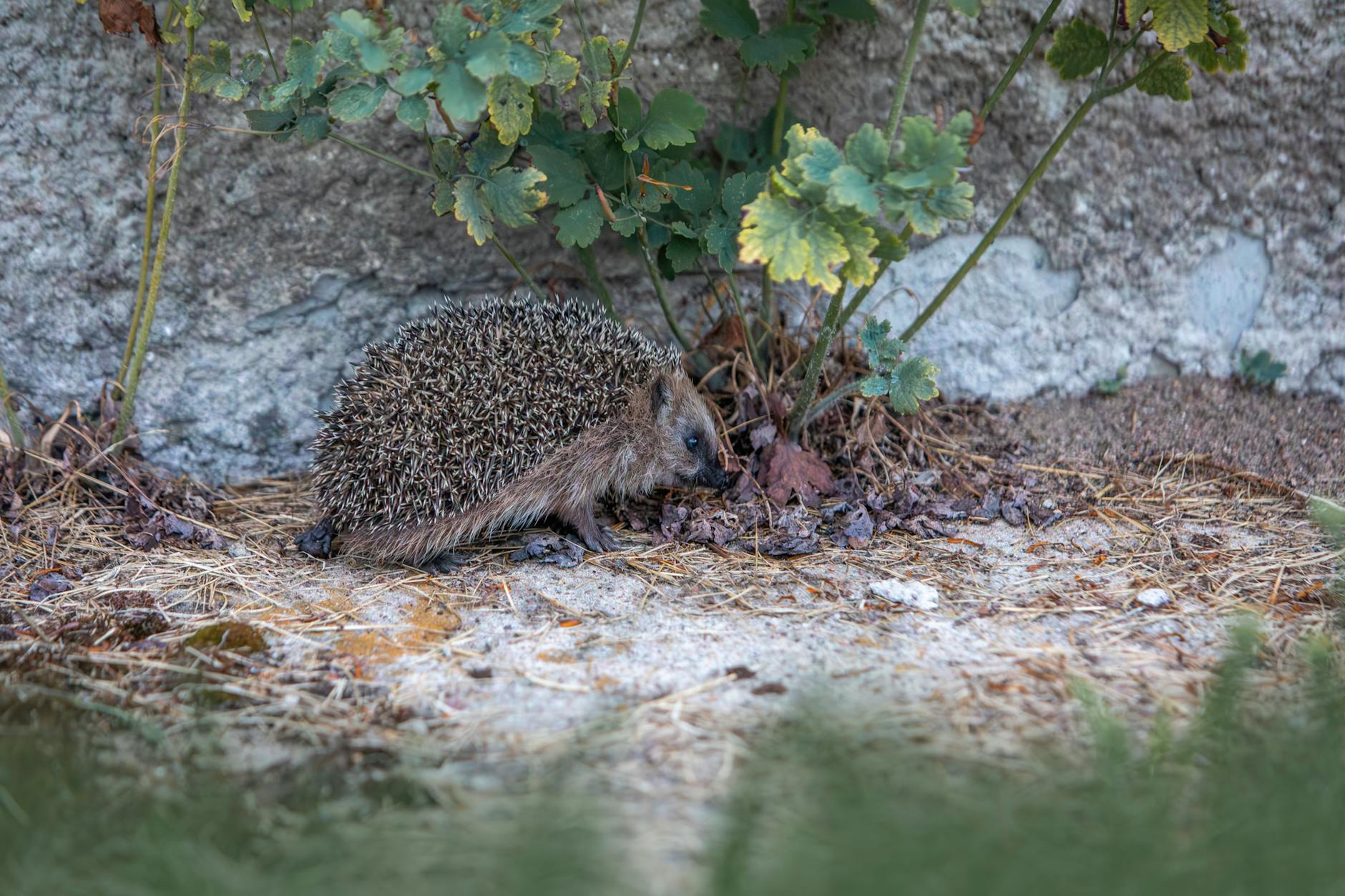
Hedgehogs are small spiny mammals found across Europe, Asia and Africa that have become popular in wildlife photography and social media content. Their round shape and tiny faces make them appear docile and friendly to observers in the wild. In reality their quills can cause puncture wounds and they are known carriers of salmonella and other zoonotic diseases. Wild hedgehogs are also prone to stress responses that can cause them to curl tightly and release musk as a defensive mechanism. Handling them disrupts their natural behavior and can negatively impact their ability to survive in their habitat.
Slow Loris
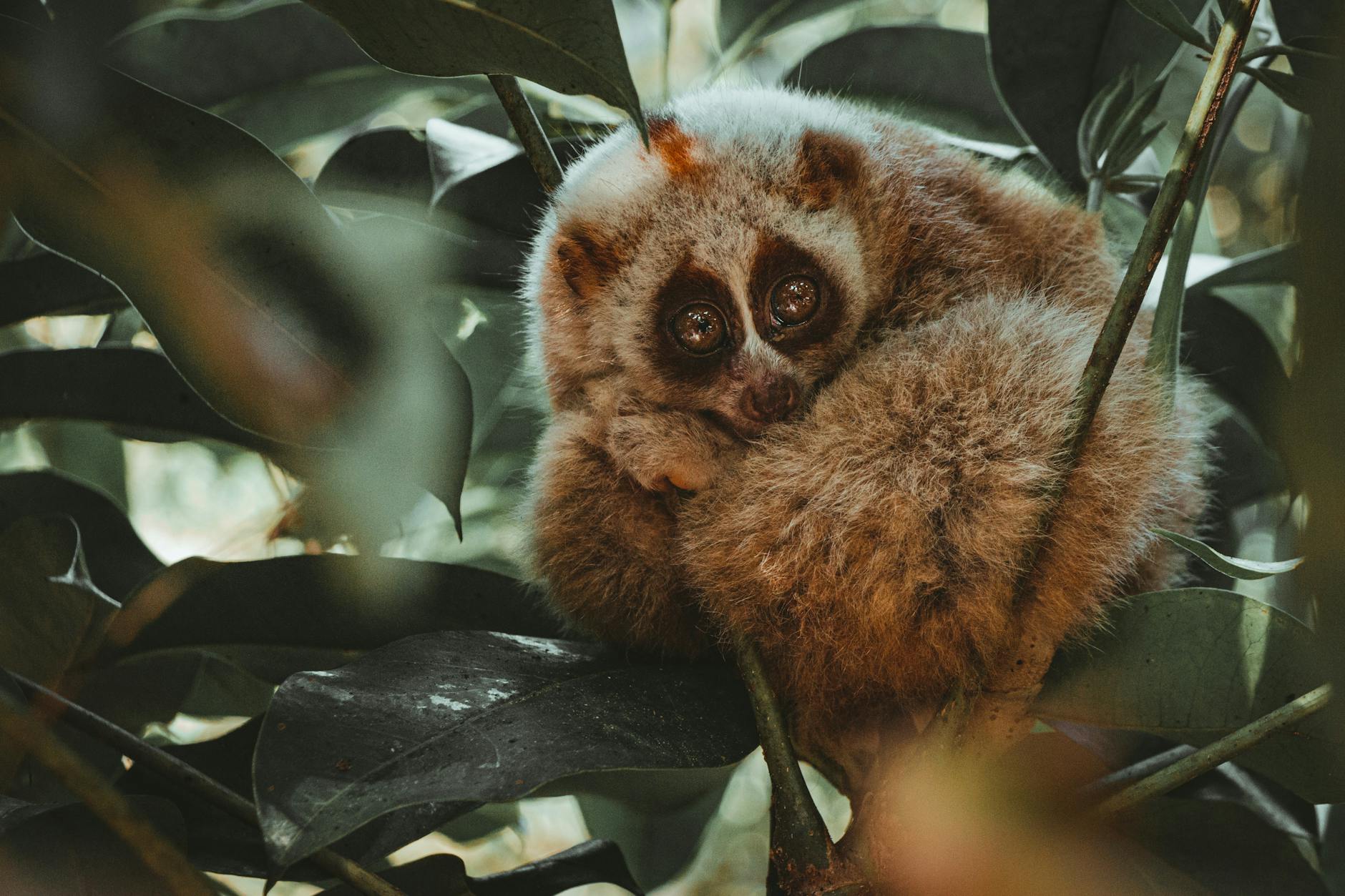
The slow loris is a nocturnal primate native to Southeast Asia with enormous round eyes and deliberate movements that make it appear extraordinarily gentle. Its small size and soft fur have unfortunately made it a target of the illegal exotic pet trade. What appears to be a ticklish reaction in viral videos is actually a fear response caused by distress. The slow loris possesses a toxic bite produced by combining its own saliva with venom secreted from a gland near its elbow. Even trained wildlife handlers treat this animal with significant caution due to the severity of reactions its bite can cause.
Raccoon
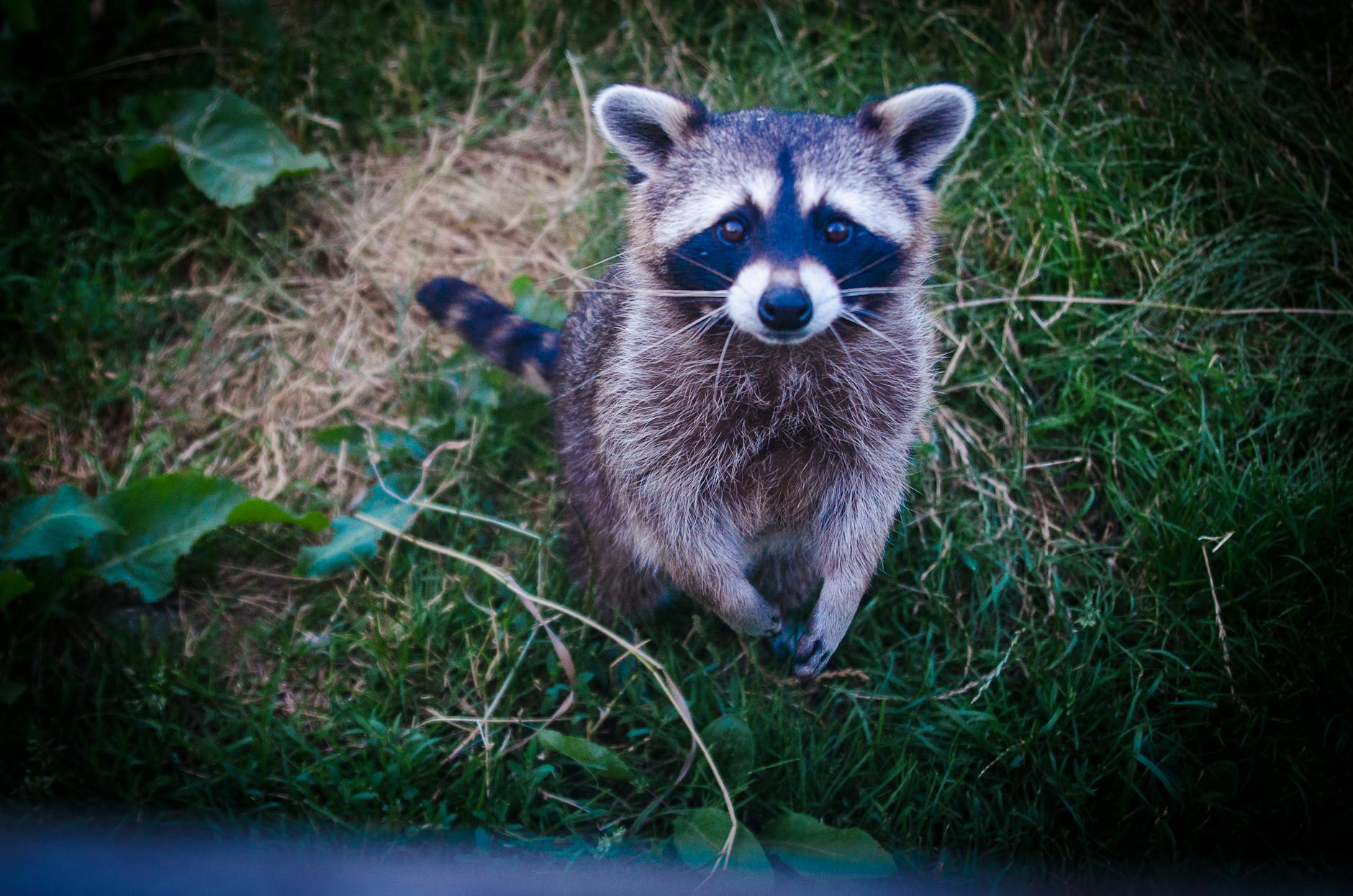
Raccoons are highly intelligent and curious mammals that have adapted remarkably well to living near human populations across North America. Their dexterous paws and inquisitive expressions often make them appear playful and safe to interact with. Wild raccoons are one of the primary carriers of rabies and can transmit the roundworm parasite Baylisascaris procyonis through contact. When cornered or startled they are capable of delivering serious bites and scratches that require immediate medical attention. Feeding or attempting to pet them also encourages habituation that creates long-term problems for both communities and the animals themselves.
Red Fox
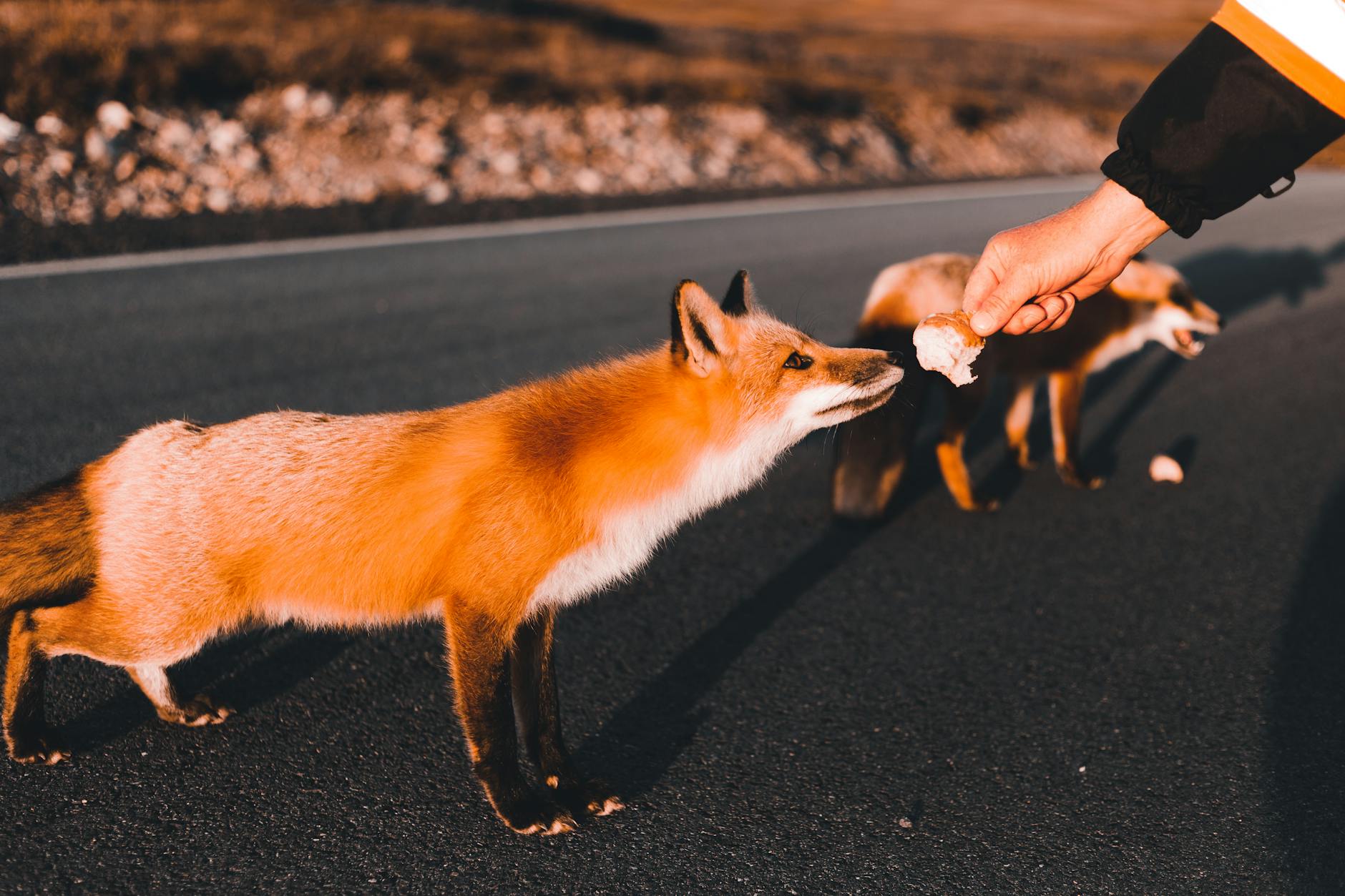
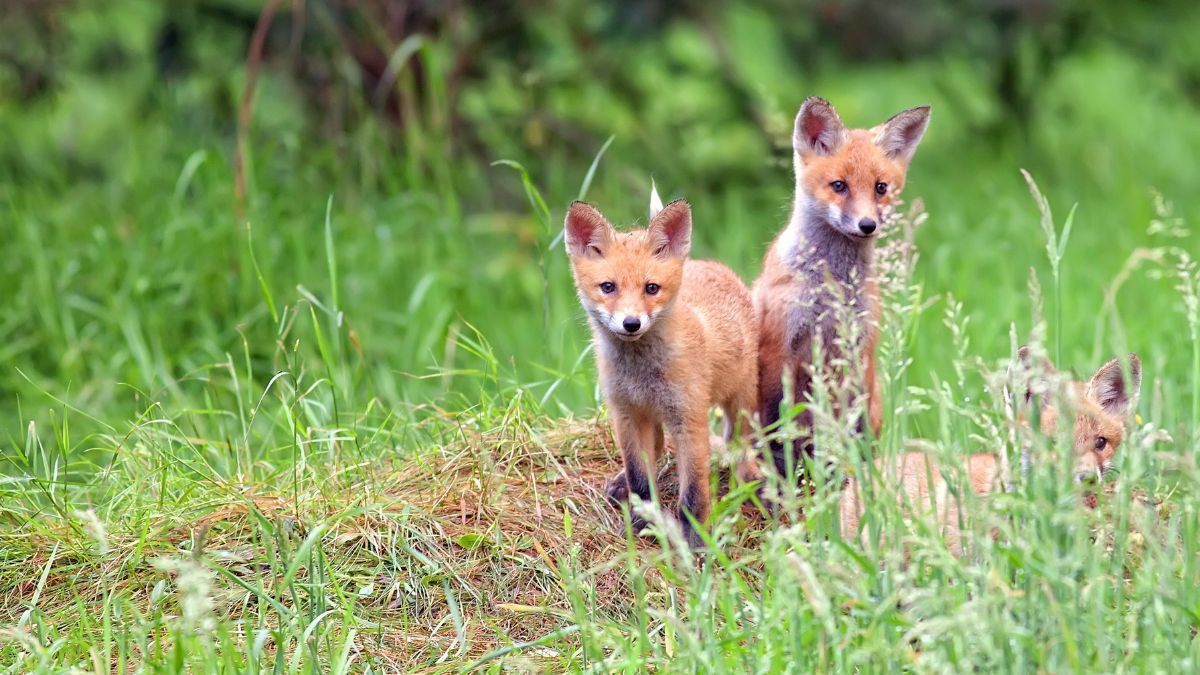
The red fox is a widespread and visually striking wild canid whose bushy tail and pointed features have made it one of the most romanticized animals in popular culture. Foxes that appear tame or approach humans are often exhibiting signs of illness or have been improperly habituated through human feeding. Their bites carry a significant risk of rabies transmission particularly in regions where the disease is endemic in wild populations. Even healthy foxes are unpredictable when they feel threatened and will use their sharp teeth and claws without warning. Observing them from a respectful distance remains the safest and most ethical way to enjoy their presence in the wild.
Kangaroo
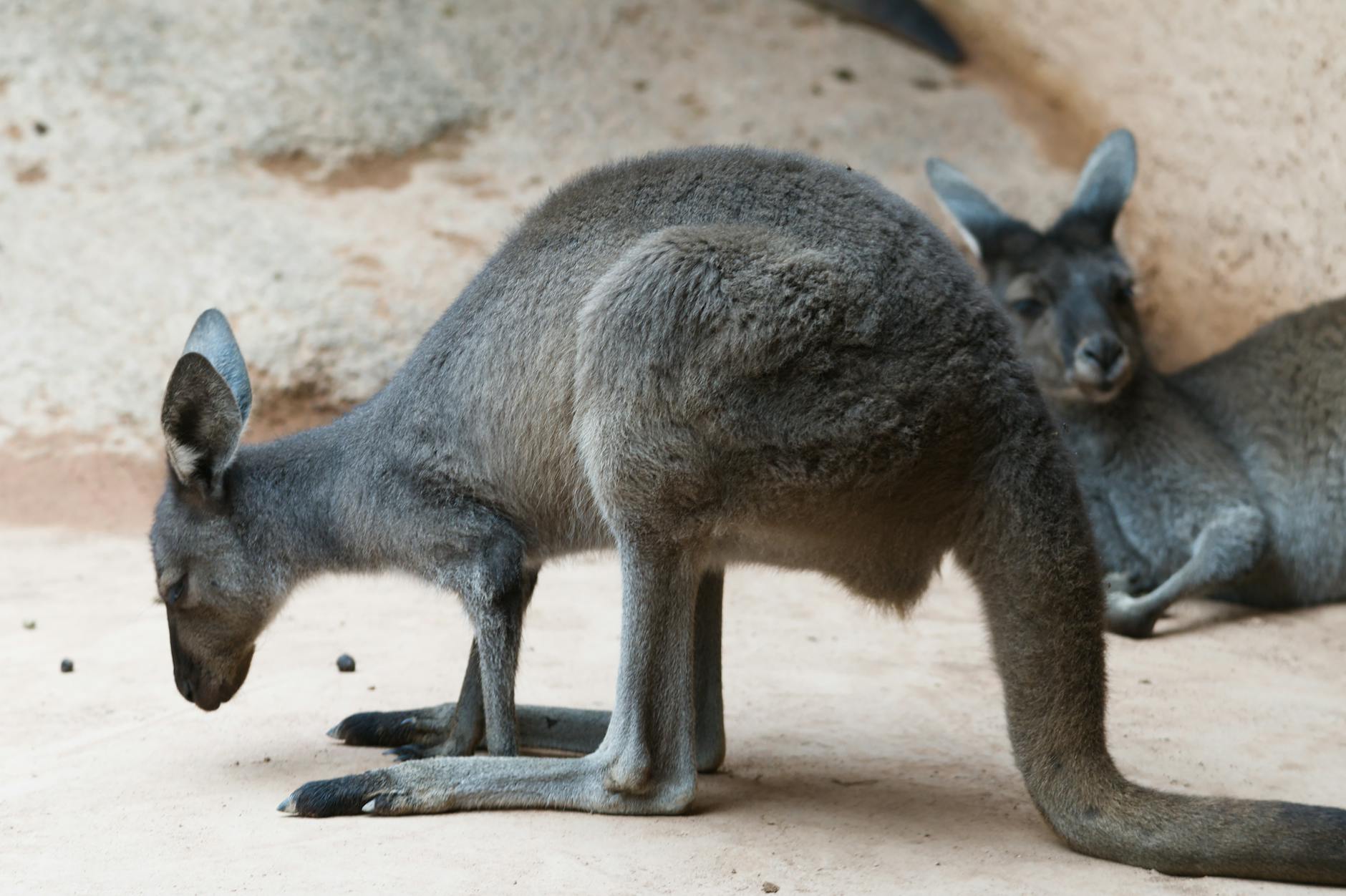
Kangaroos are iconic Australian marsupials that attract enormous attention from tourists and wildlife visitors due to their upright posture and apparent curiosity toward humans. Smaller wallabies and joeys in particular can appear gentle enough to approach and touch. Adult kangaroos are extraordinarily powerful animals capable of delivering devastating kicks with their hind legs that can cause broken bones and severe internal injuries. Males in particular can become highly aggressive especially during breeding season or when they perceive a human as a competitor. Even kangaroos in wildlife parks that are accustomed to visitors require careful and educated handling practices.
Capybara
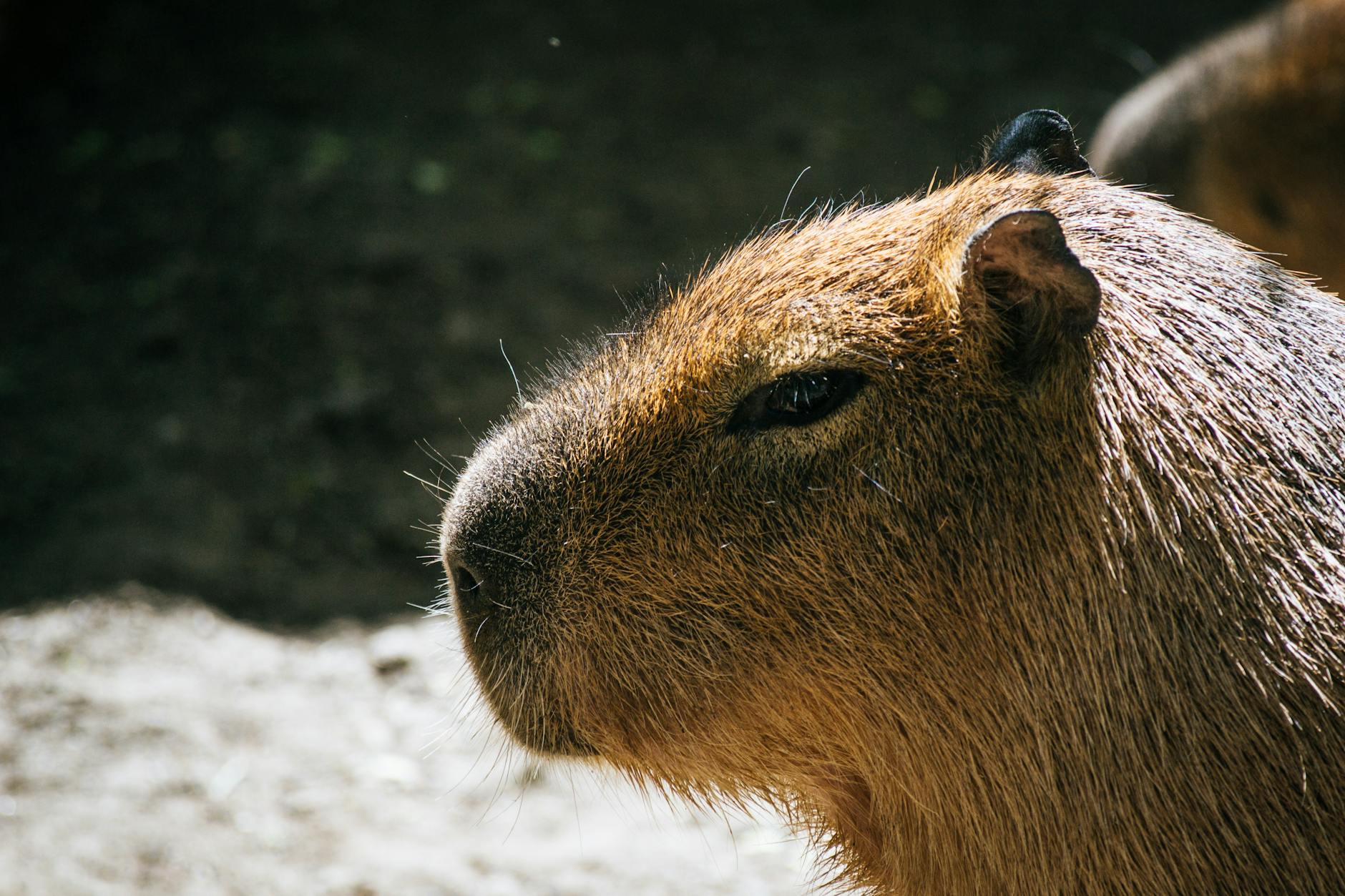
The capybara is the world’s largest rodent and is native to South America where it lives in groups near rivers and wetlands. Its calm and sociable nature within its own species has made it a beloved subject of internet culture and wildlife tourism. Wild capybaras carry ticks that transmit spotted fever and their bites though infrequent can cause considerable tissue damage due to their powerful jaws. Approaching them in the wild disrupts their herd dynamics and can trigger a flight response that puts both the animal and observer at risk near water. Their approachable demeanor should never be mistaken for an invitation to physical contact.
Moose
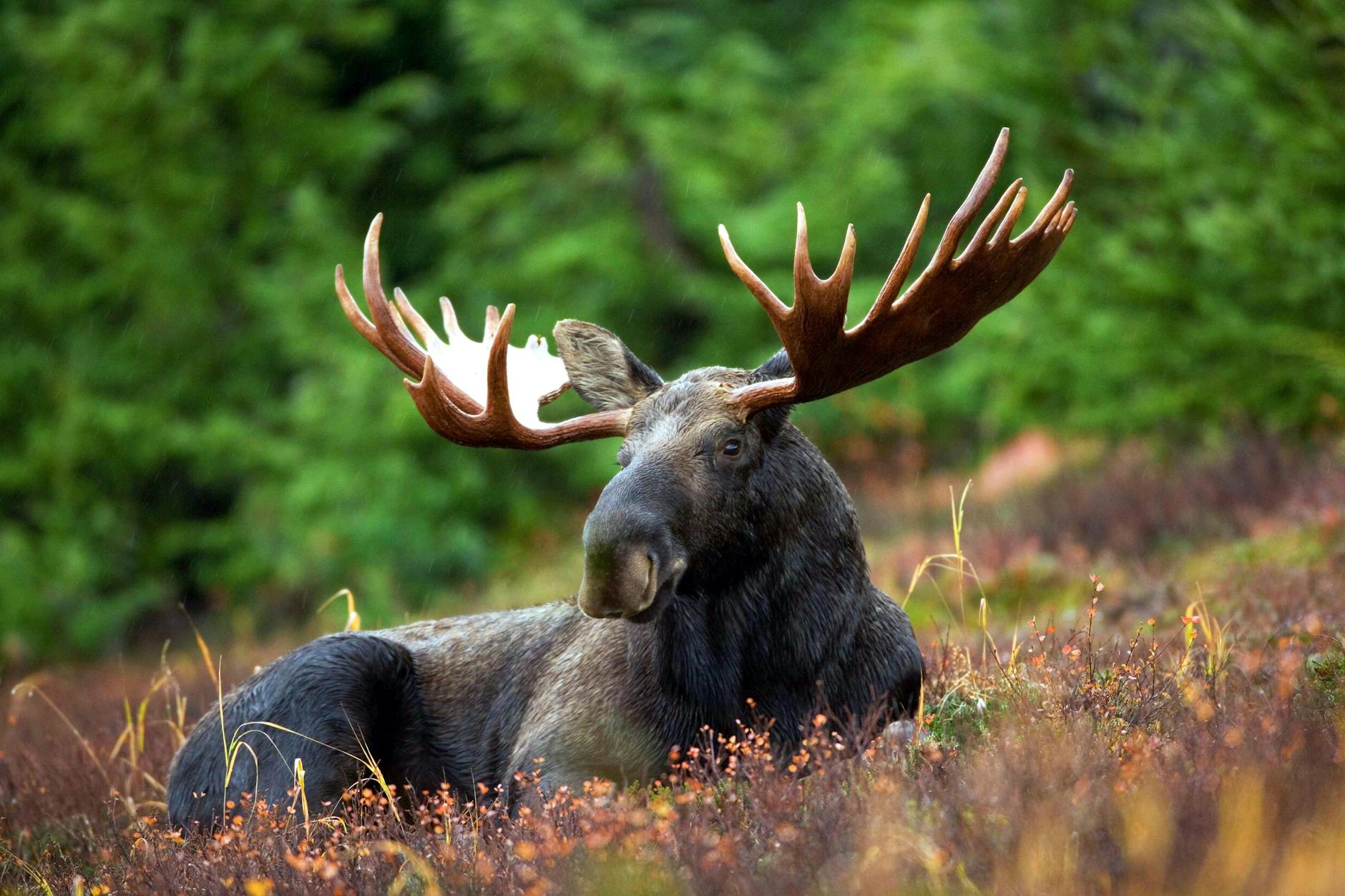
Moose are the largest members of the deer family and are frequently encountered in northern forests across North America and Scandinavia. Their seemingly slow movements and gentle grazing behavior can give the false impression that they are passive and safe to approach. Moose are responsible for more injuries to humans than bears in North America and can charge with explosive speed when they feel threatened. Cows protecting calves are particularly dangerous and will not hesitate to trample any perceived threat. Maintaining a very wide distance and retreating slowly without eye contact is the recommended approach when encountering one in the wild.
Manta Ray
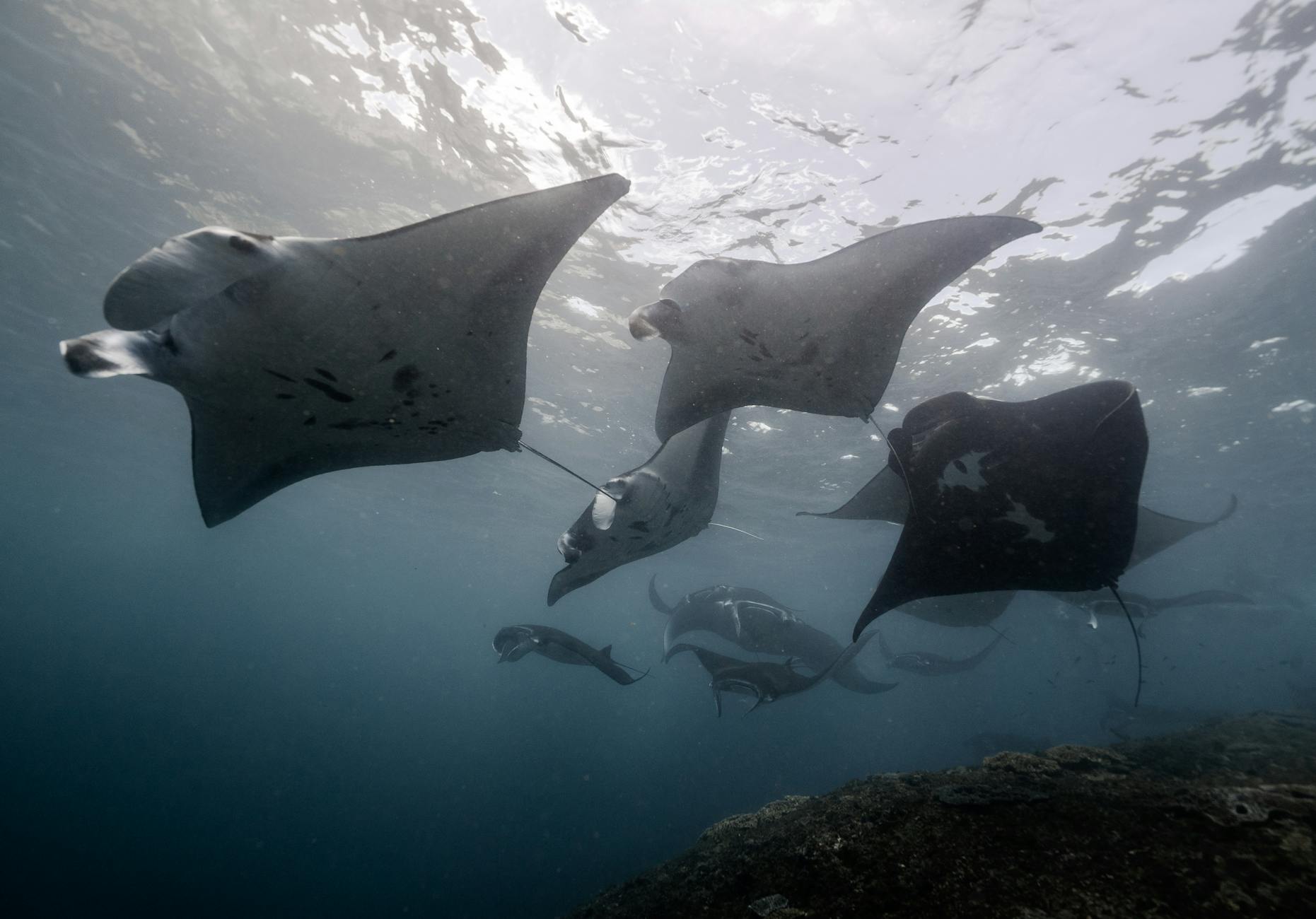
Manta rays are majestic ocean creatures whose vast wingspans and graceful movements make them one of the most awe-inspiring animals encountered by divers and snorkelers worldwide. Their calm nature and tendency to swim slowly near the surface can make them appear approachable and harmless. Touching a manta ray removes the protective mucus layer on its skin which exposes it to infection and disease. Physical interaction also causes measurable stress and can alter their natural behavior patterns over time. Responsible dive operators around the world now enforce strict no-touch policies to protect these vulnerable and slow-reproducing animals.
Chimpanzee
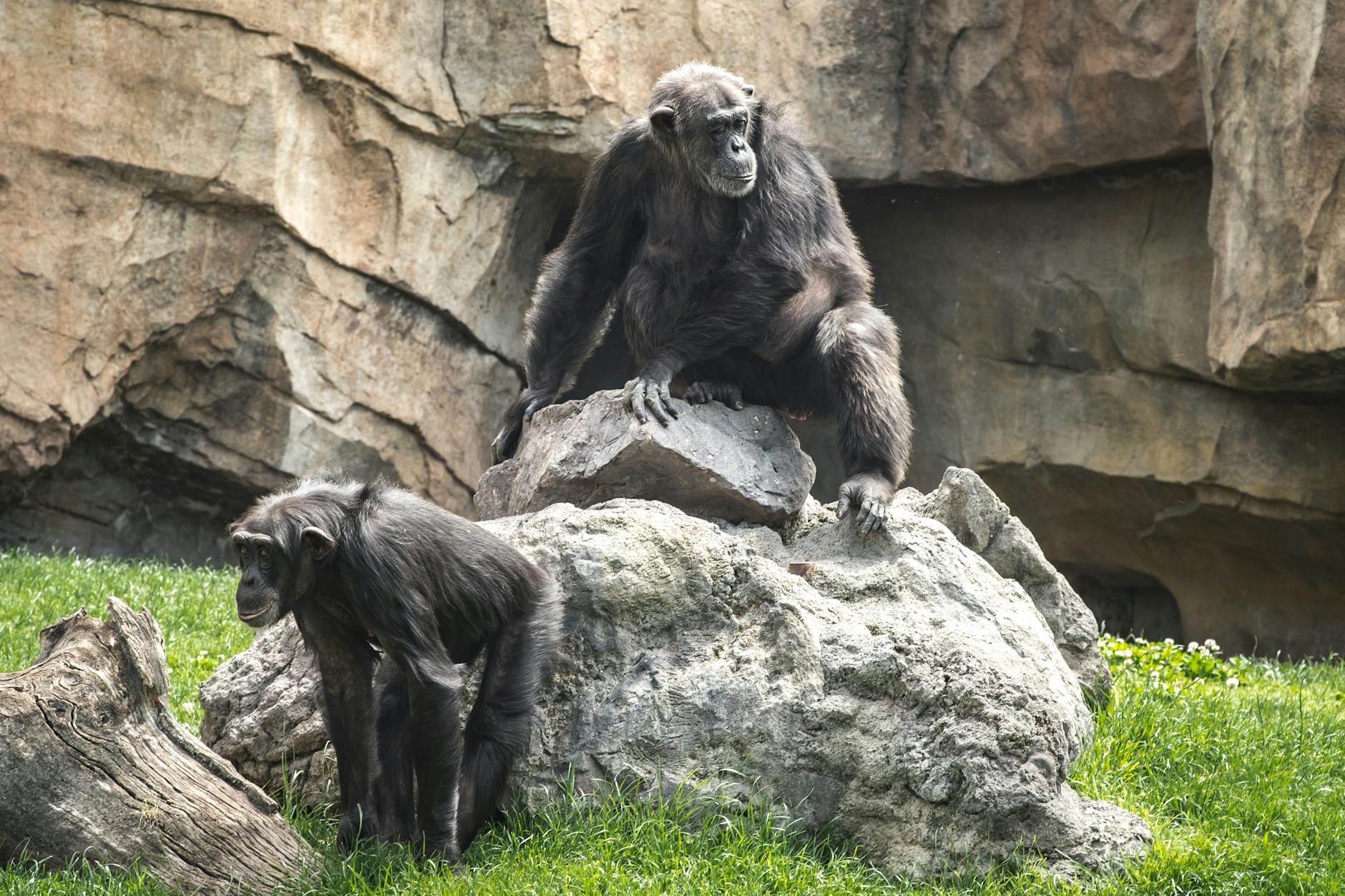
Chimpanzees share approximately 98 percent of their DNA with humans which contributes to the widespread and dangerous misconception that they are safe to interact with in the wild. Young chimps in particular can appear playful and emotionally expressive in ways that feel familiar to human observers. Adult chimpanzees are roughly four times stronger than an adult human and have been responsible for extremely serious and disfiguring attacks on people. They carry diseases including HIV and hepatitis C that can be transmitted to humans through bites and scratches. Wild chimp encounters should always be managed by trained researchers following strict distance and hygiene protocols.
Puffer Fish
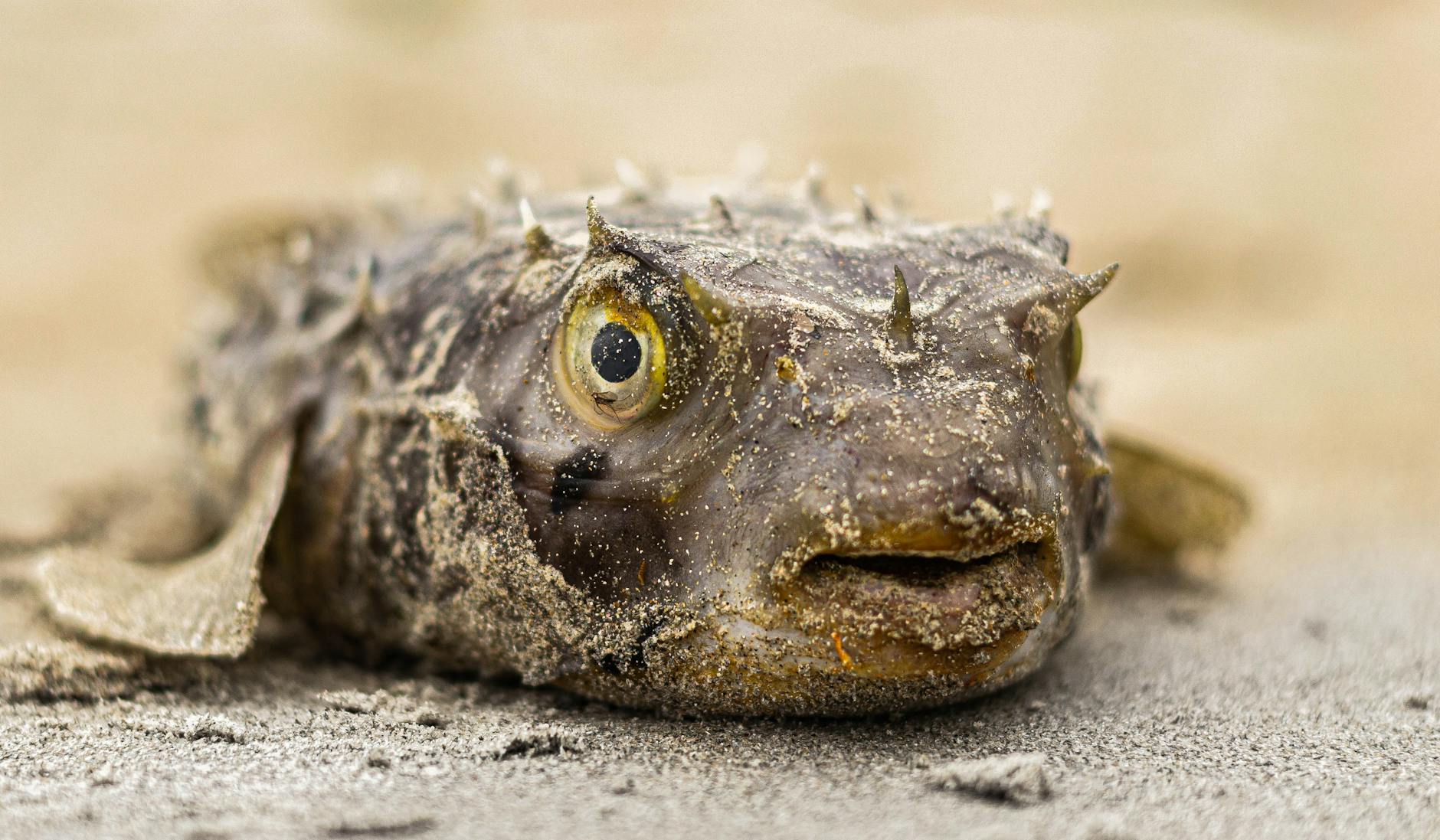
Puffer fish are found in tropical and subtropical ocean waters and are immediately recognizable for their ability to inflate into a spiky ball when threatened. Their rounded shape and relatively slow movements in the water make them appear comical and harmless to snorkelers and divers. Puffer fish contain tetrodotoxin one of the most potent naturally occurring toxins known to science which is present in their skin organs and certain tissues. Even brief handling can expose the skin to trace amounts of toxin and provoke a severe defensive inflation response. Marine biologists consistently advise that admiration of puffer fish should be conducted entirely at a visual distance.
Koala
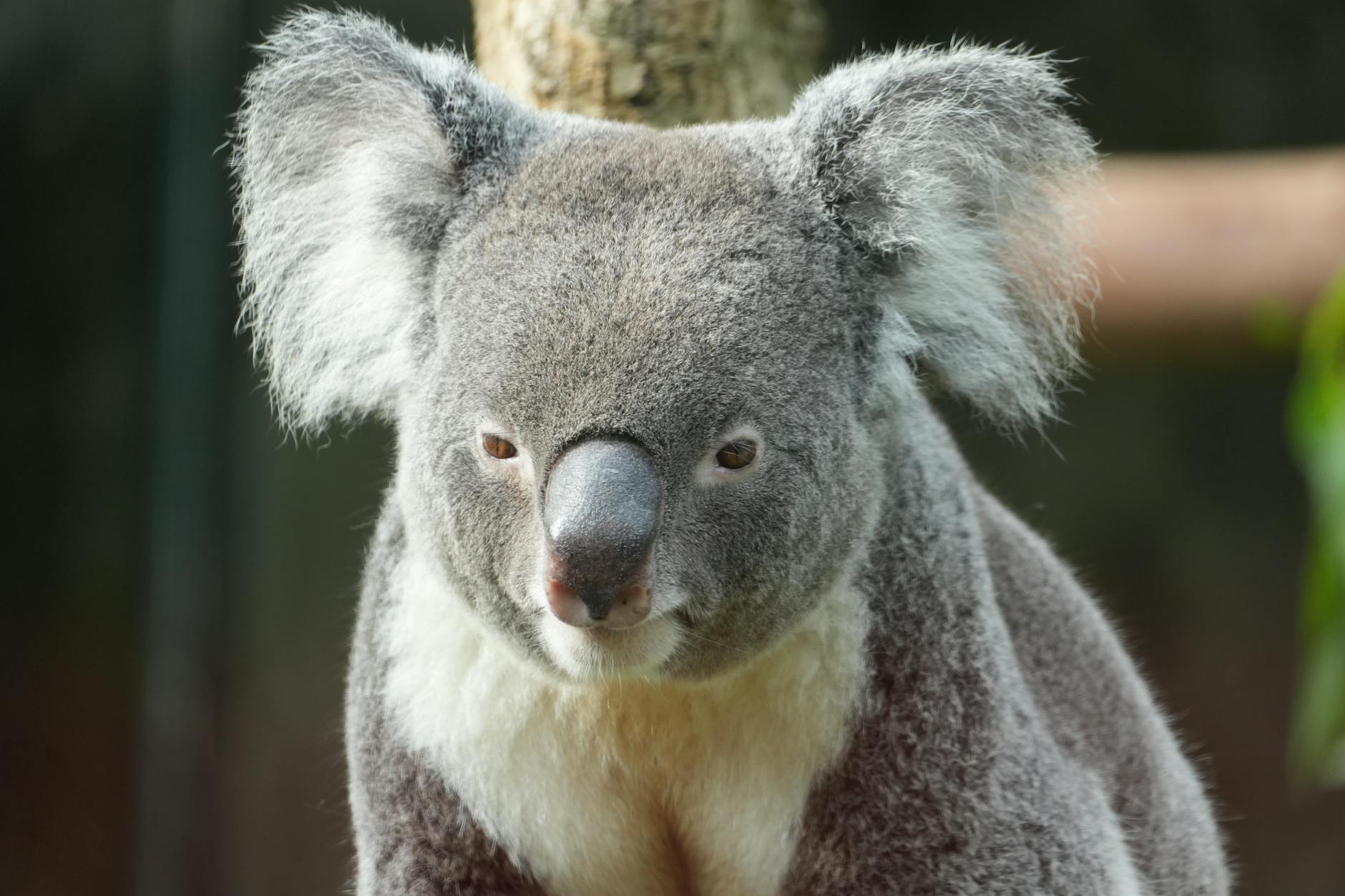
Koalas are tree-dwelling marsupials native to Australia that rank among the most photographed and beloved wild animals in the world. Their small size fluffy ears and slow movements create an impression of docility that does not reflect the full reality of their nature. Wild koalas can deliver powerful scratches with their sharp claws and will bite with considerable force when they feel stressed or cornered. They are also carriers of chlamydia a bacterial infection that can be transmitted to humans through contact with their bodily fluids. Even in conservation settings koalas are handled with gloves and only by trained and licensed wildlife carers.
Swan
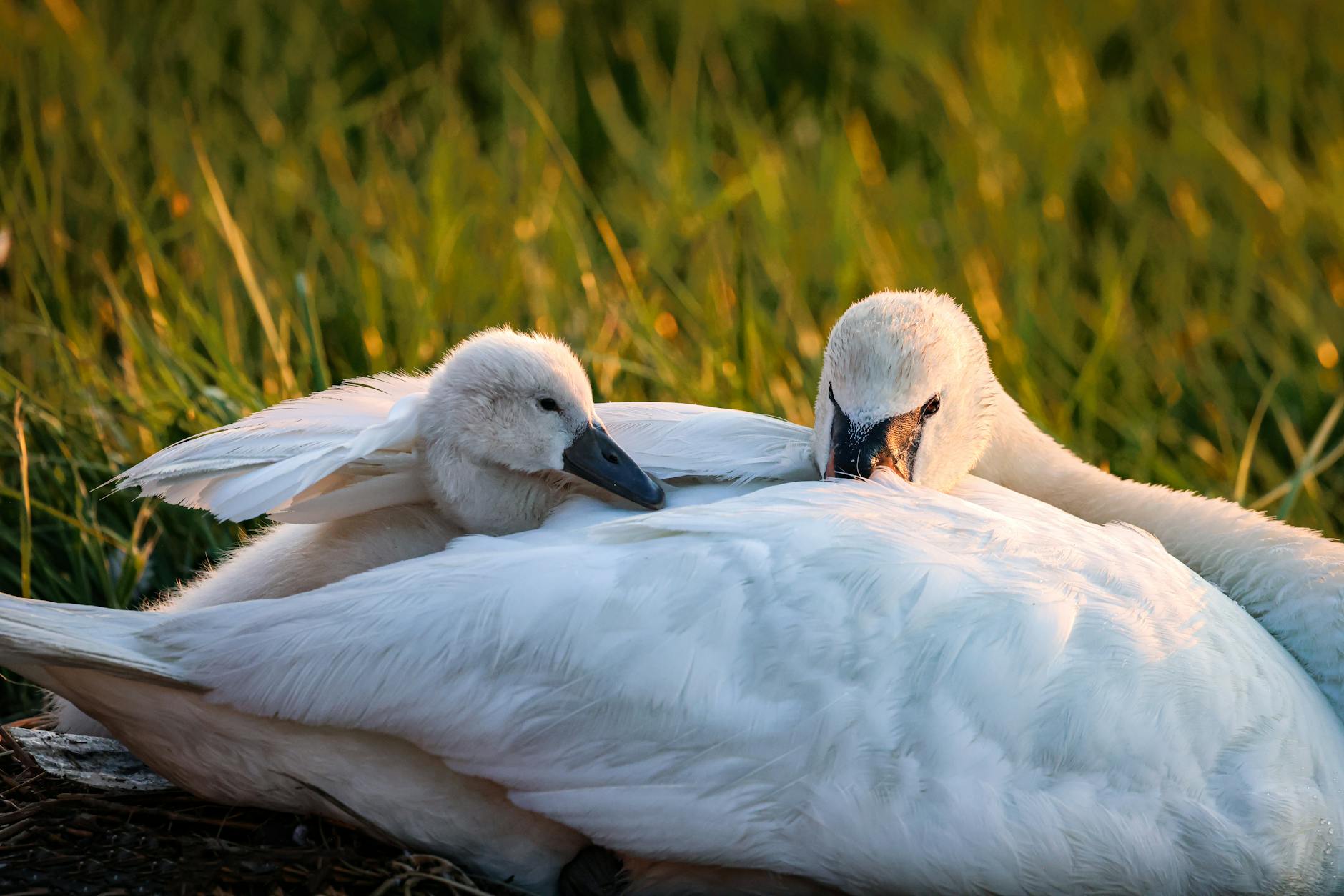
Swans are elegant and visually stunning waterbirds found on lakes and rivers across Europe North America and Asia. Their graceful appearance on calm water is one of the most classic images in nature photography and public parkland. Swans are fiercely territorial and protective of their nests and will charge at humans with striking speed and aggression when they perceive a threat. Their wings are powerful enough to cause bruising and in rare cases fractures particularly in children and elderly individuals. Approaching nesting swans during spring is considered especially risky by wildlife conservation authorities.
Tasmanian Devil
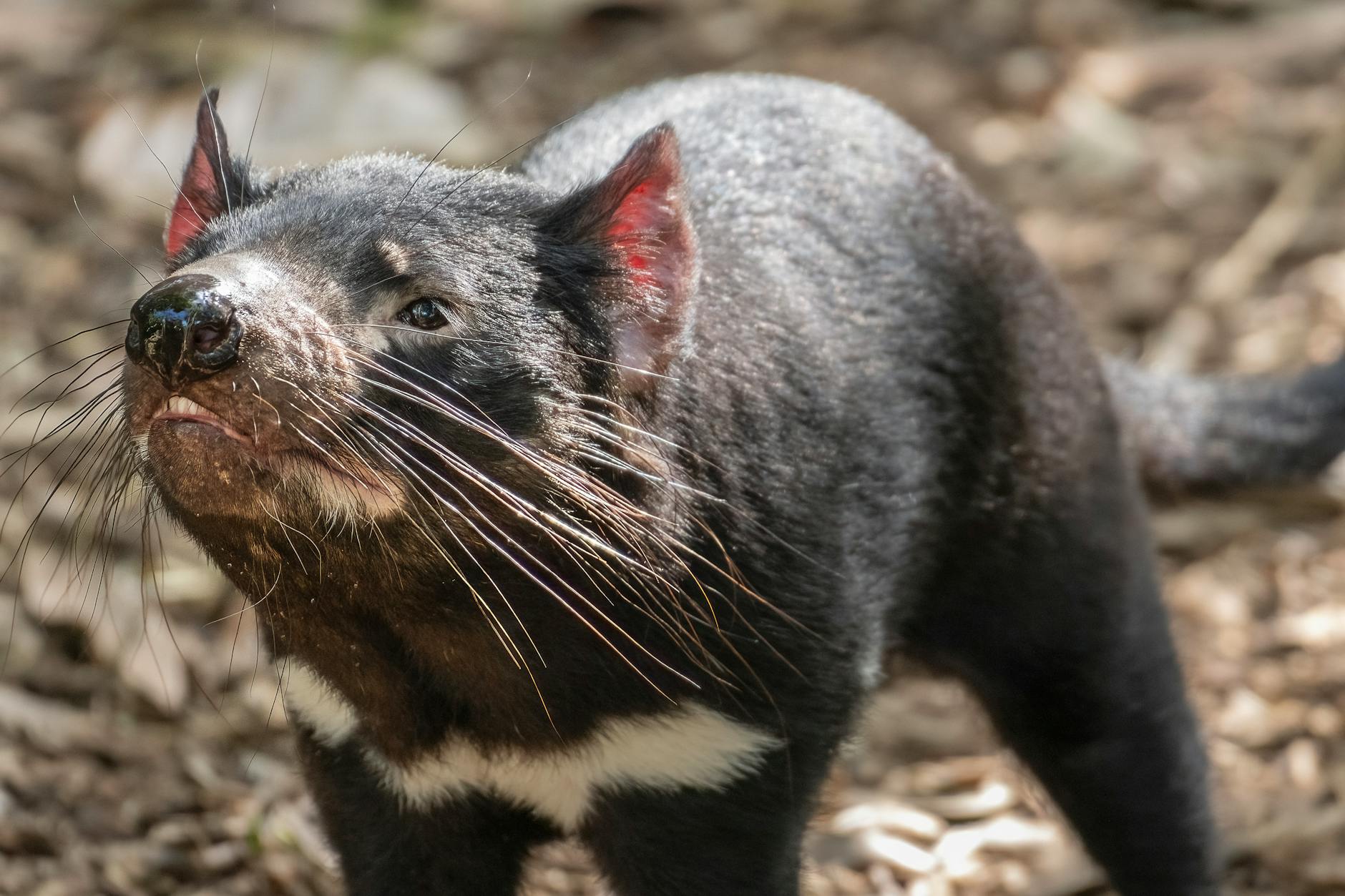
The Tasmanian devil is a carnivorous marsupial native exclusively to the island of Tasmania in Australia. Despite its small size its wide eyes and curious sniffing behavior can make it seem approachable to those unfamiliar with its nature. Tasmanian devils possess one of the strongest bites relative to body size of any living mammal and they use this force to consume bones cartilage and hide whole. They are also highly susceptible to and carriers of devil facial tumor disease a contagious cancer that complicates their conservation status. Any human interference with wild populations is tightly restricted under Australian federal law.
Deer
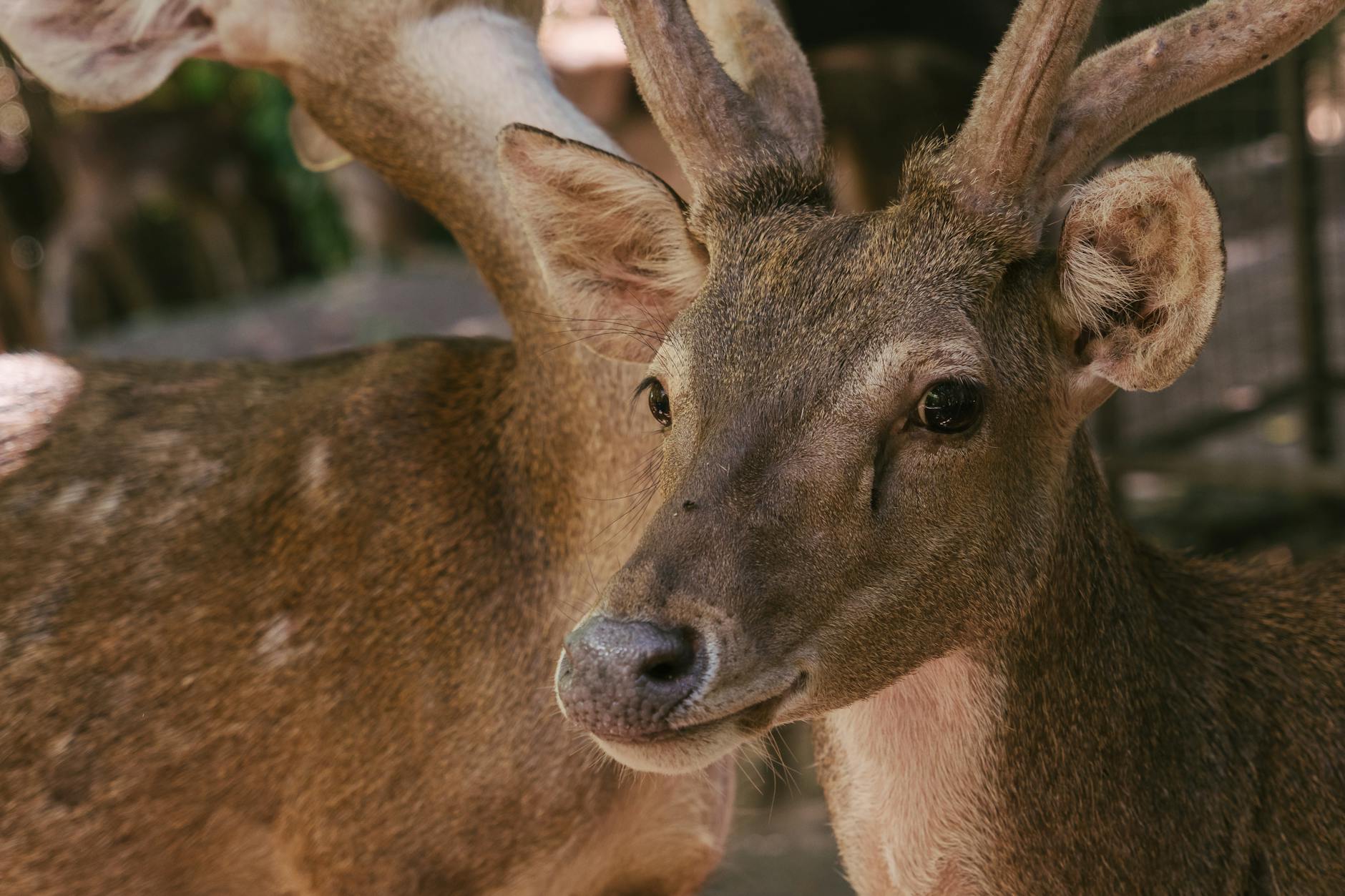
White-tailed deer and other deer species are among the most commonly encountered large mammals in North America Europe and Asia and are a frequent subject of wildlife tourism. Fawns curled in grass or spotted deer grazing at forest edges can seem exceptionally gentle and even inviting to approach. During rutting season male deer become highly aggressive and their antlers can cause severe puncture wounds and blunt force injuries to humans who come too close. Does protecting fawns are equally defensive and will use their front hooves forcefully against perceived threats. Wildlife agencies consistently advise the public to treat all deer encounters as they would any other large wild animal.
Otter
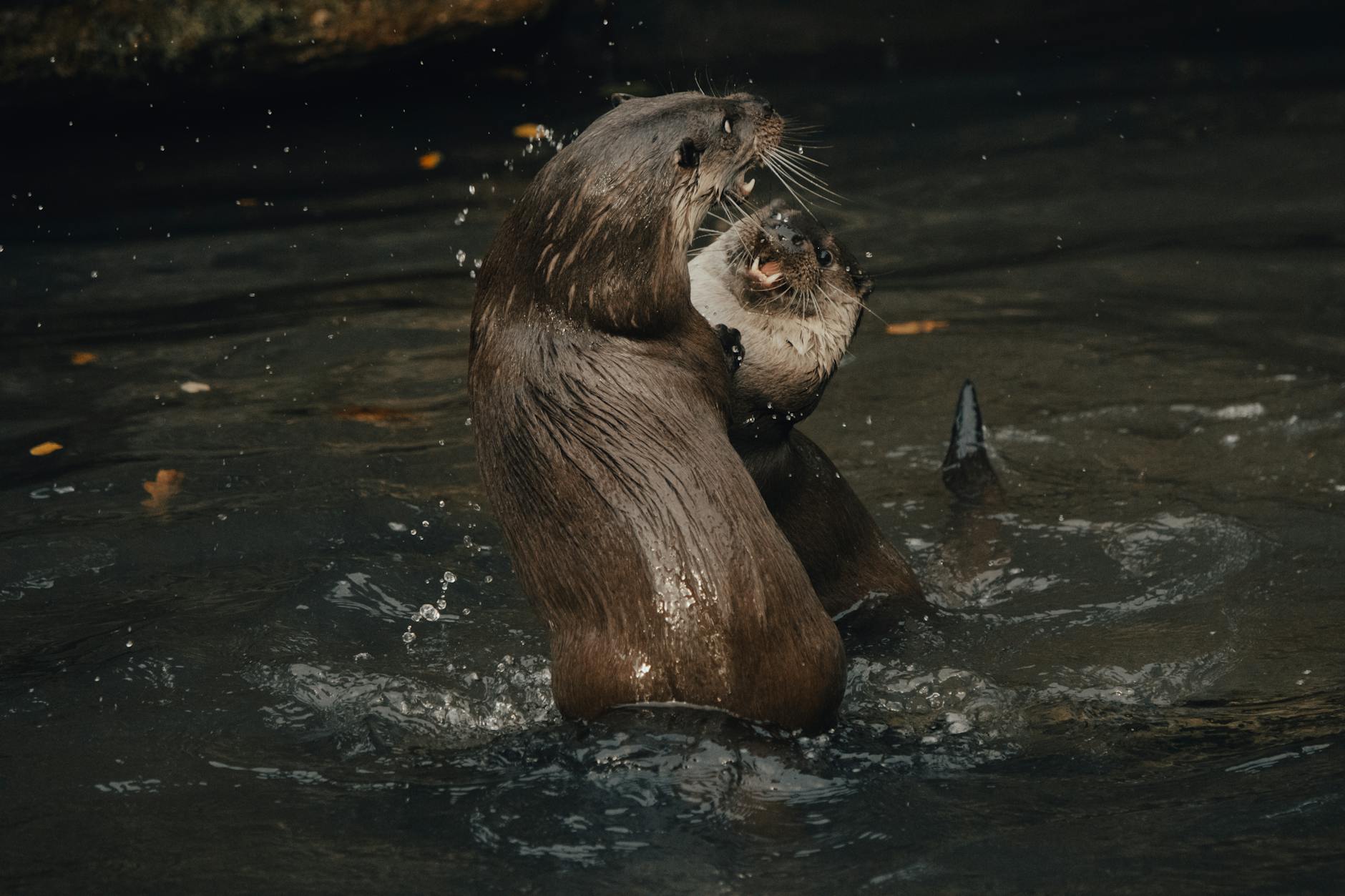
Otters are playful and highly social mammals found in rivers estuaries and coastal waters around the world and are consistently ranked among the animals people most want to interact with. Their wrestling play and tool use behaviors are widely documented in wildlife video and have earned them a devoted following online. Wild otters carry leptospirosis a bacterial disease transmissible to humans through contact with their urine or bodily fluids. They are also equipped with very sharp teeth and strong jaws that can cause deep lacerations when they feel threatened or provoked. Sanctioned wildlife watching programs exist in several countries specifically to allow safe and non-disruptive otter observation.
Gorilla
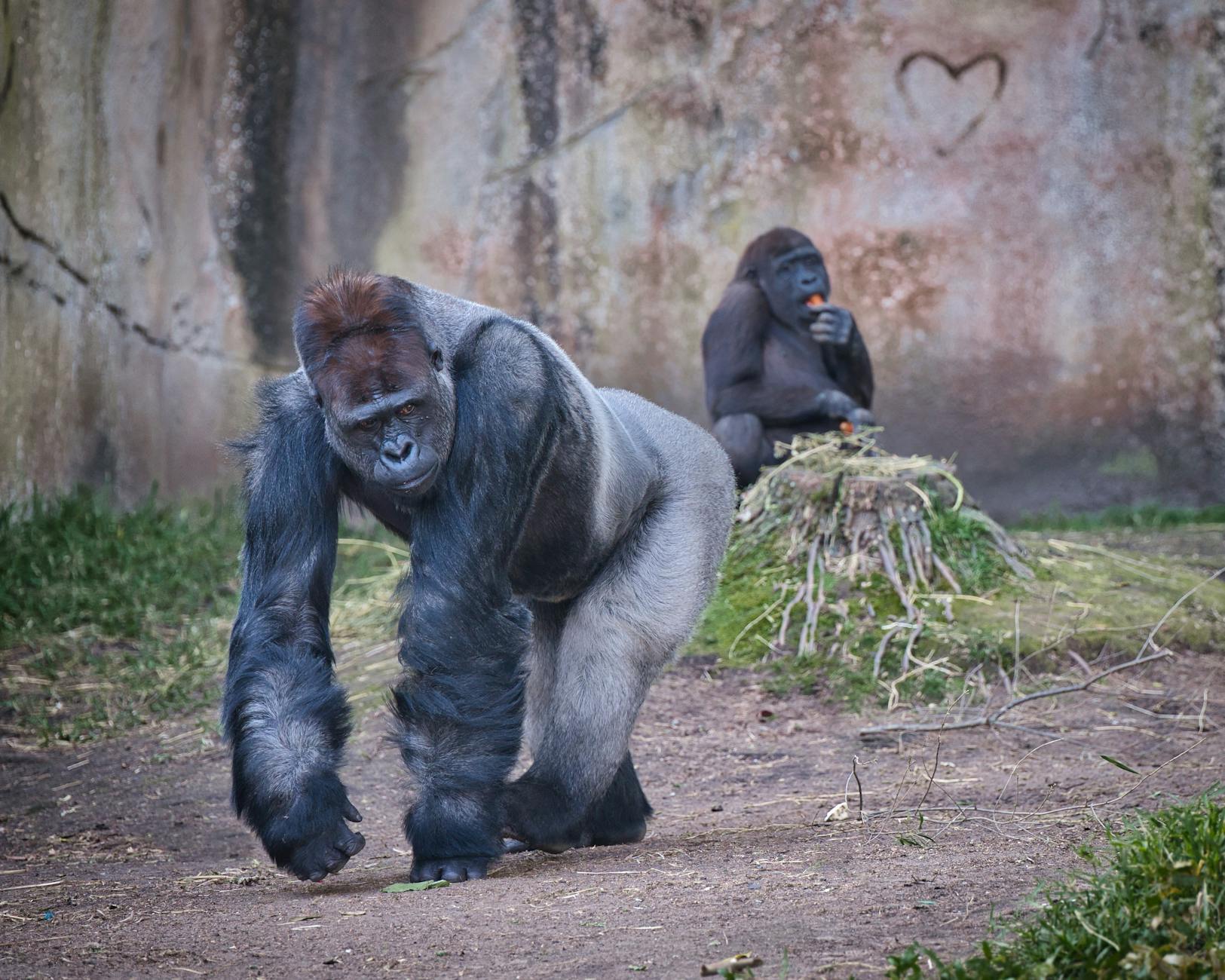
Mountain and lowland gorillas are among the most impressive primates on Earth and encounters with habituated groups in Uganda Rwanda and the Democratic Republic of Congo draw visitors from around the world. Their calm social interactions and expressive faces create a powerful sense of connection for human observers watching from a distance. Despite their generally peaceful nature gorillas are extraordinarily strong animals capable of exerting force many times greater than any human. Male silverbacks will charge and attack without hesitation if they perceive their troop to be threatened. All permitted gorilla trekking experiences require visitors to maintain a minimum distance of seven meters and to follow strict behavioral protocols at all times.
Bison
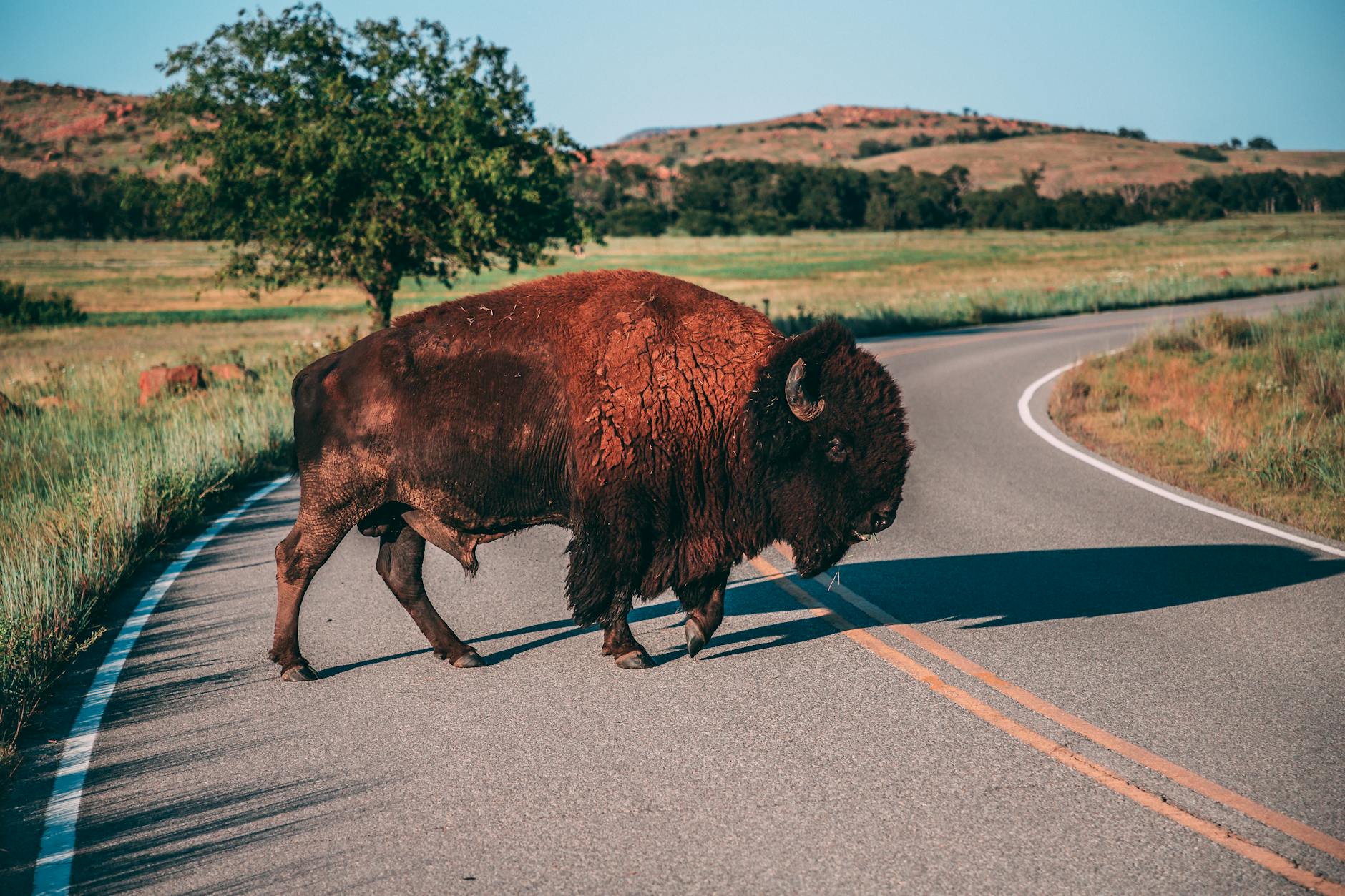
The American bison is one of the most iconic large mammals of the North American plains and a central figure in the ecological restoration of the continent’s grassland ecosystems. Their sheer size and apparent slow grazing behavior lead many national park visitors to dangerously underestimate their temperament. Bison can run at speeds exceeding fifty kilometers per hour and are responsible for more injuries to visitors at Yellowstone National Park than any other animal. They are unpredictable and can switch from calm grazing to an aggressive charge in a matter of seconds. The National Park Service maintains strict regulations requiring visitors to stay at least twenty-five meters from bison at all times.
Mandrill
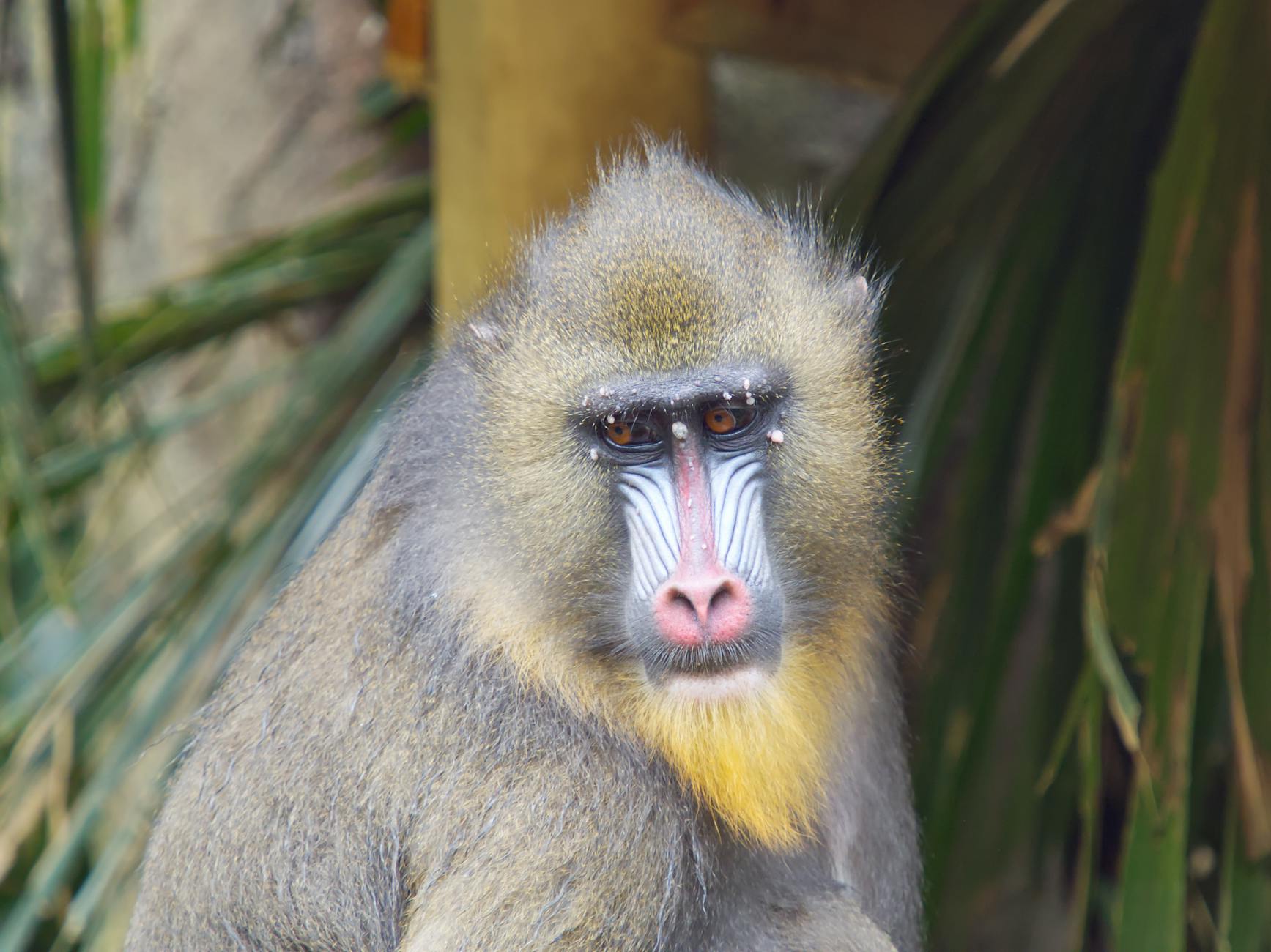
Mandrills are the world’s largest monkey species and are native to the tropical rainforests of central and west Africa. The vivid blue and red coloring on the faces of adult males makes them one of the most visually arresting primates in existence and a popular subject of wildlife documentaries. Despite their striking appearance mandrills are powerful and territorial animals that can become extremely aggressive when they feel threatened or when social hierarchies are disrupted. Their canine teeth are exceptionally long and sharp and a bite from a mandrill carries serious risk of deep tissue injury and infection. Observing them in accredited wildlife sanctuaries under trained supervision is the only appropriate way to experience them up close.
Quokka
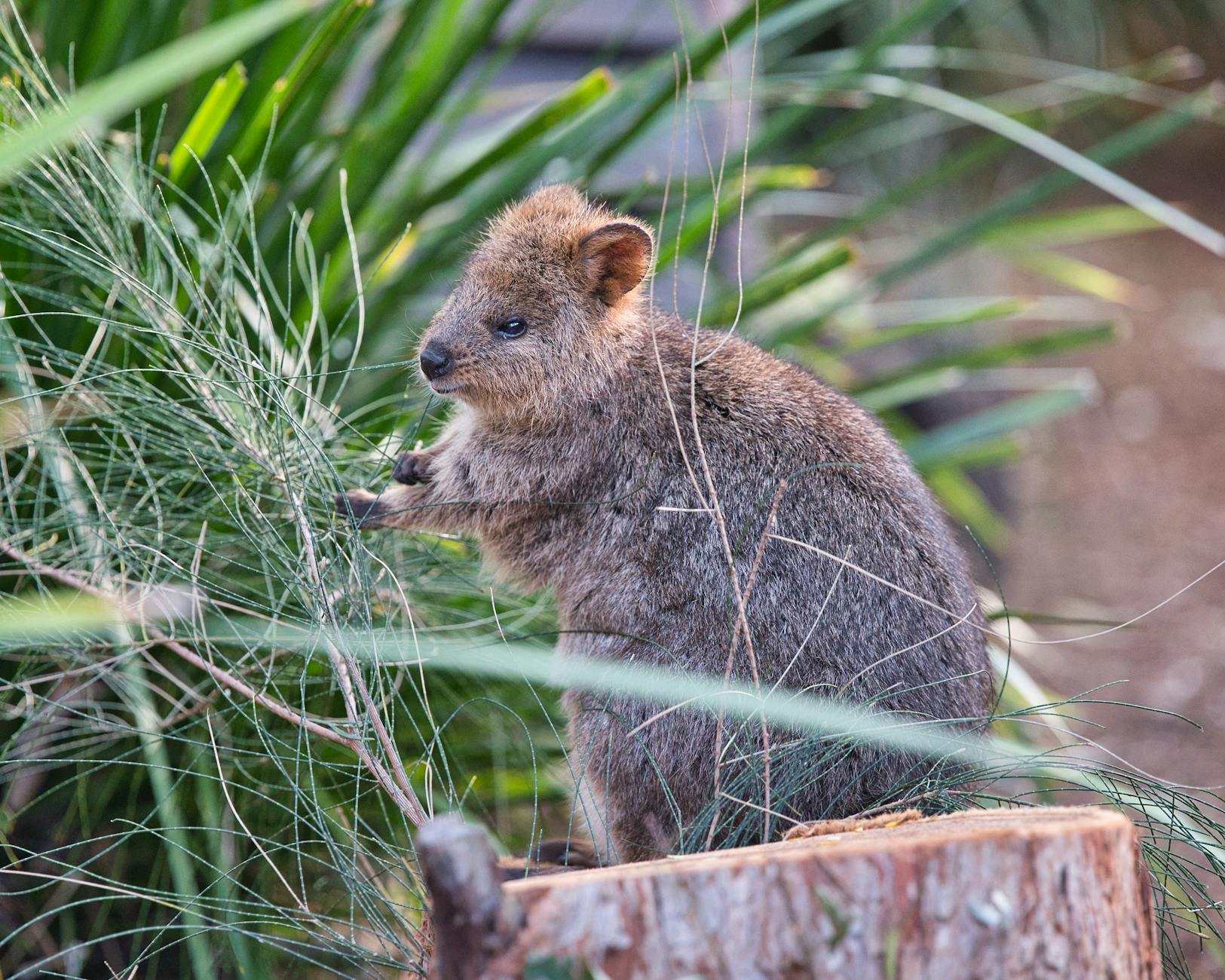
The quokka is a small marsupial native to Rottnest Island and parts of southwestern Australia and has been widely described as the happiest-looking animal on Earth due to its upturned mouth and bright eyes. Selfies taken with quokkas have made them a global phenomenon and a major draw for tourism to Western Australia. Despite their gentle appearance quokkas are wild animals that can bite and scratch particularly when approached too quickly or when people attempt to feed them human food. Feeding quokkas is illegal under Western Australian wildlife protection law and can cause serious digestive harm to the animals. The ideal quokka encounter involves patience stillness and allowing the animal to approach on its own terms without any physical contact.
Which of these animals surprises you the most? Share your thoughts in the comments.