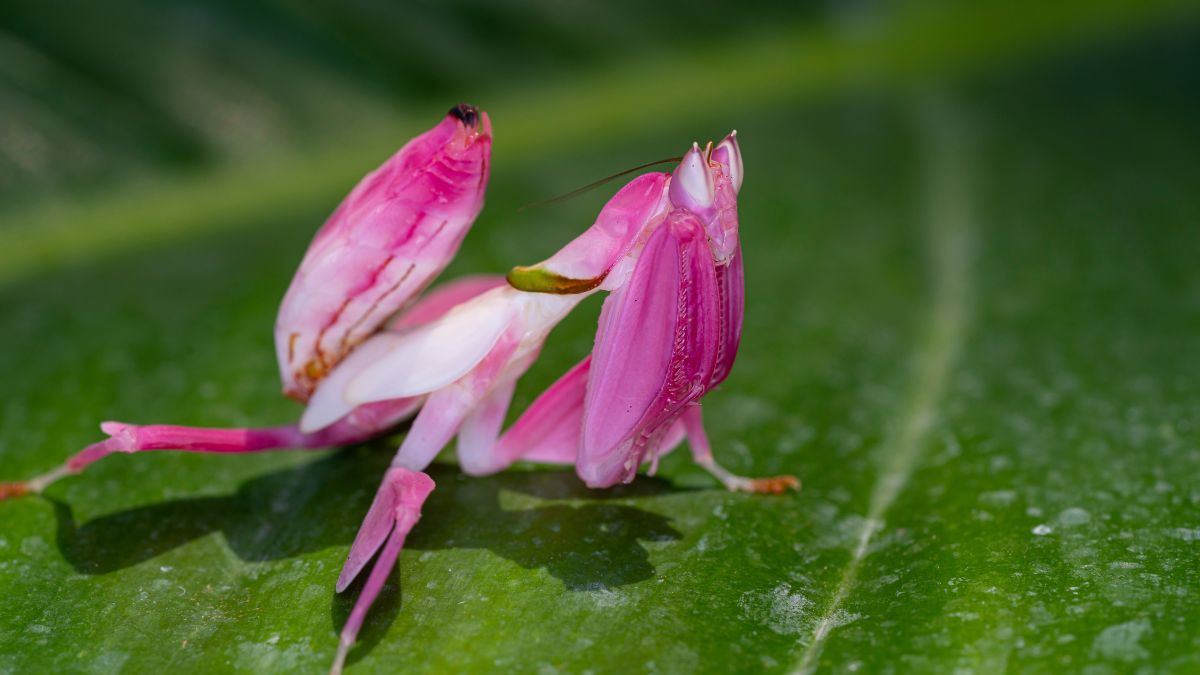
Evolution is one of nature’s most inventive forces, producing creatures that defy easy categorization and leave scientists and observers alike in genuine disbelief. Across millions of years, certain animals have developed appearances so convincingly deceptive that they can pass as flowers, sticks, leaves, or even more dangerous creatures entirely. These transformations are not coincidental quirks but precise survival strategies refined over countless generations. Whether the goal is to avoid predators, attract prey, or secure a mate, the results are among the most astonishing examples of adaptation on the planet. The following animals represent evolution at its most theatrical and most effective.
Orchid Mantis
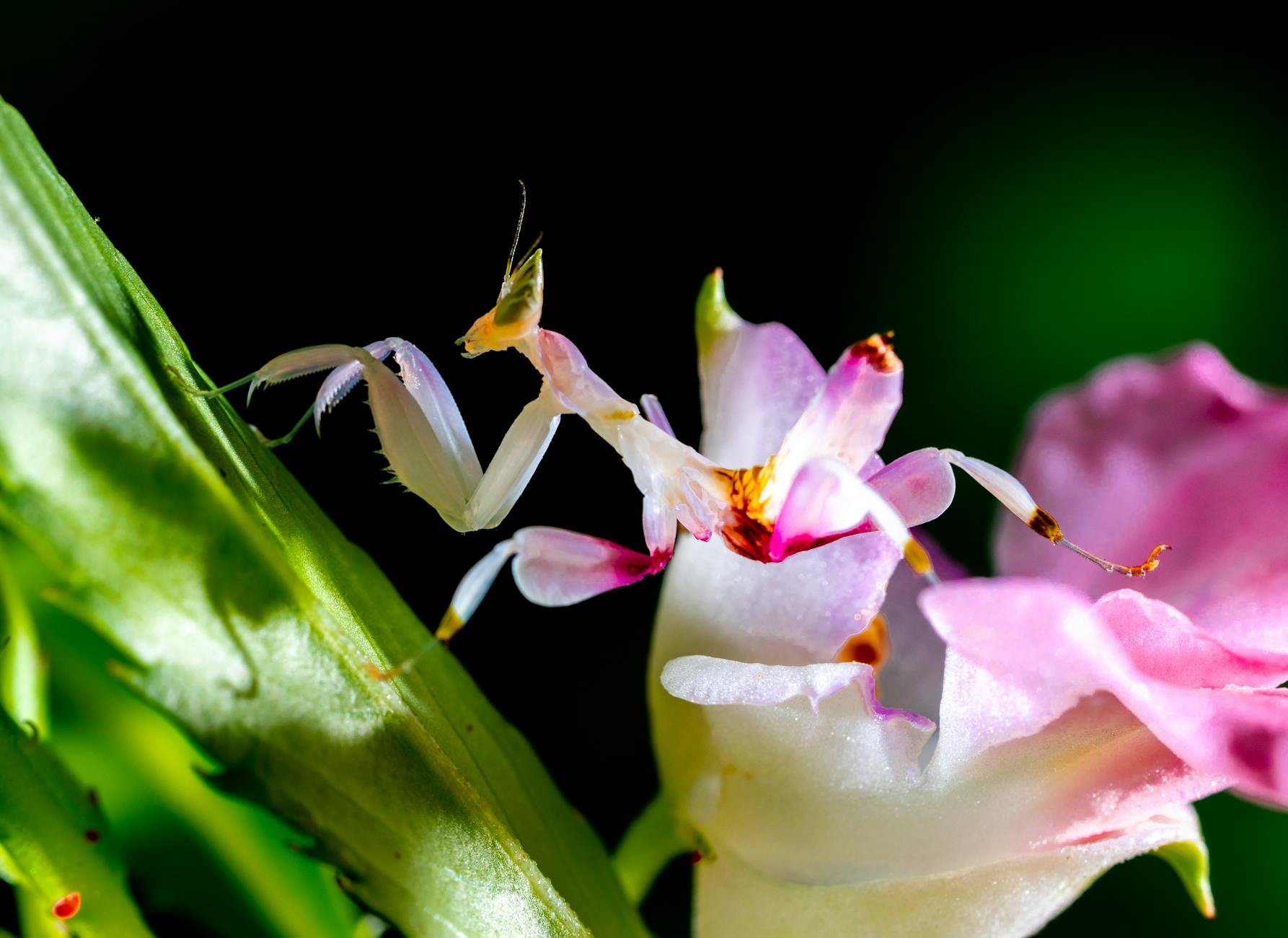
The orchid mantis of Southeast Asia has evolved a body so closely resembling a flowering orchid bloom that insects actively fly toward it seeking nectar. Its legs are flattened into petal-like lobes and its coloration shifts between white, pink, and pale yellow to match surrounding flowers with remarkable precision. Unlike most predators that rely on blending into backgrounds, this mantis has evolved to mimic an attractive object that draws prey in rather than simply hiding from it. Young orchid mantises are especially effective lures, attracting more pollinators than actual orchid blooms in controlled studies. It remains one of the most studied examples of aggressive mimicry in the insect world.
Mimic Octopus
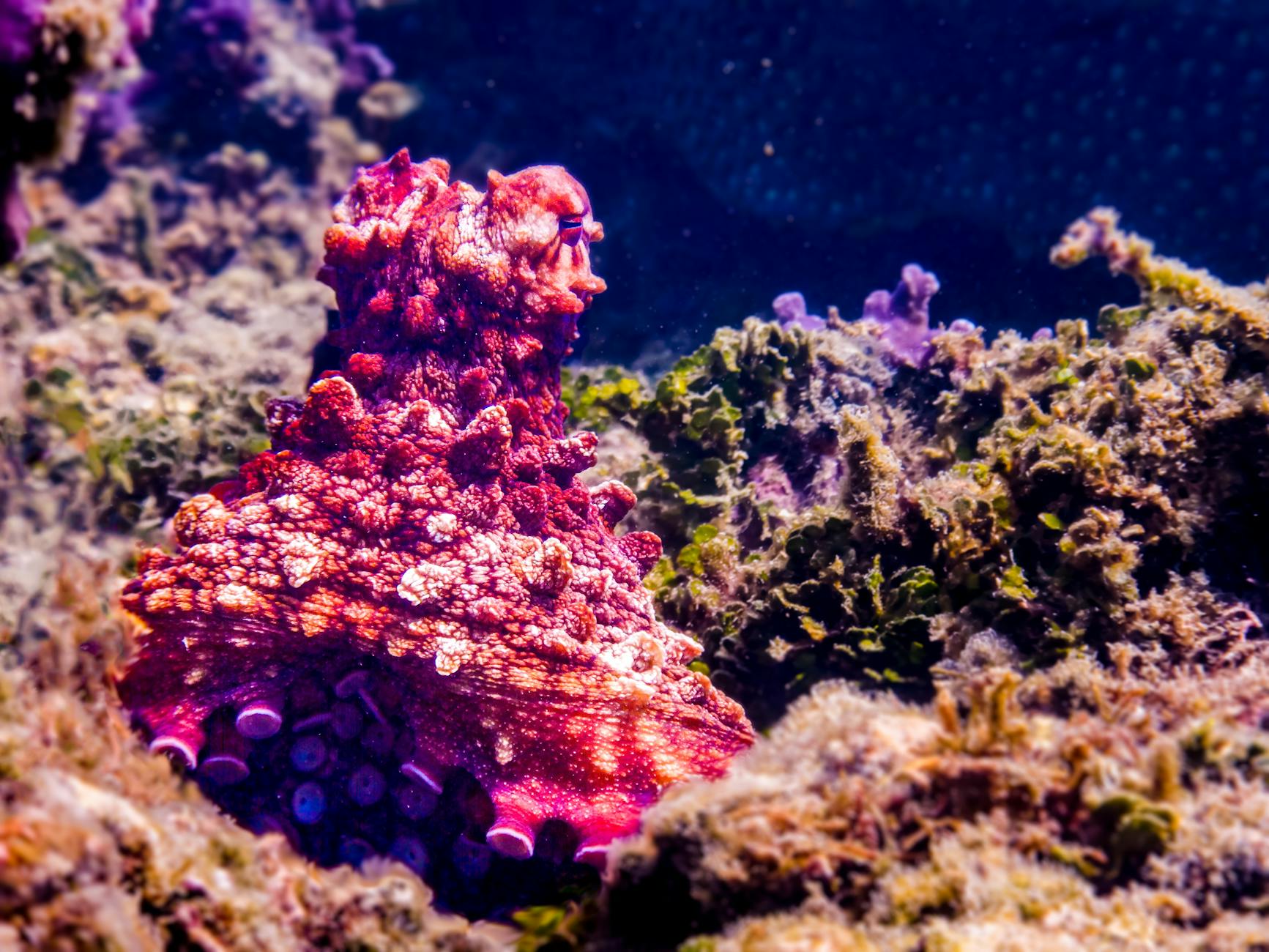
Discovered off the coast of Indonesia in 1998, the mimic octopus is capable of impersonating over a dozen distinct marine species including lionfish, flatfish, and sea snakes. It achieves these transformations by adjusting the shape, posture, texture, and color of its body in real time depending on which predator is nearby. Researchers believe the octopus selects which animal to mimic based on the specific threat it perceives, demonstrating a level of situational awareness rarely seen in invertebrates. Its body naturally resembles a plain brown and white banded creature, but its ability to reshape itself entirely sets it apart from all other cephalopods. No other known animal in the ocean performs this range of full-body impersonations.
Dead Leaf Butterfly
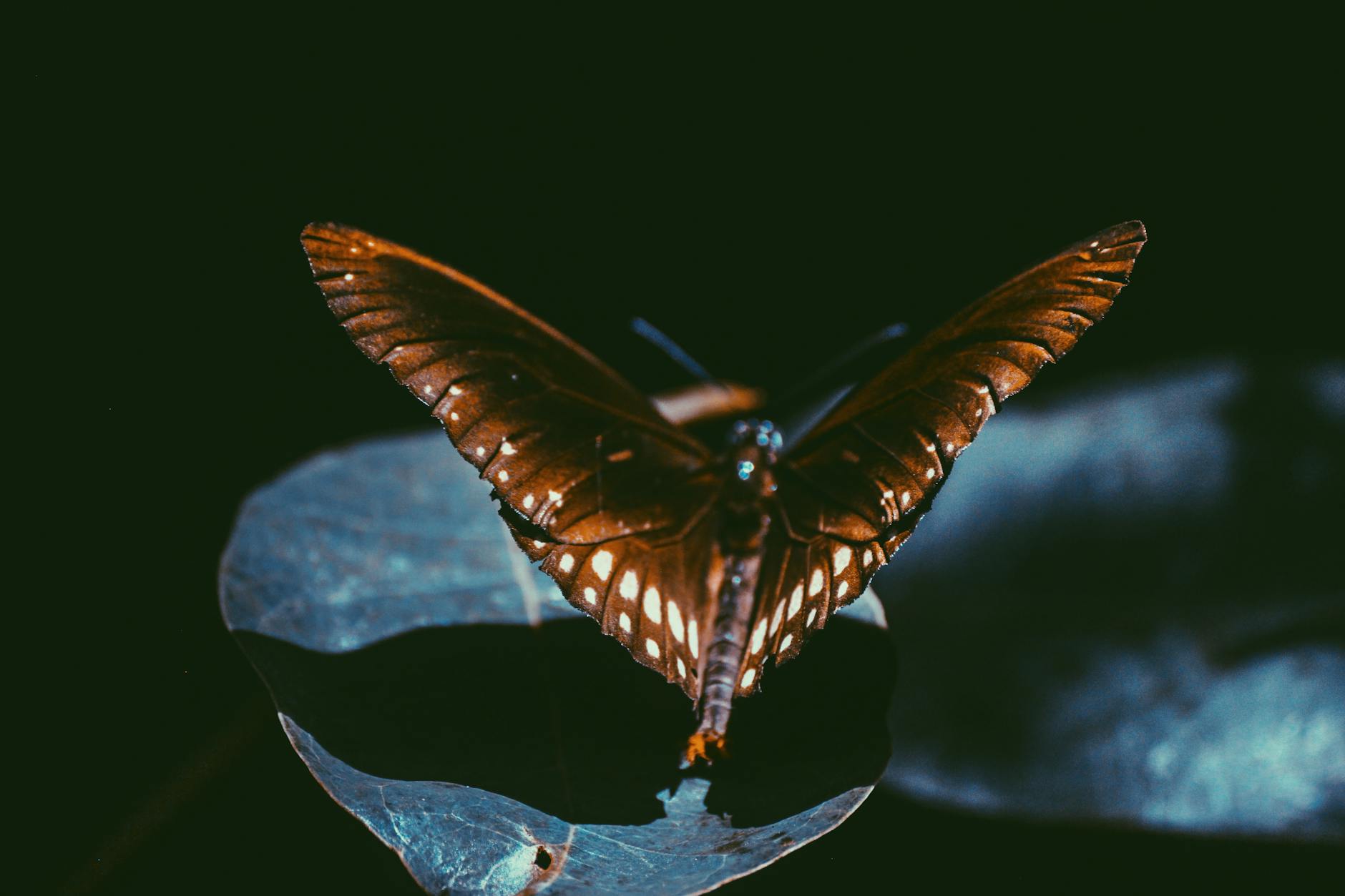
The dead leaf butterfly found across Asia has upper wings that display vivid blues and oranges when in flight, but the undersides of its wings are an almost photographic replica of a dried, browning leaf complete with a central vein, irregular edges, and simulated spots of decay. When it lands and closes its wings, the transformation is so complete that even trained naturalists struggle to spot it among real leaf litter. The illusion extends to its wing shape, which has evolved a pointed tip that resembles a leaf stem when the butterfly rests. This dual appearance serves two distinct purposes, attracting mates with bright colors while disappearing entirely from predators at rest. It is widely regarded as one of the finest examples of camouflage in the entire animal kingdom.
Stick Insect
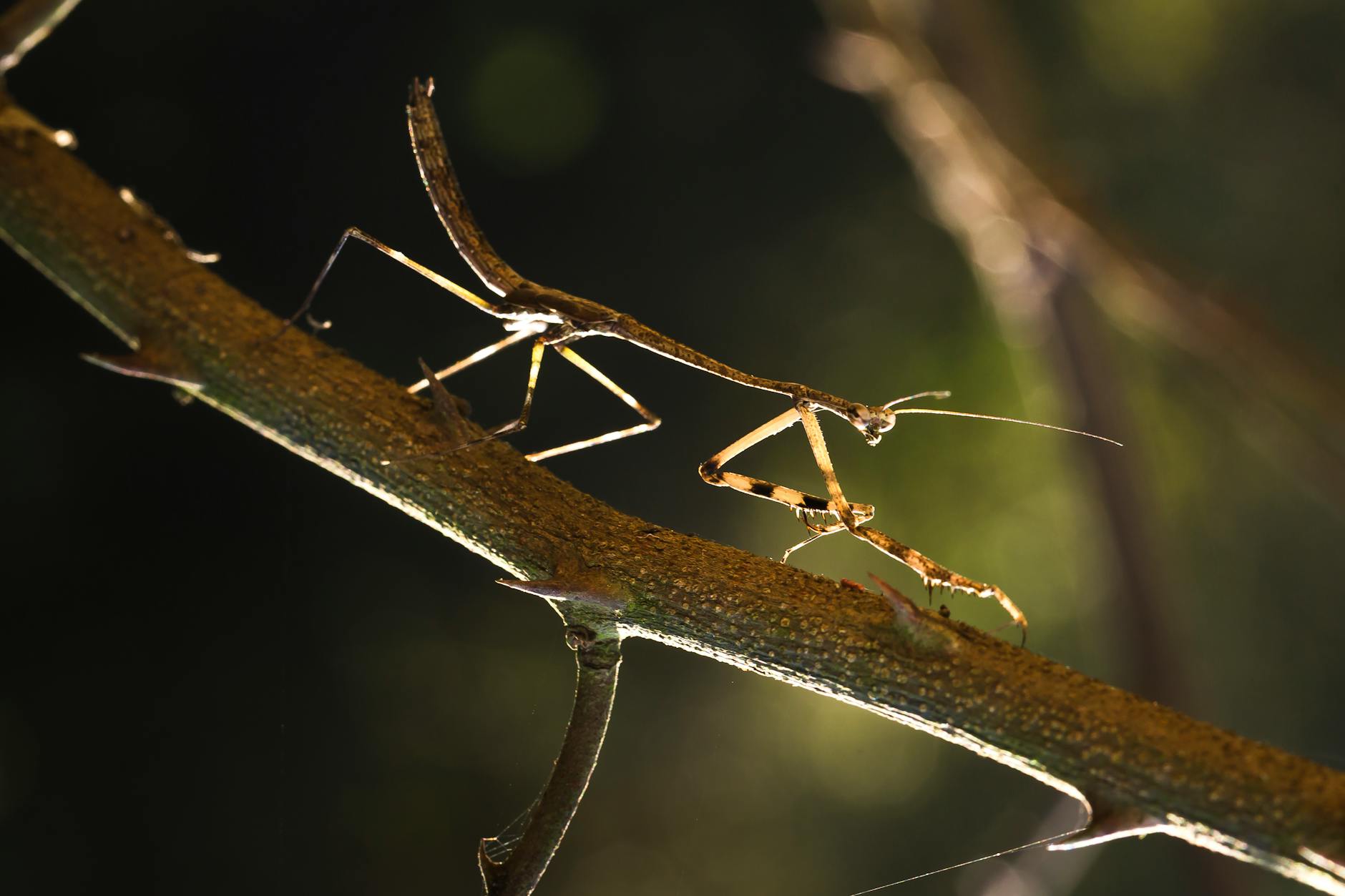
Stick insects have independently evolved their twig-like appearance across multiple continents, making them one of the most widespread examples of convergent evolution in nature. Their bodies are elongated, segmented, and colored in precise shades of brown and green to match the specific vegetation of their habitat. Some species even sway gently as they move to simulate branches shifting in a breeze, adding behavioral reinforcement to their physical disguise. Eggs produced by several species closely resemble plant seeds and are sometimes collected and buried by ants, inadvertently aiding their dispersal. With over three thousand known species, they represent the largest group of camouflage-specialized insects on earth.
Leaf Insect
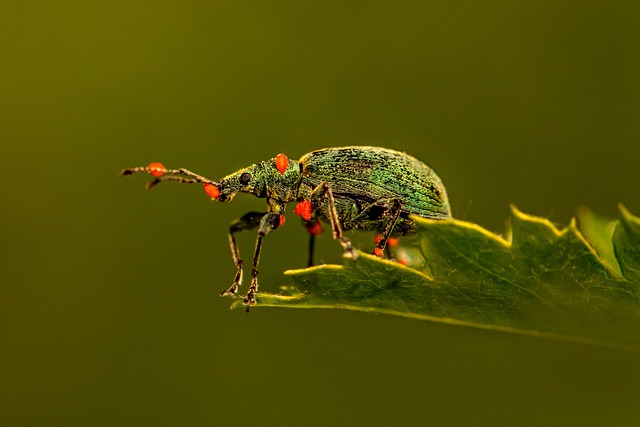
Leaf insects take plant mimicry to an even more elaborate level than their stick insect relatives, evolving flattened bodies with irregular, lobed edges that replicate the precise outline of broad tropical leaves. The surface texture of their wings includes raised lines that mirror leaf veins, and some individuals display brown patches or irregular discoloration that suggests real damage from insects or weather. Female leaf insects are typically larger and more convincing in appearance than males, suggesting that their camouflage has been subjected to especially strong evolutionary pressure. They are found primarily in South and Southeast Asia and are capable of reproducing without males through a process called parthenogenesis. Even their eggs are shaped and patterned to resemble plant seeds.
Mossy Frog
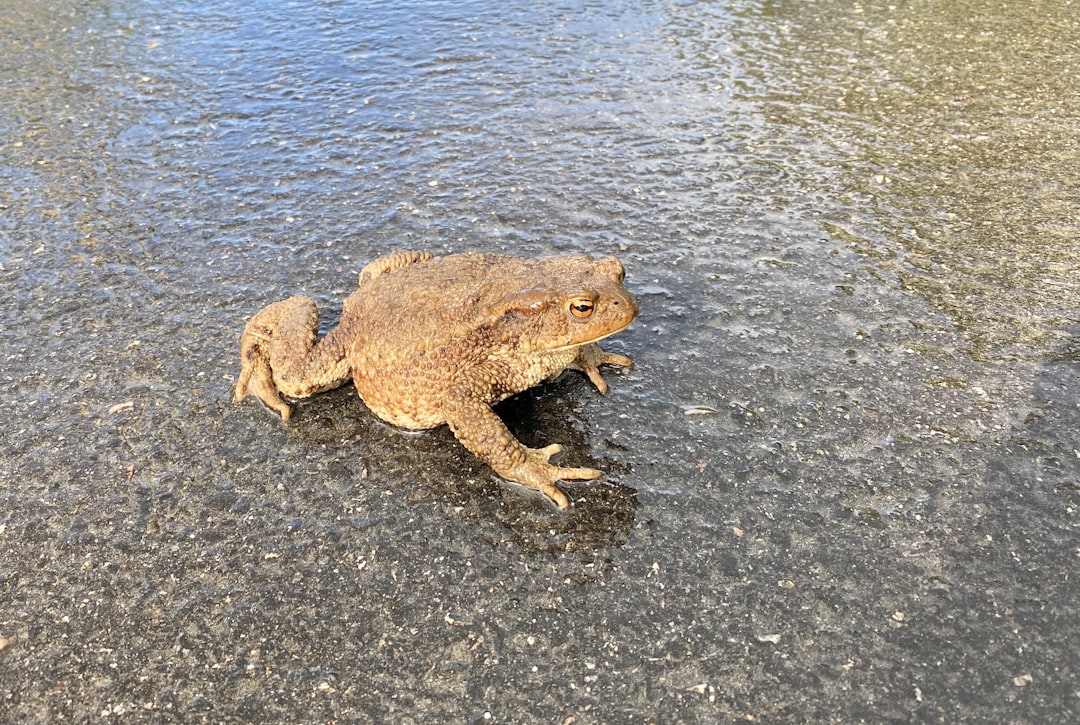
The Vietnamese mossy frog has skin so texturally complex that it appears to be a clump of damp moss clinging to a rock surface rather than a living amphibian. Patches of irregular green, brown, and black across its bumpy skin correspond precisely to the colors and patterns of the mossy forest floor and cave walls where it lives. When threatened, the frog curls into a ball and becomes almost indistinguishable from surrounding vegetation, often going completely unnoticed by passing predators. Its bumps and tubercles are not random but follow patterns that break up the recognizable outline of a frog body. It is native to northern Vietnam and is considered one of the most convincingly camouflaged frogs in the world.
Frogfish
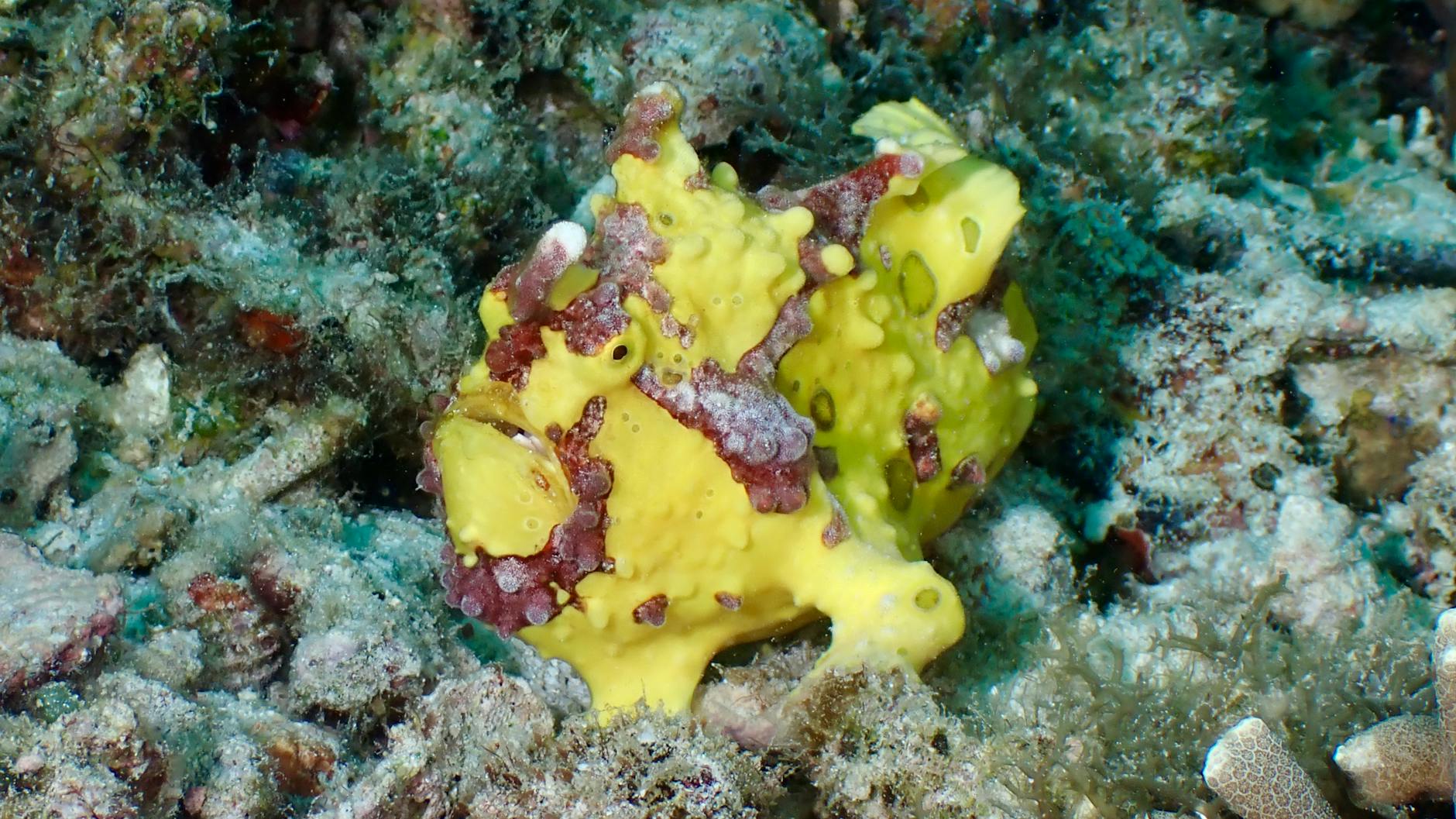
Frogfish are among the ocean’s most accomplished shape-shifters, evolving bodies that closely mimic sponges, corals, and rocky substrate depending on the individual and its environment. Their skin is covered in textured appendages called spinules that replicate the irregular surface of marine growth, and many species can change both color and texture over a period of several weeks to match a new location. Rather than swimming actively, frogfish use modified pectoral fins to walk along the seafloor, further adding to their convincingly non-fish appearance. A fleshy lure attached to their heads resembles a small worm or shrimp and is used to attract prey within striking range. Their strike is one of the fastest feeding movements recorded in any vertebrate, completing the ambush in under six milliseconds.
Viceroy Butterfly
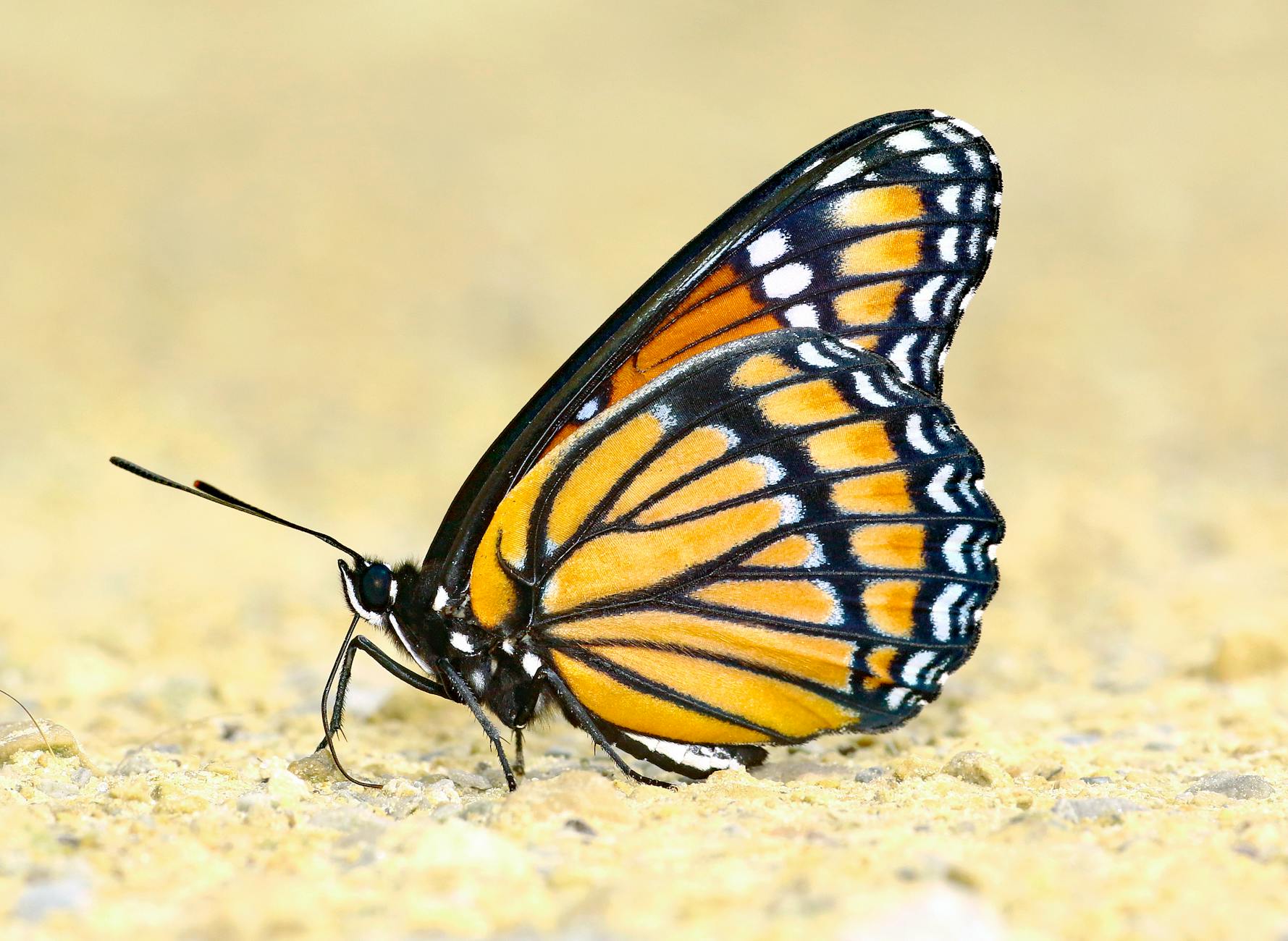
The viceroy butterfly of North America evolved a wing pattern strikingly similar to the monarch butterfly, a species known to be toxic to predators due to milkweed compounds stored in its body. For decades scientists believed the viceroy was a pure mimic benefiting from the monarch’s reputation without possessing any toxicity of its own. Later research revealed that viceroys are themselves distasteful to birds, making the relationship a case of mutual reinforcement rather than one-sided deception. The two species are not closely related, making the resemblance a product of convergent evolution driven entirely by shared predators. Their similarity has become a foundational example used in the study of evolutionary biology and natural selection.
Hoverfly
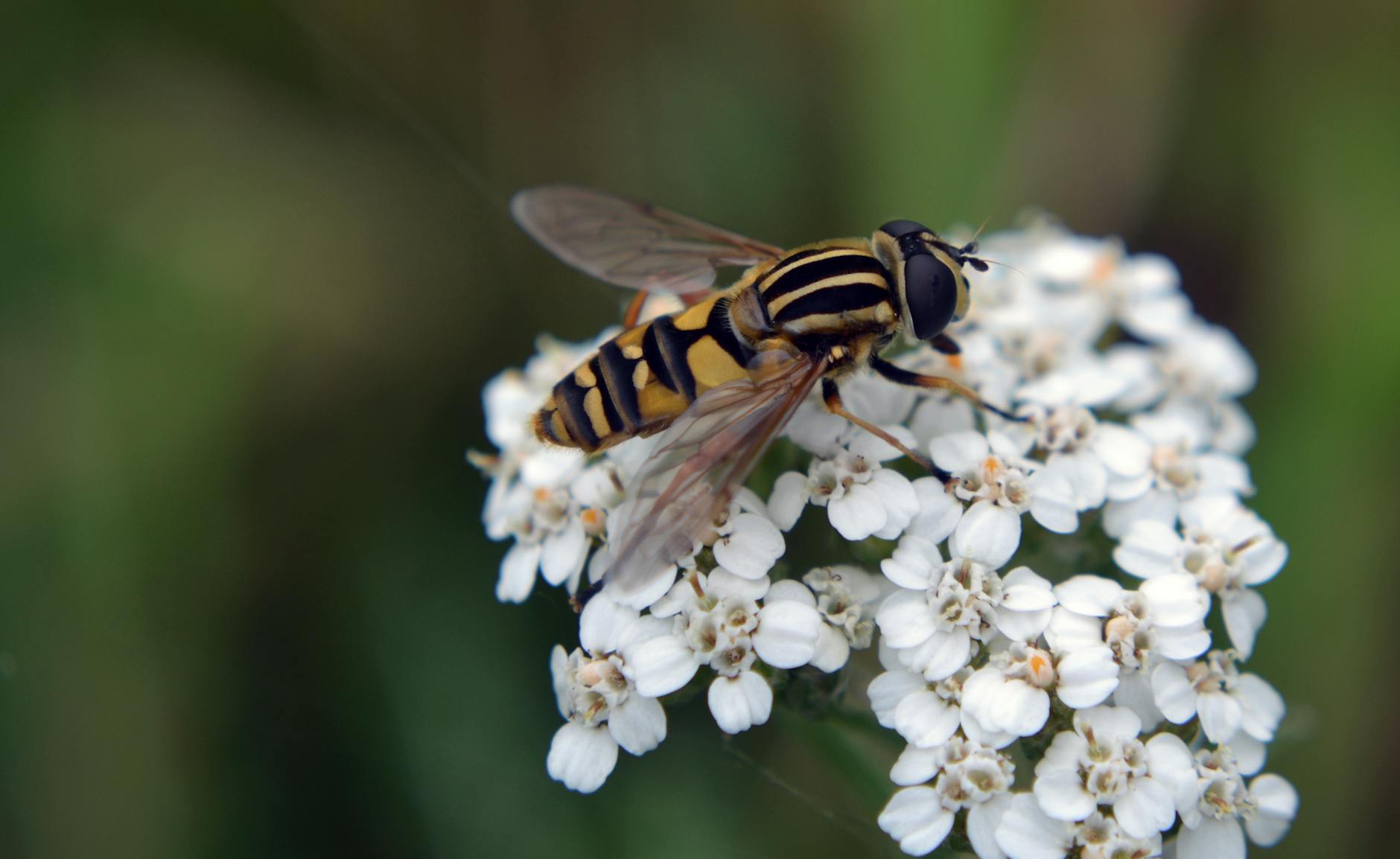
Hundreds of hoverfly species across the world have independently evolved yellow and black banding that closely resembles the warning coloration of bees and wasps, despite being entirely harmless and lacking stingers. Some species go further by mimicking specific regional wasp species down to body proportions and wing posture, making them difficult to distinguish from the real thing without close examination. This form of deception is known as Batesian mimicry, in which a harmless species gains protection by resembling a dangerous one. Hoverflies are important pollinators and their bee-like appearance is thought to offer them protection from birds that have learned to avoid stinging insects. The mimicry is not perfect in all species but is accurate enough to consistently deter predation.
Owl Butterfly
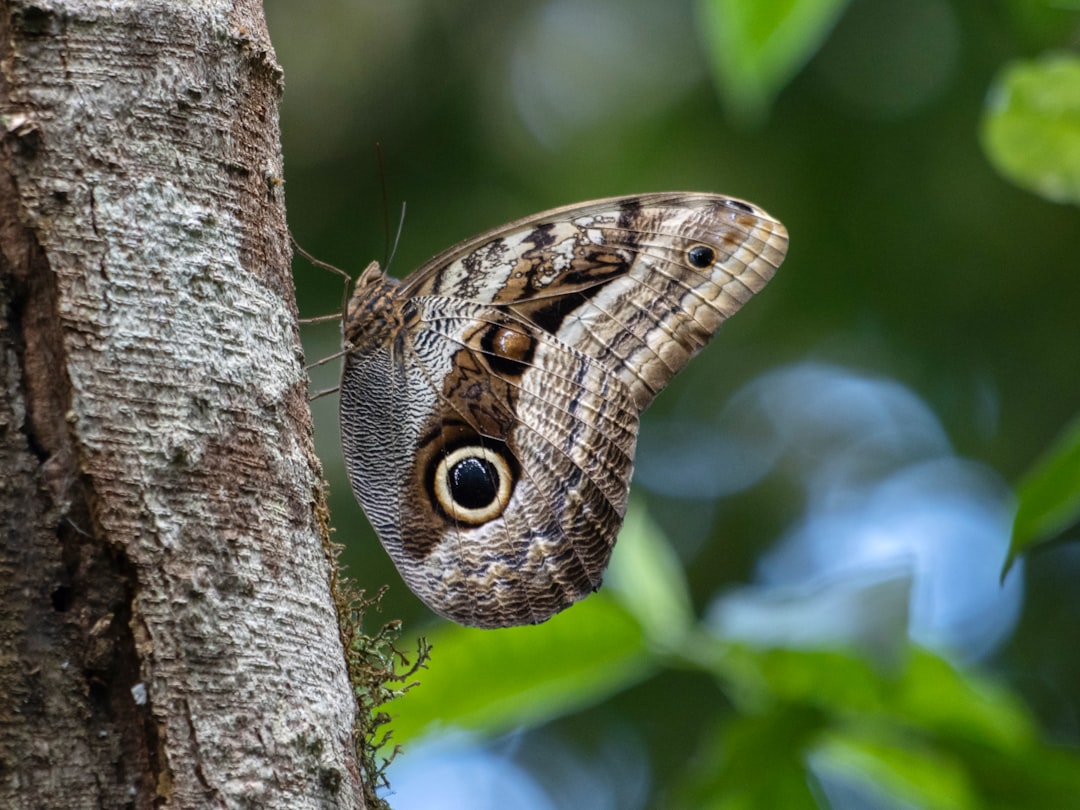
The owl butterfly of Central and South America carries large eyespot markings on the undersides of its hindwings that closely resemble the eyes of a large owl or other vertebrate predator. When the butterfly rests with its wings spread, these spots face outward and create the impression of a face capable of looking back at a would-be attacker. The illusion is heightened by concentric rings of color that replicate the reflective quality of a real eye, producing an image detailed enough to trigger a threat response in small predators. Owl butterflies tend to rest on tree trunks in low-light conditions where the eyespots are most convincingly three-dimensional. This strategy of using false eyes to intimidate rather than hide is called deimatic display.
Spider-tailed Viper
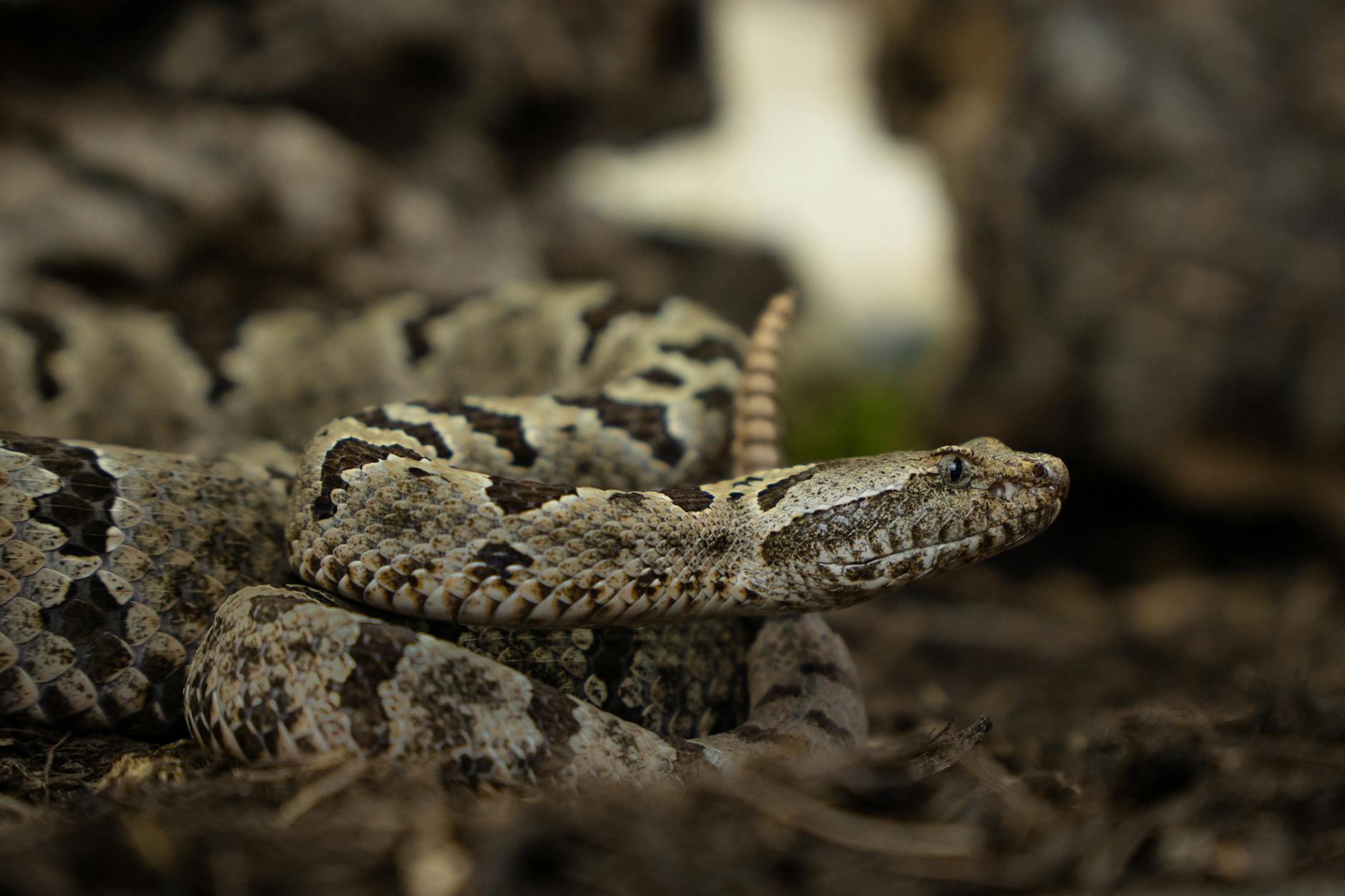
The spider-tailed horned viper of Iran has a tail tip so convincingly shaped like a living spider that it functions as an effective lure for insectivorous birds. The appendage features elongated scales arranged like legs around a rounded central mass, and the viper moves it in a slow, realistic spider-like motion above the ground while the rest of its body remains motionless. Birds approach the decoy tail and are struck before they can react to the presence of the snake beneath. This adaptation is unique among all known snake species and appears to have evolved specifically in response to the migratory bird routes that pass through the viper’s rocky desert habitat. The tail’s resemblance to a spider is so precise that it fooled herpetologists for years after the species was first documented.
Baron Caterpillar
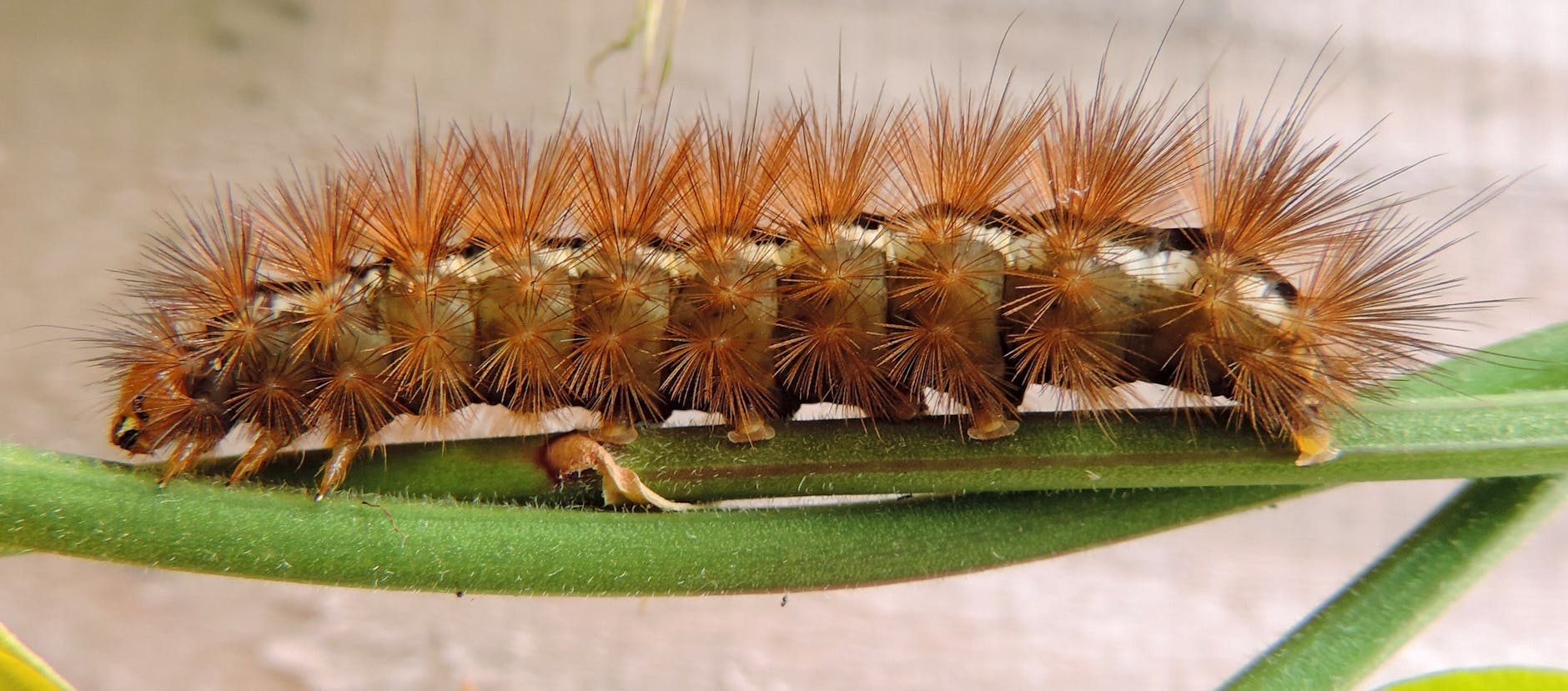
The baron caterpillar found in India and Southeast Asia has evolved a body covered in lateral spines and lobes that match the veins, edges, and surface texture of mango and cashew leaves with extraordinary precision. Its green coloration is calibrated to the specific shade of the host plant’s young leaves, and it positions itself along the midrib of a leaf to further blend its body outline into the surrounding foliage. When multiple caterpillars rest on a single leaf, the effect is a seamless continuation of the plant’s natural surface. Upon maturity it becomes the baron butterfly, a far less spectacular-looking creature compared to its larval stage. The caterpillar is frequently cited as one of the best-disguised insects on any plant surface.
Hawkmoth Caterpillar
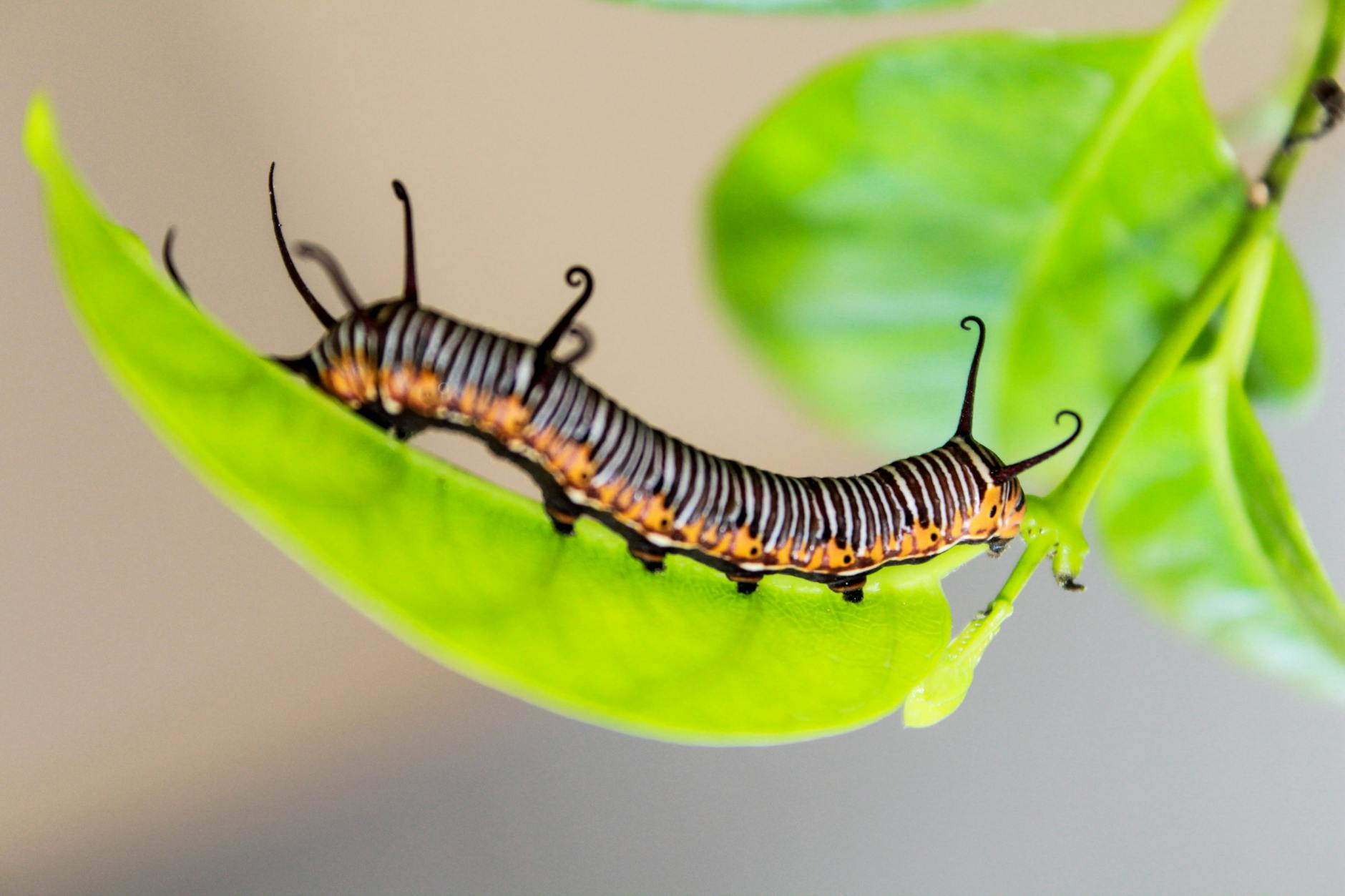
Several species of hawkmoth caterpillar have evolved eyespot markings and body postures that cause them to resemble the head of a small snake when threatened. The caterpillar inflates the front segments of its body and reveals large circular patterns that function as false eyes, creating a convincing impression of a reptilian face. Some species enhance the illusion by swaying the front of their body in a slow side-to-side motion resembling a snake preparing to strike. This transformation is entirely behavioral and structural, requiring no change in actual body structure beyond the inflation of existing segments. Birds that encounter this display frequently retreat without making contact, making the mimicry highly effective despite the caterpillar’s otherwise non-threatening nature.
Clearwing Moth
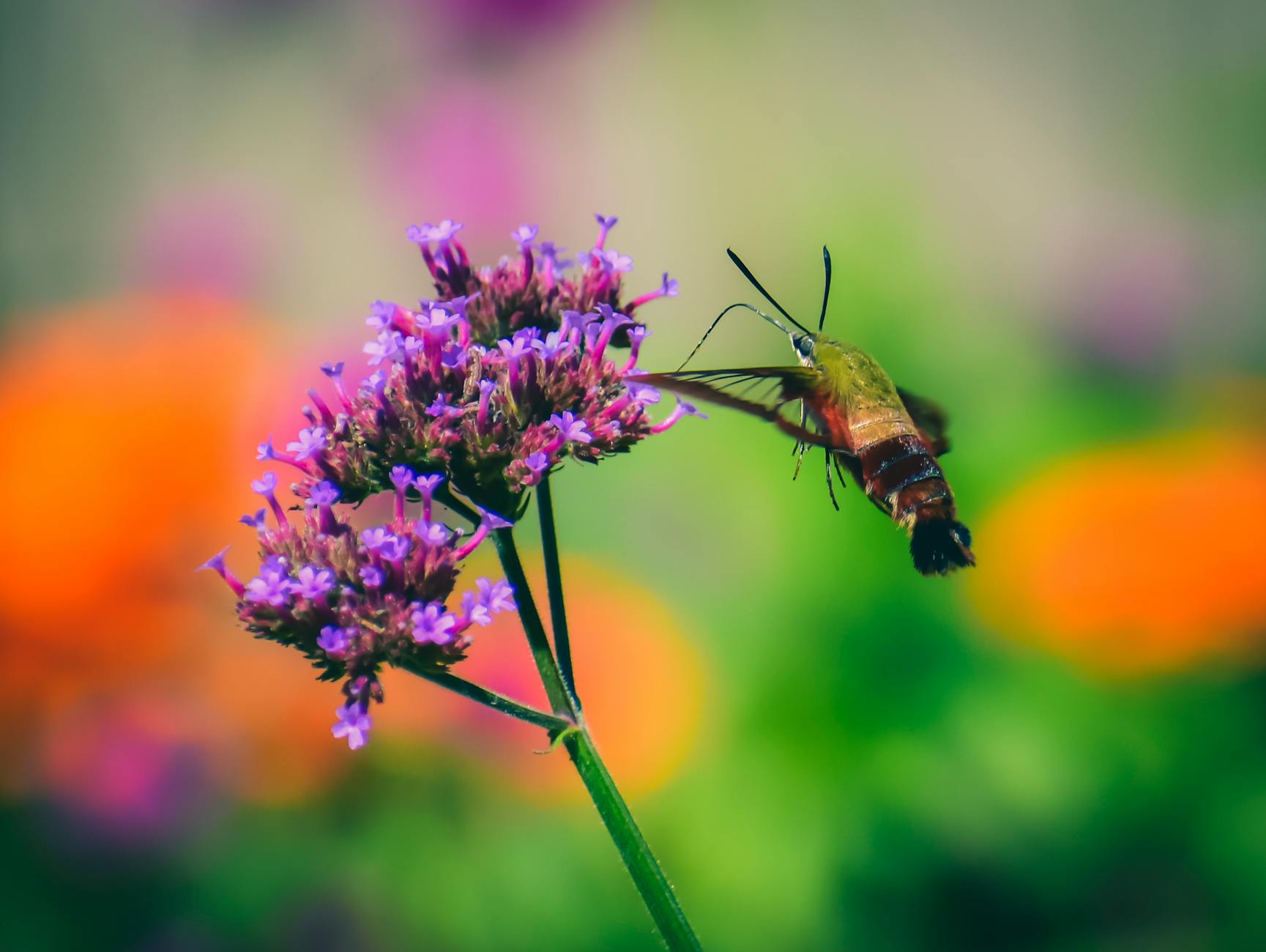
Clearwing moths have evolved transparent wings that lack the scales present in nearly all other moth species, causing them to resemble wasps and hornets in both appearance and flight pattern. Their bodies are banded in yellow, red, or orange against black, and their wing shape closely follows the narrow profile of stinging insects rather than the broad wing silhouette of typical moths. Many species are active during the day, which is unusual for moths, and their flight behavior mimics the erratic hovering movement of real wasps. The combination of transparent wings, warning coloration, and behavioral mimicry creates a multi-layered deception that is effective across a wide range of predators. Over a thousand species of clearwing moths have been identified worldwide, all practicing variations of the same wasp mimicry strategy.
Milk Snake
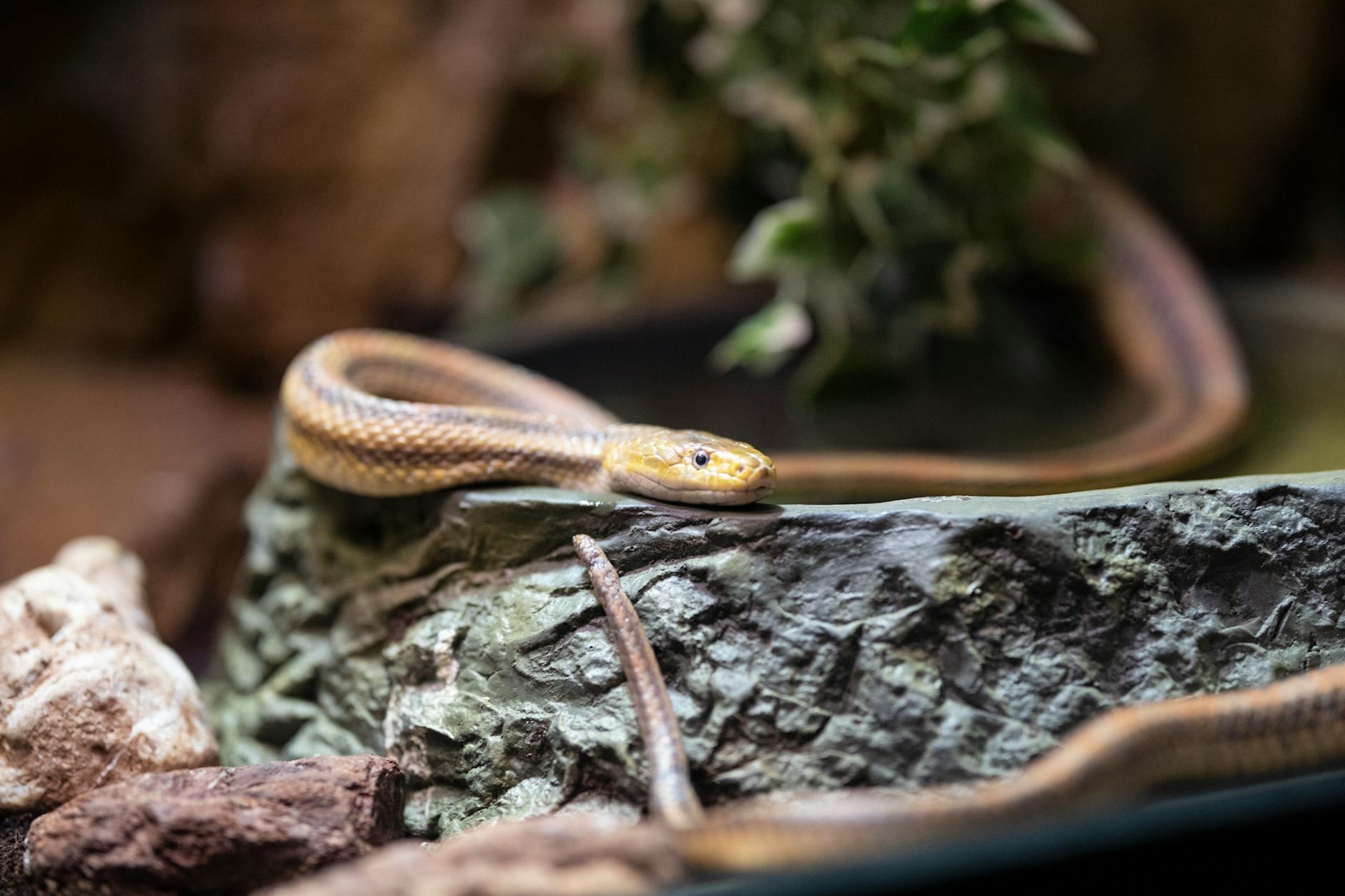
The milk snake has evolved a pattern of red, black, and yellow or white banding that closely resembles the highly venomous coral snake found in the same geographic regions of the Americas. Predators that have learned to avoid coral snakes based on their distinctive coloration tend to avoid milk snakes as well, granting the harmless species a significant survival advantage. The resemblance varies in accuracy depending on the region, with populations living closest to coral snakes typically showing the most precise color matching. Milk snakes are completely non-venomous constrictors and rely entirely on this visual deception for protection against larger predators. The similarity between the two species inspired the well-known rhyme used by naturalists to distinguish them by the order of their colored bands.
Leaf-tailed Gecko
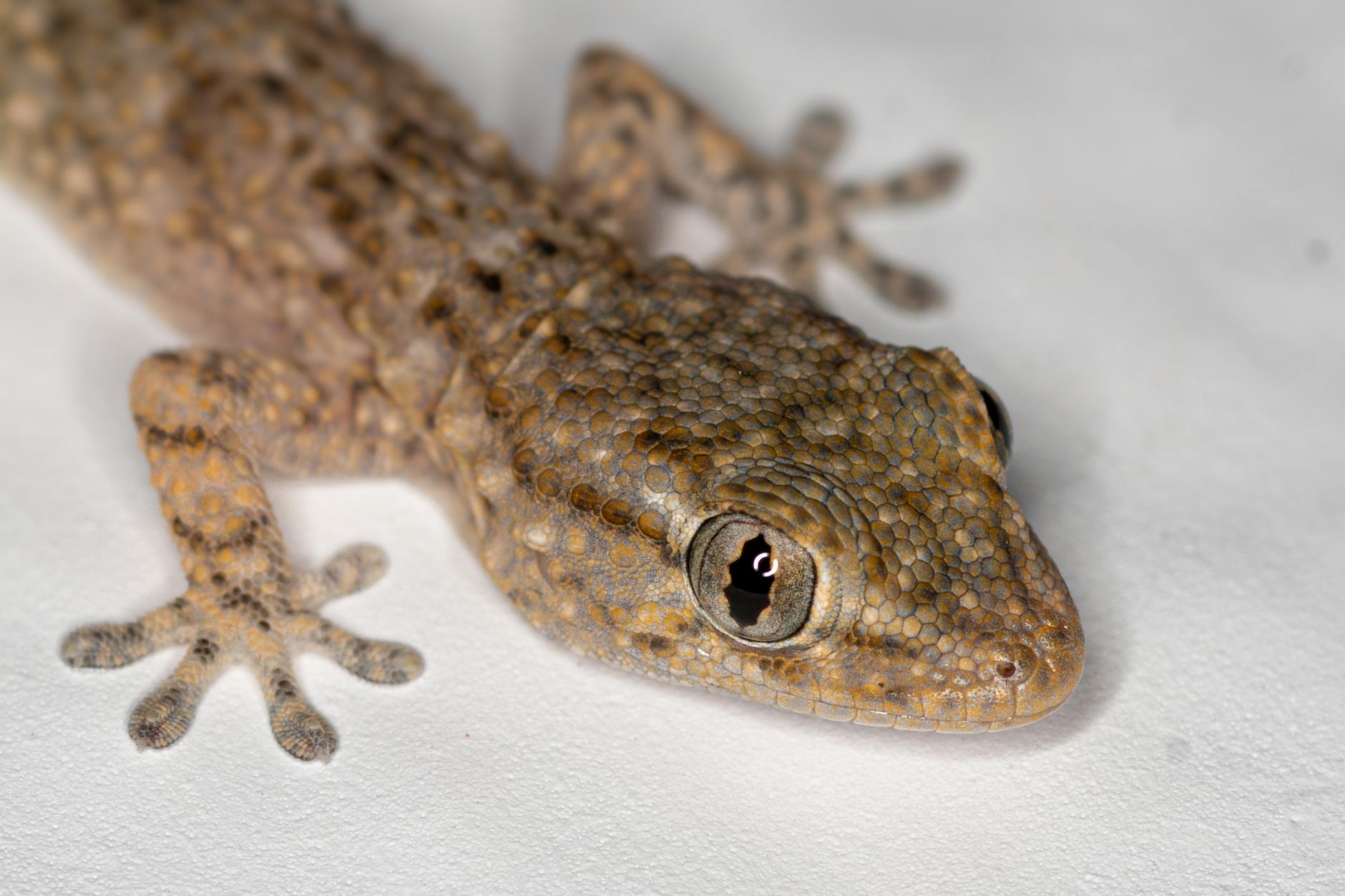
The satanic leaf-tailed gecko of Madagascar has evolved a tail so faithfully resembling a dead or decaying leaf that it is nearly impossible to distinguish from surrounding forest debris without deliberate searching. Its skin replicates not only the color and shape of dry leaves but also the irregular perforations, brown patches, and frayed edges caused by natural decomposition. The gecko’s body follows the same texture and tone, allowing it to flatten itself against bark or leaf litter and become visually continuous with its surroundings. Its eyes are proportionally enormous and designed for low-light hunting, adding to its striking and unusual appearance. It is endemic to Madagascar and remains one of the most visually dramatic examples of whole-body camouflage in any vertebrate species.
Decorator Crab
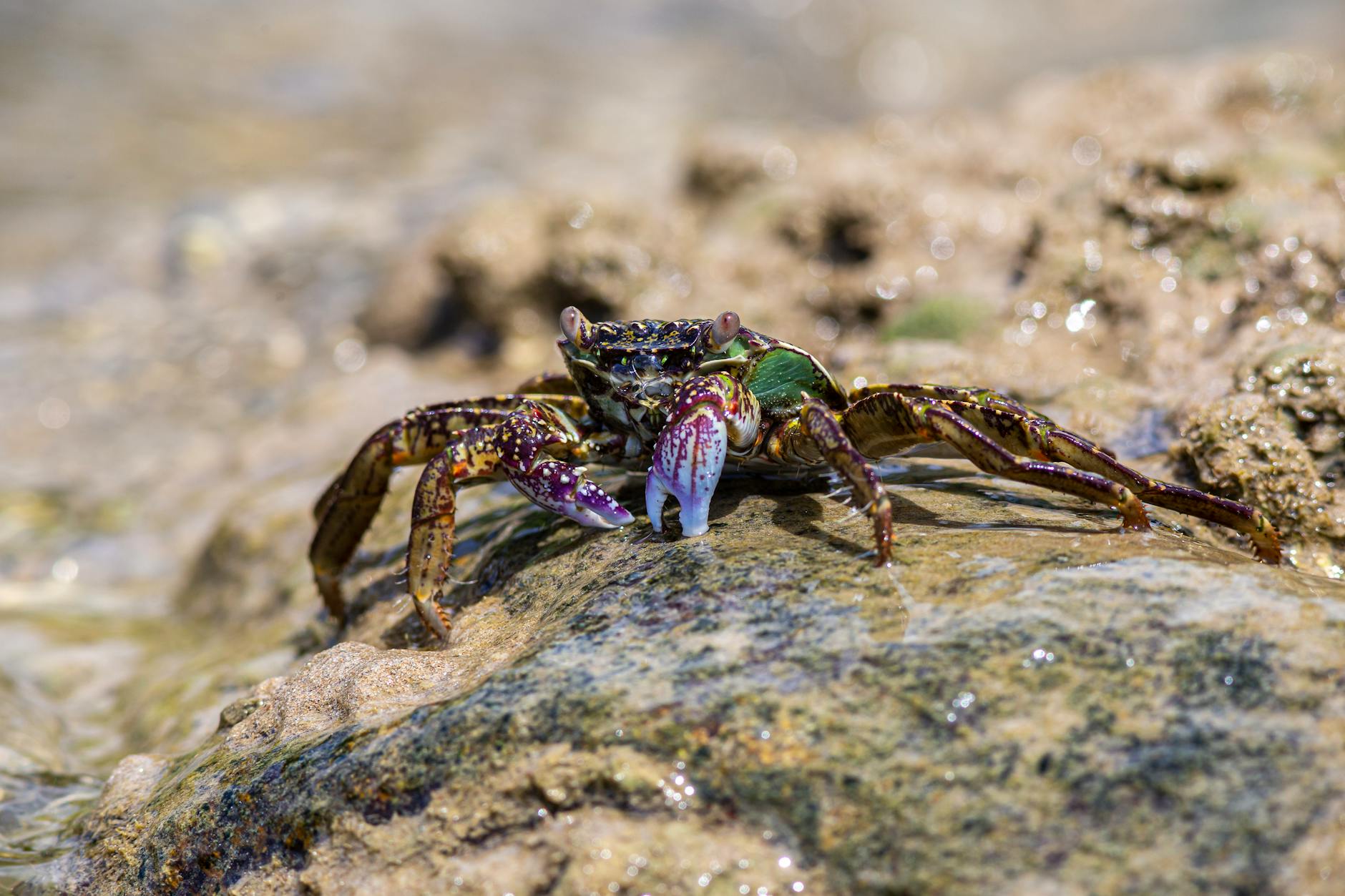
Decorator crabs actively attach pieces of living sponge, algae, and anemones to specialized hooked bristles on their shells, constructing a personalized camouflage that integrates them directly into the reef environment around them. Unlike passive camouflage, this behavior is deliberate and maintained throughout the crab’s life, with individuals selecting materials that most closely match their current surroundings. When a decorator crab moves to a new habitat, it has been observed removing its previous decorations and replacing them with locally sourced materials. The attached organisms often continue living on the crab’s shell, creating a genuinely functional miniature ecosystem on its back. This combination of instinctive behavior and physical adaptation produces a disguise that changes dynamically with the animal’s environment.
Alligator Snapping Turtle
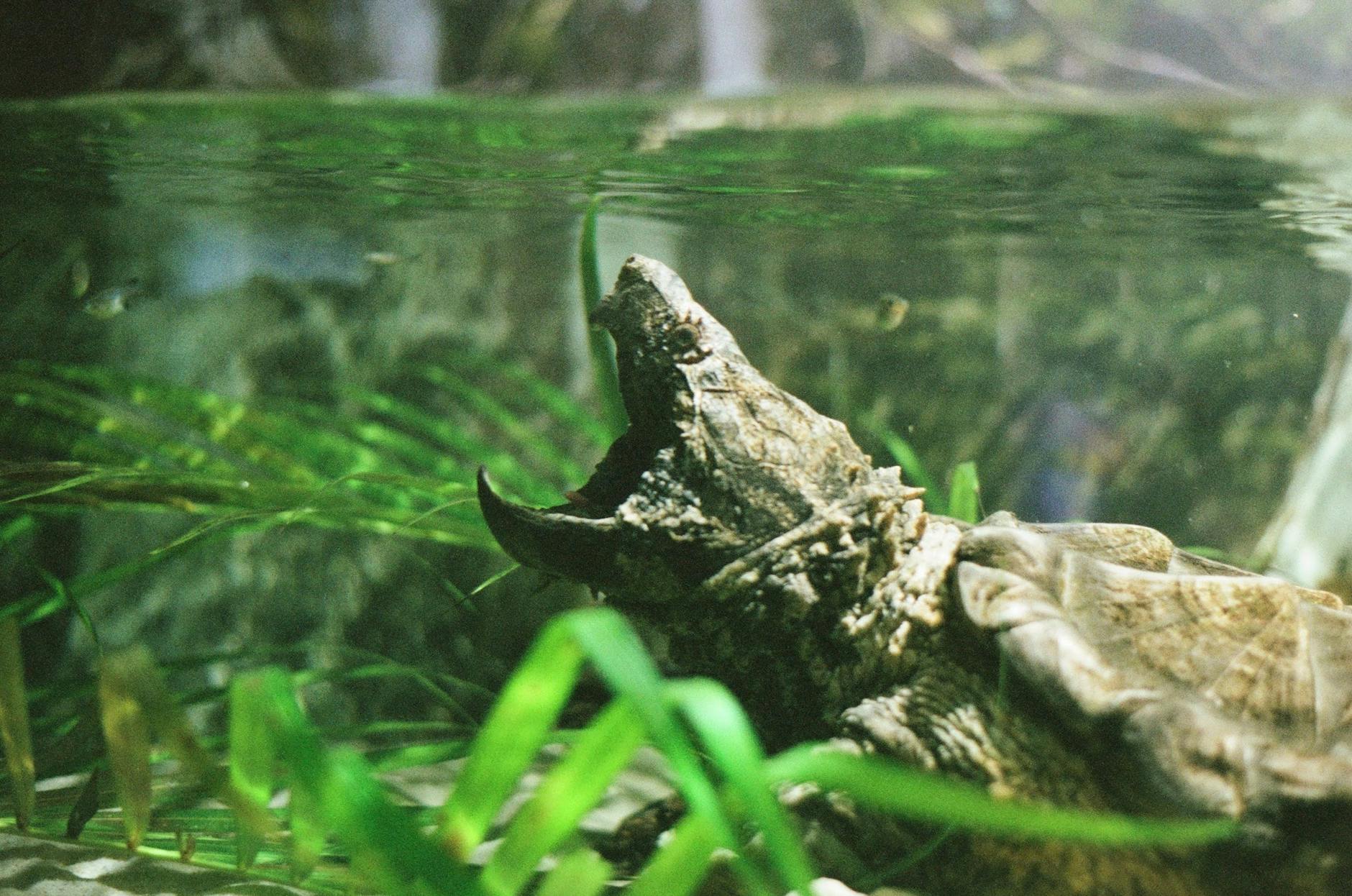
The alligator snapping turtle has evolved a fleshy, pink, worm-shaped appendage on its tongue that it uses as a lure to draw fish within snapping range while the rest of its body remains motionless on the river bottom. Its shell is heavily ridged and covered in algae growth that makes it appear as an irregular rock formation rather than a living predator. The turtle opens its mouth and wiggles the tongue lure for extended periods, sometimes hours, without any other visible movement. Fish that approach the apparent worm trigger an explosive jaw closure that is among the most powerful bite forces recorded in any freshwater turtle species. This combination of body camouflage and active luring represents two simultaneous evolutionary adaptations working in parallel.
Pipevine Swallowtail
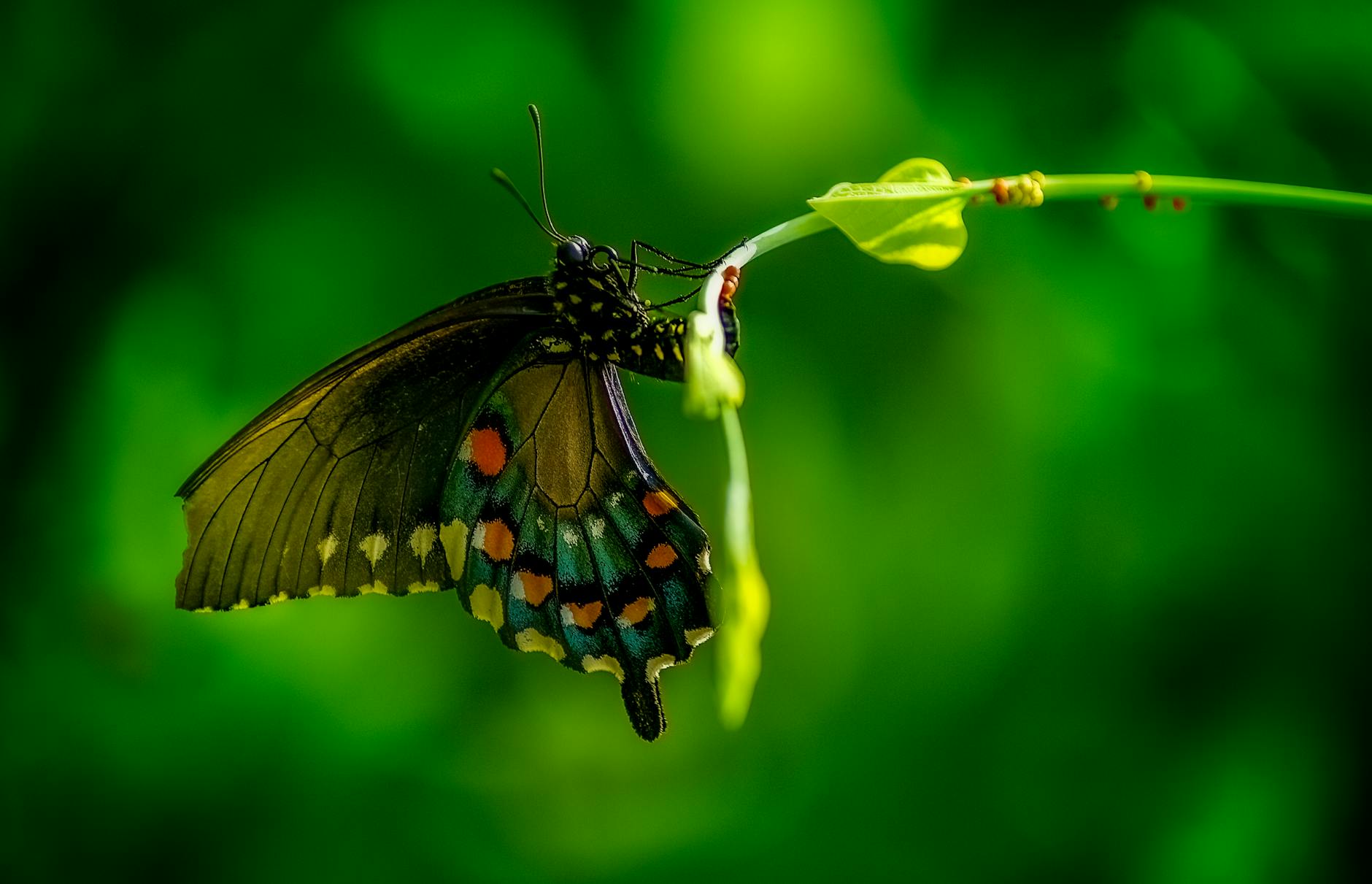
The pipevine swallowtail butterfly of North America feeds on toxic pipevine plants as a caterpillar, sequestering poisonous compounds in its body that make it unpalatable to predators throughout its adult life. Its distinctive iridescent blue and black wing pattern has been mimicked by at least a dozen other butterfly species in the same region, including the spicebush swallowtail, the dark form of the tiger swallowtail, and the black swallowtail. These mimics gain protection from predators that have learned through experience to avoid the pipevine swallowtail’s pattern. The original species therefore acts as the model in one of the most complex multi-species mimicry systems documented in North American insects. The breadth of species copying a single model is rare in nature and reflects how powerful the protective effect of the pipevine swallowtail’s toxicity truly is.
Twig Caterpillar
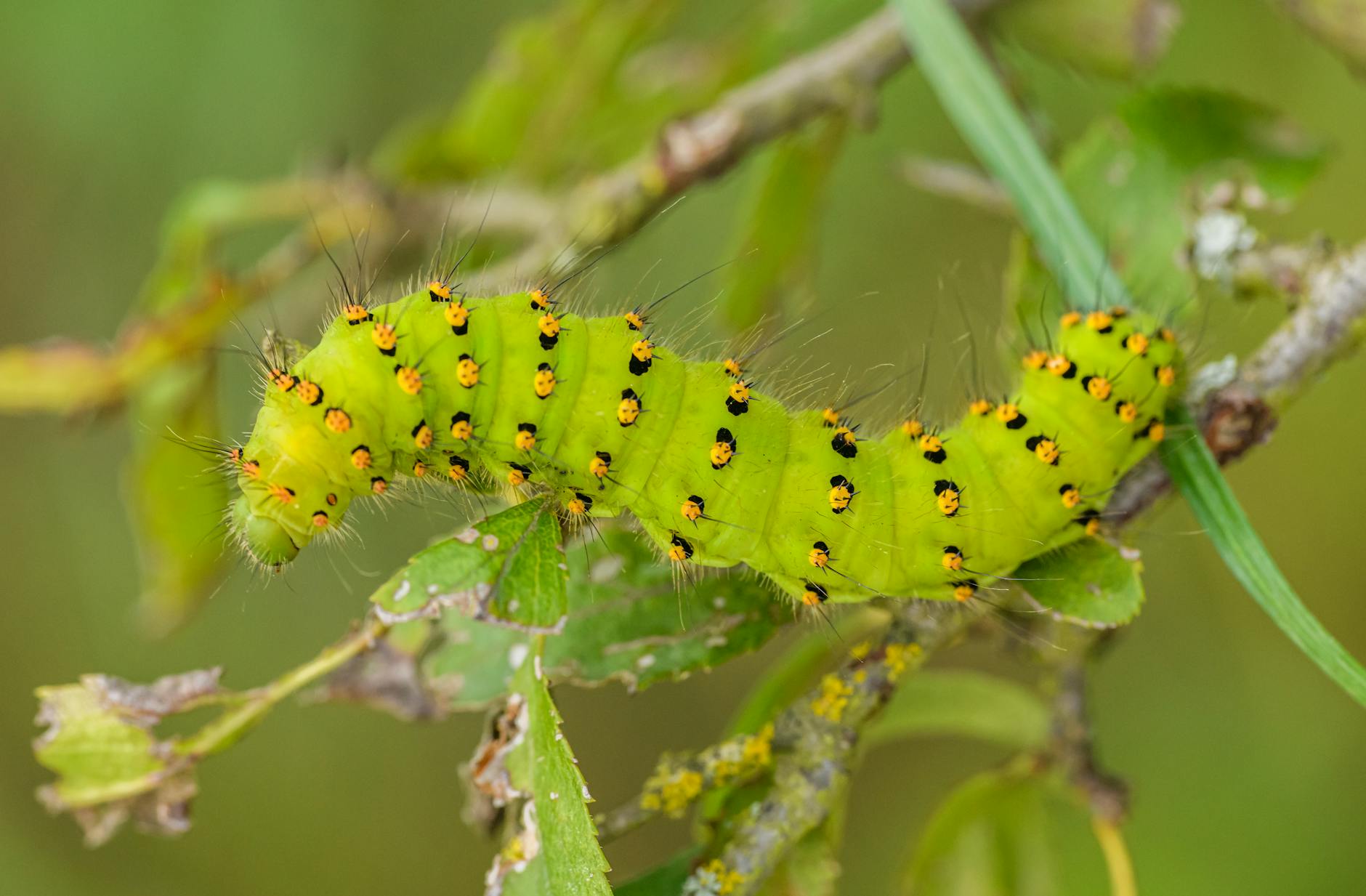
The geometrid moth caterpillar commonly known as the twig caterpillar has evolved a body that is virtually indistinguishable from a small dead branch when it extends itself stiffly from a stem at an angle. Its coloration matches the grey and brown tones of dormant woody growth, and the surface texture of its skin replicates the roughness and subtle patterning of real bark. When at rest, it holds this rigid pose for hours, anchored only by its hind claspers while the rest of its body remains completely motionless in mid-air. This posture mimics the way small side branches naturally grow at irregular angles from a main stem, making the caterpillar appear structurally part of the plant. There are hundreds of geometrid species worldwide that use variations of this strategy, making it one of the most evolutionarily successful forms of insect camouflage.
Which of these extraordinary animal disguises surprised you the most? Share your thoughts in the comments.