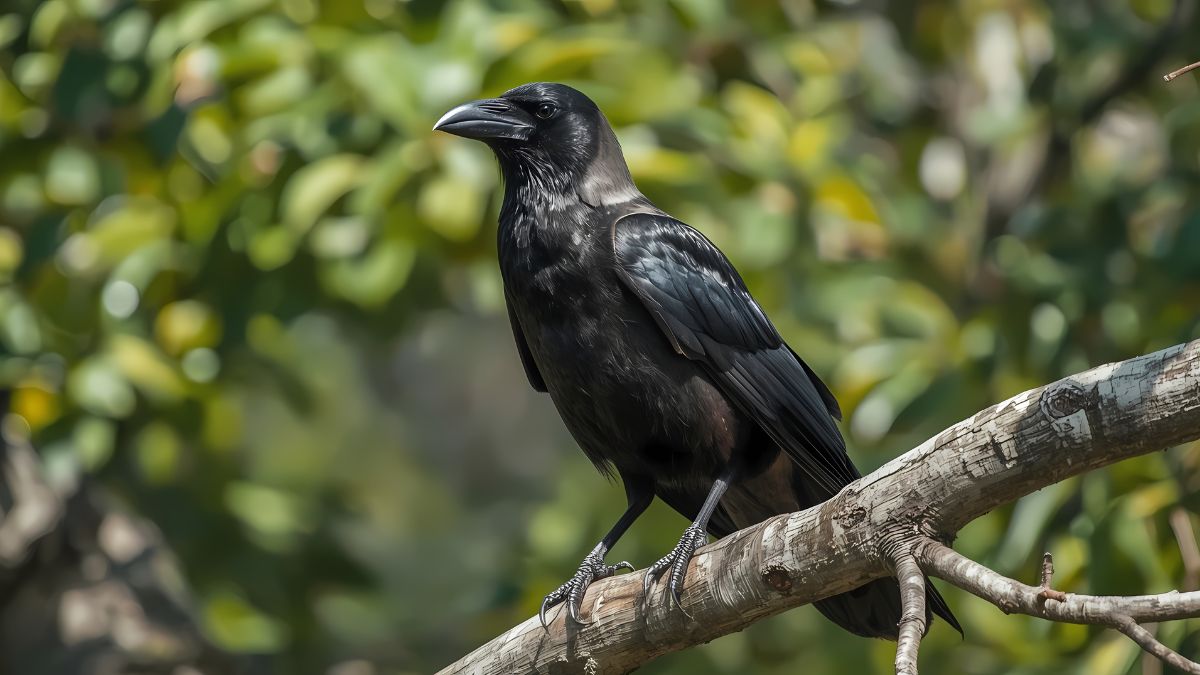
Every culture builds a unique relationship with the animal kingdom, shaped by mythology, agriculture, spiritual belief, and centuries of shared history. An animal feared in one country may be celebrated as sacred in another, and creatures seen as pests in the West can hold deep symbolic power in the East. These cultural contrasts reveal how much human perception shapes the meaning we assign to other living beings. From household nuisances to divine messengers, the following animals carry wildly different reputations depending on where in the world you encounter them.
Rats
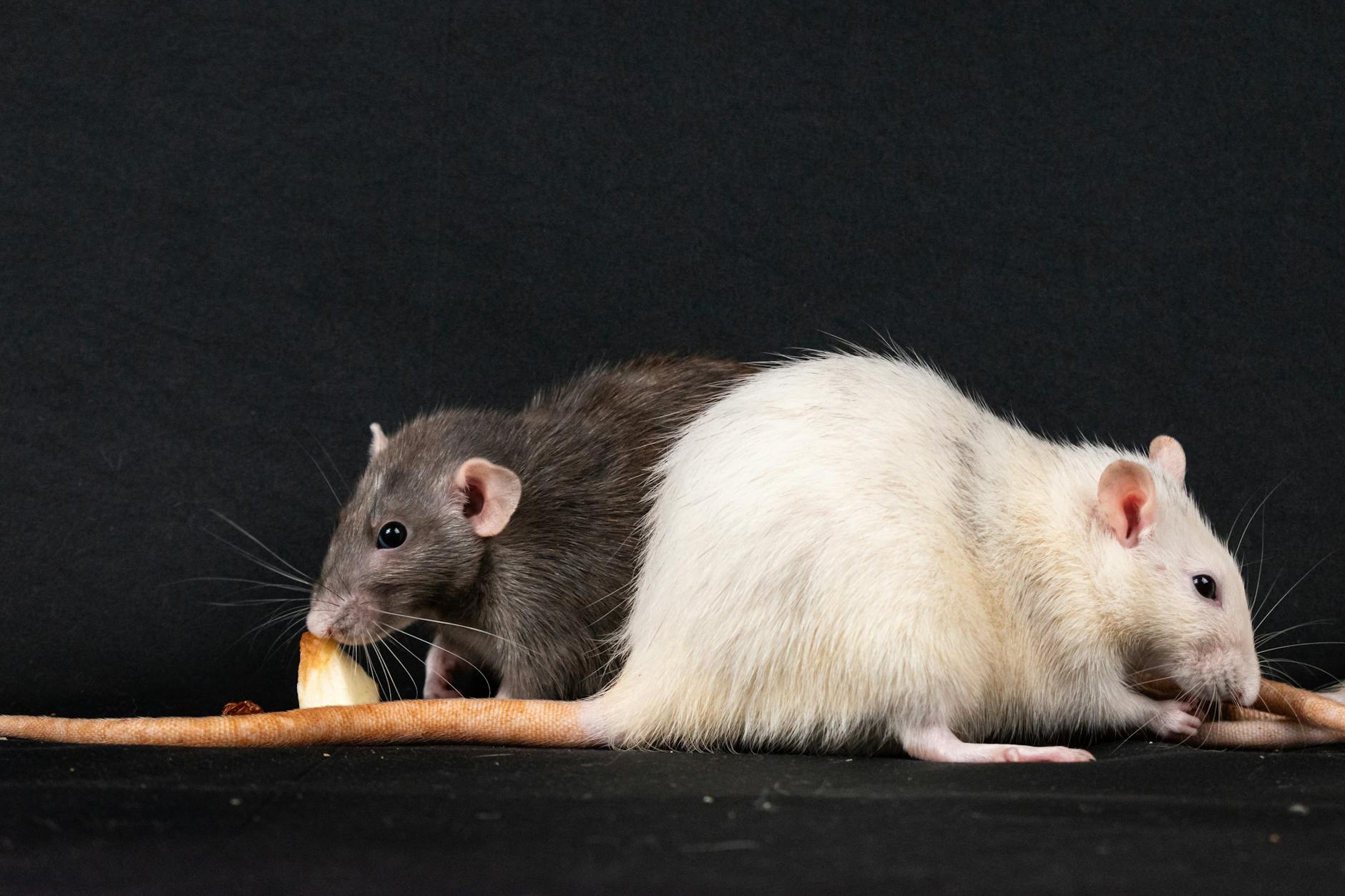
In much of the Western world, rats are associated with disease, urban decay, and general unpleasantness. In Chinese culture, the rat holds the prestigious first position in the twelve-year zodiac cycle, symbolizing intelligence, adaptability, and resourcefulness. People born in the Year of the Rat are considered quick-witted and charming. In India, the Karni Mata temple in Rajasthan is home to thousands of rats that are fed, protected, and considered sacred. Spotting a white rat at this temple is regarded as a particularly auspicious sign.
Crows
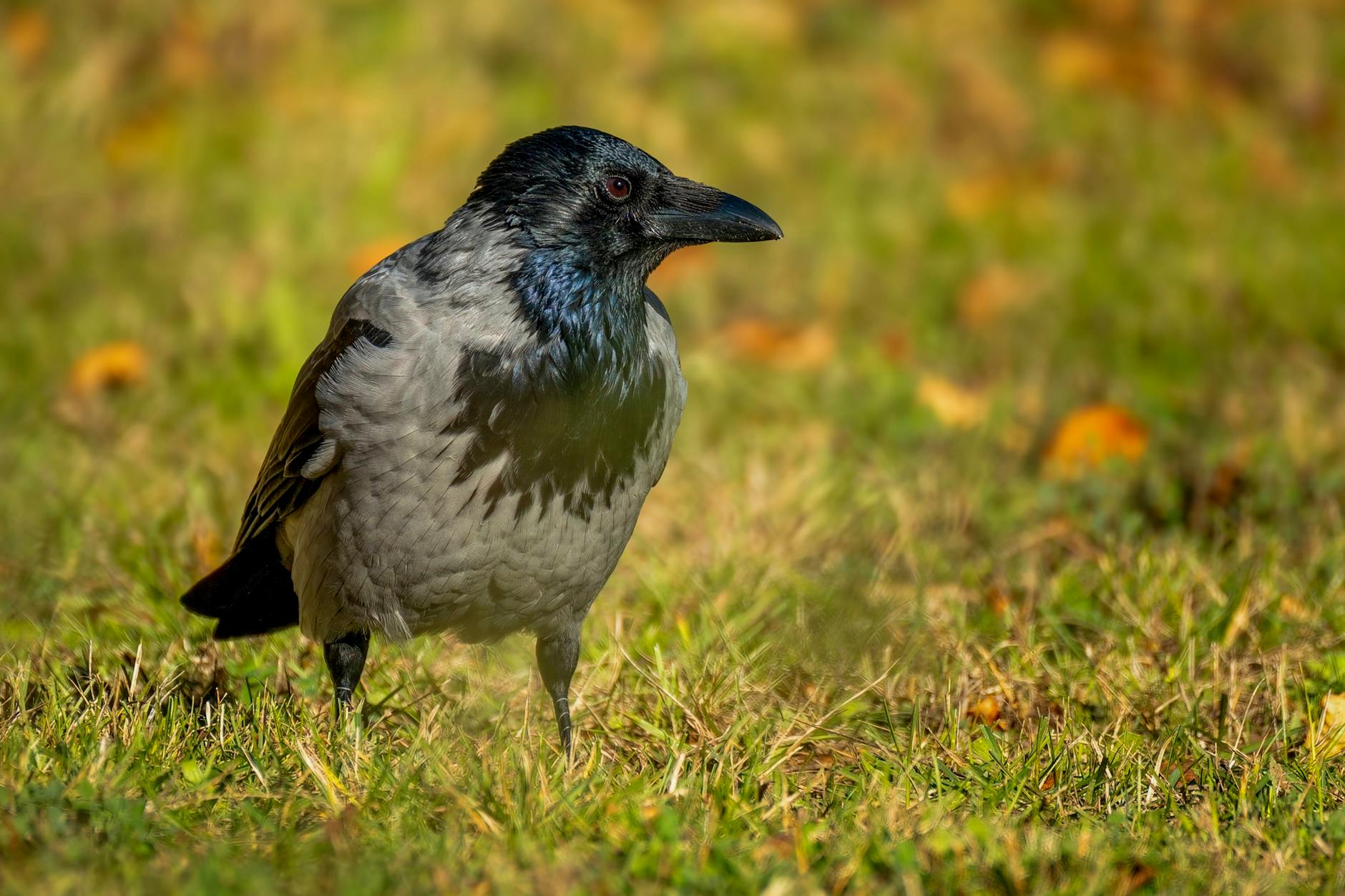
Across much of Europe and North America, crows are traditionally linked to death, bad omens, and dark folklore. In Japan, the large-billed crow is seen as a guiding and protective figure, with the mythical three-legged crow called Yatagarasu serving as a divine symbol of guidance for the imperial family. Many Indigenous cultures of the Pacific Northwest revere the crow as a powerful trickster deity responsible for bringing light to the world. In Hinduism, crows are believed to be the spirits of ancestors and are offered food during the Pitru Paksha ritual period. Their intelligence and adaptability have earned them a deeply respected place in many traditions.
Owls
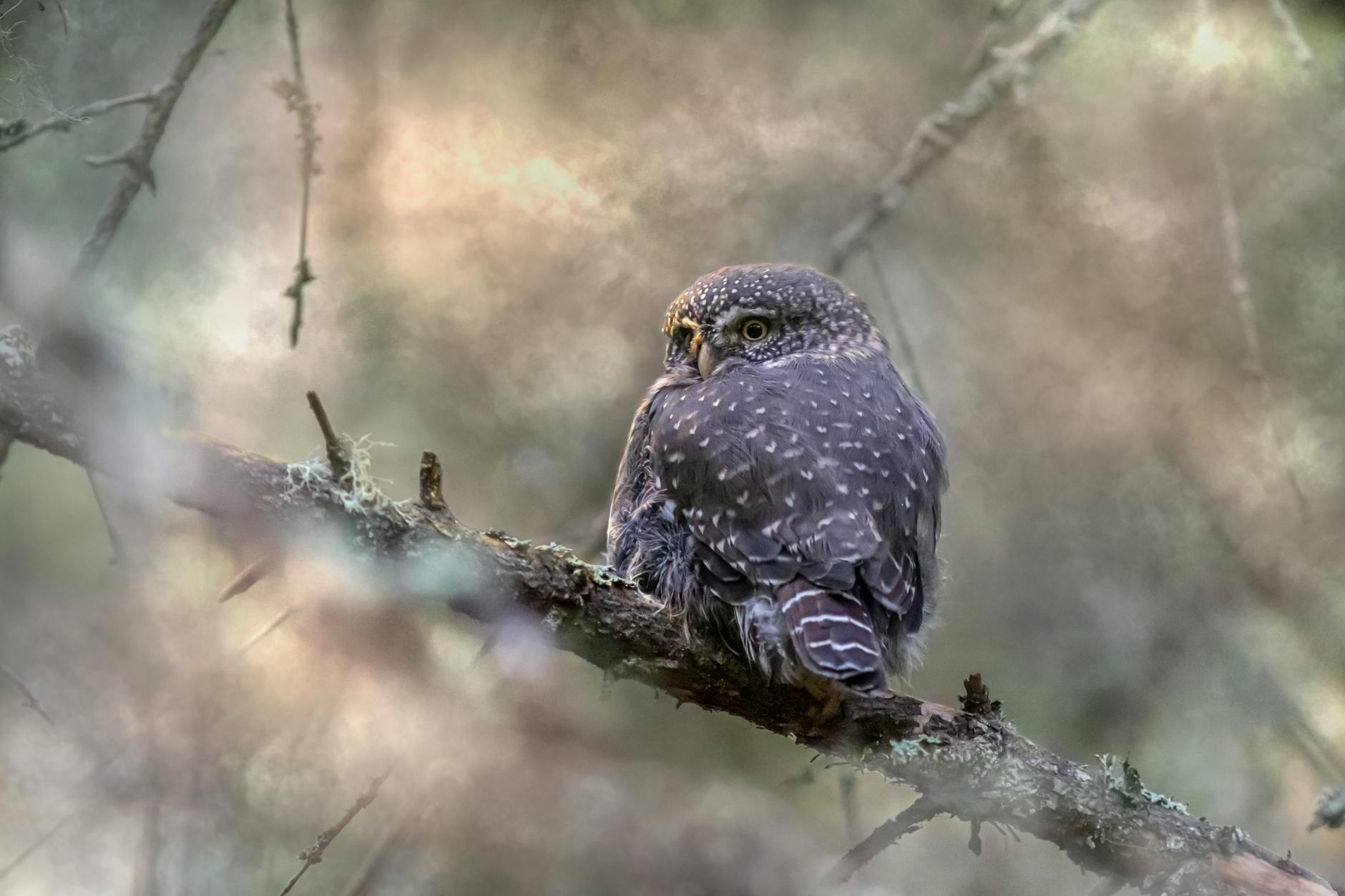
In ancient Greece, the owl was the sacred companion of Athena and a symbol of wisdom and knowledge. In many African and Native American traditions, however, owls are considered powerful omens of death or messengers from the spirit world. In rural parts of India and the Middle East, hearing an owl at night is often regarded as a deeply troubling sign. Japan holds a more favorable view, with owls sold widely as good luck charms representing protection and wisdom. This split in perception makes the owl one of the most culturally divided animals on the planet.
Cats
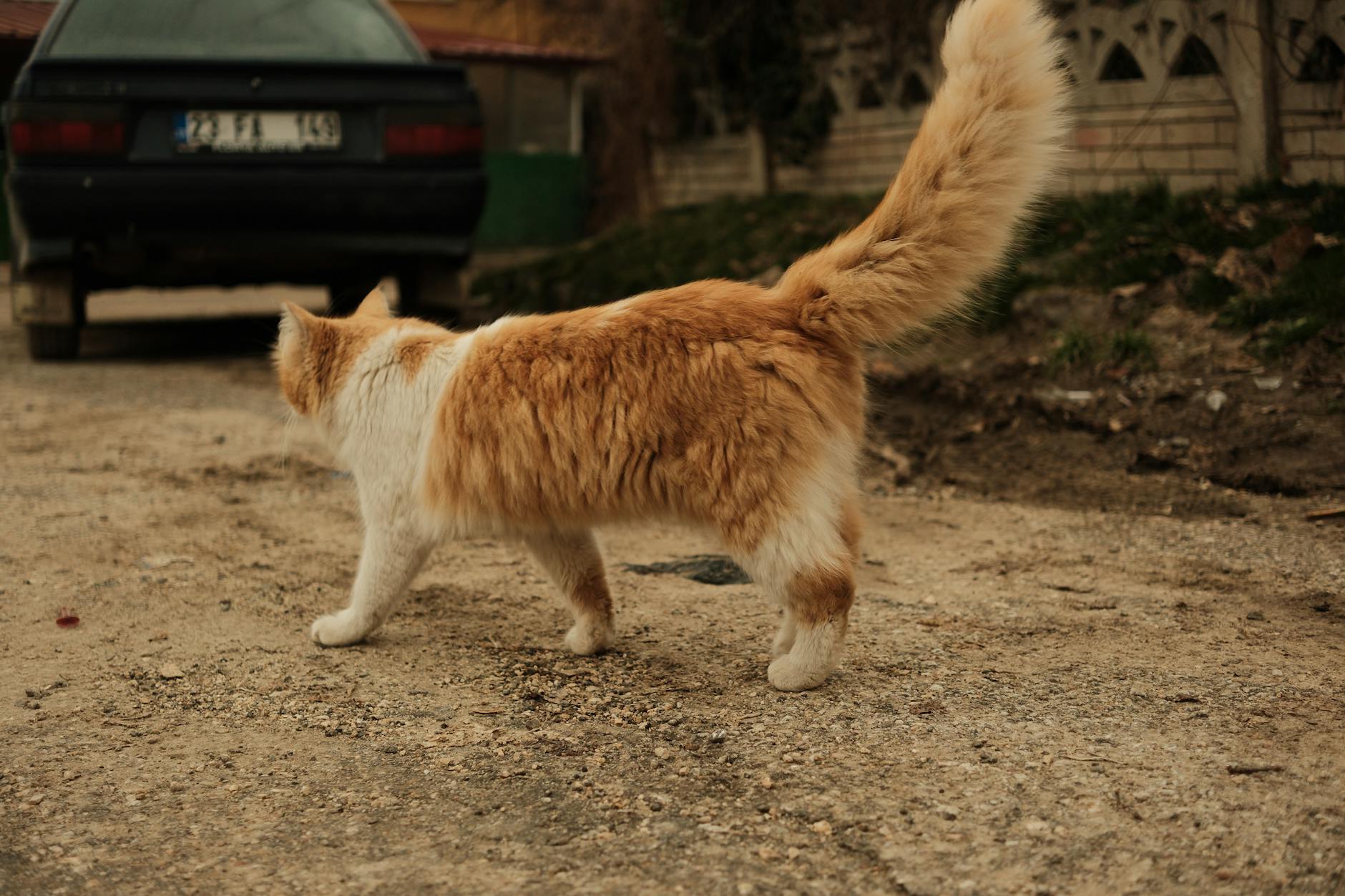
In ancient Egypt, cats were venerated as divine beings associated with the goddess Bastet, and harming one was considered a serious crime. Western culture today largely celebrates cats as beloved and somewhat comical companions. In parts of medieval Europe, black cats in particular were associated with witchcraft and misfortune, a reputation that still lingers in certain superstitions. In Japan, the beckoning cat figurine known as Maneki-neko is one of the most recognized symbols of good luck and prosperity in business. Islamic tradition also holds cats in high esteem, with historical accounts noting the Prophet Muhammad’s great fondness for them.
Pigs
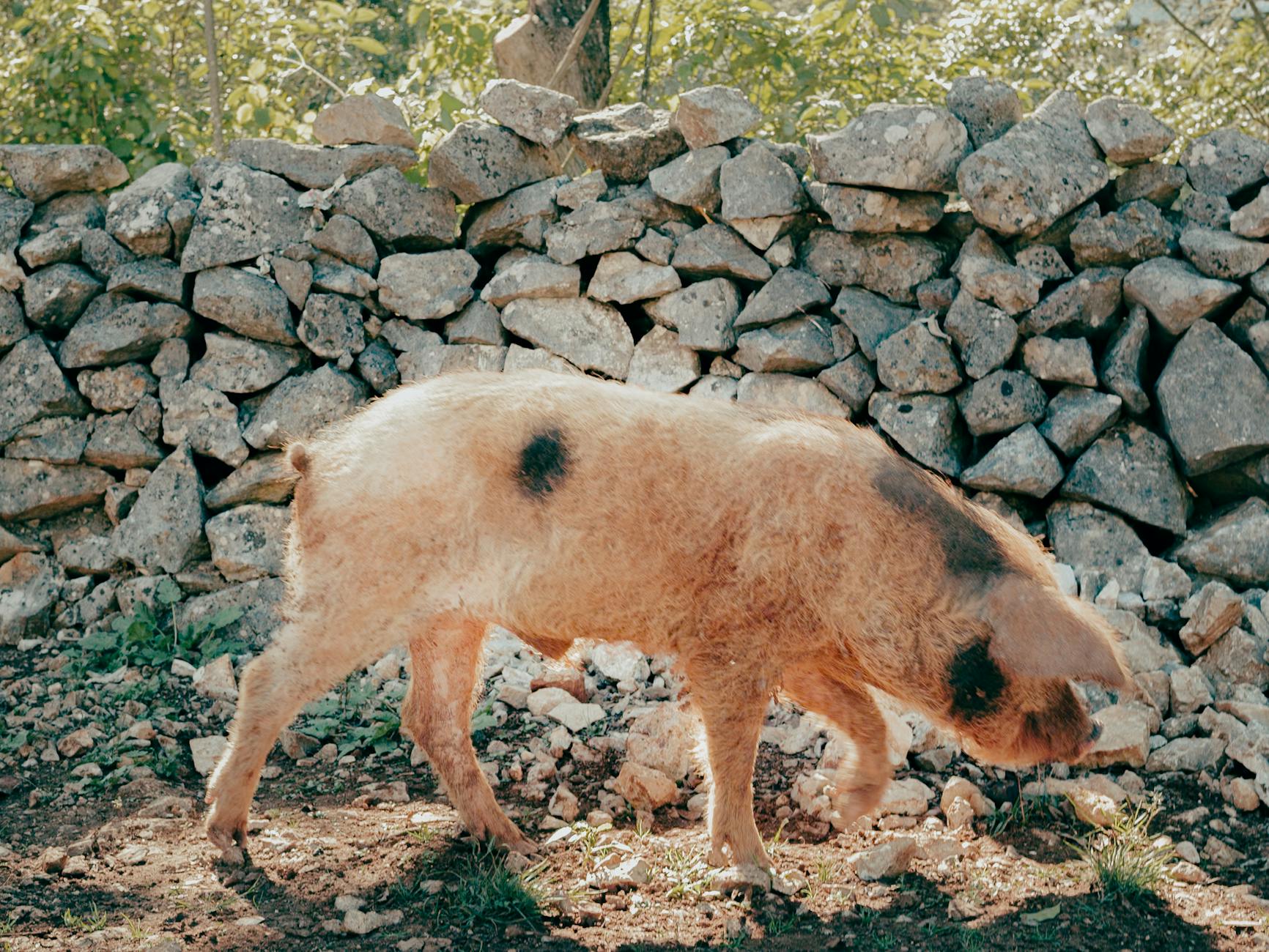
Pigs are dietary staples and commercially important animals in many Western and East Asian cultures. In China, the pig is the twelfth and final sign of the zodiac and represents wealth, diligence, and abundance. Celtic cultures historically revered the pig as a sacred animal associated with the otherworld and generosity of the gods. In Judaism and Islam, pigs are considered ritually impure and their consumption is strictly forbidden under religious law. This religious dimension gives the pig a deeply complex and divided symbolic identity across the globe.
Elephants

In Western contexts, elephants are primarily associated with wildlife conservation, circus history, and political symbolism in the United States. In Hinduism, the elephant-headed deity Ganesha is one of the most widely worshipped figures, representing the removal of obstacles and the blessing of new beginnings. Thailand has a centuries-long relationship with the elephant as a royal and spiritual animal, and it remains the unofficial national symbol. In parts of West Africa, elephants represent royal power and are associated with the authority of chiefs and kings. No other land animal carries as much ceremonial and spiritual weight across as many distinct cultures.
Dogs

Dogs are known as loyal companions and beloved pets across much of Europe and North America. In many parts of the Middle East and some Muslim-majority societies, dogs are traditionally considered ritually impure, making them unsuitable as indoor animals. Some cultures in parts of East and Southeast Asia have historically included dog meat in their culinary traditions, a practice that generates significant debate globally. In ancient Aztec civilization, the hairless Xoloitzcuintli dog was believed to guide the souls of the dead safely through the underworld. The Zoroastrian tradition of ancient Persia considered dogs sacred and uniquely capable of detecting evil.
Snakes
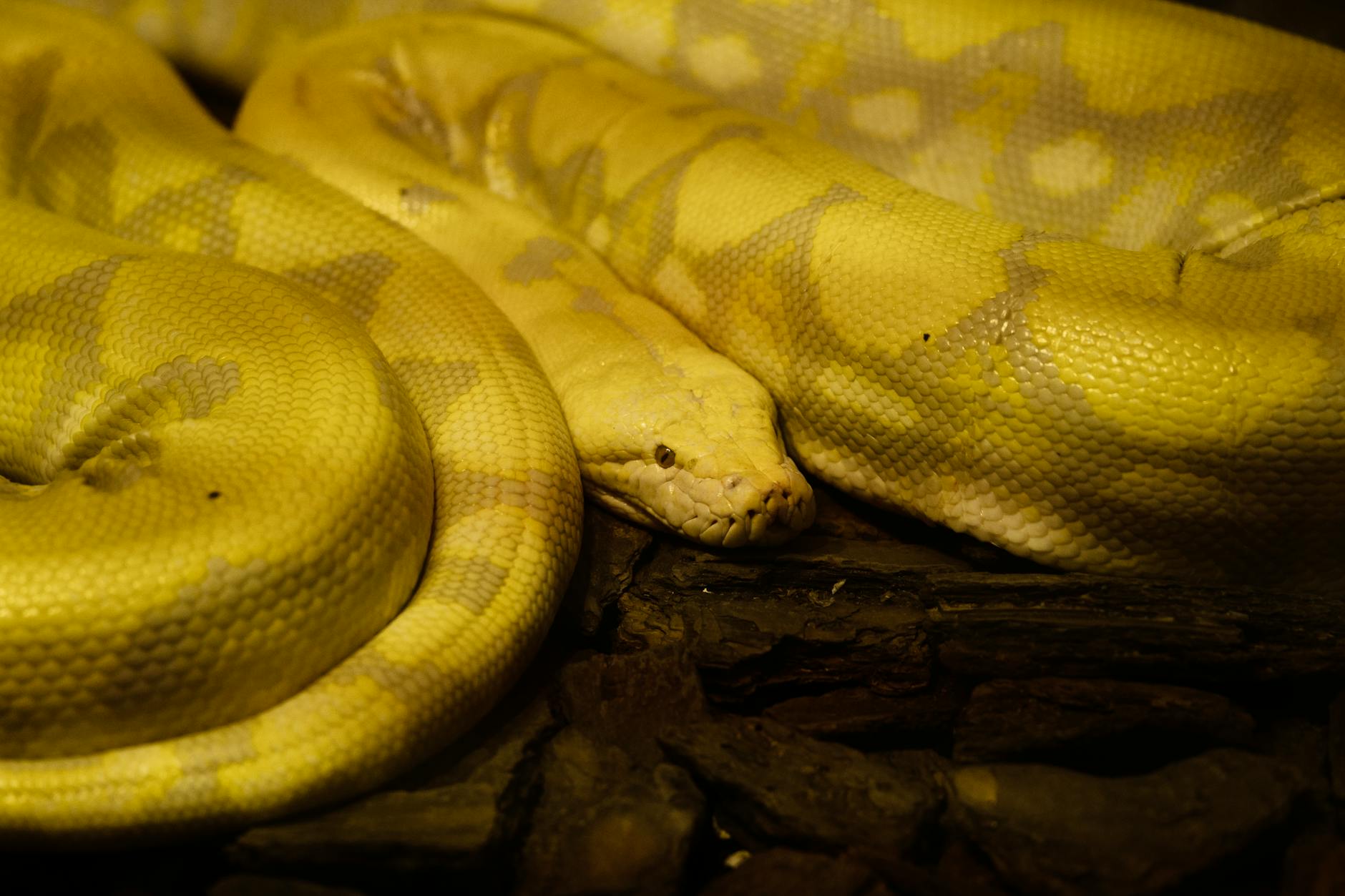
In much of the Western world, snakes carry heavy negative associations rooted in biblical narratives and general fear of venomous species. Ancient Egypt celebrated the cobra as a royal symbol of divine authority, depicted prominently on the headdresses of pharaohs. In Hinduism, the cobra holds immense sacred status and is closely associated with the god Shiva and the festival of Nag Panchami. Greek medical tradition used the serpent as a symbol of healing and renewal, a legacy that survives in modern medical iconography. In some Native American traditions, snakes represent transformation and the cyclical power of life and death.
Foxes
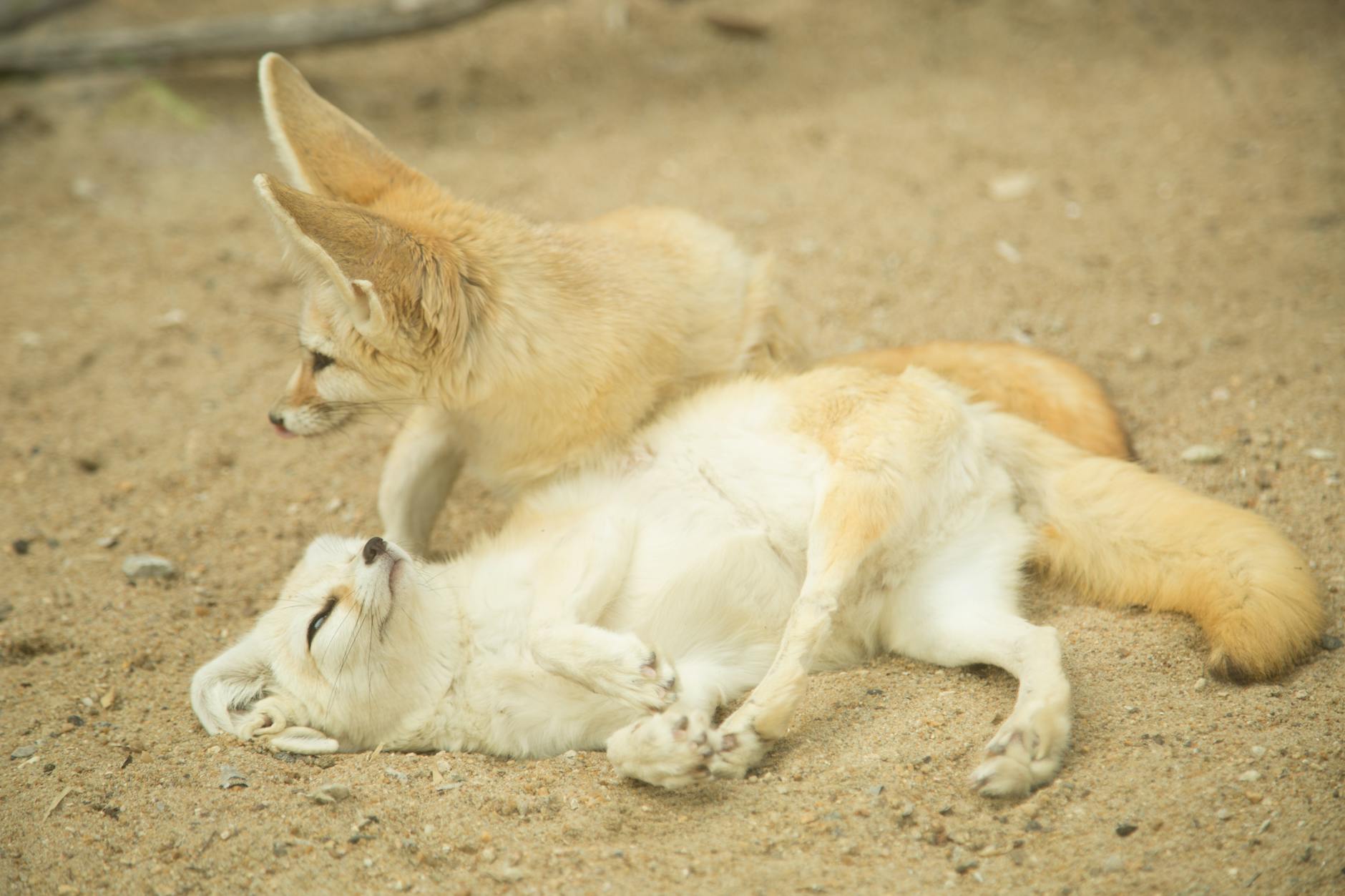
In contemporary Western culture, the fox tends to represent cunning, slyness, and unreliability. In Japanese mythology, the fox or Kitsune is a sophisticated supernatural being capable of shape-shifting, often depicted as a wise and powerful messenger of the Shinto deity Inari. Korean and Chinese folklore similarly portray foxes as mystical and morally complex beings with significant magical abilities. In parts of England, the fox was historically the centerpiece of an aristocratic hunting tradition, giving it a paradoxical status as both prey and symbol of a whole social class. Finnish mythology treats the fox as a clever and resourceful hero figure.
Bats
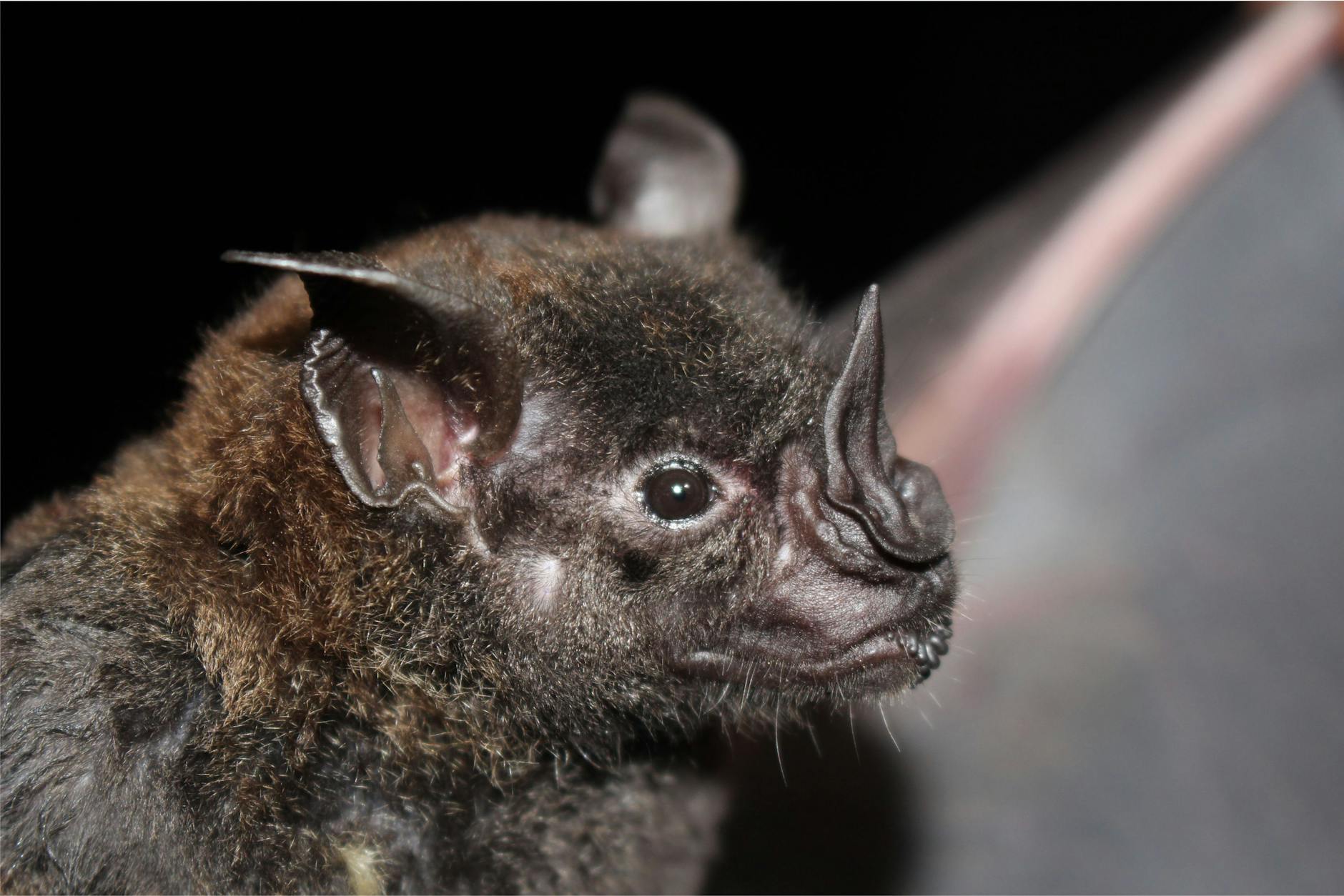
Bats are widely associated with Halloween, darkness, vampires, and disease across much of the Western world. In Chinese culture, the bat is one of the most positive symbols available, with the Chinese word for bat sharing a similar sound to the word for good fortune. Five bats arranged together form the classic symbol of the Five Blessings representing long life, wealth, health, virtue, and a natural death. In Polish and Macedonian traditions, carrying a bat bone was historically considered a powerful good luck charm. Indigenous Australian cultures include bats in ancestral stories as significant and respected beings tied to the land.
Bulls
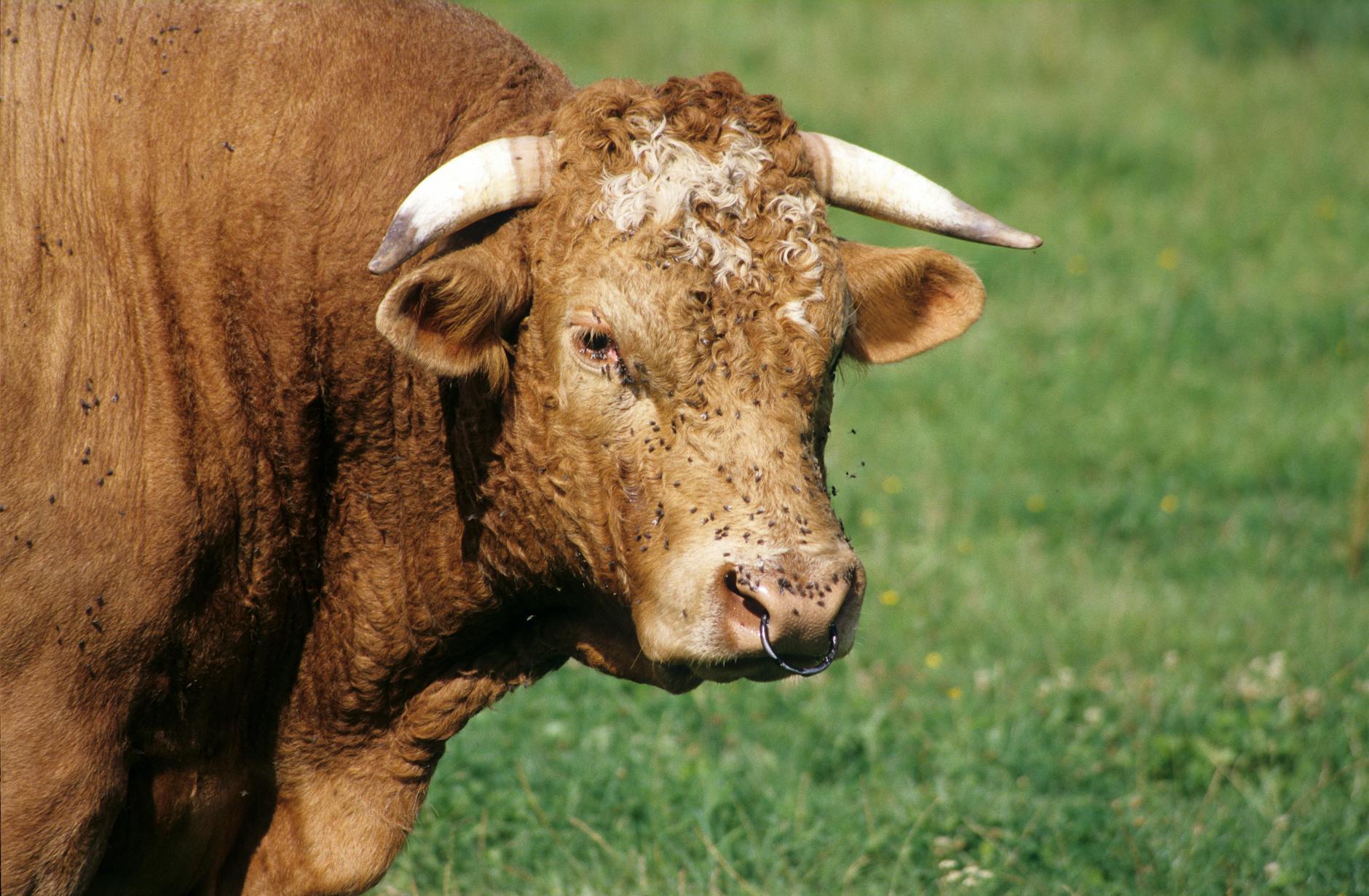
In Western cultures, the bull broadly symbolizes aggression, financial markets, and the raw force of nature. In ancient Mesopotamia and Egypt, bulls were among the most sacred animals, associated with the power of gods and the fertility of the earth. The Hindu tradition regards the bull Nandi as the devoted vehicle and gatekeeper of the god Shiva, and white bulls are treated with great reverence across India. In Minoan Crete, elaborate bull-leaping ceremonies held deep religious and cultural significance. The corrida tradition in Spain and parts of Latin America transforms the bull into a symbol of national identity and theatrical bravado.
Cows

In most Western contexts, cows are primarily understood as agricultural animals central to the dairy and beef industries. In Hinduism, the cow is among the most sacred of all living creatures, representing motherhood, abundance, and non-violence, and its slaughter is prohibited in many Indian states. Ancient Egyptians worshipped the cow goddess Hathor as a representation of love, beauty, and the nurturing sky. In Maasai culture in East Africa, cattle represent social wealth, spiritual connection, and family identity in ways that go far beyond economic value. This animal sits at the intersection of religion, economy, and identity more than almost any other.
Ravens
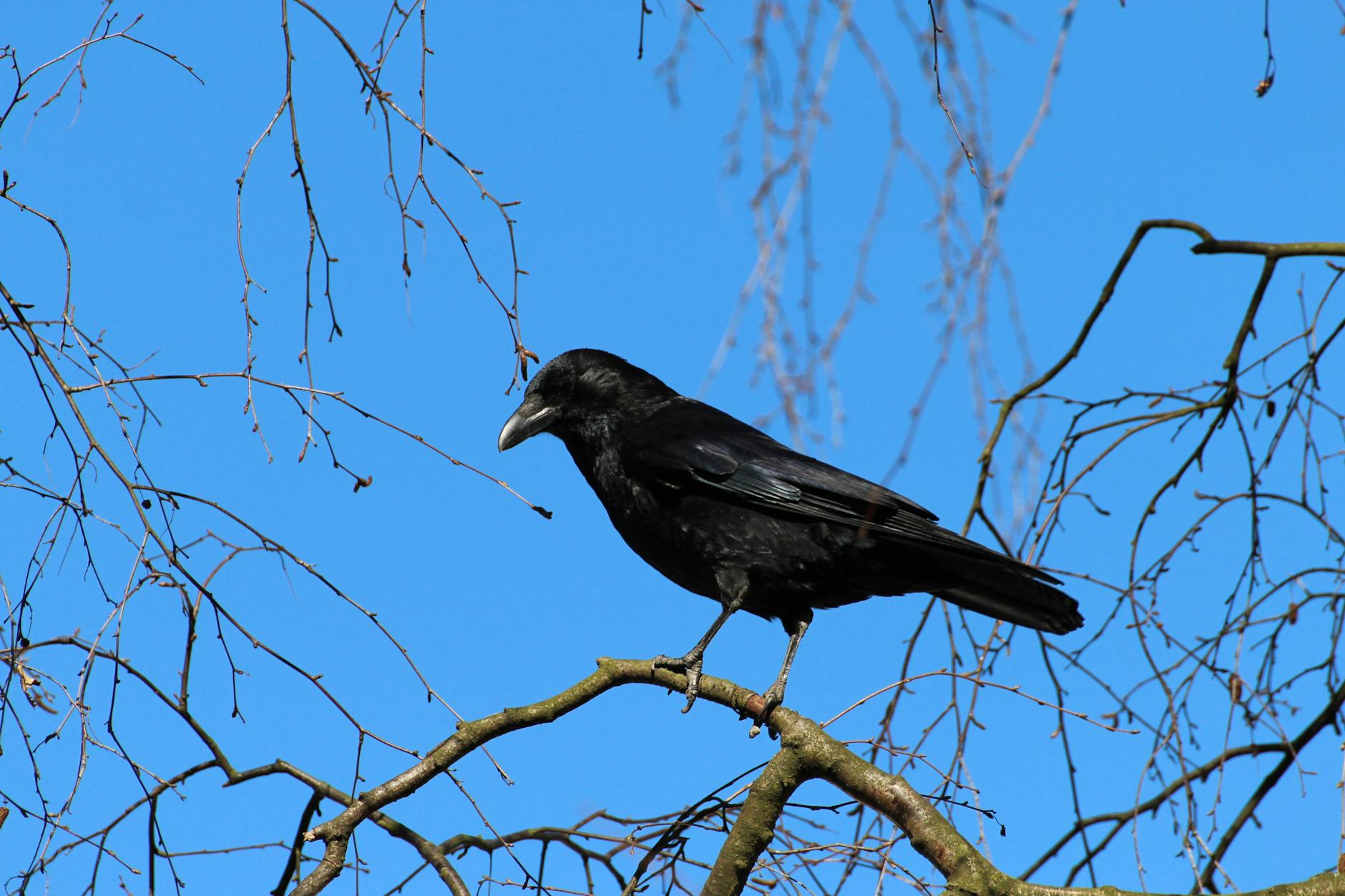
In Norse mythology, the god Odin kept two ravens named Huginn and Muninn, representing thought and memory, who flew across the world to bring him knowledge. In the Pacific Northwest traditions of the Haida and Tlingit peoples, the raven is the great trickster and creator figure who shaped the world and brought fire to humanity. British culture surrounds the ravens of the Tower of London with a superstition that the kingdom will fall if they ever leave, making them nationally protected birds. In many European folk traditions, ravens were considered dark omens associated with battlefields and death. This extreme range from divine creator to omen of doom illustrates just how differently one bird can be understood.
Monkeys
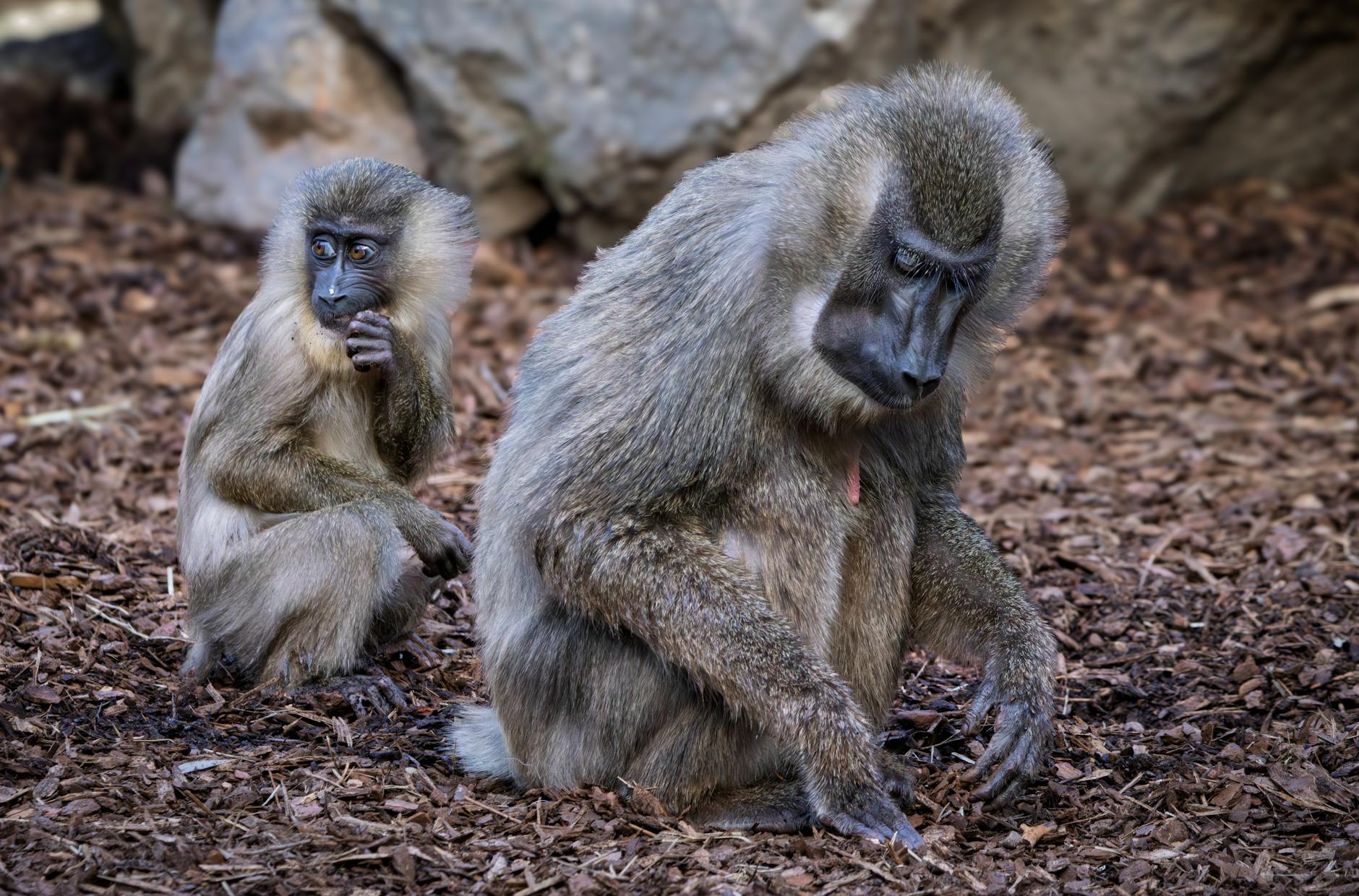
In Chinese culture, the Monkey is the ninth sign of the zodiac and is associated with wit, creativity, and an irrepressible spirit of adventure. The Hindu deity Hanuman takes the form of a monkey and is one of the most beloved figures in the entire tradition, representing loyalty, devotion, and extraordinary strength. In many West African spiritual traditions, monkeys are associated with cleverness and serve important roles in oral storytelling. Japanese culture has long used the three wise monkeys as a visual metaphor for moral restraint. In parts of South Asia, monkeys living near temples are considered sacred and are regularly fed by local communities.
Spiders
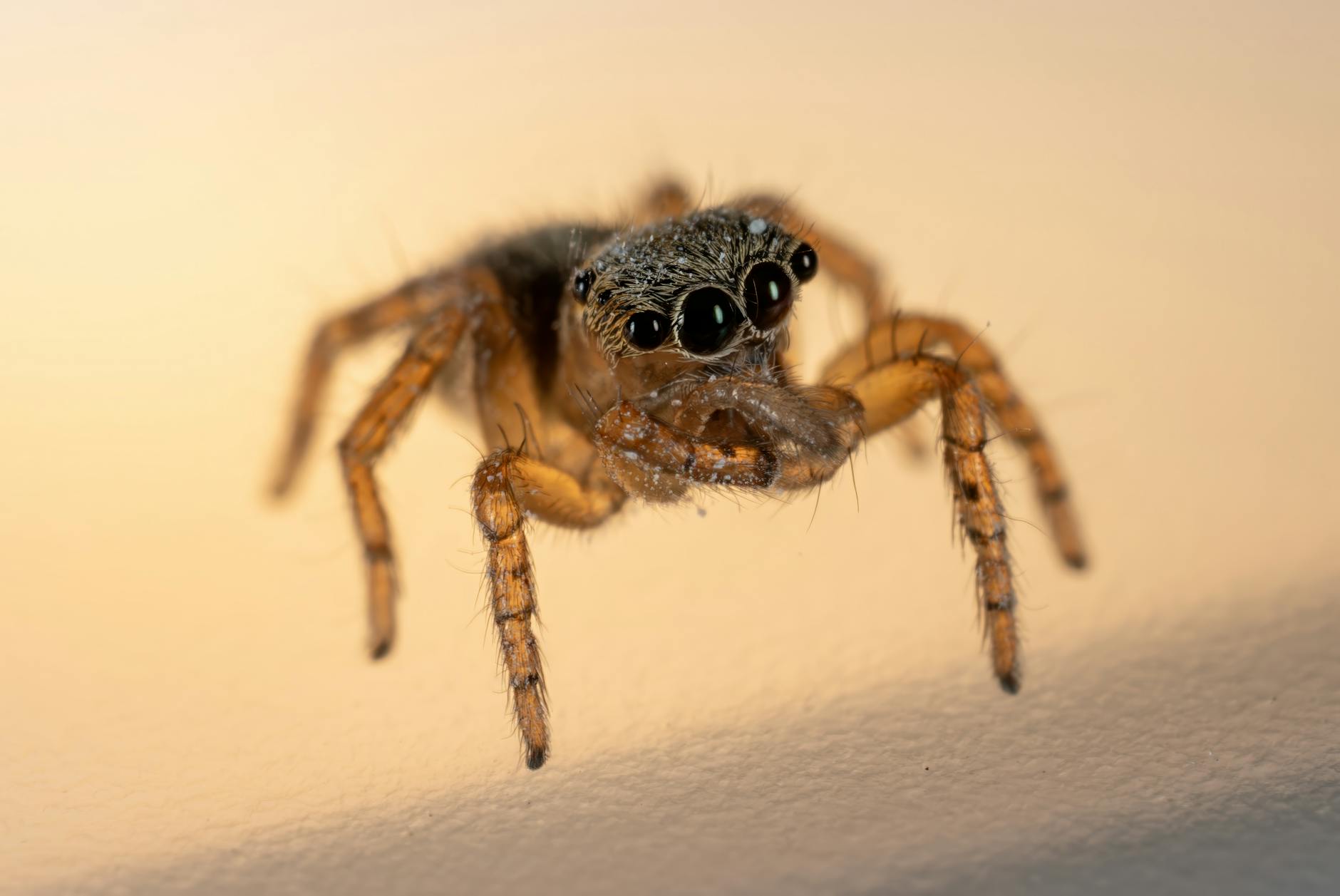
In much of the Western world, spiders generate intense fear and disgust and are commonly portrayed as threatening creatures in popular media. West African and African-American folklore celebrates Anansi the spider as one of the great trickster and wisdom figures, credited with bringing stories themselves into the world. In ancient Egypt, the spider was associated with the goddess Neith and symbolized the weaving of destiny and divine creation. Native American traditions in the Southwest revere Spider Grandmother as a powerful creator deity who helped shape the universe. In many European folk traditions, finding a spider in the house was considered a sign of incoming financial luck.
Peacocks
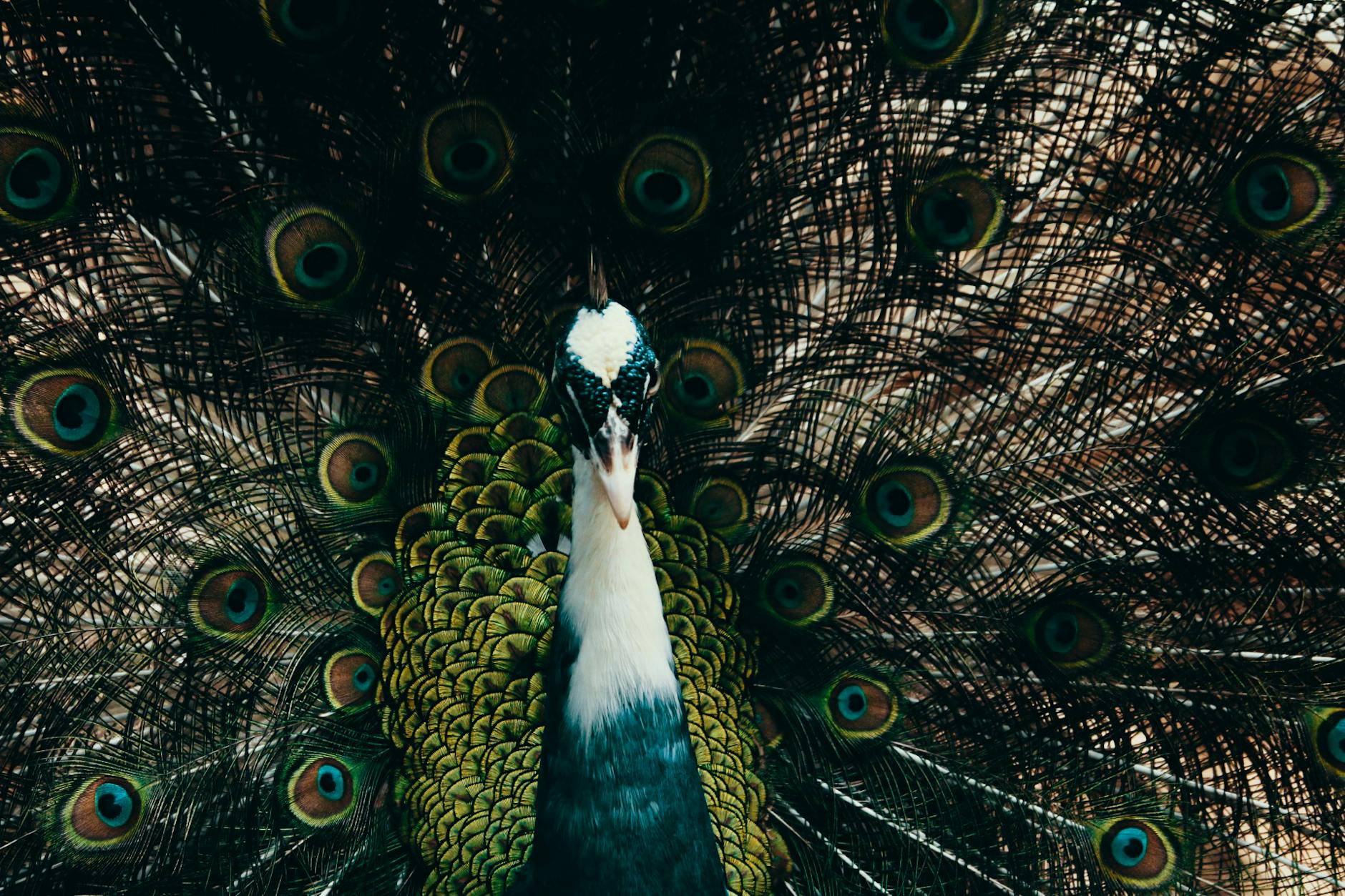
In Western settings, peacocks are most commonly seen as symbols of vanity and excessive pride, giving rise to the phrase “proud as a peacock.” In Hinduism, the peacock is the sacred vehicle of the god Kartikeya and a symbol of grace, compassion, and the cycle of rain and renewal. The goddess Saraswati is also associated with peacocks in certain regional traditions. In ancient Greek and Roman culture, the peacock was linked to the goddess Hera and represented the starry sky and immortality. Christian iconography in medieval Europe used the peacock as a symbol of resurrection and eternal life based on the ancient belief that its flesh never decayed.
Cranes

In most Western countries, cranes are appreciated primarily as large migratory birds with impressive wingspans and elegant movement. In Japan, the crane holds one of the most exalted positions in the cultural imagination, symbolizing longevity, fidelity, and good fortune, and it is central to the tradition of origami folding. Korean culture similarly venerates the crane as a symbol of long life and connection to the divine. In Chinese mythology, cranes serve as the mounts of immortals and represent the highest aspirations of spiritual cultivation. The paper crane became a universal symbol of peace following the story of Sadako Sasaki and the aftermath of Hiroshima.
Wolves
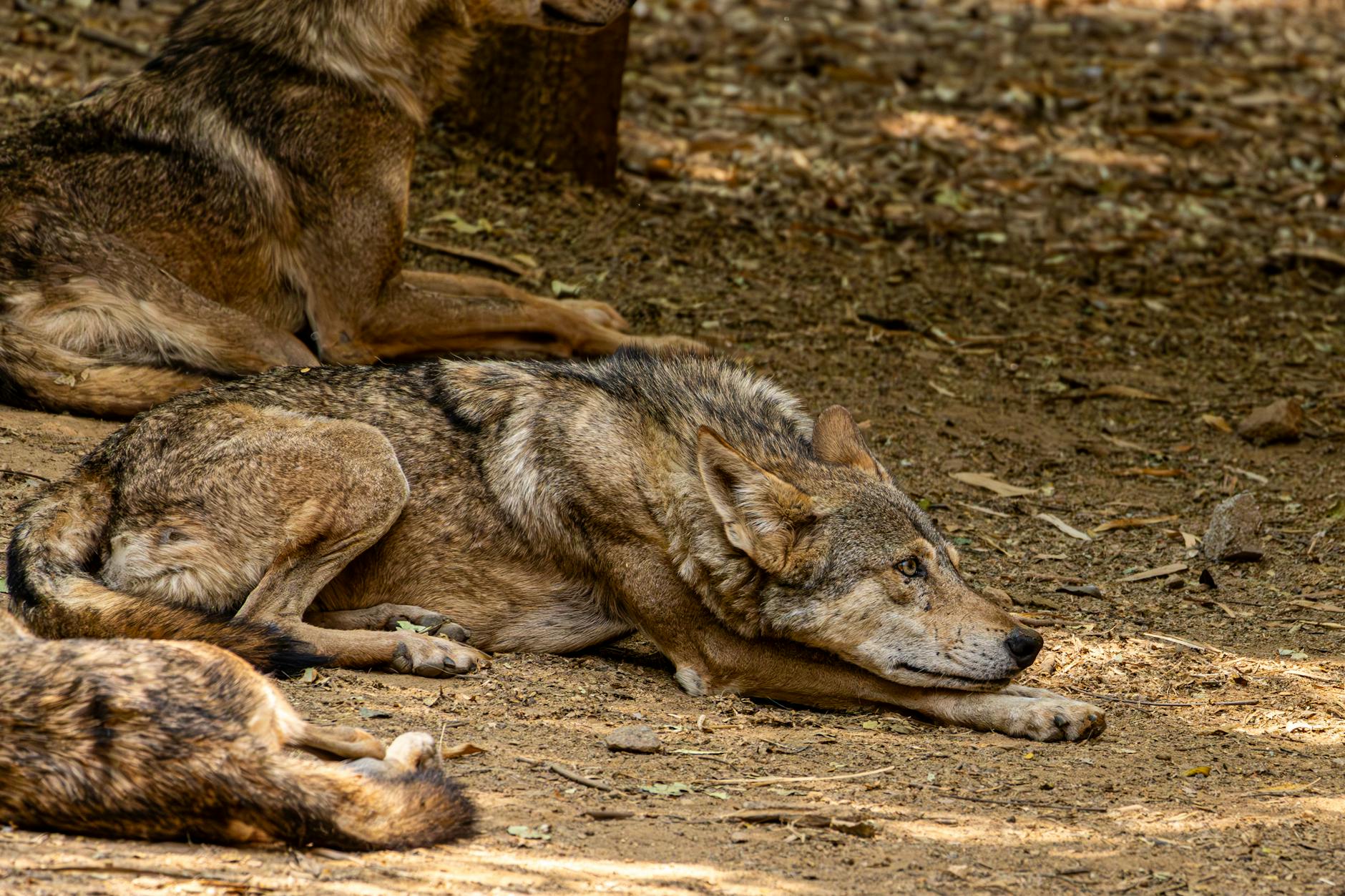
In mainstream Western culture today, wolves are often portrayed as dangerous predators and fairy-tale villains threatening domesticity and innocence. In Norse mythology, the wolf held a complex and central role with Fenrir representing a cosmic force powerful enough to threaten the gods themselves during Ragnarok. Many Native American nations regard the wolf as a deeply respected teacher figure whose pack behavior embodies loyalty, family, and collective intelligence. In ancient Rome, the she-wolf who suckled Romulus and Remus was a founding symbol of the entire civilization. Mongolian tradition traces the ancestry of the Mongolian people partly to the wolf, making it a totemic figure of national identity.
Dolphins

In contemporary Western culture, dolphins are universally adored as intelligent, playful, and emotionally complex marine mammals closely aligned with human-friendly values. Ancient Greek sailors considered dolphins sacred to Apollo and Poseidon and viewed their presence alongside ships as a powerful sign of divine protection and safe passage. In some Aboriginal Australian traditions, dolphins serve as spiritual guides and helpers, assisting ancestral fishermen in herding fish toward the shore. The Amazon river dolphin known as the Boto in Brazilian folklore is believed to be a supernatural shapeshifter that transforms into a handsome man to seduce women on festival nights. This figure is treated with caution and a degree of fear rather than the warmth dolphins typically receive elsewhere.
White Storks
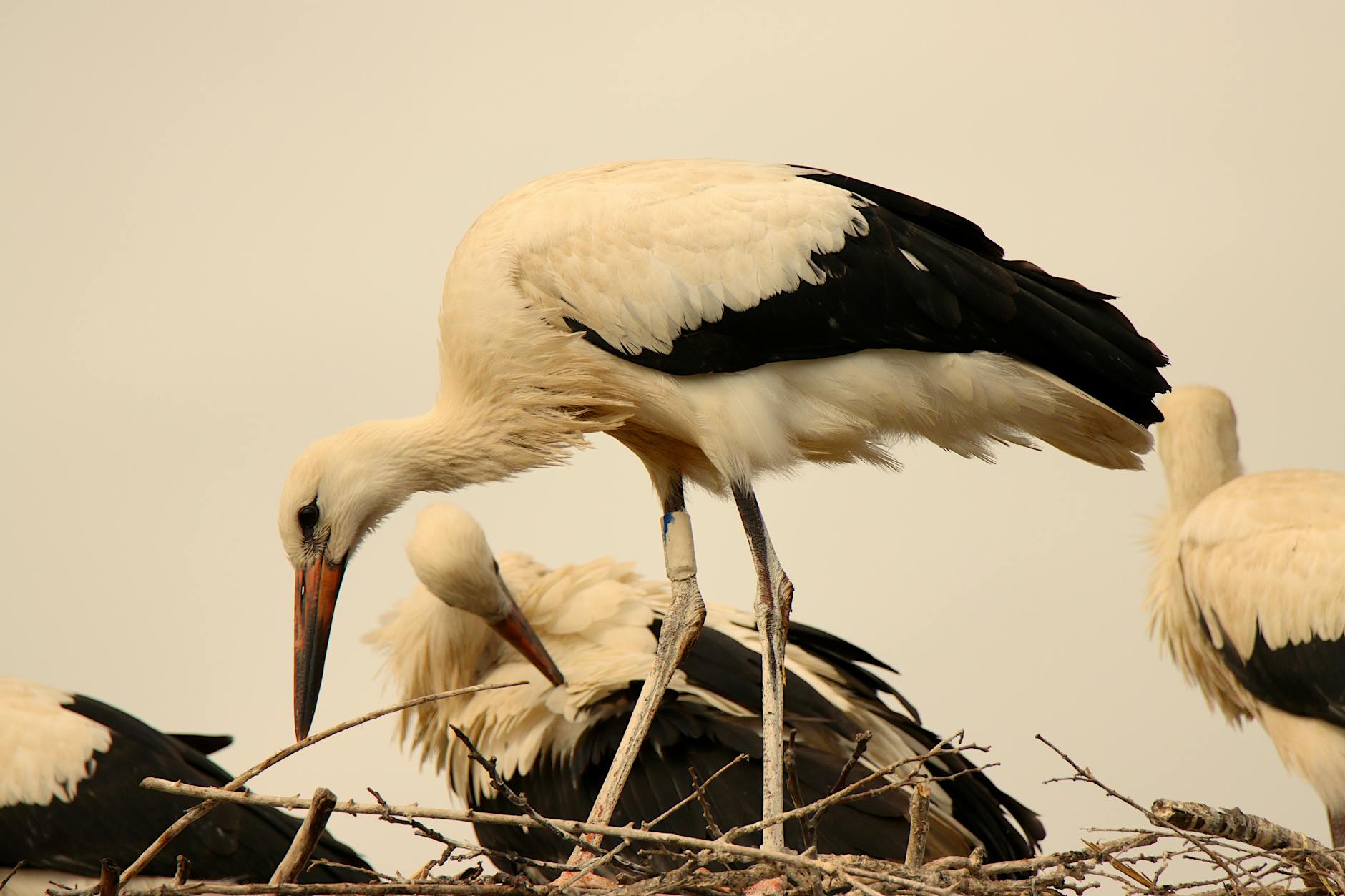
In the Western world, white storks are primarily known through the popular folk tale that they deliver newborn babies, a charming image rooted in Northern European tradition. In many Islamic cultures, storks are deeply respected as holy birds that undertake a form of pilgrimage by migrating to and from Mecca each year. German, Dutch, and Scandinavian communities have historically welcomed nesting storks on rooftops as a powerful omen of good luck and household prosperity. In ancient Egypt, the hieroglyph for the human soul or Ba was represented by a stork-like bird, connecting the creature to the deepest questions of spiritual life. Few birds have accumulated such a rich and globally varied symbolic life while remaining so visually familiar.
Which of these cultural contrasts surprised you most? Share your perspective in the comments.