Nature has a way of packaging the gentlest souls in the most intimidating exteriors, fooling even the most seasoned wildlife enthusiasts. Many creatures that trigger immediate fear responses in humans are in fact docile, curious, or even affectionate by nature. Evolution shaped their appearance for survival rather than aggression, meaning sharp teeth, hulking bodies, and prehistoric faces often have nothing to do with temperament. Understanding the true personality behind the fearsome facade can completely transform the way we see the animal kingdom. The following creatures prove that first impressions in nature are almost always misleading.
Goliath Birdeater
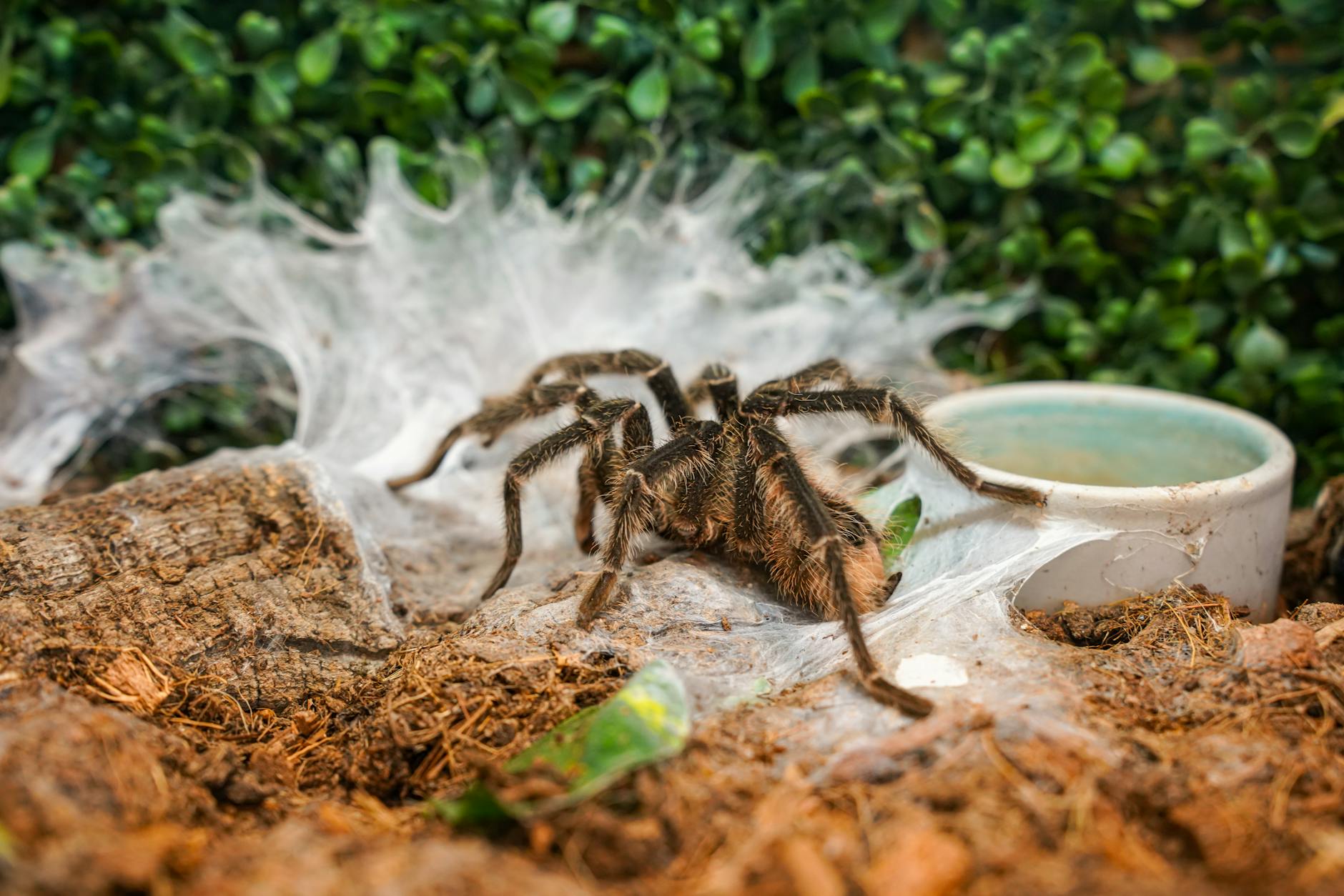
The Goliath birdeater is the largest spider in the world by mass and its leg span can reach up to 30 centimeters making it a deeply alarming sight. Despite its name and its size it rarely eats birds and primarily feeds on insects and small ground-dwelling creatures. Its threat display involves rubbing its legs together to produce a hissing sound but this is purely defensive behavior triggered by fear rather than aggression. When handled by experienced keepers it tends to remain still and calm showing none of the hostility its appearance suggests. Its urticating hairs can cause mild skin irritation but it is considered one of the more docile tarantula species.
Marabou Stork
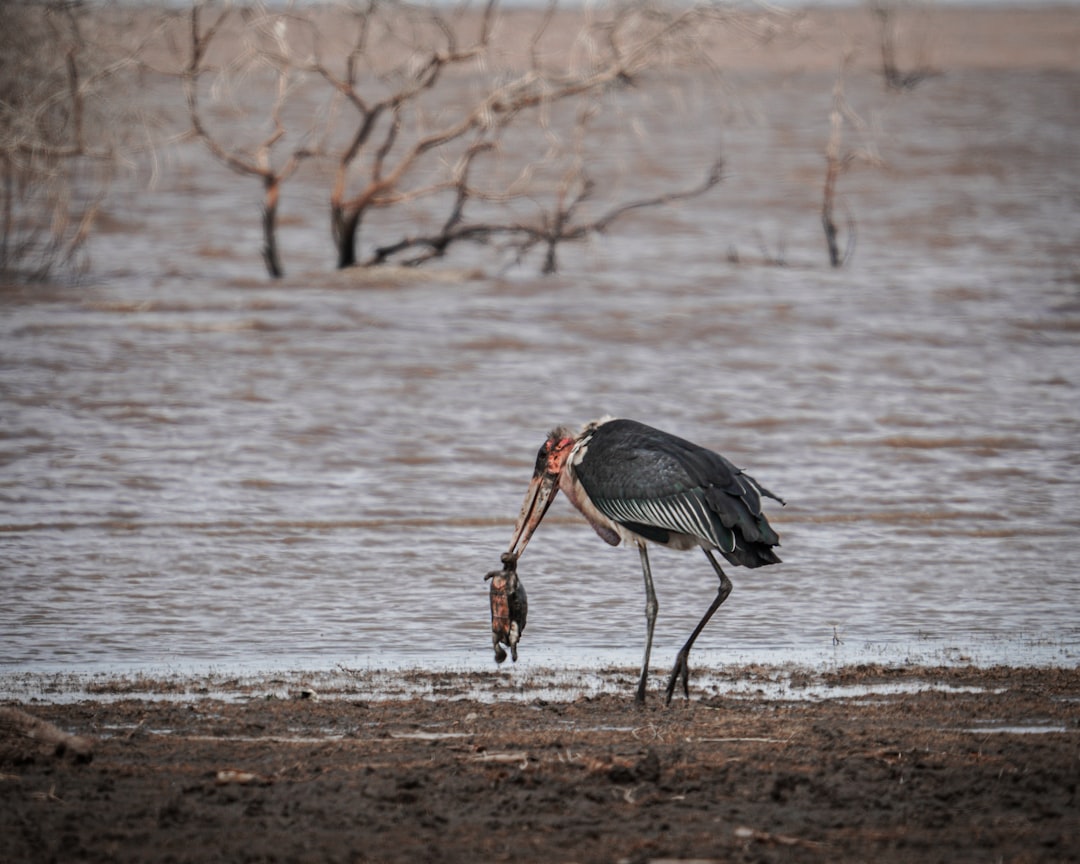
The marabou stork stands over a meter tall with a hunched posture a bald pink head dangling neck pouch and a massive pale beak that gives it a deeply unsettling presence. It is commonly found near carrion and garbage sites in sub-Saharan Africa which only adds to its grim reputation among those unfamiliar with its behavior. Despite its undertaker-like appearance it is a highly social bird that gathers in large flocks and communicates actively with others in its group. It plays a vital ecological role as a scavenger helping to clean environments of decaying matter that would otherwise spread disease. Around humans at wildlife reserves it is known to behave with complete indifference rather than any form of aggression.
Fruit Bat
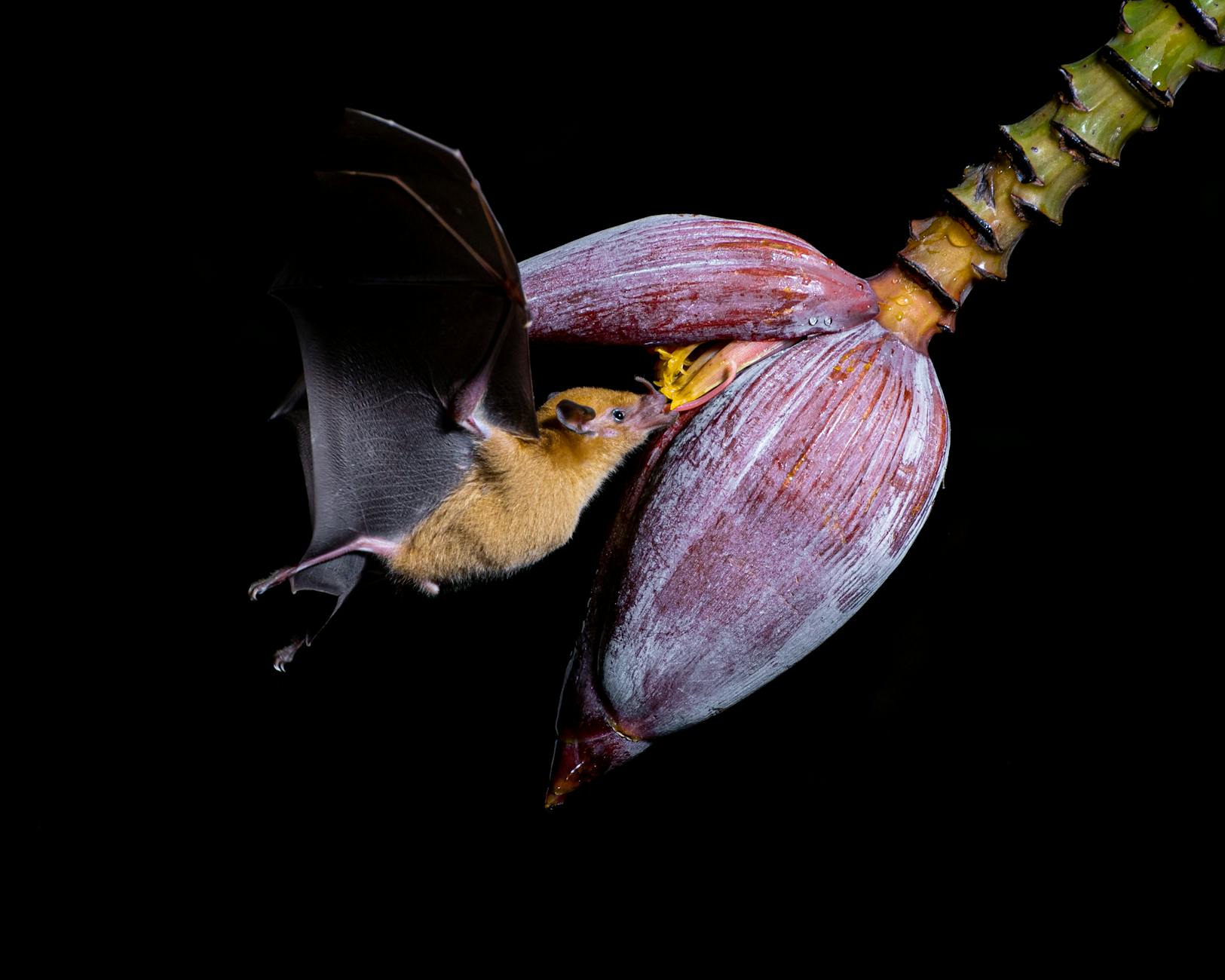
Fruit bats trigger fear in many people due to their large wingspans dark coloring and the association bats broadly have with disease and folklore. The largest species the flying fox can have a wingspan exceeding 1.5 meters making an encounter with one feel genuinely alarming to the unprepared observer. These bats are entirely plant-based feeders consuming fruit nectar and pollen and playing an essential role in pollination and seed dispersal across tropical ecosystems. They are highly intelligent animals that form strong social bonds live in large colonies and have been observed showing care toward injured or young members of their group. Researchers who work closely with them consistently describe them as gentle inquisitive animals that rarely bite unless directly handled without care.
Tasmanian Devil
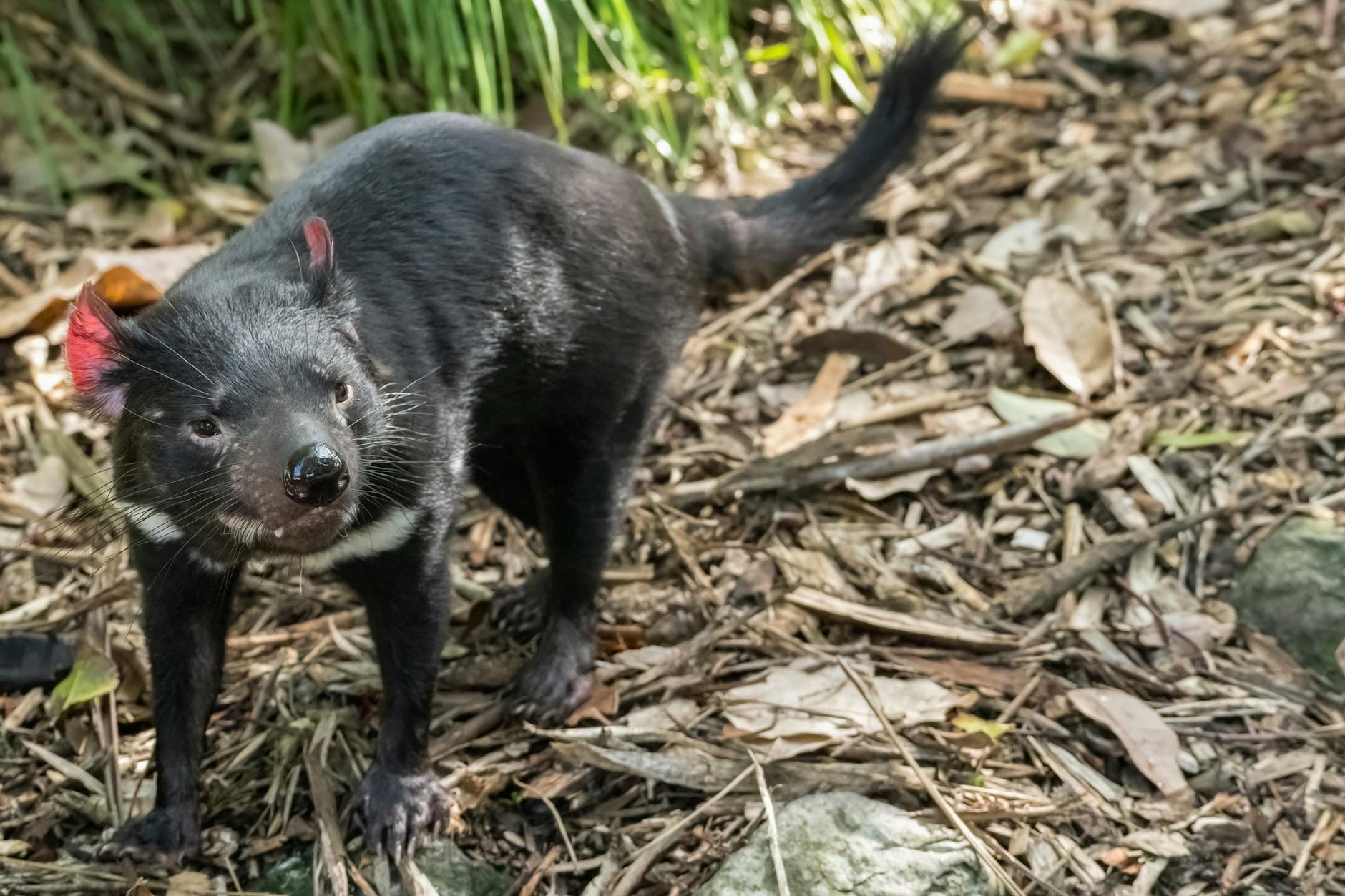
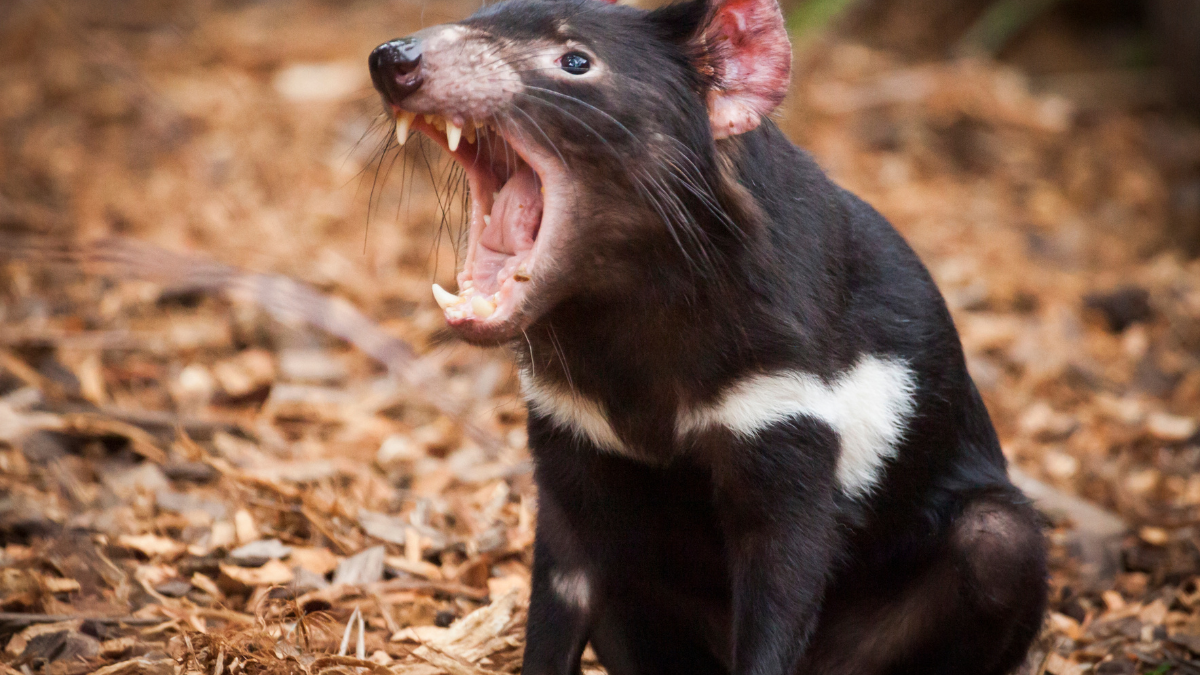
The Tasmanian devil has built a fearsome reputation largely due to its spine-chilling screams aggressive-looking jaw and the ferocity it displays when competing for food. It is the largest carnivorous marsupial in the world and its bite force relative to body size is among the strongest of any living mammal. However this intensity is almost entirely reserved for feeding time and territorial disputes with other devils rather than interactions with other species. Outside of these moments devils are reclusive animals that prefer to avoid confrontation and will retreat rather than engage when encountering humans in the wild. Conservation workers involved in breeding programs have noted that hand-raised individuals can become surprisingly relaxed and even seek out human contact.
Manta Ray
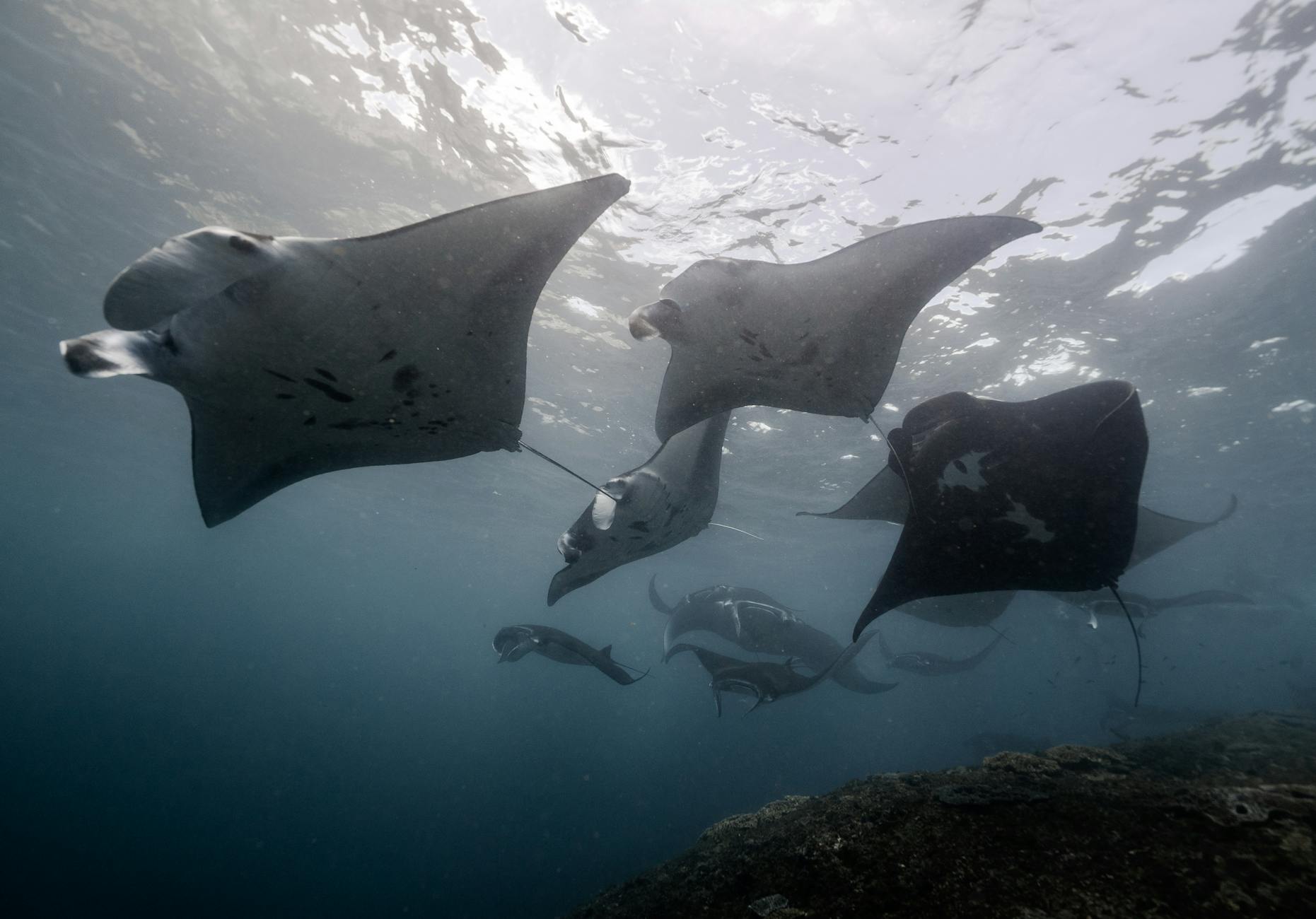
The manta ray glides through the ocean with a wingspan that can exceed seven meters and its flat dark body and horn-like cephalic fins give it a shape that strikes many swimmers as deeply menacing. Despite its size it has no stinger no venom and no aggressive tendencies making it one of the most harmless large marine animals a diver can encounter. Manta rays are filter feeders that consume only microscopic plankton and small fish by funneling water through their open mouths as they swim. They are widely documented approaching divers and snorkelers out of what researchers interpret as curiosity often circling humans repeatedly before gliding away. Marine biologists rank them among the most intelligent fish-adjacent creatures in the ocean with studies suggesting strong long-term memory and complex social awareness.
Warthog
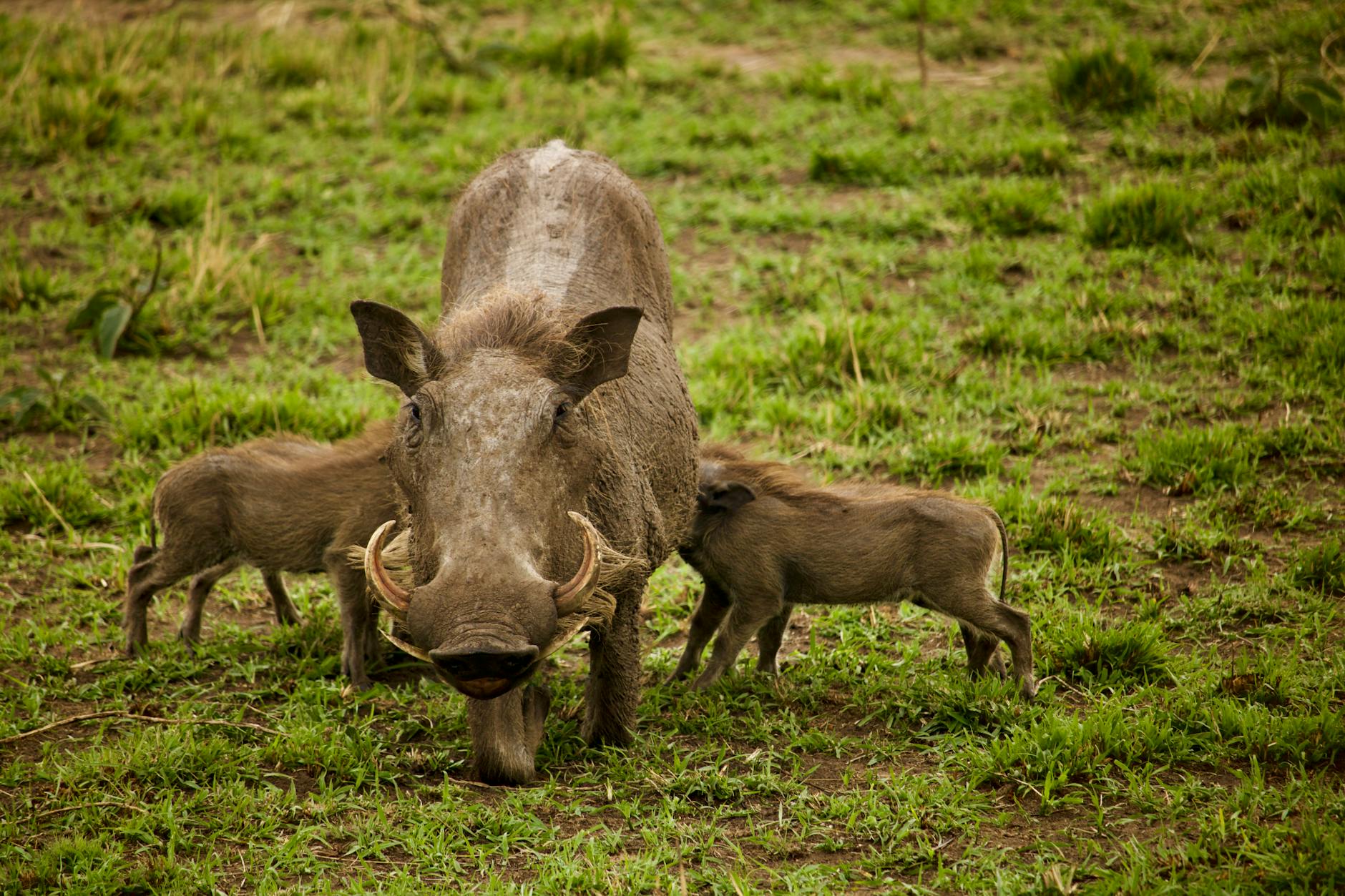
The warthog is not a conventionally attractive animal with its warty facial protrusions curved upward tusks bristled mane and stout muscular body giving it a rough prehistoric look. Many travelers on safari initially assume it is dangerous or temperamental based purely on its physical appearance. In practice warthogs are grazers and foragers that feed on grasses roots and berries and spend the majority of their lives peacefully moving across open savanna terrain. They are prey animals rather than predators meaning their primary instinct in any threatening situation is to flee rather than fight. Warthogs are commonly found near human lodges and campsites in wildlife reserves where they graze calmly within meters of people without showing any signs of stress or hostility.
Basking Shark
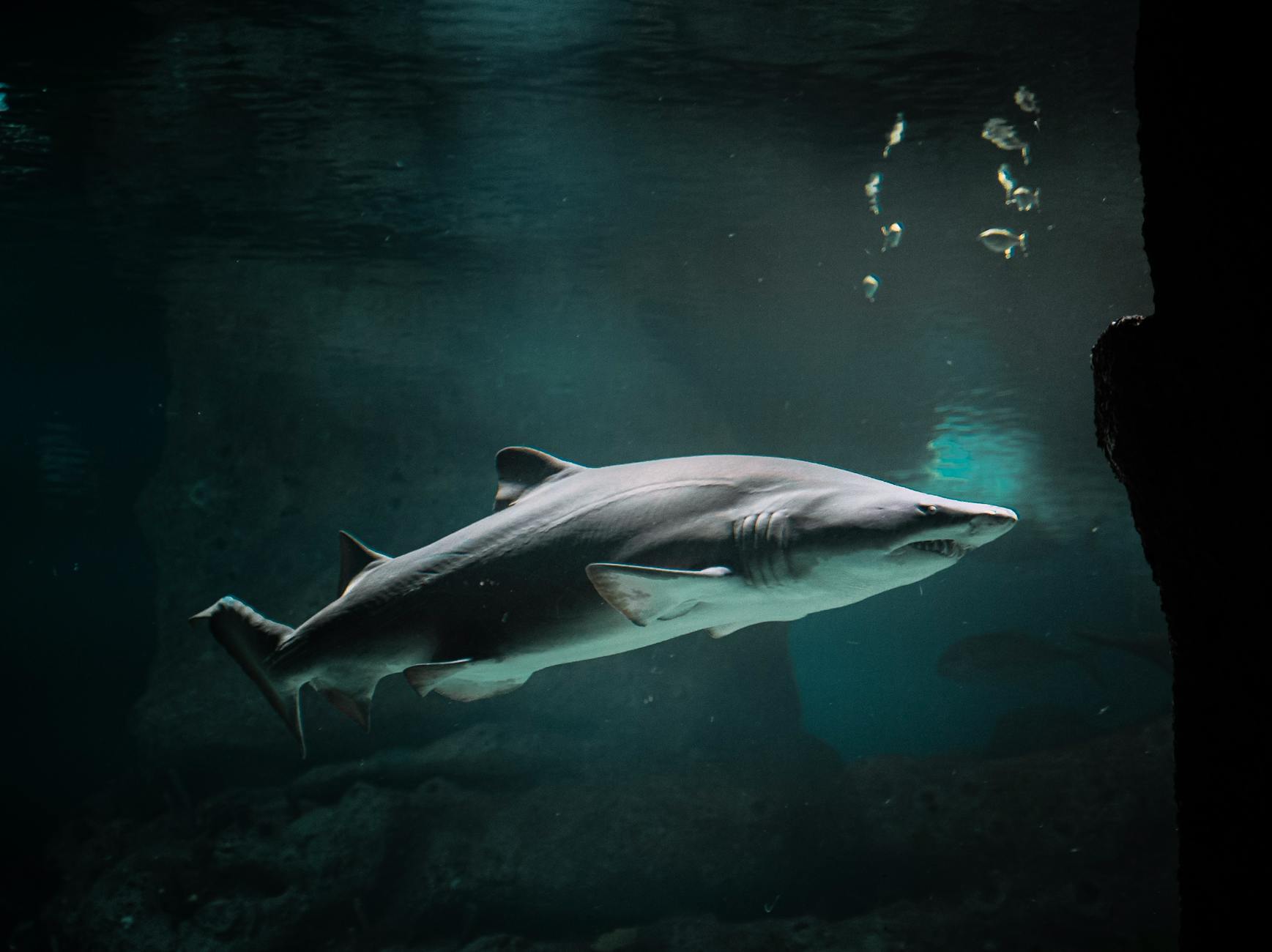
The basking shark is the second largest fish in the world reaching lengths of up to 12 meters and its enormous gaping mouth filled with rows of small teeth makes it an instantly alarming presence in the water. Historically it was feared by coastal fishing communities across the North Atlantic and was hunted extensively for its large liver oil. In terms of behavior however it is a passive filter feeder that moves slowly near the ocean surface with its mouth wide open collecting zooplankton and tiny fish. It pays almost no attention to swimmers or divers and has no documented history of unprovoked aggression toward humans. Researchers studying them in the wild frequently observe the sharks allowing boats and people to approach at very close range without any change in their calm feeding behavior.
Vulture
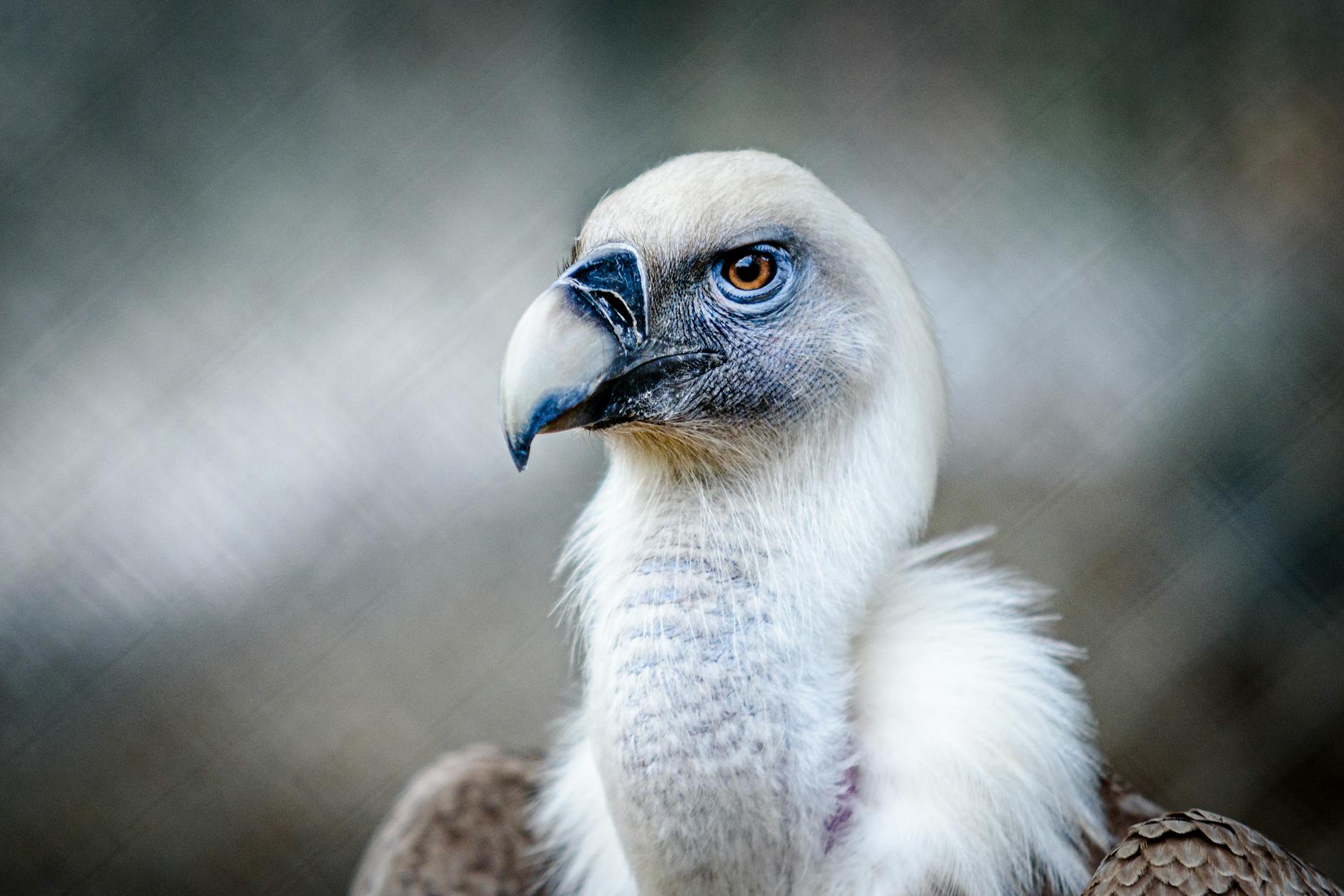
Vultures are widely perceived as sinister birds due to their bald heads hunched posture and their association with death and decay across many world cultures. Their habit of circling overhead in groups and descending onto carcasses has cemented their image as symbols of menace in popular imagination. In ecological terms they are among the most important birds on Earth using highly acidic stomach acids to safely consume and neutralize bacteria from rotting flesh including anthrax and botulism that would devastate other scavengers. They are not hunters and pose zero threat to living animals of any size including small livestock despite persistent myths to the contrary. In rehabilitation settings vultures have been documented forming strong bonds with their human caretakers and showing clear signs of recognition and comfort around familiar people.
Gharial
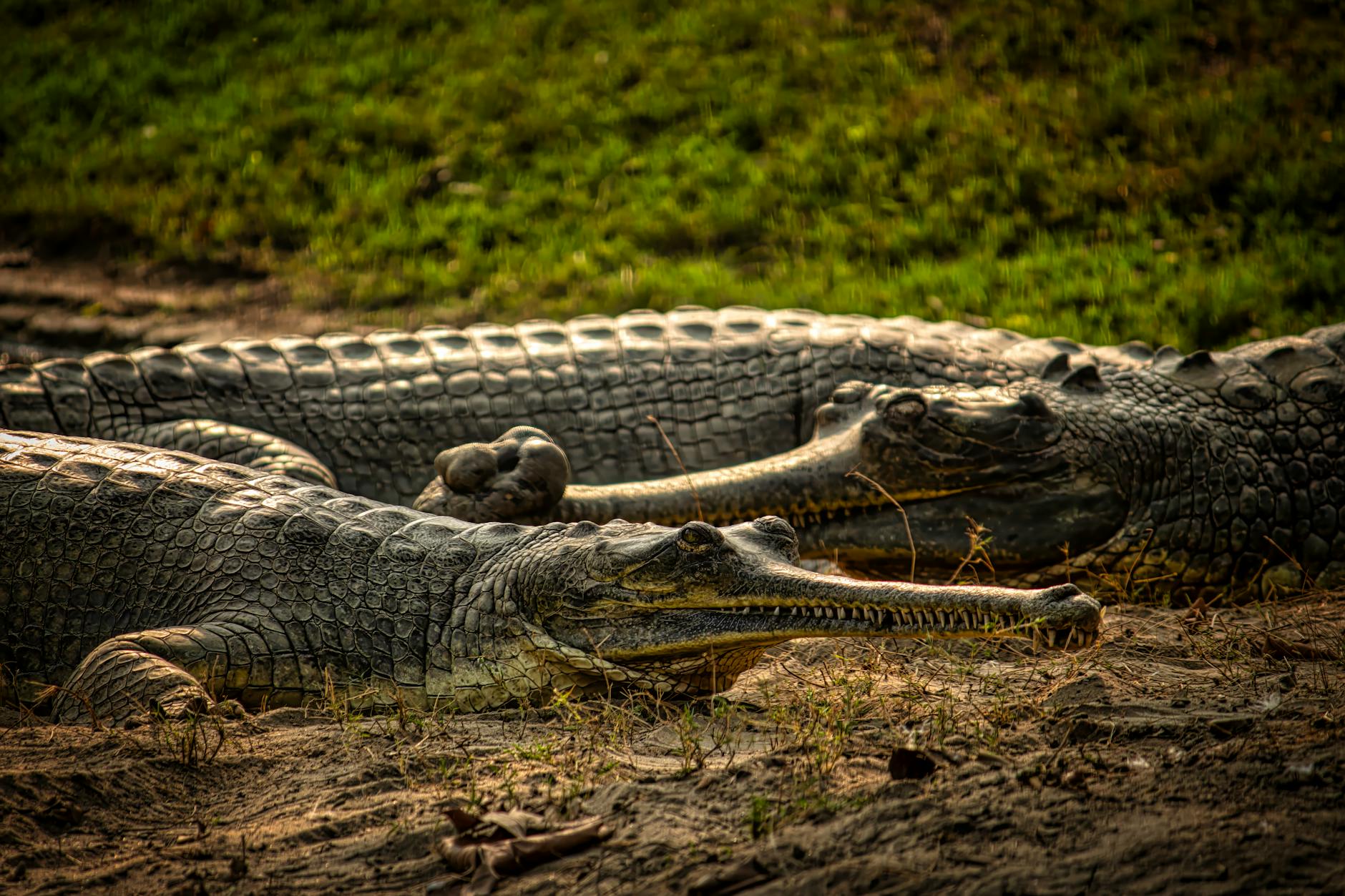
The gharial is a critically endangered crocodilian native to the river systems of the Indian subcontinent and its extremely long narrow snout lined with over 100 interlocking teeth makes it one of the most visually alarming reptiles alive today. Its appearance alone places it firmly in the category of creatures most people would instinctively flee from in the wild. However its slender jaws are specifically adapted for catching fish and are far too fragile to grip or harm a large mammal in the way broad-snouted crocodilians can. Gharials are highly aquatic and rarely leave the water except to bask on riverbanks or nest making unplanned encounters with humans extremely uncommon. Herpetologists who study and handle them describe the gharial as a timid and non-confrontational animal that is far more likely to retreat into the river than to display any form of aggression.
Goliath Frog
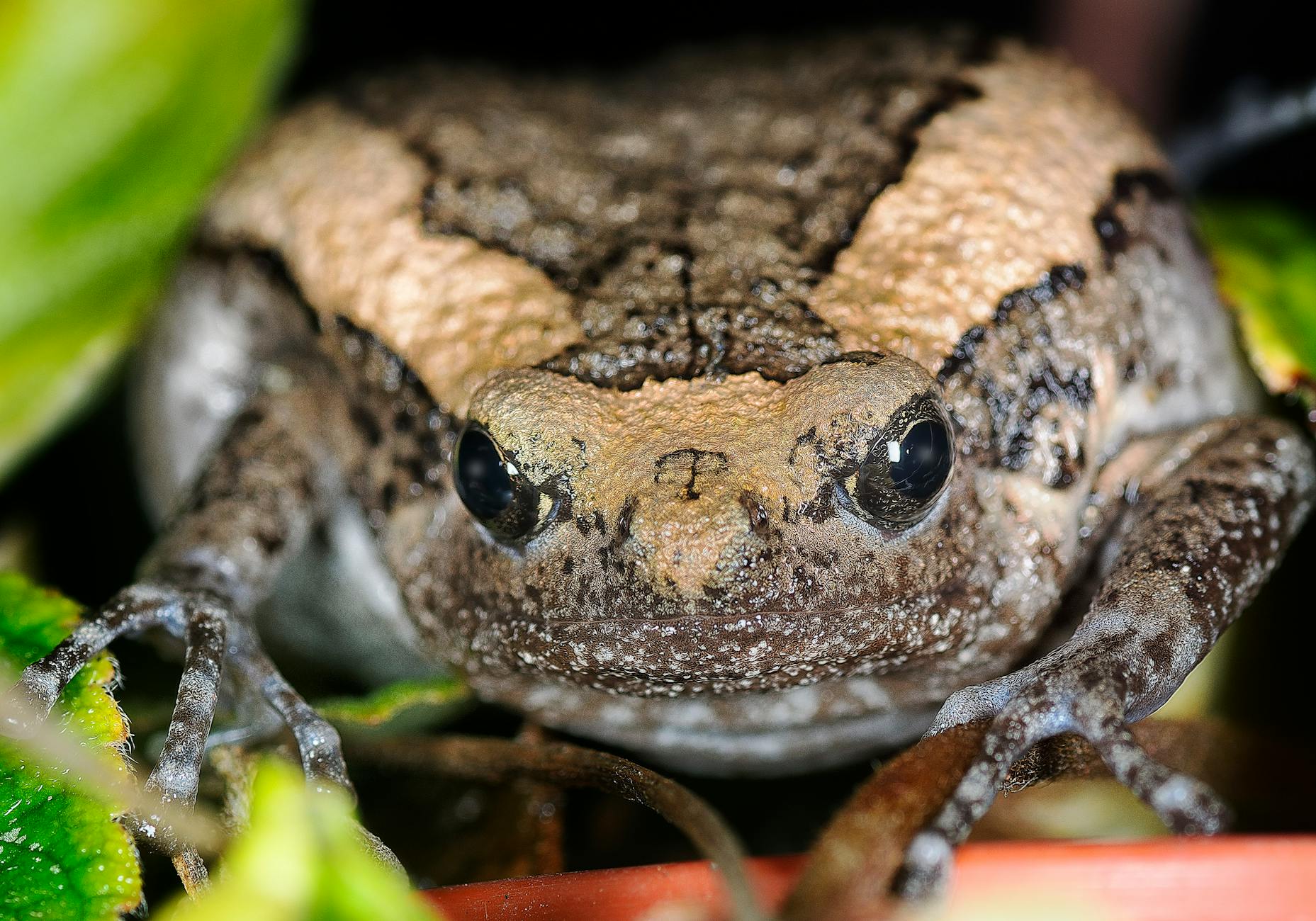
The goliath frog is the largest frog species on Earth capable of reaching 32 centimeters in length and weighing over three kilograms which gives it a genuinely startling appearance when encountered unexpectedly in the wild. Its size combined with its powerful hind legs and unblinking golden eyes can trigger a visceral reaction in people unfamiliar with it. Found in the rainforests of Cameroon and Equatorial Guinea it feeds on insects worms and small invertebrates and presents absolutely no danger to humans of any age. Despite its bulk it is a shy and easily stressed animal that is rarely seen due to its sensitivity to environmental disturbance and habitat loss. Conservation researchers working to protect the species in the field consistently describe encounters as fleeting as the frogs instinctively jump toward water and disappear the moment they sense a human presence.
Wolf
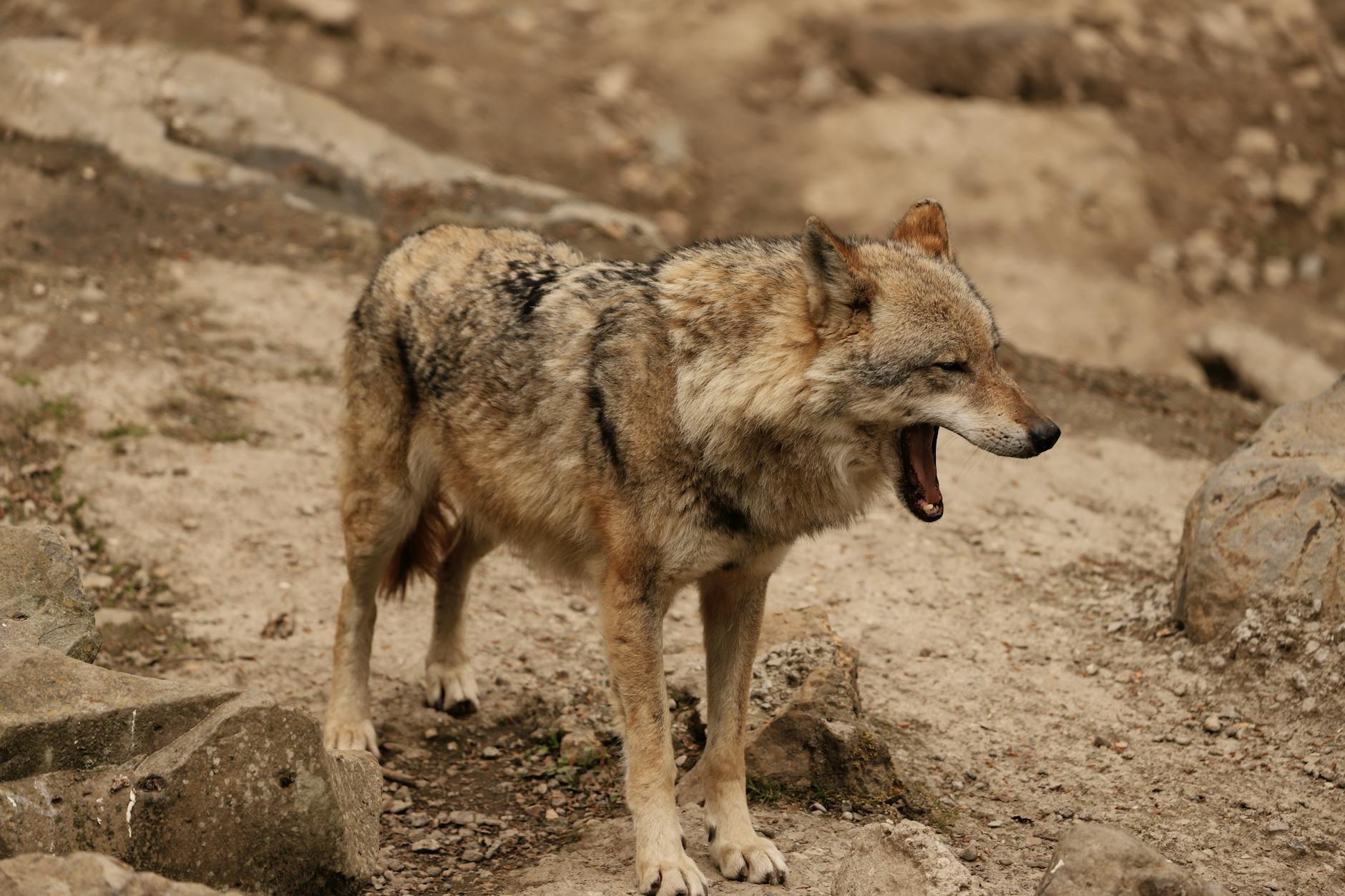
Wolves have been cast as symbols of danger and cruelty in folklore storytelling and cultural history across nearly every continent where they have historically lived alongside humans. Their size their pack hunting behavior and their howling have created an image of relentless predatory menace that has proven remarkably difficult to shake from public consciousness. In reality unprovoked wolf attacks on humans are exceptionally rare events with the vast majority of documented attacks involving animals that were either rabid or had been deliberately fed by humans and lost their natural wariness. Wolves are deeply family-oriented animals that live in structured social groups built around cooperative care of young and elderly pack members. Behavioral researchers who have studied wild wolf populations for decades describe them as cautious intelligent and fundamentally avoidant of human contact whenever possible.
Moray Eel
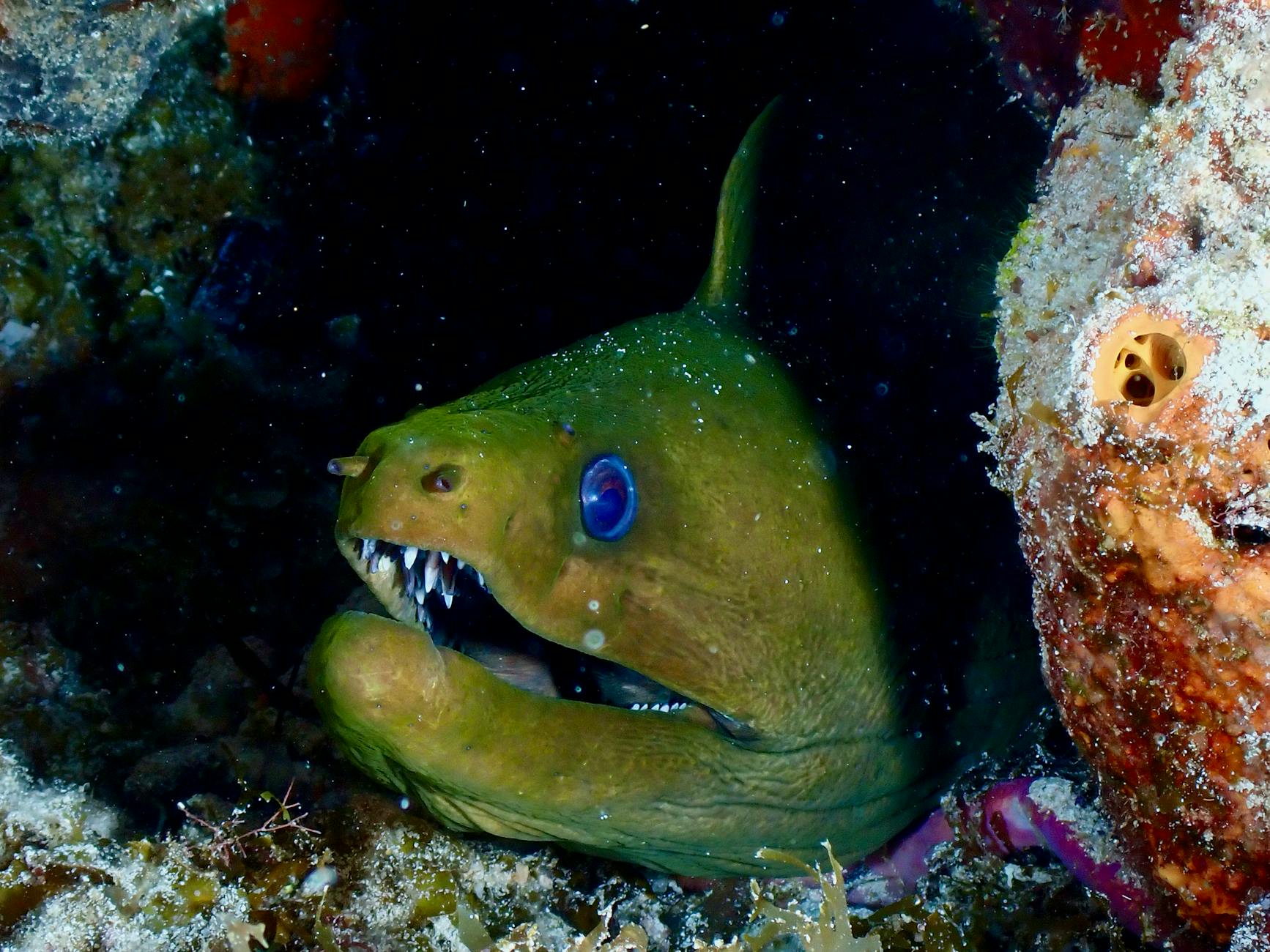
The moray eel emerges from crevices in coral reefs with its mouth constantly opening and closing revealing rows of sharp backward-facing teeth in a way that signals immediate threat to most divers. Its muscular serpentine body and fixed wide-eyed expression give it a perpetually aggressive appearance that has earned it a fearsome reputation in popular diving culture. The open-mouth behavior is not aggression but a necessary breathing mechanism as morays must pump water over their gills by continuously opening and closing their jaws. They are ambush predators of fish and crustaceans and while they can bite if provoked or accidentally grabbed the overwhelming majority of interactions with humans are completely passive. Divers at popular reef sites around the world regularly report morays accepting fish from human hands and approaching familiar divers without displaying any threatening behavior.
Komodo Dragon
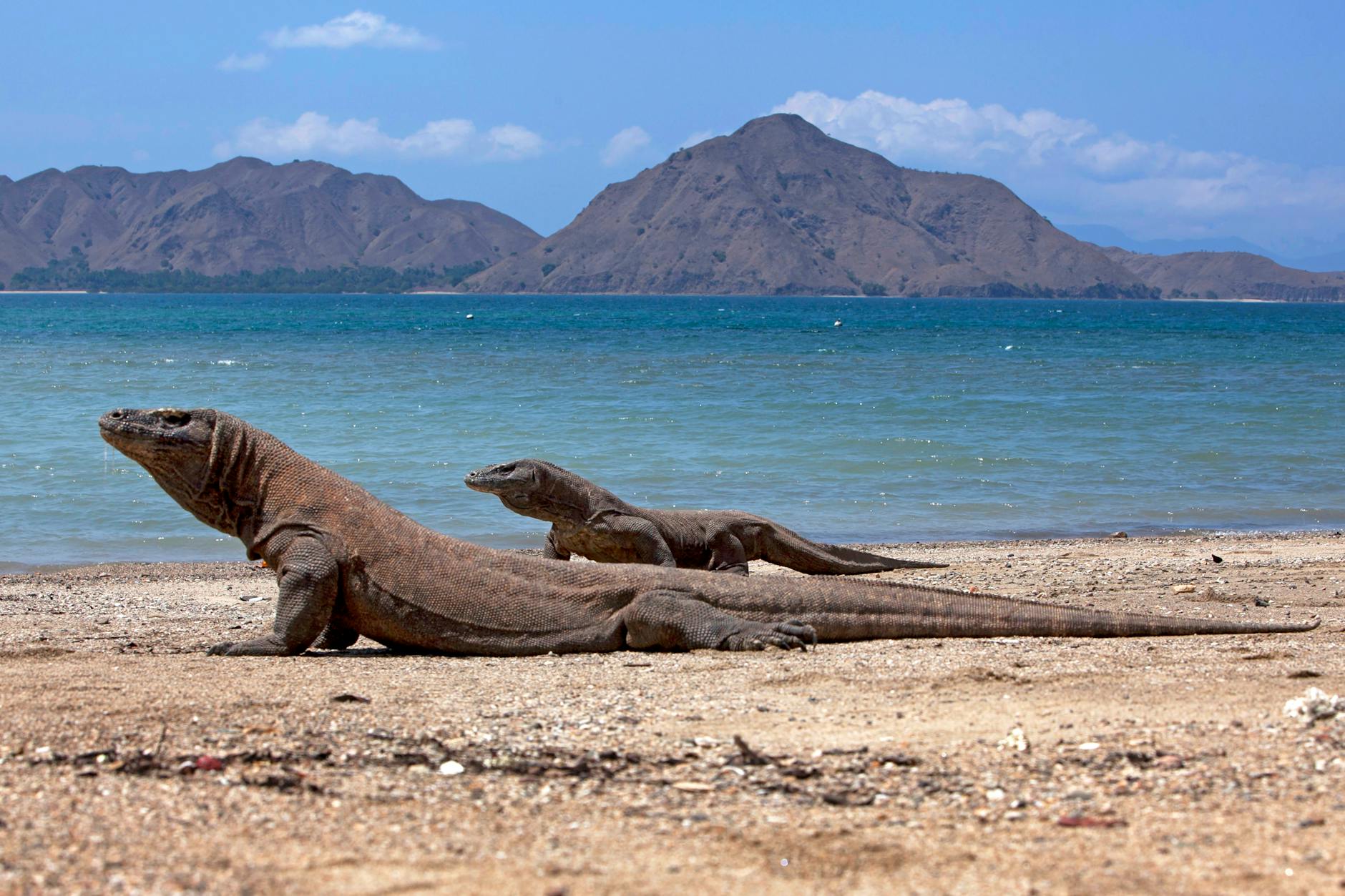
The Komodo dragon is the largest living lizard on Earth growing up to three meters in length with a muscular body powerful claws serrated teeth and a long forked tongue giving it the appearance of a creature from a prehistoric era. Its reputation for danger is not entirely unearned as wild individuals have attacked and in rare cases killed humans on the Indonesian islands where they live. However in managed sanctuary environments and with experienced handlers Komodo dragons demonstrate a capacity for habituation that surprises many visitors. Individual dragons at certain sanctuaries have been observed allowing familiar keepers to approach and touch them without displaying any defensive or predatory response. Researchers note that much of the dragon’s fearsome behavior is tied to food-seeking and territorial contexts rather than a general disposition toward aggression.
Giant African Millipede
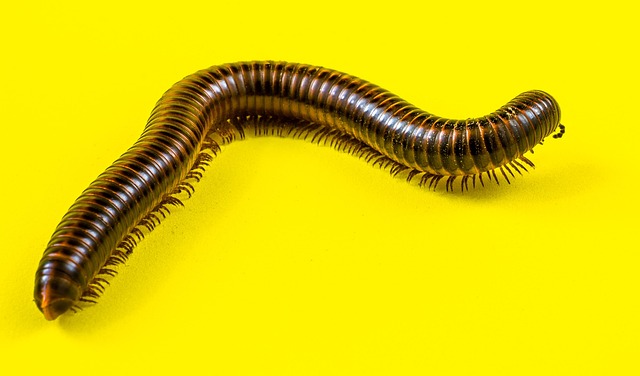
The giant African millipede can reach lengths of 38 centimeters and its thick segmented body dozens of visible legs and slow deliberate movement make it an object of intense fear for a significant portion of the population. Its sheer size and the speed at which it moves its legs create a deeply unsettling visual experience for anyone encountering one for the first time. In terms of actual risk it is entirely harmless having no venom no bite and no stinging mechanism of any kind relying instead on rolling into a tight coil as its only defense. It feeds exclusively on decaying organic matter making it a vital decomposer in the ecosystems where it lives across sub-Saharan Africa. Giant African millipedes are among the most popular invertebrate pets worldwide and are regularly handled by children at nature education programs due to their complete docility.
Capybara
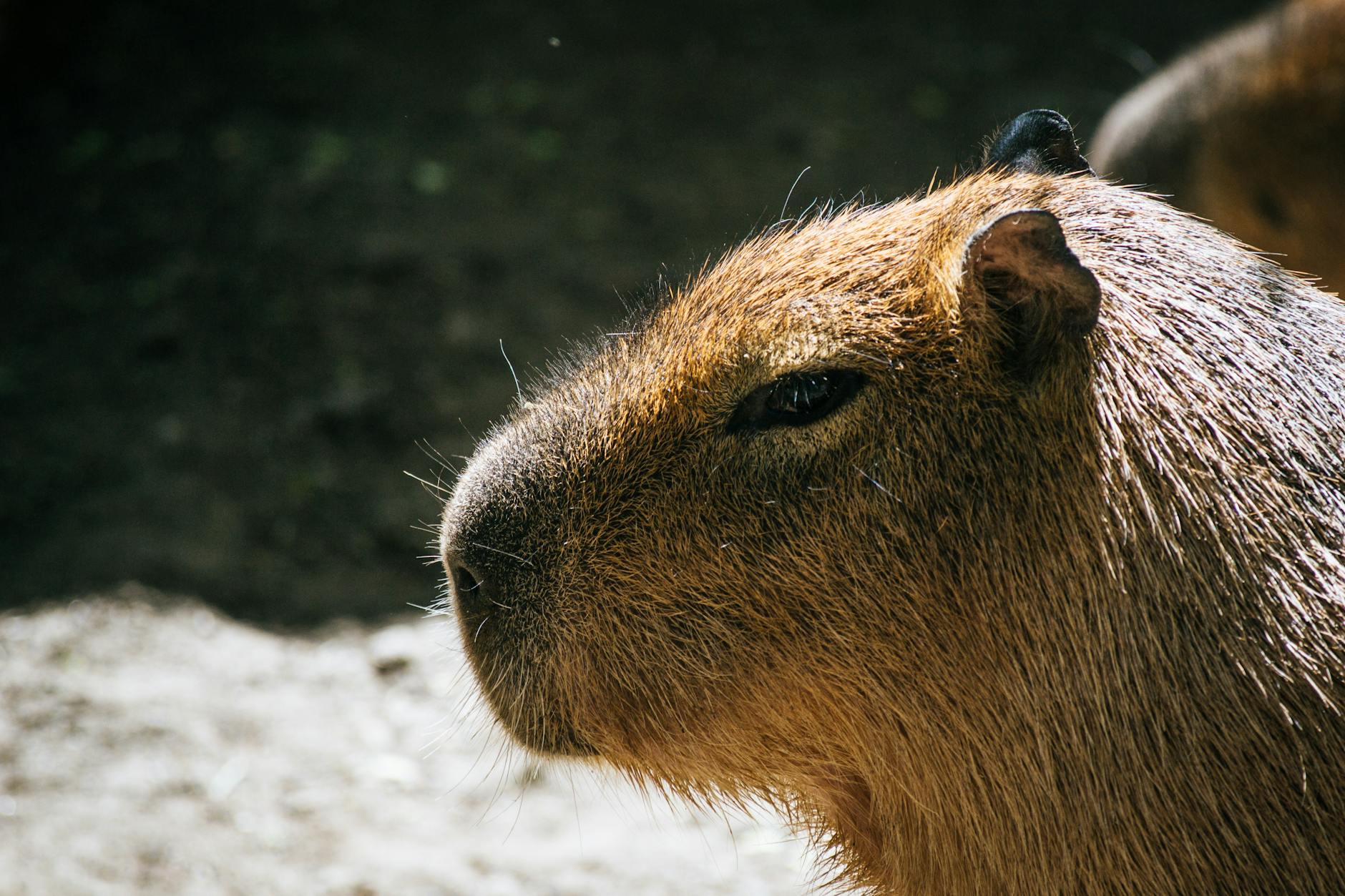
The capybara is the world’s largest rodent reaching up to 65 kilograms in weight and its stocky barrel-shaped body large flat head and small eyes give it a somewhat imposing presence when encountered at close range. Its sheer size means most people meeting one for the first time in the wild approach with considerable caution unsure of what a rodent of that scale might be capable of. Capybaras are highly social grazers that live in groups near rivers and wetlands across South America feeding almost entirely on grasses and aquatic plants. They are famously tolerant of other species and are frequently photographed in the wild sharing space with birds monkeys and even large predators like caimans in a state of complete calm. In human environments they are consistently described as gentle affectionate and easily socialized with documented interactions showing them seeking out physical contact with people.
Alligator Snapping Turtle
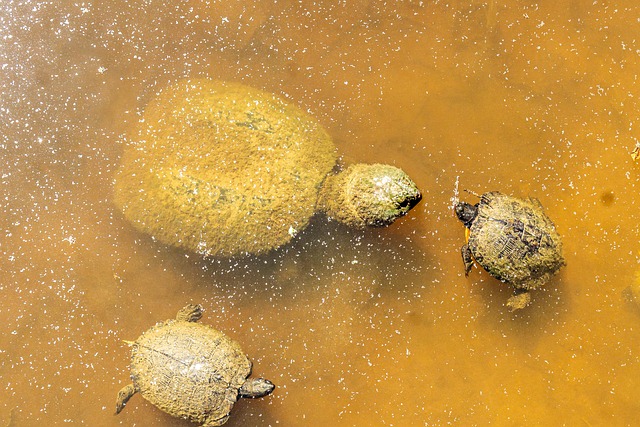
The alligator snapping turtle is one of the most formidable-looking freshwater animals in North America with its heavily ridged shell hooked beak and prehistoric facial structure making it appear capable of serious harm. Its powerful jaws are capable of biting through bone and it can reach weights exceeding 80 kilograms making it the largest freshwater turtle on the continent. Despite this the alligator snapping turtle is almost entirely sedentary spending most of its life motionless on the bottom of rivers and lakes waiting for fish to approach its worm-like lure tongue. Encounters with humans almost never occur without deliberate provocation as the species has no inclination to pursue or confront anything it cannot identify as prey. Herpetologists who study the species regularly note that when handled carefully and supported properly even very large individuals tend to remain passive rather than aggressive.
Blobfish
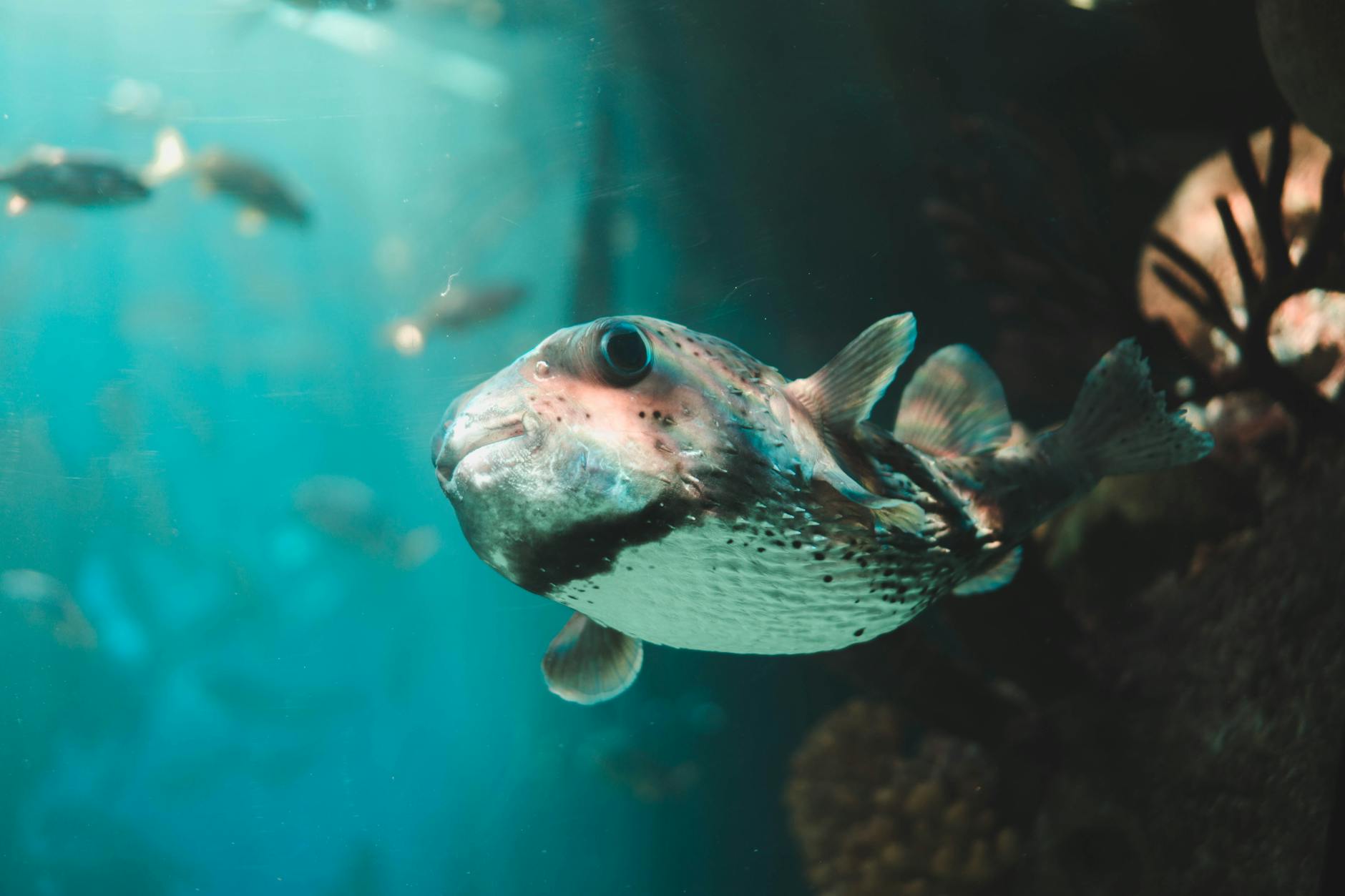
The blobfish became one of the internet’s most recognizable ugly animals due to a photograph showing its face collapsed into a drooping gelatinous mass with what appears to be a permanent expression of deep misery and mild hostility. This famous image is however a result of decompression damage that occurs when the fish is brought from its natural deep-sea habitat of up to 900 meters to the surface causing its body to distort entirely. In its natural environment the blobfish looks like a fairly ordinary deep-sea fish and simply floats passively near the ocean floor in cold waters off the coasts of Australia and New Zealand. It feeds by allowing small invertebrates and organic matter to drift into its mouth requiring almost no active effort and displaying no predatory or defensive behavior worth noting. It is a completely passive creature with no physical means of causing harm to anything larger than the microscopic particles it filters from the water around it.
Tarantula
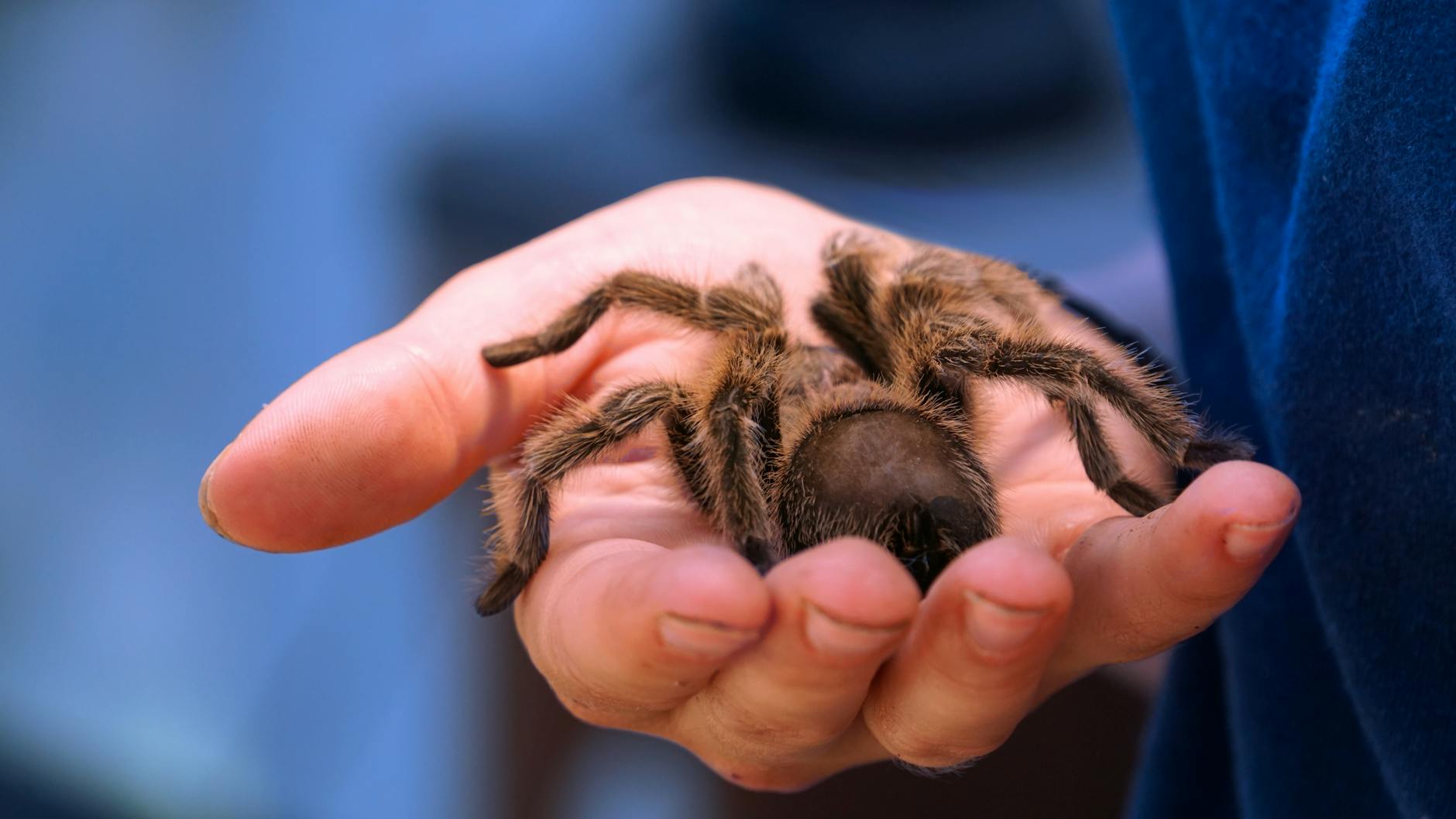
Tarantulas are among the most feared animals in the world largely due to their size the speed at which they move and the deeply embedded human aversion to spiders that exists across nearly every culture. The largest species can have a leg span of 30 centimeters and their dense covering of hair combined with their large visible fangs makes encountering one a viscerally alarming experience for most people. The majority of tarantula species are in fact extremely reluctant to bite relying first on fleeing then on a threat display and only biting as a last resort when all other options have been exhausted. Their venom is generally comparable in effect to a wasp sting and is not medically significant for the overwhelming majority of healthy adults. Tarantulas are now among the most commonly kept exotic pets globally with keepers consistently reporting calm predictable behavior from well-handled individuals across dozens of species.
Hippopotamus
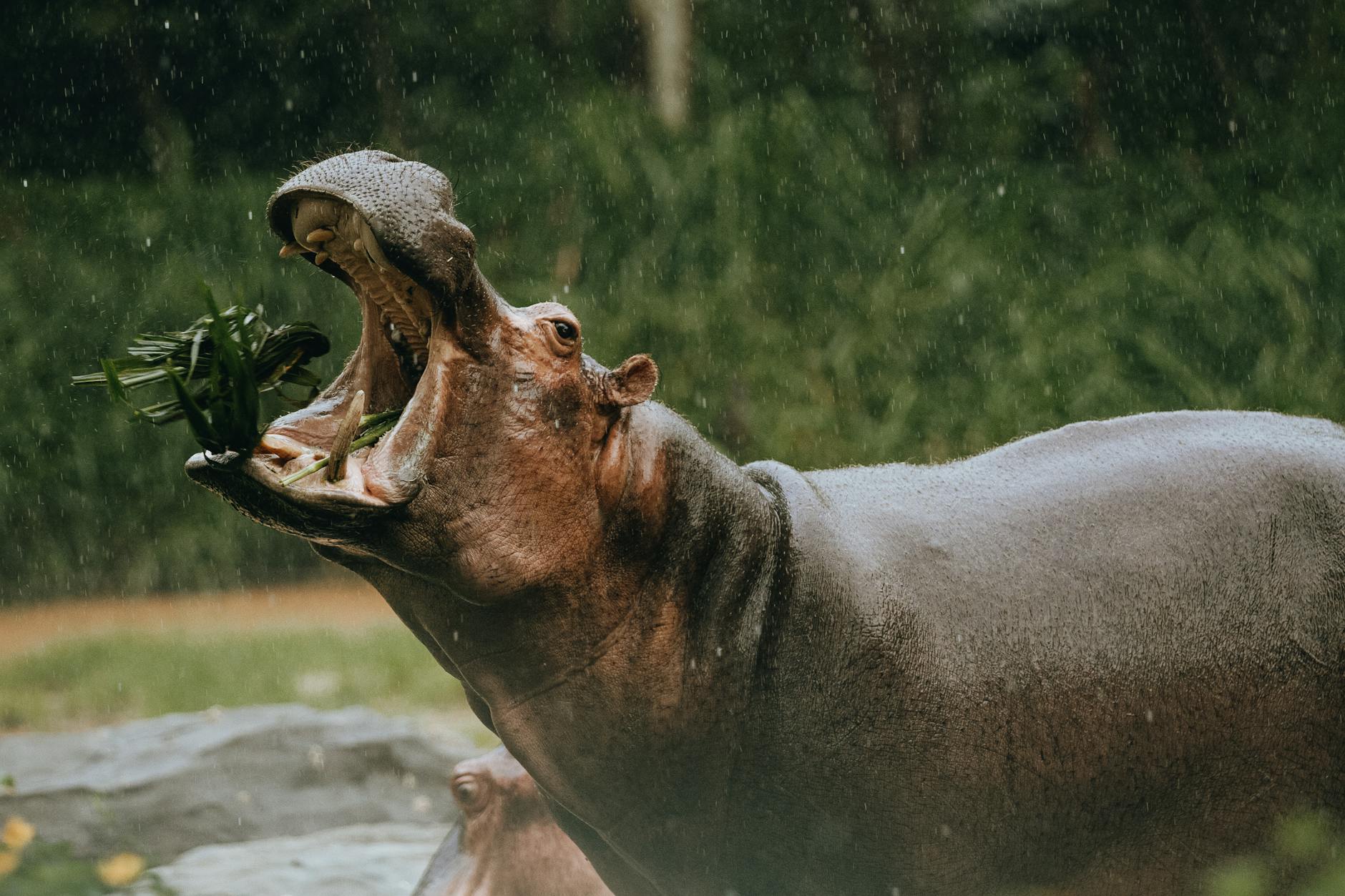
The hippopotamus is statistically one of the most dangerous large animals in Africa responsible for a significant number of human fatalities each year which means its inclusion here comes with important ecological context. However the fear it generates far exceeds even the genuine risk in most circumstances as many people view it as a universally aggressive and relentlessly threatening creature at all times. In practice hippos are territorial and defensive of their space in water and on their established land paths rather than being predatory or randomly aggressive toward humans who maintain respectful distance. In rehabilitation settings hippos raised by humans have shown extraordinary levels of tameness with famous cases of hand-raised individuals behaving like large domestic animals in interactions with their caretakers. The species is primarily a grazer feeding on grasses at night and its conflicts with humans are almost entirely the result of territorial encroachment rather than any innate hostility.
Goliath Heron
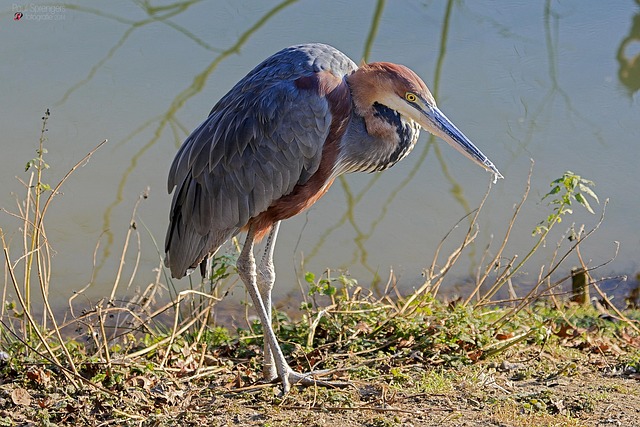
The goliath heron is the tallest heron species in the world standing up to 152 centimeters with a large dagger-like bill powerful legs and a slow stalking gait that can feel deeply unnerving when one approaches a shoreline where humans are present. Its sheer physical scale and the precision with which it drives its beak into the water to impale fish can make it look genuinely dangerous from a short distance. Outside of competition for fishing spots with other herons it is a solitary non-aggressive bird that shows no interest in confronting mammals larger than itself. It tolerates human presence at familiar fishing sites and birdwatchers across Africa routinely observe individuals continuing to hunt calmly within close viewing distance of boats and people. It is considered among the most photogenic and approachable large waterbirds on the continent by wildlife photographers who seek it out specifically because of how reliably calm it behaves.
Giant Isopod
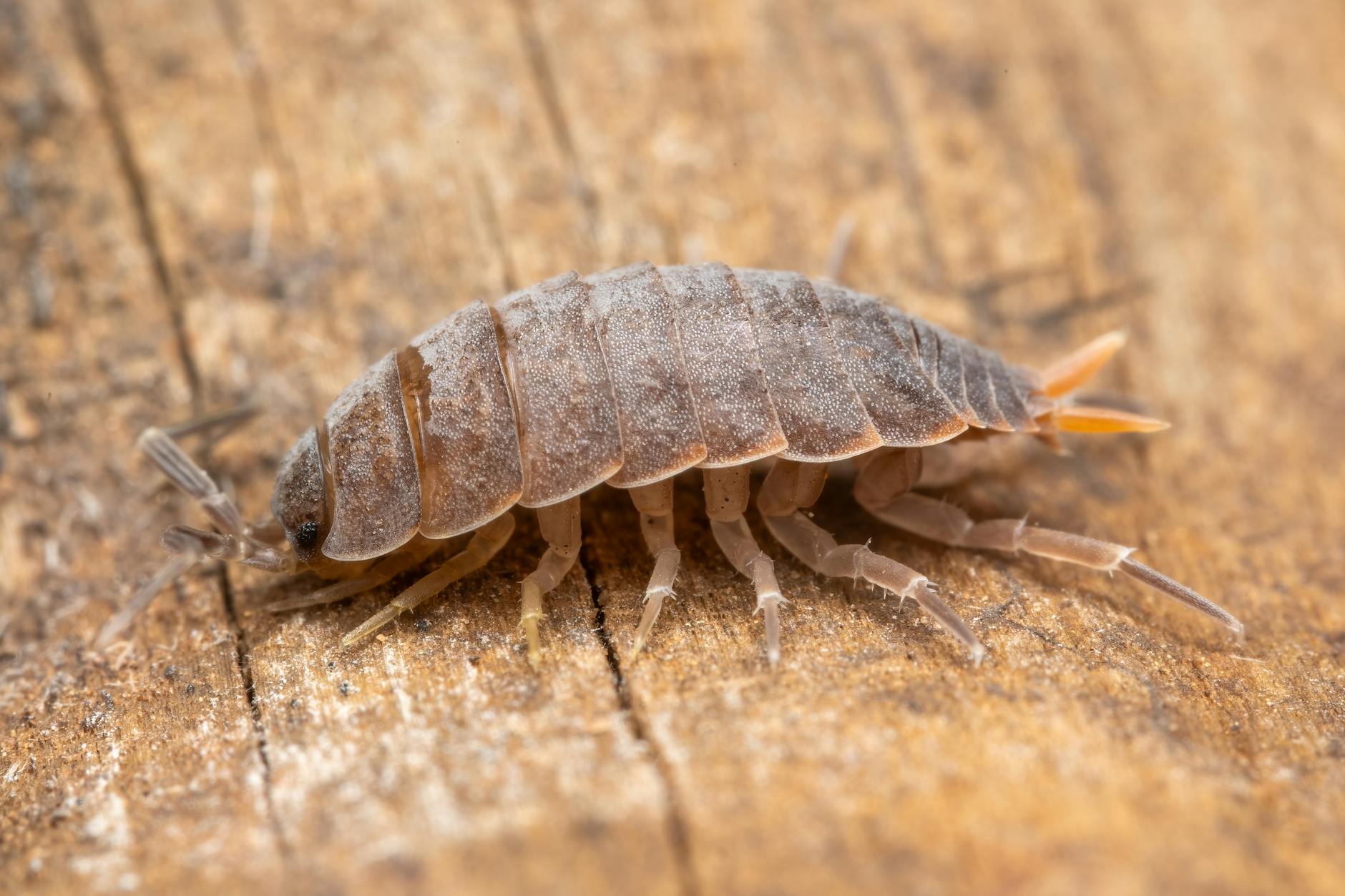
The giant isopod is a deep-sea crustacean that can reach lengths of 50 centimeters and its large compound eyes pale segmented armored body and numerous legs give it an appearance that triggers strong aversion responses in many people who encounter images of it for the first time. It is essentially an enormous version of the common woodlouse and like its smaller terrestrial relative it is a harmless scavenger that feeds on dead organic material that sinks to the ocean floor. Giant isopods are extraordinarily slow-moving and lethargic creatures that can go without food for years between meals due to the sparse conditions of their deep-sea environment. They have no venom no claws capable of harming a human and no aggressive behavioral tendencies with their only defense being to curl into a tight protective ball when threatened. Marine biologists who have handled live individuals retrieved from deep-sea trawls describe them as passive and entirely indifferent to human contact.
Electric Eel
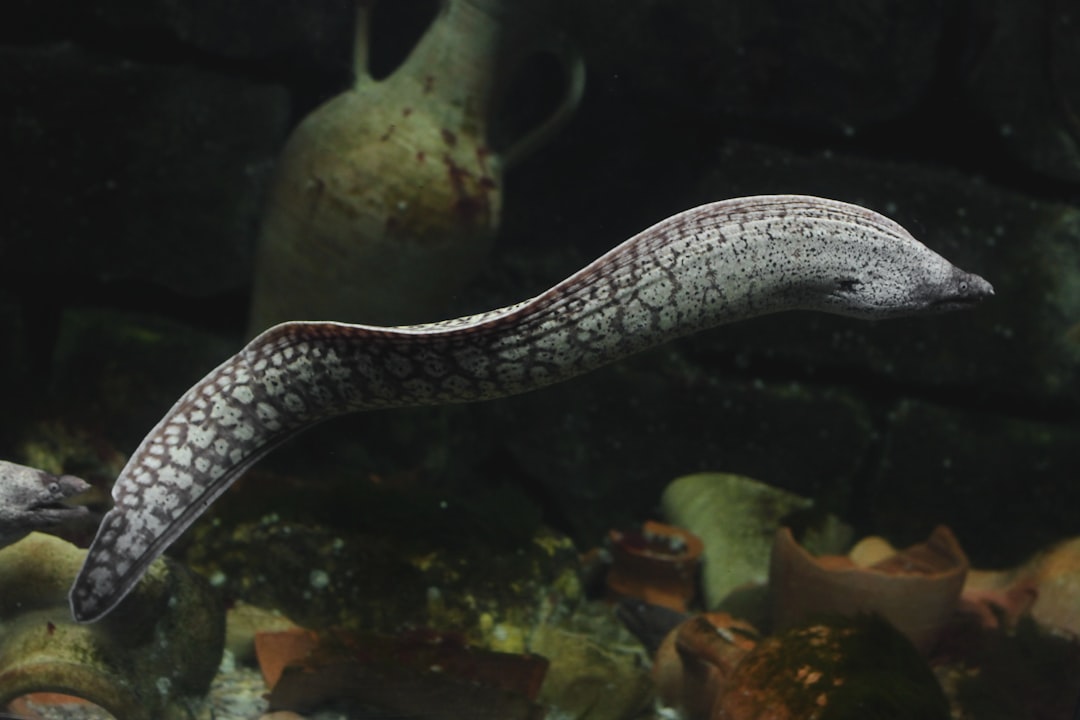
The electric eel generates a fear response in most people due to its snake-like appearance and its well-documented ability to produce electrical discharges of up to 860 volts making it the most powerful bioelectric generator of any known animal. Its sinuous dark body can reach up to 2.5 meters and its capacity to stun prey or deter threats using invisible electrical pulses feels genuinely otherworldly and alarming to most observers. Outside of self-defense and hunting contexts the electric eel is a slow-moving sedentary fish that spends most of its time resting near the river bottom in murky Amazonian waterways. It surfaces to breathe air every few minutes and this passive behavior makes up the vast majority of its daily activity. Aquarium workers and researchers who handle electric eels with appropriate precautions consistently describe them as non-aggressive animals that discharge only in direct response to perceived threat rather than as a general behavioral trait.
Anaconda
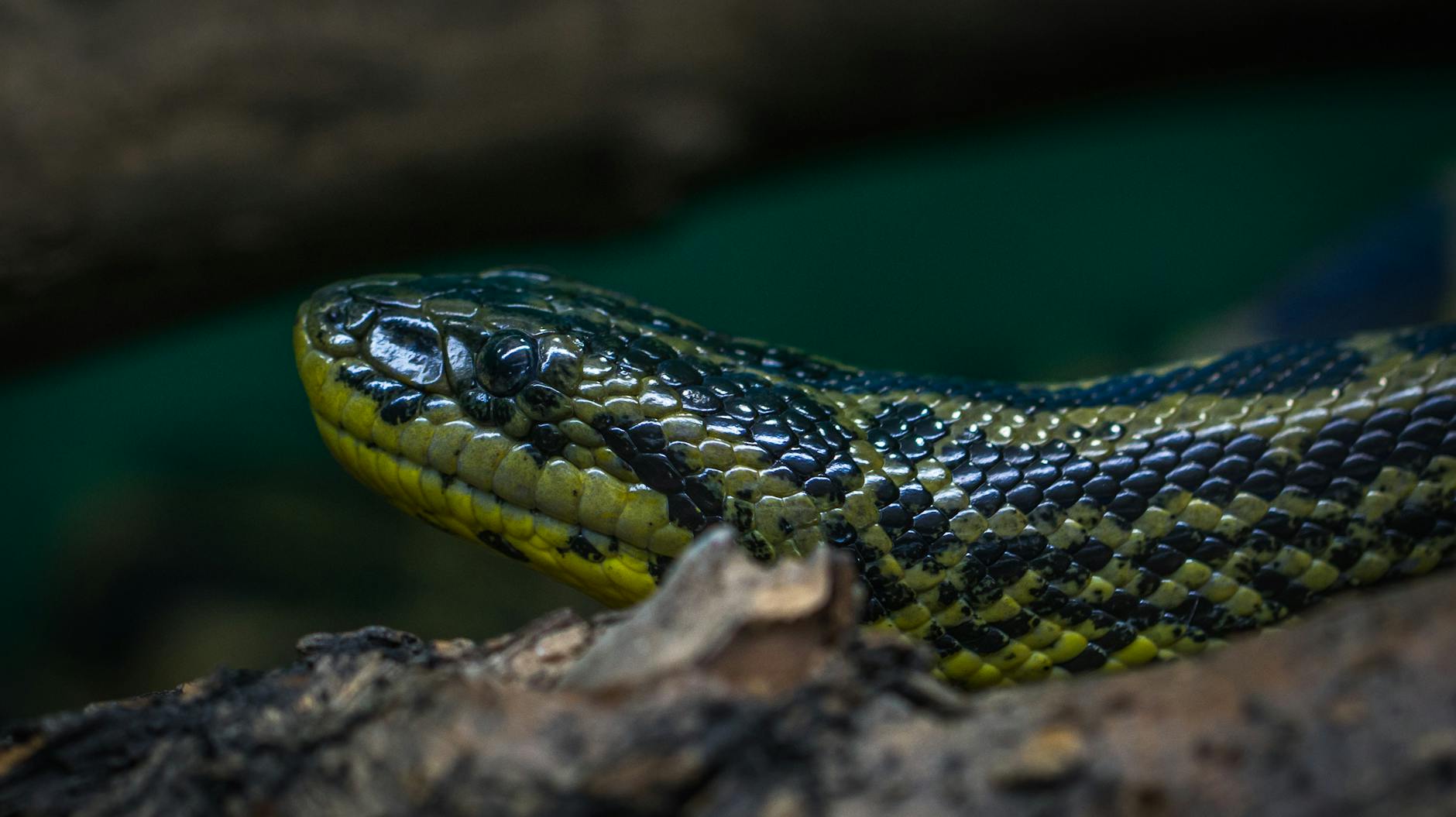
The green anaconda is the heaviest snake in the world with the largest individuals reaching over 5 meters in length and weighing upward of 100 kilograms making it an objectively imposing animal that triggers fear in even experienced wildlife observers. Its association with constriction predatory ambush and humid swamp environments has made it one of the most mythologized and exaggerated dangerous animals in global popular culture. In reality anacondas are ambush predators that target prey appropriate to their size typically capybaras caimans and large fish rather than seeking out encounters with humans. Attacks on adult humans are extraordinarily rare events and most documented encounters in the wild result in the snake retreating into water rather than engaging a human-sized animal. Herpetologists working in field research in the Venezuelan llanos and Brazilian Pantanal report that anacondas are reliably avoidant of direct human contact outside of defensive situations.
Hornbill
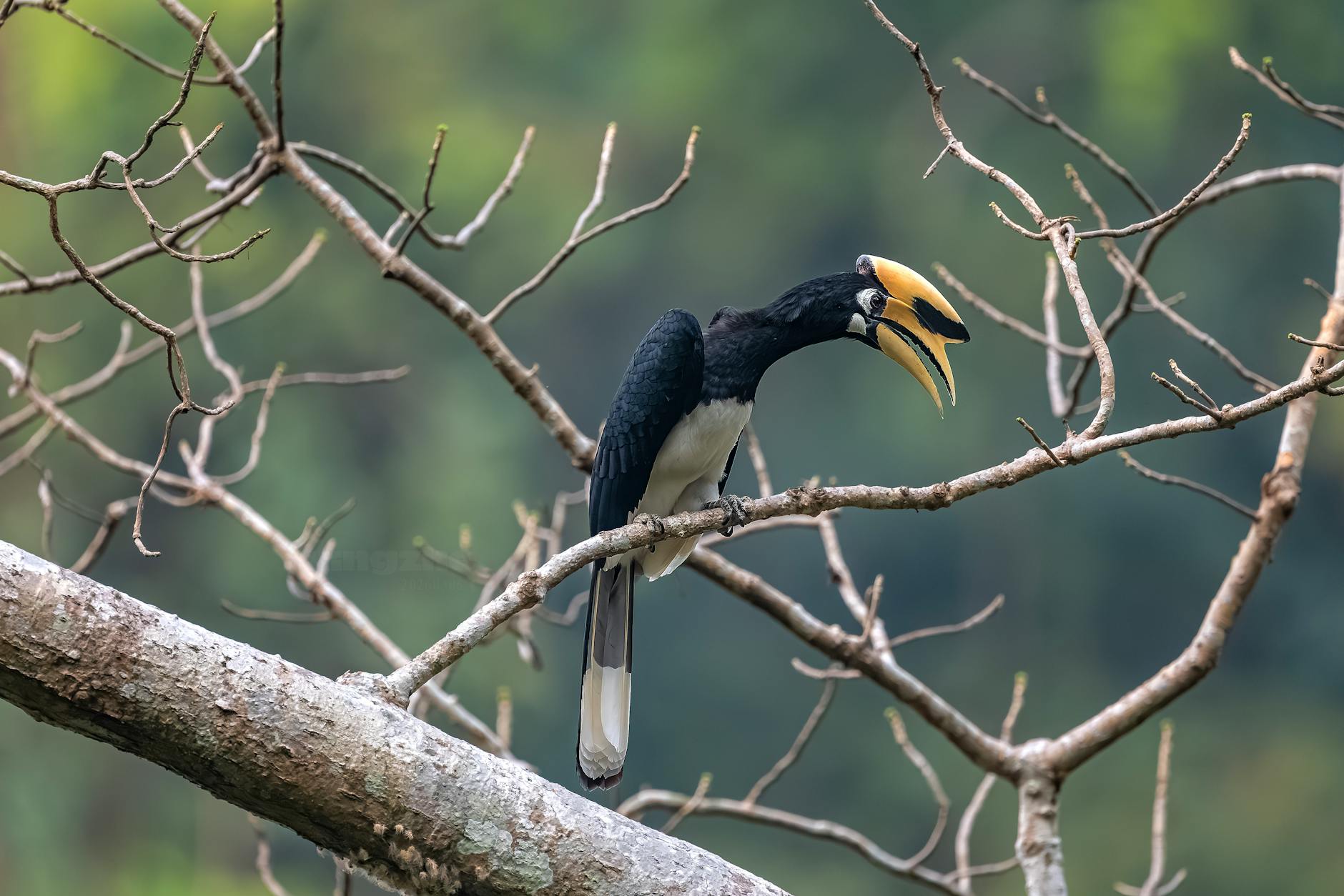
The hornbill is a large tropical bird with a distinctive casque on top of its massive bill that gives its head an almost cartoon-like proportion which can appear vaguely threatening when encountered at close range in the wild. The size of the bill and the volume of the hornbill’s calls lead many first-time observers to assume it is a bird with an aggressive and confrontational nature. In practice hornbills are frugivores and insect hunters that are deeply social and family-oriented forming strong pair bonds in which the female seals herself into a tree cavity during nesting relying entirely on the male to feed her and the chicks through a small opening. They are not defensive of territory toward humans and in areas where they are accustomed to human presence such as near lodges and eco-camps they routinely land within meters of people without displaying any stress behavior. Wildlife guides across Southeast Asia and sub-Saharan Africa regularly use hornbill sightings as highlight moments on tours precisely because the birds are calm enough to allow extended close observation.
Giant Clam
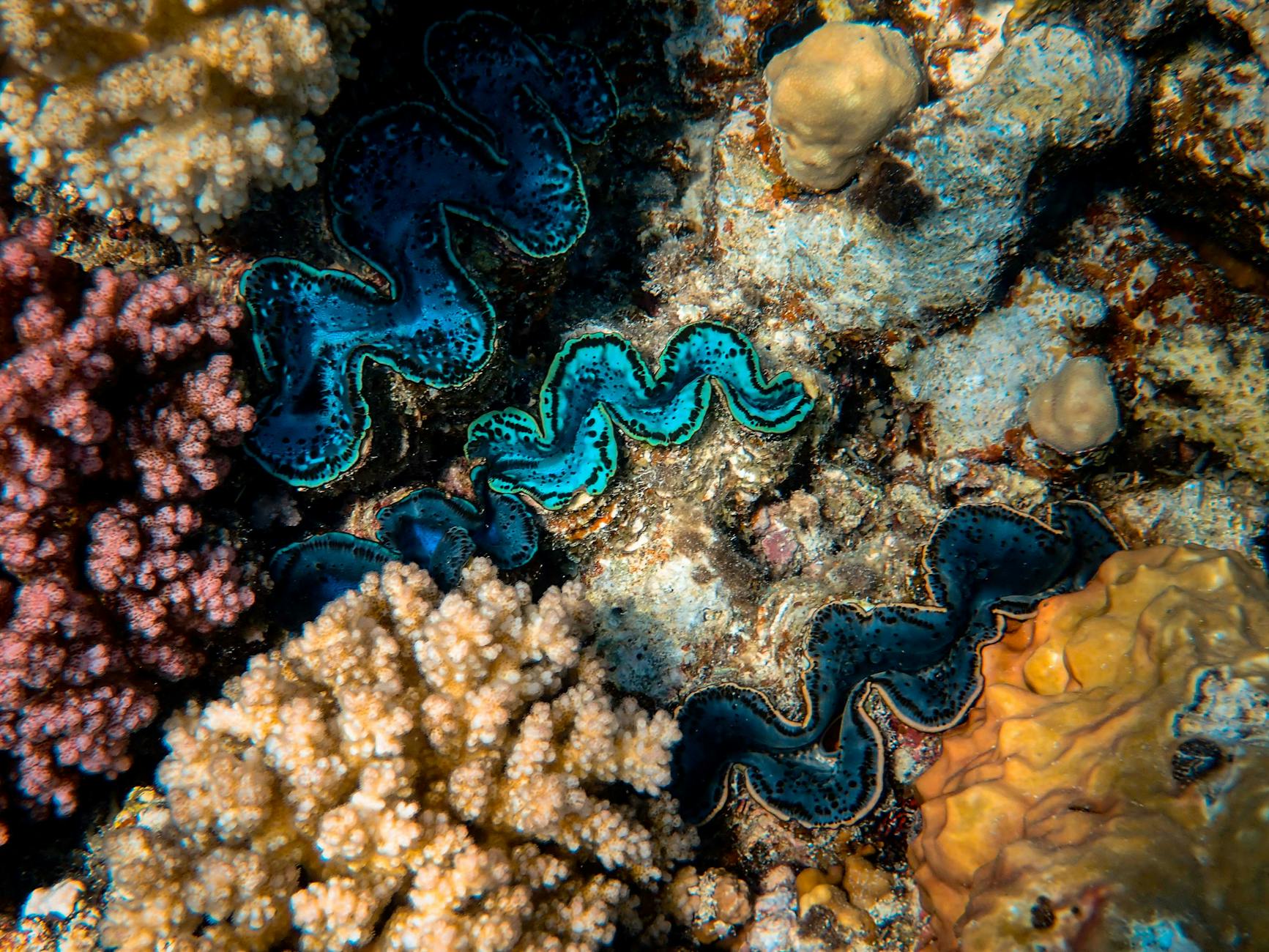
The giant clam is the largest bivalve mollusc on Earth capable of reaching 1.2 meters across and weighing over 200 kilograms and the persistent myth that it could trap and drown a diver by snapping shut on a limb has given it an unwarranted reputation for danger. This legend has been thoroughly debunked by marine biologists as the giant clam closes extremely slowly in response to shadows and vibrations giving any creature more than adequate time to withdraw before the shell makes contact. It is a sessile filter feeder that cannot move once it settles onto a reef surface as a juvenile spending its entire life in one spot filtering plankton and deriving additional nutrition from symbiotic algae living in its iridescent mantle tissue. The colorful blues greens and purples of its exposed mantle make it one of the most visually striking inhabitants of Indo-Pacific coral reefs. Divers and snorkelers regularly place their hands near giant clams to observe the closing response without any risk of harm confirming empirically how slowly and gently the shell moves.
Cassowary
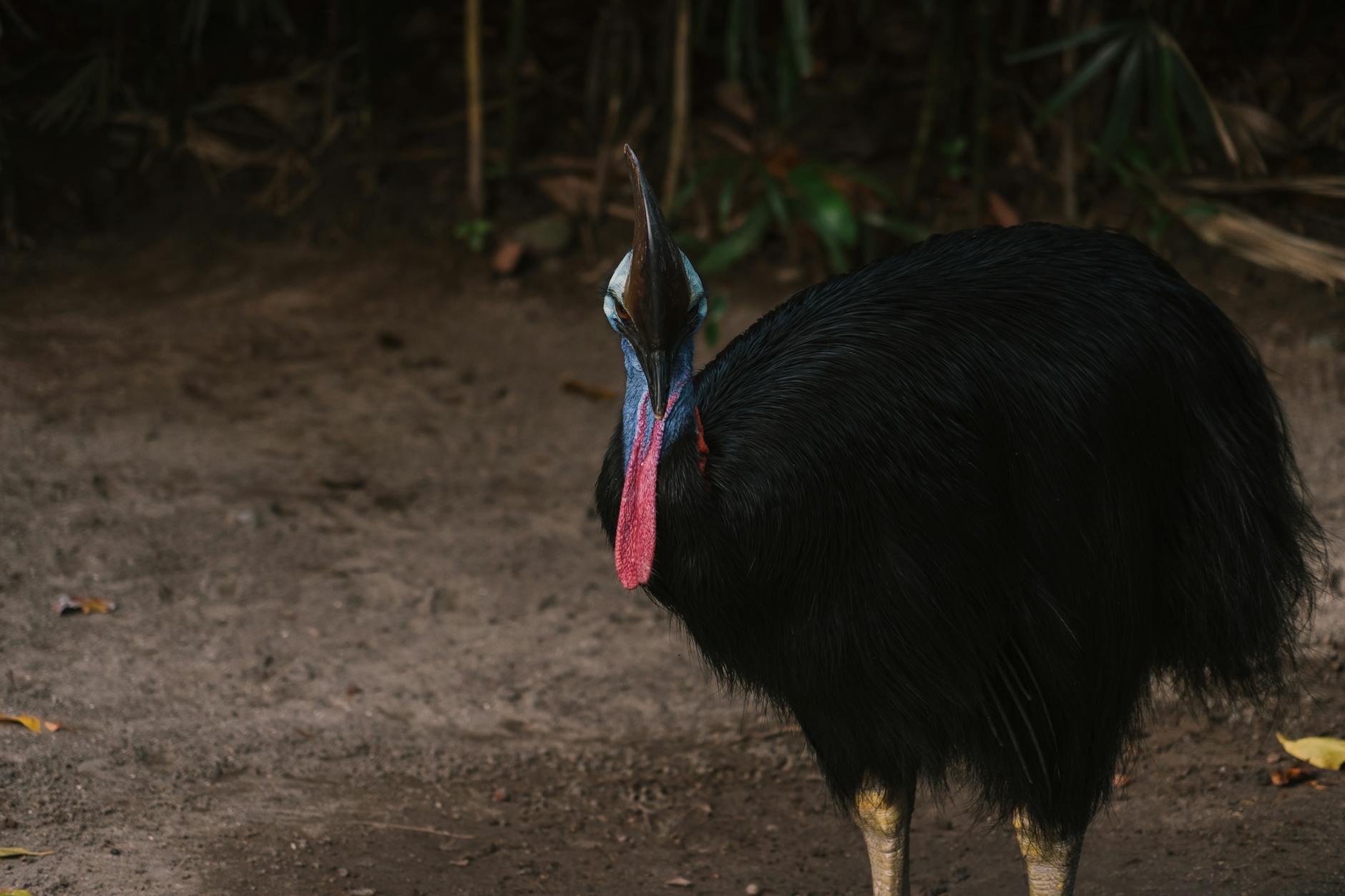
The cassowary is a large flightless bird native to the tropical forests of New Guinea and northern Australia and its helmet-like casque vivid blue and red neck skin dagger-like inner toe claw and powerful muscular legs give it a genuinely intimidating appearance that suggests serious danger. It is in fact classified as the most dangerous bird in the world based on documented attack records and its inner claw can inflict severe lacerations when it kicks in self-defense. However the critical context is that virtually all cassowary attacks occur when the bird feels cornered threatened or is being fed by humans who have conditioned it to approach in ways that lead to conflict. In undisturbed forest environments cassowaries are reclusive solitary birds that actively avoid humans and are heard far more often than they are seen. Wildlife ecologists working in Papua New Guinea consistently note that habituated wild cassowaries observed from a respectful distance without direct interaction display calm foraging behavior with no sign of aggression.
Hammerhead Shark
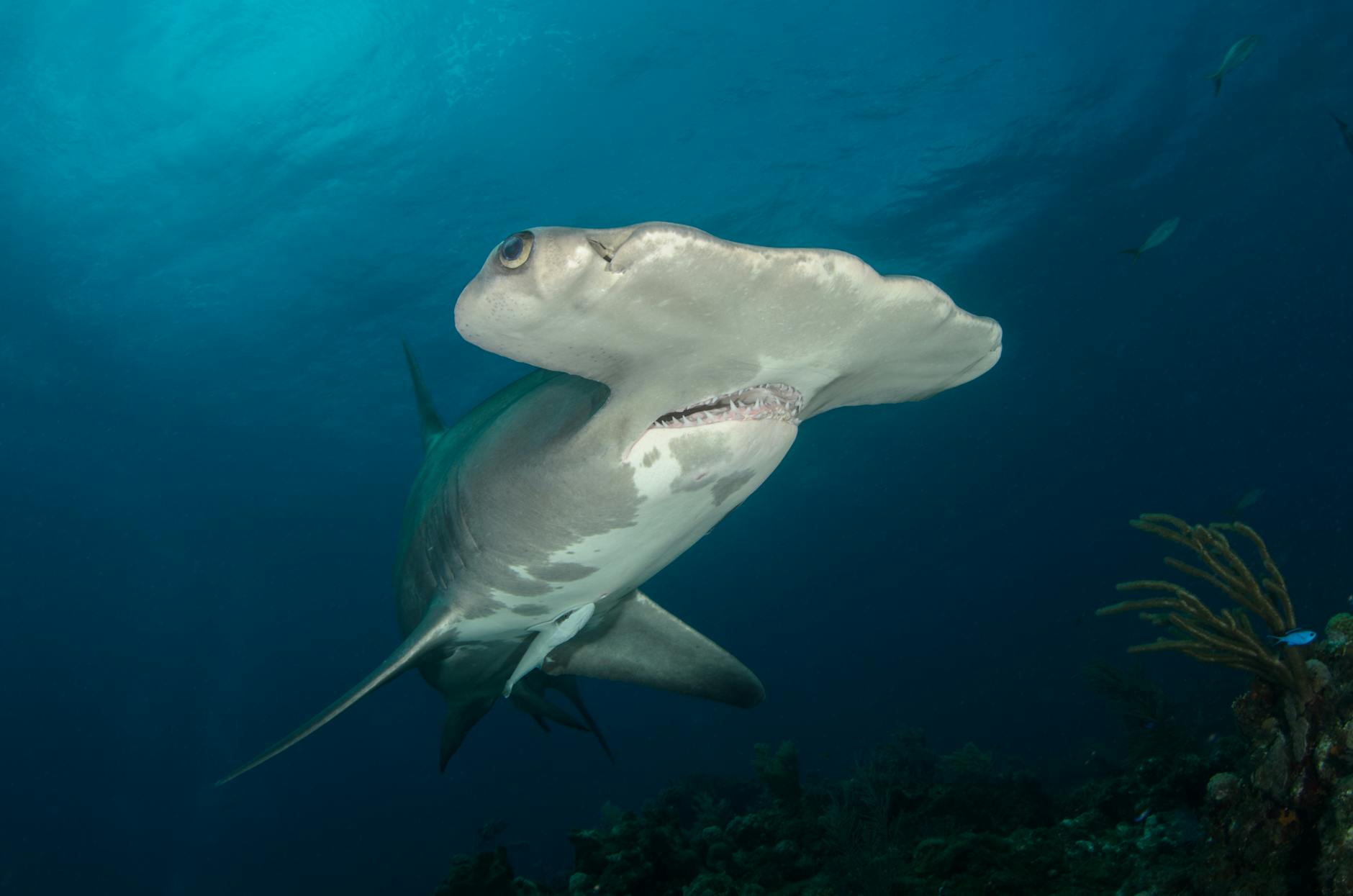
The hammerhead shark is one of the most recognizable and visually striking predators in the ocean with its distinctively wide flattened head wide-set eyes and powerful streamlined body giving it an appearance of absolute evolutionary purpose that many divers find deeply unnerving. As a shark species it carries all of the cultural fear associated with the group amplified by its unusual and otherworldly silhouette in the water. However hammerheads are among the least aggressive shark species toward humans with the great hammerhead ranking low on lists of species involved in unprovoked incidents despite being the largest member of the family. Their wide-set eyes actually give them exceptional binocular vision and their unusual head shape improves their ability to detect electrical fields in the sand where stingrays hide rather than being an adaptation for hunting large prey at the surface. Divers at locations in the Bahamas Galapagos and Cocos Island describe swimming in the middle of large scalloped hammerhead schools as one of the most peaceful and awe-inspiring underwater experiences available anywhere in the world.
Wolverine
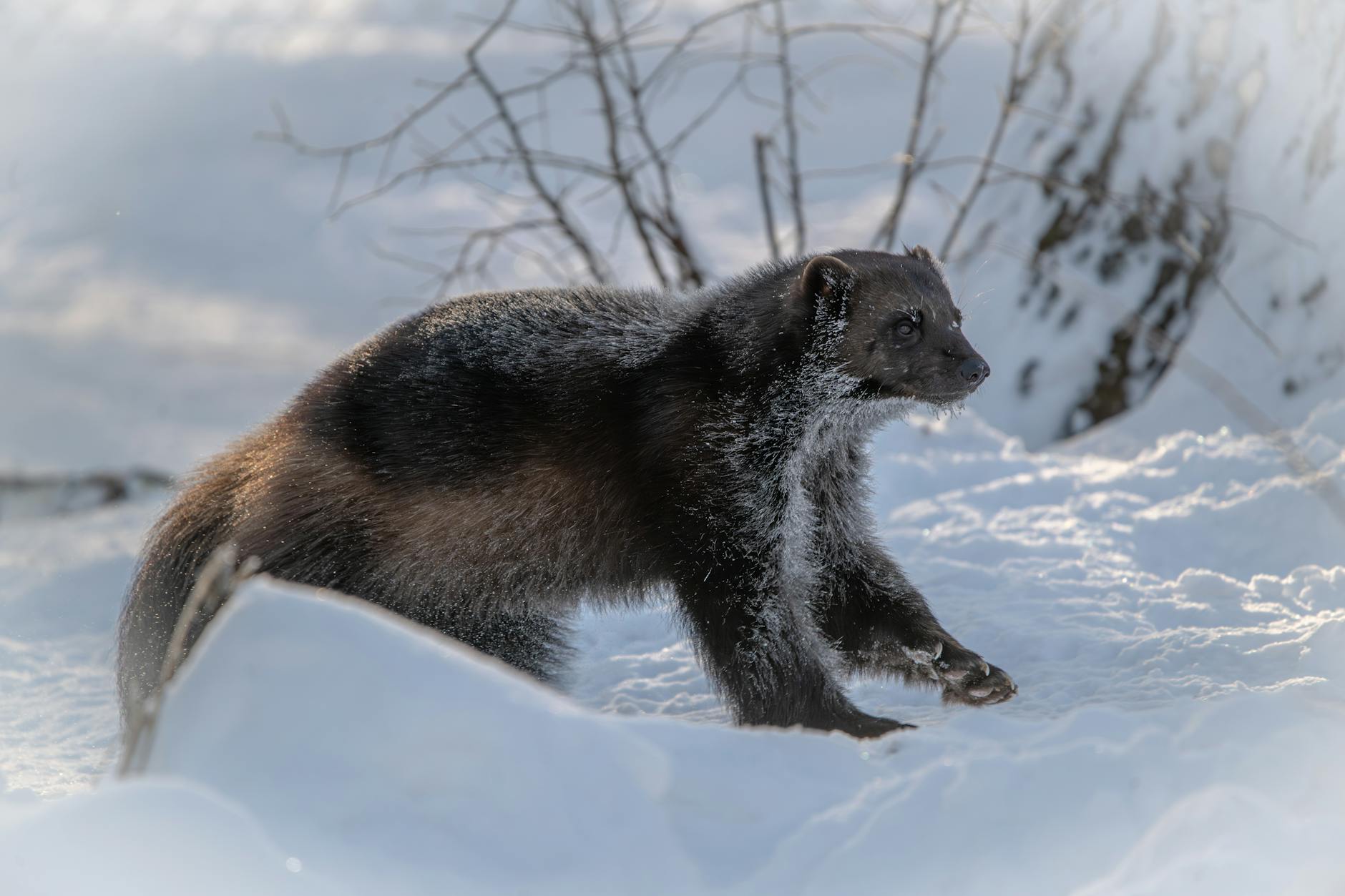
The wolverine is a compact but ferociously built mustelid with a thick low-slung body powerful jaw extremely dense fur and a documented reputation for fearlessness against animals many times its size that makes it one of the most mythologized predators of the northern wilderness. Stories of wolverines driving grizzly bears from carcasses and taking down prey as large as caribou have given it an almost supernatural reputation for aggression and ferocity. In reality wolverines are primarily scavengers that rely on their exceptional sense of smell to locate frozen carcasses beneath deep snow in subarctic environments and their aggression is almost entirely food-motivated rather than territorial toward humans. Encounters with humans in the wild are exceptionally rare due to the wolverine’s low population density across its enormous range and its naturally secretive and solitary behavior. Wildlife biologists who have tracked and handled wolverines as part of long-term population studies describe them as non-confrontational animals in the wild whose ferocity is almost entirely a response to the extreme competition for food in some of the harshest environments on Earth.
Piranha
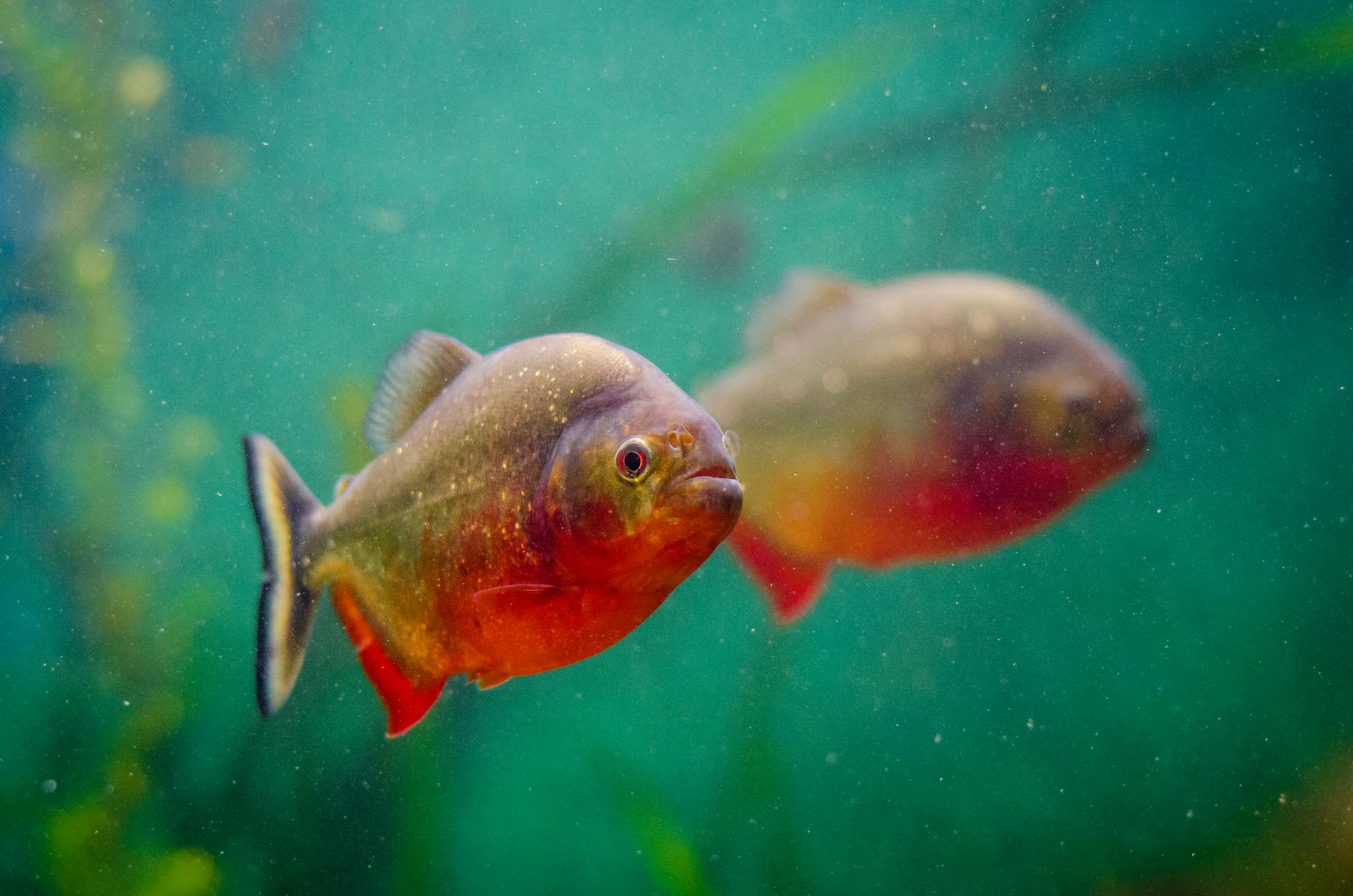
The piranha has been granted one of the most exaggerated dangerous reputations of any freshwater animal on Earth largely due to Hollywood films and early explorer accounts describing frenzied mass attacks that could strip a large mammal to the bone in minutes. Its compact body triangular interlocking teeth and intense feeding behavior during times of food scarcity created a cultural image of a fish that attacks anything entering the water with fatal efficiency. Research conducted in Amazonian river systems has found that piranhas are in fact highly cautious and skittish fish that scatter rapidly when large animals or humans enter the water rather than moving toward them. Their group feeding behavior is triggered primarily by blood and the presence of injured prey in confined conditions and bears little resemblance to the indiscriminate attacks portrayed in popular media. Indigenous communities throughout the Amazon have swum in piranha-inhabited waters for generations and researchers working in the field wade through piranha-filled rivers as a routine part of their fieldwork without incident.
If you have a favorite gentle giant from this list or know of another surprisingly sweet creature not mentioned here, share your thoughts in the comments.