Nature has a way of defying expectations, and nowhere is this more true than in the animal kingdom. Many creatures that appear sluggish, clumsy, or unhurried in their everyday movements are capable of explosive bursts of speed that would leave most humans far behind. Scientists and wildlife researchers have documented remarkable acceleration abilities in animals that rarely make the classic “fastest animals” lists. This collection celebrates the surprising athletes hiding in plain sight across forests, oceans, deserts, and backyards around the world. Prepare to rethink everything you thought you knew about slow movers in nature.
Musk Ox
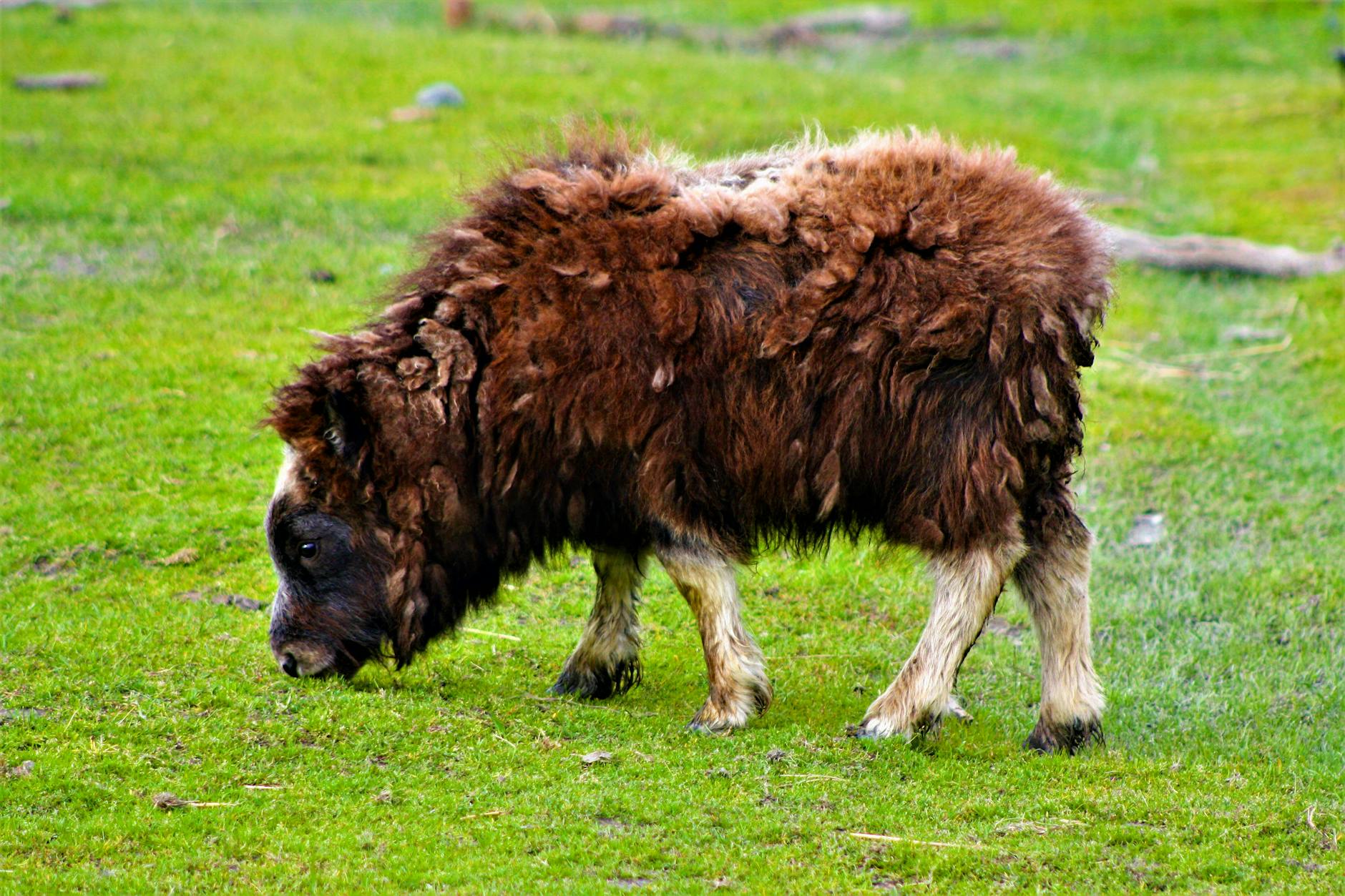
The musk ox presents a bulky, lumbering silhouette that suggests slow, plodding movement across Arctic tundra. Despite weighing up to 400 kilograms, this animal can reach speeds of around 60 kilometers per hour when threatened by predators. Their thick coats and stocky builds create an illusion of heaviness that masks powerful leg muscles built for sudden charges. Wolves and bears that underestimate the musk ox often find themselves outpaced or in the direct path of an aggressive defensive stampede. Their speed is especially remarkable given the frozen, uneven terrain they navigate on a daily basis.
Giant Tortoise
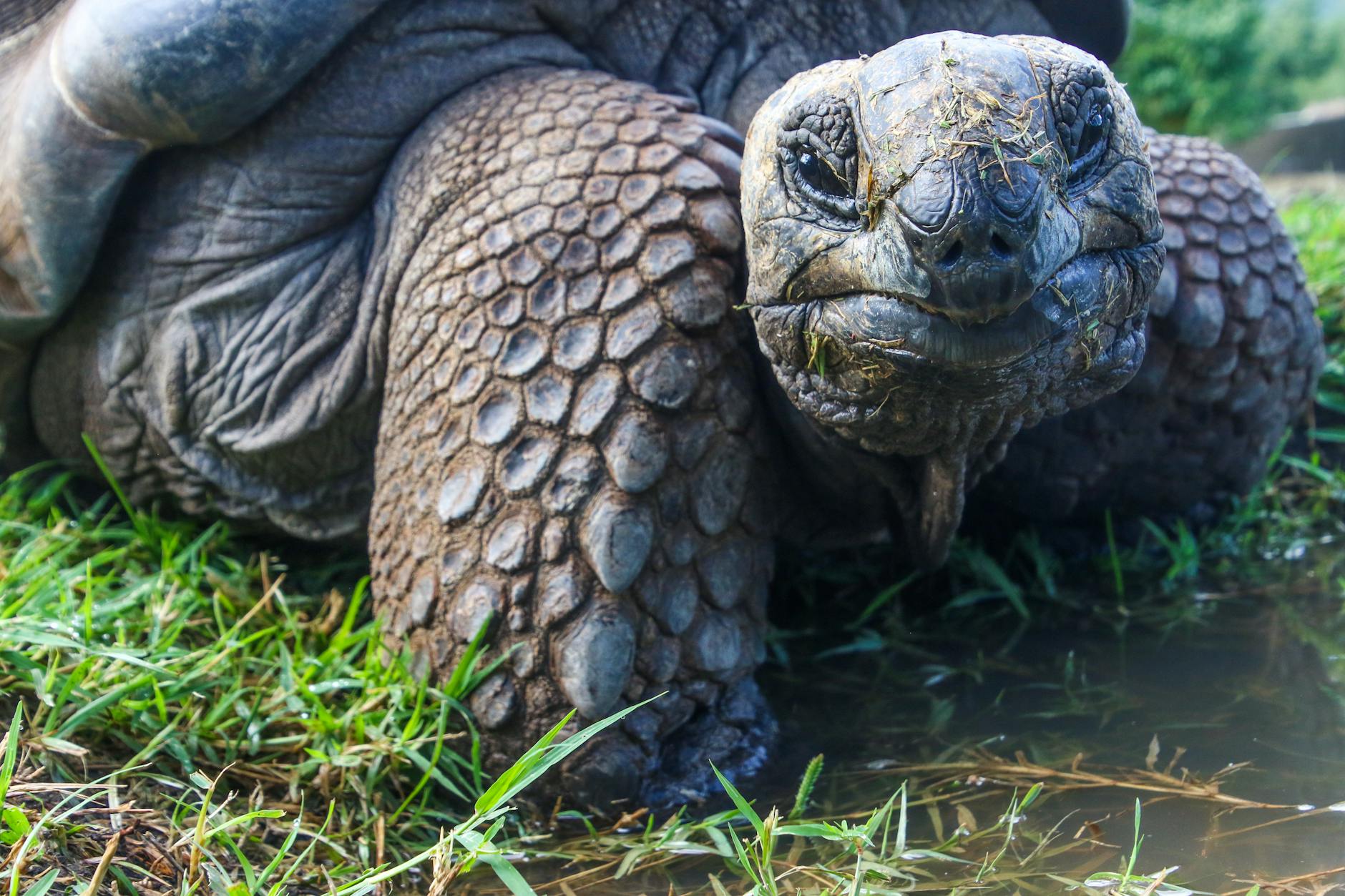
The giant tortoise has become a cultural symbol of slowness, featured in fables and wildlife documentaries as the ultimate patient plodder. While their average walking pace is indeed leisurely, tortoises can move at speeds close to 8 kilometers per hour in short bursts when motivated by food or perceived danger. Researchers studying populations in the Galápagos and Seychelles have recorded individuals covering surprisingly large distances in a single day. Their powerful legs, designed to carry shells weighing over 150 kilograms, generate more mechanical force per step than most people would expect. The tortoise’s reputation for slowness largely comes from observations of resting or grazing behavior rather than active locomotion.
Moose
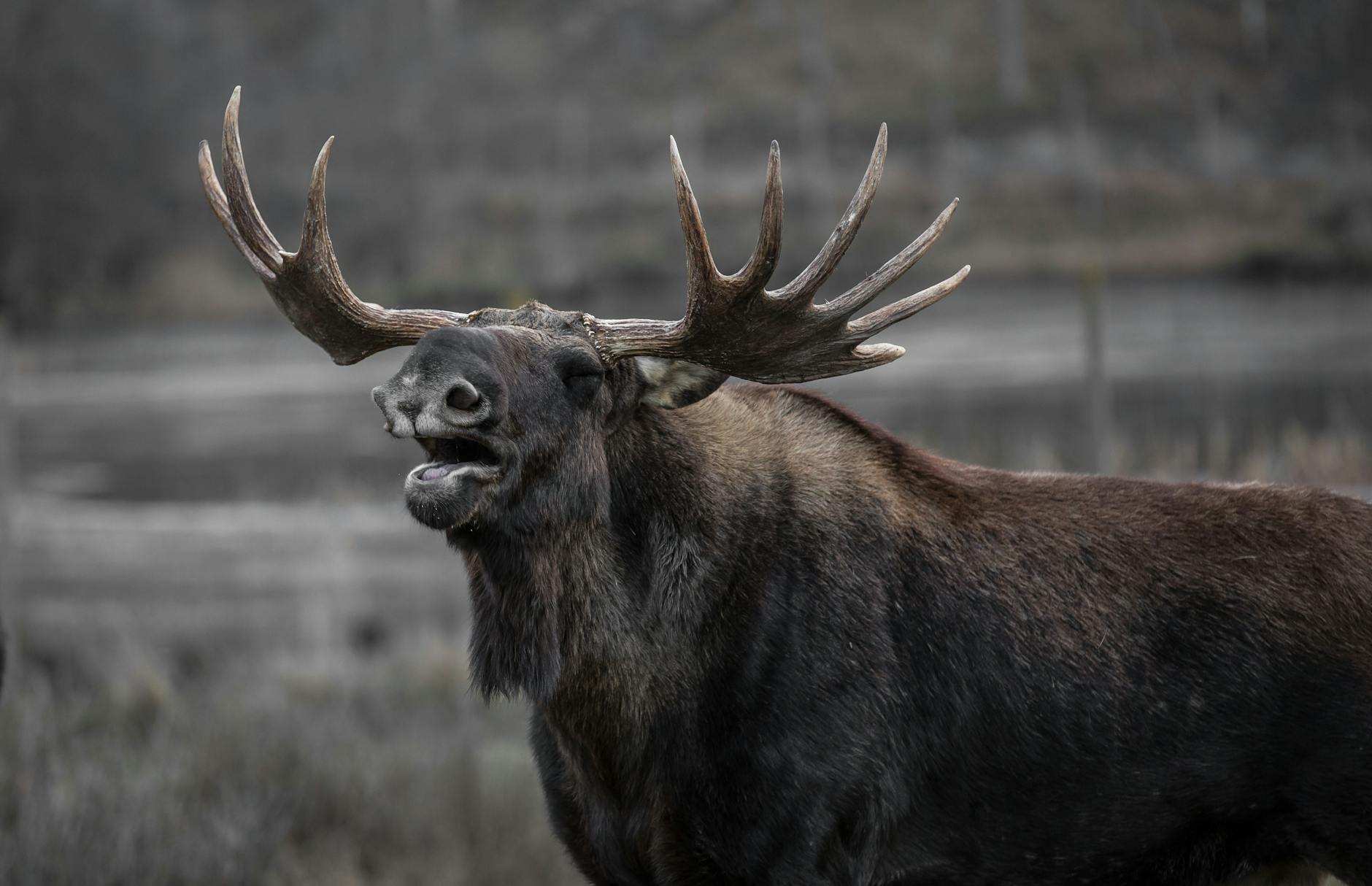
The moose is a towering, ungainly-looking animal whose long legs and oversized antlers give the impression of awkward, slow movement through boreal forests. In reality, moose can sustain speeds of up to 56 kilometers per hour and are capable of maintaining a fast trot for several kilometers without tiring. Their long stride length covers enormous ground with each step, making them far more efficient travelers than their appearance suggests. Moose are also exceptionally strong swimmers and can move through water at speeds that surprise even experienced wildlife guides. Hunters and hikers who attempt to flee a charging moose on foot rarely succeed due to the animal’s deceptive pace.
Elephant
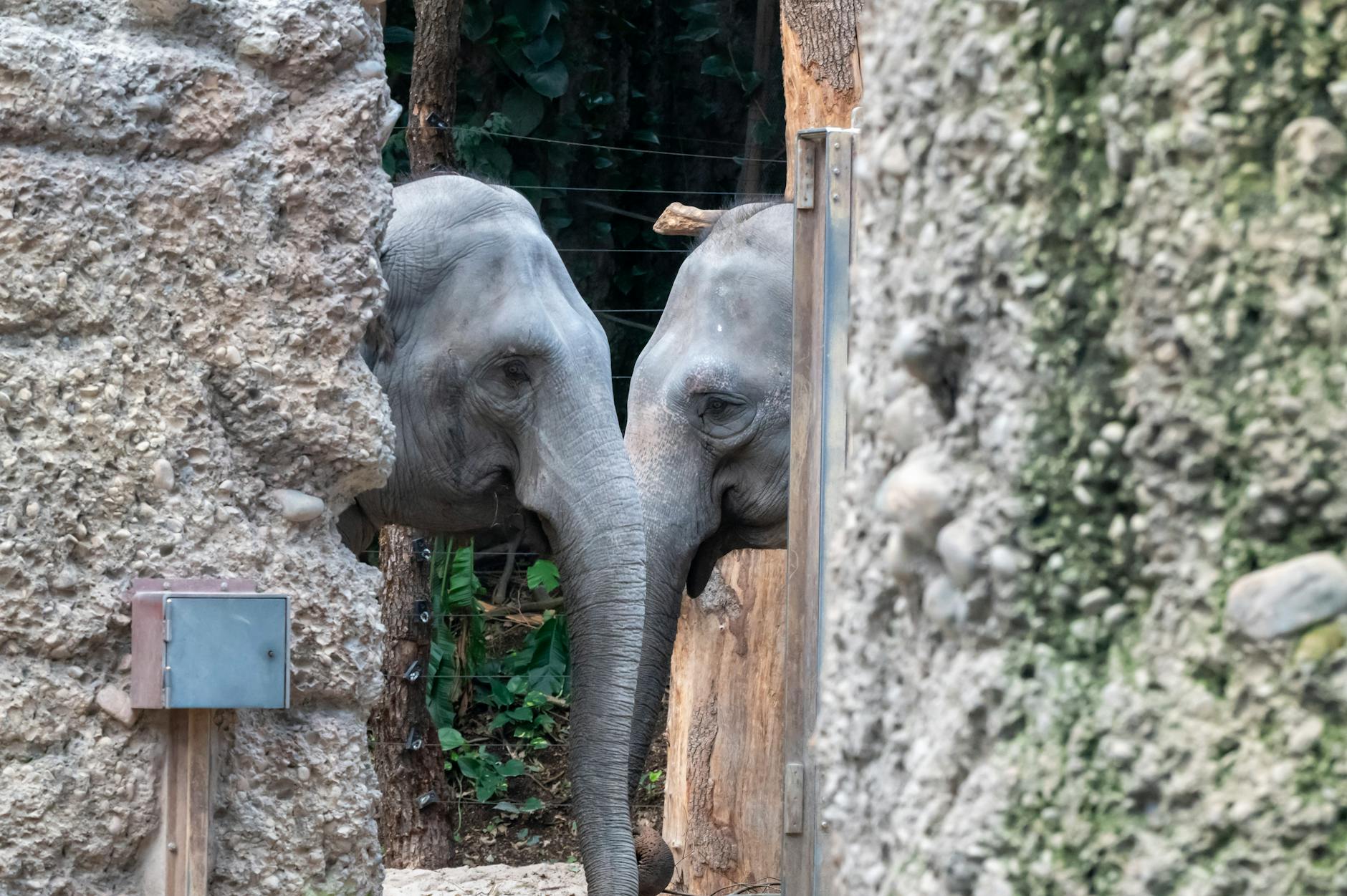
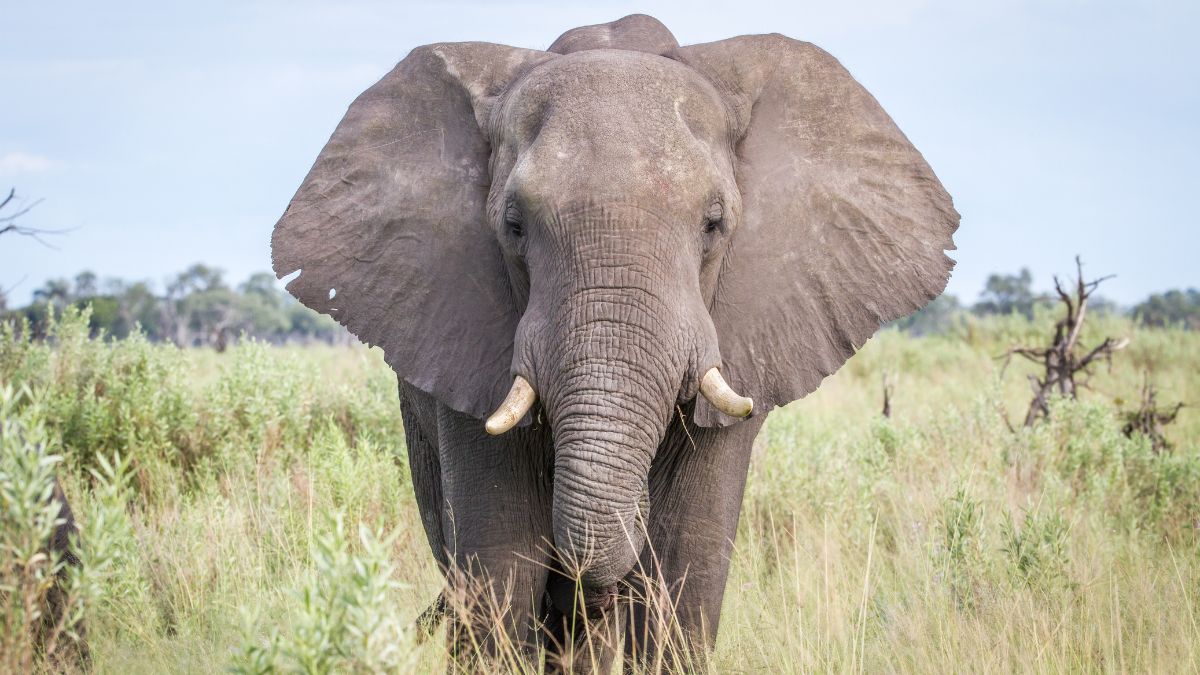
The elephant is widely associated with slow, majestic processions across African and Asian landscapes, creating an impression of gentle unhurriedness. African elephants can reach speeds of up to 40 kilometers per hour during a charge, and even at top speed they technically walk rather than run due to their gait biomechanics. Their mass, which can exceed 6000 kilograms, generates enormous momentum that makes a charging elephant nearly impossible to stop or redirect. Research published by locomotion scientists found that elephants use a biomechanical “inverted pendulum” effect to achieve high speeds without a true running gait. Wildlife rangers consistently cite elephants as one of the most dangerous animals to encounter on foot precisely because of their underestimated speed.
Hippo
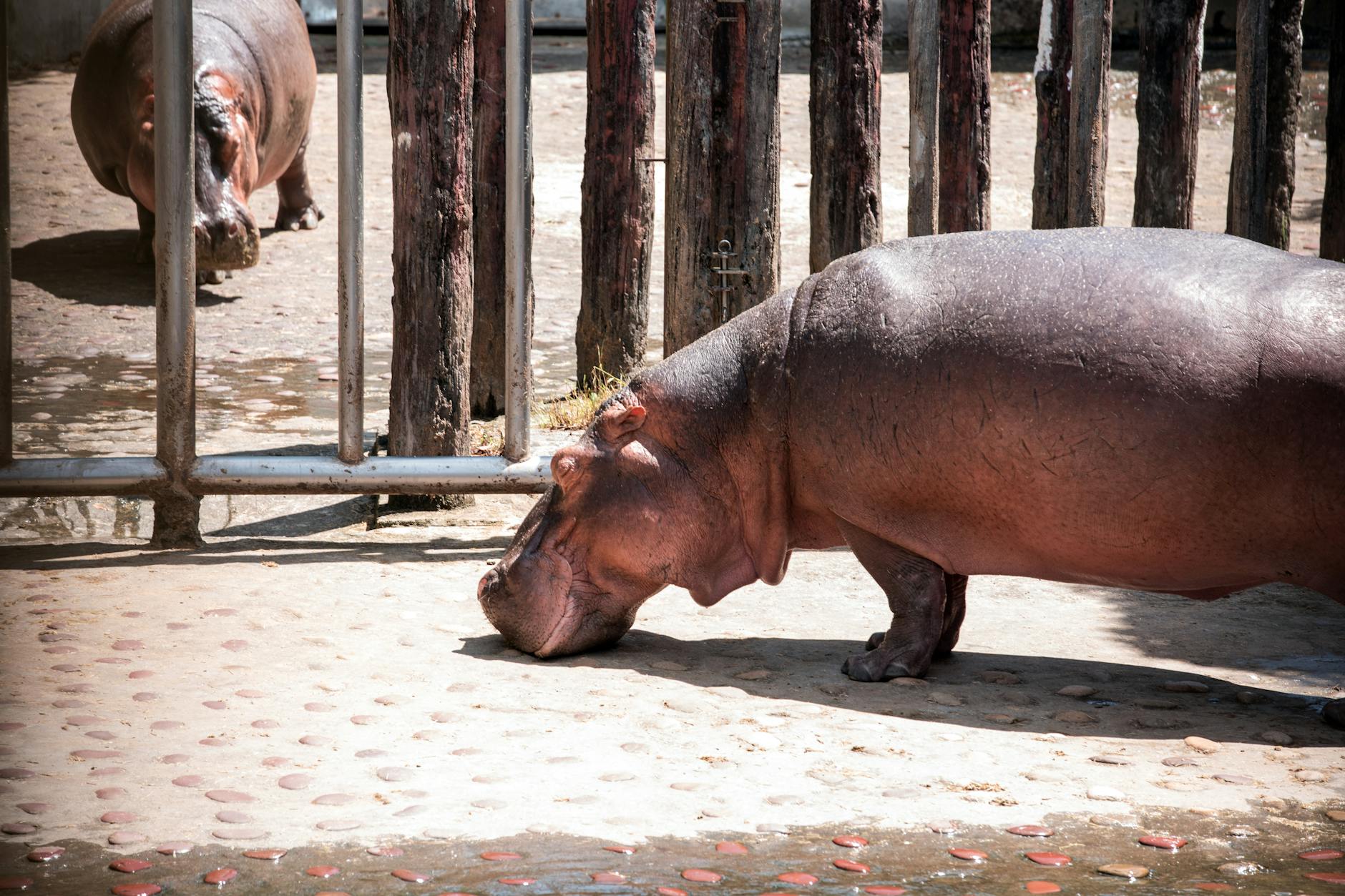
The hippopotamus spends most of its visible hours floating motionlessly in rivers and lakes, creating the impression of a slow, passive giant. On land, hippos can sprint at speeds approaching 30 kilometers per hour over short distances, faster than the average human runner. Their barrel-shaped bodies are deceptive vessels for dense muscle mass that powers explosive acceleration from a standing start. Hippos are responsible for more human fatalities in Africa than almost any other large animal, largely because people underestimate how quickly they can close a gap. Even in shallow water, a hippo can move with startling speed by bouncing along the riverbed.
Warthog
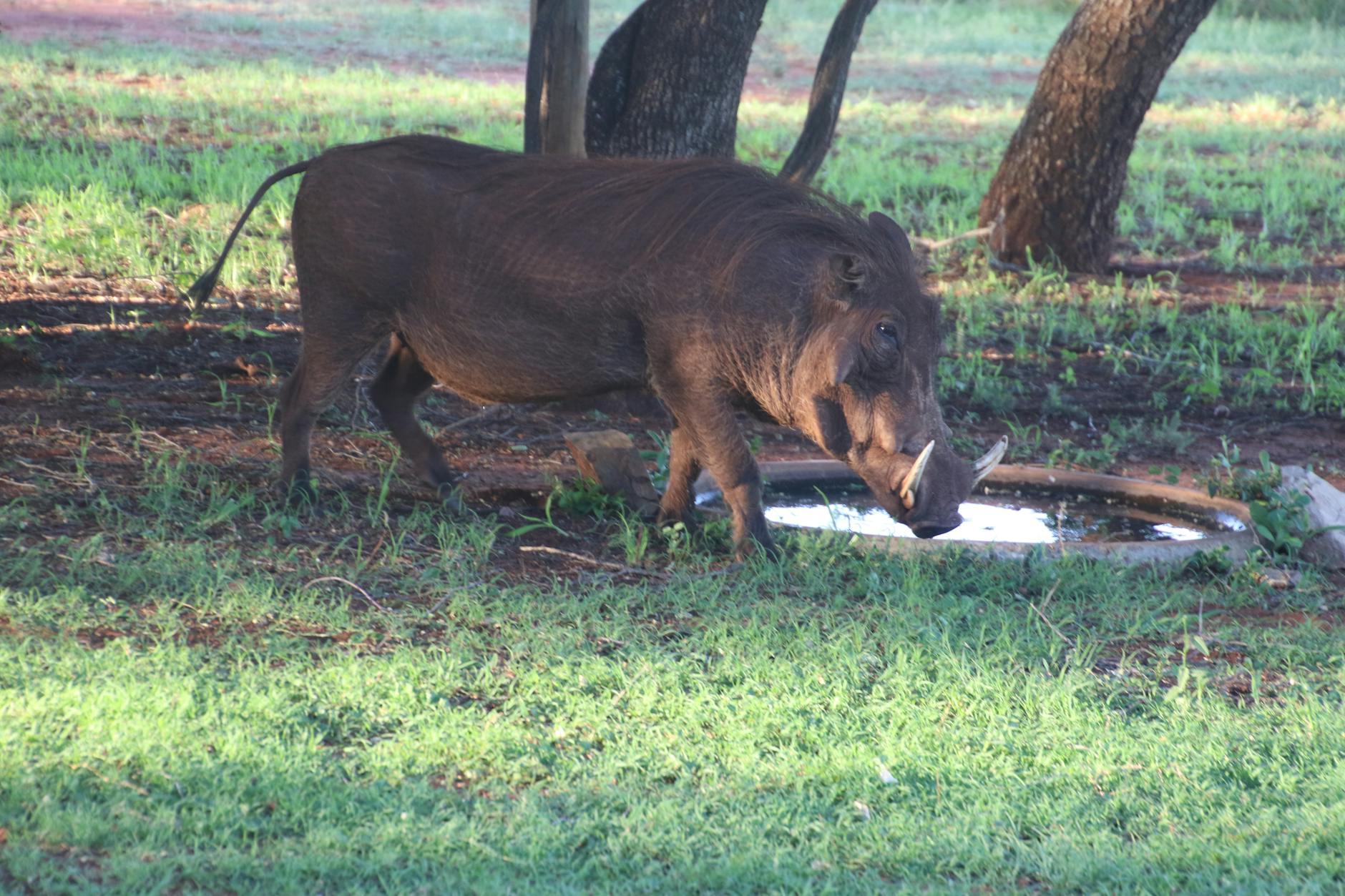
The warthog is often portrayed as a comical, awkward creature trotting across the savanna with its tail raised straight in the air. These animals are capable of reaching speeds up to 48 kilometers per hour, allowing them to outrun many of the predators that target them on open ground. Their stocky, low-slung bodies and short legs create an impression of limited athletic ability that is entirely misleading. Warthogs are also highly maneuverable at speed, capable of making sharp directional changes to evade cheetahs, lions, and leopards. Their survival on one of the world’s most predator-dense landscapes depends almost entirely on this underestimated speed.
Manta Ray
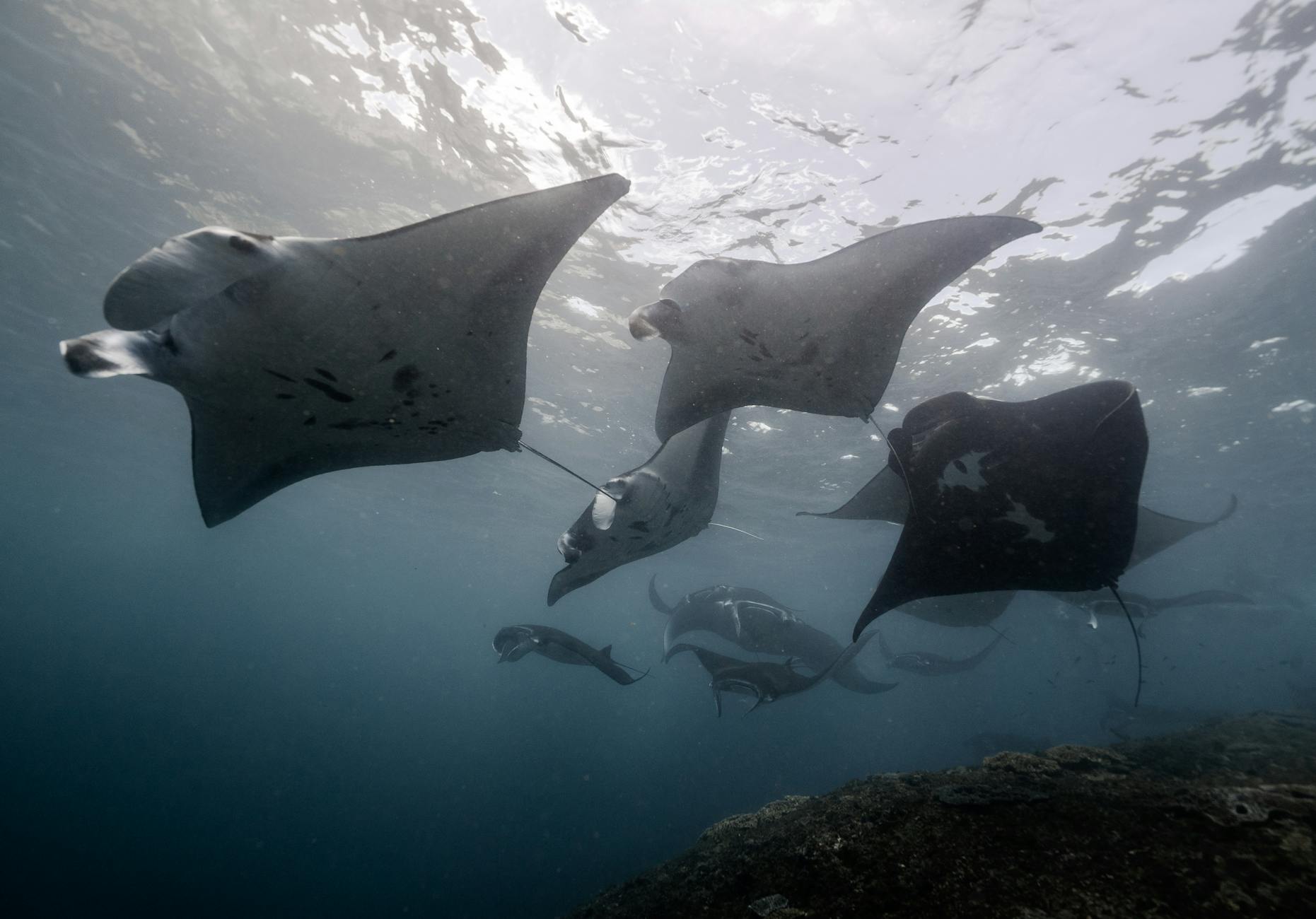
The manta ray glides through ocean water with a slow, hypnotic wing beat that gives divers the impression of a leisurely, effortless animal. When startled or pursuing prey, manta rays can accelerate to speeds of around 24 kilometers per hour and launch themselves completely clear of the ocean surface. Their wingspan, which can reach up to 7 meters, acts as a highly efficient hydrodynamic surface that generates lift and thrust with minimal energy expenditure. Marine biologists studying manta ray migration patterns have found that individuals can cover up to 70 kilometers in a single day when ocean currents are favorable. The graceful, meditative appearance of a cruising manta ray conceals an athletic capability that has startled many open-water swimmers and divers.
Komodo Dragon
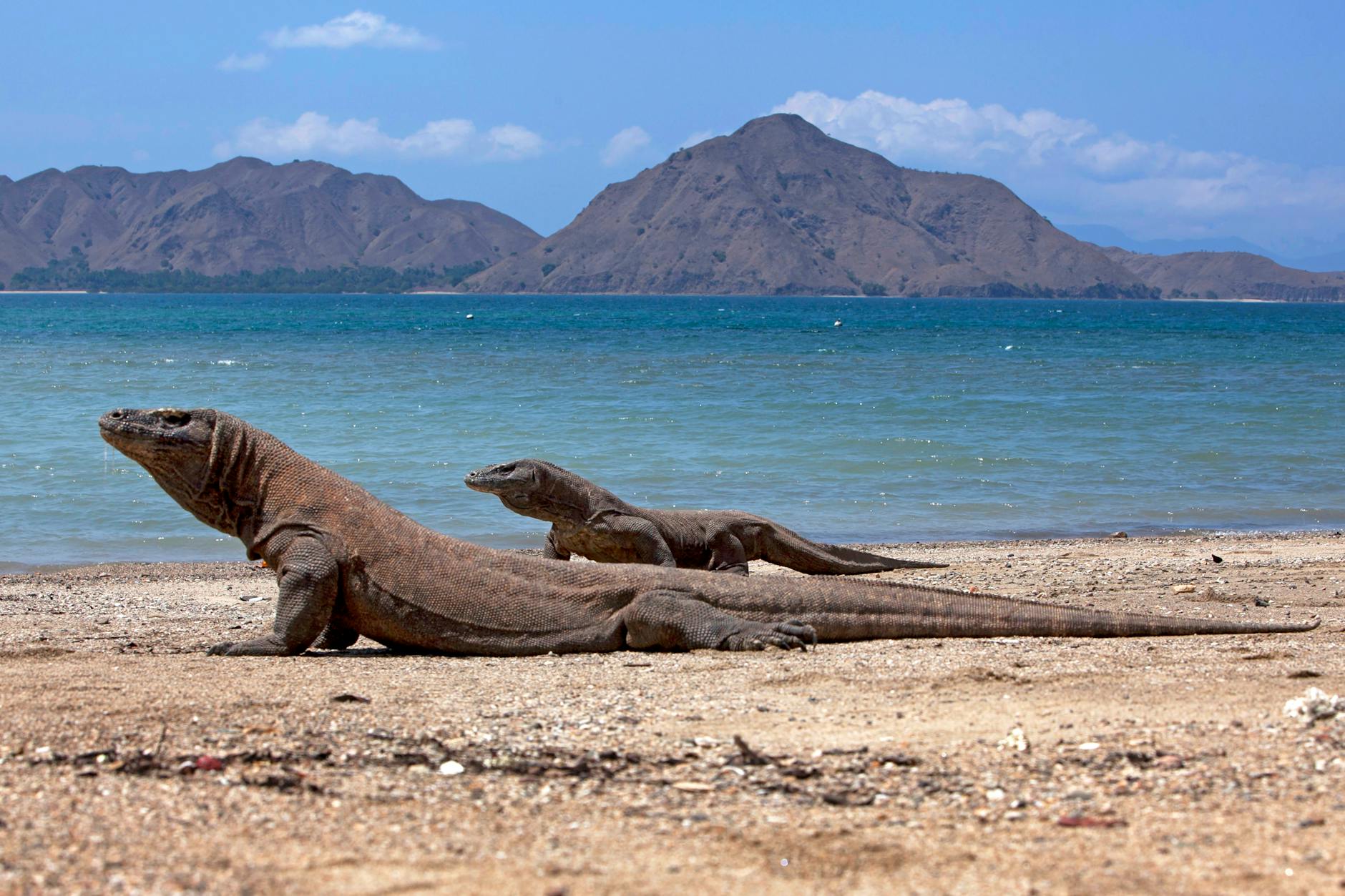
The Komodo dragon lies motionless for hours at a time, giving observers the impression of a sluggish, sun-baking lizard with limited physical ability. When prey comes within range, a Komodo dragon can sprint at speeds of up to 20 kilometers per hour in short explosive bursts. They are also capable climbers and strong swimmers, making them highly versatile hunters across the Indonesian islands they inhabit. Their ambush hunting strategy encourages a reputation for stillness that masks an underlying athletic capacity most visitors to their habitat fail to anticipate. Park rangers on Komodo Island consistently warn tourists that the dragons are far faster over short distances than they appear during daytime basking.
Grizzly Bear
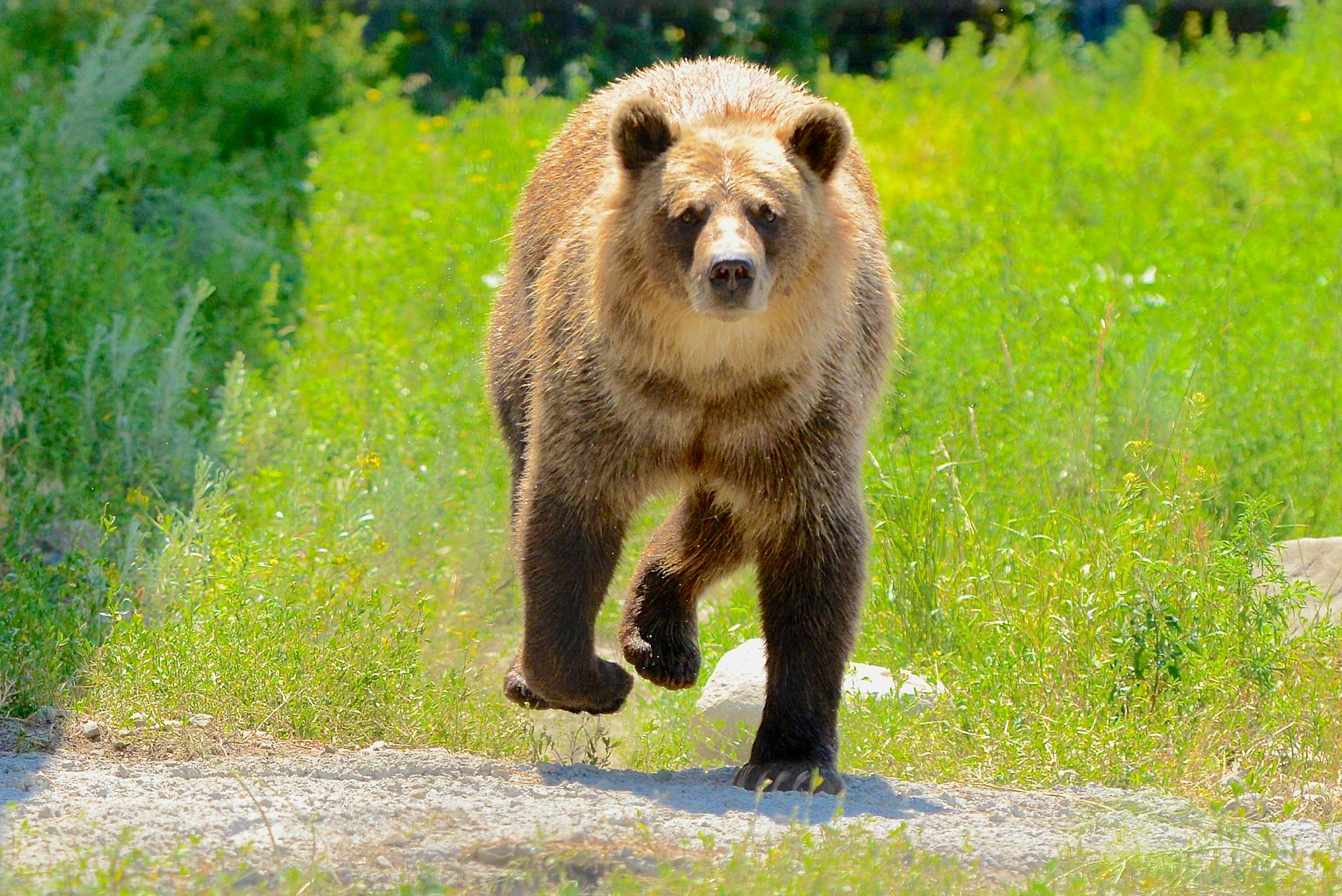
The grizzly bear moves through forests and meadows with a rolling, casual gait that reads as relaxed and unhurried to most human observers. Grizzlies can reach speeds of up to 56 kilometers per hour, making them faster than a thoroughbred racehorse over short distances. Their large paws and powerful shoulder muscles provide enormous traction and propulsive force across a wide variety of terrain including steep hillsides and river banks. The rolling shoulder hump visible on a grizzly is entirely composed of muscle mass dedicated to digging and charging rather than fat storage. Wildlife authorities in North America uniformly advise that attempting to outrun a grizzly bear is never a viable survival strategy.
Goliath Grouper
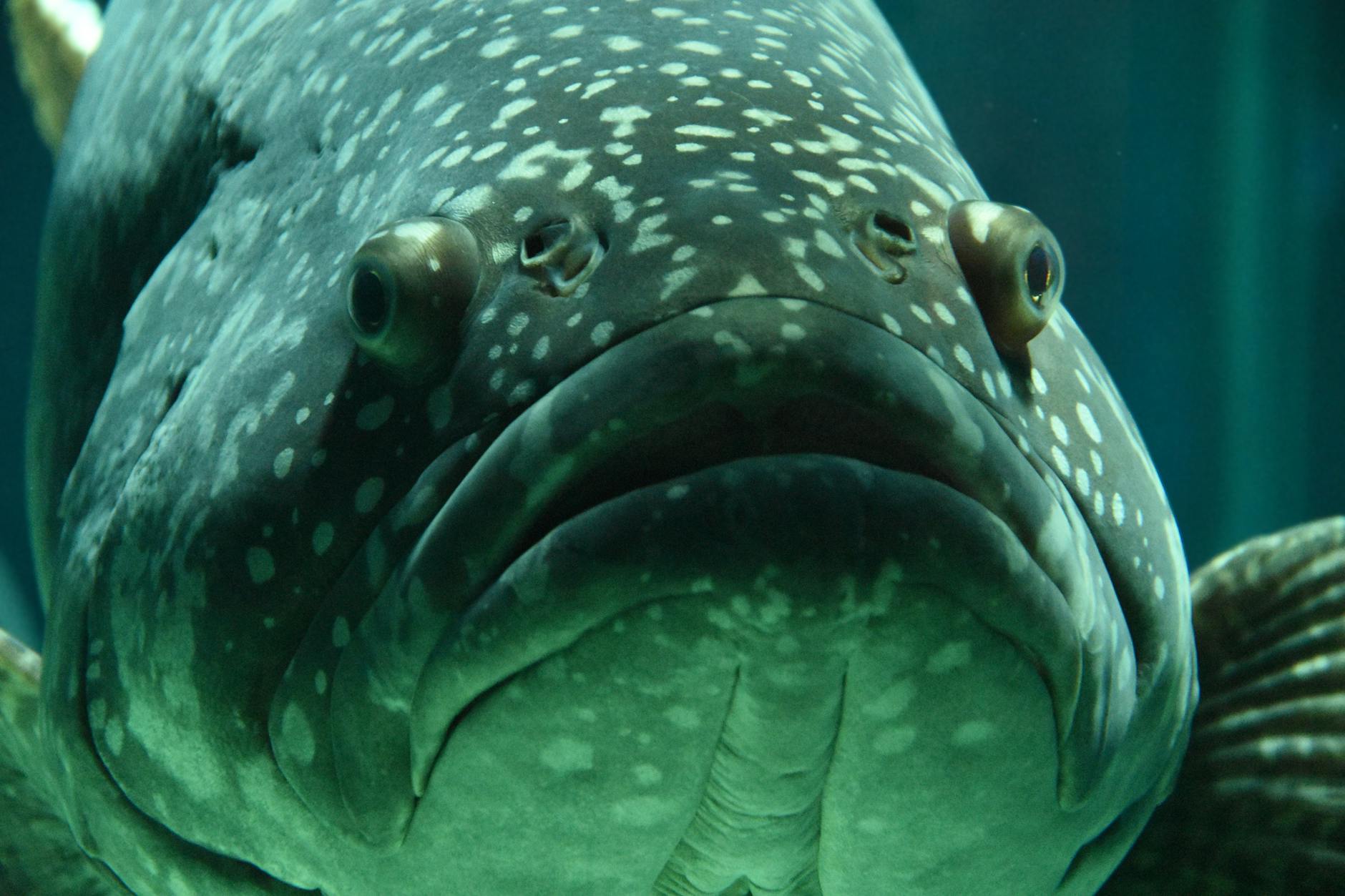
The Goliath grouper drifts slowly around coral reefs and shipwrecks, hovering with what appears to be minimal effort and little urgency. When striking at prey, this massive fish can accelerate with explosive speed and generates enough suction force to swallow animals the size of small sharks in a fraction of a second. Adults can weigh over 360 kilograms, yet their ambush strikes are fast enough to catch tarpon, octopuses, and barracuda that are themselves considered rapid swimmers. The deceptive stillness of a resting grouper is an evolved hunting strategy rather than a reflection of its physical capabilities. Marine researchers documenting reef ecosystems have noted that Goliath groupers are among the most effective ambush predators in shallow Atlantic and Gulf waters.
Snapping Turtle
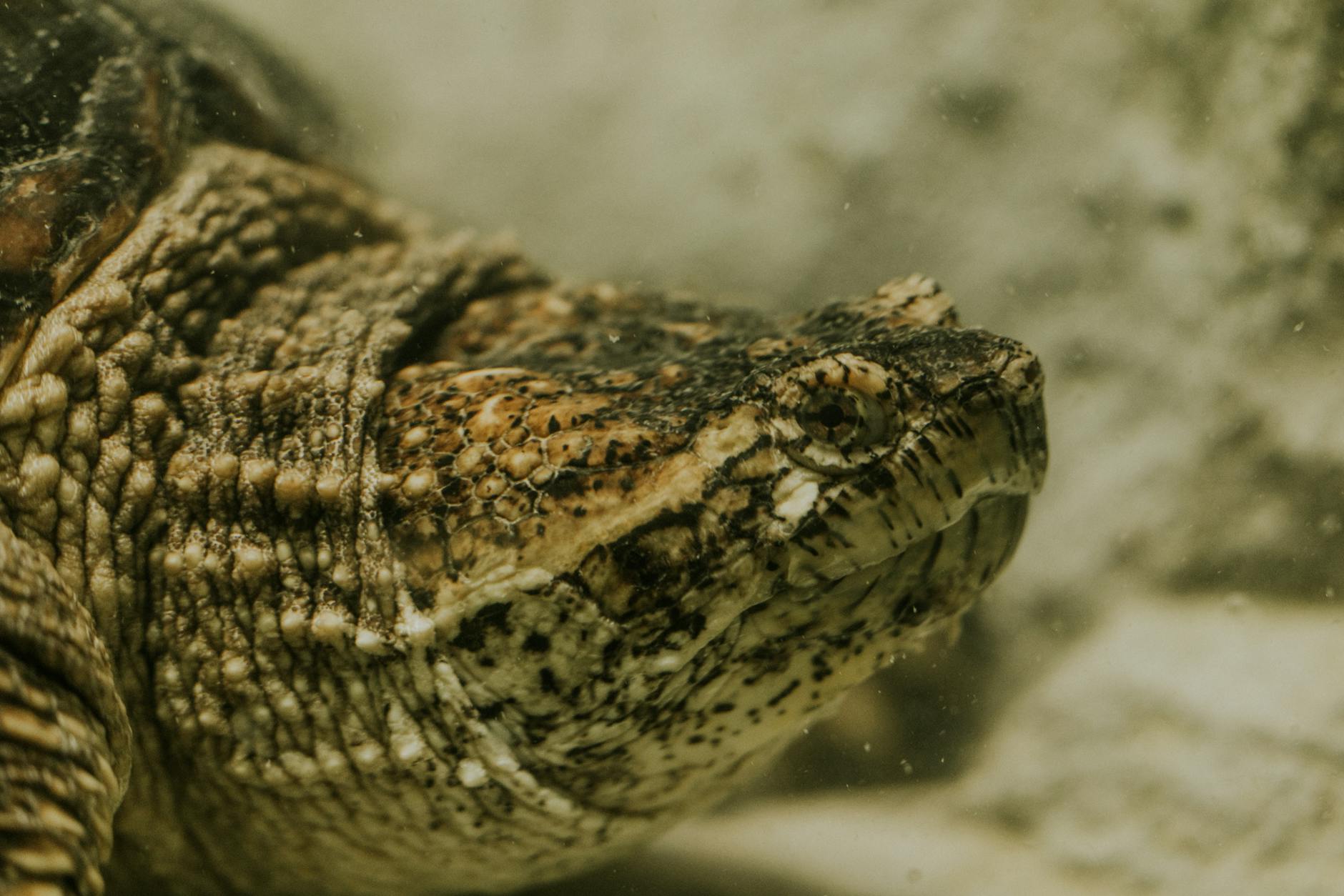
The snapping turtle moves with extreme deliberateness on land, taking slow, effortful steps that make it one of the most visibly unhurried reptiles in North American wetlands. Its strike, however, is one of the fastest movements recorded in the animal kingdom, with the head lunging forward in as little as 78 milliseconds. Researchers have measured the bite force of large common snapping turtles at levels capable of cleanly severing a finger with a single strike. Their necks can extend more than halfway down the length of their shell, giving them a striking reach that routinely surprises people who assume a safe handling distance. The contrast between the snapping turtle’s slow locomotion and its instantaneous offensive speed represents one of the most dramatic examples of deceptive stillness in nature.
Orca
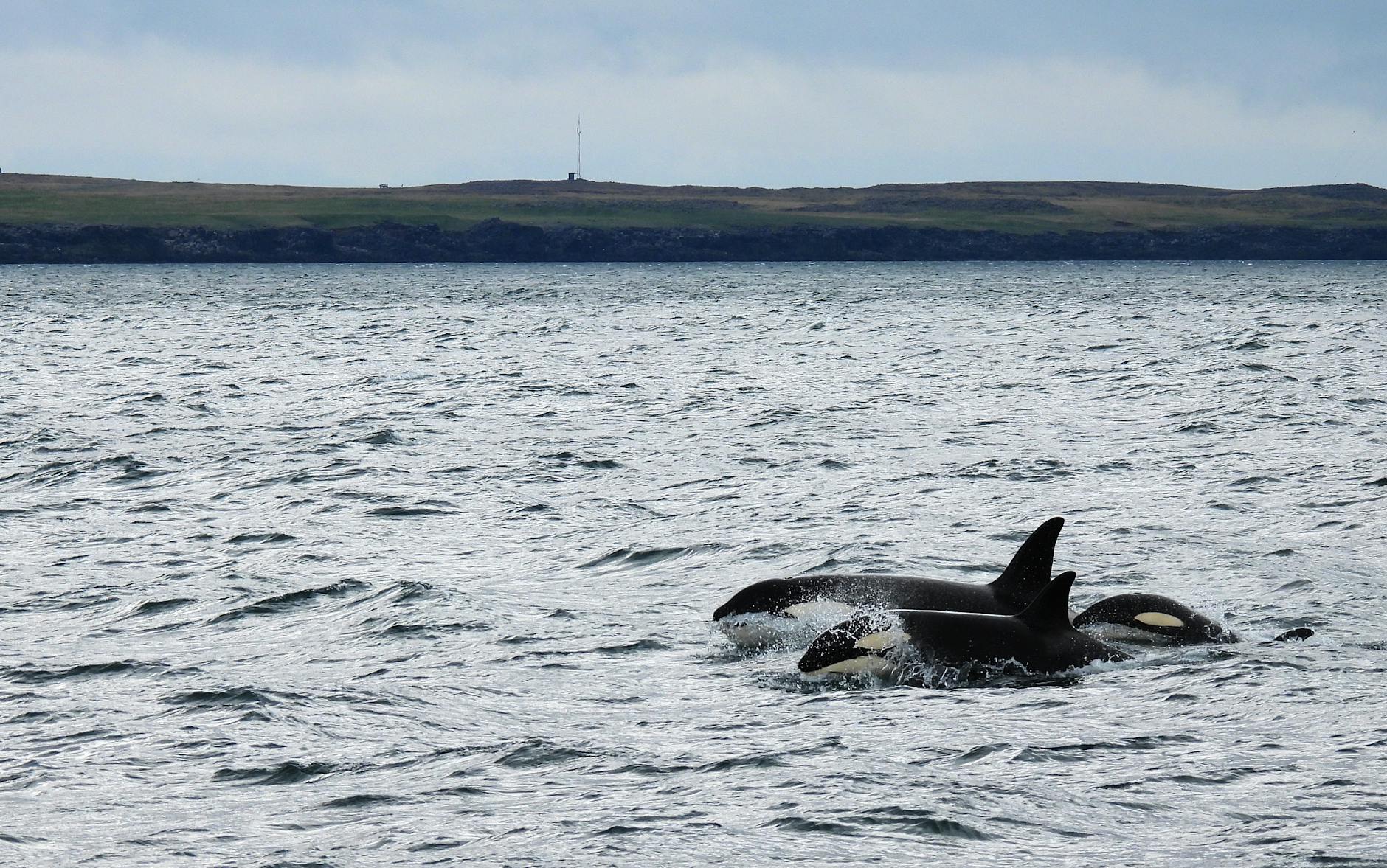
The orca, or killer whale, moves through open ocean at a steady, graceful pace that forms the backdrop of countless nature documentaries and whale-watching excursions. In pursuit of prey, orcas can reach speeds of up to 56 kilometers per hour, making them one of the fastest marine mammals on the planet. Their hunting strategies involve coordinated group sprints and strategic herding maneuvers that require precise speed control across the entire pod. Orcas have been documented outswimming great white sharks, dolphins, and sea lions during active hunts in multiple ocean regions. The calm, rolling surface behavior that most observers associate with orcas represents only a fraction of the physical capability these animals routinely deploy beneath the surface.
Basking Shark
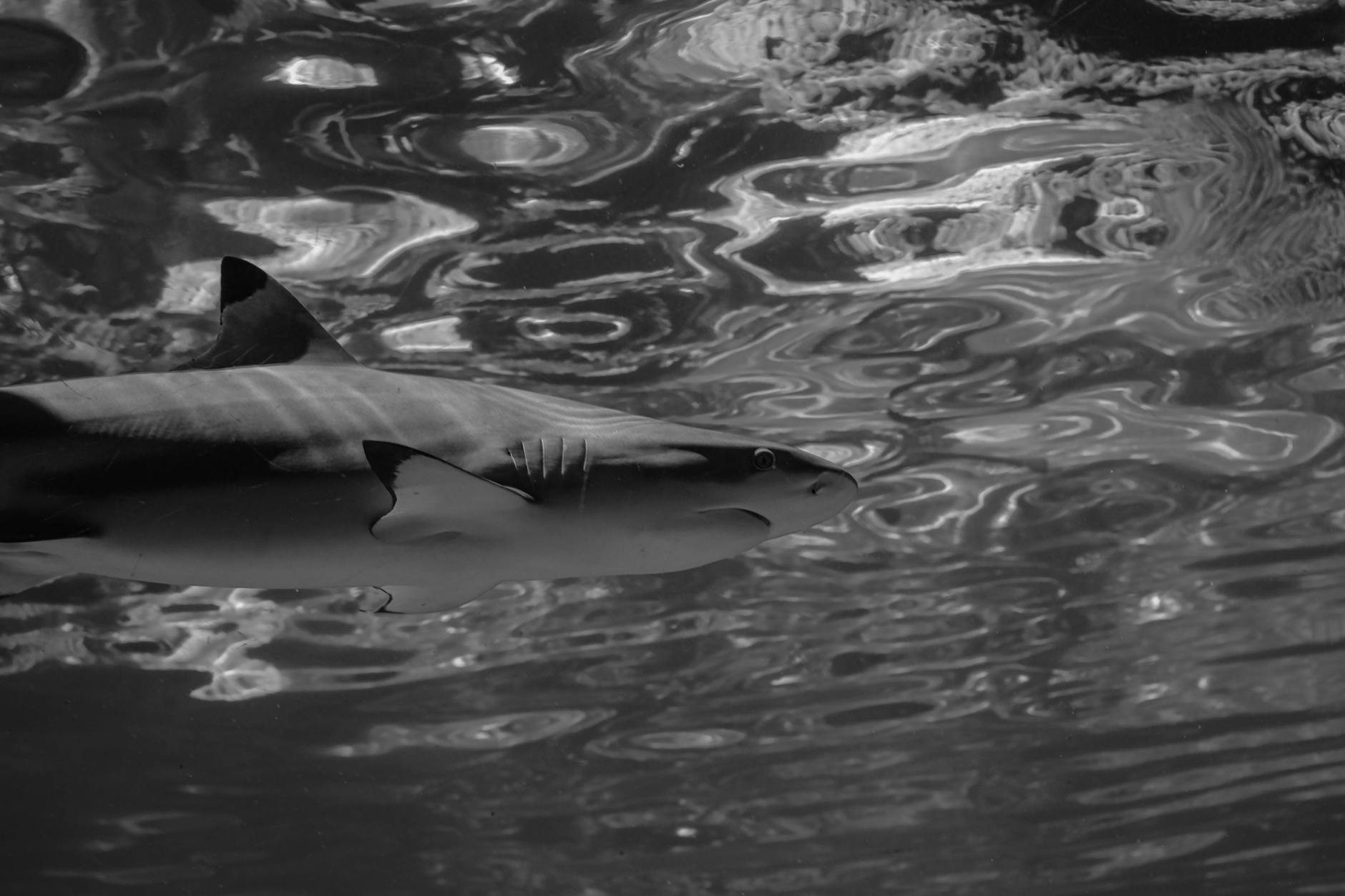
The basking shark cruises at the ocean surface with its enormous mouth open, filtering plankton at a pace so slow it regularly allows boats to approach within meters. When disturbed or during breeding season, basking sharks can breach completely out of the water, a feat that requires significant vertical acceleration from an animal that can weigh up to 4000 kilograms. Tagging studies have revealed that basking sharks undertake deep, rapid dives and fast transatlantic migrations that contradict their surface reputation entirely. Their slow filter-feeding mode is an energy conservation strategy rather than a reflection of their maximum swimming capacity. Marine biologists regard the basking shark as one of the most physically misunderstood large animals in the ocean due to the gap between its feeding behavior and its true locomotive capability.
Porcupine
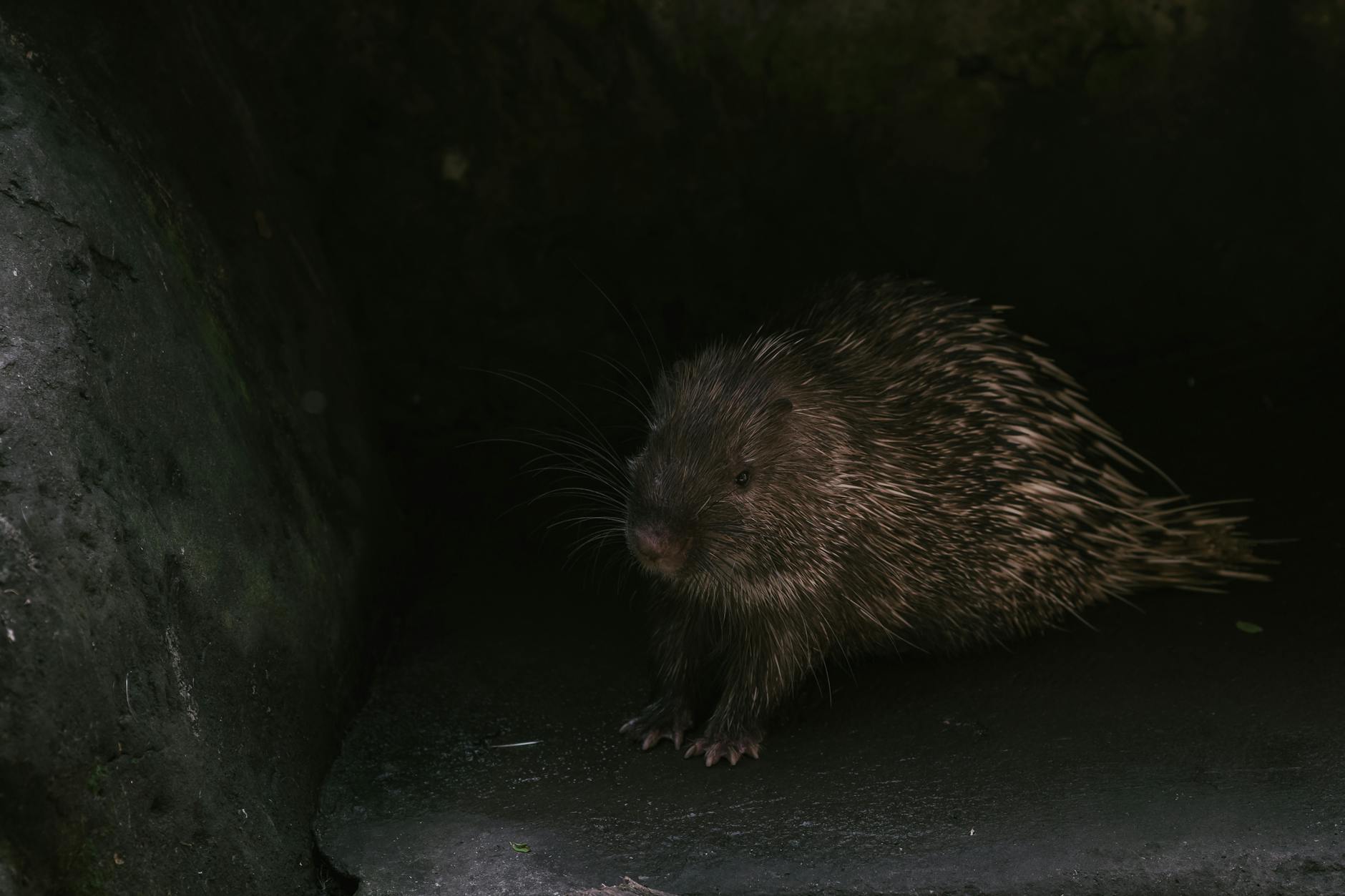
The porcupine shuffles through woodland undergrowth at an unhurried pace, relying on its quills for defense rather than escape, which reinforces its image as a slow, sedentary animal. North American porcupines can actually move at speeds of up to 15 kilometers per hour when genuinely motivated, which is fast enough to outpace a jogging human over short distances. Their movement through trees is also faster than most people expect, as they are skilled climbers capable of ascending tall conifers with surprising efficiency. Porcupines typically conserve energy by moving slowly because their quill defense makes flight largely unnecessary in most predator encounters. Wildlife researchers monitoring porcupine home ranges have recorded nightly travel distances that reveal far more mobility than their daytime resting behavior implies.
Tasmanian Devil
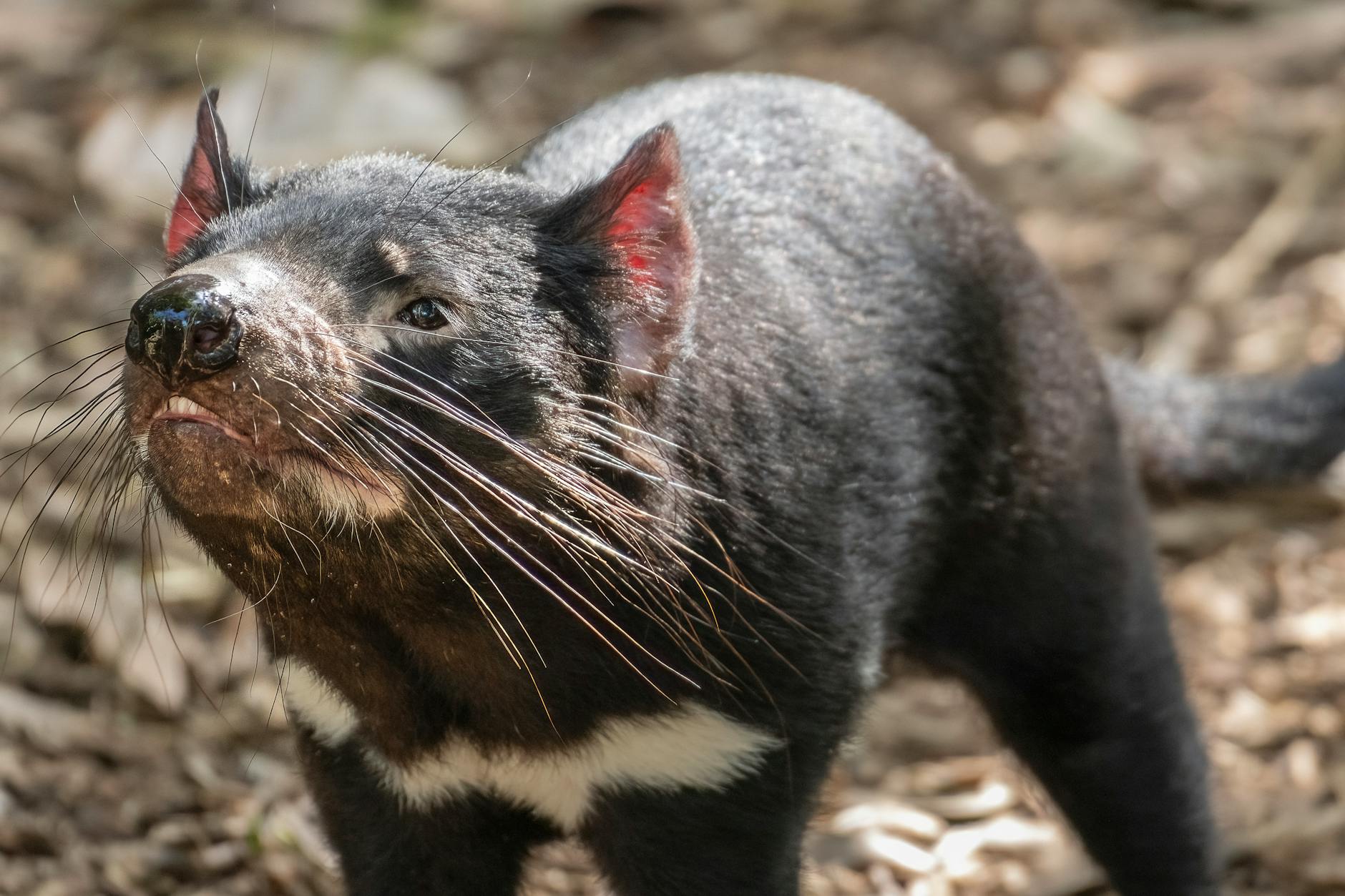
The Tasmanian devil is most often depicted in popular culture as a chaotic, growling animal associated more with noise than athletic performance. In the wild, Tasmanian devils can trot at speeds of around 25 kilometers per hour and sustain that pace for distances exceeding a kilometer. Their jaw muscles are proportionally among the most powerful of any mammal relative to body size, and their physical endurance during competitive feeding events is remarkable. Devils are also strong swimmers and capable of climbing trees as juveniles, revealing a physical versatility their stocky appearance does not suggest. Conservation researchers tracking devil populations across Tasmania have noted that individuals cover surprisingly large territories each night in search of food.
Softshell Turtle
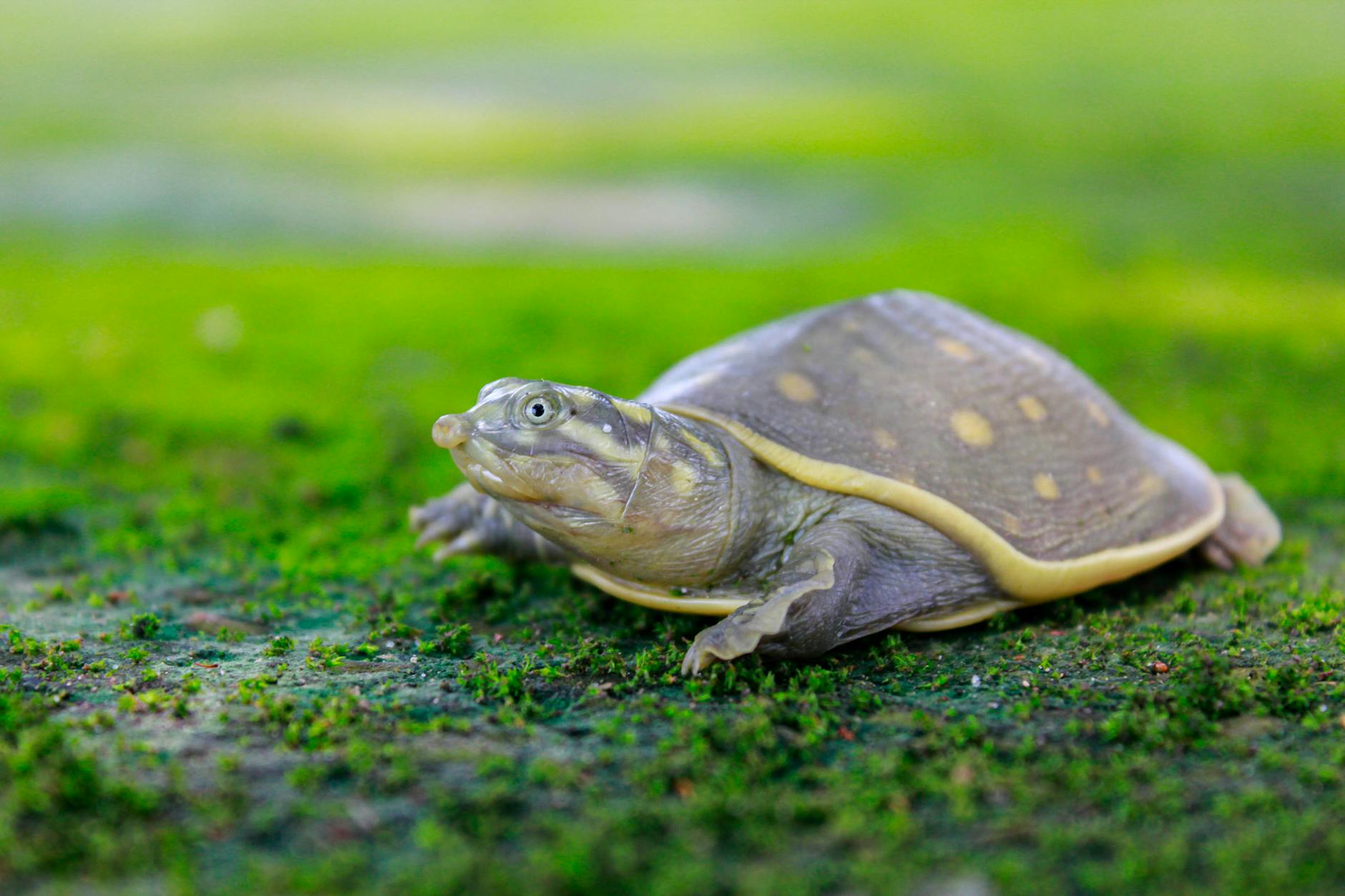
The softshell turtle appears vulnerable and slow due to its flat, leathery shell and seemingly fragile build compared to hard-shelled relatives. In water, softshell turtles are among the fastest turtle species alive, capable of rapid directional bursts that allow them to ambush fish with precision. On land, they can move with startling speed across short distances and are far more aggressive and agile than their appearance suggests. Their long, flexible necks allow them to strike at approaching threats with the same rapid extension seen in snapping turtles. Herpetologists consistently list softshell turtles among the reptiles most likely to surprise handlers who assume docility based on appearance.
Pelican
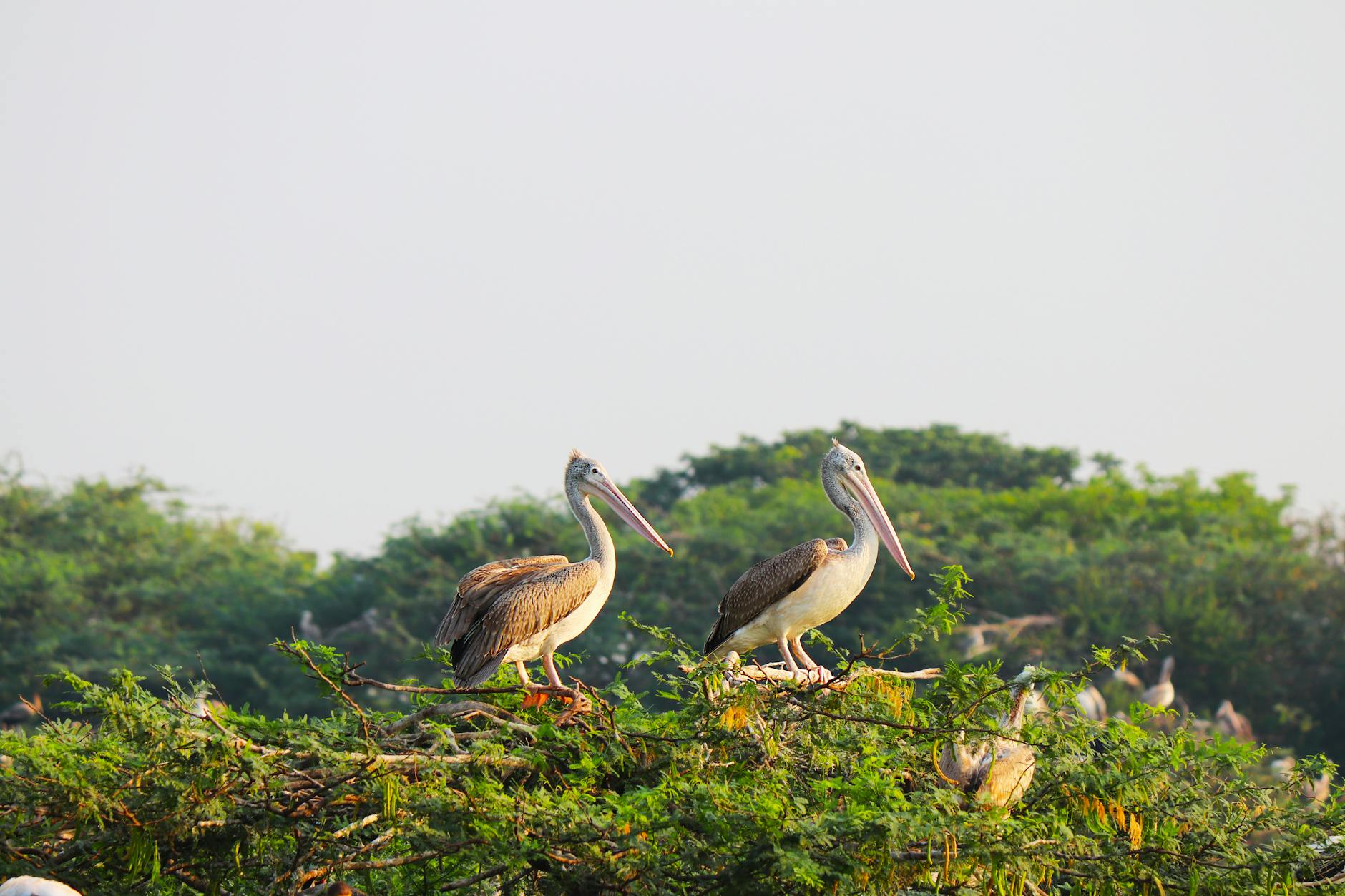
The pelican floats on water with a serene, unhurried quality and waddles awkwardly on land in a way that suggests limited athletic capability. In the air, brown pelicans are capable of reaching speeds up to 56 kilometers per hour and perform dramatic high-altitude dives that involve precise aerial maneuvering. Their dive strikes involve folding their wings completely and entering the water at steep angles with enough force to stun fish before scooping them into their pouches. Pelicans also travel long distances in highly efficient V-formation flocks that exploit aerodynamic drafting to sustain high cruise speeds with minimal energy expenditure. The contrast between a pelican’s lumbering ground presence and its aerial athleticism makes it one of the most physically misread birds in coastal ecosystems.
Iguana
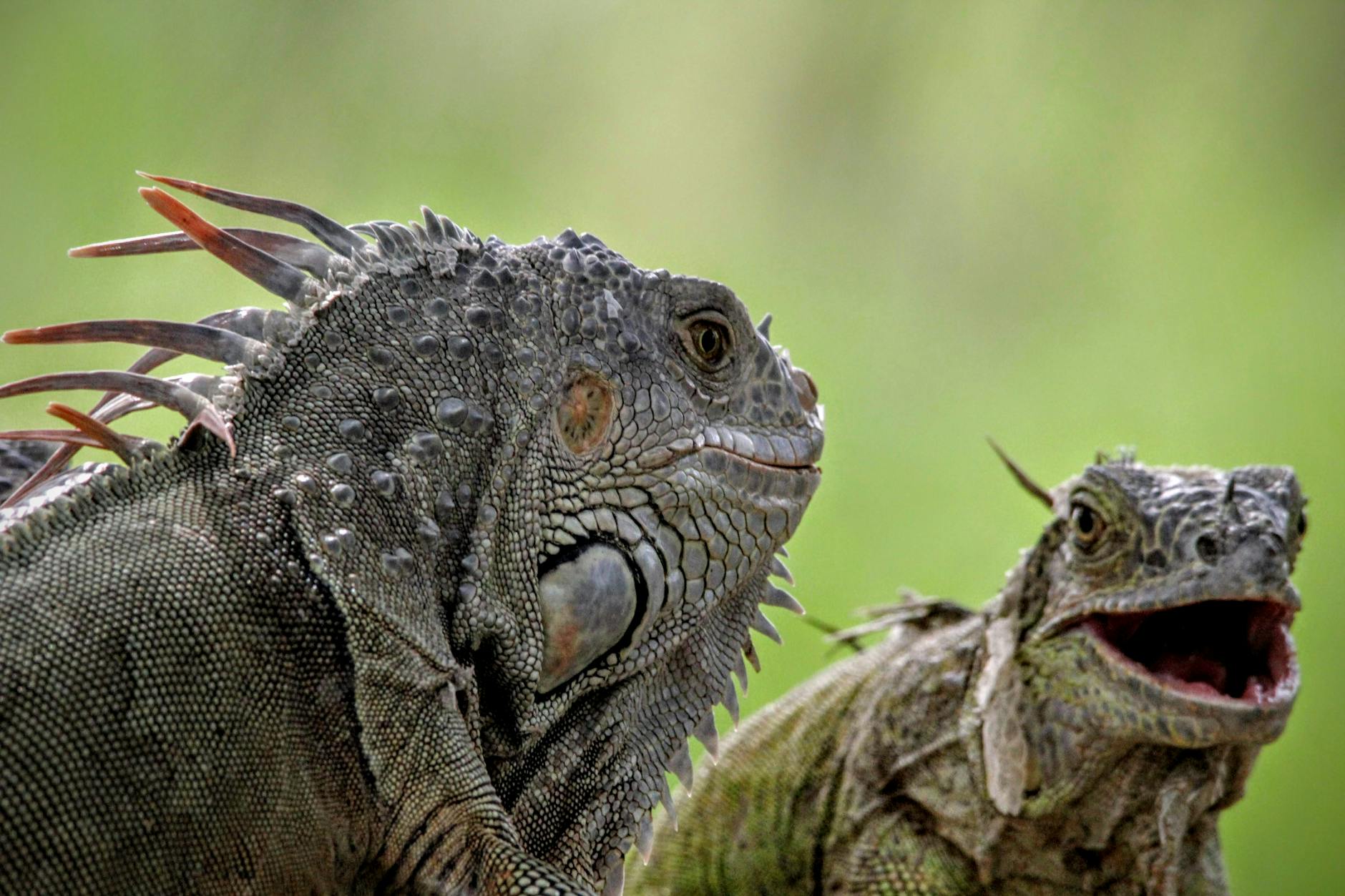
The green iguana sits motionless in trees and on rocks for extended periods, absorbing sunlight in a way that projects total passivity and physical stillness. When threatened, iguanas can sprint at speeds approaching 34 kilometers per hour on open ground and are also powerful swimmers capable of crossing wide rivers. Their long tails serve as effective propulsive organs in water and as defensive whips on land, adding to a physical toolkit that belies their sunbathing reputation. Iguanas can also fall from heights of up to 15 meters without injury, landing and immediately sprinting away from predators. Wildlife observers in Central and South America frequently describe the shock of watching a seemingly inert iguana explode into rapid motion when disturbed.
Catfish
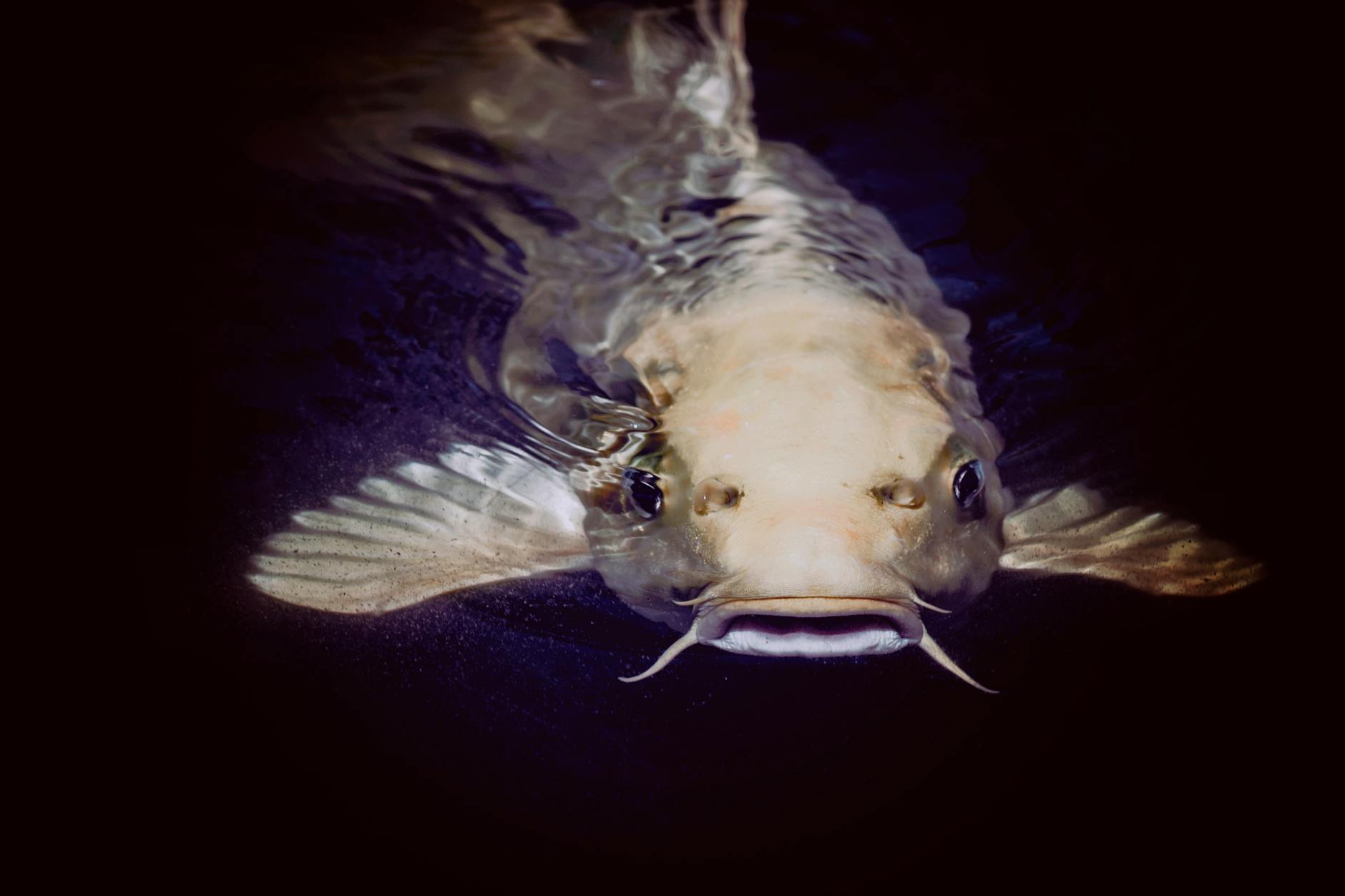
The catfish is associated with slow, bottom-dwelling behavior in murky rivers and lakes, often depicted as a sedentary scavenger with little athletic purpose. Certain catfish species, particularly the wels catfish of European rivers, can lunge onto shorelines at full speed to ambush pigeons and small mammals drinking at the water’s edge. Wels catfish can reach lengths exceeding 2 meters and weights over 100 kilograms, making their beaching lunges a particularly dramatic display of concealed speed. Electric catfish native to African rivers combine rapid striking ability with bioelectric discharges to stun prey before they can react. The image of catfish as passive bottom feeders represents only one feeding mode of a highly diverse and physically capable fish family.
Dragonfly
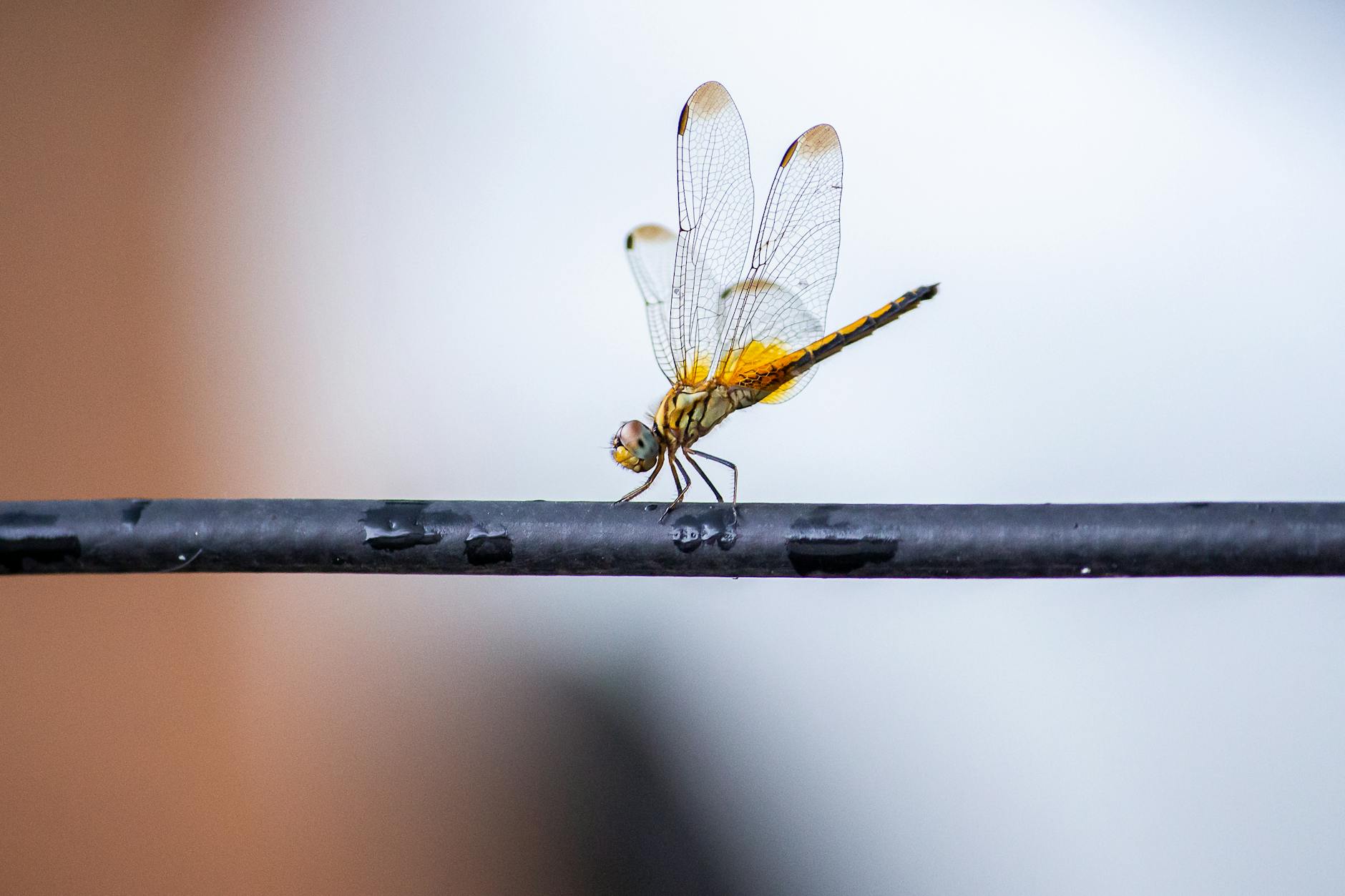
The dragonfly hovers delicately above ponds and streams in a way that evokes fragility and gentle, purposeless drifting through warm summer air. Dragonflies are among the fastest insects on Earth, capable of reaching speeds up to 97 kilometers per hour and achieving a hunting success rate of around 95 percent, the highest of any predator studied. They can fly in all directions including backwards and sideways, change speed instantaneously, and track multiple prey targets simultaneously using compound eyes that cover nearly their entire head. Their wings operate independently, allowing flight mechanics that no human-engineered aircraft has yet been able to fully replicate. Entomologists regard the dragonfly as one of the most sophisticated and athletically capable predators in the natural world relative to its body size.
If any of these surprising speedsters left you astonished, share your favorite unexpected animal athlete in the comments!