From the moment we start paying attention to aging, the beauty industry floods us with expensive creams and clinical procedures as the only answers worth trusting. Yet a growing body of research and real-world experience points to a set of habits that challenge conventional wisdom and deliver visible, lasting results. These approaches often raise eyebrows among traditionalists but continue to gain credibility among longevity researchers and health practitioners. Some feel counterintuitive, others require discipline, and a few may genuinely surprise you with their simplicity.
Cold Water Immersion

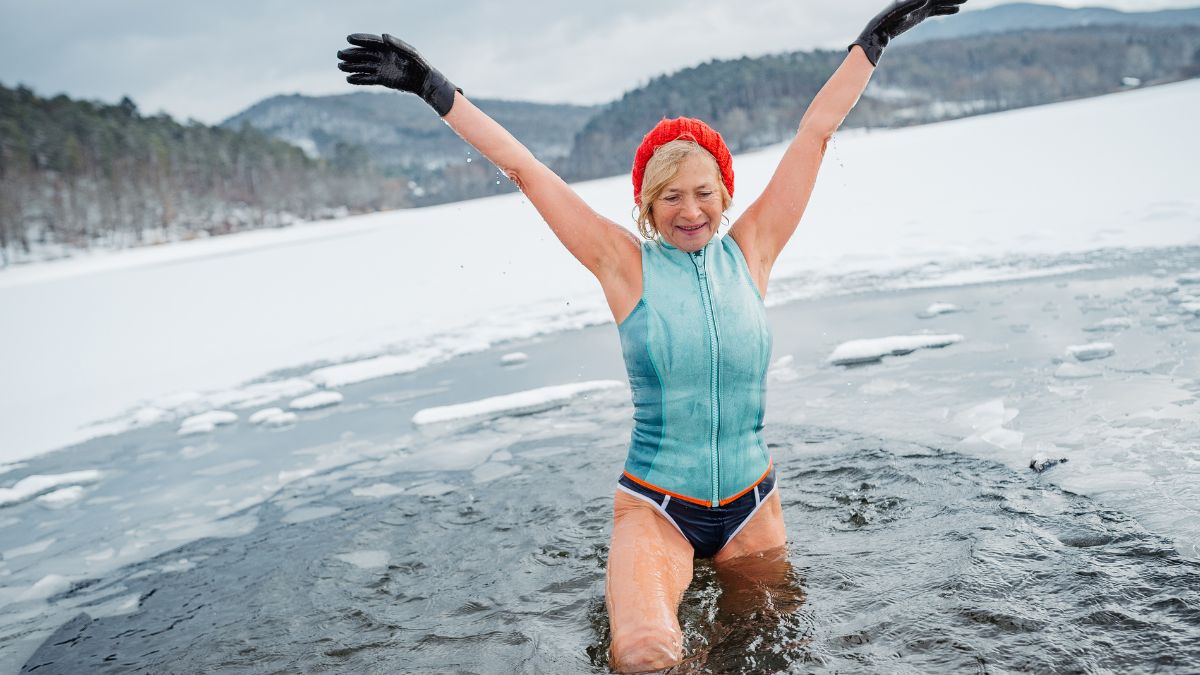
Exposing the body to cold water triggers a powerful physiological stress response that stimulates circulation and reduces chronic inflammation throughout the body. Regular cold exposure has been linked to increased production of collagen-supporting proteins and improved lymphatic drainage. The shock of cold water also activates brown adipose tissue, which plays a role in metabolic efficiency and cellular repair. Many practitioners report firmer skin tone and improved energy levels after consistent practice. Cold showers or brief plunges taken several times a week appear to offer the most measurable results over time.
Intermittent Fasting

Restricting the eating window to a defined number of hours each day activates a cellular cleaning process known as autophagy, which clears out damaged proteins and aging cellular material. This metabolic state allows the body to redirect energy from digestion toward tissue repair and regeneration. Research suggests that regular fasting periods can lower inflammatory markers associated with accelerated skin aging and cognitive decline. The hormonal benefits include reduced insulin spikes and improved growth hormone secretion, both of which support lean tissue maintenance. Many people following this practice for extended periods report improvements in skin clarity and overall vitality.
Sun Gazing

Observing the sun during the first and final minutes of daylight has been practiced across ancient cultures as a method of regulating circadian rhythms and hormonal balance. Morning light exposure in particular signals the brain to synchronize melatonin and cortisol production, which governs sleep quality and inflammatory response. Proper circadian alignment has been directly linked to slower biological aging markers in recent sleep science studies. The practice requires strict adherence to safe low-angle sunlight windows and should never involve direct midday sun exposure. When done correctly, it is considered a zero-cost tool for improving hormonal health from the inside out.
Dry Fasting

Abstaining from both food and water for short controlled periods is among the most debated longevity practices in wellness circles. Proponents argue that brief dry fasting periods force the body into an accelerated state of autophagy more intense than water fasting alone can produce. Some researchers suggest that the mild cellular stress from fluid restriction prompts a survival response that speeds up the elimination of senescent cells. This practice carries real risks if extended beyond short durations and is generally approached with medical guidance by those who explore it. Its reputation remains controversial but its biochemical rationale continues to attract serious scientific interest.
Earthing
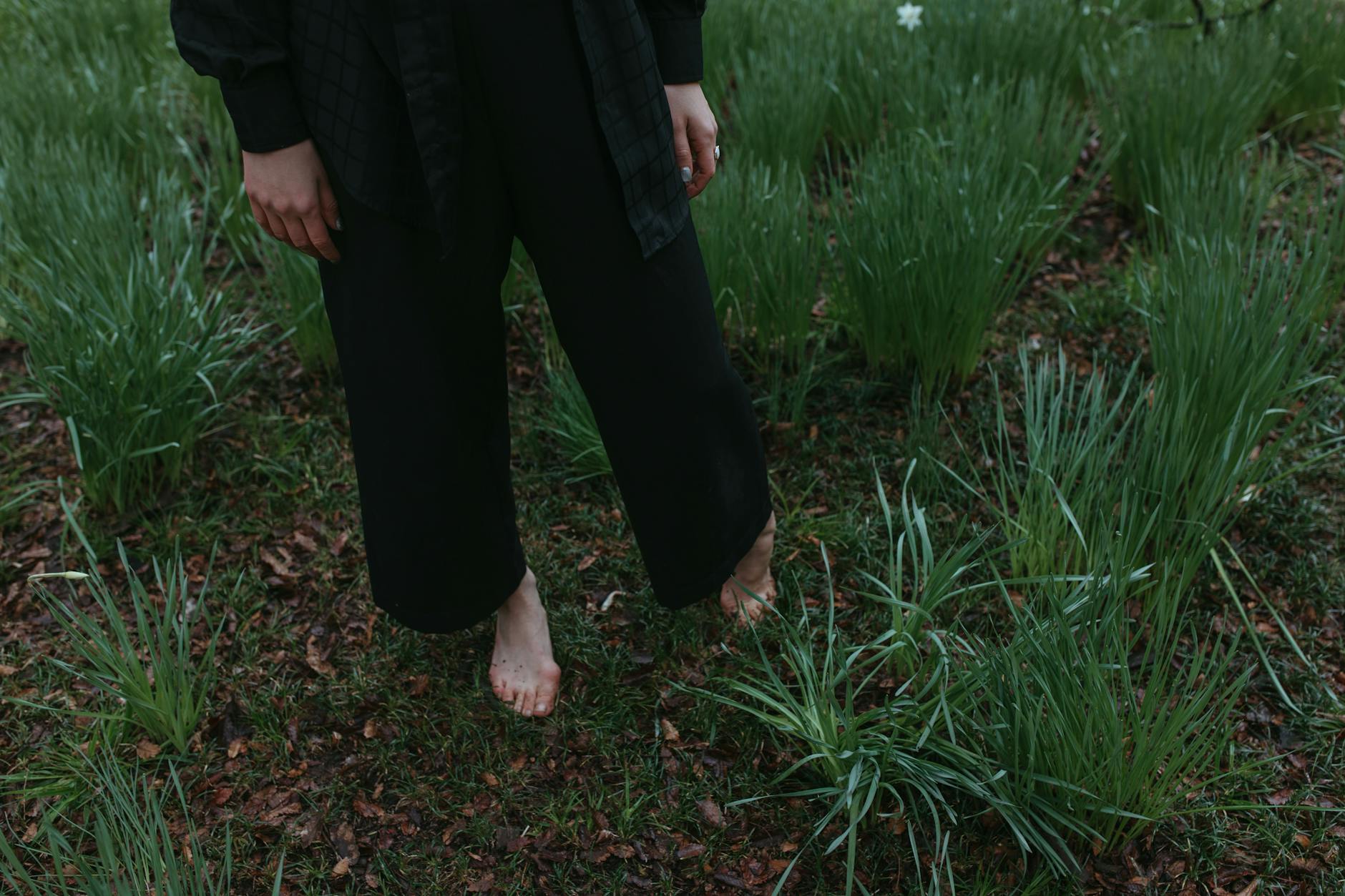
Walking barefoot on natural ground surfaces such as soil, grass, or sand allows the body to absorb free electrons from the earth’s surface, a process called grounding or earthing. These electrons function as natural antioxidants that neutralize free radicals, one of the primary drivers of cellular aging and inflammation. Studies measuring cortisol rhythms in subjects who practiced regular earthing noted more normalized stress hormone patterns compared to control groups. The practice is thought to support better sleep, reduced joint pain, and improved skin electrical conductivity. Even thirty minutes of daily contact with natural ground surfaces has been associated with meaningful reductions in systemic inflammation.
Prolonged Chewing
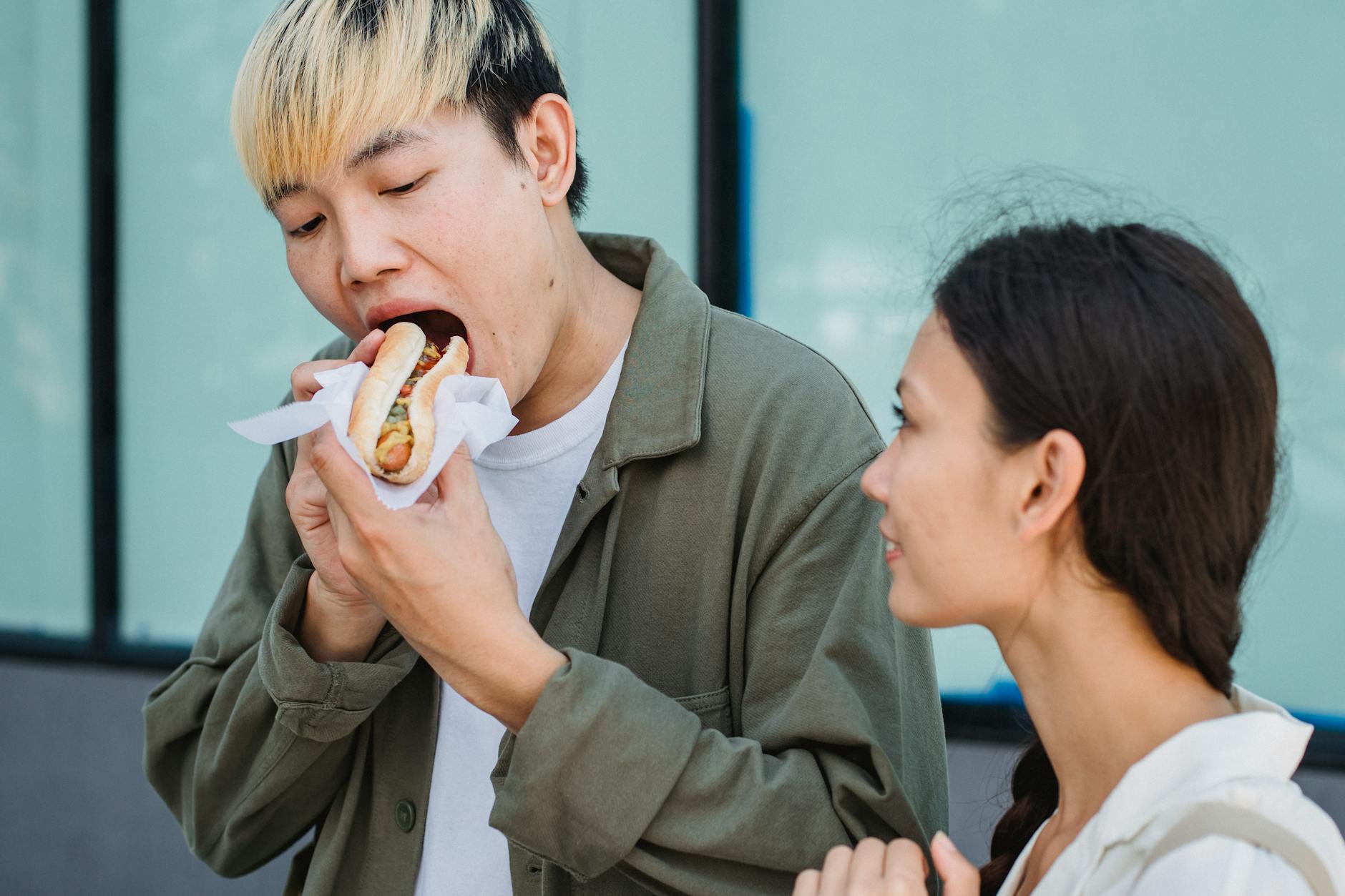
Thoroughly chewing each bite of food far beyond the socially accepted norm activates a complex chain of digestive and neurological signals that support nutrient absorption and reduce gut inflammation. The mechanical breakdown of food through extended chewing also reduces the digestive burden on the stomach and small intestine, freeing up biological resources for cellular maintenance. Salivary enzymes released during prolonged chewing have been shown to begin breaking down carbohydrates in ways that reduce post-meal blood sugar spikes. Lower glycemic variability is one of the most consistently cited factors in slowing glycation, the process that stiffens collagen and accelerates visible skin aging. Practitioners of this habit often consume less food overall, which further supports metabolic efficiency.
Urine Therapy
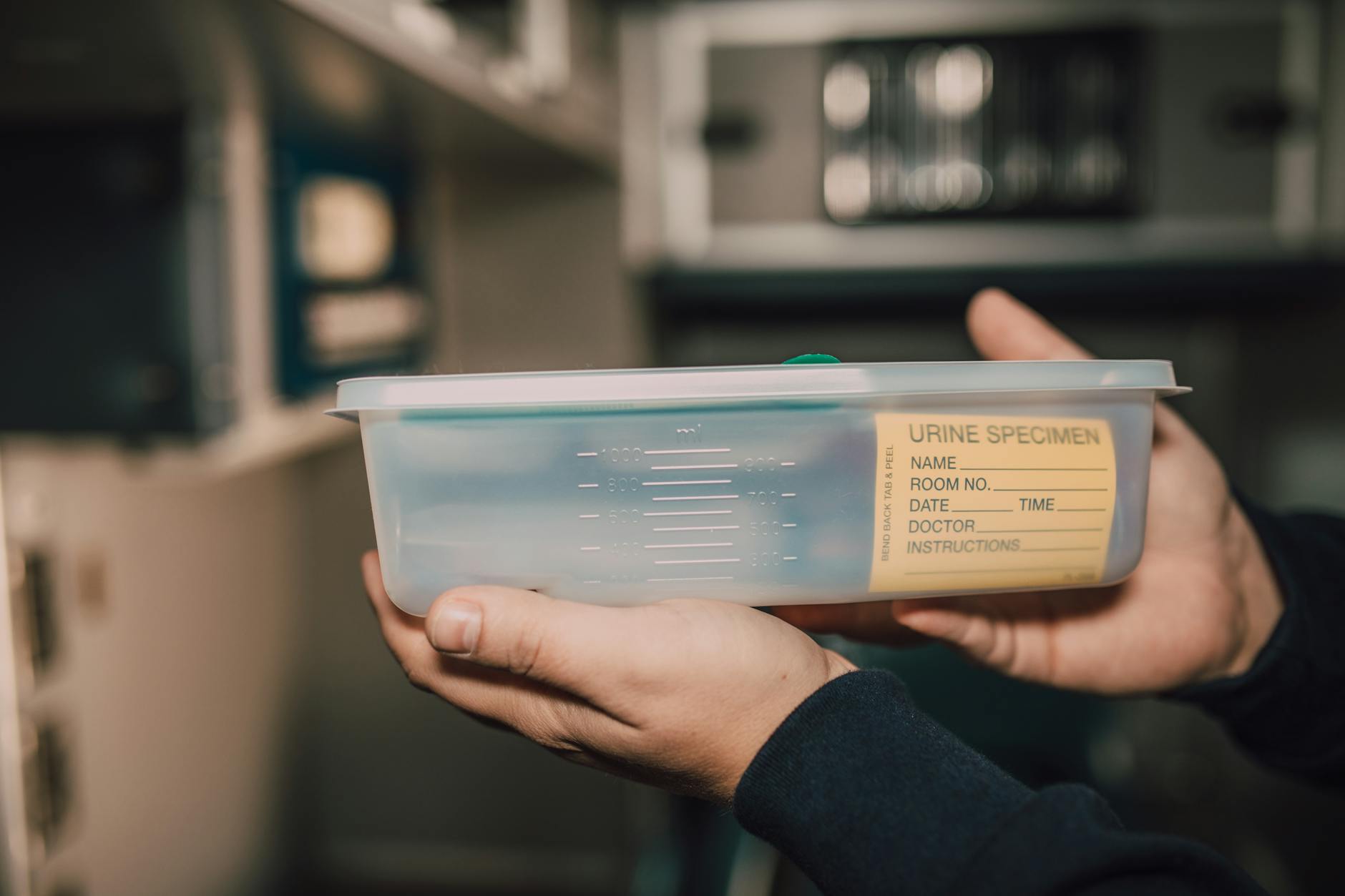
Among the most controversial entries in traditional wellness literature, the practice of applying or consuming one’s own urine has roots in ancient Ayurvedic and Chinese medicinal traditions. Urine contains trace amounts of hormones, enzymes, and growth factors that have been filtered by the kidneys from the bloodstream. Some proponents use it topically, claiming that its urea content hydrates and exfoliates skin at a biochemical level similar to commercially derived urea products. The scientific community remains largely skeptical and studies are limited, though anecdotal accounts of improved skin texture and reduced inflammation are historically widespread. It remains one of the most polarizing zero-cost practices associated with longevity culture.
Raw Meat Consumption
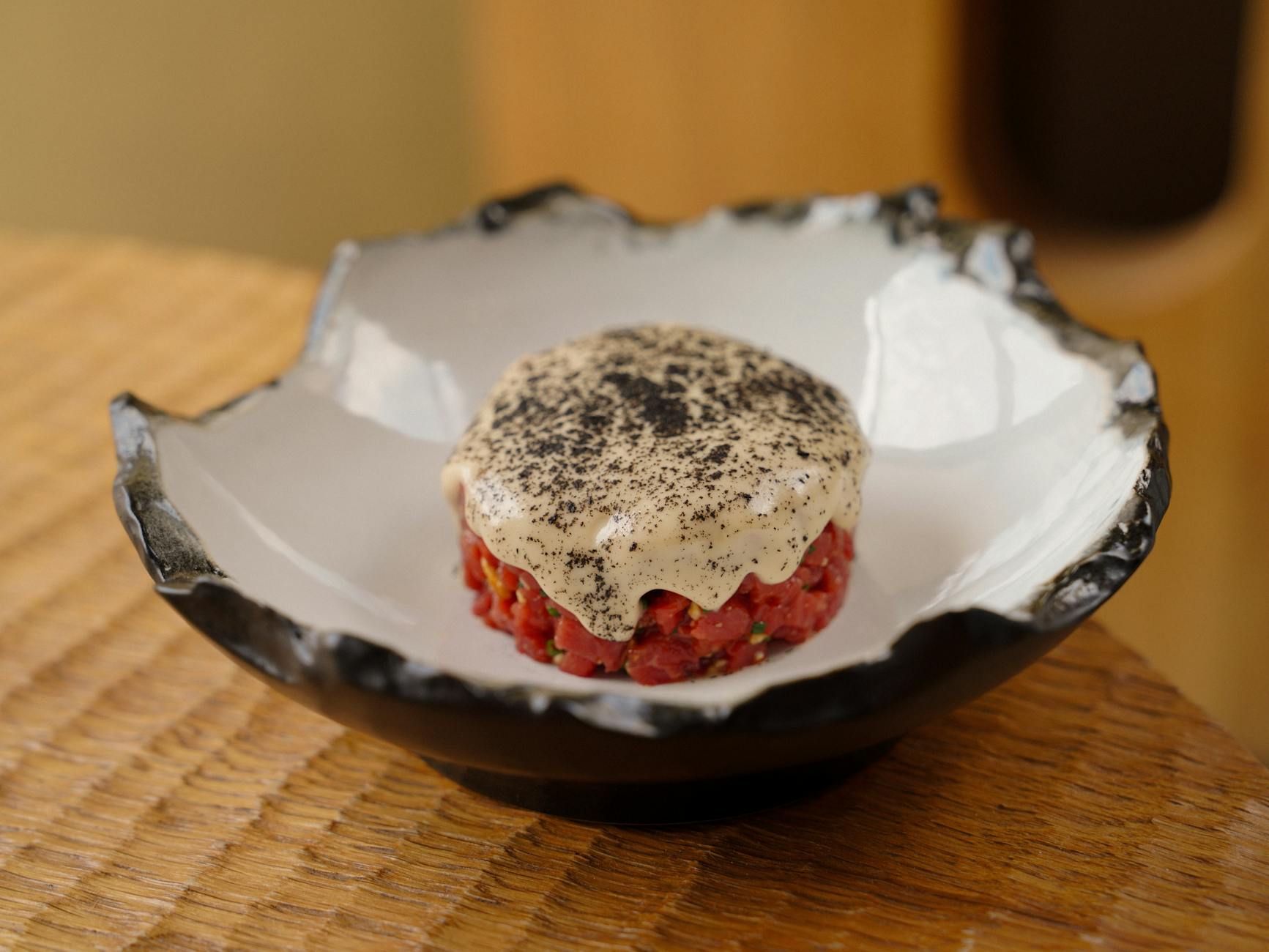
Eating small amounts of high-quality raw animal protein is a practice observed in several traditional cultures and has seen a quiet resurgence among ancestral health communities. Advocates argue that heat destroys certain enzymes and bioavailable nutrients that support tissue repair, collagen synthesis, and mitochondrial function. Raw liver in particular is frequently cited for its dense concentration of retinol, a form of vitamin A critical to skin cell turnover and elasticity. The practice carries genuine food safety risks and requires sourcing from carefully vetted, high-quality suppliers. Its inclusion in anti-aging discussions is based on nutrient density arguments rather than widespread clinical endorsement.
Facial Tension Release

Deliberately and repeatedly relaxing the muscles of the face rather than allowing them to hold stress and habitual expression patterns is a practice gaining attention in structural wellness circles. Chronic facial tension contributes to the deepening of expression lines and can restrict blood flow to the skin’s surface layers over time. Practitioners use a combination of manual massage, heat application, and conscious muscle release exercises to address holding patterns accumulated over decades. The technique is supported by myofascial release principles, which recognize that connective tissue responds to sustained gentle pressure by lengthening and softening. Regular practice is said to produce a visibly more relaxed and lifted facial appearance without any external product.
Tongue Scraping

Removing the bacterial film from the surface of the tongue each morning is a foundational Ayurvedic hygiene practice with measurable effects on oral microbiome health. The oral microbiome is increasingly understood to have significant influence over systemic inflammation, cardiovascular risk, and immune function, all of which intersect with biological aging. Allowing this bacterial coating to remain redistributes toxins back into the body through saliva throughout the day. A clean tongue also enhances taste sensitivity, which can encourage more mindful and varied food choices. The practice requires only a simple metal scraper and takes less than thirty seconds each morning.
Oil Pulling
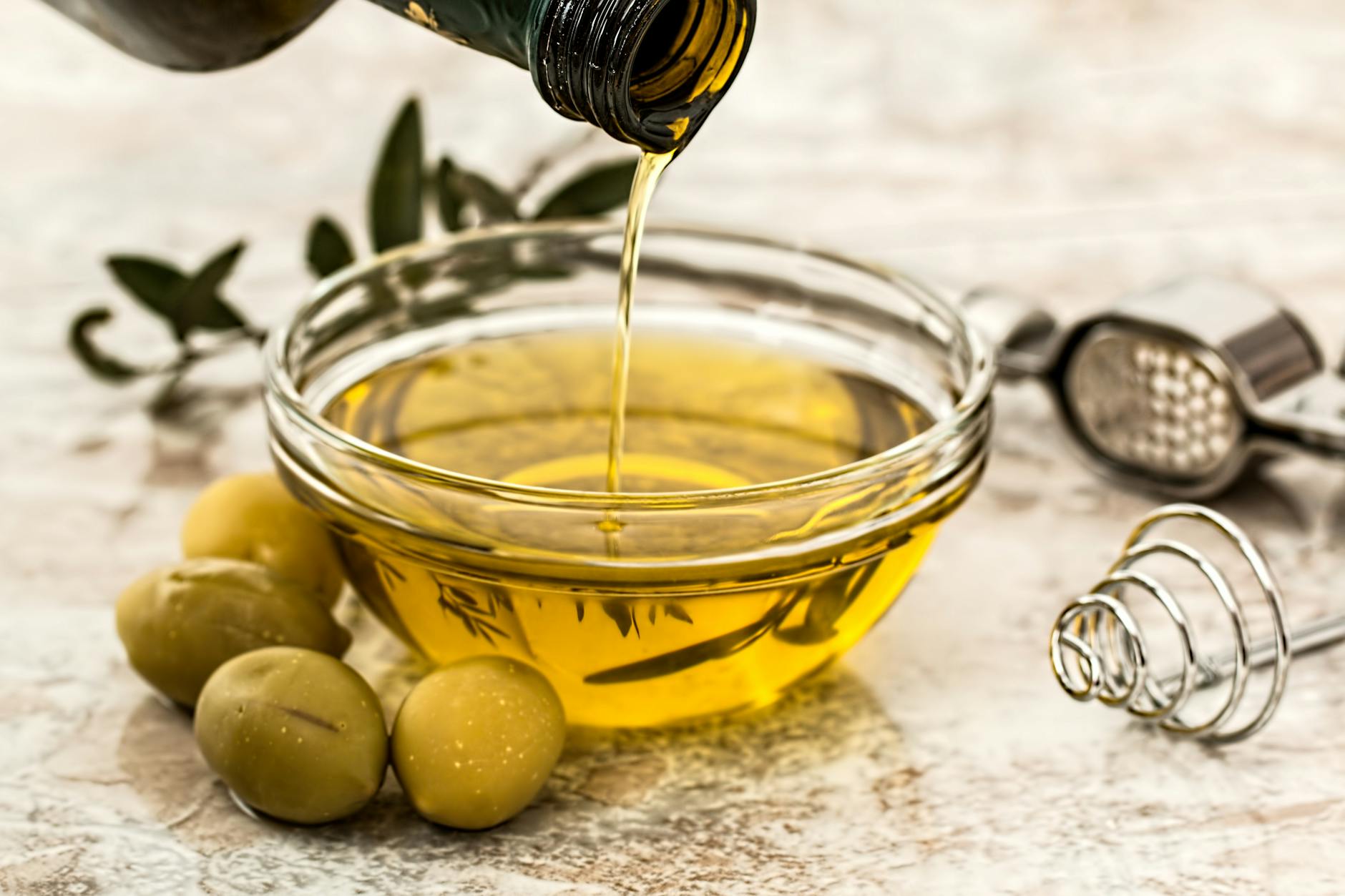
Swishing a tablespoon of high-quality oil around the mouth for ten to twenty minutes each morning is a traditional practice aimed at drawing out oral bacteria and reducing the inflammatory burden on the body. Chronic oral inflammation has been linked to elevated systemic inflammatory markers that accelerate tissue aging across multiple organ systems. The mechanical action of oil pulling is thought to disrupt bacterial biofilms and reduce the load of harmful microorganisms in the gum tissue. Some practitioners report improvements in skin clarity and reduced joint stiffness alongside better oral health outcomes. Coconut and sesame oils are the most commonly used and each carries its own antimicrobial properties.
Acupressure
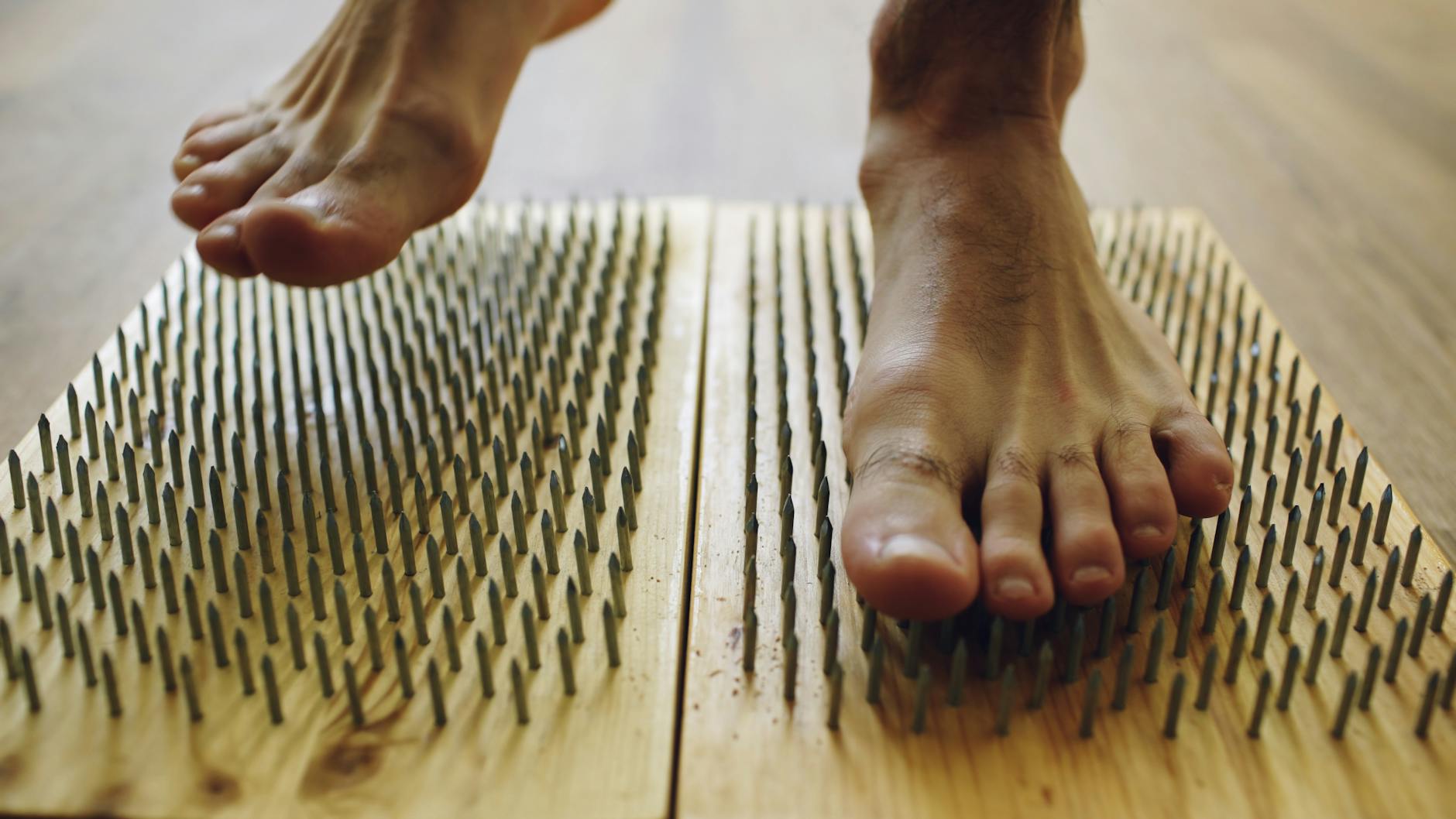
Applying sustained finger pressure to specific points on the body drawn from traditional Chinese medicine maps is used to stimulate energy flow and support organ function linked to skin health and hormonal balance. Certain facial acupressure points are associated with lymphatic drainage stimulation, which reduces puffiness and improves the delivery of nutrients to surface tissue. Regular stimulation of points along the stomach and large intestine meridians is said to support digestive efficiency, which directly impacts skin clarity and cellular turnover rates. The practice requires no equipment and can be incorporated into a morning routine in under ten minutes. Its popularity has grown significantly as interest in non-invasive longevity tools has expanded.
Mouth Taping
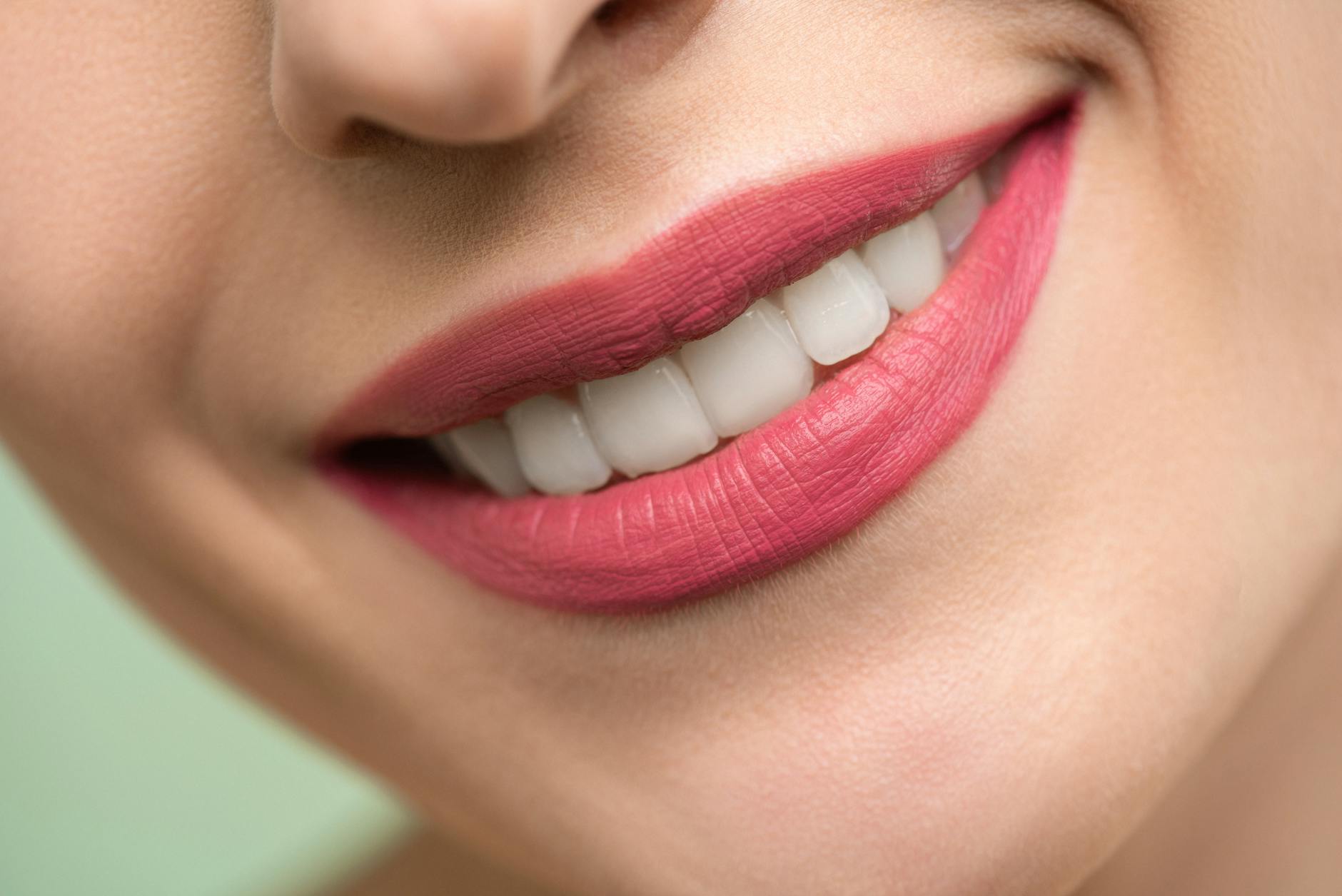
Sealing the lips shut during sleep using surgical tape to enforce nasal breathing is a habit that has moved from fringe biohacking into broader wellness conversation. Nasal breathing filters, warms, and humidifies incoming air while also producing nitric oxide, a molecule that plays a central role in cardiovascular health and cellular oxygenation. Chronic mouth breathing during sleep is associated with poorer sleep quality, increased cortisol levels, and accelerated facial structural changes including lengthening of the midface. Improved sleep architecture driven by nasal breathing directly supports growth hormone secretion, which peaks during deep sleep stages. Many practitioners report improved morning energy, reduced under-eye puffiness, and a more defined jawline after sustained practice.
High-Intensity Sprinting
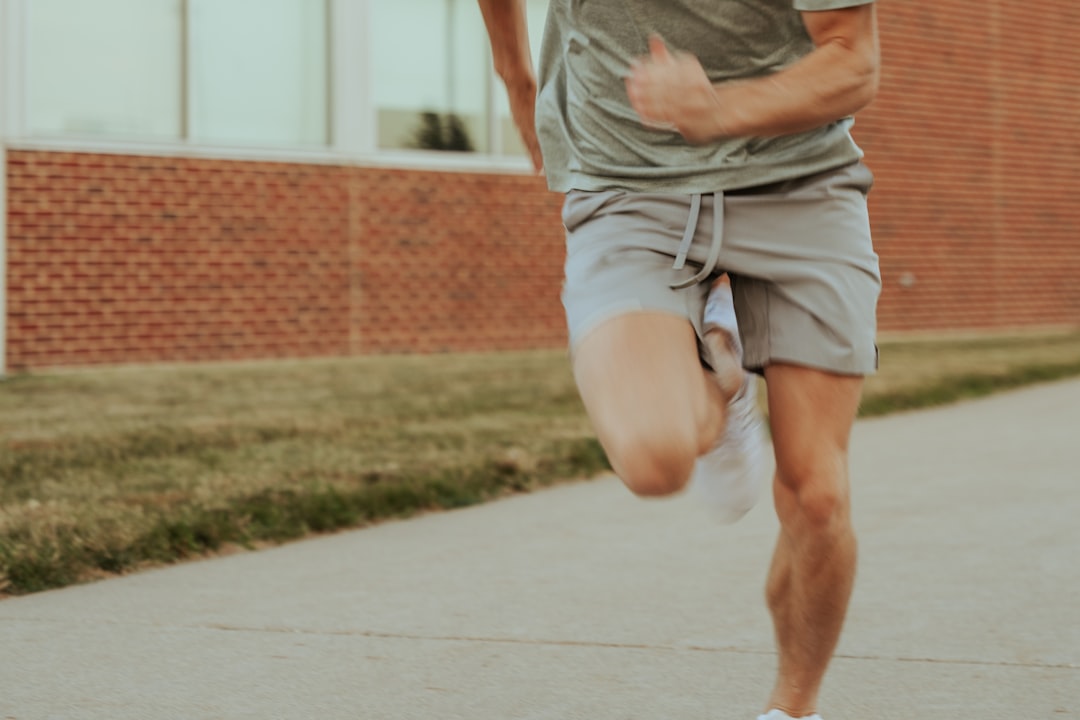
Performing brief explosive sprint intervals several times per week produces a hormonal cascade markedly different from steady-state cardio, with particular relevance to anti-aging biology. Intense short-duration effort triggers a significant release of human growth hormone, which supports muscle preservation, fat metabolism, and skin firmness. The mitochondrial stress produced by sprinting activates genetic pathways associated with cellular repair and longevity, including those studied in caloric restriction research. Unlike chronic long-distance running, sprinting has been shown to preserve and in some cases build lean muscle mass, which is one of the strongest predictors of healthy aging outcomes. Sessions as short as ten minutes of true high-intensity effort can produce measurable hormonal responses.
Nose Breathing Exercise
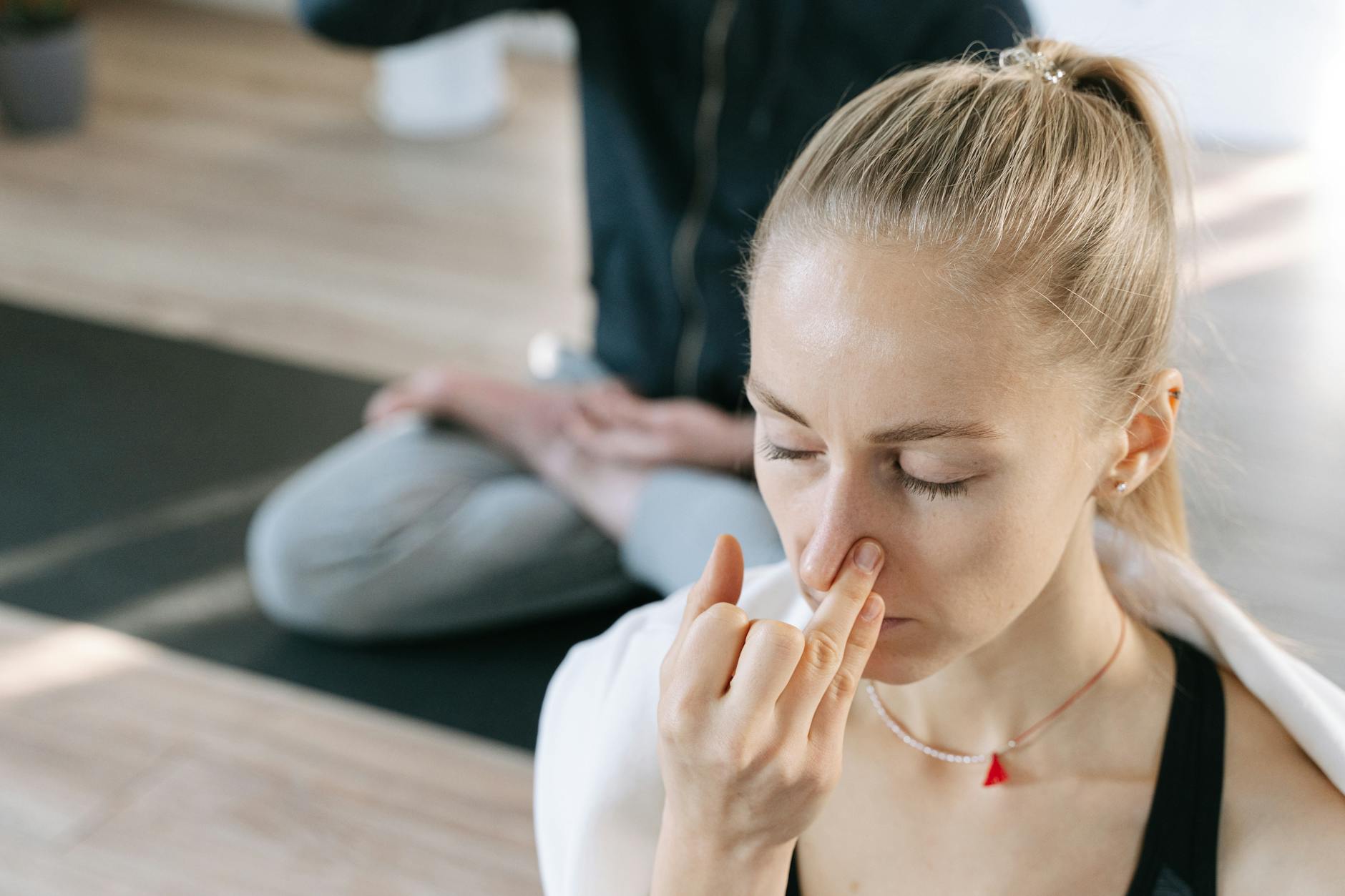
Training the body to breathe exclusively through the nose during waking hours and physical activity is associated with meaningful improvements in blood oxygenation, nervous system regulation, and inflammatory control. The nasal cavity acts as an air processing system that the mouth entirely bypasses, and its role in nitric oxide production gives it outsized influence on vascular health. Reduced breathing volume through nasal restriction exercises has been shown in some research to improve carbon dioxide tolerance, which governs how efficiently oxygen is delivered to tissues including the skin. Better tissue oxygenation is directly linked to improved collagen synthesis and a slower rate of cellular deterioration. The practice is completely cost-free and requires only conscious redirection of breathing habits throughout the day.
Organ Meat Consumption

Incorporating the liver, heart, kidney, and other organ meats from pasture-raised animals into the diet provides a concentration of fat-soluble vitamins, peptides, and coenzymes that muscle meat simply cannot match. Retinol from liver is among the most bioavailable forms of vitamin A available from food and plays a central role in regulating skin cell turnover and reducing the appearance of aging. Organ meats are among the richest dietary sources of CoQ10, a compound essential to mitochondrial energy production that declines significantly with age. The copper content found in liver supports the enzymatic processes responsible for cross-linking collagen and elastin fibers. Regular consumption is considered by many ancestral health researchers to be one of the highest-leverage dietary interventions available for those seeking to slow biological aging.
Castor Oil Packing

Applying a cloth saturated with cold-pressed castor oil to the abdomen and covering it with heat is a practice historically associated with liver support, lymphatic stimulation, and hormonal regulation. The ricinoleic acid in castor oil is thought to penetrate deep into tissue layers and stimulate prostaglandin receptors involved in reducing inflammation and supporting smooth muscle function. A well-functioning liver is central to the clearance of metabolic waste, excess hormones, and oxidative byproducts that contribute to premature aging at the cellular level. Practitioners typically perform the pack for forty-five to sixty minutes several times per week while at rest. Topical castor oil application to the face and scalp is also widely used anecdotally for its reported effects on circulation and hair follicle stimulation.
Barefoot Walking

Moving through daily life without footwear on natural terrain challenges the small muscles of the feet and lower legs in ways that modern shoes eliminate, which has cascading effects on posture, circulation, and structural alignment. Poor posture and chronic tension patterns caused by footwear have been associated with restricted blood flow to the extremities and altered facial muscle tension over time. The sensory stimulation of varied ground textures activates neural pathways that support balance and proprioception, both of which decline with age. Regular barefoot movement encourages a more natural gait pattern that reduces compressive loading on the spine and joints. Improved circulation from unrestricted foot movement supports nutrient delivery to peripheral tissues including the skin of the lower legs and feet.
Lymphatic Tapping
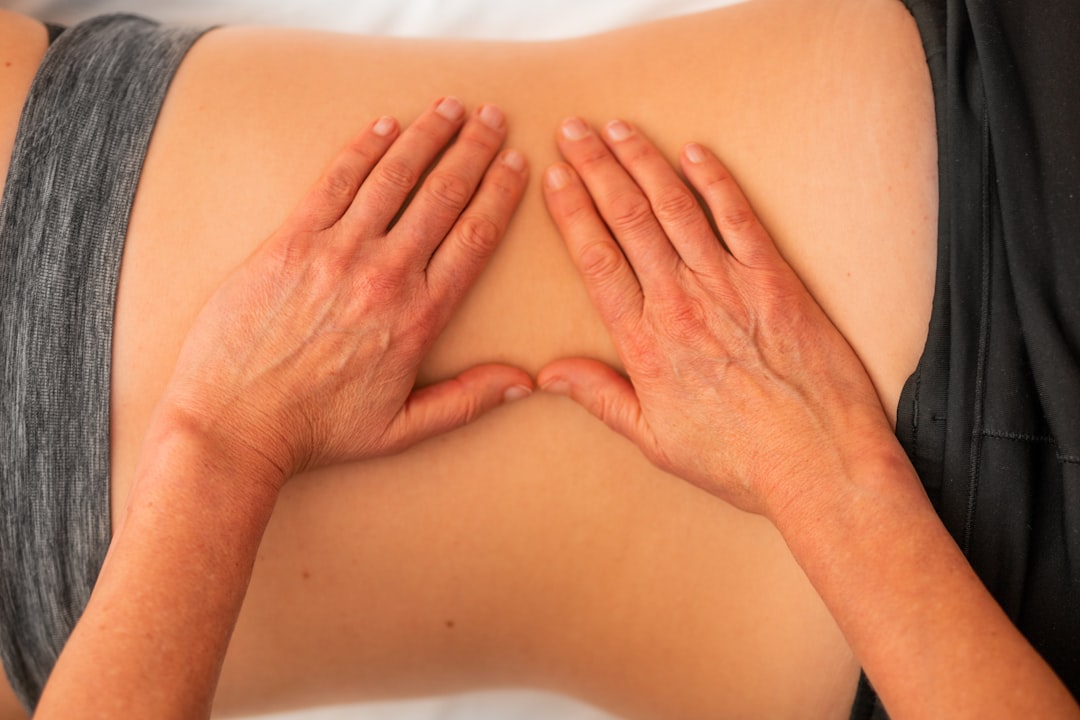
Using the fingertips to gently tap along lymphatic pathways on the face, neck, and collarbone stimulates the movement of lymphatic fluid, which the lymphatic system cannot move without muscular or external assistance. Sluggish lymphatic flow contributes to puffiness, dullness, and impaired immune surveillance in the skin’s deeper layers. Regular stimulation encourages the removal of metabolic waste, dead cells, and inflammatory molecules from facial tissue. The technique takes fewer than five minutes and is often performed alongside dry brushing or oil cleansing for compounded effect. Research into manual lymphatic drainage increasingly supports its role in reducing visible skin aging by improving the tissue environment at a structural level.
Sleep Optimization

Prioritizing sleep architecture over total sleep hours by aligning sleep timing with natural light cycles and eliminating artificial light exposure before bed has measurable effects on hormonal regulation and cellular repair. The deepest stages of slow-wave sleep are when growth hormone secretion peaks, tissue repair is prioritized, and the glymphatic system clears neurotoxic waste from the brain. Disrupted sleep cycles are among the most well-documented contributors to accelerated skin aging, increased cortisol reactivity, and impaired immune function. Even a single night of poor sleep has been shown in controlled studies to produce measurable increases in inflammatory biomarkers. Consistent sleep timing, complete darkness, and cooler bedroom temperatures represent the foundational non-negotiable interventions in any serious anti-aging protocol.
Breath Holding
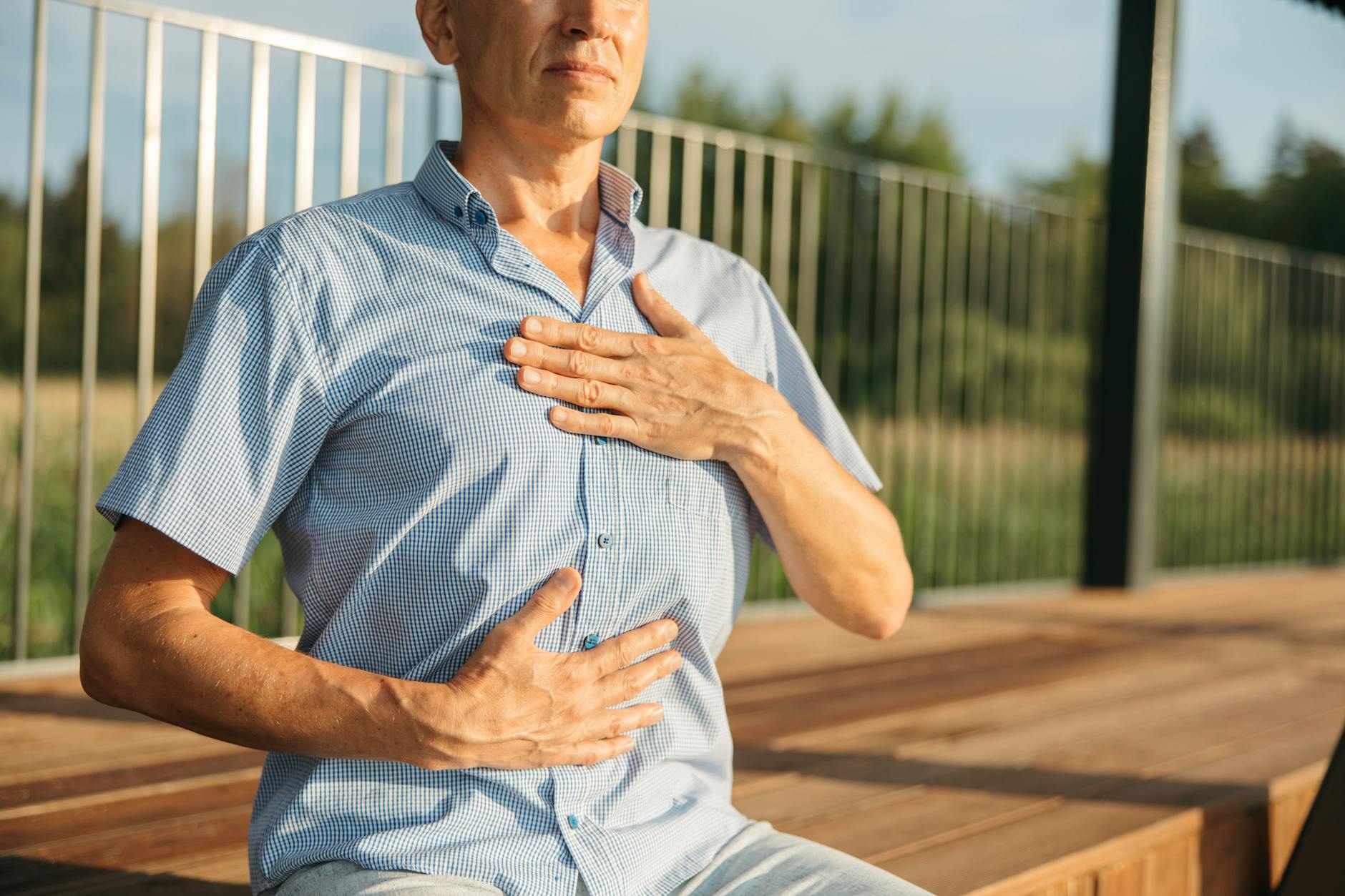
Practicing controlled breath holds based on techniques such as the Buteyko method or carbon dioxide tolerance training improves the body’s ability to deliver oxygen to tissue at a cellular level. The key mechanism involves raising carbon dioxide tolerance, which allows hemoglobin to release oxygen more efficiently to muscles, organs, and skin. Improved oxygen delivery at the cellular level supports mitochondrial function, collagen production, and the repair of oxidative damage accumulated through daily metabolic activity. Regular breath hold training has also been associated with reduced resting breathing rates, which correlates with improved autonomic nervous system balance and reduced inflammatory tone. The practice costs nothing and can be performed in sessions of ten to fifteen minutes incorporated into a morning or evening routine.
Castor Oil on Scalp

Applying cold-pressed castor oil directly to the scalp and massaging it into the follicles several times per week is used to stimulate circulation in the dermal papilla region responsible for hair growth signaling. Hair density and growth rate are considered visible biomarkers of biological aging, with thinning often beginning years before other outward signs become apparent. The ricinoleic acid in castor oil has been shown in preliminary research to inhibit prostaglandin D2, a compound associated with hair follicle miniaturization. Regular scalp massage independent of any topical product has also been demonstrated to increase follicle thickness through mechanical stimulation. Many individuals report measurable improvement in hair density after consistent application over a period of several months.
Activated Charcoal Cleansing
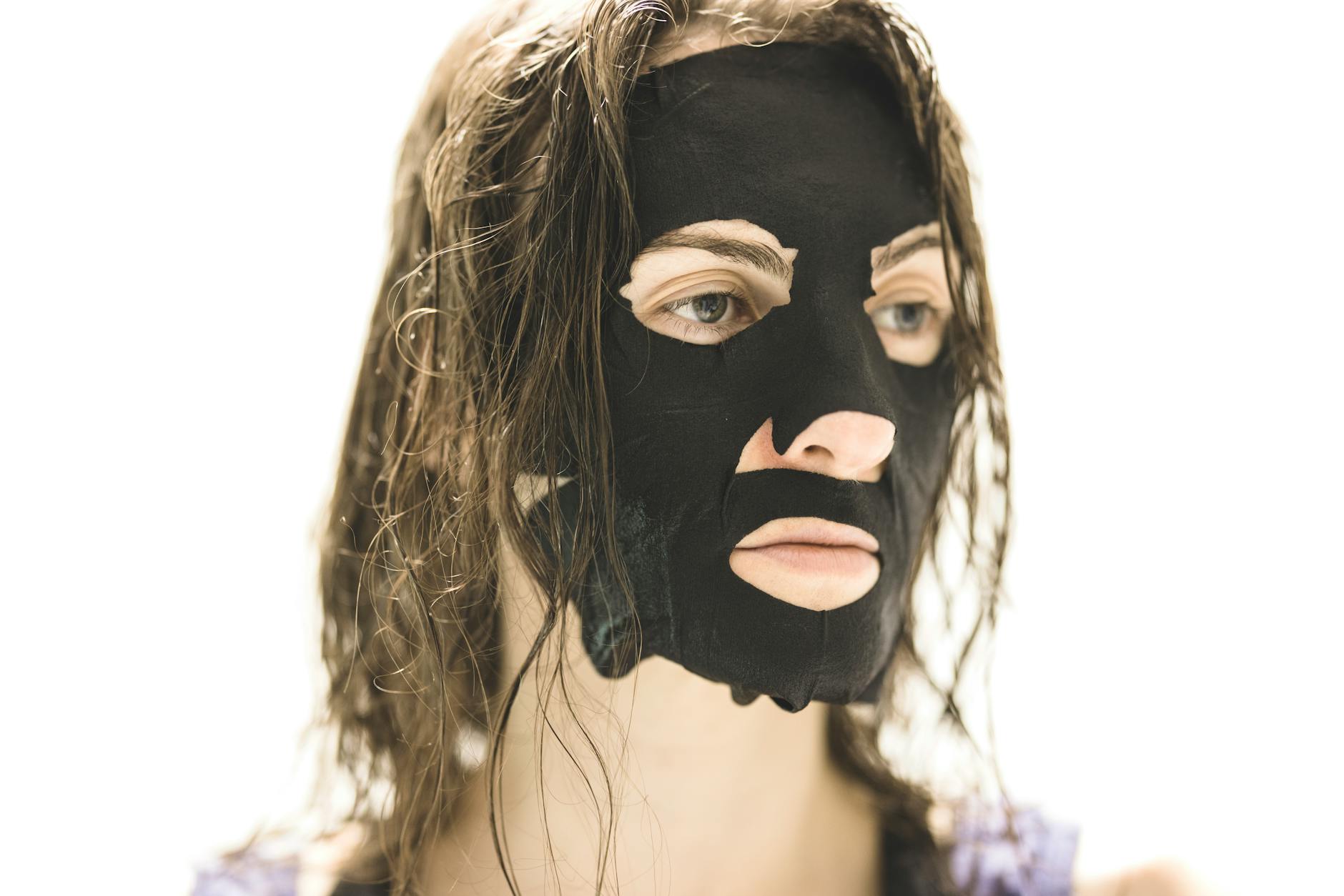
Using activated charcoal in a cleansing format to periodically draw impurities, pollutants, and oxidative residue from the skin’s surface has been adopted widely in functional skincare circles despite its unconventional appearance. Activated charcoal functions through adsorption, binding positively charged toxins and drawing them out of pores and surface tissue when applied and removed. Environmental pollutants are a significant and increasingly studied driver of accelerated skin aging, with particulate matter from air pollution directly linked to collagen degradation and pigmentation irregularities. Periodic charcoal cleansing used no more than once or twice per week is thought to reduce this cumulative toxic burden on the skin. It remains a boundary practice because overuse strips beneficial skin flora, requiring careful integration into a balanced cleansing routine.
Nasal Rinsing
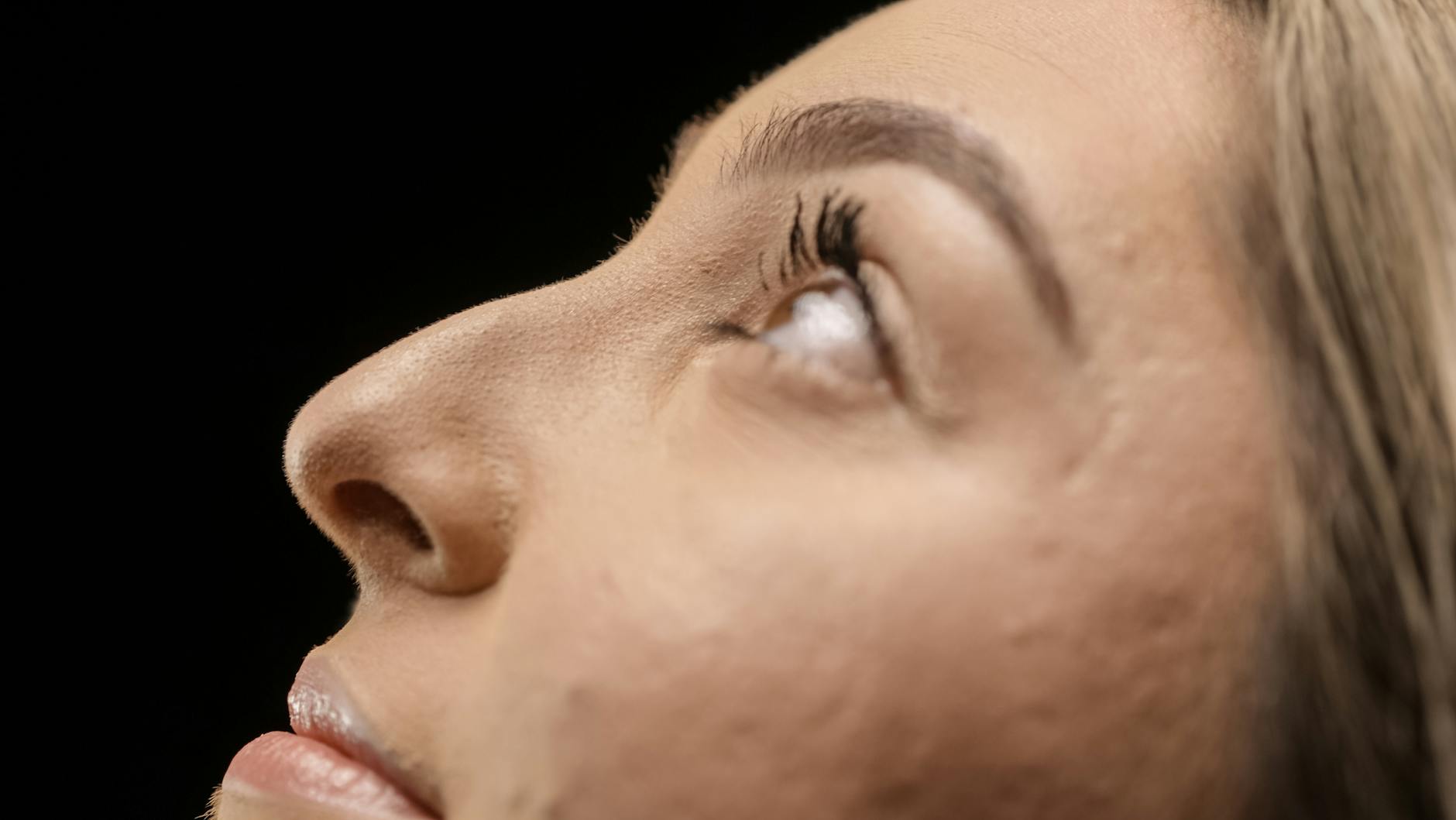
Flushing the nasal passages daily with a saline solution removes allergens, pollutants, and microbial debris that would otherwise trigger low-grade inflammatory responses in the upper respiratory system. Chronic low-grade nasal inflammation has been linked to systemic inflammatory signaling that accelerates tissue aging across the body. A clear nasal passage also supports the nasal breathing practice many longevity-focused individuals prioritize, as blockages often drive involuntary mouth breathing during sleep. The practice has centuries of documented use in Ayurvedic tradition under the name neti and has since been validated in modern respiratory medicine for its effectiveness in reducing mucosal inflammation. Daily use takes under two minutes and produces compound benefits for sleep quality, immune resilience, and systemic inflammatory load.
Which of these habits surprised you most or have you already tried? Share your experience in the comments.