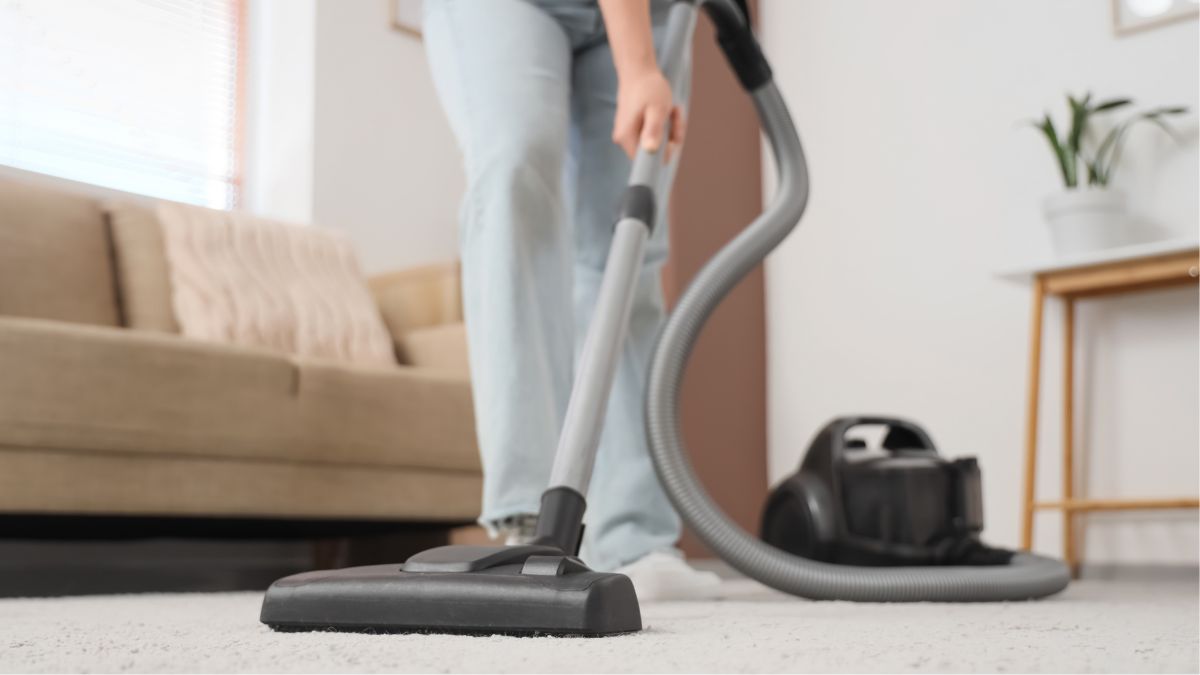
Every home has its obvious vacuum zones — the living room carpet, the bedroom floor, the hallway runner — but the spots that quietly accumulate the most dust and debris are almost never the ones in plain sight. Allergens, pet hair, crumbs, and fine particles find their way into corners, crevices, and surfaces that rarely see the nozzle of a vacuum. Keeping a truly clean home means thinking beyond the floor and approaching every room with a more curious and thorough eye. These are the fifteen areas most people skip entirely, and making them part of your regular routine will make a noticeable difference in air quality, hygiene, and overall freshness.
Mattress Surface
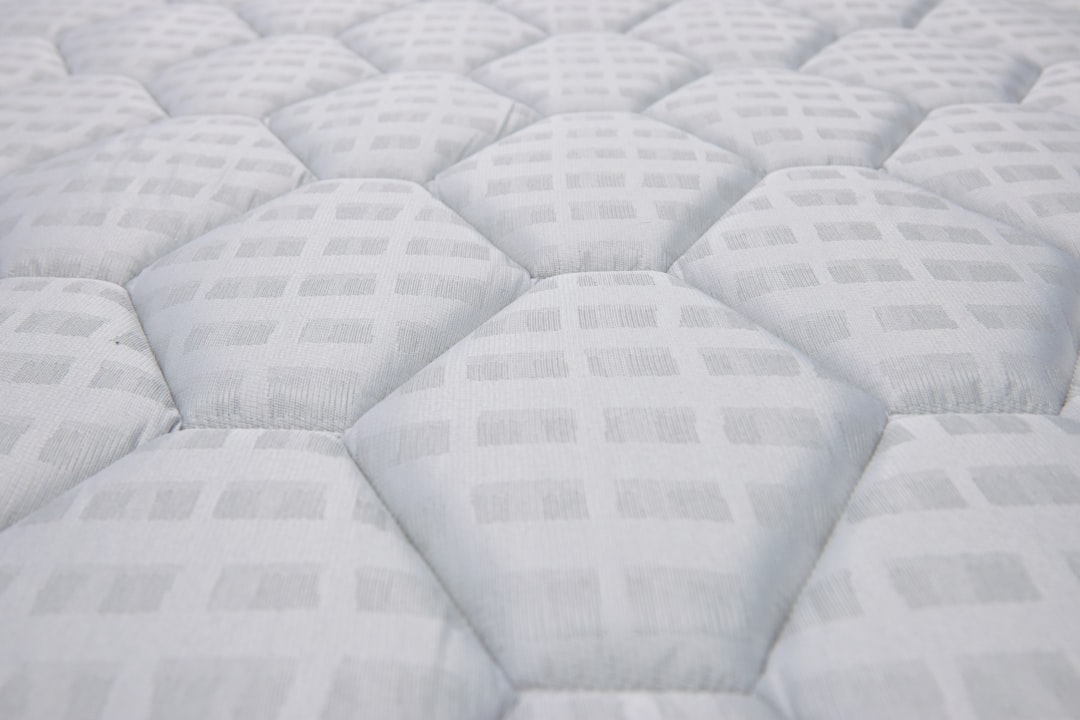
Most people strip their sheets and toss them in the wash without ever running a vacuum over the mattress itself. Dead skin cells, dust mites, pet dander, and fine debris accumulate in the fabric surface over time and contribute to allergy symptoms and poor sleep quality. Using the upholstery attachment on a slow pass across the entire mattress surface removes far more than washing sheets alone. Flip or rotate the mattress seasonally and vacuum both sides for the most thorough result. This simple habit dramatically reduces the dust mite population living in your bed.
Sofa Cushions
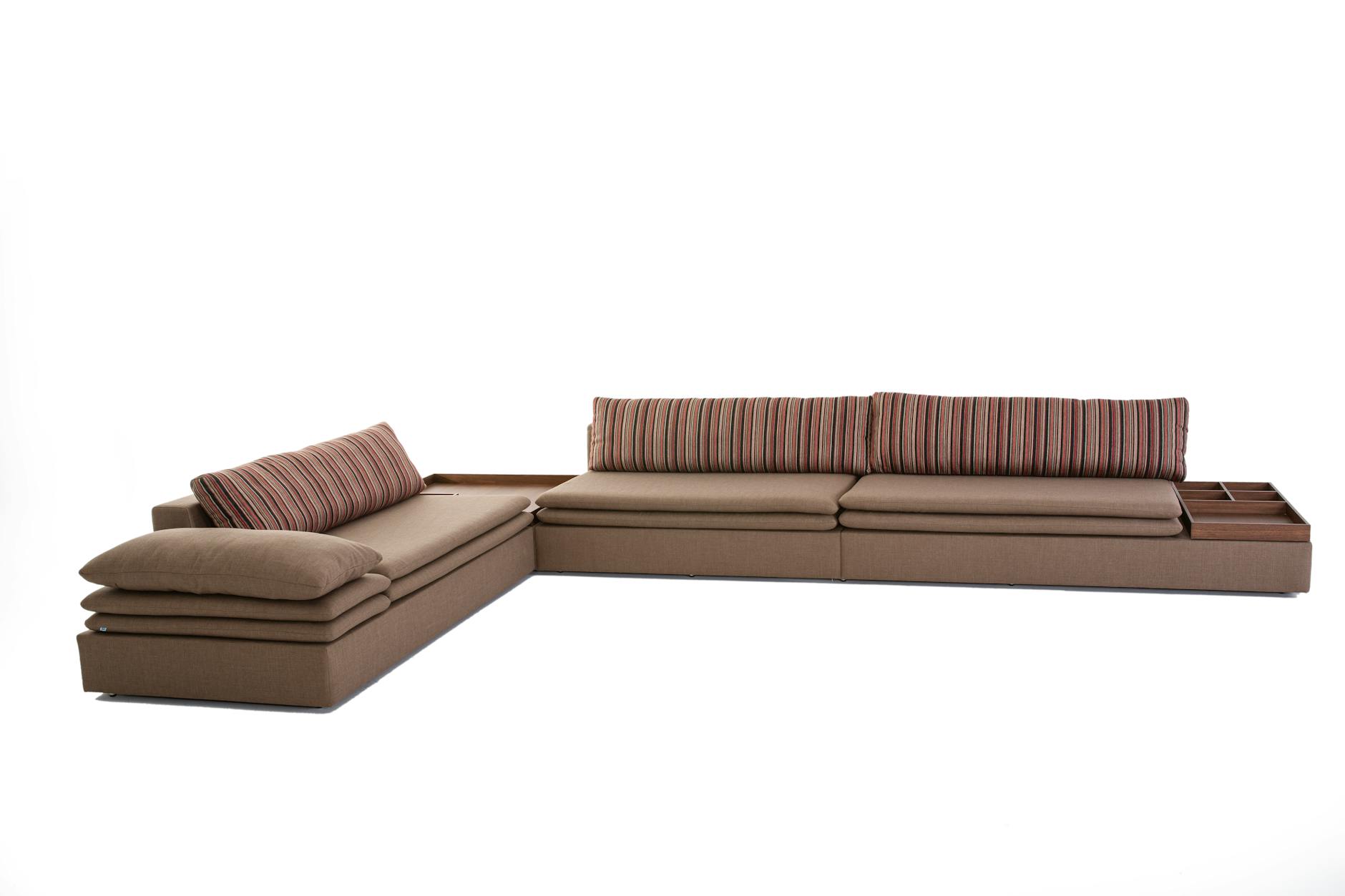
The gaps between and beneath sofa cushions are among the most debris-dense spots in any living room. Crumbs, hair, coins, pet fur, and fine dust collect in the crevices every single day without most people giving them a second thought. Remove each cushion individually and vacuum the fabric surface on both sides before targeting the base of the sofa beneath them. The crevice tool is especially effective for reaching the tight seams along the sides and back. Regular attention here keeps upholstered furniture smelling fresh and extending its lifespan.
Curtains and Drapes
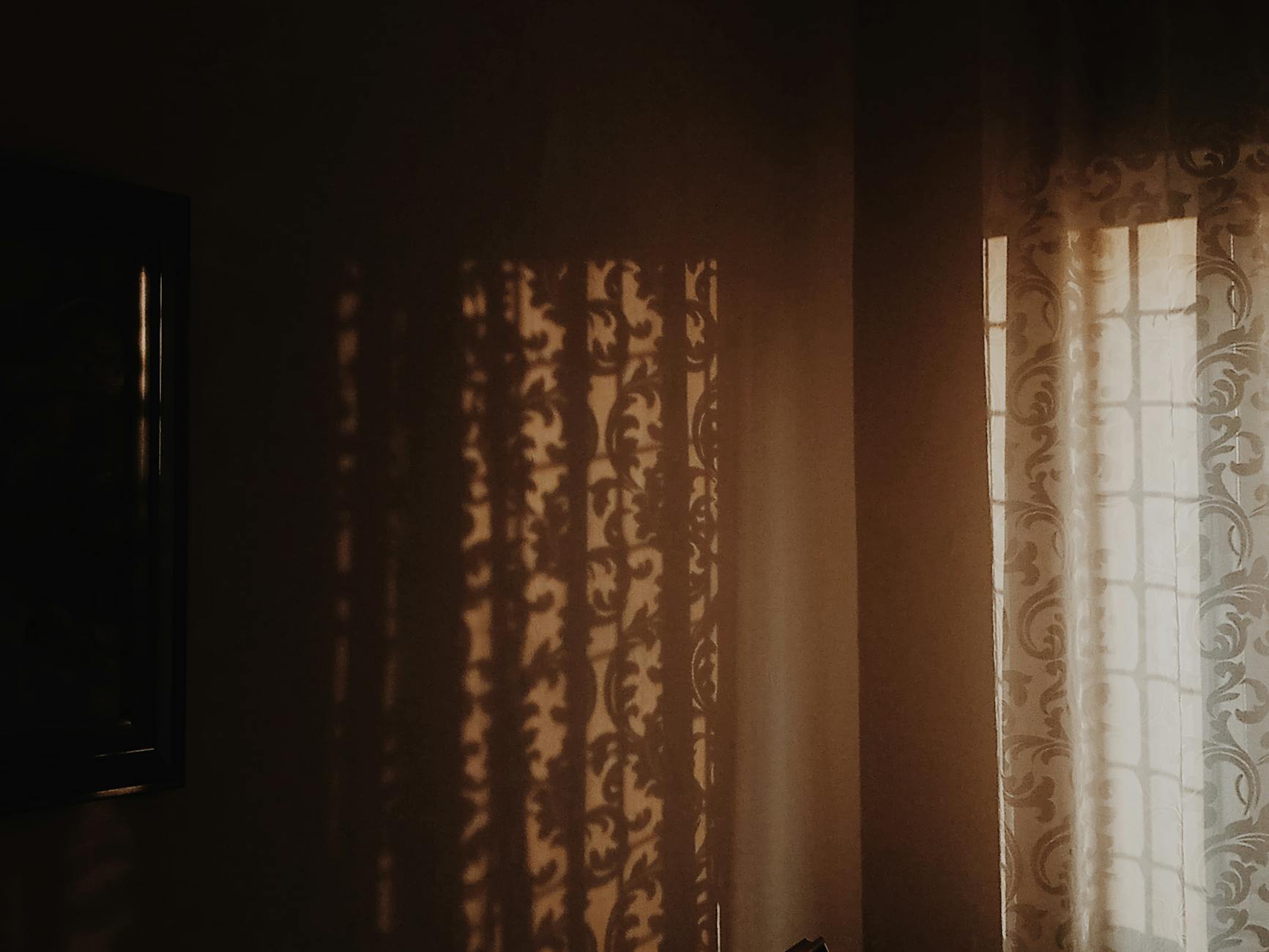
Fabric window treatments act as passive dust collectors that hang largely unnoticed between deep cleans. Every time a window is opened or a curtain is drawn, fine particles are disturbed and redistributed into the air of the room. Running the upholstery brush attachment down the length of curtains on a low suction setting lifts surface dust without damaging delicate fabric. Pay particular attention to the tops of curtains near the rod where accumulation is heaviest. Vacuuming them monthly reduces airborne dust and keeps the fabric looking and smelling clean.
Baseboards

The narrow ledge along the base of every wall in your home collects a surprising amount of dust, hair, and debris that floor vacuuming simply pushes past. Dust clings to painted or wooden baseboards through static and settles there undisturbed for weeks or months at a time. The brush attachment works well for running along the full length of baseboards in each room, loosening and lifting buildup efficiently. This is especially important in bedrooms and hallways where foot traffic stirs particles into the air regularly. Including baseboards in your vacuuming circuit prevents that telltale grey line that accumulates along the wall.
Air Vents
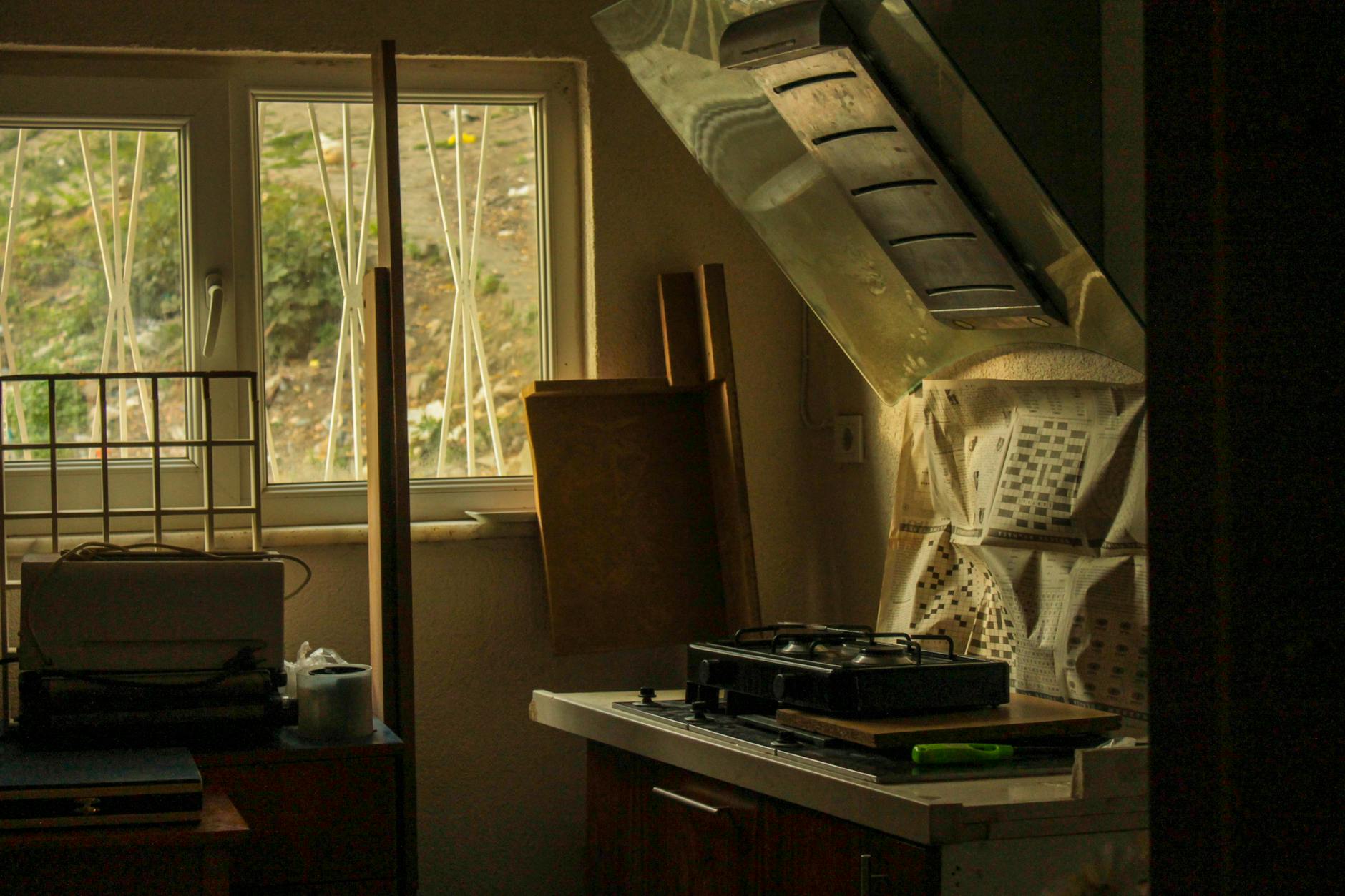
Ceiling and floor air vents circulate conditioned air throughout the home and catch an enormous amount of dust and debris in the process. When vents are left unvacuumed, the buildup gets pushed back into the air supply and redistributed throughout every room. Use the brush attachment to clean the slats and surrounding area of each vent cover without removing it, or unscrew the cover and vacuum it separately for a more thorough job. Vents in hallways and bedrooms tend to accumulate the most dust and deserve priority attention. Cleaning them every few weeks supports better air quality and keeps your HVAC system running more efficiently.
Window Sills

Window sills collect dead insects, dust, pollen, soil tracked in from outside, and general debris that accumulates out of eye level on a daily basis. When windows are opened, the sill becomes a landing zone for everything carried in by the breeze. The crevice tool is ideal for getting into the corners and channels of the sill where debris packs tightly and is difficult to wipe away dry. Vacuuming before wiping down means less mess and a more effective clean overall. Sills in kitchens and bathrooms especially benefit from regular vacuuming due to the additional moisture and grease in those environments.
Lampshades
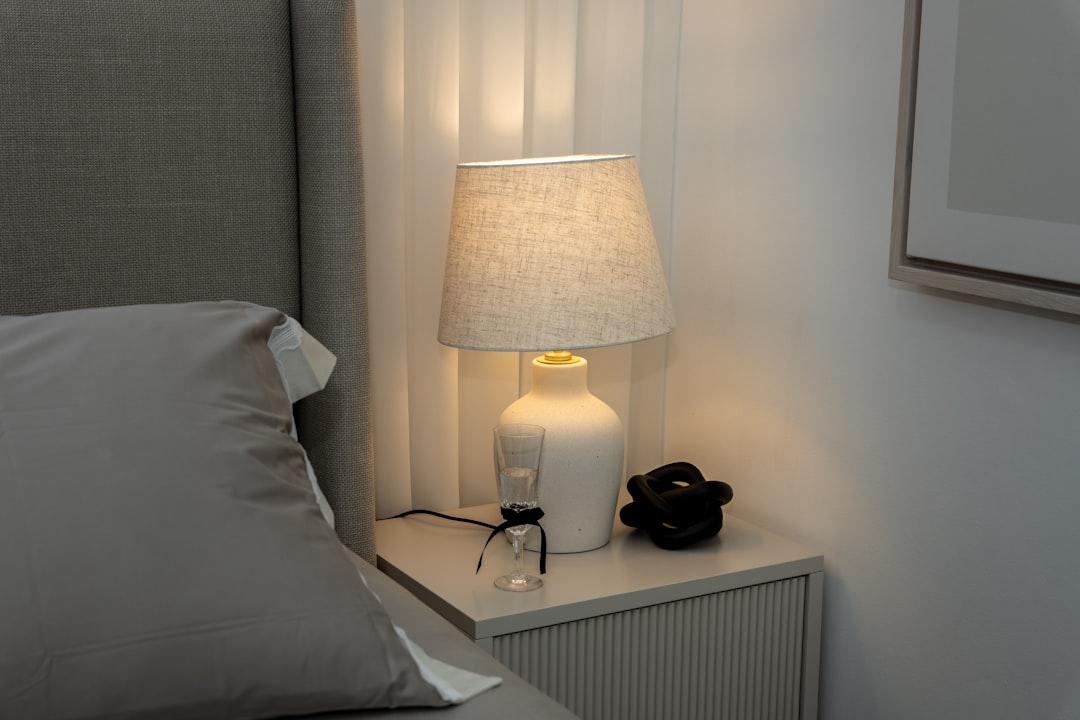
Fabric and paper lampshades are magnets for dust that most people only notice when light shines directly through them. The warm air rising from the bulb creates a gentle upward current that draws fine particles toward the shade and traps them in the material. A soft brush attachment on the lowest suction setting works well to lift dust from pleated or fabric shades without pulling them out of shape. Drum shades and empire-style shades benefit from a top-down motion following the natural grain of the material. Including lampshades in your dusting and vacuuming rotation keeps light quality bright and rooms looking much cleaner overall.
Refrigerator Coils
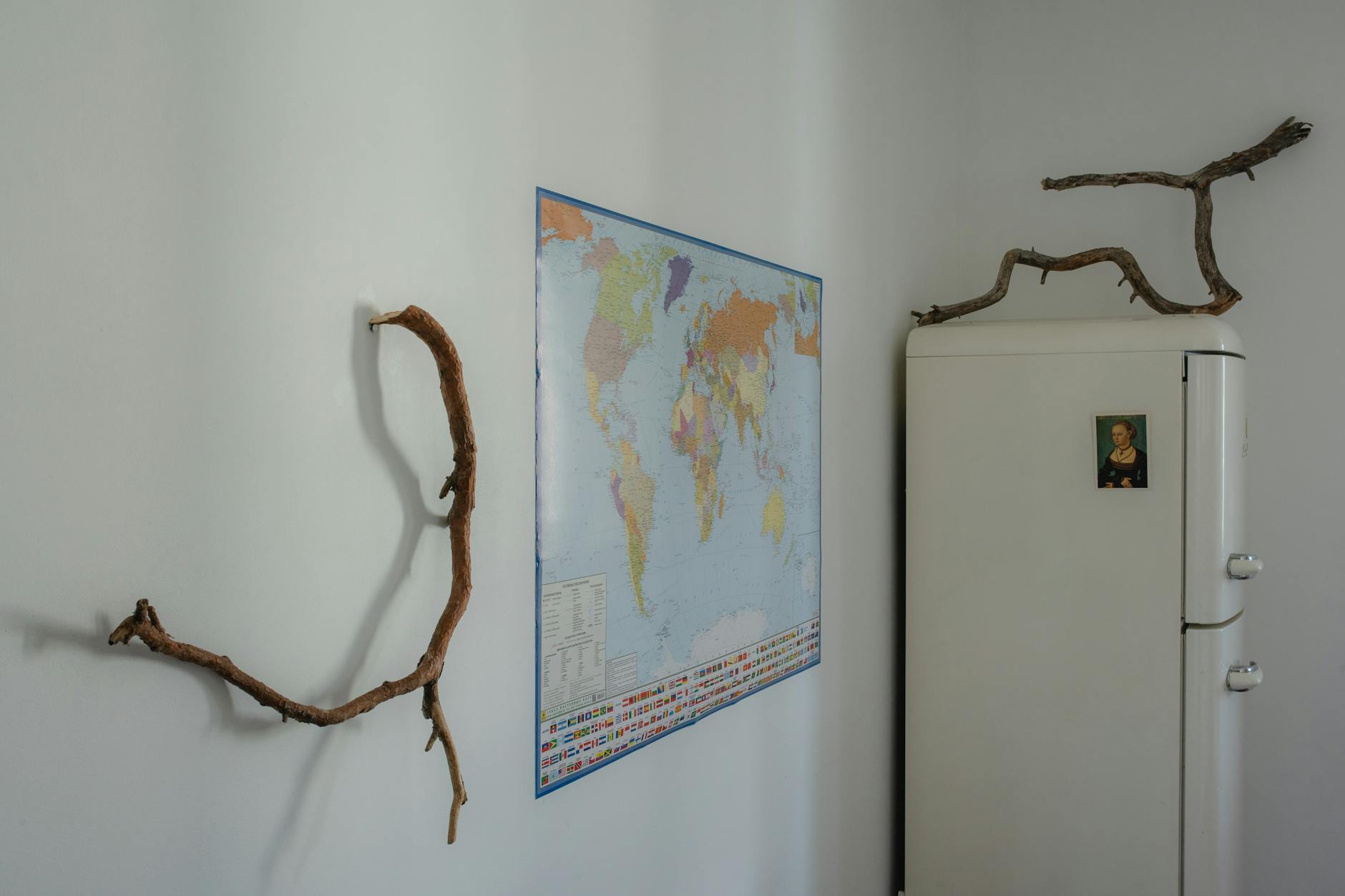
The coils at the back or base of the refrigerator are one of the single dustiest spots in any home and are almost universally ignored. Dust and pet hair build up around these coils and force the appliance to work harder to maintain its temperature. Pulling the refrigerator away from the wall or removing the kick plate at the base reveals an often alarming accumulation of fine grey debris. The crevice and brush attachments handle this area well, reaching into the coil fins without causing damage. Vacuuming the coils every few months also helps extend the life of the appliance and can reduce energy consumption.
Under Appliances

The floor space beneath the refrigerator, oven, washing machine, and dishwasher collects years of debris that sweeping and mopping never reach. Hair, crumbs, dust bunnies, and small debris slide or roll under these appliances and accumulate in thick layers over time. A flat vacuum attachment or a long flexible hose extension can reach several inches beneath most appliances without requiring them to be moved. Washing machines and dryers are especially prone to lint buildup beneath and behind them, which can also pose a minor fire risk if left unaddressed. Adding these spaces to a quarterly deep clean removes a significant amount of hidden buildup from your home.
Bookshelves

Book spines, shelf surfaces, and the tops of stacked items on shelving units collect some of the finest and most stubborn dust in any room. Books themselves trap particles along their spines and edges, and the horizontal surface of each shelf becomes a dust runway between cleanings. A soft brush attachment is gentle enough to run along a row of books without disturbing their arrangement. The tops of shelving units that sit below eye level are particularly easy to overlook and can hold a surprisingly thick layer of grey dust. Regular vacuuming of bookshelves reduces the need for intensive dusting sessions and keeps the room feeling genuinely clean.
Stair Edges
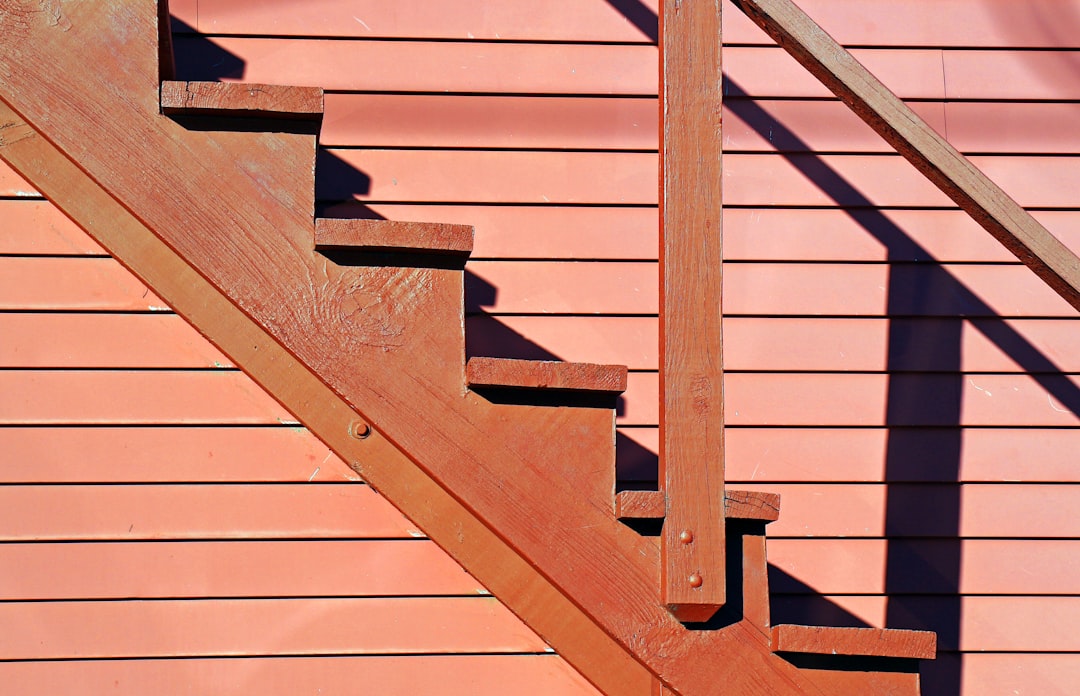
The edge of each stair where the vertical riser meets the horizontal tread is a high-traffic dust trap that standard vacuuming often misses. Foot traffic presses debris into the seam along the back and sides of each step, where it packs in tightly and resists casual sweeping. The crevice tool is the best option here, working along the full length of each stair edge in a slow, deliberate pass. Stair carpets and runners should also be vacuumed against the direction of the pile at least occasionally to lift embedded particles effectively. Stairways in homes with pets or children benefit most from this level of attention given the amount of daily use they receive.
Ceiling Corners
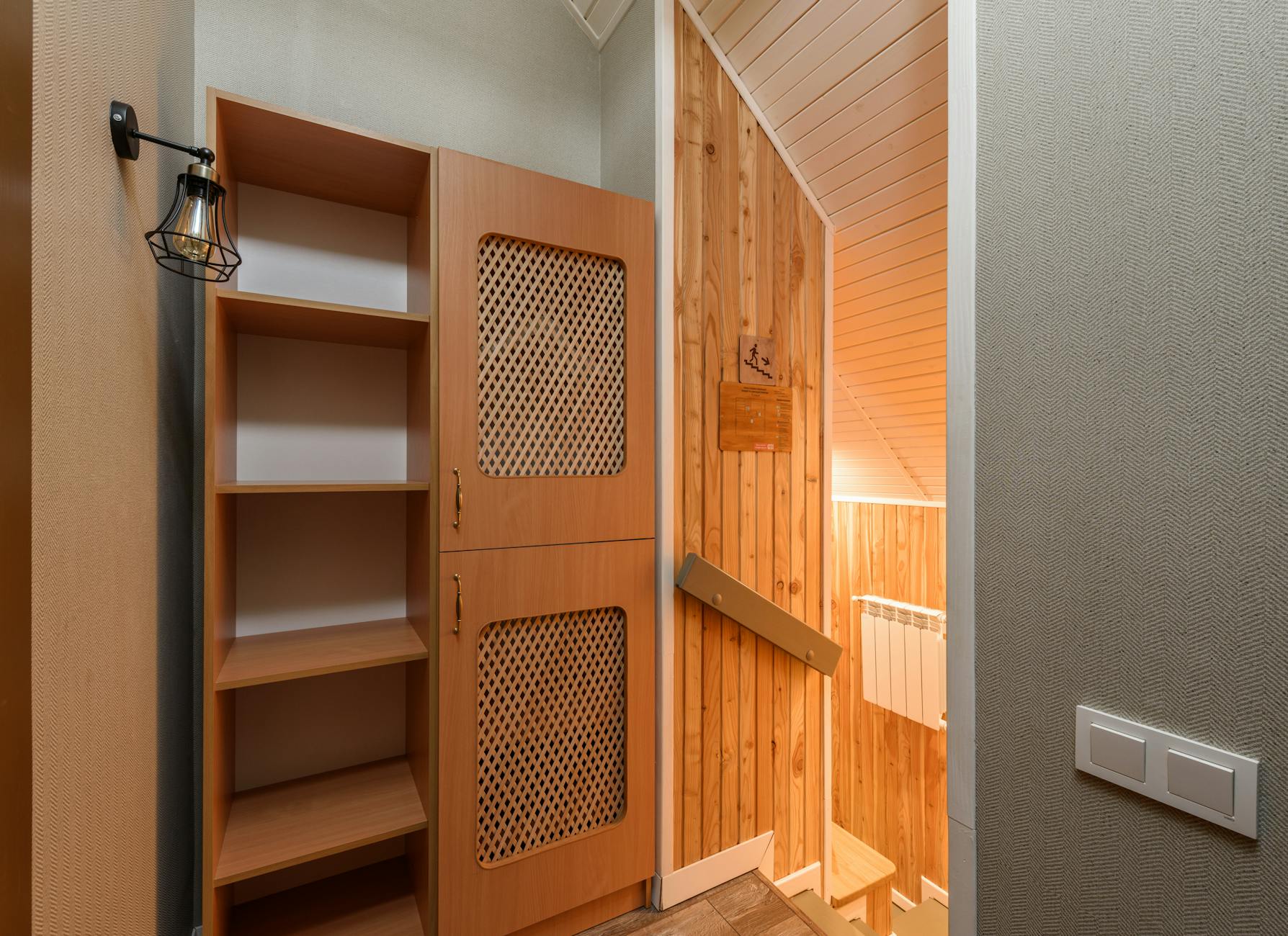
The upper corners of every room in the house accumulate cobwebs, dust clusters, and airborne particles that settle high above normal cleaning range. Warm air rises and carries fine debris upward, where it collects along the join between walls and ceiling and along light fixtures and crown molding. Most vacuum cleaners can reach ceiling corners with an extended wand and brush attachment, covering the area without the need for a ladder. Working around the perimeter of each room in a systematic sweep prevents missed spots and distributes the task efficiently. Even rooms that appear visually clean at eye level often reveal significant accumulation once the ceiling corners are examined.
Car Interior
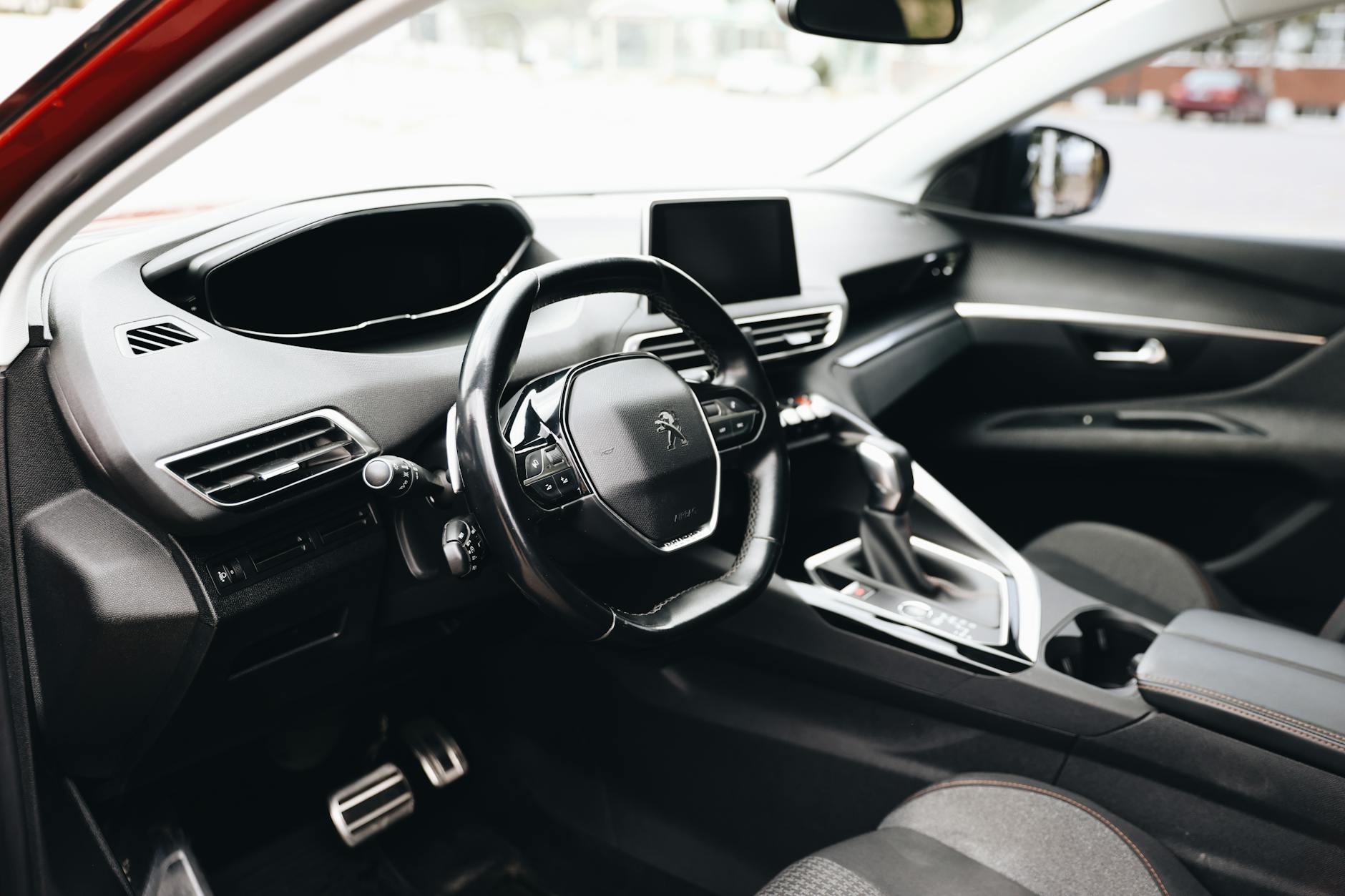
The interior of a car is one of the most heavily used spaces most people occupy daily, yet it rarely receives the same level of vacuuming attention as rooms in the home. Crumbs, sand, hair, pollen, and fine debris accumulate in the seat seams, under the seats, in the footwells, and in the tracks where seats slide forward and back. The crevice tool is especially valuable for getting into the tight channel along the base of the seat and along the console. Under-seat areas often hold the largest concentration of debris and should be reached by sliding the seat fully forward and back during the process. A thorough car vacuum every few weeks keeps the interior hygienic and prevents ingrained odors from developing.
Pet Bedding

Even in homes where pets are groomed regularly, pet beds accumulate fur, dander, dirt, and debris at a rate far exceeding most other surfaces in the home. Many pet owners wash the cover of a pet bed but skip vacuuming the foam or filler insert inside, which holds a significant amount of embedded material. Using the upholstery tool on the full surface of the pet bed including the sides and base removes what washing alone cannot always reach. If the bed cover is removable, vacuuming the bare insert before placing a clean cover back is particularly effective. Doing this weekly alongside a wash cycle dramatically reduces allergens and keeps pet sleeping areas genuinely fresh.
Closet Floors
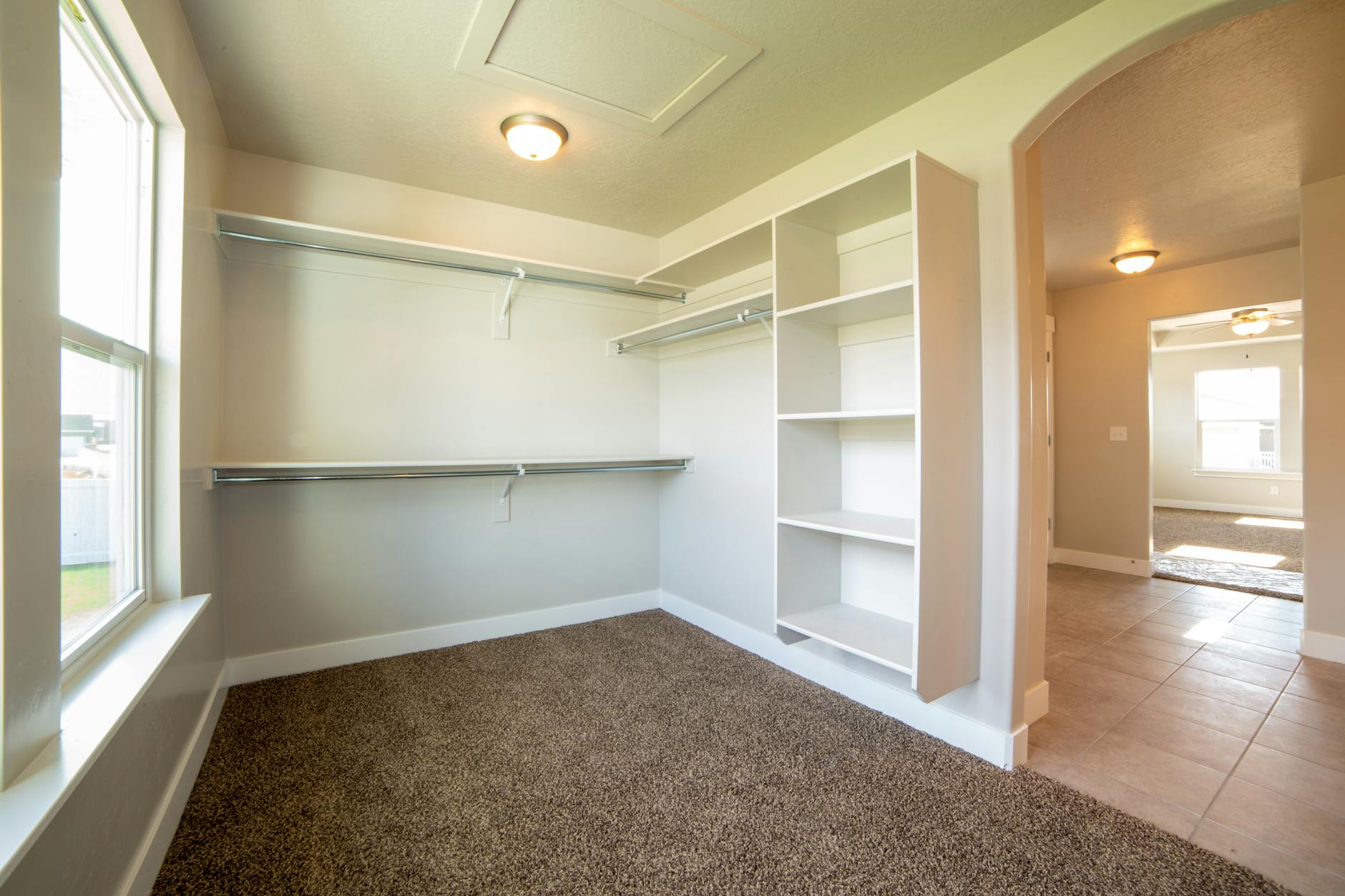
Closet floors are walked on, stacked with bags and boxes, and covered with the hems of hanging clothes, yet they are among the least frequently vacuumed surfaces in any home. Dust, hair, and debris fall from clothing, shoes, and shelving above and settle into corners and along the base of the walls where they accumulate undisturbed. Pulling shoe racks and storage bins away from the walls periodically allows for a thorough pass with the vacuum across the full closet floor. The corners at the base of the closet walls are particularly prone to dense debris buildup and respond well to the crevice attachment. Including closet floors in your regular vacuuming schedule keeps clothing smelling fresh and prevents the musty quality that unventilated, unclean closets develop over time.
Which of these spots surprised you most? Share your thoughts in the comments.